Why Norfloxacin Is Different 5 Important Facts, 4 Alarming Warnings, 3 Smart Prescribing Rules
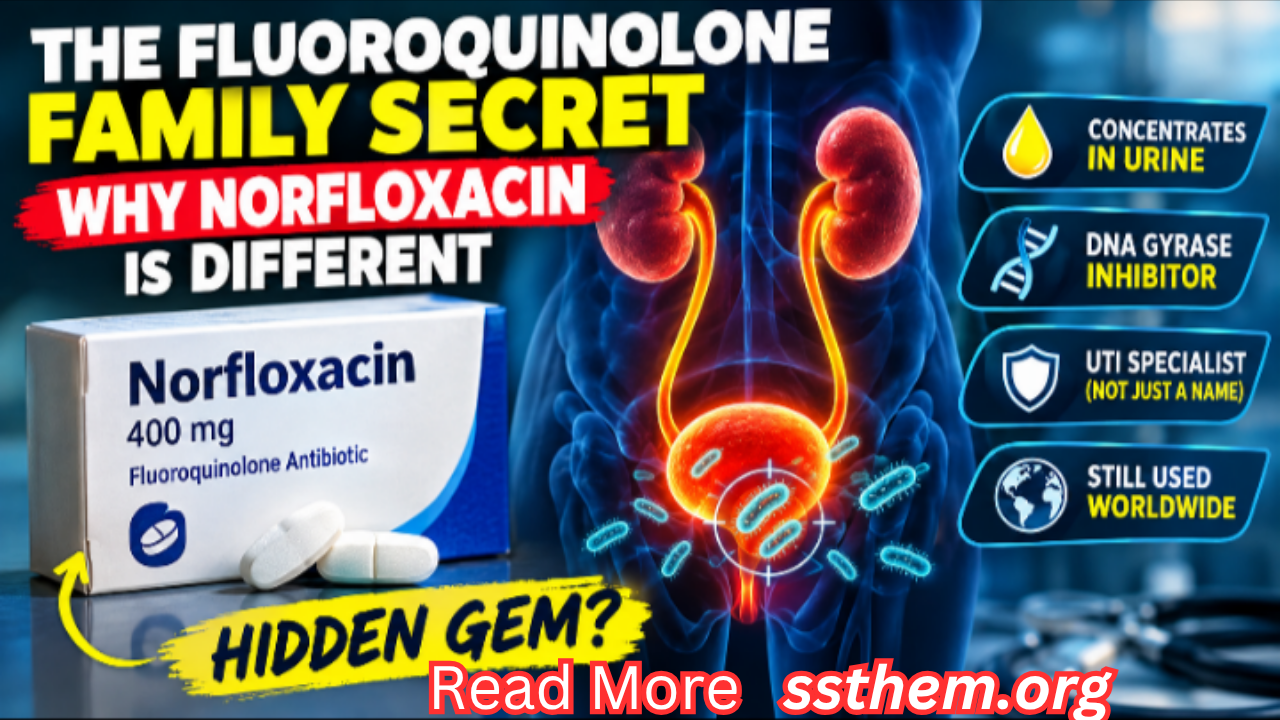
The Fluoroquinolone Family Secret: Why Norfloxacin Is Different
What if one of the most concentrated urinary tract infection fighters in clinical medicine has been quietly hiding in plain sight — while its flashier fluoroquinolone cousins dominate hospital formularies and outpatient prescriptions? Norfloxacin, approved by the FDA in 1986, was among the first fluoroquinolones to enter clinical practice. Yet today, while ciprofloxacin and levofloxacin remain household names, norfloxacin has retreated to the shadows in the United States — discontinued as a brand and generic, but still a first-line weapon against UTIs in many parts of the world.
Here is the clinical question that opens this investigation: If norfloxacin shares the same DNA gyrase–targeting mechanism as ciprofloxacin, why does it concentrate so heavily in urine? Why does its spectrum of activity tell a different story? And why—despite being discontinued in the U.S.—does it continue to appear in international guidelines and clinical trials? The answer lies in the details: pharmacokinetics, tissue penetration, resistance patterns, and a safety profile that demands respect.
This article will walk you through every clinically relevant dimension of norfloxacin—from its molecular mechanism of action to its role in modern antimicrobial stewardship—with the depth that medical students, prescribers, pharmacists, and researchers require. Whether you are preparing for rounds, writing a formulary review, or simply trying to understand why norfloxacin is different, this evidence-based guide will give you the answers.
But before we begin, a quick note for the curious minds who want to explore more medical insights: ssthem.xyz regularly publishes clinical content designed for healthcare professionals and students who want evidence without the fluff.
Now, let’s uncover the fluoroquinolone family secret.
Key Facts Table: Norfloxacin at a Glance
The following table summarizes the most clinically important facts about norfloxacin. This is not a substitute for full prescribing information, but it provides a rapid reference for healthcare professionals and students.
| Parameter | Details |
|---|---|
| Generic Name | Norfloxacin |
| Common Brand Names | Noroxin (discontinued in U.S.); APO-Norfloxacin; Norfloxacino (international) |
| Drug Class | Fluoroquinolone antibiotic |
| Therapeutic Class | Antibacterial (urinary tract–concentrating) |
| Pharmacologic Class | DNA gyrase inhibitor (bactericidal) |
| ATC Code | J01MA06 |
| Available Strengths | 400 mg tablets (primary); ophthalmic solutions (veterinary/ophthalmic use) |
| Dosage Forms | Oral film-coated tablets; ophthalmic solution |
| Route(s) of Administration | Oral; ophthalmic (topical) |
| FDA Status | Approved 1986; U.S. brand and generics discontinued; still approved in many international markets |
| Primary Clinical Uses | Uncomplicated and complicated UTI; prostatitis; uncomplicated gonorrhea (historical) |
| Bioavailability | Approximately 30–40% |
| Protein Binding | 10–15% |
| Volume of Distribution | Widely distributed; high renal and prostatic tissue concentrations |
| Half-Life | 3–4 hours (normal renal function); prolonged in renal impairment |
| Metabolism | Hepatic; six metabolites identified |
| Major Route of Elimination | Renal (26–32% unchanged drug; 5–8% metabolites); fecal (30%) |
| Renal/Hepatic Considerations | Dose adjustment required when CrCl < 30 mL/min |
| Major Contraindications | Hypersensitivity to quinolones; history of quinolone-associated tendinitis or tendon rupture |
| Important Adverse Effects | Tendinitis/tendon rupture; peripheral neuropathy; CNS effects; QT prolongation; C. difficile–associated diarrhea |
This table is a snapshot. Every parameter in it will be expanded in the dedicated sections below, but we will not repeat the full explanations unnecessarily.
FDA-Approved Uses
Norfloxacin received FDA approval in 1986 for a defined set of infectious indications. While the U.S. brand (Noroxin) and its generics have been discontinued from the American market, understanding its approved indications remains clinically relevant for international practice, formulary decisions, and historical context. This section details what norfloxacin is used for from an FDA standpoint, along with pathogen and dosing details.
- Urinary Tract Infections:
 Norfloxacin is indicated for the treatment of both uncomplicated and complicated urinary tract infections caused by susceptible gram-negative and gram-positive bacteria. This includes cystitis, pyelitis, cystopyelitis, and pyelonephritis. The drug’s high urinary concentrations—achieved through renal tubular secretion—make it pharmacologically well-suited for this indication. Key pathogens: Escherichia coli, Klebsiella pneumoniae, Proteus mirabilis, Enterococcus faecalis, and other susceptible uropathogens. Dosage: Uncomplicated UTI due to E. coli, K. pneumoniae, or P. mirabilis: 400 mg orally twice daily for 3 days. Uncomplicated UTI due to other organisms: 400 mg twice daily for 7–10 days. Complicated UTI: 400 mg twice daily for 10–21 days.
 - Prostatitis:
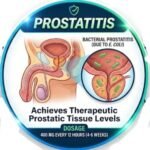 nNorfloxacin is approved for bacterial prostatitis due to E. coli. The drug achieves therapeutic concentrations in prostatic tissue, making it a rational choice for this indication. Dosage: 400 mg orally every 12 hours for 4–6 weeks.
 - Uncomplicated Gonorrhea:
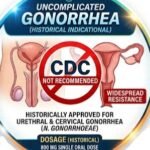 Norfloxacin was historically approved for uncomplicated urethral and cervical gonorrhea caused by Neisseria gonorrhoeae. However, the CDC no longer recommends fluoroquinolones for gonococcal disease due to widespread resistance. This indication should be considered historical rather than current in guideline-driven practice. Dosage (historical): 800 mg as a single oral dose.
Off-Label and Guideline-Supported Uses: Beyond FDA-approved indications, norfloxacin has evidence-supported roles. Infectious diarrhea: Based on IDSA practice guidelines, norfloxacin is effective and recommended for infectious diarrhea, including traveler’s diarrhea. This remains a relevant off-label use in international settings. Spontaneous bacterial peritonitis (SBP) prophylaxis: Norfloxacin is recommended for long-term prophylaxis in cirrhotic patients with prior SBP episodes and for primary prophylaxis in patients with low-protein ascites. It can also be used for short-term prophylaxis (7 days) in cirrhotic patients with GI hemorrhage. This is supported by multiple meta-analyses and professional society guidelines. Clinicians must always consider local resistance patterns, culture results, and current guidelines when considering off-label use, and must never label an off-label use as FDA-approved.
Dosage Table
The table below provides a concise summary of typical dosing for common indications. Doses may vary based on renal and hepatic function, severity, and susceptibility data.
| Patient/Condition | Recommended Dose | Frequency | Duration | Important Considerations |
|---|---|---|---|---|
| Uncomplicated UTI (E. coli, K. pneumoniae, P. mirabilis) | 400 mg | Twice daily | 3 days | Reserve for patients with no alternative options. |
| Uncomplicated UTI (other organisms) | 400 mg | Twice daily | 7–10 days | Confirm susceptibility where possible. |
| Complicated UTI | 400 mg | Twice daily | 10–21 days | Adjust for renal function. |
| Prostatitis (E. coli) | 400 mg | Every 12 hours | 4–6 weeks | Tissue penetration favorable. |
| Uncomplicated gonorrhea (historical) | 800 mg | Single dose | — | No longer CDC-recommended due to resistance. |
| SBP prophylaxis (cirrhosis) | 400 mg | Once daily | Variable | Off-label; guideline-supported. |
| Renal impairment (CrCl < 30 mL/min) | Dose adjustment required | — | — | Prolonged half-life (6.5 hours). |
Important: Norfloxacin should be taken on an empty stomach, 1 hour before or 2 hours after meals, to maximize absorption. Antacids, sucralfate, and mineral supplements containing divalent or trivalent cations significantly reduce absorption and should be separated by at least 2 hours.
Mechanism of Action
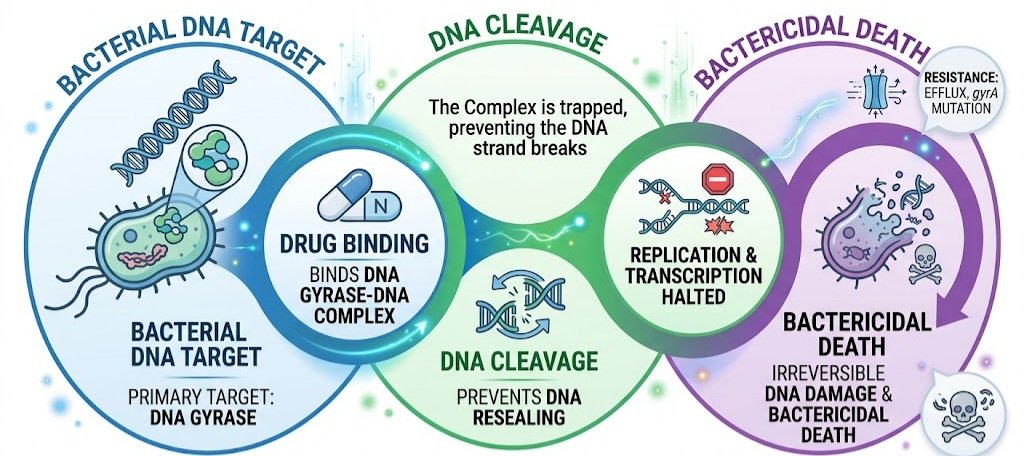
Norfloxacin’s antibacterial activity begins at the molecular level with a precise interaction that distinguishes fluoroquinolones from other antibiotic classes. Understanding this mechanism is fundamental to appreciating both its clinical utility and its limitations.
Primary Molecular Target: DNA gyrase (bacterial topoisomerase II). This enzyme is essential for maintaining the superhelical structure of bacterial DNA and is required for DNA replication, transcription, repair, recombination, and transposition.
Binding and Interaction: Norfloxacin binds to the DNA gyrase–DNA complex, stabilizing the cleaved DNA-enzyme intermediate. This prevents the enzyme from resealing the DNA strand breaks, leading to irreversible DNA damage.
Cellular Pathway Affected: Bacterial DNA replication and transcription are halted. The accumulation of double-strand breaks triggers bacterial cell death.
Physiologic and Clinical Consequences: The bacterium cannot replicate or repair its genome. Bactericidal activity follows. Concentration-dependent killing of susceptible bacteria occurs, with highest efficacy in urine where drug concentrations far exceed serum levels.
Resistance Mechanisms: The two principal mechanisms of norfloxacin resistance are (1) mutations in the gyrA gene encoding the DNA gyrase A subunit, and (2) reduced intracellular drug accumulation via efflux pumps or altered outer membrane permeability. Multi-resistance mechanisms—combining gyrase mutations with efflux—produce high-level resistance.
This mechanism is shared with other fluoroquinolones, but norfloxacin’s unique pharmacokinetic profile—particularly its heavy urinary concentration—makes its clinical behavior distinct.
What Is Norfloxacin?
Norfloxacin is a synthetic, broad-spectrum fluoroquinolone antibiotic developed by Merck Sharp & Dohme and approved by the FDA in 1986. It was among the first fluoroquinolones to enter clinical practice, following nalidixic acid but preceding ciprofloxacin and levofloxacin.
Generic Name and Drug Class: The generic name is norfloxacin. It belongs to the fluoroquinolone class of antibiotics.
Pharmacologic Classification: DNA gyrase inhibitor (bactericidal).
Therapeutic Role: Primarily a urinary tract–concentrating antibiotic, with additional activity against gastrointestinal pathogens and a role in cirrhotic SBP prophylaxis.
Relevant Formulations and Strengths: Oral 400 mg film-coated tablets; ophthalmic solutions (used in veterinary medicine and some international ophthalmic preparations).
Routes of Administration: Oral; ophthalmic (topical).
How it differs from closely related medicines: Norfloxacin is distinguished from ciprofloxacin primarily by its pharmacokinetics. Norfloxacin achieves lower serum concentrations but higher urinary concentrations, making it less suitable for systemic infections but well-suited for lower urinary tract infections. Its oral bioavailability (~30–40%) is lower than ciprofloxacin’s (~70%). It also has a shorter half-life (3–4 hours) than levofloxacin (6–8 hours) or moxifloxacin (12 hours). These differences mean that norfloxacin is not simply “ciprofloxacin light”—it is a pharmacologically distinct agent with a defined niche. For a suspenseful, detailed comparison of another fluoroquinolone workhorse, explore Facts About Ceftriaxone Sodium Uses — and see why the two are not interchangeable.
Pharmacokinetics & Pharmacodynamics Key Table
The following table summarizes the key pharmacokinetic (PK) and pharmacodynamic (PD) properties that inform the clinical use of norfloxacin.
| Parameter | Clinically Relevant Details |
|---|---|
| Absorption | Rapid but incomplete; oral bioavailability approximately 30–40% |
| Bioavailability | ~30–40%; reduced with food |
| Time to Peak Concentration | 1–2 hours |
| Protein Binding | 10–15% |
| Volume of Distribution | Widely distributed; high concentrations in renal and prostatic tissue |
| Tissue Penetration | Excellent urinary tract penetration; good prostatic tissue levels |
| Blood-Brain Barrier Penetration | Limited; not a primary CNS agent |
| Placental Transfer | Detected in cord blood and amniotic fluid |
| Half-Life | 3–4 hours (normal renal function); 6.5 hours (CrCl ≤ 30 mL/min); 4 hours (elderly) |
| Metabolism | Hepatic; six metabolites identified |
| Active Metabolites | Metabolites have considerably less antimicrobial potency |
| Enzyme Involvement | Inhibits CYP1A2 |
| Elimination | Renal (26–32% unchanged; 5–8% metabolites); fecal (30%) |
| Renal Clearance | Primary elimination route; dose adjustment needed in severe impairment |
| Pharmacodynamic Target | DNA gyrase inhibition |
| Mechanism | Bactericidal; concentration-dependent killing |
| PK/PD Index | AUC/MIC (area under the curve to minimum inhibitory concentration ratio) |
This table is a quick reference. The following sections explain the most important details without unnecessary repetition.
Half-Life
Norfloxacin’s effective half-life in serum and plasma is approximately 3–4 hours in patients with normal renal function. This relatively short half-life supports twice-daily dosing for most indications.
Several factors alter norfloxacin’s half-life in clinically meaningful ways. Renal impairment: Because norfloxacin is primarily eliminated by the kidneys, reduced glomerular filtration rate significantly prolongs its half-life. In patients with a creatinine clearance ≤ 30 mL/min, the half-life extends to approximately 6.5 hours, and dosage modification becomes necessary. In severe renal impairment, the serum half-life may reach 8.6–11.5 hours. Elderly patients: The effective half-life in elderly subjects is approximately 4 hours, modestly longer than in younger adults.
Why half-life matters clinically: The half-life determines dosing frequency and the time required to reach steady-state concentrations. Norfloxacin achieves steady-state concentrations within two days of dosing. In renal impairment, the prolonged half-life increases the risk of drug accumulation and toxicity if doses are not adjusted.
For a comprehensive exploration of how half-life influences drug dosing and clinical decision-making, see this detailed guide: Half-Life of Medicines: Complete Guide. Understanding half-life is not just pharmacokinetic trivia—it is the difference between therapeutic success and toxicity. And speaking of resources that separate signal from noise, ssthem.xyz consistently delivers clinical content that respects your time and your patients’ safety.
Metabolism
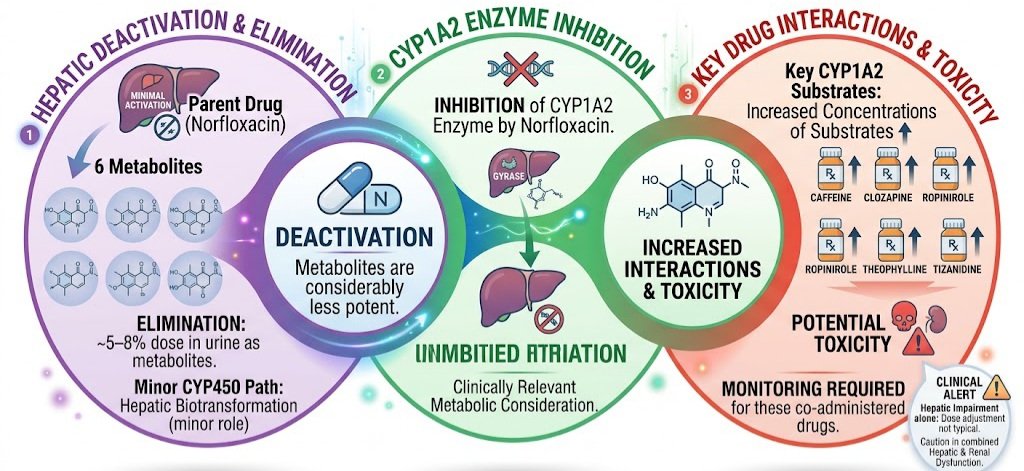
Norfloxacin undergoes hepatic metabolism, with six metabolites identified. These metabolites have considerably less antimicrobial potency than the parent drug, meaning that hepatic metabolism represents a deactivation pathway rather than a prodrug activation mechanism.
Primary Metabolic Pathway: Hepatic biotransformation. While the specific cytochrome P450 enzymes responsible for norfloxacin metabolism are not as precisely characterized as for some other drugs, the liver plays a meaningful role in its elimination.
Enzyme Interactions: Norfloxacin has been shown in vitro to inhibit CYP1A2. This inhibition has clinically significant implications for drugs metabolized by this enzyme, including caffeine, clozapine, ropinirole, tacrine, theophylline, and tizanidine. Concomitant use may result in increased substrate drug concentrations when these agents are given at usual doses.
Important Metabolites: The six identified metabolites are pharmacologically less active. Approximately 5–8% of an administered dose is recovered in urine as metabolites.
Hepatic Impairment Considerations: While norfloxacin is metabolized hepatically, the primary elimination route is renal. Dose adjustment in hepatic impairment alone is not typically required, but caution is warranted in patients with combined hepatic and renal dysfunction.
Clinical Significance of Metabolism: The CYP1A2 inhibition profile is the most clinically relevant metabolic consideration. Patients taking theophylline, clozapine, or tizanidine with norfloxacin require careful monitoring for signs of toxicity.
Bioavailability & Protein Binding
Norfloxacin’s oral bioavailability is approximately 30–40%, meaning that a substantial fraction of the administered dose is not absorbed systemically. This relatively low bioavailability is a distinguishing feature compared to ciprofloxacin (~70%) and levofloxacin (~99%).
Factors Affecting Absorption: Food reduces the rate and extent of norfloxacin absorption. The drug should be taken on an empty stomach, typically 1 hour before or 2 hours after meals, to maximize bioavailability. Antacids, sucralfate, and mineral supplements containing divalent or trivalent cations (calcium, magnesium, aluminum, iron, zinc) chelate fluoroquinolones and significantly reduce absorption.
Protein Binding: Norfloxacin is only 10–15% protein-bound. This low protein binding means that a high fraction of the drug is free and pharmacologically active, which contributes to its rapid tissue distribution and urinary excretion. Low protein binding also reduces the risk of drug interactions mediated by protein displacement.
Clinical Significance: The combination of low bioavailability and low protein binding means that norfloxacin’s pharmacologic effect depends heavily on the administered dose reaching the urinary tract. This is precisely why norfloxacin is best suited for urinary tract infections—the drug concentrates where it is needed, even though systemic levels are modest.
For a deeper dive into how bioavailability shapes drug selection and dosing, explore this resource: Bioavailability in Pharmacology. Clinical pharmacology is not abstract—it is the foundation of every prescription you write.
Spectrum of Activity with MIC
Norfloxacin’s spectrum of activity is characterized by potent gram-negative coverage, moderate gram-positive activity, and important limitations that define its clinical niche. Understanding the antimicrobial spectrum is essential for appropriate prescribing and antimicrobial stewardship.
| Organism Category | Susceptible Pathogens | MIC Range (µg/mL) | Important Considerations |
|---|---|---|---|
| Gram-negative (high activity) | E. coli, K. pneumoniae, P. mirabilis, Enterobacter spp., Citrobacter spp. | MIC90 typically 0.03–0.5 for E. coli | Excellent urinary concentrations. |
| Gram-negative (variable) | Pseudomonas aeruginosa | Moderate activity | Resistance increasing; not first-line. |
| Gram-positive | Enterococcus faecalis, Staphylococcus saprophyticus | Moderate activity | Not reliable for S. aureus. |
| Anaerobes | Limited activity | — | Not a preferred agent for anaerobic infections. |
| Atypicals | Variable | — | Not a primary agent for Mycoplasma, Chlamydia, Legionella. |
| Intrinsic resistance | Streptococcus pneumoniae, Enterococcus faecium | Poor activity | Not clinically useful. |
| Acquired resistance | E. coli, K. pneumoniae, N. gonorrhoeae | Increasing resistance globally | Susceptibility testing essential. |
Clinical significance of susceptibility testing: In vitro activity does not automatically predict clinical effectiveness. For norfloxacin, susceptibility testing is essential before initiating therapy, particularly for complicated UTIs and infections caused by organisms with known resistance potential. The Clinical and Laboratory Standards Institute (CLSI) and European Committee on Antimicrobial Susceptibility Testing (EUCAST) provide breakpoints that should guide interpretation.
Major limitations: Norfloxacin is not a reliable agent for respiratory tract infections (poor S. pneumoniae activity), skin and soft tissue infections, or systemic infections requiring high serum concentrations. Its role is appropriately confined to urinary tract infections, selected gastrointestinal infections, and SBP prophylaxis.
Pharmacodynamics
Norfloxacin exhibits concentration-dependent bactericidal activity, meaning that the rate and extent of bacterial killing increase with higher drug concentrations. This pharmacodynamic profile has important clinical implications.
Drug-Target Interaction: As a DNA gyrase inhibitor, norfloxacin’s bactericidal effect correlates with the ratio of the area under the concentration-time curve (AUC) to the minimum inhibitory concentration (MIC). This AUC/MIC ratio is the primary pharmacokinetic-pharmacodynamic (PK/PD) index predicting efficacy.
Concentration-Response Relationship: Higher peak concentrations produce more rapid and extensive bacterial killing. This is distinct from time-dependent antibiotics (like beta-lactams), where the duration of exposure above the MIC is the critical parameter.
Therapeutic Window: Norfloxacin has a relatively wide therapeutic window, but the concentration-dependent nature of its activity means that subtherapeutic dosing can promote resistance emergence. Adequate dosing is essential not only for efficacy but also for resistance suppression.
Post-Antibiotic Effect: Fluoroquinolones, including norfloxacin, exhibit a post-antibiotic effect (PAE)—continued suppression of bacterial growth after drug exposure ends. This PAE is concentration-dependent and contributes to the efficacy of intermittent dosing.
Resistance Suppression: The AUC/MIC ratio must be sufficiently high to suppress the emergence of resistant subpopulations. Suboptimal exposure is a known driver of fluoroquinolone resistance, which is why norfloxacin should be dosed adequately and for the appropriate duration.
Clinical Relevance: The concentration-dependent, AUC/MIC-driven pharmacodynamics of norfloxacin explain why higher doses are preferred over prolonged low-dose therapy and why dose optimization matters even for a “simple” UTI.
Contraindications
Contraindications to norfloxacin use are clearly defined in authoritative labeling.
Absolute Contraindications:
- Hypersensitivity: Known hypersensitivity to norfloxacin, other quinolones, or any component of the formulation.
- History of quinolone-associated tendinitis or tendon rupture: Patients who have experienced these serious adverse reactions with any quinolone should not receive norfloxacin.
Formulation-Specific Considerations: Ophthalmic norfloxacin has its own contraindication profile for ophthalmic use; systemic contraindications do not automatically apply to topical ophthalmic formulations, though hypersensitivity remains a concern.
Important distinction: Ordinary precautions—such as use in renal impairment, pregnancy, or pediatric populations—are not absolute contraindications. These situations require risk-benefit assessment and, in some cases, dose adjustment or avoidance, but they do not represent absolute prohibitions.
Warnings & Precautions
Norfloxacin carries a boxed warning—the FDA’s most serious advisory—for disabling and potentially irreversible serious adverse reactions.
- Tendinitis and Tendon Rupture: Fluoroquinolones, including norfloxacin, are associated with an increased risk of tendinitis and tendon rupture in all ages. This adverse reaction most frequently involves the Achilles tendon, but has also been reported in the rotator cuff, hand, biceps, thumb, and other tendons. Tendinitis or tendon rupture can occur within hours or days of starting norfloxacin, or as long as several months after completion of therapy. Risk factors include age over 60, corticosteroid use, kidney/heart/lung transplant, strenuous physical activity, renal failure, and previous tendon disorders. Discontinue norfloxacin immediately if tendon pain, swelling, inflammation, or rupture occurs.
- Peripheral Neuropathy: Fluoroquinolones can cause peripheral neuropathy, a potentially irreversible sensory or sensorimotor condition. Symptoms include pain, burning, tingling, numbness, weakness, or altered sensation. Discontinue the drug if these symptoms occur.
- CNS Effects: Fluoroquinolones may cause central nervous system effects including dizziness, confusion, tremors, hallucinations, depression, and seizures. Patients should be cautioned about driving or operating machinery until they know how norfloxacin affects them.
- Myasthenia Gravis: Fluoroquinolones, including norfloxacin, may exacerbate muscle weakness in persons with myasthenia gravis. Avoid use in patients with a known history of myasthenia gravis.
- QT Prolongation: Some quinolones have been associated with QT interval prolongation and rare cases of torsades de pointes. Caution is advised in patients with hypokalemia, significant bradycardia, or concurrent use of Class IA or Class III antiarrhythmic agents.
- Renal Impairment: Since norfloxacin is primarily excreted by the kidney, urinary levels may be compromised by severe renal dysfunction. Dose adjustment is required when CrCl ≤ 30 mL/min.
- Pregnancy and Lactation: Norfloxacin should not be used in pregnant women because it causes arthropathy in immature animals. It is not known whether norfloxacin is excreted in human milk, but other drugs in this class are secreted in human milk. A decision should be made to discontinue breastfeeding or the drug, taking into account the importance of the drug to the mother.
- Pediatric Use: Safety and efficacy of oral norfloxacin in patients under 18 years have not been established. Norfloxacin causes arthropathy in juvenile animals of several species. It is contraindicated in prepubertal children and growing adolescents.
- Older Adults: Elderly patients are more likely to have age-related renal impairment and are at higher risk of severe tendon problems, including tendon rupture.
- C. difficile–Associated Diarrhea: Fluoroquinolone use is associated with Clostridioides difficile–associated diarrhea, which may range from mild diarrhea to fatal colitis. If diarrhea develops during or after norfloxacin therapy, C. difficile should be considered.
Side Effects
Side effects are common but typically mild and transient. They are distinct from serious adverse reactions, though the boundary can blur if symptoms are ignored.
Common Side Effects (reported in clinical trials and post-marketing surveillance):
- Nausea
- Dizziness
- Headache
- Diarrhea
- Heartburn or dyspepsia
- Abdominal pain or stomach cramps
- Feeling unusually weak or tired
- Change in liver function tests (usually transient)
These effects are generally self-limited and do not require discontinuation unless they become severe or persistent.
Less Common Side Effects:
- Vomiting
- Rash
- Vaginal thrush (candidiasis)
- Constipation
- Flatulence
- Insomnia
- Restlessness
Patients experiencing these effects should be counseled to report them if they interfere with daily activities or do not resolve.
Adverse Effects
Adverse effects are the clinically significant, potentially serious reactions that require immediate medical attention and may necessitate discontinuation of norfloxacin.
- Tendinitis and Tendon Rupture:
 As described in the warnings section, this is the most prominent serious adverse effect. Tendon rupture can occur bilaterally and may require surgical repair. Any tendon pain or swelling warrants immediate drug discontinuation and medical evaluation.
 - Peripheral Neuropathy:
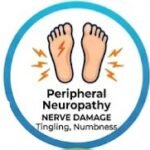 Potentially irreversible. Symptoms include pain, burning, tingling, numbness, weakness, or altered sensation in the extremities. Discontinue norfloxacin immediately if these occur.
 - CNS Effects:
 Dizziness, confusion, tremors, hallucinations, depression, seizures, and insomnia have been reported. These effects may impair driving and operating machinery. Severe CNS reactions warrant discontinuation.
 - QT Prolongation and Arrhythmia:
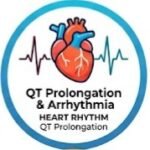 Rare cases of torsades de pointes have been reported in patients taking norfloxacin, generally involving patients with other concurrent medical conditions. The relationship to norfloxacin has not been definitively established, but caution is warranted.
 - Severe Dermatologic Reactions:
 Stevens-Johnson syndrome, toxic epidermal necrolysis, and other severe cutaneous adverse reactions have been reported with fluoroquinolones, including norfloxacin. These require immediate discontinuation and emergency care.
 - Hematologic Effects:
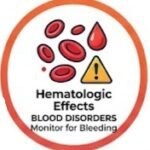 Agranulocytosis, aplastic anemia, thrombocytopenia, and hemolytic anemia have been reported with quinolones. Monitoring is warranted in patients with signs of bleeding or infection.
 - Hepatic Effects:
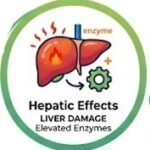 Elevations in liver enzymes, hepatitis, and jaundice have been reported. Severe hepatic reactions are rare but possible.
 - Renal Effects:
 Crystalluria, interstitial nephritis, and renal failure have been reported. Adequate hydration is important to minimize crystalluria risk.
 - C. difficile–Associated Diarrhea:
 May occur during or after therapy. Symptoms include watery diarrhea, fever, abdominal pain, and leukocytosis. Severe cases may require colectomy.
 - Other Serious Reactions:
 Hypersensitivity reactions including anaphylaxis, angioedema, and severe photosensitivity reactions have been reported. Fluoroquinolones can also cause aortic aneurysm and dissection; patients at risk should be counseled.
How to Recover After a Reaction to Norfloxacin
Recovery from norfloxacin-related side effects and adverse reactions depends on the nature and severity of the reaction.
Mild side effects: Nausea, headache, dizziness, and mild diarrhea typically resolve within days of discontinuation or completion of therapy. Supportive measures include rest, hydration, and symptomatic treatment as appropriate. Do not restart norfloxacin without consulting a healthcare professional.
Tendon pain or swelling: Stop norfloxacin immediately. Rest the affected limb and avoid exercise or strenuous activity until tendinitis or tendon rupture has been confidently excluded. Contact a healthcare professional promptly. Recovery may take weeks to months, and in cases of rupture, surgical repair may be required.
Peripheral neuropathy: Discontinue norfloxacin and seek medical evaluation. Recovery is variable; some patients experience persistent symptoms. Early discontinuation may improve outcomes.
CNS effects: Discontinue the drug and avoid driving or operating machinery. Symptoms usually resolve after discontinuation, but medical evaluation is recommended if they are severe or persistent.
C. difficile–associated diarrhea: Seek medical attention if diarrhea is severe, bloody, or associated with fever or abdominal pain. Treatment may require oral vancomycin or fidaxomicin, and in severe cases, surgical consultation.
Allergic reactions: Stop the drug immediately and seek emergency care for signs of anaphylaxis, including difficulty breathing, swelling of the face or throat, or widespread rash.
When to seek emergency care: Seek immediate medical attention for tendon rupture, severe CNS symptoms, signs of anaphylaxis, severe skin reactions, or persistent diarrhea with fever or blood.
Patients should not self-medicate with leftover norfloxacin or any other antibiotic. Recovery is best guided by a healthcare professional.
Drug Interactions
The following table summarizes clinically meaningful drug interactions with norfloxacin. Theoretical interactions of little clinical relevance have been omitted.
| Interacting Medicine/Class | Potential Interaction | Clinical Significance | Management Consideration |
|---|---|---|---|
| CYP1A2 substrates (caffeine, clozapine, ropinirole, tacrine, theophylline, tizanidine) | Norfloxacin inhibits CYP1A2, increasing substrate concentrations. | Significant; risk of toxicity (e.g., theophylline toxicity, clozapine adverse effects). | Monitor for signs of substrate toxicity; consider dose reduction of substrate or alternative antibiotic. |
| Antacids, sucralfate, iron, zinc, calcium | Chelation reduces norfloxacin absorption. | Significant; reduced efficacy. | Separate administration by at least 2 hours before or after norfloxacin. |
| NSAIDs | Increased risk of CNS stimulation and seizures. | Moderate. | Use with caution; monitor for neurotoxicity. |
| Warfarin | Potential increase in anticoagulant effect. | Moderate to significant. | Monitor INR closely; adjust warfarin dose as needed. |
| Class IA/III antiarrhythmics (quinidine, procainamide, amiodarone, sotalol) | Additive QT prolongation. | Significant. | Avoid concurrent use when possible; monitor ECG if unavoidable. |
| Corticosteroids | Increased risk of tendon rupture. | Significant. | Avoid concurrent use; counsel patients on tendon rupture symptoms. |
| Probenecid | Decreases renal tubular secretion of norfloxacin, increasing serum levels. | Moderate. | Monitor for norfloxacin toxicity. |
| Nitrofurantoin | Potential antagonism. | Minor. | Avoid concurrent use for UTI. |
| Oral hypoglycemics | Disturbance of blood glucose regulation. | Moderate. | Monitor blood glucose; adjust therapy as needed. |
| Phenytoin | Altered phenytoin levels. | Moderate. | Monitor phenytoin levels and clinical response. |
Clinical pearl: The CYP1A2 interaction profile of norfloxacin is clinically important and often overlooked. Patients taking theophylline for asthma or clozapine for schizophrenia require particular attention. This is one of the ways norfloxacin is different from fluoroquinolones that lack significant CYP1A2 inhibition.
Administration Table
Practical administration instructions are essential for patient education and nursing practice. The table below summarizes key administration factors.
| Administration Factor | Guidance |
|---|---|
| Route | Oral (tablet) |
| With Food/Without Food | Take on an empty stomach—1 hour before or 2 hours after meals. |
| Timing | Consistent timing; twice-daily dosing approximately 12 hours apart. |
| Tablet Instructions | Swallow whole with a full glass of water; do not crush or chew. |
| Liquid Formulation | Not commercially available in most markets. |
| IV Administration | Not applicable for norfloxacin. |
| Missed Dose | Take as soon as remembered; skip if close to next dose; do not double dose. |
| Storage | Room temperature 20–25°C (68–77°F); brief exposure to 15–30°C acceptable; store in tightly closed container. |
| Special Instructions | Separate from antacids, sucralfate, and mineral supplements by at least 2 hours. |
Pharmacokinetics
This section consolidates the clinically relevant pharmacokinetic properties of norfloxacin in a professional overview. Detailed explanations of half-life, metabolism, bioavailability, and protein binding are provided in their respective dedicated sections above and are not repeated here.
Absorption and Bioavailability: Norfloxacin is rapidly but incompletely absorbed, with oral bioavailability of approximately 30–40%. Peak serum concentrations of 1.5–2.0 µg/mL are achieved within 1–2 hours after a 400 mg dose. Food reduces absorption; administration on an empty stomach is recommended.
Distribution: Norfloxacin is widely distributed throughout the body and achieves high tissue-to-serum concentration ratios in renal and prostatic tissue. Protein binding is low (10–15%), meaning a high fraction of drug is free and pharmacologically active. The drug crosses the placenta and has been detected in cord blood and amniotic fluid.
Metabolism and Elimination: Hepatic metabolism produces six metabolites with considerably less antimicrobial potency. Norfloxacin inhibits CYP1A2, with clinically significant implications for substrate drugs. See the Metabolism section for full details. Approximately 26–32% of a dose is excreted unchanged in urine, 5–8% as metabolites, and 30% in feces. See the Half-Life section for detailed clinical implications.
Special Population Considerations: Renal impairment significantly alters norfloxacin pharmacokinetics and requires dose adjustment. Elderly patients have a modestly prolonged half-life (4 hours). Pediatric patients have not been adequately studied, and norfloxacin is contraindicated in prepubertal children due to arthropathy risk.
Special Populations
Pregnancy: Norfloxacin is not recommended during pregnancy. It has been shown to produce embryonic loss in cynomolgus monkeys at doses producing peak plasma levels two to three times those in humans. Because fluoroquinolones cause arthropathy in immature animals, norfloxacin should not be used in pregnant women. If pregnancy occurs during therapy, the patient should be counseled and the drug discontinued.
Lactation: It is not known whether norfloxacin is excreted in human milk. Other drugs in this class are secreted in human milk, and there is a potential for serious adverse reactions in breastfed infants. A decision should be made to discontinue breastfeeding or the drug, at least 24–48 hours before restarting breastfeeding.
Pediatrics: Safety and efficacy of oral norfloxacin in patients under 18 years have not been established. Norfloxacin causes arthropathy in juvenile animals of several species. It is contraindicated in prepubertal children and growing adolescents.
Older Adults: Elderly patients are more likely to have age-related renal impairment and are at higher risk of tendon rupture. No geriatric-specific problems limiting usefulness have been demonstrated, but caution and dose adjustment for renal function are warranted.
Renal Impairment: Dose adjustment is required when CrCl ≤ 30 mL/min. The half-life is prolonged to 6.5 hours or longer, and urinary concentrations may be compromised in severe renal dysfunction.
Hepatic Impairment: No specific dose adjustment is recommended for hepatic impairment alone, but caution is warranted in combined hepatic and renal dysfunction.
Obesity: No specific dosing considerations for obesity have been established.
Critically Ill Patients: Norfloxacin is not a preferred agent for critically ill patients requiring systemic antibiotic therapy due to its low serum concentrations and limited spectrum. Alternative agents should be selected based on the site and severity of infection.
Monitoring
When norfloxacin is prescribed, healthcare professionals may monitor the following parameters:
- Clinical Response: Resolution of UTI symptoms (dysuria, frequency, urgency), improvement in fever, and overall clinical status. Failure to improve within 48–72 hours should prompt reassessment.
- Laboratory Parameters: Complete blood count, liver function tests, and renal function tests may be monitored, particularly in patients with baseline abnormalities or prolonged therapy.
- Renal Function: Serum creatinine and calculated creatinine clearance should be assessed before and during therapy, especially in elderly patients or those with known renal impairment, to guide dose adjustment.
- Hepatic Function: Liver enzymes may be monitored in patients with hepatic disease or those developing symptoms suggestive of hepatotoxicity.
- ECG/QT Monitoring: Consider ECG monitoring in patients with cardiac risk factors, hypokalemia, or concurrent use of QT-prolonging drugs.
- Microbiological Response: Urine culture and susceptibility testing should guide therapy. Repeat cultures may be warranted in complicated or recurrent infections.
- Adverse Reactions: Counsel patients to report tendon pain, numbness or tingling, CNS symptoms, severe diarrhea, or rash immediately.
For healthcare professionals seeking structured clinical resources and community support, ssthem.net offers curated content and professional networks. Evidence-based practice is not a solo endeavor—it is a collective responsibility.
Clinical Perspective
Norfloxacin occupies a specific and increasingly narrow niche in modern clinical practice. Its pharmacology tells the story: low systemic bioavailability, high urinary concentration, moderate gram-negative activity, and a safety profile burdened by class-wide warnings.
Where norfloxacin can be clinically useful: In settings where norfloxacin remains available and where susceptibility is confirmed, it can be an effective option for uncomplicated lower urinary tract infections—particularly in patients with no alternative treatment options. It also has a role in SBP prophylaxis in cirrhotic patients, supported by meta-analyses demonstrating reduced SBP incidence and improved survival.
Situations where clinicians may prefer alternatives: For uncomplicated cystitis, current IDSA guidelines recommend nitrofurantoin, trimethoprim-sulfamethoxazole, or fosfomycin as first-line agents—fluoroquinolones are no longer recommended due to safety concerns and resistance. For systemic infections, ciprofloxacin or levofloxacin are preferred due to higher serum concentrations. For respiratory infections, norfloxacin is not effective.
Factors influencing selection: Local resistance patterns, patient allergies, renal function, drug interactions (especially CYP1A2 substrates), and the patient’s risk of tendon or CNS adverse effects should all inform the decision.
Antimicrobial stewardship: Norfloxacin should be reserved for situations where safer alternatives are not appropriate. The FDA’s own labeling emphasizes this: reserve norfloxacin for patients with no alternative treatment options for uncomplicated UTI.
Interpretation of treatment response: Clinical improvement in UTI symptoms typically occurs within 48–72 hours. Failure to improve may indicate resistant organisms, poor adherence, or an alternative diagnosis. Reassessment is essential.
Situations requiring reassessment: Worsening symptoms, new fever, flank pain, or signs of systemic infection warrant prompt reevaluation and consideration of alternative therapy.
Question. What is norfloxacin?
Answer : Norfloxacin is a fluoroquinolone antibiotic approved for urinary tract infections, prostatitis, and historically, uncomplicated gonorrhea. It works by inhibiting bacterial DNA gyrase.
Question. What is norfloxacin used for?
Answer : It is used for uncomplicated and complicated UTIs, prostatitis, and—off-label—for infectious diarrhea and SBP prophylaxis in cirrhosis.
Question. How does norfloxacin work as an antibiotic?
Answer : Norfloxacin binds to DNA gyrase, preventing bacterial DNA replication and repair. This leads to bacterial cell death.
Question. How long does norfloxacin stay in your system?
Answer : With a half-life of 3–4 hours, norfloxacin is largely eliminated within approximately 20–24 hours (5 half-lives) in patients with normal renal function.
Question. What is the half-life of norfloxacin?
Answer : The effective half-life is 3–4 hours in normal renal function, prolonged to 6.5 hours in CrCl ≤ 30 mL/min.
Question. What are common side effects of norfloxacin?
Answer : Nausea, dizziness, headache, diarrhea, and heartburn are common and usually mild.
Question. What are serious adverse effects of norfloxacin?
Answer : Tendon rupture, peripheral neuropathy, CNS effects, QT prolongation, severe skin reactions, and C. difficile–associated diarrhea.
Question. Is norfloxacin FDA approved?
Answer : Yes, it was approved in 1986, but the U.S. brand and generics have been discontinued. It remains approved in many other countries.
Question. What infections does norfloxacin treat?
Answer : Urinary tract infections, prostatitis, and historically, uncomplicated gonorrhea. Off-label: infectious diarrhea, SBP prophylaxis.
Question. Can norfloxacin be used during pregnancy?
Answer : No. It should not be used in pregnancy due to risk of arthropathy in the fetus and embryonic loss in animal studies.
Question. Can norfloxacin be used while breastfeeding?
Answer : There are no adequate studies. A decision should be made to discontinue breastfeeding or the drug, considering the importance of the drug to the mother.
Question. Does norfloxacin interact with alcohol?
Answer : No specific interaction is described, but alcohol may worsen CNS side effects. Caution is advised.
Question. What medicines interact with norfloxacin?
Answer : CYP1A2 substrates (theophylline, clozapine, caffeine, tizanidine), antacids, warfarin, NSAIDs, and QT-prolonging drugs.
Question. What happens if a dose is missed?
Answer : Take it as soon as remembered unless it is close to the next dose; do not double dose.
Question. How should norfloxacin be administered?
Answer : Orally, on an empty stomach, 1 hour before or 2 hours after meals, with a full glass of water.
Question. Does renal impairment require dose adjustment?
Answer : Yes. Dose adjustment is required when CrCl ≤ 30 mL/min due to prolonged half-life.
Question. Does hepatic impairment affect norfloxacin use?
Answer : No specific dose adjustment is recommended for hepatic impairment alone, but caution is warranted in combined hepatic and renal dysfunction.
Question. Is norfloxacin safe for children?
Answer : No. Safety and efficacy have not been established in patients under 18, and it causes arthropathy in juvenile animals.
Question. Is norfloxacin appropriate for older adults?
Answer : Yes, but elderly patients are at higher risk of tendon rupture and renal impairment; dose adjustment may be needed.
Question. What should clinicians monitor during norfloxacin therapy?
Answer : Clinical response, renal function, liver enzymes, ECG (if at risk), and adverse reactions including tendon pain and CNS symptoms.
Question. What are alternatives to norfloxacin?
Answer : Nitrofurantoin, trimethoprim-sulfamethoxazole, fosfomycin (for uncomplicated UTI); ciprofloxacin, levofloxacin (for systemic infections).
Question. What are major contraindications to norfloxacin?
Answer : Hypersensitivity to quinolones and history of quinolone-associated tendinitis or tendon rupture.
Question. How does resistance affect norfloxacin use?
Answer : Resistance is increasing globally. Susceptibility testing should guide therapy, and norfloxacin should be reserved for susceptible organisms.
Question. How long does norfloxacin treatment usually last?
Answer : 3 days for uncomplicated UTI (susceptible E. coli), 7–10 days for other organisms, 10–21 days for complicated UTI, and 4–6 weeks for prostatitis.
Question. When should medical attention be sought during norfloxacin therapy?
Answer : Seek immediate care for tendon pain or swelling, numbness or tingling, severe diarrhea, rash, difficulty breathing, or any severe or unusual symptoms.
5 Authentic Studies
Study 1
Citation: Adhami ZN, et al. The pharmacokinetics and tissue penetration of norfloxacin. J Antimicrob Chemother. 1984;13(1):87-92. PMID: 623034.
Study Type: Pharmacokinetic study.
Population: Healthy volunteers.
Intervention/Exposure: 400 mg oral norfloxacin.
Main Outcome: Serum concentrations, half-life, urinary recovery, tissue penetration.
Key Findings: Mean maximum serum level was 1.45 mg/L at 1.5 hours. Serum half-life was 3.5 hours. 27% of the dose was recovered in urine as active compound. High urine levels were found.
Clinical Significance: Foundational study establishing norfloxacin’s pharmacokinetic profile and urinary concentrating property.
Important Limitation: Small sample size; performed in healthy volunteers, not patients with infection or renal impairment.
Study 2
Citation: Auquer F, et al. Single-dose ciprofloxacin versus 3 days of norfloxacin in uncomplicated urinary tract infections in women. Clin Microbiol Infect. 2002;8(1):50-54. PMID: 11906502.
Study Type: Double-blind, randomized controlled trial.
Population: 226 women with uncomplicated UTI.
Intervention/Exposure: Single 500 mg dose of ciprofloxacin vs. 400 mg norfloxacin twice daily for 3 days.
Comparator: Ciprofloxacin single dose.
Main Outcome: Bacteriologic and clinical cure at day 7.
Key Findings: Bacteriologic cure was 91.2% (ciprofloxacin) and 91.9% (norfloxacin). Clinical resolution was 91.2% and 93.8%, respectively. Both treatments were equally efficacious.
Clinical Significance: Supports the efficacy of 3-day norfloxacin for uncomplicated UTI in women.
Important Limitation: Older study; resistance patterns have changed since publication.
Study 3
Citation: Published in Clinical Therapeutics (2004). Comparison of norfloxacin and ciprofloxacin in complicated UTI.
Study Type: Randomized clinical study.
Population: Adults with complicated UTI.
Intervention/Exposure: Norfloxacin vs. ciprofloxacin.
Comparator: Ciprofloxacin.
Main Outcome: Clinical and microbiological efficacy, tolerability.
Key Findings: Comparable efficacy and tolerability between norfloxacin and ciprofloxacin in complicated UTI.
Clinical Significance: Supports norfloxacin as an alternative for complicated UTI when susceptibility is confirmed.
Important Limitation: Specific sample size and detailed results not available in the search abstract.
Study 4
Citation: Published in Antimicrobial Agents and Chemotherapy. Double-blind, randomized comparison of 24 weeks of norfloxacin and 12 weeks of norfloxacin followed by 12 weeks of placebo in the therapy of complicated urinary tract infection.
Study Type: Randomized, double-blind, placebo-controlled trial.
Population: Patients with complicated UTI.
Intervention/Exposure: Norfloxacin for 24 weeks vs. 12 weeks norfloxacin followed by 12 weeks placebo.
Comparator: Placebo.
Main Outcome: Suppression of bacteriuria.
Key Findings: Norfloxacin was superior to placebo in suppressing bacteriuria during the second 12 weeks (P < 0.05). Adverse effects were common but mostly confined to the initial 12 weeks.
Clinical Significance: Supports prolonged norfloxacin therapy for complicated UTI in selected patients.
Important Limitation: Adverse effects were common; long-term therapy requires careful risk-benefit assessment.
Study 5
Citation: Systematic review and meta-analysis published in Clinical and Translational Gastroenterology (2020).
Study Type: Systematic review and meta-analysis.
Population: Cirrhotic patients with ascites.
Intervention/Exposure: Norfloxacin prophylaxis.
Comparator: Placebo or no active intervention.
Main Outcome: Incidence of SBP and overall survival.
Key Findings: Norfloxacin showed a protective effect as primary prophylaxis compared with placebo. Significant benefit in overall survival and SBP prevention was observed.
Clinical Significance: Supports norfloxacin as prophylaxis in high-risk cirrhotic patients.
Important Limitation: Heterogeneity across included studies; long-term mortality impact remains uncertain.
Authentic References
- FDA. NOROXIN (norfloxacin) Tablets — Approved Drug Label. Accessdata.fda.gov. https://www.accessdata.fda.gov/drugsatfda_docs/label/2016/019384s067lbl.pdf
- FDA. NDA 19-384/S-046 — CYP1A2 Drug Interaction Labeling Supplement. https://www.accessdata.fda.gov/drugsatfda_docs/appletter/2006/019384s046LTR.pdf
- FDA. Medication Guide — NOROXIN (norfloxacin) Tablets. DailyMed. https://dailymed.nlm.nih.gov
- Drugs.com. Norfloxacin Professional Patient Advice. Updated August 4, 2025. https://www.drugs.com/ppa/norfloxacin.html
- WebMD. Norfloxacin (Noroxin) — Uses, Side Effects, and More. Updated May 30, 2025. https://www.webmd.com/drugs/norfloxacin-noroxin
- Adhami ZN, et al. The pharmacokinetics and tissue penetration of norfloxacin. J Antimicrob Chemother. 1984;13(1):87-92. PMID: 623034. DOI: 10.1093/jac/13.1.87
- Review of the bioavailability and pharmacokinetics of oral norfloxacin. Am J Med. 1987. ScienceDirect. https://www.sciencedirect.com/science/article/abs/pii/0002934387906139
- Auquer F, et al. Single-dose ciprofloxacin versus 3 days of norfloxacin in uncomplicated urinary tract infections in women. Clin Microbiol Infect. 2002;8(1):50-54. PMID: 11906502.
- Medsafe New Zealand. Arrow — Norfloxacin Data Sheet. http://www.medsafe.govt.nz/profs/datasheet/a/ArrowNorfloxacintab.pdf
- Australian Commission on Safety and Quality in Health Care. APO-Norfloxacin Consumer Medicine Information. https://www.safetyandquality.gov.au/medicine-finder/apo-norfloxacin
- Clinical and Translational Gastroenterology. Efficacy of Norfloxacin Prophylaxis to Prevent Spontaneous Bacterial Peritonitis: Systematic Review and Meta-Analysis. 2020. https://journals.lww.com
- Antimicrobial Agents and Chemotherapy. Double-blind, randomized comparison of 24 weeks of norfloxacin and 12 weeks of norfloxacin followed by 12 weeks of placebo in the therapy of complicated urinary tract infection. https://journals.asm.org
- IDSA. Urinary Tract Infection (UTI) Guidelines. 2025 Update. https://www.idsociety.org/practice-guideline/urinary-tract-infection-uti/
Medical Information Disclaimer: The information provided in this article is for educational and informational purposes only and is intended for healthcare professionals, medical students, and informed general readers. It does not constitute medical advice, diagnosis, or treatment recommendations. Norfloxacin is a prescription medication that should only be used under the supervision of a qualified healthcare provider. Treatment decisions, including dose selection, duration, and adjustments, depend on the patient’s diagnosis, age, renal and hepatic function, interacting medicines, susceptibility data where relevant, and clinician judgment. Readers should not use this information to self-medicate or to make clinical decisions without appropriate professional consultation. If you have a medical condition or are experiencing symptoms of infection, seek evaluation from a qualified healthcare professional. The authors and publishers of this article do not assume any liability for any adverse effects or consequences resulting from the use or misuse of the information provided herein.