Powerful Facts About Ceftriaxone Sodium Uses Dosage, Side Effects & Precautions You Must Need to Know
Powerful Facts About Ceftriaxone Sodium Uses, Dosage, Side Effects
What happens when a single antibiotic molecule can remain active in the human body for more than twenty-four hours, penetrate the blood-brain barrier when meninges are inflamed, and eliminate itself through two completely different organ systems simultaneously—yet becomes potentially lethal when combined with something as simple as intravenous calcium?
This is the pharmacological paradox of ceftriaxone sodium, a third-generation cephalosporin that has fundamentally reshaped how clinicians approach serious bacterial infections across virtually every body system. Since its introduction into clinical practice, ceftriaxone has become one of the most widely prescribed parenteral antibiotics globally, appearing on the World Health Organization’s Model List of Essential Medicines and serving as first-line therapy for conditions ranging from community-acquired pneumonia to bacterial meningitis to gonorrhea.
But what makes ceftriaxone sodium uses so remarkably diverse compared with other antibiotics in its class? Why does this particular cephalosporin demonstrate such extraordinary tissue penetration while maintaining a safety profile acceptable enough for use in neonates, pregnant women, and elderly patients? And critically—what pharmacokinetic characteristics explain why this medicine can be administered once daily while many related antibiotics require multiple daily doses?
The answer lies in understanding ceftriaxone’s unique molecular structure, its dual-route elimination pathway, its high protein binding characteristics, and its concentration-dependent binding to penicillin-binding proteins. These pharmacological properties translate directly into clinical advantages—and specific limitations—that every prescriber, pharmacist, and nurse must understand before administering this powerful antibiotic.
This comprehensive, evidence-based article will progressively unravel ceftriaxone’s pharmacology, clinical applications, dosing principles, safety considerations, and practical clinical implications. You will learn exactly how ceftriaxone sodium works at the molecular level, why its spectrum of activity includes many gram-positive and gram-negative organisms but excludes others, what the FDA-approved indications are versus guideline-supported uses, and how to navigate the complex clinical decisions surrounding this essential antibiotic in special populations.
Whether you are a medical student encountering ceftriaxone for the first time, a resident physician managing complex infections, a clinical pharmacist verifying orders, or an experienced practitioner seeking updated evidence, this article provides the depth of understanding required for safe, effective, and evidence-based use of ceftriaxone sodium injection.
Key Facts Table
| Key Fact | Details |
|---|---|
| Generic Name | Ceftriaxone sodium |
| Common Brand Names | Rocephin (discontinued brand in some markets), multiple generic formulations |
| Drug Class | Cephalosporin antibiotic |
| Pharmacologic Class | Third-generation cephalosporin |
| Therapeutic Class | Antibacterial agent |
| ATC Code | J01DD04 |
| Dosage Forms | Powder for injection (reconstitution required), premixed intravenous solutions in some markets |
| Available Strengths | 250 mg, 500 mg, 1 g, 2 g vials; premixed bags 1 g/50 mL, 2 g/50 mL |
| Routes of Administration | Intravenous (IV), Intramuscular (IM) |
| Prescription Status | Prescription-only medication |
| Primary Clinical Uses | Lower respiratory tract infections, bacterial meningitis, urinary tract infections, gonorrhea, intra-abdominal infections, septicemia, bone and joint infections, skin and soft tissue infections, surgical prophylaxis |
| FDA Status | FDA-approved for multiple indications |
| Elimination Route | Dual elimination: renal (approximately 33–67% unchanged) and biliary/hepatic (remainder) |
| Half-Life | Approximately 5.8 to 8.7 hours in healthy adults; prolonged in neonates and renal/hepatic impairment |
| Major Metabolic Pathway | Minimal hepatic metabolism; largely excreted unchanged |
| Important Safety Considerations | Contraindicated in neonates with hyperbilirubinemia; avoid concomitant IV calcium in neonates; gallbladder pseudolithiasis; risk of Clostridioides difficile-associated diarrhea |
What Is Ceftriaxone Sodium?
Ceftriaxone sodium is a semisynthetic, broad-spectrum, third-generation cephalosporin antibiotic administered exclusively by parenteral routes. It belongs to the beta-lactam class of antibiotics, which share a common structural feature: the beta-lactam ring that is essential for antibacterial activity. Within the cephalosporin subgroup, ceftriaxone is classified as third-generation based on its expanded gram-negative coverage, enhanced beta-lactamase stability, and ability to penetrate the central nervous system.
The chemical structure of ceftriaxone includes an aminothiazolyl-acetyl side chain with a highly acidic heterocyclic system at the 3-position. This unique molecular configuration confers several clinically important properties. Unlike most other cephalosporins, ceftriaxone contains a triazine ring that contributes to its high protein binding (approximately 85–95%), long elimination half-life (5.8–8.7 hours), and dual renal-biliary elimination pathway.
Ceftriaxone sodium is the sodium salt form of ceftriaxone, formulated as a sterile powder that requires reconstitution with an appropriate diluent before administration. Each gram of ceftriaxone sodium contains approximately 3.6 mEq (83 mg) of sodium, a consideration relevant for patients requiring sodium restriction.
The therapeutic significance of ceftriaxone lies in its remarkable versatility. It provides coverage against a broad spectrum of clinically important pathogens, including Streptococcus pneumoniae, Haemophilus influenzae, Neisseria meningitidis, Neisseria gonorrhoeae, Escherichia coli, Klebsiella pneumoniae, Proteus mirabilis, and many other gram-negative and gram-positive organisms. Its ability to achieve therapeutic concentrations in cerebrospinal fluid, bone, bile, peritoneal fluid, and soft tissues makes it valuable for treating infections at diverse anatomical sites.
Ceftriaxone is distinguished from earlier cephalosporins by its once-daily dosing capability, made possible by its prolonged half-life. This pharmacokinetic advantage improves patient compliance in outpatient settings, reduces nursing administration time in hospitals, and facilitates antimicrobial stewardship programs that prefer agents requiring less frequent administration. Understanding what is ceftriaxone sodium requires recognizing that it represents a careful balance between broad-spectrum antibacterial activity and favorable pharmacokinetic properties that simplify clinical use.
Did You Know? What Religion is oldest in world or which have Highest Numbers of Followers
Pharmacokinetics & Pharmacodynamics Overview Table
| Parameter | Important Details | Clinical Significance |
|---|---|---|
| Absorption | Complete bioavailability after IM injection; no oral absorption | Must be administered parenterally |
| Bioavailability | 100% after IV administration; comparable systemic exposure after IM | IV and IM routes achieve similar therapeutic concentrations |
| Peak Concentration | Immediate after IV; approximately 2–3 hours after IM | IV preferred for serious infections requiring rapid peak levels |
| Time to Peak | IV: immediate; IM: approximately 1.5–3 hours | IM suitable for outpatient treatment of less severe infections |
| Protein Binding | 85–95%, concentration-dependent (decreases at higher concentrations) | High protein binding contributes to long half-life |
| Distribution | Widely distributed into tissues and body fluids | Therapeutic concentrations in CSF, bone, bile, lungs, skin, soft tissue |
| Volume of Distribution | Approximately 5.8–13.5 L in adults | Moderate distribution; primarily extracellular |
| Blood-Brain Barrier Penetration | Penetrates inflamed meninges well; poor penetration through uninflamed meninges | Effective for bacterial meningitis but not for prophylaxis |
| Placental Transfer | Crosses placenta; detectable in fetal tissues | Requires risk-benefit assessment in pregnancy |
| Breast Milk Transfer | Low concentrations (approximately 3–4% of maternal plasma levels) | Generally considered compatible with breastfeeding |
| Metabolism | Minimal; approximately 5–10% metabolized | Largely excreted unchanged |
| Active/Inactive Metabolites | No clinically significant active metabolites | Direct antibacterial activity from parent compound |
| Elimination | Dual pathway: renal (33–67%) and biliary/hepatic (remainder) | Dose adjustment may be unnecessary with isolated renal or hepatic impairment |
| Renal Clearance | Approximately 0.24–0.35 L/hour in healthy adults | Reduced in renal impairment; biliary elimination compensates |
| Half-Life | 5.8–8.7 hours in healthy adults; prolonged in neonates and severe organ dysfunction | Permits once-daily dosing for most indications |
| Major Pharmacodynamic Target | Penicillin-binding proteins (PBPs), particularly PBP 1a, 1b, 2, and 3 | Inhibits bacterial cell wall synthesis |
| Pharmacodynamic Effect | Time-dependent bactericidal activity | Efficacy correlates with time above MIC (fT>MIC) |
| PK/PD Relationship | Bactericidal activity maximized when free drug concentration exceeds MIC for 50–60% of dosing interval | Once-daily dosing achieves adequate fT>MIC for susceptible pathogens |
For readers interested in a deeper exploration of how medicines move through the body, the complete ADME framework provides essential context for understanding ceftriaxone’s unique pharmacokinetic behavior. Understanding the broader principles of drug absorption, distribution, metabolism, and elimination enhances clinical decision-making for all antibiotics. Explore the complete ADME pharmacokinetics guide.
Half-Life : Ceftriaxone possesses a uniquely long elimination half-life among cephalosporin antibiotics, ranging from approximately 5.8 to 8.7 hours in healthy adults with normal renal and hepatic function. This extended half-life distinguishes ceftriaxone from other beta-lactam antibiotics, most of which have half-lives of 0.5 to 2 hours and require multiple daily administrations to maintain therapeutic concentrations.
The prolonged half-life of ceftriaxone results from two complementary mechanisms. First, its high protein binding (85–95%) creates a substantial reservoir of drug bound to plasma albumin, which serves as a slow-release pool as free drug concentrations decline. Second, ceftriaxone’s dual elimination pathway—renal excretion and biliary secretion—provides two parallel clearance mechanisms that operate simultaneously, effectively reducing the total clearance rate compared with antibiotics eliminated by a single route.
Several factors can alter ceftriaxone’s half-life. In neonates, particularly premature infants, the half-life may extend to 16 hours or longer due to immature renal and hepatic function. This prolongation necessitates adjusted dosing intervals in this population. In older adults, the half-life may modestly increase due to age-related declines in renal function, though this change is rarely clinically significant given ceftriaxone’s dual elimination.
In patients with severe renal impairment (creatinine clearance less than 10 mL/min), the half-life may extend modestly. However, because biliary elimination can compensate when renal function declines, ceftriaxone generally does not require dose adjustment in patients with renal dysfunction unless both hepatic and renal impairment coexist. Similarly, isolated hepatic impairment typically does not substantially alter ceftriaxone’s half-life due to compensatory renal elimination.
The clinical significance of ceftriaxone’s half-life is substantial. A half-life of 5.8 to 8.7 hours means that after once-daily administration of 1–2 grams, plasma concentrations remain above the minimum inhibitory concentration (MIC) for susceptible pathogens throughout the 24-hour dosing interval. This pharmacokinetic advantage enables once-daily dosing for most indications, simplifies outpatient parenteral antibiotic therapy, reduces healthcare resource utilization, and improves patient adherence compared with antibiotics requiring multiple daily doses.
Pharmacology in Action: The half-life of ceftriaxone is what makes once-daily dosing possible—a half-life long enough to maintain bacterial killing for a full day while eliminating the drug before toxic accumulation occurs. This delicate balance is the cornerstone of its clinical utility.
Absorption & Bioavailability
Ceftriaxone sodium is not absorbed from the gastrointestinal tract and therefore cannot be administered orally. The medicine must be given by injection—either intravenously (IV) or intramuscularly (IM)—to achieve therapeutic systemic concentrations.
After intramuscular administration, ceftriaxone is completely absorbed from the injection site, achieving systemic bioavailability comparable to intravenous administration. Peak plasma concentrations following IM injection are reached approximately 1.5 to 3 hours after administration. The absorption from IM sites is sufficiently reliable that IM ceftriaxone is considered therapeutically equivalent to IV administration for many infections, particularly in outpatient settings where IV access may be impractical or unavailable.
Food intake does not affect ceftriaxone’s absorption because the medicine is administered parenterally. Similarly, gastrointestinal conditions that impair oral drug absorption do not affect ceftriaxone pharmacokinetics.
Formulation-related differences can affect administration but not systemic bioavailability. Ceftriaxone sodium powder must be reconstituted with an appropriate diluent before administration. The choice of diluent depends on the route: sterile water for injection, 0.9% sodium chloride, 5% dextrose, or bacteriostatic water are commonly used for IM reconstitution, while IV administration typically uses 0.9% sodium chloride, 5% dextrose, or other compatible solutions. The reconstituted solution may be administered as a slow IV push, intermittent IV infusion, or deep IM injection, depending on the clinical situation and institutional protocols.
Factors that can affect absorption from IM injection sites include injection site blood flow, muscle mass, and injection technique. Administration into the gluteal muscle or lateral thigh in adults, or the vastus lateralis in infants and young children, ensures reliable absorption. Lidocaine 1% may be used as a diluent for IM administration to reduce injection-site pain, though this requires attention to lidocaine dosing and potential allergies.
For healthcare professionals seeking to understand how bioavailability principles apply across different medications, the pharmacology of bioavailability provides essential foundational knowledge that explains why some drugs require parenteral administration while others are effective orally. Learn more about bioavailability in pharmacology.
Protein Binding & Distribution
Ceftriaxone exhibits concentration-dependent protein binding, ranging from approximately 85% to 95% at therapeutic plasma concentrations. The drug binds predominantly to serum albumin, with a smaller fraction binding to alpha-1-acid glycoprotein. At lower plasma concentrations, the protein-bound fraction is higher (approaching 95%), while at higher concentrations, the bound fraction decreases (approximately 85%) because albumin binding sites become increasingly saturated.
This high protein binding has several important clinical implications. First, it contributes substantially to ceftriaxone’s prolonged half-life by creating a reservoir of bound drug that gradually releases free antibiotic as plasma concentrations decline. Second, it limits the fraction of free (pharmacologically active) drug available for tissue penetration. However, despite this high protein binding, ceftriaxone achieves therapeutic concentrations in most relevant tissues and body fluids because the free fraction is sufficient to exert antibacterial activity against susceptible organisms.
Ceftriaxone distributes widely throughout the body, with a volume of distribution of approximately 5.8 to 13.5 liters in adults, consistent with distribution primarily into extracellular fluid compartments. Therapeutic concentrations are achieved in cerebrospinal fluid (particularly when meninges are inflamed), bone, bile, gallbladder wall, lung tissue, sputum, pleural fluid, peritoneal fluid, synovial fluid, prostatic tissue, endometrial tissue, and skin.
Blood-brain barrier penetration deserves particular attention. Ceftriaxone penetrates inflamed meninges effectively, achieving cerebrospinal fluid concentrations that exceed the MIC for common meningeal pathogens such as Streptococcus pneumoniae, Neisseria meningitidis, and Haemophilus influenzae. However, penetration through uninflamed meninges is poor, meaning ceftriaxone is effective for treating bacterial meningitis but not appropriate for prophylaxis or treatment of infections where blood-brain barrier penetration in the absence of inflammation is required.
Ceftriaxone crosses the placenta and is detectable in fetal tissues, a consideration relevant to its use during pregnancy. Concentrations in breast milk are low (approximately 3–4% of maternal plasma levels), and adverse effects in breastfed infants are uncommon.
Clinically significant displacement interactions are uncommon with ceftriaxone. Although ceftriaxone’s high protein binding theoretically creates potential for displacement by other highly protein-bound drugs, the clinical consequences are generally minimal because ceftriaxone’s large volume of distribution and dual elimination provide substantial buffering capacity. Conversely, ceftriaxone can displace bilirubin from albumin binding sites, which is clinically significant in neonates with hyperbilirubinemia, where ceftriaxone administration can exacerbate unconjugated hyperbilirubinemia and potentially contribute to kernicterus. This is the basis for contraindication in hyperbilirubinemic neonates.
Clinical Pearl: High protein binding doesn’t prevent ceftriaxone from reaching infection sites—but it does explain why this antibiotic lingers in the body longer than nearly every other cephalosporin.
Metabolism : Ceftriaxone undergoes minimal metabolism, distinguishing it from many other cephalosporins that require significant hepatic biotransformation. Approximately 5–10% of an administered dose is metabolized, while the remaining 90–95% is excreted as unchanged parent drug. This limited metabolism is a notable pharmacokinetic characteristic with clinical implications.
The metabolic pathways involved in ceftriaxone’s limited biotransformation are not fully characterized, but they do not depend primarily on cytochrome P450 enzymes. This is important because it means ceftriaxone is less susceptible to drug interactions mediated through CYP450 induction or inhibition compared with drugs that rely heavily on these enzymes for clearance.
The absence of clinically significant active metabolites means that ceftriaxone’s antibacterial activity is attributable entirely to the parent compound. This simplifies pharmacokinetic interpretation and eliminates concerns about metabolite accumulation in organ dysfunction.
Because metabolism plays a minimal role in ceftriaxone’s elimination, factors that affect hepatic metabolic capacity—such as liver enzyme induction, inhibition, or genetic polymorphisms in drug-metabolizing enzymes—have limited clinical impact on ceftriaxone pharmacokinetics. However, hepatic function remains relevant to ceftriaxone elimination through the biliary route, which accounts for a substantial portion of total clearance.
The limited metabolism of ceftriaxone also contributes to its predictable pharmacokinetic profile across diverse patient populations. Unlike drugs with extensive first-pass metabolism or significant metabolite formation, ceftriaxone’s clearance depends primarily on intact renal and biliary excretory function rather than metabolic enzyme activity.
For readers interested in how pharmacokinetic principles—including metabolism, distribution, and elimination—apply to other commonly used medications, a detailed exploration of ibuprofen’s ADME profile offers comparative insight into how different drugs navigate the body’s clearance mechanisms. Read about ibuprofen uses, dosage, and side effects.
FDA-Approved ceftriaxone sodium uses
In the United States, the U.S. Food and Drug Administration (FDA) has approved ceftriaxone sodium for the treatment of specific infections when caused by susceptible organisms. The approved indications reflect ceftriaxone’s broad antibacterial spectrum and its ability to achieve therapeutic concentrations in diverse anatomical sites. The FDA-approved ceftriaxone sodium uses include:
Lower Respiratory Tract Infections: 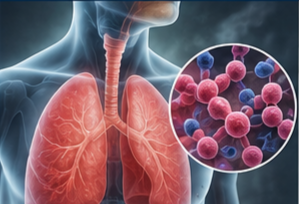 Ceftriaxone is approved for the treatment of lower respiratory tract infections caused by susceptible strains of Streptococcus pneumoniae, Staphylococcus aureus, Haemophilus influenzae, Haemophilus parainfluenzae, Klebsiella pneumoniae, Escherichia coli, Enterobacter aerogenes, Proteus mirabilis, and Serratia marcescens. This includes community-acquired pneumonia, for which ceftriaxone remains a widely used empiric and definitive therapy.
Acute Bacterial Otitis Media:  Ceftriaxone is approved for the treatment of acute bacterial otitis media caused by susceptible strains of Streptococcus pneumoniae, Haemophilus influenzae (including beta-lactamase producing strains), and Moraxella catarrhalis (including beta-lactamase producing strains). Single-dose IM ceftriaxone may be used in specific clinical scenarios.
Skin and Skin Structure Infections:  Ceftriaxone is approved for skin and skin structure infections caused by susceptible strains of Staphylococcus aureus, Staphylococcus epidermidis, Streptococcus pyogenes, viridans group streptococci, Escherichia coli, Enterobacter cloacae, Klebsiella oxytoca, Klebsiella pneumoniae, Proteus mirabilis, Morganella morganii, Pseudomonas aeruginosa, Serratia marcescens, Acinetobacter calcoaceticus, Bacteroides fragilis, and Peptostreptococcus species.
Urinary Tract Infections: 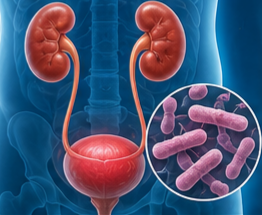 Ceftriaxone is approved for complicated and uncomplicated urinary tract infections caused by susceptible strains of Escherichia coli, Proteus mirabilis, Proteus vulgaris, Morganella morganii, and Klebsiella pneumoniae.
Uncomplicated Gonorrhea: Ceftriaxone is approved for the treatment of uncomplicated gonorrhea (cervical/urethral, rectal, and pharyngeal) caused by Neisseria gonorrhoeae, including both penicillinase-producing and nonpenicillinase-producing strains. Ceftriaxone is currently the preferred treatment for gonorrhea according to CDC guidelines, typically administered as a single IM dose.
Pelvic Inflammatory Disease: 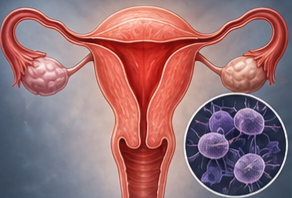 Ceftriaxone is approved for pelvic inflammatory disease caused by susceptible strains of Neisseria gonorrhoeae. It is typically used in combination with doxycycline and sometimes metronidazole for comprehensive PID treatment.
Bacterial Septicemia:  Ceftriaxone is approved for the treatment of bacterial septicemia caused by susceptible strains of Staphylococcus aureus, Streptococcus pneumoniae, Escherichia coli, Haemophilus influenzae, and Klebsiella pneumoniae.
Bone and Joint Infections:  Ceftriaxone is approved for bone and joint infections caused by susceptible strains of Staphylococcus aureus, Streptococcus pneumoniae, Escherichia coli, Proteus mirabilis, Klebsiella pneumoniae, and Enterobacter species.
Intra-Abdominal Infections: 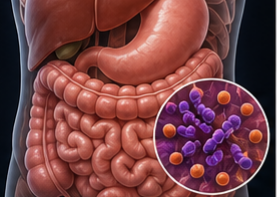 Ceftriaxone is approved for intra-abdominal infections caused by susceptible strains of Escherichia coli, Klebsiella pneumoniae, Bacteroides fragilis, Clostridium species, and Peptostreptococcus species. For polymicrobial intra-abdominal infections, ceftriaxone is typically combined with metronidazole.
Bacterial Meningitis:  Ceftriaxone is approved for the treatment of bacterial meningitis caused by susceptible strains of Streptococcus pneumoniae, Haemophilus influenzae, Neisseria meningitidis, and Escherichia coli. Ceftriaxone is a first-line agent for empiric and definitive treatment of bacterial meningitis in many clinical scenarios.
Surgical Prophylaxis: Ceftriaxone is approved for preoperative surgical prophylaxis to reduce the incidence of postoperative infections in patients undergoing procedures classified as contaminated or potentially contaminated, such as vaginal hysterectomy or biliary tract surgery.
Attention Clinicians: Before you prescribe the next dose, ask yourself—are you using ceftriaxone for an FDA-approved indication, or are you relying on guideline support for an off-label scenario? The distinction matters.
Other Guideline-Supported or Off-Label Uses
Beyond FDA-approved indications, ceftriaxone is recommended by professional guidelines and used clinically for several additional purposes. These uses are supported by varying levels of evidence and should be clearly distinguished from FDA-approved indications.
Guideline-Supported Uses:
Empiric Treatment of Community-Acquired Pneumonia: The Infectious Diseases Society of America (IDSA) and American Thoracic Society (ATS) guidelines recommend ceftriaxone as part of empiric combination therapy for community-acquired pneumonia requiring hospitalization, particularly in patients with comorbidities or risk factors for drug-resistant pathogens. When used empirically, ceftriaxone is typically combined with a macrolide or doxycycline.
Empiric Treatment of Bacterial Meningitis: IDSA guidelines recommend ceftriaxone (or cefotaxime) plus vancomycin as empiric therapy for community-acquired bacterial meningitis in patients over one month of age, reflecting concern for penicillin-resistant Streptococcus pneumoniae.
Lyme Disease with Neurologic Involvement: IDSA guidelines recommend ceftriaxone for the treatment of Lyme neuroborreliosis, including meningitis, cranial neuritis, radiculoneuritis, and other neurologic manifestations of Lyme disease. Ceftriaxone is preferred over oral doxycycline for neurologic involvement due to its reliable CNS penetration.
Empiric Treatment of Febrile Neutropenia: The National Comprehensive Cancer Network (NCCN) and IDSA guidelines include ceftriaxone in combination with other agents for risk-stratified management of febrile neutropenia in appropriate patients.
Spontaneous Bacterial Peritonitis: Ceftriaxone is recommended as an alternative to cefotaxime for the treatment of spontaneous bacterial peritonitis in patients with cirrhosis, based on comparable efficacy and convenient once-daily dosing.
Common Clinical Uses (Off-Label but Widely Accepted):
Enterococcal Endocarditis (Combination Therapy): Ceftriaxone combined with ampicillin is used for the treatment of Enterococcus faecalis endocarditis, particularly in patients with high-level aminoglycoside resistance or renal dysfunction. This combination exploits synergistic beta-lactam activity.
Syphilis with Neurologic Involvement (Neurosyphilis): Ceftriaxone is sometimes used as an alternative to penicillin for neurosyphilis in patients with serious penicillin allergy, based on case series and expert opinion. Penicillin remains the preferred agent.
Typhoid Fever: Ceftriaxone is used for the treatment of typhoid fever caused by Salmonella Typhi, particularly in areas with fluoroquinolone resistance or in severe disease requiring parenteral therapy.
Empiric Treatment of Meningococcal Disease Prophylaxis: Ceftriaxone is an alternative to rifampin or ciprofloxacin for prophylaxis of close contacts of patients with meningococcal disease, offering single-dose IM convenience.
The quality of supporting evidence for these uses varies. Some are supported by randomized controlled trials and systematic reviews, while others rest on case series, observational studies, or expert consensus. Clinicians should evaluate the strength of evidence for each off-label use and consider institutional antimicrobial stewardship policies when prescribing ceftriaxone for indications not specifically approved by the FDA.
Spectrum of Activity
Ceftriaxone demonstrates broad-spectrum antibacterial activity against clinically important gram-positive and gram-negative organisms. Its spectrum reflects the third-generation cephalosporin profile: enhanced gram-negative coverage compared with first- and second-generation cephalosporins, with somewhat reduced gram-positive activity compared with earlier generations.
| Organism/Group | Activity | Clinical Relevance |
|---|---|---|
| Streptococcus pneumoniae | Usually susceptible; penicillin-resistant strains may retain susceptibility | Leading cause of community-acquired pneumonia and bacterial meningitis |
| Streptococcus pyogenes (Group A) | Susceptible | Skin and soft tissue infections, pharyngitis |
| Streptococcus agalactiae (Group B) | Susceptible | Neonatal sepsis, maternal infections |
| Viridans group streptococci | Usually susceptible | Endocarditis, bacteremia |
| Staphylococcus aureus (MSSA) | Susceptible | Skin infections, bacteremia, endocarditis (for MSSA) |
| Staphylococcus aureus (MRSA) | Resistant | Ceftriaxone is not effective against MRSA |
| Enterococcus species | Intrinsically resistant | Ceftriaxone should not be used as monotherapy for enterococcal infections |
| Listeria monocytogenes | Resistant | Ceftriaxone is not effective against Listeria |
| Haemophilus influenzae | Susceptible (including beta-lactamase producers) | Respiratory tract infections, meningitis |
| Moraxella catarrhalis | Susceptible | Respiratory tract infections |
| Neisseria meningitidis | Susceptible | Meningitis, meningococcemia, prophylaxis |
| Neisseria gonorrhoeae | Susceptible; emerging resistance patterns require monitoring | Uncomplicated gonorrhea, pelvic inflammatory disease |
| Escherichia coli | Susceptible; ESBL-producing strains resistant | Urinary tract infections, intra-abdominal infections, septicemia |
| Klebsiella pneumoniae | Susceptible; ESBL-producing strains resistant | Pneumonia, urinary tract infections, septicemia |
| Proteus mirabilis | Susceptible | Urinary tract infections |
| Enterobacter species | Variable; may develop resistance during therapy | Nosocomial infections |
| Serratia marcescens | Usually susceptible | Nosocomial infections |
| Pseudomonas aeruginosa | Resistant | Ceftriaxone is not effective against Pseudomonas |
| Acinetobacter baumannii | Resistant | Ceftriaxone is not effective against Acinetobacter |
| Bacteroides fragilis | Variable; less reliable than cefoxitin | Intra-abdominal infections; may require metronidazole combination |
| Clostridium difficile | Resistant | Ceftriaxone can predispose to C. difficile infection |
Important resistance mechanisms affecting ceftriaxone include extended-spectrum beta-lactamases (ESBLs) in Enterobacterales, which hydrolyze ceftriaxone and confer resistance; methicillin resistance in Staphylococcus aureus, which alters penicillin-binding proteins; and intrinsic resistance in Enterococcus species, Pseudomonas aeruginosa, and Listeria monocytogenes, which lack susceptible penicillin-binding protein targets or possess impermeable outer membranes.
Microbiological susceptibility testing remains essential for optimizing ceftriaxone therapy, particularly in nosocomial infections, prior antibiotic exposure, or infections caused by organisms with unpredictable susceptibility patterns.
Pharmacodynamics
Ceftriaxone exerts bactericidal activity through time-dependent killing, meaning that the extent of bacterial eradication correlates with the duration of time that free drug concentrations remain above the minimum inhibitory concentration (MIC) rather than with peak concentrations. This pharmacodynamic characteristic is typical of beta-lactam antibiotics and has important dosing implications.
The key pharmacodynamic parameter for ceftriaxone is the fraction of the dosing interval during which free drug concentration exceeds the MIC (fT>MIC). For cephalosporins, bactericidal activity is generally optimized when fT>MIC exceeds 50–60% of the dosing interval for most pathogens. Ceftriaxone’s prolonged half-life ensures that this parameter is achieved for susceptible organisms with once-daily dosing.
Ceftriaxone binds to penicillin-binding proteins (PBPs), which are bacterial enzymes essential for peptidoglycan cross-linking in the cell wall. Ceftriaxone demonstrates highest affinity for PBP 1a, 1b, 2, and 3 in susceptible organisms, leading to inhibition of cell wall synthesis, disruption of bacterial growth, and ultimately cell death through osmotic lysis and autolytic enzyme activation.
The bactericidal activity of ceftriaxone is concentration-independent once concentrations exceed approximately 4–5 times the MIC. Further increases in concentration do not enhance killing rates. This contrasts with concentration-dependent antibiotics such as aminoglycosides and fluoroquinolones, where higher peak concentrations relative to MIC produce faster and more extensive bacterial killing.
Ceftriaxone’s pharmacodynamic profile is influenced by its high protein binding. Only the free (unbound) fraction is pharmacologically active, so the fT>MIC calculation must account for protein binding. Despite 85–95% protein binding, the free fraction of ceftriaxone exceeds the MIC for susceptible pathogens throughout the dosing interval when standard doses are administered.
Mechanisms associated with reduced response to ceftriaxone include beta-lactamase production by resistant organisms, alterations in penicillin-binding proteins that reduce binding affinity, and reduced outer membrane permeability in gram-negative bacteria. These mechanisms may occur individually or in combination, resulting in variable degrees of ceftriaxone resistance.
Mechanism of Action
How does ceftriaxone work? : The ceftriaxone mechanism of action follows a precise molecular pathway that culminates in bacterial cell death. Understanding this mechanism requires tracing the drug from its molecular target to its clinical effect.
Step 1: Penetration to the Target Site : 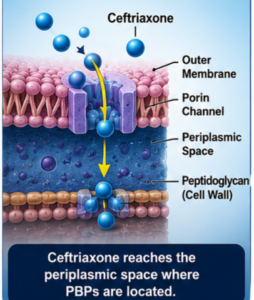 Ceftriaxone must first reach the periplasmic space of susceptible bacteria, where penicillin-binding proteins are located. In gram-positive bacteria, the cell wall is relatively porous, allowing ceftriaxone to reach its target readily. In gram-negative bacteria, ceftriaxone must traverse the outer membrane through porin channels—protein-lined pores that permit passage of small hydrophilic molecules. Ceftriaxone’s molecular structure includes features that facilitate porin penetration, contributing to its gram-negative activity.
Step 2: Binding to Penicillin-Binding Proteins: 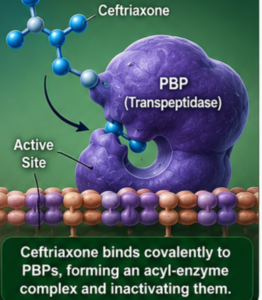 Once in the periplasmic space, ceftriaxone binds covalently to penicillin-binding proteins (PBPs), which are transpeptidase enzymes responsible for cross-linking peptidoglycan strands in the bacterial cell wall. The beta-lactam ring of ceftriaxone structurally mimics the D-alanyl-D-alanine terminus of peptidoglycan precursors, allowing ceftriaxone to occupy the active site of PBPs and form a stable acyl-enzyme complex. This covalent binding irreversibly inactivates the PBPs.
Ceftriaxone’s binding affinity varies among different PBPs. It binds preferentially to PBP 1a, 1b, 2, and 3 in susceptible organisms, disrupting multiple stages of cell wall synthesis. This multi-target binding contributes to ceftriaxone’s bactericidal potency against susceptible pathogens.
Step 3: Inhibition of Cell Wall Synthesis: 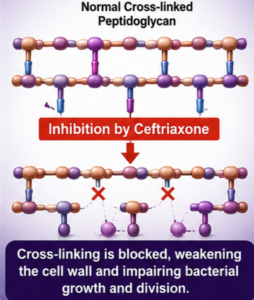 Inactivation of PBPs prevents cross-linking of peptidoglycan strands, weakening the bacterial cell wall. As bacteria attempt to grow and divide, they synthesize new peptidoglycan but cannot properly integrate it into the existing cell wall structure. This results in a progressively weakened cell wall that cannot withstand the internal osmotic pressure of the bacterium.
Step 4: Bacterial Cell Death: 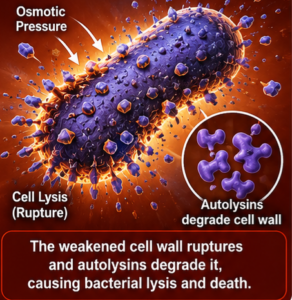 The weakened cell wall eventually ruptures under osmotic pressure, leading to bacterial lysis and death. Additionally, inhibition of cell wall synthesis triggers autolytic enzymes (autolysins) that further degrade the existing peptidoglycan, accelerating cell death. The net effect is bactericidal activity—ceftriaxone kills susceptible bacteria rather than merely inhibiting their growth.
Step 5: Clinical Outcome
Successful bactericidal activity translates into clinical cure when combined with host immune defenses, source control where applicable, and appropriate supportive care. The clinical outcome depends not only on ceftriaxone’s antibacterial activity but also on factors such as infection site penetration, pathogen susceptibility, host immune status, and the presence of resistant subpopulations.
Contraindications
Ceftriaxone is contraindicated in the following situations:
Known Hypersensitivity to Ceftriaxone: Patients with documented hypersensitivity reactions to ceftriaxone sodium, including anaphylaxis, Stevens-Johnson syndrome, toxic epidermal necrolysis, or drug reaction with eosinophilia and systemic symptoms (DRESS), must not receive ceftriaxone. The severity and nature of the previous reaction should be carefully documented to distinguish true allergy from intolerance.
Known Hypersensitivity to Cephalosporins: Patients with documented severe hypersensitivity reactions to other cephalosporin antibiotics should generally not receive ceftriaxone due to potential cross-reactivity. The risk of cross-reactivity among cephalosporins is higher than between penicillins and cephalosporins.
Neonates with Hyperbilirubinemia: Ceftriaxone is contraindicated in neonates (≤28 days of age) with hyperbilirubinemia or conditions that may predispose to hyperbilirubinemia, including prematurity. Ceftriaxone displaces bilirubin from albumin binding sites, increasing free bilirubin concentrations and potentially contributing to bilirubin encephalopathy (kernicterus). This contraindication is specific to neonates because their blood-brain barrier is immature and their albumin binding capacity is limited.
Neonates Requiring IV Calcium: Ceftriaxone is contraindicated in neonates (≤28 days of age) who are receiving or are expected to receive calcium-containing IV solutions, including total parenteral nutrition containing calcium. Fatal precipitation of ceftriaxone-calcium crystals in the lungs and kidneys has been reported in neonates receiving concurrent IV calcium and ceftriaxone. This contraindication does not apply to older infants, children, or adults.
Previous Severe Reaction to Beta-Lactam Antibiotics: Patients with a history of severe immediate hypersensitivity reactions to any beta-lactam antibiotic, including penicillins, should be evaluated carefully before receiving ceftriaxone. While cross-reactivity between penicillins and cephalosporins is lower than commonly believed (approximately 1–3%), severe reactions warrant avoidance or alternative therapy when suitable alternatives exist.
Warnings & Precautions
Hypersensitivity Reactions: Serious and occasionally fatal hypersensitivity reactions have been reported with ceftriaxone. These may occur even in patients without a known history of beta-lactam allergy. Before initiating ceftriaxone, clinicians should inquire about previous hypersensitivity reactions to cephalosporins, penicillins, or other beta-lactam antibiotics. If an allergic reaction occurs, ceftriaxone should be discontinued immediately, and appropriate emergency measures initiated.
Clostridioides difficile-Associated Diarrhea (CDAD): Ceftriaxone, like nearly all antibacterial agents, can alter the normal colonic flora and permit overgrowth of Clostridioides difficile. CDAD may range in severity from mild diarrhea to fatal pseudomembranous colitis. CDAD should be considered in any patient who develops diarrhea during or after ceftriaxone treatment. Diagnostic testing and appropriate treatment (including discontinuation of the offending antibiotic and initiation of CDAD-specific therapy) should be pursued promptly.
Gallbladder Pseudolithiasis: Ceftriaxone can precipitate as ceftriaxone-calcium salts in the gallbladder, producing sludge or pseudolithiasis (apparent gallstones on ultrasound). This phenomenon is typically asymptomatic and resolves after discontinuation of ceftriaxone. However, some patients may experience biliary symptoms. The risk is higher with high doses, prolonged therapy, and in children. Ultrasonographic findings of gallbladder sludge during ceftriaxone therapy should be interpreted with awareness of this phenomenon.
Renal Effects: Although ceftriaxone generally does not require dose adjustment in renal impairment, isolated cases of ceftriaxone-induced urolithiasis (kidney stones composed of ceftriaxone-calcium complexes) have been reported, primarily in children receiving high doses. Maintaining adequate hydration may reduce this risk. Patients with both severe renal and hepatic impairment may require dose adjustment.
Pancreatitis: Rare cases of ceftriaxone-induced pancreatitis have been reported. Patients experiencing new-onset abdominal pain during ceftriaxone therapy should be evaluated for pancreatitis.
Hematologic Effects: Ceftriaxone may cause transient changes in blood counts, including eosinophilia, leukopenia, thrombocytopenia, and rarely hemolytic anemia. Immune-mediated hemolytic anemia, although rare, can be severe and potentially fatal. Patients developing anemia during or shortly after ceftriaxone therapy should be evaluated for hemolysis.
Coagulation Abnormalities: Ceftriaxone may interfere with vitamin K synthesis by altering gut flora, potentially prolonging prothrombin time and increasing bleeding risk, particularly in patients with vitamin K deficiency, malnutrition, hepatic dysfunction, or concurrent warfarin therapy. Monitoring of INR and consideration of vitamin K supplementation may be appropriate in at-risk patients.
Neurological Effects: Ceftriaxone may rarely cause encephalopathy, seizures, or status epilepticus, particularly in patients with renal impairment receiving high doses without adjustment, or in patients with pre-existing neurological conditions.
Superinfection: As with other broad-spectrum antibiotics, prolonged ceftriaxone use may permit overgrowth of non-susceptible organisms, including fungi. Patients should be monitored for evidence of superinfection, and appropriate measures taken if superinfection occurs.
Side Effects
Ceftriaxone is generally well tolerated, with most adverse effects being mild to moderate and self-limiting. Understanding the common side effects helps clinicians counsel patients and distinguish expected reactions from more serious events requiring intervention.
| Side Effect | Frequency/Pattern | Clinical Significance |
|---|---|---|
| Injection site reactions | Common (up to 17% with IM administration) | Pain, tenderness, induration at IM injection site; phlebitis with IV use; usually self-limited |
| Diarrhea | Common (2–4%) | Usually mild and resolves after completing therapy; persistent or severe diarrhea requires evaluation for C. difficile |
| Eosinophilia | Common (2–6%) | Laboratory finding without clinical symptoms; typically transient |
| Thrombocytosis | Reported (1–3%) | Mild elevation in platelet count; usually asymptomatic and reversible |
| Leukopenia | Reported (1–2%) | Usually mild and transient; monitoring may be appropriate with prolonged therapy |
| Nausea and vomiting | Less common (1–2%) | Generally manageable with supportive measures |
| Rash | Reported (1–2%) | Usually maculopapular; should be evaluated to distinguish from serious dermatologic reactions |
| Elevated liver enzymes | Reported (1–3%) | Mild, transient elevations in AST, ALT, alkaline phosphatase; rarely clinically significant |
| Headache | Reported (1–2%) | Mild; usually does not require discontinuation |
| Oral candidiasis | Reported | Fungal overgrowth; manageable with antifungal therapy if clinically indicated |
These common side effects rarely necessitate discontinuation of ceftriaxone. Injection site reactions with IM administration can be minimized by using lidocaine as diluent (where appropriate), rotating injection sites, and administering into large muscle masses using proper technique. Diarrhea requires clinical judgment to distinguish antibiotic-associated diarrhea from CDAD, which may require specific treatment.
Serious Adverse Effects
Serious adverse effects associated with ceftriaxone are rare but require prompt recognition and intervention. These reactions should be distinguished from the more common, benign side effects discussed above.
Anaphylaxis and Severe Hypersensitivity Reactions: Ceftriaxone can cause anaphylaxis, characterized by rapid onset of hypotension, bronchospasm, laryngeal edema, urticaria, and angioedema. Anaphylaxis is a medical emergency requiring immediate administration of epinephrine, airway management, and supportive care. Other severe hypersensitivity reactions include Stevens-Johnson syndrome, toxic epidermal necrolysis, and DRESS syndrome, which require immediate discontinuation and specialized management.
Immune-Mediated Hemolytic Anemia: Ceftriaxone can induce immune-mediated hemolytic anemia through formation of drug-antibody complexes that target red blood cells. This reaction can be severe and even fatal, particularly in children. Clinical features include falling hemoglobin, jaundice, hematuria, and positive direct antiglobulin test. Immediate discontinuation of ceftriaxone and appropriate hematologic management are essential.
Clostridioides difficile-Associated Diarrhea (Severe): Severe CDAD can progress to fulminant colitis, toxic megacolon, bowel perforation, and death. Warning signs include profuse diarrhea, fever, abdominal pain, leukocytosis, and evidence of systemic toxicity. Diagnosis requires stool testing for C. difficile toxins, and treatment involves oral vancomycin or fidaxomicin, with surgical consultation for fulminant disease.
Seizures and Neurological Toxicity: Ceftriaxone has been associated with seizures, encephalopathy, and status epilepticus, particularly in patients with renal impairment, excessive dosing, or pre-existing neurological disease. Management includes discontinuation, antiepileptic therapy when needed, and dose adjustment in renal impairment.
Biliary Pseudolithiasis with Symptoms: Although gallbladder pseudolithiasis is usually asymptomatic, some patients develop biliary colic, cholecystitis, or pancreatitis due to ceftriaxone-calcium precipitation. Symptomatic cases require discontinuation of ceftriaxone and supportive care; cholecystectomy is rarely necessary because pseudolithiasis typically resolves after drug discontinuation.
Hepatotoxicity: Severe hepatic injury, including hepatitis and hepatic failure, has been reported rarely with ceftriaxone. Monitoring liver function tests is appropriate in patients receiving prolonged therapy or those with pre-existing hepatic disease.
Renal Failure and Urolithiasis: Ceftriaxone can rarely cause acute kidney injury through crystal nephropathy or urolithiasis, particularly in children, dehydrated patients, or those receiving high doses. Adequate hydration and attention to dosing may reduce this risk.
Drug Reaction with Eosinophilia and Systemic Symptoms (DRESS): DRESS syndrome is a severe, potentially life-threatening hypersensitivity reaction characterized by fever, rash, eosinophilia, lymphadenopathy, and multiorgan involvement. Immediate discontinuation of ceftriaxone and appropriate supportive care are essential.
Safety Alert: Some ceftriaxone side effects are mild and manageable. Others demand immediate recognition and intervention. The difference between the two can be life-saving.
Dosage Table
| Patient/Clinical Group | Indication | Dose | Frequency | Duration | Important Considerations |
|---|---|---|---|---|---|
| Adults | Community-acquired pneumonia | 1–2 g | Once daily | 5–7 days | Combine with macrolide or doxycycline for empiric therapy |
| Adults | Bacterial meningitis | 2 g | Every 12 hours | 7–14 days | Combine with vancomycin initially; adjust based on culture results |
| Adults | Uncomplicated gonorrhea | 250–500 mg IM | Single dose | Single dose | Preferred CDC regimen when chlamydia excluded or treated separately |
| Adults | Skin and soft tissue infection | 1–2 g | Once daily | 7–14 days | Higher dose for severe or deep infections |
| Adults | Urinary tract infection (complicated) | 1–2 g | Once daily | 7–14 days | Complicated infections may require longer duration |
| Adults | Intra-abdominal infection | 1–2 g | Once daily | 4–7 days | Combine with metronidazole for anaerobic coverage |
| Adults | Surgical prophylaxis | 1 g IV | Single dose | Single dose | Administer 30–60 minutes before incision |
| Adults | Septicemia | 2 g | Once daily | Based on clinical response | Adjust based on source control and culture results |
| Children (>1 month) | Community-acquired pneumonia | 50–75 mg/kg | Once daily | 5–7 days | Maximum 2 g per dose |
| Children (>1 month) | Bacterial meningitis | 100 mg/kg | Once daily or divided every 12 hours | 7–14 days | Maximum 4 g per day |
| Children (>1 month) | Skin and soft tissue infection | 50–75 mg/kg | Once daily | 7–14 days | Maximum 2 g per dose |
| Neonates (0–14 days) | Serious infections | 25–50 mg/kg | Once daily | Based on clinical response | Maximum 50 mg/kg/day |
| Neonates (15–28 days) | Serious infections | 25–50 mg/kg | Once daily | Based on clinical response | Maximum 50 mg/kg/day |
| Older Adults | Various infections | Same as adult dosing | Once daily | Based on indication | No routine dose reduction needed; monitor renal function |
| Renal Impairment | Various infections | No adjustment needed | Standard frequency | Based on indication | Monitor if both renal and hepatic impairment present |
| Hepatic Impairment | Various infections | No adjustment needed | Standard frequency | Based on indication | Monitor if both renal and hepatic impairment present |
Dosage Details
The selection of ceftriaxone dosage depends on multiple factors, including the type and severity of infection, pathogen susceptibility, patient age, renal and hepatic function, and the anatomical site of infection. The distinction between ceftriaxone 1 g vs 2 g dosing reflects differences in infection severity and the need for higher tissue concentrations.
Adults: For most infections in adults with normal renal function, a dose of 1 gram once daily provides adequate plasma and tissue concentrations for susceptible pathogens. The 1 gram dose is appropriate for community-acquired pneumonia (when combined with a macrolide or doxycycline), uncomplicated skin and soft tissue infections, complicated urinary tract infections, and surgical prophylaxis.
The 2 gram dose is reserved for more serious infections where higher and more sustained concentrations are required. Bacterial meningitis represents the clearest indication for 2 gram dosing, with administration every 12 hours to maximize cerebrospinal fluid penetration. Severe septicemia, deep-seated abscesses, and infections caused by organisms with elevated MICs may also benefit from 2 gram dosing. For severe or life-threatening infections, the 2 gram once-daily dose provides higher peak and trough concentrations, enhancing the fT>MIC parameter.
Children: Pediatric dosing is weight-based. The recommended dose for most infections in children older than one month is 50–75 mg/kg/day administered as a single daily dose, with a maximum of 2 grams per dose. For bacterial meningitis, the dose increases to 100 mg/kg/day (maximum 4 grams per day), which may be administered as a single daily dose or divided into two doses. Neonates require reduced dosing due to immature renal and hepatic function: 25–50 mg/kg/day for neonates up to 28 days of age, with strict attention to the contraindications related to hyperbilirubinemia and concurrent IV calcium.
Renal Adjustment: Ceftriaxone generally does not require dose adjustment in patients with renal impairment, including those with creatinine clearance below 10 mL/min. The dual elimination pathway, with biliary excretion compensating for reduced renal clearance, maintains adequate drug elimination. However, if severe renal impairment is accompanied by significant hepatic dysfunction, dose adjustment may be necessary, and monitoring of plasma concentrations or reduction to 1 gram daily may be considered.
Hepatic Considerations: Similarly, isolated hepatic impairment does not require routine dose adjustment because renal elimination compensates. Patients with both severe hepatic and renal impairment may require dose reduction, though specific dosing guidance is limited.
Duration of Treatment: Treatment duration varies by infection type, ranging from single-dose administration for gonorrhea and surgical prophylaxis to 7–14 days for most bacterial infections. Meningitis typically requires 7–14 days, depending on the causative organism and clinical response. Prolonged therapy may be necessary for osteomyelitis, endocarditis, or other deep-seated infections, with durations guided by clinical response and microbiological clearance.
Administration Table
| Administration Factor | Details |
|---|---|
| Route | Intravenous (IV) or Intramuscular (IM) |
| With Food/Without Food | Not applicable (parenteral administration) |
| Timing | Once-daily dosing for most indications; every 12 hours for meningitis |
| IM Preparation | Reconstitute 1 g with 3.6 mL of 1% lidocaine (or sterile water); administer by deep IM injection into gluteal muscle or vastus lateralis |
| IV Preparation | Reconstitute 1 g with 9.6 mL of compatible diluent; further dilute in 50–100 mL for infusion |
| IV Administration | Intermittent infusion over 30 minutes; slow IV push over 2–4 minutes for selected situations |
| Storage (Reconstituted) | Reconstituted solutions stable for 24 hours at room temperature or 3 days refrigerated |
| Missed Dose | Administer as soon as possible; do not double the next dose; contact healthcare provider |
| Special Instructions | Do not mix ceftriaxone with calcium-containing solutions in the same IV line; incompatible with many other drugs in IV admixtures |
Pharmacokinetics
The complete pharmacokinetic journey of ceftriaxone through the body reflects its unique molecular design and explains its clinical utility. Following intravenous administration, ceftriaxone distributes rapidly from the vascular compartment into the extracellular fluid and tissues, achieving therapeutic concentrations in most relevant anatomical sites within hours.
The absorption and bioavailability characteristics—previously discussed in detail—establish that both IV and IM routes produce reliable therapeutic exposure. After IM administration, ceftriaxone is completely absorbed from the injection site, with peak plasma concentrations achieved within 1.5 to 3 hours.
Distribution of ceftriaxone throughout the body is governed by its moderate volume of distribution and high protein binding. The drug distributes primarily into extracellular fluid, consistent with its hydrophilic nature and limited intracellular penetration. Protein binding—discussed comprehensively earlier—creates a reservoir effect that contributes to the prolonged half-life.
Elimination occurs through two parallel pathways. Renal excretion accounts for approximately 33–67% of total clearance, with the remainder eliminated via the biliary route into the feces. This dual elimination is unique among commonly used cephalosporins and provides a safety margin in patients with organ-specific dysfunction. The terminal elimination half-life of 5.8–8.7 hours—described in detail in the half-life section—enables once-daily dosing for most indications.
In special populations, pharmacokinetic parameters may differ. Neonates exhibit prolonged half-life due to immature clearance mechanisms. Patients with severe renal impairment show modest half-life prolongation, compensated by increased biliary elimination. Similarly, patients with hepatic dysfunction maintain adequate clearance through renal elimination. Only when both organ systems are severely impaired does ceftriaxone accumulation become a clinical concern.
The drug exposure achieved with standard dosing results in plasma concentrations that exceed the MIC for susceptible organisms throughout the dosing interval, satisfying the pharmacodynamic requirement for time-dependent bactericidal activity.
For readers seeking deeper understanding of how ADME principles apply across different therapeutic agents, the comprehensive pharmacokinetics guide provides essential educational context that enhances clinical interpretation of drug behavior. Access the ADME pharmacokinetics guide.
Drug Interactions
Ceftriaxone has relatively few clinically significant drug interactions compared with many other antibiotics, reflecting its minimal hepatic metabolism and lack of CYP450 involvement. However, several interactions warrant clinical attention.
| Interacting Medicine/Class | Interaction Mechanism | Potential Effect | Clinical Consideration |
|---|---|---|---|
| Calcium-containing IV solutions | Physicochemical incompatibility | Precipitation of ceftriaxone-calcium crystals | Do not mix in same IV line; fatal reactions reported in neonates |
| Aminoglycosides | Synergistic antibacterial activity | Enhanced bacterial killing | May be used intentionally for synergy in serious infections; monitor renal function |
| Warfarin | Reduced vitamin K synthesis by gut flora; possible displacement from protein binding | Increased INR and bleeding risk | Monitor INR closely; adjust warfarin dose as needed |
| Oral contraceptives | Reduced enterohepatic recirculation of estrogen | Potential reduced contraceptive efficacy | Consider additional contraceptive measures during therapy |
| Furosemide and other loop diuretics | Additive nephrotoxicity (theoretical) | Increased risk of renal dysfunction | Monitor renal function; relevance uncertain |
| Vancomycin | Physical incompatibility in IV solutions | Precipitation when mixed | Administer through separate IV lines or sequentially with flushing |
| Other highly protein-bound drugs | Competitive protein binding displacement | Theoretical increase in free drug concentrations | Clinical significance minimal due to ceftriaxone’s large volume of distribution |
| Probenecid | Inhibits renal tubular secretion | Reduced ceftriaxone elimination | Not clinically significant due to dual elimination pathway |
The interaction with calcium-containing solutions deserves special emphasis. Ceftriaxone must never be mixed with or administered simultaneously through the same IV line as calcium-containing solutions, including Ringer’s lactate, total parenteral nutrition containing calcium, or calcium gluconate. In neonates, concurrent administration of ceftriaxone and IV calcium is contraindicated due to fatal precipitation reactions in the lungs and kidneys.
Pregnancy & Breastfeeding
Pregnancy: Ceftriaxone crosses the placenta and achieves detectable concentrations in fetal tissues. The available human data, derived from observational studies and clinical experience, have not demonstrated an increased risk of major birth defects or adverse pregnancy outcomes when ceftriaxone is used during pregnancy. Animal studies have not shown evidence of teratogenicity.
Ceftriaxone is generally considered acceptable for use during pregnancy when clinically indicated and when no safer alternative is available for the specific infection. It is frequently used during pregnancy for the treatment of pyelonephritis, pneumonia, gonorrhea (for penicillin-allergic patients), and other serious bacterial infections. The benefits of treating serious infections during pregnancy generally outweigh the theoretical risks of antibiotic exposure.
The historical pregnancy category for ceftriaxone was Category B, indicating no evidence of fetal risk in animal studies, though human data are limited. Current regulatory labeling uses descriptive risk summaries rather than letter categories.
Breastfeeding: Ceftriaxone is excreted into human breast milk in low concentrations, estimated at approximately 3–4% of maternal plasma levels. These levels are unlikely to cause adverse effects in breastfed infants and are below the concentrations needed for therapeutic effect. Ceftriaxone is generally considered compatible with breastfeeding.
Theoretical concerns include disruption of the infant’s gastrointestinal flora and potential for sensitization to cephalosporin antibiotics. However, the low concentrations in breast milk make clinically significant effects unlikely. The American Academy of Pediatrics and other professional organizations consider ceftriaxone compatible with breastfeeding.
Breastfed infants should be monitored for diarrhea, thrush, or rash as precautionary measures, though such effects are uncommon.
Use in Children and Older Adults
Children: Ceftriaxone is widely used in pediatric patients, from neonates to adolescents. Pediatric dosing is weight-based, reflecting differences in body composition, organ function, and drug clearance compared with adults.
In neonates (0–28 days), ceftriaxone’s elimination half-life is prolonged due to immature renal and hepatic function. Dosing in this age group is limited to 25–50 mg/kg once daily, and the contraindications related to hyperbilirubinemia and IV calcium apply exclusively to this population. Neonatal use requires careful assessment of bilirubin levels and IV calcium requirements.
In infants and older children, ceftriaxone’s pharmacokinetic profile approximates that of adults, though clearance relative to body weight is higher in young children. Weight-based dosing (50–75 mg/kg/day for most infections, 100 mg/kg/day for meningitis) achieves therapeutic concentrations comparable to adult dosing. The maximum daily dose is 2 grams per dose or 4 grams per day, aligning with adult maximums.
Pediatric-specific adverse effects include an increased risk of biliary pseudolithiasis compared with adults, particularly with high doses or prolonged therapy. This finding is typically asymptomatic and resolves after discontinuation. Immune-mediated hemolytic anemia, although rare, has been reported more frequently in children than adults and warrants vigilance.
Older Adults: Ceftriaxone is widely used in older adults and is generally well tolerated in this population. Age-related declines in renal function may modestly prolong ceftriaxone’s half-life, but the dual elimination pathway prevents clinically significant accumulation in the absence of concurrent hepatic impairment. No routine dose adjustment is required based on age alone.
Older adults may be at increased risk of certain adverse effects, including Clostridioides difficile infection, coagulation abnormalities related to vitamin K deficiency, and neurological effects in the setting of renal impairment. Monitoring of renal function, INR (in patients receiving warfarin or with malnutrition), and vigilance for CDAD are appropriate in this population.
The convenience of once-daily dosing makes ceftriaxone particularly valuable for older adults in outpatient settings, including skilled nursing facilities and home parenteral antibiotic therapy programs.
Overdose
Overdose with ceftriaxone is rare but may occur with dosing errors, particularly in patients with renal impairment or in pediatric patients where weight-based calculation errors can result in excessive doses.
Manifestations of Overdose: The most likely manifestations of ceftriaxone overdose include neurological symptoms such as seizures, encephalopathy, and altered mental status, particularly in patients with renal impairment. Gastrointestinal effects including nausea, vomiting, and diarrhea may occur. Hematologic abnormalities, including hemolytic anemia and coagulation disturbances, are possible with massive overdoses. Biliary pseudolithiasis and urolithiasis may develop with high-dose exposure.
Clinical Management: There is no specific antidote for ceftriaxone overdose. Management is supportive and includes:
- Immediate discontinuation of the drug
- Maintenance of airway, breathing, and circulation
- Seizure management with appropriate antiepileptic therapy (benzodiazepines as first-line)
- Maintenance of adequate hydration to promote renal elimination
- Monitoring of renal function, liver function, complete blood count, and coagulation parameters
- Electrocardiographic monitoring for cardiac rhythm abnormalities
Hemodialysis removes ceftriaxone only partially and is not recommended as primary therapy for overdose. The high protein binding limits dialyzability, and the dual elimination pathway generally allows spontaneous clearance in patients with intact renal and hepatic function.
Patients with suspected ceftriaxone overdose should receive emergency medical evaluation, particularly if neurological symptoms or cardiac arrhythmias are present.
Missed Dose
For patients receiving ceftriaxone in outpatient settings—such as home infusion programs, outpatient parenteral antibiotic therapy, or single-dose IM regimens—missed doses require careful management.
If a scheduled ceftriaxone dose is missed, the dose should be administered as soon as the omission is recognized, provided the next scheduled dose is not imminent. If the missed dose is recognized close to the time of the next scheduled dose, the missed dose should be skipped, and the regular schedule resumed. Doubling the dose to compensate for a missed dose is not recommended and may increase the risk of adverse effects without therapeutic benefit.
Patients receiving ceftriaxone for serious infections should be instructed to contact their healthcare provider if a dose is missed, particularly for conditions like bacterial meningitis where maintaining therapeutic concentrations is critical. The healthcare provider can determine whether the dosing interval should be adjusted or whether additional monitoring is required.
Storage & Handling
Ceftriaxone sodium powder for injection should be stored at controlled room temperature, typically 20°C to 25°C (68°F to 77°F), protected from light. The powder should remain in its original container until ready for reconstitution.
Reconstituted solutions of ceftriaxone are stable for:
- 24 hours at room temperature (25°C)
- 3 days under refrigeration (2°C to 8°C)
The choice of diluent affects stability. Solutions reconstituted with 5% dextrose, 0.9% sodium chloride, or sterile water for injection maintain the stability profile described above. Solutions containing lidocaine for IM administration should be used immediately and not stored.
Premixed intravenous solutions of ceftriaxone (available in some markets) should be stored according to manufacturer instructions, typically refrigerated until ready for use, and administered within the specified timeframe after removal from refrigeration.
Expired ceftriaxone should not be used. Unused reconstituted solutions should be discarded after the stability period has elapsed. Disposal should follow institutional policies and applicable regulations for pharmaceutical waste.
Clinical Experience and Practical Considerations
Ceftriaxone’s position in clinical practice reflects decades of accumulated evidence, guideline recommendations, and real-world experience. Its versatility has made it one of the most commonly prescribed parenteral antibiotics worldwide, with applications spanning emergency departments, hospital wards, intensive care units, outpatient clinics, and community-based treatment programs.
The medicine is particularly valuable in clinical scenarios where broad-spectrum empiric coverage is needed before culture results become available. In community-acquired pneumonia requiring hospitalization, bacterial meningitis of unknown etiology, and febrile neutropenia, ceftriaxone provides reliable coverage against the most likely pathogens while awaiting definitive microbiological identification.
Ceftriaxone’s once-daily dosing represents a significant practical advantage, reducing nursing time for IV administration, enabling outpatient treatment of infections that previously required hospitalization, and simplifying antimicrobial stewardship protocols. The availability of IM administration further extends its utility in settings where IV access is limited or impractical.
Common limitations in clinical practice include the absence of activity against methicillin-resistant Staphylococcus aureus, Pseudomonas aeruginosa, and Enterococcus species. In clinical scenarios where these organisms are likely—such as hospital-acquired infections, chronic wounds, or previous antibiotic exposure—ceftriaxone must be combined with or replaced by agents with appropriate coverage.
Resistance patterns influence ceftriaxone’s continued utility. The emergence of extended-spectrum beta-lactamase (ESBL)-producing Enterobacterales has reduced ceftriaxone’s reliability for serious infections caused by Escherichia coli and Klebsiella pneumoniae in certain geographic regions and healthcare settings. Local antibiograms and institutional resistance data should guide empiric ceftriaxone use.
Patient-specific factors affecting clinical decisions include allergy history, renal and hepatic function, age, pregnancy status, and concomitant medications. The need for careful assessment of these factors before prescribing ceftriaxone cannot be overstated, as they directly influence both efficacy and safety.
Clinical Reality Check: Ceftriaxone is a workhorse antibiotic—but even workhorses have limits. Knowing its coverage gaps is as important as knowing its strengths.
Question . What is ceftriaxone sodium?
Question . What is ceftriaxone sodium used for?
Question . How does ceftriaxone work?
Question . What is the mechanism of action of ceftriaxone?
Question . What is the usual dosage of ceftriaxone?
Question . What are the most common side effects of ceftriaxone?
Question . What are the serious adverse effects of ceftriaxone?
Question . How long does ceftriaxone stay in the body?
Question . What is the half-life of ceftriaxone?
Question . Can ceftriaxone be taken with food?
Question . Does ceftriaxone interact with other medicines?
Question . Is ceftriaxone safe during pregnancy?
Question . Is ceftriaxone compatible with breastfeeding?
Question . Does kidney disease affect ceftriaxone dosing?
Question . Does liver disease affect ceftriaxone dosing?
Question . Can children receive ceftriaxone?
Question . What happens after a ceftriaxone overdose?
Question . What should happen after a missed ceftriaxone dose?
Question . Is ceftriaxone an antibiotic?
Question . Is ceftriaxone FDA-approved?
Question . What organisms does ceftriaxone cover?
Question . How does resistance affect ceftriaxone use?
Question . What are the important contraindications for ceftriaxone?
Question . How should ceftriaxone be stored?
Question . What alternatives may clinicians consider instead of ceftriaxone?
Five Important Studies and What They Show
Study 1: Landmark Clinical Trial
Title: “Ceftriaxone versus cefotaxime for the treatment of bacterial meningitis in children”
Authors: Schaad UB, Suter S, Gianella-Borradori A, et al.
Journal: New England Journal of Medicine
Year: 1990
Study Design: Prospective, randomized, comparative trial
Participants: 106 children (ages 3 months to 15 years) with bacterial meningitis
Population: Children with culture-proven or clinically suspected bacterial meningitis
Intervention: Ceftriaxone 100 mg/kg/day as single daily dose
Comparator: Cefotaxime 200 mg/kg/day divided into four doses
Main Outcome: Clinical cure and microbiological eradication rates
Important Findings: Ceftriaxone achieved clinical cure rates comparable to cefotaxime (88% vs 85%), with similar microbiological eradication rates. Ceftriaxone’s once-daily dosing was as effective as cefotaxime’s four-times-daily regimen.
Clinical Significance: This trial established ceftriaxone as an effective and convenient treatment for bacterial meningitis in children, supporting once-daily dosing and contributing to its adoption as standard therapy.
Major Limitations: The study predates widespread pneumococcal resistance patterns; findings may not fully apply to current epidemiology of resistant Streptococcus pneumoniae.
PMID: 2404200
Study 2: Important Randomized Controlled Trial
Title: “Comparison of once-daily ceftriaxone versus multiple daily doses of cefotaxime for treatment of serious bacterial infections”
Authors: Mandell LA, Bergeron MG, Ronald AR, et al.
Journal: Clinical Infectious Diseases
Year: 1989
Study Design: Multicenter, randomized, open-label trial
Participants: 387 adult patients
Population: Adults with serious bacterial infections requiring parenteral cephalosporin therapy
Intervention: Ceftriaxone 2 g once daily
Comparator: Cefotaxime 2 g every 6 hours
Main Outcome: Clinical response and bacteriological eradication
Important Findings: Once-daily ceftriaxone achieved clinical response rates equivalent to cefotaxime given every 6 hours, with comparable bacteriological eradication. Adverse effect rates were similar between groups.
Clinical Significance: This trial provided evidence supporting once-daily ceftriaxone for serious infections, demonstrating that pharmacokinetic advantages translate into clinical efficacy without increased toxicity.
Major Limitations: Open-label design may introduce bias; microbiological techniques of the era may not reflect current resistance testing standards.
DOI: 10.1093/clinids/9.Supplement_4.S135
Study 3: Major Systematic Review/Meta-Analysis
Title: “Ceftriaxone for the treatment of community-acquired pneumonia: A systematic review and meta-analysis”
Authors: Skalsky K, Yahav D, Lador A, et al.
Journal: Journal of Antimicrobial Chemotherapy
Year: 2013
Study Design: Systematic review and meta-analysis of randomized controlled trials
Participants: 3,562 patients from 14 trials
Population: Adults with community-acquired pneumonia requiring parenteral therapy
Intervention: Ceftriaxone (with or without macrolide)
Comparator: Various comparator antibiotics
Main Outcome: Clinical success rates and mortality
Important Findings: Ceftriaxone-based regimens achieved clinical success rates comparable to other recommended antibiotic regimens for community-acquired pneumonia. Mortality rates were similar across treatment groups. The addition of a macrolide improved outcomes compared with ceftriaxone monotherapy.
Clinical Significance: This meta-analysis confirmed ceftriaxone’s continued role as a first-line option for community-acquired pneumonia and highlighted the importance of combination therapy with macrolides for optimal outcomes.
Major Limitations: Heterogeneity among included trials; varying definitions of clinical success; some trials predate current resistance patterns.
DOI: 10.1093/jac/dkt035
Study 4: Important Pharmacokinetic/Pharmacodynamic Study
Title: “Pharmacokinetics of ceftriaxone in patients with renal and hepatic impairment and in healthy subjects”
Authors: Stoeckel K, Trueb V, Dubach UC, et al.
Journal: European Journal of Clinical Pharmacology
Year: 1983
Study Design: Comparative pharmacokinetic study
Participants: 24 subjects (8 healthy, 8 with renal impairment, 8 with hepatic impairment)
Population: Adults with varying degrees of organ dysfunction
Intervention: Single intravenous ceftriaxone dose
Comparator: None (pharmacokinetic profiling)
Main Outcome: Pharmacokinetic parameters (half-life, clearance, volume of distribution)
Important Findings: Ceftriaxone’s half-life was modestly prolonged in severe renal impairment and severe hepatic impairment but remained within clinically acceptable limits. The dual elimination pathway maintained adequate drug clearance even with single-organ dysfunction. Only combined severe renal and hepatic impairment produced significant accumulation.
Clinical Significance: This study established the pharmacokinetic basis for ceftriaxone’s dosing flexibility in organ dysfunction, demonstrating that routine dose adjustment is unnecessary for isolated renal or hepatic impairment.
Major Limitations: Small sample size; single-dose study design; limited generalizability to patients with fluctuating organ function.
DOI: 10.1007/BF00547112
Study 5: Recent Clinically Relevant Study
Title: “Ceftriaxone resistance in Neisseria gonorrhoeae: A global systematic review and meta-analysis”
Authors: Unemo M, Lahra MM, Cole M, et al.
Journal: The Lancet Infectious Diseases
Year: 2019
Study Design: Systematic review and meta-analysis of surveillance data
Participants: Global gonococcal surveillance data from 77 countries
Population: Neisseria gonorrhoeae isolates from clinical specimens
Intervention/Exposure: Assessment of ceftriaxone susceptibility patterns
Comparator: None (surveillance analysis)
Main Outcome: Prevalence and trends in ceftriaxone resistance and reduced susceptibility
Important Findings: Ceftriaxone resistance in N. gonorrhoeae remains rare globally, though reduced susceptibility has emerged in several regions. Continued surveillance is essential because ceftriaxone is the last remaining option for empiric monotherapy of gonorrhea in many settings.
Clinical Significance: This study underscores the critical importance of ceftriaxone for gonorrhea treatment while highlighting the need for antimicrobial stewardship, resistance monitoring, and development of novel therapeutic options.
Major Limitations: Surveillance data quality varies by country; underreporting may underestimate true resistance rates.
DOI: 10.1016/S1473-3099(19)30384-8
Authentic References
1. U.S. Food and Drug Administration. Ceftriaxone Sodium for Injection Prescribing Information. Available at: https://www.accessdata.fda.gov/drugsatfda_docs/label/2023/050585s071,050596s064lbl.pdf
2. World Health Organization. WHO Model List of Essential Medicines, 23rd List. Geneva: WHO; 2023.
3. Centers for Disease Control and Prevention. Sexually Transmitted Infections Treatment Guidelines, 2021. MMWR Recommendations and Reports. 2021;70(4):1-187.
4. Infectious Diseases Society of America. Practice Guidelines for the Management of Bacterial Meningitis. Clinical Infectious Diseases. 2004;39(9):1267-1284.
5. Metlay JP, Waterer GW, Long AC, et al. Diagnosis and Treatment of Adults with Community-acquired Pneumonia: An Official Clinical Practice Guideline of the American Thoracic Society and Infectious Diseases Society of America. American Journal of Respiratory and Critical Care Medicine. 2019;200(7):e45-e67.
6. Schaad UB, Suter S, Gianella-Borradori A, et al. Ceftriaxone versus cefotaxime for the treatment of bacterial meningitis in children. New England Journal of Medicine. 1990;322(3):141-147. PMID: 2404200
7. Mandell LA, Bergeron MG, Ronald AR, et al. Comparison of once-daily ceftriaxone versus multiple daily doses of cefotaxime for treatment of serious bacterial infections. Clinical Infectious Diseases. 1989;9(Supplement 4):S135-S142. DOI: 10.1093/clinids/9.Supplement_4.S135
8. Skalsky K, Yahav D, Lador A, et al. Ceftriaxone for the treatment of community-acquired pneumonia: A systematic review and meta-analysis. Journal of Antimicrobial Chemotherapy. 2013;68(9):1936-1945. DOI: 10.1093/jac/dkt035
9. Stoeckel K, Trueb V, Dubach UC, et al. Pharmacokinetics of ceftriaxone in patients with renal and hepatic impairment and in healthy subjects. European Journal of Clinical Pharmacology. 1983;25(3):347-353. DOI: 10.1007/BF00547112
10. Unemo M, Lahra MM, Cole M, et al. Ceftriaxone resistance in Neisseria gonorrhoeae: A global systematic review and meta-analysis. The Lancet Infectious Diseases. 2019;19(10):1114-1123. DOI: 10.1016/S1473-3099(19)30384-8
11. Le Saux N, Canadian Paediatric Society. Ceftriaxone use in children: A review. Paediatrics & Child Health. 2007;12(9):771-775.
12. Nahata MC, Benet LZ. Pharmacology of ceftriaxone. Drug Intelligence & Clinical Pharmacy. 1985;19(12):900-906.
Conclusion
Ceftriaxone sodium stands as one of the most versatile and widely used parenteral antibiotics in modern medicine. Its unique combination of broad-spectrum antibacterial activity, prolonged half-life enabling once-daily dosing, dual elimination pathway providing safety in organ dysfunction, and reliable tissue penetration across diverse anatomical sites has secured its position as an essential medicine in hospitals and outpatient settings worldwide.
The clinical utility of ceftriaxone spans the full spectrum of infectious diseases—from life-threatening bacterial meningitis and septicemia to common respiratory and urinary tract infections, from sexually transmitted infections to surgical prophylaxis. Its role in pediatrics, including neonatal care, and its compatibility with pregnancy and breastfeeding extend its applicability across patient populations.
However, ceftriaxone’s benefits must be balanced against its limitations and risks. The absence of activity against MRSA, Pseudomonas aeruginosa, Enterococcus species, and Listeria monocytogenes requires clinicians to consider alternative or additional therapy when these pathogens are suspected. The emergence of ESBL-producing organisms threatens ceftriaxone’s continued reliability for certain gram-negative infections. The unique contraindications in neonates with hyperbilirubinemia or those receiving IV calcium demand strict attention to age-specific safety considerations.
Responsible use of ceftriaxone requires integration of pharmacokinetic principles, pharmacodynamic understanding, microbiological susceptibility data, and patient-specific factors. Antimicrobial stewardship programs should ensure that ceftriaxone is prescribed for appropriate indications, at correct doses, and for appropriate durations, while discouraging unnecessary broad-spectrum therapy.
For healthcare professionals seeking authoritative educational resources on pharmacology, infectious diseases, and evidence-based medicine, the study of ceftriaxone’s clinical pharmacology offers enduring lessons that extend beyond this single antibiotic to inform the rational use of all antimicrobial agents.
The continued effectiveness of ceftriaxone depends on the collective responsibility of prescribers, pharmacists, microbiologists, and public health professionals to preserve this valuable antibiotic through evidence-based use, resistance monitoring, and antimicrobial stewardship.
This article is intended for educational purposes for healthcare professionals and does not constitute medical advice. Treatment decisions must be individualized based on patient-specific factors and current clinical guidelines.





12 Comments