Azithromycin Uses and Side Effects 7 Powerful Facts You Should Know Before Taking This Antibiotic
Essential Facts About azithromycin Uses and Side Effects
A Pharmacokinetic Enigma
What if a single dose of an antibiotic could continue fighting an infection for days after the patient swallows the tablet? Or, more curiously, what if the very nature of this drug that allows for such convenient, short-course therapy also creates unique and potentially serious clinical challenges? Azithromycin Uses and Side Effects a mainstay in outpatient medicine, is precisely this kind of pharmacological paradox.
While often prescribed for simple infections, azithromycin is far from a simple drug. Its journey through the body—from a tablet that may not be well-absorbed with food to its eventual concentration inside white blood cells—is a masterclass in applied pharmacokinetics. This distribution into tissues, not just the bloodstream, is the key to its remarkable efficacy against certain intracellular pathogens and its uniquely short dosing regimens. However, the same properties that make it convenient also demand respect. Its prolonged presence in cardiac tissue, for instance, is at the heart of ongoing safety discussions.
This article will unravel the full story of azithromycin. We will move beyond the basic “azithromycin uses and side effects” search query to explore the scientific foundation of its clinical role. We will dissect its mechanism, trace its metabolic fate, scrutinize its safety record, and clarify its place in a world grappling with antimicrobial resistance. By understanding the intricate details of this widely used azalide antibiotic, you will gain a deeper, more clinically practical knowledge that can inform decisions at the bedside, in the pharmacy, and in the classroom.
| Key Fact | Details |
|---|---|
| Generic Name | Azithromycin |
| Common Brand Names | Zithromax, Z-Pak, Zmax, AzaSite, Azasite |
| Drug Class | Macrolide Antibiotic (Azalide subclass) |
| Pharmacologic Class | Macrolide Antimicrobial |
| Therapeutic Class | Antibacterial Agent |
| ATC Code | J01FA10 |
| Dosage Forms | Oral tablet, oral capsule, oral suspension (powder for reconstitution), extended-release oral suspension, intravenous (IV) powder for solution, ophthalmic solution |
| Available Strengths | Tablets: 250 mg, 500 mg, 600 mg; Suspension: 100 mg/5 mL, 200 mg/5 mL, 1 g packet; IV: 500 mg vial; Ophthalmic: 1% |
| Routes of Administration | Oral, Intravenous, Ophthalmic |
| Prescription Status | Prescription-only medicine |
| Primary Clinical Uses | Community-acquired pneumonia, acute bacterial sinusitis, acute otitis media, pharyngitis/tonsillitis, skin and soft tissue infections, chlamydial infections, prevention of Mycobacterium avium complex (MAC) disease |
| FDA Status | Approved for multiple indications in adults and children |
| Elimination Route | Predominantly biliary/hepatic; a minor fraction is excreted unchanged in urine |
| Half-Life | Terminal elimination half-life of approximately 68–72 hours |
| Major Metabolic Pathway | Minimal hepatic metabolism (primarily to descladinose-azithromycin); not a major substrate for CYP450 enzymes |
| Important Safety Considerations | QT prolongation, hepatotoxicity, Clostridioides difficile-associated diarrhea, allergic reactions, potential for drug interactions (e.g., with antiarrhythmics, anticoagulants) |
What Is Azithromycin?
Azithromycin is a broad-spectrum antibiotic belonging to the macrolide family, specifically within the azalide subclass. This structural classification is not merely academic; it is the foundation of the drug’s unique clinical profile. Azithromycin is a semisynthetic derivative of erythromycin, but a key chemical modification—the insertion of a nitrogen atom into the lactone ring—confers distinctive properties.
This modification yields several significant advantages over its predecessor. The most important of these is its enhanced acid stability, which translates to improved oral bioavailability. More critically, it gives azithromycin its characteristic pharmacokinetic behavior: extensive tissue penetration, a prolonged terminal half-life, and sustained intracellular concentrations. This allows for dosing regimens that are dramatically shorter and more convenient than those for other macrolides, most notably the famous “Z-Pak” (a 5-day course) or even single-dose therapy for chlamydial infections.
Clinically, azithromycin’s therapeutic role is defined by its spectrum of activity. It is a first-line or alternative agent for many common respiratory tract infections, certain sexually transmitted infections, and a cornerstone prophylactic agent in patients with advanced HIV. While its role for some infections has been challenged by rising resistance, particularly among Streptococcus pneumoniae, it remains a high-value drug in numerous clinical scenarios. Formulation differences are also clinically meaningful; the extended-release oral suspension and the IV formulation have distinct administration requirements that are crucial for safe use. Azithromycin is a prescription-only medication, and its use should be guided by clinical evaluation and, when appropriate, local resistance patterns.
Pharmacokinetics & Pharmacodynamics
| Parameter | Important Details | Clinical Significance |
|---|---|---|
| Absorption | Oral bioavailability ~37-38%. Food decreases absorption of capsules/tablets. Food increases absorption of suspension. | Dose timing relative to meals is important for oral efficacy. |
| Peak Concentration (Cmax) | ~0.4 mg/L after a single 500 mg oral dose. | Achieves sufficient plasma levels, but tissue levels are far higher. |
| Time to Peak (Tmax) | ~2 to 3 hours for oral tablet/capsule; 1-2 hours for suspension. | Provides relatively rapid onset of absorption. |
| Protein Binding | Concentration-dependent (50% at 0.05 mg/L, decreasing to 12% at 0.5 mg/L). | High tissue concentrations are a result of low plasma protein binding and high tissue affinity. |
| Distribution | Extensive; Volume of distribution is ~31.1 L/kg. | Results in high intracellular and tissue concentrations, especially in phagocytes, lungs, and tonsils. |
| Blood-Brain Barrier Penetration | Poor. | Not suitable for treating meningitis. |
| Metabolism | Minimal hepatic metabolism. Not a major CYP450 substrate. | Low risk of many CYP-mediated drug interactions, a major advantage over other macrolides. |
| Elimination | Primarily biliary excretion as unchanged drug and metabolites. Only ~6% of an oral dose is found in urine. | No significant dose adjustment is needed for renal impairment, but caution is advised in severe liver disease. |
| Terminal Half-Life | ~68-72 hours. | Allows for once-daily dosing, short-course therapies (e.g., 5-day Z-Pak), and single-dose therapy for chlamydia. |
| Major Pharmacodynamic Target | 50S ribosomal subunit. | Inhibits bacterial protein synthesis, exerting a bacteriostatic effect. |
| PK/PD Relationship | Best described by AUC/MIC ratio (concentration-dependent with prolonged post-antibiotic effect). | The large AUC achieved over the dosing interval, especially with high tissue levels, drives efficacy. |
After absorption, azithromycin is rapidly taken up from plasma into tissues, particularly by white blood cells like neutrophils and macrophages. This extensive tissue sequestration creates a large reservoir of the drug, which is then slowly released back into the circulation over several days. It is this slow release from tissues that accounts for the long half-life.
The clinical significance of this property is profound and forms the basis for short-course and even single-dose regimens. A standard 5-day course of azithromycin maintains effective tissue concentrations for up to 10 days. This allows for a “drug holiday” where the antibiotic continues to work long after the patient has stopped taking it, reducing pill burden and improving adherence. However, this prolonged half-life also has a downside. If a patient experiences a dose-limiting adverse effect, such as gastrointestinal upset or, rarely, a serious reaction, it may persist for several days after the drug is discontinued. The half-life is generally stable but may be prolonged in patients with severe hepatic impairment, as the drug’s primary route of elimination is biliary. Conversely, it is largely unaffected by renal function. In summary, the long half-life of azithromycin is a double-edged sword—it enables convenient dosing while demanding clinician awareness of its prolonged effects. Interestingly, the principles governing drug persistence in the body apply broadly across pharmacology; for a deeper dive into this fundamental concept, consider exploring resources that explain the half-life of medicines.
Bioavailability & Absorption : Azithromycin’s oral absorption profile is characterized by moderate bioavailability (approximately 37-38%) and, importantly, a significant and clinically relevant interaction with food. This interaction is not uniform across all formulations, making it a critical point for patient counseling.
For conventional tablets and capsules, the presence of food can significantly decrease the rate and extent of absorption. Studies have shown that taking a 500 mg tablet with a high-fat meal can reduce its peak concentration (Cmax) by up to 50%. For this reason, the standard guidance is to take tablet and capsule formulations on an empty stomach—at least one hour before or two hours after a meal.
However, the story is different for the oral suspension. Administration of the suspension with food actually increases its bioavailability, perhaps by improving solubility or providing a more favorable gastric environment. Therefore, pediatric patients and adults taking the suspension can take it with or without food, which is a considerable convenience.
Understanding these formulation-specific differences is essential. Inconsistent administration practices relative to meals can lead to variable drug exposure and potential treatment failure. This interplay between a drug’s absorption characteristics and the physiological state of the gut is a fundamental principle in clinical pharmacology, a concept explored in more detail in this guide on bioavailability in pharmacology. For azithromycin, the practical takeaway is clear: counsel patients on how to take their specific formulation in relation to meals to ensure optimal and reliable absorption.
Protein Binding & Distribution: Azithromycin exhibits a unique and fascinating distribution profile that is central to its effectiveness against intracellular pathogens. Unlike many drugs that are highly bound to plasma proteins, azithromycin’s binding is low and concentration-dependent. At a low plasma concentration of 0.05 mg/L, about 50% is bound to plasma proteins. However, this percentage decreases dramatically to around 12% at a concentration of 0.5 mg/L. This low plasma protein binding allows a large fraction of the free drug to leave the bloodstream and penetrate into tissues.
The drug’s volume of distribution is exceptionally large, averaging around 31.1 L/kg in healthy adults. This indicates that the drug is not confined to the plasma but is extensively distributed throughout the body. Azithromycin shows a marked affinity for tissues, particularly those of the lungs, tonsils, and genitourinary tract. It achieves tissue concentrations that can be 10 to 100 times higher than simultaneous plasma concentrations.
The most striking feature of its distribution is its accumulation within phagocytic cells—neutrophils and macrophages. Azithromycin is rapidly taken up by these cells, which then migrate to sites of infection. This “Trojan horse” mechanism delivers the drug directly to the inflamed tissue. As these cells release the drug, it creates high, sustained local concentrations at the exact site where it is needed. This explains why azithromycin is so effective against facultative intracellular bacteria like Chlamydia trachomatis and Legionella pneumophila. In contrast, azithromycin penetrates the blood-brain barrier poorly, making it unsuitable for treating central nervous system infections.
Metabolism: One of the most clinically advantageous features of azithromycin is its minimal interaction with the hepatic cytochrome P450 (CYP450) enzyme system, which is responsible for metabolizing a vast number of drugs. While many older macrolides like erythromycin are potent inhibitors of CYP3A4, azithromycin is not a major inhibitor or substrate for these enzymes. This is a key differentiator and explains why azithromycin has a significantly reduced potential for causing dangerous drug interactions compared to other drugs in its class.
Azithromycin undergoes very little metabolism in the liver. Its primary metabolic pathway involves the removal of a sugar moiety, specifically desosamine, to form an inactive metabolite known as descladinose-azithromycin. This process is not mediated by the CYP450 system. The majority of an administered dose is eliminated unchanged in the bile.
The clinical implications are substantial. This low propensity for CYP-mediated drug interactions makes azithromycin a safer choice for patients taking multiple medications, particularly those on drugs with narrow therapeutic indexes that are metabolized by CYP3A4, such as warfarin or cyclosporine. However, while the risk is lower, caution is still advised. Rare interactions can occur through other mechanisms, and the potential for additive cardiac toxicity (QT prolongation) remains. In patients with hepatic impairment, the reduced biliary clearance could theoretically lead to drug accumulation; hence, azithromycin should be used cautiously in patients with significant liver disease.
If you are interested in studies of different religions of world here ssthem.com
FDA-Approved Uses
In the United States, the U.S. Food and Drug Administration (FDA) has approved azithromycin for a range of specific bacterial infections. The approved indications are:
- Acute Bacterial Exacerbations of Chronic Obstructive Pulmonary Disease (COPD):
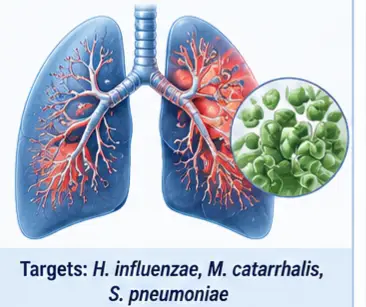
- Azithromycin is approved for the treatment of acute bacterial exacerbations of COPD caused by susceptible organisms such as Haemophilus influenzae, Moraxella catarrhalis, or Streptococcus pneumoniae. It is an alternative to other first-line agents like amoxicillin-clavulanate or fluoroquinolones.
- Acute Bacterial Sinusitis:
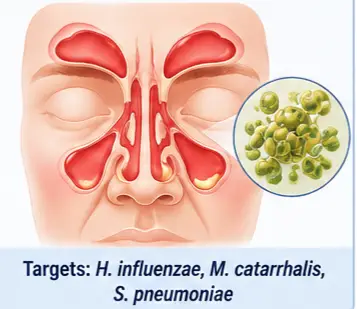
- It is approved for treating acute bacterial sinusitis due to susceptible strains of H. influenzae, M. catarrhalis, or S. pneumoniae. However, its role has been nuanced by growing pneumococcal resistance, and many guidelines now reserve it as a second-line agent, particularly after initial therapy has failed.
- Community-Acquired Pneumonia (CAP):

- Azithromycin is approved for the treatment of mild, uncomplicated CAP in appropriate patients. It is particularly valuable for its coverage of atypical pathogens like Legionella pneumophila, Chlamydophila pneumoniae, and Mycoplasma pneumoniae. It is often used in combination with a beta-lactam antibiotic for hospitalized patients to provide dual coverage.
- Uncomplicated Skin and Skin Structure Infections:
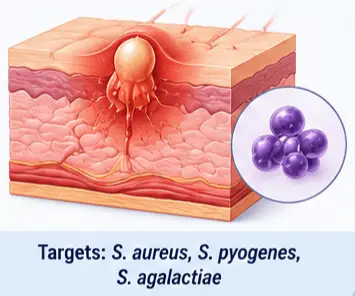
- The FDA approves its use for uncomplicated skin infections caused by susceptible Staphylococcus aureus, Streptococcus pyogenes, or Streptococcus agalactiae. However, due to rising rates of macrolide resistance among S. aureus, it is not a first-line choice for empiric therapy where MRSA is a concern.
- Urethritis and Cervicitis (Chlamydial Infections):

- Azithromycin is FDA-approved as a single 1-gram oral dose for the treatment of uncomplicated Chlamydia trachomatis urethritis and cervicitis. For many years, this was a first-line regimen, though recent guidelines note a preference for doxycycline in certain populations due to efficacy and resistance concerns.
- Pharyngitis/Tonsillitis:
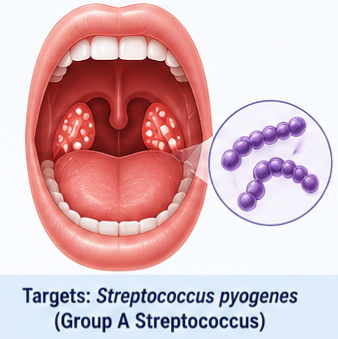
- It is approved as a second-line therapy for pharyngitis/tonsillitis caused by S. pyogenes in patients who cannot tolerate penicillin or other first-line beta-lactam antibiotics. The concern for macrolide-resistant group A streptococci limits its empiric use.
- Otitis Media:
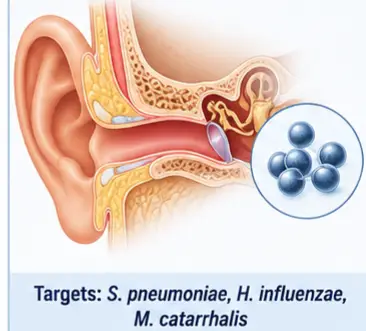
- Azithromycin is approved for the treatment of acute otitis media in children. It is an alternative for patients with a history of Type I hypersensitivity to penicillin. Its use is limited by variable efficacy against penicillin-resistant S. pneumoniae.
- Prevention of Disseminated Mycobacterium avium Complex (MAC) Disease: It is approved for both primary prevention (in patients with advanced HIV and CD4 counts < 50 cells/µL) and secondary prevention (after treatment of disseminated MAC) at a dose of 1200 mg weekly or 600 mg twice weekly.
Other Guideline-Supported or Off-Label Uses
Beyond its FDA-approved indications, azithromycin has several important applications supported by clinical guidelines or common clinical practice, some of which are off-label.
Guideline-Supported Uses:
- Pertussis (Whooping Cough): The Centers for Disease Control and Prevention (CDC) recommends azithromycin as the drug of choice for the treatment and post-exposure prophylaxis of pertussis caused by Bordetella pertussis. While this use is not specifically listed in the FDA label in the same way, it is the standard of care.
- Traveler’s Diarrhea: Although antibiotics are not routinely recommended for prophylaxis, azithromycin is a first-line option for the treatment of traveler’s diarrhea, especially in regions where fluoroquinolone-resistant Campylobacter species are common. This is a guideline-supported use by organizations like the International Society of Travel Medicine.
- Cat-Scratch Disease: Caused by Bartonella henselae, this infection is commonly treated with a course of azithromycin, particularly in cases with significant lymphadenopathy.
- Mycobacterium avium Complex (MAC) Disease – Treatment: While the FDA approval is for prevention, azithromycin is a cornerstone of treatment regimens for active MAC disease, used in combination with ethambutol and potentially a rifamycin, as per IDSA guidelines.
Common Off-Label Uses:
- COVID-19: During the early phase of the COVID-19 pandemic, azithromycin was widely used empirically due to its potential anti-inflammatory properties. This is an off-label use that is now largely unsupported by major guidelines, which recommend against its routine use in the absence of a confirmed bacterial superinfection.
- Bronchiolitis Obliterans Syndrome: In patients who have undergone lung transplantation, long-term azithromycin therapy has been shown to reduce the progression of bronchiolitis obliterans syndrome, a form of chronic lung allograft dysfunction. This use is based on its immunomodulatory effects and is a common practice in transplant medicine.
It is crucial to note that the evidence for off-label uses is variable, and any such use should be based on a careful assessment of the available evidence and clinical context.
Spectrum of Activity : Azithromycin’s role as a broad-spectrum antibiotic is defined by its activity against a variety of Gram-positive, Gram-negative, and atypical bacteria. However, resistance patterns are dynamic and have eroded its utility against some key pathogens.
| Organism/Group | Activity | Clinical Relevance |
|---|---|---|
| Gram-Positive Aerobes | ||
| Streptococcus pneumoniae | Variable/Decreasing | High rates of macrolide resistance (up to 30-40% in some regions) make it a poor empiric choice for invasive pneumococcal disease. |
| Streptococcus pyogenes | Variable/Decreasing | Resistance rates are significant (5-15%). It is an alternative for penicillin-allergic patients, but susceptibility testing is prudent. |
| Staphylococcus aureus | Variable/Decreasing | Methicillin-resistant S. aureus (MRSA) is intrinsically resistant. Methicillin-sensitive S. aureus (MSSA) resistance can be inducible; risk of treatment failure exists. |
| Gram-Negative Aerobes | ||
| Haemophilus influenzae | Good | Generally remains active and is a common target for respiratory infections. |
| Moraxella catarrhalis | Good | Consistently susceptible; a reliable target. |
| Neisseria gonorrhoeae | Poor/Resistant | Widespread resistance has rendered azithromycin ineffective as a monotherapy for gonorrhea. |
| Legionella pneumophila | Excellent | Azithromycin is a drug of choice for Legionnaires’ disease. |
| Bordetella pertussis | Excellent | Drug of choice for pertussis treatment and prophylaxis. |
| Atypicals/Intracellular | ||
| Chlamydia trachomatis | Excellent | A key component of treatment regimens for chlamydia. |
| Mycoplasma pneumoniae | Excellent | First-line agent for mycoplasma pneumonia. |
| Mycobacterium avium complex | Good | Cornerstone of prevention and treatment of MAC disease. |
| Anaerobes | ||
| Many anaerobic species | Poor to Moderate | Not a first-line agent for treating anaerobic infections. |
The high intracellular concentrations achieved by azithromycin are particularly relevant for its activity against atypical and intracellular pathogens. However, the clinical applicability of its spectrum is heavily influenced by local resistance patterns, emphasizing the need for antimicrobial stewardship and susceptibility testing when appropriate.
Pharmacodynamics: The pharmacodynamic action of azithromycin is fundamentally the inhibition of bacterial protein synthesis. It achieves this by binding to the 50S subunit of the bacterial ribosome. The drug’s affinity is specifically for the 23S rRNA component within the 50S subunit.
By occupying this site, azithromycin physically blocks the translocation step of protein synthesis. During translation, the ribosome moves along messenger RNA (mRNA), adding new amino acids to the growing peptide chain. Translocation is the step where the tRNA carrying the nascent peptide moves from the A site to the P site of the ribosome. By preventing this movement, azithromycin causes the premature detachment of incomplete peptide chains and ultimately halts protein production.
The primary effect of this action is bacteriostatic, meaning it inhibits the growth and replication of bacteria, allowing the host’s immune system to eradicate the pathogen. However, at high concentrations, particularly in tissues, azithromycin can be bactericidal against certain susceptible organisms, such as Streptococcus pyogenes and Legionella pneumophila.
The relationship between the drug’s concentration and its effect (PK/PD index) is best predicted by the AUC/MIC ratio (the ratio of the area under the concentration-time curve over 24 hours to the minimum inhibitory concentration). This indicates that the total exposure of the bacteria to the drug, rather than the peak concentration or the time above MIC, is the primary driver of its antibacterial effect. Its long post-antibiotic effect (PAE), the persistent suppression of bacterial growth after drug levels fall below the MIC, further contributes to its efficacy with short-course dosing. This combination of a long half-life and substantial PAE allows for the convenient dosing regimens for which azithromycin is known.
Mechanism of Action
How does Azithromycin work? The pathway from drug intake to clinical cure is a stepwise process of molecular interference.
- 1. Medicine:
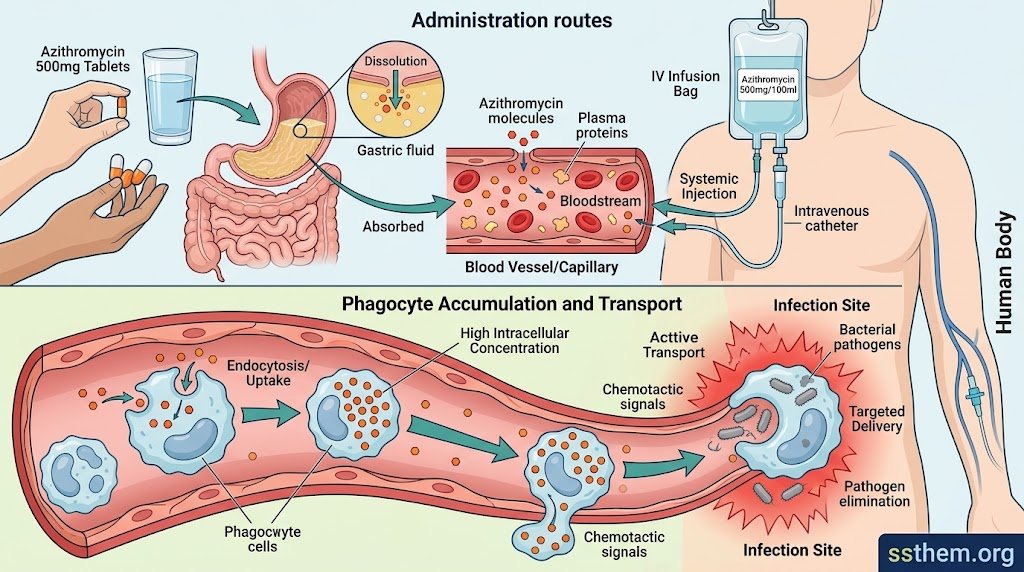
- Azithromycin is administered orally or intravenously, absorbed into the bloodstream, and distributed to the site of infection. Its unique property is its accumulation within host phagocytes, which transport it to infected tissues.
- 2. Molecular Target:
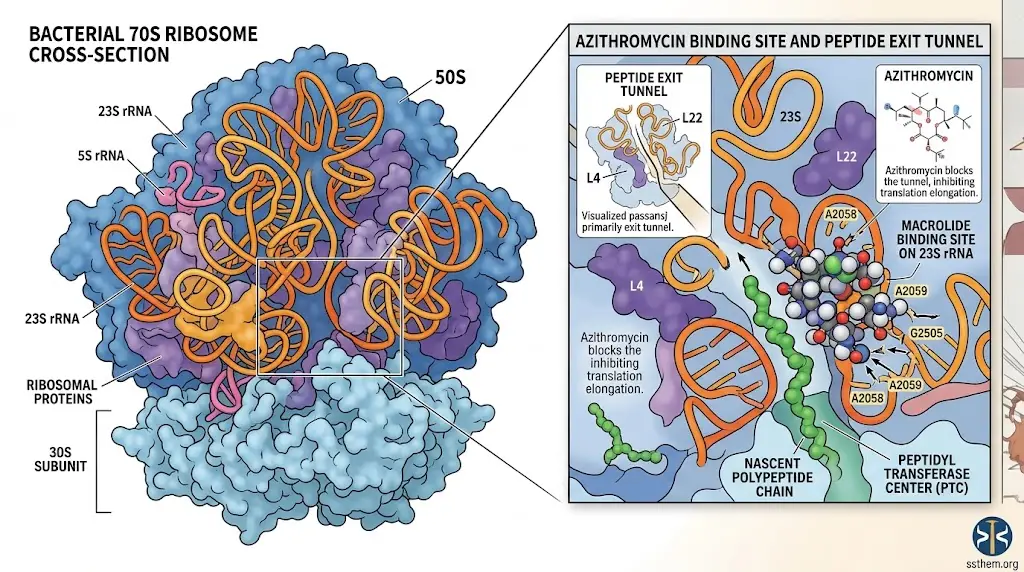
- The drug’s molecular target is the bacterial 70S ribosome. More specifically, it binds with high affinity to the 23S ribosomal RNA (rRNA) of the 50S ribosomal subunit. This binding site is located near the peptide exit tunnel, where newly synthesized proteins emerge from the ribosome.
- 3. Biochemical Effect:
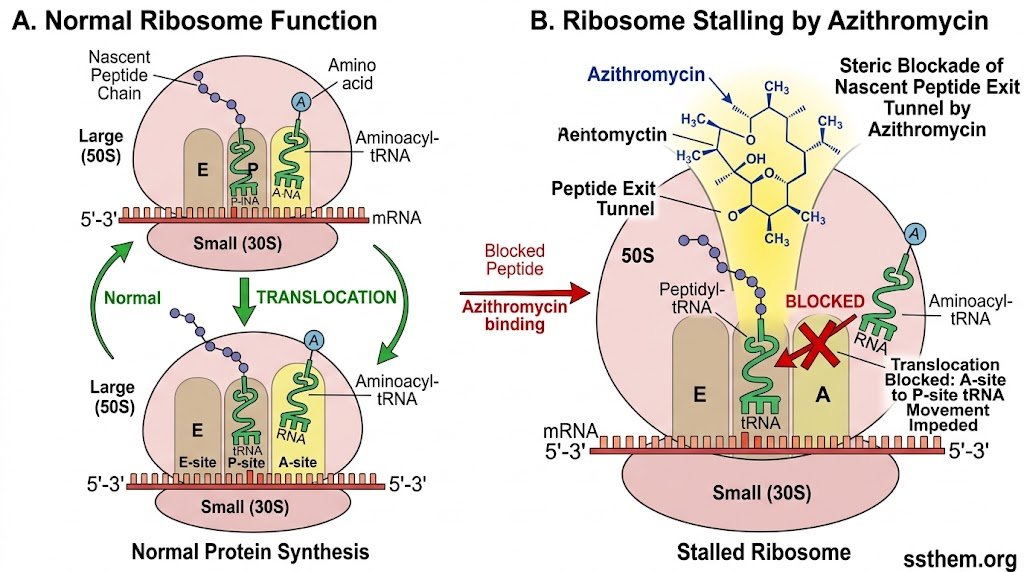
- Binding of azithromycin to the 50S subunit causes a steric blockade. This physical obstruction prevents the ribosome from performing the translocation step of protein synthesis—the coordinated movement of transfer RNA (tRNA) molecules from the A (aminoacyl) site to the P (peptidyl) site. Without translocation, the ribosome stalls and cannot continue translating the mRNA code.
- 4. Cellular/Physiological Effect:
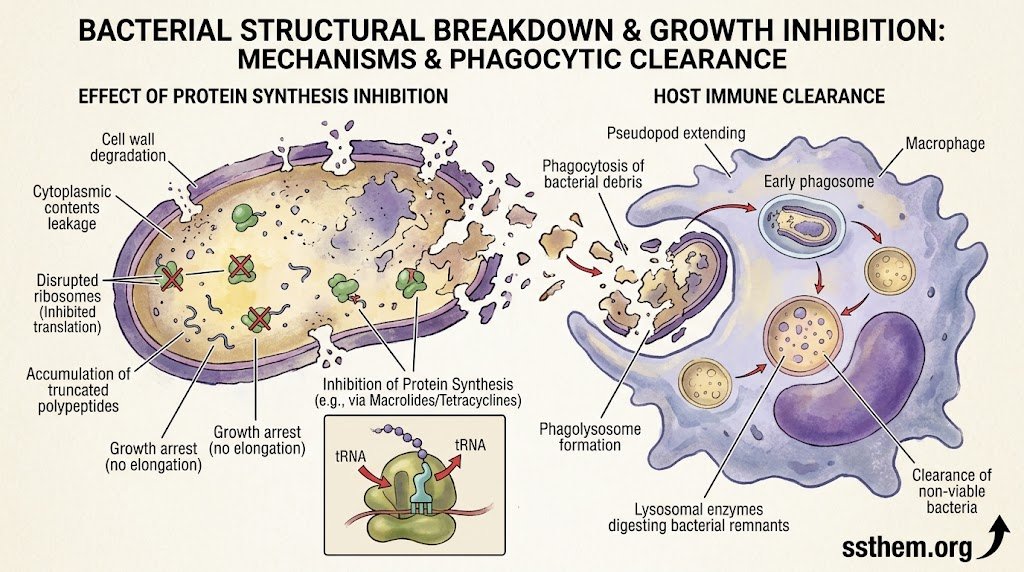
- The inability to synthesize new proteins is catastrophic for a bacterial cell. Essential proteins for cell division, cell wall maintenance, metabolism, and other vital functions are no longer produced. The cell becomes non-viable and ceases to replicate, facilitating its clearance by the host immune system.
- 5. Clinical Outcome:
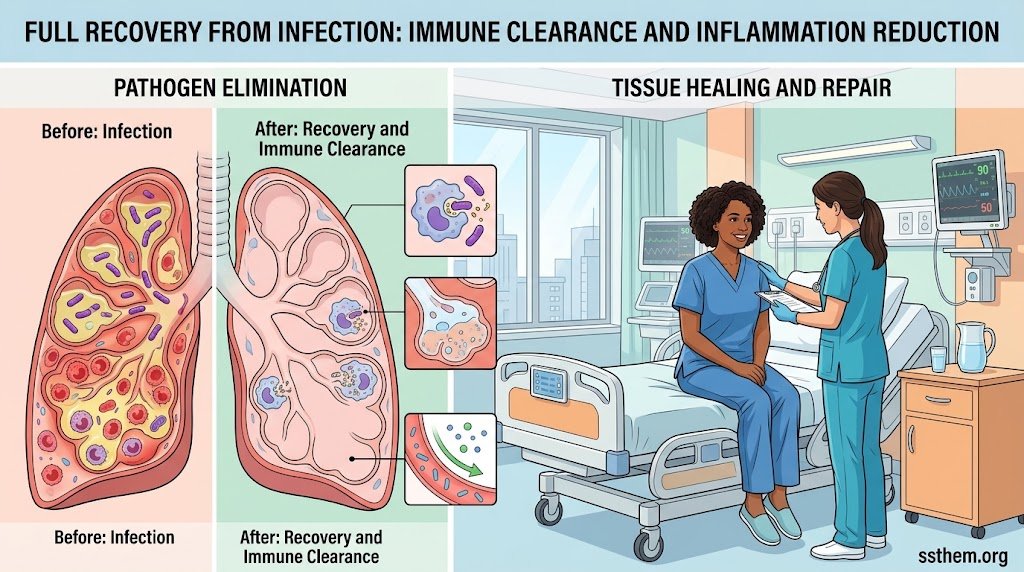
- As the bacterial population is halted and cleared by the immune response, the signs and symptoms of infection—such as fever, inflammation, and pain—resolve, leading to clinical recovery.
This targeted disruption of a process essential to bacterial life, with a mechanism distinct from human protein synthesis, explains both the drug’s efficacy and its general safety profile.
Contraindications
Contraindications to azithromycin are specific and should be carefully considered before prescribing or dispensing.
- History of Hypersensitivity to Azithromycin or Macrolides: Any prior hypersensitivity reaction, such as angioedema, Stevens-Johnson syndrome (SJS), toxic epidermal necrolysis (TEN), or anaphylaxis, to azithromycin, erythromycin, or any other macrolide antibiotic is an absolute contraindication.
- History of Cholestatic Jaundice/Hepatic Dysfunction Associated with Prior Azithromycin Use: If a patient developed signs of significant liver injury, such as cholestatic jaundice, that was temporally associated with prior azithromycin use, they should not be rechallenged with the drug.
- Concomitant Administration with Certain Drugs: The prescribing information historically listed contraindications for use with pimozide due to a high risk of QT prolongation. While not always listed as formal contraindications, the co-administration of azithromycin with other drugs that are known to significantly prolong the QT interval (e.g., Class IA and III antiarrhythmics) should be avoided when possible due to the additive risk of torsades de pointes.
These contraindications are distinct from warnings and precautions, representing situations where the use of the drug is deemed too high-risk and should be avoided entirely.
Warnings & Precautions
Several clinically important warnings and precautions require the attention of healthcare professionals.
- QT Prolongation and Torsades de Pointes: Azithromycin can prolong the QT interval, a measure of cardiac repolarization. This effect can lead to a rare but potentially fatal ventricular arrhythmia known as torsades de pointes. The risk is higher in patients with pre-existing QT prolongation, bradycardia, electrolyte abnormalities (hypokalemia, hypomagnesemia), or those taking other QT-prolonging medications. Older adults may also be at increased risk.
- Hepatotoxicity: Cases of severe and sometimes fatal hepatotoxicity, including fulminant hepatitis and hepatic necrosis, have been reported. If signs or symptoms of liver dysfunction develop (e.g., jaundice, dark urine, right upper quadrant pain, marked elevations in liver enzymes), the drug should be discontinued immediately.
- Serious Allergic Reactions: Rare but severe allergic reactions, including anaphylaxis, angioedema, SJS, and TEN, can occur. These require immediate discontinuation of the drug and prompt medical intervention. If an allergic reaction is suspected, the long half-life of azithromycin means prolonged monitoring may be necessary.
- Clostridioides difficile-Associated Diarrhea (CDAD): As with nearly all antibiotics, azithromycin use can lead to CDAD. This should be considered in any patient who develops diarrhea after antibiotic use. CDAD can range in severity from mild diarrhea to fatal colitis.
- Exacerbation of Myasthenia Gravis: Azithromycin has been reported to exacerbate symptoms or trigger new-onset myasthenia gravis in some patients.
- Infantile Hypertrophic Pyloric Stenosis (IHPS): There have been reports of IHPS in neonates treated with azithromycin. Parents should be counseled to contact a physician if vomiting or irritability with feeding occurs in an infant receiving the drug.
Side Effects
Azithromycin is generally well-tolerated, but side effects can occur. The most common adverse effects are gastrointestinal in nature.
| Side Effect | Frequency/Pattern | Clinical Significance |
|---|---|---|
| Diarrhea | Most common GI side effect, occurring in ~5-10% of patients. | Usually mild and self-limiting. If severe or bloody, it may indicate C. difficile colitis and requires prompt evaluation. |
| Nausea | Common. | Can be reduced by taking the medication with food if using the suspension form. |
| Abdominal Pain/Cramping | Common. | Often mild and transient. |
| Vomiting | More common in children, especially at higher doses. | Can lead to dehydration if persistent. |
| Headache | Reported in a small percentage of patients. | Typically mild. |
| Vaginitis/Vaginal candidiasis | Occurs due to disruption of normal flora. | Manageable with standard antifungal therapy. |
These side effects are a direct result of the drug’s effect on the gastrointestinal tract and normal microbial flora. While common, they are rarely serious and often resolve without intervention.
Serious Adverse Effects
While rare, serious and potentially life-threatening adverse effects require immediate recognition and medical attention.
- Cardiac Arrhythmias (QT Prolongation and Torsades de Pointes): This is the most significant safety concern. Warning signs include sudden fainting (syncope), palpitations, or an irregular heartbeat. The risk is highest in at-risk populations, as previously described.
- Severe Hepatotoxicity: Symptoms of a serious liver reaction include unusual fatigue, weakness, loss of appetite, nausea, vomiting, yellowing of the skin or eyes (jaundice), and dark-colored urine. This condition can rapidly progress and is potentially fatal.
- Severe Cutaneous Reactions: Azithromycin can, in rare instances, trigger severe skin reactions like Stevens-Johnson Syndrome (SJS) and Toxic Epidermal Necrolysis (TEN). These present as a painful red or purplish rash that spreads and blisters, often accompanied by fever and flu-like symptoms.
- Clostridioides difficile-Associated Diarrhea: Severe CDAD can lead to toxic megacolon, bowel perforation, and sepsis. Any patient with prolonged or severe diarrhea after antibiotic therapy warrants investigation for this condition.
- Anaphylaxis: A rapid-onset, life-threatening allergic reaction characterized by difficulty breathing, swelling of the face/throat, hives, and a rapid drop in blood pressure. It is a medical emergency.
If a patient experiences any of these signs, they should be advised to stop taking the medication and seek immediate medical care.
Dosage Table
| Patient/Clinical Group | Indication | Dose | Frequency | Duration | Important Considerations |
|---|---|---|---|---|---|
| Adults | COPD Exacerbation | 500 mg PO | Once daily | 3 days | Alternative to first-line agents. |
| Acute Bacterial Sinusitis | 500 mg PO | Once daily | 3 days | Often reserved as second-line therapy. | |
| Community-Acquired Pneumonia | 500 mg PO/IV | Once daily | 5-7 days | Often combined with a beta-lactam for inpatient treatment. | |
| Chlamydial Urethritis/Cervicitis | 1 g PO | Single dose | 1 day | Doxycycline may be preferred per current guidelines. | |
| Pharyngitis/Tonsillitis | 500 mg PO on Day 1, then 250 mg PO | Once daily | Days 2-5 | A 5-day total course for group A streptococcus. | |
| MAC Prophylaxis | 1200 mg PO | Once weekly | Indefinite | Primary prevention for advanced HIV. | |
| Pediatric Patients | Acute Otitis Media | 10 mg/kg PO on Day 1 (max 500 mg), then 5 mg/kg PO (max 250 mg) | Once daily | Days 2-5 | Or 30 mg/kg as a single dose. |
| Community-Acquired Pneumonia | 10 mg/kg PO on Day 1, then 5 mg/kg PO | Once daily | Days 2-5 | For children > 6 months of age. | |
| Pharyngitis/Tonsillitis | 12 mg/kg PO | Once daily | 5 days | Total dose not to exceed 500 mg/day. | |
| Older Adults | Standard indications | Same as adult dosing | – | – | Increased vigilance required for QT prolongation and drug interactions. |
| Renal Impairment | All indications | No dose adjustment required for mild to moderate impairment. | – | – | Use with caution in severe renal impairment (GFR < 10 mL/min), as data is limited. |
| Hepatic Impairment | All indications | No dose adjustment recommended for mild to moderate impairment. | – | – | Contraindicated in patients with a history of azithromycin-associated hepatic dysfunction. |
Dosage Details
The principles guiding azithromycin dosing are centered on its unique pharmacokinetic profile and the site of infection. The classic “Z-Pak” (a 5-day course of 500 mg on day 1, followed by 250 mg on days 2-5) is designed to provide high initial tissue loading, followed by a maintenance phase that sustains effective tissue levels for a total of about 10 days due to the drug’s long half-life.
For chlamydial infections, a single 1-gram dose is sufficient because C. trachomatis is exquisitely susceptible, and the high concentration achieved in the genital tract is rapidly bactericidal. For MAC prophylaxis, the weekly 1200 mg dose is used to minimize toxicity while maintaining adequate tissue levels for suppression. The dose selection is highly indication-specific.
In pediatric patients, dosing is always weight-based to ensure safe and effective drug exposure. The most common regimen for otitis media and pneumonia involves a higher loading dose on the first day (10 mg/kg) followed by a lower maintenance dose (5 mg/kg) for the remaining four days. This mirrors the adult Z-Pak approach.
Dosage adjustment in renal impairment is generally not required, as the drug is primarily eliminated via the biliary route. However, caution is advised in patients with severe renal insufficiency. In contrast, while mild hepatic impairment does not typically require adjustment, azithromycin is absolutely contraindicated in patients with a prior history of cholestatic jaundice or hepatic dysfunction linked to its use, as re-exposure could be fatal. For other liver diseases, close monitoring is prudent.
Administration Table
| Administration Factor | Details |
|---|---|
| Route | Oral (tablet, capsule, suspension), Intravenous (for severe infections), Ophthalmic. |
| With Food/Without Food | Tablets/Capsules: Take 1 hour before or 2 hours after meals. Suspension: Can be taken with or without food. IV: Not applicable. |
| Timing | Once-daily dosing is standard for most indications. Consistency in time of day is recommended for efficacy and adherence. |
| Preparation/Swallowing | Tablets should be swallowed whole. Shake the oral suspension well before each use. Do not mix the suspension with food or other liquids prior to administration. |
| IV Administration | Must be diluted and administered as an infusion. It should not be given as a bolus or intramuscular injection. |
| Storage | Store oral solids at room temperature. The oral suspension powder should be stored at room temperature; after reconstitution, the suspension is stable for 10 days and should be stored at room temperature. |
| Missed Dose | If a dose is missed, it should be taken as soon as the patient remembers. If it is almost time for the next dose, the missed dose should be skipped and the regular schedule resumed. Do not double the dose. |
| Special Instructions | Patients should be advised to contact their healthcare provider if symptoms do not improve or if they develop severe side effects. Do not share this medication with others. |
Pharmacokinetics: The Journey of a Single Dose
The complete pharmacokinetic journey of azithromycin is a story of remarkable tissue targeting, which is essential to understanding its clinical utility. After oral administration of a tablet, the drug’s absorption is incomplete and affected by food. Once in the plasma, its low protein binding allows it to rapidly and extensively distribute out of the bloodstream and into the extravascular space.
This distribution is not passive. Azithromycin is actively concentrated by phagocytes, such as neutrophils and macrophages. These cells act as mobile drug delivery vehicles. As they are recruited to sites of infection or inflammation by chemical signals, they carry their intracellular azithromycin payload directly into the tissue.
Once at the site, the drug is slowly released from these cells, creating and sustaining very high local concentrations over a long period. This explains the dramatic discrepancy between low plasma levels and high tissue levels. This sequestration in tissue is also the reason for the drug’s long elimination half-life; the drug must slowly leak out of this vast tissue reservoir back into the plasma before it can be cleared by the liver and excreted in the bile.
This unique pharmacokinetic profile dictates the entire dosing philosophy. The initial loading dose saturates these tissue compartments quickly. Subsequent doses are smaller and serve to maintain these tissue concentrations. This is why a 3-day or 5-day course can effectively treat infections for up to 10 days. The drug’s pharmacokinetic journey explains not only its efficacy but also why adverse effects, once they occur, can be prolonged, and why the risk of certain cardiac effects may persist for days after the last dose.
Drug Interactions
While azithromycin is notably cleaner than many other macrolides regarding drug interactions, clinically relevant interactions do exist. The most important category involves additive effects on cardiac repolarization.
| Interacting Medicine/Class | Interaction Mechanism | Potential Effect | Clinical Consideration |
|---|---|---|---|
| Class IA/III Antiarrhythmics (e.g., Amiodarone, Sotalol, Dofetilide) | Additive QT interval prolongation. | Increased risk of torsades de pointes and other serious ventricular arrhythmias. | Avoid concomitant use if possible. If unavoidable, obtain baseline ECG and monitor closely. |
| Other QT-Prolonging Drugs (e.g., Fluoroquinolones, Some Antipsychotics, SSRIs) | Additive QT interval prolongation. | Increased risk of cardiac arrhythmias. | Use with caution in patients with other risk factors for QT prolongation. |
| Warfarin | Mechanism poorly defined but may involve alteration of gut flora affecting vitamin K or rare CYP interactions. | Potentiation of anticoagulant effect; increased INR and bleeding risk. | Monitor INR closely during and for a short period after azithromycin therapy. |
| Digoxin | Azithromycin may increase the bioavailability of digoxin by altering gut flora (reducing Eubacterium lentum, which metabolizes digoxin). | Increased digoxin levels, risk of digitalis toxicity (nausea, arrhythmias). | Monitor digoxin levels and for signs of toxicity in patients taking both drugs. |
| Aluminum/Magnesium Antacids | Physical binding in the GI tract. | Decreased absorption of azithromycin, potentially reducing its efficacy. | Separate administration by at least 2 hours. |
Unlike erythromycin and clarithromycin, azithromycin does not significantly inhibit CYP3A4. This is why it has a much lower propensity for interacting with statins (like simvastatin) and immunosuppressants (like cyclosporine). However, the potential for the interactions listed above remains and should be considered.
Pregnancy & Breastfeeding
Pregnancy: Azithromycin is classified as Pregnancy Category B by the FDA (the older classification system). This categorization indicates that animal reproduction studies have failed to demonstrate a risk to the fetus, and there are no adequate and well-controlled studies in pregnant women. In practice, azithromycin is widely used and considered one of the safer antibiotics during pregnancy. It is often used for the treatment of chlamydia, which can cause severe complications in newborns (conjunctivitis and pneumonia). The benefits of treating a serious bacterial infection in a pregnant woman generally outweigh the theoretical risks.
Breastfeeding: Azithromycin is excreted into human breast milk. The amounts are detectable but generally low. Most authorities consider the use of azithromycin compatible with breastfeeding, as the risk of adverse effects in a breastfed infant (such as GI upset or candidiasis) is considered low. However, it is always prudent to monitor the infant for any signs of diarrhea, vomiting, or rash. The long half-life of the drug is a consideration, but the overall exposure to the infant through breast milk is significantly lower than a therapeutic dose.
As with any medication during pregnancy and lactation, the decision to use azithromycin should be based on a careful risk-benefit analysis by a clinician, taking into account the severity of the infection and the availability of alternative treatments.
Use in Children and Older Adults
Children: Azithromycin is a commonly used antibiotic in pediatrics, particularly valued for its palatable suspension and short-course convenience. The primary indications are acute otitis media, community-acquired pneumonia, and pharyngitis. Dosing is strictly weight-based to ensure safety and efficacy. The potential adverse effects of concern in children include GI upset, vomiting, and the rare but serious risk of infantile hypertrophic pyloric stenosis (IHPS) in neonates. A recent cohort study added further weight to the association between azithromycin use in neonates and an increased risk of IHPS, emphasizing the need for caution and parental education in this youngest patient population. Overall, when used for appropriate indications, it is generally well-tolerated and effective.
Older Adults: Older adults may be more susceptible to the adverse effects of azithromycin, particularly the cardiac effects. The risk of QT prolongation and torsades de pointes is higher in this population, especially in those with pre-existing heart disease, electrolyte imbalances, or those taking multiple medications. Additionally, age-related declines in hepatic function or the presence of comorbidities may affect drug handling. While no specific dose adjustment is recommended based on age alone, a thorough review of the patient’s cardiovascular history, electrolytes, and concurrent medication list is essential before prescribing azithromycin to an elderly patient.
Overdose
Overdose with azithromycin is unlikely to be life-threatening in the same way as an overdose of a drug with a narrow therapeutic index, but it can cause significant and unpleasant reactions. Symptoms of an overdose are most commonly an exaggeration of the drug’s known side effects. These may include severe nausea, vomiting, abdominal cramping, and severe diarrhea. Hearing loss has also been reported with high doses of macrolides.
Management of an azithromycin overdose is primarily supportive and symptomatic. There is no specific antidote. Because the drug is not effectively removed by hemodialysis, gastrointestinal decontamination (with activated charcoal) may be considered if the overdose is recent and the patient’s airway is protected. Given the potential for QT prolongation, cardiac monitoring may be warranted. Patients who ingest a significant overdose should be evaluated in an emergency department to ensure appropriate supportive care and monitoring.
Missed Dose
For a once-daily medication like azithromycin, if a patient forgets a dose, the general principle is straightforward: take the missed dose as soon as it is remembered. However, if it is near the time for the next scheduled dose, the missed dose should be skipped. The patient should then continue with their regular dosing schedule. It is critical to emphasize that patients should never double their dose to “catch up.” Doubling a dose of azithromycin, especially a 500 mg tablet, does not improve efficacy and significantly increases the risk of acute gastrointestinal side effects like nausea, vomiting, and abdominal pain.
Storage & Handling
Proper storage is essential to maintain the stability and efficacy of azithromycin. Tablets and capsules should be stored at room temperature (between 15-30°C or 59-86°F), protected from light and moisture. They should be kept in their original packaging until use.
For the oral suspension, the dry powder is stored at room temperature. Once the pharmacist or caregiver reconstitutes it with water, the suspension should be kept at room temperature. Reconstituted azithromycin suspension is typically stable for 10 days. It should be shaken well before each use to ensure the drug is evenly distributed. It does not require refrigeration, but it should be used within the stated time frame and any unused portion should be discarded after the expiration of that 10-day period. Proper disposal of expired or unneeded medications is always advised.
Clinical Experience and Practical Considerations
From a clinical perspective, azithromycin remains a highly valuable antibiotic, but its use has become more nuanced than it was decades ago. Its greatest strengths remain its convenience (once-daily dosing, short courses), its excellent activity against atypical respiratory pathogens (Mycoplasma, Legionella, Chlamydophila), its role in treating chlamydial infections, and its efficacy for MAC prophylaxis in advanced HIV disease.
However, experienced clinicians recognize its limitations. The dramatic rise in macrolide resistance among Streptococcus pneumoniae has significantly eroded confidence in using it as empiric monotherapy for community-acquired pneumonia, especially in more unwell patients. In such cases, it is often partnered with a beta-lactam. Similarly, its use in skin infections and pharyngitis is now carefully considered against local resistance patterns, with many clinicians preferring beta-lactams or other alternatives.
Prescribing considerations are multifaceted. The potential for QT prolongation mandates a careful review of the patient’s cardiac history, electrolytes, and full medication list. The GI side effects, while usually mild, can be a source of non-adherence. Patient-specific factors, such as pregnancy, age, renal and hepatic function, and the potential for drug interactions, all influence the decision to use azithromycin. It is a drug that, when used thoughtfully and for the right indication, offers substantial clinical benefit.
Answer : Azithromycin is a broad-spectrum macrolide antibiotic used to treat a variety of bacterial infections. It works by stopping the growth of bacteria.
Answer : It is used to treat respiratory infections like bronchitis and pneumonia, ear infections, skin infections, and sexually transmitted infections like chlamydia.
Answer : It binds to the bacterial ribosome (50S subunit), preventing the bacteria from producing essential proteins, thus halting their growth and replication.
Answer : A common regimen for respiratory infections is 500 mg on day 1, followed by 250 mg once daily on days 2-5. Chlamydia is treated with a single 1-gram dose.
Answer : The most common side effects are gastrointestinal and include nausea, abdominal pain, and diarrhea.
Answer : Rare but serious side effects include QT prolongation (a heart rhythm disorder), severe liver injury, serious allergic reactions (like SJS), and C. difficile-associated diarrhea.
Answer : Its terminal half-life is about 68-72 hours. This means it takes about 3 days for the body to eliminate half the drug, and effective tissue levels persist for days after the last dose.
Answer : The half-life is approximately 68-72 hours, which is exceptionally long for an antibiotic and allows for short-course therapy.
Answer : It depends on the formulation. Tablets and capsules should be taken on an empty stomach. The oral suspension can be taken with or without food.
Answer : Yes, it can interact with antiarrhythmic drugs, warfarin, digoxin, and antacids. It is important to tell your doctor about all medications you take.
Answer : It is considered one of the safer antibiotics during pregnancy (Category B), but it should only be used when clearly needed and prescribed by a doctor.
Answer : Yes, it is generally considered compatible with breastfeeding. Small amounts pass into breast milk but are not expected to cause harm to the infant. Monitor the infant for GI upset.
Answer : For mild to moderate kidney disease, no dose adjustment is needed. Caution is advised for patients with severe renal impairment (GFR < 10 mL/min).
Answer : It should be used with caution. It is absolutely contraindicated in patients who have had prior liver problems (like jaundice) caused by azithromycin itself.
Answer : Yes, it is commonly prescribed for children for ear infections and pneumonia. The dose is based on their body weight.
Answer : An overdose is unlikely to be fatal but can cause severe nausea, vomiting, and diarrhea. Seek medical attention for supportive care.
Answer : Take the missed dose as soon as you remember. If it is almost time for your next dose, skip the missed dose and continue with your normal schedule. Never double the dose.
Answer : No, azithromycin is a macrolide antibiotic. It is a common alternative for patients who are allergic to penicillin.
Answer : “Strong” is not a precise medical term. Azithromycin is effective against a specific spectrum of bacteria and is a first-choice for certain infections like chlamydia and atypical pneumonia.
Answer : It covers Gram-positive bacteria like Streptococcus pneumoniae and S. pyogenes, Gram-negative bacteria like Haemophilus influenzae, and atypical bacteria like Chlamydia, Mycoplasma, and Legionella.
Answer : Yes, significantly. Resistance is high among S. pneumoniae and S. aureus, which has limited its use for some infections. It is not effective against MRSA.
Answer : The main contraindications are a previous severe allergic reaction to a macrolide antibiotic or a history of liver problems caused by prior azithromycin use.
Answer : Tablets and capsules should be stored at room temperature. Reconstituted suspension should be stored at room temperature and used within 10 days.
Answer : Alternatives depend on the infection being treated and may include doxycycline, amoxicillin, amoxicillin-clavulanate, cephalosporins, or fluoroquinolones.
Answer : Seek immediate help if you experience sudden fainting, an irregular heartbeat, a severe skin rash, signs of liver damage (jaundice, dark urine), or severe, prolonged diarrhea.
- Title: Azithromycin and the Risk of Cardiovascular Death
- Authors/Lead Author: Wayne A. Ray, et al.
- Journal: New England Journal of Medicine
- Publication Year: 2012
- Study Design: Retrospective cohort study
- Participants/Population: Millions of outpatient prescriptions for azithromycin, amoxicillin, and levofloxacin among a Medicaid population.
- Intervention/Exposure: A 5-day course of azithromycin.
- Comparator: No antibiotic, amoxicillin, and levofloxacin.
- Main Outcome: Risk of cardiovascular death and death from any cause.
- Important Findings: The study found a small but statistically significant increase in the risk of cardiovascular death and all-cause mortality during the 5 days of azithromycin therapy compared to amoxicillin or no antibiotic. The risk was most pronounced in patients with a high baseline risk of cardiovascular disease.
- Clinical Significance: This study fundamentally changed the safety conversation around azithromycin, leading to an FDA Drug Safety Communication and prompting clinicians to carefully assess cardiac risk before prescribing.
- Major Limitations: Observational design; cannot fully exclude confounding by indication.
- PMID: 22591294
2. The Pivotal Trial for Single-Dose Chlamydia Therapy
- Title: A controlled trial of a single dose of azithromycin for the treatment of chlamydial urethritis and cervicitis.
- Authors/Lead Author: D. C. W. Martin, et al.
- Journal: New England Journal of Medicine
- Publication Year: 1992
- Study Design: Multicenter, double-blind, randomized controlled trial.
- Participants/Population: Men and women with uncomplicated chlamydial infections.
- Intervention/Exposure: A single 1-gram oral dose of azithromycin.
- Comparator: A standard 7-day course of doxycycline (100 mg twice daily).
- Main Outcome: Bacteriologic eradication and clinical resolution.
- Important Findings: The single dose of azithromycin was found to be equally effective as a 7-day course of doxycycline for treating chlamydia.
- Clinical Significance: This trial established single-dose azithromycin therapy as a cornerstone of chlamydia treatment for decades, revolutionizing public health interventions.
- Major Limitations: Did not assess long-term outcomes or resistance development; later studies have shown potential GI-related inferiority compared to doxycycline.
- PMID: 1311055
3. A Major Review on Efficacy in Respiratory Infections
- Title: Azithromycin for acute lower respiratory tract infections (Review)
- Authors/Lead Author: D. D. P. M. de la Peña, et al.
- Journal: Cochrane Database of Systematic Reviews
- Publication Year: 2014 (Issue 4)
- Study Design: Systematic Review and Meta-analysis of randomized controlled trials.
- Participants/Population: Adults and children with acute bronchitis and community-acquired pneumonia.
- Intervention/Exposure: Azithromycin compared to placebo or other antibiotics.
- Comparator: Placebo, amoxicillin, or other appropriate antibiotics.
- Main Outcome: Clinical cure, treatment failure, and adverse events.
- Important Findings: The review concluded that azithromycin is effective for treating acute lower respiratory tract infections. However, it found no clear evidence of superiority over other antibiotics like amoxicillin and noted concerns about increasing bacterial resistance.
- Clinical Significance: This review reinforced azithromycin’s efficacy while highlighting the importance of antimicrobial stewardship and using it only when its benefits (e.g., atypical coverage) are most needed.
- Major Limitations: The included studies had variable quality and heterogeneity.
- DOI: 10.1002/14651858.CD001954.pub4
4. An Important Pharmacokinetic/Pharmacodynamic Study
- Title: The pharmacokinetics of azithromycin in human serum and tissues.
- Authors/Lead Author: G. Foulds, et al.
- Journal: Journal of Antimicrobial Chemotherapy
- Publication Year: 1990
- Study Design: Human pharmacokinetic study.
- Participants/Population: Healthy volunteers and patients undergoing surgery.
- Intervention/Exposure: Administration of oral or intravenous azithromycin.
- Comparator: None (PK study).
- Main Outcome: Measurement of drug concentrations in serum, tissues (lung, tonsil, prostate), and white blood cells over time.
- Important Findings: The study definitively demonstrated the unique distribution of azithromycin, showing tissue concentrations that were 10-100 times higher than serum levels, and extremely high and sustained concentrations within polymorphonuclear leukocytes.
- Clinical Significance: This foundational PK work explained why azithromycin is so effective against intracellular pathogens and why short courses are effective. It also provided the basis for calculating the drug’s long half-life and AUC/MIC relationships.
- Major Limitations: Small study population; conclusions about efficacy are inferred from concentrations, not clinical outcomes.
- DOI: 10.1093/jac/25.suppl_A.73
5. A Recent Study on Neonatal Safety
- Title: Association of Infantile Hypertrophic Pyloric Stenosis with Azithromycin Exposure in Neonates.
- Authors/Lead Author: J. E. Rankin, et al.
- Journal: JAMA Pediatrics
- Publication Year: 2021
- Study Design: Retrospective cohort study of a large national Medicaid database.
- Participants/Population: Neonates (under 28 days old) who were exposed to azithromycin or other antibiotics.
- Intervention/Exposure: Oral azithromycin within the first 28 days of life.
- Comparator: Exposure to other antibiotics (e.g., amoxicillin) or no antibiotic exposure.
- Main Outcome: Diagnosis of infantile hypertrophic pyloric stenosis (IHPS).
- Important Findings: The study found a significantly increased risk of IHPS in neonates exposed to azithromycin, particularly within the first two weeks of life.
- Clinical Significance: This study provided strong, real-world evidence supporting the FDA warning about the risk of IHPS in neonates, making clinicians more cautious about using azithromycin in the youngest patients.
- Major Limitations: Retrospective design; potential for residual confounding.
- PMID: 34597375
Authentic References
- U.S. Food and Drug Administration (FDA). Zithromax (azithromycin) [package insert]. New York, NY: Pfizer Labs; 2013. https://www.accessdata.fda.gov/drugsatfda_docs/label/2013/050710s039,050711s036,050784s023lbl.pdf
- U.S. Food and Drug Administration (FDA). FDA Drug Safety Communication: Azithromycin (Zithromax or Zmax) and the risk of potentially fatal heart rhythms. March 12, 2013. https://www.fda.gov/drugs/drug-safety-and-availability/fda-drug-safety-communication-azithromycin-zithromax-or-zmax-and-risk-potentially-fatal-heart
- Ray WA, Murray KT, Hall K, et al. Azithromycin and the Risk of Cardiovascular Death. N Engl J Med. 2012;366(20):1881-1890. PMID: 22591294.
- Martin DH, Mroczkowski TF, Dalu ZA, et al. A controlled trial of a single dose of azithromycin for the treatment of chlamydial urethritis and cervicitis. N Engl J Med. 1992;327(13):921-925. PMID: 1311055.
- Foulds G, Shepard RM, Johnson RB. The pharmacokinetics of azithromycin in human serum and tissues. J Antimicrob Chemother. 1990;25(Suppl A):73-82. DOI: 10.1093/jac/25.suppl_A.73.
- Rankin JE, Van Duin D, Cotten CM, et al. Association of Infantile Hypertrophic Pyloric Stenosis with Azithromycin Exposure in Neonates. JAMA Pediatr. 2021;175(12):1224-1230. PMID: 34597375.
- de la Peña DDP, Llor C, Cots JM, et al. Azithromycin for acute lower respiratory tract infections. Cochrane Database Syst Rev. 2014(4):CD001954. DOI: 10.1002/14651858.CD001954.pub4.
- Centers for Disease Control and Prevention (CDC). Pertussis (Whooping Cough): Treatment. https://www.cdc.gov/pertussis/clinical/treatment.html
- Infectious Diseases Society of America (IDSA). Guidelines for the Management of Adults with Community-acquired Pneumonia. Am J Respir Crit Care Med. 2019;200(7):e45-e67.
- Gilbert DN, Chambers HF, Saag MS, et al. The Sanford Guide to Antimicrobial Therapy 2023. 53rd ed. Antimicrobial Therapy, Inc.; 2023.
Azithromycin represents a triumph of pharmacological design, translating a key chemical modification into a drug with unparalleled clinical convenience. Its defining characteristic—the ability to achieve and sustain high intracellular and tissue concentrations—has made it the agent of choice for a select group of infections, from chlamydia to atypical pneumonia to MAC prophylaxis. The “azithromycin uses and side effects” story is, at its core, a story of this unique pharmacokinetic profile dictating its clinical role. Its long half-life enables a 5-day course to function like a 10-day course, but it also means that adverse effects may linger. Its minimal interaction with the CYP450 system is a major safety advantage, yet its potential to prolong the QT interval demands vigilance.
The modern clinical use of azithromycin is a lesson in the delicate balance of benefit and risk. The specter of rising antimicrobial resistance has appropriately pushed it from a broad empiric solution to a more targeted therapeutic tool. Its use is no longer reflexive but deliberate, guided by a clear understanding of its strengths, its limitations, and the individual patient in front of the clinician. For the healthcare professional, mastery of this drug is not just about knowing its dose; it is about appreciating the intricate interplay of its pharmacology, microbiology, and safety that makes it both a powerful ally and a drug requiring respect
Disclaimer: This article is for educational and informational purposes only and does not constitute medical advice. The information provided is not intended to replace professional medical judgment, diagnosis, or treatment. Always seek the advice of a qualified healthcare provider with any questions you may have regarding a medical condition or medication. Do not disregard professional medical advice or delay in seeking it because of something you have read in this article. The authors and publishers are not responsible for any adverse effects or consequences resulting from the use of any suggestions, preparations, or procedures discussed in this article.

2 Comments