7 powerful clinical secrets of cefixime Every Doctor Must Know for Powerful Infection Control
powerful clinical secrets of cefixime
What makes a third-generation cephalosporin antibiotic effective against certain Gram-negative pathogens while demonstrating limited activity against Staphylococcus aureus—and why does its oral bioavailability rarely exceed 50% regardless of dose escalation?
This question lies at the heart of understanding cefixime’s clinical positioning. For decades, clinicians have relied on this orally administered cephalosporin for targeted treatment of respiratory tract infections, urinary tract infections, and gonococcal disease. Yet its pharmacokinetic limitations, evolving resistance patterns, and specific adverse effect profile demand careful consideration before prescribing.
Cefixime occupies a unique niche in antimicrobial therapy. Unlike earlier cephalosporins requiring parenteral administration, cefixime offers convenient oral dosing while maintaining activity against many β-lactamase–producing organisms. However, its absorption ceiling, protein-binding characteristics, and variable tissue penetration create clinically meaningful constraints that influence treatment outcomes.
This article provides a detailed, evidence-based exploration of cefixime—covering FDA-approved indications, guideline-supported uses, pharmacokinetics, pharmacodynamics, dosage considerations across special populations, adverse effects, drug interactions, and clinical pearls derived from published literature. Healthcare professionals will gain a thorough understanding of where cefixime fits in contemporary antimicrobial stewardship and where alternative agents may be preferable.
The discussion progresses from fundamental pharmacologic principles through practical prescribing considerations, concluding with frequently asked questions and analysis of five landmark studies that shaped current clinical practice.
Key Facts Table
| Key Fact | Details |
|---|---|
| Generic Name | Cefixime |
| Common Brand Names | Suprax, Cefspan, Ceforal, Taxim-O |
| Drug Class | Cephalosporin antibiotic |
| Pharmacologic Class | Third-generation cephalosporin |
| Therapeutic Class | Antibacterial agent |
| ATC Code | J01DD08 |
| Dosage Forms | Tablets, capsules, oral suspension, dispersible tablets |
| Available Strengths | 100 mg, 200 mg, 400 mg tablets; 100 mg/5 mL suspension |
| Routes of Administration | Oral |
| Prescription Status | Prescription-only medication |
| Primary Clinical Uses | Urinary tract infections, respiratory tract infections, otitis media, gonorrhea, typhoid fever |
| FDA Status | FDA-approved for specific infections |
| Elimination Route | Approximately 20%–30% excreted unchanged in urine; significant biliary excretion |
| Half-Life | 3–4 hours in adults with normal renal function |
| Major Metabolic Pathway | Minimal hepatic metabolism; primarily excreted unchanged |
| Important Safety Considerations | Hypersensitivity reactions, Clostridioides difficile-associated diarrhea, hemolytic anemia, renal dosing adjustments required |
What Is Cefixime?
Cefixime is a semisynthetic, orally administered cephalosporin antibiotic belonging to the third-generation cephalosporin class. It was developed to provide enhanced stability against β-lactamase enzymes produced by many Gram-negative bacteria while offering convenient oral administration—a significant advantage over earlier cephalosporins that required intravenous or intramuscular delivery.
Cefixime is classified chemically as an aminothiazolyl cephalosporin with a vinyl oxyimino side chain. This structural modification confers resistance to hydrolysis by many plasmid-mediated and chromosomal β-lactamases, distinguishing it from first- and second-generation cephalosporins that are more susceptible to enzymatic degradation.
The therapeutic significance of cefixime lies in its spectrum of activity against clinically important Gram-negative pathogens, including Escherichia coli, Klebsiella pneumoniae, Proteus mirabilis, Haemophilus influenzae, Moraxella catarrhalis, and Neisseria gonorrhoeae. It also demonstrates activity against certain Gram-positive organisms, notably Streptococcus pyogenes and Streptococcus pneumoniae, though its potency against staphylococci is limited.
Unlike cefpodoxime or cefdinir—other oral third-generation cephalosporins—cefixime has a longer half-life allowing once-daily or twice-daily dosing. Its high protein binding (approximately 65%–70%) and biliary excretion pathway distinguish it pharmacokinetically from cefdinir, which is primarily renally eliminated.
Cefixime is available only by prescription in most countries. It should not be confused with cefalexin (first-generation cephalosporin) or ceftriaxone (parenteral third-generation cephalosporin), as these agents differ substantially in spectrum, pharmacokinetics, and clinical indications.
Learning Point: Medical students often ask why cefixime cannot replace ceftriaxone for serious infections. The answer lies in its oral bioavailability limitations and lower achievable serum concentrations compared to parenteral dosing—factors discussed in detail in subsequent sections.
if you are interested to learn about religions of world Details ssthem.com
Pharmacokinetics & Pharmacodynamics Overview Table
| Parameter | Important Details | Clinical Significance |
|---|---|---|
| Absorption | Oral bioavailability 30%–50%; absorption not significantly enhanced by dose increases | Maximum serum concentrations plateau despite higher doses |
| Bioavailability | 40%–50% for tablets and suspension | Lower than many alternative oral cephalosporins |
| Peak
Concentration |
2–4 μg/mL after 200 mg dose; 3.7–4.6 μg/mL after 400 mg dose | Sufficient for susceptible organisms but limited for intermediately resistant pathogens |
| Time to Peak | 3–4 hours after oral administration | Slower onset compared to some alternatives |
| Protein Binding | 65%–70%, primarily albumin | Limits free drug available for tissue distribution |
| Distribution | Widely distributed; therapeutic concentrations in respiratory tract, middle ear, urine, bile | Limited cerebrospinal fluid penetration |
| Volume of Distribution | 0.6–1.1 L/kg | Moderate tissue distribution |
| Blood-Brain Barrier Penetration | Poor penetration | Not suitable for central nervous system infections |
| Placental
Transfer |
Limited data; cephalosporins generally considered compatible with pregnancy | Prescribe only when clearly needed |
| Breast Milk Transfer | Low concentrations reported | Generally considered compatible with breastfeeding |
| Metabolism | Minimal hepatic metabolism | Fewer drug interactions than extensively metabolized antibiotics |
| Active/Inactive Metabolites | No clinically significant active metabolites | Parent drug responsible for antimicrobial activity |
| Elimination | 20%–30% renal excretion unchanged; 60% biliary/intestinal excretion | Dose adjustment required in severe renal impairment |
| Renal Clearance | 1.5–3 mL/min/kg | Reduced in renal dysfunction |
| Half-Life | 3–4 hours (normal renal function); extends to 11–12 hours in ESRD | Allows once-daily dosing; prolonged in renal failure |
| Major Pharmacodynamic Target | Penicillin-binding proteins (PBPs), particularly PBP 3 | Inhibits bacterial cell wall synthesis |
| Pharmacodynamic Effect | Bactericidal against susceptible organisms | Time-dependent killing |
| PK/PD Relationship | fT > MIC is best predictor of efficacy | Requires maintaining free drug concentrations above MIC for 35%–50% of dosing interval |
The half-life of cefixime is significantly prolonged in patients with impaired renal function. In individuals with creatinine clearance below 20 mL/min or those on hemodialysis, the half-life extends to approximately 11 to 12 hours. This prolongation occurs because renal excretion, while not the sole elimination pathway, contributes meaningfully to total drug clearance. However, because biliary and intestinal excretion accounts for a substantial proportion of cefixime elimination, the prolongation in renal failure is less dramatic than observed with predominantly renally cleared antibiotics such as cefdinir or amoxicillin.
Hepatic impairment does not substantially alter cefixime half-life, consistent with its minimal hepatic metabolism. No dose adjustment is recommended for patients with mild to moderate hepatic dysfunction.
Pediatric patients generally exhibit similar elimination kinetics to adults after accounting for body weight, though neonates and premature infants may demonstrate prolonged clearance due to immature renal function. Geriatric patients with age-related decline in glomerular filtration rate may experience modest half-life prolongation, though routine dose adjustment is not required unless significant renal impairment exists.
The clinical significance of cefixime’s half-life extends to its dosing interval. A 3–4 hour half-life theoretically supports twice-daily dosing for most infections; however, the post-antibiotic effect observed with β-lactam antibiotics against susceptible organisms, combined with adequate time above MIC, allows once-daily administration for certain indications, particularly uncomplicated urinary tract infections.
Clinical Pearl: The discrepancy between cefixime’s half-life and its once-daily dosing recommendation for some indications reflects the importance of PK/PD parameters beyond half-life alone. The time above MIC remains the critical determinant of efficacy for β-lactam antibiotics.
Bioavailability & Absorption
Cefixime’s oral bioavailability is a defining pharmacokinetic characteristic that influences its clinical utility and limitations. Approximately 30% to 50% of an orally administered dose reaches systemic circulation—a value substantially lower than many alternative oral antibiotics. Amoxicillin achieves 75%–90% bioavailability, cefdinir approximately 25%–35%, and ciprofloxacin 70%–80%.
A crucial feature of cefixime absorption is its nonlinearity. Increasing the oral dose from 200 mg to 400 mg does not proportionally increase maximum serum concentrations or area under the curve (AUC). This absorption ceiling reflects saturable intestinal transport mechanisms rather than passive diffusion. Consequently, doubling the dose produces only modest increases in serum concentrations—a consideration relevant when clinicians contemplate dose escalation for more resistant organisms.
Food has a clinically negligible effect on cefixime absorption, though high-fat meals may slightly delay time to peak concentration without significantly reducing total exposure. This permits administration without regard to meals, simplifying dosing schedules for patients.
The oral suspension formulation exhibits bioequivalence to tablets, allowing interchangeability between formulations when dosage is accurately calculated. Dispersible tablets, available in some markets, should be dissolved in water before administration to ensure complete dissolution and optimal absorption.
Conditions that accelerate intestinal transit, such as severe diarrhea, may reduce cefixime absorption, though formal studies quantifying this effect are limited. Concomitant administration with antacids containing aluminum or magnesium hydroxide has not demonstrated clinically significant absorption interference in most studies, though separation of doses by 2 hours is a reasonable precaution.
For clinicians, the practical implication is that cefixime’s modest and saturable bioavailability limits its use to infections caused by highly susceptible organisms. It should not be relied upon for serious systemic infections where achieving high serum concentrations is critical.
Protein Binding & Distribution
Cefixime is approximately 65% to 70% bound to plasma proteins, primarily albumin. This moderate-to-high protein binding has several clinical implications. Only the unbound (free) fraction is pharmacologically active and capable of distributing into tissues. For a 400 mg oral dose yielding a total serum concentration of approximately 4 μg/mL, the free drug concentration is roughly 1.2–1.4 μg/mL—an important consideration when evaluating susceptibility breakpoints.
The volume of distribution of cefixime ranges from 0.6 to 1.1 L/kg, indicating distribution primarily into extracellular fluid compartments. Therapeutic concentrations are achieved in respiratory tract tissues, middle ear fluid, tonsillar tissue, sinus mucosa, and urine. Biliary concentrations are particularly high due to the significant biliary excretion pathway.
Cefixime penetrates poorly into cerebrospinal fluid, even in the presence of meningeal inflammation. This limitation precludes its use for central nervous system infections, bacterial meningitis, or neurosurgical prophylaxis.
Placental transfer of cefixime is limited, consistent with its protein-binding characteristics and molecular weight. While cephalosporins as a class are generally considered compatible with pregnancy, cefixime-specific human data remain limited, and use should be reserved for clear clinical indications.
Breast milk concentrations of cefixime are low, and the American Academy of Pediatrics classifies cephalosporins as generally compatible with breastfeeding. No adverse effects in nursing infants have been documented in available literature, though gastrointestinal flora disruption remains a theoretical consideration.
Clinically significant drug displacement interactions involving cefixime are uncommon. Unlike highly protein-bound acidic drugs such as warfarin or sulfonylureas, cefixime’s binding affinity is not sufficient to displace clinically meaningful quantities of other medications. Similarly, other drugs are unlikely to displace cefixime to a clinically relevant extent.
Metabolism: Cefixime undergoes minimal hepatic metabolism, distinguishing it from antibiotics that require extensive biotransformation. The drug is primarily excreted unchanged in bile and urine, with no clinically significant active metabolites identified. This metabolic profile contributes to a favorable drug interaction profile and permits use in patients with hepatic impairment without dose adjustment.
The primary elimination pathways involve:
- Biliary excretion:
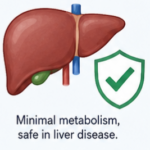
- Approximately 60% of absorbed drug undergoes biliary excretion, contributing to high intestinal concentrations. This pathway accounts for cefixime’s efficacy in enteric infections and its potential to disrupt normal gut flora.
- Renal excretion:
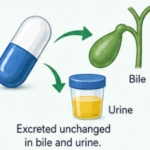
- Approximately 20% to 30% of unchanged drug is eliminated via glomerular filtration and possibly active tubular secretion. Renal clearance of cefixime is approximately 1.5 to 3 mL/min/kg in healthy adults.
The lack of significant cytochrome P450 involvement means that classic drug interactions mediated through enzyme induction or inhibition are rare. Unlike macrolides (erythromycin, clarithromycin) or fluoroquinolones (ciprofloxacin), cefixime does not inhibit CYP3A4, CYP1A2, or other major drug-metabolizing enzymes.
Factors affecting elimination include:
- Renal impairment:
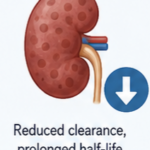 Reduced glomerular filtration decreases renal clearance, prolonging half-life. However, the substantial biliary component maintains some drug elimination even in end-stage renal disease.
- Severe hepatic dysfunction with biliary obstruction:
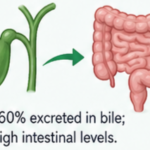 Theoretical concern exists for reduced biliary excretion, though no specific dose adjustments are recommended in current labeling.
 - Age: Neonates demonstrate immature renal and biliary function; elderly patients may have reduced renal clearance due to age-related decline.
The clinical implication of cefixime’s metabolic profile is straightforward: drug interactions are less problematic than with many antibiotics, and dosing adjustments are required only in significant renal impairment.
FDA-Approved Uses
In the United States, the U.S. Food and Drug Administration (FDA) has approved cefixime for specific infectious conditions based on clinical trial data demonstrating efficacy against susceptible pathogens. The approved indications include:
Acute Otitis Media : 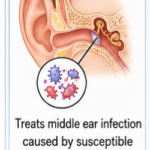 Cefixime is FDA-approved for treatment of acute otitis media caused by susceptible strains of Haemophilus influenzae, Moraxella catarrhalis, and Streptococcus pyogenes. Clinical studies established efficacy comparable to amoxicillin/clavulanate and cefaclor for this indication. However, current clinical practice guidelines from the American Academy of Pediatrics often prefer amoxicillin as first-line therapy, reserving cefixime for treatment failure, allergy to penicillins (non-severe), or documented β-lactamase–producing organisms.
Pharyngitis and Tonsillitis : 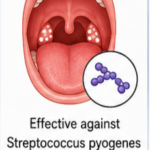 Cefixime is approved for pharyngitis and tonsillitis caused by Streptococcus pyogenes (group A β-hemolytic streptococcus). Clinical trials demonstrated eradication rates exceeding 90% in susceptible strains. It represents an alternative for patients with non-severe penicillin allergy, though first-line therapy remains penicillin or amoxicillin per IDSA guidelines.
Acute Exacerbations of Chronic Bronchitis: 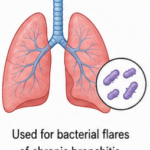 The FDA approved cefixime for acute bacterial exacerbations of chronic bronchitis caused by Streptococcus pneumoniae and Haemophilus influenzae. However, the role of antibiotics in acute COPD exacerbations has evolved, and current GOLD guidelines recommend antibiotic therapy primarily for patients with increased sputum purulence along with increased dyspnea and/or sputum volume.
Uncomplicated Urinary Tract Infections: 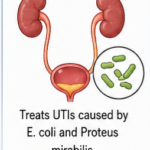 Cefixime is approved for uncomplicated urinary tract infections (cystitis) caused by Escherichia coli and Proteus mirabilis. Its high urinary concentrations and activity against common uropathogens support this indication. However, increasing E. coli resistance to oral cephalosporins in some regions has prompted alternative recommendations in certain guidelines.
Uncomplicated Gonorrhea : 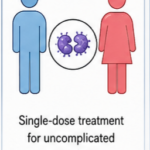 Cefixime is FDA-approved for uncomplicated cervical/urethral gonorrhea caused by Neisseria gonorrhoeae. Historically, a single 400 mg oral dose was standard therapy. Due to evolving resistance, current CDC guidelines no longer recommend cefixime monotherapy as first-line treatment. Ceftriaxone intramuscular remains preferred, with cefixime reserved for situations where parenteral therapy is unavailable and patient follow-up is ensured.
Important Distinction: FDA approval indicates the drug demonstrated efficacy in controlled trials for these indications at the time of evaluation. It does not necessarily reflect current preferred therapy in evolving resistance environments. Clinicians should consult current guidelines alongside FDA labeling.
Guideline-Supported and Off-Label Uses
Beyond FDA-approved indications, cefixime is used for several conditions supported by professional guidelines or accumulated clinical evidence, though lacking formal FDA approval. These uses require careful clinical judgment.
Guideline-Supported Uses
Typhoid Fever (Enteric Fever): 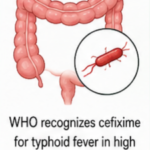 The World Health Organization and various national guidelines recognize cefixime as an oral option for uncomplicated typhoid fever caused by Salmonella enterica serovar Typhi, particularly in regions with high fluoroquinolone resistance. Doses of 15–20 mg/kg/day divided twice daily for 7–14 days have demonstrated efficacy. However, emerging ceftriaxone resistance in South Asia necessitates susceptibility-guided therapy.
Shigellosis: 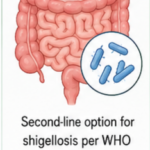 WHO guidelines include cefixime as a second-line agent for shigellosis when fluoroquinolones or azithromycin are unavailable, contraindicated, or resistance is documented. Typical treatment duration is 3–5 days.
Febrile Neutropenia (Low-Risk Patients):
Certain oncology guidelines suggest oral cefixime (combined with other oral agents) as step-down or empiric therapy in carefully selected low-risk febrile neutropenic patients. This use requires specialist oversight and institutional protocols.
Common Off-Label Uses
Acute Bacterial Sinusitis:  Although not FDA-approved for this indication, cefixime demonstrates clinical efficacy against common sinus pathogens. IDSA guidelines list third-generation cephalosporins as alternatives for penicillin-allergic patients. However, amoxicillin/clavulanate remains first-line for most adults.
Pediatric Urinary Tract Infections: 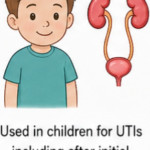 Cefixime is commonly used in children with cystitis or pyelonephritis (following initial parenteral therapy) despite pediatric-specific FDA labeling being limited. The American Academy of Pediatrics recognizes its role in selected cases.
Traveler’s Diarrhea: Cefixime may be prescribed empirically for traveler’s diarrhea in regions with known resistance to fluoroquinolones and azithromycin, though it is not first-line therapy.
Prostatitis:  Chronic bacterial prostatitis caused by susceptible Gram-negative organisms may be treated with cefixime when other agents are contraindicated, though tissue penetration is limited.
Clinical Judgment Required:
Off-label use should be based on susceptibility testing, local resistance patterns, patient-specific factors, and clinical judgment. Documentation supporting the rationale for off-label prescribing is recommended.
Improve your Health and Beauty But How Details ssthem.net
Spectrum of Activity
Cefixime demonstrates a characteristic third-generation cephalosporin spectrum with enhanced Gram-negative coverage compared to earlier cephalosporins while retaining activity against selected Gram-positive organisms.
| Organism/Group | Activity | Clinical Relevance |
|---|---|---|
| Escherichia coli | Susceptible (variable) | Common UTI pathogen; susceptibility varies regionally |
| Klebsiella pneumoniae | Generally susceptible | Respiratory and urinary infections |
| Proteus mirabilis | Susceptible | UTI pathogen |
| Haemophilus influenzae | Susceptible (including β-lactamase–producing strains) | Respiratory infections |
| Moraxella catarrhalis | Susceptible | Respiratory infections |
| Neisseria gonorrhoeae | Variable (declining susceptibility) | Gonorrhea; resistance concerns |
| Salmonella spp. | Generally susceptible | Enteric fever |
| Shigella spp. | Generally susceptible | Bacillary dysentery |
| Streptococcus pneumoniae | Variable; penicillin-resistant strains may have reduced cefixime susceptibility | Respiratory infections |
| Streptococcus pyogenes | Susceptible | Pharyngitis, skin infections |
| Staphylococcus aureus (MSSA) | Limited activity | Not recommended for staphylococcal infections |
| MRSA | Resistant | No activity |
| Pseudomonas aeruginosa | Intrinsically resistant | No activity |
| Enterococcus spp. | Intrinsically resistant | No activity |
| Bacteroides fragilis | Limited activity | Not suitable for anaerobic infections |
| Listeria monocytogenes | Resistant | No activity |
Important Resistance Considerations:
The emergence of extended-spectrum β-lactamases (ESBLs) in E. coli and Klebsiella species significantly reduces cefixime susceptibility. Many ESBL-producing organisms test resistant or intermediate to cefixime despite appearing susceptible to other cephalosporins. Local antibiograms should guide empiric prescribing.
N. gonorrhoeae resistance to cefixime has emerged globally, driven by mosaic penicillin-binding protein alterations. This has necessitated ceftriaxone-based regimens as standard therapy.
Pharmacodynamics
Cefixime exerts its antimicrobial effect through time-dependent bactericidal activity, meaning efficacy correlates primarily with the duration of time that free drug concentrations remain above the minimum inhibitory concentration (fT > MIC) rather than peak concentration magnitude.
The optimal PK/PD target for cephalosporins is generally considered free drug concentrations above MIC for at least 35% to 50% of the dosing interval. For cefixime dosed at 400 mg daily, free drug concentrations remain above the MIC of susceptible organisms for sufficient durations to achieve clinical cure, particularly against highly susceptible pathogens with MICs ≤0.5 μg/mL.
The post-antibiotic effect of cefixime against Gram-positive organisms is moderate (1–3 hours), while against Gram-negative bacteria it is minimal. However, the relatively long half-life (3–4 hours) compensates for this limited post-antibiotic effect compared to shorter-acting cephalosporins.
Concentration-dependent killing is not characteristic of cefixime. Escalating doses beyond recommended levels does not proportionally enhance bactericidal activity and may increase adverse effects without clinical benefit.
Resistance Mechanisms Affecting Pharmacodynamics:
- β-lactamase production: Although cefixime resists many β-lactamases, ESBL-producing organisms hydrolyze it efficiently, reducing effective fT > MIC below therapeutic thresholds.
- Altered penicillin-binding proteins: Modifications in PBPs reduce cefixime binding affinity, raising MICs and diminishing time above MIC.
- Efflux pumps: Some Gram-negative bacteria express efflux mechanisms that actively remove cefixime from the periplasmic space.
Understanding these pharmacodynamic principles informs dosing strategies and explains why susceptibility testing is essential before treating serious infections with cefixime.
Mechanism of Action
Cefixime works through a multi-step process that ultimately leads to bacterial cell death:
Step 1: Target Binding : 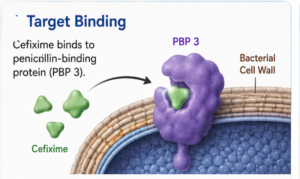 After absorption and distribution, cefixime binds to penicillin-binding proteins (PBPs)—enzymes essential for bacterial cell wall synthesis. Cefixime demonstrates highest affinity for PBP 3, which is involved in bacterial cell division (septum formation). This preferential binding to PBP 3 explains the filamentation observed in susceptible Gram-negative bacteria exposed to cephalosporins.
Step 2: Inhibition of Cell Wall Synthesis : 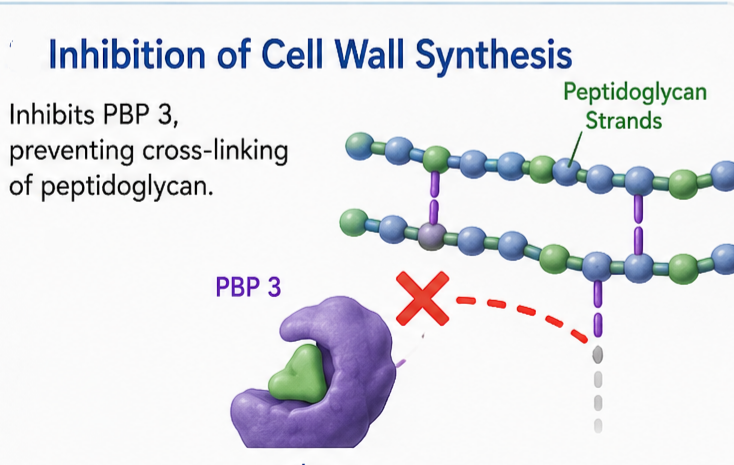 PBPs catalyze transpeptidation—the cross-linking of peptidoglycan strands that provides structural integrity to the bacterial cell wall. By inhibiting PBP 3, cefixime prevents proper cross-link formation. The bacterial cell wall becomes structurally compromised.
Step 3: Activation of Autolytic Enzymes : 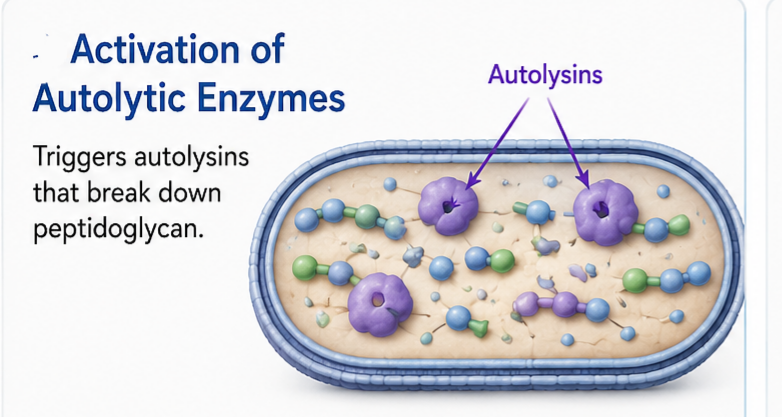 Inhibition of cell wall synthesis triggers activation of bacterial autolysins—endogenous enzymes that degrade peptidoglycan. This autolytic process contributes to the bactericidal (killing) nature of cephalosporins, distinguishing them from bacteriostatic agents.
Step 4: Osmotic Instability and Cell Death : 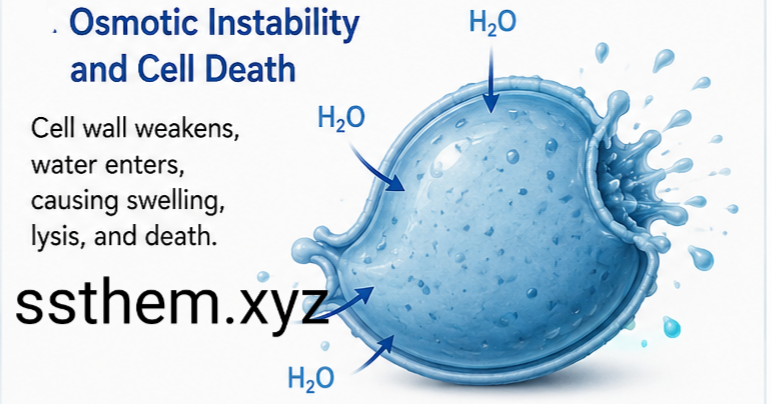 The combined effects of impaired cell wall synthesis and active degradation result in osmotic instability. Water enters the bacterial cell, causing swelling, lysis, and death. This process is most active during bacterial growth, making cephalosporins most effective against actively dividing organisms.
Resistance to the Mechanism: Bacteria evade cefixime’s action through three primary mechanisms:
- β-lactamase hydrolysis: Enzymes that cleave the β-lactam ring, inactivating the drug before it reaches PBPs. Cefixime’s structural modifications protect against many but not all β-lactamases.
- PBP alteration: Mutations modifying PBP structure reduce cefixime binding affinity. This mechanism underlies pneumococcal and gonococcal resistance.
- Decreased permeability: Gram-negative outer membrane changes reduce drug entry into the periplasmic space where PBPs reside.
The selectivity of cefixime for bacterial PBPs (rather than human enzymes) accounts for its generally favorable safety profile, as mammalian cells lack peptidoglycan cell walls.
Contraindications
Cefixime is contraindicated in the following situations:
Documented Hypersensitivity to Cephalosporins
Patients with a history of immediate hypersensitivity reactions (anaphylaxis, angioedema, severe urticaria, bronchospasm) to any cephalosporin antibiotic should not receive cefixime. The risk of cross-reactivity between cephalosporins is well-established, and re-exposure may precipitate severe reactions.
Severe Penicillin Allergy (Relative Contraindication)
While historical estimates of penicillin-cephalosporin cross-reactivity (10%) were exaggerated, patients with a history of severe immediate-type penicillin hypersensitivity (anaphylaxis, Stevens-Johnson syndrome, toxic epidermal necrolysis) face a small but meaningful risk of cross-reactivity with cephalosporins. Current guidelines suggest cephalosporins may be used cautiously in patients with non-severe penicillin allergy, but caution is warranted. Patients with documented anaphylaxis to penicillins should generally avoid cephalosporins unless no suitable alternative exists and allergy specialist consultation supports use.
Previous Cefixime-Associated Severe Adverse Reactions
Patients who experienced drug-induced hemolytic anemia, severe cutaneous reactions, or Clostridioides difficile infection temporally associated with prior cefixime exposure should not receive the drug again.
Important Distinction:
Contraindications differ from warnings and precautions. The latter represent conditions requiring enhanced monitoring or dose adjustment, while contraindications indicate that the drug should not be administered under any circumstances.
Warnings & Precautions
Several clinically important warnings and precautions apply to cefixime use:
Hypersensitivity Reactions
Serious and occasionally fatal hypersensitivity reactions have been reported with cephalosporins. Healthcare providers should inquire about previous cephalosporin and penicillin reactions before prescribing. If an allergic reaction occurs, cefixime should be discontinued immediately and appropriate therapy instituted (epinephrine, corticosteroids, antihistamines, airway management as indicated).
Clostridioides difficile-Associated Diarrhea (CDAD)
All antibacterial agents, including cefixime, can alter normal colonic flora and permit overgrowth of C. difficile. CDAD may range from mild diarrhea to fatal pseudomembranous colitis and can occur weeks after antibiotic discontinuation. Persistent diarrhea during or after therapy requires evaluation for CDAD. If confirmed, appropriate therapy (oral vancomycin or fidaxomicin) should be initiated, and antiperistaltic agents avoided.
Hemolytic Anemia
Cefixime has been associated with drug-induced immune hemolytic anemia, particularly in patients receiving repeated courses. This rare but potentially life-threatening reaction occurs when drug-dependent antibodies destroy red blood cells. Symptoms include fatigue, pallor, jaundice, dark urine, and dyspnea. Immediate discontinuation is essential if hemolysis is suspected.
Renal Impairment
Patients with creatinine clearance below 20 mL/min or on hemodialysis require dosage adjustment (refer to Dosage Table). Inadequate dose reduction may lead to drug accumulation and increased adverse effects, though cefixime’s substantial biliary excretion provides some protection.
Seizure Potential
As with other β-lactam antibiotics, high doses in patients with renal impairment may precipitate seizures. Careful dosing in renal dysfunction minimizes this risk.
Superinfection
Prolonged cefixime use may result in overgrowth of non-susceptible organisms, including fungi. Patients should be monitored for signs of superinfection.
Phenylketonuria
The oral suspension contains phenylalanine (from aspartame), which may be harmful to patients with phenylketonuria. The tablet formulation does not contain aspartame.
Side Effects
Cefixime is generally well-tolerated, with most adverse effects being mild and self-limiting. Gastrointestinal disturbances predominate.
| Side Effect | Frequency/Pattern | Clinical Significance |
|---|---|---|
| Diarrhea | 10%–16% (most common adverse effect) | Usually mild; may indicate CDAD if severe or persistent |
| Loose stools | Common | Self-limiting; distinguish from CDAD |
| Nausea | 2%–5% | May improve with food |
| Abdominal pain | 2%–4% | Usually transient |
| Dyspepsia | 1%–3% | Mild; antacids may help (separate dosing) |
| Headache | 1%–2% | Usually mild |
| Dizziness | <1% | Resolves with continued therapy |
| Vaginal candidiasis | 1%–2% | Secondary to flora disruption |
| Skin rash | 1%–3% | May represent hypersensitivity; discontinue if progressive |
| Pruritus | <2% | Usually mild |
| Flatulence | 2%–4% | Generally benign |
Management Considerations:
Most gastrointestinal effects do not require treatment discontinuation. Diarrhea typically resolves spontaneously after completing therapy. Patients should maintain hydration. Probiotics may offer modest benefit in preventing antibiotic-associated diarrhea, though evidence quality varies.
Rash associated with cephalosporins may represent either benign drug eruption or early Stevens-Johnson syndrome. Any rapidly progressive, blistering, or painful rash warrants immediate medical evaluation and drug discontinuation.
Serious Adverse Effects
Serious adverse reactions to cefixime are uncommon but require prompt recognition and intervention:
Anaphylaxis and Severe Hypersensitivity
Immediate-type reactions including anaphylaxis, angioedema, bronchospasm, and hypotension occur rarely (<0.1%). These reactions can develop within minutes to hours after dosing. Patients with known cephalosporin allergy are at highest risk. Management includes immediate drug discontinuation, epinephrine administration, and emergency medical care.
Severe Cutaneous Reactions
Stevens-Johnson syndrome, toxic epidermal necrolysis, and drug reaction with eosinophilia and systemic symptoms (DRESS) have been reported with cephalosporins, including cefixime. Warning signs include rapidly spreading rash, mucosal involvement (mouth, eyes, genital), fever, facial swelling, and skin pain. These conditions carry significant mortality and require immediate hospitalization.
Clostridioides difficile-Associated Diarrhea
Severe CDAD may progress to toxic megacolon, sepsis, and death. Risk factors include advanced age, prolonged antibiotic courses, hospitalization, and prior CDAD. Diagnosis requires stool testing for toxigenic C. difficile. Treatment involves specific anti-CDI antibiotics, not merely discontinuing cefixime.
Drug-Induced Immune Hemolytic Anemia
Cefixime can induce antibodies against red blood cells, causing hemolysis. Symptoms include fatigue, pallor, jaundice, hemoglobinuria, and declining hemoglobin. This reaction appears more common with repeated cefixime courses. Treatment requires immediate drug discontinuation; corticosteroids may be considered in severe cases.
Acute Kidney Injury
Rare cases of interstitial nephritis have been associated with cephalosporins. Manifestations include fever, rash, eosinophilia, and rising creatinine. Recovery usually follows drug discontinuation, though corticosteroid therapy may be beneficial.
Seizures
High cefixime doses in patients with severe renal impairment may precipitate seizures. The mechanism relates to β-lactam inhibition of GABA receptors. Dose adjustment prevents most cases.
Severe Thrombocytopenia or Neutropenia
Rare hematologic reactions include significant thrombocytopenia, neutropenia, and agranulocytosis. These generally resolve after drug discontinuation but may require supportive care.
Clinical Vigilance:
Healthcare providers should counsel patients to seek immediate medical attention for rash, difficulty breathing, severe diarrhea, dark urine, unusual bruising or bleeding, or decreased urine output during or after cefixime therapy.
Dosage Table
The following table summarizes FDA-labeled and guideline-supported dosing for cefixime:
| Patient/Clinical Group | Indication | Dose | Frequency | Duration | Important Considerations |
|---|---|---|---|---|---|
| Adults | Uncomplicated UTI | 400 mg | Once daily | 3–7 days | Shorter courses may be effective for uncomplicated cystitis |
| Adults | Pharyngitis/tonsillitis | 400 mg | Once daily | 10 days | Complete full course to prevent rheumatic fever |
| Adults | Acute bronchitis exacerbation | 400 mg | Once daily | 5–10 days | Antibiotics only indicated for bacterial exacerbation |
| Adults | Uncomplicated gonorrhea | 400 mg | Single dose | 1 day | Not first-line per CDC; use only if ceftriaxone unavailable |
| Adults | Typhoid fever | 400 mg | Twice daily | 7–14 days | Dose based on clinical response |
| Adults (CrCl <20 mL/min or hemodialysis) | Any indication | 200 mg (max) | Once daily | As indicated | Substantial dose reduction required |
| Children (>6 months, ≤45 kg) | Otitis media | 8 mg/kg/day | Once daily or divided twice daily | 10 days | |
| Children | Pharyngitis/tonsillitis | 8 mg/kg/day | Once daily or divided twice daily | 10 days | |
| Children | UTI | 8 mg/kg/day | Once daily or divided twice daily | 7–10 days | |
| Children (>45 kg or >12 years) | Adult dosing applies | 400 mg | Once daily | As indicated | |
| Older adults | No specific adjustment | 400 mg | Once daily | As indicated | Assess renal function before prescribing |
| Hepatic impairment | No adjustment recommended | Standard dosing | Standard frequency | As indicated | Limited data in severe hepatic failure |
Critical Note:
These doses reflect current FDA labeling and major guidelines as of this writing. Prescribers should verify dosing against current approved labeling in their jurisdiction and adjust based on local resistance patterns, susceptibility testing, and individual patient factors.
Dosage Details
Dose selection for cefixime follows several principles that merit elaboration beyond the table above.
Indication-Specific Dosing:
The 400 mg once-daily adult dose applies to most infections. However, typhoid fever and certain complicated infections may benefit from twice-daily dosing (400 mg twice daily) to optimize time above MIC. Single-dose therapy for gonorrhea (400 mg) reflects the high susceptibility of historically circulating strains, though resistance has diminished reliability.
Weight-Based Pediatric Dosing:
The 8 mg/kg/day pediatric dose may be administered once daily or divided twice daily. Once-daily administration improves adherence without compromising efficacy for most infections, as the prolonged half-life maintains adequate time above MIC. For severe infections or organisms with higher MICs, twice-daily administration theoretically optimizes pharmacodynamics.
Renal Adjustment Rationale:
Patients with creatinine clearance below 20 mL/min or end-stage renal disease should receive no more than 200 mg daily. Despite substantial biliary excretion, renal impairment still prolongs half-life and increases drug exposure. Hemodialysis removes some cefixime, but conservative dosing remains appropriate due to the drug’s extended half-life in these patients.
Maximum Dose:
The maximum recommended adult dose is 400 mg per day for most indications, or 400 mg twice daily for select infections. Doses exceeding 400 mg daily do not proportionally increase serum concentrations due to saturable absorption and primarily increase gastrointestinal adverse effects.
Treatment Duration:
For streptococcal pharyngitis, a 10-day course is essential to maximize eradication and prevent rheumatic fever. Uncomplicated cystitis may respond to 3–7 days; shorter durations align with antimicrobial stewardship principles. Otitis media typically requires 10 days in younger children; some guidelines accept 5–7 days in older children with mild disease.
Formulation Considerations:
Tablets, capsules, suspension, and dispersible tablets are bioequivalent when properly administered. For patients unable to swallow tablets, the suspension provides equivalent therapy. Dispersible tablets must be fully dissolved before ingestion.
Administration Table
| Administration Factor | Details |
|---|---|
| Route | Oral only |
| With Food/Without Food | May be taken with or without food |
| Timing | Once daily at same time each day; twice-daily dosing spaced 12 hours apart |
| Swallowing/Preparation | Tablets swallowed whole with water; suspension shaken before measuring; dispersible tablets dissolved in water |
| IV Administration | Not applicable (no parenteral formulation) |
| Storage | Tablets at room temperature (20–25°C); suspension refrigerated after reconstitution |
| Missed Dose | Take as soon as remembered unless near next dose; skip missed dose if close to next scheduled dose |
| Special Instructions | Complete full prescribed course even if symptoms improve |
Suspension Reconstitution:
The oral suspension requires reconstitution with water to the marked volume. After reconstitution, refrigerate and discard after 14 days. Shake well before each use to ensure uniform drug distribution.
Antacid Interaction:
Although formal studies are limited, separating cefixime from aluminum- or magnesium-containing antacids by at least 2 hours is a reasonable precaution.
Pharmacokinetics
The complete pharmacokinetic journey of cefixime from ingestion to elimination provides a framework for understanding its clinical behavior.
Absorption Phase:
Following oral administration, cefixime is absorbed primarily in the upper small intestine through carrier-mediated and passive processes. Absorption is rate-limited and saturable, explaining the plateau in serum concentrations with increasing doses. Peak serum concentrations occur 3–4 hours after dosing—later than amoxicillin (1–2 hours) but comparable to cefdinir (2–4 hours). Food minimally affects total absorption, though high-fat meals may delay peak by approximately 1 hour.
Distribution Phase:
Once absorbed, cefixime distributes into extracellular fluid compartments. Plasma protein binding (65%–70%) restricts free drug concentrations, but this binding is readily reversible, allowing tissue equilibration. Therapeutic concentrations are achieved in tonsillar tissue, middle ear effusions, respiratory secretions, urine, and bile. Cerebrospinal fluid penetration is negligible, even with meningeal inflammation. Placental transfer occurs but is limited.
Elimination Phase:
Cefixime undergoes negligible metabolism. The drug is eliminated via dual pathways: approximately 60% through biliary excretion into the gastrointestinal tract (with subsequent fecal elimination) and 20%–30% through renal excretion as unchanged drug. This dual elimination provides pharmacokinetic resilience in renal impairment compared to purely renally cleared cephalosporins.
Special Populations:
- Renal impairment: Half-life extends from 3–4 hours (normal) to 11–12 hours (ESRD). AUC increases significantly with severe renal dysfunction, necessitating dose reduction.
- Hepatic impairment: Pharmacokinetics largely unchanged; no dose adjustment recommended for mild to moderate dysfunction. Severe hepatic failure with biliary obstruction may theoretically reduce elimination, though data are lacking.
- Pediatric patients: Children over 6 months exhibit similar absorption and elimination to adults when adjusted for weight. Infants under 6 months have limited data.
- Geriatric patients: Age-related decline in glomerular filtration rate may prolong half-life modestly, but routine dose adjustment is unnecessary in the absence of significant renal impairment.
- Pregnancy: Pharmacokinetic changes in pregnancy (increased volume of distribution, increased renal clearance) may reduce cefixime concentrations, though specific data are limited.
Clinical Interpretation:
The pharmacokinetic profile supports once-daily dosing for susceptible infections while acknowledging that absorption limitations preclude cefixime for serious systemic infections where high serum concentrations are required.
Drug Interactions
Cefixime has a relatively favorable drug interaction profile compared to many antibiotics, owing to minimal hepatic metabolism and low potential for enzyme inhibition.
| Interacting Medicine/Class | Interaction Mechanism | Potential Effect | Clinical Consideration |
|---|---|---|---|
| Warfarin | Possible vitamin K synthesis reduction via gut flora alteration | Increased INR and bleeding risk | Monitor INR more frequently during and after cefixime therapy |
| Probenecid | Competes for renal tubular secretion | Increased cefixime serum concentrations | Usually not clinically significant; monitor if high-dose probenecid |
| BCG vaccine | Antibacterial activity against live vaccine organisms | Reduced vaccine efficacy | Avoid concurrent administration; space appropriately |
| Typhoid vaccine (live oral) | Antibiotic kills vaccine organisms | Vaccine failure | Complete cefixime course at least 24–72 hours before vaccination |
| Aluminum/magnesium antacids | Possible reduced cefixime absorption | Decreased efficacy | Separate doses by 2 hours (evidence limited) |
| Oral contraceptives | Gut flora alteration may reduce estrogen reabsorption | Theoretical reduced contraceptive efficacy | Additional contraceptive precautions during therapy (evidence weak) |
| Methotrexate | Reduced renal tubular secretion competition | Increased methotrexate levels and toxicity | Monitor for methotrexate toxicity with concurrent high-dose use |
Important Note:
Cefixime does not significantly inhibit or induce CYP450 enzymes, unlike macrolides, azole antifungals, or rifamycins. This reduces interaction risk with most cardiovascular, psychiatric, and antiepileptic medications.
Vaccine Interactions:
Cefixime may inactivate live oral typhoid vaccine (Ty21a). Administration should be separated appropriately. Inactivated vaccines are not affected.
Pregnancy & Breastfeeding
Pregnancy Considerations
Cefixime is classified under the former FDA pregnancy category B (studies in animals showed no risk, human data limited). Under current FDA labeling requirements, the category system has been replaced with narrative risk summaries.
Available human data, while limited, do not suggest increased risk of major congenital malformations with cephalosporin use in pregnancy. Cephalosporins as a class are widely used during pregnancy and are considered compatible with pregnancy by the American College of Obstetricians and Gynecologists.
Placental transfer of cefixime occurs but is limited by protein binding. Fetal drug exposure is lower than maternal serum concentrations. No fetal toxicity has been documented in available reports.
Clinical Decision-Making:
Cefixime should be used during pregnancy only when clearly needed and when the clinical benefit justifies potential risk. For infections requiring antibiotic therapy during pregnancy, cephalosporins often represent reasonable choices when penicillins are unsuitable.
Breastfeeding Considerations
Cefixime is excreted into human breast milk in low concentrations. Reported infant exposure is minimal, and no adverse effects in nursing infants have been documented in available literature. The American Academy of Pediatrics classifies cephalosporins as generally compatible with breastfeeding.
Theoretical concerns include alteration of infant gastrointestinal flora and potential for sensitization. However, these risks appear low with cefixime’s limited milk transfer.
Recommendation:
Breastfeeding women requiring cefixime therapy may generally continue nursing while monitoring the infant for diarrhea, rash, or oral thrush. If any concerning symptoms develop, healthcare providers should assess whether continued breastfeeding is appropriate.
Use in Children and Older Adults
Pediatric Use
Cefixime is FDA-approved for children over 6 months of age for otitis media, pharyngitis, and tonsillitis. Dosing is weight-based at 8 mg/kg/day, administered once daily or divided twice daily.
Pharmacokinetic Considerations in Children:
- Children over 6 months exhibit similar absorption and elimination to adults when normalized for weight.
- Suspension formulation is appropriate for younger children unable to swallow tablets.
- Neonates and infants under 6 months have limited pharmacokinetic data; use requires careful clinical judgment.
Efficacy and Safety:
Clinical trials in children demonstrated eradication rates comparable to alternative antibiotics for otitis media and streptococcal pharyngitis. Gastrointestinal adverse effects (diarrhea, loose stools) occur at rates similar to adults (10%–16%).
Important Limitations:
- Cefixime is not appropriate for neonates with serious bacterial infections; parenteral cephalosporins (cefotaxime) are preferred.
- Pediatric dosing errors are common; prescribers must calculate weight-based doses carefully.
Use in Older Adults
Elderly patients may require cefixime for urinary tract infections, respiratory infections, or other susceptible infections.
Age-Related Considerations:
- Renal function declines with age; creatinine clearance should be estimated before prescribing.
- Patients with CrCl <20 mL/min require dose reduction to 200 mg daily.
- Older adults may be at increased risk for CDAD; cefixime should be used judiciously.
- Polypharmacy interactions are minimal with cefixime, but clinicians should review medication lists thoroughly.
Clinical Caution:
The increased prevalence of renal impairment and frailty in older adults warrants careful dose selection and monitoring for gastrointestinal adverse effects.
Overdose
Overdose of cefixime is uncommon, and specific toxic effects are not well-characterized. Information is derived from case reports and extrapolation from other cephalosporins.
Potential Manifestations:
- Nausea, vomiting, epigastric distress, and diarrhea
- Seizures (particularly in patients with renal impairment receiving high doses)
- Hypersensitivity reactions
- Hepatic enzyme elevations (transient)
General Management Principles:
- There is no specific antidote for cefixime overdose.
- Activated charcoal may be considered within 1–2 hours of ingestion if the patient is alert and airway is protected (consult poison center guidance).
- Supportive care includes hydration, antiemetics, and monitoring of renal and hepatic function.
- Hemodialysis may remove some cefixime, though its role in overdose management is not well-established.
- Seizures require standard anticonvulsant therapy.
Important:
Any suspected overdose requires immediate medical evaluation. Patients should not attempt self-management. Emergency department assessment ensures appropriate monitoring and intervention.
Missed Dose
If a patient misses a cefixime dose, the missed dose should be taken as soon as remembered unless the next scheduled dose is within 4 hours. In that case, the missed dose should be skipped, and the regular dosing schedule resumed.
Critical Safety Rule:
Doubling doses to compensate for a missed dose is not recommended. Doubling may increase the risk of gastrointestinal adverse effects and will not meaningfully enhance efficacy due to cefixime’s saturable absorption.
Patients who frequently miss doses should be counseled on adherence strategies, including medication reminders, pill organizers, or linking doses to daily routines. For infections requiring strict adherence (e.g., streptococcal pharyngitis), missed doses may compromise eradication and increase rheumatic fever risk.
Storage & Handling
Proper storage ensures cefixime maintains potency throughout its shelf life.
Tablets and Capsules:
- Store at room temperature (20–25°C; 68–77°F)
- Protect from excessive heat and moisture
- Keep in original container with lid tightly closed
- Do not store in bathroom medicine cabinets where humidity is high
Oral Suspension:
- Before reconstitution: Store dry powder at room temperature
- After reconstitution: Refrigerate (2–8°C; 36–46°F)
- Discard unused reconstituted suspension after 14 days
- Shake well before each use
Dispersible Tablets:
- Store at room temperature
- Dissolve in water immediately before administration
- Do not store dissolved tablets
Disposal:
- Unused or expired cefixime should be properly disposed
- Do not flush down toilet unless specifically instructed
- Medication take-back programs are preferred
- Consult pharmacist for local disposal guidance
Clinical Experience and Practical Considerations
Evidence accumulated over decades of clinical use provides valuable insights into cefixime’s optimal positioning in antimicrobial therapy.
Where Cefixime Excels:
Cefixime is particularly useful for uncomplicated urinary tract infections caused by susceptible E. coli and Proteus mirabilis, offering once-daily convenience with acceptable efficacy. In pediatric otitis media and streptococcal pharyngitis, it provides an alternative for patients with non-severe penicillin allergy. For enteric fever in regions with fluoroquinolone-resistant Salmonella, cefixime remains a WHO-endorsed oral option.
Where Limitations Arise:
Cefixime’s poor absorption ceiling and limited Gram-positive coverage restrict its use for serious infections. It should not replace parenteral therapy for bacteremia, endocarditis, meningitis, osteomyelitis, or severe pneumonia. The drug’s negligible activity against S. aureus (MSSA and MRSA) makes it unsuitable for skin and soft tissue infections where staphylococci predominate.
Resistance Considerations:
Increasing ESBL prevalence among Enterobacterales has reduced cefixime’s reliability for empiric UTI therapy in some regions. Local antibiograms are essential. For gonorrhea, cefixime monotherapy is no longer preferred due to resistance; ceftriaxone remains standard.
Patient-Specific Factors:
- Renal impairment requires dose adjustment.
- History of severe penicillin allergy warrants caution.
- Prior CDAD increases risk of recurrence with cephalosporins.
- Pregnancy and breastfeeding: use only when clearly indicated.
Antimicrobial Stewardship Perspective:
Cefixime’s role should align with stewardship principles—use the narrowest-spectrum agent likely to be effective. For uncomplicated cystitis, nitrofurantoin or fosfomycin often represent preferable choices for empiric therapy when susceptibility permits. Cefixime should be reserved for patients who cannot receive these alternatives or when susceptibility data support its use.
25 Important FAQs
Answer : Cefixime is a third-generation cephalosporin antibiotic administered orally for treatment of susceptible bacterial infections, primarily affecting the respiratory tract, urinary tract, and certain sexually transmitted infections.
Answer : Cefixime is FDA-approved for otitis media, pharyngitis/tonsillitis, acute bronchitis exacerbations, uncomplicated urinary tract infections, and uncomplicated gonorrhea. It is also used for typhoid fever, shigellosis, and other susceptible infections based on guidelines.
Answer : Cefixime binds to penicillin-binding proteins (PBPs) in bacterial cell walls, inhibiting peptidoglycan cross-linking and cell wall synthesis. This leads to osmotic instability and bacterial cell death (bactericidal activity).
Answer : The standard adult dose is 400 mg once daily for most infections. Typhoid fever may require 400 mg twice daily. Gonorrhea historically used a single 400 mg dose.
Answer : Diarrhea (10%–16%), loose stools, nausea, abdominal pain, and headache are most common. These are usually mild and self-limiting.
Answer : Serious reactions include anaphylaxis, Stevens-Johnson syndrome, Clostridioides difficile-associated diarrhea, drug-induced hemolytic anemia, acute kidney injury, and seizures (in renal impairment with excessive dosing).
Answer : With a half-life of 3–4 hours, cefixime is largely eliminated within 24 hours in patients with normal renal function. Patients with end-stage renal disease may require several days for complete elimination.
Answer : The half-life is approximately 3–4 hours in healthy adults with normal renal function, extending to 11–12 hours in severe renal impairment.
Answer : Yes. Food has minimal effect on cefixime absorption. It may be taken with or without meals.
Answer : Cefixime has relatively few drug interactions. Potential interactions include warfarin (increased INR), probenecid (increased cefixime levels), and live oral typhoid vaccine (reduced efficacy). It does not significantly affect CYP450 enzymes.
Answer : Available data suggest cephalosporins are generally compatible with pregnancy. Cefixime should be used during pregnancy only when clearly needed and prescribed by a healthcare provider.
Answer : Cefixime transfers into breast milk in low amounts and is considered generally compatible with breastfeeding. Infants should be monitored for diarrhea or rash.
Answer : Yes. Patients with creatinine clearance below 20 mL/min or on hemodialysis should receive a maximum of 200 mg once daily to prevent accumulation.
Answer : No dose adjustment is recommended for mild to moderate hepatic impairment. Data are limited for severe hepatic failure.
Answer : Yes. Children over 6 months of age may receive cefixime at 8 mg/kg/day, once daily or divided twice daily, for otitis media, pharyngitis, and other susceptible infections.
Answer : Overdose may cause gastrointestinal symptoms and seizures (especially in renal impairment). There is no specific antidote; supportive care is standard. Emergency medical evaluation is required.
Answer : Take the missed dose as soon as remembered unless the next dose is within 4 hours. Do not double doses. Resume regular schedule.
Answer : Yes, cefixime is a bactericidal antibiotic belonging to the cephalosporin class, specifically the third generation.
Answer : Yes. The FDA has approved cefixime for specific indications including otitis media, pharyngitis, bronchitis exacerbations, urinary tract infections, and gonorrhea.
Answer : Cefixime covers many Gram-negative organisms (E. coli, Klebsiella, Haemophilus, Moraxella, Neisseria gonorrhoeae) and some Gram-positives (S. pyogenes, susceptible S. pneumoniae). It lacks activity against Pseudomonas, MRSA, and Enterococcus.
Answer : ESBL-producing organisms and resistant N. gonorrhoeae reduce cefixime’s reliability. Local resistance patterns and susceptibility testing should guide use.
Answer : Known hypersensitivity to cephalosporins and previous severe cefixime-associated reactions are contraindications. Severe penicillin allergy warrants caution.
Answer : Tablets at room temperature; reconstituted suspension refrigerated and discarded after 14 days. Protect from moisture.
Answer : Alternatives depend on the infection: amoxicillin/clavulanate, cefdinir, cefpodoxime, nitrofurantoin, fosfomycin, or ceftriaxone (parenteral) may be options based on susceptibility and patient factors.
Answer : Seek emergency care for difficulty breathing, facial swelling, severe rash, bloody or persistent diarrhea, dark urine, unusual bleeding, or seizures during or after cefixime therapy.
Five Important Studies and What They Show
Study 1: Landmark Efficacy Trial for Otitis Media
Title: Comparison of cefixime and amoxicillin/clavulanate in the treatment of acute otitis media in children
Authors: McLinn SE, et al.
Journal: Pediatric Infectious Disease Journal
Year: 1990
Study Design: Randomized, controlled, multicenter trial
Participants: 368 children with acute otitis media
Intervention: Cefixime 8 mg/kg once daily vs. amoxicillin/clavulanate 40 mg/kg/day divided three times daily
Main Outcome: Clinical cure rate at end of therapy
Important Findings: Clinical cure rates were comparable (87% for cefixime vs. 91% for amoxicillin/clavulanate). Cefixime demonstrated fewer gastrointestinal adverse effects.
Clinical Significance: Established once-daily cefixime as a viable otitis media treatment, offering adherence advantages over three-times-daily regimens.
Major Limitations: Conducted before widespread pneumococcal resistance; modern applicability limited in regions with resistant S. pneumoniae.
Identifier: PMID: 2181401
Study 2: Gonorrhea Treatment Evaluation
Title: Oral cefixime versus intramuscular ceftriaxone for treatment of uncomplicated gonorrhea
Authors: Handsfield HH, et al.
Journal: Sexually Transmitted Diseases
Year: 1991
Study Design: Randomized, comparative trial
Participants: 209 adults with uncomplicated gonorrhea
Intervention: Cefixime 400 mg single oral dose vs. ceftriaxone 250 mg intramuscular
Main Outcome: Microbiological cure at follow-up
Important Findings: Cure rates were 97.1% (cefixime) vs. 98.9% (ceftriaxone), demonstrating equivalent efficacy at that time.
Clinical Significance: Established oral single-dose therapy as an alternative to parenteral treatment, improving patient acceptability.
Major Limitations: Resistance patterns have substantially changed; current gonococcal susceptibility differs from 1991 era. Results no longer reflect current clinical reality.
Identifier: PMID: 1909053
Study 3: Typhoid Fever Efficacy
Title: Cefixime versus chloramphenicol in the treatment of typhoid fever
Authors: Girgis NI, et al.
Journal: Antimicrobial Agents and Chemotherapy
Year: 1995
Study Design: Randomized, controlled trial
Participants: 64 adults with blood culture–confirmed typhoid fever
Intervention: Cefixime 400 mg twice daily for 10 days vs. chloramphenicol 50 mg/kg/day for 14 days
Main Outcome: Clinical and bacteriological cure
Important Findings: Cefixime achieved clinical cure in 92% and bacteriological clearance in 88%, comparable to chloramphenicol. Fever clearance time averaged 4–5 days.
Clinical Significance: Demonstrated oral cephalosporin efficacy in typhoid fever, providing an alternative when fluoroquinolones or azithromycin are unsuitable.
Major Limitations: Small sample size; conducted in Egypt where chloramphenicol susceptibility remained high; applicability to modern resistant strains uncertain.
Identifier: PMID: 7486934
Study 4: Pharmacokinetic Study in Renal Impairment
Title: Pharmacokinetics of cefixime in patients with impaired renal function
Authors: Guay DR, et al.
Journal: Antimicrobial Agents and Chemotherapy
Year: 1986
Study Design: Open-label pharmacokinetic study
Participants: 24 adults with varying degrees of renal function (normal to ESRD)
Intervention: Single 400 mg oral cefixime dose with serial blood sampling
Main Outcome: Pharmacokinetic parameters including half-life, clearance, AUC
Important Findings: Half-life extended from 3.2 hours (normal) to 11.5 hours (ESRD). AUC increased 3–4 fold in severe renal impairment. Biliary excretion compensated partially for reduced renal clearance.
Clinical Significance: Provided evidence base for dose reduction in severe renal impairment; established 200 mg maximum daily dose for CrCl <20 mL/min.
Major Limitations: Single-dose study; multi-dose accumulation not evaluated; limited patient numbers per subgroup.
Identifier: PMID: 3767355
Study 5: Community-Acquired Pneumonia Comparison
Title: Cefixime versus cefpodoxime proxetil in the treatment of community-acquired pneumonia
Authors: van den Brande P, et al.
Journal: Clinical Therapeutics
Year: 1992
Study Design: Randomized, double-blind, comparative trial
Participants: 214 adults with community-acquired pneumonia
Intervention: Cefixime 400 mg once daily vs. cefpodoxime proxetil 200 mg twice daily for 10 days
Main Outcome: Clinical cure and bacteriological eradication
Important Findings: Clinical success rates were 90% (cefixime) vs. 93% (cefpodoxime); bacteriological eradication comparable. Both agents well-tolerated.
Clinical Significance: Demonstrated once-daily cefixime efficacy in mild-to-moderate community-acquired pneumonia, though cefixime is not FDA-approved for this indication.
Major Limitations: Study predates widespread macrolide-resistant pneumococci; patients with severe pneumonia excluded; lack of modern severity scoring (CURB-65, PSI).
Identifier: PMID: 1464169
Authentic References
- U.S. Food and Drug Administration. Suprax (cefixime) prescribing information. Lupin Pharmaceuticals; 2021.
- Gilbert DN, Chambers HF, Saag MS, et al., editors. The Sanford Guide to Antimicrobial Therapy. 54th ed. Antimicrobial Therapy, Inc.; 2024.
- World Health Organization. Guidelines for the management of typhoid fever. WHO; 2011.
- Centers for Disease Control and Prevention. Sexually transmitted infections treatment guidelines. MMWR Recomm Rep. 2021;70(4):1–187.
- American Academy of Pediatrics. Principles of judicious antibiotic prescribing for upper respiratory tract infections in pediatrics. Pediatrics. 2013;132(6):1146–1154.
- Shulman ST, Bisno AL, Clegg HW, et al. Clinical practice guideline for the diagnosis and management of group A streptococcal pharyngitis. Clin Infect Dis. 2012;55(10):e86–e102.
- McLinn SE, Moskal M, Goldfarb J, et al. Comparison of cefixime and amoxicillin/clavulanate in the treatment of acute otitis media in children. Pediatr Infect Dis J. 1990;9(10):736–741. PMID: 2181401.
- Handsfield HH, McCormack WM, Hook EW 3rd, et al. Oral cefixime versus intramuscular ceftriaxone for treatment of uncomplicated gonorrhea. Sex Transm Dis. 1991;18(2):99–102. PMID: 1909053.
- Girgis NI, Kilpatrick ME, Farid Z, et al. Cefixime versus chloramphenicol in the treatment of typhoid fever. Antimicrob Agents Chemother. 1995;39(8):1799–1801. PMID: 7486934.
- Guay DR, Meatherall RC, Harding GK, et al. Pharmacokinetics of cefixime in patients with impaired renal function. Antimicrob Agents Chemother. 1986;30(3):485–490. PMID: 3767355.
- van den Brande P, Weber E, Weidenbach H, et al. Cefixime versus cefpodoxime proxetil in the treatment of community-acquired pneumonia. Clin Ther. 1992;14(4):579–587. PMID: 1464169.
- Leung AK, Wong AH, Hon KL. Community-acquired methicillin-resistant Staphylococcus aureus. Recent Pat Inflamm Allergy Drug Discov. 2014;8(3):192–204.
- Paterson DL, Bonomo RA. Extended-spectrum β-lactamases: a clinical update. Clin Microbiol Rev. 2005;18(4):657–686.
- Lode H, Stahlmann R, Koeppe P. Comparative pharmacokinetics of cephalosporins. J Antimicrob Chemother. 1992;29(Suppl A):7–14.
- Andes D, Craig WA. Pharmacokinetic/pharmacodynamic parameters and treatment outcomes of cephalosporin therapy. Diagn Microbiol Infect Dis. 1998;32(2):73–77.
- Ebrahimzadeh MA, Pourmorad F, Bekhradnia AR. Antibiotic-associated diarrhea and Clostridium difficile infection. Int J Antimicrob Agents. 2017;50(4):505–510.
- Cunha BA. Antibiotic side effects. Med Clin North Am. 2001;85(1):149–185.
- Blumenthal KG, Peter JG, Trubiano JA, Phillips EJ. Antibiotic allergy. Lancet. 2019;393(10167):183–198.
- Pichichero ME. Cephalosporins can be prescribed safely for penicillin-allergic patients. J Fam Pract. 2006;55(2):106–112.
- GOLD Executive Committee. Global strategy for the diagnosis, management, and prevention of chronic obstructive pulmonary disease. 2024 Report.
Conclusion
Cefixime occupies a defined, valuable position in contemporary antimicrobial therapy as an oral third-generation cephalosporin with convenient once-daily dosing, reliable activity against many community-acquired Gram-negative pathogens, and an acceptable safety profile when used appropriately.
Its clinical utility centers on uncomplicated urinary tract infections, pediatric otitis media, streptococcal pharyngitis, typhoid fever, and select respiratory infections—particularly when patients cannot tolerate penicillins or when susceptibility testing supports its use. The drug’s modest and saturable oral bioavailability, limited anti-staphylococcal activity, and absent cerebrospinal fluid penetration define clear therapeutic boundaries that clinicians must respect.
The evolution of antimicrobial resistance—especially ESBL-producing Enterobacterales and resistant Neisseria gonorrhoeae—has narrowed cefixime’s role in empiric therapy. Judicious prescribing guided by local antibiograms, susceptibility testing, and antimicrobial stewardship principles ensures that cefixime remains effective for patients who genuinely benefit from this agent.
For healthcare providers, understanding cefixime’s pharmacokinetic nuances, drug interaction profile, and special-population considerations enables safe, evidence-based prescribing. The drug’s dual elimination pathways offer resilience in renal impairment, while its minimal metabolism translates to few clinically significant drug interactions.
Ultimately, cefixime exemplifies the importance of matching antibiotic choice to both the pathogen and the patient. When prescribed thoughtfully, it remains a useful tool in the antimicrobial armamentarium—but it is not, and was never designed to be, a broad-spectrum solution for all bacterial infections.
Disclaimer: This article is intended for educational purposes for qualified healthcare professionals. It does not constitute medical advice or replace clinical judgment. Prescribing decisions must incorporate individual patient factors, local resistance patterns, current guidelines, and official prescribing information.