What is Fever? Is Fever a Disease or a Body Response Real Truth of 21 century
Is Fever a Disease or a Body Response? The Complete Evidence-Based Pillar Guide
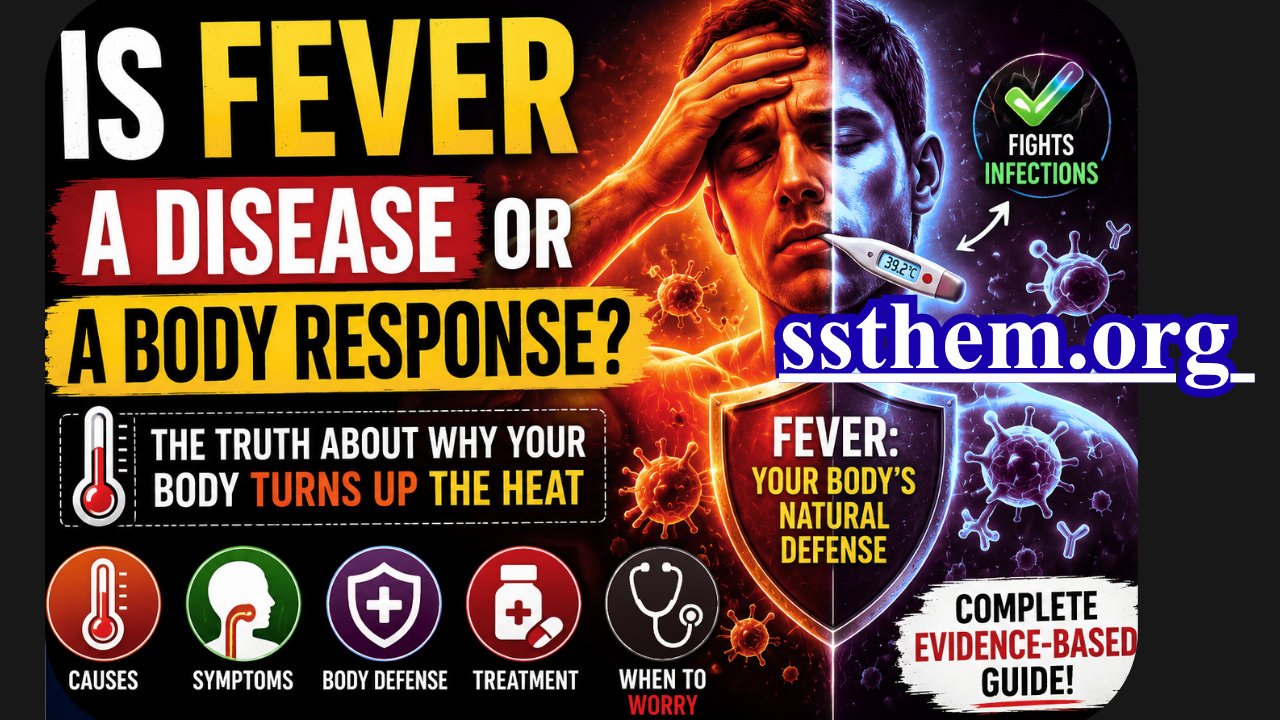
Imagine your body has a secret weapon so powerful that it has been fine-tuned by millions of years of evolution, yet most people misunderstand it completely. You feel the chills creep in, your muscles begin to ache, and suddenly you’re reaching for medicine to “break” the fever. But what if that rising temperature on the thermometer isn’t the enemy? What if it’s your immune system’s most sophisticated defensive strategy, a deliberate and carefully orchestrated response designed to make your body an inhospitable environment for invading pathogens? This is the fundamental question at the heart of understanding what is fever. It is not a disease in itself but rather a symptom—a vital sign—that something else is happening beneath the surface.
The moment you feel that first shiver, a complex biological drama is already unfolding. Your brain’s thermostat has been deliberately reset to a higher temperature, and your body is working hard to meet that new set point. For medical students, clinicians, and informed readers alike, this pillar guide will serve as the definitive resource on fever—dismantling common misconceptions, exploring its evolutionary purpose, explaining the intricate mechanisms that cause it, and distinguishing between the protective fever response and dangerous conditions that can sometimes accompany it.
This comprehensive, evidence-based pillar post will explore everything from the basic definition of what is fever to the complex neuroimmunology of the febrile response. We will journey into the hypothalamus, understand the difference between viral fever and bacterial fever, examine when fever in adults, fever in children, and fever in babies requires urgent attention, and explore the appropriate use of fever medicine and fever treatment strategies.
Key Facts Table: Fever at a Glance
The following table summarizes the most clinically important facts about fever. This is not a substitute for full clinical evaluation, but it provides a rapid reference for healthcare professionals and students.
| Parameter | Evidence-Based Details |
|---|---|
| Definition | An elevation of core body temperature above the normal daily variation, mediated by the hypothalamus in response to pyrogens. |
| Normal Body Temperature | Approximately 36.5°C to 37.5°C (97.7°F to 99.5°F), with normal diurnal variation. |
| Fever Threshold | Generally defined as a core temperature of ≥38.0°C (100.4°F) in most clinical contexts. |
| Primary Function | A protective, coordinated physiological response that enhances immune function and inhibits pathogen replication. |
| Primary Mediator | Prostaglandin E2 (PGE2) acting on the hypothalamus. |
| Common Pyrogens | Lipopolysaccharides from bacteria, viral nucleic acids, cytokines such as IL-1, IL-6, TNF-alpha. |
| Major Causes | Viral infections, bacterial infections, inflammatory conditions, malignancies, drug reactions, autoimmune diseases. |
| Key Symptoms | Chills, shivering, headache, body aches, fatigue, sweating, anorexia, malaise. |
| Physiological Stages | Onset (chills/shivering), plateau (sustained fever), defervescence (sweating/vasodilation). |
| Clinical Significance | Fever itself is usually benign in otherwise healthy individuals but can be a marker of serious infection requiring evaluation. |
| Treatment Goal | Improve patient comfort, not necessarily normalize temperature. |
| Emergency Signs | Fever in infants <3 months, stiff neck, altered mental status, respiratory distress, seizure. |
What Is Fever? Unpacking the Body’s Deliberate Defense
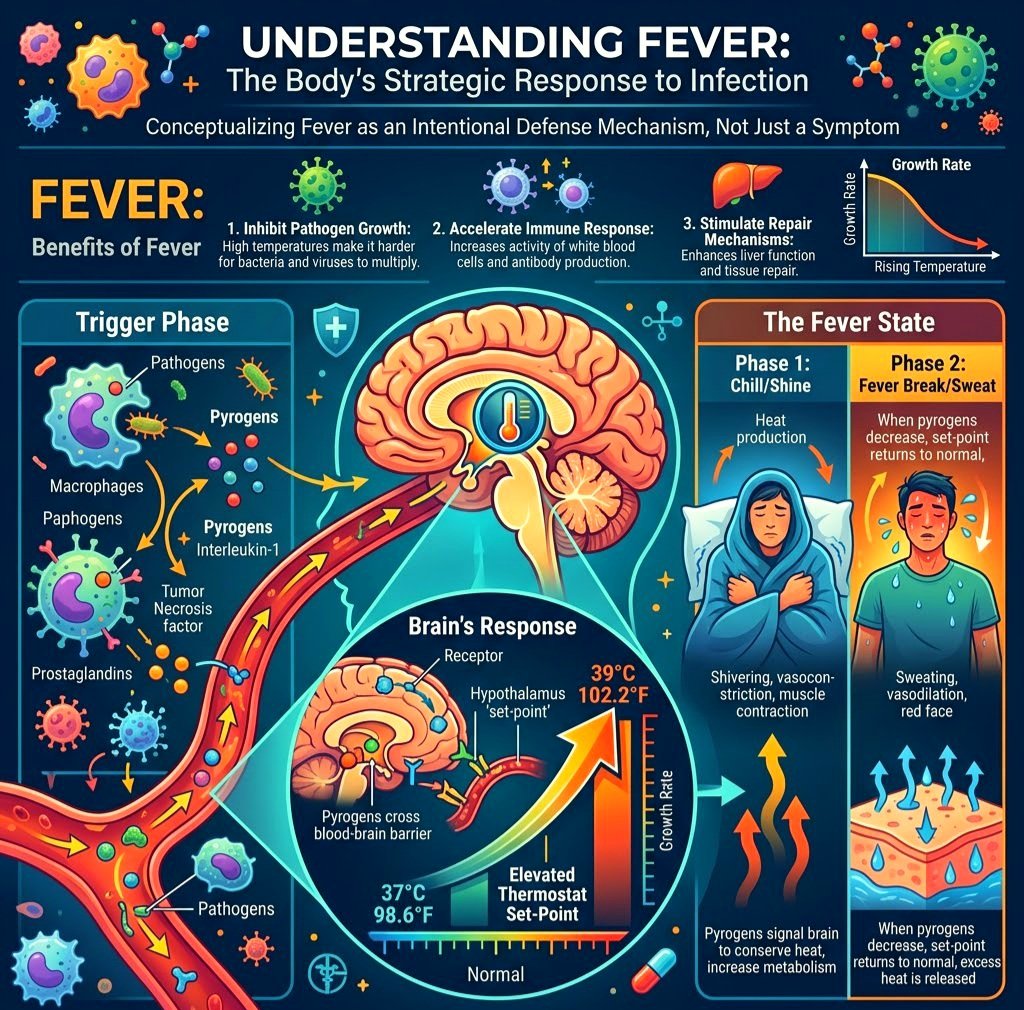
So, what is fever, really? It is not simply a random malfunction of the body’s temperature regulation system. It is a highly regulated, coordinated physiological response, typically triggered by infection, inflammation, or other disease processes. Medically, fever is defined as an elevation of core body temperature that occurs when the hypothalamic set point is raised. This is a critical distinction: in fever, the body is actively trying to raise its temperature, unlike hyperthermia, where the body’s temperature rises against its will due to overwhelming external heat or impaired cooling mechanisms.
The mechanism begins with substances called pyrogens—literally “fire-generators.” These can be exogenous pyrogens, such as components of bacteria (like lipopolysaccharides) or viruses, or endogenous pyrogens, which are cytokines produced by the body’s own immune cells (such as macrophages) in response to these invaders. These pyrogens travel to the brain, where they trigger the production of prostaglandins, particularly PGE2, in a region of the brain called the hypothalamus.
The hypothalamus acts as the body’s thermostat. Under normal conditions, it keeps core temperature within a narrow range. When PGE2 is released, it resets this thermostat to a higher temperature. This is the key point: fever is a controlled, intentional elevation of the body’s set point. The brain has decided that a higher temperature is beneficial. This is why fever and the immune system are so intimately connected—fever is a tool of the immune response, not a side effect of it. The body is not broken; it is fighting back.
Understanding this distinction is fundamental to answering the question that troubles so many patients and parents: “Should I treat this fever?” The answer depends not on the number on the thermometer, but on how the patient is feeling and what underlying condition is causing the fever in the first place.
The History and Origin of the Word Fever
The word “fever” has deep roots in human language and medicine. It traces back to the Latin word “febris,” which itself derives from the older Proto-Indo-European root “dhegh-“ meaning “to burn.” This linguistic origin reveals how ancient peoples understood the condition—as a burning heat that overtakes the body. The same root gives us words like “febrile,” “febrifuge” (a medicine that reduces fever), and even “day” in some languages (referring to the heat of the sun).
Throughout history, fever has been both feared and revered. In ancient Greek medicine, Hippocrates considered fever to be a sign of the body’s innate healing power, a concept he called “vis medicatrix naturae” —the healing power of nature. He believed fever was the body’s way of “cooking” or purifying diseased humors. This perspective, remarkably, aligns with our modern understanding that fever is a beneficial host defense mechanism.
In the medieval period, fever was often seen as divine punishment or spiritual affliction. The “ague,” a term for malarial fever, appears throughout literature from Shakespeare to the King James Bible. The connection between fever and infection was not fully understood until the germ theory of disease emerged in the 19th century, pioneered by scientists like Louis Pasteur and Robert Koch.
The invention of the clinical thermometer in the 19th century by physicians like Carl Wunderlich, who established 37°C (98.6°F) as the “normal” human temperature, transformed fever from a subjective experience into a measurable vital sign. Wunderlich’s extensive measurements of over one million axillary temperatures in 25,000 patients laid the foundation for modern clinical thermometry, though his specific “normal” value has since been refined.
Understanding this history helps modern clinicians appreciate that the fear of fever—often termed “fever phobia”—is a relatively recent phenomenon, driven partly by the availability of antipyretics and a cultural desire to “fix” abnormal numbers. The ancient understanding of fever as a healing response may have been closer to the biological truth than we often acknowledge.
The Surprising Science: Why Your Body Wants to Burn
Here is where the common understanding of fever begins to break down. The fever response is so deeply rooted in evolution that it is found in nearly all vertebrates and even some invertebrates. The surprising part is that this metabolically expensive process—raising your body temperature requires significant energy—would never have been conserved across millions of years of evolution unless it provided a powerful survival advantage.
But here’s the shocking truth: fever is not a sign of weakness; it is a sign of an active, functioning immune system. The body deliberately increases its temperature because many pathogens, particularly bacteria and viruses, replicate less efficiently at higher temperatures. Furthermore, the elevated temperature enhances several key components of the immune response.
Pathogen Inhibition: Many common pathogens have evolved to thrive at normal human body temperature. When the body raises its temperature to 38-40°C (100.4-104°F), several critical changes occur. Streptococcus pneumoniae, a common cause of pneumonia and meningitis, shows significantly reduced growth rates at temperatures above 38°C. Many viruses, including influenza and rhinovirus, replicate less efficiently at higher temperatures. Fever also triggers the liver to sequester iron, an essential nutrient for many bacteria.
Enhanced Immune Function: The elevated temperature also supercharges the immune system. The activity and proliferation of T-cells are enhanced at higher temperatures. The production of interferons, proteins that block viral replication, is also increased. Neutrophils migrate more quickly to sites of infection and produce more antimicrobial peptides when the temperature is elevated. Host cells produce heat shock proteins (HSPs) that protect them from heat damage while simultaneously activating antigen-presenting cells.
This understanding fundamentally changes the clinical approach to fever. If fever is a beneficial host response, the question becomes: should we always try to suppress it? For many years, the automatic response to any fever was to reach for medication to bring it down. However, current evidence suggests that for otherwise healthy individuals with mild-to-moderate fevers, aggressive treatment may actually be counterproductive.
How the Body Raises Its Own Temperature: The Physiology of Defense
The process of fever generation is a masterclass in physiological coordination. Once the hypothalamus resets the set point, it triggers a series of responses designed to raise body temperature. This begins with the heat-conserving and heat-producing phase, which is why you experience fever and chills.
Phase 1: The Onset (Chill Phase).  When the hypothalamic set point is raised, the body’s current temperature is suddenly “too cold” relative to the new target. The brain perceives this as hypothermia and activates heat-generating mechanisms. Vasoconstriction reduces blood flow to the periphery, minimizing heat loss. Piloerection (goosebumps) is a vestigial reflex from our furry ancestors. Shivering generates significant metabolic heat—up to 400% more than resting levels. Behavioral changes, such as seeking warmth and curling up, also occur.
Phase 2: The Plateau (Hot Phase).  Once the body reaches the new set point, the chills and shivering stop. You now feel hot and uncomfortable. The body maintains the elevated temperature through a balance of heat production and heat loss. During this phase, you may experience fever body aches (caused by cytokines sensitizing the nervous system), fever headache (often due to vasodilation of blood vessels in the brain), fever fatigue (the body is diverting energy to the immune response), and anorexia.
Phase 3: The Defervescence (Sweating Phase). 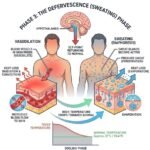 Finally, when the underlying infection or inflammation resolves, the pyrogen levels drop, and the hypothalamic set point is lowered back to normal. This triggers the defervescence phase. The brain now perceives the body as being too hot. The body responds by activating heat-dissipating mechanisms: vasodilation and fever sweating. This is the answer to the question, why do you sweat when your fever goes down? It is the body’s natural cooling system being activated to return to its normal set point.
Fever and Inflammation: Two Allies, Not One Process
It is common to hear “fever and inflammation” mentioned together, and while they are closely related and often occur simultaneously, they are not the same thing. Understanding the distinction is crucial for any medical professional.
What Is Inflammation? Inflammation is a localized tissue response to injury or infection. It is characterized by four classic signs, first described by the Roman physician Celsus: Rubor (Redness), Calor (Heat), Tumor (Swelling), and Dolor (Pain). A fifth sign, functio laesa (loss of function), was added later. These signs are caused by local vasodilation, increased vascular permeability, and the recruitment of immune cells to the site of damage. Key inflammatory mediators include prostaglandins, bradykinin, histamine, and cytokines (IL-1, IL-6, TNF-alpha).
What Is Fever? Fever, on the other hand, is a systemic response orchestrated by the brain. The cytokines that are produced during inflammation are the primary endogenous pyrogens that travel through the bloodstream to the hypothalamus. So, in a very real sense, localized inflammation can trigger systemic fever.
However, not all inflammation results in a high fever, and a high fever can occur without obvious localized inflammation. A viral infection might cause a high fever with relatively little localized inflammation, while a localized abscess might cause significant inflammation in the tissue but only a mild fever. The connection is deep but not absolute. The inflammatory cytokines are the messengers, and the fever is one of the systemic responses the brain orders in response to that message.
The Vital Role: Why Is Fever Important for Human Survival?
From an evolutionary perspective, the answer to the question “why is fever important for human survival?” is clear: it is an adaptive response that directly combats infection. The evidence for this is compelling.
Temperature-Dependent Pathogen Inhibition: Many common pathogens show significantly reduced growth rates at temperatures of 38-40°C compared to normal body temperature. Bacterial and viral enzymes are often optimized for normal human body temperature. At higher temperatures, these enzymes begin to denature. Higher temperatures also increase membrane fluidity in bacterial cells, disrupting their structural integrity. Fever triggers iron sequestration in the liver, starving bacteria of this essential nutrient.
Enhanced Immune Function: Key immune processes are temperature-dependent. Neutrophil migration to sites of infection is accelerated during fever. The antigen-presenting function of dendritic cells is enhanced at higher temperatures. Cytotoxic T-cells proliferate more rapidly and kill infected cells more efficiently at elevated temperatures. The production of interferons is also increased.
The Cold-Blooded Experiment: Classic studies in ectothermic (cold-blooded) animals provide powerful evidence for the evolutionary benefit of fever. When lizards were infected with bacteria and given access to a heat gradient, they voluntarily moved to warmer areas to raise their body temperature. Those that were prevented from doing so had significantly higher mortality rates. Similar experiments with goldfish showed that fish that raised their body temperature had significantly better survival rates. This is the reason a low-to-moderate fever is now often viewed as a potential ally in the fight against infection.
Normal Body Temperature: A Moving Target
The concept of a single “normal body temperature” of 37°C (98.6°F) is a common oversimplification. In reality, normal body temperature exists within a range and fluctuates throughout the day.
The Circadian Rhythm: Body temperature follows a daily cycle known as the circadian rhythm. It is lowest in the early morning (around 4:00-6:00 AM), typically 36.1-36.7°C (97.0-98.0°F), and peaks in the late afternoon or early evening (around 4:00-6:00 PM), typically 37.0-37.6°C (98.6-99.7°F). This daily variation is approximately 0.5-1.0°C and is driven by the suprachiasmatic nucleus in the brain.
Factors Influencing Body Temperature: Several factors can influence body temperature, including age, physical activity, meals, the menstrual cycle (temperature rises by approximately 0.5°C after ovulation), pregnancy, environmental temperature, and the method of measurement. Rectal temperatures are generally highest, followed by oral, tympanic (ear), and axillary (armpit) temperatures.
Clinical Implications: This variability is why the medical definition of fever is based on a specific threshold. A morning oral temperature of >37.2°C (99.0°F) is considered elevated. An evening oral temperature of >37.7°C (99.9°F) is considered elevated. In clinical practice, a temperature of 38.0°C (100.4°F) is the most commonly cited threshold for a significant fever, especially in infants.
Fever Temperature: Understanding the Numbers
When patients ask about fever temperature, they often want a simple answer: “What number is dangerous?” Unfortunately, the relationship between temperature and clinical significance is not linear. The context matters as much as the number.
Classification of Fever Severity: In adults, fevers are often classified as follows: Low-grade fever (37.5°C – 38.0°C), Moderate fever (38.1°C – 39.0°C), High fever (39.1°C – 41.0°C), and Hyperpyrexia (>41.0°C).
The Myth of the “Dangerous Number”: A common misconception is that a fever above a certain number—often cited as 40°C (104°F) or 41°C (106°F)—will cause brain damage. This is largely a myth. Fever itself, even high fever, does not cause brain damage in otherwise healthy individuals. The body’s thermoregulatory system has built-in safeguards that prevent the temperature from rising to dangerous levels during fever. The exceptions include hyperthermia (e.g., heat stroke), overwhelming sepsis, and certain underlying neurological conditions.
Febrile Seizures: A Special Consideration: Febrile seizures are a concern for parents of young children. These seizures typically occur in children aged 6 months to 5 years and are triggered by a rapid rise in temperature, rather than the absolute height of the fever. Approximately 2-5% of children will experience at least one febrile seizure. Simple febrile seizures are benign and do not cause brain damage or increase the risk of epilepsy.
When the Number Matters: While the absolute number is less important than the patient’s overall condition, certain situations warrant more concern: any fever in an infant under 3 months, fever >39.4°C (103°F) in an adult, fever lasting more than 3 days, and fever with other concerning symptoms like stiff neck, altered mental status, or respiratory distress.
Fever in Different Age Groups: A Clinical Challenge
The clinical significance of fever varies dramatically depending on the patient’s age. What might be a mild, self-limiting viral fever in an adult can be a medical emergency in a newborn.
Fever in Adults: In otherwise healthy adults, a fever is often caused by a self-limiting viral infection and can be managed with rest, fluids, and monitoring. However, certain situations warrant medical evaluation: high fever >39.4°C (103°F), prolonged fever lasting more than 3 days, recurrent fever, fever with concerning symptoms (severe headache, stiff neck, chest pain, abdominal pain, respiratory distress), and fever in immunocompromised patients.
Fever in Children: Fevers are extremely common in children and are a frequent source of parental anxiety. While most fevers in children are due to benign viral illnesses, certain clinical signs require immediate medical attention. The child’s overall appearance and behavior are more reliable indicators of serious illness than the height of the fever alone. A child who is febrile but still playful and interactive is often less concerning than one who is listless, difficult to rouse, has respiratory distress, is dehydrated, or has had a seizure.
Fever in Babies: This is the highest-risk category. Infants under three months of age have immature immune systems and are at higher risk for serious bacterial infections (SBIs) like meningitis, bacteremia, urinary tract infections, and pneumonia. For this reason, any fever of 38.0°C (100.4°F) or higher in an infant under three months old is a medical emergency that requires immediate evaluation. These infants often require a full sepsis workup, including blood tests, urine tests, and sometimes a lumbar puncture.
The Different Faces of Fever: Viral vs. Bacterial
A common question is: “Is there a difference between a viral fever and a bacterial fever?” The answer is nuanced. The fever itself, as a physiological response, is the same. The difference lies in the cause and the clinical context.
Viral Fever: Viral infections are the most common cause of fever, especially in the outpatient setting. These fevers are often high (can be 39-40°C or 102-104°F) and may be associated with symptoms like runny nose, cough, sore throat, and body aches. A viral fever may be high but is often well-tolerated by the patient. Common viral causes include respiratory viruses (influenza, rhinovirus, RSV), gastrointestinal viruses (rotavirus, norovirus), and exanthematous viruses (measles, chickenpox, roseola).
Bacterial Fever: Bacterial infections can also cause high fevers. The differentiation from viral fever is based not on the number on the thermometer but on the overall clinical picture. A bacterial infection may be localized (e.g., pneumonia, urinary tract infection, cellulitis) and is often associated with a more toxic appearance, or a fever that is persistent and not improving. Common bacterial causes include pneumonia, pyelonephritis, cellulitis, and bacterial gastroenteritis.
The Diagnostic Challenge: Trying to diagnose the cause of a fever based solely on its height or pattern is a common clinical pitfall. Clinical features that suggest a bacterial rather than viral cause include a toxic appearance, localizing signs, persistent fever not improving after 3-5 days, specific symptom patterns, and elevated laboratory markers (white blood cell count, CRP, procalcitonin).
Fever Causes: A Comprehensive Overview
Understanding the diverse fever causes is essential for any clinician or informed patient. While infections are the most common cause, fever can be a manifestation of many different underlying conditions.
Infectious Causes: Viral infections (respiratory viruses, gastrointestinal viruses, exanthematous viruses, hepatitis viruses, HIV, Epstein-Barr virus, cytomegalovirus, dengue, Zika) are the most common. Bacterial infections include respiratory (pneumonia, bronchitis, sinusitis, pharyngitis, otitis media), urinary (cystitis, pyelonephritis), skin (cellulitis, abscess), gastrointestinal (gastroenteritis, appendicitis, cholecystitis), central nervous system (meningitis, encephalitis), and systemic infections (sepsis, bacteremia, endocarditis). Parasitic infections (malaria, toxoplasmosis) and fungal infections (histoplasmosis, cryptococcosis) can also cause fever.
Non-Infectious Causes: Inflammatory and autoimmune conditions (rheumatoid arthritis, systemic lupus erythematosus, inflammatory bowel disease, vasculitis), malignancies (lymphoma, leukemia, renal cell carcinoma), drug fever (antibiotics, anticonvulsants), and other causes (tissue infarction, trauma, post-surgical fever, blood transfusion reactions, gout, sarcoidosis) can all present with fever.
Fever of Unknown Origin (FUO): In some cases, a fever may persist for more than 3 weeks without an identifiable cause despite appropriate investigation. This is termed “fever of unknown origin.” The differential diagnosis is broad and includes occult abscesses, endocarditis, tuberculosis, lymphoma, adult-onset Still’s disease, and drug fever.
Fever Symptoms: The Complete Clinical Picture
The symptoms of fever extend far beyond an elevated temperature. The complete clinical picture includes a constellation of signs and symptoms that together constitute the febrile response. Understanding these fever symptoms helps clinicians assess the severity of illness and guide management.
Cardinal Symptoms: Chills and rigors occur during the onset phase when the hypothalamic set point is raised. Fever headache is caused by vasodilation of blood vessels in the brain and the effects of inflammatory cytokines. Fever body aches (myalgias and arthralgias) are caused by cytokines like IL-1 and TNF-alpha sensitizing pain receptors. Fever fatigue is part of “sickness behavior,” an evolutionarily conserved response that forces rest. Fever sweating occurs during the defervescence phase when the set point returns to normal. Anorexia and malaise are also common.
Other Associated Symptoms: Depending on the underlying cause, fever may be accompanied by respiratory symptoms (cough, sore throat, shortness of breath), gastrointestinal symptoms (nausea, vomiting, diarrhea, abdominal pain), urinary symptoms (dysuria, frequency, flank pain), neurological symptoms (stiff neck, confusion, photophobia, seizure), dermatological symptoms (rash, petechiae), and musculoskeletal symptoms.
The Pattern of Fever: The pattern of fever can sometimes provide diagnostic clues. Intermittent fever (temperature returns to normal between spikes) is seen in malaria and abscesses. Remittent fever (temperature fluctuates but does not return to normal) is seen in viral infections. Sustained fever is seen in typhoid fever and pneumonia. Pel-Ebstein fever (cyclical pattern) is classically associated with Hodgkin’s lymphoma. While these patterns can be helpful, they are not diagnostic on their own.
The Internal Battlefield: What Happens Inside Your Body When You Have a Fever?
The answer to the question “what happens inside your body when you have a fever?” is an intensive mobilization of the entire immune system. As the body’s temperature rises, a cascade of events unfolds.
Pathogen Stress: The high temperature itself stresses invading bacteria and viruses. Protein denaturation damages the three-dimensional structure of proteins, rendering enzymes non-functional. Nucleic acid damage impairs replication. Membrane disruption increases membrane fluidity, disrupting the structural integrity of bacterial cells.
Immune Cell Activation: Heat shock proteins are produced in host cells, which protect them from heat but also activate immune cells. Dendritic cells, macrophages, and natural killer cells become more active.
T-Cell Proliferation: The function of cytotoxic T-cells is significantly enhanced at higher temperatures. They proliferate more rapidly, kill infected cells more efficiently, and produce more cytokines.
Interferon Production: The production of interferons, powerful antiviral proteins, is increased at higher temperatures. Interferon-alpha blocks viral replication, interferon-beta enhances the antiviral state of neighboring cells, and interferon-gamma activates macrophages.
Antimicrobial Peptide Release: Neutrophils release antimicrobial peptides (defensins, cathelicidins, lactoferrin) more effectively when the temperature is elevated. These peptides punch holes in bacterial cell membranes and sequester iron.
The Metabolic Cost: The fever response is metabolically expensive. Raising the body temperature by 1°C increases the metabolic rate by approximately 10-13%. This increased energy demand is met by increased glycogenolysis, lipolysis, and proteolysis. This is why fever fatigue and weight loss can occur during prolonged febrile illnesses.
The Chilling Paradox: Why You Shiver When You’re Hot
One of the most confusing aspects of fever for patients is the experience of severe chills and shivering when their body is, in fact, hot. The answer lies in the brain’s set point.
The Thermostat Analogy: Imagine a thermostat in a house. If you suddenly set the thermostat from 20°C (68°F) to 25°C (77°F), the house’s current temperature (20°C) is now too cold relative to the new set point. So the furnace kicks on to generate heat. The same thing happens in your body. When the hypothalamus resets the set point to a higher temperature, your current core temperature is suddenly “below” the new target. Your brain interprets this as being cold.
This perception of being cold triggers the body’s heat-generating mechanisms: vasoconstriction, shivering, piloerection, and behavioral changes. This is the answer to the question, “why does fever cause chills before you feel hot?” You are physically cold relative to the new, higher set point. The chills are the body’s way of rapidly generating the heat needed to reach the new, elevated temperature. Once the new temperature is achieved, the shivering stops, and you begin to feel hot.
When to Worry: Fever as a Medical Warning
While fever itself is often a helpful response, there are times when it signals a dangerous underlying condition. The following signs and symptoms associated with a fever warrant prompt medical evaluation.
Red Flag Symptoms in Adults: Severe headache with stiff neck (meningitis), difficulty breathing or shortness of breath (pneumonia or pulmonary embolism), chest pain (myocardial infarction or pericarditis), severe abdominal pain (appendicitis or cholecystitis), altered mental status, seizure (first-time), severe pain (flank pain suggesting pyelonephritis, joint pain suggesting septic arthritis), persistent vomiting, a new skin rash (especially non-blanching), fever lasting more than 3 days, fever in immunocompromised patients, and fever after recent travel.
Red Flag Symptoms in Children: Any fever in an infant under 3 months, febrile seizure (especially first), lethargy or unresponsiveness, respiratory distress, dehydration (not making tears, reduced urine output), inconsolable irritability, a non-blanching rash, stiff neck, bulging fontanelle, and fever lasting more than 3 days.
These warning signs underscore the critical concept that the fever is the alarm, but the focus must be on finding the fire. Treating the fever alone without addressing the underlying cause can be dangerous and delay essential treatment. For those interested in the broader context of health and wellness, exploring complementary topics in health, beauty, fitness, and daily wellness can provide a more holistic view of personal care. You can find relevant articles and practical information at ssthem.net to support your overall well-being journey.
Fever Medicines: A Tool, Not a Cure
This brings us to the role of fever medicine. The most commonly used medications to lower fever are acetaminophen (paracetamol) and non-steroidal anti-inflammatory drugs (NSAIDs) like ibuprofen. These are effective at reducing fever and providing relief from symptoms like fever headache, fever body aches, and fever fatigue.
How Antipyretics Work: The mechanism of these drugs is directly linked to the fever pathway. They work by inhibiting the enzyme cyclooxygenase (COX), which is responsible for the synthesis of prostaglandins, including PGE2. By blocking PGE2 production in the hypothalamus, they effectively lower the brain’s “set point,” allowing the body to cool down.
The Key Distinction: Symptom Relief vs. Cure: The crucial clinical point is that these medicines are for symptom relief. They do not treat the underlying infection. They simply turn down the thermostat.
When to Treat a Fever: The question of when to treat a fever is nuanced. Current guidelines generally recommend treating fever not to normalize the temperature but to improve patient comfort. If a patient is miserable, achy, and uncomfortable, treatment is appropriate. If a child has a fever of 38.5°C (101.3°F) but is playing and drinking fluids, there is no need to give them medicine. The goal is comfort, not normothermia.
A medicine like paracetamol is familiar to millions, but its familiarity should never be confused with unlimited safety. Its therapeutic window is narrow, and overdose can cause irreversible liver failure. Understanding the nuances of paracetamol dosage, uses and side effects is essential for any healthcare professional and informed patient. It is a powerful tool, but one that demands respect.
The NSAID Alternative: Ibuprofen and the Inflammatory Connection
When fever is accompanied by significant fever and inflammation—for example, in a case of acute arthritis, a severe sore throat, or a musculoskeletal injury—an NSAID like ibuprofen may be preferred. This is because, unlike paracetamol, which acts primarily in the central nervous system, ibuprofen also has a significant peripheral anti-inflammatory effect. It reduces the production of prostaglandins at the site of tissue injury or infection, thereby addressing both the localized inflammation and the systemic fever.
The familiar painkiller on the medicine shelf has a pharmacologic story that is much more complicated than its everyday reputation suggests. While effective, ibuprofen carries risks, including gastrointestinal irritation, peptic ulcers, kidney injury, and potential cardiovascular effects with long-term use. The decision to use an NSAID versus paracetamol should always be individualized, based on the patient’s underlying health conditions, the specific symptoms, and the risk factors. A detailed exploration of this common drug can be found in this resource on ibuprofen uses, dosage and side effects, which highlights why even over-the-counter medicines require careful consideration.
The Half-Life Problem: Why Medicine Wears Off
One of the most common questions from patients is, “Why do I have to keep taking this medicine every few hours?” The answer lies in a concept known as half-life. The half-life of a drug is the time it takes for its concentration in the bloodstream to decrease by half. It does not mean the drug is gone after one half-life; it means half of it has been cleared. It typically takes about four to five half-lives for a drug to be almost completely eliminated from the body.
Pain relief depends on more than whether a medicine works—the timing of exposure can also matter. A medicine with a short half-life, like ibuprofen (typically 2-4 hours), will be metabolized and eliminated relatively quickly. This is why it is often prescribed every 4-6 hours to maintain its effect. Paracetamol has a similar, relatively short half-life of 2-3 hours, necessitating frequent dosing. Understanding this principle is fundamental to appropriate prescribing and patient education. For a deeper dive into this critical pharmacokinetic concept, this is a comprehensive guide on the half-life of medicines: complete guide.
The Purpose of Discomfort: Why Fever Makes You Feel Terrible
If fever is supposed to be helpful, why does it make us feel so awful? The symptoms we associate with fever—the fever and chills, the fever headache, the fever body aches, the profound fever fatigue—are not caused by the high temperature itself, but by the very same cytokines (IL-1, IL-6, TNF-alpha) that are telling the brain to raise the temperature.
Sickness Behavior: These cytokines act on the brain and nervous system to produce a constellation of symptoms collectively known as “sickness behavior.” This includes lethargy, anorexia, social withdrawal, generalized pain, and cognitive changes. From an evolutionary standpoint, this is a brilliant adaptation. The feeling of being sick forces you to rest, conserve energy, stay away from the group, reduce food intake, and focus on healing.
The Mechanism of Body Aches: The fever body aches are a result of these cytokines sensitizing your nervous system, making your muscles and joints feel painful—a phenomenon known as hyperalgesia. The cytokines act on peripheral nerves, the spinal cord, and the brain to lower the pain threshold. This is a direct overlap between the physiology of fever and the physiology of pain.
The Danger of Suppression: When Treating Fever May Harm
While fever medicines are safe and appropriate for improving comfort, there is a theoretical and, in some cases, clinical concern that aggressively suppressing a fever may be harmful. This is not to say that antipyretics are forbidden, but that their use should be thoughtful.
The Evidence for Fever Suppression: The primary concern is that completely eliminating the fever removes a component of the host’s natural defense, potentially prolonging the illness. Studies have shown that treating fever in patients with influenza can lead to a modest prolongation of the illness. In some animal models of severe sepsis, fever suppression was associated with worse outcomes. A landmark study in critically ill patients found a trend toward higher mortality in those whose fever was aggressively suppressed.
The Clinical Takeaway: The goal is not to normalize the temperature. The goal is to make the patient comfortable. If a patient has a low-grade fever but is feeling fine, there is no need to treat it. If they are miserable, treatment is appropriate to relieve their symptoms while allowing their immune system to continue its work. This “treat the patient, not the number” approach is a cornerstone of modern fever management.
Situations Where Fever Suppression May Be Beneficial: There are situations where fever suppression is clearly indicated: patients with cardiovascular disease (fever increases metabolic demand and heart rate), patients with respiratory disease (fever increases oxygen demand), pregnant women (high fever in early pregnancy has been associated with an increased risk of neural tube defects), patients with neurological conditions (fever can exacerbate brain injury), and febrile seizures.
Fever Treatment: A Patient-Centered Approach
The approach to fever treatment should always be patient-centered, focusing on comfort and addressing the underlying cause rather than simply normalizing the temperature.
Step 1: Assess the Patient: Consider the patient’s age, appearance, vital signs, hydration status, and underlying conditions. Infants under 3 months require immediate evaluation.
Step 2: Identify the Cause: Take a thorough history and perform a physical examination. Look for localizing signs of infection. Investigations may include blood tests, urine tests, cultures, and imaging.
Step 3: Provide Supportive Care: Encourage oral fluids, rest, and comfort measures like light clothing and appropriate room temperature.
Step 4: Use Antipyretics Judiciously: Treat fever when the patient is uncomfortable. Choose paracetamol or ibuprofen based on patient-specific factors. Use the lowest effective dose. Avoid combination products that contain paracetamol to prevent accidental overdose.
Step 5: Treat the Underlying Cause: Viral infections are usually self-limiting. Bacterial infections require appropriate antibiotic therapy. Inflammatory conditions require anti-inflammatory medications or immunosuppressants.
Step 6: Reassess: Monitor the patient’s response, watch for complications, and ensure the patient knows when to seek further medical attention.
Drug Interactions in Fever Management
When managing fever with medication, it is crucial to be aware of potential drug interactions. Some of the most clinically important interactions include:
| Interacting Medicine/Class | Potential Interaction | Clinical Significance | Management Consideration |
|---|---|---|---|
| NSAIDs + Anticoagulants (Warfarin, DOACs) | Additive bleeding risk | Severe | Avoid NSAIDs if possible; use paracetamol instead. |
| NSAIDs + Corticosteroids | Additive risk of GI bleeding | Severe | Avoid combination; consider gastroprotective agents. |
| NSAIDs + ACE Inhibitors/ARBs | Reduced antihypertensive effect; increased risk of renal failure | Significant | Monitor blood pressure and renal function. |
| NSAIDs + Other NSAIDs (including aspirin) | Additive risk of GI bleeding and renal injury | Severe | Never combine NSAIDs. |
| Paracetamol + Alcohol | Increased risk of hepatotoxicity | Significant | Counsel patients about alcohol intake. |
| Paracetamol + Warfarin | Potentiation of anticoagulant effect | Significant | Monitor INR closely. |
The Risk of Combination Products: Many over-the-counter cold and flu products contain paracetamol as an ingredient. Patients who take these products along with additional paracetamol risk accidental overdose and hepatotoxicity. This is a common and potentially fatal error. Healthcare professionals must always ask about the use of combination products when counseling patients about fever management.
Special Populations: Unique Considerations
Fever management requires special consideration in certain populations.
Pregnancy: Paracetamol is generally considered safe for short-term use during pregnancy. NSAIDs should be avoided in the third trimester (risk of premature closure of the ductus arteriosus). High fever should be treated promptly, as high fever in early pregnancy has been associated with an increased risk of neural tube defects.
Breastfeeding: Paracetamol and ibuprofen are considered safe during breastfeeding. Aspirin should be avoided due to the risk of Reye’s syndrome in the infant.
Older Adults: Older adults may have a lower baseline temperature, making fever more difficult to detect. They may not mount a robust fever response to infection and may present with confusion, lethargy, or falls instead of fever. Renal and hepatic impairment may require dose adjustments for antipyretics. Polypharmacy increases the risk of drug interactions.
Children: Antipyretic doses are based on weight, not age. Aspirin is contraindicated in children due to the risk of Reye’s syndrome. Parental education about febrile seizures is important. Address parental anxiety about fever (“fever phobia”).
Immunocompromised Patients: These patients are at higher risk for serious infections. A fever in an immunocompromised patient should prompt urgent evaluation. Consider opportunistic infections and unusual pathogens.
Patients with Chronic Diseases: Patients with chronic kidney disease should avoid NSAIDs. Patients with chronic liver disease should avoid paracetamol. Patients with heart disease should avoid NSAIDs. Patients with peptic ulcer disease should avoid NSAIDs. Patients with asthma should use NSAIDs with caution.
Non-Medication Fever Management
In addition to medication, several non-pharmacological approaches can help manage fever and improve comfort.
Hydration: Fever increases fluid loss through sweating and increased respiratory rate. Encourage oral fluids (water, clear broth, oral rehydration solutions). Monitor for signs of dehydration (dry mouth, reduced urine output, dark urine, dizziness).
Rest: The body needs energy to fight the infection. Encourage rest and reduced activity.
Temperature Regulation: Dress in light, breathable clothing. Maintain a comfortable room temperature. Apply cool (not cold) compresses to the forehead, neck, and armpits. Avoid cold baths or alcohol rubs, as they can cause shivering and discomfort.
Nutrition: Loss of appetite is common with fever. Offer light, easily digestible foods. Do not force-feed. Fluids are more important than food during a short febrile illness.
Monitoring: Monitor temperature regularly. Watch for signs of deterioration (respiratory distress, lethargy, stiff neck). Monitor urine output for signs of dehydration. Seek medical attention for infants under 3 months, fever >39.4°C (103°F), fever lasting >3 days, or concerning symptoms.
The Clinical Perspective: A Symptom, Not a Diagnosis
From a clinical perspective, a physician does not treat “fever” as a diagnosis. A fever is a vital sign, a clue, a red flag that prompts an investigation. The primary task is to identify the underlying cause. Is this a common viral infection that will resolve on its own, or is this an early sign of a more serious condition like sepsis, meningitis, or an occult abscess?
The Diagnostic Approach: The history and physical examination are paramount. Consider the characteristics of the fever, associated symptoms, patient factors (age, immune status, recent travel, medications, sick contacts), and physical examination findings.
The Importance of Reassessment: In many cases, a fever in an otherwise healthy adult is a benign, self-limiting condition. However, the skill lies in identifying the patient who is at risk for a serious bacterial or other life-threatening infection. This requires regular reassessment, appropriate investigations when indicated, and a low threshold for escalation if the patient is not improving or is deteriorating.
The Art of Medicine: The purpose of the fever is to alert the physician and the patient that something is wrong. Treating the fever without listening to its message is like silencing a fire alarm and going back to sleep. The alarm is not the fire, but it demands a search for the fire. The art of medicine lies in knowing when to simply support the patient through a self-limiting illness and when to aggressively investigate and treat.
Fever and the Brain: A Delicate Balance
The connection between the brain and fever is a perfect example of the body’s integrated physiology. The brain is not a passive bystander; it is the orchestrator. The hypothalamus, a small but vital structure deep within the brain, contains the neural circuits that control body temperature. It receives input from temperature sensors in the skin and deep body tissues and integrates this information with signals from the immune system.
When pyrogens are present, they act on the hypothalamus to change its set point. This leads to the activation of the sympathetic nervous system (vasoconstriction), the somatic nervous system (shivering), and behavioral changes (seeking warmth). The brain’s role in fever is not just to raise the temperature but to coordinate the entire complex response. This is why the “sickness behavior” of lethargy and loss of appetite is so profound; the brain is directing the organism to conserve energy for the fight.
For those interested in the broader human experience—how different cultures and belief systems have understood health, sickness, and healing—there is a rich world of knowledge to explore. Many religions and philosophical traditions have their own perspectives on the meaning of illness and the body’s response to disease. If you want to learn about the world’s different religions and their teachings on life, health, and the human condition, you can find informative and well-organized content at ssthem.com.
The Future of Fever Research: Beyond the Thermometer
The field of fever research is no longer simply about measuring temperature. It is about understanding the complex neuroimmune interactions that connect the brain, the immune system, and the rest of the body. Scientists are investigating the role of specific cytokines and neural pathways in the development of fever, looking for ways to modulate the response more precisely.
Precision Medicine for Fever: One area of active interest is the development of more precise approaches to fever management. This includes identifying biomarkers that can distinguish between viral and bacterial infections, understanding how genetic variations affect the fever response, and personalizing treatment.
The Cholinergic Anti-Inflammatory Pathway: Recent research has identified a neural circuit through which the brain can directly regulate inflammation in the body—the cholinergic anti-inflammatory pathway. This pathway involves the vagus nerve, which releases acetylcholine. Acetylcholine acts on immune cells to reduce the production of inflammatory cytokines. This discovery has important implications for the treatment of inflammatory and infectious diseases.
The Distinction Between Fever and Hyperthermia: Another area of focus is the distinction between “good” fever and “bad” hyperthermia. Hyperthermia, unlike fever, is a state of uncontrolled temperature elevation where the hypothalamic set point is not raised. This can occur in heat stroke or with certain drugs. Differentiating between these two states is critical, as their management is completely different. Fever is treated with antipyretics, whereas hyperthermia is a medical emergency that requires rapid physical cooling.
For healthcare professionals and students who are building their knowledge base, the journey of learning never truly ends. Whether you are studying pharmacology, physiology, or clinical medicine, having access to reliable resources is essential. Many learners also seek additional income streams to support their education and professional development. For those interested in exploring online earning opportunities, freelancing, affiliate marketing, and digital skills, you can find guidance at ssthem.xyz to supplement your journey in the medical field
Question 1. What is fever?
Question 2. What causes fever in the human body?
Question 3. Why does the body increase its temperature?
Question 4. Can fever actually help fight infection?
Question 5. What happens inside your body when you have a fever?
Question 6. Why does fever cause chills before you feel hot?
Question 7. Why do you sweat when your fever goes down?
Question 8. What is the difference between fever and hyperthermia?
Question 9. What is normal body temperature?
Question 10. What is considered a high fever in adults?
Question 11. What is considered a fever in a baby?
Question 12. What is the difference between a viral fever and a bacterial fever?
Question 13. Is fever a disease?
Question 14. What are the symptoms of fever?
Question 15. What is the connection between fever and inflammation?
Question 16. Should I always treat a fever with medicine?
Question 17. What is the best medicine for fever?
Question 18. What is the half-life of fever medicine?
Question 19. When should I see a doctor for a fever?
Question 20. Can stress cause a fever?
Question 21. Can teething cause a fever in babies?
Question 22. What is a febrile seizure?
Question 23. Can I take ibuprofen and acetaminophen together for a fever?
Question 24. Does a fever mean my immune system is weak?
Question 25. What is the purpose of fever in the body?
Authentic Studies on Fever
Study 1
Full citation: Kluger, M. J., Kozak, W., Conn, C. A., Leon, L. R., & Soszynski, D. (1996). The adaptive value of fever. Infectious Disease Clinics of North America, 10(1), 1-20.
Study type: Review Article
Population: N/A
Intervention/exposure: Reviewed evolutionary and experimental evidence for the role of fever.
Comparator: N/A
Main outcome: To determine if fever provides a survival advantage during infection.
Key findings: The review summarizes data showing that fever is an ancient, highly conserved response across vertebrates. Studies in ectotherms, such as lizards, demonstrated that infected animals voluntarily seek warmer environments to raise their body temperature, and those prevented from doing so experience higher mortality. It also reviews evidence that fever enhances immune cell function and inhibits pathogen growth.
Clinical significance: This work provides the foundational biological rationale for not aggressively treating every fever, suggesting that it is an adaptive response that can be beneficial.
Important limitation: As a review, it synthesizes findings from many studies rather than presenting new primary data from human clinical trials.
Study 2
Full citation: Bernheim, H. A., & Kluger, M. J. (1976). Fever: effect of drug-induced antipyresis on survival. Science, 193(4249), 237-239.
Study type: Experimental Study (Animal Model)
Population: New Zealand white rabbits infected with Pasteurella multocida.
Intervention/exposure: Rabbits were infected and then given an antipyretic drug (sodium salicylate) to suppress fever.
Comparator: Rabbits infected but given a placebo, allowing fever to run its course.
Main outcome: Survival rate.
Key findings: The study found that rabbits whose fever was suppressed with sodium salicylate had a significantly higher mortality rate compared to the control group that was allowed to develop a fever.
Clinical significance: This classic study provided early, powerful evidence that fever is a beneficial host defense mechanism, at least in this model of bacterial infection, and that suppressing it could be harmful.
Important limitation: This was an animal study, and its direct applicability to human clinical practice is limited. The type of infection and the specific antipyretic used are also important variables.
Study 3
Full citation: Evans, S. S., Repasky, E. A., & Fisher, D. T. (2015). Fever and the thermal regulation of immunity: the immune system feels the heat. Nature Reviews Immunology, 15(6), 335-349.
Study type: Review Article
Population: N/A
Intervention/exposure: Reviewed the molecular and cellular mechanisms by which febrile temperatures enhance immune function.
Main outcome: To describe how elevated temperatures affect different components of the immune system.
Key findings: This comprehensive review details how fever-range temperatures (38-40°C) enhance the migration of lymphocytes to lymphoid organs, increase T-cell proliferation and function, and promote the release of heat shock proteins that activate antigen-presenting cells.
Clinical significance: It provides the modern mechanistic understanding for why fever is beneficial, moving beyond simple pathogen inhibition to a sophisticated view of how heat optimizes the entire immune response.
Important limitation: The intricate mechanisms described are primarily from in vitro and animal studies, and translating these findings to predict outcomes in complex human diseases remains a challenge.
Study 4
Full citation: Schulman, C. I., Namias, N., Doherty, J., et al. (2005). The effect of antipyretic therapy upon outcomes in critically ill patients: a randomized, prospective study. Surgical Infections, 6(4), 369-375.
Study type: Randomized Controlled Trial
Population: Critically ill patients in a surgical intensive care unit (ICU) with fever (≥38.5°C).
Intervention/exposure: Aggressive antipyretic therapy (acetaminophen and cooling blankets) to maintain normothermia.
Comparator: Conservative antipyretic therapy, where fever was only treated at higher thresholds (≥40°C).
Main outcome: 28-day mortality.
Key findings: The study was terminated early because there was a trend toward higher mortality (7 deaths vs. 1 death) in the group receiving aggressive fever suppression.
Clinical significance: This is a landmark study in critical care, suggesting that aggressively suppressing a fever in critically ill patients may be detrimental and is not associated with improved outcomes.
Important limitation: The study was stopped early due to the mortality trend, limiting its statistical power. It was conducted in a specific ICU population, and the findings may not be generalizable to all patients with fever.
Study 5
Full citation: Duff, G. W. (1986). Is fever beneficial to the host? A clinical perspective. The Yale Journal of Biology and Medicine, 59(2), 125-130.
Study type: Clinical Review and Perspective
Population: N/A
Intervention/exposure: A review of the clinical evidence on the role of fever in human disease.
Main outcome: To analyze whether fever is beneficial or harmful from a clinical standpoint.
Key findings: The review discusses the challenges in translating animal data to humans. It notes that while fever has clear benefits in animal models, the evidence in humans is more nuanced, particularly in patients with severe infections or pre-existing illness where the metabolic cost of fever may be a concern. It suggests a balanced approach: treat the patient’s discomfort, not just the temperature.
Clinical significance: This paper provides a crucial clinical counterpoint, reminding practitioners that while fever is evolutionarily conserved, its management in complex human diseases requires careful judgment.
Important limitation: The article is a perspective piece from one author and does not provide a systematic analysis of the literature.
Authentic References
- Ogoina D. (2011). Fever, fever patterns and diseases called ‘fever’–a review. Journal of Infection and Public Health, 4(3), 108–124.
- Walter, E. J., Hanna-Jumma, S., Carraretto, M., & Forni, L. (2016). The pathophysiological basis and consequences of fever. Critical Care, 20(1), 200.
- Mackowiak, P. A. (1997). Concepts of fever. Archives of Internal Medicine, 157(1), 18-24.
- Centers for Disease Control and Prevention (CDC). Fever in Children. Available from: https://www.cdc.gov
- National Institute for Health and Care Excellence (NICE). Feverish illness in children: assessment and initial management in children younger than 5 years. NICE Guideline [NG143]. Available from: https://www.nice.org.uk
- Goodman, L. S., & Gilman, A. (eds.). (2018). Goodman & Gilman’s: The Pharmacological Basis of Therapeutics (13th ed.). McGraw-Hill.
- Dinarello, C. A. (2004). Infection, fever, and exogenous and endogenous pyrogens: some concepts have changed. Journal of Endotoxin Research, 10(4), 201-222.
- U.S. Food and Drug Administration (FDA). Drug Safety and Availability. Available from: https://www.fda.gov/drugs
- Kluger, M. J. (1991). Fever: Role of pyrogens and cryogens. Physiological Reviews, 71(1), 93-127.
- Netea, M. G., Kullberg, B. J., & Van der Meer, J. W. (2000). Circulating cytokines as mediators of fever. Clinical Infectious Diseases, 31(Suppl 5), S178-S184.
- Plaisance, K. I., & Mackowiak, P. A. (2000). Antipyretic therapy: physiologic rationale, diagnostic implications, and clinical consequences. Archives of Internal Medicine, 160(4), 449-456.
- Greisman, L. A., & Mackowiak, P. A. (2002). Fever: beneficial and detrimental effects of antipyretics. Current Opinion in Infectious Diseases, 15(3), 241-245.
Disclaimer: This article is provided for educational and informational purposes only and is not intended as medical advice. It is not a substitute for professional diagnosis, treatment, or clinical judgment. The information contained herein reflects evidence from current literature and prescribing information, but clinical practice may vary based on individual patient factors, local resistance patterns, and emerging evidence. Prescription decisions must be made by a qualified healthcare professional. Patients should never self-medicate. If you have questions about your health or medication, consult your physician, pharmacist, or another licensed provider. If you are experiencing a medical emergency, seek immediate medical attention.
“`