What Is Rifaximin Used to Treat 7 Uses & 5 Warning Signs to Know
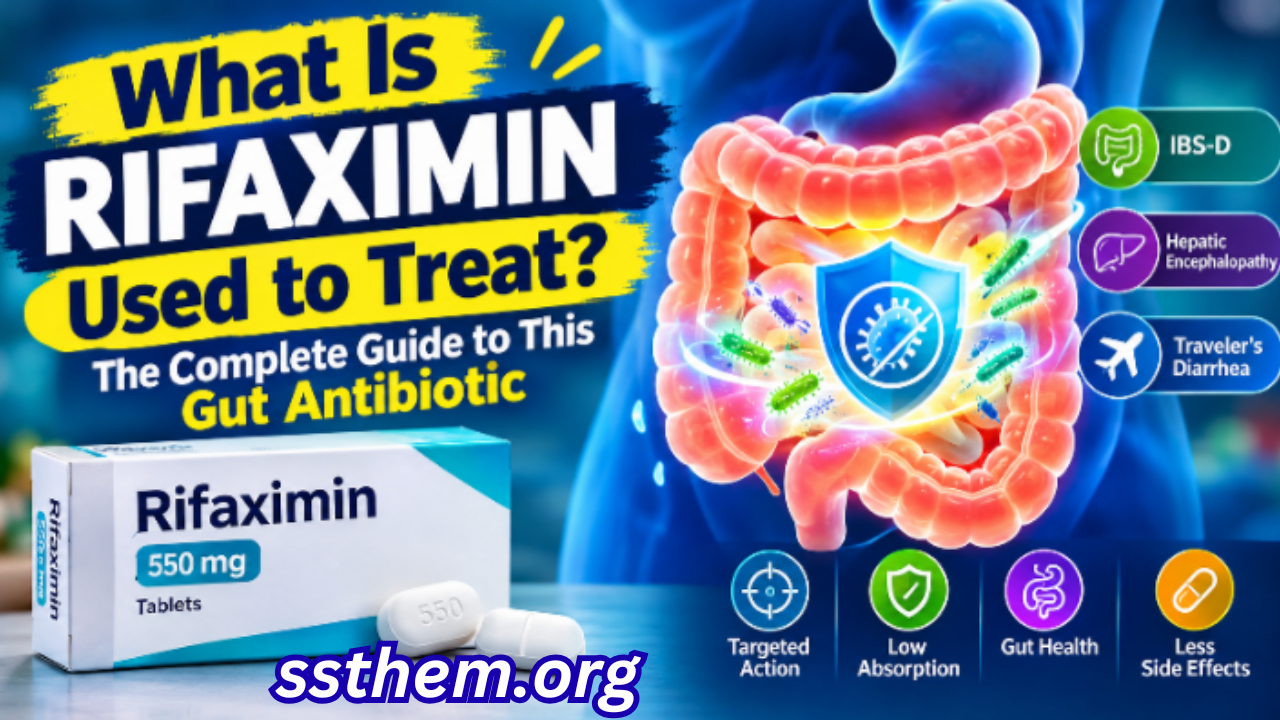
What Is Rifaximin Used to Treat? The Complete Guide to This Gut Antibiotic
Why does an antibiotic that barely enters the bloodstream hold such a powerful position in modern gastroenterology and hepatology? The answer is not found in its potency alone, but in the intricate interplay of its unique non-absorbable structure, its remarkable gut-selective action, and a safety profile that demands profound clinical understanding.
Imagine a drug that doesn’t flood the entire body, but instead, travels with laser precision to a single battleground: the intestinal lumen. This is the story of rifaximin, a formidable antimicrobial agent that has shaped treatment protocols worldwide for traveler’s diarrhea, hepatic encephalopathy, and irritable bowel syndrome with diarrhea.
A medical student may first encounter it as a “non-absorbable antibiotic” and memorize its unique pharmacokinetic profile. A clinician may reach for it when treating a patient with recurrent hepatic encephalopathy or persistent IBS-D. A patient may search for what is rifaximin used to treat after receiving a prescription and wondering how this medication will help their condition. This article moves beyond a simple drug summary and provides a detailed, evidence-based exploration of rifaximin uses, covering rifaximin 550 mg uses, rifaximin dosage, rifaximin side effects, and much more.
If you are a medical student, pharmacist, nurse, physician, researcher, or an informed patient seeking clarity, this guide is designed for you. But here is the first clinical caution: this article does not replace professional diagnosis or treatment, and rifaximin should never be used for self-medication. The details that matter most will unfold section by section.
Before we go deeper, remember that clinical pharmacology is not about memorizing isolated facts. It is about understanding why a drug works, when it works, when it should be avoided, and what can go wrong. In the following sections, we answer those questions with evidence.
One more thing: if you are comparing antibiotics and wondering about the fluoroquinolone class, you might be surprised by the hidden risks and clinical nuances. For a suspenseful look at its FDA-approved uses and side effects, explore Details about Ciprofloxacin Use. But keep your focus here first—the clinical stakes are high.
Key Facts Table: Rifaximin at a Glance
The following table summarizes the most clinically important facts about rifaximin. This is not a substitute for full prescribing information, but it provides a rapid reference for healthcare professionals and students.
| Parameter | Details |
|---|---|
| Generic Name | Rifaximin |
| Common Brand Names | Xifaxan, Xifaxanta, Rifagut, Zaxine |
| Drug Class | Antibiotic (Rifamycin group) |
| Therapeutic Class | Antidiarrheal, antibacterial, hepatic encephalopathy agent |
| Pharmacologic Class | Semisynthetic rifamycin; non-absorbable antibiotic |
| ATC Code | A07AA11 (Intestinal antiinfectives) |
| Available Strengths | 200 mg, 550 mg tablets |
| Dosage Forms | Oral tablet |
| Route(s) of Administration | Oral |
| FDA Status | FDA-approved |
| Primary Clinical Uses | Traveler’s diarrhea (E. coli), Hepatic encephalopathy, IBS-D |
| Bioavailability | < 0.4% (systemically negligible) |
| Protein Binding | ~67.5% (of the minimal amount absorbed) |
| Volume of Distribution | Not clinically meaningful |
| Half-Life | ~5-6 hours (of the minimal amount absorbed) |
| Metabolism | Minimal; primarily via CYP3A4 for absorbed fraction |
| Major Route of Elimination | Fecal (97% as unchanged drug) |
| Renal Considerations | No dose adjustment needed |
| Major Contraindications | Hypersensitivity to rifaximin or other rifamycins |
| Important Adverse Effects | Peripheral edema, nausea, dizziness, fatigue, CDAD (rare) |
This table is a snapshot. Every parameter in it will be expanded in the dedicated sections below, but we will not repeat the full explanations unnecessarily.
FDA-Approved Uses with Dose and Pathogen Details
The U.S. Food and Drug Administration (FDA) has approved rifaximin for three specific, targeted indications. Understanding the exact rifaximin dosage for each indication is paramount for effective and safe therapy. The spectrum of rifaximin uses is clinically powerful. This section details what is rifaximin used to treat in adults from an FDA standpoint, along with the standard dosing for each.
- Traveler’s Diarrhea (TD):

This is a primary indication. It is approved for the treatment of traveler’s diarrhea caused by non-invasive strains of Escherichia coli (ETEC and EAEC) in patients 12 years of age and older. Dosage: The recommended dose is rifaximin 200mg taken orally three times daily for 3 days. - Reduction in Risk of Overt Hepatic Encephalopathy (HE) Recurrence:
This indication targets the suppression of ammonia-producing, urease-positive gut bacteria. It is approved for reducing the risk of overt HE recurrence in adults. Dosage: The recommended dose is rifaximin 550 mg taken orally two times daily as continuous maintenance therapy. - Irritable Bowel Syndrome with Diarrhea (IBS-D):
This indication aims to modulate the entire gut microbiome. It is approved for the treatment of IBS-D in adults. Dosage: The recommended dose is rifaximin 550 mg taken orally three times daily for 14 days. This course can be repeated up to two times if symptoms recur.
These examples illustrate the key applications of this antibiotic. The drug’s role must always be contextualized within current antimicrobial stewardship principles.
Dosage Table
The table below provides a concise summary of typical dosing for common indications. Doses may vary based on renal and hepatic function, severity, and susceptibility data.
| Patient/Condition | Recommended Dose | Frequency | Duration | Important Considerations |
|---|---|---|---|---|
| Adults (Traveler’s Diarrhea) | 200 mg | Three times daily | 3 days | Use only for non-invasive E. coli; not for febrile/bloody diarrhea. |
| Adults (Hepatic Encephalopathy) | 550 mg | Two times daily | Continuous (maintenance) | Used to reduce the risk of recurrence of overt HE episodes. |
| Adults (IBS-D) | 550 mg | Three times daily | 14 days | If symptoms recur, can repeat the 14-day course up to two times. |
| Children (≥12 years, Traveler’s Diarrhea) | 200 mg | Three times daily | 3 days | Safety for HE and IBS-D not established under 18 years. |
| Renal Impairment | No adjustment | – | – | Drug is not renally cleared; safe for use. |
| Hepatic Impairment | No adjustment | – | – | Caution advised; systemic exposure may increase but remains low. |
Mechanism of Action
The elegance of rifaximin lies in its unique, targeted mechanism of action. It is a bactericidal antibiotic that works by irreversibly binding to the beta-subunit of bacterial DNA-dependent RNA polymerase.
This binding event physically blocks the translocation of the RNA polymerase enzyme along the DNA template, a critical step required for transcription. By preventing the enzyme from moving forward, rifaximin halts the initiation of RNA synthesis. Consequently, protein synthesis cannot commence, and bacterial replication is arrested. This is a bactericidal (killing) effect on susceptible organisms.
What makes rifaximin unique is where this action occurs. The drug’s chemical structure includes a pyridoimidazole ring that makes it virtually insoluble in water. This impermeability confines its action to the gastrointestinal tract. It achieves fecal concentrations exceeding 8,000 µg/g of stool, which is vastly higher than the MIC90 for most enteric pathogens. The drug literally overwhelms gut bacteria with its presence, killing them before they have a chance to develop resistance. For a deeper exploration of how drugs are absorbed and distributed in the body, our complete guide to ADME Pharmacokinetics provides essential background.
What Is Rifaximin?
Rifaximin is a semisynthetic, non-absorbable antibiotic derived from rifamycin. It is a unique therapeutic agent, classified as an intestinal anti-infective and a crucial drug in hepatology and gastroenterology. Its defining characteristic is its localized action within the gastrointestinal (GI) tract. Unlike most antibiotics that are designed to be absorbed into the bloodstream to treat systemic infections, rifaximin is engineered to remain within the gut lumen.
This drug is not a first-line treatment for systemic infections like pneumonia or sepsis. Instead, its therapeutic value lies in its ability to alter the gut microbiome directly. This makes it a targeted tool for conditions where the overgrowth or metabolic activity of specific gut bacteria is the primary driver of disease. For medical students and clinicians, understanding this core principle—its non-systemic, gut-selective action—is the key to comprehending its indications and limitations. The available strengths, 200 mg and 550 mg, are specifically tailored for different clinical scenarios, which will be detailed later.
Pharmacokinetics & Pharmacodynamics Key Table
The following table summarizes the key pharmacokinetic (PK) and pharmacodynamic (PD) properties that inform the clinical use of rifaximin.
| Parameter | Clinically Relevant Details |
|---|---|
| Absorption | Extremely poor after oral administration. Food appears to increase systemic exposure of the minimal amount absorbed. |
| Bioavailability | < 0.4% systemically. |
| Time to Peak Concentration | About 1 to 4 hours (for the minimal amount absorbed). |
| Protein Binding | ~67.5% (of the fraction that is absorbed). |
| Volume of Distribution | Not clinically determined due to negligible absorption. |
| Tissue Penetration | Essentially confined to the intestinal lumen and mucosa. |
| Blood-Brain Barrier Penetration | Negligible. |
| Placental Transfer | Not expected to be clinically relevant due to low absorption. |
| Half-Life | ~5 to 6 hours (of the absorbed fraction). |
| Metabolism | Minimal; metabolism of the absorbed fraction is thought to involve CYP3A4. |
| Active Metabolites | None identified. |
| Enzyme Involvement | CYP3A4 for the small absorbed fraction. |
| Elimination | 97% recovered in feces, almost entirely as unchanged drug. |
| Renal Clearance | Less than 0.2% of an oral dose is excreted in urine. |
| Pharmacodynamic Target | Bacterial DNA-dependent RNA polymerase (beta-subunit). |
| Concentration/Time-Dependent Activity | Concentration-dependent, with a significant post-antibiotic effect. |
This table is a quick reference. The following sections explain the most important details without unnecessary repetition.
Half-Life
The concept of half-life for rifaximin requires a unique clinical understanding because it is a drug whose efficacy is not dependent on achieving therapeutic plasma concentrations. The half-life of the small fraction of the drug that does get absorbed into the systemic circulation is approximately 5 to 6 hours. However, this figure is not the primary driver behind its dosing schedule for most of its indications.
The dosing frequency for rifaximin (e.g., two or three times daily) is based on maintaining a high concentration of the drug within the intestinal lumen over a sustained period to ensure maximal bacterial eradication. The drug’s prolonged contact time with the gut flora is the critical pharmacokinetic parameter, not its systemic half-life. Factors that alter systemic half-life, such as hepatic or renal impairment, have a negligible effect on its local action in the gut. Therefore, while the half-life is a standard pharmacokinetic property, its clinical significance is secondary to the drug’s non-absorbable, local-action profile. This is a key point to grasp: for rifaximin, the “pharmacokinetics” of interest happen in the gut, not the plasma.
Metabolism
The metabolism of rifaximin is minimal, which is the direct cause of its favorable safety profile. Following oral administration, less than 0.4% of the drug is absorbed into the body. From this tiny absorbed fraction, the liver plays a role. Studies suggest that the absorbed rifaximin is metabolized via the cytochrome P450 enzyme system, specifically CYP3A4.
The metabolites, however, are not active and are excreted in the bile and urine. The clinical significance of this metabolic pathway is limited but not zero. Potent inhibitors of CYP3A4, such as ketoconazole or clarithromycin, could theoretically increase the systemic exposure of rifaximin. However, given the already negligible bioavailability, this interaction rarely leads to a clinically meaningful increase in systemic effects or toxicity. The overwhelming majority of the drug (approximately 97%) is excreted unchanged in the feces, meaning it never enters a metabolic pathway at all. This fact underpins its use in patients with pre-existing liver disease for conditions like hepatic encephalopathy. The drug works locally and is expelled, without placing a significant metabolic burden on the liver.
Bioavailability & Protein Binding
The pharmacokinetic foundation of rifaximin’s clinical utility is its extraordinarily low systemic bioavailability. In healthy volunteers, the oral bioavailability is less than 0.4%. This means that out of a 550 mg dose, less than 2.2 mg enters the systemic circulation. This impermeability ensures that the antibiotic acts almost exclusively within the gastrointestinal tract. The presence of food can modestly increase the systemic absorption, but even then, the levels remain clinically negligible. To fully understand how bioavailability impacts drug action, see our detailed guide on Bioavailability in Pharmacology.
Regarding protein binding, of the minuscule fraction that is absorbed, approximately 67.5% is bound to plasma proteins. The drug’s distribution is not extensive. The plasma protein binding is unlikely to lead to clinically relevant drug-drug interactions, especially since the total amount of drug in the plasma is so low.
Spectrum of Activity
Rifaximin possesses a broad spectrum of antibacterial activity, particularly against Gram-positive and Gram-negative, aerobic and anaerobic, enteric bacteria. Its in-vitro activity is primarily directed at organisms within the gastrointestinal tract.
Gram-Positive Activity: Excellent activity against *Staphylococcus* spp., *Streptococcus* spp., *Enterococcus* spp., including methicillin-resistant *Staphylococcus aureus* (MRSA). It also covers *Clostridioides difficile*.
Gram-Negative Activity: Strong activity against *Escherichia coli* (including most strains of ETEC and EAEC), *Shigella* spp., *Salmonella* spp., *Campylobacter* spp., and *Vibrio cholerae*. It also covers *Helicobacter pylori*.
Anaerobic Activity: Good activity against *Bacteroides* spp., *Fusobacterium* spp., and *Peptostreptococcus* spp.
Its clinical importance is amplified by a low risk of inducing significant, sustained resistance in the gut flora. This is likely due to its ability to achieve very high local concentrations that exceed mutant prevention concentrations for many organisms. However, recent studies show that rifaximin resistance can develop in *Staphylococcus* species after long-term use, a topic of ongoing research.
Pharmacodynamics
The pharmacodynamics of rifaximin are defined by its concentration-dependent bactericidal activity and its extraordinarily high concentrations at the site of action.
Concentration-Dependent Killing: The efficacy of rifaximin increases as its concentration exceeds the MIC of the target bacteria. Since the drug is non-absorbable, it achieves fecal concentrations that dwarf the MICs of most pathogens. This massive concentration gradient is a powerful driver of its clinical effect.
PK/PD Index: For concentration-dependent antibiotics, the key parameter is the ratio of the peak drug concentration to the MIC (Cmax/MIC) or the area under the concentration-time curve to MIC (AUC/MIC). In the gut lumen, the “Cmax” of rifaximin is so extraordinarily high that it achieves optimal Cmax/MIC ratios, ensuring rapid and potent bacterial killing.
Therapeutic Window: The local, non-systemic action of rifaximin effectively creates a massive therapeutic window. The risk of systemic toxicity is minimized, while the local concentration is maximized.
Post-Antibiotic Effect (PAE): Rifaximin exerts a prolonged PAE against many susceptible bacteria. This means that even after fecal drug levels decrease, bacterial regrowth is delayed. This property supports less frequent dosing intervals and contributes to the drug’s ability to alter the gut microbiome in a sustained manner.
Contraindications
The contraindications for rifaximin are straightforward and primarily related to hypersensitivity reactions.
- Absolute Contraindication: Rifaximin is contraindicated in patients with a known hypersensitivity to rifaximin, any of the rifamycin antimicrobial agents (e.g., rifampin, rifabutin), or any of the components in the tablet formulation.
- Clarification: There are no other absolute contraindications. Importantly, renal or hepatic impairment is not a contraindication, a unique feature that makes it especially useful in patients with cirrhosis and associated renal dysfunction.
Warnings & Precautions
While rifaximin is generally well-tolerated due to its low absorption, several clinically important warnings and precautions must be considered.
- Traveler’s Diarrhea (TD) Caused by Invasive Pathogens: Rifaximin should not be used for TD if the patient presents with fever or bloody diarrhea. These symptoms suggest an invasive pathogen (e.g., *Campylobacter*, *Salmonella*, *Shigella*) that may penetrate the gut wall. Rifaximin, being non-absorbable, cannot effectively treat systemic infection and its use could delay appropriate therapy.
- Clostridioides difficile-Associated Diarrhea (CDAD): As with nearly all antibiotics, CDAD has been reported with rifaximin use. It can range in severity from mild diarrhea to fatal colitis. Clinicians must consider this diagnosis in any patient presenting with persistent diarrhea following antibiotic use. For a comparison with another commonly used gut antibiotic and its mechanisms, see our article on How Does Metronidazole Work.
- Hepatic Impairment: While no dose adjustment is required, caution is warranted. Systemic exposure is increased in patients with hepatic impairment, though it remains low. There have been post-marketing reports of increased INR in patients taking warfarin and rifaximin.
- Drug-Resistant Bacteria: Prolonged use of any antibiotic, including rifaximin, can lead to the development of drug-resistant bacteria. This is particularly relevant for its long-term, cyclic use in IBS-D and HE.
Side Effects
Understanding rifaximin side effects is crucial for patient counseling. Because the drug is non-systemic, most side effects are gastrointestinal in nature, although systemic reactions can occur.
Common Side Effects (occurring in ≥2% of patients):
For patients with HE, common side effects include:
- Peripheral edema (swelling of the limbs)
- Nausea
- Dizziness
- Fatigue
- Ascites (fluid in the abdomen)
For patients with IBS-D, common side effects include:
- Nausea
- Abdominal pain
- Increased liver enzymes (ALT)
Less Common Side Effects:
- Headache
- Vomiting
- Flatulence
- Constipation
- Urinary tract infection
- Rash
- Pruritus (itching)
Adverse Effects
While the side effects listed above are often mild and self-limiting, it is vital to recognize more serious, albeit rare, adverse effects.
- Severe Hypersensitivity Reactions: Although rare, anaphylaxis, angioedema, and exfoliative dermatitis have been reported. These are medical emergencies requiring immediate discontinuation of the drug.
- Clostridioides difficile-Associated Diarrhea (CDAD): This can manifest as severe pseudomembranous colitis. Symptoms include severe, persistent diarrhea, abdominal pain, and fever. It requires prompt diagnosis and treatment.
- Drug-Induced Liver Injury: There have been rare post-marketing reports of hepatocellular liver injury in patients taking rifaximin. Routine monitoring of liver enzymes is not mandated but should be considered if a patient develops new symptoms like jaundice or severe fatigue.
- Potential for Increased INR: Due to alterations in gut flora that synthesize vitamin K, rifaximin can potentiate the effects of warfarin, leading to an elevated INR and an increased risk of bleeding. Careful monitoring of INR and PT is recommended.
Drug Interactions
Although rifaximin’s systemic absorption is minimal, it is not entirely free of drug interactions. The interactions are broadly categorized into two types: systemic and local (gut flora-mediated).
| Interacting Medicine/Class | Potential Interaction | Clinical Significance | Management Consideration |
|---|---|---|---|
| Warfarin | Reduced gut synthesis of vitamin K, leading to increased INR. | Potentially serious; risk of bleeding. | Monitor INR/PT frequently. Adjust warfarin dose as needed. |
| CYP3A4 Inhibitors (e.g., ketoconazole, clarithromycin) | May increase systemic exposure of rifaximin. | Low, due to minimal baseline absorption. | No specific adjustment needed. |
| CYP3A4 Inducers (e.g., rifampin, phenytoin) | May reduce systemic exposure of rifaximin. | Not clinically relevant for local gut action. | No action required for the gut effect. |
| P-glycoprotein (P-gp) Inhibitors (e.g., cyclosporine) | May increase systemic exposure of rifaximin. | Low, due to minimal baseline absorption. | No specific adjustment needed. |
| Other Non-Absorbable Antibiotics | Additive or antagonistic effect on gut flora. | Variable. | Avoid unnecessary co-administration. |
Administration Table
Practical administration instructions are essential for patient education and nursing practice. The table below summarizes key administration factors.
| Administration Factor | Guidance |
|---|---|
| Route | Oral. Swallow tablet whole with a glass of water. |
| With Food/Without Food | Can be taken with or without food. |
| Timing | Space doses evenly throughout the day. |
| Tablet Instructions | Do not crush, chew, or break the tablet. |
| Missed Dose | Take as soon as possible. If near next dose, skip missed dose. Do not double dose. |
| Storage | Store at room temperature (20°C to 25°C / 68°F to 77°F). Protect from moisture. |
| Special Instructions | No special instructions required. |
Pharmacokinetics
Rifaximin’s pharmacokinetic profile is fundamentally defined by its non-absorptive nature. After oral administration, the drug remains within the gastrointestinal tract. Its absorption is negligible, with a bioavailability of less than 0.4%. The minimal amount that is absorbed reaches peak plasma concentrations in about 1 to 4 hours, and this systemic fraction is ~67.5% bound to plasma proteins.
Because it is not widely distributed, concepts like volume of distribution are not clinically meaningful. The drug does not effectively penetrate tissue or cross the blood-brain barrier.
The tiny absorbed fraction is thought to undergo metabolism via CYP3A4 in the liver, producing inactive metabolites. The primary route of elimination is fecal, with 97% of the drug excreted unchanged. Renal clearance is negligible (<0.2%). This unique PK profile dictates that no dose adjustment is needed for patients with kidney disease and that the drug is well-suited for treating conditions of the gut and liver. For a complete understanding of how drugs move through the body, refer to our guide on The Complete ADME Pharmacokinetics Guide.
Special Populations
Pregnancy (Category C): There are no adequate and well-controlled studies of rifaximin in pregnant women. It should be used during pregnancy only if the potential benefit justifies the potential risk to the fetus.
Lactation: It is not known whether rifaximin is excreted in human milk. Caution should be exercised when administered to a nursing woman.
Pediatric Use: Safety and effectiveness for TD have been established for patients 12 years and older. Safety and effectiveness for HE and IBS-D have not been established in patients under 18 years of age.
Geriatric Use: Clinical studies did not include sufficient numbers of subjects aged 65 and over to determine if they respond differently. No dose adjustment is required for healthy older adults.
Hepatic Impairment: The systemic exposure of rifaximin is increased in patients with hepatic impairment compared to healthy controls. However, this exposure remains low and does not warrant a dose adjustment.
Renal Impairment: The pharmacokinetics of rifaximin are not significantly affected by renal impairment. No dose adjustment is needed.
Monitoring
The need for monitoring in patients on rifaximin is minimal, reflecting its favorable safety profile.
- Clinical Response: The primary monitoring parameter is clinical. For TD, this is resolution of diarrhea. For HE, it is the absence of recurrent neuropsychiatric symptoms. For IBS-D, it is improvement in abdominal pain and stool consistency.
- INR/Prothrombin Time: For patients taking rifaximin concurrently with warfarin, frequent monitoring of INR and prothrombin time is recommended.
- Liver Enzymes: Routine monitoring of liver enzymes is not required for all patients. However, if a patient develops signs of liver injury, liver function tests should be checked.
- Signs of CDAD: Patients on any antibiotic therapy should be monitored for the development of persistent, severe diarrhea, which could indicate *C. difficile* infection.
Clinical Perspective
Rifaximin occupies a unique and valuable niche in clinical medicine. Its clinical utility stems directly from its pharmacologic personality: a broad-spectrum antibiotic that acts with intense local force but has negligible systemic impact.
In hepatology, it has revolutionized the long-term management of hepatic encephalopathy. Prior to its approval, the mainstay of therapy was lactulose, an osmotic laxative that works by acidifying the gut. While effective, lactulose can cause significant gastrointestinal distress and non-adherence. Rifaximin offers a clean, well-tolerated alternative that directly targets the bacterial source of ammonia production, significantly reducing the risk of HE recurrence and subsequent hospitalizations.
In gastroenterology, it provides a targeted option for patients with IBS-D, a condition notoriously difficult to treat. The cyclic nature of the treatment allows clinicians to “reset” the microbiome during a flare, often leading to meaningful symptomatic relief. Its off-label use for SIBO is a testament to its effectiveness in modulating the small bowel flora. For conditions like uncomplicated traveler’s diarrhea, it offers a rapid, safe, and effective treatment.
However, clinicians must be mindful of its limitations. It is not a panacea for all GI infections. It is ineffective against invasive pathogens and should be avoided in systemic infections. The emergence of resistance with long-term or repeated use is a growing concern that warrants ongoing vigilance. The decision to use rifaximin should always be based on a careful assessment of the clinical scenario.
For those interested in the intersection of health content and online income, ssthem.xyz for online Earning and WhatsApp Groups links may be a useful resource. But medical accuracy should never be sacrificed for engagement.
Question. What is rifaximin?
Answer : Rifaximin is a non-absorbable, gut-selective antibiotic belonging to the rifamycin class. It is used to treat specific bacterial conditions within the gastrointestinal tract.
Question. What is rifaximin used to treat?
Answer : Rifaximin is FDA-approved to treat traveler’s diarrhea (from *E. coli*), reduce the risk of hepatic encephalopathy recurrence, and treat irritable bowel syndrome with diarrhea (IBS-D) in adults.
Question. How does rifaximin work in the gut?
Answer : It works by binding to a key enzyme in bacteria, blocking their ability to make proteins and replicate. This kills the bacteria locally in the gut without being absorbed into the body.
Question. How long does rifaximin take to work?
Answer : For traveler’s diarrhea, symptom improvement is often seen within 24-48 hours. For IBS-D, relief may take a few days to weeks, with benefits extending after the 14-day course ends. For HE, it is a long-term preventive therapy.
Question. Is rifaximin the same as Flagyl (metronidazole)?
Answer : No. While both are antibiotics used for gut conditions, they are different drugs with different mechanisms of action and FDA-approved indications. Metronidazole is absorbed systemically and is often used for *C. difficile*, a condition for which rifaximin is not FDA-approved.
Question. Is rifaximin the same as ciprofloxacin?
Answer : No. Ciprofloxacin is a fluoroquinolone antibiotic that is well-absorbed and used to treat systemic infections, including severe traveler’s diarrhea. Rifaximin is non-absorbable and acts only in the gut.
Question. Is rifaximin good for gastritis?
Answer : Gastritis is inflammation of the stomach lining, most often caused by *H. pylori* infection or NSAID use. While rifaximin has in-vitro activity against *H. pylori*, it is not a standard or first-line treatment for gastritis.
Question. Can rifaximin damage the liver?
Answer : Rifaximin is used to prevent a complication of severe liver disease (HE). It is generally safe for the liver. However, there are extremely rare post-marketing reports of liver injury in patients taking the drug.
Question. Which is better, rifaximin or metronidazole?
Answer : Neither is inherently “better.” They are used for different purposes. Rifaximin is superior for long-term prevention of HE due to its safety and tolerability. Metronidazole is a first-line drug for invasive anaerobic infections and some cases of *C. difficile*.
Question. Can rifaximin reduce gas?
Answer : Yes, indirectly. By altering the gut microbiome and reducing bacterial overgrowth (as in SIBO), rifaximin can significantly reduce the amount of intestinal gas produced by these bacteria.
Question. Does rifaximin damage the gut?
Answer : Rifaximin is intended to *alter* the gut flora, not “damage” the gut itself. It is non-toxic to the intestinal cells. While it changes the microbial balance, it has a low risk of causing severe disruption like other broad-spectrum, systemic antibiotics.
Question. What is rifaximin 550 mg used to treat?
Answer : The 550 mg strength is used for two chronic, long-term conditions: reducing the risk of overt hepatic encephalopathy recurrence and treating irritable bowel syndrome with diarrhea (IBS-D).
Question. What is rifaximin 200 mg used to treat?
Answer : The 200 mg strength is used for the acute, short-term treatment of traveler’s diarrhea caused by non-invasive *E. coli*.
Question. What are the most common side effects of rifaximin?
Answer : Common side effects include nausea, abdominal pain, gas, and headache. In patients with cirrhosis being treated for HE, peripheral edema and ascites are common but are often related to the underlying disease.
Question. Is rifaximin safe for kidneys?
Answer : Yes. Rifaximin requires no dose adjustment for patients with kidney disease. Its elimination is almost entirely through the feces, placing no burden on the kidneys.
Question. What drugs interact with rifaximin?
Answer : The most clinically significant interaction is with warfarin. By altering gut bacteria that produce vitamin K, rifaximin can increase the effect of warfarin, elevating the INR and bleeding risk.
Question. How is rifaximin administered?
Answer : Rifaximin is taken orally as a tablet with a glass of water. It can be taken with or without food. The tablet should not be crushed or chewed.
Question. What should I do if I miss a dose of rifaximin?
Answer : Take the missed dose as soon as you remember. If it is close to the time for your next dose, skip the missed dose and continue with your regular schedule. Never take two doses at once.
Question. Can I drink alcohol while taking rifaximin?
Answer : There is no direct, dangerous interaction between rifaximin and alcohol. However, in patients with cirrhosis (taking it for HE), alcohol is strongly contraindicated as it can worsen the underlying liver disease.
Question. Is rifaximin used to treat SIBO?
Answer : Yes, but it is an off-label use. Rifaximin is widely used and recommended by gastroenterology guidelines (like the ACG) for the treatment of Small Intestinal Bacterial Overgrowth (SIBO) due to its excellent efficacy and safety profile.
Question. How does rifaximin for IBS work over the long term?
Answer : Rifaximin is not taken daily for IBS-D forever. It is given as a 14-day course to induce a change in the gut microbiome. The symptom relief from a single course can last for several weeks to months. If symptoms return, the course can be repeated.
Question. Is rifaximin a strong antibiotic?
Answer : Within the gut, yes, it is a very potent and broad-spectrum antibiotic. It achieves incredibly high local concentrations. However, it is not used for “strong” or “hard-to-treat” systemic infections because it does not enter the bloodstream.
Question. What is the treatment duration for rifaximin?
Answer : The duration varies by condition: 3 days for traveler’s diarrhea, 14 days for a course of IBS-D treatment, and indefinite (maintenance) for the prevention of HE.
Question. Are there alternatives to rifaximin?
Answer : Alternatives exist for all indications. For TD, azithromycin can be used. For HE, lactulose is the primary alternative. For IBS-D, other treatments include antidiarrheals (loperamide), antispasmodics, or other antibiotics like neomycin.
Question. Is rifaximin FDA approved for all its uses?
Answer : No. Rifaximin is FDA-approved for TD, HE, and IBS-D. Its use in conditions like SIBO, diverticulitis, and pouchitis is considered “off-label,” although it may be supported by medical guidelines.
Question. What is the difference between rifaximin and other rifamycins?
Answer : The primary difference is absorption. Rifampin and rifabutin are well-absorbed systemically and used for infections like tuberculosis. Rifaximin is non-absorbable and acts only in the gut.
5 Authentic Studies
Study 1
Citation: Bass NM, Mullen KD, Sanyal A, et al. Rifaximin treatment in hepatic encephalopathy. N Engl J Med. 2010;362(12):1071-1081. DOI: 10.1056/NEJMoa0907893
Study Type: Phase 3, randomized, double-blind, placebo-controlled trial.
Population: 299 patients with cirrhosis who were in remission from recurrent overt hepatic encephalopathy.
Intervention/Exposure: Rifaximin 550 mg twice daily vs. placebo for 6 months.
Main Outcome: Time to first breakthrough episode of overt hepatic encephalopathy.
Key Findings: Rifaximin reduced the risk of a breakthrough HE episode by 58% compared to placebo (HR 0.42, 95% CI 0.28-0.64, P<0.001). It also reduced the risk of HE-related hospitalization.
Clinical Significance: This landmark study established rifaximin as a standard of care for the secondary prevention of HE.
Important Limitation: All patients were already on lactulose therapy, so the study established the benefit of rifaximin as an *add-on* therapy.
Study 2
Citation: Pimentel M, Lembo A, Chey WD, et al. Rifaximin therapy for patients with irritable bowel syndrome without constipation. N Engl J Med. 2011;364(1):22-32. DOI: 10.1056/NEJMoa1004409
Study Type: Two identical Phase 3, randomized, double-blind, placebo-controlled trials (TARGET 1 and TARGET 2).
Population: 1,260 patients with IBS without constipation (IBS-D or mixed IBS).
Intervention/Exposure: Rifaximin 550 mg three times daily or placebo for 14 days.
Main Outcome: Adequate relief of global IBS symptoms for at least 2 of the first 4 weeks after treatment.
Key Findings: Significantly more patients in the rifaximin group achieved adequate relief compared to placebo (40.7% vs. 31.7%, P<0.001). The drug also reduced bloating. The benefit was sustained for up to 10 weeks post-treatment.
Clinical Significance: These trials were the basis for FDA approval of rifaximin for IBS-D, validating the role of gut microbiota in the pathophysiology of IBS.
Important Limitation: The optimal frequency and number of retreatments over a patient’s lifetime remain areas of ongoing research.
Study 3
Citation: Gatta L, Scarpignato C. Systematic review with meta-analysis: rifaximin is effective and safe for the treatment of small intestinal bacterial overgrowth. Aliment Pharmacol Ther. 2017;45(5):604-616. DOI: 10.1111/apt.13928
Study Type: Systematic review and meta-analysis.
Population: Patients diagnosed with Small Intestinal Bacterial Overgrowth (SIBO) across 32 studies.
Intervention/Exposure: Treatment with rifaximin at various doses.
Main Outcome: SIBO eradication rate, defined by a negative follow-up breath test.
Key Findings: The overall eradication rate of SIBO with rifaximin was 70.7% (95% CI 61.8-78.7%). It was found to be more effective than other antibiotics like metronidazole.
Clinical Significance: This meta-analysis solidified rifaximin’s role as a first-line, evidence-based treatment for SIBO, despite this being an off-label indication.
Important Limitation: High heterogeneity between studies in terms of diagnostic criteria for SIBO and the dose/duration of rifaximin used.
Study 4
Citation: DuPont HL, Jiang ZD, Okhuysen PC, et al. A randomized, double-blind, placebo-controlled trial of rifaximin to prevent travelers’ diarrhea. Ann Intern Med. 2005;142(10):805-812. DOI: 10.7326/0003-4819-142-10-200505170-00005
Study Type: Randomized, double-blind, placebo-controlled trial.
Population: 210 healthy adults traveling to Mexico.
Intervention/Exposure: Prophylactic rifaximin 200 mg once, twice, or three times daily vs. placebo for 14 days.
Main Outcome: Prevention of traveler’s diarrhea (TD).
Key Findings: Rifaximin provided significant protection against TD compared to placebo. The incidence of TD was reduced by 77% in the group taking the highest dose. However, the drug is not FDA-approved for prophylaxis.
Clinical Significance: This study demonstrated rifaximin’s potent activity against the primary cause of TD, enterotoxigenic *E. coli*, in a real-world setting.
Important Limitation: The study focused on prevention, not treatment, and the use of prophylactic antibiotics for TD is generally discouraged by public health guidelines.
Study 5
Citation: Ianiro G, Tilg H, Gasbarrini A. Antibiotics as deep modulators of gut microbiota: between good and evil. Gut. 2016;65(11):1906-1915. DOI: 10.1136/gutjnl-2016-312297
Study Type: High-quality narrative review (important perspective study).
Population: N/A (Review of literature on gut microbiota).
Intervention/Exposure: Analysis of the impact of various antibiotics, including rifaximin, on the gut microbiome.
Main Outcome: Effects on microbial diversity, resistance genes, and host physiology.
Key Findings: This review highlights that while rifaximin is non-absorbable, it exerts “eubiotic” effects, meaning it can promote a healthier gut environment by reducing pathogenic species while having a lesser impact on core, beneficial flora compared to systemic antibiotics.
Clinical Significance: This paper provides a critical, nuanced view of how rifaximin acts not just as a “killer” of bacteria but as a modulator of the gut ecosystem.
Important Limitation: As a review, it synthesizes existing evidence rather than generating new primary data.
Authentic References
- U.S. Food and Drug Administration (FDA). Xifaxan (rifaximin) tablets, for oral use. Prescribing Information. Salix Pharmaceuticals. Revised 05/2015.
- Bass NM, Mullen KD, Sanyal A, et al. Rifaximin treatment in hepatic encephalopathy. *N Engl J Med*. 2010;362(12):1071-1081. DOI: 10.1056/NEJMoa0907893
- Pimentel M, Lembo A, Chey WD, et al. Rifaximin therapy for patients with irritable bowel syndrome without constipation. *N Engl J Med*. 2011;364(1):22-32. DOI: 10.1056/NEJMoa1004409
- Gatta L, Scarpignato C. Systematic review with meta-analysis: rifaximin is effective and safe for the treatment of small intestinal bacterial overgrowth. *Aliment Pharmacol Ther*. 2017;45(5):604-616. DOI: 10.1111/apt.13928
- DuPont HL, Jiang ZD, Okhuysen PC, et al. A randomized, double-blind, placebo-controlled trial of rifaximin to prevent travelers’ diarrhea. *Ann Intern Med*. 2005;142(10):805-812. DOI: 10.7326/0003-4819-142-10-200505170-00005
- Ianiro G, Tilg H, Gasbarrini A. Antibiotics as deep modulators of gut microbiota: between good and evil. *Gut*. 2016;65(11):1906-1915. DOI: 10.1136/gutjnl-2016-312297
- National Institute of Diabetes and Digestive and Kidney Diseases (NIDDK). LiverTox: Clinical and Research Information on Drug-Induced Liver Injury. Rifaximin. Bethesda (MD): National Institutes of Health. Updated 2018.
Medical Information Disclaimer: This article is provided for educational and informational purposes only and is not intended as medical advice. It is not a substitute for professional diagnosis, treatment, or clinical judgment. The information contained herein reflects evidence from current literature and prescribing information, but clinical practice may vary based on individual patient factors, local resistance patterns, and emerging evidence. Prescription decisions must be made by a qualified healthcare professional. Patients should never self-medicate with rifaximin or any prescription antibiotic. If you have questions about your health or medication, consult your physician, pharmacist, or another licensed provider. If you are experiencing a medical emergency, seek immediate medical attention.
For authentic and engaging information about the world’s different religions, visit ssthem.com for religious studies and discover well-organized, informative content.