
Terbinafine From Taste Loss to Liver Failure 10 Shocking Facts You Must Know
Terbinafine: From Taste Loss to Liver Failure – 10 Shocking Facts You Must Know
Terbinafine is a widely used antifungal medicine that helps treat several fungal infections affecting the skin, feet, and nails. Available in oral tablets and topical formulations, it belongs to the allylamine class of antifungal medicines. Although it can be highly effective against susceptible dermatophytes, oral terbinafine has important safety warnings that patients should understand before starting treatment.
Some patients may experience unusual taste disturbances, including metallic taste, reduced taste sensation, or even loss of taste. More importantly, oral terbinafine has been associated with rare but potentially serious liver injury, including acute liver failure. These complications are uncommon, but recognizing their warning signs can help patients seek medical attention promptly.
The medicine is particularly important in the treatment of dermatophyte infections, including athlete’s foot, ringworm, jock itch, and fungal nail infections. However, its cream and tablet formulations are not interchangeable, and not every fungal infection responds to terbinafine.
10 important facts about terbinafine: It belongs to the allylamine class, inhibits fungal squalene epoxidase, accumulates in skin and nails, can cause taste and smell disturbances, may produce rare serious liver injury, interacts with CYP2D6 substrates, can cause severe skin reactions, and may be ineffective against resistant dermatophytes.
This comprehensive guide explains terbinafine’s medical uses, dosage, pharmacological mechanism, pharmacokinetics, adverse reactions, liver warnings, drug interactions, antifungal resistance, treatment alternatives, and important precautions.
Important medical distinction: Most serious systemic warnings discussed in this article relate to oral terbinafine tablets. Topical terbinafine generally produces much lower systemic exposure when used correctly.
Discover More Online Communities
Looking for useful communities, educational discussions, and online groups related to different interests? Explore organized WhatsApp group resources and online community directories.
Visit ssthem.xyz to discover thousands of WhatsApp group links and online community resources. Group availability, privacy, and suitability may vary. These communities should not be considered sources of verified medical advice or professional medical consultations.
1. Terbinafine: Important Medical Facts Table
| Medical Category | Information |
|---|---|
| Generic Name | Terbinafine |
| Common Salt | Terbinafine hydrochloride |
| Common Brand Name | Lamisil |
| Drug Classification | Antifungal medicine |
| Pharmacological Class | Allylamine |
| Antifungal Category | Squalene epoxidase inhibitor |
| Oral Formulation | Tablet |
| Common Oral Strength | 250 mg |
| Common Topical Strength | 1% |
| Other Formulations | Cream, gel, spray, solution and selected topical products |
| Main Oral Indication | Dermatophyte fingernail and toenail onychomycosis |
| Common Topical Indications | Athlete’s foot, ringworm and jock itch, depending on product labeling |
| Molecular Target | Fungal squalene epoxidase |
| Mechanism | Inhibition of ergosterol synthesis and accumulation of squalene |
| Routes | Oral and topical |
| Absorption | High oral absorption; low systemic absorption from ordinary topical use |
| Metabolism | Extensive hepatic metabolism |
| Elimination | Primarily urinary elimination as metabolites |
| Important Warning | Potential hepatotoxicity with oral treatment |
| Taste Disturbance | May be prolonged and occasionally permanent |
| Prescription Status | Varies by country and formulation |
| US Oral Status | Prescription medicine |
| US Topical Status | Certain 1% topical products are available OTC |
Regulatory clarification: Approval depends on the country, formulation, manufacturer, and specific product labeling. The US indication for oral terbinafine tablets should not be confused with indications for topical products or approvals in other countries.
Does Terbinafine Have an FDA Black Box Warning?
Oral terbinafine has serious warnings concerning liver failure, taste disturbances, smell disturbances, and severe skin reactions. However, its US prescribing information does not classify these warnings as an FDA boxed warning. A serious medication warning and a boxed warning are different regulatory categories.
What Is Terbinafine?
Terbinafine is a synthetic antifungal medicine belonging to the allylamine class. It is used to treat certain fungal infections affecting the skin and nails. It is particularly important in dermatology because it has strong activity against dermatophytes, a group of fungi responsible for many common skin and nail infections.
Dermatophytes digest keratin, a protein found in the outer skin, hair, and nails. Terbinafine interferes with a biochemical pathway needed for fungal cell membrane production, helping eliminate susceptible organisms.
What Makes Terbinafine Different From Other Antifungals?
- Strong dermatophyte activity: Terbinafine is particularly useful against susceptible dermatophytes.
- Accumulation in skin and nails: Oral terbinafine distributes into skin, sebum, and nail tissues.
- Different molecular target: It inhibits squalene epoxidase rather than directly inhibiting fungal CYP51.
- Distinct safety profile: It has characteristic warnings involving taste disturbances and rare serious liver injury.
- Multiple formulations: Topical preparations treat selected localized infections, while oral tablets are used for appropriate systemic treatment indications.
Fungal Organisms That May Be Susceptible
| Fungal Organism | Potential Clinical Relevance |
|---|---|
| Trichophyton rubrum | Skin and nail dermatophytosis |
| Trichophyton interdigitale | Athlete’s foot and other dermatophyte infections |
| Trichophyton mentagrophytes complex | Skin and nail infections |
| Microsporum canis | Selected skin and scalp infections |
| Epidermophyton floccosum | Jock itch and athlete’s foot |
| Candida albicans | Selected superficial infections; susceptibility varies |
| Malassezia species | Selected superficial skin conditions depending on formulation |
Important limitation: Terbinafine is not a universal antifungal medicine. It should not automatically be selected for oral thrush, vaginal candidiasis, invasive candidiasis, or every infection caused by yeast.
Terbinafine Compared With Azole Antifungals
Terbinafine belongs to the allylamine class, whereas fluconazole, itraconazole, and clotrimazole belong to the azole family. Both classes interfere with fungal ergosterol production, but they inhibit different enzymes. Their antifungal spectrum, interactions, and adverse reaction profiles are different.
Explore More Antifungal Knowledge: Understanding different antifungal medicines can help readers recognize why one medicine may be appropriate for a particular infection while another may not be. Read our related educational guide: Fluconazole – 1 Pill vs 7 Days: Understanding the Viral Truth.
3. Indications and Medical Uses: Which Infections Can Terbinafine Treat?
Terbinafine’s clinical uses depend on the formulation. A 1% cream should not be treated as equivalent to a 250 mg oral tablet. The cream primarily acts at the skin surface, whereas oral treatment produces systemic exposure and delivers medication to nail tissues.
3.1 Dermatophytosis
Dermatophytosis refers to fungal infections caused by dermatophytes. These organisms commonly affect keratin-containing tissues, including the outer skin, hair, and nails. Terbinafine is a commonly used treatment for susceptible dermatophyte infections. Topical preparations are appropriate for many localized skin infections, while oral therapy may be considered for nail infections, hair involvement, extensive skin disease, or selected treatment-resistant cases.
3.2 Athlete’s Foot (Tinea Pedis)
Athlete’s foot is a fungal infection affecting the feet, particularly the spaces between the toes. Typical symptoms include itching, peeling, scaling, burning, cracked skin, and white softened skin between the toes. Topical terbinafine 1% is an established option for many cases. Treatment duration depends on the product label and clinical pattern. Oral terbinafine is not automatically necessary for uncomplicated athlete’s foot.
3.3 Ringworm (Tinea Corporis)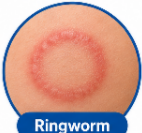
Despite its name, ringworm is not caused by a worm. It is a superficial fungal infection that often creates circular or irregular patches with a raised, scaly border. Symptoms may include itching, redness, expanding circular lesions, and central clearing. Topical terbinafine can treat many localized dermatophyte infections affecting the body. Extensive infections may require clinical assessment and systemic treatment.
3.4 Jock Itch (Tinea Cruris)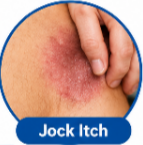
Jock itch affects the groin and adjacent skin. It commonly produces an itchy, reddish or brownish rash that may extend into the inner thighs. Terbinafine cream is an established treatment option for susceptible dermatophyte infections in this region. Keeping the area dry and following product instructions can support treatment.
3.5 Fungal Nail Infections (Onychomycosis)
Fungal nail infections are among the most important reasons oral terbinafine is prescribed. Symptoms may include yellow, white, or brown nail discoloration, thickened nails, brittleness, nail separation, and debris beneath the nail. Oral terbinafine is an established systemic option for many dermatophyte nail infections.
Important diagnostic point: Not every abnormal nail is fungal. Psoriasis, trauma, eczema, and other conditions can resemble onychomycosis. Appropriate nail specimen testing should be considered before oral treatment.
3.6 Cutaneous Candidiasis 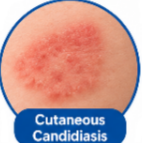
Some terbinafine cream products have labeling or clinical evidence supporting use against selected superficial Candida infections. However, its clinical role is more limited than its role against dermatophytes. Treatment selection should consider the fungal species, infection location, severity, and specific product labeling.
3.7 Oral Candidiasis 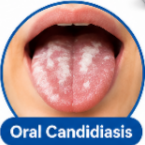
Oral thrush is commonly caused by Candida albicans. Terbinafine is not a standard first-line treatment. Appropriate options may include nystatin, clotrimazole, or fluconazole, depending on severity and clinical guidelines.
3.8 Vaginal Candidiasis 
Vaginal yeast infections are commonly caused by Candida species. Terbinafine is not an established standard treatment for vulvovaginal candidiasis. A skin antifungal cream should not be inserted into the vagina unless the specific product is designed and approved for that purpose.
3.9 Seborrheic Dermatitis 
Seborrheic dermatitis is associated with inflammatory responses involving Malassezia yeasts. Although terbinafine has activity against selected organisms in this group, it is not the standard universal treatment. Depending on the location and severity, clinicians may consider ketoconazole, ciclopirox, selenium sulfide, or other appropriate treatments.
3.10 Scalp Ringworm (Tinea Capitis) 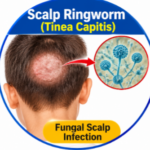
Scalp ringworm involves hair follicles and scalp skin. Topical creams alone generally cannot reliably eliminate infection within the hair shaft. Oral antifungal treatment is normally required. Terbinafine may be selected for certain dermatophyte species, but effectiveness varies. Griseofulvin may be preferred for particular Microsporum infections.
| Infection | Topical Terbinafine | Oral Terbinafine |
|---|---|---|
| Athlete’s foot | Established use | Selected complicated cases |
| Ringworm | Established use | Extensive or selected cases |
| Jock itch | Established use | Selected cases |
| Dermatophyte nail infection | Limited penetration | Established indication |
| Cutaneous Candida | Product-dependent | Not routine |
| Oral thrush | Not standard | Not standard |
| Vaginal candidiasis | Not standard | Not standard |
| Seborrheic dermatitis | Not routine standard treatment | Not routine standard treatment |
| Scalp ringworm | Usually insufficient alone | Selected cases |
Discover Natural Beauty and Wellness Education
Visit ssthem.net for additional wellness and beauty-related educational resources.
Natural remedies should not be presented as proven antifungal treatments without reliable clinical evidence. They should not replace prescribed antifungal treatment.
4. Terbinafine Dosage and Administration
The correct dose depends on formulation, infection, patient age, medical history, and country-specific prescribing information. The following information summarizes established adult regimens and selected specialist dosing approaches. It is educational information rather than an individual prescription.
| Patient Category | Formulation | Standard Labeled Dose | Frequency | Duration | Important Instructions |
|---|---|---|---|---|---|
| Adults with fingernail onychomycosis | Tablet | 250 mg | Once daily | 6 weeks | Confirm fungal diagnosis and assess liver status |
| Adults with toenail onychomycosis | Tablet | 250 mg | Once daily | 12 weeks | Pretreatment liver assessment is important |
| Children with nail infections | Tablet | No established routine US FDA-approved pediatric nail regimen | Clinician-directed | Individualized | Specialist assessment required |
| Localized athlete’s foot | 1% cream | Thin layer | Product-dependent | Usually about 1 week | Follow package instructions |
| Jock itch | 1% cream | Thin layer | Product-dependent | Usually about 1 week | Apply to affected and adjacent skin as directed |
| Ringworm | 1% cream | Thin layer | Product-dependent | Usually about 1 week | Reassess if symptoms do not improve |
4.1 Adult Oral Dosage for Fingernail Infection
According to US prescribing information, the standard adult regimen for dermatophyte fingernail onychomycosis is 250 mg once daily for six weeks. The nail does not immediately look normal after treatment because damaged nail tissue must gradually grow out.
4.2 Adult Oral Dosage for Toenail Infection
The labeled adult regimen for dermatophyte toenail onychomycosis is 250 mg once daily for twelve weeks. Toenails grow more slowly than fingernails, so visible improvement may take several months even after treatment has ended.
4.3 Topical Terbinafine Dosage
Topical preparations have their own dosing instructions. Some US OTC 1% cream labels recommend twice-daily application for one week for interdigital athlete’s foot. Certain ringworm and jock itch products are labeled for once-daily application for one week. Other countries and formulations may have different schedules. Patients should not automatically transfer the directions from one brand to another.
4.4 Pediatric Dosage
Pediatric oral terbinafine dosing is not identical to adult dosing. For certain non-US specialist regimens for tinea capitis, weight-based schedules have been used. These are not universal FDA-approved pediatric nail treatment regimens and should never be used independently to calculate a child’s treatment.
| Body Weight | Example Specialist Regimen |
|---|---|
| Less than 20 kg | 62.5 mg daily |
| 20–40 kg | 125 mg daily |
| More than 40 kg | 250 mg daily |
Important: These weight-based schedules are examples of specialist practice for selected scalp infections, not instructions for self-treatment. The infection organism, local authorization, formulation, and clinician’s assessment must be considered.
4.5 Elderly Patients
Older adults do not automatically require a lower dose solely because of age. However, reduced kidney function, existing liver disease, multiple medicines, and increased risk of drug interactions make medication review important.
4.6 Renal Dose Considerations
Terbinafine clearance decreases in patients with significant renal impairment. Prescribing information reports approximately 50% lower clearance in patients with creatinine clearance of 50 mL/min or less compared with healthy volunteers. Use in this population requires careful clinical assessment.
4.7 Hepatic Dose Considerations
Oral terbinafine is contraindicated in patients with chronic or active liver disease under US tablet labeling. Reducing the dose does not automatically make treatment safe in these patients.
4.8 Missed Dose
- Take the missed dose when remembered if the next dose is not approaching.
- If it is nearly time for the next dose, skip the missed dose.
- Continue with the regular schedule.
- Do not double the dose to compensate.
4.9 Overdose
An overdose may cause gastrointestinal symptoms, dizziness, rash, headache, or other reactions. Suspected overdose requires prompt medical advice. Emergency assessment may be necessary depending on the quantity taken, symptoms, and patient circumstances. Do not attempt to induce vomiting unless instructed by a qualified professional.
4.10 Administration Instructions
Oral tablets: Swallow with water, follow the prescribed schedule, and do not stop or extend treatment independently. Food does not significantly change overall exposure.
Topical products: Clean and dry the affected area, apply a thin layer according to the product label, wash hands after application unless the hands are being treated, and avoid contact with the eyes and mouth.
The Dosage Detail That Deserves Your Attention
Correct dosage is only one part of safe antifungal treatment. The formulation, infection location, treatment duration, fungal species, and patient-specific risk factors can significantly change the recommended approach.
For additional prescribing information, consult DailyMed – Terbinafine Prescribing Information and FDA Drug Approval Resources.
5. Mode of Action: How Does Terbinafine Kill Fungi?
Terbinafine works by interfering with a biochemical pathway involved in producing ergosterol. Ergosterol is an essential component of fungal cell membranes. Without adequate ergosterol, fungal cells cannot maintain normal membrane structure and function.
5.1 Molecular Target: Squalene Epoxidase
The primary molecular target of terbinafine is fungal squalene epoxidase. This enzyme participates in the conversion of squalene into 2,3-oxidosqualene, an intermediate in the ergosterol biosynthesis pathway. Terbinafine inhibits this enzyme, reducing ergosterol production and causing squalene accumulation.
5.2 Ergosterol Depletion
Ergosterol is essential for fungal membrane stability. It helps regulate membrane fluidity, permeability, membrane-associated enzyme activity, and cellular transport functions. When ergosterol synthesis is disrupted, fungal membrane function becomes impaired.
5.3 Squalene Accumulation
Inhibition of squalene epoxidase causes squalene to accumulate within fungal cells. At sufficiently high concentrations, this accumulation becomes toxic and contributes to terbinafine’s antifungal effect.
5.4 Fungicidal or Fungistatic?
Terbinafine is generally fungicidal against dermatophytes at appropriate concentrations. However, activity varies according to fungal species, drug concentration, infection site, and susceptibility characteristics. It should not be described as universally fungicidal against every fungus.
5.5 Potential Resistance Mechanisms
Resistance can occur when fungi acquire changes that reduce susceptibility to terbinafine. One important mechanism involves mutations in the fungal squalene epoxidase gene. These mutations may reduce the ability of terbinafine to inhibit its target enzyme. This is particularly relevant to some resistant dermatophytes, including Trichophyton indotineae.
Pharmacology Fact: Azoles primarily interfere with fungal lanosterol 14-alpha-demethylase, whereas terbinafine inhibits squalene epoxidase. Both affect ergosterol production but act at different points in the pathway.
6. Pharmacokinetics and Metabolism: What Happens After Taking Terbinafine?
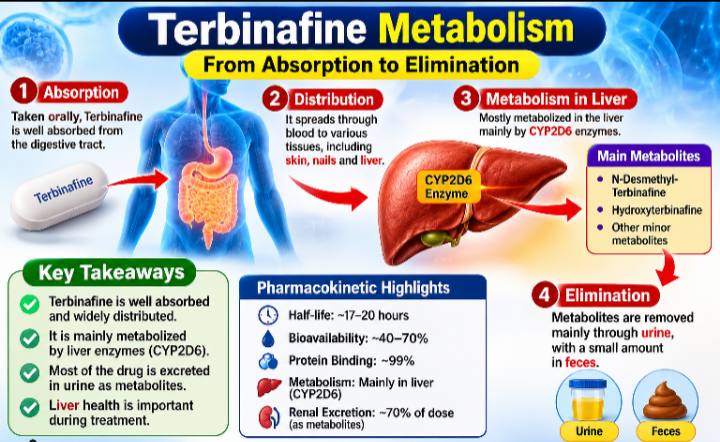
Pharmacokinetics describes what the body does to a medicine. It includes absorption, distribution, metabolism, and elimination. Understanding terbinafine’s pharmacokinetics helps explain why its effects can continue after the final tablet.
6.1 Absorption
Oral terbinafine is well absorbed from the gastrointestinal tract. US prescribing information reports absorption greater than 70%, with absolute bioavailability of approximately 40% because of first-pass metabolism. Following a single 250 mg dose, peak plasma concentration is reached at approximately two hours. Food has a relatively small effect on overall exposure.
6.2 Distribution
Terbinafine distributes into several tissues, including skin, sebum, hair, nail tissues, and adipose tissue. Its affinity for keratin-rich tissues is important in the treatment of fungal nail infections.
6.3 Plasma Protein Binding
More than 99% of circulating terbinafine is bound to plasma proteins. This means that only a small proportion of circulating medicine is present in an unbound form at a given moment.
6.4 Metabolism
Terbinafine undergoes extensive hepatic metabolism. Several cytochrome P450 enzymes contribute, including CYP2C9, CYP1A2, CYP3A4, CYP2C8, and CYP2C19. The medicine is converted into metabolites that do not have antifungal activity comparable to the parent drug.
6.5 Elimination
Approximately 70% of an administered dose is eliminated in urine, primarily as metabolites. Kidney function is therefore relevant when evaluating patients who may have reduced drug clearance.
6.6 Half-Life: Why Does Terbinafine Remain in the Body?
One important pharmacokinetic characteristic of terbinafine is its prolonged terminal elimination phase. The effective half-life during repeated administration is approximately 36 hours. However, its terminal half-life may be approximately 200–400 hours because of slow release from tissues such as skin and adipose tissue. These values describe different pharmacokinetic phases and should not be confused.
How long does 250 mg terbinafine stay in your system? There is no single answer for every patient. Plasma concentrations decline during the initial elimination phase, but small amounts may remain in tissues considerably longer. This does not mean that the medicine remains at therapeutic concentrations throughout that period.
| Pharmacokinetic Parameter | Reported Information |
|---|---|
| Oral Absorption | Greater than 70% |
| Absolute Bioavailability | Approximately 40% |
| Peak Plasma Concentration | Around 2 hours after 250 mg |
| Plasma Protein Binding | Greater than 99% |
| Effective Half-Life | Approximately 36 hours |
| Terminal Half-Life | Approximately 200–400 hours |
| Main Metabolism | Hepatic |
| Important Enzymes | CYP2C9, CYP1A2, CYP3A4, CYP2C8 and CYP2C19 |
| Urinary Elimination | Approximately 70% of administered dose |
| Tissue Distribution | Skin, sebum and adipose tissue |
| Renal Impairment | Clearance can be substantially reduced |
6.7 Topical Versus Oral Absorption
Topical terbinafine behaves differently. Systemic absorption through intact skin is generally low, and the medicine primarily acts locally. Absorption can vary with skin integrity, application area, quantity, treatment duration, formulation, occlusion, and inflammation.
7. Terbinafine Side Effects and Adverse Reactions
Not every patient experiences adverse reactions. Some people complete treatment without significant problems, while others experience mild gastrointestinal or skin-related symptoms. The likelihood and severity depend on formulation, dose, duration, and individual susceptibility.
7.1 Common Side Effects
- Headache.
- Diarrhea.
- Nausea.
- Abdominal discomfort.
- Indigestion.
- Rash.
- Itching.
- Flatulence.
- Taste disturbance.
7.2 Terbinafine 250 mg Side Effects
The 250 mg oral tablet is associated with several recognized adverse reactions. Clinical labeling reports common events including headache, diarrhea, rash, dyspepsia, liver enzyme abnormalities, itching, taste disturbance, nausea, abdominal pain, and flatulence. Taste disturbances deserve particular attention because they may affect food intake and quality of life.
7.3 Taste Loss: Can Terbinafine Permanently Change Your Sense of Taste?
One of the distinctive safety concerns associated with oral terbinafine is dysgeusia. Dysgeusia means an abnormal or altered sense of taste. Patients may describe a metallic taste, bitter taste, reduced ability to taste food, partial loss of taste, or unusual changes in the flavour of familiar foods.
The reaction may develop during treatment. In some patients, taste returns after discontinuation. In others, recovery can take much longer. Official US prescribing information specifically states that taste disturbance may resolve within several weeks after stopping treatment, persist for more than one year, or occasionally become permanent.
Is terbinafine taste loss reversible? Often, it improves after discontinuation, but recovery is not guaranteed. There is no reliable way to predict exactly how long an individual patient’s taste disturbance will last. The prescribing information advises discontinuing oral terbinafine if taste disturbance occurs and obtaining medical evaluation.
7.4 Smell Disturbance
Terbinafine has also been associated with impaired smell. Some patients report reduced ability to recognize odours or complete loss of smell. Like taste disturbance, the reaction can be prolonged and may occasionally be permanent. Smell contributes significantly to flavour perception, making this adverse reaction potentially disruptive to daily life.
7.5 Liver Injury and Liver Failure
The most important systemic safety warning concerns hepatotoxicity. Hepatotoxicity means liver injury caused by a medicine or chemical. Oral terbinafine has been associated with elevated liver enzymes, drug-induced hepatitis, cholestatic liver injury, severe jaundice, and rare acute liver failure. Rare cases requiring liver transplantation or resulting in death have also been reported.
These events are uncommon but clinically important. NIH LiverTox discusses rare clinically apparent liver injury associated with terbinafine. The timing and severity can vary, and many reported cases develop during the first several weeks of treatment.
7.6 Terbinafine Cholestatic Hepatitis Case
NIH LiverTox documents cases of terbinafine-associated liver injury, including a patient who developed symptoms approximately 24 days after starting 250 mg daily treatment and jaundice approximately 32 days after initiation. The initial injury pattern was hepatocellular but evolved into a cholestatic pattern. The patient ultimately recovered, although recovery took several weeks.
This individual case illustrates why persistent nausea, unusual fatigue, itching, or dark urine during treatment should not be dismissed. It does not mean every patient taking terbinafine will develop hepatitis.
7.7 Symptoms of Liver Damage to Watch For
- Persistent nausea.
- Loss of appetite.
- Unusual fatigue.
- Vomiting.
- Pain in the upper right abdomen.
- Yellowing of the skin or eyes.
- Dark urine.
- Pale or clay-coloured stools.
- Generalized itching.
Urgent medical warning: If these symptoms develop during oral terbinafine treatment, discontinue the medicine and seek immediate medical assessment. A clinician should evaluate liver function promptly. Do not wait for symptoms to become severe.
7.8 Serious Skin Reactions
Rare but serious reactions reported with oral terbinafine include Stevens-Johnson syndrome, toxic epidermal necrolysis, erythema multiforme, exfoliative dermatitis, bullous dermatitis, and drug reaction with eosinophilia and systemic symptoms (DRESS). Warning signs may include widespread rash, blistering, skin peeling, fever, facial swelling, and involvement of the mouth, eyes, or other mucous membranes.
7.9 Blood Disorders
Severe neutropenia has been reported. Neutropenia refers to an abnormally low number of neutrophils, which are white blood cells that help fight infections. Symptoms of concern include persistent fever, sore throat, and recurrent infections. US prescribing information recommends discontinuing terbinafine if the neutrophil count is 1,000 cells/mm³ or lower.
7.10 Comprehensive Side-Effects Table
| Side Effect | Frequency / Evidence | Severity | Recommended Action |
|---|---|---|---|
| Headache | Commonly reported | Usually mild | Seek advice if persistent |
| Diarrhea | Commonly reported | Usually mild | Maintain hydration and seek advice if severe |
| Nausea | Commonly reported | Variable | Contact clinician if persistent |
| Indigestion | Commonly reported | Usually mild | Discuss persistent symptoms |
| Abdominal pain | Reported | Variable | Assess if persistent or severe |
| Rash | Reported | Variable | Seek assessment if spreading |
| Itching | Reported | Variable | Assess if persistent or widespread |
| Taste disturbance | Recognized adverse reaction | Potentially prolonged | Discontinue oral treatment and contact clinician |
| Smell disturbance | Recognized adverse reaction | Potentially prolonged | Discontinue oral treatment and contact clinician |
| Elevated liver enzymes | Reported | Variable | Medical assessment and laboratory monitoring |
| Hepatitis | Rare | Serious | Stop treatment and obtain urgent assessment |
| Liver failure | Rare | Potentially life-threatening | Emergency medical care |
| Neutropenia | Rare | Serious | Blood count assessment |
| DRESS | Rare | Serious | Urgent medical evaluation |
| Stevens-Johnson syndrome | Rare | Life-threatening | Emergency care |
| Anaphylaxis | Rare | Life-threatening | Emergency care |
| Depressive symptoms | Postmarketing reports | Variable | Prompt medical review |
| Lupus-like reactions | Rare reports | Variable | Medical evaluation |
| Thrombotic microangiopathy | Rare reports | Serious | Urgent specialist evaluation |
Clinical note: Frequency estimates vary between studies and formulations. A postmarketing adverse reaction does not necessarily have a precisely established frequency or prove causation in every individual case.
8. How to Recover or Respond After Terbinafine Side Effects
The correct response depends on the type and severity of the adverse reaction. A mild local skin reaction requires a different approach from suspected liver injury or a severe allergic reaction.
8.1 Mild Skin Irritation
Topical terbinafine can occasionally cause redness, mild itching, burning, dryness, peeling, or local irritation. If significant irritation develops, stop applying the product temporarily and seek advice. Avoid additional irritating skincare products. Persistent irritation may indicate contact dermatitis or an alternative skin condition.
8.2 Gastrointestinal Discomfort
Mild nausea or stomach discomfort may occur with oral treatment. Maintain adequate fluid intake, follow prescribed instructions, and contact a healthcare professional if symptoms persist or worsen. Persistent nausea accompanied by fatigue, appetite loss, abdominal pain, or dark urine must not be assumed to be ordinary stomach irritation.
8.3 Taste Disturbance
If food begins tasting metallic, bitter, or unusually bland during oral treatment, discontinue the tablets and promptly contact the prescriber. The clinician can assess the timing, taste and smell changes, nutritional intake, weight loss, and alternative explanations. Do not restart terbinafine independently after a suspected drug-related taste disturbance.
8.4 Suspected Liver Injury
- Stop oral terbinafine.
- Obtain urgent medical assessment.
- Arrange liver function testing.
- Evaluate bilirubin and other relevant laboratory parameters.
- Investigate alternative causes of liver injury.
Depending on severity, hospital assessment may be required. There is no established home antidote that reverses terbinafine toxicity.
8.5 Allergic Reactions
Mild localized irritation may be assessed by a healthcare professional. However, breathing difficulty, throat tightness, facial swelling, or collapse may indicate anaphylaxis and requires immediate emergency medical assistance.
8.6 Medical Evaluation of Adverse Reactions
| Investigation | Purpose |
|---|---|
| ALT and AST | Assess liver cell injury |
| Alkaline phosphatase | Evaluate possible cholestatic injury |
| Bilirubin | Assess impaired bilirubin processing or excretion |
| Complete blood count | Investigate possible blood disorders |
| Renal function | Assess kidney status |
| Medication history | Identify potential drug interactions |
| Clinical examination | Assess rash, jaundice, allergy, and other symptoms |
| Additional liver investigations | Exclude viral, autoimmune, or obstructive causes where appropriate |
9. Contraindications and Precautions
Before oral terbinafine treatment, the clinician should review the patient’s medical history and current medicines.
9.1 Known Terbinafine Allergy
Patients with a previous serious allergic reaction to oral terbinafine should not receive it again without specialist assessment. A history of anaphylaxis is particularly important.
9.2 Liver Disease
Major contraindication: US oral terbinafine labeling contraindicates treatment in patients with chronic or active liver disease. Examples include certain forms of chronic hepatitis, cirrhosis, active drug-induced liver injury, and significant ongoing hepatic disease. Pretreatment liver assessment is important because severe injury has occurred in patients both with and without previously recognized liver disease.
9.3 Kidney Disease
Reduced kidney function can decrease terbinafine clearance. Patients with significant renal impairment require individualized evaluation before systemic treatment.
9.4 Pregnancy
Oral terbinafine is generally not a first-choice treatment for a non-urgent fungal nail infection during pregnancy. The decision depends on the clinical situation and available alternatives. A suitable topical treatment may sometimes be considered for localized skin infection after professional assessment.
9.5 Breastfeeding
Oral terbinafine enters breast milk. The decision should consider the baby’s age, formulation, treatment indication, and expected maternal benefit. Professional advice is important before oral use during breastfeeding.
9.6 Children
Children should receive terbinafine only when the formulation and indication are appropriate. Oral treatment may be used in selected pediatric fungal infections under specialist guidance, but the adult 250 mg regimen must not automatically be applied to children.
9.7 Older Adults
Age alone is not a contraindication. However, renal function, liver health, nutritional status, and concurrent medicines should be reviewed.
9.8 Alcohol Consumption
There is no established universal rule that every patient taking terbinafine must completely avoid all alcohol. Nevertheless, excessive alcohol consumption can contribute to liver injury and complicate assessment of suspected hepatotoxicity. Patients should discuss alcohol intake with their prescribing clinician.
9.9 Existing Medical Conditions
- Psoriasis.
- Systemic lupus erythematosus.
- Significant renal impairment.
- Existing blood disorders.
- Depression or significant mood symptoms.
- Multiple chronic medical conditions.
Additional caution may be appropriate depending on the individual medical history and treatment plan.
10. Terbinafine Drug Interactions: Which Medicines Need Attention?
Terbinafine has clinically important interactions because it is metabolized through several hepatic pathways and inhibits CYP2D6. A medication review is particularly important for patients taking antidepressants, cardiovascular medicines, or multiple prescription drugs.
| Interacting Medicine | Potential Interaction | Clinical Importance | Precaution |
|---|---|---|---|
| Desipramine | CYP2D6 inhibition may increase exposure | Potentially significant | Review dose and adverse effects |
| Tricyclic antidepressants | Increased exposure to certain CYP2D6 substrates | Important | Review medication list |
| Some SSRIs | Potentially increased concentrations of selected agents | Variable | Check individual drug metabolism |
| Cimetidine | May increase terbinafine exposure | Moderate | Assess need for adjustment |
| Fluconazole | May increase terbinafine exposure | Important | Avoid unnecessary combination |
| Rifampin | Can increase terbinafine metabolism and reduce exposure | Important | Specialist medication review |
| Cyclosporine | Terbinafine may affect cyclosporine exposure | Important | Monitor according to clinical guidance |
| Caffeine | May reduce caffeine clearance | Usually moderate | Avoid excessive caffeine |
| Some beta-blockers | May increase exposure to susceptible medicines | Potentially important | Review the specific beta-blocker |
| Certain antiarrhythmics | Potential pharmacokinetic interaction | Potentially serious | Specialist review |
| Codeine | May reduce conversion to morphine | Clinically relevant | Review pain control |
| Tramadol | May alter metabolism and clinical effects | Clinically relevant | Review with prescriber |
10.1 CYP2D6 Inhibition
CYP2D6 is an enzyme involved in the metabolism of several medicines. Terbinafine inhibits this enzyme, potentially increasing concentrations of some medicines that depend on CYP2D6 for elimination. Examples include certain antidepressants, beta-blockers, and antiarrhythmics.
10.2 Interaction With Caffeine
Terbinafine may slow caffeine metabolism, potentially increasing or prolonging caffeine-related effects. Possible symptoms include restlessness, insomnia, palpitations, nervousness, and tremor. Patients taking oral terbinafine should avoid excessive caffeine consumption.
10.3 Interaction With Other Antifungals
Combining terbinafine with another systemic antifungal is not automatically beneficial. Fluconazole can increase terbinafine exposure. Combination therapy should be used only when clinically justified and appropriately monitored.
10.4 Interaction With Supplements
Patients should disclose herbal products, traditional remedies, vitamins, non-prescription medicines, weight-loss products, and sports supplements. Not every supplement has been adequately studied for interaction with terbinafine. An absence of documented interaction does not prove that a combination is safe.
11. Antifungal Resistance: Why Terbinafine May Not Work in Every Infection
Antifungal resistance occurs when a fungus develops or possesses characteristics that reduce its susceptibility to an antifungal medicine. Resistance is an increasingly important issue in dermatology.
11.1 What Causes Resistance?
- Mutations in drug-target genes.
- Changes in enzyme structure.
- Increased drug efflux.
- Altered cellular stress responses.
- Selection of resistant fungal populations.
For terbinafine, changes in the squalene epoxidase gene are particularly relevant. Such changes may reduce the ability of the medicine to inhibit its target enzyme.
11.2 Trichophyton indotineae
Trichophyton indotineae is an emerging dermatophyte associated with difficult-to-treat and sometimes extensive skin infections. It has been identified in multiple countries, including cases outside South Asia. Some strains show reduced susceptibility or resistance to terbinafine.
11.3 Why Does Resistance Matter?
- Infection may fail to improve with standard treatment.
- The rash may continue spreading.
- Symptoms may recur after treatment.
- Longer treatment or alternative medicine may be needed.
- Laboratory identification and susceptibility assessment may become necessary.
Increasing the terbinafine dose independently is not an appropriate response to suspected resistance.
11.4 How Is Resistance Diagnosed?
- Direct microscopy.
- Fungal culture.
- Molecular identification.
- Species identification.
- Antifungal susceptibility testing.
- Specialized resistance mutation testing.
Interpretation requires expertise because susceptibility breakpoints are not established for every dermatophyte-antifungal combination.
11.5 Antifungal Stewardship
Antifungal stewardship means using antifungal medicines responsibly. Important principles include confirming the diagnosis, selecting a medicine appropriate for the organism, avoiding unnecessary oral antifungals, following prescribed schedules, avoiding inappropriate combinations, investigating treatment failure, and using laboratory testing when indicated.
11.6 Why Does Treatment Sometimes Fail?
| Cause | Explanation |
|---|---|
| Incorrect diagnosis | The condition may not be fungal |
| Resistant organism | The fungus may have reduced susceptibility |
| Inadequate duration | Treatment may have been insufficient |
| Poor adherence | Missed applications or tablets may reduce effectiveness |
| Reinfection | Exposure to infected skin, footwear, or household sources |
| Incorrect formulation | A topical product may be insufficient for deep infection |
| Nail trauma | Non-fungal nail abnormalities may persist |
| Mixed infection | More than one organism may be involved |
Authoritative resistance information: The CDC provides information about emerging resistant dermatophytes and public health concerns. Read CDC – Fungal Diseases and American Academy of Dermatology – Trichophyton indotineae.
12. Terbinafine Compared With Other Antifungal Products
Different antifungal medicines have different molecular targets, clinical indications, and safety considerations. The best option depends on the organism, infection site, severity, patient history, and local treatment recommendations.
| Antifungal Product | Drug Class | Common Uses | Formulation | Important Differences |
|---|---|---|---|---|
| Terbinafine | Allylamine | Dermatophyte skin and nail infections | Cream, spray, tablet and other topical forms | Strong dermatophyte activity; oral liver and taste warnings |
| Itraconazole | Triazole | Selected nail and systemic fungal infections | Capsules and oral solution | Broader spectrum; significant interactions and cardiac warnings |
| Fluconazole | Triazole | Candida and selected systemic infections | Tablet, suspension and IV | Useful for many Candida infections |
| Clotrimazole | Imidazole | Skin and vaginal fungal infections | Cream, solution and vaginal preparations | Common topical option |
| Ketoconazole | Imidazole | Selected superficial fungal conditions | Cream and shampoo; oral use restricted | Oral formulation has major liver safety restrictions |
| Griseofulvin | Antifungal antibiotic | Selected dermatophyte infections | Oral | Useful for selected hair and scalp infections |
| Ciclopirox | Hydroxypyridone | Selected skin and nail infections | Cream, lacquer and shampoo | Topical treatment with different nail response |
| Amorolfine | Morpholine | Selected nail infections | Nail lacquer | Mainly topical nail treatment |
| Nystatin | Polyene | Candida infections | Oral suspension and cream | Not useful for dermatophyte nail infections |
12.1 Terbinafine vs Itraconazole
Both medicines are used for selected fungal nail infections. However, they work differently. Terbinafine inhibits squalene epoxidase, whereas itraconazole inhibits fungal CYP51. Itraconazole has a broader spectrum against certain yeasts and moulds, but it has significant drug interactions and important cardiac warnings. For many dermatophyte nail infections, terbinafine is commonly selected because of its clinical effectiveness.
12.2 Terbinafine vs Fluconazole
Fluconazole is particularly useful in selected Candida infections, while terbinafine is generally more strongly associated with dermatophyte treatment. For this reason, the medicines are not interchangeable.
Understanding Antifungal Safety Before Choosing a Medicine: Different antifungals have different metabolic pathways and adverse reaction profiles. Read our related educational guide: Itraconazole – Miracle Drug or a Silent Killer?.
12.3 Terbinafine Cream vs Tablets
| Feature | Terbinafine 1% Cream | Terbinafine 250 mg Tablet |
|---|---|---|
| Route | Topical | Oral |
| Main Action | Local antifungal activity | Systemic antifungal activity |
| Common Use | Athlete’s foot, ringworm and jock itch | Dermatophyte nail infections |
| Systemic Exposure | Generally low | Significant |
| Liver Monitoring | Not routinely required for ordinary topical use | Pretreatment liver assessment required |
| Taste Disturbance | Not a typical common warning | Recognized warning |
| Treatment Duration | Often about one to two weeks, product-dependent | Six or twelve weeks for labeled nail regimens |
| Prescription Status | Often OTC in the US | Prescription |
| Nail Infection Suitability | Usually inadequate alone | Established treatment option |
13. Important Additional Medical Tables
13.1 Available Formulations and Common Strengths
| Formulation | Common Strength | Typical Purpose |
|---|---|---|
| Oral tablet | 250 mg | Nail fungal infections |
| Topical cream | 1% | Localized skin infections |
| Topical gel | 1% in some markets | Selected skin infections |
| Topical spray | 1% in some markets | Selected superficial infections |
| Topical solution | Product-dependent | Selected superficial infections |
| Film-forming solution | Product-dependent | Selected athlete’s foot products |
Availability varies by country and manufacturer. Not every formulation is available in every market.
13.2 Important Safety Differences
| Safety Issue | Oral Terbinafine | Topical Terbinafine |
|---|---|---|
| Systemic Absorption | Significant | Usually low |
| Liver Injury | Established rare risk | Not typical with normal topical use |
| Taste Disturbance | Recognized warning | Not typical expected reaction |
| Drug Interactions | Clinically important | Generally fewer systemic interactions |
| Local Irritation | Possible | More relevant |
| Severe Allergy | Possible | Possible |
| Liver Testing | Pretreatment assessment recommended | Not routinely required for ordinary use |
13.3 Liver Safety: Important Clinical Findings
| Finding | Clinical Interpretation |
|---|---|
| Mild enzyme elevation | May be asymptomatic |
| Persistent nausea | Requires assessment |
| Loss of appetite | Possible warning sign |
| Dark urine | Possible bilirubin-related warning |
| Pale stools | Possible cholestasis |
| Jaundice | Urgent assessment required |
| Acute liver failure | Rare but potentially life-threatening |
13.4 What Should Be Checked Before Oral Treatment?
| Assessment | Why It Matters |
|---|---|
| Medical history | Identifies existing liver or kidney disease |
| Baseline liver function | Identifies possible pre-existing abnormalities |
| Medication list | Detects interactions |
| Nail specimen testing | Confirms fungal diagnosis |
| Allergy history | Identifies previous hypersensitivity |
| Renal function | Helps assess drug clearance |
| Pregnancy and breastfeeding status | Supports appropriate medicine selection |
14. Internal Links to Previous SSTHEM.ORG Articles
Medical knowledge becomes more useful when readers understand the differences between medicines rather than treating all antifungals as identical. The following educational articles provide additional information about antifungal medicines, adverse reactions, and pharmacokinetics.
Explore More Antifungal Knowledge
1. Fluconazole: One Pill vs Seven Days
Different fungal infections require different treatment schedules. This article helps readers understand why a single-dose antifungal regimen is not interchangeable with a longer treatment course. Read: The Viral Truth of Fluconazole – 1 Pill vs 7 Days.
Understanding Another Important Antifungal
2. Itraconazole: Understanding Its Benefits and Safety Risks
Itraconazole and terbinafine affect different enzymes in fungal cells. Their interactions, indications, and safety warnings also differ. Read: Itraconazole – Miracle Drug or a Silent Killer?.
Learn How Adverse Drug Reactions Develop
3. Understanding Adverse Drug Reactions
An adverse reaction can range from a mild digestive symptom to a serious organ-related complication. This related guide provides broader context for recognizing medication safety signals. Read: Shocking Adverse Drug Reaction Facts – Detailed Guide.
Explore the Science of Drug Metabolism
4. Pharmacokinetics: How Medicines Move Through the Body
Absorption, distribution, metabolism, and elimination help explain why medicines behave differently in individual patients. Read: The Complete ADME Pharmacokinetics Guide.
15. External Authoritative References: Where Can Readers Verify the Evidence?
Reliable medical education should be based on official prescribing information and recognized clinical references. The following sources provide additional information about terbinafine’s approved uses, dosage, safety warnings, metabolism, and resistance concerns.
15.1 Official Drug Labeling
DailyMed – Terbinafine Tablets: The prescribing information explains approved nail indications, standard adult dosage, contraindications, drug interactions, liver injury, and taste disturbances. Read the official DailyMed prescribing information.
15.2 NIH LiverTox
Terbinafine and Drug-Induced Liver Injury: LiverTox discusses the clinical characteristics, estimated frequency, presentation, and documented cases of terbinafine-associated liver injury. Read NIH LiverTox – Terbinafine.
15.3 MedlinePlus
Terbinafine Drug Information: MedlinePlus provides patient-oriented information about use, precautions, interactions, and adverse reactions. Read MedlinePlus – Terbinafine.
15.4 NHS
Terbinafine Medicine Guide: The NHS provides practical information on taking terbinafine, possible side effects, pregnancy, breastfeeding, and interactions. Read NHS – Terbinafine.
15.5 CDC
Fungal Disease and Antifungal Resistance: The CDC provides information about emerging fungal infections and resistance concerns relevant to dermatophytes. Read CDC – Fungal Diseases.
16. Special Patient Populations
16.1 Pregnant Patients
Pregnancy requires careful consideration. Oral terbinafine is generally not the preferred first option for uncomplicated nail fungus during pregnancy because treatment can often be postponed. The clinician should consider infection severity, maternal symptoms, alternatives, pregnancy stage, and available human safety information. Patients should not start oral terbinafine during pregnancy without professional advice.
16.2 Breastfeeding Patients
Terbinafine can pass into breast milk following oral administration. Professional assessment should consider the clinical need, available alternatives, and potential infant exposure. Topical treatment generally results in less systemic exposure, but direct infant contact with treated skin should be prevented.
16.3 Infants and Children
Pediatric treatment requires consideration of age, body weight, infection site, fungal organism, available formulation, local authorization, and other medical conditions. Oral terbinafine should not be prescribed to a child using an adult dosing schedule.
16.4 Older Adults
Older adults may have reduced kidney function or use multiple medicines. The prescriber should review medication interactions and organ function before oral treatment.
16.5 Patients With Liver Impairment
Oral terbinafine is contraindicated in chronic or active liver disease under US labeling. A patient with unexplained abnormal liver tests should be assessed before systemic treatment.
16.6 Patients With Kidney Impairment
Renal impairment can reduce terbinafine clearance. Patients with significant renal dysfunction require individualized medical evaluation before oral treatment.
16.7 Immunocompromised Patients
Patients receiving chemotherapy, transplant medicines, immunosuppressants, or certain immune-modifying therapies may develop more extensive or recurrent fungal infections. A superficial rash in an immunocompromised patient should not automatically be treated as a routine skin infection. Clinical assessment and fungal identification may be necessary.
16.8 Patients Taking Multiple Medicines
Polypharmacy increases the importance of medication review. Patients should provide a complete list of prescription medicines, OTC products, and supplements before oral terbinafine is prescribed.
17. Storage and Handling
Correct storage helps maintain product quality. Exact instructions should always follow the manufacturer’s packaging.
17.1 Oral Tablets
- Store at the temperature specified on the label.
- Protect tablets from excessive moisture.
- Keep them in their original packaging when appropriate.
- Close containers securely.
- Do not use expired tablets.
- Keep medicines away from children and pets.
Many US tablet labels specify controlled room-temperature storage, commonly around 20–25°C, with permitted temperature excursions described in the product information.
17.2 Topical Cream
- Store according to the individual package instructions.
- Keep the container securely closed.
- Protect from excessive heat.
- Keep away from children.
- Use only within the stated expiry period.
17.3 Sprays and Solutions
Some products contain alcohol or other flammable ingredients. Keep them away from flames and excessive heat if the label specifies flammability precautions.
17.4 Disposal
Unused or expired medicines should be disposed of through an appropriate pharmacy take-back or local medicine disposal program where available. Do not flush medicines down the toilet unless the product instructions or local authority specifically recommends it.
18. Common Myths and Medical Facts
Misunderstanding antifungal medicines can lead to ineffective treatment and unnecessary medication exposure. The following table addresses common misconceptions.
| Common Myth | Evidence-Based Fact |
|---|---|
| Terbinafine treats every fungal infection | It is particularly effective against many dermatophytes, not every fungus. |
| Cream and tablets are interchangeable | They have different routes, absorption, and clinical uses. |
| All nail discoloration is fungal | Trauma, psoriasis, and other conditions can cause similar changes. |
| Taste loss always disappears | It often improves but may persist or occasionally be permanent. |
| Liver injury only affects people with liver disease | Serious injury has been reported without previously recognized liver disease. |
| Terbinafine always causes liver failure | Liver failure is rare, not an expected outcome. |
| A normal feeling guarantees normal liver tests | Liver abnormalities may initially occur without obvious symptoms. |
| The tablet immediately clears nail discoloration | Nail improvement depends on new nail growth. |
| Taking extra tablets speeds recovery | Increasing the dose independently can increase harm. |
| Topical cream always cures nail fungus | Ordinary skin creams do not reliably penetrate the nail. |
| Fungal infections cannot return | Reinfection and recurrence are possible. |
| All Candida infections respond to terbinafine | Candida susceptibility and clinical treatment requirements vary. |
| Natural remedies always eliminate fungus | Many home remedies lack reliable clinical evidence. |
| More expensive brands always work better | Appropriately manufactured and approved generics contain the same active ingredient. |
| Every antifungal requires liver monitoring | Monitoring requirements differ by medicine and formulation. |
| Oral terbinafine has an FDA boxed warning | Its serious warnings are not the same as an FDA boxed warning. |
| A longer course is always more effective | Duration should follow the indication and clinical evidence. |
| Antifungal resistance is impossible | Resistant dermatophytes have been documented. |
| A metallic taste is always harmless | It may be a recognized adverse reaction requiring medical review. |
| Skin infections always require tablets | Many localized infections can be treated with topical therapy. |
19. When to Seek Medical Attention
Knowing when to seek help is one of the most important parts of safe antifungal treatment. Not every symptom requires emergency care, but certain warning signs should never be ignored.
19.1 Emergency Symptoms
Seek emergency medical care if any of the following occur:
- Difficulty breathing.
- Swelling of the tongue or throat.
- Severe facial swelling.
- Collapse or fainting with suspected allergy.
- Widespread blistering or peeling skin.
- Painful sores involving the mouth or eyes.
- Severe jaundice with confusion or unusual drowsiness.
- Severe abdominal symptoms with signs of serious liver dysfunction.
19.2 Urgent Medical Assessment
Stop oral terbinafine and obtain urgent medical assessment if symptoms suggest liver injury. These include yellow eyes or skin, dark urine, pale stools, persistent nausea, unusual fatigue, loss of appetite, right upper abdominal pain, and generalized itching associated with other liver warning symptoms.
Taste or smell disturbance also requires prompt medical review and discontinuation according to the oral prescribing information.
19.3 Routine Medical Follow-Up
- The infection is not improving.
- The rash keeps returning.
- Nail changes continue worsening.
- Skin irritation persists.
- The diagnosis is uncertain.
- A new medicine is being considered.
- Side effects are affecting daily activities.
19.4 Special Situations Requiring Examination
- Suspected scalp ringworm.
- Severe nail infections.
- Diabetes with foot infection.
- Immunocompromised patients.
- Extensive or rapidly spreading rashes.
- Suspected resistant dermatophytes.
- Recurrent fungal infections.
19.5 Fever and Spreading Redness
Fever, increasing pain, swelling, and spreading redness may indicate a bacterial infection or another complication. Antifungal treatment alone may not be sufficient. Prompt assessment is important, particularly if the patient feels generally unwell.
20. Important Takeaways: What Should Every Terbinafine User Remember?
| Important Point | What Readers Should Remember |
|---|---|
| Drug classification | Terbinafine is an allylamine antifungal. |
| Mechanism | It inhibits fungal squalene epoxidase. |
| Main oral indication | Dermatophyte nail infections. |
| Common oral dose | 250 mg once daily for labeled adult nail regimens. |
| Fingernail treatment | Six weeks under US labeling. |
| Toenail treatment | Twelve weeks under US labeling. |
| Topical use | Primarily localized skin infections. |
| Taste disturbance | May be prolonged or occasionally permanent. |
| Liver injury | Rare but potentially severe. |
| Liver precautions | Assess liver status before oral treatment. |
| Drug interactions | CYP2D6 inhibition is clinically important. |
| Resistance | Some dermatophytes have reduced susceptibility. |
| Pregnancy | Requires individual risk-benefit assessment. |
| Breastfeeding | Requires professional advice. |
| Diagnosis | Confirm suspected nail fungus where appropriate. |
| Treatment failure | Reassess diagnosis and possible resistance. |
| Storage | Follow the specific product label. |
From Taste Loss to Liver Failure: The Most Important Message
Terbinafine is an established and useful antifungal medicine, particularly for susceptible dermatophyte infections. However, oral treatment should never be regarded as a harmless routine tablet. Its distinctive warnings concerning taste disturbance, smell disturbance, and liver injury deserve attention before and during treatment.
The safest approach: Confirm the diagnosis, choose the correct formulation, review existing medicines, assess liver health, follow the prescribed schedule, and recognize warning symptoms early. A medicine can be clinically useful while still requiring careful monitoring.
21. Explore More Religious and Educational Knowledge
Knowledge is valuable in every aspect of life. Alongside healthcare education, readers may also explore information about religions, religious traditions, and different branches of religious knowledge.
Visit ssthem.com to explore additional educational resources. This educational resource is separate from medical information and does not influence the clinical recommendations discussed in this article.
22. Frequently Asked Questions About Terbinafine – 25 Important Answers
1. What is terbinafine used for?
Answer : Terbinafine is an antifungal medicine used to treat susceptible fungal infections. Its main uses include athlete’s foot, ringworm, jock itch, and dermatophyte nail infections. The appropriate indication depends on whether the product is a cream, tablet, or another formulation.
2. How does terbinafine work?
Answer : Terbinafine inhibits fungal squalene epoxidase, an enzyme involved in ergosterol production. This reduces ergosterol levels and causes squalene accumulation, disrupting fungal cell function and often killing susceptible dermatophytes.
3. Which fungal infections can terbinafine treat?
Answer : It can treat many infections caused by dermatophytes, including tinea pedis, tinea corporis, tinea cruris, and onychomycosis. Certain topical formulations also have activity against selected Candida infections. It is not suitable for every fungal infection.
4. Is terbinafine effective against Candida?
Answer : Its activity against Candida varies by species and formulation. Topical terbinafine may be useful for certain superficial cutaneous Candida infections where supported by product labeling. It is not a standard first-line treatment for oral thrush or vaginal candidiasis.
5. Can terbinafine treat ringworm?
Answer : Yes. Topical terbinafine 1% is an established treatment for many localized ringworm infections caused by susceptible dermatophytes. Extensive or resistant infections may require medical evaluation and systemic treatment.
6. Can terbinafine treat athlete’s foot?
Answer : Yes. Terbinafine cream is commonly used for athlete’s foot. The treatment schedule depends on the product label and type of infection. Severe, recurrent, or extensive cases should be assessed by a healthcare professional.
7. What is the standard adult terbinafine 250 mg dosage?
Answer : For dermatophyte nail infections, the standard US adult oral regimen is 250 mg once daily for six weeks for fingernails and twelve weeks for toenails. Other infections and formulations require different treatment schedules.
8. How long does terbinafine treatment usually take?
Answer : Treatment duration depends on the infection. Topical skin treatment may take approximately one to two weeks, depending on the product. Oral nail treatment generally takes six or twelve weeks. Visible nail recovery can take several additional months.
9. Can children use terbinafine?
Answer : Some topical products are approved for children above specified ages. Oral treatment may be used for selected pediatric fungal infections under specialist supervision. The appropriate dose depends on the child’s weight, age, infection, and local prescribing guidance.
10. Is terbinafine safe during pregnancy?
Answer : Oral terbinafine is generally not a preferred treatment for non-urgent nail fungus during pregnancy. Topical treatment may be considered for certain skin infections following professional assessment. Pregnant patients should consult a healthcare professional before using it.
11. Can breastfeeding patients use terbinafine?
Answer : Oral terbinafine enters breast milk, and routine use is generally not recommended without medical assessment. A healthcare professional should evaluate the treatment need, available alternatives, and potential infant exposure.
12. What are the most common terbinafine 250 mg side effects?
Answer : Commonly reported reactions include headache, diarrhea, nausea, abdominal discomfort, indigestion, rash, itching, and taste disturbances. Persistent or severe symptoms require medical assessment.
13. What are the serious warning signs of terbinafine?
Answer : Important warning signs include jaundice, dark urine, pale stools, persistent nausea, severe fatigue, unusual taste or smell disturbances, widespread blistering rash, facial swelling, and breathing difficulty. Some require immediate medical attention.
14. Can terbinafine cause an allergic reaction?
Answer : Yes. Allergic reactions can include itching, rash, swelling, and rarely anaphylaxis. Breathing difficulty or swelling of the throat and tongue requires emergency medical assistance.
15. Can terbinafine interact with other medicines?
Answer : Yes. It inhibits CYP2D6 and can affect medicines metabolized through this pathway. Interactions have also been reported with cimetidine, fluconazole, rifampin, cyclosporine, and caffeine. A medication review is important before oral treatment.
16. Can terbinafine be used with other antifungal medicines?
Answer : Sometimes, but combination treatment should be clinically justified. Using multiple systemic antifungals without supervision may increase adverse reactions and interactions. The choice depends on the fungal organism and infection severity.
17. What happens if a terbinafine dose is missed?
Answer : Take the missed dose when remembered unless the next dose is approaching. If it is nearly time for the next dose, skip the missed tablet. Never take a double dose to compensate.
18. What happens in case of terbinafine overdose?
Answer : Overdose may cause nausea, vomiting, dizziness, headache, rash, and other symptoms. Seek prompt medical advice or emergency assessment depending on the amount taken and symptoms. Do not attempt an unsupported home antidote.
19. Can fungal infections return after terbinafine treatment?
Answer : Yes. Recurrence can result from reinfection, incomplete treatment, resistant organisms, persistent risk factors, or an incorrect initial diagnosis. Good foot hygiene and appropriate treatment of associated skin infections can help reduce recurrence.
20. Does terbinafine work against resistant fungi?
Answer : Not necessarily. Some dermatophytes, including certain Trichophyton indotineae strains, show reduced susceptibility or resistance. Persistent infections may require fungal identification and susceptibility testing.
21. Is terbinafine available without a prescription?
Answer : Availability depends on the country and formulation. In the United States, certain topical 1% products are available OTC, whereas oral 250 mg tablets require a prescription. Rules differ in Pakistan and other countries, so patients should check local regulations.
22. What is the difference between terbinafine cream and tablets?
Answer : The cream acts mainly on localized skin infections and produces low systemic exposure. Tablets deliver the medicine throughout the body and are particularly useful for dermatophyte nail infections. Oral treatment has more significant systemic safety concerns, including liver injury and taste disturbances.
23. How should terbinafine be stored?
Answer : Follow the manufacturer’s instructions. Generally, tablets and creams should be stored securely at the recommended temperature, protected from unsuitable heat and moisture, and kept away from children. Do not use expired products.
24. When should a patient consult a doctor?
Answer : Consult a healthcare professional for worsening infections, recurrent symptoms, failure to improve, severe skin inflammation, suspected nail fungus, or possible adverse reactions. Seek urgent assessment for jaundice, dark urine, severe rash, or persistent nausea during oral treatment.
25. What are the most important terbinafine safety precautions?
Answer : Confirm the fungal diagnosis, review existing medicines, assess liver health before oral treatment, follow the correct dosage, and recognize warning signs. Stop oral treatment and obtain medical assessment if taste or smell disturbance or symptoms of liver injury develop.
23. References and Medical Disclaimer
The following authoritative resources support the medical information presented in this guide. They should be consulted alongside the specific product leaflet and local clinical guidance.
- US National Library of Medicine – DailyMed: Terbinafine tablets prescribing information, including indications, dosage, pharmacokinetics, contraindications, liver injury, taste disturbances, and drug interactions. Read DailyMed.
- US Food and Drug Administration (FDA): Drug approval information and official regulatory resources for terbinafine products. Read FDA resources.
- FDA – Terbinafine Cream Regulatory Information: Historical FDA regulatory documentation concerning terbinafine hydrochloride 1% cream. Read FDA document.
- NIH LiverTox – Terbinafine: Hoofnagle JH. Terbinafine. LiverTox: Clinical and Research Information on Drug-Induced Liver Injury. National Institute of Diabetes and Digestive and Kidney Diseases. Read NIH LiverTox.
- NIH PubMed: Clinical and pharmacological literature related to terbinafine and drug-induced liver injury. Search PubMed.
- MedlinePlus – Terbinafine: Patient information covering use, precautions, adverse reactions, and medicine safety. Read MedlinePlus.
- NHS – Terbinafine: Practical guidance covering dosage, pregnancy, breastfeeding, side effects, and interactions. Read NHS guidance.
- CDC – Fungal Diseases: Information about fungal infections, emerging pathogens, and antifungal resistance. Read CDC resources.
- American Academy of Dermatology – Trichophyton indotineae: Specialist educational information about resistant dermatophyte infections and treatment considerations. Read AAD guidance.
- Electronic Medicines Compendium – Terbinafine 1% Cream: Product-specific information about indications, dosage, and topical precautions. Read product information.
Medical Information Disclaimer: This article is intended for general educational and informational purposes only. It is not a substitute for professional medical advice, diagnosis, or treatment. Medicine selection, dosage, and treatment duration depend on the individual patient, the infection, the formulation, and applicable clinical guidance. Always consult a qualified healthcare professional for personal medical decisions.
Final safety message: Oral terbinafine can be an effective treatment for susceptible fungal infections, but it requires appropriate patient selection and attention to potentially serious adverse reactions. Never ignore unexplained taste changes, jaundice, dark urine, persistent nausea, or unusual fatigue during treatment.
Article prepared for SSTHEM.org | Medical Education • Clinical Pharmacology • Antifungal Drug Safety