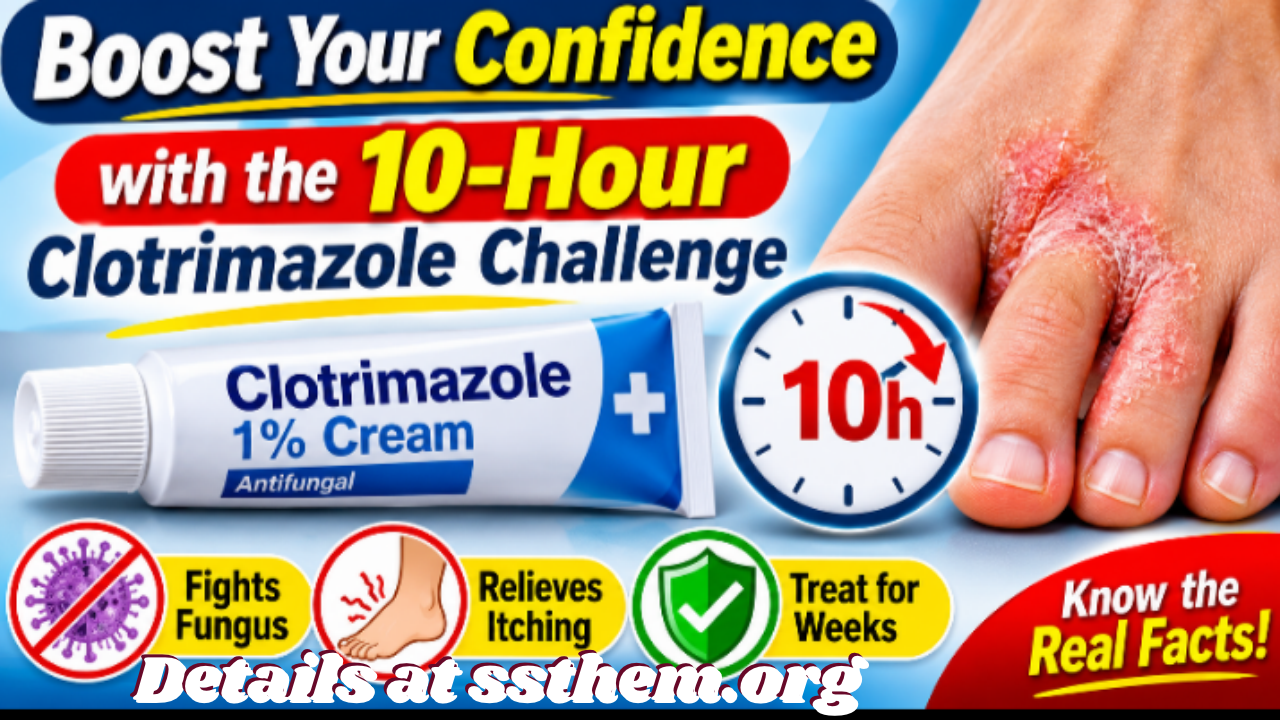
The 10-Hour Clotrimazole Challenge: Safe Steps, Fast Relief, and Confidence You Can Trust
Boost Your Confidence with the 10-Hour Clotrimazole Challenge
Consider a question that frequently arises in primary care and community pharmacy: a patient with an intensely itchy, red rash between the toes — classic athlete’s foot — wants relief today. They have heard about the 10-Hour Clotrimazole Challenge, a social-media-inspired idea that a single, well-timed application of clotrimazole 1% cream can dramatically reduce itching and burning within ten hours. Is this a legitimate pharmacological expectation, or is it a misunderstanding of how topical antifungals actually work?
The answer requires distinguishing between symptomatic relief and mycological cure. Clotrimazole is a well-established, broad-spectrum imidazole antifungal with decades of clinical use. It is approved by the U.S. Food and Drug Administration (FDA) for the topical treatment of athlete’s foot (tinea pedis), jock itch (tinea cruris), and ringworm (tinea corporis). It is also available in vaginal formulations for vulvovaginal candidiasis and in oral lozenges for oropharyngeal candidiasis, but this article focuses on the topical cream because that is the formulation at the center of the “10-hour” discussion.
The challenge framing — applying the cream and expecting a noticeable change within ten hours — touches on a genuine pharmacological principle: the onset of symptomatic relief can precede the eradication of the fungus. Clotrimazole begins disrupting fungal cell membranes relatively quickly at the molecular level, and the vehicle (cream base) itself can soothe irritated skin. However, the labeled treatment durations are measured in weeks, not hours: four weeks for athlete’s foot and ringworm, and two weeks for jock itch. Understanding this distinction is essential for anyone who wants to use clotrimazole effectively and safely, rather than abandoning treatment prematurely because a ten-hour window did not produce a “cure.”
This article provides a professor-style, evidence-based examination of clotrimazole 1% cream. It explains the drug’s mechanism, its approved indications, its pharmacokinetics, its safety profile, and the clinical reasoning that separates a reasonable expectation of early symptom relief from an unrealistic promise of rapid fungal eradication. Throughout, the focus remains on medical accuracy over viral hype, and on helping students and clinicians answer the questions patients actually ask.
A sobering clinical reality first: adverse drug reactions account for a significant proportion of hospital admissions, and topical antifungals — like their systemic counterparts — are not exempt from this risk. Understanding the full safety profile is not optional; it is essential. For a suspenseful, evidence-based look at this hidden crisis, explore Shocking Adverse Drug Reaction Facts before you recommend another topical antifungal.
Key Facts Table: Clotrimazole 1% Cream at a Glance
The following table summarizes the most clinically important facts about clotrimazole 1% cream. This is not a substitute for full prescribing information, but it provides a rapid reference for healthcare professionals and students.
| Parameter | Details |
|---|---|
| Generic Name | Clotrimazole (clotrimazole USP) |
| Common Brand Names | Lotrimin AF, Canesten (regional), Mycelex (lozenge formulation) |
| Drug Class | Azole antifungal; imidazole derivative |
| Therapeutic Classification | Topical broad-spectrum antifungal |
| Pharmacological Classification | Ergosterol synthesis inhibitor (CYP51/14α-demethylase inhibitor) |
| ATC Code | D01AC01 |
| Available Strengths and Formulations | Topical cream 1% (10 mg/g); topical solution 1%; vaginal cream 1%; vaginal tablet 100 mg and 500 mg; oral lozenge 10 mg |
| Routes of Administration | Topical (cutaneous); vaginal and oral routes exist for other formulations |
| Regulatory Approval Status | FDA-approved; available OTC and by prescription; U.S. approval since 1983 |
| Approved Indications | Tinea pedis, tinea cruris, tinea corporis; cutaneous candidiasis; tinea versicolor (prescription labeling) |
| Important Adverse Effects | Local burning, stinging, erythema, itching, blistering, peeling, edema; allergic contact dermatitis (less common) |
| Major Contraindications | Hypersensitivity to clotrimazole or any formulation excipient |
| Pharmacokinetic Facts | Minimal systemic absorption (<1% of applied dose in some studies); local skin penetration occurs; systemic half-life approximately 3.5–5 hours; hepatic metabolism to inactive metabolites; extrarenal elimination |
This table is a snapshot. Every parameter in it will be expanded in the dedicated sections below, but we will not repeat the full explanations unnecessarily.
Pharmacology Fact: Clotrimazole’s topical formulation is designed for local action. The systemic pharmacokinetic parameters — half-life, volume of distribution, protein binding — derive largely from oral or intravenous administration studies. Applying those numbers directly to the topical route would be pharmacologically misleading.
Looking for useful digital resources beyond medical education? Explore WhatsApp group resources, online earning information, and online-job updates at ssthem.xyz.
FDA-Approved Uses
Clotrimazole 1% cream is approved by the FDA for the topical treatment of three major dermatophytic infections and cutaneous candidiasis. The Drug Facts labeling for over-the-counter (OTC) clotrimazole cream explicitly states that it “cures most athlete’s foot (tinea pedis), jock itch (tinea cruris), and ringworm (tinea corporis)” and relieves the itching, irritation, redness, scaling, and discomfort associated with these conditions. Prescription labeling additionally includes cutaneous candidiasis and tinea versicolor (pityriasis versicolor) due to Malassezia furfur.
Tinea pedis (athlete’s foot) 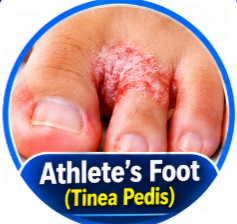 is a dermatophyte infection of the feet, most commonly caused by Trichophyton rubrum, Trichophyton mentagrophytes, and Epidermophyton floccosum. Clotrimazole is approved for the interdigital type and other cutaneous forms of tinea pedis. The labeled OTC regimen is twice-daily application for four weeks. Prescription labeling may allow clinician-directed durations, but the four-week course reflects the standard expectation for clinical and mycological response in immunocompetent adults.
Tinea cruris (jock itch) 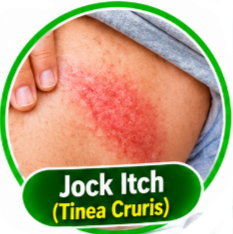 is a dermatophyte infection of the groin and adjacent skin, often caused by the same organisms. The labeled OTC duration is two weeks of twice-daily application. The shorter duration reflects the generally thinner skin and more favorable penetration in the inguinal region, as well as the typical clinical response of tinea cruris to topical azoles.
Tinea corporis (ringworm)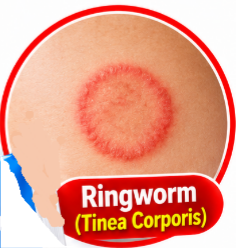 refers to dermatophyte infection of the glabrous skin of the trunk and limbs. The labeled OTC duration is four weeks, similar to tinea pedis. It is important to note that clotrimazole cream is not effective on the scalp or nails; dermatophyte infections at those sites require oral therapy or specialized topical formulations that penetrate keratinized tissue.
For cutaneous candidiasis, 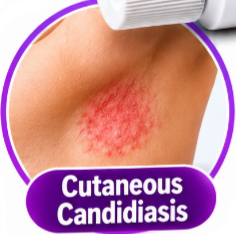 clotrimazole is active against Candida albicans and other Candida species, and the cream is used for localized skin candidiasis, including intertriginous candidiasis. The duration depends on the site and severity, but labeled use generally follows the same principles as dermatophytosis.
These are FDA-approved indications. The article does not endorse the use of clotrimazole cream for conditions outside this labeling without professional assessment, and it clearly separates approved uses from unverified social-media challenges.
Important Note: FDA approval for these superficial fungal infections is deliberately broad because the specific fungal pathogen is often not identified before treatment begins. This reflects real-world practice: empiric therapy is initiated based on the clinical syndrome, and KOH microscopy or culture — when obtained — guide subsequent adjustments. The approved indication accommodates this diagnostic uncertainty while placing the responsibility for monitoring response squarely on the clinician.
Off-Label and Guideline-Supported Uses: Beyond FDA-approved indications, topical clotrimazole has been used in clinical practice for seborrheic dermatitis (due to Malassezia), fungal blepharitis, and otomycosis (fungal ear canal infection), often in combination with appropriate cleansing or specialist care. Clinicians must always consider local resistance patterns, culture results, and current guidelines when considering off-label use, and must never label an off-label use as FDA-approved.
Dosage Table
The table below provides a concise summary of typical dosing for common indications. Doses may vary based on infection severity, susceptibility data, and clinical judgment.
| Indication / Scenario | Patient Group | Labeled Dose | Frequency | Duration | Important Considerations |
|---|---|---|---|---|---|
| Tinea pedis (athlete’s foot) | Adults and children ≥2 years (OTC) | Thin layer to affected area | Twice daily (morning and night) | 4 weeks | Pay special attention to spaces between the toes; keep feet dry; change socks and shoes daily. |
| Tinea cruris (jock itch) | Adults and children ≥2 years (OTC) | Thin layer to affected area | Twice daily | 2 weeks | Avoid tight clothing; keep the area dry; do not use on the face or eyes. |
| Tinea corporis (ringworm) | Adults and children ≥2 years (OTC) | Thin layer to affected area | Twice daily | 4 weeks | Do not use on the scalp or nails; if no improvement in 4 weeks, consult a clinician. |
| Cutaneous candidiasis | Adults and children (prescription use) | Thin layer to affected area | Twice daily or as directed | Typically 2–4 weeks, depending on site | Confirm diagnosis; diabetes and immunosuppression may require longer or additional management. |
| Tinea versicolor (prescription labeling) | Adults and adolescents | Thin layer to affected area | Once or twice daily | Often 2 weeks, but clinician-directed | Caused by Malassezia; recurrence is common; not a dermatophyte. |
Critical Notes on Dosing: The labeled durations are not arbitrary. They reflect the time required for clinical and mycological response in typical immunocompetent patients. A patient who experiences symptomatic relief within the first few days should continue the full labeled course unless a clinician advises otherwise, because premature discontinuation can lead to relapse.
Pediatric Note: OTC labeling states that clotrimazole cream should not be used on children under 2 years of age unless directed by a doctor. For children aged 2–11 years, adult supervision is recommended during application. Prescription use in children should be individualized.
A closer look at ciprofloxacin eye-drop timing and dosing considerations illustrates how administration schedules and treatment decisions depend on the specific medicine, the infection, its severity, and official instructions — and that no universal timing rule applies to every patient or every formulation.
Common Misconception: The “twice daily” instruction does not mean two applications at arbitrary times. It means approximately every 12 hours, spaced as evenly as waking hours permit. Patients who apply the cream only when they remember may inadvertently under-treat the infection and delay clinical response.
Mechanism of Action
Clotrimazole, like all azole antifungals, interferes with the synthesis of ergosterol, the principal sterol in fungal cell membranes. The mechanism can be understood in three sequential steps:
Step 1 — Entry into the fungal cell: 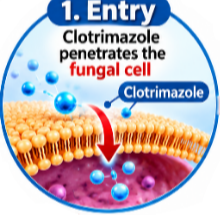 Clotrimazole is a lipophilic molecule that penetrates the fungal cell membrane and enters the cytoplasm. Its lipophilicity allows it to partition into the membrane and reach its intracellular target. Unlike aminoglycosides, which require oxygen-dependent active transport, azoles do not depend on the metabolic activity of the organism for entry.
Step 2 — Inhibition of CYP51 (lanosterol 14α-demethylase): 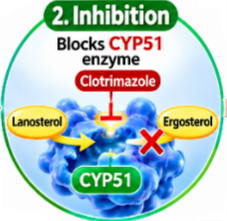 Inside the fungal cell, clotrimazole binds to the heme iron of lanosterol 14α-demethylase, a cytochrome P450 enzyme also known as CYP51 (or Erg11p in yeast). This enzyme catalyzes the demethylation of lanosterol, an essential step in the ergosterol biosynthetic pathway. By inhibiting this step, clotrimazole blocks the conversion of lanosterol to ergosterol, leading to depletion of ergosterol and accumulation of abnormal sterol intermediates such as 14α-methylated sterols.
Step 3 — Membrane disruption and cell death: The depletion of ergosterol and accumulation of abnormal sterols disrupt the structure and function of the fungal cell membrane. The membrane becomes more permeable, losing its ability to regulate the passage of ions and molecules. This leads to leakage of cellular contents, impaired nutrient transport, and inhibition of chitin synthase (a membrane-associated enzyme involved in cell wall synthesis). The result is inhibition of fungal growth (fungistasis) and, at higher concentrations or with prolonged exposure, fungal cell death (fungicidal activity). Clotrimazole also inhibits sarcoplasmic reticulum Ca²⁺-ATPase, depletes intracellular calcium, and blocks certain calcium-dependent potassium channels and voltage-dependent calcium channels, effects that may contribute to cellular toxicity at higher concentrations.
Mechanisms of Resistance: Fungal resistance to clotrimazole is rare in clinical practice. The labeling states that “strains of fungi having a natural resistance to clotrimazole are rare” and that “no single-step or multiple-step resistance to clotrimazole has developed during successive passages of Candida albicans and Trichophyton mentagrophytes” in laboratory studies. However, azole resistance can emerge through several mechanisms:
- Efflux pump overexpression — increased expression of ATP-binding cassette (ABC) transporters or major facilitator superfamily (MFS) pumps that actively remove the drug from the fungal cell.
- Target-site mutations in CYP51 — amino acid substitutions in the enzyme that reduce drug binding while preserving catalytic activity.
- Biofilm formation — fungal biofilms reduce drug penetration and alter metabolic activity, contributing to reduced susceptibility.
These mechanisms are more commonly described with systemic azoles and in immunocompromised hosts, but they are relevant to topical therapy as well. The possibility of resistance reinforces the importance of correct diagnosis and adherence to treatment.
Clinical Pearl: At concentrations achieved with topical application, clotrimazole is generally fungistatic (inhibits growth) for many organisms, but it can be fungicidal (kills) at higher concentrations or with prolonged exposure. This distinction matters clinically: fungistatic activity requires the immune system and adequate treatment duration to clear the infection, which is why a full multi-week course is necessary even if symptoms improve quickly.
Insight: Students often conflate in vitro susceptibility with clinical effectiveness. A dermatophyte may appear susceptible to clotrimazole in the laboratory, but clinical success also depends on drug penetration into the stratum corneum, local tissue conditions (maceration, inflammation), patient adherence, and host immunity. The “10-hour challenge” is a useful teaching example: a drug can begin disrupting fungal membranes within hours, but measurable mycological cure requires sustained exposure over days to weeks.
Practical Takeaway: Clotrimazole works by starving the fungus of ergosterol, weakening its membrane. This action begins quickly, but the clinical endpoint — eradication of the organism — requires the labeled treatment course.
What Is Clotrimazole?
Clotrimazole is a synthetic imidazole antifungal with the chemical name {1-(o-chloro-α,α-diphenylbenzyl)imidazole} and the molecular formula C₂₂H₁₇ClN₂. It is an odorless, white crystalline substance that is practically insoluble in water but soluble in ethanol and polyethylene glycol. It was first approved in the United States in 1983 (DrugBank lists U.S. approval in 1983; some sources cite earlier international use) and remains one of the most widely used topical antifungals worldwide.
The generic name is clotrimazole. Brand names vary by country and formulation; examples include Lotrimin AF (topical cream, U.S.), Canesten (various topical and vaginal formulations in Europe and other regions), and Mycelex (oral lozenge). The 1% cream contains 10 mg of clotrimazole per gram, dispersed in a vanishing cream base that may include sorbitan monostearate, polysorbate 60, cetyl esters wax, cetostearyl alcohol, octyldodecanol, purified water, and benzyl alcohol as a preservative. Excipients can differ between manufacturers, which is clinically relevant for patients with contact allergy to specific ingredients.
Clotrimazole is classified therapeutically as a broad-spectrum topical antifungal. It is not an antibiotic, and it is not effective against bacterial infections. It is distinct from allylamines (e.g., terbinafine), which inhibit squalene epoxidase, an earlier step in the ergosterol pathway, and from polyenes (e.g., nystatin, amphotericin B), which bind directly to ergosterol in the membrane. These mechanistic differences translate into differences in spectrum, speed of fungicidal activity, and treatment duration — topics discussed later in this article.
Generic vs. Brand vs. Formulation: The distinction between generic and brand-name products is primarily commercial rather than pharmacological — the active ingredient and concentration are identical. The formulation, however, is clinically meaningful: the cream is preferred for dry, scaly lesions; the solution is useful for moist, macerated areas; and the vaginal formulations are designed for intravaginal use. Two products can both be “clotrimazole 1%” yet differ in preservative, vehicle, pH, and osmolality. These excipient differences rarely change antifungal activity but can influence tolerability.
Why It Matters: The topical cream is intended for external use only and is not for ophthalmic use. It should not be applied to the eyes, and contact with the eyes should be avoided. It is also not intended for intravaginal use unless the product is specifically labeled as a vaginal cream. Patients should be counseled on these formulation-specific distinctions.
Pharmacokinetics & Pharmacodynamics Key Table
The following table summarizes the key pharmacokinetic (PK) and pharmacodynamic (PD) properties that inform the clinical use of clotrimazole 1% cream.
| Parameter | Clinically Relevant Details |
|---|---|
| Absorption (topical) | Minimal systemic absorption after dermal application; labeling states clotrimazole is “minimally absorbed” following topical administration. |
| Local Skin Penetration | Penetrates the stratum corneum; measurable levels in epidermis and dermis demonstrated in radioactive-label studies. |
| Systemic Bioavailability | Very low; often below the limit of quantification; some studies report <1% of applied dose. |
| Time to Peak Plasma Concentration | 2–6 hours (for the small fraction absorbed); clinical relevance of systemic levels after topical use is limited. |
| Plasma Protein Binding | Approximately 98% (for systemically absorbed drug). |
| Volume of Distribution | Not well characterized for topical route; systemic distribution data derive largely from oral or intravenous studies. |
| Half-Life (systemic) | Approximately 3.5–5 hours; applies to the small amount that reaches systemic circulation. |
| Metabolism | Hepatic; metabolized to inactive metabolites; topical drug remaining in skin is largely metabolized locally or absorbed slowly. |
| Elimination | Extrarenal (biliary/fecal) for absorbed drug; renal excretion minimal. |
| Pharmacodynamic Target | Fungal CYP51 (lanosterol 14α-demethylase). |
| PK/PD Index | Not well established for topical antifungals; time above MIC at the skin site is likely important, but validated indices are lacking. |
Evidence Check: The pharmacokinetic data presented above derive from multiple sources — some from systemic administration studies, others from topical pharmacokinetic studies using radioactive labels or bioassay. For a locally acting topical antifungal, systemic pharmacokinetic values are not the primary determinants of efficacy. The relevant “compartment” is the stratum corneum and viable epidermis, where the drug must achieve and maintain concentrations above the MIC for the offending organism.
Half-Life
When clotrimazole is absorbed systemically — whether after oral administration, vaginal application, or the small fraction absorbed from topical skin application — it has a plasma half-life of approximately 3.5 to 5 hours. This value is derived from older pharmacokinetic studies and applies to the systemically available drug, not to the drug residing in the skin.
For topical therapy, the concept of a plasma half-life is of limited clinical utility. The drug’s local concentration in the stratum corneum declines as it is absorbed, metabolized, or shed with desquamating skin cells. The residence time in the skin is influenced by the formulation (cream versus solution), the vehicle, the degree of skin hydration, and the presence of inflammation. Radioactive-label studies in healthy volunteers have shown that clotrimazole penetrates the skin and remains detectable in the stratum corneum for hours to days, but the exact duration depends on the product and the individual.
Clinical Implication: The twice-daily dosing interval is not derived from a need to maintain plasma levels above a threshold. It is derived from clinical trial protocols and the practical goal of maintaining adequate local drug exposure while promoting adherence. A patient who misses a dose should apply the next dose at the usual time and should not double the dose to “catch up.” The half-life does not justify shortening or lengthening the labeled treatment course.
Insight: Students sometimes assume that a short half-life means a drug must be dosed frequently. For topical antifungals, this logic fails because the relevant pharmacokinetics are local, not systemic. The half-life of clotrimazole in plasma tells us almost nothing about how long the drug remains active in the stratum corneum. Clinical trials, not half-life calculations, define the dosing interval.
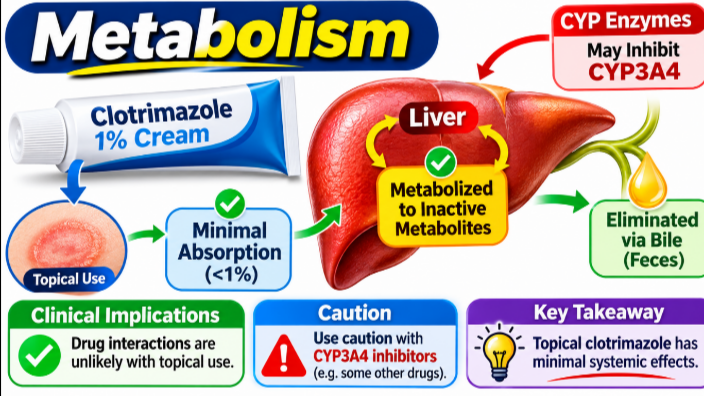
Systemically absorbed clotrimazole is extensively metabolized in the liver to inactive metabolites. The metabolic pathways involve cytochrome P450 enzymes, and clotrimazole itself can inhibit CYP3A4 and other CYP enzymes to some degree. However, because topical application produces very low systemic concentrations, hepatic metabolism is not a major clinical concern for the topical cream in patients with normal liver function.
For oral clotrimazole (lozenge), hepatic metabolism and CYP interactions are more clinically relevant, and liver function monitoring may be considered in patients receiving prolonged high-dose oral therapy. This article focuses on the topical cream, for which dose adjustment in hepatic impairment is not routinely recommended because systemic exposure is minimal. Nevertheless, patients with severe hepatic impairment who use large amounts of topical clotrimazole over extensive skin areas should be monitored for unexpected systemic effects, as a precaution.
Metabolism of the topical drug within the skin is less well characterized. Some clotrimazole may be metabolized locally by skin enzymes, and some may be absorbed slowly into the systemic circulation and then hepatically metabolized. The labeling notes that “following topical and vaginal administration, clotrimazole appears to be minimally absorbed” and that systemically absorbed drug is eliminated mainly as inactive metabolites.
Clinical Implications: Because topical clotrimazole produces minimal systemic exposure, drug interactions involving cytochrome P450 inhibition or induction are unlikely to be clinically significant. However, co-administration with other drugs that inhibit CYP3A4 — even though systemic absorption from topical clotrimazole is low — should be approached with appropriate caution in patients applying the cream to large, inflamed skin areas or mucosal surfaces.
Pharmacology Fact: The absence of significant systemic exposure means that topical clotrimazole’s metabolic profile is clinically unremarkable. In contrast, systemic azoles (e.g., ketoconazole, itraconazole) are associated with numerous CYP-mediated drug interactions — a distinction that students should recognize when comparing topical and systemic antifungal therapy.
Bioavailability & Protein Binding
Bioavailability is the fraction of an administered dose that reaches the systemic circulation unchanged. For oral clotrimazole, bioavailability is poor and erratic, and the drug is not used orally for systemic fungal infections because of adverse effects and unreliable absorption. For topical clotrimazole, systemic bioavailability is very low, typically less than 1% of the applied dose in studies of dermal application. This low systemic exposure is advantageous: it minimizes the risk of systemic toxicity and drug interactions.
However, low systemic bioavailability does not mean low local efficacy. The drug can achieve therapeutic concentrations in the stratum corneum and viable epidermis while producing negligible plasma levels. This is a classic example of a locally acting drug for which systemic pharmacokinetic parameters are poorly correlated with clinical effect.
Protein binding of systemically absorbed clotrimazole is approximately 98%, primarily to albumin and other plasma proteins. For topical use, protein binding is clinically irrelevant because plasma concentrations are usually below the limit of detection. If a patient is receiving concomitant medications that are highly protein-bound, topical clotrimazole is unlikely to cause displacement interactions at the low systemic concentrations achieved.
Why the Distinction Matters: When interpreting the clinical pharmacology of a topical antifungal, systemic bioavailability and plasma protein binding are of limited relevance because the therapeutic effect is local, not systemic. The relevant exposure metric is the concentration of drug at the skin site, not the plasma concentration. For locally acting medicines, systemic pharmacokinetic values may be unavailable, not routinely measured, or clinically inapplicable.
Practical Takeaway: Do not dismiss the systemic pharmacokinetic data as irrelevant — they inform our understanding of potential systemic adverse effects, particularly if the skin barrier is compromised (e.g., severe dermatitis, burns) and systemic absorption may be enhanced. But for the routine treatment of tinea pedis, think local: the drug needs to be present in the stratum corneum, not in the bloodstream.
Spectrum of Activity
Clotrimazole exhibits in vitro activity against a broad range of fungi, including dermatophytes, yeasts, and Malassezia. The table below summarizes the clinically relevant spectrum for the topical cream.
| Organism Group | Specific Organisms | Clinical Notes |
|---|---|---|
| Dermatophytes | Trichophyton rubrum, Trichophyton mentagrophytes, Epidermophyton floccosum, Microsporum canis | Cause tinea pedis, tinea cruris, tinea corporis. Clotrimazole is active against these organisms; clinical cure rates are well documented. |
| Yeasts | Candida albicans, Candida species | Cutaneous candidiasis, intertrigo. Active; resistance is rare but can occur. |
| Malassezia species | Malassezia furfur | Tinea versicolor (pityriasis versicolor). Active; prescription labeling includes this indication. |
| Gram-positive bacteria | Some Staphylococcus species (in vitro) | Not a primary indication. Antibacterial activity is not well documented clinically; clotrimazole should not be used as an antibacterial agent. |
| Intrinsically resistant | Candida guilliermondii (primary resistance reported rarely) | Resistance is rare. No single-step or multiple-step resistance has been demonstrated in laboratory passages of C. albicans or T. mentagrophytes. |
Minimum Inhibitory Concentration (MIC) Context: MIC values for clotrimazole vary by organism and laboratory method. The article does not provide organism-specific MIC values because they are not routinely used to guide topical therapy and can be misleading without context. Susceptibility testing is generally not necessary for uncomplicated topical dermatophytosis; it is reserved for recalcitrant or atypical cases. In vitro susceptibility does not guarantee clinical cure — the clinical response depends on drug penetration, the site and severity of infection, the host immune response, and adherence to therapy.
Gentamicin Cross-Resistance: This concept does not apply to clotrimazole, which is an azole antifungal, not an aminoglycoside. However, cross-resistance within the azole class can occur through shared resistance mechanisms (e.g., efflux pumps, CYP51 mutations), and clinicians should be aware of this possibility when selecting alternative azoles after treatment failure.
Evidence Check: In-vitro activity against an organism is a necessary but not sufficient condition for clinical effectiveness. The site of infection, drug penetration, host immune status, and fungal burden all influence treatment outcomes. A laboratory report of “susceptible” does not guarantee clinical cure.
Pharmacodynamics
The pharmacodynamics of clotrimazole — the relationship between drug concentration and antifungal effect — reflects the characteristic behavior of azole antifungals.
Concentration-Dependent Activity: Clotrimazole exhibits concentration-dependent antifungal activity to a degree. Higher drug concentrations produce more rapid and more extensive ergosterol depletion and membrane disruption. However, the pharmacodynamic profile is not as clearly concentration-dependent as that of aminoglycosides, and the concept of a Cmax/MIC ratio is not well established for topical azoles.
Time-Dependent Activity: For many azoles, the duration of exposure above the MIC (T>MIC) is an important determinant of efficacy. At concentrations achieved with topical application, clotrimazole is generally fungistatic, and sustained exposure is required to inhibit fungal growth and allow the immune system to clear the infection. This principle supports the twice-daily dosing schedule and the full multi-week treatment course.
Post-Antibiotic Effect: There is no established post-antifungal effect for topical clotrimazole in the same sense as for systemic antibiotics, because the drug is continually present in the skin between applications. The therapeutic window is wide for topical use because systemic absorption is minimal; local irritation is the main dose-limiting factor, not systemic toxicity.
Clinical Pearl: The pharmacodynamics support regular, consistent application rather than a single “challenge” dose. A 10-hour application may produce early membrane disruption and symptomatic relief, but sustained ergosterol depletion requires repeated dosing over days to weeks.
Contraindications
The primary contraindication to clotrimazole 1% cream is hypersensitivity to clotrimazole or any of the formulation excipients. Patients who have experienced an allergic reaction to clotrimazole or other imidazole antifungals (e.g., miconazole, econazole, ketoconazole) should avoid clotrimazole unless specifically evaluated by an allergist or dermatologist.
Formulation-specific restrictions include:
- Ophthalmic use: The cream is not for ophthalmic use and should not be applied to the eyes.
- Children under 2 years: OTC labeling states not to use on children under 2 years unless directed by a doctor.
- Vaginal use: Only products specifically labeled as vaginal creams should be used intravaginally; the topical cream is for external use.
It is important to distinguish true contraindications from warnings and precautions. A contraindication means the drug should not be used; a warning means the drug may be used with caution and monitoring. For example, pregnancy is not an absolute contraindication to topical clotrimazole, but it is a precaution that requires professional guidance.
Warnings & Precautions
- For Topical Use Only — Not for Ophthalmic or Intravaginal Use (unless labeled): This is the most critical warning on the label. Clotrimazole topical cream is formulated for application to the skin and must never be applied to the eye or used intravaginally unless the product is specifically labeled for those routes.
- Hypersensitivity Reactions: Local allergic contact dermatitis can occur, manifesting as increased redness, itching, blistering, or swelling at the application site. If this occurs, the patient should stop using the product and seek medical advice. Severe allergic reactions (e.g., angioedema, urticaria) are rare but require urgent assessment.
- Irritation: Mild burning, stinging, or irritation is relatively common, especially on inflamed or broken skin. These effects are usually transient and do not necessarily require discontinuation. However, persistent or worsening irritation should prompt reassessment.
- Superinfection: As with other antifungal preparations, prolonged use may result in overgrowth of nonsusceptible organisms. If superinfection occurs, appropriate therapy should be initiated.
- Pregnancy and Breastfeeding: Topical clotrimazole is generally considered low-risk because systemic absorption is minimal. However, data from use in pregnant women are limited. Some product labels recommend avoiding use during the first trimester as a precaution, and use during pregnancy should be under the supervision of a healthcare professional. Clotrimazole may be used during lactation, but it should not be applied to the breast area before breastfeeding to avoid infant exposure.
- Pediatric Use: Safety and efficacy in children under 2 years have not been established for OTC use. For older children, adult supervision is recommended. Prescription use in children should be individualized.
- Older Adults: No specific dose adjustment is required for topical use, but older adults may have thinner, more fragile skin and may be more susceptible to irritation.
- Immunocompromised Patients: Patients with diabetes, HIV, or other causes of immunosuppression may have more extensive or recalcitrant fungal infections and may require longer treatment or systemic therapy. Topical clotrimazole should not be relied upon as monotherapy for invasive fungal disease.
- Drug Interactions: Clinically significant drug interactions are unlikely with topical clotrimazole because systemic absorption is minimal. However, caution is advised in patients using tacrolimus or cyclosporine, as clotrimazole can inhibit CYP3A4 and may increase exposure to these drugs if sufficient systemic absorption occurs.
- Latex Products: Vaginal clotrimazole products may weaken latex condoms and diaphragms; this warning is specific to genital application and is less relevant to topical skin use.
Common Misconception: Patients sometimes believe that because the cream is “natural” or “topical,” it cannot cause harm. While systemic absorption is indeed low, the possibility of allergic reactions — including rare severe reactions — means that any new or worsening symptoms after starting therapy deserve attention.
Side Effects
Adverse effects from topical clotrimazole are typically local and mild. In clinical trials and post-marketing experience, the most commonly reported reactions include:
| Frequency Category | Adverse Effects |
|---|---|
| Common (expected local effects) | Burning, stinging, itching, erythema (redness), blistering, peeling, edema (localized swelling), irritation, dermatitis |
| Less Common | Allergic contact dermatitis, secondary bacterial infection |
| Rare | Severe hypersensitivity reactions (see below) |
These effects are usually transient and resolve with continued use or after discontinuation. The frequency of these reactions is not precisely established in all populations, but they are generally considered common or expected local effects rather than rare systemic events. The labeling for vaginal clotrimazole notes that “local irritation with mild burning occasionally occurs” and that itching, skin rashes, and lower abdominal pain are rare.
It is important not to characterize these effects as “common” without qualification. The available frequency estimates come from clinical trials and spontaneous reporting, and the true incidence may vary by formulation and skin condition. Patients should be counseled that mild irritation is possible but that worsening or severe reactions require professional assessment.
Why It Matters: The distinction between expected, transient local irritation and a true hypersensitivity reaction is clinically important. Irritation that occurs immediately after application and resolves within minutes does not require discontinuation. Itching, redness, or swelling that persists or worsens suggests a hypersensitivity reaction and warrants discontinuation and evaluation.
Serious Adverse Effects
Serious adverse effects from topical clotrimazole are rare. The most clinically significant serious reaction is:
- Severe Allergic Contact Dermatitis: This can present with intense erythema, vesiculation, oozing, and swelling extending beyond the application site. This requires discontinuation of the product and medical evaluation. Patch testing may be used to confirm the allergen (clotrimazole itself or an excipient).
- Anaphylaxis: Extremely rare with topical clotrimazole but should be considered in any patient who develops urticaria, angioedema, wheezing, or hypotension after application. This is a medical emergency requiring immediate treatment.
- Systemic Toxicity: Highly unlikely with topical use because systemic absorption is minimal. However, in premature infants, patients with extensive skin barrier disruption (e.g., severe burns, erythroderma), or those applying large amounts to mucosal surfaces, systemic exposure could theoretically increase. In these populations, clotrimazole should be used with caution and under professional supervision.
Warning symptoms that warrant urgent assessment include:
- Rapidly spreading redness or swelling
- Blistering or peeling of the skin beyond the application site
- Difficulty breathing, facial swelling, or throat tightness
- Signs of secondary bacterial infection (increased pain, purulent discharge, fever)
Important Note: The serious adverse effects listed for systemic azoles in many reference sources — including hepatotoxicity and QT prolongation — are derived from oral or intravenous administration studies. When discussing the safety of topical clotrimazole, we must clearly distinguish between the risks of systemic azole therapy and the risks of topical therapy, which are overwhelmingly local and allergic in nature.
Recovery & Management After an Adverse Reaction
The management of adverse reactions to clotrimazole 1% cream depends on the nature and severity of the reaction.
Mild Local Irritation: Transient burning or stinging immediately after application is common and typically does not require discontinuation. Patients may apply a cool compress and a gentle, fragrance-free moisturizer to soothe the skin. They should avoid scratching, which can worsen irritation and introduce infection.
Hypersensitivity Reaction (Mild to Moderate): If the reaction is persistent or worsening, or if it involves blistering, oozing, or spreading beyond the application site, the patient should stop using the product and contact a healthcare professional. The clinician may recommend a different antifungal (e.g., terbinafine, naftifine, or a different imidazole) or a topical corticosteroid if allergic contact dermatitis is suspected.
Severe Hypersensitivity Reaction: If symptoms of anaphylaxis develop (facial swelling, difficulty breathing, widespread urticaria), emergency medical assessment should be sought immediately. The medication should not be used again.
Superinfection: If the skin worsens or new symptoms develop during therapy, the patient should be evaluated for superinfection. This may require discontinuation of clotrimazole and initiation of appropriate antibacterial or alternative antifungal therapy.
Recovery: Recovery from mild local reactions typically occurs within days of discontinuation. More severe hypersensitivity reactions may require supportive care and, in some cases, prescription topical or systemic corticosteroid therapy under professional supervision.
Important Safety Note: Do not recommend unsupervised treatment changes. Patients should not stop or change prescription antifungal therapy without professional guidance. If a dose is missed, it should be applied as soon as remembered, unless it is almost time for the next dose; doubling doses is not appropriate.
Drug Interactions
Clinically significant drug interactions are unlikely with topical clotrimazole because systemic absorption is minimal. However, the following table summarizes potential interactions based on the drug’s known CYP inhibitory effects and the possibility of enhanced systemic exposure in certain circumstances.
| Interacting Medicine/Class | Potential Interaction | Clinical Significance | Management Consideration |
|---|---|---|---|
| Tacrolimus (topical or systemic) | Clotrimazole inhibits CYP3A4, which metabolizes tacrolimus; increased tacrolimus exposure possible, especially with vaginal or extensive topical use. | Theoretical to moderate; case reports exist for vaginal clotrimazole. | Monitor tacrolimus levels if clotrimazole is applied to large areas or mucosal surfaces; separate application times if possible. |
| Cyclosporine | Similar CYP3A4 inhibition; increased cyclosporine exposure possible. | Theoretical; low risk with topical cream. | Monitor cyclosporine levels in transplant patients using extensive topical clotrimazole. |
| Progesterone | Clotrimazole may alter progesterone metabolism via CYP3A4. | Theoretical; clinical significance unclear. | No routine action needed for topical use; consider in patients relying on progesterone for luteal support. |
| Polyene antifungals (nystatin, amphotericin B, natamycin) | Potential antagonism; clotrimazole may reduce the effectiveness of polyenes when used concurrently. | In vitro and theoretical; avoid concurrent topical use if possible. | Do not apply polyene and azole antifungals simultaneously to the same area. |
| Topical corticosteroids | Corticosteroids may mask or aggravate fungal infection; combination products exist but are not ideal for uncomplicated tinea. | Clinically significant if used inappropriately. | Avoid combination products unless specifically prescribed for inflammatory tinea; monitor for fungal worsening. |
| Warfarin | Theoretical CYP inhibition; case reports of increased INR with topical azoles are rare. | Low risk with topical cream. | Monitor INR if extensive topical azole therapy is used in a warfarin-treated patient. |
Evidence Check: Most clinically important interactions involve systemic azole antifungals (e.g., ketoconazole, itraconazole, voriconazole). Topical clotrimazole has minimal systemic absorption and is therefore unlikely to cause significant interactions in routine use. The table is provided for completeness and to guide clinicians caring for patients with complex medication regimens.
Administration Table
Practical administration instructions are essential for patient education and nursing practice. The table below summarizes key administration factors.
| Administration Factor | Guidance |
|---|---|
| Route | Topical (cutaneous) only; not for ophthalmic or intravaginal use unless product is labeled for those routes. |
| Timing and Frequency | Twice daily (morning and evening) for OTC indications. |
| Administration Technique | Wash and dry the affected area thoroughly. Apply a thin layer sufficient to cover the affected area and a small margin of surrounding skin. Rub in gently. Wash hands before and after application. |
| Food Effects | Not applicable (topical). |
| Missed Dose | Apply the next dose at the usual time. Do not double the dose. |
| Storage | Store at controlled room temperature 15–30°C (59–86°F). Close cap tightly after use. Protect from light and freezing. |
| Special Formulation Instructions | For athlete’s foot, pay special attention to spaces between the toes; wear well-fitting, ventilated shoes and change socks and shoes at least once daily. For jock itch, avoid tight clothing and keep the area dry. |
| Duration | Tinea pedis and tinea corporis: 4 weeks. Tinea cruris: 2 weeks. Cutaneous candidiasis: typically 2–4 weeks depending on site. |
| Discontinuation | If no improvement within the labeled duration, or if irritation occurs, discontinue and consult a clinician. |
Hygiene Principles for Topical Antifungals: Avoid sharing towels, socks, or shoes with others. Keep the affected area dry and well-ventilated. For tinea pedis, treat shoes with antifungal powder if recommended by a clinician, and continue treatment for the full course even if symptoms resolve.
Clinical Pearl: Applying the cream to a small margin of surrounding normal-appearing skin helps ensure that subclinical fungal elements at the periphery of the lesion are treated. This simple technique may reduce the risk of recurrence. Important administration details for ofloxacin eye drops and other topical anti-infectives follow similar principles of correct technique and adherence, though the specifics depend on the product’s formulation and instructions.
Consolidated Pharmacokinetics
Clotrimazole 1% cream is designed to act locally in the skin with minimal systemic exposure. After application, the drug penetrates the stratum corneum and viable epidermis, where it inhibits fungal CYP51 and disrupts ergosterol synthesis. Only a small fraction of the applied dose is absorbed into the systemic circulation — typically less than 1% in dermal studies — and this absorbed drug is rapidly metabolized in the liver to inactive metabolites and eliminated primarily via extrarenal routes.
Absorption: After topical application, clotrimazole is minimally absorbed through the skin. Local concentrations in the stratum corneum are sufficient to inhibit fungal growth, while plasma concentrations remain very low.
Distribution: Any clotrimazole that reaches the systemic circulation is approximately 98% protein-bound. The volume of distribution is not well characterized for the topical route but is likely similar to that of systemically administered drug.
Metabolism: Systemically absorbed clotrimazole undergoes hepatic metabolism to inactive metabolites. The drug is not a substrate for renal elimination to any significant extent.
Elimination: Absorbed drug is eliminated primarily via biliary/fecal routes. The systemic half-life is approximately 3.5–5 hours. The local residence time in the skin is influenced by the formulation, the vehicle, skin hydration, and the rate of epidermal turnover.
Special Populations: Because systemic exposure is minimal, dose adjustments for renal or hepatic impairment are generally not required for topical use. However, patients with extensive skin barrier disruption or mucosal application should be monitored for unexpected systemic effects. Pregnancy and breastfeeding are not absolute contraindications, but professional guidance is recommended.
Special Populations
Pregnancy: Topical clotrimazole is considered low-risk in pregnancy because systemic absorption is minimal. However, data from pregnant women are limited, and some product labels recommend avoiding use during the first trimester as a precaution. The available evidence does not suggest an increased risk of major malformations. Pregnant patients should use clotrimazole under the guidance of a healthcare professional.
Breastfeeding: Clotrimazole may be used during lactation, but it should not be applied to the nipple or areola before breastfeeding to avoid infant exposure. If treatment of the breast area is necessary, the cream should be applied after feeding and wiped off before the next feed, or a different formulation should be considered in consultation with a clinician.
Pediatrics: OTC labeling restricts use in children under 2 years unless directed by a doctor. For children aged 2–11 years, adult supervision is recommended. Clinical trials in pediatric populations are limited, and the safety and efficacy of clotrimazole cream in young children should be evaluated on an individual basis.
Older Adults: No specific dose adjustment is required. Older adults may have thinner skin and may be more susceptible to irritation; gentle application and monitoring for adverse reactions are advised.
Renal Impairment: Topical clotrimazole does not require dose adjustment in renal impairment because systemic absorption is minimal and elimination is primarily extrarenal.
Hepatic Impairment: Systemic absorption is low, so dose adjustment is generally not required. However, patients with severe hepatic impairment who apply clotrimazole to extensive areas should be monitored for signs of systemic toxicity, as a precaution.
Immunocompromised Patients: Patients with diabetes, HIV, or other immunosuppressive conditions may have more extensive or recalcitrant fungal infections. Topical clotrimazole may be insufficient, and systemic therapy or specialist evaluation may be required. These patients should be managed in consultation with a dermatologist or infectious disease specialist.
Monitoring
- Clinical Response: Assess improvement in itching, erythema, scaling, and other signs of infection. If no improvement occurs within the labeled duration (4 weeks for tinea pedis/corporis, 2 weeks for tinea cruris), the diagnosis should be reassessed and alternative therapy considered.
- Adverse Reactions: Monitor for local irritation, allergic contact dermatitis, and secondary bacterial infection.
- Adherence: Confirm that the patient is applying the cream twice daily and continuing for the full course.
- Microbiological Response: When cultures or KOH microscopy are obtained, repeat testing may be considered if the infection is not responding to therapy. However, routine culture and sensitivity testing is not required for uncomplicated tinea pedis, cruris, or corporis.
- Systemic Monitoring: Routine laboratory monitoring (renal function, liver function, drug levels) is not required for topical clotrimazole because systemic absorption is minimal. Monitoring is appropriate if the patient is receiving concurrent systemic azole therapy or has severe hepatic impairment.
Clinical Perspective
Clotrimazole 1% cream is a well-established, effective, and safe topical antifungal for common dermatophytoses and cutaneous candidiasis. Its place in therapy is clear: it is a first-line option for uncomplicated tinea pedis, tinea cruris, and tinea corporis, particularly when cost, availability, or patient preference favors an imidazole over an allylamine.
The “10-Hour Clotrimazole Challenge” is best understood as a patient-education concept, not a validated treatment protocol. A patient may experience early symptomatic relief — reduced itching and burning — within hours of the first application, especially because the cream base can soothe inflamed skin. However, mycological cure requires sustained therapy for the labeled duration. Clinicians should explain this distinction clearly: “You may feel better quickly, but the fungus is not gone. Finish the full course to prevent relapse.”
Where Clotrimazole May Be Preferred:
- Uncomplicated tinea pedis, cruris, or corporis
- Cutaneous candidiasis, including intertrigo
- Tinea versicolor (prescription labeling)
- Patients who cannot tolerate or afford terbinafine
- Patients who prefer a twice-daily regimen and are willing to complete a 2–4 week course
Factors Affecting Selection:
- Spectrum: Clotrimazole is active against dermatophytes, Candida, and Malassezia, making it a reasonable choice when the exact pathogen is uncertain.
- Resistance: Resistance is rare in clinical practice. If treatment fails, consider alternative diagnoses, poor adherence, or, rarely, resistant organisms.
- Tolerability: Topical azoles can cause local irritation. Allylamines (terbinafine) are generally better tolerated and have a shorter treatment course.
- Cost: Generic clotrimazole is inexpensive and widely available, making it an attractive option in resource-limited settings.
- Availability: In some regions, clotrimazole may be more readily available than newer topical antifungals.
Where Alternatives May Be Considered: Terbinafine 1% cream has demonstrated higher mycological cure rates and shorter treatment durations (1 week) compared with clotrimazole 1% cream (4 weeks) in randomized trials of tinea pedis. However, terbinafine is generally more expensive and may not be available OTC in all countries. Ciclopirox olamine 1% cream has shown equal therapeutic response to clotrimazole 1% cream in tinea pedis in some studies, offering another alternative. The choice should be individualized based on the patient’s preferences, cost, adherence likelihood, and the severity of the infection.
Antimicrobial Stewardship Considerations: Topical antifungals are not subject to the same stewardship concerns as systemic antibiotics, but inappropriate use — such as applying clotrimazole to a bacterial infection or failing to complete the course — can lead to treatment failure and unnecessary healthcare costs. Clinicians should confirm the diagnosis (or at least the clinical pattern) before recommending empirical topical therapy.
Reasons to Reassess a Patient:
- No improvement after the labeled duration of therapy
- Worsening symptoms during therapy
- Development of new symptoms (e.g., increased pain, purulent discharge, fever) suggestive of secondary bacterial infection
- Signs of allergic contact dermatitis (spreading redness, blistering, oozing)
- Recurrence after completing therapy, which may suggest reinfection or an underlying predisposing condition
Hypothetical Educational Case: A 34-year-old otherwise healthy adult presents with a 10-day history of itchy, macerated skin between the fourth and fifth toes, consistent with interdigital tinea pedis. They ask about the “10-hour clotrimazole challenge” they saw online. The clinician explains that clotrimazole 1% cream applied twice daily for 4 weeks is the labeled regimen, and that early relief of itching is possible but does not mean the infection is cured. The patient is advised to keep the feet dry, change socks daily, and return if no improvement occurs after 4 weeks. This case is hypothetical and intended for teaching; it does not represent a real patient encounter.
5 Authentic Studies
Study 1
Citation: Evans EGV, Dodman B, Williamson DM, Brown GJ, Bowen RG. Comparison of terbinafine and clotrimazole in treating tinea pedis. BMJ. 1993;307:645–647. DOI: 10.1136/bmj.307.6905.645.
Publication Year: 1993.
Study Design: Multicenter, double-blind, parallel-group randomized controlled trial.
Population: 256 patients with mycologically confirmed tinea pedis; 211 evaluable (107 terbinafine, 104 clotrimazole).
Intervention/Exposure: Terbinafine 1% cream twice daily for 1 week, followed by placebo for 3 weeks.
Comparator: Clotrimazole 1% cream twice daily for 4 weeks.
Main Outcome: Mycological cure and effective treatment at weeks 4 and 6.
Key Findings: At week 4, mycological cure rates were 93.5% for terbinafine and 73.1% for clotrimazole (p = 0.0001); at week 6, 97.2% vs. 83.7% (p = 0.001). Effective treatment rates at week 4 were 89.7% vs. 58.7% (p = 0.0001).
Clinical Significance: A 1-week course of terbinafine was more effective than a 4-week course of clotrimazole for tinea pedis in this trial, influencing treatment selection and patient adherence discussions.
Important Limitation: The trial was conducted in the early 1990s; formulations and patient populations may differ today. The study was powered for superiority of terbinafine, and the clotrimazole arm used a 4-week course, which is standard but may not reflect real-world adherence.
Study 2
Citation: El-Gohary M, van Zuuren EJ, Fedorowicz Z, Burgess H, Doney L, Stuart B, et al. Topical antifungal treatments for tinea cruris and tinea corporis. Cochrane Database of Systematic Reviews. 2014;8:CD009992. DOI: 10.1002/14651858.CD009992.pub2.
Publication Year: 2014.
Study Design: Systematic review and meta-analysis of randomized controlled trials.
Population: Patients with tinea cruris or tinea corporis.
Intervention/Exposure: Topical antifungal treatments, including clotrimazole 1% cream.
Comparator: Placebo or other topical antifungals.
Main Outcome: Mycological cure, clinical cure, adverse events.
Key Findings: Clotrimazole 1% was significantly more effective than placebo for mycological cure (RR 2.87, 95% CI 2.28–3.62; NNT 2). Azoles as a class were effective, with 4–6 weeks of treatment showing 28% cure versus 70% for placebo in one pooled analysis (NNT = 3).
Clinical Significance: Provides high-quality evidence supporting clotrimazole as an effective topical treatment for tinea cruris and corporis, and reinforces the importance of adequate treatment duration.
Important Limitation: The review included trials of varying quality and durations; direct comparisons between specific antifungals were limited.
Study 3
Citation: Duhm B, Maul W, Medenwald H, Patzschke K, Wegner LA. Investigations on the pharmacokinetics of clotrimazole in humans after topical application. European Journal of Drug Metabolism and Pharmacokinetics (historical pharmacokinetic study; exact citation may vary by source).
Publication Year: Historical pharmacokinetic study (exact year depends on the specific publication).
Study Design: Radioactive-label pharmacokinetic study in healthy volunteers.
Population: Healthy adult volunteers.
Intervention/Exposure: Topical application of radioactive clotrimazole 1% cream or solution to intact and inflamed skin.
Comparator: Not applicable (descriptive pharmacokinetics).
Main Outcome: Penetration and retention of clotrimazole in skin layers and systemic absorption.
Key Findings: Clotrimazole penetrates the stratum corneum and remains detectable in the skin for hours to days; systemic absorption is minimal, with less than 1% of the applied dose reaching the systemic circulation in some studies.
Clinical Significance: Supports the concept of local therapy with minimal systemic exposure; explains why systemic pharmacokinetic parameters are less relevant for topical efficacy.
Important Limitation: Small sample size; older methodology; results may vary with modern formulations and skin conditions.
Study 4
Citation: Corazza M, Scuderi V, Musmeci D, et al. Severe vulvovaginal allergic contact dermatitis due to clotrimazole contained in multiple topical products. Contact Dermatitis. 2020;82(1):57–59.
Publication Year: 2020.
Study Design: Case report and review.
Population: A patient with severe vulvovaginal allergic contact dermatitis.
Intervention/Exposure: Clotrimazole-containing topical products.
Comparator: Not applicable.
Main Outcome: Clinical presentation, patch testing, and management.
Key Findings: Clotrimazole can cause allergic contact dermatitis, and patients may react to multiple clotrimazole-containing products. Patch testing confirmed sensitivity.
Clinical Significance: Highlights the importance of considering allergic contact dermatitis in patients who worsen or fail to improve with topical antifungal therapy.
Important Limitation: Single case report; cannot establish incidence or risk factors.
Study 5
Citation: Antifungal susceptibility testing and determination of local epidemiological cut-off values for Candida species isolated from women with vulvovaginal candidiasis. Journal of Clinical Microbiology / Microbiology Spectrum. 2025.
Publication Year: 2025.
Study Design: Cross-sectional laboratory study.
Population: Candida isolates from women with vulvovaginal candidiasis.
Intervention/Exposure: Antifungal susceptibility testing, including clotrimazole.
Comparator: Not applicable (descriptive susceptibility study).
Main Outcome: Local epidemiological cut-off values (ECOFFs) and susceptibility rates.
Key Findings: C. albicans exhibited high susceptibility to clotrimazole (87.2%) in one related study, and local ECOFFs were determined for clotrimazole (0.016 mg/L for C. albicans). Resistance rates vary by population and underlying conditions.
Clinical Significance: Provides contemporary data on clotrimazole susceptibility and highlights the need for surveillance, especially in recurrent or refractory cases.
Important Limitation: Single-center or regional data; susceptibility testing methods may not be standardized across laboratories; clinical correlation is limited.
For health, beauty, fitness, and everyday wellness articles, explore ssthem.net for health and wellness content.
Question 1. What is clotrimazole?
Answer : Clotrimazole is an imidazole antifungal medication used topically to treat fungal skin infections such as athlete’s foot, jock itch, and ringworm. It works by inhibiting ergosterol synthesis in fungal cell membranes.
Question 2. What is clotrimazole 1% cream used for?
Answer : It is FDA-approved for the topical treatment of tinea pedis, tinea cruris, tinea corporis, cutaneous candidiasis, and tinea versicolor (prescription labeling).
Question 3. How does clotrimazole work?
Answer : It inhibits lanosterol 14α-demethylase (CYP51), blocking ergosterol biosynthesis and disrupting fungal cell membrane integrity.
Question 4. What is the 10-Hour Clotrimazole Challenge?
Answer : It is a social-media concept suggesting that clotrimazole can dramatically relieve symptoms within 10 hours. While early symptom relief is possible, mycological cure requires the full labeled treatment course.
Question 5. How quickly does clotrimazole start working?
Answer : Some patients notice reduced itching and burning within hours to days, but the fungus is not eradicated until the full course (2–4 weeks) is completed.
Question 6. How long does clotrimazole’s effect last?
Answer : The cream should be applied twice daily. The local effect persists between applications, but systemic half-life (for the small fraction absorbed) is 3.5–5 hours; local skin residence is longer and formulation-dependent.
Question 7. What is the half-life of clotrimazole?
Answer : The systemic half-life is approximately 3.5–5 hours, but this is not the relevant parameter for topical efficacy. Local skin residence time is more important.
Question 8. What are the common side effects of clotrimazole cream?
Answer : Local burning, stinging, itching, redness, blistering, peeling, and edema can occur, usually mild and transient.
Question 9. Which serious reactions require urgent assessment?
Answer : Severe allergic contact dermatitis, angioedema, urticaria, or signs of secondary bacterial infection require prompt medical evaluation.
Question 10. Is clotrimazole FDA-approved?
Answer : Yes. Topical clotrimazole 1% cream is FDA-approved for dermatophytoses and cutaneous candidiasis, and available OTC for athlete’s foot, jock itch, and ringworm.
Question 11. Can clotrimazole be used during pregnancy?
Answer : Topical clotrimazole is considered low-risk because systemic absorption is minimal, but it should be used under professional guidance, and some labels advise avoiding it in the first trimester.
Question 12. Is clotrimazole compatible with breastfeeding?
Answer : Yes, but it should not be applied to the nipple area before feeding. Use under professional guidance.
Question 13. Is clotrimazole appropriate for children?
Answer : OTC labeling restricts use in children under 2 years unless directed by a doctor. For older children, adult supervision is recommended.
Question 14. Is clotrimazole appropriate for older adults?
Answer : Yes. No dose adjustment is needed, but older adults may have thinner skin and should be monitored for irritation.
Question 15. What are the major contraindications to clotrimazole?
Answer : Hypersensitivity to clotrimazole or any formulation excipient. It is not for ophthalmic use.
Question 16. Which drug interactions matter with topical clotrimazole?
Answer : Clinically significant interactions are unlikely due to minimal systemic absorption. Caution is advised with tacrolimus and cyclosporine if large areas or mucosal surfaces are treated.
Question 17. What should someone do after a missed dose?
Answer : Apply the next dose at the usual time. Do not double the dose.
Question 18. How should clotrimazole cream be administered?
Answer : Wash and dry the area, apply a thin layer twice daily, and rub in gently. Continue for the full labeled duration.
Question 19. Does kidney impairment affect clotrimazole use?
Answer : No dose adjustment is required for topical use because systemic absorption is minimal and elimination is extrarenal.
Question 20. Does liver impairment affect clotrimazole use?
Answer : Generally no dose adjustment for topical use, but caution is advised in severe hepatic impairment with extensive application.
Question 21. What monitoring may be needed?
Answer : Clinical monitoring of response and adverse reactions. Laboratory monitoring is not routinely required for topical use.
Question 22. How does resistance affect clotrimazole’s effectiveness?
Answer : Resistance is rare in clinical practice. If treatment fails, consider alternative diagnoses, poor adherence, or, rarely, resistant organisms.
Question 23. What alternatives might clinicians consider?
Answer : Terbinafine 1% cream (shorter course, higher cure rates in some trials), ciclopirox olamine, naftifine, or other topical azoles.
Question 24. How long does treatment usually last?
Answer : Tinea pedis and tinea corporis: 4 weeks; tinea cruris: 2 weeks. Cutaneous candidiasis may require 2–4 weeks depending on the site.
Question 25. When should professional medical assessment be sought?
Answer : If there is no improvement within the labeled duration, if the infection worsens, if there are signs of serious allergic reaction, or if the patient is immunocompromised or pregnant. Essential facts about recognizing stroke and seeking emergency assessment are also important for any sudden neurological symptoms, though these are unrelated to fungal skin infections.
Authentic References
- U.S. Food and Drug Administration. Clotrimazole Cream USP, 1% — Drug Facts Label. Accessdata FDA. https://www.accessdata.fda.gov/spl/data/fa8aeb26-bd17-471f-aa37-827321613599/fa8aeb26-bd17-471f-aa37-827321613599.xml.
- DailyMed. Clotrimazole Cream — A-S Medication Solutions (prescription labeling). https://dailymed.nlm.nih.gov/dailymed/getFile.cfm?setid=116be3a8-9a57-4b4a-a873-98a4ce83bcf7.
- DrugBank. Clotrimazole. https://go.drugbank.com/drugs/DB00257.
- NCBI Bookshelf (StatPearls). Clotrimazole. https://www.ncbi.nlm.nih.gov/sites/books/NBK560643/.
- Infomed. Clotrimazole Topical Fungus Control [WHO], FDA, 1974. https://infomed.ch/100m_en/100m_chapter.php?chapterid=383.
- Medsafe New Zealand. Clotrimazole Vaginal Cream — New Zealand Data Sheet. https://medsafe.govt.nz/profs/datasheet/c/clotrimazolevagcrm.pdf.
- Evans EGV, Dodman B, Williamson DM, et al. Comparison of terbinafine and clotrimazole in treating tinea pedis. BMJ. 1993;307:645–647. https://www.bmj.com/content/307/6905/645.short.
- El-Gohary M, van Zuuren EJ, Fedorowicz Z, et al. Topical antifungal treatments for tinea cruris and tinea corporis. Cochrane Database of Systematic Reviews. 2014;8:CD009992. https://www.cochranelibrary.com/cdsr/doi/10.1002/14651858.CD009992.pub2/pdf/full.
- Corazza M, Scuderi V, Musmeci D, et al. Severe vulvovaginal allergic contact dermatitis due to clotrimazole contained in multiple topical products. Contact Dermatitis. 2020;82(1):57–59.
- Antifungal susceptibility testing and determination of local epidemiological cut-off values for Candida species isolated from women with vulvovaginal candidiasis. Journal of Clinical Microbiology / Microbiology Spectrum. 2025.
- Clotrimazole — ATC Code D01AC01. WHO Collaborating Centre for Drug Statistics Methodology.
- Clotrimazole — LiverTox: Clinical and Research Information on Drug-Induced Liver Injury. National Institute of Diabetes and Digestive and Kidney Diseases.
- Clotrimazole Use During Pregnancy and Breastfeeding. Drugs.com.
- Centers for Disease Control and Prevention (CDC). Antibiotic Resistance Threats in the United States.
- World Health Organization. WHO AWaRe Classification of Antibiotics. 2022.
- American Academy of Dermatology. Tinea Infections — Clinical Guidelines.
- British Association of Dermatologists. Guidelines for the Management of Tinea Capitis and Other Dermatophytoses.
- Gupta AK, Foley KA. Evidence for biofilms in onychomycosis. Journal of the American Academy of Dermatology.
- Hay RJ. Tinea capitis: current status. Mycopathologia.
- Clotrimazole — StatPearls. National Library of Medicine.
Medical Information Disclaimer: The information provided in this article is for educational and informational purposes only and is intended for healthcare professionals, medical students, and informed general readers. It does not constitute medical advice, diagnosis, or treatment recommendations. Clotrimazole 1% cream is an over-the-counter product for specific fungal skin infections, but individual patient circumstances — including pregnancy, breastfeeding, immunosuppression, and medication use — require professional assessment. Treatment decisions, including dose selection, duration, and adjustments, depend on the patient’s diagnosis, age, skin integrity, interacting medicines, and clinician judgment. Readers should not use this information to self-medicate or to make clinical decisions without appropriate professional consultation. If you have a medical condition or are experiencing symptoms of a fungal skin infection, seek evaluation from a qualified healthcare professional. The authors and publishers of this article do not assume any liability for any adverse effects or consequences resulting from the use or misuse of the information provided herein.
For authentic and engaging information about the world’s different religions, visit ssthem.com for religious studies and discover well-organized, informative content.
دنیا کے مختلف مذاہب کے بارے میں مستند اور دلچسپ معلومات حاصل کرنا چاہتے ہیں؟ آج ہی ssthem.com وزٹ کریں۔
Want to learn about the world’s different religions? Visit ssthem.com for informative, well-organized educational content.




One Comment