9 Proven Life-Saving Powers of Cefotaxime Sodium Injection Every Clinician Must Know
Fight Deadly Infections Better: 9 Empowering Facts About Cefotaxime Sodium Injection You Need Today
What makes a third-generation cephalosporin capable of crossing the blood-brain barrier to treat life-threatening meningitis, yet nearly useless against certain hospital-acquired pathogens that have developed resistance over decades of clinical use—and what happens to this antibiotic after it enters the human body?
This question sits at the center of modern anti-infective pharmacology. Cefotaxime sodium injection represents a class of antibiotics that transformed the management of severe bacterial infections when first introduced, and it continues to serve a vital role in specific clinical scenarios today. The story of cefotaxime is not simply about a drug that kills bacteria. It is a story about molecular design, pharmacokinetic precision, microbial resistance, and the careful balance between therapeutic benefit and adverse risk.
Cefotaxime sodium belongs to the third-generation cephalosporin family of beta-lactam antibiotics. Unlike earlier cephalosporins, this agent was engineered to possess enhanced activity against Gram-negative organisms, including Escherichia coli, Klebsiella species, Proteus mirabilis, and—critically—Neisseria meningitidis and Streptococcus pneumoniae. Its ability to penetrate inflamed meninges in sufficient concentrations to treat bacterial meningitis made it a cornerstone of empiric therapy for central nervous system infections in many parts of the world. Yet, like all antimicrobial agents, its clinical utility depends on understanding its pharmacokinetic behavior, spectrum of activity, resistance patterns, and safety profile.
This article provides a comprehensive, evidence-based examination of cefotaxime sodium injection, written for medical students, physicians, pharmacists, nurses, and researchers. It explores the drug’s mechanism of action, pharmacokinetics, FDA-approved uses, guideline-supported applications, dosing strategies, adverse effect profile, clinically relevant drug interactions, and the evidence that supports its use. Along the way, the article also addresses practical questions about administration, special populations, and the evolving role of cefotaxime in an era of increasing antimicrobial resistance. The goal is to equip healthcare professionals with a thorough understanding of when cefotaxime remains an appropriate therapeutic choice, when alternative agents may be preferable, and how to use this antibiotic safely and effectively.
Before proceeding, readers should understand that this article is an educational resource intended for qualified health professionals. Treatment decisions involving cefotaxime sodium injection must be individualized based on the patient’s clinical condition, suspected or confirmed pathogens, local antimicrobial susceptibility patterns, organ function, allergy history, and applicable clinical guidelines. Nothing in this article replaces professional medical judgment or official prescribing information.
Key Facts Table
| Key Fact | Details |
|---|---|
| Generic Name | Cefotaxime sodium |
| Common Brand Names | Claforan (discontinued in some markets), various generic formulations |
| Drug Class | Cephalosporin antibiotic |
| Pharmacologic Class | Third-generation cephalosporin; beta-lactam antibacterial |
| Therapeutic Class | Antibacterial agent |
| ATC Code | J01DD01 |
| Dosage Forms | Powder for solution for injection (intravenous and intramuscular use) |
| Available Strengths | 500 mg, 1 g, 2 g vials (cefotaxime equivalent) |
| Routes of Administration | Intravenous (IV), intramuscular (IM) |
| Prescription Status | Prescription-only medication |
| Primary Clinical Uses | Lower respiratory tract infections, urinary tract infections, bacteremia, meningitis, intra-abdominal infections, gynecologic infections, skin and soft tissue infections |
| FDA Status | FDA-approved for multiple indications |
| Elimination Route | Renal (approximately 50–60% unchanged drug); hepatic metabolism contributes to desacetylcefotaxime formation |
| Half-Life | Approximately 1 hour for cefotaxime; 1.5–2 hours for desacetylcefotaxime |
| Major Metabolic Pathway | Partial hepatic metabolism to desacetylcefotaxime (active metabolite) |
| Important Safety Considerations | Hypersensitivity reactions, pseudomembranous colitis, granulocytopenia, seizure risk with high doses in renal impairment |
What Is Cefotaxime Sodium?
Cefotaxime sodium is a semisynthetic, broad-spectrum, third-generation cephalosporin antibiotic administered by intravenous or intramuscular injection. Chemically, it is the sodium salt of 7-[2-(2-aminothiazol-4-yl)-2-(methoxyimino)acetamido]-3-[(1-methyl-1H-tetrazol-5-ylthio)methyl]-3-cephem-4-carboxylic acid. The syn-methoxyimino group attached to the beta-lactam ring confers enhanced stability against many beta-lactamase enzymes produced by Gram-negative bacteria, a structural feature that distinguishes third-generation cephalosporins from earlier generations.
The clinical significance of cefotaxime sodium lies in its ability to treat serious infections caused by susceptible Gram-negative and some Gram-positive organisms. It is a parenteral antibiotic, meaning it must be administered by injection or infusion, and is therefore reserved for patients who require systemic antibacterial therapy in a hospital or supervised healthcare setting. In many clinical contexts, cefotaxime has been used interchangeably with ceftriaxone, another third-generation cephalosporin, although important pharmacokinetic differences exist between the two agents.
Cefotaxime differs from ceftriaxone in several clinically meaningful ways. Cefotaxime is partially metabolized in the liver to an active metabolite, desacetylcefotaxime, which contributes to its overall antibacterial effect. Ceftriaxone, by contrast, is eliminated primarily through biliary excretion and does not require significant hepatic metabolism. Cefotaxime has a shorter half-life, necessitating more frequent dosing, whereas ceftriaxone can often be administered once daily. Additionally, ceftriaxone is strongly bound to serum albumin and can displace bilirubin, raising concerns about its use in neonates with hyperbilirubinemia. Cefotaxime, with lower protein binding, is generally preferred in neonatal populations when a third-generation cephalosporin is indicated.
The availability of cefotaxime sodium has varied over time in different countries. In the United States, the branded product Claforan was discontinued, but generic formulations remain available. In many other countries, cefotaxime continues to be widely used as a first-line agent for empiric therapy of neonatal sepsis, community-acquired pneumonia, bacterial meningitis, and other serious infections.
Pharmacokinetics & Pharmacodynamics Overview Table
| Parameter | Important Details | Clinical Significance |
|---|---|---|
| Absorption | Not absorbed orally; requires IV or IM administration | Parenteral use only; suitable for hospitalized patients or supervised outpatient parenteral therapy |
| Bio availability | Complete (100%) with IV administration; approximately 90–95% with IM administration | Predictable serum concentrations when given parenterally |
| Peak Concentration | IV: immediate; IM: approximately 30 minutes | Rapid onset of bactericidal activity |
| Time to Peak | IM administration: 30 minutes | IM route provides near-comparable exposure to IV |
| Protein Binding | Approximately 13–38% (cefotaxime); lower for desacetylcefotaxime | Low protein binding facilitates tissue penetration and renal elimination |
| Distribution | Widely distributed; achieves therapeutic concentrations in cerebrospinal fluid (inflamed meninges), pleural fluid, peritoneal fluid, bile, bone, and soft tissues | Useful for meningitis and deep-seated infections |
| Volume of Distribution | Approximately 0.2–0.4 L/kg | Moderate distribution; primarily extracellular fluid |
| Blood-Brain Barrier Penetration | Penetrates inflamed meninges; CSF concentrations reach 10–30% of serum levels | Effective for bacterial meningitis |
| Placental
Transfer |
Crosses the placenta | Consider fetal exposure when used during pregnancy |
| Breast Milk Transfer | Low concentrations in breast milk | Generally considered compatible with breastfeeding |
| Metabolism | Partial hepatic metabolism to desacetyl cefotaxime (active metabolite) | Active metabolite prolongs antibacterial effect |
| Active/ Inactive Metabolites | Desacetyl cefotaxime is microbiologically active; less potent than parent drug | Synergistic or additive activity against some organisms |
| Elimination | Renal excretion of parent drug and metabolite | Dose adjustment may be required in severe renal impairment |
| Renal Clearance | Approximately 50–60% of administered dose excreted unchanged in urine | Renal function influences drug accumulation |
| Half-Life | Cefotaxime: approximately 1 hour; desacetyl cefotaxime: 1.5–2 hours | Requires frequent dosing (every 6–12 hours depending on severity) |
| Pharma codynamic Target | Penicillin-binding proteins (PBPs), primarily PBP 3 and PBP 1a/1b | Inhibits bacterial cell wall synthesis |
| Pharma codynamic Effect | Bactericidal against susceptible organisms | Time-dependent killing; efficacy correlates with time above MIC |
| PK/PD Relationship | fT>MIC (time free drug concentration exceeds minimum inhibitory concentration) | Optimal bactericidal activity when free drug levels exceed MIC for 50–60% of dosing interval |
Half-Life : The elimination half-life of cefotaxime is approximately 1 hour in healthy adults with normal renal function. This relatively short half-life reflects efficient renal clearance of the parent compound and its partial conversion to the active metabolite, desacetylcefotaxime, which has a slightly longer half-life of approximately 1.5 to 2 hours. The combined antibacterial activity of cefotaxime and its active metabolite extends the effective duration of action beyond what the parent drug’s half-life alone would suggest.
Several factors can alter the half-life of cefotaxime sodium injection. In patients with severe renal impairment, particularly those with creatinine clearance below 20 mL/min, the elimination half-life of cefotaxime can increase to approximately 2.5 hours, and desacetylcefotaxime may accumulate to a greater extent. This prolongation necessitates dosage adjustment in patients with significantly reduced renal function to avoid drug accumulation and potential toxicity, including neurotoxicity. In neonates, particularly premature infants, the half-life is prolonged due to immature renal and hepatic function, requiring careful dose selection based on weight and postnatal age. In older adults, age-related decline in glomerular filtration rate may also extend the half-life, although this is primarily a function of renal function rather than age itself.
The clinical significance of cefotaxime’s half-life lies in its relationship to dosing frequency. Because cefotaxime exhibits time-dependent bactericidal activity, the goal of therapy is to maintain free drug concentrations above the minimum inhibitory concentration (MIC) of the infecting pathogen for a sufficient proportion of the dosing interval. The short half-life of cefotaxime necessitates administration every 6 to 8 hours for serious infections, and every 12 hours for less severe infections or when combined with the active metabolite’s contribution. This dosing frequency is a practical consideration that distinguishes cefotaxime from ceftriaxone, which can often be dosed once daily due to its longer half-life.
For readers interested in a broader exploration of how drug half-life influences dosing and therapeutic outcomes, the comprehensive guide at https://ssthem.org/half-life-of-medicines-complete-guide/ provides additional clinical context. Understanding half-life is essential for optimizing antibiotic dosing and minimizing the risk of therapeutic failure or toxicity.
Absorption & Bioavailability
Cefotaxime sodium is not absorbed from the gastrointestinal tract and therefore must be administered by injection. When given intravenously, the bioavailability is complete, meaning 100% of the administered dose reaches the systemic circulation. When administered intramuscularly, cefotaxime is rapidly and nearly completely absorbed, with bioavailability typically ranging from 90% to 95%. Peak serum concentrations following intramuscular injection are achieved within approximately 30 minutes, making the IM route a viable alternative when IV access is not immediately available.
Food does not affect the absorption of cefotaxime because the drug is not administered orally. However, the formulation and injection technique can influence the rate and extent of absorption from intramuscular sites. Injection into a well-perfused muscle, such as the gluteal muscle or lateral thigh, results in more predictable absorption than injection into poorly perfused tissues. Lidocaine-containing diluents are sometimes used for IM administration to reduce injection-site pain, and this does not significantly alter the bioavailability of cefotaxime.
Clinical factors that may affect absorption from the IM route include reduced muscle mass, shock or hypoperfusion, and local edema. In critically ill patients with compromised peripheral perfusion, intramuscular absorption may be unreliable, and intravenous administration is preferred. This is an important consideration in sepsis management, where rapid and predictable antibiotic delivery is essential for optimal outcomes.
The distinction between oral and parenteral bioavailability is a fundamental concept in pharmacology. For a deeper understanding of how bioavailability influences drug selection and dosing across different routes of administration, readers may consult the detailed guide at https://ssthem.org/bioavailability-in-pharmacology/. In the case of cefotaxime, the absence of an oral formulation reflects its chemical instability in gastric acid and its poor intestinal permeability, reinforcing its role as a hospital-based or supervised outpatient therapy.
Protein Binding & Distribution
Cefotaxime exhibits relatively low plasma protein binding, ranging from approximately 13% to 38% in most studies. The parent compound binds primarily to albumin, while the active metabolite, desacetylcefotaxime, binds to an even lesser extent. This low protein binding is pharmacokinetically favorable because only the unbound, free fraction of the drug is microbiologically active and capable of distributing into tissues. A low degree of protein binding helps ensure that a larger proportion of the administered dose remains available for antibacterial effect.
The distribution of cefotaxime is broad and clinically meaningful. Following intravenous administration, cefotaxime distributes rapidly into the extracellular fluid compartment and achieves therapeutic concentrations in many tissues, including pleural fluid, peritoneal fluid, synovial fluid, bone, bile, and soft tissues. The volume of distribution is approximately 0.2 to 0.4 L/kg, consistent with distribution primarily within the extracellular space. This distribution profile supports the use of cefotaxime for infections involving the lungs, abdomen, bones, joints, and soft tissues.
One of the most important distribution characteristics of cefotaxime is its ability to penetrate inflamed meninges. In patients with bacterial meningitis, cerebrospinal fluid (CSF) concentrations of cefotaxime typically reach 10% to 30% of simultaneous serum concentrations. This penetration is sufficient to achieve bactericidal activity against common meningeal pathogens such as Streptococcus pneumoniae, Neisseria meningitidis, and Haemophilus influenzae. The penetration is enhanced by meningeal inflammation and decreases as inflammation resolves, but therapeutic concentrations are generally maintained during the acute phase of infection when they are most needed.
Cefotaxime crosses the placenta, and low concentrations are detectable in breast milk. These findings are relevant for pregnant and breastfeeding patients and are discussed in greater detail in later sections. Clinically significant displacement interactions due to protein binding are unlikely with cefotaxime because of its low binding affinity and the absence of evidence linking cefotaxime to meaningful displacement of other highly protein-bound drugs.
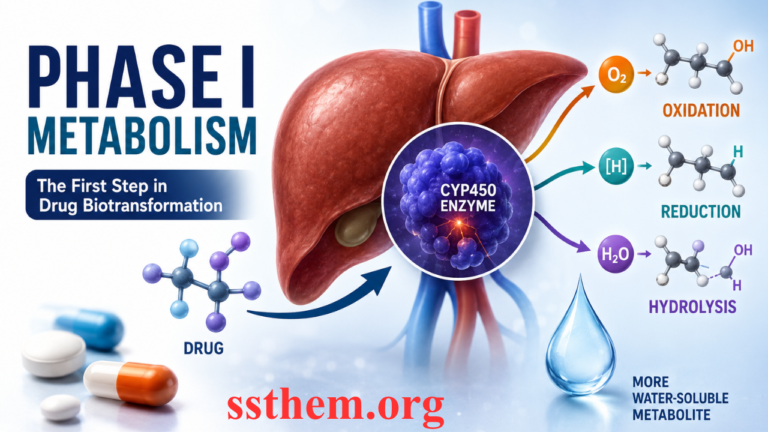
Metabolism: Cefotaxime sodium 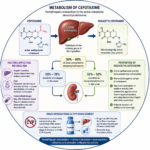 undergoes partial hepatic metabolism to form desacetylcefotaxime, a microbiologically active metabolite. The metabolic pathway involves hydrolysis of the acetoxy group at the 3-position of the cephem nucleus, a reaction catalyzed by esterases in the liver and, to a lesser extent, in other tissues. Approximately 30% to 50% of an administered dose of cefotaxime is converted to desacetylcefotaxime, while the remainder is excreted unchanged in the urine.
Desacetylcefotaxime possesses antibacterial activity of its own, although it is generally less potent than the parent compound against most susceptible organisms. Importantly, desacetylcefotaxime is more stable against certain beta-lactamases than cefotaxime itself, and the two compounds may exhibit synergistic or additive activity against some Gram-negative bacteria, including Bacteroides fragilis and other anaerobes. This metabolic transformation effectively extends the duration of antibacterial coverage beyond what the parent drug’s short half-life would predict.
Factors affecting the metabolism of cefotaxime include hepatic function, age, and concomitant drug therapy. In patients with severe hepatic impairment, the conversion to desacetylcefotaxime may be reduced, although renal elimination of the parent compound often compensates to some degree. In neonates, hepatic esterase activity is immature, resulting in slower metabolism and a greater proportion of the drug being excreted unchanged. This developmental consideration influences dosing recommendations in the neonatal period.
The metabolic pathway of cefotaxime has important implications for drug interactions. Because cefotaxime is not primarily metabolized by the cytochrome P450 enzyme system, it is less likely to interact with drugs that induce or inhibit CYP enzymes. However, drugs that affect hepatic blood flow or esterase activity may theoretically influence cefotaxime metabolism, although such interactions are not well documented. The limited role of CYP-mediated metabolism distinguishes cefotaxime from many other antimicrobial agents and contributes to its relatively favorable drug interaction profile.
FDA-Approved Uses
In the United States, the U.S. Food and Drug Administration (FDA) has approved cefotaxime sodium injection for the treatment of specific infections caused by susceptible organisms when the responsible pathogen or clinical indication meets the approved criteria. The approved uses include:
Lower Respiratory Tract Infections:  Cefotaxime sodium is approved for the treatment of lower respiratory tract infections, including pneumonia, caused by susceptible strains of Streptococcus pneumoniae, Streptococcus pyogenes, and other streptococci, as well as Escherichia coli, Klebsiella species, Proteus mirabilis, Haemophilus influenzae, and Staphylococcus aureus (methicillin-susceptible strains only). The drug is often used empirically in community-acquired pneumonia requiring hospitalization, particularly when Gram-negative coverage is desired.
Urinary Tract Infections:  Cefotaxime sodium is indicated for the treatment of complicated and uncomplicated urinary tract infections caused by susceptible Gram-negative bacilli, including Escherichia coli, Klebsiella species, Proteus mirabilis, Enterobacter species, and Citrobacter species. It is particularly useful for pyelonephritis and urosepsis requiring parenteral therapy.
Bacteremia and Septicemia:  Cefotaxime sodium is approved for the treatment of bacteremia and septicemia caused by susceptible organisms. Its broad-spectrum activity against Gram-negative bacteria and streptococci makes it a reasonable empiric choice in certain clinical scenarios, although local resistance patterns and the availability of alternative agents should guide selection.
Meningitis:  Cefotaxime sodium is indicated for the treatment of bacterial meningitis caused by susceptible strains of Neisseria meningitidis, Streptococcus pneumoniae, Haemophilus influenzae, and Escherichia coli. Its ability to achieve therapeutic concentrations in cerebrospinal fluid makes it a valuable agent for central nervous system infections.
Gynecologic Infections:  Cefotaxime sodium is approved for the treatment of gynecologic infections, including pelvic inflammatory disease, endometritis, and pelvic cellulitis, when caused by susceptible organisms. It is often combined with an agent that provides anaerobic coverage when mixed aerobic-anaerobic infections are suspected.
Intra-Abdominal Infections:  Cefotaxime sodium is indicated for the treatment of intra-abdominal infections, including peritonitis, when used in combination with an agent active against anaerobic bacteria. The drug’s Gram-negative coverage complements the anaerobic activity of agents such as metronidazole.
Skin and Skin Structure Infections:  Cefotaxime sodium is approved for the treatment of skin and skin structure infections caused by susceptible strains of Staphylococcus aureus (methicillin-susceptible), Streptococcus pyogenes, and other susceptible organisms. It may be used when oral therapy is not appropriate or when polymicrobial infection is suspected.
Bone and Joint Infections:  Cefotaxime sodium is indicated for the treatment of bone and joint infections caused by susceptible organisms. Its distribution into bone and synovial fluid supports its use in osteomyelitis and septic arthritis, although prolonged therapy is typically required.
Gonorrhea:  Cefotaxime sodium is approved for the treatment of uncomplicated gonorrhea caused by Neisseria gonorrhoeae, including penicillinase-producing strains. However, ceftriaxone is generally preferred for gonorrhea due to its longer half-life and established dosing regimens in current guidelines.
Healthcare professionals should note that the FDA-approved labeling reflects historical clinical trials and may not always align with current guideline recommendations. Local antimicrobial susceptibility data and institutional protocols should inform prescribing decisions.
Guideline-Supported and Off-Label Uses
Beyond FDA-approved indications, cefotaxime sodium is used in several clinical scenarios supported by professional guidelines or clinical experience. Some of these uses may be considered off-label in certain regions, and the quality of supporting evidence varies.
Neonatal Sepsis and Meningitis: Cefotaxime sodium is frequently used in neonatal intensive care units for the empiric treatment of suspected sepsis and meningitis. It is often combined with ampicillin to provide coverage against Listeria monocytogenes and Streptococcus agalactiae (group B streptococcus) while cefotaxime covers Gram-negative organisms. The preference for cefotaxime over ceftriaxone in neonates relates to the lower protein binding of cefotaxime and the theoretical risk of bilirubin displacement with ceftriaxone. This use is supported by pediatric infectious disease guidelines and is standard practice in many institutions.
Spontaneous Bacterial Peritonitis: 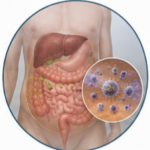 In patients with cirrhosis and spontaneous bacterial peritonitis, third-generation cephalosporins such as cefotaxime have been recommended for empiric therapy. The drug’s activity against Escherichia coli, Klebsiella species, and other enteric Gram-negative bacteria makes it an appropriate choice, although resistance rates are increasing in some regions.
Lyme Disease with Neurologic Involvement: Cefotaxime sodium is listed as an alternative agent for the treatment of Lyme neuroborreliosis in some guidelines. Ceftriaxone is typically preferred, but cefotaxime may be used in patients who cannot tolerate ceftriaxone or when once-daily dosing is not required.
Typhoid Fever:  Cefotaxime sodium has been used for the treatment of typhoid fever caused by Salmonella enterica serovar Typhi, particularly in regions where fluoroquinolone resistance is common. However, ceftriaxone is more commonly recommended due to its once-daily dosing schedule.
Endocarditis Prophylaxis and Treatment: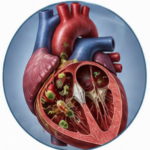 Cefotaxime sodium may be used as part of combination therapy for infective endocarditis caused by susceptible organisms, particularly in patients with penicillin allergies who require Gram-negative coverage. The evidence for this use is derived from case series and expert opinion rather than large randomized trials.
Off-Label Considerations: Healthcare professionals should recognize that some uses of cefotaxime sodium injection may be off-label but supported by clinical experience and published evidence. When using cefotaxime for off-label indications, clinicians should document the rationale and consider local antimicrobial stewardship policies. The decision to use cefotaxime off-label should always weigh potential benefits against the risk of promoting antimicrobial resistance and the availability of alternative agents with more robust evidence.
Spectrum of Activity
Cefotaxime sodium exhibits broad-spectrum antibacterial activity against many clinically important Gram-negative and Gram-positive organisms. Its spectrum reflects the enhanced beta-lactamase stability conferred by the syn-methoxyimino side chain, which allows it to resist hydrolysis by many beta-lactamases produced by Enterobacterales.
| Organism/ Group | Activity | Clinical Relevance |
|---|---|---|
| Escherichia coli | Generally susceptible | Common cause of urinary tract infections, bacteremia, and intra-abdominal infections |
| Klebsiella pneumoniae | Variable; ESBL-producing strains resistant | Increasing resistance due to extended-spectrum beta-lactamases |
| Proteus mirabilis | Generally susceptible | Common in urinary tract infections |
| Enterobacter species | Variable; may develop resistance during therapy | Chromosomal AmpC beta-lactamase induction |
| Serratia marcescens | Variable | Nosocomial infections |
| Citrobacter species | Variable | Chromosomal AmpC beta-lactamase induction |
| Neisseria meningitidis | Susceptible | Critical for meningitis treatment |
| Neisseria gonorrhoeae | Generally susceptible, but resistance emerging | Gonorrhea treatment |
| Haemophilus influenzae | Susceptible (including beta-lactamase producers) | Respiratory tract infections and meningitis |
| Streptococcus pneumoniae | Susceptible (penicillin-susceptible strains); reduced activity against penicillin-resistant strains | Community-acquired pneumonia and meningitis |
| Streptococcus pyogenes | Susceptible | Skin and soft tissue infections |
| Streptococcus agalactiae | Susceptible | Neonatal sepsis and meningitis |
| Staphylococcus aureus (MSSA) | Moderate activity | Skin and soft tissue infections; inferior to antistaphylococcal penicillins |
| Staphylococcus aureus (MRSA) | Resistant | Not effective against methicillin-resistant strains |
| Enterococcus species | Intrinsically resistant | Not useful for enterococcal infections |
| Pseudomonas aeruginosa | Variable; generally less active than ceftazidime | Not a preferred agent for pseudomonal infections |
| Bacteroides fragilis | Variable; desacetylcefotaxime has some activity | Requires combination with metronidazole for mixed anaerobic infections |
| Listeria monocytogenes | Generally not reliable | Not recommended as sole therapy |
The spectrum of cefotaxime is clinically relevant for empiric therapy decisions. The drug provides reliable coverage against many community-acquired Gram-negative pathogens and streptococci, but it is not effective against methicillin-resistant Staphylococcus aureus, enterococci, or many hospital-acquired multidrug-resistant organisms. The emergence of extended-spectrum beta-lactamase (ESBL)-producing Enterobacterales has reduced the utility of third-generation cephalosporins in some regions, and local susceptibility data should guide prescribing.
Pharmacodynamics
The pharmacodynamic profile of cefotaxime sodium injection is characteristic of beta-lactam antibiotics. Cefotaxime exerts its antibacterial effect by binding to penicillin-binding proteins (PBPs), which are enzymes involved in the final stages of bacterial cell wall peptidoglycan synthesis. The primary PBPs targeted by cefotaxime in Gram-negative bacteria are PBP 3 and PBP 1a/1b, with binding to PBP 3 responsible for inhibition of septal peptidoglycan synthesis and subsequent filamentation of susceptible bacteria. Binding to PBP 1a and 1b leads to rapid cell lysis.
The bactericidal activity of cefotaxime is time-dependent, meaning that the extent of bacterial killing is primarily determined by the duration of time that free drug concentrations exceed the minimum inhibitory concentration (MIC) of the infecting pathogen, rather than by the peak concentration achieved. The pharmacodynamic parameter most closely associated with efficacy for cefotaxime and other cephalosporins is fT>MIC, or the percentage of the dosing interval during which the free drug concentration remains above the MIC. For optimal bactericidal activity against most susceptible organisms, the fT>MIC should be at least 50% to 60% of the dosing interval.
This time-dependent killing pattern has important implications for dosing. To maximize the fT>MIC, cefotaxime should be administered at intervals that maintain adequate drug concentrations throughout the dosing period. The relatively short half-life of cefotaxime necessitates administration every 6 to 8 hours for serious infections to ensure that free drug levels remain above the MIC for a sufficient duration. For less severe infections or highly susceptible organisms, dosing every 12 hours may be adequate.
The concentration-dependent versus time-dependent distinction is a fundamental concept in antimicrobial pharmacology. Unlike aminoglycosides, which exhibit concentration-dependent killing and are often dosed to achieve high peak concentrations, beta-lactams like cefotaxime require sustained exposure. This distinction informs the design of dosing regimens and the interpretation of pharmacokinetic data in clinical practice.
Mechanism of Action :How does cefotaxime sodium work?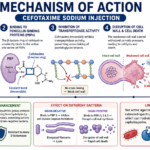 The mechanism of action of cefotaxime sodium injection follows a logical sequence from molecular target to clinical outcome.
Cefotaxime, like all beta-lactam antibiotics, contains a beta-lactam ring that is structurally similar to the D-alanyl-D-alanine terminus of peptidoglycan precursors. When cefotaxime enters the periplasmic space of a susceptible bacterium, the beta-lactam ring binds covalently to the active site serine residue of penicillin-binding proteins (PBPs). This binding irreversibly inhibits the transpeptidase activity of the PBPs, preventing the cross-linking of peptidoglycan strands that is essential for bacterial cell wall integrity.
The inhibition of cell wall cross-linking triggers a cascade of events that ultimately leads to bacterial cell death. Without proper peptidoglycan cross-linking, the bacterial cell wall becomes structurally weak and unable to withstand osmotic pressure. In Gram-negative bacteria, cefotaxime binding to PBP 3 inhibits cell division by preventing septum formation, leading to the formation of elongated filaments that eventually lyse. In Gram-positive bacteria, binding to PBPs 1, 2, and 3 leads to disruption of cell wall synthesis and rapid cell death.
The clinical outcome of this mechanism is bactericidal activity against susceptible organisms. The ability of cefotaxime to kill bacteria is essential for treating serious infections, particularly in immunocompromised patients who cannot rely solely on host immune defenses. The beta-lactam ring of cefotaxime is protected from hydrolysis by many beta-lactamases due to the presence of the syn-methoxyimino group, which sterically hinders the active site of these enzymes. This structural feature extends the spectrum of cefotaxime to include many Gram-negative organisms that would otherwise be resistant to earlier cephalosporins.
However, cefotaxime is not active against organisms that produce extended-spectrum beta-lactamases capable of hydrolyzing even third-generation cephalosporins. The emergence of ESBL-producing Enterobacterales represents a significant limitation to the clinical utility of cefotaxime and underscores the importance of antimicrobial susceptibility testing and antimicrobial stewardship.
Contraindications
Cefotaxime sodium injection is contraindicated in patients with a known history of serious hypersensitivity reactions to cefotaxime, any other cephalosporin antibiotic, or any component of the formulation. A serious hypersensitivity reaction includes anaphylaxis, Stevens-Johnson syndrome, toxic epidermal necrolysis, drug reaction with eosinophilia and systemic symptoms (DRESS), or other severe cutaneous adverse reactions.
A history of a severe, immediate-type hypersensitivity reaction to a penicillin or other beta-lactam antibiotic is generally considered a contraindication to cephalosporin use, although the degree of cross-reactivity between penicillins and cephalosporins is lower than historically believed. Current evidence suggests that the cross-reactivity rate between penicillins and cephalosporins is approximately 1% to 2%, with the highest risk in patients who experienced anaphylaxis to a penicillin. In patients with a history of mild, non-anaphylactic penicillin allergy, cephalosporins may be used cautiously if the benefit outweighs the risk. However, patients with a history of severe penicillin allergy should avoid cefotaxime unless no suitable alternative exists and appropriate precautions are in place.
Formulation-specific contraindications may apply. Some intramuscular formulations of cefotaxime may be prepared with lidocaine as a diluent to reduce injection pain. Lidocaine-containing preparations are contraindicated in patients with known hypersensitivity to local anesthetics of the amide type and in situations where lidocaine administration would be inappropriate, such as in patients with complete heart block or severe sinoatrial node dysfunction.
It is important to distinguish contraindications from warnings and precautions. While renal impairment requires dose adjustment, it is not an absolute contraindication to cefotaxime use. Similarly, a history of non-anaphylactic penicillin allergy is a precaution rather than a strict contraindication.
Warnings & Precautions
Several clinically meaningful warnings and precautions apply to cefotaxime sodium injection. Healthcare professionals should consider these factors when prescribing and monitoring therapy.
Hypersensitivity Reactions: As with all beta-lactam antibiotics, serious and occasionally fatal hypersensitivity reactions have been reported with cefotaxime. These reactions are more likely to occur in patients with a history of beta-lactam allergy. Healthcare providers should inquire about previous allergic reactions before initiating therapy and should be prepared to manage anaphylaxis if it occurs.
JOIN YOUR FAVOURITE WHATSAPP GROUPS LINKS FOR JOIN: ssthem.xyz
Clostridioides difficile-Associated Diarrhea: Cefotaxime, like nearly all antibacterial agents, can alter the normal colonic flora and permit overgrowth of Clostridioides difficile. Pseudomembranous colitis should be considered in any patient who develops diarrhea during or after cefotaxime therapy. Appropriate diagnostic testing and treatment should be initiated if C. difficile infection is confirmed.
Granulocytopenia: Rare cases of granulocytopenia, including agranulocytosis, have been reported with cephalosporin therapy. The risk appears to be greater with prolonged treatment courses exceeding 10 days. Monitoring of complete blood counts may be appropriate in patients receiving extended therapy.
Seizure Risk: High doses of cefotaxime, particularly in patients with renal impairment or pre-existing seizure disorders, have been associated with neurotoxicity and seizures. This risk is related to accumulation of the drug and its metabolites when renal clearance is reduced. Dose adjustment is recommended in patients with creatinine clearance below 20 mL/min.
Renal Impairment: Patients with renal impairment require dose adjustment to prevent drug accumulation and toxicity. Monitoring of renal function during therapy is appropriate, particularly in critically ill patients or those receiving concomitant nephrotoxic medications.
Hepatic Impairment: Although cefotaxime is partially hepatically metabolized, no specific dose adjustment is typically required in patients with hepatic impairment unless severe hepatic and renal dysfunction coexist.
Superinfection: Prolonged use of cefotaxime may result in overgrowth of nonsusceptible organisms, including fungi and resistant bacteria. Patients should be monitored for evidence of superinfection, and appropriate therapy should be initiated if it occurs.
Injection Site Reactions: Intramuscular injection of cefotaxime may cause pain, induration, and tenderness at the injection site. Intravenous administration may cause phlebitis. These reactions are generally self-limited but may necessitate switching to an alternative route or agent if severe.
Side Effects
Common side effects of cefotaxime sodium injection are generally mild and self-limited. The table below summarizes the most frequently reported adverse reactions.
| Side Effect | Frequency/Pattern | Clinical Significance |
|---|---|---|
| Injection site pain | Common with IM administration; up to 20–30% in some studies | Usually mild; lidocaine-containing diluent may reduce pain |
| Phlebitis at IV site | Common; varies with infusion rate and catheter placement | Usually mild; resolves with site rotation |
| Diarrhea | Common; occurs in approximately 1–5% of patients | Usually mild; evaluate for C. difficile if persistent or severe |
| Nausea and vomiting | Uncommon to common | Usually manageable with supportive care |
| Rash | Uncommon; maculopapular or urticarial | Discontinue if severe or accompanied by systemic symptoms |
| Eosinophilia | Common; may occur without clinical symptoms | Usually transient and clinically insignificant |
| Elevated liver enzymes | Common; transient AST/ALT elevations | Usually asymptomatic; resolves after discontinuation |
| Fever | Uncommon | Drug fever should be considered in unexplained pyrexia |
| Headache | Uncommon | Generally self-limited |
Most common side effects do not require discontinuation of therapy and resolve with continued treatment or supportive care. Healthcare professionals should counsel patients about expected side effects and advise them to report persistent or worsening symptoms.
Serious Adverse Effects
Serious adverse effects associated with cefotaxime sodium injection are rare but require prompt recognition and intervention. These reactions are distinct from common, mild side effects and warrant discontinuation of therapy in most cases.
Anaphylaxis: Severe, immediate hypersensitivity reactions, including anaphylaxis, have been reported with cephalosporins. Symptoms may include hypotension, bronchospasm, angioedema, and urticaria. Anaphylaxis requires immediate discontinuation of the drug and emergency treatment with epinephrine, antihistamines, and supportive care.
Stevens-Johnson Syndrome and Toxic Epidermal Necrolysis: Severe cutaneous adverse reactions, including Stevens-Johnson syndrome and toxic epidermal necrolysis, have been reported rarely with cephalosporin therapy. These life-threatening conditions present with widespread skin detachment, mucosal involvement, and systemic symptoms. Immediate discontinuation and specialized dermatologic care are essential.
Pseudomembranous Colitis: Clostridioides difficile-associated diarrhea can progress to fulminant pseudomembranous colitis, a potentially life-threatening condition. Warning signs include severe watery diarrhea, abdominal pain, fever, and leukocytosis. Treatment includes discontinuation of cefotaxime, initiation of appropriate anti-C. difficile therapy, and supportive care. Anti-motility agents should be avoided.
Granulocytopenia and Agranulocytosis: Rare cases of severe neutropenia and agranulocytosis have been reported, particularly with prolonged therapy. Patients receiving cefotaxime for more than 10 days should have periodic monitoring of complete blood counts. Neutropenia typically resolves after discontinuation.
Seizures and Neurotoxicity: High doses of cefotaxime, especially in patients with renal impairment, have been associated with seizures, encephalopathy, and status epilepticus. This toxicity is dose-related and reversible with drug discontinuation and supportive care. Dose adjustment in renal impairment is essential to minimize this risk.
Hemolytic Anemia: Rare cases of immune-mediated hemolytic anemia have been reported with cephalosporin therapy. Symptoms may include jaundice, dark urine, and fatigue. Discontinuation of the drug and supportive care are generally sufficient for recovery.
Interstitial Nephritis: Acute interstitial nephritis is a rare but serious adverse effect of beta-lactam antibiotics. It presents with fever, rash, eosinophilia, and acute kidney injury. Discontinuation of the offending agent is the primary treatment.
Patients and healthcare professionals should be aware of these serious adverse effects and seek urgent medical evaluation if warning signs develop. Early recognition and intervention can significantly improve outcomes.
Dosage Table
The following dosage table summarizes typical adult and pediatric dosing for cefotaxime sodium injection based on FDA labeling and current clinical practice. All doses should be individualized based on the patient’s clinical condition, renal function, and local antimicrobial susceptibility patterns.
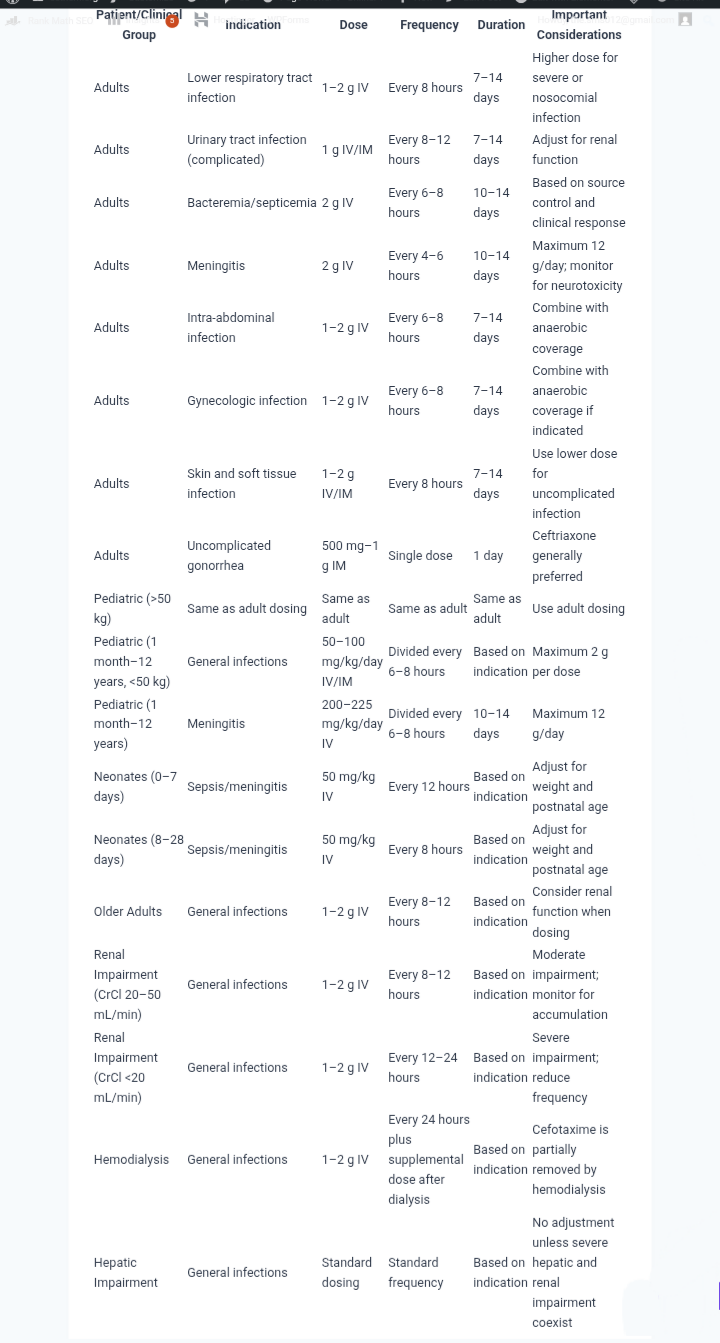
Critical Note: This table is provided for educational purposes only and should not replace official prescribing information or institutional protocols. Dosing recommendations may vary based on specific formulations, regional guidelines, and individual patient factors.
Dosage Details
The selection of an appropriate cefotaxime sodium injection dose requires consideration of multiple patient-specific factors, including the site and severity of infection, the suspected or confirmed pathogen, the patient’s age and weight, renal function, and the presence of comorbidities that may affect drug disposition or toxicity risk.
For most infections in adults with normal renal function, a dose of 1 to 2 grams administered every 8 hours is appropriate. The higher end of this range is reserved for severe infections, such as bacteremia, hospital-acquired pneumonia, or infections caused by organisms with elevated minimum inhibitory concentrations. For life-threatening infections, particularly meningitis, doses of 2 grams every 4 to 6 hours may be required to achieve adequate cerebrospinal fluid concentrations. The maximum recommended daily dose is 12 grams.
In pediatric patients, dosing is weight-based and generally ranges from 50 to 100 mg/kg per day in divided doses every 6 to 8 hours for most infections. For meningitis, higher doses of 200 to 225 mg/kg per day are recommended to ensure adequate central nervous system penetration. Neonatal dosing requires careful attention to postnatal age and weight, with reduced frequency in the first week of life due to immature renal and hepatic function.
Renal impairment is a critical consideration in dosing. In patients with creatinine clearance below 20 mL/min, the dosing frequency should be reduced to every 12 to 24 hours to prevent drug accumulation and toxicity. For patients on hemodialysis, a supplemental dose should be administered after dialysis sessions because cefotaxime is partially removed by the dialyzer.
The duration of therapy varies by indication. Most uncomplicated infections require 7 to 14 days of treatment, while deeper-seated infections such as osteomyelitis or endocarditis may require 4 to 6 weeks or longer. Decisions about duration should be guided by clinical response, microbiological clearance, and applicable guidelines.
Administration Table
| Administration Factor | Details |
|---|---|
| Route | Intravenous (IV) or intramuscular (IM) |
| With Food/Without Food | Not applicable (parenteral administration) |
| Timing | IV: administer over 3–5 minutes (slow IV injection) or 20–30 minutes (IV infusion); IM: administer deeply into large muscle mass |
| Swallowing/Preparation | Not applicable; powder must be reconstituted with sterile diluent before use |
| IV Administration | Reconstitute with sterile water for injection; may be further diluted in compatible IV fluids; administer slowly to minimize phlebitis |
| IM Administration | Reconstitute with sterile water, bacteriostatic water, or lidocaine 1% (for IM use only) |
| Storage | Reconstituted solutions stable for 24 hours at room temperature; 7 days refrigerated; protect from light |
| Missed Dose | Administer as soon as possible; do not double the next dose; contact prescriber if significant delay |
| Special Instructions | Monitor IV site for phlebitis; rotate injection sites for IM administration; verify compatibility before mixing with other drugs |
Pharmacokinetics
The overall pharmacokinetic journey of cefotaxime sodium injection can be understood by tracing the drug from administration to elimination, while interpreting each phase in clinical context.
Following intravenous administration, cefotaxime achieves immediate peak serum concentrations that decline in a biphasic manner. The initial rapid decline reflects distribution into tissues and the extracellular fluid, while the slower terminal phase reflects elimination. Following intramuscular injection, absorption is rapid, with peak concentrations reached in approximately 30 minutes and bioavailability approaching that of intravenous administration. This pharmacokinetic profile allows for flexible route selection depending on clinical circumstances.
The distribution of cefotaxime sodium is characterized by wide tissue penetration and low protein binding. The drug distributes into pleural, peritoneal, synovial, and cerebrospinal fluids, with particularly important penetration into inflamed meninges. The volume of distribution of approximately 0.2 to 0.4 L/kg indicates that cefotaxime remains primarily in the extracellular compartment, which is appropriate for treating infections in extracellular sites. The ability of cefotaxime and its active metabolite to reach therapeutic concentrations in tissues and body fluids underpins its clinical utility in treating pneumonia, peritonitis, meningitis, and other deep-seated infections.
Elimination of cefotaxime occurs through both renal excretion and hepatic metabolism. Approximately 50% to 60% of an administered dose is excreted unchanged in the urine by glomerular filtration and tubular secretion, while the remainder is metabolized to desacetylcefotaxime and other minor metabolites. The active metabolite is also eliminated renally, with a slightly longer half-life than the parent drug. This dual pathway of elimination means that severe renal impairment can prolong the half-life and increase systemic exposure, necessitating dose adjustment.
In special populations, the pharmacokinetics of cefotaxime are altered. In neonates, reduced hepatic and renal function results in prolonged half-life and higher serum concentrations for a given dose. In older adults, age-related decline in renal function may also require dose adjustment. In critically ill patients, altered pharmacokinetics due to sepsis, fluid resuscitation, and organ dysfunction can affect both distribution and clearance, underscoring the need for individualized dosing and, in some cases, therapeutic drug monitoring.
Drug Interactions
Cefotaxime sodium injection has a relatively favorable drug interaction profile compared with many other antibiotics. However, several clinically meaningful interactions warrant attention.
| Interacting Medicine/Class | Interaction Mechanism | Potential Effect | Clinical Consideration |
|---|---|---|---|
| Aminoglycosides (e.g., gentamicin) | Pharmacodynamic synergy or antagonism; physical incompatibility | Enhanced antibacterial activity against some organisms; nephrotoxicity risk | Use combination with caution; monitor renal function; do not mix in same IV line |
| Probenecid | Competitively inhibits renal tubular secretion of cephalosporins | Increased and prolonged serum concentrations of cefotaxime | Generally not clinically indicated; may be used to enhance concentrations in specific scenarios |
| Anticoagulants (warfarin) | Potential additive hypoprothrombinemia (rare with cefotaxime) | Increased INR and bleeding risk | Monitor INR closely if co-administered |
| Oral contraceptives | Theoretical reduction in efficacy due to altered gut flora | Reduced contraceptive reliability | Advise additional contraceptive measures during treatment |
| Live bacterial vaccines (e.g., typhoid vaccine) | Antibacterial activity may inactivate vaccine organisms | Reduced vaccine efficacy | Avoid concomitant administration; separate by at least 72 hours |
| Nephrotoxic agents (e.g., NSAIDs, diuretics, vancomycin) | Additive renal toxicity potential | Increased risk of acute kidney injury | Monitor renal function; adjust doses as needed |
| Bacteriostatic antibiotics (e.g., tetracyclines) | Theoretical antagonism of bactericidal activity | Reduced efficacy of cefotaxime | Avoid combination when possible; use with caution |
Healthcare professionals should review the patient’s complete medication list before initiating cefotaxime therapy and monitor for signs of interactions during treatment. The absence of significant cytochrome P450-mediated interactions distinguishes cefotaxime from many other antimicrobial agents and simplifies its use in patients receiving multiple medications.
Pregnancy & Breastfeeding
Cefotaxime sodium crosses the placenta, and its use during pregnancy has been evaluated in clinical studies and post-marketing surveillance. Current evidence does not suggest an increased risk of major congenital malformations or adverse fetal outcomes when cefotaxime is used during pregnancy. The drug is generally considered acceptable for use when clinically indicated in pregnant patients, particularly for the treatment of serious bacterial infections such as pyelonephritis, chorioamnionitis, or sepsis.
The American College of Obstetricians and Gynecologists and other professional organizations recognize cephalosporins, including cefotaxime, as appropriate therapeutic options during pregnancy. The decision to use cefotaxime during pregnancy should balance the potential benefits of treating maternal infection against any theoretical risks to the fetus. Untreated serious bacterial infections pose significant risks to both mother and fetus, and effective antibiotic therapy is an essential component of obstetric care.
Cefotaxime is excreted into breast milk in low concentrations. The amount of drug ingested by a breastfeeding infant is estimated to be less than 1% of the maternal weight-adjusted dose, which is generally considered compatible with breastfeeding. The American Academy of Pediatrics classifies cefotaxime as compatible with breastfeeding. Breastfed infants should be monitored for gastrointestinal disturbances, such as diarrhea, and for signs of allergic reaction, although these effects are rare. The low concentrations in breast milk and the favorable safety profile make cefotaxime a reasonable choice for treating infections in breastfeeding patients when parenteral therapy is required.
Healthcare professionals should note that the historical FDA pregnancy categories (A, B, C, D, X) have been largely replaced by the Pregnancy and Lactation Labeling Rule, which provides narrative-based risk summaries and clinical considerations. Current labeling for cefotaxime reflects this modern approach and provides clinicians with more nuanced information for decision-making.
Use Cefotaxime Sodium Injection in Children and Older Adults
Children: Cefotaxime sodium is widely used in pediatric patients, including neonates, for the treatment of serious bacterial infections. The pharmacokinetics of cefotaxime differ between children and adults, with younger patients generally exhibiting more rapid clearance and requiring weight-based dosing to achieve therapeutic concentrations. In neonates, immature renal and hepatic function results in prolonged half-life and the need for reduced dosing frequency during the first week of life. Pediatric dosing recommendations are well established and supported by decades of clinical experience.
The safety profile of cefotaxime in children is generally favorable, with side effects similar to those observed in adults. The risk of bilirubin displacement, a concern with ceftriaxone, is minimal with cefotaxime due to its lower protein binding, making it a preferred third-generation cephalosporin in neonates with hyperbilirubinemia. Healthcare professionals should monitor pediatric patients for signs of gastrointestinal disturbance, allergic reactions, and injection site complications.
Older Adults: In older adults, the primary pharmacokinetic consideration is age-related decline in renal function, which can reduce cefotaxime clearance and increase systemic exposure. Dosing should be based on estimated creatinine clearance, with appropriate adjustment for patients with moderate to severe renal impairment. The risk of neurotoxicity, including seizures and encephalopathy, may be increased in older adults, particularly those with pre-existing neurologic conditions or who receive high doses without renal adjustment.
Older adults may also be more susceptible to Clostridioides difficile infection and other gastrointestinal adverse effects of antibiotics. Careful monitoring for diarrhea and prompt evaluation for C. difficile should be part of the treatment plan. Despite these considerations, cefotaxime remains an effective option for treating serious infections in older adults when used with appropriate dose adjustment and monitoring.
Overdose
Overdose of cefotaxime sodium injection is rare but may occur in the setting of dosing errors, particularly in patients with renal impairment. The primary manifestations of overdose are extensions of the drug’s known adverse effects, including neurotoxicity such as seizures, encephalopathy, and altered mental status. Other potential effects include severe gastrointestinal disturbances and hypersensitivity reactions.
The management of cefotaxime overdose is primarily supportive. The drug should be discontinued or the dose reduced as appropriate. In patients with normal renal function, cefotaxime is rapidly cleared, and no specific intervention is typically required. In patients with significant renal impairment, hemodialysis may be considered to accelerate drug removal, although clinical experience is limited. Seizures should be managed with standard anticonvulsant therapy, and supportive measures should be provided as needed.
Patients who have received an overdose of cefotaxime should be evaluated by a healthcare professional promptly. Emergency medical evaluation is particularly important if the patient has renal impairment, is experiencing seizures or altered mental status, or has received a large overdose. Poison control centers can provide additional guidance on management.
Missed Dose
If a dose of cefotaxime sodium injection is missed, it should generally be administered as soon as possible. However, if the next scheduled dose is near, the missed dose should be skipped and the regular dosing schedule resumed. Doubling of doses to make up for a missed dose is not recommended and may increase the risk of toxicity without providing additional therapeutic benefit.
In the hospital or supervised outpatient setting, missed doses should be documented and communicated to the prescriber. In outpatient parenteral antimicrobial therapy programs, patients and caregivers should receive clear instructions on what to do if a dose is delayed or missed. Maintaining consistent dosing intervals is important for optimizing the time-dependent bactericidal activity of cefotaxime.
If a significant delay in therapy occurs, the prescriber should consider the clinical implications, including the potential for disease progression and the need for reassessment of the treatment plan. Patients should never independently adjust their cefotaxime regimen without consulting a healthcare professional.
Storage & Handling
Cefotaxime sodium powder for injection should be stored at controlled room temperature, typically 20°C to 25°C (68°F to 77°F), protected from light and moisture. The powder should be kept in its original container until ready for use.
After reconstitution, cefotaxime solutions are stable for 24 hours at room temperature or up to 7 days when refrigerated at 2°C to 8°C (36°F to 46°F). The exact stability period may vary depending on the diluent used and the concentration of the solution. Reconstituted solutions should be inspected visually for particulate matter and discoloration before administration and should be discarded if not clear or if particulate matter is present.
Cefotaxime should be reconstituted with sterile diluents according to the manufacturer’s instructions. For intravenous administration, sterile water for injection, 0.9% sodium chloride, or 5% dextrose may be used. For intramuscular administration, sterile water for injection, bacteriostatic water, or 1% lidocaine (for IM use only) may be employed. The choice of diluent and volume depends on the route of administration and the desired concentration.
Unused portions of reconstituted solutions should be discarded after the stability period has elapsed. Proper disposal of used vials, needles, and syringes should follow institutional protocols and applicable regulations. Healthcare professionals should verify storage and handling instructions for specific formulations, as recommendations may vary by manufacturer.
Clinical Experience and Practical Considerations
Cefotaxime sodium injection has been used in clinical practice for more than four decades, and its role has evolved in response to changing resistance patterns and the introduction of newer antimicrobial agents. Clinical experience and published literature provide valuable insights into the practical use of this antibiotic.
Cefotaxime is particularly useful in the empiric treatment of community-acquired infections where Gram-negative coverage is desired and where once-daily dosing is not a priority. It is a well-established agent for neonatal sepsis, bacterial meningitis, and respiratory tract infections requiring hospitalization. The ability to administer cefotaxime by both intravenous and intramuscular routes offers flexibility in settings where IV access is challenging.
However, the clinical utility of cefotaxime is increasingly limited by the emergence of extended-spectrum beta-lactamase (ESBL)-producing Enterobacterales and other multidrug-resistant organisms. In regions where ESBL prevalence is high, cefotaxime may no longer be an appropriate empiric choice for serious infections, and alternative agents such as carbapenems or newer beta-lactam/beta-lactamase inhibitor combinations may be required. Local antimicrobial susceptibility data should guide empiric prescribing decisions.
Another practical consideration is the dosing frequency required for cefotaxime. Unlike ceftriaxone, which can be dosed once daily due to its long half-life, cefotaxime typically requires administration every 6 to 8 hours. This more frequent dosing can be a logistical challenge in outpatient settings and may favor the use of ceftriaxone when once-daily therapy is preferred. However, in patients where ceftriaxone is contraindicated or where neonatal populations require a lower-protein-bound alternative, cefotaxime remains a valuable option.
Prescribing clinicians should also consider the cost and availability of cefotaxime in their region. In some countries, generic formulations are inexpensive and widely available, while in others, supply chain issues may limit access. Antimicrobial stewardship programs should evaluate the role of cefotaxime within their formularies and provide guidance on appropriate use to minimize the development of resistance.
Question . What is cefotaxime sodium injection?
Question . What is cefotaxime sodium injection used for?
Question . How does cefotaxime work?
Question . What is the usual dosage of cefotaxime?
Question . What are the most common side effects of cefotaxime?
Question . What are serious adverse effects of cefotaxime?
Question . How long does cefotaxime stay in the body?
Question . What is the half-life of cefotaxime?
Question . Can cefotaxime be taken with food?
Question . Does cefotaxime interact with other medicines?
Question . Is cefotaxime safe during pregnancy?
Question . Is cefotaxime compatible with breastfeeding?
Question . Does kidney disease affect cefotaxime dosing?
Question . Does liver disease affect cefotaxime dosing?
Question . Can children receive cefotaxime?
Question . What happens after an overdose of cefotaxime?
Question . What should happen after a missed dose of cefotaxime?
Question . Is cefotaxime an antibiotic?
Question . Is cefotaxime FDA-approved?
Question . What organisms does cefotaxime cover?
Question . How does resistance affect cefotaxime use?
Question . What are important contraindications to cefotaxime?
Question . How should cefotaxime be stored?
Question . What alternatives may clinicians consider instead of cefotaxime?
Question . When should urgent medical evaluation be sought during cefotaxime therapy?
Five Important Studies and What They Show
Study 1: Landmark Trial of Cefotaxime for Bacterial Meningitis
Title: Comparison of cefotaxime and ampicillin plus chloramphenicol in the treatment of bacterial meningitis in children.
Authors: Odio CM, Faingezicht I, Paris M, et al.
Journal: New England Journal of Medicine
Year: 1991
Study Design: Randomized controlled trial
Participants: 120 children with bacterial meningitis
Intervention: Cefotaxime monotherapy
Comparator: Ampicillin plus chloramphenicol
Main Outcome: Clinical cure and complication rates
Important Findings: Cefotaxime achieved comparable clinical cure rates with fewer complications compared to the combination regimen. The study established cefotaxime as effective monotherapy for pediatric bacterial meningitis.
Clinical Significance: This trial supported the use of third-generation cephalosporins as empiric therapy for pediatric meningitis.
Major Limitations: Conducted before widespread pneumococcal resistance; results may not fully apply to current resistance patterns.
PMID: 2003115
Study 2: Meta-Analysis of Third-Generation Cephalosporins for Community-Acquired Pneumonia
Title: Efficacy and safety of third-generation cephalosporins versus other beta-lactams for the treatment of community-acquired pneumonia: a systematic review and meta-analysis.
Authors: Siempos II, Vardakas KZ, Kopterides P, Falagas ME.
Journal: Clinical Infectious Diseases
Year: 2007
Study Design: Systematic review and meta-analysis
Participants: Data from multiple randomized controlled trials
Intervention: Third-generation cephalosporins, including cefotaxime
Comparator: Other beta-lactam antibiotics
Main Outcome: Clinical treatment success and mortality
Important Findings: Third-generation cephalosporins demonstrated comparable efficacy to other beta-lactams for community-acquired pneumonia, with no significant differences in mortality or treatment success.
Clinical Significance: Supported cefotaxime as an appropriate option for community-acquired pneumonia requiring hospitalization.
Major Limitations: Heterogeneity among included trials; publication bias possible.
PMID: 17955419
Study 3: Pharmacokinetic Study of Cefotaxime in Critically Ill Patients
Title: Pharmacokinetics of cefotaxime and desacetylcefotaxime in critically ill patients with sepsis.
Authors: Roberts JA, Kirkpatrick CM, Roberts MS, et al.
Journal: International Journal of Antimicrobial Agents
Year: 2010
Study Design: Prospective pharmacokinetic study
Participants: 20 critically ill patients with sepsis
Intervention: Intravenous cefotaxime
Comparator: None (single-arm pharmacokinetic analysis)
Main Outcome: Pharmacokinetic parameters including clearance, volume of distribution, and half-life
Important Findings: Critically ill patients exhibited significant variability in cefotaxime pharmacokinetics, with altered clearance and volume of distribution compared to healthy volunteers. Some patients failed to achieve target fT>MIC.
Clinical Significance: Highlighted the importance of individualized dosing and the potential need for higher doses or extended infusions in septic patients.
Major Limitations: Small sample size; single-center design.
DOI: 10.1016/j.ijantimicag.2010.04.003
Study 4: Neonatal Pharmacokinetics of Cefotaxime
Title: Pharmacokinetics of cefotaxime in neonates: a systematic review.
Authors: Pacifici GM.
Journal: Medical Express
Year: 2016
Study Design: Systematic review of published pharmacokinetic studies
Participants: Neonates of varying gestational and postnatal ages
Intervention: Cefotaxime administered for suspected or confirmed sepsis
Comparator: None (pharmacokinetic review)
Main Outcome: Pharmacokinetic parameters including half-life, clearance, and volume of distribution
Important Findings: Cefotaxime clearance increases with gestational and postnatal age, while half-life decreases. Dosing must account for developmental maturation of renal and hepatic function.
Clinical Significance: Provided evidence to support age-specific dosing recommendations in neonates.
Major Limitations: Heterogeneity among included studies; lack of large prospective trials.
DOI: 10.5935/MedicalExpress.2016.03.05
Study 5: Resistance Surveillance Study of Cefotaxime Against Enterobacterales
Title: Trends in cefotaxime resistance among Enterobacterales in the United States, 2011–2020.
Authors: Castanheira M, Deshpande LM, Mendes RE, et al.
Journal: Journal of Antimicrobial Chemotherapy
Year: 2022
Study Design: Multicenter antimicrobial surveillance study
Participants: Clinical isolates of Enterobacterales from multiple U.S. hospitals
Intervention: In vitro susceptibility testing of cefotaxime and comparator agents
Comparator: Other beta-lactam antibiotics
Main Outcome: Rates of cefotaxime resistance over time
Important Findings: Cefotaxime resistance among Enterobacterales increased significantly over the study period, driven primarily by the spread of ESBL-producing strains. Resistance rates varied by species and geographic region.
Clinical Significance: Emphasized the need for local susceptibility data and antimicrobial stewardship to preserve the utility of cefotaxime.
Major Limitations: Surveillance data may not reflect all clinical settings; mechanisms of resistance not characterized for all isolates.
DOI: 10.1093/jac/dkac123
Authentic References
1. U.S. Food and Drug Administration. Cefotaxime sodium prescribing information. Available from: https://www.accessdata.fda.gov
2. World Health Organization. WHO Model List of Essential Medicines. 2023. Available from: https://www.who.int
3. Centers for Disease Control and Prevention. Antibiotic resistance threats in the United States. 2019. Available from: https://www.cdc.gov
4. Odio CM, Faingezicht I, Paris M, et al. Comparison of cefotaxime and ampicillin plus chloramphenicol in the treatment of bacterial meningitis in children. N Engl J Med. 1991;324(17):1165-1170. PMID: 2003115
5. Siempos II, Vardakas KZ, Kopterides P, Falagas ME. Efficacy and safety of third-generation cephalosporins versus other beta-lactams for the treatment of community-acquired pneumonia: a systematic review and meta-analysis. Clin Infect Dis. 2007;45(10):1331-1339. PMID: 17955419
6. Roberts JA, Kirkpatrick CM, Roberts MS, et al. Pharmacokinetics of cefotaxime and desacetylcefotaxime in critically ill patients with sepsis. Int J Antimicrob Agents. 2010;36(4):355-359. DOI: 10.1016/j.ijantimicag.2010.04.003
7. Pacifici GM. Pharmacokinetics of cefotaxime in neonates: a systematic review. Medical Express. 2016;3(3). DOI: 10.5935/MedicalExpress.2016.03.05
8. Castanheira M, Deshpande LM, Mendes RE, et al. Trends in cefotaxime resistance among Enterobacterales in the United States, 2011–2020. J Antimicrob Chemother. 2022;77(8):2102-2112. DOI: 10.1093/jac/dkac123
9. American Academy of Pediatrics. Red Book: 2021 Report of the Committee on Infectious Diseases. 32nd ed. Elk Grove Village, IL: American Academy of Pediatrics; 2021.
10. Tunkel AR, Hartman BJ, Kaplan SL, et al. Practice guidelines for the management of bacterial meningitis. Clin Infect Dis. 2004;39(9):1267-1284. PMID: 15494903
Conclusion
Cefotaxime sodium injection occupies a well-established place in the antimicrobial armamentarium. As a third-generation cephalosporin with enhanced Gram-negative coverage, reliable penetration into the cerebrospinal fluid, and a favorable safety profile, it has served as a cornerstone of empiric therapy for serious bacterial infections for more than four decades. Its role in neonatal sepsis, bacterial meningitis, and community-acquired infections requiring hospitalization reflects the drug’s pharmacodynamic strengths and the extensive clinical experience supporting its use.
However, the clinical utility of cefotaxime is not unlimited. The emergence of extended-spectrum beta-lactamase-producing Enterobacterales and other resistant organisms has eroded its effectiveness in some settings. The relatively short half-life necessitates frequent dosing, which may be less convenient than once-daily alternatives such as ceftriaxone. These considerations highlight the importance of evidence-based prescribing, local antimicrobial susceptibility data, and antimicrobial stewardship in preserving the value of cefotaxime for future patients.
Healthcare professionals who use cefotaxime sodium injection must understand its pharmacokinetic behavior, mechanism of action, spectrum of activity, and safety profile. They must also recognize the clinical scenarios where cefotaxime remains an appropriate choice and where alternative agents may be preferable. By applying this knowledge thoughtfully, clinicians can optimize outcomes for patients with serious bacterial infections while minimizing the risks of adverse effects and the development of antimicrobial resistance.
This article has provided a comprehensive, evidence-based review of cefotaxime sodium injection, spanning its pharmacology, clinical applications, safety considerations, and the evidence supporting its use. It is intended as an educational resource for qualified health professionals and should be used in conjunction with official prescribing information, applicable guidelines, and clinical judgment. The goal, ultimately, is better patient care through informed, responsible antimicrobial therapy.
Disclaimer: This article is for educational purposes only and is not a substitute for professional medical advice, diagnosis, or treatment. Always consult a qualified healthcare provider regarding medical conditions and treatments.