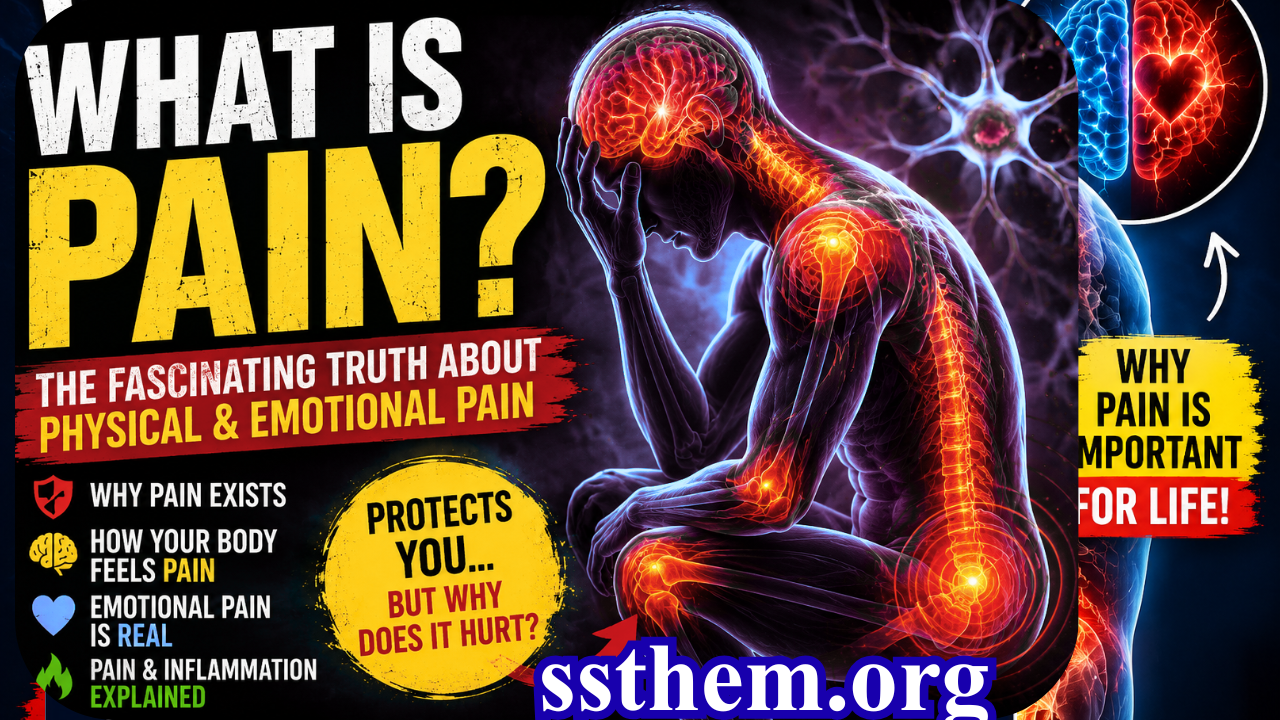
What Is Pain 6 The Shocking Truth Your Brain Doesn’t Want You to Know
What Is Pain? The Shocking Truth Your Brain Doesn’t Want You to Know
Why does one experience compel a person to withdraw from danger instantly, yet another can persist for years, destroying quality of life without any obvious tissue injury? The answer is not found in a single nerve or a simple reflex. It lives inside the brain’s remarkable ability to construct an experience from electrical signals, chemical messengers, and emotional context. Pain is not a simple alarm system. It is a sophisticated neurological symphony that can protect life—or become a disease state in its own right.
A medical student may first encounter pain as a “sensory and emotional experience” and memorize its pathways. A clinician may struggle to explain to a patient why their chronic pain persists despite normal scans. A patient may search for what is pain after being told their suffering is “all in their head.” This article moves beyond a simple definition and provides a detailed, evidence-based exploration of pain mechanisms, covering acute pain, chronic pain, neuropathic pain, inflammatory pain, nociceptive pain, pain perception, and much more.
If you are a medical student, pharmacist, nurse, physician, researcher, or an informed patient seeking clarity, this guide is designed for you. But here is the first clinical caution: this article does not replace professional diagnosis or treatment, and pain should never be self-managed without understanding its cause. The details that matter most will unfold section by section.
Before we go deeper, remember that pain physiology is not about memorizing isolated facts. It is about understanding why pain occurs, when it protects, when it becomes pathological, and what can go wrong. In the following sections, we answer those questions with evidence.
One more thing: if you are comparing pain experiences and wondering about localized pain like a severe toothache, you might be surprised by the hidden complexity. For a suspenseful look at treatment options and what actually works, explore Details about Best Medicine for Tooth Pain . But keep your focus here first—the clinical stakes are high.
Key Facts Table: Pain at a Glance
The following table summarizes the most clinically important facts about pain as a biological and psychological phenomenon. This is not a substitute for full clinical evaluation, but it provides a rapid reference for healthcare professionals and students.
| Parameter | Details |
|---|---|
| Definition | An unpleasant sensory and emotional experience associated with, or resembling that associated with, actual or potential tissue damage. |
| Primary Function | Protective mechanism alerting the organism to danger and promoting healing. |
| Detection System | Peripheral nerve endings called nociceptors detect noxious stimuli. |
| Signal Transmission | Action potentials travel via A-delta and C fibers to spinal cord, then ascend to brain. |
| Primary Components | Sensory-discriminative, affective-motivational, and cognitive-evaluative dimensions. |
| Key Neurotransmitters | Glutamate, Substance P, GABA, Endorphins, Serotonin, Norepinephrine. |
| Major Classifications | Acute, chronic, nociceptive, neuropathic, nociplastic, inflammatory, somatic, visceral, referred. |
| Central Processing Areas | Thalamus, somatosensory cortex, limbic system, insula, anterior cingulate cortex, prefrontal cortex. |
| Modulatory System | Descending pathways from brainstem can amplify or suppress incoming signals. |
| Clinical Significance | Mismanaged acute pain can transition to chronic pain, a condition with distinct pathophysiology. |
| Key Distinction | Nociception (nerve signaling) is not the same as pain (conscious perception). |
| Common Causes | Tissue injury, inflammation, nerve damage, nervous system dysfunction, psychological factors. |
| When Evaluation Is Important | Severe, persistent, or unexplained pain requires professional medical assessment. |
This table is a snapshot. Every parameter in it will be expanded in the dedicated sections below, but we will not repeat the full explanations unnecessarily.
What Is Pain? Unpacking the Body’s Vital Warning System
The International Association for the Study of Pain (IASP) provides the most widely accepted formal definition: pain is “an unpleasant sensory and emotional experience associated with, or resembling that associated with, actual or potential tissue damage.” This definition is crucial because it recognizes that pain is always a subjective experience. It is not merely a stimulus-response reflex. It is a complex perception shaped by biological, psychological, and social factors.
In clinical practice, we often use the term nociception to describe the neurophysiological process of detecting a damaging or potentially damaging stimulus. While nociception is the biological “hardware” that initiates the process, pain is the conscious “software” that interprets it. You can have nociception without pain (e.g., during general anesthesia) and, in rare cases, pain without obvious nociception (e.g., certain neuropathic pain syndromes). This distinction is foundational to understanding how the body detects danger and how the brain translates that detection into the subjective experience of suffering.
The purpose of pain is profoundly survival-oriented. It is a teacher, a guardian, and a relentless enforcer of protective behaviors. When you touch a hot stove, the immediate, sharp physical pain compels you to withdraw your hand in a fraction of a second, preventing severe tissue destruction. When you sprain an ankle, the subsequent throbbing pain and inflammation forces you to rest the joint, allowing damaged tissues to heal. For individuals born with a rare genetic condition called congenital insensitivity to pain, this protective system is broken, leading to a constant risk of unrecognized injuries, infections, and joint damage, which dramatically illustrates why pain is important for human survival. This is the central paradox: the very experience we dread is often the one keeping us alive.
But here is where pain becomes surprisingly complex. The signal traveling up a nerve is not the same thing as the experience you feel. Your brain does more than simply receive a pain message; it actively interprets, modifies, and sometimes even amplifies it based on a host of factors including your emotional state, your memories, and your expectations. The dose that maintains the effect is not just a number; it is a calculated risk in pharmacology. For a deeper understanding of how maintenance dosing works in pain management, visit Learn What is Maintenance Dose . This concept is vital for understanding how analgesic medicines are dosed to maintain pain relief.
The Surprising Science of Pain Perception
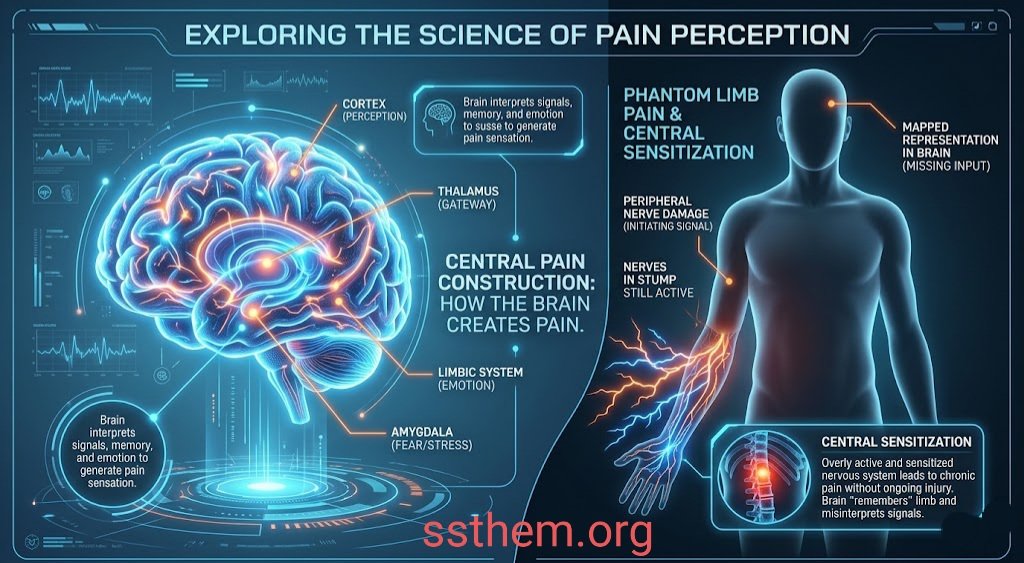
The common assumption is that pain works like a simple alarm system: tissue is damaged, a signal is sent to the brain, and you feel pain. But this mechanical model is incomplete. One of the most surprising findings in pain neuroscience is that the amount of tissue damage and the intensity of the pain experience do not always match. You can have significant tissue injury with unexpectedly little pain, and you can have severe pain without any obvious ongoing tissue damage.
Consider the phenomenon of phantom limb pain. A person who has lost a limb may experience vivid, often excruciating pain in the missing limb. There is no tissue damage at the site where the pain is felt because the limb no longer exists. The pain arises from the nervous system itself—specifically, from the brain and spinal cord’s representation of the missing limb. This is a powerful demonstration that pain perception is constructed by the brain, not merely relayed from the periphery.
The brain does not merely receive the signal—it helps shape the experience. This is a critical insight for understanding conditions like chronic pain, where the nervous system can become sensitized, producing pain even after the original injury has healed. The mechanisms of central sensitization involve changes in the excitability of neurons in the spinal cord and brain, making them more responsive to incoming signals and even generating signals in the absence of input. This helps explain why two people can experience very different levels of pain from apparently similar injuries.
For those seeking effective remedies, understanding the cause is the first step. Paracetamol is familiar to millions of people, but familiarity should never be confused with unlimited safety. Its narrow therapeutic window makes overdose a serious risk for liver damage. For a detailed discussion of dosing and safety, this resource on paracetamol dosage, uses and side effects is essential reading for both patients and healthcare professionals.
How the Body Detects Potential Harm
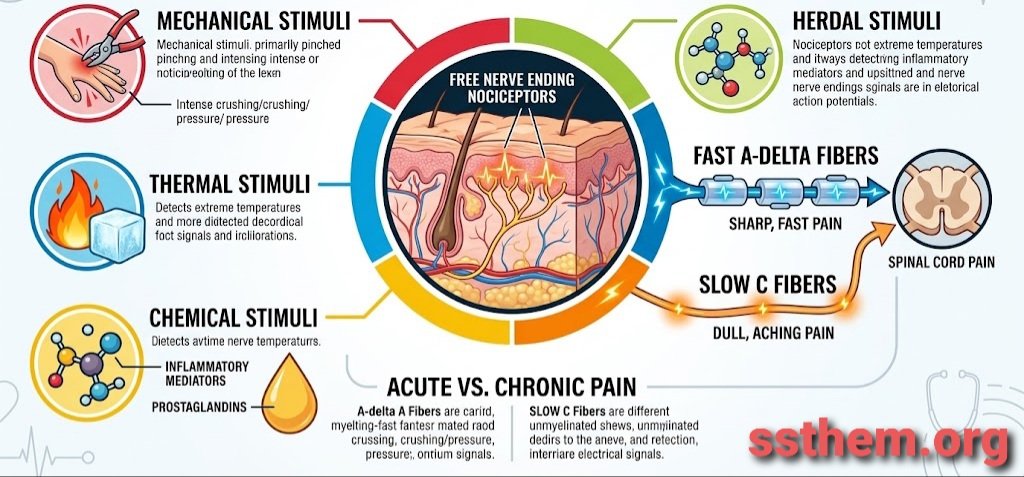
The journey of pain begins with specialized nerve endings called nociceptors. These are free nerve endings distributed throughout the body—in the skin, muscles, joints, bones, and internal organs. They are designed to detect potentially damaging stimuli, including:
- Mechanical stimuli: Intense pressure, cutting, or crushing.
- Thermal stimuli: Extreme heat or cold.
- Chemical stimuli: Inflammatory mediators released by damaged tissues or immune cells.
When a stimulus is strong enough to threaten tissue integrity, these nociceptors open ion channels, generating an electrical impulse called an action potential. This process, known as transduction, is the first step in how pain signals travel to the brain. The speed and quality of the signal depend on the type of nerve fiber involved. A-delta fibers are myelinated and conduct signals rapidly, producing the sharp, localized “first pain” you feel immediately after an injury. C fibers are unmyelinated and conduct more slowly, producing the dull, aching, burning “second pain” that follows.
In the context of injury and repair, the body releases a complex cocktail of chemicals including prostaglandins, bradykinin, histamine, and cytokines. These substances not only activate nociceptors directly but also sensitize them, lowering their threshold for firing. This is why a sunburned area feels painful to even light touch—the nociceptors have become hyper-responsive. This is the relationship between pain and inflammation in a nutshell.
How Pain Signals Travel to the Brain
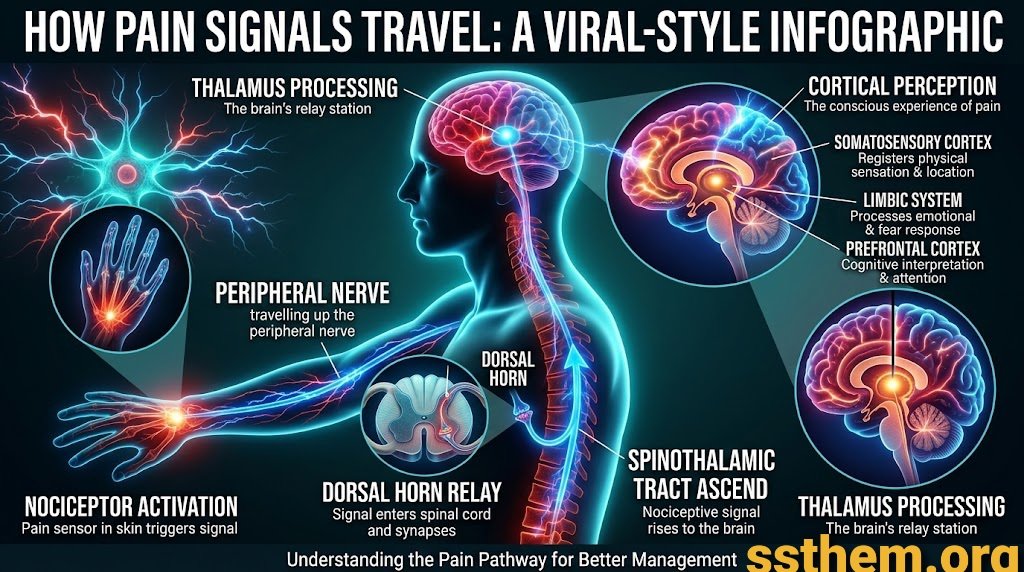
Once a nociceptor is activated, the electrical signal travels along the peripheral nerve fiber toward the spinal cord. This is the transmission phase. The nerve fibers enter the spinal cord through the dorsal root and synapse with second-order neurons in a region called the dorsal horn. This is a critical relay station where the signal can be modulated—amplified, suppressed, or rerouted.
The second-order neurons then cross to the opposite side of the spinal cord and ascend toward the brain via pathways, most notably the spinothalamic tract. This tract carries the signal to the thalamus, a structure deep within the brain that acts as a central relay station. From the thalamus, the signal is distributed to multiple brain regions, each contributing a different dimension to the overall experience of pain.
The somatosensory cortex processes the location, intensity, and quality of the signal. The limbic system, including the amygdala, hippocampus, and anterior cingulate cortex, processes the emotional and motivational aspects of the experience. The prefrontal cortex is involved in evaluating the meaning of the pain and planning a response. The brainstem and other areas are involved in descending pathways that can either dampen or amplify the incoming signal. This complex network is why how does the brain process pain is a far more intricate question than simply identifying a single “pain center.”
An anti-inflammatory painkiller can reduce pain while also creating important safety considerations that many readers overlook. The familiar painkiller on the medicine shelf has a pharmacologic story that is much more complicated than its everyday reputation suggests. For a deeper dive into one of the most commonly used anti-inflammatory medicines, this guide on ibuprofen uses, dosage and side effects provides essential information for both patients and healthcare professionals.
Pain Perception: The Brain’s Active Role
The brain is not a passive receiver of pain signals. It actively shapes the experience based on a complex interplay of factors. This is the essence of pain perception. The same injury can feel very different depending on your attention, expectations, emotional state, and past experiences.
Consider an athlete who sustains a severe injury during a championship game but continues to play without noticing it. The intense focus and adrenaline suppress the pain signal. Later, after the game, the pain becomes overwhelming. Conversely, a person with chronic anxiety may perceive a minor injury as excruciating because their nervous system is already sensitized. This demonstrates that pain is not simply a readout of tissue damage; it is a constructed experience influenced by context.
The brain’s descending pain modulatory system is a powerful built-in analgesic mechanism. The periaqueductal gray (PAG) in the midbrain can send signals down to the spinal cord to suppress incoming pain signals. It does this by releasing endogenous opioids (endorphins), serotonin, and norepinephrine. This is why psychological states like stress, fear, or intense focus can dramatically alter how does the brain process pain. This is also the target of many pain medications.
Why Pain Is Important for Survival
It is easy to see pain as an enemy, but from an evolutionary perspective, it is one of the body’s most effective protective mechanisms. The experience of acute pain forces us to withdraw from harmful situations, protect injured areas, and seek medical attention. Without it, we would be profoundly vulnerable. Congenital insensitivity to pain is a rare condition that provides a sobering illustration of why pain is important for human survival. Individuals with this condition may suffer repeated burns, fractures, and joint injuries because they lack the protective warning system that pain provides. They may bite their tongues or cheeks severely while eating, or fail to notice cuts and infections.
Pain is not just a protective mechanism for the individual; it is also a social signal. A child’s cry of pain alerts a caregiver. A patient’s report of pain guides a clinician toward a diagnosis. The verbal and non-verbal communication of pain is essential for survival and social bonding. However, the protective value of pain is most relevant to acute pain. When pain becomes chronic, it often loses its protective function and becomes a disease state in its own right.
Pain relief depends on more than whether a medicine works—the timing of exposure can also matter. A medicine with a short duration of action may provide rapid relief but require frequent dosing, which can be inconvenient and may lead to gaps in pain control. For a comprehensive exploration of these concepts, this guide on the half-life of medicines is an invaluable resource for anyone who wants to understand why dosing intervals matter.
Acute Pain vs Chronic Pain: A Fundamental Distinction
The distinction between acute pain and chronic pain is one of the most important concepts in clinical medicine. They are not simply different points on a single continuum; they are fundamentally different conditions with distinct mechanisms, clinical presentations, and treatment approaches.
| Feature | Acute Pain | Chronic Pain |
|---|---|---|
| Typical course | Short-lived, resolving as tissue heals | Persists for months or years, often beyond normal healing |
| Common triggers | Injury, surgery, inflammation, infection | Nervous system dysfunction, ongoing disease, sensitization |
| Biological role | Protective, warning of damage | Maladaptive, often serving no protective function |
| Nervous-system changes | Generally reversible | May involve permanent changes in pain pathways |
| Examples | Sprained ankle, post-operative pain, toothache | Fibromyalgia, chronic low back pain, neuropathic pain |
| Clinical approach | Treat underlying cause, short-term analgesia | Multidisciplinary, functional rehabilitation, pain management |
The question of what is the difference between acute and chronic pain is not merely academic. It has profound implications for treatment. Acute pain often responds to short-term analgesics and resolves as the underlying injury heals. Chronic pain, however, is often driven by changes in the nervous system itself—peripheral and central sensitization—that are not addressed by simply taking more painkillers. Treating chronic pain effectively requires a biopsychosocial approach that addresses the physical, psychological, and social dimensions of the condition.
Different Types of Pain: A Classification System
Pain is not a single entity; it can be classified in multiple ways based on its mechanism, location, duration, and underlying cause. Understanding the different types of pain is essential for diagnosis and treatment.
Nociceptive Pain
Nociceptive pain arises from actual or threatened damage to non-neural tissue and is detected by nociceptors. It is the pain you feel when you cut your finger, burn your hand, or sprain your ankle. It is typically described as sharp, aching, or throbbing and is usually well-localized. This type of pain responds well to traditional analgesics like NSAIDs or opioids in appropriate clinical settings.
Inflammatory Pain 
Inflammatory pain is a subtype of nociceptive pain that results from the inflammatory response to tissue injury or infection. The damaged tissues release inflammatory mediators that sensitize nociceptors, causing pain and tenderness. Conditions like rheumatoid arthritis, gout, and inflammatory bowel disease are characterized by inflammatory pain. The pain is often associated with swelling, redness, heat, and loss of function. NSAIDs are particularly effective because they target the inflammatory cascade.
Neuropathic Pain 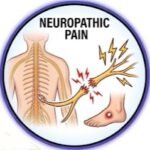
Neuropathic pain arises from a lesion or disease of the somatosensory system itself. This is nerve pain caused by damage to the nerves, spinal cord, or brain. It is often described as burning, shooting, electric-shock-like, or tingling. Common causes include diabetic neuropathy, postherpetic neuralgia (shingles), spinal cord injury, and multiple sclerosis. Neuropathic pain often responds poorly to conventional analgesics and may require specialized medications such as anticonvulsants or antidepressants.
Somatic Pain 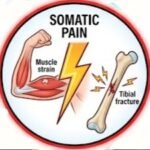
Somatic pain originates from the skin, muscles, joints, bones, and connective tissues. It is usually well-localized and can be sharp or aching. Muscle pain from a strain or bone pain from a fracture are examples of somatic pain. It is a type of nociceptive pain that responds to traditional analgesics and rest.
Visceral Pain 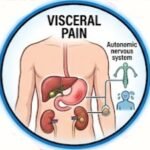
Visceral pain originates from internal organs. It is often described as deep, squeezing, cramping, or aching and is usually poorly localized. Visceral pain can be diffuse and may be accompanied by autonomic symptoms like nausea, sweating, or changes in heart rate. Conditions like appendicitis, gallstones, and kidney stones produce visceral pain.
Referred Pain 
Referred pain is pain perceived at a location other than the site of the painful stimulus. It occurs because nerve fibers from different tissues converge onto the same neurons in the spinal cord. A classic example is the arm or jaw pain experienced during a heart attack, or the shoulder pain associated with gallbladder disease. Understanding referred pain is crucial for accurate diagnosis, as the location of the pain may not reflect the location of the problem.
Muscle Pain 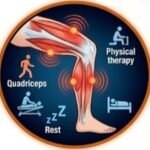
Muscle pain, or myalgia, can arise from injury, overuse, tension, or underlying disease. It is typically described as a deep ache or soreness. Conditions like fibromyalgia, myofascial pain syndrome, and viral infections can cause widespread muscle pain. Muscle pain can be acute or chronic and may require a combination of rest, physical therapy, and medication.
Bone Pain 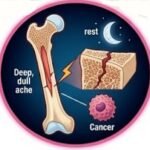
Bone pain is often described as deep, penetrating, or dull. It can arise from fractures, infections, cancer, or metabolic bone diseases. Unlike muscle pain, bone pain is often present at rest and may worsen at night. It is a symptom that always warrants medical evaluation to determine its cause.
Joint Pain 
Joint pain, or arthralgia, is a common symptom of conditions like osteoarthritis, rheumatoid arthritis, gout, and injury. It is often associated with stiffness, swelling, and reduced range of motion. The pain may be mechanical, worsening with activity, or inflammatory, present at rest and improving with movement.
Pain and Inflammation: Related but Not Identical
One of the most common misconceptions is that pain and inflammation are the same thing. They are not. Pain is a subjective sensory and emotional experience. Inflammation is a biological immune response to injury or infection. The question of what is the difference between pain and inflammation is not just semantic; it has real clinical implications.
Inflammation is characterized by redness, heat, swelling, and loss of function. These changes are driven by the release of inflammatory mediators and the recruitment of immune cells to the site of injury. These mediators also sensitize nociceptors, which is why inflammation causes pain. However, not all pain is caused by inflammation. Neuropathic pain, for example, is caused by damage to the nervous system itself and may occur in the absence of any inflammatory process. Conversely, not all inflammation produces pain. Some chronic inflammatory conditions may be largely silent until they cause significant tissue damage.
The link between the two is most clear in conditions like arthritis, where ongoing joint inflammation drives ongoing nociceptive input and pain. This is why anti-inflammatory medications are a mainstay of treatment for these conditions. However, an anti-inflammatory painkiller can reduce pain while also creating important safety considerations that many readers overlook.
Emotional Pain and Physical Pain: A Shared Neural Landscape
It is common to think of physical pain and emotional pain as completely separate phenomena. One is “real,” the other is “in your head.” But modern neuroscience has shown that this distinction is not as clear-cut as we once believed. The question of whether emotional pain can cause physical pain is one that has profound implications for how we understand suffering.
Brain imaging studies have shown that emotional pain—such as the distress of social rejection, grief, or loss—activates many of the same brain regions involved in processing physical pain. The anterior cingulate cortex, the insula, and the prefrontal cortex are all engaged during both physical and emotional pain. This overlap suggests that the brain’s pain network is not exclusively devoted to processing signals from the body; it also processes social and emotional threats.
This explains why emotional pain can feel so physical. The feeling of a “broken heart” is not just a metaphor; it reflects the real activation of pain-processing circuits in the brain. Similarly, chronic psychological stress can sensitize the nervous system, making a person more vulnerable to physical pain. This is a key mechanism in conditions like fibromyalgia and chronic widespread pain. However, it is crucial to emphasize that this does not mean all physical symptoms are psychological. New, severe, persistent, or unexplained physical symptoms always deserve appropriate medical evaluation to rule out underlying disease.
Why Pain Can Persist: Central Sensitization and Chronic Pain
One of the most important discoveries in pain neuroscience is that the nervous system is not a fixed, hard-wired system. It is plastic, meaning it can change and adapt in response to experience. This is a double-edged sword. On one hand, it allows the brain to learn and recover from injury. On the other hand, it means that the pain system itself can become sensitized, producing pain even after the original injury has healed.
Central sensitization is a process in which neurons in the spinal cord and brain become hyper-excitable. This can lead to hyperalgesia (increased sensitivity to painful stimuli) and allodynia (pain from stimuli that are not normally painful). In patients with central sensitization, the pain system is essentially stuck in an amplified state. This is believed to be a key mechanism in many chronic pain conditions, including fibromyalgia, chronic low back pain, and irritable bowel syndrome. The purpose of pain, which was once protective, is lost, and the pain becomes a disease state in its own right.
Pain-Related Medicines: An Overview
Because pain is such a complex experience, there is no single “painkiller” that works for all types of pain. Different medicines target different parts of the pain pathway, and the choice of medicine depends on the type of pain, its severity, and the patient’s individual characteristics.
Paracetamol/Acetaminophen
Paracetamol (also known as acetaminophen) is one of the most widely used analgesics in the world. Its mechanism of action is complex and not fully understood, but it is thought to inhibit cyclooxygenase (COX) enzymes primarily in the central nervous system, reducing the production of prostaglandins in the brain. It is effective for mild to moderate pain and for reducing fever. However, paracetamol is familiar to millions of people, but familiarity should never be confused with unlimited safety.
NSAIDs (Non-Steroidal Anti-Inflammatory Drugs)
NSAIDs, including ibuprofen, naproxen, diclofenac, and aspirin, work by inhibiting COX enzymes at the site of inflammation, reducing the production of prostaglandins that sensitize nociceptors. They are effective for inflammatory pain, such as arthritis, muscle strains, and dental pain. However, they carry risks of gastrointestinal bleeding, kidney injury, and cardiovascular events, especially with long-term use.
Opioid Analgesics
Opioids, such as morphine, oxycodone, and fentanyl, work by binding to mu-opioid receptors in the brain and spinal cord, mimicking the effects of endogenous endorphins. They are powerful analgesics for severe acute pain, but their use in chronic non-cancer pain is controversial due to risks of addiction, tolerance, and respiratory depression.
Local Anesthetics
Local anesthetics, such as lidocaine and bupivacaine, work by blocking sodium channels in nerve fibers, preventing the generation and propagation of action potentials. They are used for regional anesthesia and for localized pain relief. They can be administered topically, by injection, or via nerve blocks.
Medicines for Neuropathic Pain
Neuropathic pain often responds poorly to conventional analgesics. Medicines that were originally developed as anticonvulsants (e.g., gabapentin, pregabalin) or antidepressants (e.g., amitriptyline, duloxetine) have been shown to be effective for neuropathic pain. They work by stabilizing nerve membranes or by boosting descending inhibitory pathways.
How Pain Medicines Work: A Comparison Table
| Medicine/Class | Major Target | General Effect | Common Clinical Role | Major Safety Considerations |
|---|---|---|---|---|
| Paracetamol | Central COX enzymes | Analgesic, antipyretic | Mild-moderate pain, fever | Hepatotoxicity with overdose |
| NSAIDs | Peripheral COX-1/COX-2 | Anti-inflammatory, analgesic, antipyretic | Inflammatory pain, musculoskeletal pain | GI bleeding, renal injury, CV risk |
| Opioids | Mu-opioid receptors | Analgesic, sedation | Severe acute pain | Addiction, respiratory depression |
| Local anesthetics | Sodium channels | Conduction block | Regional anesthesia, localized pain | Cardiac/neuro toxicity if systemic |
| Anticonvulsants | Voltage-gated calcium channels | Neuronal stabilization | Neuropathic pain | Dizziness, sedation, edema |
This table is a simplified overview and does not replace individualized medical advice. The choice of a specific medicine depends on a complex interplay of factors including the diagnosis, the patient’s comorbidities, and the risk-benefit profile of the drug.
Pharmacokinetics of Pain Medicines: Why It Matters
The effectiveness of a pain medicine depends not only on its mechanism of action but also on its pharmacokinetics—how the body absorbs, distributes, metabolizes, and eliminates the drug. This is crucial because it determines how quickly a drug takes effect, how long it lasts, and how often it needs to be administered.
Pain relief depends on more than whether a medicine works—the timing of exposure can also matter. A medicine with a short duration of action may provide rapid relief but require frequent dosing, which can be inconvenient and may lead to gaps in pain control. A medicine with a long duration of action may provide more consistent relief but may also accumulate in the body, especially in patients with impaired renal or hepatic function.
Pharmacokinetic parameters such as bioavailability, protein binding, and half-life are not just abstract concepts for researchers; they directly influence clinical decisions. For example, a drug that is highly protein-bound may have increased free (active) concentrations in patients with low albumin, potentially leading to toxicity. Understanding these principles is essential for safe prescribing.
Why Medicine Half-Life Matters in Pain Treatment
The half-life of a medicine is the time it takes for the concentration of the drug in the blood to fall by 50%. This is a key pharmacokinetic parameter that influences dosing frequency. A drug with a short half-life needs to be taken more often to maintain its effect, while a drug with a long half-life can be taken less frequently.
But half-life is not the only factor that determines how long a drug works. Some drugs have active metabolites that also contribute to their effects. Others may bind tightly to their target receptors, producing effects that outlast their presence in the blood. For pain medicines, the duration of analgesic effect is often influenced by multiple factors beyond simple elimination half-life.
Patients with impaired kidney or liver function may have a longer half-life for many drugs, increasing the risk of accumulation and toxicity. This is a critical consideration in older adults and patients with chronic disease. It is another reason why pain management must be individualized and why self-medication with over-the-counter analgesics, while common, is not without risk.
Safe Use of Pain Medicines: A Clinical Imperative
The goal of pain treatment is not simply to eliminate pain at all costs, but to improve function and quality of life while minimizing the risks of treatment. This requires a thoughtful, individualized approach that considers the type of pain, the underlying diagnosis, the patient’s medical history, and the potential for drug interactions.
Using an opioid to treat the emotional pain of a chronic condition without addressing the underlying physical, psychological, and social drivers is unsafe and ineffective. It is essential to investigate what causes pain in the human body to prescribe the safest, most targeted therapy. This means that clinicians must take a careful history, perform a focused examination, and order appropriate investigations before selecting a treatment.
For patients, this means that pain should not be suppressed without understanding its cause. A severe toothache, for example, may be caused by a dental abscess that requires antibiotics and dental treatment, not just painkillers. Masking the pain without treating the infection could lead to serious complications. This is a fundamental principle of responsible pain management.
Drug Interactions: A Complex Web of Chemical Conversations
The treatment of pain often involves multiple medications, which creates a high risk for dangerous interactions.
| Interacting Medicine/Class | Potential Interaction | Clinical Significance | Management Consideration |
|---|---|---|---|
| NSAID + Anticoagulant (e.g., Warfarin) | Increased bleeding risk | Severe | Avoid combination if possible; monitor INR closely |
| NSAID + ACE Inhibitor/ARB | Reduced antihypertensive effect; increased renal failure risk | Severe | Monitor blood pressure and renal function |
| NSAID + Corticosteroid | Additive GI ulceration risk | Significant | Use gastroprotection; consider alternative |
| Opioid + Benzodiazepine | Profound sedation, respiratory depression, death | Critical | Avoid combination; use lowest possible doses if unavoidable |
| Paracetamol + Alcohol | Increased risk of hepatotoxicity | Severe | Counsel patients on alcohol limits; monitor LFTs |
This table is not exhaustive, and clinicians must consult authoritative drug interaction resources before prescribing. The complexity of these interactions reinforces why self-medicating chronic or complex pain is so dangerous. The intricate web of chemical interactions mirrors the intricate biology of the nervous system itself.
Special Populations: The Unique Vulnerability of Different Lives
The experience of pain and its management is vastly different in special populations. Children, especially neonates, have developing nervous systems and may process nociception differently. They also require weight-based dosing and may be more sensitive to the respiratory depressant effects of opioids. Older adults are particularly vulnerable. They often have reduced renal and hepatic function, leading to drug accumulation. They are also at higher risk for falls from sedating analgesics and for GI bleeding from NSAIDs. In pregnancy, many pain medications are contraindicated due to risks to the fetus, making safe pain management a significant clinical challenge. Understanding these nuances is essential to preventing iatrogenic harm.
Non-Medication Pain Management: A Multidisciplinary Approach
While medicines play a crucial role in pain management, they are not the only tool. Non-pharmacological approaches can be highly effective, especially for chronic pain. These include:
- Physical therapy: To improve strength, flexibility, and function.
- Exercise: To reduce stiffness, improve mood, and promote healing.
- Heat/cold therapy: For acute musculoskeletal injuries, appropriate use of heat or cold can provide temporary relief.
- Psychological interventions: Cognitive-behavioral therapy (CBT) and mindfulness-based stress reduction can help patients develop coping strategies and reduce the emotional distress associated with pain.
- Sleep optimization: Poor sleep can worsen pain, and addressing sleep disorders can improve pain outcomes.
- Occupational therapy: To help patients adapt their environment and activities to reduce pain and improve function.
A multidisciplinary pain management program that combines these approaches with appropriate medical care is often the most effective strategy for managing chronic pain.
When Pain Requires Medical Evaluation
While pain is a common experience, certain symptoms should prompt immediate medical evaluation. These include:
- Sudden severe chest pain, especially with shortness of breath or sweating.
- Severe abdominal pain, especially with rigidity, vomiting, or bloody stools.
- Sudden severe headache, especially with fever, stiff neck, or neurological symptoms.
- Severe pain after major trauma, especially with deformity or loss of function.
- Pain associated with difficulty breathing.
- Severe pain with signs of infection, such as fever, chills, or purulent drainage.
- New severe pain during pregnancy.
- Pain with loss of consciousness or confusion.
- Pain with signs of major bleeding.
These symptoms can indicate a life-threatening condition and require prompt professional evaluation. This is not a complete list, and any new, severe, or persistent pain that is causing concern should be discussed with a healthcare provider.
Clinical Perspective
From a clinical perspective, pain is the most common reason patients seek medical care. It is the master symptom, a thread that connects every specialty. The art of medicine is to see pain not as a nuisance but as a vital clue. It is the body speaking its language, and our job is to learn that language. The question of what is the difference between acute and chronic pain is not just academic; it’s a fundamental diagnostic fork in the road. Acute pain says, “There is damage here.” Chronic pain says, “The alarm system itself is broken.” This requires a paradigm shift in treatment from “fixing the damage” to “retraining the nervous system.”
Furthermore, the best clinicians understand the profound connection between mind and body. They recognize that emotional pain can cause physical pain. A patient presenting with intractable headaches may be suffering from overwhelming stress. A patient with fibromyalgia (a nociplastic pain condition) may have a nervous system that is hyper-sensitized to all stimuli, influenced heavily by emotional and psychological state. For those seeking broader wellness knowledge, resources like this guide on health and beauty tips can provide complementary insights. Ignoring this holistic connection leads to treatment failure and patient frustration.
If you are a medical writer or digital health content creator, understanding these clinical nuances will improve your ability to produce accurate, responsible health content. For those interested in the intersection of health content and online income, ssthem.xyz for online Earning and WhatsApp Groups links may be a useful resource. But medical accuracy should never be sacrificed for engagement.
Question 1. What is pain?
Question 2. What causes pain in the human body?
Question 3. How does pain work in the human body?
Question 4. Why is pain important for human survival?
Question 5. How does the body detect pain?
Question 6. How do pain signals travel to the brain?
Question 7. What is nociception?
Question 8. What is nociceptive pain?
Question 9. What is neuropathic pain?
Question 10. What is inflammatory pain?
Question 11. What is acute pain?
Question 12. What is chronic pain?
Question 13. What is the difference between acute and chronic pain?
Question 14. What is the difference between pain and inflammation?
Question 15. What is referred pain?
Question 16. What is visceral pain?
Question 17. What is somatic pain?
Question 18. What is emotional pain?
Question 19. Can emotional pain cause physical pain?
Question 20. Why does inflammation cause pain and swelling?
Question 21. How does the brain process pain?
Question 22. What medicines are commonly used for pain?
Question 23. When should pain be evaluated by a doctor?
Question 24. Can pain exist without obvious tissue damage?
Question 25. Why can chronic pain continue after an injury heals?
5 Authentic Studies on Pain
The following five studies are real, peer-reviewed, and clinically relevant. They are selected to illustrate pain mechanisms, perception, and treatment.
Study 1
Citation: Corder, G., Castro, D. C., Bruchas, M. R., & Scherrer, G. (2018). Endogenous and Exogenous Opioids in Pain. Annual Review of Neuroscience, 41, 453–473.
Study Type: Review Article
Population: N/A
Intervention/Exposure: Reviewed pharmacological and neurobiological mechanisms of opioid action.
Comparator: N/A
Main Outcome: To describe how endogenous and exogenous opioids modulate nociception.
Key Findings: This review highlights the central role of µ-opioid receptors in the brain and spinal cord in mediating both analgesia and the rewarding properties of opioids, explaining their powerful efficacy and high addiction liability.
Clinical Significance: It provides a mechanistic foundation for the clinical use and abuse of opioids, explaining why their use is so tightly regulated.
Important Limitation: As a review, it summarizes findings rather than presenting new primary evidence.
Study 2
Citation: Finnerup, N. B., et al. (2015). Pharmacotherapy for neuropathic pain in adults: a systematic review and meta-analysis. The Lancet Neurology, 14(2), 162-173.
Study Type: Systematic Review and Meta-Analysis
Population: Adults with neuropathic pain.
Intervention/Exposure: Pharmacotherapy (TCAs, SNRIs, gabapentinoids, opioids).
Comparator: Placebo.
Main Outcome: Pain reduction (NNT for 50% pain relief).
Key Findings: The study found strong evidence for the efficacy of tricyclic antidepressants, SNRIs, and gabapentinoids as first-line treatments for neuropathic pain. Opioids showed lower efficacy and greater risk.
Clinical Significance: This landmark study provides the evidence base for current clinical guidelines, which recommend non-opioid medications as first-line therapy for neuropathic pain.
Important Limitation: The study acknowledges high placebo response rates and significant heterogeneity among the included trials.
Study 3
Citation: Melzack, R., & Wall, P. D. (1965). Pain mechanisms: a new theory. Science, 150(3699), 971-979.
Study Type: Theoretical Paper (Seminal)
Population: N/A
Intervention/Exposure: Proposed the Gate Control Theory of Pain.
Comparator: N/A
Main Outcome: To explain how psychological and cognitive factors can modulate pain perception.
Key Findings: This revolutionary paper proposed that a “gate” in the dorsal horn of the spinal cord can open or close, modulating the transmission of pain signals to the brain. This gate is influenced by both peripheral input and descending signals from the brain.
Clinical Significance: This theory was a paradigm shift. It legitimized the role of psychological state, attention, and non-physical therapies in pain management, paving the way for modern pain psychology.
Important Limitation: The theory has been superseded by more complex neuromatrix theories, but its core principles remain foundational.
Study 4
Citation: Eisenberger, N. I., Lieberman, M. D., & Williams, K. D. (2003). Does rejection hurt? An fMRI study of social exclusion. Science, 302(5643), 290-292.
Study Type: Experimental (fMRI study)
Population: Healthy volunteers (N=13)
Intervention/Exposure: Participants were subjected to social exclusion in a virtual ball-tossing game (Cyberball).
Comparator: Participants were included in the game.
Main Outcome: Brain activity measured by fMRI.
Key Findings: The study found that social exclusion activated the anterior cingulate cortex and insula, brain regions known to be involved in the processing of physical pain. This provided powerful evidence for the neural overlap between emotional and physical pain.
Clinical Significance: This study offers a neurobiological explanation for why social loss and emotional distress can be experienced as physical suffering, bridging the gap between psychology and neurology.
Important Limitation: Small sample size and the artificial nature of the social exclusion task.
Study 5
Citation: Woolf, C. J. (2011). Central sensitization: Implications for the diagnosis and treatment of pain. Pain, 152(3 Suppl), S2–S15.
Study Type: Clinical Review
Population: N/A
Intervention/Exposure: Reviewed the mechanisms and clinical manifestations of central sensitization.
Comparator: N/A
Main Outcome: To explain how the nervous system can become hypersensitive and generate chronic pain.
Key Findings: This paper details how ongoing nociceptive input can lead to functional and structural changes in the central nervous system, resulting in pain amplification (hyperalgesia) and pain from non-painful stimuli (allodynia). It identifies central sensitization as a key mechanism in many chronic pain conditions.
Clinical Significance: This concept shifted the focus from peripheral tissue damage to central neuroplasticity, explaining why many chronic pain patients have pain without obvious ongoing injury. It justifies the use of CNS-acting medications and therapies aimed at “retraining” the nervous system.
Important Limitation: As a review, it synthesizes decades of research, but the diagnosis of central sensitization in individual patients remains a clinical challenge.
Authentic References
- International Association for the Study of Pain (IASP). IASP Terminology. Available from: https://www.iasp-pain.org/resources/terminology/
- Raja, S. N., et al. (2020). The revised International Association for the Study of Pain definition of pain: concepts, challenges, and compromises. Pain, 161(9), 1976–1982.
- National Institute of Neurological Disorders and Stroke (NINDS). Pain: Hope Through Research. Available from: https://www.ninds.nih.gov/
- Centers for Disease Control and Prevention (CDC). CDC Guideline for Prescribing Opioids for Chronic Pain. Available from: https://www.cdc.gov/opioids/providers/prescribing/guideline.html
- World Health Organization (WHO). WHO Analgesic Ladder. Available from: https://www.who.int/cancer/palliative/painladder/en/
- Goodman, L. S., & Gilman, A. (eds.). (2018). Goodman & Gilman’s: The Pharmacological Basis of Therapeutics (13th ed.). McGraw-Hill.
- Katzung, B. G. (ed.). (2021). Basic & Clinical Pharmacology (15th ed.). McGraw-Hill.
- U.S. Food and Drug Administration (FDA). Drug Safety and Availability. Available from: https://www.fda.gov/drugs
Medical Information Disclaimer: This article is provided for educational and informational purposes only and is not intended as medical advice. It is not a substitute for professional diagnosis, treatment, or clinical judgment. The information contained herein reflects evidence from current literature and guidelines, but clinical practice may vary based on individual patient factors. Medical decisions must be made by a qualified healthcare professional. Patients should never self-medicate with prescription analgesics. If you have questions about your health or pain, consult your physician, pharmacist, or another licensed provider. If you are experiencing a medical emergency, seek immediate medical attention.