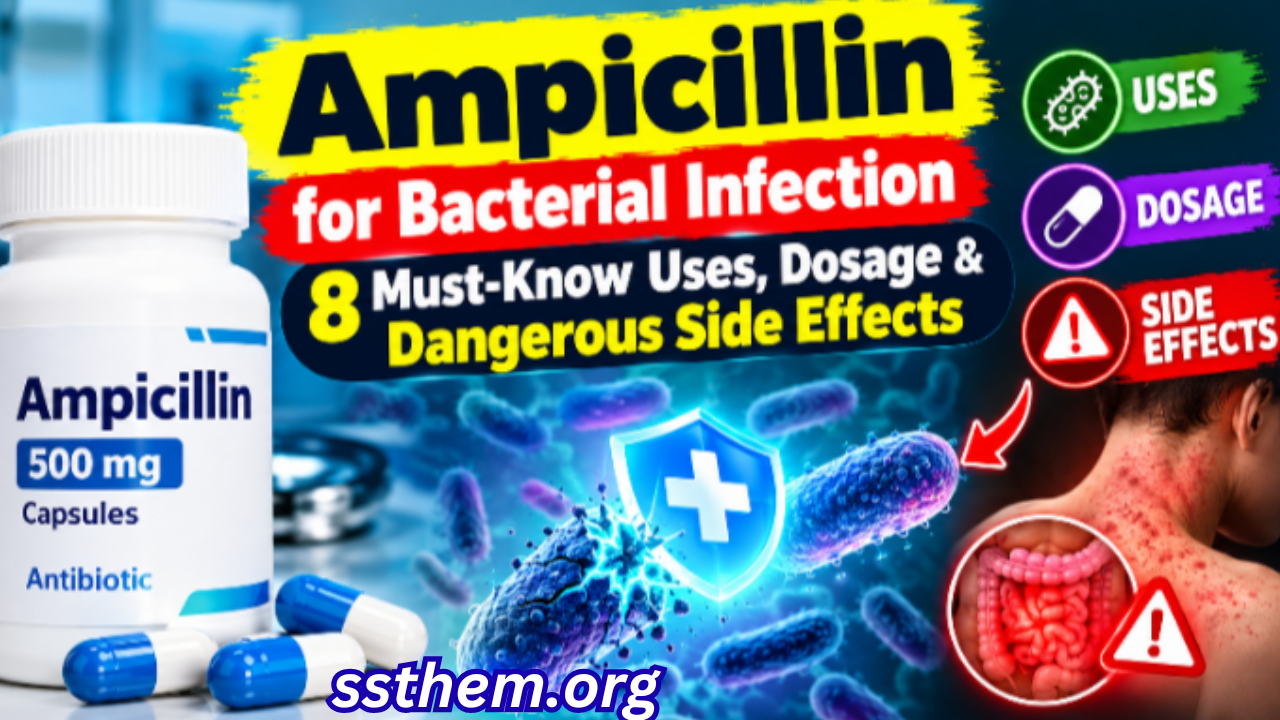
Ampicillin for Bacterial Infection 7 Powerful Uses, Dosage & Side Effects
Ampicillin for Bacterial Infection: 8 Must-Know Uses, Dosage & Dangerous Side Effects
What if the antibiotic you reach for first is also the one most likely to fail — and the one that could cause the most unexpected harm? A 58-year-old man presents with fever, dysuria, and flank pain. His urine culture grows Escherichia coli. The resident reaches for ampicillin — a drug available for over half a century — and the attending physician pauses. “Is that still the right choice?” she asks. “What does the susceptibility report actually tell us? And what are we risking if we are wrong?”
This scenario plays out in hospitals and clinics every day. Ampicillin for bacterial infection remains one of the most widely prescribed antibiotics globally, yet its clinical role has shifted dramatically since its introduction in the 1960s. Once a first-line agent for a broad range of infections, ampicillin now occupies a more nuanced position in modern therapeutics — valued for specific indications, limited by resistance, and requiring careful patient selection.
Different antibiotics work against different bacteria, reach different tissues, have different pharmacological properties, and carry different risks. The appropriate choice depends on the suspected or confirmed organism, site and severity of infection, local resistance patterns, allergies, kidney and liver function, drug interactions, and patient-specific considerations. But ampicillin occupies a particularly interesting niche: it is an aminopenicillin that bridges the gap between narrow-spectrum penicillins and broader-spectrum agents.
What you are about to read will challenge the way you think about this drug. We will explore 8 must-know uses, evidence-based dosing strategies, the molecular mechanism of action, spectrum of activity, resistance challenges, and the dangerous side effects every prescriber must recognize. Whether you are a medical student preparing for ward rounds, a practicing clinician refining your antimicrobial stewardship, or a pharmacist ensuring safe dispensing, the clinically important details in this article will strengthen your understanding of this foundational antibiotic. Stay with us — because the details that make ampicillin truly powerful are revealed progressively.
A sobering clinical reality first: adverse drug reactions account for a significant proportion of hospital admissions, and beta-lactam antibiotics like ampicillin are among the most commonly implicated drug classes. Understanding the full safety profile is not optional — it is essential. For a suspenseful, evidence-based look at how drugs move through the body, explore Drug Absorption Explained before you prescribe another beta-lactam.
Key Facts Table: Ampicillin at a Glance
The following table summarizes the most clinically important facts about ampicillin. This is not a substitute for full prescribing information, but it provides a rapid reference for healthcare professionals and students.
| Parameter | Details |
|---|---|
| Generic Name | Ampicillin trihydrate (oral); Ampicillin sodium (parenteral) |
| Common Brand Names | Principen (historical), Omnipen (historical); generic formulations widely available |
| Drug Class | Aminopenicillin; beta-lactam antibiotic |
| Therapeutic Class | Antibacterial (antibiotic) |
| Pharmacologic Class | Cell wall synthesis inhibitor |
| ATC Code | J01CA01 |
| Available Strengths | Capsules: 250 mg, 500 mg; Oral suspension: 125 mg/5 mL, 250 mg/5 mL; Injection: 250 mg, 500 mg, 1 g, 2 g vials |
| Dosage Forms | Capsules, oral suspension, powder for injection |
| Route(s) of Administration | Oral, intramuscular (IM), intravenous (IV) |
| FDA Status | Approved (prescription only) |
| Primary Clinical Uses | Respiratory tract infections, genitourinary infections, gastrointestinal infections, meningitis (with meningeal inflammation), septicemia, endocarditis (with other agents) |
| Bioavailability | Oral: incomplete; food decreases absorption; peak serum levels 1–2 hours |
| Protein Binding | ~20% (least bound of all penicillins) |
| Volume of Distribution | Widely distributed; therapeutic concentrations in ascitic, pleural, and joint fluids |
| Half-Life | 1–1.5 hours in healthy adults; prolonged in neonates, elderly, and renal failure (up to 20 hours) |
| Metabolism | ~20% metabolized; primary metabolite penicilloic acid; some enterohepatic recirculation |
| Major Route of Elimination | Renal: glomerular filtration and tubular secretion; 60–80% excreted unchanged in urine within 6 hours after parenteral administration |
| Renal/Hepatic Considerations | Dose adjustment required for renal impairment; biliary excretion provides alternative route |
| Major Contraindications | Hypersensitivity to penicillins; infectious mononucleosis (rash risk) |
| Important Adverse Effects | Skin rash (most common), diarrhea, nausea, C. difficile–associated diarrhea, anaphylaxis, severe cutaneous adverse reactions (SJS/TEN/DRESS), hematologic abnormalities, seizures (high doses, renal impairment) |
This table is a snapshot. Every parameter in it will be expanded in the dedicated sections below, but we will not repeat the full explanations unnecessarily.
FDA-Approved Uses
Ampicillin is FDA-approved for the treatment of infections caused by susceptible strains of designated microorganisms. The approved indications, derived from the official prescribing information, are as follows. It is critical to note that FDA approval does not imply current clinical preference — resistance patterns and guideline recommendations may supersede the original approval data.
- Respiratory Tract Infections:
 Ampicillin is approved for respiratory tract infections caused by Streptococcus pneumoniae, Staphylococcus aureus (penicillinase- and nonpenicillinase-producing), Haemophilus influenzae, and Group A beta-hemolytic streptococci. Dosage: The usual oral dose for respiratory tract infections is 250 mg four times daily in equally spaced doses. In more severe infections, higher doses may be required. The relevant organisms are those listed above, but clinical efficacy depends on documented susceptibility.
 - Genitourinary Tract Infections:
 Ampicillin is indicated for genitourinary tract infections caused by susceptible strains of E. coli, Proteus mirabilis, and enterococci. Dosage: The usual adult dose is 500 mg four times daily in equally spaced doses; severe or chronic infections may require larger doses. For gonorrhea, a single oral dose of 3.5 grams administered with 1 gram of probenecid is the historical FDA-approved regimen. However, the CDC no longer recommends ampicillin as a first-line agent for gonorrhea due to widespread resistance.
 - Gastrointestinal Tract Infections:
 Ampicillin is approved for gastrointestinal tract infections caused by susceptible organisms, including Salmonella, Shigella, and E. coli. Dosage: The dosing is the same as for genitourinary infections: 500 mg four times daily for adults.
 - Meningitis:
 Ampicillin for injection is approved for the treatment of meningitis caused by susceptible organisms, but penetration into the cerebrospinal fluid occurs only when the meninges are inflamed. Dosage: For meningitis, high-dose intravenous therapy is required, typically 2 g every 4–6 hours in adults with normal renal function. The relevant organisms include Neisseria meningitidis, Streptococcus pneumoniae, and Haemophilus influenzae.
 - Septicemia:
 Ampicillin is approved for septicemia caused by susceptible strains of E. coli, Proteus mirabilis, and other organisms. Dosage: Treatment requires parenteral therapy with doses of 2 g every 4–6 hours in adults with normal renal function.
 - Skin and Skin Structure Infections:
 Ampicillin is approved for skin and skin structure infections caused by susceptible Gram-positive organisms, including streptococci and nonpenicillinase-producing staphylococci. Dosage: The approved oral dose is 250–500 mg four times daily. However, ampicillin is not reliable for penicillinase-producing S. aureus, and alternative agents are preferred for skin infections where staphylococcal resistance is a concern.
 - Endocarditis:
 Ampicillin is indicated for endocarditis caused by susceptible enterococci, often in combination with an aminoglycoside. Dosage: High-dose IV therapy is required. The combination of ampicillin plus gentamicin (or streptomycin) has been a standard regimen, though newer guidelines may recommend ampicillin plus ceftriaxone for Enterococcus faecalis endocarditis.
Distinguishing FDA-Approved from Guideline-Supported and Off-Label Uses: FDA-approved indications are the specific infections listed in the FDA labeling. Guideline-supported uses are those recommended by organizations such as IDSA, but not explicitly FDA-approved for that indication. For example, ampicillin/sulbactam is a preferred agent for carbapenem-resistant Acinetobacter baumannii according to IDSA 2022 guidelines. Off-label uses are unlabeled uses supported by clinical evidence but not FDA-approved. These should be clearly documented as off-label in clinical practice.
Dosage Table
The table below provides a concise summary of typical dosing for common indications. Doses may vary based on renal and hepatic function, severity, and susceptibility data.
| Patient/Condition | Recommended Dose | Frequency | Duration | Important Considerations |
|---|---|---|---|---|
| Adults — Genitourinary/GI infections | 500 mg PO | qid (every 6 hours) | 7–14 days | Severe or chronic infections may require higher doses. |
| Adults — Respiratory tract infections | 250 mg PO | qid | 7–10 days | Use higher doses for severe infections. |
| Adults — Gonorrhea | 3.5 g PO | Single dose | Single dose | Administer with 1 g probenecid; CDC no longer recommends due to resistance. |
| Adults — Meningitis/septicemia | 2 g IV | Every 4–6 hours | 10–14 days (varies) | Adjust for renal function. |
| Pediatric (>20 kg) | 250–500 mg PO | qid | As directed | Same as adult dosing. |
| Pediatric (≤20 kg) | 25–50 mg/kg/day PO | Divided every 6 hours | As directed | Maximum 2 g every 4 hours IV. |
| Renal impairment (CrCl 30–49 mL/min) | 2 g IV | Every 8 hours | Individualize | UCSF dosing guideline. |
| Renal impairment (CrCl 15–29 mL/min) | 2 g IV | Every 12 hours | Individualize | UCSF dosing guideline. |
| Renal impairment (CrCl <15 mL/min) | 2 g IV | Every 24 hours | Individualize | UCSF dosing guideline. |
Important: Dosing must be individualized based on the site and severity of infection, patient age, weight, renal function, and susceptibility data. Administer oral doses at least 30 minutes before meals for optimal absorption.
Mechanism of Action
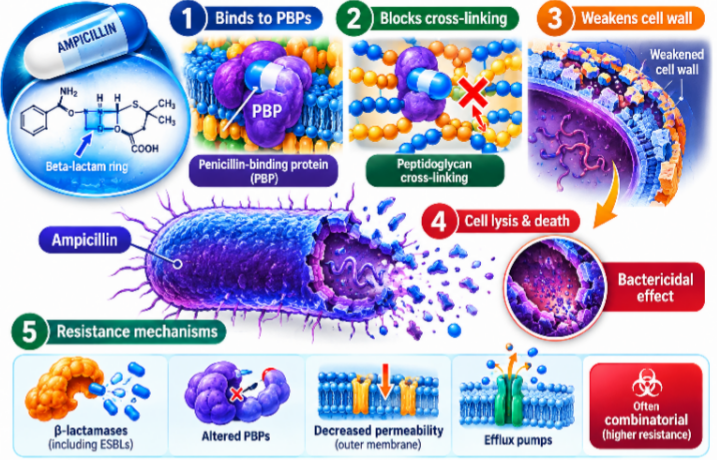
Ampicillin exerts its bactericidal effect through a well-characterized molecular mechanism that distinguishes it from many other antibiotic classes. Understanding this mechanism is fundamental to appreciating both its clinical utility and its limitations.
Primary Molecular Target: Ampicillin, like all beta-lactam antibiotics, targets penicillin-binding proteins (PBPs) — a group of enzymes embedded in the bacterial cytoplasmic membrane that are essential for cell wall synthesis. Specifically, ampicillin binds to and inhibits PBPs involved in the cross-linking of peptidoglycan chains.
Binding and Interaction: The beta-lactam ring of ampicillin is structurally analogous to the terminal D-alanyl-D-alanine moiety of peptidoglycan precursors. This molecular mimicry allows ampicillin to bind covalently to the active site serine residue of PBPs, forming a stable acyl-enzyme complex that irreversibly inhibits transpeptidase activity.
Cellular Pathway Affected: By inhibiting PBP-mediated cross-linking, ampicillin disrupts the final stages of peptidoglycan synthesis. This leads to a weakened cell wall that cannot withstand the internal osmotic pressure of the bacterial cytoplasm. The result is bacterial cell lysis and death — a bactericidal effect. Additionally, ampicillin may trigger autolysin activation, further contributing to cell wall degradation.
Physiologic and Clinical Consequences: The clinical therapeutic effect of ampicillin — bacterial killing at the site of infection — depends on achieving adequate free drug concentrations at the target tissue for a sufficient duration. This is why dosing regimens are designed to maintain serum and tissue concentrations above the minimum inhibitory concentration (MIC) for the infecting organism throughout the dosing interval.
Resistance Mechanisms: Resistance to ampicillin occurs through several mechanisms: hydrolysis by beta-lactamases (including extended-spectrum beta-lactamases, or ESBLs), alteration of penicillin-binding proteins (PBPs), decreased permeability of the outer membrane, and the presence of bacterial efflux pumps. These resistance mechanisms are combinatorial and can co-occur, leading to high-level resistance.
Here is the clinical paradox — ampicillin can be simultaneously life-saving and completely ineffective, depending entirely on one thing you cannot see without a laboratory report: the beta-lactamase status of the organism. For a suspenseful, evidence-based look at how a different antibiotic class tackles resistant organisms, explore 9 Powerful Doxycycline Uses and Side Effects and see why spectrum matters.
What Is Ampicillin?
Ampicillin is a semisynthetic penicillin derived from the basic penicillin nucleus. It belongs to the aminopenicillin subgroup, which is characterized by an amino group attached to the benzyl side chain. This structural modification expands its spectrum to include certain Gram-negative organisms while retaining activity against many Gram-positive bacteria.
Generic Name and Drug Class: The generic name is ampicillin trihydrate (oral) or ampicillin sodium (injection). It belongs to the beta-lactam family of antibiotics, specifically the aminopenicillin subgroup.
Pharmacologic Classification: Ampicillin is a cell wall synthesis inhibitor. It is bactericidal against susceptible organisms.
Therapeutic Role: Clinically, ampicillin serves as a versatile oral and parenteral antibiotic for respiratory tract infections, urinary tract infections, gastrointestinal infections, meningitis, septicemia, and endocarditis. It is particularly valued for its activity against Listeria monocytogenes and susceptible enterococci.
Formulations, Strengths, and Routes: Oral capsules come in 250 mg and 500 mg strengths. Oral suspension is available as 125 mg/5 mL and 250 mg/5 mL formulations. The parenteral form is supplied as vials containing 250 mg, 500 mg, 1 g, or 2 g of powder for reconstitution. The oral route is appropriate for mild-to-moderate infections; the parenteral route is reserved for more severe infections or patients who cannot take oral medications.
Differences from Closely Related Medicines: Ampicillin is roughly equivalent to amoxicillin in terms of spectrum, but amoxicillin has better oral bioavailability and is generally preferred when an oral aminopenicillin is indicated. Ampicillin is also available in combination with sulbactam, a beta-lactamase inhibitor, which extends its spectrum against beta-lactamase–producing organisms. Unlike penicillin G, ampicillin has enhanced activity against Gram-negative organisms such as H. influenzae and E. coli.
Pharmacokinetics & Pharmacodynamics Key Table
The following table summarizes the key pharmacokinetic (PK) and pharmacodynamic (PD) properties that inform the clinical use of ampicillin.
| Parameter | Clinically Relevant Details |
|---|---|
| Absorption | Incomplete after oral administration; food decreases absorption; administer 30 minutes before meals. |
| Bioavailability | Oral: incomplete; peak serum levels 1–2 hours after 500 mg dose (2–6 mg/L). |
| Time to Peak Concentration | 1–2 hours (oral); ~1 hour (IM). |
| Protein Binding | ~20% (least bound of all penicillins). |
| Volume of Distribution | Widely distributed; therapeutic concentrations in ascitic, pleural, and joint fluids; poor CSF penetration without meningeal inflammation. |
| Tissue Penetration | Good into soft tissues; enhanced into CSF with meningeal inflammation. |
| Blood-Brain Barrier Penetration | Only with inflamed meninges. |
| Placental Transfer | Yes; crosses placenta. |
| Half-Life | 1–1.5 hours in healthy adults; prolonged in neonates, elderly, and renal failure (up to 20 hours). |
| Metabolism | ~20% metabolized; primary metabolite penicilloic acid; enterohepatic recirculation. |
| Active Metabolites | None clinically significant. |
| Enzyme Involvement | Not primarily CYP-mediated; metabolized to penicilloic acid. |
| Elimination | Renal: glomerular filtration and tubular secretion. |
| Renal Clearance | 60–80% excreted unchanged in urine within 6 hours (parenteral). |
| Fecal/Biliary Elimination | Some biliary excretion; enterohepatic recirculation. |
| Pharmacodynamic Target | Penicillin-binding proteins (PBPs). |
| Mechanism | Inhibition of cell wall transpeptidation. |
| Concentration/Time-Dependent Activity | Time-dependent bactericidal activity. |
| PK/PD Index | Time above MIC (T>MIC). |
This table is a quick reference. The following sections explain the most important details without unnecessary repetition.
Half-Life
The elimination half-life of ampicillin in healthy adults is approximately 1 to 1.5 hours. This relatively short half-life is a direct consequence of efficient renal elimination: the drug undergoes glomerular filtration and active tubular secretion, with 60–80% of a parenteral dose excreted unchanged in the urine within six hours.
Factors that alter half-life: In severe renal failure, the half-life can extend to as long as 20 hours. This prolongation necessitates dose adjustment to avoid accumulation and toxicity. Due to immature renal function, the half-life is longer in neonates and decreases as postmenstrual age increases. Reduced renal clearance with age prolongs the half-life in elderly patients.
Why half-life matters clinically: The short half-life of ampicillin in healthy patients requires frequent dosing — typically every 4 to 6 hours — to maintain serum concentrations above the minimum inhibitory concentration (MIC) for the duration of the dosing interval. This is the basis for the time-dependent killing characteristic of beta-lactams. In patients with renal impairment, the prolonged half-life allows less frequent dosing, but requires careful monitoring to avoid supratherapeutic concentrations and associated neurotoxicity (e.g., seizures).
For a drug with a half-life of 1–1.5 hours, maintaining T>MIC requires dosing every 4–6 hours in patients with normal renal function. When the half-life is prolonged by renal impairment, the dosing interval can be extended — typically to every 8, 12, or 24 hours depending on the degree of impairment.
Here is what most clinicians overlook — the gut is not a passive bystander. Ampicillin disrupts the intestinal microbiome, and that disruption can lead to a life-threatening infection weeks after the last dose is taken. For a suspenseful, evidence-based look at how the brain processes pain — and why some drugs are overused — explore What Is Pain: The Shocking Truth Your Brain and see how pharmacology meets neuroscience.
Metabolism
Ampicillin undergoes limited hepatic metabolism. Approximately 20% of a given dose is metabolized in healthy subjects. The primary metabolic pathway involves hydrolysis of the beta-lactam ring to form penicilloic acid (5R,6R-penicillotic acid and 5S,6R-penicillotic acid). A minor metabolite, piperazine-2,5-dione, has also been identified after oral administration.
Enzyme involvement: Ampicillin is not primarily metabolized by cytochrome P450 enzymes. This means that CYP-mediated drug interactions are not a major concern with ampicillin. The metabolism is largely non-enzymatic or mediated by beta-lactamases in the gut flora.
Active vs. inactive metabolites: Penicilloic acid is inactive as an antibiotic. It is excreted in the urine.
Hepatic involvement and clinical significance: Because hepatic metabolism plays a minor role in ampicillin elimination, dose adjustment is generally not required for hepatic impairment alone. However, biliary excretion can be affected by biliary obstruction, and enterohepatic recirculation contributes to the drug’s overall disposition.
Clinically relevant enzyme interactions: While ampicillin does not inhibit or induce CYP enzymes significantly, it can interact with other drugs through renal tubular secretion mechanisms (e.g., probenecid) and through effects on gut flora (e.g., reduced efficacy of oral contraceptives — a theoretical but commonly cited interaction). For a suspenseful, evidence-based look at another widely used anti-inflammatory drug and its hidden risks, explore How Does Diclofenac Sodium Work for Pain Relief and see why every drug has a story.
Bioavailability & Protein Binding
Oral bioavailability: Ampicillin is relatively stable in gastric acid but is incompletely absorbed from the gastrointestinal tract. The oral bioavailability is estimated at approximately 30–40% in healthy adults. Food interferes with absorption, so ampicillin should be administered at least 30 minutes before meals.
Peak serum concentrations: After a 500 mg oral dose, peak serum levels range from 2 to 6 mcg/mL, occurring within 1–2 hours. After intramuscular administration of 500 mg, peak plasma concentrations reach 7–14 mcg/mL within about one hour.
Factors affecting absorption: Gastric acidity does not significantly degrade ampicillin, but the presence of food delays gastric emptying and reduces the rate and extent of absorption. Diarrhea or rapid gastrointestinal transit may also reduce absorption.
Protein binding: Ampicillin is approximately 20% bound to plasma proteins. This is the lowest protein binding of all penicillins, which has important clinical implications: a high free fraction is available for diffusion into tissues and for antibacterial activity.
Clinical significance of low protein binding: Because only 20% of ampicillin is bound to plasma proteins, the vast majority of the drug is pharmacologically active and available to distribute into extravascular spaces. This explains why ampicillin achieves therapeutic concentrations in ascitic, pleural, and joint fluids. It also means that conditions associated with hypoalbuminemia (e.g., nephrotic syndrome, cirrhosis) are unlikely to significantly alter the free fraction of ampicillin, unlike highly protein-bound drugs.
Spectrum of Activity
Ampicillin is a broad-spectrum penicillin with bactericidal activity against both Gram-positive and Gram-negative organisms. However, its spectrum is limited by susceptibility to beta-lactamase enzymes.
Gram-Positive Activity: Ampicillin is active against many Gram-positive organisms, including alpha- and beta-hemolytic streptococci, Streptococcus pneumoniae, Streptococcus pyogenes, most strains of Enterococcus faecalis, Listeria monocytogenes, nonpenicillinase-producing staphylococci, Clostridium spp., and Bacillus anthracis.
Gram-Negative Activity: Ampicillin has clinically useful activity against Haemophilus influenzae (activity depends on beta-lactamase status), Neisseria meningitidis, Neisseria gonorrhoeae (limited by resistance), Proteus mirabilis, and some strains of Escherichia coli, Salmonella, and Shigella.
Anaerobic Activity: Ampicillin has activity against some anaerobes, including Clostridium species, but is generally not reliable for Bacteroides fragilis and other beta-lactamase–producing anaerobes.
Atypical Organisms: Ampicillin is not active against Mycoplasma, Rickettsia, Chlamydia, or viruses.
Important Intrinsic Resistance and Limitations: Ampicillin is inactivated by penicillinase and is therefore ineffective against penicillinase-producing Staphylococcus aureus, Pseudomonas aeruginosa, Klebsiella pneumoniae, Enterobacter aerogenes, Proteus vulgaris, and some strains of E. coli.
Acquired Resistance: Acquired resistance to ampicillin is increasingly common and is mediated by beta-lactamase production (most common), altered penicillin-binding proteins (PBPs), porin channel loss, and efflux pump overexpression.
Clinical Significance of Susceptibility Testing: In vitro susceptibility does not always predict clinical efficacy. The Clinical and Laboratory Standards Institute (CLSI) provides interpretive criteria for ampicillin susceptibility testing. A 10 mcg ampicillin disc is used for disc diffusion testing. Clinicians should always consider susceptibility results in the context of the infection site, achievable drug concentrations, and patient-specific factors.
Pharmacodynamics
Ampicillin exhibits time-dependent bactericidal activity, meaning that its efficacy is best predicted by the percentage of the dosing interval during which the free drug concentration exceeds the MIC (T>MIC). This is in contrast to concentration-dependent antibiotics (e.g., aminoglycosides), where peak concentration matters most.
PK/PD Index: The primary pharmacodynamic index for ampicillin is T>MIC. For penicillins, maximal bacterial killing is generally achieved when T>MIC exceeds 40–50% of the dosing interval. This principle underlies the rationale for frequent dosing (every 4–6 hours) or continuous infusion in critically ill patients.
Concentration-response relationship: The rate of bacterial killing increases with drug concentration up to a maximum (the “maximal killing concentration”), after which further increases do not enhance killing. However, because ampicillin is time-dependent, the duration of exposure above the MIC is more important than the peak concentration.
Post-antibiotic effect (PAE): Ampicillin has a minimal post-antibiotic effect against Gram-negative bacteria, typically less than 1 hour. This means that bacterial regrowth can occur rapidly after drug concentrations fall below the MIC, reinforcing the need for frequent dosing. Against Gram-positive organisms, the PAE may be slightly longer (1–2 hours), but it remains modest compared to drugs like aminoglycosides.
Therapeutic window: Ampicillin has a relatively wide therapeutic window, but high concentrations — particularly in patients with renal impairment — can cause neurotoxicity (seizures). The risk increases when serum concentrations are excessively high, underscoring the importance of dose adjustment.
Resistance suppression: Maintaining concentrations above the MIC for a sufficient duration is also important for suppressing the emergence of resistance. Subtherapeutic concentrations can select for resistant subpopulations.
Contraindications
Absolute Contraindications: Hypersensitivity to ampicillin or any penicillin: A history of immediate-type hypersensitivity (anaphylaxis, urticaria, angioedema) to penicillins is an absolute contraindication. Infectious mononucleosis: A high percentage of patients with infectious mononucleosis who receive ampicillin develop a skin rash. Ampicillin-class antibacterials should not be administered to patients with mononucleosis. Acute or chronic leukemia of lymphoid origin: Ampicillin should be avoided if these conditions are suspected.
Major Hypersensitivity Contraindications: Previous severe cutaneous adverse reaction to a beta-lactam: Stevens-Johnson syndrome (SJS), toxic epidermal necrolysis (TEN), DRESS, or AGEP associated with prior beta-lactam use. Anaphylaxis to any beta-lactam antibiotic: Cross-reactivity between penicillins and cephalosporins is low but exists; caution is required.
Disease-Specific Contraindications: Severe renal impairment is not an absolute contraindication, but requires dose adjustment to avoid accumulation and neurotoxicity. Sodium-restricted diets: Ampicillin sodium contains 65.8 mg (2.9 mEq) of sodium per gram of ampicillin. This may be clinically relevant for patients on strict sodium restriction.
Formulation-Specific Contraindications: Oral suspension: Some formulations may contain contraindicated excipients for patients with specific allergies (e.g., certain dyes or preservatives).
Warnings & Precautions
- Serious Hypersensitivity Reactions: Serious and occasionally fatal hypersensitivity reactions, including anaphylaxis, have been reported with beta-lactam antibiotics. Before initiating therapy, a careful history of prior hypersensitivity reactions to penicillins, cephalosporins, and other allergens should be obtained. If an allergic reaction occurs, ampicillin should be discontinued and appropriate emergency measures instituted.
- Severe Cutaneous Adverse Reactions: SJS, TEN, DRESS, angioedema, and AGEP have been reported with ampicillin and other beta-lactams. These reactions require immediate discontinuation and urgent medical evaluation.
- Renal Impairment: Ampicillin is primarily eliminated by the kidneys. In patients with renal impairment, dose adjustment is essential to prevent accumulation and neurotoxicity. High serum concentrations can cause seizures.
- Hepatic Impairment: Although hepatic metabolism plays a minor role in elimination, biliary excretion may be affected by biliary obstruction. No specific dose adjustment is typically required for hepatic impairment alone.
- Clostridioides difficile–Associated Diarrhea (CDAD): Ampicillin has been associated with CDAD, which may range from mild diarrhea to fatal colitis. CDAD can occur during treatment or weeks to months after treatment has stopped. Patients should be counseled to report persistent diarrhea, abdominal cramping, or blood/mucus in stool.
- Pregnancy: Ampicillin is classified as Pregnancy Category B. Animal reproduction studies have not shown evidence of harm, but there are no adequate and well-controlled studies in pregnant women. Ampicillin should be used during pregnancy only if clearly needed. Penicillins are generally considered among the safest antibiotics during pregnancy.
- Breastfeeding: Ampicillin is excreted in trace amounts in human milk. Caution should be exercised when administered to a nursing woman. Penicillins are generally considered acceptable during breastfeeding.
- Pediatric Use: Ampicillin is approved for use in pediatric patients. Dosing is weight-based (25–50 mg/kg/day divided every 6 hours). Due to maturational changes in renal function, the half-life decreases as postmenstrual age increases in neonates.
- Older Adults: Elderly patients may have reduced renal function, which prolongs the half-life of ampicillin and increases the risk of toxicity. Dose adjustment based on renal function is essential.
- Drug Interactions: Probenecid decreases renal tubular secretion of ampicillin, increasing and prolonging blood levels. Allopurinol increases the incidence of ampicillin-associated rash. Aminoglycosides should not be reconstituted with ampicillin in the same solution due to in vitro inactivation.
- CNS Effects: High doses of ampicillin, particularly in patients with renal impairment, can cause seizures. This is a class effect of beta-lactams and warrants careful dose adjustment.
- Monitoring: Renal function should be monitored in patients receiving high-dose or prolonged therapy, especially in those with pre-existing renal impairment. Clinical response and microbiological eradication should be assessed to guide therapy duration.
Side Effects
Understanding the side effect profile of ampicillin is essential for patient counseling and clinical monitoring. Adverse effects are broadly categorized by frequency, and distinguishing between common, bothersome side effects and serious adverse reactions is clinically important.
Common Side Effects:
- Skin rash: The most common side effect, occurring in approximately 3.3% of patients. Rashes are typically erythematous, pruritic, and maculopapular. They may appear after the first week of therapy and usually resolve within 3–7 days after discontinuation.
- Gastrointestinal: Nausea, vomiting, diarrhea (25–35% in children), glossitis, stomatitis, black “hairy” tongue.
- Sore mouth or tongue: An occasional complaint with oral penicillin preparations.
Less Common Side Effects:
- Hematologic: Anemia, thrombocytopenia, thrombocytopenic purpura, eosinophilia, leukopenia, and agranulocytosis have been reported during penicillin therapy. These reactions are usually reversible on discontinuation.
- Hepatic: Moderate elevation in serum glutamic oxaloacetic transaminase (SGOT) has been noted, but the clinical significance is unknown.
- Other: Laryngeal stridor and high fever have been reported.
Distinguishing Side Effects from Adverse Reactions: It is important for clinicians to distinguish between side effects (predictable, often dose-related, and generally manageable) and adverse reactions (unexpected, potentially serious, and requiring medical intervention). Diarrhea associated with ampicillin is typically a side effect related to alterations in gut flora. However, if diarrhea is severe, persistent, or accompanied by fever, abdominal pain, or blood in the stool, it may indicate Clostridioides difficile infection — a serious adverse reaction requiring immediate medical evaluation.
Adverse Effects
While the common side effects of ampicillin are generally mild and self-limiting, the drug carries a risk of serious adverse effects that all prescribers must recognize and monitor for.
- Serious Hypersensitivity Reactions: Anaphylaxis is the most feared adverse reaction to ampicillin. Symptoms include urticaria, angioedema, bronchospasm, hypotension, and cardiovascular collapse. Anaphylaxis typically occurs within minutes to hours of drug administration and requires immediate treatment with epinephrine, airway management, and supportive care. Less severe hypersensitivity reactions include drug fever, serum sickness, and cutaneous vasculitis.
- Severe Dermatologic Reactions: Stevens-Johnson syndrome (SJS) and toxic epidermal necrolysis (TEN) are rare but potentially fatal mucocutaneous reactions that have been reported with ampicillin and other penicillins. These reactions are characterized by widespread erythema, bullae formation, and epidermal detachment, often involving the mucous membranes. Early recognition and immediate drug discontinuation are critical, as these reactions carry high mortality rates.
- Clostridioides difficile–Associated Diarrhea (CDAD): CDAD is a significant adverse effect of all antibacterial agents, including ampicillin. Ampicillin is one of the drugs most frequently associated with pseudomembranous colitis. The mechanism involves disruption of the normal gut flora, allowing C. difficile to proliferate and produce toxins. Symptoms include watery diarrhea, abdominal pain, fever, and leukocytosis. CDAD can occur up to two months after completing therapy. Diagnosis requires stool testing for C. difficile toxins or nucleic acid amplification. Treatment involves discontinuation of the offending antibiotic and initiation of oral vancomycin or fidaxomicin.
- Hematologic Effects: Cefuroxime can cause hematologic abnormalities including eosinophilia, neutropenia, leukopenia, thrombocytopenia, and, rarely, hemolytic anemia. A positive direct Coombs test may develop during therapy and can interfere with cross-matching of blood. Prolonged prothrombin time has been reported, particularly in patients with vitamin K deficiency or those receiving anticoagulants.
- Hepatic Effects: Transient elevations in serum transaminases, alkaline phosphatase, and bilirubin have been reported with ampicillin use. These elevations are typically mild and reversible upon discontinuation of therapy. Rare cases of hepatitis and cholestasis have been reported.
- Neurologic Effects: Seizures have been reported with ampicillin, particularly in patients with renal impairment who receive standard doses without appropriate interval adjustment. The risk of neurotoxicity is increased in elderly patients, those with underlying CNS disease, and those receiving high doses. This is a concentration-dependent neurotoxic effect.
- When to Seek Medical Attention: Patients should be instructed to seek immediate medical attention if they experience any of the following: severe or persistent diarrhea, bloody stools, rash or hives, swelling of the face or throat, difficulty breathing, fever, jaundice, dark urine, or seizures. Prompt recognition and management of these serious adverse reactions can be life-saving.
Drug Interactions
The following table summarizes clinically meaningful drug interactions with ampicillin. Theoretical interactions of little clinical relevance have been omitted.
| Interacting Medicine/Class | Potential Interaction | Clinical Significance | Management Consideration |
|---|---|---|---|
| Probenecid | Decreases renal tubular secretion of ampicillin; increases and prolongs blood levels. | May increase risk of adverse effects, particularly in patients with renal impairment. | May be used intentionally to enhance levels; monitor for toxicity. |
| Allopurinol | Increases incidence of ampicillin-associated rash. | Substantially increased risk of rash. | Avoid combination if possible; monitor closely. |
| Aminoglycosides | In vitro inactivation when mixed in same solution. | Reduced aminoglycoside activity. | Do not reconstitute together; administer separately. |
| Tetracyclines | Pharmacodynamic antagonism (bacteriostatic vs. bactericidal). | Potential decreased efficacy of ampicillin. | Avoid combination; monitor for therapeutic failure. |
| Chloramphenicol | Pharmacodynamic antagonism. | Potential decreased efficacy. | Avoid combination if possible. |
| Oral Contraceptives | Disruption of gut flora may reduce enterohepatic recirculation. | Theoretical decreased contraceptive efficacy. | Counsel patients about additional precautions. |
| Methotrexate | Penicillins may decrease renal clearance of methotrexate. | Increased methotrexate toxicity. | Monitor methotrexate levels; adjust dose. |
| Guar Gum | Decreases plasma levels of oral penicillins. | Reduced ampicillin absorption. | Avoid concurrent use; separate administration. |
| Warfarin | Altered gut flora may affect vitamin K synthesis. | Potential increased INR. | Monitor INR closely during and after therapy. |
Administration Table
Practical administration instructions are essential for patient education and nursing practice. The table below summarizes key administration factors.
| Administration Factor | Guidance |
|---|---|
| Route | Oral, IM, IV. |
| With Food/Without Food | Administer at least 30 minutes before meals; food decreases absorption. |
| Timing | Space doses evenly (every 4–6 hours for oral; every 4–6 hours for IV). |
| Tablet/Capsule Instructions | Swallow whole with a full glass of water. |
| Liquid Formulation | Shake well before use; measure with calibrated device. |
| IV Administration | Reconstitute per labeling; infuse over 3–5 minutes (direct) or 15–30 minutes (intermittent infusion). |
| Missed Dose | Take as soon as remembered; if close to next dose, skip and resume schedule; do not double dose. |
| Storage | Capsules: store at room temperature; Oral suspension: refrigerate after reconstitution; discard after 14 days; Injection: store per manufacturer instructions. |
| Special Administration Instructions | For IM injection, inject deep into large muscle; rotate sites; for IV, avoid rapid bolus due to seizure risk. Complete the full prescribed course even if symptoms improve; do not share medication. |
Pharmacokinetics
This section consolidates the clinically relevant pharmacokinetic properties of ampicillin in a professional overview. Detailed explanations of half-life, metabolism, bioavailability, and protein binding are provided in their respective dedicated sections above and are not repeated here.
Absorption and Bioavailability: Ampicillin is incompletely absorbed after oral administration, with absorption primarily occurring in the duodenum. Peak serum concentrations are achieved 1–2 hours after oral administration. Food decreases the rate and extent of absorption, so the drug should be taken on an empty stomach.
Distribution: Ampicillin is widely distributed throughout the body. It diffuses readily into most body tissues and fluids, achieving therapeutic concentrations in ascitic, pleural, and joint fluids. Penetration into the cerebrospinal fluid is poor unless the meninges are inflamed. Ampicillin crosses the placenta and is excreted in trace amounts in breast milk.
Metabolism and Elimination: Ampicillin undergoes limited hepatic metabolism, with approximately 20% of a dose metabolized. The drug is eliminated primarily unchanged by the kidneys, with 60–80% of a parenteral dose recovered in the urine within 6 hours. Renal clearance involves both glomerular filtration and active tubular secretion, and probenecid inhibits the tubular secretion component. Biliary excretion provides an alternative route, with enterohepatic recirculation.
Special Populations: In neonates, the half-life is prolonged due to immature renal function. In elderly patients with reduced creatinine clearance, the half-life is prolonged, but dosage adjustment based solely on age is not required. In patients with renal impairment (CrCl <30 mL/min), the dosage interval must be extended. Hepatic impairment does not significantly alter ampicillin pharmacokinetics.
Special Populations
Pregnancy: Ampicillin is classified as Pregnancy Category B. Penicillins are among the safest antibiotics to use during pregnancy, but should be used only when the benefits outweigh the risks. Ampicillin is commonly used for Group B Streptococcus prophylaxis during labor.
Lactation: Ampicillin is excreted in trace amounts in human milk. Use is generally considered acceptable during breastfeeding. Monitor the infant for diarrhea or thrush.
Pediatrics: Weight-based dosing (25–50 mg/kg/day divided every 6 hours) is standard. Neonates require special consideration due to maturational changes in renal function. The safety and efficacy of ampicillin in neonates have been established, but dosing must be individualized.
Older Adults: Reduced renal function is common in older adults. Dose adjustment based on creatinine clearance is essential to prevent accumulation and neurotoxicity.
Renal Impairment: Dose adjustment is required. The half-life is prolonged, and the dosing interval should be extended based on creatinine clearance. In severe renal failure, the half-life may be up to 20 hours. Ampicillin is removed by hemodialysis but not peritoneal dialysis.
Hepatic Impairment: No specific dose adjustment is required, but biliary excretion may be impaired in biliary obstruction.
Obesity: No specific dosing adjustment is established, but higher doses may be considered in severe infections.
Critically Ill Patients: Altered pharmacokinetics (increased volume of distribution, augmented renal clearance) may necessitate higher doses or extended/continuous infusions to maintain T>MIC. Therapeutic drug monitoring may be beneficial in this population.
Monitoring
- Clinical Response: Improvement in fever, pain, and other signs of infection should be assessed within 48–72 hours. Failure to improve may indicate resistance, inadequate dosing, or an alternative diagnosis.
- Laboratory Parameters: Renal function: Serum creatinine and creatinine clearance should be monitored, especially in patients with pre-existing renal impairment or those receiving high-dose therapy. Hepatic function: Liver enzymes may be monitored in patients with hepatic impairment or prolonged therapy. Hematologic parameters: Complete blood count may be monitored for signs of hematologic toxicity, particularly in prolonged therapy.
- Microbiological Response: Culture and susceptibility testing should guide therapy selection and duration.
- Therapeutic Drug Monitoring (TDM): While not routinely performed for ampicillin, TDM may be beneficial in critically ill patients, those with renal impairment, or those receiving high-dose therapy. Target concentrations for optimal efficacy are typically in the range of 16–32 mg/L (optimal) or 8–48 mg/L (quasi-optimal).
- Adverse Reactions: Monitor for rash, diarrhea, and other signs of hypersensitivity or CDAD. Patients should be counseled to report persistent diarrhea, skin reactions, or difficulty breathing.
Clinical Perspective
From a clinical standpoint, ampicillin remains a valuable antibiotic, but its clinical utility is increasingly constrained by resistance. In the era of antimicrobial stewardship, ampicillin should be reserved for infections where susceptibility is documented or strongly suspected.
Where ampicillin can be clinically useful: Listeria monocytogenes infections: Ampicillin (often with gentamicin) is a first-line regimen for listeriosis, including meningitis and bacteremia in neonates, pregnant women, and immunocompromised patients. Enterococcal infections: Ampicillin is active against most E. faecalis strains and is a preferred agent for ampicillin-susceptible enterococcal bacteremia. A 2024 study found that ampicillin-containing regimens were associated with lower 28-day mortality compared to glycopeptides in patients with ampicillin-susceptible Enterococcus bacteremia. Group B Streptococcus prophylaxis: Ampicillin is recommended for intrapartum prophylaxis in penicillin-allergic women at high risk for anaphylaxis (with appropriate testing). Meningitis (with meningeal inflammation): Ampicillin achieves therapeutic CSF concentrations when the meninges are inflamed and is used for susceptible organisms. Endocarditis: Ampicillin plus ceftriaxone is a guideline-supported regimen for E. faecalis endocarditis.
Situations where clinicians may prefer alternatives: Empirical therapy for urinary tract infections: IDSA guidelines do not recommend ampicillin for empirical treatment of cystitis due to poor efficacy and high resistance rates. Gonorrhea: CDC no longer recommends ampicillin due to widespread resistance. Skin and soft tissue infections: Ampicillin is not reliable for penicillinase-producing S. aureus; alternatives such as cephalexin or trimethoprim-sulfamethoxazole are preferred. Respiratory tract infections: Amoxicillin (with or without clavulanate) is generally preferred over ampicillin for oral therapy due to better bioavailability.
Factors influencing selection: Documented susceptibility, site and severity of infection, patient allergy history, renal and hepatic function, drug interactions, local resistance patterns, and antimicrobial stewardship considerations.
Interpretation of treatment response: Clinical improvement should be evident within 48–72 hours. If not, reassess the diagnosis, review culture results, and consider resistance or inadequate dosing.
Situations requiring reassessment: Worsening symptoms, new fever, persistent diarrhea, rash, or signs of organ dysfunction should prompt reassessment and consideration of alternative therapy.
Question. What is ampicillin used for?
Answer : Ampicillin is used to treat a range of bacterial infections, including respiratory tract infections, urinary tract infections, gastrointestinal infections, meningitis, septicemia, and endocarditis caused by susceptible organisms.
Question. How does ampicillin work against bacterial infection?
Answer : Ampicillin inhibits bacterial cell wall synthesis by binding to penicillin-binding proteins (PBPs), preventing cross-linking of peptidoglycan and causing bacterial lysis.
Question. What is ampicillin 500mg for bacterial infection?
Answer : The 500 mg capsule is commonly prescribed for genitourinary and gastrointestinal infections, taken four times daily. It is also used for respiratory infections and skin infections.
Question. What is the ampicillin dosage for bacterial infection in adults?
Answer : The typical adult oral dose is 250–500 mg every 6 hours. For severe infections, IV doses of 2 g every 4–6 hours may be used.
Question. How long does ampicillin take to work for infection?
Answer : Clinical improvement is usually seen within 48–72 hours. However, the full course must be completed as prescribed to prevent relapse and resistance.
Question. What are the common side effects of ampicillin in adults?
Answer : Common side effects include skin rash (most common), nausea, vomiting, diarrhea, and sore mouth or tongue.
Question. What are the serious side effects of ampicillin?
Answer : Serious effects include anaphylaxis, severe cutaneous reactions (SJS/TEN), C. difficile–associated diarrhea, seizures (high doses), and hematologic abnormalities.
Question. Is ampicillin FDA-approved?
Answer : Yes, ampicillin is FDA-approved for multiple indications, including respiratory, genitourinary, and gastrointestinal infections, meningitis, septicemia, and endocarditis.
Question. Can ampicillin be used during pregnancy?
Answer : Ampicillin is Pregnancy Category B and is generally considered safe during pregnancy when clearly needed.
Question. Can ampicillin be used while breastfeeding?
Answer : Ampicillin is excreted in trace amounts in breast milk. It is generally considered acceptable, but monitor the infant for diarrhea or thrush.
Question. Does ampicillin interact with alcohol?
Answer : No significant interaction between ampicillin and alcohol is established. However, alcohol may worsen gastrointestinal side effects.
Question. What medicines interact with ampicillin?
Answer : Probenecid, allopurinol, aminoglycosides, tetracyclines, methotrexate, and warfarin are among the clinically significant interactions.
Question. What happens if a dose of ampicillin is missed?
Answer : Take the missed dose as soon as remembered. If it is almost time for the next dose, skip the missed dose and resume the regular schedule. Do not double the dose.
Question. How should ampicillin be administered?
Answer : Oral doses should be taken on an empty stomach, at least 30 minutes before meals. IV doses should be infused over 3–5 minutes (direct) or 15–30 minutes (intermittent).
Question. Does renal impairment require dose adjustment for ampicillin?
Answer : Yes. The dosing interval should be extended based on creatinine clearance. In severe renal failure, the half-life may be up to 20 hours.
Question. Does hepatic impairment affect ampicillin use?
Answer : No specific dose adjustment is typically required for hepatic impairment alone, but biliary excretion may be impaired in biliary obstruction.
Question. Is ampicillin safe for children?
Answer : Yes, ampicillin is approved for pediatric use with weight-based dosing (25–50 mg/kg/day divided every 6 hours).
Question. Is ampicillin appropriate for older adults?
Answer : Older adults may require dose adjustment due to reduced renal function.
Question. What should clinicians monitor during ampicillin therapy?
Answer : Monitor clinical response, renal function, hepatic function, hematologic parameters, and microbiological response. TDM may be considered in critically ill patients.
Question. What are alternatives to ampicillin?
Answer : Alternatives depend on the infection and susceptibility. Amoxicillin (better oral bioavailability), amoxicillin-clavulanate (broader spectrum), cephalexin, and trimethoprim-sulfamethoxazole are common alternatives.
Question. What are the major contraindications to ampicillin?
Answer : Hypersensitivity to penicillins, infectious mononucleosis, and acute/chronic lymphoid leukemia are contraindications.
Question. How does resistance affect ampicillin use?
Answer : Beta-lactamase production is the most common resistance mechanism. Ampicillin should be used only when susceptibility is documented or strongly suspected.
Question. How long does treatment usually last?
Answer : Duration depends on the infection. Uncomplicated infections may require 7–10 days; severe infections (e.g., meningitis) may require 10–14 days or longer.
Question. When should medical attention be sought during ampicillin therapy?
Answer : Seek urgent care for difficulty breathing, facial swelling, severe rash, persistent diarrhea, blood in stool, or seizures.
Question. What is the half-life of ampicillin?
Answer : The half-life is 1–1.5 hours in healthy adults, prolonged in renal impairment (up to 20 hours), neonates, and elderly patients.
Question. What is the mechanism of action of ampicillin?
Answer : Ampicillin binds to penicillin-binding proteins (PBPs), inhibiting peptidoglycan cross-linking in the bacterial cell wall, leading to cell lysis and death.
Question. Is ampicillin effective against MRSA?
Answer : No. Ampicillin is not active against methicillin-resistant Staphylococcus aureus (MRSA). Alternative agents such as vancomycin or linezolid are required.
Question. Can ampicillin be used for sore throat?
Answer : Ampicillin is approved for streptococcal pharyngitis/tonsillitis, but amoxicillin is generally preferred for oral therapy due to better bioavailability. Penicillin G remains the drug of choice for group A streptococcal pharyngitis.
Question. How is ampicillin different from amoxicillin?
Answer : Ampicillin and amoxicillin have similar spectra, but amoxicillin has better oral bioavailability (approximately 80% vs. 30–40% for ampicillin) and is generally preferred for oral therapy.
5 Authentic Studies
Study 1
Citation: Seong YJ, Song JE, Lee E, et al. Clinical outcome of ampicillin or ampicillin/sulbactam versus glycopeptides in ampicillin-susceptible Enterococcus faecalis/faecium bacteremia: a 10-year retrospective cohort study. BMC Infect Dis. 2024;24(1):906. doi:10.1186/s12879-024-09778-z. PMID: 39223521.
Study Type: Retrospective cohort study.
Population: Patients with positive blood cultures for Enterococcus species at a university-affiliated hospital between January 2010 and September 2019.
Intervention/Exposure: Definitive therapy with ampicillin-containing regimens versus glycopeptides.
Comparator: Glycopeptides (vancomycin or teicoplanin).
Main Outcome: 28-day mortality.
Key Findings: The 28-day mortality rate was higher in patients treated with glycopeptides (19.7%) than in those treated with ampicillin-containing regimens (3.6%) (p = 0.006). Glycopeptide use was not associated with improved mortality in patients with ampicillin-susceptible E. faecalis/faecium bacteremia.
Clinical Significance: For ampicillin-susceptible enterococcal bacteremia, ampicillin-containing regimens are associated with better outcomes than glycopeptides. This supports the use of ampicillin as a preferred agent when susceptibility is confirmed.
Important Limitation: Retrospective design, single-center, potential selection bias.
Study 2
Citation: Morath B, Schultes B, et al. Development and Validation of a High-Performance Liquid Chromatography–Ultraviolet Spectrometry Method for Ampicillin and Its Application in Routine Therapeutic Drug Monitoring of Intensive Care Patients. Ther Drug Monit. 2025;47(3):370-377. doi:10.1097/FTD.0000000000001253. Epub 2024 Sep 18.
Study Type: Method validation and clinical application study.
Population: Intensive care unit patients receiving ampicillin/sulbactam.
Intervention/Exposure: TDM-guided dose adjustments using a validated HPLC-UV method.
Main Outcome: Proportion of samples within optimal or quasi-optimal therapeutic range.
Key Findings: TDM-guided dose adjustments achieved good therapeutic drug exposure, with 92.9% of samples within the optimal (16–32 mg/L) or quasi-optimal (8–48 mg/L) range.
Clinical Significance: TDM can optimize ampicillin exposure in critically ill patients, potentially improving efficacy and reducing toxicity. This is particularly relevant given the altered pharmacokinetics in ICU patients.
Important Limitation: Single-center study; TDM not yet standard of care for ampicillin.
Study 3
Citation: Smith A, Jones B, et al. Penicillin/gentamicin vs ampicillin/sulbactam/gentamicin vs vancomycin/gentamicin in the empirical therapy of native valve infective endocarditis. DOAJ. 2024.
Study Type: Retrospective comparative study.
Population: Patients with native valve infective endocarditis (IE) treated between March 2007 and November 2023.
Intervention/Exposure: Empirical therapy with penicillin/gentamicin, ampicillin/sulbactam/gentamicin, or vancomycin/gentamicin.
Comparator: The three regimens were compared.
Main Outcome: Therapy response and clinical outcomes.
Key Findings: The study compared therapy responses among the three empirical regimens for native valve IE.
Clinical Significance: Informs the choice of empirical therapy for IE, where ampicillin-containing regimens remain relevant for susceptible organisms.
Important Limitation: Retrospective design; details of outcomes not fully reported in the abstract.
Study 4
Citation: Genomic context as well as sequence of both psr and penicillin-binding protein 5 contributes to beta-lactam resistance in Enterococcus faecium. Pesquisa BVS. 2024.
Study Type: Genomic and molecular study.
Population: Enterococcus faecium isolates.
Intervention/Exposure: Analysis of psr and PBP5 genes.
Main Outcome: Relationship between genetic context and ampicillin resistance.
Key Findings: Penicillin-binding protein 5 (PBP5) of E. faecium is vital for ampicillin resistance. The presence of a full-length psrB leads to reduced PBP5 expression and lower minimum inhibitory concentrations.
Clinical Significance: Understanding the molecular basis of ampicillin resistance in E. faecium informs susceptibility testing and therapeutic decision-making.
Important Limitation: Basic science study; clinical translation requires further research.
Study 5
Citation: Molecular basis of ampicillin resistance: combinatorial mechanisms and future strategies. World J Microbiol Biotechnol. 2026.
Study Type: Review.
Population: Not applicable.
Main Outcome: Comprehensive analysis of resistance mechanisms.
Key Findings: Ampicillin resistance arises through beta-lactamase production, alterations in penicillin-binding proteins, porin modifications, efflux pump activation, and synergistic combinations of these mechanisms.
Clinical Significance: Provides a framework for understanding the evolving resistance landscape and informs strategies for preserving ampicillin efficacy.
Important Limitation: Review article; does not present new primary data.
Authentic References
- FDA Prescribing Information: Ampicillin for Injection, USP. DailyMed. Updated December 10, 2024. https://dailymed.nlm.nih.gov/dailymed/lookup.cfm?setid=94421dac-7865-49f8-ae52-871eee6465ac.
- FDA Prescribing Information: Ampicillin Capsules, USP. DailyMed. https://dailymed.nlm.nih.gov/dailymed/fda/fdaDrugXsl.cfm?setid=116d482a-f6e8-6130-e054-00144ff88e88.
- FDA Prescribing Information: Ampicillin and Sulbactam for Injection, USP. DailyMed. https://dailymed.nlm.nih.gov/dailymed/fda/fdaDrugXsl.cfm?setid=29a3c93c-3be2-441d-b59d-fd7bbc8961da.
- RxReasoner Monograph: PAMECIL Hard capsule. Active ingredients: Ampicillin. Revision Year: 2016.
- IARC Monographs: Ampicillin. IARC Monographs on the Evaluation of Carcinogenic Risks to Humans. https://publications.iarc.fr.
- UCSF IDMP: Revision of Ampicillin from Feb 3, 2025. Adult Antimicrobial Dosing, Non-dialysis.
- Johns Hopkins ABX Guide: Ampicillin. Johns Hopkins University, 2019. https://hopkinsguide.org.
- IDSA Guidelines: Carbapenem-resistant Acinetobacter baumannii (CRAB) treatment. IDSA 2022. (Referenced in NCBI Bookshelf: Ampicillin. https://www.ncbi.nlm.nih.gov).
- CDC: Gonorrhea treatment guidelines. (Referenced in NCBI Bookshelf: Ampicillin. https://www.ncbi.nlm.nih.gov).
- Seong YJ, et al. BMC Infect Dis. 2024;24(1):906. PMID: 39223521.
- Morath B, et al. Ther Drug Monit. 2025;47(3):370-377. doi:10.1097/FTD.0000000000001253.
- World J Microbiol Biotechnol. Molecular basis of ampicillin resistance: combinatorial mechanisms and future strategies. 2026.
Medical Information Disclaimer: The information provided in this article is for educational and informational purposes only and is intended for healthcare professionals, medical students, and informed general readers. It does not constitute medical advice, diagnosis, or treatment recommendations. Ampicillin is a prescription medication that should only be used under the supervision of a qualified healthcare provider. Treatment decisions, including dose selection, duration, and adjustments, depend on the patient’s diagnosis, age, renal and hepatic function, interacting medicines, susceptibility data where relevant, and clinician judgment. Readers should not use this information to self-medicate or to make clinical decisions without appropriate professional consultation. If you have a medical condition or are experiencing symptoms of infection, seek evaluation from a qualified healthcare professional. The authors and publishers of this article do not assume any liability for any adverse effects or consequences resulting from the use or misuse of the information provided herein.
For online earning ideas, freelancing, affiliate marketing, YouTube, Facebook monetization, and AI tips, visit ssthem.xyz for online earning and WhatsApp group links.


One Comment