
30 Life-Changing Amoxicillin Secrets: Your Ultimate Guide to Fast, Safe Healing & Total Recovery in 2026
Life-Changing Amoxicillin Secrets : A Comprehensive Resource for Patients, Students, and Healthcare Professionals
A Morning That Changed Everything
It is 3:00 AM. Your child wakes up crying, tugging at her right ear. Her temperature reads 102.4°F on the digital thermometer. You call the pediatrician’s after-hours line, and within two hours, you are at a 24-hour pharmacy holding a small bottle of pink liquid labeled “Amoxicillin 400 mg/5 mL.” The pharmacist explains the dosing schedule, mentions something about finishing the entire course, and sends you home. As you measure out that first teaspoon, a cascade of questions floods your mind: What exactly is this medicine? How does it know where to go in the body? Will it harm the good bacteria? Is it safe? Why this antibiotic and not another?
If this scenario feels familiar, you are not alone. Amoxicillin is one of the most frequently prescribed medications on the planet, with hundreds of millions of prescriptions written annually across the globe. The World Health Organization includes it on its Model List of Essential Medicines, a designation reserved for interventions that satisfy the priority healthcare needs of populations. The Centers for Disease Control and Prevention tracks its usage patterns as part of antimicrobial stewardship surveillance. The Food and Drug Administration has approved it for dozens of distinct clinical indications, and the British National Formulary dedicates extensive sections to its proper use.
Yet despite its ubiquity, amoxicillin is frequently misunderstood. Patients stop taking it when they feel better. Prescribers sometimes select it for viral infections against which it has no activity. Parents worry about allergic reactions they have only heard about secondhand. Pregnant women agonize over safety data they do not fully understand. This comprehensive guide exists to bridge that knowledge gap.
Consider this clinical scenario: A 34-year-old dental patient presents with a localized periapical abscess originating from tooth number 19. The infection is well-demarcated, there is no facial space involvement, and the patient is afebrile. The dentist prescribes amoxicillin 500 mg three times daily for five days. Why amoxicillin? Because the microbiology of odontogenic infections is well-characterized, with viridans group streptococci and anaerobic gram-positive cocci predominating, and amoxicillin provides excellent coverage against these organisms while achieving therapeutic concentrations in alveolar bone and gingival crevicular fluid. That level of clinical reasoning is what transforms a simple prescription into a targeted therapeutic intervention.
In the sections that follow, we will traverse the complete landscape of amoxicillin science and clinical practice. We begin with historical context and fundamental chemistry, move through detailed pharmacokinetic and pharmacodynamic principles, examine every major clinical indication with supporting evidence, explore safety considerations across special populations, and conclude with practical guidance that patients and clinicians can apply immediately.
What Is Amoxicillin?
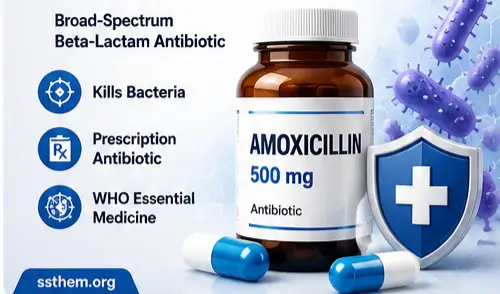 Life-Changing Amoxicillin Secrets
The story of amoxicillin begins not in a modern pharmaceutical laboratory but in a mold-contaminated petri dish in Alexander Fleming’s laboratory at St. Mary’s Hospital in London in 1928. Fleming’s serendipitous observation that a Penicillium mold produced a substance lethal to staphylococci led, after more than a decade of development work by Howard Florey, Ernst Chain, and their colleagues at Oxford, to the clinical introduction of penicillin G in the early 1940s. That original penicillin molecule saved countless lives during World War II and beyond, but it had significant limitations: poor oral bioavailability, a narrow spectrum of activity largely restricted to gram-positive organisms, susceptibility to degradation by stomach acid, and vulnerability to bacterial beta-lactamase enzymes.
The search for improved penicillins drove medicinal chemistry efforts throughout the 1950s and 1960s. Scientists at Beecham Research Laboratories, working with the 6-aminopenicillanic acid nucleus that had been isolated in 1957, systematically modified the side chain attached to the beta-lactam core. When they added an amino group to the benzyl side chain of ampicillin, they created amoxicillin, a compound with significantly improved oral absorption, a broader spectrum of activity, and a pharmacokinetic profile that permitted less frequent dosing. Beecham launched amoxicillin in the United Kingdom in 1972, and FDA approval in the United States followed in 1974. In the half-century since, amoxicillin has become the most widely used antibiotic in the aminopenicillin class and one of the most commonly prescribed drugs overall.
Chemical Structure and Pharmacologic Classification
Amoxicillin belongs to the aminopenicillin subclass of beta-lactam antibiotics. Its chemical name, (2S,5R,6R)-6-[(2R)-2-amino-2-(4-hydroxyphenyl)acetyl]amino]-3,3-dimethyl-7-oxo-4-thia-1-azabicyclo[3.2.0]heptane-2-carboxylic acid, describes a molecule built around the characteristic beta-lactam ring fused to a thiazolidine ring, with an amino-substituted benzyl side chain that confers its distinctive pharmacologic properties.
The molecular formula is C₁₆H₁₉N₃O₅S, with a molecular weight of 365.4 g/mol. The presence of both an amino group and a hydroxyl group on the phenyl ring makes amoxicillin more hydrophilic than ampicillin, which contributes to its superior oral absorption. The D-hydroxyphenylglycyl side chain is critical for activity against gram-negative bacteria because it enhances penetration through porin channels in the outer membrane, a feature less pronounced in penicillin G or penicillin V.
Clinically, amoxicillin is classified as a moderate-spectrum, bactericidal antibiotic. It is available in multiple oral formulations including capsules (250 mg and 500 mg), tablets (500 mg and 875 mg), chewable tablets (125 mg, 250 mg), and powder for oral suspension (125 mg/5 mL, 200 mg/5 mL, 250 mg/5 mL, 400 mg/5 mL). An extended-release tablet formulation exists for specific indications. An intravenous formulation is available in some countries, though ampicillin or other agents are more commonly used for parenteral therapy.
Amoxicillin Mechanism of Action
 How the Drug Kills Bacteria The Bacterial Cell Wall: A Critical Vulnerability
To understand how amoxicillin works, one must first appreciate the structural difference between human cells and bacterial cells. Human cells are enclosed by a phospholipid bilayer membrane that is flexible, dynamic, and protected from osmotic stress by the regulated internal environment of the extracellular fluid. Bacterial cells, in contrast, must contend with potentially enormous osmotic pressure gradients. The interior of a typical gram-positive bacterium has an osmotic pressure of approximately 20 atmospheres relative to its environment. Without a rigid external structure, the bacterial cell would swell and burst like an overfilled balloon.
The solution evolution provided is peptidoglycan, a macromolecular structure unique to bacteria with no counterpart in human cells. Peptidoglycan consists of long glycan chains composed of alternating N-acetylglucosamine (NAG) and N-acetylmuramic acid (NAM) residues, cross-linked by short peptide bridges. This creates a continuous, mesh-like sac surrounding the cytoplasmic membrane, strong enough to withstand osmotic pressure yet dynamic enough to permit cell growth and division. The synthesis, maintenance, and remodeling of peptidoglycan are mediated by a group of enzymes collectively termed penicillin-binding proteins (PBPs), named for their affinity for penicillin and related beta-lactam antibiotics.
Beta-Lactam Binding and Enzyme Inhibition
Amoxicillin enters the bacterial cell through porin channels in gram-negative organisms or directly across the more accessible peptidoglycan layer in gram-positive organisms. Once in the periplasmic space, the amoxicillin molecule encounters its molecular targets, the PBPs. These enzymes perform several critical functions in peptidoglycan assembly: transpeptidase activity that cross-links peptide side chains, carboxypeptidase activity that controls the degree of cross-linking, and transglycosylase activity that elongates glycan chains.
The beta-lactam ring of amoxicillin bears a striking three-dimensional structural resemblance to the D-alanyl-D-alanine terminus of the peptidoglycan peptide chain, which is the natural substrate for PBP transpeptidase enzymes. This molecular mimicry is the key to the drug’s mechanism. When a PBP enzyme encounters amoxicillin, it mistakes the beta-lactam ring for its natural substrate and opens the ring by cleaving the amide bond, forming a covalent acyl-enzyme complex. Unlike the normal catalytic cycle, in which the acyl intermediate is rapidly hydrolyzed to regenerate free enzyme, the beta-lactam-derived acyl complex is extremely stable. The PBP enzyme is irreversibly inactivated, permanently removed from the peptidoglycan synthesis machinery.
The consequences of PBP inactivation unfold over the subsequent bacterial generation. Without functional transpeptidases, newly synthesized peptidoglycan cannot be properly cross-linked. The cell wall becomes progressively weaker. Autolytic enzymes, normally involved in remodeling peptidoglycan during growth, continue to degrade existing cell wall material unchecked. Eventually, the weakened wall can no longer contain the osmotic pressure, and the cell undergoes lysis. This sequence—PBP binding, enzyme inactivation, defective cell wall synthesis, autolytic degradation, and osmotic lysis—defines amoxicillin as a bactericidal antibiotic. It does not merely inhibit bacterial growth; it actively kills susceptible bacteria.
Spectrum of Activity: What Amoxicillin Covers
The clinical value of amoxicillin lies in its spectrum, which includes important gram-positive and gram-negative pathogens commonly encountered in community-acquired infections. Representative susceptible organisms include:
Gram-positive aerobes: Streptococcus pneumoniae (including many penicillin-intermediate strains at appropriate doses), Streptococcus pyogenes (Group A streptococcus), Streptococcus agalactiae (Group B streptococcus), viridans group streptococci, Enterococcus faecalis, and Listeria monocytogenes.
Gram-negative aerobes: Haemophilus influenzae (non-beta-lactamase-producing strains), Escherichia coli (some community-acquired strains), Proteus mirabilis, Salmonella species, Shigella species, and Helicobacter pylori.
Anaerobes: Peptostreptococcus species, Clostridium species (non-difficile), and Fusobacterium species.
Organisms against which amoxicillin has no clinically useful activity include methicillin-resistant Staphylococcus aureus (MRSA), Pseudomonas aeruginosa, Klebsiella pneumoniae, Enterobacter species, Serratia marcescens, Acinetobacter species, Bacteroides fragilis, and Mycoplasma pneumoniae. These intrinsic resistances, coupled with acquired resistance via beta-lactamase production, define the boundaries of amoxicillin’s clinical application.
Pharmacodynamics: Time-Dependent Killing
The bactericidal activity of amoxicillin is best described as time-dependent rather than concentration-dependent. This pharmacodynamic characteristic has profound implications for dosing strategy. For concentration-dependent antibiotics like aminoglycosides, the key parameter predicting efficacy is the peak drug concentration divided by the minimum inhibitory concentration (Cmax/MIC), and high doses given infrequently optimize bacterial killing. For amoxicillin and other beta-lactams, the predictive efficacy parameter is the time during which the free (unbound) drug concentration exceeds the MIC (fT>MIC). Maximal bactericidal activity is achieved when free drug concentrations exceed the MIC for approximately 40-50% of the dosing interval for penicillins, though some sources cite 35-40% for amoxicillin specifically.
This principle explains why amoxicillin is typically dosed multiple times daily for most indications rather than as a single large dose. Dividing the total daily dose into two or three administrations maintains serum concentrations above the MIC for a greater cumulative time than would a single large dose, even though the peak concentration with divided dosing is lower. The clinical correlate is that missing doses or extending dosing intervals significantly reduces efficacy, a point worth emphasizing during patient counseling.
Amoxicillin Pharmacokinetics: The Complete ADME Profile
Understanding amoxicillin pharmacokinetics is essential for appropriate clinical use, and the concepts of absorption, distribution, metabolism, and excretion form the foundation of this understanding. For readers interested in a comprehensive exploration of these principles beyond amoxicillin, the detailed guide on the complete ADME pharmacokinetics framework provides extensive background knowledge that contextualizes the information presented here.
Absorption: Superior Oral Bioavailability
The defining pharmacokinetic advantage of amoxicillin over its chemical predecessor ampicillin is its superior oral absorption. Amoxicillin is remarkably stable in the presence of gastric acid, resisting degradation that would inactivate other penicillins. Following oral administration, absorption occurs primarily in the duodenum and proximal jejunum via a combination of passive diffusion and active transport through peptide transporter 1 (PEPT1) in the intestinal epithelium. This active transport mechanism, which also carries dipeptides and tripeptides across the brush border membrane, contributes significantly to amoxicillin’s high bioavailability.
The oral bioavailability of amoxicillin is approximately 74-92% in fasting adults, substantially higher than the 30-55% typical of ampicillin. Food has minimal impact on the extent of amoxicillin absorption, though it may slightly delay the time to peak concentration. This property allows amoxicillin to be administered without regard to meals, improving adherence compared to antibiotics that must be taken on an empty stomach.
Following a 500 mg oral dose, peak serum concentrations of approximately 7.5 mcg/mL are achieved within 1 to 2 hours. Doubling the dose to 1,000 mg produces peak concentrations of approximately 13-15 mcg/mL, demonstrating dose-proportional pharmacokinetics within the therapeutic range. For a more detailed discussion of how absorption characteristics affect clinical outcomes, the article on bioavailability in pharmacology provides essential context.
Distribution: Tissue and Fluid Penetration
Amoxicillin distributes widely throughout the body, with a volume of distribution of approximately 0.3-0.4 L/kg in adults with normal renal function. Plasma protein binding is relatively low at approximately 18-20%, meaning that 80% or more of circulating drug is free (unbound) and pharmacologically active. This low protein binding contributes to excellent tissue penetration because only unbound drug can cross capillary membranes.
Therapeutically relevant concentrations are achieved in numerous tissues and body fluids, which explains the drug’s broad clinical utility:
Middle ear fluid: Amoxicillin penetrates middle ear effusions well, achieving concentrations that typically exceed the MIC₉₀ for Streptococcus pneumoniae, the most common bacterial pathogen in acute otitis media. This penetration is critical for the drug’s established role in ear infections.
Sinonasal mucosa and secretions: Concentrations in sinus tissue and sinus fluid reach 30-50% of simultaneous serum levels, adequate for treating susceptible pathogens in acute bacterial rhinosinusitis.
Respiratory tract: Bronchial mucosa concentrations are approximately 40-50% of serum levels. Sputum concentrations are variable but generally adequate for treating infections caused by Streptococcus pneumoniae and Haemophilus influenzae.
Tonsillar tissue: Amoxicillin concentrates well in tonsillar tissue, achieving levels that effectively eradicate Group A streptococcus from the pharyngeal carrier state.
Skin and soft tissue: Interstitial fluid concentrations, as measured by microdialysis techniques, reach approximately 60-80% of serum levels, sufficient for treating erysipelas, cellulitis, and other skin infections caused by susceptible organisms.
Bone and synovial fluid: Penetration into bone is modest, with bone concentrations approximately 10-30% of serum levels. This limits amoxicillin’s utility in osteomyelitis except when combined with surgical debridement.
Urinary tract: Amoxicillin is concentrated in the urine, with urinary concentrations exceeding serum levels by 10- to 100-fold, making it highly effective for uncomplicated urinary tract infections caused by susceptible organisms.
Cerebrospinal fluid: Penetration is poor in the absence of meningeal inflammation, with CSF levels reaching only 1-2% of serum levels. However, in bacterial meningitis with inflamed meninges, penetration increases to 10-30% of serum levels, which can be clinically useful for susceptible organisms like Listeria monocytogenes.
Metabolism: Minimal Hepatic Biotransformation
Unlike many drugs that undergo extensive hepatic metabolism via cytochrome P450 enzymes, amoxicillin undergoes relatively limited metabolic transformation. The primary metabolic pathway involves hydrolysis of the beta-lactam ring to form penicilloic acid, an inactive metabolite. This hydrolysis occurs spontaneously in aqueous solution at a slow rate and is also catalyzed by bacterial beta-lactamases in the gut lumen. A small fraction of an administered dose undergoes hepatic metabolism, but CYP450 enzymes play a negligible role, which is why amoxicillin has relatively few pharmacokinetic drug interactions compared to many other medications.
The limited metabolism of amoxicillin has clinical implications. Because the drug does not rely on hepatic clearance, dose adjustment is unnecessary in patients with hepatic impairment. Conversely, because renal excretion is the predominant elimination pathway, significant dose adjustment is required in renal insufficiency, a topic discussed in detail in the dosing section.
Excretion: Renal Elimination and Half-Life
Amoxicillin is eliminated primarily by the kidneys, with approximately 60-70% of an oral dose excreted unchanged in the urine within 6 to 8 hours. Renal elimination occurs via both glomerular filtration and active tubular secretion in the proximal tubule. The tubular secretion mechanism involves organic anion transporters (OATs), the same transporters that handle endogenous organic acids like uric acid. Because tubular secretion is a saturable, carrier-mediated process, co-administration of drugs that compete for OAT binding, most notably probenecid, can significantly increase and prolong amoxicillin serum concentrations. This interaction is sometimes exploited therapeutically when high and sustained amoxicillin levels are desired.
The elimination half-life of amoxicillin in adults with normal renal function is approximately 60-90 minutes. The concept of half-life—the time required for the serum concentration to decrease by 50%—is fundamental to understanding dosing intervals. For a comprehensive primer on why half-life matters and how it varies across medications, consult the detailed guide on the half-life of medicines.
In the context of amoxicillin, the relatively short half-life explains the traditional three-times-daily dosing schedule. With a half-life of approximately 1.3 hours, serum concentrations fall below the MIC for many target pathogens within 4-6 hours of a dose, necessitating re-dosing to maintain the fT>MIC required for optimal bacterial killing. The extended-release formulation was developed, in part, to address this pharmacokinetic limitation by prolonging the absorption phase and thereby extending the time above MIC.
In renal impairment, the amoxicillin half-life is prolonged in proportion to the reduction in creatinine clearance. In end-stage renal disease with a creatinine clearance below 10 mL/minute, the half-life may extend to 7-20 hours. Hemodialysis effectively removes amoxicillin, and supplemental dosing after dialysis sessions is recommended when maintaining therapeutic levels is clinically necessary.
Amoxicillin vs Augmentin
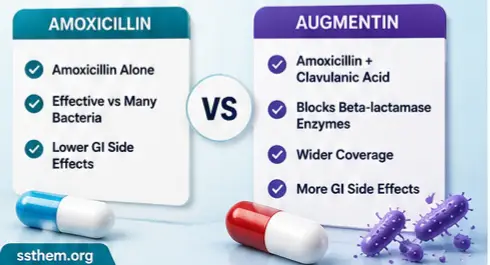 Understanding the Critical Difference with Life-Changing Amoxicillin Secrets
Perhaps no therapeutic comparison in outpatient infectious disease practice is more frequently discussed than amoxicillin versus Augmentin (the branded combination of amoxicillin and clavulanic acid). The distinction is fundamental to rational antibiotic prescribing, yet it is frequently misunderstood by patients and occasionally even by prescribers operating outside their areas of expertise.
The Beta-Lactamase Problem
The central issue that Augmentin addresses is bacterial resistance mediated by beta-lactamase enzymes. Beta-lactamases are bacterial enzymes that hydrolyze the beta-lactam ring, the essential structural feature that gives amoxicillin its antibacterial activity. When a bacterium produces beta-lactamase, it can inactivate amoxicillin before the drug reaches its PBP targets, rendering the bacterium resistant regardless of the amoxicillin concentration achieved at the site of infection.
Beta-lactamase production is extraordinarily common among clinically important bacteria. More than 90% of Staphylococcus aureus isolates produce beta-lactamase. Approximately 30-40% of Haemophilus influenzae isolates and more than 90% of Moraxella catarrhalis isolates produce beta-lactamase. Among Enterobacteriaceae, the prevalence of beta-lactamase production is high and rising, with extended-spectrum beta-lactamases (ESBLs) representing an increasingly serious public health threat.
Clavulanic Acid: The Beta-Lactamase Inhibitor
Clavulanic acid, isolated from Streptomyces clavuligerus, is itself a beta-lactam compound with minimal intrinsic antibacterial activity. Its clinical value lies entirely in its ability to bind irreversibly to many bacterial beta-lactamases, inhibiting their enzymatic activity. Structurally, clavulanic acid resembles a penicillin nucleus. When it encounters a beta-lactamase enzyme, it forms an acyl-enzyme complex similar to that formed by amoxicillin with PBPs. This complex inactivates the beta-lactamase, leaving it unable to hydrolyze subsequently encountered amoxicillin molecules.
This mechanism is often described as a “suicide inhibition” because the clavulanic acid molecule is consumed in the process of inactivating the enzyme. The clinical consequence is that co-administration of clavulanic acid with amoxicillin protects the amoxicillin from beta-lactamase-mediated degradation, effectively extending its spectrum to cover beta-lactamase-producing strains of bacteria that would otherwise be resistant.
Clinical Decision-Making: When Each Agent Is Appropriate
Choosing between amoxicillin and amoxicillin-clavulanate requires an assessment of the likely pathogens involved in the infection being treated and the local prevalence of beta-lactamase-mediated resistance.
Amoxicillin alone is appropriate for:
- Streptococcal pharyngitis (Group A streptococcus does not produce beta-lactamase)
- Acute otitis media in low-risk children (many S. pneumoniae strains remain susceptible)
- Uncomplicated enterococcal infections
- Dental infections when anaerobic coverage is not required
- Endocarditis prophylaxis
- Early localized Lyme disease
- H. pylori eradication (as part of triple therapy)
Amoxicillin-clavulanate is preferred or required for:
- Acute otitis media where beta-lactamase-producing H. influenzae or M. catarrhalis is likely
- Sinusitis with risk factors for beta-lactamase-producing organisms
- Human or animal bite wounds (where beta-lactamase-producing anaerobes are common)
- Diabetic foot infections
- Community-acquired pneumonia where beta-lactamase-producing H. influenzae is a concern
- Skin infections where S. aureus is a suspected pathogen
- Infections where mixed aerobic-anaerobic flora is anticipated
The trade-off is tolerability. Amoxicillin-clavulanate causes gastrointestinal side effects—particularly diarrhea—at significantly higher rates than amoxicillin alone, largely attributable to the clavulanate component. For a detailed exploration of these adverse effects and their management, consult the comprehensive resource on co-amoxiclav side effects.
A Note on Nomenclature
In different countries, the combination product is known by various names. In the United Kingdom and many Commonwealth countries, it is commonly called co-amoxiclav. In the United States, the brand name Augmentin and its generic equivalents predominate. The detailed article on the benefits and uses of co-amoxiclav provides additional clinical context for readers seeking a broader understanding of this combination agent.
Amoxicillin vs Azithromycin
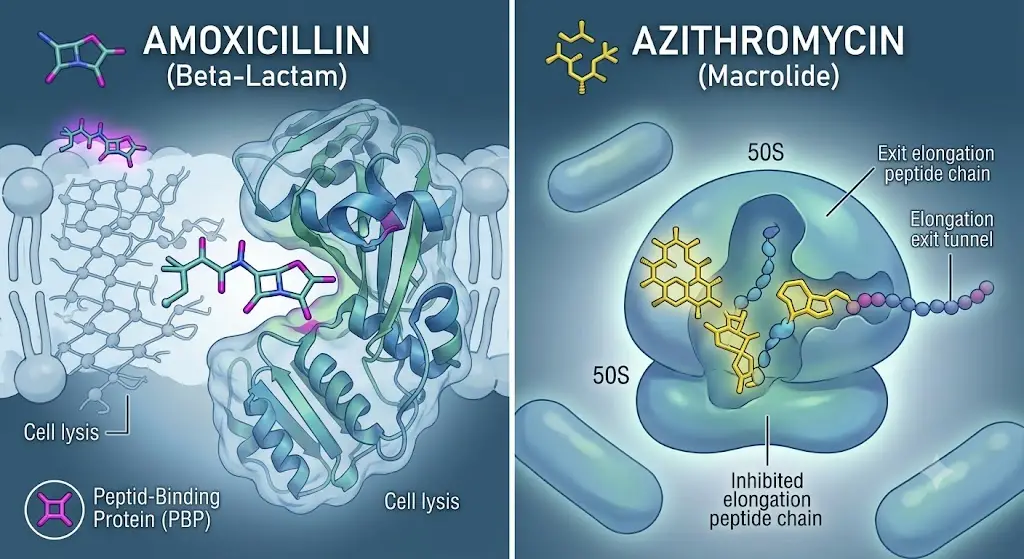 Choosing the Right Antibiotic
The comparison between amoxicillin and azithromycin arises frequently in clinical practice, particularly in the management of respiratory tract infections. These two antibiotics represent entirely different pharmacologic classes with distinct mechanisms, spectra, pharmacokinetic profiles, and clinical niches.
Fundamental Pharmacologic Differences
Amoxicillin is a beta-lactam antibiotic that inhibits cell wall synthesis; azithromycin is a macrolide (specifically, an azalide) that inhibits bacterial protein synthesis by binding to the 50S ribosomal subunit and blocking translocation of the growing peptide chain. This mechanistic difference means that the two drugs have essentially non-overlapping bacterial targets.
Amoxicillin is bactericidal against susceptible organisms. Azithromycin is generally bacteriostatic, meaning it inhibits bacterial growth and replication without directly killing organisms, relying on the host immune system to clear the infection. The clinical relevance of bacteriostatic versus bactericidal activity varies by infection site and host immune status.
The pharmacokinetic profiles differ dramatically. Amoxicillin has a half-life of approximately one hour and requires multiple daily dosing; azithromycin has an extraordinarily long tissue half-life of 68 hours, permitting once-daily dosing for short courses (often 3-5 days) with sustained tissue levels for up to 10 days after the last dose. This pharmacokinetic advantage makes azithromycin attractive for situations where adherence is a significant concern.
Spectrum and Clinical Applications
Amoxicillin is superior for:
- Streptococcal pharyngitis (Group A streptococcus is uniformly susceptible to penicillins; macrolide resistance is increasing)
- Acute otitis media (amoxicillin achieves better middle ear concentrations than azithromycin)
- Enterococcal infections (enterococci are intrinsically resistant to macrolides)
- Dental infections
- Lyme disease
- H. pylori eradication
- Listeria infections
Azithromycin is preferred for:
- Atypical pneumonia caused by Mycoplasma pneumoniae, Chlamydia pneumoniae, or Legionella species (these organisms lack a peptidoglycan cell wall and are intrinsically resistant to beta-lactams)
- Pertussis (Bordetella pertussis)
- Chlamydia trachomatis infections
- Campylobacter enteritis
- Traveler’s diarrhea caused by enterotoxigenic E. coli
- Mycobacterium avium complex prophylaxis and treatment
The Resistance Concern
An important consideration favoring amoxicillin for many common infections is the increasing prevalence of macrolide resistance among Streptococcus pneumoniae and Group A streptococcus. In the United States, approximately 30-40% of S. pneumoniae isolates now demonstrate macrolide resistance, and resistance rates among Group A streptococcus range from 5-20% depending on geographic region. When macrolide resistance is documented or suspected based on local antibiograms, amoxicillin becomes the preferred agent.
Amoxicillin Uses: FDA-Approved Indications and Evidence-Based Applications
The clinical applications of amoxicillin span nearly every organ system. The following sections detail the major indications, organized by body system, with supporting evidence and relevant clinical guidance.
Amoxicillin Dosage Guide: Adult and Pediatric Dosing Principles
Appropriate amoxicillin dosing requires consideration of the infection site, the suspected or confirmed pathogen, its anticipated susceptibility, the patient’s renal function, and the pharmacodynamic principle of time-above-MIC that underlies beta-lactam efficacy. The following recommendations reflect current guidelines and standard practice, but they do not substitute for clinical judgment in individual cases.
Amoxicillin Dosage for Adults
General adult dosing for mild to moderate infections:
The standard adult dose of amoxicillin for most indications is 500 mg every 8 hours or 875 mg every 12 hours. The twice-daily regimen exploits the post-antibiotic effect observed with amoxicillin against certain organisms and offers improved adherence without compromising efficacy for most infections.
Higher-dose regimens for specific indications:
For infections where drug penetration is limited or where penicillin-nonsusceptible Streptococcus pneumoniae is a concern, high-dose amoxicillin is employed: 1,000 mg every 8 hours (3,000 mg total daily dose) or 2,000 mg every 12 hours (4,000 mg total daily dose). The high-dose approach is most commonly applied in acute otitis media, acute bacterial rhinosinusitis, and community-acquired pneumonia.
Indication-specific adult dosing:
| Indication | Standard Dose | Duration |
|---|---|---|
| Streptococcal pharyngitis | 500 mg BID or 1,000 mg once daily | 10 days |
| Acute bacterial rhinosinusitis | 500 mg TID or 875 mg BID | 5-10 days |
| Community-acquired pneumonia | 1,000 mg TID (high-dose) | 5-7 days |
| Acute otitis media (adult) | 500 mg TID or 875 mg BID | 5-7 days |
| Urinary tract infection | 500 mg TID | 3-7 days |
| Dental abscess | 500 mg TID | 5-7 days |
| H. pylori eradication | 1,000 mg BID (with clarithromycin and PPI) | 14 days |
| Lyme disease (early) | 500 mg TID | 14-21 days |
| Endocarditis prophylaxis | 2,000 mg single dose | 1 hour pre-procedure |
| Skin and soft tissue infection | 500 mg TID or 875 mg BID | 7-10 days |
Pediatric Dosing
Pediatric amoxicillin dosing is weight-based for children weighing less than 40 kg. For children weighing 40 kg or more, adult dosing is used.
Standard pediatric dosing:
– 40-50 mg/kg/day divided into two or three doses
High-dose pediatric regimen (for otitis media, sinusitis, pneumonia):
– 80-90 mg/kg/day divided into two doses
– Maximum: 4,000 mg/day
Indication-specific pediatric examples:
– A 15 kg child with otitis media: 90 mg/kg/day = 1,350 mg/day ÷ 2 = 675 mg BID
– A 25 kg child with streptococcal pharyngitis: 50 mg/kg/day = 1,250 mg/day; could be given as 600 mg BID
Renal Impairment Dosing
Amoxicillin dose adjustment in renal impairment is critical to avoid accumulation and potential toxicity:
- CrCl ≥ 30 mL/minute: No adjustment required
- CrCl 10-30 mL/minute: 250-500 mg every 12 hours (reduce dose or extend interval)
- CrCl < 10 mL/minute: 250-500 mg every 24 hours
- Hemodialysis: 250-500 mg every 24 hours, with a supplemental dose after dialysis
Amoxicillin for Ear Infection: Otitis Media Management
Acute otitis media (AOM) is the most common bacterial infection of childhood and the leading indication for antibiotic prescribing in the pediatric population. Amoxicillin has been the first-line agent for AOM for decades, a recommendation consistently endorsed by the American Academy of Pediatrics, the American Academy of Family Physicians, and similar organizations worldwide.
Pathophysiology and Microbiology
AOM develops when eustachian tube dysfunction leads to accumulation of middle ear fluid, which then becomes secondarily infected by bacteria that have ascended from the nasopharynx. The three predominant bacterial pathogens are Streptococcus pneumoniae (30-50% of culture-positive cases), non-typeable Haemophilus influenzae (20-30%), and Moraxella catarrhalis (10-15%). Group A streptococcus and Staphylococcus aureus are less common causes.
The choice of amoxicillin is based on its excellent activity against S. pneumoniae—historically the most common and most virulent of the AOM pathogens—its adequate activity against non-beta-lactamase-producing H. influenzae, and its superior penetration into middle ear fluid compared to alternative agents.
Dosing Considerations Specific to Otitis Media
The critical evolution in AOM management over the past two decades has been the recognition that standard-dose amoxicillin (40-45 mg/kg/day) is insufficient for many children because it fails to achieve middle ear fluid concentrations exceeding the MIC₉₀ for penicillin-nonsusceptible S. pneumoniae. High-dose amoxicillin (80-90 mg/kg/day divided twice daily) achieves middle ear fluid concentrations that exceed the MIC₉₀ for intermediately penicillin-resistant S. pneumoniae for a greater proportion of the dosing interval, improving clinical and bacteriologic cure rates.
For children with AOM who have received amoxicillin within the preceding 30 days, who have concomitant purulent conjunctivitis (suggesting H. influenzae), or who have failed initial amoxicillin therapy after 48-72 hours, amoxicillin-clavulanate is recommended rather than amoxicillin alone.
Amoxicillin for Sinus Infection: Acute Bacterial Rhinosinusitis
Acute bacterial rhinosinusitis (ABRS) affects approximately 30 million adults in the United States annually and accounts for a substantial proportion of antibiotic prescriptions in primary care. The challenge in managing ABRS is distinguishing bacterial from viral etiologies, as the majority of sinusitis episodes are viral and do not benefit from antibiotic therapy.
Diagnostic Criteria and When to Treat
The Infectious Diseases Society of America (IDSA) clinical practice guideline recommends diagnosing ABRS and initiating antibiotic therapy when symptoms meet one of three criteria: (1) persistent symptoms lasting 10 days or more without improvement, (2) severe symptoms including fever ≥39°C (102°F) with purulent nasal discharge or facial pain lasting 3-4 consecutive days, or (3) “double worsening” characterized by worsening symptoms after an initial period of improvement over 5-6 days.
The microbiology of ABRS mirrors that of AOM, with Streptococcus pneumoniae, Haemophilus influenzae, and Moraxella catarrhalis predominating. Amoxicillin remains the first-line agent, with amoxicillin-clavulanate reserved for patients with risk factors for beta-lactamase-producing organisms: age over 65, recent hospitalization, antibiotic use within the past month, immunocompromised status, severe infection, or high rates of penicillin-nonsusceptible S. pneumoniae in the community.
The recommended adult dose for ABRS is 500 mg three times daily or 875 mg twice daily for 5-10 days. For children, high-dose amoxicillin (80-90 mg/kg/day) is recommended.
Amoxicillin for Strep Throat: Pharyngitis and Tonsillitis
Group A beta-hemolytic streptococcus (Streptococcus pyogenes) is the most common bacterial cause of pharyngitis, accounting for approximately 15-30% of cases in children and 5-15% in adults. Accurate diagnosis requires microbiologic confirmation via rapid antigen detection testing or throat culture, as clinical features alone cannot reliably distinguish streptococcal from viral pharyngitis.
Why Penicillins Remain the Gold Standard
Despite decades of use, Group A streptococcus has not developed resistance to penicillin or amoxicillin—a remarkable fact that stands in stark contrast to the widespread resistance observed with macrolides and clindamycin. The reasons for this sustained susceptibility are not fully understood but may relate to the organism’s inability to acquire beta-lactamase genes and the fitness cost that such acquisition would impose.
Amoxicillin is preferred over penicillin V for streptococcal pharyngitis in children because of its superior palatability (the liquid suspension is more acceptable than penicillin V suspension) and its once-daily dosing option, which improves adherence without compromising efficacy. The once-daily regimen of 1,000 mg (adults) or 50 mg/kg (children, maximum 1,000 mg) for 10 days has been demonstrated in multiple randomized trials to be equivalent to penicillin V administered multiple times daily for the same duration.
Treatment is continued for a full 10 days, even though symptomatic improvement typically occurs within 24-48 hours. The 10-day course is necessary to achieve maximal eradication of the organism from the pharynx, thereby preventing suppurative complications (peritonsillar abscess, cervical lymphadenitis) and the nonsuppurative complication of acute rheumatic fever.
Amoxicillin for Chest Infection and Pneumonia: Lower Respiratory Tract Indications
The role of amoxicillin in lower respiratory tract infections varies by the clinical syndrome, the likely pathogen, and the severity of illness. Amoxicillin has a well-defined but limited place in the management of community-acquired pneumonia and acute bronchitis.
Community-Acquired Pneumonia
The microbiologic etiology of community-acquired pneumonia depends on the clinical setting and patient characteristics. Streptococcus pneumoniae remains the most common bacterial pathogen across all settings. Atypical organisms (Mycoplasma pneumoniae, Chlamydia pneumoniae, Legionella species) are more common in younger, otherwise healthy patients, while Haemophilus influenzae and Moraxella catarrhalis assume greater importance in patients with underlying chronic obstructive pulmonary disease.
Amoxicillin is an appropriate agent for ambulatory patients with community-acquired pneumonia who are otherwise healthy and have not received antibiotics in the preceding 3 months. The recommended dose is 1,000 mg three times daily—the high-dose regimen that achieves serum concentrations above the MIC₉₀ for drug-resistant S. pneumoniae for an adequate proportion of the dosing interval. When atypical coverage is required (based on clinical suspicion or epidemiologic factors), amoxicillin is combined with a macrolide (azithromycin or clarithromycin) or doxycycline.
Acute Bronchitis and Acute Exacerbation of COPD
Acute bronchitis in otherwise healthy adults is almost exclusively viral, and antibiotic therapy including amoxicillin provides no clinically meaningful benefit. Guidelines strongly recommend against routine antibiotic use for acute bronchitis.
In acute exacerbations of chronic obstructive pulmonary disease (AECOPD), the role of antibiotics is reserved for patients with increased dyspnea, increased sputum volume, and increased sputum purulence—the three cardinal symptoms described by Anthonisen and colleagues. When all three are present, antibiotic therapy reduces treatment failure rates. Amoxicillin is among the first-line options recommended by the Global Initiative for Chronic Obstructive Lung Disease (GOLD), dosed at 500 mg three times daily or 875 mg twice daily for 5-7 days.
Amoxicillin for Tooth Infection: Dental and Oral Indications
Amoxicillin is the most commonly prescribed antibiotic in dentistry, used for odontogenic infections ranging from localized periapical abscesses to spreading infections involving facial spaces. The rationale for amoxicillin use in dentistry is grounded in the microbiology of the oral cavity and the pharmacokinetic properties that favor penetration into oral tissues.
Microbiology of Odontogenic Infections
Odontogenic infections are polymicrobial, typically involving a mixture of aerobic gram-positive cocci (viridans group streptococci, including Streptococcus anginosus group organisms), anaerobic gram-positive cocci (Peptostreptococcus species), and anaerobic gram-negative rods (Prevotella, Porphyromonas, and Fusobacterium species). Streptococcus anginosus group organisms are of particular concern due to their association with severe infections and abscess formation.
Amoxicillin provides excellent activity against viridans group streptococci and many of the gram-positive anaerobes. However, it lacks activity against beta-lactamase-producing anaerobes, which may be present in approximately 30-40% of odontogenic infections. For severe infections, spreading infections, or infections that have failed to respond to amoxicillin monotherapy, amoxicillin-clavulanate or the combination of amoxicillin with metronidazole provides broader anaerobic coverage.
Clinical Applications and Dosing
For localized odontogenic infections without systemic symptoms, definitive treatment is surgical (extraction, root canal therapy, incision and drainage), and antibiotics may not be necessary. Antibiotic therapy is indicated when systemic signs are present (fever, lymphadenopathy, trismus), when infection is spreading into facial spaces, or when the patient is immunocompromised.
The standard dental dose is 500 mg three times daily for 5-7 days. In severe infections, 1,000 mg three times daily may be warranted. Evidence suggests that shorter courses (3-5 days) are often adequate when definitive surgical treatment is performed promptly.
Amoxicillin for Skin Infection: SSTI Management
The role of amoxicillin in skin and soft tissue infections is more limited than in respiratory tract infections, primarily because the most common skin pathogen, Staphylococcus aureus, is frequently resistant to amoxicillin via beta-lactamase production. However, specific skin infections caused by streptococci are highly responsive to amoxicillin therapy.
Erysipelas and Cellulitis
Erysipelas is a superficial skin infection characterized by well-demarcated, raised, erythematous plaques, typically on the face or lower extremities, and almost always caused by Group A streptococcus (Streptococcus pyogenes). Cellulitis involves deeper dermal and subcutaneous tissues and may be caused by Group A streptococcus, other beta-hemolytic streptococci (Groups B, C, and G), or Staphylococcus aureus.
When the clinical presentation suggests streptococcal etiology—diffuse erythema without abscess or purulent drainage, rapid progression, and lymphangitic streaking—amoxicillin 500 mg three times daily or 875 mg twice daily for 5-10 days is effective therapy. For purulent cellulitis suggesting staphylococcal etiology, amoxicillin is inappropriate due to S. aureus beta-lactamase production.
Other Skin Indications
Amoxicillin is effective for erythema migrans, the characteristic rash of early localized Lyme disease, dosed at 500 mg three times daily for 14-21 days. It is also used for erysipeloid (Erysipelothrix rhusiopathiae infection) and as prophylaxis for recurrent cellulitis in patients with predisposing conditions such as lymphedema.
Amoxicillin Side Effects in Adults: What to Expect and When to Worry
Amoxicillin is generally well-tolerated, but all medications carry the potential for adverse effects. Understanding the spectrum of possible side effects, their mechanisms, their expected frequency, and their management is an essential component of informed prescribing and patient counseling.
Gastrointestinal Effects: Common and Usually Self-Limited
Gastrointestinal disturbances are the most frequently reported adverse effects of amoxicillin. Diarrhea occurs in approximately 5-10% of patients, resulting from disruption of the normal colonic microbiota combined with a direct prokinetic effect on the gut mediated through motilin receptor stimulation. Nausea, vomiting, and epigastric discomfort are less common, reported by 1-5% of patients. These symptoms are typically mild and self-limited, resolving without specific intervention upon completion of the antibiotic course.
For a comprehensive discussion of amoxicillin-associated gastrointestinal effects and evidence-based management strategies, the detailed article on co-amoxiclav side effects provides relevant information applicable to amoxicillin as well.
Taking amoxicillin with food may reduce gastrointestinal upset, though it is not required for absorption. Probiotic supplementation during and after antibiotic therapy has been shown in some studies to reduce the incidence and severity of antibiotic-associated diarrhea, though the quality of evidence varies by probiotic strain and formulation.
Cutaneous Reactions: Rash vs. True Allergy
Maculopapular rash develops in approximately 3-10% of patients taking amoxicillin. This rash is not necessarily indicative of IgE-mediated hypersensitivity. A distinct phenomenon is the “amoxicillin rash” that occurs in patients with Epstein-Barr virus infection (infectious mononucleosis): nearly 90% of patients with EBV infection who receive amoxicillin develop a morbilliform rash. This reaction is not allergic and does not preclude future amoxicillin use. However, distinguishing this benign rash from the urticarial rash of true penicillin allergy requires clinical expertise.
Rare but Serious Adverse Events
Clostridioides difficile-associated diarrhea occurs when broad-spectrum antibiotics disrupt the normal colonic flora, permitting overgrowth of toxigenic C. difficile. The risk is lower with amoxicillin than with amoxicillin-clavulanate, clindamycin, fluoroquinolones, or third-generation cephalosporins, but it is not zero. Any patient who develops diarrhea during or within 2 months of completing amoxicillin therapy should be evaluated for C. difficile if symptoms are severe, persistent, or accompanied by systemic signs.
Hepatotoxicity is rare with amoxicillin alone but has been reported. It is substantially more common with amoxicillin-clavulanate, attributable to the clavulanate component. Manifestations range from asymptomatic transaminase elevation to, in extremely rare cases, acute liver failure.
Hematologic effects including neutropenia, thrombocytopenia, and hemolytic anemia have been reported, almost always in the setting of prolonged therapy (weeks to months) or high cumulative doses.
Acute interstitial nephritis is a rare hypersensitivity reaction characterized by fever, rash, eosinophilia, and acute kidney injury. It can occur at any time during therapy and requires prompt recognition and discontinuation of the offending agent.
Stevens-Johnson syndrome and toxic epidermal necrolysis are exceedingly rare, life-threatening mucocutaneous reactions that have been associated with virtually all beta-lactam antibiotics. The incidence is estimated at less than 1 per 100,000 treatment courses.
Amoxicillin Side Effects in Children: Pediatric Safety Profile
The safety profile of amoxicillin in children is generally favorable, and the drug has been used extensively in pediatric populations for over four decades. However, pediatric patients present unique considerations related to developing organ systems, age-specific pharmacokinetics, and the challenges of recognizing adverse effects in nonverbal or preverbal children.
Frequency and Types of Pediatric Adverse Effects
Gastrointestinal effects predominate in children as in adults. Diarrhea is the most common adverse effect, reported in approximately 10-15% of children receiving amoxicillin, with higher rates observed with higher doses. Nausea, vomiting, and abdominal discomfort are less common. The liquid suspension formulations may cause dental staining with prolonged use, though this is generally reversible with proper oral hygiene.
Diaper dermatitis (diaper rash) is commonly reported in infants and toddlers receiving amoxicillin, likely representing a combination of diarrheal stool irritation and cutaneous Candida overgrowth secondary to disruption of the normal flora. Treatment is supportive with frequent diaper changes, barrier creams, and topical antifungal therapy when indicated.
The amoxicillin-associated rash, distinct from true allergic urticaria, appears more frequently in children than in adults, particularly in the setting of concurrent viral infections. Parents should be educated that a non-urticarial, maculopapular rash appearing several days into therapy does not necessarily represent an allergy and should be evaluated by a healthcare provider before discontinuing the antibiotic.
Serious Adverse Events in Pediatrics
Serious adverse events in children are rare. C. difficile infection can occur in children as in adults, though the baseline carriage rate in children under 2 years is higher, complicating the interpretation of positive assays in this age group. Anaphylaxis is extremely rare but possible, and parents should be counseled to seek emergency medical attention if symptoms of anaphylaxis develop (urticaria, angioedema, respiratory distress, hypotension).
Amoxicillin Allergy: True Hypersensitivity vs. Intolerance
Penicillin allergy is the most commonly reported drug allergy, with approximately 10% of the general population carrying the label. However, when patients with reported penicillin allergy undergo formal evaluation with skin testing and oral challenge, more than 90% are found not to be truly allergic. This discrepancy has enormous clinical implications, as patients labeled penicillin-allergic receive alternative antibiotics that are often broader-spectrum, less effective, more toxic, and more expensive.
Classification of Hypersensitivity Reactions
The Gell and Coombs classification provides a framework for understanding penicillin hypersensitivity:
Type I (IgE-mediated, immediate): Urticaria, angioedema, bronchospasm, and anaphylaxis occur within minutes to hours of exposure. This is the reaction of greatest concern and represents a true contraindication to re-exposure.
Type II (antibody-mediated, cytotoxic): Drug-induced hemolytic anemia, thrombocytopenia, and neutropenia. These are rare and typically associated with prolonged high-dose therapy.
Type III (immune complex-mediated): Serum sickness presents 7-14 days after exposure with fever, arthralgias, rash, and lymphadenopathy. This is a self-limited reaction that does not typically preclude future penicillin use.
Type IV (T-cell mediated, delayed): Maculopapular exanthems appearing days after exposure, contact dermatitis, and rare severe reactions including Stevens-Johnson syndrome and DRESS (Drug Reaction with Eosinophilia and Systemic Symptoms). The benign maculopapular rash does not represent a contraindication to future use, while severe Type IV reactions do.
The Importance of Delabeling
Antimicrobial stewardship programs increasingly emphasize penicillin allergy delabeling as a priority intervention. Patients with a vague history of “allergy” (family history only, gastrointestinal symptoms attributed to allergy, unknown reaction, or non-specific childhood rash) are candidates for penicillin skin testing and, if negative, oral amoxicillin challenge under medical supervision. Successful delabeling allows these patients to receive amoxicillin and other beta-lactam antibiotics, improving clinical outcomes and reducing the use of second-line agents.
Cross-Reactivity Considerations
The historic teaching that penicillin-allergic patients have a 10% cross-reactivity rate with cephalosporins is no longer considered accurate. The actual cross-reactivity rate is now estimated at less than 2% for first-generation cephalosporins and less than 1% for later-generation cephalosporins, attributable to the fact that the R1 side chain, not the beta-lactam ring shared by both classes, is the primary determinant of cephalosporin allergy.
Amoxicillin Drug Interactions: Clinically Significant Concomitant Medications
Compared to many antibiotics, amoxicillin has a relatively favorable drug interaction profile. Because amoxicillin does not significantly inhibit or induce cytochrome P450 enzymes, it avoids the metabolic interactions that complicate the use of macrolides, azole antifungals, and rifamycins. However, several interactions warrant clinical attention.
Pharmacokinetic Interactions
Probenecid: This uricosuric agent, used for gout, competitively inhibits the renal tubular secretion of amoxicillin via organic anion transporters. Co-administration increases and prolongs amoxicillin serum levels. This interaction is sometimes exploited therapeutically when high and sustained amoxicillin concentrations are desired, as in the treatment of certain infections requiring prolonged time-above-MIC.
Methotrexate: Amoxicillin can reduce the renal clearance of methotrexate, potentially increasing methotrexate toxicity. Penicillins compete with methotrexate for renal tubular secretion, and case reports have documented elevated methotrexate levels and toxicity with concomitant use. Monitoring is recommended when these agents are used together, particularly with high-dose methotrexate therapy.
Allopurinol: Concurrent use of amoxicillin and allopurinol has been associated with an increased risk of non-allergic skin rash. The mechanism is not well understood, but the association appears to be real, and alternative antibiotics may be considered when possible.
Oral anticoagulants: Amoxicillin, like many antibiotics, may enhance the anticoagulant effect of warfarin by reducing vitamin K production by intestinal flora. INR monitoring is recommended when amoxicillin is initiated or discontinued in patients on warfarin.
Pharmacodynamic Interactions
Bacteriostatic antibiotics: Theoretically, the concurrent use of bactericidal antibiotics like amoxicillin with bacteriostatic agents like tetracyclines or macrolides could result in antagonism, as bacteriostatic drugs arrest bacterial growth, and beta-lactams require actively dividing bacteria for optimal killing. The clinical significance of this interaction is debated, and it is likely more relevant in severe infections or immunocompromised hosts than in routine outpatient settings.
Oral contraceptives: The concern that amoxicillin and other broad-spectrum antibiotics reduce the efficacy of oral contraceptives has been widely discussed. The proposed mechanism involves antibiotic-induced disruption of enterohepatic recirculation of estrogen metabolites. While individual case reports exist, pharmacokinetic studies have generally not demonstrated a significant interaction, and the clinical evidence for contraceptive failure is weak. Current guidance suggests that additional contraceptive precautions are not routinely required but may be considered on an individual basis.
Amoxicillin in Pregnancy: Safety, FDA Category, and Clinical Guidance
Infections during pregnancy present a therapeutic challenge because both the untreated infection and its treatment may pose risks to the developing fetus. Amoxicillin is one of the most extensively studied antibiotics in pregnancy, with a large body of evidence supporting its safety when clinically indicated.
FDA Pregnancy Category and Regulatory Classification
Under the current FDA Pregnancy and Lactation Labeling Rule (PLLR), which replaced the previous letter-category system, amoxicillin labeling contains a narrative summary of available human and animal data. Amoxicillin was formerly classified as FDA Pregnancy Category B, meaning that animal reproduction studies failed to demonstrate fetal risk, but adequate and well-controlled studies in pregnant women were not available—or animal studies showed an adverse effect that was not confirmed in controlled human studies.
Evidence Base for Safety
Large observational studies, including data from the National Birth Defects Prevention Study, the Swedish Medical Birth Registry, the Danish National Birth Cohort, and the Motherisk Program, have consistently found no significant increase in major congenital malformations associated with first-trimester amoxicillin exposure. A 2013 meta-analysis published in the British Journal of Clinical Pharmacology that included data on more than 100,000 pregnancies exposed to amoxicillin found no increased risk of major malformations.
The American College of Obstetricians and Gynecologists (ACOG), the Centers for Disease Control and Prevention, and the World Health Organization all consider amoxicillin acceptable for use during pregnancy when clinically indicated.
Clinical Indications in Pregnancy
Common indications for amoxicillin use during pregnancy include urinary tract infections, Group B streptococcal bacteriuria, acute otitis media, streptococcal pharyngitis, and dental infections. In each case, the benefits of treating the infection—which itself poses risks to the pregnancy, including preterm labor, chorioamnionitis, and maternal sepsis—outweigh the theoretical risks of antibiotic exposure.
The standard dosing regimens are used in pregnancy. Pregnancy-associated physiologic changes, including increased plasma volume, increased renal blood flow, and enhanced glomerular filtration, can reduce serum antibiotic concentrations. For serious infections, some experts recommend using the higher end of the dosing range to compensate for these pharmacokinetic alterations, though definitive data are limited.
Amoxicillin While Breastfeeding: Lactation Safety Data
Amoxicillin is considered compatible with breastfeeding. The American Academy of Pediatrics classifies amoxicillin as a medication that is usually compatible with breastfeeding, and the World Health Organization includes it among its essential medicines for use during the postpartum period.
Transfer into Breast Milk
Amoxicillin is excreted into human breast milk in small quantities. Following a maternal dose of 1,000 mg, peak milk concentrations of approximately 0.5-1.5 mcg/mL are achieved—roughly 0.01-0.1% of the maternal dose per liter of milk, or an infant dose of less than 0.5 mg/kg/day, which is well below standard pediatric therapeutic doses. The relative infant dose (RID), calculated as the infant’s dose via milk divided by the maternal dose in mg/kg, is approximately 1-2%, well below the 10% threshold generally used as a conservative cut-off for safety concern.
Potential Infant Effects
The primary concern with maternal amoxicillin use during breastfeeding is disruption of the infant’s developing gut microbiome. Even subtherapeutic antibiotic exposure can alter the composition of intestinal flora, potentially contributing to diarrhea, thrush (oral candidiasis), or diaper dermatitis. These effects, when they occur, are typically mild and self-limited. No serious adverse events attributable to amoxicillin in breast milk have been reported in the medical literature.
The theoretical risk of sensitizing the infant to penicillin through low-level exposure in breast milk exists, but the clinical significance is uncertain, and this potential risk is generally considered acceptable when the maternal indication for amoxicillin is genuine.
Clinical Recommendations
Breastfeeding mothers prescribed amoxicillin should be counseled that the medication is considered safe, that infant exposure through breast milk is minimal, and that the most likely infant effects (if any) are mild gastrointestinal symptoms or oral thrush that will resolve spontaneously. Monitoring the infant for diarrhea, rash, or oral thrush is reasonable. If these symptoms develop and are bothersome, they are managed symptomatically; discontinuation of breastfeeding is not indicated.
For a comprehensive review of pharmacokinetic principles that inform the understanding of drug transfer into breast milk, including the concepts of milk-to-plasma ratio and relative infant dose, the detailed resource on ADME pharmacokinetics provides valuable background information.
Answer : Unlike metronidazole and certain cephalosporins, amoxicillin does not cause a disulfiram-like reaction with alcohol. There is no direct pharmacologic interaction that would produce severe nausea, vomiting, or cardiovascular symptoms. However, alcohol consumption during an infection is generally inadvisable because alcohol can impair immune function, disrupt sleep (which is essential for recovery), contribute to dehydration, and worsen gastrointestinal side effects that are already common with amoxicillin therapy. The safest course is to abstain from alcohol until the infection has resolved and the antibiotic course is complete.
Answer : Symptomatic improvement typically begins within 24-72 hours of initiating amoxicillin for susceptible bacterial infections. Fever, if present, usually resolves within 24-48 hours. Pain associated with infections (ear pain, sore throat, dental pain) typically improves within 48-72 hours. It is crucial that patients understand that feeling better does not mean the infection has been fully eradicated. The remaining bacteria, though reduced in number and no longer producing acute symptoms, can regrow if the antibiotic is discontinued prematurely. This is why completing the full prescribed course is essential, even if symptoms have resolved. The recommended duration—typically 5-10 days depending on the indication—is based on clinical trials demonstrating optimal eradication rates and minimal relapse with these treatment lengths.
Answer : If a dose is missed, it should be taken as soon as the patient remembers. However, if it is nearly time for the next scheduled dose (within 2-3 hours), the missed dose should be skipped and the normal dosing schedule resumed. Doubling the next dose to compensate for the missed dose is not recommended and increases the risk of gastrointestinal side effects without improving efficacy. Consistency in dosing timing is important for maintaining serum concentrations above the MIC for an adequate proportion of the dosing interval, but a single missed dose in an otherwise completed course is unlikely to significantly compromise clinical outcomes for most infections.
Answer : Yes, amoxicillin can predispose to vulvovaginal candidiasis (vaginal yeast infection) by disrupting the normal vaginal microbiota. Lactobacillus species, which normally maintain an acidic vaginal pH and inhibit Candida overgrowth, are not directly killed by amoxicillin because they lack peptidoglycan cell walls. However, broader alterations in the gastrointestinal and vaginal flora can create conditions favorable for Candida proliferation. The reported incidence of vulvovaginal candidiasis with amoxicillin is approximately 2-5%. Symptoms include vaginal itching, thick white discharge, and external irritation. This is a recognized adverse effect that does not represent an allergy. Treatment with topical or oral antifungal agents is effective, and probiotic supplementation may reduce the risk.
Answer : In therapeutic doses with appropriate renal function, amoxicillin is not nephrotoxic. This stands in contrast to aminoglycosides (gentamicin, tobramycin), vancomycin, and amphotericin B, which carry well-established nephrotoxicity risks. However, two renal considerations apply: First, amoxicillin is renally eliminated, so dose adjustment is required in patients with pre-existing renal impairment to avoid drug accumulation and potential toxicity. Second, acute interstitial nephritis, a rare hypersensitivity reaction to amoxicillin and other beta-lactams, presents with fever, rash, eosinophilia, and acute kidney injury. This is a drug reaction, not direct nephrotoxicity, and resolves with discontinuation of the offending agent. For patients with normal renal function receiving standard doses, routine monitoring of renal function is not required.
Answer : This recommendation, long considered foundational to antibiotic stewardship, is being reevaluated for certain infections. The original rationale was that premature discontinuation would leave surviving bacteria to regrow, potentially selecting for resistance. While this concern is theoretically valid, recent evidence suggests that for many common infections, shorter courses are equally effective and may actually reduce the selective pressure for resistance by minimizing the duration of antibiotic exposure to commensal flora. However, for streptococcal pharyngitis in particular, the 10-day course remains essential because the goal is not merely symptomatic improvement but eradication of the organism from the pharynx to prevent acute rheumatic fever. For other indications, current guidelines increasingly favor shorter courses—5 days for community-acquired pneumonia, 5-7 days for sinusitis, 5-7 days for odontogenic infections—and these evidence-based recommendations should guide prescribing rather than an arbitrary rule about “finishing the course.” Patients should follow the specific duration prescribed by their healthcare provider, which should reflect the current evidence for their particular infection.
Answer : No. Amoxicillin is a penicillin-class antibiotic. Patients with a history of IgE-mediated hypersensitivity (anaphylaxis, urticaria, angioedema, bronchospasm) to any penicillin should not receive amoxicillin. For patients with a history of non-IgE-mediated reactions, the decision is more nuanced and requires individual evaluation. As discussed in the allergy section, more than 90% of patients reporting penicillin allergy are not truly allergic when formally tested. Patients with a vague history of allergy who require amoxicillin for a specific clinical indication should be referred to an allergist for penicillin skin testing and, if negative, observed oral challenge. This delabeling process is safe when performed in a controlled setting and has substantial benefits for the patient’s future antibiotic options.
Answer : The concern that antibiotics reduce the efficacy of combined oral contraceptives has been a topic of debate for decades. The theoretical mechanism involves antibiotic disruption of intestinal bacteria that deconjugate estrogen metabolites, interrupting enterohepatic recirculation and reducing circulating estrogen levels. However, pharmacokinetic studies of amoxicillin have generally not demonstrated a significant reduction in ethinyl estradiol levels, and the clinical evidence for contraceptive failure is limited to case reports that do not establish causation. Current guidance from the American College of Obstetricians and Gynecologists and the Faculty of Sexual and Reproductive Healthcare in the UK does not recommend routine additional contraceptive precautions for women using oral contraceptives who are prescribed amoxicillin or other non-enzyme-inducing antibiotics. Individual clinician-patient discussions may result in a decision to use backup contraception, which is always a reasonable precaution but is not mandated by the evidence.
Answer : Amoxicillin is used in veterinary medicine for dogs, cats, and other animals. However, the veterinary formulations, doses, and indications differ from those used in human medicine. Critically, pet owners should never administer human amoxicillin preparations to their pets without explicit veterinary guidance. The doses are different, the formulations may contain excipients that are harmful to animals (some liquid suspensions contain xylitol, which is toxic to dogs), and the decision to use an antibiotic should be made by a veterinarian based on an appropriate clinical assessment. Additionally, using leftover human antibiotics for pets contributes to antimicrobial resistance and is strongly discouraged.
Answer : The shelf life of amoxicillin capsules and tablets is typically 2-3 years from the date of manufacture when stored at controlled room temperature (20-25°C or 68-77°F) in the original container, protected from light and moisture. Amoxicillin oral suspension, once reconstituted by the pharmacist, is stable for 7-14 days depending on the specific formulation, and must be refrigerated. The expiration date on reconstituted suspension provided by the pharmacy should be strictly observed. Expired amoxicillin should not be used, as the degradation products (primarily penicilloic acid) may not only have reduced efficacy but could theoretically contribute to allergic sensitization.
Answer : No. Amoxicillin has no activity against viruses. Antibacterial agents target structures and processes unique to bacteria—the peptidoglycan cell wall, in amoxicillin’s case—that viruses lack entirely. Viral infections including COVID-19, influenza, the common cold, acute bronchitis, and most cases of pharyngitis and sinusitis do not respond to antibiotic therapy. Inappropriate antibiotic use for viral infections contributes to antimicrobial resistance, exposes patients to unnecessary adverse effects, and incurs costs without clinical benefit. The exception is when a bacterial superinfection develops during or after a viral illness, which should be diagnosed based on specific clinical criteria rather than prescribed empirically.
Answer : Amoxicillin and other broad-spectrum antibiotics can potentiate the anticoagulant effect of warfarin, though the interaction is less pronounced and less consistent than with some other antibiotics (notably trimethoprim-sulfamethoxazole, metronidazole, and fluconazole). The mechanism involves reduction of vitamin K production by intestinal flora that are suppressed by the antibiotic. Because warfarin works by inhibiting vitamin K-dependent clotting factor synthesis, reduced vitamin K availability enhances the anticoagulant effect and elevates the international normalized ratio (INR). The clinical significance varies widely among patients. Patients on warfarin who are prescribed amoxicillin should have their INR monitored more frequently during and shortly after the antibiotic course, and warfarin dose adjustment should be made as needed based on INR results.
Answer : Amoxicillin is available in multiple dosage forms, each with specific characteristics. Capsules contain amoxicillin powder in a gelatin shell and are available in 250 mg and 500 mg strengths. Tablets are compressed solid forms available in 500 mg and 875 mg strengths; the 875 mg tablet is a large tablet that some patients find difficult to swallow. Chewable tablets (125 mg, 250 mg) are available for pediatric patients and adults with swallowing difficulties; they contain artificial sweeteners and flavorings. Powder for oral suspension, reconstituted by adding a specific volume of water, produces liquid formulations at various concentrations (typically 125 mg/5 mL, 200 mg/5 mL, 250 mg/5 mL, and 400 mg/5 mL) for pediatric dosing flexibility. All formulations are bioequivalent when administered at equivalent doses, and the choice among them is guided by patient factors including age, ability to swallow solid dosage forms, and convenience. The liquid suspension must be shaken well before each use because the amoxicillin particles settle over time.
Answer : Neuropsychiatric adverse effects are not prominently associated with amoxicillin in the medical literature. However, individual case reports have described anxiety, confusion, hallucinations, and mood disturbances in patients receiving beta-lactam antibiotics, particularly with high intravenous doses in the setting of renal impairment or advanced age. The proposed mechanism involves partial antagonism at the GABA-A receptor, as beta-lactam antibiotics share some structural features with GABA. For amoxicillin at standard oral doses in patients with normal renal function, clinically significant neuropsychiatric effects are extremely rare. Patients who experience mood changes during amoxicillin therapy should report these to their prescriber, as individual susceptibility varies and alternative antibiotics may be appropriate.
Answer : No. Amoxicillin does not directly cause weight gain through any known pharmacologic mechanism. However, an indirect association between antibiotic exposure and weight changes is an area of active research, primarily focused on early childhood. Observational studies have noted a correlation between frequent antibiotic exposure in infancy and increased body mass index in later childhood, hypothesized to result from antibiotic-induced alterations in the developing gut microbiome that affect energy extraction from nutrients and metabolic programming. This association has been observed across multiple antibiotic classes and is not specific to amoxicillin. For adults taking short courses of amoxicillin for acute infections, clinically significant weight gain does not occur.
Answer : Yes, amoxicillin can be taken with or without food. The extent of absorption (bioavailability) is not clinically significantly affected by concurrent food intake, unlike certain other antibiotics such as tetracyclines or fluoroquinolones, which chelate with divalent cations in food and have markedly reduced absorption when taken with meals. Taking amoxicillin with food may reduce gastrointestinal side effects such as nausea and epigastric discomfort in susceptible individuals, though these effects are generally mild. The convenience of food-independent dosing simplifies the medication schedule and may improve adherence.
Answer : Like all systemic antibiotics, amoxicillin alters the composition of the gut microbiome, reducing the diversity and abundance of susceptible bacterial species. The effects are generally transient, with the microbiome returning toward baseline composition within weeks to months after a short course in healthy individuals. However, recovery is not always complete, and repeated antibiotic courses can produce cumulative and potentially durable alterations. The clinical consequences of amoxicillin-induced microbiome disruption include antibiotic-associated diarrhea, increased susceptibility to C. difficile infection, and potentially longer-term metabolic and immunologic effects that are the subject of ongoing research. Probiotic supplementation during and after amoxicillin therapy may mitigate some of these effects, though the optimal probiotic strains, doses, and timing remain areas of investigation.
Answer : The maximum recommended oral dose of amoxicillin for adults with normal renal function varies by indication. For most infections, the maximum daily dose is 2,625 mg (875 mg three times daily). For high-dose regimens used in otitis media, sinusitis, and community-acquired pneumonia, the maximum is 3,000-4,000 mg per day, divided into two or three doses. Doses exceeding 4,000 mg/day have been studied in specific clinical contexts but are not recommended for routine use. The dose-limiting toxicities at very high doses are gastrointestinal and potentially neurotoxic, particularly in patients with renal impairment in whom drug accumulation occurs.
Answer : Yes, amoxicillin is effective for uncomplicated lower urinary tract infections caused by susceptible organisms. Amoxicillin achieves high urinary concentrations, often 10-100 times serum concentrations, which is advantageous for treating infections localized to the bladder. However, the utility of amoxicillin for empiric UTI treatment has diminished because of increasing resistance among Escherichia coli, the most common uropathogen. Current resistance rates of E. coli to amoxicillin exceed 30-40% in many regions, making amoxicillin less reliable as empiric therapy. When culture and susceptibility results confirm amoxicillin sensitivity, it remains an appropriate narrow-spectrum option. For empiric therapy of uncomplicated cystitis, nitrofurantoin, trimethoprim-sulfamethoxazole (where resistance rates permit), or fosfomycin are generally preferred over amoxicillin.
Answer : The concept of half-life is fundamental to understanding why amoxicillin is typically dosed multiple times daily. The elimination half-life of amoxicillin in patients with normal renal function is approximately 60-90 minutes, which means that within 6-8 hours after a dose, serum concentrations have declined to levels below the MIC for many target pathogens. This short half-life necessitates re-dosing at 8- to 12-hour intervals to maintain the time-above-MIC required for optimal bacterial killing. The extended-release amoxicillin formulation was specifically developed to prolong the absorption phase and thereby extend the effective half-life, allowing for less frequent dosing while maintaining pharmacodynamic targets. For a broader understanding of how half-life varies across medications and why it matters clinically, the comprehensive guide on the half-life of medicines provides detailed explanations suitable for both healthcare professionals and educated readers.
Clinical Pearls and Final Thoughts
Amoxicillin, approaching its sixth decade of clinical use, remains a cornerstone of outpatient antibacterial therapy. Its survival in an era of increasing antimicrobial resistance reflects the specificity of its mechanism, the breadth of its clinical applications, and the fundamental soundness of the aminopenicillin pharmacophore. Several key principles emerge from this comprehensive review:
First, amoxicillin is not a universal antibiotic. Its spectrum, while broad, has defined boundaries. Understanding which organisms it covers—and, equally importantly, which it does not—is the foundation of rational prescribing.
Second, dosing matters. The pharmacodynamic principle of time-above-MIC dictates that amoxicillin must be administered at appropriate intervals to maintain therapeutic concentrations. High-dose regimens (80-90 mg/kg/day in children, 3-4 g/day in adults) are necessary for infections involving intermediately penicillin-resistant Streptococcus pneumoniae, including acute otitis media, sinusitis, and community-acquired pneumonia.
Third, the distinction between amoxicillin and amoxicillin-clavulanate is fundamental, not trivial. Clavulanate adds beta-lactamase inhibition that extends the spectrum to cover beta-lactamase-producing organisms, but it also adds gastrointestinal toxicity. The decision to use one agent versus the other should be based on the suspected pathogens and local resistance patterns.
Fourth, penicillin allergy delabeling is one of the most impactful interventions in antimicrobial stewardship. The vast majority of patients reporting penicillin allergy are not truly allergic, and removing this label permits the use of amoxicillin and other beta-lactams that are often superior to the alternative agents prescribed to “allergic” patients.
Finally, amoxicillin, like all antibiotics, is a shared resource. Its continued effectiveness depends on responsible use—prescribing it only for bacterial infections likely to respond, at appropriate doses, for appropriate durations, with clear communication to patients about the rationale for treatment and the importance of adherence.
This comprehensive guide reflects the integration of authoritative pharmacological references including Goodman & Gilman’s Pharmacological Basis of Therapeutics, Katzung’s Basic & Clinical Pharmacology, the British National Formulary, and current guidelines from the Infectious Diseases Society of America, the American Academy of Pediatrics, and the World Health Organization. It is intended for educational purposes and should not substitute for individualized medical advice from a qualified healthcare professional.

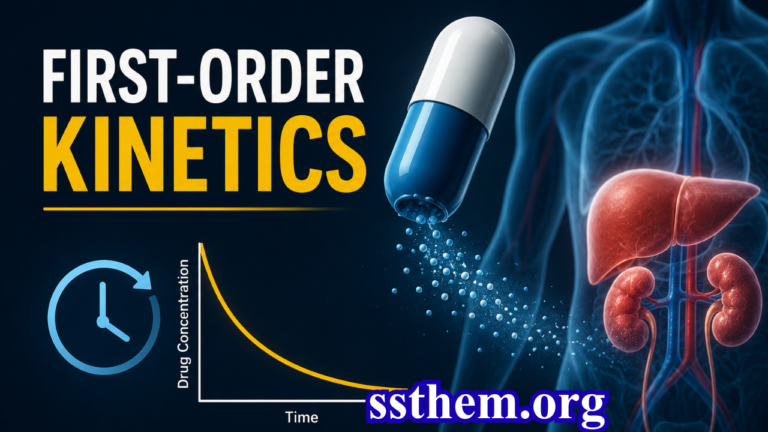
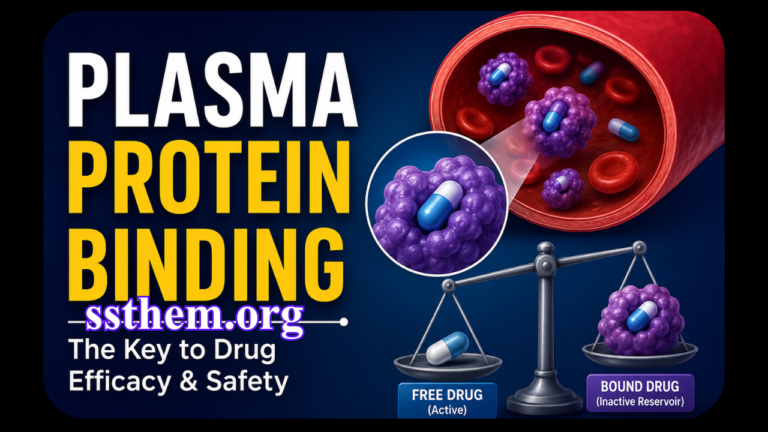

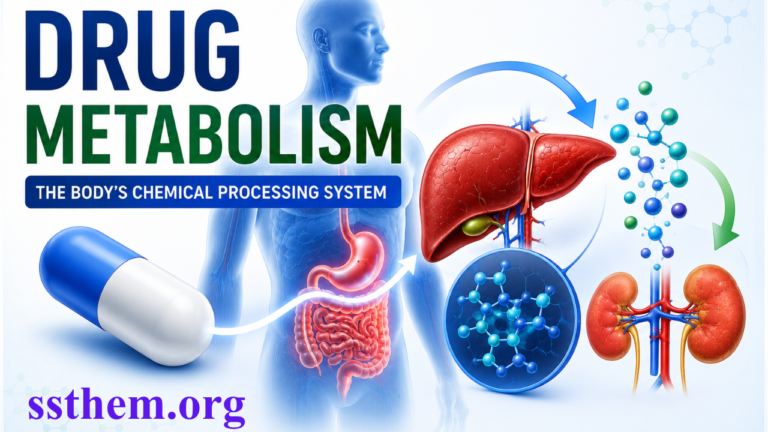

One Comment