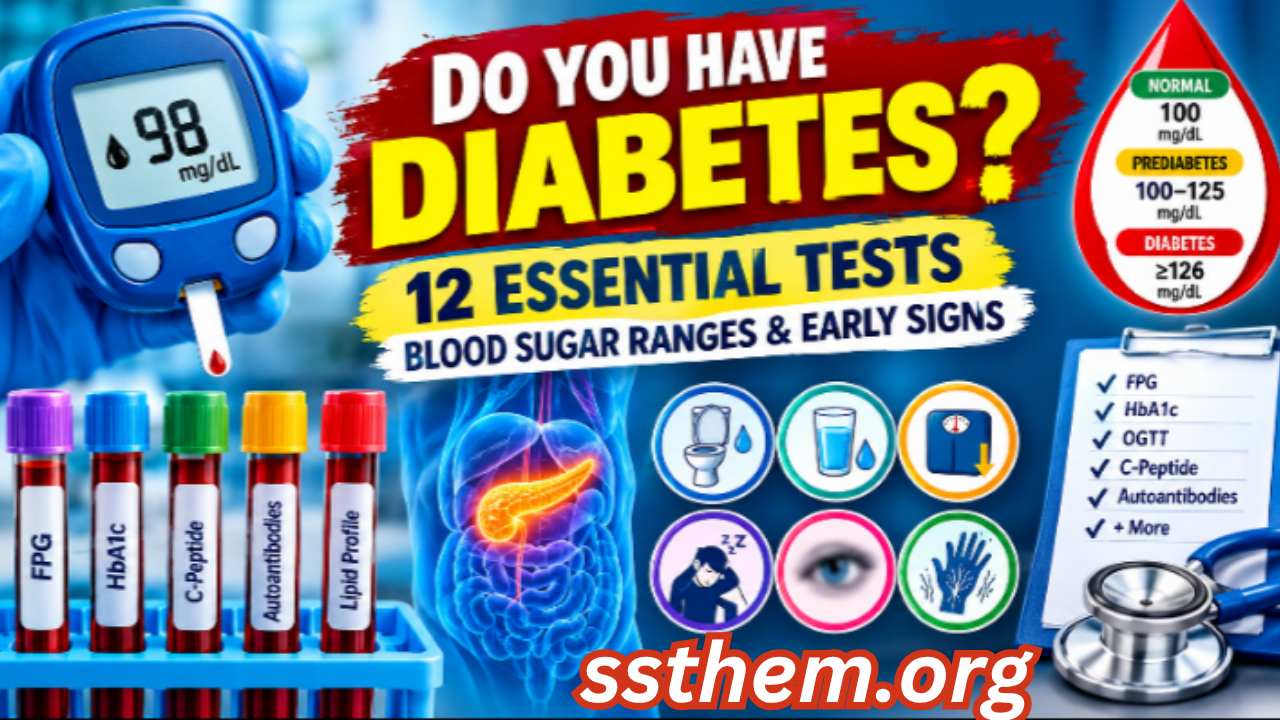
Do You Have Diabetes Powerful Blood Sugar Clues, Early Signs & Diagnosis Guide 2026
Do You Have Diabetes? 12 Essential Tests, Blood Sugar Ranges & Early Signs
What if the most important diagnostic clue in diabetes was hiding in plain sight — quietly appearing on a routine blood test — while many clinicians still underestimate its full clinical significance?
That clue is hyperglycaemia, and it has been reshaping diagnostic pathways in hospital clinics and primary care practices for decades. But here is what makes it genuinely fascinating: diabetes exists in multiple distinct forms — type 1, type 2, gestational, and specific types such as monogenic diabetes (MODY) and secondary pancreatic diabetes — each with unique pathophysiological mechanisms that dramatically affect how they are diagnosed and classified.
Different diagnostic tests detect different forms of dysglycaemia, reflect different time windows of glucose exposure, and carry different limitations. The appropriate choice depends on the clinical presentation, the suspected diabetes type, the presence of symptoms, renal function, haemoglobin variants, pregnancy status, and patient-specific considerations. But diabetes diagnosis occupies a particularly interesting niche: it is one of the few conditions where a single laboratory value — when interpreted correctly — can establish a diagnosis, yet where the most common diagnostic errors still occur.
What you are about to read will challenge the way you think about diabetes diagnosis. We will explore 12 essential tests, blood sugar ranges, and early signs — from fasting plasma glucose and HbA1c to C-peptide, islet autoantibodies, and the latest evidence from landmark clinical studies. Whether you are a medical student preparing for examinations, a practising clinician refining diagnostic reasoning, or an informed reader trying to understand your own results, the clinically important details in this article will strengthen your understanding of how diabetes is diagnosed. Stay with us — because the details that make diabetes diagnosis truly powerful are revealed progressively.
A sobering clinical reality first: diagnostic errors account for a significant proportion of patient harm, and missed or delayed diabetes diagnosis is among the most common diagnostic oversights in clinical practice. Understanding the full diagnostic pathway is not optional — it is essential. For a suspenseful, evidence-based look at how diagnostic reasoning works across all medical conditions, explore What Is Diagnosis? 15 Powerful Steps to Understand before you interpret another glucose result.
Key Diagnostic Facts About Diabetes
The following table summarizes the most clinically important facts about diabetes diagnosis. This is not a substitute for full clinical assessment, but it provides a rapid reference for healthcare professionals and students.
| Diagnostic Feature | Key Fact |
|---|---|
| Disease | Diabetes mellitus — a group of metabolic disorders characterised by chronic hyperglycaemia due to defects in insulin secretion, insulin action, or both |
| Main Clinical Suspicion | Polyuria, polydipsia, unexplained weight loss, blurred vision, recurrent infections, or incidental hyperglycaemia on routine testing |
| Most Important Symptoms | Polyuria, polydipsia, unexplained weight loss, fatigue, blurred vision (classic triad: polyuria, polydipsia, weight loss) |
| Important Risk Factors | Age ≥35 years, overweight/obesity (BMI ≥25 kg/m²; ≥23 kg/m² in Asian Americans), family history in first-degree relative, physical inactivity, hypertension, dyslipidaemia, history of gestational diabetes, polycystic ovary syndrome (PCOS), high-risk ethnicity |
| First Clinical Step | Fasting plasma glucose (FPG), HbA1c, or 2-hour plasma glucose during 75-g oral glucose tolerance test (OGTT) |
| Initial Investigations | FPG, HbA1c, random plasma glucose (if symptomatic), OGTT |
| Important Laboratory Tests | FPG, HbA1c, 2-h PG during OGTT, random glucose with symptoms, C-peptide, islet autoantibodies (for type 1), urine ketones |
| Important Imaging | Not routinely required for diagnosis; pancreatic imaging (CT, MRI, endoscopic ultrasound) if type 3c diabetes suspected |
| Confirmatory Test | Repeat abnormal test (same or different) unless unequivocal hyperglycaemia or hyperglycaemic crisis |
| Important Differential Diagnoses | Type 1 vs type 2 diabetes, MODY, LADA, secondary diabetes (pancreatic disease, haemochromatosis, drug-induced), stress hyperglycaemia |
| Major Red Flags | Diabetic ketoacidosis (DKA), hyperglycaemic hyperosmolar state (HHS), rapid weight loss, ketonaemia, severe dehydration |
| Specialist Referral | Endocrinology referral for atypical presentation, suspected type 1, MODY, or diagnostic uncertainty |
| Diagnostic Challenge | Distinguishing diabetes type at presentation; discordance between HbA1c and glucose values; asymptomatic presentation |
This table is a snapshot. Every parameter in it will be expanded in the dedicated sections below, but we will not repeat the full explanations unnecessarily.
Step 1 — When Should Doctors Suspect Diabetes?
The clinical suspicion of diabetes begins with recognising the characteristic presentation, understanding the early signs, and identifying risk factors that increase pretest probability. This section details when to suspect diabetes from a clinical standpoint, along with presentation patterns and epidemiological clues.
- Typical Presentation: The classic presentation of symptomatic diabetes includes the triad of polyuria (excessive urination), polydipsia (excessive thirst), and unexplained weight loss. These symptoms reflect the osmotic diuresis caused by hyperglycaemia exceeding the renal threshold for glucose reabsorption. Additional symptoms include fatigue, blurred vision (due to osmotic lens changes), and recurrent infections (particularly urinary tract and skin infections).
- Early Symptoms and Early Signs of Diabetes: Early diabetes symptoms can be subtle and are frequently attributed to stress, ageing, or lifestyle factors. Patients may report nocturia (waking at night to urinate), increased hunger (polyphagia), slow-healing wounds, tingling or numbness in the hands or feet, recurrent candidiasis, and unexplained irritability or mood changes. In type 2 diabetes diagnosis, the onset is often gradual, and many patients remain asymptomatic for years. In type 1 diabetes diagnosis, the onset is typically acute and may progress to diabetic ketoacidosis (DKA) within days to weeks.
- Atypical Presentation: Diabetes may present atypically, particularly in older adults. Atypical presentations include hyperglycaemic hyperosmolar state (HHS) — severe hyperglycaemia without significant ketosis, often in older adults with type 2 diabetes; incidental hyperglycaemia detected on routine blood work for unrelated reasons; complications at diagnosis such as retinopathy, neuropathy, or nephropathy; and recurrent infections including fungal infections, urinary tract infections, or skin abscesses.
- Risk Factors That Increase Clinical Suspicion: Screening for prediabetes and type 2 diabetes should be performed in asymptomatic adults with risk factors. Key risk factors include age ≥35 years (ADA 2025 recommendation), overweight or obesity (BMI ≥25 kg/m²; ≥23 kg/m² in Asian Americans), first-degree relative with diabetes, physical inactivity, hypertension (≥130/80 mmHg or on therapy), dyslipidaemia (HDL <35 mg/dL or triglycerides >250 mg/dL), history of gestational diabetes mellitus (GDM) or delivery of a baby >4 kg, polycystic ovary syndrome (PCOS), high-risk race/ethnicity, history of cardiovascular disease, HIV infection, acute pancreatitis, cystic fibrosis, post-transplantation status, and therapy with glucocorticoids, statins, thiazide diuretics, some HIV medications, or second-generation antipsychotics.
- Duration and Course: The duration and course of symptoms provide important diagnostic clues. Acute onset (days to weeks) suggests type 1 diabetes, especially in younger patients. Gradual onset (months to years) suggests type 2 diabetes. Fluctuating symptoms may suggest MODY or secondary diabetes. Diagnosis is a process, not a single number on a laboratory report.
Step 2 — Medical History
A thorough medical history is the foundation of accurate diabetes diagnosis. The following areas are particularly important.
| History Component | Key Information to Elicit |
|---|---|
| Presenting Complaint | Onset, duration, progression, severity of symptoms; associated symptoms (polyuria, polydipsia, weight loss, fatigue, blurred vision, infections) |
| Past Medical History | Previous diagnoses of diabetes, prediabetes, or gestational diabetes; history of pancreatitis, pancreatic surgery, or pancreatic cancer; haemochromatosis, cystic fibrosis; autoimmune conditions (thyroid disease, coeliac disease, Addison’s disease); cardiovascular disease, hypertension, dyslipidaemia; HIV infection; organ transplantation |
| Medications | Glucocorticoids, statins, thiazide diuretics, some HIV medications, second-generation antipsychotics, other medications known to affect glucose metabolism |
| Family History | Diabetes in first-degree relatives; pattern of inheritance (autosomal dominant pattern suggests MODY); age at diagnosis in family members |
| Social History | Diet and physical activity patterns; alcohol consumption; smoking history; occupational exposure |
| Review of Systems | Constitutional: weight loss, fatigue; Genitourinary: polyuria, nocturia, recurrent infections; Neurological: peripheral neuropathy symptoms; Ophthalmological: blurred vision, visual changes; Dermatological: slow-healing wounds, recurrent infections |
Important: Do not include irrelevant history simply to make the article longer. Every element of the history should serve a diagnostic purpose.
Physical Examination
Physical examination in suspected diabetes focuses on identifying signs of hyperglycaemia, complications, and alternative diagnoses.
Vital Signs: Blood pressure (hypertension is common in type 2 diabetes); heart rate (tachycardia may indicate dehydration or DKA); respiratory rate (Kussmaul breathing — deep, laboured breathing — suggests DKA); temperature (fever may indicate infection).
General Appearance: Body habitus (obesity suggests type 2 diabetes; recent weight loss suggests type 1 or uncontrolled diabetes); hydration status (dry mucous membranes, reduced skin turgor suggest dehydration); acanthosis nigricans (velvety hyperpigmentation of the neck and axillae suggests insulin resistance).
Specific Diagnostic Signs: Fundoscopy (diabetic retinopathy may be present at diagnosis); foot examination (peripheral neuropathy, ulcers, or deformities); skin examination (necrobiosis lipoidica, diabetic dermopathy, recurrent infections); neurological examination (reduced vibration sense, altered reflexes, monofilament testing).
Findings Suggesting Complications: Retinopathy (microaneurysms, haemorrhages, exudates); nephropathy (oedema, hypertension); neuropathy (loss of sensation, foot ulcers); cardiovascular (peripheral pulses, bruits).
Findings Suggesting Alternative Diagnoses: Signs of pancreatic disease (jaundice, abdominal pain, weight loss); signs of haemochromatosis (bronze skin pigmentation, hepatomegaly, arthropathy); signs of Cushing’s syndrome (central obesity, moon face, purple striae); signs of acromegaly (enlarged hands and feet, facial coarsening).
Red Flags That Should Not Be Ignored
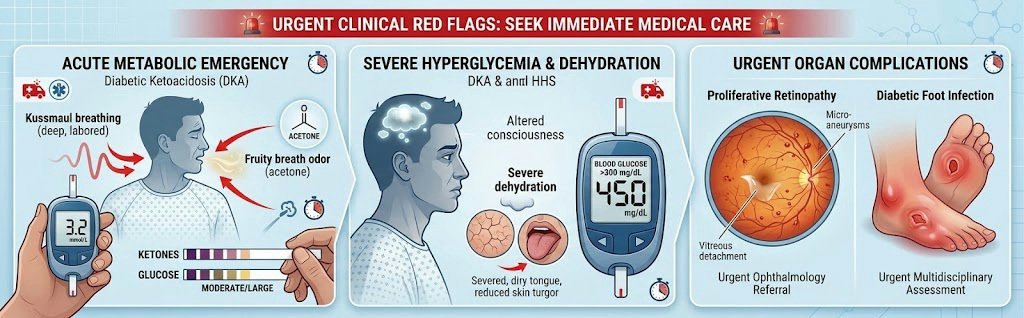
The following table summarizes clinically meaningful warning signs that require urgent assessment. Do not exaggerate risk; only include clinically meaningful warning signs.
| Red Flag | Why It Matters | Possible Concern | Appropriate Action |
|---|---|---|---|
| Polyuria with polydipsia and rapid weight loss | Suggests severe hyperglycaemia and catabolic state | Type 1 diabetes or uncontrolled type 2 diabetes | Urgent same-day assessment; check glucose, ketones, and electrolytes |
| Kussmaul breathing, fruity breath odour | Indicates metabolic acidosis | Diabetic ketoacidosis (DKA) | Emergency department referral; immediate intravenous fluids and insulin |
| Altered consciousness, severe dehydration | Indicates severe hyperosmolality | Hyperglycaemic hyperosmolar state (HHS) | Emergency hospital admission |
| Blood glucose >300 mg/dL (16.7 mmol/L) with symptoms | Severe hyperglycaemia | DKA or HHS | Urgent assessment; check ketones and blood gases |
| Ketones in urine or blood | Indicates insulin deficiency | DKA (especially type 1 diabetes) | Urgent medical evaluation |
| Sudden visual loss or floaters | Suggests vitreous haemorrhage or retinal detachment | Proliferative diabetic retinopathy | Urgent ophthalmology referral |
| Foot ulcer with signs of infection | Risk of sepsis and amputation | Diabetic foot infection | Urgent multidisciplinary assessment |
| Recurrent severe hypoglycaemia | May indicate insulinoma or adrenal insufficiency | Alternative diagnosis to diabetes | Endocrine evaluation |
Reference values vary between laboratories and assays. Always interpret results in clinical context.
Differential Diagnosis
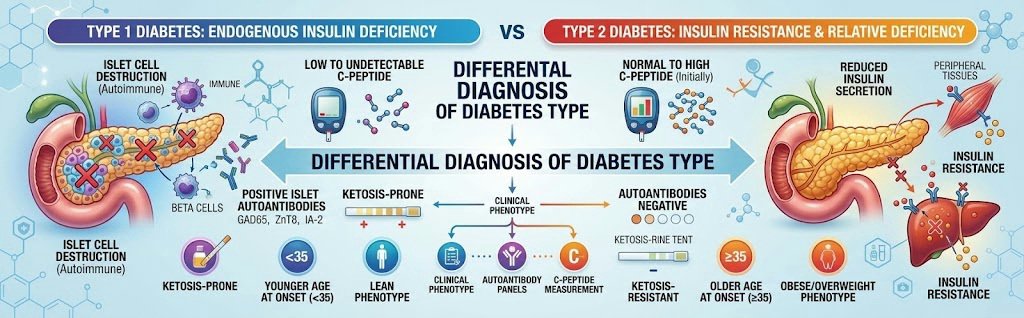
Distinguishing diabetes from conditions that mimic its presentation is essential for appropriate management. The most important differential diagnoses are summarised below.
| Differential Diagnosis | Similar Features | Distinguishing Features | Key Investigation |
|---|---|---|---|
| Type 1 vs Type 2 diabetes | Hyperglycaemia, polyuria, polydipsia | Type 1: younger, lean, acute onset, ketosis-prone; Type 2: older, obese, gradual onset, insulin-resistant | Islet autoantibodies, C-peptide, clinical phenotype |
| MODY (Maturity-Onset Diabetes of the Young) | Young onset, mild hyperglycaemia | Autosomal dominant family history, absence of autoantibodies, insulin independence | Genetic testing (HNF1α, GCK, HNF4α) |
| LADA (Latent Autoimmune Diabetes in Adults) | Adult onset, lean phenotype | Positive GAD antibodies, slower progression to insulin dependence | GAD65 antibodies, C-peptide |
| Secondary diabetes (type 3c) | Hyperglycaemia | History of pancreatitis, pancreatic cancer, haemochromatosis, cystic fibrosis | Pancreatic imaging, iron studies, faecal elastase |
| Stress hyperglycaemia | Elevated glucose during illness | Transient, resolves with treatment of underlying condition | Repeat glucose testing after recovery |
| Drug-induced hyperglycaemia | Elevated glucose | Temporal relationship with medication (glucocorticoids, statins, thiazides) | Medication review, glucose monitoring |
| Endocrinopathies | Hyperglycaemia | Features of Cushing’s syndrome, acromegaly, phaeochromocytoma, hyperthyroidism | Hormone testing (cortisol, GH, metanephrines, thyroid function) |
Clinical Reasoning Behind the Differences: The distinction between type 1 and type 2 diabetes is not always straightforward at presentation. Misclassification is common, particularly in adults. A lean adult with new-onset diabetes may have type 1, LADA, or MODY — each requires different management. Islet autoantibody testing and C-peptide measurement help clarify the diagnosis. The most useful test is not necessarily the most advanced test — a careful clinical history and phenotype assessment often provide the strongest diagnostic clues.
Diagnostic Tests for Diabetes
The following sections detail the major diagnostic tests used in diabetes. For each test, the clinical rationale, interpretation, limitations, and impact on next diagnostic steps are explained.
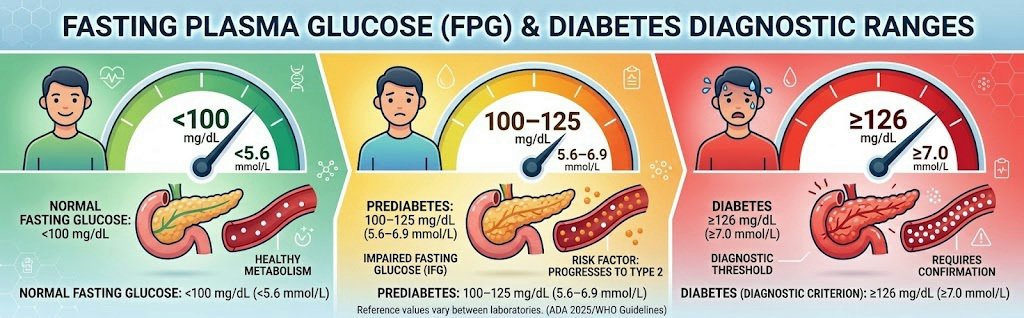
- Fasting Plasma Glucose (FPG):Why is it ordered? FPG is one of the primary diagnostic tests for diabetes. It is simple, widely available, and relatively inexpensive.What does it measure? FPG measures blood glucose after at least 8 hours of no caloric intake.When is it useful? FPG is useful for screening and diagnosis in both symptomatic and asymptomatic individuals.What result supports the diagnosis? FPG ≥126 mg/dL (≥7.0 mmol/L) is diagnostic of diabetes. FPG 100–125 mg/dL (5.6–6.9 mmol/L) indicates prediabetes (impaired fasting glucose).What result argues against the diagnosis? FPG <100 mg/dL (<5.6 mmol/L) is considered normal.Limitations: Requires an overnight fast. Reflects only fasting glucose, not postprandial excursions. Day-to-day variability.False positives: Stress, acute illness, or medication effects.
False negatives: Early type 2 diabetes with isolated postprandial hyperglycaemia.
Does the result require confirmation? In the absence of unequivocal hyperglycaemia, diagnosis requires confirmatory testing — either a different test on the same day or the same test on a different day.
How does it change the next diagnostic step? If FPG is diagnostic, confirm with HbA1c or 2-h PG. If FPG is in the prediabetes range, consider OGTT for further risk stratification.
- HbA1c (Glycated Haemoglobin):Why is it ordered? HbA1c is a convenient diagnostic test that does not require fasting and reflects average glucose over approximately 3 months.What does it measure? HbA1c measures the percentage of haemoglobin that is glycated, reflecting average blood glucose over the red blood cell lifespan (approximately 120 days).When is it useful? HbA1c is useful for diagnosis and monitoring of diabetes. It should be performed in a laboratory using a method certified by the National Glycohemoglobin Standardization Program (NGSP) and standardized to the Diabetes Control and Complications Trial (DCCT) assay.What result supports the diagnosis? HbA1c ≥6.5% (≥48 mmol/mol) is diagnostic of diabetes. HbA1c 5.7–6.4% (39–47 mmol/mol) indicates prediabetes.What result argues against the diagnosis? HbA1c <5.7% (<39 mmol/mol) is considered normal.Limitations: Conditions affecting red blood cell turnover can alter HbA1c: haemoglobin variants, pregnancy, recent blood loss or transfusion, anaemia, haemolysis, erythropoietin therapy, HIV, haemodialysis, glucose-6-phosphate dehydrogenase deficiency. Marked discordance between HbA1c and glucose values should raise suspicion of interference.False positives: Iron deficiency anaemia, vitamin B12 deficiency.
False negatives: Haemoglobinopathies, recent transfusion, haemolysis.
Does the result require confirmation? Yes, unless the patient has unequivocal hyperglycaemia with classic symptoms.
How does it change the next diagnostic step? If HbA1c is diagnostic, confirm with FPG or 2-h PG. If discordant with glucose, investigate for interference.
- Oral Glucose Tolerance Test (OGTT):Why is it ordered? OGTT is the most sensitive test for detecting prediabetes and diabetes, particularly isolated postprandial hyperglycaemia.What does it measure? OGTT measures plasma glucose before and 2 hours after ingestion of a 75-g glucose load dissolved in water.When is it useful? Diagnosis of diabetes and prediabetes; diagnosis of gestational diabetes mellitus (GDM); suspected isolated postprandial hyperglycaemia.What result supports the diagnosis? 2-h PG ≥200 mg/dL (≥11.1 mmol/L) is diagnostic of diabetes. 2-h PG 140–199 mg/dL (7.8–11.0 mmol/L) indicates impaired glucose tolerance (prediabetes).What result argues against the diagnosis? 2-h PG <140 mg/dL (<7.8 mmol/L) is normal.Limitations: Time-consuming (2 hours). Requires fasting and multiple blood draws. Poor reproducibility. Not routinely recommended if diabetes can be diagnosed by other criteria.False positives: Acute illness, stress, medications.
False negatives: Nausea or vomiting during the test may invalidate results.
Does the result require confirmation? Yes, unless the patient has unequivocal hyperglycaemia.
How does it change the next diagnostic step? If OGTT is diagnostic, confirm with HbA1c or FPG. If prediabetic, lifestyle intervention and annual screening.
- Random Plasma Glucose:Why is it ordered? Random glucose is useful when the patient has classic symptoms of hyperglycaemia and fasting is not feasible.What does it measure? Blood glucose at any time of day, regardless of fasting status.When is it useful? In symptomatic patients with classic hyperglycaemic symptoms.What result supports the diagnosis? Random glucose ≥200 mg/dL (≥11.1 mmol/L) with classic symptoms (polyuria, polydipsia, unexplained weight loss) or hyperglycaemic crisis is diagnostic of diabetes.Limitations: Requires symptoms for diagnostic interpretation. Not useful for screening asymptomatic individuals.
- C-Peptide:Why is it ordered? C-peptide helps distinguish type 1 from type 2 diabetes and assess endogenous insulin secretion.What does it measure? C-peptide is a marker of endogenous insulin production, released in equimolar amounts with insulin.When is it useful? Suspected type 1 diabetes; diagnostic uncertainty between type 1 and type 2; suspected MODY or LADA; assessment of insulin secretory reserve.What result supports the diagnosis? Low or undetectable C-peptide indicates severe insulin deficiency, characteristic of type 1 diabetes. Higher C-peptide levels suggest type 2 diabetes, where endogenous insulin production is preserved.Limitations: C-peptide has better discriminative value the longer the test is done after diagnosis. Not routinely recommended for all patients.
- Islet Autoantibodies:Why is it ordered? Islet autoantibodies help confirm autoimmune type 1 diabetes and distinguish it from type 2 diabetes, MODY, and LADA.What do they measure? Autoantibodies against islet antigens: glutamic acid decarboxylase (GAD65), insulin (IAA), zinc transporter 8 (ZnT8), islet cell antibodies (ICA), and tyrosine phosphatase 2 (IA-2).When are they useful? Suspected type 1 diabetes; atypical diabetes presentation; diagnostic uncertainty.What result supports the diagnosis? At least 90% of patients with newly diagnosed type 1 diabetes have ≥1 of these autoantibodies.Limitations: Expensive. Not routinely recommended for all patients. Absence of antibodies does not exclude type 1 diabetes.
- Urine Ketones:Why is it ordered? Urine ketones detect ketonaemia, which suggests insulin deficiency and risk of DKA.When is it useful? New-onset diabetes with symptoms; suspected type 1 diabetes; acute illness in known diabetes.What result supports the diagnosis? Moderate to large ketones in urine or blood indicate DKA risk.Limitations: Does not quantify beta-hydroxybutyrate (the predominant ketone in DKA).
- Blood Ketones (Beta-Hydroxybutyrate):Why is it ordered? Blood ketone measurement is more accurate than urine ketones for detecting DKA.When is it useful? Emergency assessment of suspected DKA; monitoring treatment response.What result supports the diagnosis? Beta-hydroxybutyrate ≥3.0 mmol/L is diagnostic of DKA.
- Electrolytes and Blood Gases:Why is it ordered? To assess acid-base status and electrolyte abnormalities in suspected DKA or HHS.When is it useful? Severe hyperglycaemia; altered consciousness; suspected DKA or HHS.What result supports the diagnosis? Metabolic acidosis (pH <7.3, bicarbonate <18 mEq/L) with ketonaemia suggests DKA.
- Urinalysis:Why is it ordered? Urinalysis detects glycosuria and ketonuria, and screens for urinary tract infection.When is it useful? Initial assessment of symptomatic patients; monitoring diabetes control.Limitations: Glycosuria occurs only when blood glucose exceeds the renal threshold (approximately 180 mg/dL), so it is less sensitive than blood glucose testing.
- Renal Function Tests:Why is it ordered? To assess kidney function and screen for diabetic nephropathy.What does it measure? Serum creatinine, estimated glomerular filtration rate (eGFR), urine albumin-to-creatinine ratio (UACR).When is it useful? At diagnosis of type 2 diabetes; annually in all patients with diabetes; five years after diagnosis in type 1 diabetes.
- Lipid Profile:Why is it ordered? Dyslipidaemia is common in type 2 diabetes and contributes to cardiovascular risk.What does it measure? Total cholesterol, LDL cholesterol, HDL cholesterol, triglycerides.When is it useful? At diagnosis and annually thereafter.
Test and Test-Result Tables
The following tables provide clinically useful summaries of diagnostic tests and result interpretation. Do not invent laboratory reference ranges. Clearly distinguish reference interval, diagnostic threshold, screening cutoff, prognostic value, and treatment target. State when reference values vary between laboratories, assays, populations, age groups, pregnancy status, or other relevant factors.
| Test | Purpose | Possible Result | Interpretation | Limitations |
|---|---|---|---|---|
| FPG | Diagnose diabetes/ prediabetes | <100 mg/dL (normal); 100–125 mg/dL (prediabetes); ≥126 mg/dL (diabetes) | ≥126 mg/dL diagnostic (requires confirmation) | Requires fasting; day-to-day variability |
| HbA1c | Diagnose diabetes /prediabetes; monitor control | <5.7% (normal); 5.7–6.4% (prediabetes); ≥6.5% (diabetes) | ≥6.5% diagnostic (requires NGSP-certified assay) | Affected by haemoglobin variants, anaemia, pregnancy, transfusion |
| 2-h PG (OGTT) | Diagnose diabetes /prediabetes | <140 mg/dL (normal); 140–199 mg/dL (prediabetes); ≥200 mg/dL (diabetes) | ≥200 mg/dL diagnostic | Time-consuming; poor reproducibility |
| Random glucose | Diagnose diabetes in symptomatic patients | ≥200 mg/dL with symptoms | Diagnostic with classic symptoms | Requires symptoms |
| C-peptide | Distinguish type 1 from type 2 | Low/undetectable (type 1); normal/high (type 2) | Low suggests insulin deficiency | Better discriminative value later after diagnosis |
| Islet autoantibodies | Confirm autoimmune type 1 | Positive (≥1 antibody) in ~90% of new-onset type 1 | Supports type 1 diagnosis | Expensive; not routine |
| Urine ketones | Detect ketonaemia | Moderate/large | Suggests DKA risk | Less accurate than blood ketones |
| Blood ketones | Detect DKA | ≥3.0 mmol/L | Diagnostic of DKA | Requires blood gas analyser |
| Finding/Test Result | Possible Meaning | What Clinician May Consider Next |
|---|---|---|
| FPG ≥126 mg/dL | Diabetes (requires confirmation) | Confirm with HbA1c or 2-h PG |
| FPG 100–125 mg/dL | Prediabetes | OGTT for risk stratification; lifestyle intervention |
| HbA1c ≥6.5% | Diabetes (requires confirmation) | Confirm with FPG or 2-h PG |
| HbA1c 5.7–6.4% | Prediabetes | Lifestyle intervention; annual screening |
| HbA1c discordant with glucose | Possible haemoglobin variant or interference | FPG or OGTT; investigate for interference |
| 2-h PG ≥200 mg/dL | Diabetes | Confirm with HbA1c or FPG |
| 2-h PG 140–199 mg/dL | Prediabetes | Lifestyle intervention; annual screening |
| Random glucose ≥200 mg/dL with symptoms | Diabetes | Confirm with HbA1c or FPG |
| Low C-peptide | Insulin deficiency (type 1 or advanced type 2) | Islet autoantibodies; insulin therapy |
| Positive islet autoantibodies | Autoimmune type 1 diabetes | Insulin therapy; screen for associated autoimmune conditions |
Important: Reference values vary between laboratories, assays, populations, age groups, and pregnancy status. Diagnostic thresholds are guideline-dependent; identify the guideline/source when applying them.
Laboratory Diagnosis
Laboratory testing is central to diabetes diagnosis. However, diagnosis is a process, not a single number on a laboratory report. This section covers the relevant laboratory domains.
Complete Blood Count (CBC): A CBC may be performed as part of the initial evaluation. Anaemia can affect HbA1c interpretation. Leukocytosis may suggest infection, which can cause stress hyperglycaemia.
Inflammatory Markers: C-reactive protein (CRP) and erythrocyte sedimentation rate (ESR) may be elevated in acute illness or infection, which can cause transient hyperglycaemia. These are not diagnostic of diabetes.
Blood Chemistry: Glucose (the cornerstone of diagnosis); electrolytes (sodium, potassium, bicarbonate; abnormalities suggest DKA or HHS); renal function (creatinine, eGFR; baseline and monitoring for nephropathy); liver function (ALT, AST; non-alcoholic fatty liver disease is common in type 2 diabetes).
Hormones: Cortisol (if Cushing’s syndrome suspected); growth hormone (if acromegaly suspected); metanephrines (if phaeochromocytoma suspected); thyroid function (thyroid disease is associated with type 1 diabetes).
Serology, Cultures, and Molecular Tests: Islet autoantibodies (GAD65, IA-2, ZnT8, IAA, ICA); genetic testing for suspected MODY (HNF1α, GCK, HNF4α); HbA1c using NGSP-certified and DCCT-standardized assay required for diagnosis.
Urinalysis and Microbiology: Urinalysis (glycosuria, ketonuria, proteinuria); urine culture (if urinary tract infection suspected — common in diabetes).
Pathology: Pancreatic biopsy is not routinely performed for diabetes diagnosis. However, if pancreatic cancer or type 3c diabetes is suspected, imaging and biopsy may be indicated.
Imaging Diagnosis
Imaging is not routinely required for diabetes diagnosis. However, it may be useful in specific circumstances.
Ultrasound: Initial assessment of pancreatic abnormalities. Shows pancreatic mass, ductal dilation, gallstones. Limitations: operator-dependent; limited visualisation of the pancreatic tail.
Computed Tomography (CT): Detailed assessment of pancreatic parenchyma and surrounding structures. Shows pancreatic tumours, chronic pancreatitis, pancreatic atrophy. Preferred when pancreatic cancer or type 3c diabetes is suspected.
Magnetic Resonance Imaging (MRI): Characterisation of pancreatic lesions; magnetic resonance cholangiopancreatography (MRCP) for ductal assessment. Shows pancreatic cysts, tumours, ductal abnormalities.
Endoscopic Ultrasound (EUS): High-resolution imaging of the pancreas with ability to obtain fine-needle aspiration. Shows small pancreatic tumours, chronic pancreatitis.
Echocardiography: Assessment of cardiac structure and function in patients with diabetes and suspected cardiovascular disease. Not used for diabetes diagnosis.
Other Imaging: Fundus photography — screening for diabetic retinopathy; carotid ultrasound — assessment of atherosclerotic burden. Do not claim imaging “confirms” a disease unless supported by accepted diagnostic practice.
Specialized and Confirmatory Testing
Genetic Testing: Genetic testing is indicated for suspected MODY, particularly in individuals diagnosed with diabetes in the first 6 months of life; children and young adults with atypical characteristics of type 1 or type 2 diabetes; strong family history of diabetes in successive generations (autosomal dominant pattern). The most common MODY mutations are in HNF1α (52%), GCK (32%), and HNF4α (10%).
Islet Autoantibody Panels: Autoantibody testing is indicated for suspected type 1 diabetes; diagnostic uncertainty between type 1 and type 2; suspected LADA. At least 90% of patients with newly diagnosed type 1 diabetes have ≥1 autoantibody.
C-Peptide Measurement: C-peptide helps distinguish insulin deficiency from insulin resistance. Low or undetectable levels indicate severe insulin deficiency characteristic of type 1 diabetes.
Pancreatic Function Testing: Faecal elastase for exocrine pancreatic insufficiency; secretin stimulation test for pancreatic function assessment.
Diagnostic Criteria
The diagnosis of diabetes is based on the American Diabetes Association (ADA) Standards of Care in Diabetes—2025 and World Health Organization (WHO) criteria.
| Test | Normal | Prediabetes | Diabetes |
|---|---|---|---|
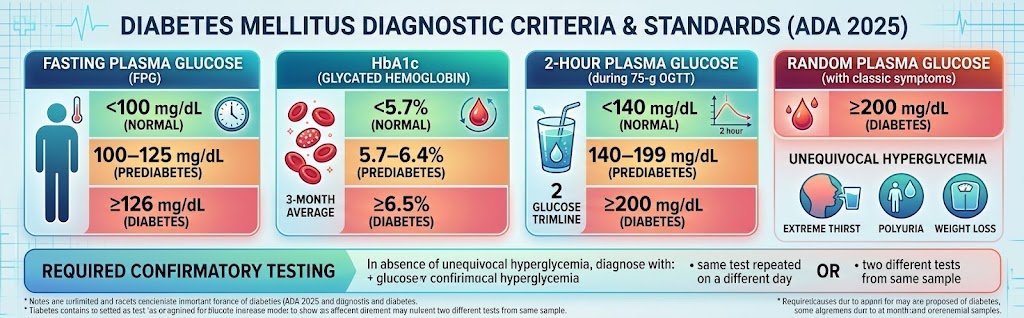
| FPG | <100 mg/dL (<5.6 mmol/L) | 100–125 mg/dL (5.6–6.9 mmol/L) | ≥126 mg/dL (≥7.0 mmol/L) |
| HbA1c | <5.7% (<39 mmol/mol) | 5.7–6.4% (39–47 mmol/mol) | ≥6.5% (≥48 mmol/mol) |
| 2-h PG during OGTT | <140 mg/dL (<7.8 mmol/L) | 140–199 mg/dL (7.8–11.0 mmol/L) | ≥200 mg/dL (≥11.1 mmol/L) |
| Random glucose | — | — | ≥200 mg/dL (≥11.1 mmol/L) with classic symptoms |
Reference values vary between laboratories and assays. HbA1c must be measured using an NGSP-certified method standardized to the DCCT assay.
Required Criteria: FPG ≥126 mg/dL (≥7.0 mmol/L) — fasting is defined as no caloric intake for at least 8 hours; HbA1c ≥6.5% (≥48 mmol/mol) using NGSP-certified method; 2-h PG ≥200 mg/dL (≥11.1 mmol/L) during 75-g OGTT; random glucose ≥200 mg/dL (≥11.1 mmol/L) with classic symptoms or hyperglycaemic crisis.
Confirmatory Testing: In the absence of unequivocal hyperglycaemia (e.g., hyperglycaemic crisis), diagnosis requires confirmatory testing — either a different test on the same day or the same test on a different day.
Important Exceptions: Pregnancy — different diagnostic criteria apply for gestational diabetes mellitus (GDM); haemoglobinopathies — HbA1c may be unreliable; use glucose-based tests; anaemia — HbA1c may be falsely low; recent transfusion — HbA1c may be unreliable.
Diagnostic Algorithm
Symptoms → Clinical Suspicion → History → Physical Examination → Initial Tests → Interpretation → Differential Diagnosis → Confirmatory Testing → Severity/Staging → Specialist Evaluation → Follow-up
| Step | Action | Key Considerations |
|---|---|---|
| 1. Symptoms | Assess for polyuria, polydipsia, weight loss, fatigue, blurred vision | Asymptomatic patients may still have diabetes |
| 2. Clinical suspicion | Evaluate risk factors (age, BMI, family history, ethnicity) | Screening recommended for at-risk adults |
| 3. History | Detailed medical, family, medication, and social history | Identify secondary causes and MODY clues |
| 4. Physical examination | Vital signs, body habitus, fundoscopy, foot exam | Look for complications and alternative diagnoses |
| 5. Initial tests | FPG, HbA1c, or 2-h PG | Choose based on clinical context and feasibility |
| 6. Interpretation | Apply diagnostic thresholds | Discordant results require investigation |
| 7. Differential diagnosis | Distinguish type 1 vs type 2 vs MODY vs secondary | C-peptide and autoantibodies if uncertain |
| 8. Confirmatory testing | Repeat abnormal test unless unequivocal hyperglycaemia | Same or different test on different day |
| 9. Severity/staging | Assess for complications (retinopathy, nephropathy, neuropathy) | Baseline complication screening at diagnosis |
| 10. Specialist evaluation | Endocrinology referral for atypical presentation | Suspected type 1, MODY, or diagnostic uncertainty |
| 11. Follow-up | Ongoing monitoring and management | Annual screening for complications |
Severity and Staging
Diabetes severity is not classified by a single staging system. Instead, severity is assessed by degree of hyperglycaemia (HbA1c level, fasting and postprandial glucose); presence of symptoms (symptomatic vs asymptomatic); acute complications (DKA, HHS); chronic complications (retinopathy, nephropathy, neuropathy, cardiovascular disease); and comorbidities (obesity, hypertension, dyslipidaemia).
Classification by Type: Type 1 diabetes — autoimmune destruction of pancreatic beta-cells; absolute insulin deficiency. Type 2 diabetes — progressive insulin secretory defect on a background of insulin resistance. Gestational diabetes mellitus (GDM) — diabetes diagnosed in the second or third trimester of pregnancy. Specific types of diabetes — monogenic diabetes (MODY), exocrine pancreatic disorders (type 3c), drug-induced diabetes.
Staging of Type 1 Diabetes: Stage 1 — normoglycaemia with ≥2 islet autoantibodies; Stage 2 — dysglycaemia with ≥2 islet autoantibodies; Stage 3 — symptomatic type 1 diabetes.
Special Populations
Children and Adolescents: Type 1 diabetes is the most common form in children. Type 2 diabetes is increasing in children and adolescents, particularly in those with obesity. Diagnostic criteria are the same as for adults, but clinical presentation may differ. Phenotypic differentiation between type 1 and type 2 is crucial for management.
Older Adults: Type 2 diabetes is most common. Presentation may be atypical — HHS rather than DKA. Screening recommended for all adults ≥35 years. HbA1c targets may be less strict in older adults with comorbidities.
Pregnancy: Screening for undiagnosed diabetes should be performed at the first prenatal visit if risk factors are present. Gestational diabetes screening is recommended between 24 and 28 weeks. Diagnostic criteria for GDM differ from non-pregnant individuals: FPG ≥92 mg/dL (5.1 mmol/L); 1-h PG ≥180 mg/dL (10.0 mmol/L); 2-h PG ≥153 mg/dL (8.5 mmol/L).
Patients with Kidney Disease: HbA1c may be unreliable in advanced kidney disease. FPG or OGTT may be preferred. Anaemia of chronic kidney disease can affect HbA1c.
Patients with Liver Disease: HbA1c may be falsely low in advanced liver disease. Glucose-based tests may be preferred.
Patients Taking Relevant Medications: Glucocorticoids, statins, thiazide diuretics, some HIV medications, and second-generation antipsychotics can increase diabetes risk. Screening should be considered for patients on these medications.
False Positive and False Negative Results
False Positive Results: A false positive result suggests diabetes when the patient does not have the condition. Causes include stress hyperglycaemia (acute illness, surgery, or trauma can transiently elevate glucose); medication effects (glucocorticoids, thiazides); improper fasting (not fasting for the required 8 hours before FPG); and laboratory error (assay interference).
False Negative Results: A false negative result suggests the absence of diabetes when the patient actually has the condition. Causes include HbA1c interference (haemoglobin variants, anaemia, recent transfusion, haemolysis); isolated postprandial hyperglycaemia (FPG may be normal while 2-h PG is elevated); early type 2 diabetes (may not meet diagnostic thresholds on a single test); and improper specimen handling (glucose degradation in delayed samples).
Clinical Approach to Discordant Results: Pretest probability — clinical suspicion should guide interpretation; repeat testing — confirmatory testing on a different day; alternative testing — use a different test (e.g., FPG if HbA1c discordant); investigate interference — consider haemoglobin variants, anaemia, or medications.
10 Common Diagnostic Mistakes in Diabetes
- Anchoring bias: Assuming type 2 diabetes in all adults without considering type 1, LADA, or MODY. Misclassification is common.
- Premature diagnostic closure: Diagnosing diabetes without confirmatory testing when hyperglycaemia is not unequivocal.
- Ignoring red flags: Failing to recognise DKA or HHS. These are emergencies requiring immediate treatment.
- Over-relying on HbA1c: Not considering conditions that affect HbA1c reliability (haemoglobin variants, anaemia, pregnancy).
- Misunderstanding reference ranges: Confusing reference intervals with diagnostic thresholds. Reference values vary between laboratories.
- Ignoring pretest probability: Ordering tests without considering the patient’s clinical context. The most useful test is not necessarily the most advanced test.
- Failing to consider differential diagnoses: Not evaluating for secondary causes of diabetes (pancreatic disease, haemochromatosis, drug-induced).
- Inappropriate test selection: Using random glucose for screening asymptomatic individuals, or using OGTT when a simpler test would suffice.
- Misinterpreting false-positive results: Diagnosing diabetes based on a single elevated glucose in an acutely ill patient without repeat testing.
- Failing to reassess: Not re-evaluating the diagnosis when the clinical picture changes or when test results are discordant.
Hypothetical Clinical Cases
This is a hypothetical educational case and does not represent a real patient.
Case 1: A Young Man with Acute Symptoms
Presentation: A 19-year-old university student presents with a 3-week history of polyuria, polydipsia, and a 5-kg weight loss. He reports feeling constantly tired and has had two episodes of vomiting in the past 24 hours.
Initial differential: Type 1 diabetes with possible DKA; type 2 diabetes (less likely given age and weight loss); stress hyperglycaemia.
History: No family history of diabetes. No significant past medical history. No medications.
Examination: Thin, dehydrated. Heart rate 110 bpm, blood pressure 100/65 mmHg, respiratory rate 24 breaths/min. Kussmaul breathing noted. Fruity breath odour.
Investigations: Random glucose 480 mg/dL (26.7 mmol/L). Blood ketones 4.2 mmol/L. Venous pH 7.18. Bicarbonate 12 mEq/L. Sodium 132 mEq/L. Potassium 5.2 mEq/L.
Test results: Metabolic acidosis with ketonaemia.
Clinical reasoning: The combination of hyperglycaemia, ketonaemia, and metabolic acidosis is diagnostic of DKA. The young age, lean body habitus, and acute presentation strongly suggest type 1 diabetes.
Diagnosis: Type 1 diabetes mellitus presenting with diabetic ketoacidosis.
Key diagnostic lesson: DKA is a medical emergency. The diagnosis is clinical and biochemical — immediate treatment should not be delayed for confirmatory testing.
Case 2: A Middle-Aged Woman with Incidental Hyperglycaemia
This is a hypothetical educational case and does not represent a real patient.
Presentation: A 54-year-old woman with a BMI of 31 kg/m² is found to have an FPG of 132 mg/dL (7.3 mmol/L) during a routine health check. She has no symptoms of hyperglycaemia.
Initial differential: Type 2 diabetes; prediabetes; stress hyperglycaemia; drug-induced hyperglycaemia.
History: Hypertension on hydrochlorothiazide. Mother and older brother have type 2 diabetes. No history of gestational diabetes.
Examination: Central obesity, acanthosis nigricans, blood pressure 142/88 mmHg. No retinopathy or neuropathy.
Investigations: Repeat FPG 128 mg/dL (7.1 mmol/L). HbA1c 6.8% (51 mmol/mol). Fasting lipid profile shows LDL 142 mg/dL, HDL 38 mg/dL, triglycerides 210 mg/dL.
Test results: Two independent tests confirm diabetes (FPG ≥126 mg/dL and HbA1c ≥6.5%).
Clinical reasoning: The patient has multiple risk factors for type 2 diabetes. The diagnosis is confirmed by two independent tests. Thiazide use may contribute to hyperglycaemia but does not fully explain the degree of glucose elevation.
Diagnosis: Type 2 diabetes mellitus.
Key diagnostic lesson: In asymptomatic patients, diagnosis requires confirmatory testing. Two independent tests confirm the diagnosis.
Case 3: A Lean Adult with Diagnostic Uncertainty
This is a hypothetical educational case and does not represent a real patient.
Presentation: A 38-year-old man presents with mild polyuria and fatigue. His BMI is 23 kg/m². Random glucose is 210 mg/dL (11.7 mmol/L). He has no family history of diabetes.
Initial differential: Type 1 diabetes; LADA; MODY; type 2 diabetes (less likely given lean body habitus).
History: Symptoms have developed gradually over 6 months. No history of pancreatitis or autoimmune disease.
Examination: Unremarkable. No signs of insulin resistance.
Investigations: FPG 142 mg/dL (7.9 mmol/L). HbA1c 7.2% (55 mmol/mol). C-peptide 0.8 ng/mL (low-normal). GAD65 antibodies positive.
Test results: Low-normal C-peptide with positive GAD antibodies.
Clinical reasoning: The lean body habitus, gradual onset, and positive GAD antibodies suggest LADA rather than type 2 diabetes. Low C-peptide indicates progressive insulin deficiency.
Diagnosis: Latent autoimmune diabetes in adults (LADA).
Key diagnostic lesson: Not all adults with diabetes have type 2 diabetes. Consider LADA in lean adults with progressive hyperglycaemia.
Patient-Friendly Diagnosis Guide: What Should a Patient Expect During Diagnosis?
If your doctor suspects diabetes, here is what you can expect.
Consultation and History: Your doctor will ask about your symptoms, medical history, family history, and lifestyle. Be honest about your diet, exercise, and any medications you take.
Physical Examination: Your doctor will check your blood pressure, weight, and look for signs of diabetes complications. This may include examining your feet and eyes.
Blood Tests: You will likely have one or more blood tests: fasting plasma glucose (requires not eating for at least 8 hours); HbA1c (can be done at any time; reflects average glucose over 3 months); oral glucose tolerance test (involves drinking a glucose solution and having blood drawn 2 hours later).
Urine Tests: You may be asked to provide a urine sample to check for glucose, ketones, or protein.
Imaging: Imaging is not routinely needed for diabetes diagnosis but may be done if your doctor suspects a pancreatic problem.
Waiting for Results: Some results are available within hours; others may take a few days. Your doctor will explain what the results mean.
Follow-Up: If you are diagnosed with diabetes, your doctor will discuss treatment options and schedule follow-up visits. If your results are borderline (prediabetes), you may be advised on lifestyle changes and repeat testing.
Why Additional Tests May Be Needed: Sometimes the first test is not conclusive. Your doctor may order a different test or repeat the same test on another day to confirm the diagnosis. This is normal and ensures accuracy.
When to Seek Urgent Medical Care
Seek urgent medical care if you experience severe thirst and frequent urination that cannot be quenched; rapid, deep breathing (Kussmaul breathing); fruity-smelling breath; nausea and vomiting that will not stop; abdominal pain; confusion, drowsiness, or loss of consciousness; blood glucose reading above 300 mg/dL (16.7 mmol/L) with symptoms; or ketones in urine or blood.
These symptoms may indicate diabetic ketoacidosis (DKA) or hyperglycaemic hyperosmolar state (HHS) — medical emergencies that require immediate treatment. Do not start, stop, or change any prescription medicines based solely on this article. Always consult a qualified healthcare professional.
Viral-Style Micro Details
Throughout this article, short attention-grabbing educational lines have been added naturally. Here are the key ones: A normal result does not always mean the disease is absent. The most useful test is not necessarily the most advanced test. Diagnosis is a process, not a single number on a laboratory report. These statements are medically accurate and relevant to diabetes diagnosis. They are not overused.
Question. What is the normal blood sugar level for diabetes?
Answer : Normal fasting plasma glucose is less than 100 mg/dL (5.6 mmol/L). Normal 2-hour plasma glucose during OGTT is less than 140 mg/dL (7.8 mmol/L). Normal HbA1c is less than 5.7% (39 mmol/mol).
Question. What fasting blood sugar level indicates diabetes?
Answer : A fasting plasma glucose ≥126 mg/dL (≥7.0 mmol/L) is diagnostic of diabetes, provided it is confirmed by repeat testing unless hyperglycaemia is unequivocal.
Question. What HbA1c level indicates diabetes?
Answer : An HbA1c ≥6.5% (≥48 mmol/mol) is diagnostic of diabetes when measured using an NGSP-certified method standardized to the DCCT assay. HbA1c 5.7–6.4% indicates prediabetes.
Question. How is diabetes diagnosed in adults?
Answer : Diabetes is diagnosed in adults using FPG ≥126 mg/dL, HbA1c ≥6.5%, 2-h PG ≥200 mg/dL during OGTT, or random glucose ≥200 mg/dL with classic symptoms. Confirmatory testing is required unless hyperglycaemia is unequivocal.
Question. How is type 2 diabetes diagnosed?
Answer : Type 2 diabetes is diagnosed using the same glucose criteria as diabetes in general. Clinical phenotype (older age, obesity, gradual onset, insulin resistance) supports the diagnosis. C-peptide and autoantibodies help distinguish it from type 1 or LADA.
Question. How is type 1 diabetes diagnosed?
Answer : Type 1 diabetes is diagnosed using the same glucose criteria as diabetes in general, with clinical phenotype (younger age, lean body habitus, acute onset, ketosis-prone) supporting the diagnosis. Islet autoantibodies and low C-peptide confirm the diagnosis.
Question. What blood test confirms diabetes?
Answer : No single test confirms diabetes in all situations. FPG ≥126 mg/dL, HbA1c ≥6.5%, 2-h PG ≥200 mg/dL, or random glucose ≥200 mg/dL with symptoms each can confirm diabetes, but confirmatory testing is required unless hyperglycaemia is unequivocal.
Question. What test is used to diagnose diabetes?
Answer : The main tests used to diagnose diabetes are fasting plasma glucose (FPG), HbA1c, 2-hour plasma glucose during oral glucose tolerance test (OGTT), and random plasma glucose with symptoms.
Question. How to know if you have diabetes?
Answer : You can know if you have diabetes through blood tests ordered by a healthcare professional. Symptoms such as polyuria, polydipsia, and unexplained weight loss should prompt testing, but many people with type 2 diabetes have no symptoms.
Question. Can diabetes be diagnosed with a blood test?
Answer : Yes, diabetes is diagnosed with blood tests. Fasting plasma glucose, HbA1c, oral glucose tolerance test, and random plasma glucose are the standard blood tests used for diagnosis.
Question. How is diabetes diagnosed without symptoms?
Answer : Diabetes can be diagnosed without symptoms through screening tests (FPG, HbA1c, or OGTT) in at-risk individuals. Two abnormal test results are required to confirm the diagnosis in asymptomatic patients.
Question. How long does it take to diagnose diabetes?
Answer : Initial test results are usually available within hours to a few days. However, confirmatory testing on a different day may be required, so the full diagnostic process can take several days to a few weeks.
Question. Can a home glucose meter diagnose diabetes?
Answer : No. Home glucose meters are not accurate enough for diagnosis. Diagnosis requires laboratory-based testing using standardized methods. Home meters are useful for monitoring known diabetes.
Question. What are the first tests for diabetes?
Answer : The first tests for diabetes are usually fasting plasma glucose (FPG) and/or HbA1c. If these are inconclusive, an oral glucose tolerance test (OGTT) may be performed.
Question. What are diabetes diagnosis test and normal ranges?
Answer : FPG: normal <100 mg/dL; prediabetes 100–125 mg/dL; diabetes ≥126 mg/dL. HbA1c: normal <5.7%; prediabetes 5.7–6.4%; diabetes ≥6.5%. 2-h PG: normal <140 mg/dL; prediabetes 140–199 mg/dL; diabetes ≥200 mg/dL.
Question. What are diabetes symptoms and diagnosis?
Answer : Diabetes symptoms include polyuria, polydipsia, unexplained weight loss, fatigue, blurred vision, and recurrent infections. Diagnosis is made through blood tests (FPG, HbA1c, OGTT, or random glucose with symptoms).
Question. What are early diabetes symptoms and blood test findings?
Answer : Early diabetes symptoms include nocturia, increased hunger, slow-healing wounds, tingling in hands or feet, and recurrent candidiasis. Blood tests may show FPG 100–125 mg/dL or HbA1c 5.7–6.4% (prediabetes) before progressing to diagnostic thresholds.
Question. How do doctors diagnose diabetes?
Answer : Doctors diagnose diabetes by taking a medical history, performing a physical examination, and ordering blood tests (FPG, HbA1c, OGTT, or random glucose). Confirmatory testing is required unless hyperglycaemia is unequivocal.
Question. What is the diabetes diagnosis step by step?
Answer : Step 1: Assess symptoms and risk factors. Step 2: Take medical history and perform physical examination. Step 3: Order initial blood tests (FPG, HbA1c, or OGTT). Step 4: Interpret results against diagnostic thresholds. Step 5: Confirm with repeat testing if needed. Step 6: Classify diabetes type. Step 7: Screen for complications.
Question. What is diabetes screening and diagnosis?
Answer : Diabetes screening involves testing asymptomatic at-risk individuals (age ≥35, BMI ≥25, family history, etc.) with FPG or HbA1c. Diagnosis requires confirmation with a second abnormal test unless hyperglycaemia is unequivocal.
Question. What is prediabetes test?
Answer : Prediabetes is detected by FPG 100–125 mg/dL (impaired fasting glucose), HbA1c 5.7–6.4%, or 2-h PG 140–199 mg/dL during OGTT (impaired glucose tolerance).
Question. What is the diabetes diagnosis criteria?
Answer : ADA/WHO criteria: FPG ≥126 mg/dL (≥7.0 mmol/L); HbA1c ≥6.5% (≥48 mmol/mol); 2-h PG ≥200 mg/dL (≥11.1 mmol/L) during 75-g OGTT; random glucose ≥200 mg/dL with classic symptoms or hyperglycaemic crisis. Confirmatory testing required unless unequivocal.
Question. What is diabetes test results?
Answer : Diabetes test results are interpreted as normal, prediabetes, or diabetes based on the specific test and threshold. Discordant results require investigation. Reference values vary between laboratories.
Question. What is diabetes blood test?
Answer : Diabetes blood tests include fasting plasma glucose (FPG), HbA1c, 2-hour plasma glucose during oral glucose tolerance test (OGTT), and random plasma glucose. Each measures different aspects of glucose metabolism.
Question. What is diabetes diagnostic tests?
Answer : Diabetes diagnostic tests include FPG, HbA1c, OGTT, random glucose, C-peptide, islet autoantibodies, urine ketones, blood ketones, electrolytes and blood gases, urinalysis, renal function tests, and lipid profile.
5 Authentic Studies
Study 1
Citation: Knowler WC, Barrett-Connor E, Fowler SE, et al. Reduction in the incidence of type 2 diabetes with lifestyle intervention or metformin. N Engl J Med. 2002;346(6):393-403. PMID: 11832527.
Study Type: Randomized controlled trial (Diabetes Prevention Program).
Population: 3,234 non-diabetic persons with impaired glucose tolerance (mean age 51 years; mean BMI 34 kg/m²).
Intervention/Exposure: Intensive lifestyle intervention (≥7% weight loss and ≥150 minutes/week of physical activity) or metformin (850 mg twice daily) versus placebo.
Main Outcome: Incidence of diabetes, diagnosed by annual OGTT or semiannual FPG.
Key Findings: Lifestyle intervention reduced the incidence of diabetes by 58% and metformin by 31% compared with placebo. The lifestyle intervention was highly effective in all subgroups.
Clinical Significance: This landmark trial established that type 2 diabetes is preventable in high-risk individuals and validated the diagnostic criteria for prediabetes used in clinical practice.
Important Limitation: The trial enrolled a high-risk population (impaired glucose tolerance), so findings may not generalise to all individuals with prediabetes.
Study 2
Citation: UK Prospective Diabetes Study (UKPDS) Group. Intensive blood-glucose control with sulphonylureas or insulin compared with conventional treatment and risk of complications in patients with type 2 diabetes (UKPDS 33). Lancet. 1998;352(9131):837-853. PMID: 9742976.
Study Type: Randomized controlled trial.
Population: 3,867 newly diagnosed patients with type 2 diabetes (mean age 53 years).
Intervention/Exposure: Intensive glucose control with sulphonylureas or insulin versus conventional diet-based treatment.
Main Outcome: Microvascular and macrovascular complications.
Key Findings: Intensive glucose control reduced the risk of microvascular complications (retinopathy, nephropathy, neuropathy) but did not significantly reduce macrovascular complications. Each 1% reduction in HbA1c was associated with a 37% reduction in microvascular complications.
Clinical Significance: This study established the importance of glycaemic control in preventing diabetes complications and validated HbA1c as a monitoring and diagnostic tool.
Important Limitation: The study was conducted in newly diagnosed patients, so findings may not fully apply to those with long-standing diabetes.
Study 3
Citation: The Diabetes Control and Complications Trial (DCCT) Research Group. The effect of intensive treatment of diabetes on the development and progression of long-term complications in insulin-dependent diabetes mellitus. N Engl J Med. 1993;329(14):977-986. PMID: 8366922.
Study Type: Randomized controlled trial.
Population: 1,441 patients with type 1 diabetes (mean age 27 years).
Intervention/Exposure: Intensive insulin therapy (3 or more injections daily or external pump) versus conventional therapy (1–2 injections daily).
Main Outcome: Development and progression of microvascular complications (retinopathy, nephropathy, neuropathy).
Key Findings: Intensive therapy reduced the risk of retinopathy by 76%, nephropathy by 54%, and neuropathy by 60%. The benefit was most pronounced when intensive therapy was initiated early in the disease course.
Clinical Significance: This landmark trial demonstrated that tight glycaemic control prevents or delays complications in type 1 diabetes and established HbA1c as the standard monitoring tool.
Important Limitation: The trial enrolled relatively young, healthy patients, so findings may not fully apply to older patients or those with significant comorbidities.
Study 4
Citation: American Diabetes Association Professional Practice Committee. 2. Diagnosis and Classification of Diabetes: Standards of Care in Diabetes—2025. Diabetes Care. 2025;48(Suppl 1):S27-S49.
Study Type: Clinical practice guideline (systematic review and expert consensus).
Population: Adults and children with suspected or confirmed diabetes.
Intervention/Exposure: Diagnostic testing strategies including FPG, HbA1c, OGTT, and random glucose.
Main Outcome: Evidence-based diagnostic thresholds and screening recommendations.
Key Findings: Established diagnostic thresholds: FPG ≥126 mg/dL, HbA1c ≥6.5%, 2-h PG ≥200 mg/dL, random glucose ≥200 mg/dL with symptoms. Recommended screening for all adults ≥35 years and those with risk factors. Emphasised confirmatory testing in asymptomatic individuals.
Clinical Significance: This guideline represents the current standard of care for diabetes diagnosis and provides the evidence base for the diagnostic criteria used worldwide.
Important Limitation: Guidelines are based on population-level evidence and may not apply to every individual clinical scenario.
Study 5
Citation: Zinman B, Kahn SE, Haffner SM, et al. Phenotypic characteristics of GAD antibody-positive recently diagnosed patients with type 2 diabetes in North America and Europe. Diabetes. 2004;53(12):3193-3200. PMID: 15561950.
Study Type: Cross-sectional observational study.
Population: 3,672 patients with recently diagnosed type 2 diabetes from the ADOPT trial.
Intervention/Exposure: GAD antibody testing at baseline.
Main Outcome: Prevalence and phenotypic characteristics of GAD antibody-positive patients.
Key Findings: 4.2% of patients diagnosed with type 2 diabetes were GAD antibody-positive. These patients were younger, leaner, had lower C-peptide levels, and had a higher risk of requiring insulin therapy within 3 years.
Clinical Significance: This study highlights the importance of considering LADA in patients diagnosed with type 2 diabetes who have atypical features (lean body habitus, younger age, rapid progression).
Important Limitation: The study was conducted in a clinical trial population, which may not reflect the general diabetes population.





6 Comments