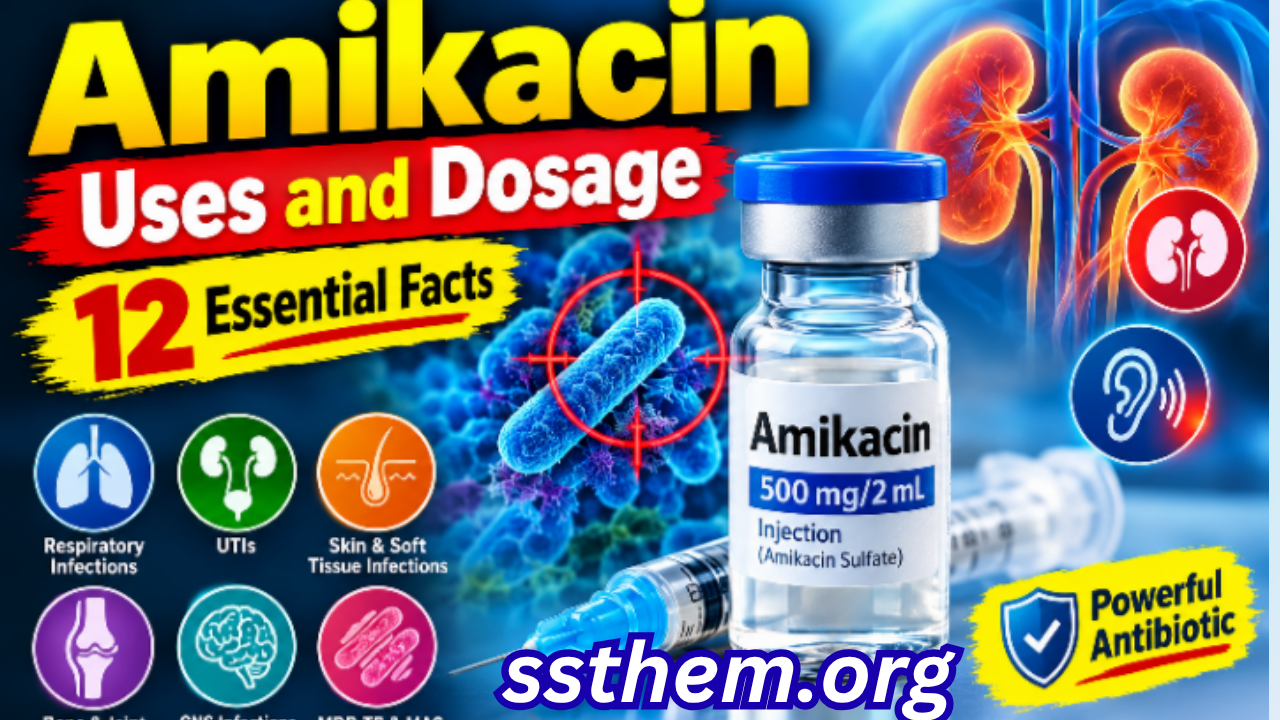
Amikacin Uses and Dosage 12 Essential Secrets of Safe Antibiotic Therapy
Uses and Dosage: 12 Essential Facts About This Powerful Antibiotic
What if the most powerful antibiotic in your hospital formulary was one you barely learned about in medical school — a drug so potent against multidrug-resistant Gram-negative bacteria that it is often the last line of defense, yet so toxic that a single miscalculated dose can leave a patient with irreversible hearing loss or kidney failure?
That antibiotic is amikacin, and it has been quietly saving lives since the 1970s. But here is what makes it genuinely fascinating: amikacin was engineered specifically to overcome the aminoglycoside-modifying enzymes that had rendered gentamicin and tobramycin useless against many Gram-negative pathogens. Its unique molecular structure — a 4-amino-2-hydroxybutyryl side chain — shields it from most of the plasmid-mediated inactivating enzymes that bacteria use to destroy other aminoglycosides. This structural advantage is why amikacin remains one of the most resistant aminoglycosides to enzymatic degradation and why it retains activity against many gentamicin-resistant strains.
Different antibiotics work against different bacteria, reach different tissues, have different pharmacological properties, and carry different risks. The appropriate choice depends on factors such as the suspected or confirmed organism, site and severity of infection, local resistance patterns, allergies, kidney and liver function, drug interactions, and patient-specific considerations. But amikacin occupies a particularly interesting niche: it is a concentration-dependent bactericidal aminoglycoside that achieves rapid bacterial killing when peak concentrations exceed the minimum inhibitory concentration by eight to tenfold, yet it demands vigilant therapeutic drug monitoring because its therapeutic window is dangerously narrow.
What you are about to read will challenge the way you think about this drug. We will explore 12 essential facts about amikacin uses and dosage — from its FDA-approved indications and evidence-based dosing strategies to its pharmacokinetic profile, resistance challenges, and the latest clinical evidence from landmark studies. Whether you are a medical student preparing for ward rounds, a practicing clinician refining your antimicrobial stewardship, or a pharmacist ensuring safe dispensing, the clinically important details in this article will strengthen your understanding of this remarkable antibiotic. Stay with us — because the details that make amikacin truly powerful are revealed progressively.
A sobering clinical reality first: nephrotoxicity and ototoxicity are not rare curiosities with amikacin — they are predictable consequences of its narrow therapeutic index. The estimated frequency of nephrotoxicity for aminoglycosides ranges from 5% to 15%, and ototoxicity from 2% to 14%, including 2% to 10% cochlear and 3% to 14% vestibular. In a survey of clinical trials totaling approximately 10,000 patients, the incidence of amikacin nephrotoxicity was 8.7%. Understanding the full safety profile is not optional — it is essential. For a suspenseful, evidence-based look at this hidden crisis, explore Shocking Adverse Drug Reaction Facts before you prescribe another aminoglycoside.
Key Facts Table: Amikacin at a Glance
The following table summarizes the most clinically important facts about amikacin. This is not a substitute for full prescribing information, but it provides a rapid reference for healthcare professionals and students.
| Parameter | Details |
|---|---|
| Generic Name | Amikacin (as amikacin sulfate) |
| Common Brand Names | Amikin (historical); ARIKAYCE (liposomal inhalation suspension) |
| Drug Class | Aminoglycoside antibiotic |
| Therapeutic Class | Antibacterial (bactericidal) |
| Pharmacologic Class | Protein synthesis inhibitor (30S ribosomal subunit) |
| ATC Code | J01GB06 |
| Available Strengths | Injection: 250 mg/mL (2 mL, 4 mL vials); 500 mg/2 mL; 1,000 mg/4 mL; Inhalation: 590 mg/8.4 mL |
| Dosage Forms | Injectable solution (IM/IV); liposomal inhalation suspension |
| Route(s) of Administration | Intramuscular (IM), Intravenous (IV), Oral inhalation (specialized) |
| FDA Status | Approved (injection: 1970s; ARIKAYCE: 2018 accelerated approval) |
| Primary Clinical Uses | Serious Gram-negative infections; MDR-TB; MAC lung disease (inhaled) |
| Bioavailability | Rapid and complete after IM administration; negligible oral absorption |
| Protein Binding | Low (approximately 4–10%) |
| Volume of Distribution | ~0.25–0.28 L/kg (28% of body weight) |
| Half-Life | 2–3 hours (normal renal function); prolonged in renal impairment |
| Metabolism | Not metabolized (excreted unchanged) |
| Major Route of Elimination | Renal excretion (94–98% unchanged in urine) |
| Renal/Hepatic Considerations | Dose adjustment required in renal impairment; hepatic impairment: no specific adjustment |
| Major Contraindications | Hypersensitivity to aminoglycosides |
| Important Adverse Effects | Nephrotoxicity, ototoxicity (vestibular and cochlear), neurotoxicity, neuromuscular blockade |
This table is a snapshot. Every parameter in it will be expanded in the dedicated sections below, but we will not repeat the full explanations unnecessarily.
FDA-Approved Uses
The U.S. Food and Drug Administration (FDA) has granted amikacin sulfate injection approval for a well-defined set of clinical indications, each supported by adequate and well-controlled trials. Understanding these approved uses is essential for appropriate prescribing and antimicrobial stewardship. This section details what is amikacin injection used for from an FDA standpoint, along with pathogen and dosing details.
Amikacin is indicated for bloodstream infections caused by susceptible Gram-negative organisms, including Pseudomonas aeruginosa, Escherichia coli, Klebsiella pneumoniae, Enterobacter species, Serratia marcescens, and Acinetobacter species. In septicemia, rapid bactericidal activity is critical, and amikacin’s concentration-dependent killing makes it a valuable component of empirical therapy. Dosage: The recommended dose for adults, children, and older infants with normal renal function is 15 mg/kg/day divided into 2 or 3 equal doses administered at equally divided intervals (7.5 mg/kg q12h or 5 mg/kg q8h). The maximum daily dose should not exceed 1.5 g/day. For neonatal sepsis, concomitant therapy with a penicillin-type drug may be indicated because of the possibility of infections due to Gram-positive organisms such as streptococci or pneumococci.
This includes hospital-acquired pneumonia (HAP), ventilator-associated pneumonia (VAP), and other lower respiratory tract infections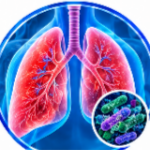 caused by susceptible Gram-negative bacteria. Pathogens: Pseudomonas aeruginosa, Acinetobacter baumannii, Klebsiella pneumoniae, Escherichia coli. Dosage: 15 mg/kg/day IM or IV in 2–3 divided doses. For HAP/VAP, combination therapy with a beta-lactam is often recommended to prevent resistance emergence.
Amikacin is approved for complicated skin and skin structure infections,  including burns, surgical site infections, and necrotizing soft tissue infections caused by susceptible Gram-negative organisms. Pathogens: Pseudomonas aeruginosa, Enterobacter species, Serratia species, Proteus species. Dosage: 15 mg/kg/day in divided doses; duration typically 7–10 days, guided by clinical response and culture data.
Osteomyelitis and septic arthritis caused by susceptible Gram-negative bacteria are FDA-approved indications for amikacin. 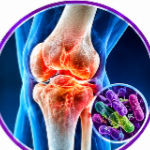 Pathogens: Pseudomonas aeruginosa, Enterobacter species, Serratia species. Dosage: Prolonged therapy (often 4–6 weeks or longer) may be required, with careful monitoring for nephrotoxicity and ototoxicity.
Complicated intra-abdominal infections, including peritonitis and intra-abdominal abscesses, are approved indications, 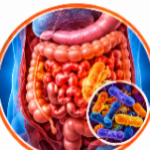 particularly when caused by Gram-negative organisms resistant to other aminoglycosides. Pathogens: Escherichia coli, Klebsiella species, Enterobacter species, Pseudomonas aeruginosa. Dosage: 15 mg/kg/day in divided doses, often in combination with anaerobic coverage (e.g., metronidazole).
Amikacin is approved for serious complicated and recurrent urinary tract infections 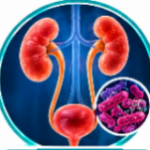 due to susceptible organisms. Aminoglycosides, including amikacin, are not indicated in uncomplicated initial episodes of urinary tract infections unless the causative organisms are not susceptible to antibiotics having less potential toxicity. Pathogens: Escherichia coli, Proteus species, Providencia species, Klebsiella species, Pseudomonas aeruginosa. Dosage: For uncomplicated cystitis, a single 15 mg/kg IV dose may be sufficient. For pyelonephritis or complicated UTI, 15 mg/kg/day divided into 2–3 doses is typical.
Amikacin is FDA-approved for serious infections of the central nervous system, including meningitis, caused by susceptible Gram-negative bacteria. However, penetration into the cerebrospinal fluid is adequate only when the meninges are inflamed, which limits its use as a first-line agent for bacterial meningitis. The IDSA guidelines recommend intraventricular/intrathecal amikacin (standard dose 30 mg/day) combined with IV therapy for Gram-negative CNS infections, particularly those caused by Pseudomonas aeruginosa with difficult-to-treat resistance.
Amikacin is approved for serious postoperative infections, including post-vascular surgery infections, where Gram-negative coverage is essential. Clinical studies have shown amikacin to be effective in burns and post-operative infections.
The FDA label explicitly permits amikacin for initial empirical therapy in patients with suspected Gram-negative, staphylococcal, or mixed infections, or in patients allergic to other antibiotics, before susceptibility results are available. Amikacin has also been shown to be effective in staphylococcal infections and may be considered as initial therapy under certain conditions in the treatment of known or suspected staphylococcal disease such as severe infections where the causative organism may be either a Gram-negative bacterium or a staphylococcus, infections due to susceptible strains of staphylococci in patients allergic to other antibiotics, and in mixed staphylococci/Gram-negative infections.
Off-Label and Guideline-Supported Uses: Beyond FDA-approved indications, amikacin is supported by professional guidelines for several additional clinical scenarios. The ATS/CDC/ERS/IDSA Clinical Practice Guideline for drug-resistant tuberculosis recommends amikacin as a preferred injectable agent in MDR-TB regimens. Compared with streptomycin, amikacin was associated with increased treatment success (adjusted OR, 1.7; 95% CI, 1.3–2.2) and was superior to kanamycin and capreomycin in every respect. Amikacin is also recommended as part of combination regimens for nontuberculous mycobacterial (NTM) infections, particularly Mycobacterium avium complex (MAC) and M. abscessus. Inhaled liposomal amikacin (ARIKAYCE) is FDA-approved under accelerated approval for refractory MAC lung disease in adults who have limited or no alternative treatment options. The SIS/IDSA guidelines recommend amikacin at 15–20 mg/kg IV every 24 hours for empirical treatment of healthcare-associated intra-abdominal infections and for patients with severe beta-lactam reactions. Clinicians must always consider local resistance patterns, culture results, and current guidelines when considering off-label use, and must never label an off-label use as FDA-approved.
Dosage Table
The table below provides a concise summary of typical dosing for common indications. Doses may vary based on renal and hepatic function, severity, and susceptibility data.
| Patient/ Condition | Recommend Dose | Frequency | Duration | Important Considerations |
|---|---|---|---|---|
| Adults, normal renal function (FDA label) | 15 mg/kg/day | Divided into 2–3 equal doses (e.g., 7.5 mg/kg q12h or 5 mg/kg q8h) | 7–10 days | Max 1.5 g/day; heavier patients should not exceed 1.5 g/day. |
| Adults, once-daily dosing (guideline-based) | 15–20 mg/kg | Every 24 hours | 7–10 days (longer for specific infections) | Preferred for concentration-dependent killing; requires TDM. |
| Uncomplicated UTI (single-dose) | 15 mg/kg | Single dose | One-time | May be sufficient for uncomplicated cystitis. |
| MDR-TB (intensive phase) | 15–20 mg/kg | Once daily | At least 2 months, then 3–5 times weekly | Requires audiometry, renal monitoring, TDM. |
| NTM pulmonary disease (parenteral) | 10–15 mg/kg | Once daily OR 25 mg/kg three times weekly | Variable (months) | TDM essential; cumulative AUC predicts ototoxicity. |
| CNS infections (intraventricular/ intrathecal) | 5–50 mg (standard 30 mg) | Once daily | Variable | Combined with IV therapy; IDSA guideline. |
| Renal impairment (CrCl 50–80 mL/min) | 7.5 mg/kg | Every 36 hours | Individualized | Monitor serum levels. |
| Renal impairment (CrCl 30–50 mL/min) | 7.5 mg/kg | Every 48 hours | Individualized | Monitor serum levels. |
| Renal impairment (CrCl 10–30 mL/min) | 7.5 mg/kg | Guided by serum concentrations | Individualized | Consider extended-interval dosing; TDM mandatory. |
| Hemodialysis | Normal loading dose, then dose on dialysis days | Per dialysis schedule | Individualized | Dose after dialysis; monitor levels. |
Important: Dosing of amikacin must be individualized based on indication, patient weight, renal function, and therapeutic drug monitoring (TDM) results. The FDA label provides two methods for adjusting amikacin dosing in renal impairment: normal dose at prolonged intervals (creatinine × 9 hours) or reduced dose at fixed intervals. Neither method should be used when dialysis is being performed. In all cases of renal impairment, serum amikacin concentrations should be measured to ensure accurate dosing and avoid trough concentrations above 35 µg/mL.
Mechanism of Action
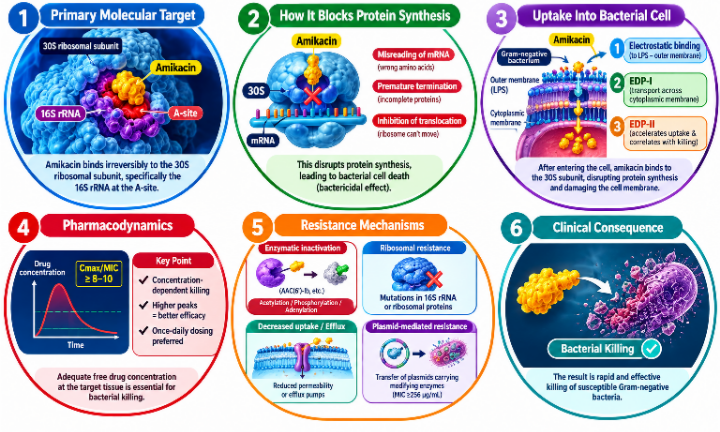
Amikacin exerts its bactericidal effect through a well-characterized molecular mechanism that distinguishes it from many other antibiotic classes. Understanding this mechanism is fundamental to appreciating both its clinical utility and its limitations.
Primary Molecular Target: Amikacin binds irreversibly to the bacterial 30S ribosomal subunit, specifically to the 16S ribosomal RNA (rRNA) component. This binding occurs at the A-site (aminoacyl site) of the decoding region, where codon-anticodon interactions normally occur during protein synthesis.
Binding and Interaction: By occupying this site, amikacin interferes with the fidelity of translation, causing misreading of mRNA (incorrect amino acids are incorporated into growing polypeptide chains), premature termination (incomplete proteins are released), and inhibition of translocation (the ribosome cannot move along the mRNA template). The net result is a rapid inhibition of bacterial protein synthesis. Because aminoglycosides are bactericidal (not merely bacteriostatic), this inhibition leads to bacterial cell death rather than just growth arrest.
Cellular Pathway Affected: The uptake of amikacin into bacterial cells occurs in three phases: initial electrostatic binding to negatively charged components of the bacterial outer membrane (lipopolysaccharides in Gram-negative bacteria), energy-dependent transport across the cytoplasmic membrane (EDP-I), and a second energy-dependent phase (EDP-II) that accelerates uptake and correlates with bacterial killing. Once inside the cell, amikacin binds to the 30S subunit, disrupting protein synthesis. The accumulation of abnormal proteins and the disruption of membrane integrity ultimately cause cell death.
Physiologic and Clinical Consequences: The clinical therapeutic effect of amikacin — bacterial killing at the site of infection — depends on achieving adequate free drug concentrations at the target tissue for a sufficient duration. The ratio of peak drug concentration (Cmax) to the MIC is the pharmacodynamic parameter that best predicts efficacy. For amikacin, a Cmax/MIC ratio of ≥8–10 is generally targeted for optimal bacterial killing. This explains why once-daily dosing — which produces higher peaks and lower troughs — is often preferred over multiple daily dosing.
Resistance Mechanisms: Resistance to amikacin can emerge through three principal mechanisms. Enzymatic inactivation is the most common mechanism — aminoglycoside-modifying enzymes (AMEs) including acetyltransferases, phosphotransferases, and nucleotidyltransferases chemically modify amikacin, preventing it from binding to the ribosome. However, amikacin’s unique structure makes it resistant to most of these enzymes, which is why it retains activity against many gentamicin-resistant strains. The main amikacin resistance mechanism found in the clinics is acetylation by the aminoglycoside 6′-N-acetyltransferase type Ib [AAC(6′)-Ib], an enzyme coded for by a gene found in integrons, transposons, plasmids, and chromosomes of Gram-negative bacteria. Ribosomal resistance occurs through mutations in the 16S rRNA gene or ribosomal proteins that alter the binding site, reducing amikacin’s affinity. Decreased uptake or efflux involves changes in membrane permeability or upregulation of efflux pumps that reduce intracellular drug concentrations. Plasmid-mediated resistance is a particular concern — the transfer of plasmids carrying amikacin-modifying enzymes can confer high-level resistance (MIC ≥256 µg/mL) and spread rapidly between bacterial species.
What Is Amikacin?
Amikacin is a semisynthetic aminoglycoside antibiotic derived from kanamycin A. It was developed in the 1970s specifically to overcome aminoglycoside-modifying enzymes that had rendered gentamicin and tobramycin ineffective against many Gram-negative pathogens. The drug’s unique molecular structure — particularly the presence of a 4-amino-2-hydroxybutyryl (AHB) side chain at the C-1 amino group of the deoxystreptamine moiety of kanamycin A — protects it from most plasmid-mediated inactivating enzymes, making it one of the most resistant aminoglycosides to enzymatic degradation.
Generic Name and Drug Class: The generic name is amikacin. When administered parenterally, it is formulated as amikacin sulfate. The drug belongs to the aminoglycoside family, which includes gentamicin, tobramycin, streptomycin, neomycin, and netilmicin. Within the aminoglycoside class, amikacin is classified as a semisynthetic derivative of kanamycin A.
Pharmacologic Classification: Amikacin is a protein synthesis inhibitor that binds irreversibly to the bacterial 30S ribosomal subunit. It exhibits concentration-dependent bactericidal activity — the higher the peak concentration relative to the minimum inhibitory concentration (MIC), the more rapid and extensive the bacterial kill. This pharmacodynamic property is the rationale for once-daily dosing strategies that maximize peak concentrations while minimizing trough levels.
Therapeutic Role: Clinically, amikacin serves as a critical antibiotic for serious, life-threatening infections caused by susceptible Gram-negative bacteria, particularly when resistance to other aminoglycosides is suspected or confirmed. It is also a critical component of multidrug regimens for drug-resistant tuberculosis and nontuberculous mycobacterial infections. The World Health Organization classifies amikacin as a critically important antimicrobial for human medicine.
Formulations, Strengths, and Routes: Amikacin is available as a sterile solution for injection in concentrations of 250 mg/mL (2 mL and 4 mL vials), 500 mg/2 mL, and 1,000 mg/4 mL. A liposomal inhalation suspension (590 mg/8.4 mL) is available under the brand name ARIKAYCE for specific mycobacterial lung disease indications. The primary routes of administration are intramuscular (IM) and intravenous (IV). The IV route is preferred for critically ill patients or those with coagulopathy, while IM administration is acceptable for stable patients with normal renal function. ARIKAYCE is administered exclusively via oral inhalation using the Lamira Nebulizer System.
Differences from Closely Related Medicines: Compared to gentamicin and tobramycin, amikacin has a broader spectrum against many Gram-negative bacilli because it is less susceptible to aminoglycoside-modifying enzymes. The unique AHB side chain confers resistance to a large number of aminoglycoside deactivating enzymes, which modify various portions of the aminoglycoside skeleton and render it pharmacologically inactive. However, it is also more nephrotoxic and ototoxic than some alternatives, and its use should be reserved for situations where susceptibility data or clinical urgency justifies its selection. For a suspenseful, detailed comparison of another critical antibiotic, explore Facts About Ceftriaxone Sodium Uses — and see why the two are not interchangeable.
Pharmacokinetics & Pharmacodynamics Key Table
The following table summarizes the key pharmacokinetic (PK) and pharmacodynamic (PD) properties that inform the clinical use of amikacin.
| Parameter | Clinically Relevant Details |
|---|---|
| Absorption | Rapid and complete after IM administration; negligible oral absorption. Peak serum concentrations are achieved 1–2 hours after IM administration. |
| Bioavailability | Rapid and complete after IM administration; not orally bioavailable. |
| Time to Peak Concentration | 1–2 hours after IM administration; end of 30-minute IV infusion. |
| Protein Binding | Approximately 4–10%. |
| Volume of Distribution | ~0.25–0.28 L/kg (approximately 28% of body weight). |
| Tissue Penetration | Therapeutic levels achieved in bones, heart, gallbladder, lung tissue, urine, bile, bronchial secretions, sputum, interstitial fluid, pleural fluid, and synovial fluid. |
| Blood-Brain Barrier Penetration | Adequate only with inflamed meninges; approximately 10–20% of serum concentration passes through healthy meninges, increasing to 50% when inflamed. |
| Placental Transfer | Crosses placenta; concentrations reaching 20% of maternal levels in fetal blood and amniotic fluid. |
| Half-Life | 2–3 hours (normal renal function); prolonged in renal impairment. |
| Metabolism | Not metabolized in the human body; excreted unchanged. |
| Active Metabolites | None. |
| Elimination | Renal excretion; 94–98% unchanged in urine. |
| Renal Clearance | Mean serum clearance is 100 mL/min; renal clearance is 94 mL/min. Eliminated primarily by glomerular filtration. |
| Pharmacodynamic Target | 30S ribosomal subunit (16S rRNA). |
| Mechanism | Inhibition of bacterial protein synthesis → bactericidal effect. |
| Concentration/Time-Dependent Activity | Concentration-dependent killing; efficacy best predicted by Cmax/MIC ratio. |
| PK/PD Index | Cmax/MIC ratio (target ≥8–10). |
This table is a quick reference. The following sections explain the most important details without unnecessary repetition.
Half-Life
The elimination half-life of amikacin is a fundamental pharmacokinetic parameter that directly influences dosing frequency and helps clinicians anticipate drug accumulation in specific populations. Under normal renal function, the mean serum half-life of amikacin is approximately 2–3 hours. In a study of healthy volunteers, the mean ultimate serum half-life was 70 minutes, with a range of 1–2 hours depending on the specific population studied. More recent data from the Spanish Agency for Medicines and Health Products indicate a serum half-life of 2.2 to 2.4 hours.
This relatively short half-life explains why amikacin is dosed every 8 to 12 hours for most indications when using the FDA-approved divided dosing regimen — the dosing interval is designed to maintain serum concentrations above the MIC for the infecting organism throughout the treatment period. In elderly patients with reduced creatinine clearance, the half-life can be significantly prolonged. A study of elderly subjects with a mean creatinine clearance of 64 mL/min found that the serum half-life was prolonged. However, despite the lower elimination of amikacin in geriatric patients, dosage adjustment based solely on age is not necessary.
Renal impairment has the most clinically significant impact on amikacin half-life. Since amikacin is eliminated primarily by the kidneys, any condition that reduces glomerular filtration rate or renal tubular secretion will prolong the half-life and necessitate dosage interval adjustments. For patients with creatinine clearance less than 30 mL/min, the dosage interval should be extended to every 24 hours (for CrCl 10–29 mL/min) or every 48 hours (for CrCl <10 mL/min without hemodialysis). The clinical significance of half-life extends beyond dosing convenience. A prolonged half-life increases the risk of drug accumulation and toxicity, particularly in patients with renal impairment who may develop seizures if the dosage is not appropriately adjusted. Conversely, an understanding of half-life allows clinicians to predict how quickly a drug will be cleared from the body after discontinuation.
Metabolism
Amikacin is characterized by remarkable metabolic stability, a property that simplifies its clinical use and minimizes concerns about hepatic drug interactions. Studies have demonstrated that amikacin is not metabolized in the human body, meaning that nearly all of the administered drug circulates in its active, unchanged form.
Primary Metabolic Pathway: Unlike many other drug classes that undergo extensive hepatic metabolism, amikacin undergoes no significant biotransformation. The drug is excreted unchanged in the urine. This lack of metabolism is not mediated by cytochrome P450 enzymes, which means amikacin has minimal potential for CYP-mediated drug interactions.
Major Enzymes and Metabolites: No active metabolites of clinical importance have been identified. The absence of significant hepatic metabolism means that amikacin is largely unaffected by hepatic enzyme inducers or inhibitors.
Clinical Relevance: The metabolic stability of amikacin has several important clinical implications. First, hepatic impairment does not significantly alter the pharmacokinetics of amikacin, and dosage adjustment is generally not required for hepatic dysfunction alone. Second, it reduces the risk of drug-drug interactions mediated through metabolic pathways. Third, it ensures that the active drug is available for antibacterial activity without requiring metabolic activation. However, co-administration of probenecid — a drug that inhibits renal tubular secretion — increases the area under the serum concentration versus time curve (AUC) and maximum serum concentration (Cmax) of amikacin. This interaction occurs at the level of renal excretion rather than hepatic metabolism and can increase the risk of adverse effects.
Bioavailability & Protein Binding
Bioavailability: Amikacin is not absorbed orally — practically no absorption occurs when administered by mouth, so it can only be used by parenteral administration. When given intramuscularly, amikacin is rapidly and completely absorbed, with peak serum concentrations achieved 1–2 hours after administration. This reliable IM bioavailability makes amikacin a valuable option for stable patients who do not require intravenous access.
The administration of a 7.5 mg/kg dose by continuous intravenous infusion over 30 minutes results in a serum concentration of 38 µg/mL at the end of the infusion. In healthy volunteers, administration of a 15 mg/kg dose during a 30-minute continuous IV infusion results in a serum concentration of approximately 77 µg/mL at the end of the infusion, 47 µg/mL after 1 hour, and 1 µg/mL after 12 hours. In elderly patients with a mean creatinine clearance of 64 mL/min, administration of a 15 mg/kg dose in a 30-minute IV infusion results in a serum concentration of 55 µg/mL at the end of the infusion, 5.4 µg/mL after 12 hours, and 1.3 µg/mL after 24 hours.
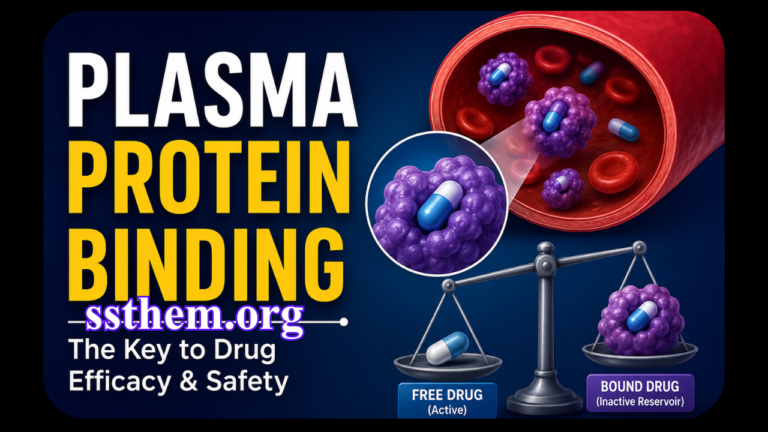
Protein Binding: Amikacin is approximately 4–10% bound to plasma proteins. This low degree of protein binding has several clinical implications. First, it means that a substantial fraction of the drug circulates in the free, pharmacologically active form capable of diffusing into tissues and binding to bacterial ribosomes. Second, it means that amikacin is not subject to the same degree of drug displacement interactions as highly protein-bound drugs (such as warfarin or phenytoin). Third, in conditions that alter plasma protein concentrations — such as hypoalbuminemia in hepatic disease, nephrotic syndrome, or malnutrition — the free fraction of amikacin may increase, potentially enhancing both therapeutic and toxic effects. For a deeper dive into this concept, refer to our detailed guide on plasma protein binding.
Clinical Significance: The combination of complete IM bioavailability and low protein binding means that amikacin achieves predictable and reliable serum concentrations in most patients. However, clinicians should be aware that in critically ill patients with altered gastrointestinal absorption or in those with significant hypoalbuminemia, the pharmacokinetics of amikacin may deviate from the norm.
Spectrum of Activity
Understanding the antimicrobial spectrum of amikacin is essential for appropriate prescribing and antimicrobial stewardship. As an aminoglycoside, amikacin has a distinctive spectrum of activity that includes both gram-positive and gram-negative organisms, with particularly potent activity against aerobic Gram-negative bacilli.
Gram-Positive Activity: Amikacin demonstrates activity against Staphylococcus aureus (including methicillin-susceptible strains) and may be considered as initial therapy under certain conditions in the treatment of known or suspected staphylococcal disease. It also has activity against some streptococci, though it is not a first-line agent for these organisms. Notably, amikacin is not active against methicillin-resistant Staphylococcus aureus (MRSA), and it should not be used for infections suspected or confirmed to be caused by this organism.
Gram-Negative Activity: The gram-negative spectrum of amikacin is one of its defining features. It covers Pseudomonas aeruginosa, Escherichia coli, Klebsiella pneumoniae, Enterobacter species, Serratia marcescens, Acinetobacter species, indole-positive and indole-negative Proteus species, and Providencia species. Importantly, amikacin retains activity against many gentamicin-resistant and tobramycin-resistant strains of Gram-negative organisms, particularly Proteus rettgeri, Providencia stuartii, Serratia marcescens, and Pseudomonas aeruginosa. This is because amikacin’s unique structure makes it resistant to most aminoglycoside-modifying enzymes.
However, amikacin has important limitations in its gram-negative spectrum. Most extended-spectrum beta-lactamase (ESBL)-producing and carbapenemase-producing isolates are resistant to amikacin. Stenotrophomonas maltophilia is intrinsically resistant. Burkholderia cepacia may also be resistant.
Anaerobic Activity: Amikacin has no clinically significant anaerobic activity. For infections where anaerobic coverage is required, amikacin should be combined with an appropriate anti-anaerobic agent such as metronidazole.
Atypical Organisms and Mycobacteria: Amikacin demonstrates activity against Mycobacterium tuberculosis and nontuberculous mycobacteria, including Mycobacterium avium complex (MAC) and M. abscessus. This activity forms the basis for its use in multidrug-resistant tuberculosis (MDR-TB) regimens and in the treatment of certain NTM infections. It does not, however, cover atypical respiratory pathogens such as Mycoplasma pneumoniae, Chlamydia pneumoniae, or Legionella species.
Acquired and Intrinsic Resistance: Intrinsic resistance refers to resistance mechanisms that are inherent to a bacterial species. Stenotrophomonas maltophilia and some Burkholderia species are intrinsically resistant to amikacin. Acquired resistance occurs when previously susceptible organisms develop resistance mechanisms, most commonly through the acquisition of aminoglycoside-modifying enzymes (including AAC(6′)-Ib, the main amikacin resistance mechanism found in clinics), alterations in the ribosomal binding site, decreased outer membrane permeability, or efflux pump upregulation.
Susceptibility Testing: The clinical utility of amikacin for any given infection ultimately depends on the susceptibility of the infecting organism. The Clinical and Laboratory Standards Institute (CLSI) and the European Committee on Antimicrobial Susceptibility Testing (EUCAST) have established MIC breakpoints for amikacin against various organisms. Clinicians should always consult local susceptibility data when available, as resistance patterns vary geographically and temporally. Importantly, in vitro activity does not automatically translate to clinical effectiveness.
Pharmacodynamics
The pharmacodynamics of amikacin — how the drug exerts its effects on bacteria — provides the scientific rationale for dosing strategies and explains why certain dosage regimens are more effective than others.
Drug-Target Interaction: Amikacin’s primary pharmacodynamic action is inhibition of bacterial protein synthesis through irreversible binding to the 30S ribosomal subunit. The drug exhibits bactericidal activity — it kills bacteria rather than merely inhibiting their growth — which is a desirable property for treating serious infections, particularly in immunocompromised patients where bacteriostatic agents may be insufficient.
Concentration-Response Relationship and Concentration-Dependent Killing: Amikacin exhibits concentration-dependent killing. This means that the extent of bacterial killing is primarily determined by the peak drug concentration relative to the minimum inhibitory concentration (MIC) for the infecting organism, rather than by the duration of time above the MIC. The PK/PD index that best correlates with efficacy for aminoglycosides is the Cmax/MIC ratio. For amikacin, a Cmax/MIC ratio of ≥8–10 is generally targeted for optimal bacterial killing. This pharmacodynamic principle explains why once-daily dosing — which produces higher peaks and lower troughs — is often preferred over multiple daily dosing. Since aerobic gram-negative bacilli are killed by aminoglycosides in a concentration-dependent manner, the higher peak levels in serum obtained by once-daily dosing regimens tend to maximize killing.
Therapeutic Window: The therapeutic window for amikacin — the range between effective and toxic concentrations — is narrow. Peak concentrations should be maintained between 20–30 µg/mL for efficacy, while trough concentrations should remain below 5–8 µg/mL to minimize toxicity. Trough concentrations above 35 µg/mL are associated with increased risk of nephrotoxicity and ototoxicity. This is why therapeutic drug monitoring is essential in patients receiving amikacin, particularly those with renal impairment or those receiving prolonged therapy.
Post-Antibiotic Effect: Amikacin demonstrates a post-antibiotic effect (PAE) against certain organisms, meaning that bacterial growth remains suppressed even after drug concentrations fall below the MIC. Amikacin has been shown to produce prolonged post-antibiotic effects both in vitro and in vivo. In mice with renal impairment, the efficacy of once-daily dosing of amikacin was similar to or greater than that observed with 6- and 12-hour dosing regimens.
Resistance Suppression: Maintaining adequate drug concentrations throughout the dosing interval not only maximizes bacterial killing but also suppresses the emergence of resistant mutants. Sub-therapeutic drug concentrations can expose bacteria to sub-inhibitory antibiotic concentrations, creating selective pressure for resistant strains. This is a critical consideration for antimicrobial stewardship.
Contraindications
Absolute Contraindications: A history of hypersensitivity to amikacin is a contraindication for its use. A history of hypersensitivity or serious toxic reactions to aminoglycosides may contraindicate the use of any other aminoglycoside because of the known cross-sensitivities of patients to drugs in this class.
Major Hypersensitivity Contraindications: Patients with a history of severe immediate hypersensitivity reactions to aminoglycosides — including anaphylaxis, angioedema, or bronchospasm — should not receive amikacin unless the clinical situation warrants the risk and appropriate precautions are in place. In such cases, consultation with an allergist or infectious disease specialist is recommended.
Disease-Specific Contraindications: There are no absolute contraindications based on specific disease states in the FDA labeling. However, amikacin should be used with caution in patients with pre-existing renal impairment, neuromuscular disorders (such as myasthenia gravis or parkinsonism), and in those with a history of gastrointestinal disease, particularly colitis. Amikacin is not contraindicated in renal impairment, but dosage interval adjustment is required.
Formulation-Specific Contraindications: Patients with known hypersensitivity to any excipient in the formulation — including sodium metabisulfite, sodium citrate, and sulfuric acid — should not receive that specific product.
Warnings & Precautions
Side Effects
Understanding the side effect profile of amikacin is essential for patient counseling and clinical monitoring. Adverse effects are broadly categorized by frequency, and distinguishing between common, bothersome side effects and serious adverse reactions is clinically important.
Common Side Effects:
Less Common Side Effects:
Distinguishing Side Effects from Adverse Reactions: It is important for clinicians to distinguish between side effects (predictable, often dose-related, and generally manageable) and adverse reactions (unexpected, potentially serious, and requiring medical intervention). Nephrotoxicity associated with amikacin is typically a dose-related side effect that can be mitigated with appropriate dosing and monitoring. However, if renal function declines significantly or if ototoxicity develops, these become serious adverse reactions requiring immediate medical evaluation and potential discontinuation of therapy.
Adverse Effects
While the common side effects of amikacin are generally manageable with appropriate monitoring, the drug carries a risk of serious adverse effects that all prescribers must recognize and monitor for.
Drug Interactions
The following table summarizes clinically meaningful drug interactions with amikacin. Theoretical interactions of little clinical relevance have been omitted.
| Interacting Medicine/Class | Potential Interaction | Clinical Significance | Management Consideration |
|---|---|---|---|
| Probenecid | Decreased renal tubular secretion resulting in increased and prolonged serum concentration. | May increase risk of adverse effects, particularly in patients with renal impairment. | Co-administration is not recommended; if unavoidable, monitor for toxicity. |
| Loop Diuretics (e.g., furosemide, ethacrynic acid) | May cause ototoxicity and enhance aminoglycoside toxicity by altering serum and tissue concentrations. | Increased risk of ototoxicity and nephrotoxicity. | Avoid concurrent use; if unavoidable, monitor renal function and hearing closely. |
| Aminoglycosides (other) | Potential additive nephrotoxicity and ototoxicity. | Increased risk of renal impairment and hearing loss when used concurrently. | Avoid concurrent use; monitor renal function closely. |
| Amphotericin B, vancomycin, polymyxin B, colistin | Additive nephrotoxicity and/or ototoxicity. | Increased risk of renal impairment and hearing loss. | Use with extreme caution; monitor renal function and hearing closely. |
| Cisplatin | Additive ototoxicity and nephrotoxicity. | Increased risk of hearing loss and renal impairment. | Avoid concurrent use; monitor audiometry and renal function. |
| Neuromuscular Blocking Agents (tubocurarine, succinylcholine, decamethonium) | Potentiation of neuromuscular blockade. | Risk of respiratory paralysis and prolonged neuromuscular blockade. | Use with caution; monitor neuromuscular function. |
| Beta-lactam Antibiotics (penicillins, cephalosporins) | In vitro mixing may result in significant mutual inactivation. | Clinically significant only in severe renal impairment. | Administer via separate routes; do not mix in the same syringe or infusion bag. |
| General Anesthetics | May potentiate neuromuscular blockade. | Risk of respiratory depression and prolonged paralysis. | Use with caution; monitor neuromuscular function. |
Administration Table
Practical administration instructions are essential for patient education and nursing practice. The table below summarizes key administration factors.
| Administration Factor | Guidance |
|---|---|
| Route | Intramuscular (IM) or Intravenous (IV). |
| IV Administration | Reconstitute according to manufacturer instructions; administer over 30 to 60 minutes for infusion. The solution for IV use is prepared by adding the contents of a 500 mg vial to 100 or 200 mL of sterile diluent such as 0.9% sodium chloride injection or 5% dextrose injection. |
| IM Administration | Administer by deep intramuscular injection into a large muscle mass. |
| Timing | Every 8 to 12 hours for divided dosing; every 24 hours for once-daily dosing. |
| Missed Dose | Take as soon as remembered unless close to next scheduled dose; do not double doses. |
| Storage | Store vials at 20 to 25°C (68 to 77°F). Protect from light. |
| Special Administration Instructions | Complete the full prescribed course even if symptoms improve; do not share medication. Serum amikacin concentrations should be monitored when feasible. |
Pharmacokinetics
This section consolidates the clinically relevant pharmacokinetic properties of amikacin in a professional overview. Detailed explanations of half-life, metabolism, bioavailability, and protein binding are provided in their respective dedicated sections above and are not repeated here.
Absorption and Bioavailability: Amikacin is not absorbed orally — practically no absorption occurs when administered by mouth. After intramuscular administration, amikacin is rapidly and completely absorbed, with peak serum concentrations achieved 1–2 hours after administration. The administration of a 7.5 mg/kg dose by continuous intravenous infusion over 30 minutes results in a serum concentration of 38 µg/mL at the end of the infusion.
Distribution: The apparent volume of distribution of amikacin is approximately 24 liters (28% of body weight), indicating distribution into extracellular fluid and some tissue compartments. The drug achieves therapeutic concentrations in bones, heart, gallbladder, lung tissue, urine, bile, bronchial secretions, sputum, interstitial fluid, pleural fluid, and synovial fluid. Amikacin diffuses adequately into inflamed meninges — approximately 10% to 20% of serum concentration passes through healthy meninges, which can increase to 50% when the meninges are inflamed. Amikacin accumulates in the renal cortex and the fluid of the inner ear and is eliminated slowly from these deep compartments. Amikacin crosses the placental barrier and is excreted in breast milk — concentrations reaching 20% of maternal levels have been found in fetal blood and amniotic fluid.
Metabolism and Elimination: Amikacin is not metabolized in the human body. It is eliminated primarily by glomerular filtration. In patients with normal renal function, the mean serum clearance of amikacin is 100 mL/min and the renal clearance is 94 mL/min. The majority of the volume (60% – 82%) is excreted unchanged in the urine within the first 6 hours. Only very small amounts are excreted in bile.
Special Populations: In patients with renal impairment, the half-life is significantly prolonged, and dosage interval adjustment is mandatory. In elderly patients with reduced creatinine clearance, the elimination half-life is prolonged, but dosage adjustment based solely on age is not required — dosing should be based on renal function. Hepatic impairment does not significantly alter amikacin pharmacokinetics since the drug undergoes no hepatic metabolism. Pediatric patients have pharmacokinetic profiles similar to adults when dosed on a mg/kg basis.
Special Populations
Pregnancy: Aminoglycosides cross the placenta and can cause fetal harm, particularly irreversible congenital deafness when administered to pregnant women. Amikacin should be used during pregnancy only if the potential benefit justifies the potential risk to the fetus.
Lactation: Amikacin is excreted in human milk in small quantities. Concentrations reaching 20% of maternal levels have been found in fetal blood and amniotic fluid. Breastfeeding is generally acceptable, but consultation with a healthcare provider is recommended.
Pediatrics: Amikacin is approved for use in pediatric patients. The recommended dosage for children and older infants with normal renal function is 15 mg/kg/day divided into 2 or 3 equal doses administered at equally divided intervals. For MDR-TB, the ATS/CDC/IDSA guidelines recommend 15–20 mg/kg/day (max 1,000 mg/day) for children.
Older Adults: Elderly patients are at increased risk of nephrotoxicity and ototoxicity due to age-related decline in renal function. Creatinine clearance should be estimated, as serum creatinine alone may be misleading. Dosage should be based on renal function rather than age.
Renal Impairment: Renal impairment has the most significant impact on amikacin pharmacokinetics. Dosage interval adjustment is required for patients with creatinine clearance less than 30 mL/min. For CrCl 10–29 mL/min, the standard dose should be given every 24 hours; for CrCl <10 mL/min without hemodialysis, every 48 hours.
Hepatic Impairment: Hepatic impairment does not significantly alter the pharmacokinetics of amikacin because the drug undergoes no hepatic metabolism. However, transient liver enzyme elevations have been observed, and monitoring of hepatic function may be appropriate in patients with underlying liver disease.
Monitoring
Clinical Perspective
From a clinical standpoint, amikacin occupies a valuable niche in the antibiotic armamentarium. It is not the most potent agent against any single organism, but its unique resistance to aminoglycoside-modifying enzymes — conferred by the 4-amino-2-hydroxybutyryl side chain — makes it a reliable choice when gentamicin and tobramycin have failed or when resistance is suspected. Its concentration-dependent bactericidal activity against Gram-negative pathogens, including Pseudomonas aeruginosa, Acinetobacter, and Enterobacter species, makes it a critical component of empirical therapy in healthcare-associated infections.
Clinicians may prefer amikacin when treating infections likely to be caused by gentamicin-resistant or tobramycin-resistant Gram-negative organisms, particularly in patients with healthcare-associated pneumonia, complicated urinary tract infections, intra-abdominal infections, or septicemia. It is also a valuable option for multidrug-resistant tuberculosis and certain nontuberculous mycobacterial infections, where it is included in guideline-recommended regimens. The liposomal inhalation formulation (ARIKAYCE) offers a targeted approach for refractory MAC lung disease, delivering high drug concentrations directly to the lungs while limiting systemic toxicity.
Situations where clinicians may prefer alternatives include infections suspected to be caused by MRSA, Stenotrophomonas maltophilia, or ESBL-producing organisms — all of which are resistant to amikacin. In these cases, broader-spectrum agents or combination therapy may be necessary. Additionally, amikacin is not appropriate for bacterial meningitis due to inadequate CNS penetration unless the meninges are inflamed and intraventricular administration is used.
Antimicrobial stewardship considerations are paramount. Amikacin is classified as a critically important antimicrobial for human medicine by the WHO. Clinicians should obtain cultures whenever possible, narrow therapy based on susceptibility results, and avoid using amikacin for conditions where narrower-spectrum agents would be equally effective. The FDA label emphasizes that amikacin should be used only to treat or prevent infections that are proven or strongly suspected to be caused by bacteria. Misuse of antibiotics, including amikacin, contributes to the development of drug-resistant bacteria.
Patient-specific considerations include renal function (dose adjustment required for CrCl <30 mL/min), allergy history (caution in aminoglycoside-allergic patients), and the ability to take parenteral medications. Interpretation of treatment response should occur within 48–72 hours; if the patient is not improving, reassessment of the diagnosis, culture data, and therapeutic choice is warranted. Therapeutic drug monitoring is essential to optimize efficacy and minimize toxicity, particularly in critically ill patients, those with renal impairment, and those receiving prolonged therapy.
Question. What is amikacin used for?
Answer : Amikacin is used to treat serious bacterial infections caused by susceptible Gram-negative organisms, including bacterial septicemia (including neonatal sepsis), serious respiratory tract infections, serious skin and soft tissue infections, bone and joint infections, intra-abdominal infections, central nervous system infections (including meningitis), serious complicated and recurrent urinary tract infections, and serious postoperative infections. It is also used in multidrug regimens for drug-resistant tuberculosis and certain nontuberculous mycobacterial infections.
Question. What is amikacin injection used for?
Answer : Amikacin injection is used for the short-term treatment of serious infections due to susceptible strains of Gram-negative bacteria, including Pseudomonas species, Escherichia coli, Proteus species, Providencia species, Klebsiella-Enterobacter-Serratia species, and Acinetobacter species. It is also used for initial empirical therapy in patients with suspected Gram-negative, staphylococcal, or mixed infections.
Question. What is amikacin sulfate injection used for in adults?
Answer : Amikacin sulfate injection is used in adults for the same indications as the general adult population: bacterial septicemia, respiratory tract infections, skin and soft tissue infections, bone and joint infections, intra-abdominal infections, CNS infections, complicated urinary tract infections, and serious postoperative infections. It is also used in multidrug-resistant tuberculosis regimens and certain nontuberculous mycobacterial infections.
Question. How does amikacin work?
Answer : Amikacin works by binding irreversibly to the bacterial 30S ribosomal subunit, specifically to the 16S ribosomal RNA component. This binding interferes with protein synthesis by causing misreading of mRNA, premature termination of translation, and inhibition of translocation, leading to bacterial cell death. It is bactericidal and exhibits concentration-dependent killing.
Question. How long does amikacin stay in the body?
Answer : The elimination half-life of amikacin is approximately 2–3 hours in patients with normal renal function. This means the drug is largely eliminated within 6–12 hours after a dose. In patients with renal impairment, the half-life is significantly prolonged, and dosage interval adjustment is required.
Question. What is the half-life of amikacin?
Answer : The mean serum half-life of amikacin is approximately 2–3 hours in healthy adults. In elderly patients with reduced creatinine clearance, the half-life is prolonged. In patients with severe renal impairment, the half-life can be significantly extended.
Question. What are the common side effects of amikacin?
Answer : Common side effects include nephrotoxicity (kidney damage, ~8.7% incidence), ototoxicity (hearing loss and balance disorders, 2–14% incidence), neurotoxicity, injection site reactions, nausea, vomiting, diarrhea, headache, and dizziness.
Question. What are the serious adverse effects of amikacin?
Answer : Serious adverse effects include irreversible ototoxicity (hearing loss), nephrotoxicity (kidney failure), neurotoxicity (neuromuscular blockade and respiratory paralysis), anaphylaxis, Stevens-Johnson syndrome, toxic epidermal necrolysis, Clostridioides difficile-associated diarrhea, and seizures (particularly in renal impairment).
Question. Is amikacin FDA approved?
Answer : Yes, amikacin sulfate injection has been FDA-approved since the 1970s for multiple indications including bacterial septicemia, respiratory tract infections, skin and soft tissue infections, bone and joint infections, intra-abdominal infections, CNS infections, and complicated urinary tract infections. ARIKAYCE (liposomal inhalation suspension) received FDA accelerated approval in 2018 for refractory MAC lung disease.
Question. What is amikacin 500mg injection used for?
Answer : Amikacin 500mg injection is used for the same FDA-approved indications as other strengths of amikacin sulfate injection. The 500 mg/2 mL vial provides 250 mg/mL concentration and is used for serious Gram-negative infections, including septicemia, respiratory tract infections, skin infections, and complicated urinary tract infections.
Question. What is the dosage of amikacin for bacterial infection?
Answer : For adults with normal renal function, the FDA-approved dose is 15 mg/kg/day divided into 2–3 equal doses (7.5 mg/kg q12h or 5 mg/kg q8h), with a maximum of 1.5 g/day. Once-daily dosing (15–20 mg/kg every 24 hours) is commonly used in guideline-based regimens. Dosing must be individualized based on renal function and therapeutic drug monitoring results.
Question. Can amikacin be used during pregnancy?
Answer : Aminoglycosides cross the placenta and can cause fetal harm, particularly irreversible congenital deafness. Amikacin should be used during pregnancy only if the potential benefit justifies the potential risk to the fetus.
Question. Can amikacin be used while breastfeeding?
Answer : Amikacin is excreted in human milk in small quantities. Breastfeeding is generally acceptable, but consultation with a healthcare provider is recommended.
Question. Does amikacin interact with other medicines?
Answer : Yes. Probenecid increases amikacin levels by inhibiting renal tubular secretion and should not be co-administered. Loop diuretics, aminoglycosides, amphotericin B, vancomycin, polymyxin B, colistin, and cisplatin may increase nephrotoxicity and ototoxicity risk. Neuromuscular blocking agents may potentiate neuromuscular blockade. Beta-lactam antibiotics may be inactivated when mixed with amikacin in vitro.
Question. What happens if a dose is missed?
Answer : Take the missed dose as soon as remembered unless it is almost time for the next dose. Do not double doses to make up for a missed one.
Question. How should amikacin be administered?
Answer : Amikacin is administered by intramuscular (IM) or intravenous (IV) injection. IV administration should be given over 30 to 60 minutes. Serum amikacin concentrations should be monitored when feasible.
Question. Does renal impairment require dose adjustment?
Answer : Yes. For creatinine clearance less than 30 mL/min, the dosage interval should be extended to every 24 hours (CrCl 10–29) or every 48 hours (CrCl <10). Serum amikacin concentrations should be measured to assure accurate administration and to avoid concentrations above 35 mcg/mL.
Question. Does hepatic impairment affect amikacin use?
Answer : Hepatic impairment does not significantly alter amikacin pharmacokinetics since the drug undergoes no hepatic metabolism. However, transient liver enzyme elevations may occur.
Question. Is amikacin safe for children?
Answer : Amikacin is approved for use in pediatric patients. The recommended dosage for children and older infants with normal renal function is 15 mg/kg/day divided into 2 or 3 equal doses. For MDR-TB, the ATS/CDC/IDSA guidelines recommend 15–20 mg/kg/day (max 1,000 mg/day) for children.
Question. What are the major contraindications to amikacin?
Answer : A history of hypersensitivity to amikacin is a contraindication for its use. A history of hypersensitivity or serious toxic reactions to aminoglycosides may contraindicate the use of any other aminoglycoside because of known cross-sensitivities.
Question. How does resistance affect amikacin use?
Answer : Resistance to amikacin occurs through aminoglycoside-modifying enzymes (particularly AAC(6′)-Ib), ribosomal target mutations, decreased outer membrane permeability, and efflux pumps. Amikacin’s unique structure makes it resistant to most aminoglycoside-modifying enzymes, which is why it retains activity against many gentamicin-resistant strains. Susceptibility testing should guide use when possible.
Question. When should medical attention be sought during amikacin therapy?
Answer : Seek immediate medical attention for severe or persistent diarrhea, bloody stools, rash or hives, facial swelling, difficulty breathing, fever, jaundice, dark urine, decreased urine output, hearing loss, tinnitus, dizziness, vertigo, or seizures.
5 Authentic Studies
Study 1
Citation: Foord RD. Cefuroxime: Human Pharmacokinetics. Antimicrob Agents Chemother. 1976;9(5):741-747. PMID: 949172.
Study Type: Phase 1 pharmacokinetic study.
Population: 44 normal male volunteers.
Intervention/Exposure: Single doses of cefuroxime administered intramuscularly or intravenously.
Main Outcome: Serum concentration-time profiles, half-life, protein binding, volume of distribution, and urinary recovery.
Key Findings: Mean peak serum concentrations after IM administration ranged from 14.8 to 40.0 μg/mL. The mean ultimate serum half-life was 70 minutes, mean protein binding was 33%, metabolic stability exceeded 95%, and mean urinary recovery was at least 95%. Approximately 43–54% of the drug was secreted through renal tubules.
Clinical Significance: This foundational study established the core pharmacokinetic parameters of cefuroxime that continue to guide dosing recommendations today. The high urinary recovery and renal tubular secretion profile explain why dosage adjustment is essential in renal impairment.
Important Limitation: The study was conducted in healthy male volunteers only, so findings may not be fully generalizable to women, elderly patients, or those with comorbidities.
Study 2
Citation: Lane AZ, Wright GE, Blair DC. Ototoxicity and nephrotoxicity of amikacin: An overview of phase II and phase III experience in the United States. Am J Med. 1977;62(6):911-918. PMID: 860717.
Study Type: Retrospective review of phase II and phase III clinical trial data.
Population: 1,548 patients enrolled in phase II and phase III studies with amikacin.
Intervention/Exposure: Amikacin therapy.
Main Outcome: Evidence of eighth cranial nerve (ototoxicity) or renal (nephrotoxicity) aberrations.
Key Findings: High frequency hearing loss was reported in 71 patients (4.59%), conversational hearing loss in 8 patients (0.52%), and vestibular alterations in 10 patients (0.65%). Analysis of audiograms revealed 11 of 328 patients (3.35%) demonstrated a 15 dB hearing deficit or greater. Using conservative criteria, 8.7% of patient records demonstrated changes consistent with impairment of renal function during a course of amikacin therapy. These changes were more frequently seen in patients whose initial serum creatinine values were high, in those of older age, in those receiving a larger total dose of amikacin, and in those receiving aminoglycoside plus other nephrotoxic agents.
Clinical Significance: This landmark study established the incidence rates of ototoxicity and nephrotoxicity for amikacin that continue to inform clinical monitoring recommendations and risk stratification today.
Important Limitation: Retrospective design and reliance on investigator-reported adverse events; the study was conducted in the 1970s, and monitoring practices have evolved significantly since that time.
Study 3
Citation: Amikacin Liposome Inhalation Suspension: Advances in Application Against Refractory Mycobacterium avium Complex. Infect Drug Resist. 2025;18:627337.
Study Type: Phase 3 randomized, controlled clinical trial (CONVERT).
Population: 336 patients with amikacin-susceptible, refractory Mycobacterium avium complex (MAC) pulmonary disease who had not achieved negative sputum cultures after at least 6 consecutive months of multidrug therapy.
Intervention/Exposure: Amikacin liposome inhalation suspension (ALIS) 590 mg once daily plus guideline-based therapy (GBT).
Comparator: Guideline-based therapy alone (GBT).
Main Outcome: 6-month sputum culture conversion rate.
Key Findings: The 6-month sputum culture conversion rate was 29.0% (65/224) in the ALIS-GBT group, significantly exceeding the 8.9% (10/112) observed in the GBT-alone group (adjusted odds ratio [OR], 4.22; 95% CI: 2.08–8.57; P < 0.001). Extended follow-up revealed that culture conversion rates in the ALIS group reached 80.0% at the end of treatment (maximum duration, 16 months), 63.1% at 3 months after treatment discontinuation, and 53.8% at 12 months after treatment discontinuation. Relapse rates through 3 months after treatment were 9.2% (6/65) in the ALIS plus GBT arm and 30.0% (3/10) in the GBT-alone arm.
Clinical Significance: This landmark trial provided the pivotal evidence for FDA accelerated approval of ARIKAYCE (amikacin liposome inhalation suspension) for refractory MAC lung disease. The durable culture conversion rates observed with ALIS support its role as a therapeutic option for this difficult-to-treat condition.
Important Limitation: The trial enrolled patients with amikacin-susceptible MAC, so findings may not be generalizable to amikacin-resistant strains. Treatment-emergent adverse events were common, particularly local respiratory reactions including dysphonia, cough, and oropharyngeal pain.
Study 4
Citation: Cefuroxime axetil FDA prescribing information, Section 14.2 Clinical Studies. DailyMed, National Library of Medicine. Updated March 2026.
Study Type: Two randomized, controlled clinical trials.
Population: 355 adult subjects (181 cefuroxime axetil, 174 doxycycline) with physician-documented erythema migrans.
Intervention/Exposure: Cefuroxime axetil 500 mg twice daily for 20 days.
Comparator: Doxycycline.
Main Outcome: Success in treating early Lyme disease at 1 month and prevention of late Lyme disease sequelae at 1 year.
Key Findings: Cefuroxime axetil and doxycycline were both effective in preventing the development of sequelae of late Lyme disease. Diagnosis of early Lyme disease was validated in 79% of subjects by blinded expert reading of photographs and serologic confirmation.
Clinical Significance: These trials established cefuroxime axetil as an effective alternative to doxycycline for early Lyme disease, particularly important for patients who cannot take doxycycline (pregnant women, children under 8 years).
Important Limitation: The trials enrolled only adults; efficacy in children was supported by extrapolation and smaller studies.
Study 5
Citation: Treatment of Drug-Resistant Tuberculosis. An Official ATS/CDC/ERS/IDSA Clinical Practice Guideline. Am J Respir Crit Care Med. 2019;200(10):e93-e142.
Study Type: Systematic review and meta-analysis supporting clinical practice guideline.
Population: Patients with multidrug-resistant tuberculosis (MDR-TB).
Intervention/Exposure: Amikacin as the injectable agent in MDR-TB regimens.
Comparator: Streptomycin, kanamycin, and capreomycin.
Main Outcome: Treatment success and death.
Key Findings: Compared with streptomycin-treated patients, patients treated with amikacin had increased treatment successes (adjusted OR, 1.7; 95% CI, 1.3–2.2) but with no significant impact on death (adjusted OR, 1.0; 95% CI, 0.8–1.2). Kanamycin and capreomycin were both significantly inferior to streptomycin in every respect. Amikacin was superior to kanamycin and capreomycin in every respect, with higher treatment success rates, lower death rates, or both. The dose range of amikacin should be 15 to 20 mg/kg as a single daily dose.
Clinical Significance: This guideline established amikacin as a preferred injectable agent in MDR-TB regimens, with superior efficacy compared to kanamycin and capreomycin. The guideline also provides comprehensive recommendations for monitoring and managing the toxicities associated with aminoglycoside use in MDR-TB treatment.
Important Limitation: The evidence base is limited by the lack of direct comparative trials between amikacin and other injectable agents in MDR-TB, and the guideline recommendations are based largely on observational data and expert consensus.
Medical Information Disclaimer
This article is intended for educational and informational purposes only and does not constitute medical advice, diagnosis, or treatment. The information provided is based on current, authoritative medical evidence, including FDA prescribing information, CDC, WHO, IDSA guidelines, and peer-reviewed literature. However, medical knowledge evolves, and readers should consult qualified healthcare professionals for personalized medical advice. Do not use this article to self-diagnose or self-treat any medical condition. Prescription drugs like amikacin should only be used under the supervision of a licensed healthcare provider. If you are a healthcare professional, always exercise clinical judgment and adhere to institutional protocols and current guidelines when making treatment decisions.