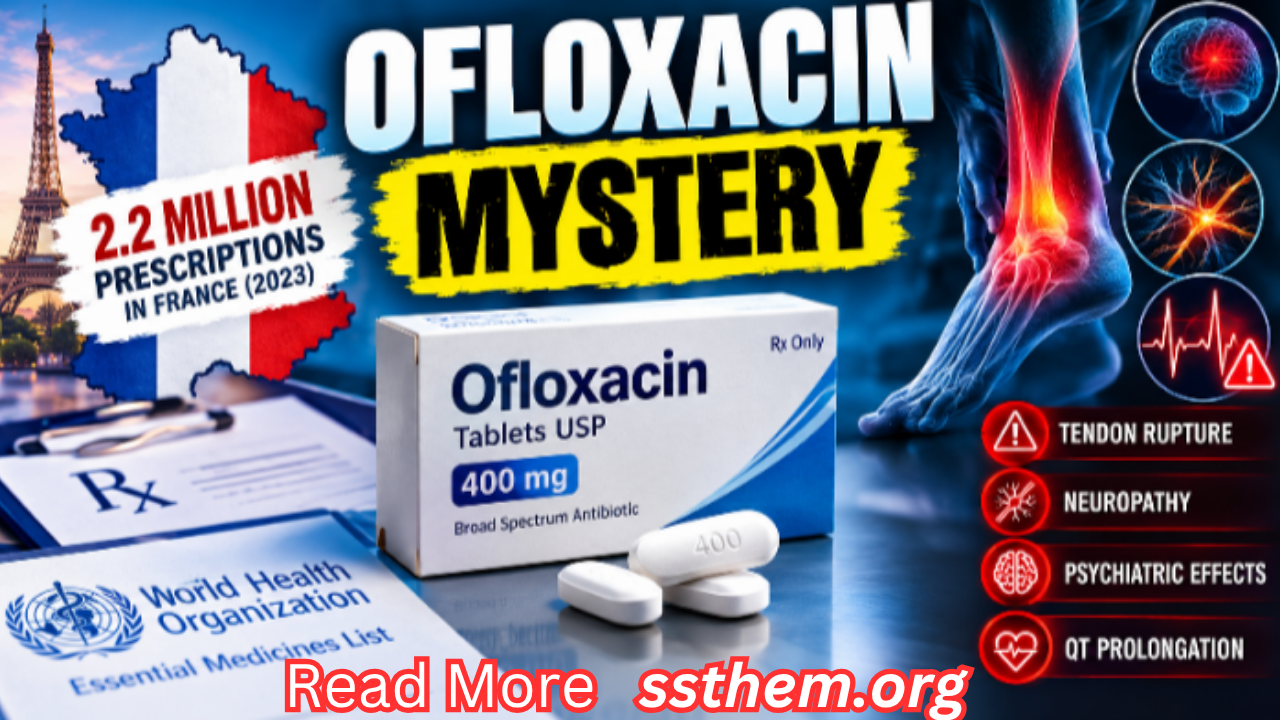
The Ofloxacin Mystery: 7 Alarming Facts Behind 2.2 Million Prescriptions
The Ofloxacin Mystery: Why France Has 2.2 Million Prescriptions Despite the Warning
What if one of the most powerful antibiotics ever developed — capable of curing everything from urinary tract infections to sexually transmitted diseases — could also rupture your Achilles tendon, destroy your peripheral nerves, and trigger psychiatric breakdown, all while remaining on the World Health Organization’s Essential Medicines List?
That antibiotic is ofloxacin, and here is the mystery that should stop every prescriber in their tracks: France — a nation with one of Europe’s most sophisticated pharmacovigilance systems — recorded 2.2 million fluoroquinolone prescriptions in 2023 alone, despite the FDA’s most stringent warnings. Why does this drug remain in clinical use when safer alternatives exist? Is it clinical inertia, or is there something about ofloxacin’s unique pharmacology that justifies its continued role?
Different antibiotics work against different bacteria, reach different tissues, have different pharmacological properties, and carry different risks. The appropriate choice depends on the suspected or confirmed organism, site and severity of infection, local resistance patterns, allergies, kidney and liver function, drug interactions, and patient-specific considerations. But ofloxacin occupies a particularly controversial niche: it is a second-generation fluoroquinolone that bridges the gap between older quinolones and newer, more potent agents — while carrying risks that have triggered FDA boxed warnings, international regulatory restrictions, and thousands of lawsuits.
What you are about to read will challenge the way you think about this drug. We will explore the Ofloxacin Mystery — from its FDA-approved indications and dosage strategies to its spectrum of activity, resistance challenges, and the latest evidence from clinical studies. Whether you are a medical student preparing for ward rounds, a practicing clinician refining your antimicrobial stewardship, or a pharmacist ensuring safe dispensing, the clinically important details in this article will strengthen your understanding of this remarkable and dangerous antibiotic. Stay with us — because the details that make ofloxacin both powerful and perilous are revealed progressively.
A sobering clinical reality first: adverse drug reactions account for a significant proportion of hospital admissions, and fluoroquinolones like ofloxacin are among the most commonly implicated drug classes. Understanding the full safety profile is not optional — it is essential. For a suspenseful, evidence-based look at this hidden crisis, explore Shocking Adverse Drug Reaction Facts before you prescribe another fluoroquinolone.
Key Facts Table: Ofloxacin at a Glance
The following table summarizes the most clinically important facts about ofloxacin. This is not a substitute for full prescribing information, but it provides a rapid reference for healthcare professionals and students.
| Parameter | Details |
|---|---|
| Generic Name | Ofloxacin |
| Common Brand Names | Floxin, Oflocet (France), Tarivid (historical), generic formulations |
| Drug Class | Fluoroquinolone antibiotic |
| Therapeutic Class | Broad-spectrum antimicrobial |
| Pharmacologic Class | DNA gyrase and topoisomerase IV inhibitor |
| ATC Code | J01MA01 (systemic), S01AE01 (ophthalmic), S02AA16 (otic) |
| Available Strengths | Tablets: 200 mg, 300 mg, 400 mg; Ophthalmic solution: 0.3%; Otic solution: 0.3% |
| Dosage Forms | Film-coated tablets; ophthalmic solution; otic solution |
| Route(s) of Administration | Oral; ophthalmic (topical); otic (topical) |
| FDA Status | FDA-approved (initial U.S. approval: 1990); systemic use now reserved for patients with no alternative treatment options for certain indications |
| Primary Clinical Uses | Respiratory tract infections, skin infections, urinary tract infections, sexually transmitted infections, prostatitis, ophthalmic and otic infections |
| Bioavailability | Approximately 98% (oral tablet) |
| Protein Binding | Approximately 20–32% |
| Volume of Distribution | 1.2–1.4 L/kg |
| Half-Life | 4–5 hours (distribution phase); 20–25 hours (terminal phase, <5% of AUC); effective half-life ~9 hours |
| Metabolism | Limited hepatic metabolism; primarily excreted unchanged in urine |
| Major Route of Elimination | Renal (approximately 70–80% unchanged) |
| Renal/Hepatic Considerations | Dose adjustment required in renal impairment (CrCl <50 mL/min); use with caution in hepatic impairment |
| Major Contraindications | Known hypersensitivity to fluoroquinolones; history of tendon disorders with fluoroquinolone use; myasthenia gravis (avoid) |
| Important Adverse Effects | Tendinitis/tendon rupture, peripheral neuropathy, CNS effects, aortic aneurysm/dissection, QT prolongation, dysglycemia, psychiatric reactions |
This table is a snapshot. Every parameter in it will be expanded in the dedicated sections below, but we will not repeat the full explanations unnecessarily.
Another quick one for the WhatsApp groups: The ssthem.xyz community frequently shares evidence summaries, clinical pearls, and pharmacovigilance updates. Join the conversation if you want to stay current.
FDA-Approved Uses
The U.S. Food and Drug Administration (FDA) has granted ofloxacin approval for a well-defined set of clinical indications, each supported by adequate and well-controlled trials. Understanding these approved uses is essential for appropriate prescribing and antimicrobial stewardship. This section details what infections does ofloxacin treat from an FDA standpoint, along with pathogen and dosing details.
- Acute Bacterial Exacerbation of Chronic Bronchitis:
 Ofloxacin tablets are indicated for the treatment of acute bacterial exacerbation of chronic bronchitis caused by susceptible strains of Haemophilus influenzae or Streptococcus pneumoniae. Dosage: 400 mg orally every 12 hours for 10 days. Due to the risk of serious adverse reactions, ofloxacin should be reserved for patients who have no alternative treatment options for this indication.
- Community-Acquired Pneumonia:
 Approved for pneumonia caused by Haemophilus influenzae or Streptococcus pneumoniae. Dosage: 400 mg orally every 12 hours for 10 days. As with bronchitis, this indication is now restricted to patients without alternative treatment options.
- Uncomplicated Skin and Skin Structure Infections:
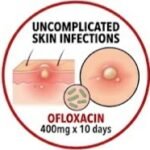 Approved for infections due to methicillin-susceptible Staphylococcus aureus, Streptococcus pyogenes, or Proteus mirabilis. Dosage: 400 mg orally every 12 hours for 10 days.
- Acute, Uncomplicated Urethral and Cervical Gonorrhea:
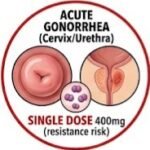 Approved for infections caused by Neisseria gonorrhoeae. Dosage: A single 400 mg oral dose. However, due to widespread resistance, fluoroquinolones are no longer recommended as first-line therapy for gonorrhea in most settings.
- Nongonococcal Urethritis and Cervicitis:
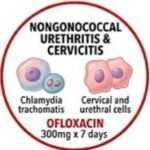 ⁸Approved for infections due to Chlamydia trachomatis. Dosage: 300 mg orally every 12 hours for 7 days.
- Mixed Infections of the Urethra and Cervix:
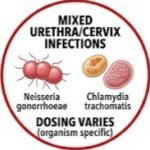 Approved for infections involving Chlamydia trachomatis and/or Neisseria gonorrhoeae. Dosing depends on the specific organisms involved.
- Acute Pelvic Inflammatory Disease:
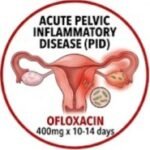
Approved for mild to moderate infections due to Chlamydia trachomatis or Neisseria gonorrhoeae. Dosage: 400 mg orally every 12 hours for 10–14 days. This indication includes severe infections, but current guidelines often recommend broader coverage with additional agents. - Uncomplicated Cystitis:
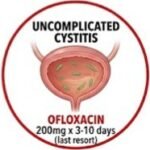 Approved for urinary tract infections. Dosage: 200 mg orally every 12 hours for 3–10 days, depending on severity. As noted, this indication is now restricted in the U.S. to patients without alternative treatment options.
- Complicated Urinary Tract Infections:
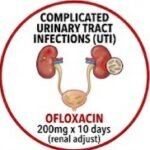
Approved for infections of the urinary tract. Dosage: 200 mg orally every 12 hours for 10 days. Dose adjustment is required in renal impairment. - Prostatitis:
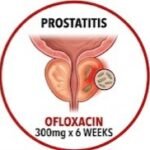 Approved for bacterial prostatitis. Dosage: 300 mg orally every 12 hours for 6 weeks. The long duration reflects the difficulty of achieving adequate drug concentrations in prostatic tissue.
- Ophthalmic Indications:
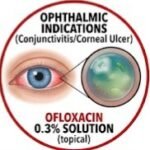 Ofloxacin 0.3% ophthalmic solution is approved for the treatment of conjunctivitis and corneal ulcers caused by susceptible organisms, including Staphylococcus aureus, Staphylococcus epidermidis, Streptococcus pneumoniae, Haemophilus influenzae, Proteus mirabilis, Pseudomonas aeruginosa, Serratia marcescens, and Cutibacterium acnes.
- Otic Indications:
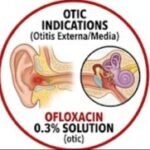 Ofloxacin 0.3% otic solution is approved for otitis externa in patients aged 6 months and older, chronic suppurative otitis media in patients aged 12 years and older with perforated tympanic membranes, and acute otitis media in pediatric patients aged 1 year and older with tympanostomy tubes.
Off-Label and Guideline-Supported Uses: Beyond FDA-approved indications, ofloxacin has been studied or recommended in guidelines for other infections. Clinicians must always consider local resistance patterns, culture results, and current guidelines when considering off-label use, and must never label an off-label use as FDA-approved. For a related deep dive on another fluoroquinolone’s unique properties, see this analysis of why norfloxacin is different — and why the two should never be considered interchangeable.
Dosage Table
The table below provides a concise summary of typical dosing for common indications. Doses may vary based on renal and hepatic function, severity, and susceptibility data.
| Patient/Condition | Recommended Dose | Frequency | Duration | Important Considerations |
|---|---|---|---|---|
| Adults — Acute exacerbation of chronic bronchitis | 400 mg | Every 12 hours | 10 days | Reserved for patients without alternative options. |
| Adults — Community-acquired pneumonia | 400 mg | Every 12 hours | 10 days | Reserved for patients without alternative options. |
| Adults — Uncomplicated skin/skin structure infection | 400 mg | Every 12 hours | 10 days | Confirm methicillin-susceptible S. aureus. |
| Adults — Uncomplicated gonorrhea | 400 mg | Single dose | — | Fluoroquinolone resistance is widespread; not first-line. |
| Adults — Nongonococcal urethritis/cervicitis | 300 mg | Every 12 hours | 7 days | Covers C. trachomatis. |
| Adults — Acute pelvic inflammatory disease | 400 mg | Every 12 hours | 10–14 days | Consider broader coverage per guidelines. |
| Adults — Uncomplicated cystitis | 200 mg | Every 12 hours | 3–10 days | Restricted in U.S. to patients without alternatives. |
| Adults — Complicated UTI | 200 mg | Every 12 hours | 10 days | Adjust dose in renal impairment. |
| Adults — Prostatitis | 300 mg | Every 12 hours | 6 weeks | Long duration for prostatic penetration. |
| Renal impairment — CrCl 20–50 mL/min | 200–400 mg | Every 24 hours | Varies | Dose adjustment required. |
| Renal impairment — CrCl <20 mL/min | 200 mg | Every 24 hours | Varies | Further adjustment may be needed. |
Important: All doses assume normal renal function unless otherwise specified. Doses are for oral administration. Ophthalmic and otic dosing differs and is described in the administration table.
Mechanism of Action
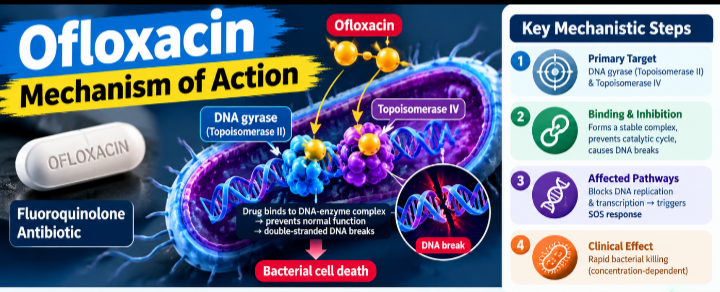
Ofloxacin, like all fluoroquinolones, exerts its antibacterial effect through a well-characterized molecular mechanism that distinguishes it from many other antibiotic classes. Understanding this mechanism is fundamental to appreciating both its clinical utility and its limitations.
Primary Molecular Target: Ofloxacin targets two essential bacterial enzymes: DNA gyrase (topoisomerase II) and topoisomerase IV. These enzymes are responsible for maintaining the topological state of bacterial DNA during replication, transcription, and repair.
Binding and Interaction: Ofloxacin binds to the DNA-enzyme complex, forming a stable ternary complex that prevents the enzyme from completing its catalytic cycle. This “poisoning” of the enzyme leads to double-stranded DNA breaks and ultimately bacterial cell death. DNA gyrase introduces negative supercoils into bacterial DNA, relieving torsional stress ahead of the replication fork, while topoisomerase IV is primarily involved in decatenation of intertwined daughter chromosomes after replication.
Cellular Pathway Affected: Inhibition of DNA gyrase and topoisomerase IV disrupts DNA replication and transcription, triggering the SOS response and cell death pathways.
Physiologic and Clinical Consequences: The result is rapid bacterial killing in susceptible organisms, with concentration-dependent bactericidal activity. The clinical therapeutic effect — bacterial killing at the site of infection — depends on achieving adequate free drug concentrations at the target tissue for a sufficient duration.
Resistance Mechanisms: Resistance to ofloxacin can emerge through mutations in the genes encoding DNA gyrase (gyrA, gyrB) and topoisomerase IV (parC, parE), reduced outer membrane permeability (porin loss), and active efflux pumps. Cross-resistance with other fluoroquinolones is common. Pseudomonas aeruginosa may develop resistance rapidly during treatment.
What Is Ofloxacin?
Ofloxacin is a synthetic broad-spectrum antimicrobial agent belonging to the fluoroquinolone class. It was developed in the 1980s and received FDA approval in 1990. Chemically, it is a fluorinated carboxyquinolone that exists as a racemate.
Generic Name and Drug Class: The generic name is ofloxacin. It belongs to the fluoroquinolone class of antibiotics and is pharmacologically classified as a DNA gyrase and topoisomerase IV inhibitor.
Therapeutic Role: Clinically, ofloxacin serves as a broad-spectrum antibiotic used for a range of bacterial infections when other options are unsuitable. It is available as film-coated tablets (200 mg, 300 mg, 400 mg), ophthalmic solution (0.3%), and otic solution (0.3%). The oral route is used for systemic infections; topical formulations are used for local eye and ear infections.
Formulations, Strengths, and Routes: Ofloxacin is available as a generic medication in most countries. In the United States, the brand name Floxin has been discontinued, and generic ofloxacin tablets remain available. The ophthalmic and otic formulations remain in clinical use for local infections.
Differences from Closely Related Medicines: Ofloxacin differs from ciprofloxacin in several clinically important ways. It has higher oral bioavailability (approximately 98% versus 70–80% for ciprofloxacin), a longer half-life, and better activity against certain Gram-positive organisms. It also achieves higher concentrations in prostatic tissue, making it useful for prostatitis. Compared to levofloxacin, ofloxacin is the racemic parent compound, while levofloxacin is the pure active isomer. This means levofloxacin is essentially the active component of ofloxacin, and 500 mg of levofloxacin is approximately equivalent to 400 mg of ofloxacin.
Pharmacokinetics & Pharmacodynamics Key Table
The following table summarizes the key pharmacokinetic (PK) and pharmacodynamic (PD) properties that inform the clinical use of ofloxacin.
| Parameter | Clinically Relevant Details |
|---|---|
| Absorption | Rapid and nearly complete; food does not significantly affect absorption. |
| Bioavailability | Approximately 98% (oral tablet). |
| Time to Peak Concentration | 1–2 hours after oral dose. |
| Protein Binding | Approximately 20–32%. |
| Volume of Distribution | 1.2–1.4 L/kg; suggests extensive extravascular diffusion. |
| Tissue Penetration | Excellent; high concentrations in prostate, lung, skin, and urinary tract. |
| Blood-Brain Barrier Penetration | Moderate; CSF concentrations are approximately 30–50% of serum levels. |
| Placental Transfer | Crosses placenta; use in pregnancy only if benefit justifies risk. |
| Half-Life | 4–5 hours (distribution phase); 20–25 hours (terminal phase, <5% of AUC); effective half-life ~9 hours. |
| Metabolism | Limited hepatic metabolism; two metabolites (demethyl and N-oxide) account for <5% of dose. |
| Active Metabolites | None clinically significant. |
| Enzyme Involvement | Minimal CYP450 involvement; limited drug interaction potential via metabolic pathways. |
| Elimination | Primarily renal; ~70–80% excreted unchanged in urine. |
| Renal Clearance | High; primarily via glomerular filtration and tubular secretion. |
| Fecal/Biliary Elimination | Minor; ~4–8% of dose. |
| Pharmacodynamic Target | DNA gyrase and topoisomerase IV. |
| Mechanism | Inhibits bacterial DNA replication → bactericidal effect. |
| Concentration/Time-Dependent Activity | Concentration-dependent bactericidal activity. |
| PK/PD Index | AUC/MIC ratio correlates with efficacy. |
This table is a quick reference. The following sections explain the most important details without unnecessary repetition.
Half-Life
Ofloxacin exhibits biphasic elimination kinetics, which means its half-life is best understood in two phases. The distribution phase half-life is approximately 4–5 hours, representing the initial rapid decline in serum concentration as the drug distributes from the bloodstream into tissues. The terminal phase half-life is approximately 20–25 hours. However, this longer half-life represents less than 5% of the total area under the concentration-time curve (AUC), meaning it has limited clinical significance for most dosing decisions. The effective half-life for accumulation is approximately 9 hours. This is the half-life that best describes the accumulation of ofloxacin at steady state with multiple dosing.
Renal impairment significantly prolongs the half-life of ofloxacin. In patients with creatinine clearance below 50 mL/min, the half-life is prolonged, and dose adjustment is required. In severe renal impairment (CrCl <20 mL/min), the half-life may be prolonged to 20–40 hours or more. Hepatic impairment has minimal effect on ofloxacin half-life because the drug is primarily eliminated unchanged by the kidneys. Age: In elderly patients, half-life may be slightly prolonged due to age-related decline in renal function, but this is not independent of renal function.
The half-life determines dosing frequency. Ofloxacin’s effective half-life of approximately 9 hours supports twice-daily dosing for most indications. In renal impairment, the prolonged half-life necessitates less frequent dosing or dose reduction to avoid accumulation and toxicity. For a comprehensive guide to half-life concepts in clinical pharmacology, see: Half-Life of Medicines Complete Guide.
Metabolism
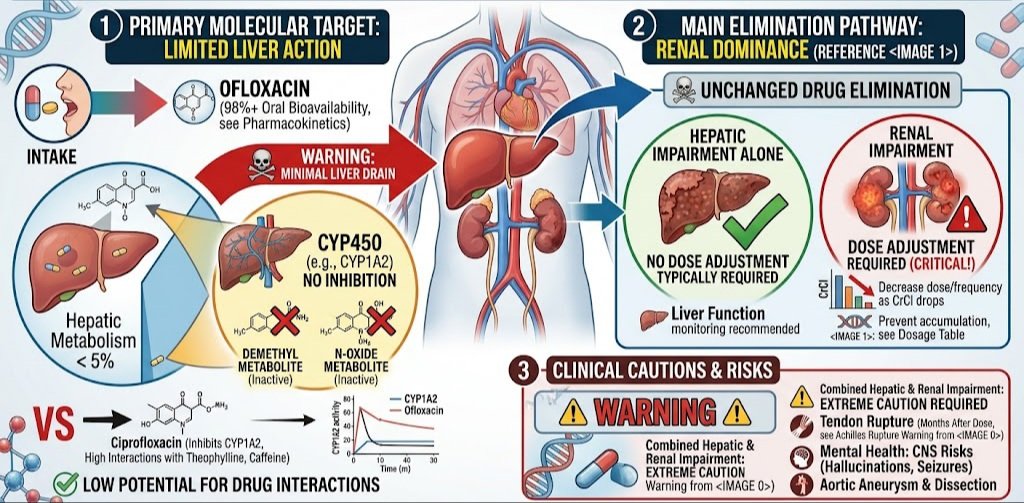
Ofloxacin undergoes limited hepatic metabolism. This is a clinically important characteristic that distinguishes it from some other fluoroquinolones and contributes to its relatively low potential for metabolic drug interactions.
Primary Metabolic Pathway: Ofloxacin is minimally metabolized in the liver. Only two metabolites have been identified: a demethyl metabolite and an N-oxide metabolite. The specific cytochrome P450 enzymes involved in ofloxacin metabolism have not been fully characterized, but the overall contribution of metabolism to ofloxacin elimination is small.
Important Metabolites and Clinical Relevance: The demethyl and N-oxide metabolites account for less than 5% of the administered dose. These metabolites have minimal antibacterial activity. Unlike ciprofloxacin, which inhibits CYP1A2 and can interact with theophylline and caffeine, ofloxacin has minimal CYP450 interaction potential. Because hepatic metabolism is minimal, ofloxacin is generally well tolerated in patients with hepatic impairment. However, as with all fluoroquinolones, caution is advised in patients with combined hepatic and renal impairment. In renal impairment, the unchanged drug accumulates, and dose adjustment is required based on creatinine clearance. In hepatic impairment alone, no specific dose adjustment is typically required, but monitoring is prudent.
Bioavailability & Protein Binding
Ofloxacin has an absolute oral bioavailability of approximately 98% in the tablet formulation. This is among the highest of all fluoroquinolones and means that oral administration achieves serum concentrations nearly equivalent to intravenous administration. The high bioavailability also means that oral and intravenous dosing can be considered essentially interchangeable for susceptible organisms, assuming the patient can take oral medications.
Absorption is rapid and predictable. Maximum serum concentrations are achieved 1–2 hours after an oral dose. The amount of drug absorbed increases proportionately with the dose across the 200–400 mg range. Food does not significantly affect the extent of absorption, though it may slightly delay the time to peak concentration. Unlike some antibiotics that must be taken on an empty stomach, ofloxacin can be administered with or without food. However, concomitant administration with antacids, sucralfate, or mineral supplements containing aluminum, magnesium, calcium, iron, or zinc can significantly reduce absorption due to chelation. These products should be taken at least 2 hours before or after ofloxacin.
Ofloxacin is approximately 20–32% protein-bound, primarily to albumin. This relatively low protein binding means that changes in albumin levels (as seen in liver disease, nephrotic syndrome, or malnutrition) are unlikely to significantly alter the free (active) drug concentration. The low protein binding of ofloxacin means that a large fraction of the drug is free to distribute into tissues and exert antibacterial activity. It also means that drug interactions mediated by protein binding displacement are unlikely to be clinically significant. For a comprehensive guide to bioavailability concepts in pharmacology, see: Bioavailability in Pharmacology.
Spectrum of Activity with MIC
Ofloxacin exhibits a broad spectrum of antibacterial activity. The following table presents minimum inhibitory concentration (MIC) data for key organisms, based on FDA labeling and EUCAST breakpoints. It is essential to note that in vitro activity does not automatically translate to clinical effectiveness, and susceptibility testing should guide therapy.
| Microorganism | MIC Range (μg/mL) | Susceptibility Interpretation |
|---|---|---|
| Escherichia coli | 0.015–0.12 | Susceptible |
| Haemophilus influenzae | 0.016–0.06 | Susceptible |
| Neisseria gonorrhoeae | 0.004–0.016 | Susceptible (but resistance is now common) |
| Pseudomonas aeruginosa | 1–8 | Variable; resistance can emerge rapidly |
| Staphylococcus aureus | 0.12–1 | Susceptible (methicillin-susceptible strains) |
| Streptococcus pneumoniae | 1–4 | Intermediate to resistant |
| Proteus mirabilis | ≤0.5 | Susceptible |
| Moraxella catarrhalis | ≤0.25 | Susceptible |
| Chlamydia trachomatis | 0.5–2 | Susceptible |
Gram-positive activity: Ofloxacin has moderate activity against Gram-positive organisms, including methicillin-susceptible Staphylococcus aureus, Streptococcus pyogenes, and Streptococcus pneumoniae. However, activity against S. pneumoniae is variable, and many strains are now resistant due to mutations in topoisomerase IV.
Gram-negative activity: Ofloxacin has excellent activity against many Gram-negative organisms, including Escherichia coli, Haemophilus influenzae, Neisseria gonorrhoeae, Proteus mirabilis, and Moraxella catarrhalis. Activity against Pseudomonas aeruginosa is moderate, but resistance can develop rapidly during therapy.
Anaerobic activity: Ofloxacin has poor activity against anaerobic bacteria. It should not be used as monotherapy for infections where anaerobes are likely pathogens (e.g., intra-abdominal infections, dental abscesses).
Atypical organisms: Ofloxacin has good activity against Chlamydia trachomatis and some activity against Mycoplasma and Legionella species, though other fluoroquinolones (e.g., levofloxacin, moxifloxacin) are generally preferred for atypical respiratory pathogens.
Important intrinsic and acquired resistance: Ofloxacin has no reliable activity against methicillin-resistant Staphylococcus aureus (MRSA), vancomycin-resistant enterococci, or Bacteroides fragilis. Resistance to ofloxacin can develop through chromosomal mutations in gyrA and parC. Plasmid-mediated resistance (e.g., qnr genes) has also been described. Cross-resistance with other fluoroquinolones is common. Because resistance patterns vary geographically and over time, susceptibility testing should guide the use of ofloxacin whenever possible.
Pharmacodynamics
The pharmacodynamics of ofloxacin — how the drug exerts its effects on bacteria — provides the scientific rationale for dosing strategies and explains why certain dosage regimens are more effective than others.
Drug-Target Interaction: Ofloxacin binds to the DNA gyrase-DNA and topoisomerase IV-DNA complexes, stabilizing a cleaved DNA intermediate. This prevents the enzymes from re-ligating the DNA strands, leading to double-stranded breaks and cell death.
Concentration-Response Relationship and Time-Dependent vs. Concentration-Dependent Effects: Ofloxacin exhibits concentration-dependent bactericidal activity. Higher concentrations produce more rapid and extensive bacterial killing. This means that achieving a high peak concentration relative to the MIC is important for efficacy. The ratio of the area under the concentration-time curve (AUC) to the MIC (AUC/MIC) is the pharmacokinetic/pharmacodynamic index that best correlates with clinical and microbiological efficacy. For Gram-negative infections, an AUC/MIC ratio of ≥100–125 is often targeted for optimal outcomes. For Gram-positive infections, an AUC/MIC ratio of ≥30–40 may be sufficient.
Therapeutic Window and Post-Antibiotic Effect: Ofloxacin has a relatively narrow therapeutic window. Concentrations that are effective against bacteria are not far below concentrations that may cause toxicity, particularly in the central nervous system and tendons. Ofloxacin exhibits a post-antibiotic effect against many Gram-negative and Gram-positive organisms, meaning that bacterial growth remains suppressed even after drug concentrations fall below the MIC. This supports less frequent dosing schedules. Maintaining adequate drug concentrations above the MIC for the duration of therapy helps suppress the emergence of resistant subpopulations.
Contraindications
Absolute Contraindications: Ofloxacin is contraindicated in patients with known hypersensitivity to ofloxacin or other fluoroquinolones. This includes anaphylaxis, angioedema, or severe cutaneous adverse reactions to any member of the class. Patients who have experienced tendinitis or tendon rupture while taking a fluoroquinolone should not receive ofloxacin or any other fluoroquinolone.
Disease-Specific Contraindications: Ofloxacin may exacerbate muscle weakness and should be avoided in patients with a known history of myasthenia gravis. In patients with a known aortic aneurysm or those at increased risk for aortic aneurysm, ofloxacin should be reserved for use only when no alternative antibacterial treatments are available.
Formulation-Specific Contraindications: Ophthalmic and otic formulations are contraindicated in patients with hypersensitivity to ofloxacin or other quinolones. They should not be used to treat viral or fungal eye or ear infections.
Warnings & Precautions
- Renal Impairment: Ofloxacin is primarily eliminated by the kidneys. In patients with creatinine clearance below 50 mL/min, dose adjustment is required to prevent accumulation and toxicity. The dose should be reduced and/or the dosing interval extended based on the degree of renal impairment.
- Hepatic Impairment: Hepatic impairment alone has minimal effect on ofloxacin elimination, but patients with combined hepatic and renal impairment should be monitored closely.
- Allergy/Hypersensitivity: Severe hypersensitivity reactions, including anaphylaxis, angioedema, and severe cutaneous adverse reactions (e.g., Stevens-Johnson syndrome, toxic epidermal necrolysis), have been reported with fluoroquinolones. Patients should be advised to seek immediate medical attention if they develop rash, hives, difficulty breathing, or swelling of the face or throat.
- Pregnancy and Breastfeeding: Ofloxacin crosses the placenta. Animal studies have not shown teratogenic effects, but there are no adequate and well-controlled studies in pregnant women. Fluoroquinolones are generally avoided during pregnancy unless the potential benefit justifies the potential risk. Ofloxacin is excreted in human milk. Because of the potential for serious adverse reactions in nursing infants, a decision should be made to discontinue nursing or discontinue the drug.
- Pediatric Use: Systemic ofloxacin is not recommended for use in children under 18 years of age except when the benefit outweighs the risk. Fluoroquinolones have been associated with arthropathy in juvenile animals. Otic and ophthalmic formulations have specific pediatric indications.
- Older Adults: Patients over 60 years of age are at increased risk of tendinitis and tendon rupture. This risk is further increased in patients taking corticosteroids. Elderly patients are also more susceptible to CNS effects and QT prolongation.
- Drug Interactions: As with all fluoroquinolones, ofloxacin can interact with medications that prolong the QT interval, increasing the risk of serious cardiac arrhythmias. It also interacts with divalent and trivalent cations (antacids, sucralfate, mineral supplements), reducing absorption.
- QT or Cardiac Risks: Ofloxacin can prolong the QT interval. It should be used with caution in patients with known QT prolongation, uncorrected hypokalemia or hypomagnesemia, bradycardia, or those taking other QT-prolonging medications.
- CNS Effects: Ofloxacin can cause dizziness, confusion, tremors, hallucinations, depression, and seizures. These effects are more common in elderly patients and those with renal impairment. Patients should be advised not to drive or operate machinery if they experience CNS effects.
- Serious Organ Toxicity: Fluoroquinolones have been associated with severe hepatic injury, including acute liver failure, and renal toxicity, including interstitial nephritis and crystalluria.
- Monitoring Requirements: Patients should be monitored for clinical response, adverse reactions, and in some cases, laboratory parameters such as renal function, liver function, and blood counts. ECG monitoring may be warranted in patients at risk for QT prolongation.
Side Effects
Understanding the side effect profile of ofloxacin is essential for patient counseling and clinical monitoring. Adverse effects are broadly categorized by frequency, and distinguishing between common, bothersome side effects and serious adverse reactions is clinically important.
Common Side Effects (typically mild and self-limiting):
- Nausea (most common, occurring in approximately 3–7% of patients)
- Diarrhea
- Headache
- Dizziness
- Insomnia
- Rash
- Abdominal pain
- Vomiting
- Constipation
- Fatigue
These side effects are usually mild and do not require discontinuation of therapy. Taking ofloxacin with food may reduce gastrointestinal symptoms.
Less Common Side Effects:
- Photosensitivity reactions (rare with ofloxacin compared to some other fluoroquinolones)
- Vaginal candidiasis
- Taste disturbances
- Tinnitus
- Visual disturbances
- Elevated liver enzymes
- Peripheral edema
- Anxiety or nervousness
- Tremor
Distinguishing Side Effects from Adverse Reactions: “Side effect” refers to any unintended effect of a drug, whether beneficial or harmful. “Adverse effect” refers to a harmful or undesirable effect. “Serious adverse reaction” refers to an adverse effect that results in death, hospitalization, disability, or requires intervention to prevent permanent impairment. Diarrhea associated with ofloxacin is typically a side effect related to alterations in gut flora. However, if diarrhea is severe, persistent, or accompanied by fever, abdominal pain, or blood in the stool, it may indicate Clostridioides difficile infection — a serious adverse reaction requiring immediate medical evaluation.
Adverse Effects
This section focuses on clinically significant adverse effects that may require urgent medical evaluation.
- Tendinitis and Tendon Rupture: Fluoroquinolones, including ofloxacin, are associated with an increased risk of tendinitis and tendon rupture in all ages. The risk is further increased in patients over 60 years of age, those taking corticosteroid drugs, and in patients with kidney, heart, or lung transplants. Tendon rupture can occur during therapy or after discontinuation, and may be bilateral. The Achilles tendon is most commonly affected, but other tendons (e.g., rotator cuff, biceps, hand) can also be involved. Patients should be advised to stop taking ofloxacin immediately and contact their healthcare provider if they experience tendon pain, swelling, or inflammation. Ofloxacin tendon rupture risk months after taking the drug has been reported, with some cases occurring several months after completing therapy.
- Peripheral Neuropathy: Ofloxacin can cause peripheral neuropathy, a potentially irreversible nerve damage that affects the arms, hands, legs, and feet. Symptoms may include pain, burning, tingling, numbness, weakness, or a sensation of “pins and needles.” These symptoms can occur soon after starting therapy and may persist after discontinuation. Ofloxacin peripheral neuropathy permanent nerve damage has been reported, and the FDA has issued a warning that this condition may be irreversible. Patients should be instructed to stop ofloxacin and contact their healthcare provider immediately if they experience any neurological symptoms.
- Central Nervous System Effects: Ofloxacin can cause a range of CNS effects, including seizures, confusion, hallucinations, tremors, anxiety, agitation, insomnia, and depression. Ofloxacin psychiatric effects include psychosis, paranoia, and suicidal thoughts. These effects are more common in elderly patients and those with renal impairment or a history of psychiatric disorders. Patients should be monitored for changes in mood or behavior, and those with a history of psychiatric illness should be prescribed ofloxacin with caution.
- Aortic Aneurysm and Dissection: Epidemiologic studies report an increased rate of aortic aneurysm and dissection within two months following the use of fluoroquinolones, particularly in elderly patients. The FDA has advised that in patients with a known aortic aneurysm or those at increased risk for aortic aneurysm, ofloxacin should be reserved for use only when there are no alternative antibacterial treatments available. Patients should be advised to seek immediate medical attention if they experience sudden, severe chest, back, or abdominal pain.
- QT Prolongation and Cardiac Arrhythmias: Ofloxacin can prolong the QT interval, which can lead to torsades de pointes, a potentially fatal ventricular arrhythmia. The risk is increased in patients with electrolyte abnormalities, bradycardia, or those taking other QT-prolonging medications.
- Dysglycemia: Fluoroquinolones can cause disturbances in blood glucose, including both hypoglycemia and hyperglycemia. Patients with diabetes should be monitored closely for changes in blood glucose during ofloxacin therapy.
- Severe Hypersensitivity Reactions: Anaphylaxis, angioedema, and severe cutaneous adverse reactions (e.g., Stevens-Johnson syndrome, toxic epidermal necrolysis) have been reported. These are medical emergencies requiring immediate discontinuation of the drug and supportive care.
- Hepatotoxicity: Severe hepatic injury, including acute liver failure, has been reported with fluoroquinolones. Patients should be advised to report symptoms of jaundice, dark urine, or right upper quadrant pain.
- Renal Toxicity: Interstitial nephritis, crystalluria, and acute kidney injury have been reported with ofloxacin, particularly in patients with pre-existing renal disease or those taking other nephrotoxic drugs.
- Clostridioides difficile-Associated Diarrhea: As with all antibiotics, ofloxacin can cause C. difficile-associated diarrhea, which may range from mild diarrhea to fatal colitis. Patients should be advised to report persistent or severe diarrhea.
- When to Seek Medical Attention: Patients should be instructed to seek immediate medical attention if they experience any of the following: tendon pain or swelling, neurological symptoms (numbness, tingling, weakness), psychiatric changes, severe diarrhea, rash, jaundice, or sudden chest/back/abdominal pain. Prompt recognition and management of these serious adverse reactions can be life-saving. Ofloxacin serious adverse reactions and lawsuits have been filed in various jurisdictions, particularly related to tendon rupture, peripheral neuropathy, and aortic aneurysm/dissection.
Drug Interactions
The following table summarizes clinically meaningful drug interactions with ofloxacin. Theoretical interactions of little clinical relevance have been omitted.
| Interacting Medicine/Class | Potential Interaction | Clinical Significance | Management Consideration |
|---|---|---|---|
| Antacids, sucralfate, mineral supplements (Al, Mg, Ca, Fe, Zn) | Chelation reduces ofloxacin absorption. | Significant; may reduce efficacy. | Take ofloxacin at least 2 hours before or 2 hours after these products. |
| Warfarin | Possible increased anticoagulant effect. | Moderate; monitor INR. | Monitor INR closely; adjust warfarin dose as needed. |
| Theophylline | Minimal interaction (unlike ciprofloxacin). | Low. | No specific dose adjustment typically required. |
| Caffeine | Minimal interaction (unlike ciprofloxacin). | Low. | No specific precaution typically needed. |
| QT-prolonging drugs (e.g., amiodarone, sotalol, quinidine) | Additive QT prolongation. | Significant; risk of torsades de pointes. | Avoid combination if possible; monitor ECG if unavoidable. |
| Corticosteroids | Increased risk of tendon rupture. | Significant. | Avoid concomitant use if possible; counsel patient on tendon rupture symptoms. |
| NSAIDs | Possible increased risk of CNS effects and seizures. | Moderate. | Use with caution; monitor for CNS symptoms. |
| Antidiabetic agents (sulfonylureas, insulin) | Additive risk of hypoglycemia. | Moderate. | Monitor blood glucose closely. |
| Probenecid | Reduces renal tubular secretion of ofloxacin. | Moderate; may increase ofloxacin levels. | Monitor for ofloxacin toxicity. |
| Cyclosporine | Possible increased nephrotoxicity. | Moderate. | Monitor renal function. |
| Didanosine (buffered formulations) | Chelation reduces ofloxacin absorption. | Significant. | Separate administration times. |
Administration Table
Practical administration instructions are essential for patient education and nursing practice. The table below summarizes key administration factors.
| Administration Factor | Guidance |
|---|---|
| Route | Oral (tablets); ophthalmic (eye drops); otic (ear drops). |
| With Food/Without Food | Can be taken with or without food; food may reduce nausea. |
| Timing | Avoid taking within 2 hours of antacids, sucralfate, or mineral supplements. |
| Tablet/Capsule Instructions | Swallow whole with a full glass of water; do not crush or chew. |
| Liquid Formulation | Not available in the U.S. for oral use. |
| IV Administration | Available in some countries; not available in the U.S. |
| Missed Dose | Take as soon as remembered if within a few hours; do not double the next dose. |
| Storage | Store at room temperature (20–25°C); protect from light and moisture. |
| Special Administration Instructions | Ophthalmic: wash hands before use; avoid touching dropper tip to eye; otic: warm drops by holding bottle in hand for 1–2 minutes. |
Ofloxacin tablets before or after food — the answer is that it can be taken either way, but consistent administration relative to food is helpful for maintaining stable blood levels. Ofloxacin eye drops uses and side effects — ophthalmic ofloxacin is used for bacterial conjunctivitis and corneal ulcers. Side effects may include transient burning, stinging, redness, itching, blurred vision, and a foreign body sensation. Rarely, dizziness and nausea have been reported.
Pharmacokinetics
This section consolidates the clinically relevant pharmacokinetic properties of ofloxacin in a professional overview. Detailed explanations of half-life, metabolism, bioavailability, and protein binding are provided in their respective dedicated sections above and are not repeated here.
Absorption and Bioavailability: Ofloxacin is rapidly and almost completely absorbed after oral administration, with a bioavailability of approximately 98%. Peak serum concentrations occur 1–2 hours after dosing. Food does not significantly affect the extent of absorption.
Distribution: Ofloxacin has a volume of distribution of 1.2–1.4 L/kg, indicating extensive distribution into extravascular tissues. It penetrates well into prostate, lung, skin, and urinary tract tissues. Protein binding is low (20–32%), leaving a large free fraction for tissue distribution and antibacterial activity.
Metabolism and Elimination: Limited hepatic metabolism; two metabolites (demethyl and N-oxide) account for <5% of the dose. The drug is eliminated primarily unchanged by the kidneys, with approximately 70–80% of the dose excreted unchanged in urine. Renal clearance involves both glomerular filtration and active tubular secretion.
Special Populations: In elderly patients, half-life may be slightly prolonged due to age-related decline in renal function. In patients with renal impairment (CrCl <50 mL/min), the dosage interval must be extended. Hepatic impairment does not significantly alter ofloxacin pharmacokinetics.
Special Populations
Pregnancy: Ofloxacin is classified as Pregnancy Category C (per old FDA classification; the current PLLR system requires narrative labeling). Animal studies have not shown teratogenic effects, but there are no adequate and well-controlled studies in pregnant women. Fluoroquinolones are generally avoided during pregnancy unless the potential benefit justifies the potential risk to the fetus.
Lactation: Ofloxacin is excreted in human milk. Because of the potential for serious adverse reactions in nursing infants (including arthropathy and CNS effects), a decision should be made to discontinue nursing or discontinue the drug, taking into account the importance of the drug to the mother.
Pediatrics: Systemic ofloxacin is not recommended for use in children under 18 years of age except when the benefit outweighs the risk. Fluoroquinolones have been associated with arthropathy in juvenile animals. Otic and ophthalmic formulations have specific pediatric indications: otic solution for otitis externa in patients 6 months and older, acute otitis media with tympanostomy tubes in patients 1 year and older, and chronic suppurative otitis media in patients 12 years and older; ophthalmic solution for conjunctivitis and corneal ulcers in appropriate pediatric patients.
Older Adults: Patients over 60 years of age are at increased risk of tendinitis and tendon rupture, particularly if taking corticosteroids. Elderly patients are also more susceptible to CNS effects, QT prolongation, and dysglycemia. Renal function should be assessed before prescribing, and dose adjustment made as needed.
Renal Impairment: Ofloxacin is primarily eliminated by the kidneys. In patients with creatinine clearance below 50 mL/min, dose adjustment is required. The dose should be reduced and/or the dosing interval extended. In severe renal impairment (CrCl <20 mL/min), the half-life may be prolonged to 20–40 hours or more.
Hepatic Impairment: Hepatic impairment alone has minimal effect on ofloxacin elimination. No specific dose adjustment is typically required, but patients with combined hepatic and renal impairment should be monitored closely.
Obesity: There is limited evidence on the effect of obesity on ofloxacin pharmacokinetics. Dosing should be based on renal function rather than weight, as ofloxacin is primarily renally eliminated.
Critically Ill Patients: Critically ill patients may have altered pharmacokinetics due to changes in renal function, fluid status, and protein binding. Therapeutic drug monitoring, if available, can guide dosing in this population.
Monitoring
- Clinical Response: Assess improvement in signs and symptoms of infection within 48–72 hours of starting therapy. If no improvement, consider alternative diagnoses, resistant organisms, or inadequate dosing.
- Laboratory Parameters: Complete blood count, liver function tests, and renal function tests (serum creatinine, BUN) at baseline and periodically during therapy, especially in patients with underlying organ dysfunction.
- Renal Function: Serum creatinine and calculated creatinine clearance should be monitored, particularly in elderly patients and those with pre-existing renal disease. Dose adjustment is required for CrCl <50 mL/min.
- Hepatic Function: Liver enzymes should be monitored in patients with pre-existing liver disease or those who develop symptoms of hepatotoxicity.
- ECG/QT: ECG monitoring may be warranted in patients with risk factors for QT prolongation, including electrolyte abnormalities, bradycardia, concomitant QT-prolonging drugs, or a history of cardiac arrhythmias.
- Drug Levels/TDM: Therapeutic drug monitoring is not routinely recommended for ofloxacin because of its wide therapeutic index in most patients. However, TDM may be considered in critically ill patients or those with severe renal impairment.
- Microbiological Response: Culture and susceptibility testing should guide therapy whenever possible. Repeat cultures may be indicated if the patient does not respond to therapy or if resistance is suspected.
- Adverse Reaction Monitoring: Monitor for tendon pain, neurological symptoms, psychiatric changes, rash, and other adverse effects. Patients should be counseled to report these symptoms promptly.
Clinical Perspective
Ofloxacin remains a clinically useful antibiotic in specific situations, despite its significant adverse effect profile. Understanding where it fits in modern clinical practice requires balancing its pharmacological advantages against its risks.
Where ofloxacin can be clinically useful: Ofloxacin achieves high concentrations in prostatic tissue, making it one of the preferred fluoroquinolones for bacterial prostatitis when fluoroquinolone therapy is indicated. When culture and susceptibility testing confirm susceptibility, ofloxacin can be an effective oral option for complicated urinary tract infections, particularly in patients who can be managed as outpatients. Ofloxacin has activity against Chlamydia trachomatis and Neisseria gonorrhoeae, though resistance to the latter is now widespread, limiting its empirical use. Topical ofloxacin remains a useful option for bacterial conjunctivitis, corneal ulcers, otitis externa, and chronic suppurative otitis media.
Situations where clinicians may prefer alternatives: Guidelines now recommend nitrofurantoin, fosfomycin, or trimethoprim-sulfamethoxazole as first-line agents for uncomplicated cystitis due to fluoroquinolone safety concerns. For a detailed comparison, see this comprehensive guide to nitrofurantoin for UTI — and why it has become a preferred option. When fluoroquinolone therapy is indicated for community-acquired pneumonia, levofloxacin or moxifloxacin are often preferred for their enhanced activity against Streptococcus pneumoniae. Due to widespread fluoroquinolone resistance, ceftriaxone is now the first-line treatment for gonorrhea. Patients at high risk of tendon rupture — those over 60, taking corticosteroids, or with a history of tendon disorders — should receive alternative antibiotics whenever possible.
Antimicrobial stewardship considerations: Ofloxacin, like all antibiotics, should be used judiciously to preserve its effectiveness and minimize the development of resistance. It should not be used for viral infections, and it should be reserved for patients with no alternative treatment options for certain indications, as specified in the FDA labeling. Clinical improvement should be evident within 48–72 hours. If the patient worsens or fails to improve, consider resistant organism, inadequate dosing, poor adherence, alternative diagnosis, or abscess or other source control issue. Development of tendon pain, neurological symptoms, or psychiatric changes, severe or persistent diarrhea, signs of hepatotoxicity, QT prolongation on ECG, or renal function deterioration all require reassessment. For a related article on the challenges of tuberculosis diagnosis and the importance of prompt treatment, see: TB or Not TB: Life-Saving Steps to a Fast Diagnosis.
Question. What is ofloxacin?
Answer : Ofloxacin is a broad-spectrum fluoroquinolone antibiotic used to treat a variety of bacterial infections. It works by inhibiting bacterial DNA gyrase and topoisomerase IV, enzymes essential for DNA replication.
Question. What is ofloxacin used for?
Answer : Ofloxacin is FDA-approved for acute exacerbation of chronic bronchitis, community-acquired pneumonia, skin infections, gonorrhea, nongonococcal urethritis and cervicitis, pelvic inflammatory disease, cystitis, complicated UTIs, and prostatitis. It is also available as ophthalmic and otic solutions for eye and ear infections.
Question. How does ofloxacin work?
Answer : Ofloxacin inhibits bacterial DNA gyrase and topoisomerase IV, preventing DNA replication and leading to bacterial cell death. It is concentration-dependent in its bactericidal activity.
Question. How long does ofloxacin stay in the body?
Answer : Ofloxacin has an effective half-life of approximately 9 hours, meaning it takes about 2 days for the drug to be largely eliminated from the body in patients with normal renal function. In renal impairment, elimination is prolonged. This answers the common search query: How long does Ofloxacin stay in your body.
Question. What is the half-life of ofloxacin?
Answer : The distribution phase half-life is 4–5 hours, and the terminal phase half-life is 20–25 hours (representing <5% of total drug exposure). The effective half-life for dosing purposes is approximately 9 hours.
Question. What are the common side effects of ofloxacin?
Answer : Common side effects include nausea, diarrhea, headache, dizziness, insomnia, and rash. These are typically mild and self-limiting. This addresses the search for Ofloxacin side effects and Ofloxacin side effects and precaution.
Question. What are the serious adverse effects of ofloxacin?
Answer : Serious adverse effects include tendon rupture, peripheral neuropathy (which may be permanent), CNS effects (including psychosis and seizures), aortic aneurysm/dissection, QT prolongation, dysglycemia, and severe hypersensitivity reactions. These are the Ofloxacin hidden side effects you should know.
Question. Is ofloxacin FDA approved?
Answer : Yes, ofloxacin was FDA-approved in 1990. However, systemic use is now restricted for certain indications (acute exacerbation of chronic bronchitis and uncomplicated cystitis) to patients who have no alternative treatment options.
Question. What infections does ofloxacin treat?
Answer : Ofloxacin treats respiratory tract infections, skin infections, urinary tract infections, sexually transmitted infections (gonorrhea, chlamydia), pelvic inflammatory disease, prostatitis, and certain eye and ear infections.
Question. Can ofloxacin be used during pregnancy?
Answer : Ofloxacin is generally avoided during pregnancy unless the potential benefit justifies the potential risk to the fetus. It is classified as Pregnancy Category C under the old system.
Question. Can ofloxacin be used while breastfeeding?
Answer : Ofloxacin is excreted in human milk. A decision should be made to discontinue nursing or discontinue the drug, taking into account the importance of the drug to the mother.
Question. Does ofloxacin interact with alcohol?
Answer : There is no specific interaction between ofloxacin and alcohol, but alcohol may worsen CNS side effects such as dizziness and confusion. Patients should be advised to limit alcohol consumption during therapy.
Question. What medicines interact with ofloxacin?
Answer : Antacids, sucralfate, and mineral supplements reduce absorption. Warfarin may increase bleeding risk. QT-prolonging drugs increase the risk of arrhythmias. Corticosteroids increase the risk of tendon rupture.
Question. What happens if a dose of ofloxacin is missed?
Answer : Take the missed dose as soon as remembered if within a few hours. If it is almost time for the next dose, skip the missed dose and continue with the regular schedule. Do not double the dose.
Question. How should ofloxacin be administered?
Answer : Ofloxacin tablets can be taken with or without food. Avoid taking within 2 hours of antacids or mineral supplements. Swallow tablets whole with a full glass of water.
Question. Does renal impairment require dose adjustment for ofloxacin?
Answer : Yes, dose adjustment is required for patients with creatinine clearance below 50 mL/min. The dose should be reduced and/or the dosing interval extended.
Question. Does hepatic impairment affect ofloxacin use?
Answer : Hepatic impairment alone has minimal effect on ofloxacin elimination because the drug is primarily renally excreted. However, combined hepatic and renal impairment warrants caution.
Question. Is ofloxacin safe for children?
Answer : Systemic ofloxacin is not recommended for children under 18 years except when the benefit outweighs the risk. Otic and ophthalmic formulations have specific pediatric indications.
Question. Is ofloxacin appropriate for older adults?
Answer : Older adults are at increased risk of tendon rupture, CNS effects, and QT prolongation. Renal function should be assessed, and dose adjustment made as needed. Ofloxacin should be used with caution.
Question. What should clinicians monitor during ofloxacin therapy?
Answer : Monitor clinical response, renal function, liver function, blood counts, ECG (if at risk for QT prolongation), and adverse reactions such as tendon pain or neurological symptoms.
Question. What are alternatives to ofloxacin?
Answer : Alternatives depend on the indication and include other fluoroquinolones (levofloxacin, ciprofloxacin), beta-lactams, macrolides, tetracyclines, nitrofurantoin, and fosfomycin.
Question. What are the major contraindications for ofloxacin?
Answer : Contraindications include known hypersensitivity to fluoroquinolones, history of tendon disorders with fluoroquinolone use, and myasthenia gravis (avoid). Aortic aneurysm/dissection is a relative contraindication.
Question. How does resistance affect the use of ofloxacin?
Answer : Resistance to ofloxacin has increased, particularly in Neisseria gonorrhoeae, Pseudomonas aeruginosa, and Streptococcus pneumoniae. Susceptibility testing should guide therapy.
Question. How long does treatment with ofloxacin usually last?
Answer : Treatment duration varies by indication: 3 days for uncomplicated cystitis, 7 days for nongonococcal urethritis, 10 days for respiratory and skin infections, and 6 weeks for prostatitis.
Question. When should medical attention be sought during ofloxacin therapy?
Answer : Seek immediate medical attention for tendon pain or swelling, neurological symptoms (numbness, tingling, weakness), psychiatric changes, severe diarrhea, rash, jaundice, or sudden chest/back/abdominal pain.
5 Authentic Studies
Study 1
Citation: Pharmacokinetics of ofloxacin after parenteral and oral administration. Antimicrob Agents Chemother. 1987;31(9):1338–1342. doi: 10.1128/aac.31.9.1338.
Study Type: Pharmacokinetic study.
Population: 10 healthy volunteers.
Intervention/Exposure: Ofloxacin administered intravenously (25, 50, 100, 200 mg) and orally (200, 400 mg).
Comparator: Different doses and routes.
Main Outcome: Pharmacokinetic parameters.
Key Findings: Ofloxacin demonstrated excellent oral bioavailability (>0.95), high volumes of distribution (1.2–1.4 L/kg), and primarily renal excretion. The biological half-life ranged from 231 to 267 minutes (approximately 4–4.5 hours).
Clinical Significance: This foundational study established the pharmacokinetic profile of ofloxacin, including its high bioavailability and extensive tissue distribution, which support its clinical use.
Important Limitation: The study was conducted in a small number of healthy volunteers, and results may not fully reflect pharmacokinetics in patients with comorbidities.
Study 2
Citation: Saade D, et al. Use of oral fluoroquinolones in France between 2014 and 2023: a nationwide drug utilization study. JAC Antimicrob Resist. 2025;7(4):dlaf145. doi: 10.1093/jacamr/dlaf145. PMID: 40823669.
Study Type: Nationwide observational drug utilization study.
Population: All individuals in France with at least one reimbursed outpatient prescription for oral fluoroquinolones between 2014 and 2023.
Intervention/Exposure: Oral fluoroquinolones (ofloxacin, ciprofloxacin, levofloxacin, moxifloxacin, norfloxacin, lomefloxacin).
Comparator: None (descriptive study).
Main Outcome: Trends in fluoroquinolone use.
Key Findings: Fluoroquinolone use declined by 50% from 2014 to 2023, with prescriptions dropping from 4.8 to 2.2 million. Ofloxacin use decreased by 40% over the same period. However, France remains a high consumer of fluoroquinolones compared to other European countries.
Clinical Significance: This study provides real-world data on prescribing patterns and highlights the ongoing need for antimicrobial stewardship. It also contextualizes the 2.2 million prescriptions mentioned in the article title.
Important Limitation: The study describes prescribing patterns but does not assess clinical outcomes or appropriateness of prescribing.
Study 3
Citation: Achilles tendon complications of fluoroquinolone treatment: a molecule-stratified systematic review and meta-analysis. ScienceDirect. 2024.
Study Type: Systematic review and meta-analysis.
Population: Adults treated with fluoroquinolones.
Intervention/Exposure: Ofloxacin, levofloxacin, ciprofloxacin, and other fluoroquinolones.
Comparator: Between different fluoroquinolone molecules.
Main Outcome: Rate of Achilles tendon (AT) complications and Achilles tendon rupture (ATR).
Key Findings: Ofloxacin demonstrated a significantly higher rate of AT/ATR complications in the adult population compared to levofloxacin and ciprofloxacin, which showed a safer profile.
Clinical Significance: This study suggests that ofloxacin may carry a higher risk of tendon complications than some other fluoroquinolones, which is important information for clinicians weighing the risks and benefits of different agents in this class.
Important Limitation: The study is a meta-analysis of observational data, and confounding factors (e.g., patient characteristics, concomitant medications) may not be fully controlled.
Study 4
Citation: Fluoroquinolone-Associated Psychiatric and Ocular Adverse Events: A Disproportionality Analysis Using Real-World Data From FAERS. PMC.
Study Type: Pharmacovigilance disproportionality analysis.
Population: Reports in the FDA Adverse Event Reporting System (FAERS) involving fluoroquinolones.
Intervention/Exposure: Six FDA-approved fluoroquinolones, including ofloxacin.
Comparator: Between different fluoroquinolones.
Main Outcome: Psychiatric and ocular adverse event reporting rates.
Key Findings: Ofloxacin exhibited a substantially higher proportion of psychiatric adverse events among other fluoroquinolones (22.57% of reports). Safety signals were identified for psychiatric disorders and eye-related disorders.
Clinical Significance: This study highlights the importance of monitoring for psychiatric and ocular adverse effects during ofloxacin therapy, particularly in patients with a history of psychiatric disorders.
Important Limitation: FAERS data are subject to reporting bias and cannot establish causality.
Study 5
Citation: Ofloxacin. StatPearls [Internet]. Treasure Island (FL): StatPearls Publishing; 2026 Jan-. NCBI Bookshelf. NBK549837.
Study Type: Comprehensive review and evidence synthesis.
Population: Patients treated with ofloxacin across various indications.
Intervention/Exposure: Ofloxacin (oral, ophthalmic, and otic formulations).
Comparator: Not applicable (review).
Main Outcome: Comprehensive pharmacology, indications, adverse effects, and monitoring parameters.
Key Findings: Ofloxacin is a fluoroquinolone antibiotic with broad-spectrum activity. It is FDA-approved for multiple indications but is now reserved for patients without alternative treatment options for certain infections due to serious adverse effects including tendon rupture, peripheral neuropathy, and CNS effects. The review provides detailed guidance on dosing, monitoring, and contraindications.
Clinical Significance: This comprehensive review provides an evidence-based summary of ofloxacin’s clinical pharmacology and safety profile, serving as a valuable resource for healthcare professionals.
Important Limitation: As a review, it does not present new primary data but synthesizes existing evidence.
Authentic References
- FLOXIN® Tablets (ofloxacin tablets). Ortho-McNeil Pharmaceuticals. DailyMed. FDA Label.
- Ofloxacin tablet, USP film coated. Nivagen Pharmaceuticals, Inc. DailyMed. FDA Label. 2022.
- Ofloxacin. StatPearls [Internet]. Treasure Island (FL): StatPearls Publishing; 2026 Jan-. NCBI Bookshelf. NBK549837.
- Saade D, et al. Use of oral fluoroquinolones in France between 2014 and 2023: a nationwide drug utilization study. JAC Antimicrob Resist. 2025;7(4):dlaf145. doi: 10.1093/jacamr/dlaf145. PMID: 40823669.
- Pharmacokinetics of ofloxacin after parenteral and oral administration. Antimicrob Agents Chemother. 1987;31(9):1338–1342. doi: 10.1128/aac.31.9.1338.
- In vitro antimicrobial activity and susceptibility testing of ofloxacin. Current status. European PMC.
- Standardized susceptibility test procedures. FDA Label. Accessdata.fda.gov.
- Fluoroquinolone warnings. Health Service Executive (HSE), Ireland.
- Fluoroquinolone and aortic dissection: Is it a class effect? Journal of the American College of Cardiology. 2019.
- Fluoroquinolone-Associated Psychiatric and Ocular Adverse Events: A Disproportionality Analysis Using Real-World Data From FAERS. PMC.
- Achilles tendon complications of fluoroquinolone treatment: a molecule-stratified systematic review and meta-analysis. ScienceDirect. 2024.
- Increased risk of Achilles tendon rupture with quinolone antibacterial use, especially in elderly patients taking oral corticosteroids. European PMC. 2003.
- Ofloxacin and Tendon rupture – a phase IV clinical study of FDA data. ehealthme.com.
- Ofloxacin Ophth Soln. FDA Label NDC 72189-472. ndclist.com. 2026.
- Ofloxacin Solution. FDA Label NDC 60505-0560. ndclist.com. 2026.
- FDA Drug Safety Communication: Fluoroquinolones and aortic aneurysm/dissection. December 2018.
- FDA Drug Safety Communication: Fluoroquinolones and peripheral neuropathy. August 2013.
- FDA Boxed Warning: Fluoroquinolones and tendinitis/tendon rupture. July 2008.
- Ofloxacin – Ofloxacin (Floxin). Johns Hopkins Medicine.
- Floxin (ofloxacin) dosing, indications, interactions, adverse effects. Medscape. 2024.
Medical Information Disclaimer: The information provided in this article is for educational and informational purposes only and is intended for healthcare professionals, medical students, and informed general readers. It does not constitute medical advice, diagnosis, or treatment recommendations. Ofloxacin is a prescription medication that should only be used under the supervision of a qualified healthcare provider. Treatment decisions, including dose selection, duration, and adjustments, depend on the patient’s diagnosis, age, renal and hepatic function, interacting medicines, susceptibility data where relevant, and clinician judgment. Readers should not use this information to self-medicate or to make clinical decisions without appropriate professional consultation. If you have a medical condition or are experiencing symptoms of infection, seek evaluation from a qualified healthcare professional. The authors and publishers of this article do not assume any liability for any adverse effects or consequences resulting from the use or misuse of the information provided herein.