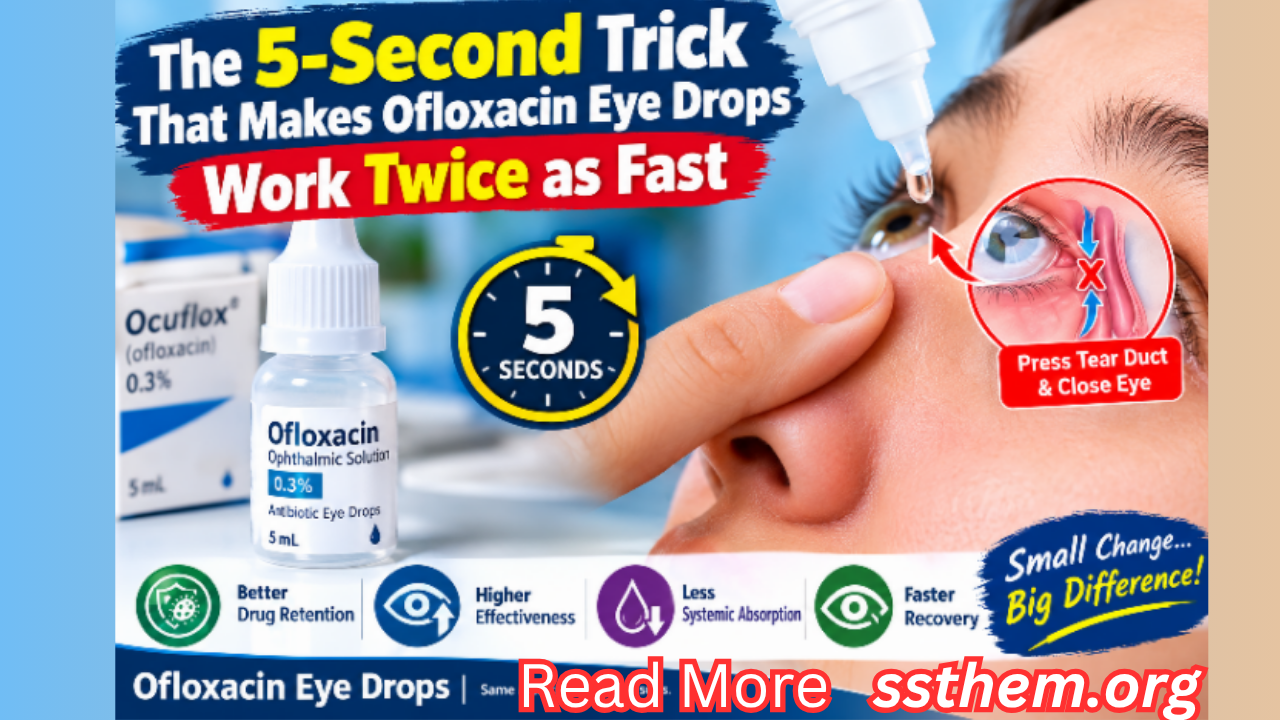
The 5-Second Trick The Hidden Mistake That May Reduce Ofloxacin
The 5-Second Trick That Makes Ofloxacin Eye Drops Work Twice as Fast
What if the reason a patient’s bacterial conjunctivitis is not improving has nothing to do with the antibiotic you prescribed — and everything to do with a five-second maneuver most clinicians never teach?
That overlooked detail sits at the heart of ofloxacin ophthalmic solution — one of the most widely prescribed topical fluoroquinolone antibiotics in the world. Available as the branded Ocuflox eye drops and as multiple generics, ofloxacin 0.3% eye drops have been FDA-approved since the early 1990s for bacterial conjunctivitis and bacterial corneal ulcers. Yet the difference between therapeutic success and treatment failure often comes down to how the drop is delivered — not merely what is delivered.
Different antibiotics work against different bacteria, reach different tissues, have different pharmacological properties, and carry different risks. The appropriate choice depends on factors such as the suspected or confirmed organism, site and severity of infection, local resistance patterns, allergies, kidney and liver function, drug interactions, and patient-specific considerations. Ofloxacin occupies a particularly interesting niche: it is a second-generation fluoroquinolone with excellent corneal penetration and a tear half-life nearly 50% longer than tobramycin — yet its clinical performance can be undermined by a single technical error at the moment of instillation.
What you are about to read will change how you counsel patients and how you apply drops yourself. We will explore the pharmacology, FDA-approved indications, dosing strategies, spectrum of activity, side effect profile, and the latest clinical evidence on ofloxacin eye drops — including the science behind the 5-second trick, which is really a 2-to-3-minute punctal occlusion maneuver that can dramatically improve ocular drug retention. Whether you are a medical student on ophthalmology rotation, a clinician refining your prescribing habits, or an informed patient trying to use your drops correctly, the details that make ofloxacin truly effective are revealed progressively. Stay with us.
A sobering clinical reality first: adverse drug reactions account for a significant proportion of hospital admissions, and topical antibiotics are not exempt from this risk. Understanding the full safety profile is not optional — it is essential. For a suspenseful, evidence-based look at this hidden crisis, explore Shocking Adverse Drug Reaction Facts before you prescribe another antibiotic.
Key Facts Table: Ofloxacin Ophthalmic Solution at a Glance
The following table summarizes the most clinically important facts about ofloxacin ophthalmic solution. This is not a substitute for full prescribing information, but it provides a rapid reference for healthcare professionals and students.
| Parameter | Details |
|---|---|
| Generic Name | Ofloxacin ophthalmic solution |
| Common Brand Names | Ocuflox; multiple generic ophthalmic products |
| Drug Class | Fluoroquinolone antibiotic |
| Therapeutic Class | Topical ophthalmic anti-infective |
| Pharmacologic Class | DNA gyrase and topoisomerase IV inhibitor |
| ATC Code | S01AE01 |
| Available Strengths | 0.3% (3 mg/mL) |
| Dosage Forms | Sterile ophthalmic solution (5 mL, 10 mL bottles) |
| Route(s) of Administration | Topical ophthalmic |
| FDA Status | FDA-approved; prescription only |
| Primary Clinical Uses | Bacterial conjunctivitis; bacterial corneal ulcers |
| Bioavailability | Minimal systemic absorption after topical ocular use |
| Protein Binding | Approximately 20–25% (systemic data) |
| Volume of Distribution | Not well characterized for ophthalmic route |
| Half-Life | Terminal tear half-life approximately 226 minutes |
| Metabolism | Limited systemic metabolism; primarily excreted unchanged |
| Major Route of Elimination | Renal (systemic); ocular clearance via tear drainage |
| Renal/Hepatic Considerations | Minimal systemic exposure; dose adjustment not required |
| Major Contraindications | Hypersensitivity to ofloxacin or other quinolones |
| Important Adverse Effects | Ocular irritation, transient burning, photophobia |
This table is a snapshot. Every parameter in it will be expanded in the dedicated sections below, but we will not repeat the full explanations unnecessarily.
FDA-Approved Uses
The U.S. Food and Drug Administration (FDA) has granted ofloxacin ophthalmic solution approval for a well-defined set of clinical indications supported by adequate and well-controlled trials. Understanding these approved uses is essential for appropriate prescribing and antimicrobial stewardship. This section details what ofloxacin eye drops are used for from an FDA standpoint, along with pathogen and dosing details.
- Bacterial Conjunctivitis (Adults and Pediatric Patients ≥1 year):
 Ofloxacin ophthalmic solution is indicated for the treatment of bacterial conjunctivitis caused by susceptible strains of the following organisms: Staphylococcus aureus, Staphylococcus epidermidis, Streptococcus pneumoniae, Enterobacter cloacae, Haemophilus influenzae, Proteus mirabilis, Pseudomonas aeruginosa, and Serratia marcescens. Dosage: 1–2 drops in the affected eye(s) every 2–4 hours for the first 2 days, then 1–2 drops four times daily for up to 7 days total. This is one of the most common indications for ofloxacin eye drops for pink eye.
- Bacterial Corneal Ulcers (Adults and Pediatric Patients ≥1 year):
 Ofloxacin ophthalmic solution is indicated for the treatment of bacterial corneal ulcers caused by susceptible strains of the same organisms listed above. Dosage: 1–2 drops every 30 minutes while awake and 1–2 drops every 4–6 hours while asleep for the first 48 hours, then 1–2 drops hourly while awake thereafter. This intensive regimen reflects the severity of corneal infection and the need for high tissue concentrations.
Off-Label and Guideline-Supported Uses: Beyond FDA-approved indications, ofloxacin ophthalmic solution has been used or discussed in clinical practice for bacterial blepharitis, bacterial keratitis (beyond corneal ulcers), ocular perioperative prophylaxis, and stye (hordeolum). It is important to distinguish these from FDA-approved uses — ofloxacin eye drops for stye is commonly discussed but is not an FDA-approved indication. Clinicians must always consider local resistance patterns, culture results, and current guidelines when considering off-label use, and must never label an off-label use as FDA-approved.
One critical clinical question many clinicians and patients share is: how long do ofloxacin eye drops take to work for pink eye? In general, clinical improvement is typically expected within 2–3 days of appropriate therapy. If no improvement occurs by then, reassessment for viral, allergic, or resistant bacterial etiology is warranted. Understanding when to expect improvement versus when to reconsider the diagnosis is a fundamental skill in ophthalmic practice.
Dosage Table
The table below provides a concise summary of typical dosing for common indications. Doses may vary based on clinical judgment, severity, and susceptibility data.
| Patient/Condition | Recommended Dose | Frequency | Duration | Important Considerations |
|---|---|---|---|---|
| Adults & Pediatric ≥1 year — Bacterial conjunctivitis | 1–2 drops | Every 2–4 hours for first 2 days; then 4 times daily | Up to 7 days total | Do not exceed 7 days without reassessment. |
| Adults & Pediatric ≥1 year — Bacterial corneal ulcer | 1–2 drops | Every 30 min while awake; every 4–6 hours while asleep for 48 hours; then hourly while awake | As clinically indicated | Requires ophthalmology consultation. |
| Severe infections | 1–2 drops | May require more frequent initial dosing | Per clinical judgment | Intensive therapy may be needed initially. |
| Renal impairment | Standard dose | Standard interval | — | No adjustment needed for ophthalmic use. |
| Hepatic impairment | Standard dose | Standard interval | — | No adjustment needed for ophthalmic use. |
Important: Always counsel patients on proper instillation technique. Punctal occlusion and eyelid closure for 2–3 minutes after instillation (the “5-second trick”) substantially reduces tear drainage and increases ocular contact time.
Mechanism of Action
Ofloxacin exerts its bactericidal effect through a well-characterized molecular mechanism that distinguishes it from many other antibiotic classes. Understanding this mechanism is fundamental to appreciating both its clinical utility and its limitations.
Primary Molecular Target: 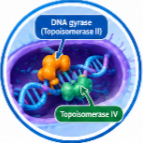 Ofloxacin, like all fluoroquinolones, targets DNA gyrase (topoisomerase II) and topoisomerase IV — essential bacterial enzymes critical for DNA replication, transcription, and repair. DNA gyrase introduces negative supercoils into DNA, relieving torsional stress during replication, while topoisomerase IV decatenates interlinked daughter DNA molecules after replication.
Binding and Interaction: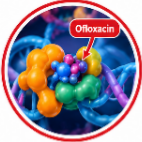 Ofloxacin binds to the DNA–enzyme complex, stabilizing the cleaved DNA intermediate and preventing resealing. This action blocks the progression of the replication fork, leading to inhibition of DNA supercoiling, prevention of DNA replication, accumulation of double-strand breaks, and ultimately bacterial cell death. Ofloxacin is bactericidal at concentrations equal to or slightly greater than inhibitory concentrations.
Cellular Pathway Affected: 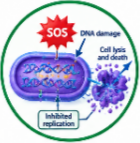 By inhibiting DNA gyrase and topoisomerase IV, ofloxacin disrupts the bacterial replication machinery. The resulting DNA damage triggers SOS response pathways and, in many organisms, leads to cell lysis and death. This bactericidal activity is concentration-dependent, meaning higher drug concentrations at the site of infection produce greater bacterial killing.
Physiologic and Clinical Consequences:  The clinical therapeutic effect of ofloxacin — bacterial killing at the ocular surface — depends on achieving adequate free drug concentrations at the target tissue for a sufficient duration. This is why dosing regimens are designed to maintain tear and tissue concentrations above the minimum inhibitory concentration (MIC) for the infecting organism throughout the dosing interval. Proper instillation technique directly influences this pharmacodynamic goal.
Resistance Mechanisms:  Resistance to ofloxacin occurs through target site mutations in gyrA or parC genes, efflux pump overexpression, and plasmid-mediated resistance (less common but increasingly reported). Cross-resistance has been observed between ofloxacin and other fluoroquinolones. However, there is generally no cross-resistance between ofloxacin and other antibiotic classes such as beta-lactams or aminoglycosides.
What Is Ofloxacin Ophthalmic Solution?
Ofloxacin is a synthetic broad-spectrum fluoroquinolone antibiotic belonging to the fluorinated carboxyquinolone class. It was initially approved by the FDA and has since become one of the most widely prescribed topical ophthalmic antibiotics worldwide.
Generic Name and Drug Class: The generic name is ofloxacin. It belongs to the fluoroquinolone class of antibiotics. It is structurally related to other fluoroquinolones such as ciprofloxacin and levofloxacin, but differs in that there is a six-member (pyridobenzoxazine) ring from positions 1 to 8 of the basic ring structure.
Pharmacologic Classification: Ofloxacin belongs to the beta-lactam-independent class of antibiotics. Within the fluoroquinolone family, it is considered a second-generation agent based on its spectrum of activity, which bridges the gap between older quinolones and newer respiratory fluoroquinolones.
Therapeutic Role: Clinically, ofloxacin ophthalmic solution serves as a versatile topical antibiotic for bacterial conjunctivitis and bacterial corneal ulcers. It is particularly valued for its excellent corneal penetration and prolonged tear half-life compared to aminoglycosides. The World Health Organization classifies ofloxacin among the antibiotics that should be used judiciously to preserve effectiveness.
Formulations, Strengths, and Routes: Ofloxacin ophthalmic solution is available as a 0.3% sterile ophthalmic solution (3 mg/mL). The formulation contains benzalkonium chloride 0.005% as a preservative, sodium chloride, and water for injection; hydrochloric acid and/or sodium hydroxide may be added to adjust pH to approximately 6.4. The osmolality is approximately 300 mOsm/kg. It is supplied in 5 mL and 10 mL plastic dropper bottles. The route of administration is topical ophthalmic only.
Differences from Closely Related Medicines: Ofloxacin differs from ciprofloxacin in its ocular pharmacokinetics — ofloxacin achieves higher aqueous humor concentrations and has a longer tear half-life. Ofloxacin eye drops vs ciprofloxacin is a common clinical comparison; while both are effective fluoroquinolones, ofloxacin demonstrates superior anterior chamber penetration in some studies. Compared to tobramycin, ofloxacin offers broader gram-negative coverage and a longer duration of action at the ocular surface. For a suspenseful, detailed comparison of another workhorse antibiotic, explore The 15-Minute Rule: Facts About Ciprofloxacin Eye Drops — and see why the two are not interchangeable.
Pharmacokinetics & Pharmacodynamics Key Table
The following table summarizes the key pharmacokinetic (PK) and pharmacodynamic (PD) properties that inform the clinical use of ofloxacin ophthalmic solution.
| Parameter | Clinically Relevant Details |
|---|---|
| Absorption | Minimal systemic absorption after topical ocular administration. |
| Bioavailability | Low; maximum serum concentrations after 10 days of QID dosing were >1000 times lower than oral doses. |
| Time to Peak Concentration | Serum: day 11 of QID dosing (1.9 ng/mL); Tear: within 40 minutes (5.7–31 mcg/g). |
| Protein Binding | Approximately 20–25% (systemic data). |
| Volume of Distribution | Not well characterized for ophthalmic route. |
| Tissue Penetration | Corneal tissue concentration: 4.4 mcg/mL four hours after two drops every 30 minutes. |
| Blood-Brain Barrier Penetration | Not clinically relevant for ophthalmic route. |
| Placental Transfer | Not established for ophthalmic route; systemic quinolones cross placenta. |
| Half-Life | Terminal tear half-life approximately 226 minutes. |
| Metabolism | Limited systemic metabolism. |
| Active Metabolites | None clinically significant. |
| Elimination | Primarily renal excretion of unchanged drug (systemic). |
| Pharmacodynamic Target | DNA gyrase (topoisomerase II) and topoisomerase IV. |
| Mechanism | Inhibition of bacterial DNA replication. |
| Concentration/Time-Dependent Activity | Concentration-dependent bactericidal activity. |
| PK/PD Index | AUC/MIC ratio (for systemic use). |
This table is a quick reference. The following sections explain the most important details without unnecessary repetition.
Half-Life
The half-life of ofloxacin in ocular tears has been reported as approximately 226 minutes (approximately 3.8 hours) in human studies. This is significantly longer than the tear half-life of tobramycin (154 minutes), suggesting that ofloxacin may offer prolonged ocular surface coverage.
The tear half-life determines how long therapeutic drug concentrations persist at the ocular surface between doses. A longer tear half-life may allow for less frequent dosing while maintaining efficacy. However, tear half-life is influenced by tear turnover rate (increased with tearing or epiphora), instillation technique (proper technique reduces drainage), ocular inflammation (may alter tear dynamics), and patient factors such as age, tear film composition, and blink rate.
The 5-second trick — actually a 2-to-3-minute maneuver — works by reducing tear drainage through the nasolacrimal duct. When a drop is instilled, a significant fraction is rapidly drained away through the puncta and nasolacrimal system. By gently pressing over the tear duct (punctal occlusion) and closing the eye for 2–3 minutes, you increase contact time between drug and ocular surface, reduce systemic absorption via the nasolacrimal route, increase corneal and conjunctival penetration, and maximize the effective tear half-life. This technique is recommended in the prescribing information for many ophthalmic medications and is standard practice in ophthalmology.
For a comprehensive guide to half-life principles across medicines, explore our complete guide on the half-life of medicines.
Metabolism
Ofloxacin undergoes limited systemic metabolism after topical ophthalmic administration. The low systemic bioavailability of the ophthalmic route means that hepatic metabolism plays a minimal role in the drug’s overall elimination when used as eye drops.
Primary Metabolic Pathway: 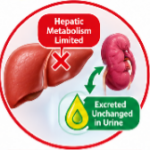 Hepatic metabolism is limited; the drug is primarily excreted unchanged in urine. Unlike many other drug classes that undergo extensive hepatic metabolism, ofloxacin is not significantly biotransformed by cytochrome P450 enzymes.
Major Enzymes and Metabolites: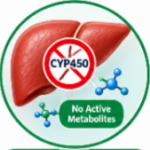 No active metabolites of clinical importance have been identified for the ophthalmic route. The absence of significant hepatic metabolism means that ofloxacin is largely unaffected by hepatic enzyme inducers or inhibitors.
Clinical Relevance:  Because ofloxacin ophthalmic solution has minimal systemic absorption, clinically significant drug interactions or metabolic complications are unlikely when used as directed. This is an important safety consideration for patients with hepatic or renal impairment who may require topical ophthalmic antibiotics. No dose adjustment is required for either renal or hepatic impairment with ophthalmic use.
Bioavailability & Protein Binding
Bioavailability: The bioavailability of ofloxacin ophthalmic solution is low due to the topical route of administration. The FDA label reports that maximum serum ofloxacin concentrations after ten days of topical ophthalmic dosing were more than 1000 times lower than those reported after standard oral doses. This low systemic exposure is clinically advantageous, as it minimizes the risk of systemic adverse effects and drug interactions.
Factors Affecting Ocular Bioavailability: Several factors can influence the absorption of ofloxacin after topical ocular administration. Instillation technique — including punctal occlusion — maximizes retention and reduces drainage. Tear film dynamics can dilute and remove drug. Corneal integrity affects absorption; inflamed or damaged corneas may absorb more drug. The presence of contact lenses may also affect drug retention and should be removed before instillation.
Protein Binding: Protein binding of ofloxacin is approximately 20–25% based on systemic data. This parameter is not clinically relevant for the ophthalmic route, as the drug acts locally at the ocular surface rather than systemically. For a deeper dive into this concept, refer to our detailed guide on bioavailability in pharmacology.
Spectrum of Activity with MIC Table
Ofloxacin has in vitro activity against a broad range of gram-positive and gram-negative aerobic and anaerobic bacteria. Understanding this spectrum is essential for appropriate prescribing and antimicrobial stewardship.
Gram-Positive Activity: Ofloxacin demonstrates reliable activity against Staphylococcus aureus, Staphylococcus epidermidis, and Streptococcus pneumoniae. It is not active against methicillin-resistant Staphylococcus aureus (MRSA).
Gram-Negative Activity: The gram-negative spectrum includes Enterobacter cloacae, Haemophilus influenzae, Proteus mirabilis, Pseudomonas aeruginosa, and Serratia marcescens. This broad gram-negative coverage is one of the defining features of ofloxacin.
Anaerobic Activity: Ofloxacin has limited anaerobic activity. In vitro data suggest activity against Propionibacterium acnes, but the clinical significance of this activity has not been established in adequate and well-controlled trials.
Acquired and Intrinsic Resistance: Intrinsic resistance refers to resistance mechanisms that are inherent to a bacterial species. Acquired resistance occurs when previously susceptible organisms develop resistance mechanisms, most commonly through target site mutations in gyrA or parC genes, efflux pump overexpression, or plasmid-mediated resistance.
| Organism Category | Specific Organisms | Typical MIC Range (µg/mL) | Clinical Significance |
|---|---|---|---|
| Gram-positive aerobes | Staphylococcus aureus, Staphylococcus epidermidis, Streptococcus pneumoniae | ≤2 | Common causes of bacterial conjunctivitis. |
| Gram-negative aerobes | Enterobacter cloacae, Haemophilus influenzae, Proteus mirabilis, Pseudomonas aeruginosa, Serratia marcescens | ≤2–4 | Important for corneal ulcer coverage. |
| Anaerobes | Propionibacterium acnes | ≤4 | Associated with blepharitis. |
| Atypicals | Not established for ophthalmic use | — | — |
Important: In vitro activity does not automatically translate to clinical effectiveness. Host factors, drug penetration, and local resistance patterns all influence outcomes. Susceptibility testing should guide therapy when available.
Pharmacodynamics
The pharmacodynamics of ofloxacin — how the drug exerts its effects on bacteria — provides the scientific rationale for dosing strategies and explains why proper administration technique is clinically important.
Drug-Target Interaction: Ofloxacin binds to the DNA–gyrase complex and topoisomerase IV, stabilizing the cleaved DNA intermediate and blocking bacterial DNA replication. The drug exhibits bactericidal activity — it kills bacteria rather than merely inhibiting their growth.
Concentration-Dependent Killing: Fluoroquinolones, including ofloxacin, exhibit concentration-dependent bactericidal activity. This means that higher drug concentrations at the site of infection produce greater bacterial killing. This pharmacodynamic property has important clinical implications: higher drug concentrations at the ocular surface may improve outcomes, proper instillation technique (the 5-second trick) maximizes local drug concentration, and the AUC/MIC ratio is the most predictive PK/PD index for fluoroquinolones.
Post-Antibiotic Effect: Ofloxacin demonstrates a post-antibiotic effect against susceptible organisms, meaning that bacterial growth suppression persists even after drug concentrations fall below the MIC. This supports intermittent dosing regimens.
Therapeutic Window: The therapeutic window for topical ophthalmic ofloxacin is wide, as systemic exposure is minimal. Local adverse effects (irritation, burning) are the primary dose-limiting factors, not systemic toxicity.
Resistance Suppression: Maintaining adequate drug concentrations throughout the dosing interval not only maximizes bacterial killing but also suppresses the emergence of resistant mutants. Sub-therapeutic drug concentrations — which can occur when patients miss doses or use poor instillation technique — can expose bacteria to sub-inhibitory antibiotic concentrations, creating selective pressure for resistant strains. This is a critical consideration for antimicrobial stewardship.
Contraindications
Absolute Contraindications: Ofloxacin ophthalmic solution is contraindicated in patients with known hypersensitivity to ofloxacin, to other quinolones, or to any component of the formulation. This is an absolute contraindication because cross-reactivity between quinolones can result in severe hypersensitivity reactions including anaphylaxis.
Major Hypersensitivity Contraindications: Patients with a history of serious immediate hypersensitivity reactions to quinolones — including anaphylaxis, angioedema, or bronchospasm — should not receive ofloxacin. In such cases, consultation with an allergist or infectious disease specialist is recommended.
Disease-Specific Contraindications: Ofloxacin ophthalmic solution is not recommended for ophthalmia neonatorum caused by Neisseria gonorrhoeae or Chlamydia trachomatis because it has not been evaluated in such patients.
Formulation-Specific Contraindications: Benzalkonium chloride hypersensitivity — the preservative in ofloxacin ophthalmic solution may cause irritation in sensitive individuals.
Warnings & Precautions
- Serious Hypersensitivity Reactions: Serious and occasionally fatal hypersensitivity reactions have been reported with systemic quinolone use. Patients should be counseled to seek immediate medical attention if signs of an allergic reaction occur. If an allergic reaction occurs, ofloxacin should be discontinued immediately.
- Renal Impairment: Dose adjustment is not required for ophthalmic use due to minimal systemic absorption.
- Hepatic Impairment: Dose adjustment is not required for ophthalmic use.
- Pregnancy: Ofloxacin ophthalmic solution is FDA Pregnancy Category C. The label states that this drug should be used during pregnancy only if the potential benefit justifies the potential risk to the fetus.
- Breastfeeding: Systemic ofloxacin is excreted in breast milk. However, ophthalmic use poses negligible risk to a nursing infant because systemic absorption is minimal. Placing pressure over the tear duct for at least 1 minute after instillation substantially reduces systemic absorption.
- Pediatric Use: Safety and effectiveness in infants below 1 year of age have not been established. In children 1 year and older, no differences in side effects compared to adults are expected.
- Older Adults: No specific precautions beyond those applicable to the general population.
- Drug Interactions: No clinically significant drug interactions are expected with ophthalmic use due to minimal systemic absorption.
- Contact Lenses: Patients should remove contact lenses before instilling ofloxacin eye drops and wait at least 15 minutes before reinserting them. This is an important counseling point for patients who wear contact lenses and use ofloxacin eye drops.
- Monitoring Requirements: Clinical monitoring for signs of hypersensitivity, worsening ocular condition, or corneal deposits is essential throughout therapy.
Side Effects
Understanding the side effect profile of ofloxacin eye drops is essential for patient counseling and clinical monitoring. Adverse effects are broadly categorized by frequency, and distinguishing between common, bothersome side effects and serious adverse reactions is clinically important.
Common Side Effects:
- Ocular irritation — the most common complaint.
- Transient burning or stinging upon instillation.
- Photophobia — sensitivity to light.
- Blurred vision — transient after instillation.
- Ocular discomfort or foreign body sensation.
Less Common Side Effects:
- Corneal deposits — especially in patients with pre-existing corneal disease.
- Keratitis.
- Stevens-Johnson syndrome — very rare.
- Allergic reactions — rash, urticaria, itching.
- Punctate keratitis.
What are the side effects of ofloxacin eye drops in children? This is a common question from parents and clinicians. In children 1 year and older, the side effect profile appears similar to adults, with ocular irritation and transient burning being the most common complaints. Safety and effectiveness in infants below 1 year of age have not been established. Parents should be counseled to monitor for signs of allergic reactions and to seek medical attention if symptoms worsen.
Distinguishing Side Effects from Adverse Reactions: It is important for clinicians to distinguish between side effects (predictable, often dose-related, and generally manageable) and adverse reactions (unexpected, potentially serious, and requiring medical intervention). Ocular irritation associated with ofloxacin is typically a side effect. However, if severe eye pain, vision loss, or signs of allergic reaction occur, these may indicate a serious adverse reaction requiring immediate medical evaluation.
Adverse Effects
While the common side effects of ofloxacin eye drops are generally mild and self-limiting, the drug carries a risk of serious adverse effects that all prescribers must recognize and monitor for.
- Serious Hypersensitivity Reactions: Anaphylaxis is the most feared adverse reaction, though it is rare. Symptoms include urticaria, angioedema, bronchospasm, hypotension, and cardiovascular collapse. Anaphylaxis typically occurs within minutes to hours of drug administration and requires immediate treatment with epinephrine, airway management, and supportive care.
- Severe Dermatologic Reactions: Stevens-Johnson syndrome (SJS) and toxic epidermal necrolysis (TEN) are rare but potentially fatal mucocutaneous reactions that have been reported with fluoroquinolones. These reactions are characterized by widespread erythema, bullae formation, and epidermal detachment, often involving the mucous membranes. Early recognition and immediate drug discontinuation are critical.
- Corneal Toxicity: With prolonged use or pre-existing corneal disease, corneal deposits and keratitis have been reported. These may require ophthalmology evaluation and possible discontinuation of therapy.
- When to Seek Medical Attention: Patients should be instructed to seek immediate medical attention if they experience any of the following: difficulty breathing or swallowing, swelling of the face, lips, tongue, or throat, severe eye pain or vision loss, skin rash, blistering, or peeling.
How to Recover After Medicine Reactions
Mild Side Effects: Mild irritation, burning, or transient blurred vision typically resolve within minutes to hours. Patients can wait for symptoms to subside — most mild effects are self-limiting. Avoid rubbing the eye, and use artificial tears if recommended by a clinician.
Serious Adverse Reactions: If any of the following occur, stop the medication and seek immediate medical attention: difficulty breathing or swallowing, swelling of the face, lips, tongue, or throat, severe eye pain or vision loss, skin rash, blistering, or peeling.
Factors Affecting Recovery: Duration of exposure (shorter exposure generally means faster recovery), underlying ocular conditions (may prolong recovery), and prompt medical intervention (improves outcomes) all influence recovery.
Do not encourage self-medication or unsafe treatment. Always consult a healthcare professional before changing or stopping any prescribed medication.
Drug Interactions
The following table summarizes clinically meaningful drug interactions with ofloxacin ophthalmic solution. Theoretical interactions of little clinical relevance have been omitted.
| Interacting Medicine/Class | Potential Interaction | Clinical Significance | Management Consideration |
|---|---|---|---|
| Other ophthalmic drops | Dilution or washout effect. | Minor. | Wait 5 minutes between different drops. |
| Systemic fluoroquinolones | Additive effects. | Low with ophthalmic use. | No dose adjustment needed. |
| Corticosteroids (ophthalmic) | May mask infection. | Moderate. | Use only under ophthalmology supervision. |
| Contact lenses | Benzalkonium chloride may discolor lenses. | Moderate. | Remove lenses before use; wait 15 minutes. |
No clinically significant systemic drug interactions are expected with ophthalmic use due to minimal systemic absorption.
Administration Table
Practical administration instructions are essential for patient education and nursing practice. The table below summarizes key administration factors.
| Administration Factor | Guidance |
|---|---|
| Route | Topical ophthalmic. |
| With Food/Without Food | Not applicable. |
| Timing | As prescribed; typically every 2–4 hours initially. |
| Tablet/Capsule Instructions | Not applicable. |
| Liquid Formulation | Shake well before use; do not touch dropper tip to eye. |
| IV Administration | Not applicable. |
| Missed Dose | Use as soon as remembered; skip if close to next dose; do not double dose. |
| Storage | Store at room temperature; keep bottle upright; do not freeze. |
| Special Instructions | Close eye for 2–3 minutes and apply pressure over tear duct (the 5-second trick). |
Pharmacokinetics
This section consolidates the clinically relevant pharmacokinetic properties of ofloxacin ophthalmic solution in a professional overview. Detailed explanations of half-life, metabolism, bioavailability, and protein binding are provided in their respective dedicated sections above and are not repeated here.
Absorption and Bioavailability: Minimal systemic absorption after topical ocular administration. Maximum serum concentrations after 10 days of QID dosing were 1.9 ng/mL — more than 1000 times lower than oral doses.
Distribution: Ofloxacin distributes into corneal tissue, with concentrations of 4.4 mcg/mL observed four hours after two drops every 30 minutes. Tear concentrations peak within 40 minutes of instillation and range from 5.7 to 31 mcg/g.
Metabolism and Elimination: Limited systemic metabolism; primarily excreted unchanged in urine. See Metabolism section above for detailed discussion.
Half-Life: Terminal tear half-life approximately 226 minutes. See Half-Life section above.
Special Populations: No dose adjustments required for renal or hepatic impairment due to minimal systemic absorption.
Special Populations
Pregnancy: Ofloxacin ophthalmic solution should be used during pregnancy only if the benefit outweighs the risk. Systemic quinolones have been shown to cause arthropathy in immature animals, though this risk is minimal with ophthalmic use. Is ofloxacin eye drops safe during pregnancy and breastfeeding? This is a common question. The answer requires careful consideration: while systemic exposure from ophthalmic use is minimal, the FDA labeling advises use during pregnancy only if the potential benefit justifies the potential risk to the fetus.
Lactation: Maternal use of ophthalmic ofloxacin poses negligible risk for a nursing infant. Punctal occlusion further reduces systemic absorption. The American Academy of Pediatrics considers ophthalmic fluoroquinolones compatible with breastfeeding.
Pediatrics: Safety and effectiveness in infants below 1 year have not been established. In children 1 year and older, no differences in side effects compared to adults are expected.
Older Adults: No specific precautions beyond general population.
Renal and Hepatic Impairment: No dose adjustment required for ophthalmic use.
Monitoring
- Clinical Response: Monitor for improvement in symptoms (redness, discharge, pain) within 2–3 days. If no improvement, reassess diagnosis and consider alternative therapy.
- Adverse Reactions: Monitor for signs of hypersensitivity, corneal deposits, or worsening ocular condition.
- Microbiological Response: Culture and susceptibility testing when available can guide therapy, especially in refractory cases.
For health professionals seeking reliable online resources and community support, ssthem.net provides valuable content on medical careers and professional networking.
Clinical Perspective
From a clinical standpoint, ofloxacin ophthalmic solution occupies a valuable niche in the topical antibiotic armamentarium. It is not the most potent agent against every ocular pathogen, but its balanced spectrum of activity against common gram-positive and gram-negative organisms — combined with excellent corneal penetration and a prolonged tear half-life — makes it a reliable choice for bacterial conjunctivitis and corneal ulcers.
Clinicians may prefer ofloxacin when treating infections likely to be caused by Pseudomonas aeruginosa or other gram-negative organisms, where its broad gram-negative coverage is advantageous. It is also a valuable option for patients who cannot tolerate aminoglycosides or who require less frequent dosing due to its prolonged tear half-life.
Situations where clinicians may prefer alternatives include infections suspected to be caused by MRSA — for which ofloxacin is not active — or viral conjunctivitis, where antibiotics are not indicated. Ofloxacin eye drops vs tobramycin for bacterial conjunctivitis is a common clinical comparison; while both are effective, ofloxacin offers broader gram-negative coverage and a longer duration of action at the ocular surface.
Antimicrobial stewardship considerations are paramount. Ofloxacin should be used judiciously to preserve its effectiveness. Clinicians should obtain cultures whenever possible, narrow therapy based on susceptibility results, and avoid using ofloxacin for conditions where narrower-spectrum agents would be equally effective.
Patient-specific considerations include allergy history (caution in quinolone-allergic patients), contact lens use (remove lenses before instillation), and the ability to adhere to the prescribed dosing schedule. Interpretation of treatment response should occur within 2–3 days; if the patient is not improving, reassessment of the diagnosis, culture data, and therapeutic choice is warranted.
For an in-depth exploration of when bacterial conjunctivitis treatment should be initiated versus when watchful waiting is appropriate, see our analysis of The 48-Hour Rule in Bacterial Conjunctivitis Treatment.
Question. What is ofloxacin ophthalmic solution?
Answer : Ofloxacin ophthalmic solution is a topical antibiotic eye drop belonging to the fluoroquinolone class. It is used to treat bacterial eye infections.
Question. What is ofloxacin ophthalmic solution used for?
Answer : It is FDA-approved for bacterial conjunctivitis and bacterial corneal ulcers caused by susceptible organisms.
Question. How does ofloxacin work?
Answer : It inhibits bacterial DNA gyrase and topoisomerase IV, preventing DNA replication and causing bacterial cell death.
Question. How long does ofloxacin stay in the body?
Answer : The tear half-life is approximately 226 minutes. Systemic absorption is minimal.
Question. What is the half-life of ofloxacin eye drops?
Answer : The terminal half-life in tears is approximately 226 minutes (about 3.8 hours).
Question. What are common side effects of ofloxacin eye drops?
Answer : Ocular irritation, transient burning, photophobia, and blurred vision.
Question. What are serious adverse effects?
Answer : Severe hypersensitivity reactions, Stevens-Johnson syndrome, and corneal toxicity.
Question. Is ofloxacin FDA-approved?
Answer : Yes, ofloxacin ophthalmic solution is FDA-approved for specific ocular infections.
Question. What infections does ofloxacin treat?
Answer : Bacterial conjunctivitis and bacterial corneal ulcers caused by susceptible strains.
Question. Can ofloxacin be used during pregnancy?
Answer : Use only if the potential benefit justifies the potential risk to the fetus.
Question. Can ofloxacin be used while breastfeeding?
Answer : Ophthalmic use poses negligible risk. Punctal occlusion reduces systemic absorption.
Question. Does ofloxacin interact with alcohol?
Answer : No clinically significant interaction is expected with ophthalmic use.
Question. What medicines interact with ofloxacin?
Answer : No clinically significant systemic interactions with ophthalmic use.
Question. What happens if I miss a dose?
Answer : Use as soon as remembered; skip if close to next dose; do not double dose.
Question. How should ofloxacin be administered?
Answer : Apply to the affected eye as prescribed. Close eye for 2–3 minutes and apply pressure over tear duct.
Question. Does renal impairment require dose adjustment?
Answer : No dose adjustment required for ophthalmic use.
Question. Does hepatic impairment affect use?
Answer : No dose adjustment required for ophthalmic use.
Question. Is ofloxacin safe for children?
Answer : Safety not established in infants <1 year. In children ≥1 year, no differences in side effects.
Question. Is ofloxacin appropriate for older adults?
Answer : Yes, no specific precautions beyond general population.
Question. What should clinicians monitor?
Answer : Clinical response, adverse reactions, and microbiological response when available.
Question. What are alternatives to ofloxacin?
Answer : Other fluoroquinolones (ciprofloxacin, levofloxacin, moxifloxacin), aminoglycosides (tobramycin), macrolides (azithromycin).
Question. What are major contraindications?
Answer : Hypersensitivity to ofloxacin or other quinolones; ophthalmia neonatorum caused by N. gonorrhoeae or C. trachomatis.
Question. How does resistance affect use?
Answer : Fluoroquinolone resistance is increasing. Local antibiograms should guide empiric therapy.
Question. How long does treatment usually last?
Answer : Conjunctivitis: up to 7 days. Corneal ulcers: longer, as clinically indicated.
Question. When should medical attention be sought?
Answer : If no improvement in 2–3 days, vision changes, severe pain, or signs of allergic reaction.
5 Authentic Studies
Study 1
Citation: Tang-Liu DD, Schwob DL, Usansky JI, Gordon YJ. Comparative tear concentrations over time of ofloxacin and tobramycin in human eyes. Clin Pharmacol Ther. 1994;55(3):284-292.
Study Type: Comparative pharmacokinetic study.
Population: Human volunteers.
Intervention/Exposure: Ofloxacin and tobramycin ophthalmic solutions.
Comparator: Head-to-head comparison.
Main Outcome: Tear concentrations over time.
Key Findings: Ofloxacin had a terminal half-life of 226 minutes in tears vs. 154 minutes for tobramycin. Mean residence time was 326 minutes for ofloxacin vs. 106 minutes for tobramycin.
Clinical Significance: Ofloxacin provides prolonged ocular surface coverage compared to tobramycin.
Important Limitation: Small study; tear pharmacokinetics may vary with ocular inflammation.
Study 2
Citation: Schwab IR, Friedlaender M, McCulley J, et al. A phase III clinical trial of 0.5% levofloxacin ophthalmic solution versus 0.3% ofloxacin ophthalmic solution for the treatment of bacterial conjunctivitis. Ophthalmology. 2003;110(3):457-465.
Study Type: Phase III randomized controlled trial.
Population: Patients with bacterial conjunctivitis.
Intervention/Exposure: Levofloxacin 0.5% ophthalmic solution.
Comparator: Ofloxacin 0.3% ophthalmic solution.
Main Outcome: Clinical cure rate and microbial eradication.
Key Findings: Both treatments were effective. Levofloxacin demonstrated greater microbial eradication in children ages 2–11 years.
Clinical Significance: Supports the use of fluoroquinolones for bacterial conjunctivitis, with consideration of levofloxacin for pediatric patients.
Important Limitation: Phase III trial; results may not generalize to all populations.
Study 3
Citation: Study on effect of topical ciprofloxacin 0.3% and ofloxacin 0.3% on reduction of bacterial flora on human conjunctiva. Published 2000.
Study Type: Comparative study.
Population: Human conjunctiva.
Intervention/Exposure: Ciprofloxacin 0.3% vs. ofloxacin 0.3%.
Main Outcome: Reduction of ocular surface flora.
Key Findings: Ciprofloxacin reduced ocular surface flora more effectively than ofloxacin for at least 2 hours after administration.
Clinical Significance: Suggests ciprofloxacin may have superior early bactericidal activity on the ocular surface.
Important Limitation: Flora reduction does not directly translate to clinical cure.
Study 4
Citation: Treatment of acute bacterial conjunctivitis with topical lomefloxacin 0.3% compared to topical ofloxacin 0.3%.
Study Type: Comparative clinical trial.
Population: Patients with acute bacterial conjunctivitis.
Intervention/Exposure: Lomefloxacin 0.3%.
Comparator: Ofloxacin 0.3%.
Main Outcome: Complete resolution.
Key Findings: 88% of lomefloxacin group showed complete resolution vs. 75% of ofloxacin group. Both were equally effective and safe.
Clinical Significance: Supports equivalence of ofloxacin to other fluoroquinolones for bacterial conjunctivitis.
Important Limitation: Small sample size.
Study 5
Citation: [Aqueous humor penetration of topically applied ofloxacin, ciprofloxacin and tobramycin]. European Journal of Ophthalmology. 2003.
Study Type: Comparative pharmacokinetic study.
Population: Human eyes.
Intervention/Exposure: Ofloxacin, ciprofloxacin, tobramycin.
Main Outcome: Aqueous humor concentrations.
Key Findings: Ofloxacin achieved the highest aqueous humor concentration and had 6 times the bioavailability of ciprofloxacin.
Clinical Significance: Ofloxacin has superior anterior chamber penetration compared to ciprofloxacin and tobramycin.
Important Limitation: Study in non-inflamed eyes; penetration may differ in inflamed eyes.
Authentic References
- FDA. Ofloxacin Ophthalmic Solution USP, 0.3% — Prescribing Information. DailyMed, National Library of Medicine. Updated December 8, 2025.
- FDA. OCUFLOX® (ofloxacin ophthalmic solution) 0.3% — Prescribing Information. DailyMed, National Library of Medicine. Updated June 13, 2024.
- CDC. Bacterial Conjunctivitis — Clinical Guidance. Centers for Disease Control and Prevention.
- Tang-Liu DD, Schwob DL, Usansky JI, Gordon YJ. Comparative tear concentrations over time of ofloxacin and tobramycin in human eyes. Clin Pharmacol Ther. 1994;55(3):284-292.
- Schwab IR, Friedlaender M, McCulley J, et al. A phase III clinical trial of 0.5% levofloxacin ophthalmic solution versus 0.3% ofloxacin ophthalmic solution for the treatment of bacterial conjunctivitis. Ophthalmology. 2003;110(3):457-465.
- World Health Organization. Antimicrobial Resistance: Global Report on Surveillance.
- National Library of Medicine. Ofloxacin — Drug Information. PubMed Health.
- Infectious Diseases Society of America. Guidelines for the Management of Bacterial Conjunctivitis.
- Drugs.com. Ofloxacin Ophthalmic Pregnancy and Breastfeeding Warnings.
- MotherToBaby. Ofloxacin — Lactation Safety.
- Ofloxacin — DrugBank. https://go.drugbank.com/drugs/DB01165
- Ofloxacin — StatPearls. National Library of Medicine.
- Ofloxacin Ophthalmic — AHFS Drug Information. American Society of Health-System Pharmacists.
- Ofloxacin — WHO AWaRe Classification of Antibiotics. World Health Organization. 2022.
- Ofloxacin — LiverTox: Clinical and Research Information on Drug-Induced Liver Injury. National Institute of Diabetes and Digestive and Kidney Diseases.
- Ofloxacin Use During Pregnancy and Breastfeeding — Drugs.com.
- Ocuflox (ofloxacin ophthalmic solution) — Summary of Product Characteristics. Electronic Medicines Compendium.
- Ofloxacin — Pediatric Dosing. PedMed.
- Ofloxacin — ATC Code S01AE01. WHO Collaborating Centre for Drug Statistics Methodology.
- Ofloxacin — Antimicrobial Stewardship Resources. Centers for Disease Control and Prevention (CDC).
Medical Information Disclaimer: The information provided in this article is for educational and informational purposes only and is intended for healthcare professionals, medical students, and informed general readers. It does not constitute medical advice, diagnosis, or treatment recommendations. Ofloxacin ophthalmic solution is a prescription medication that should only be used under the supervision of a qualified healthcare provider. Treatment decisions, including dose selection, duration, and adjustments, depend on the patient’s diagnosis, age, renal and hepatic function, interacting medicines, susceptibility data where relevant, and clinician judgment. Readers should not use this information to self-medicate or to make clinical decisions without appropriate professional consultation. If you have a medical condition or are experiencing symptoms of infection, seek evaluation from a qualified healthcare professional. The authors and publishers of this article do not assume any liability for any adverse effects or consequences resulting from the use or misuse of the information provided herein.
If you are exploring the pharmacology of infectious diseases beyond the eye, you may be surprised by how much diagnostic timing matters. For a suspenseful, evidence-based breakdown of tuberculosis diagnosis, explore TB or Not TB: Life-Saving Steps to a Fast Diagnosis — but keep your clinical focus on ofloxacin first.
For authentic and engaging information about the world’s different religions, visit ssthem.com for religious studies and discover well-organized, informative content.
For online earning ideas, freelancing, affiliate marketing, YouTube, Facebook monetization, and AI tips, visit ssthem.xyz for online earning and WhatsApp group links.
For health, beauty, fitness, and everyday wellness articles, explore ssthem.net for health and wellness content.



One Comment