3 Dangerous Myths About Secnidazole 1 Packet 1 Dose 17-Hour Half-Life
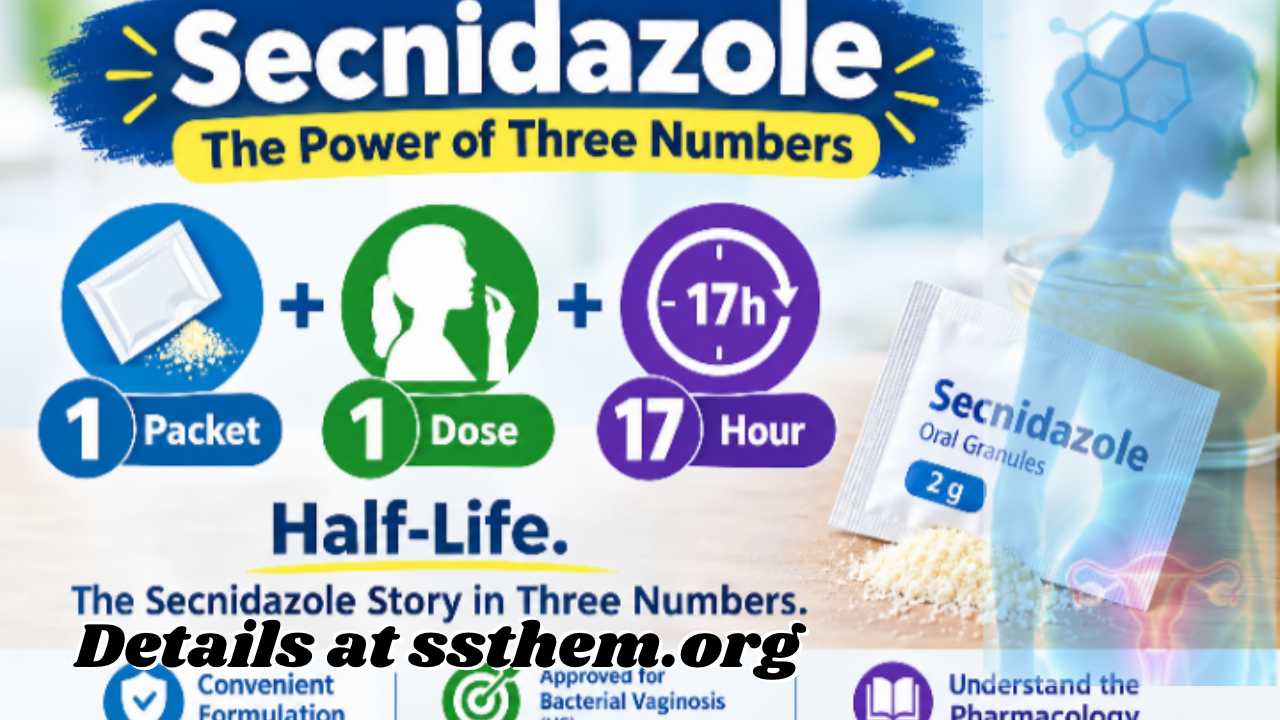
1 Packet 1 Dose 17-Hour Half-Life. The Secnidazole Story in Three Numbers.
What connects one packet of oral granules, a single administration, and an elimination half-life of approximately 17 hours? Together, these three numbers 1 Packet 1 Dose 17-Hour explain why secnidazole attracts attention in pharmacology: its formulation offers a convenient treatment schedule, while its pharmacokinetic properties help explain how the medicine remains in the body after administration. Yet a simple dosing schedule does not automatically mean a guaranteed cure, freedom from adverse effects, or suitability for every infection.
Secnidazole belongs to the nitroimidazole class of antimicrobial medicines. In the United States, secnidazole oral granules marketed as SOLOSEC are approved for treating bacterial vaginosis in adult women. The approved indication, formulation, and prescribing instructions matter because clinical recommendations for other nitroimidazoles cannot automatically be transferred to secnidazole.
The central pharmacological question is not simply how long secnidazole stays in the bloodstream. It is how absorption, distribution, metabolism, microbial susceptibility, and the nature of the infection combine to influence treatment. A medicine can remain measurable in plasma after its concentration has declined substantially, and a long half-life cannot independently establish whether an infection has been cured.
In this evidence-based guide, we examine secnidazole 2 g single-dose treatment, the correct use of its oral granule packet, its mechanism of action, its approximately 17-hour half-life, important precautions, adverse effects, and the scientific evidence supporting its clinical role. We also distinguish its established US approval for bacterial vaginosis from uses that require separate evidence and professional assessment.
Looking for useful digital resources beyond medical education? Explore WhatsApp group resources, online earning information, and online-job updates.
1. Key Facts Table
| Parameter | Evidence-based information |
|---|---|
| Generic name | Secnidazole |
| US brand | SOLOSEC |
| Drug class | Nitroimidazole antimicrobial |
| US-approved indication | Bacterial vaginosis in adult women, according to US product labeling |
| Formulation | Oral granules in a single-dose packet |
| Labeled dose for BV | 2 g orally once |
| Administration | Sprinkle the entire packet onto an approved soft food, consume within 30 minutes, and do not chew the granules |
| Elimination half-life | Approximately 17 hours in the studied population |
| Protein binding | Less than 5% according to US prescribing information |
| Volume of distribution | Approximately 42 L in the reported pharmacokinetic data |
| Important adverse effects | Nausea, headache, vomiting, diarrhea, and unpleasant taste may occur |
| Important precautions | Hypersensitivity, Cockayne syndrome, alcohol and propylene glycol avoidance, pregnancy-related assessment, and breastfeeding instructions |
| Clinical limitation | A single-dose schedule does not guarantee clinical cure or prevent recurrence |
Important Note: Always identify the actual product before applying a dosage recommendation. The dose and administration instructions for secnidazole oral granules should not be assumed to apply to every formulation or to every infection associated with the nitroimidazole class.
2. FDA-Approved Uses of Secnidazole
Bacterial Vaginosis 
Bacterial vaginosis (BV) is a vaginal microbiome disorder associated with a reduction in protective Lactobacillus species and an increase in a diverse group of other bacteria. It may cause a thin vaginal discharge and a characteristic odor, although some people have no noticeable symptoms.
Secnidazole oral granules are approved in the United States for treating BV in adult women. The labeled regimen is a single 2 g oral dose. The drug’s antimicrobial activity is relevant to susceptible organisms associated with the condition, but BV is a complex ecological disturbance rather than an infection caused by one universally responsible bacterium.
A clinical diagnosis matters because symptoms such as discharge, odor, burning, and itching may also occur with candidiasis, trichomoniasis, cervicitis, or noninfectious irritation. Choosing treatment solely from symptoms can lead to an inappropriate medicine or delay recognition of another condition.
Clinical Pearl: Improvement in odor does not prove that every cause of vaginal symptoms has been eliminated. If symptoms persist, worsen, or recur, the appropriate next step is reassessment rather than automatically repeating the same packet.
What About Trichomoniasis? 
Trichomoniasis is a sexually transmitted infection caused by the protozoan parasite Trichomonas vaginalis. Although secnidazole is a nitroimidazole and members of this class have activity against certain protozoa, a shared drug class does not establish that every medicine is approved or recommended for every related infection.
The US SOLOSEC label establishes an indication for bacterial vaginosis, not a general approval for trichomoniasis. The Centers for Disease Control and Prevention recommends specific metronidazole regimens for trichomoniasis, with recommendations differing by patient group. A clinician should follow applicable guidelines and local product authorization rather than assume that one packet of secnidazole is an approved substitute.
For readers comparing related medicines, the article explaining tinidazole’s mechanisms against susceptible parasites and bacteria provides additional pharmacology context. However, similarities between tinidazole and secnidazole do not establish equivalent indications, dosing, or clinical outcomes.
3. Secnidazole Dosage Table
| Indication or situation | Population | Dose | Frequency and duration | Important considerations |
|---|---|---|---|---|
| Bacterial vaginosis | Adult women covered by US labeling | 2 g oral granules | One administration | Use after appropriate diagnosis and according to the product instructions. |
| Persistent or recurrent BV symptoms | Patients requiring reassessment | No automatic repeat dose | Determined after reassessment | Confirm the diagnosis and consider alternative causes or treatment strategies. |
| Trichomoniasis | Patients with suspected or confirmed infection | Do not assume the BV regimen applies | Follow applicable STI guidelines and authorized treatment | The US SOLOSEC label does not establish trichomoniasis as an approved indication. |
| Children and adolescents | Depends on age, diagnosis, and jurisdiction | Do not extrapolate adult dosing | Professional assessment required | Check the relevant local product information and indication-specific evidence. |
Important: The table summarizes the US-approved BV regimen and highlights situations where a separate clinical decision is needed. It is not a personalized prescription. The patient’s diagnosis, medical history, pregnancy status, concomitant medicines, and applicable local guidance must be considered.
4. Mechanism of Action: How Secnidazole Works
To understand secnidazole, begin with a basic pharmacological principle: a medicine’s chemical structure helps determine which organisms can activate it and which cellular processes are disrupted. Nitroimidazoles are antimicrobial compounds whose activity depends on reduction reactions within susceptible microorganisms.
After entering a susceptible microorganism, the nitro group of a nitroimidazole can undergo intracellular reduction. The resulting reactive intermediates can damage DNA and interfere with essential cellular functions. When the damage exceeds the microorganism’s ability to repair it, growth or survival is impaired.
From Molecular Activation to Clinical Effect
- Entry:
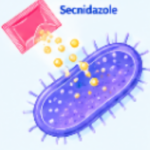 The medicine reaches susceptible microorganisms after absorption and distribution.
- Activation:
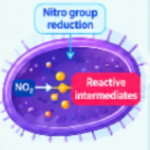 Intracellular reduction reactions generate reactive intermediates under suitable conditions.
- Cellular injury:
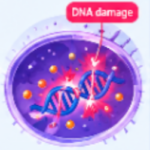 These intermediates can damage DNA and disrupt essential cellular processes.
- Antimicrobial effect:
 Susceptible organisms lose their ability to maintain normal growth and survival.
- Clinical outcome:
 Treatment success depends on the organism, infection environment, adequate drug exposure, diagnosis, and host factors.
Important Note: Mechanism explains biological plausibility, not guaranteed clinical success. An organism’s laboratory susceptibility, the concentration achieved at the infection site, and the patient’s clinical response are related but distinct concepts.
A Hypothetical Teaching Example
Imagine two microorganisms exposed to the same concentration of a nitroimidazole. One can activate the drug efficiently, while the other has a different intracellular environment or reduced susceptibility. The same external concentration may therefore produce different biological effects. This hypothetical example illustrates why drug class membership alone cannot establish identical activity against every organism.
5. What Is Secnidazole?
Secnidazole is an antimicrobial medicine in the 5-nitroimidazole family. Its US oral granule formulation is designed to deliver a 2 g dose in one administration for the labeled treatment of bacterial vaginosis. The packet format is a formulation choice that simplifies administration; it does not change the need for a correct diagnosis.
The generic name identifies the active drug, whereas SOLOSEC is a US brand name associated with the oral granule product. Formulation is clinically important because a packet of granules has different administration instructions from a conventional tablet, capsule, suspension, or intravenous product.
Secnidazole should not be confused with metronidazole or tinidazole. These medicines share pharmacological characteristics, but their labeling, approved indications, dosing regimens, pharmacokinetic properties, and clinical evidence are not interchangeable.
Pharmacology Fact: A single-dose product can reduce the number of administrations a patient must remember. It does not remove the need to follow administration precautions, avoid relevant interactions, and seek assessment when symptoms persist.
6. Pharmacokinetics and Pharmacodynamics: Key Table
| Parameter | Reported information | Clinical meaning |
|---|---|---|
| Absorption | Absorbed after oral administration | Systemic exposure develops after the granules are swallowed and the drug is absorbed. |
| Time to peak concentration | Approximately 4 hours under studied conditions | Peak plasma concentration is not the same as the time at which symptoms improve. |
| Protein binding | Less than 5% | Most circulating drug is not bound to plasma proteins under the reported conditions. |
| Volume of distribution | Approximately 42 L | Suggests distribution beyond the plasma compartment; it is not a direct measurement of concentration at every tissue. |
| Elimination half-life | Approximately 17 hours | Helps explain the decline in systemic concentration after a single dose. |
| Metabolism | The label reports limited metabolism | Do not assume that all nitroimidazoles have identical metabolic pathways. |
| Elimination | Renal and other elimination pathways contribute | Individual exposure may differ; clinical assessment is important in significant organ disease. |
| Pharmacodynamic target | Reactive intermediates damage susceptible microbial DNA and cellular processes | The effect depends on microbial susceptibility and the infection environment. |
Pharmacokinetic figures describe what the body does to a medicine: absorption, distribution, metabolism, and elimination. Pharmacodynamics describes what the medicine does to susceptible organisms and how exposure relates to its effects. These concepts complement one another, but neither alone establishes whether an individual patient will achieve clinical cure.
7. Secnidazole Half-Life: What Does 17 Hours Mean?
The elimination half-life is the time required for the plasma concentration of a medicine to decrease by approximately 50% during the relevant elimination phase. Secnidazole has a reported half-life of about 17 hours. This value is a pharmacokinetic estimate from studied conditions, not a promise that every person will eliminate the medicine at exactly the same rate.
Suppose a hypothetical patient’s concentration is 100 arbitrary units at the start of a simplified elimination phase. After one half-life, it would be approximately 50 units; after two, 25; after three, 12.5. The calculation illustrates exponential decline rather than a sudden switch from active to inactive.
| Elapsed time | Approximate half-lives | Illustrative amount remaining |
|---|---|---|
| 17 hours | 1 | 50% |
| 34 hours | 2 | 25% |
| 51 hours | 3 | 12.5% |
| 68 hours | 4 | 6.25% |
| 85 hours | 5 | Approximately 3.1% |
These percentages assume a simple model with first-order elimination and a stable half-life. They do not represent measured concentrations for a particular patient, the concentration at an infection site, or a threshold for clinical effectiveness. Drug detection may continue after most of the original concentration has declined.
How Long Does Secnidazole Stay in Your System?
Five half-lives correspond to approximately 85 hours, or three and a half days, using the reported 17-hour value. This is a useful pharmacokinetic approximation, not an exact deadline for complete elimination. Individual differences, organ function, the measurement method, and the definition of detectable concentration can change the answer.
Most importantly, the duration of detectable drug in plasma is not equivalent to the duration of clinical benefit. The medicine may remain measurable while its concentration declines, and the clinical response depends on the infection, microbial susceptibility, and host factors.
Important Note: Half-life is not a countdown to cure. It describes drug elimination, while clinical cure is an outcome assessed using symptoms, diagnostic criteria, and the circumstances of the infection.
8. Secnidazole Metabolism
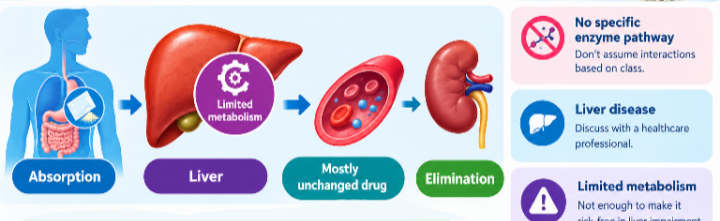
Metabolism refers to chemical changes that the body makes to a drug. These reactions may produce metabolites that are more readily eliminated, less active, or occasionally biologically active. For secnidazole, the product’s pharmacokinetic information reports limited metabolism compared with the amount of unchanged drug handled by elimination pathways.
It is important not to assign a specific enzyme pathway or predict an interaction merely because secnidazole belongs to the same class as metronidazole or tinidazole. Drugs in one family may share important chemical features without having identical metabolism, clearance, or interaction profiles.
Patients with significant liver disease should discuss treatment with a healthcare professional. The clinician can consider the patient’s condition, the relevant product label, available alternatives, and any medicine-specific warnings. Limited metabolism alone is not sufficient evidence that a medicine is risk-free in hepatic impairment.
Pharmacology Fact: Metabolism and elimination are not synonyms. A drug can undergo relatively limited chemical transformation yet still require substantial time to be cleared from the body.
9. Bioavailability and Protein Binding
Bioavailability describes the fraction of an administered dose that reaches the systemic circulation in an available form. For an oral medicine, absorption and first-pass processes can affect the amount reaching the bloodstream. The exact interpretation depends on the formulation and the pharmacokinetic study design.
Protein binding describes the fraction of a drug associated with proteins in plasma. The US secnidazole product information reports protein binding below 5%. This means that the majority of circulating secnidazole is unbound under the studied conditions, but it does not mean that the drug is automatically more effective or safer than medicines with higher protein binding.
The unbound fraction can be relevant to distribution and elimination, but clinical activity also depends on the organism’s susceptibility, the concentration at the site of infection, and the relationship between exposure and response. No single pharmacokinetic parameter can replace clinical evidence.
10. Therapeutic Spectrum and Antimicrobial Limitations
The therapeutic spectrum describes the microorganisms or conditions against which a medicine has established activity. For secnidazole, the clinically relevant question is not whether it can be described broadly as an antimicrobial, but whether the organism and disease being treated fall within the medicine’s evidence-supported and authorized uses.
| Organism or category | Relevant interpretation | Clinical limitation |
|---|---|---|
| Anaerobic bacteria associated with BV | Nitroimidazole activity is relevant to susceptible anaerobic organisms implicated in BV. | BV is a polymicrobial microbiome disorder; no single organism accounts for every case. |
| Other anaerobic bacteria | Activity may vary by organism and susceptibility. | Do not assume that a BV regimen is an approved treatment for every anaerobic infection. |
| Protozoa | Some nitroimidazoles have established activity against particular protozoa. | The activity and approved indications of one medicine cannot automatically be transferred to secnidazole. |
| Aerobic bacteria | Nitroimidazole activity is not a substitute for broad, organism-appropriate antibacterial coverage. | Do not use secnidazole as a general treatment for an undiagnosed infection. |
| Organisms with reduced susceptibility | Reduced susceptibility may impair treatment response. | Persistent symptoms warrant diagnostic reassessment and appropriate professional guidance. |
Laboratory activity does not guarantee clinical success. Minimum inhibitory concentration (MIC) measurements, where available and properly validated, describe inhibition under specified laboratory conditions. They should not be invented, interpreted without the appropriate standards, or used alone to predict an individual patient’s outcome.
Evidence Check: A medicine’s class membership, laboratory activity, regulatory indication, and guideline recommendation are four distinct concepts. Sound antimicrobial stewardship keeps them separate.
11. Pharmacodynamics
Pharmacodynamics examines the effects of a medicine on biological systems. With secnidazole, the mechanism involves activation in susceptible microorganisms and damage to essential cellular processes. The final clinical effect depends on the interaction between the medicine, microorganism, infection environment, and patient.
A single-dose regimen is a feature of the studied formulation and its approved use. It should not be interpreted as evidence that the drug remains at a constant concentration for 17 hours or that all microorganisms are exposed to an effective concentration for exactly the same duration.
Pharmacokinetic/pharmacodynamic relationships can help researchers understand how exposure relates to antimicrobial effect. However, a specific PK/PD target should not be asserted without relevant validated evidence for the drug, organism, and indication. The product’s clinical trial evidence and prescribing information remain central to its approved use.
12. Contraindications
Contraindications identify situations in which a medicine should not be used according to its prescribing information. The US SOLOSEC label lists hypersensitivity to secnidazole or other nitroimidazole derivatives and Cockayne syndrome among its contraindications.
- Known hypersensitivity: A previous serious allergic reaction to secnidazole or another relevant nitroimidazole must be disclosed to the prescriber.
- Cockayne syndrome: The US label contraindicates use in patients with this condition.
- Product-specific restrictions: Check the current local prescribing information because regulatory wording and available formulations may differ between countries.
A warning or precaution is not always identical to a formal contraindication. Patients should provide a complete medical history so the prescriber can distinguish situations in which the medicine must be avoided from those requiring an individualized assessment.
13. Warnings and Precautions
Alcohol and Propylene Glycol
The US product instructions advise avoiding alcoholic beverages and preparations containing ethanol or propylene glycol during treatment and for at least 48 hours afterward. Patients should follow the product-specific warning even though secnidazole is administered as a single dose.
This instruction can be overlooked because the dose is taken only once. The single-dose format does not cancel the post-dose precaution. Patients should check the label and ask a pharmacist if they are uncertain whether a medicine or preparation contains a relevant ingredient.
Pregnancy and Breastfeeding
Pregnancy requires an individualized assessment of the infection, available alternatives, and the quality of evidence for the medicine. Patients should not self-treat based on an online dosage table. A clinician can determine whether secnidazole is appropriate under the applicable product information and local guidance.
The US SOLOSEC label advises that breastfeeding should be interrupted during treatment and for 96 hours after administration. Anyone considering treatment while breastfeeding should discuss the timing, infant-feeding arrangements, and alternative treatments with a healthcare professional.
Kidney and Liver Disease
Significant renal or hepatic disease can complicate medicine selection and interpretation of pharmacokinetic data. The half-life measured in a study population should not automatically be assumed to apply to every person with organ impairment. Patients should disclose relevant diagnoses and all prescription, nonprescription, and herbal products before treatment.
14. Side Effects of One-Dose Secnidazole
A single-dose regimen reduces the number of administrations, but it does not eliminate the possibility of adverse effects. The nature and frequency of reported reactions depend on the clinical studies, the population treated, the method used to collect adverse-event data, and the definition of a treatment-emergent event.
- Nausea or stomach discomfort.
- Unpleasant or altered taste.
- Headache.
- Vomiting.
- Diarrhea or other gastrointestinal symptoms.
Mild symptoms may resolve without specific treatment, but severity and duration matter. A patient who cannot retain fluids, develops severe abdominal pain, or experiences persistent or worsening symptoms should seek medical advice rather than assume that all reactions are harmless because the medicine was taken once.
Clinical Pearl: The number of doses is not a reliable measure of adverse-effect severity. A reaction can occur after a single administration, so patients should know which symptoms require prompt attention.
15. Serious Adverse Effects
Serious reactions are less routine than mild gastrointestinal symptoms but must be recognized promptly. A history of allergy to secnidazole or related nitroimidazoles is particularly important because re-exposure may be inappropriate.
- Possible severe allergy: Difficulty breathing, swelling of the face or throat, collapse, or rapidly progressing symptoms require emergency assistance.
- Severe gastrointestinal symptoms: Persistent vomiting, severe abdominal pain, bloody diarrhea, or signs of dehydration require prompt assessment.
- Possible liver-related illness: Yellowing of the skin or eyes, dark urine, or unusual severe fatigue should be assessed promptly, especially in someone with relevant medical history.
- Unexpected or worsening symptoms: New symptoms should not automatically be attributed to the original infection or dismissed as an expected drug effect.
The examples above identify warning symptoms, not a claim that every event is a common or established secnidazole reaction. The urgency of assessment depends on the presentation and the person’s clinical condition.
For additional pharmacology education, explore the SSTHEM article on nitrofurazone, cancer concerns, and the interpretation of safety evidence. This supplementary article is not a source of clinical evidence for secnidazole.
16. Recovery and Management After an Adverse Reaction
Management depends on the type and severity of the reaction. Mild nausea or an unpleasant taste may be temporary, whereas breathing difficulty, facial swelling, collapse, or other signs of a severe reaction require emergency assessment.
- For mild but troublesome symptoms, contact a pharmacist or prescriber for advice about appropriate supportive care.
- For persistent vomiting or diarrhea, seek medical advice, particularly if fluids cannot be retained or signs of dehydration develop.
- For possible severe allergy, seek emergency help immediately.
- Do not take an additional packet to compensate for vomiting or persistent symptoms unless a healthcare professional specifically advises it.
- Tell the assessing clinician when the medicine was taken, the amount administered, the symptoms, and any other medicines or supplements used.
Because the product is administered once, the decision about further dosing is different from that for a multidose course. If a serious reaction occurs, obtain prompt professional guidance and follow the clinician’s instructions. A patient should not independently repeat the dose to treat symptoms that have not improved.
17. Drug Interactions
| Substance or medicine | Potential concern | Clinical significance | Management consideration |
|---|---|---|---|
| Alcoholic beverages | The product label warns against alcohol use around treatment. | An avoidable safety concern during the labeled restriction period. | Avoid during treatment and for at least 48 hours afterward according to US product instructions. |
| Preparations containing propylene glycol | The label includes propylene glycol in its avoidance instruction. | Some medicines and preparations may contain this ingredient. | Check product ingredients and consult a pharmacist if uncertain. |
| Combined oral contraceptive containing ethinyl estradiol and norethindrone | The label reports no clinically significant interaction in the studied combination. | This finding applies to the studied product and conditions. | Review the patient’s full medication list; do not generalize the result to every contraceptive. |
| Other prescription medicines | The relevance depends on the specific medicine and patient. | Not every theoretical interaction has established clinical significance. | Provide a complete medication and supplement list to the prescriber or pharmacist. |
Interaction information should be interpreted according to the current product label. Do not assume that every interaction associated with metronidazole or tinidazole necessarily applies to secnidazole, and do not assume that an interaction absent from a short table is impossible.
18. Secnidazole Packet Instructions and Administration
| Step | Instruction | Why it matters |
|---|---|---|
| 1. Check the product | Confirm the medicine name, packet strength, expiry date, and prescribed use. | Prevents confusion with another medicine or formulation. |
| 2. Prepare the food | Sprinkle the entire packet onto applesauce, yogurt, or pudding as specified in the US instructions. | Uses a preparation method described in the product directions. |
| 3. Consume promptly | Consume the mixture within 30 minutes. | Follows the formulation-specific administration instructions. |
| 4. Do not chew | Swallow the granules with the food without chewing or crushing them. | Maintains the intended method of administration. |
| 5. Avoid unsuitable mixing | Do not dissolve the granules in water or another liquid. | Avoids using an administration method not specified in the label. |
| 6. Follow precautions | Observe alcohol and propylene glycol avoidance instructions. | The post-dose precaution remains relevant after a single administration. |
The labeled regimen for BV is one administration, so there is ordinarily no daily repeat dose to remember. If the patient vomits after taking the medicine, spills the mixture, or is unsure whether the entire packet was consumed, they should ask a healthcare professional what to do rather than automatically take another packet.
Practical Takeaway: The packet is a measured formulation, not permission to change the administration method. Follow the exact instructions supplied with the dispensed product.
19. Consolidated Pharmacokinetics
After oral administration, secnidazole is absorbed into the systemic circulation and distributed beyond the plasma compartment. The reported volume of distribution is approximately 42 L, while protein binding is below 5%. The reported elimination half-life is approximately 17 hours.
These values describe the studied population and conditions. They should not be interpreted as guarantees for individual patients or as direct measurements of drug concentrations at every infection site. Food and administration conditions should be considered according to the specific product instructions.
The pharmacokinetic profile helps explain why the product is designed for single-dose administration for its labeled indication. It does not independently establish the ideal regimen for a different infection, a different formulation, or a patient group not covered by the supporting evidence.
20. Special Populations
Pregnancy
Pregnancy changes the balance of benefits and potential risks when selecting antimicrobial therapy. The available evidence must be interpreted in relation to the specific product, indication, and gestational circumstances. A pregnant patient should consult a qualified clinician before using secnidazole.
Breastfeeding
The US label advises interruption of breastfeeding during treatment and for 96 hours after the dose. The patient and healthcare professional should discuss appropriate feeding arrangements and whether an alternative medicine is more suitable.
Children and Adolescents
Age-specific approval and evidence vary by jurisdiction and indication. Adult dosing should not be independently adapted for a child. A pediatric clinician should confirm the diagnosis, available formulation, local authorization, and appropriate treatment.
Older Adults and Organ Impairment
Older adults may have several coexisting conditions or use multiple medicines. Patients with kidney or liver disease should disclose their history so the prescriber can assess the available evidence, potential precautions, and alternatives. A half-life measured in healthy volunteers should not automatically be treated as the patient’s exact elimination rate.
21. Monitoring and Assessment of Treatment Response
For uncomplicated BV treated according to the labeled regimen, monitoring is generally guided by the clinical situation rather than routine measurement of secnidazole blood concentrations. Clinicians assess the diagnosis, symptoms, adverse effects, and whether another condition could explain persistent complaints.
- Clinical response: Assess whether the symptoms that prompted treatment improve.
- Adverse effects: Ask about gastrointestinal symptoms, allergy symptoms, and other unexpected reactions.
- Diagnostic uncertainty: Consider further evaluation when the symptoms do not fit the expected course.
- Recurrence: Reassess recurrent symptoms rather than assuming the same treatment should simply be repeated.
- Medication review: Check relevant interactions, contraindications, and product-specific instructions.
Routine drug-level measurement is not a standard requirement for every patient receiving this product. Laboratory testing or additional evaluation should be based on clinical indications rather than performed automatically without a reason.
22. Clinical Perspective: When Does a Single-Dose Regimen Make Sense?
The pharmacological appeal of secnidazole is straightforward: one packet, one administration, and a relatively long elimination half-life. The clinical decision, however, must consider much more than convenience.
Treatment Simplicity and Adherence
A multidose regimen requires a patient to remember several administrations over multiple days. A single-dose regimen reduces that burden when it is appropriate for the diagnosed condition. However, a simpler schedule is not automatically the most effective, least expensive, or most suitable choice for every patient.
BV: Treat the Diagnosed Condition
BV can recur even after initial improvement. Secnidazole is one treatment option, while the CDC also recommends other regimens, including oral metronidazole, metronidazole vaginal gel, and clindamycin vaginal cream. The choice depends on the patient’s clinical situation, treatment history, tolerability, availability, and preferences.
Why Symptoms Can Mislead
Vaginal discharge, odor, itching, irritation, and discomfort can arise from different conditions. If symptoms change after treatment, it may be inappropriate to assume that the original infection persists. A clinical assessment may identify candidiasis, another infection, or a noninfectious condition requiring a different approach.
A Hypothetical Clinical Case
A patient takes the prescribed single dose for diagnosed BV. Several days later, the odor improves but itching develops. Several explanations are possible, including a second condition or a different cause of irritation. The appropriate next step is assessment rather than automatically repeating secnidazole.
Professor’s Insight: Treatment response should be evaluated against the condition being treated and the symptoms that occur afterward. A longer half-life cannot diagnose persistent infection or distinguish recurrence from an alternative cause.
23. Five Important Scientific Studies and Evidence Sources
The following evidence sources are relevant to secnidazole’s pharmacology, clinical use, and safety. Regulatory documents and guideline summaries are identified as such; they are not presented as independent clinical trials.
Study 1. Phase 3 Clinical Trial of Secnidazole for Bacterial Vaginosis
The US prescribing information and the CDC’s BV guideline summarize phase 3 clinical evidence evaluating a single 2 g dose of secnidazole oral granules against placebo. The evidence supports efficacy for the studied BV population and the measured clinical outcomes. Interpretation should remain tied to the trial’s diagnostic criteria, follow-up interval, and study population; it does not establish permanent prevention of recurrence or superiority over every active alternative.
Study 2. Pharmacokinetics After a Single 2 g Dose
Pharmacokinetic data summarized in the US SOLOSEC prescribing information describe absorption, peak plasma concentration, protein binding, volume of distribution, and elimination half-life after oral administration. These data provide the basis for discussing the approximate 17-hour half-life. They describe drug exposure, not a direct guarantee of symptom resolution or microbiological cure.
Study 3. Administration With Soft-Food Vehicles
The product information summarizes studies examining administration of secnidazole granules with specified soft-food vehicles. These data inform the approved packet instructions. They should not be used to assume that every food, liquid, crushing method, or alternative preparation is equivalent.
Study 4. Food Effects on Systemic Exposure
The pharmacokinetic information in the prescribing label includes assessments under specified meal conditions. These data help establish how the medicine can be administered in relation to food under the approved instructions. Pharmacokinetic comparisons do not prove that every alternative administration method is acceptable.
Study 5. FDA Regulatory Review and Prescribing Information
The US product label integrates clinical and nonclinical evidence relevant to the approved formulation, including indications, dosage, administration, contraindications, adverse reactions, and pharmacokinetics. It is an authoritative regulatory evidence source, but it is not a single independent clinical study. Its conclusions should be read alongside the underlying trials and current professional guidelines.
Evidence Summary: The evidence supports secnidazole’s approved role in BV and explains the pharmacokinetic basis of the single-dose formulation. It does not establish that secnidazole is universally superior to metronidazole, tinidazole, or clindamycin, or that every treated patient will remain free from recurrence.
Readers interested in health and beauty tips and everyday personal-care education can explore additional informational content. These resources are separate from medical prescribing guidance.
1. What is secnidazole used for?
Answer : In the United States, SOLOSEC oral granules are approved for treating bacterial vaginosis in adult women. Other uses must be assessed against the relevant evidence and local prescribing information.
2. Is secnidazole a 2 g single-dose medicine?
Answer : Yes. The labeled US regimen for bacterial vaginosis is 2 g of oral granules taken once. This does not establish the same regimen for every infection or formulation.
3. How does secnidazole work?
Answer : Susceptible microorganisms can activate nitroimidazole compounds through intracellular reduction reactions. Reactive intermediates can damage DNA and interfere with essential cellular processes.
4. Does one packet cure bacterial vaginosis?
Answer : Secnidazole can treat BV, but cure is not guaranteed and recurrence can occur. Persistent or returning symptoms should be clinically reassessed.
5. Is one packet of secnidazole enough for trichomoniasis?
Answer : The US SOLOSEC label does not establish trichomoniasis as an approved indication. Follow applicable STI guidelines and obtain professional advice for suspected or confirmed trichomoniasis.
6. How quickly does secnidazole start working?
Answer : The drug is absorbed after oral administration, with peak plasma concentrations reached at approximately four hours under studied conditions. Symptom improvement may occur on a different timeline.
7. What is secnidazole’s half-life?
Answer : Its reported plasma elimination half-life is approximately 17 hours. This describes the decline in drug concentration, not the exact duration of clinical benefit.
8. How long does secnidazole stay in your system?
Answer : Five half-lives correspond to approximately 85 hours using a 17-hour half-life. This is a simplified estimate, not an exact deadline for complete elimination or detectability.
9. Can you drink alcohol after taking secnidazole?
Answer : The US product instructions advise avoiding alcohol and preparations containing ethanol or propylene glycol during treatment and for at least 48 hours afterward.
10. What are the common side effects?
Answer : Reported adverse effects include nausea, headache, vomiting, diarrhea, and an unpleasant or altered taste. Seek advice if symptoms are severe or persistent.
11. Which reactions require urgent attention?
Answer : Breathing difficulty, facial or throat swelling, collapse, or rapidly progressing allergic symptoms require emergency assessment. Severe abdominal pain, persistent vomiting, or jaundice also needs prompt evaluation.
12. Is secnidazole FDA approved?
Answer : Yes. The US SOLOSEC oral granule product is FDA approved for bacterial vaginosis in adult women. Approval for other indications or formulations should not be assumed.
13. Can secnidazole be used during pregnancy?
Answer : Pregnancy-related evidence and product precautions must be reviewed with a clinician. Do not self-treat during pregnancy without professional assessment.
14. Can someone breastfeed after taking secnidazole?
Answer : The US label advises interrupting breastfeeding during treatment and for 96 hours after the dose. Discuss feeding arrangements and alternatives with a healthcare professional.
15. Can children take secnidazole?
Answer : Age-specific approval depends on the product, indication, and jurisdiction. Do not adapt an adult packet dose for a child without specialist guidance.
16. Is secnidazole suitable for older adults?
Answer : Suitability depends on the person’s health, medications, contraindications, and the applicable product information. Age alone does not determine whether treatment is appropriate.
17. What are the main contraindications?
Answer : The US label contraindicates SOLOSEC in patients with hypersensitivity to secnidazole or other nitroimidazole derivatives and in patients with Cockayne syndrome.
18. Which drug interactions matter?
Answer : Follow the alcohol and propylene glycol precautions and provide a full medication list to the prescriber or pharmacist. Do not assume that all interactions of related medicines apply identically to secnidazole.
19. What should you do if you vomit after taking secnidazole?
Answer : Do not automatically take another packet. Contact a healthcare professional because the amount absorbed and the need for any further treatment depend on the circumstances.
20. How should secnidazole oral granules be taken?
Answer : Sprinkle the entire packet onto applesauce, yogurt, or pudding, consume within 30 minutes, and do not chew the granules. Do not dissolve them in liquid; follow the instructions supplied with the product.
21. Does kidney impairment affect secnidazole use?
Answer : The effect depends on the patient’s condition and available product-specific evidence. A clinician should assess significant kidney disease rather than assuming a universal dose adjustment or no risk.
22. Does liver impairment affect treatment?
Answer : Patients with significant liver disease should discuss treatment with a clinician. Limited metabolism does not prove that the medicine is risk-free in every hepatic condition.
23. How does antimicrobial resistance affect secnidazole?
Answer : Reduced susceptibility can impair antimicrobial response. Persistent symptoms warrant reassessment of the diagnosis and treatment rather than unsupervised repeat dosing.
24. Is secnidazole better than metronidazole or tinidazole?
Answer : Not universally. The medicines have different indications, regimens, evidence bases, and precautions. The appropriate choice depends on the diagnosis and the patient’s clinical circumstances.
25. When should someone seek medical assessment after treatment?
Answer : Seek advice if symptoms persist, worsen, or return, or if a concerning adverse effect develops. Breathing difficulty, severe allergic symptoms, or collapse require emergency assistance.
25. References
- US National Library of Medicine. DailyMed. SOLOSEC (secnidazole) oral granules: prescribing information. Official product information.
- Centers for Disease Control and Prevention. Bacterial Vaginosis—STI Treatment Guidelines. CDC clinical guideline.
- Centers for Disease Control and Prevention. Sexually Transmitted Infections Treatment Guidelines, 2021. Full guideline publication.
- US National Library of Medicine. MedlinePlus. Secnidazole drug information. Patient-oriented medicine information.
- US Food and Drug Administration. Drugs@FDA. Regulatory records and labeling for approved medicines. FDA drug database.
Additional Educational Resources
Readers interested in other health topics can also explore the science of pain and the brain. The discussion provides separate educational context and should not be interpreted as evidence about secnidazole’s efficacy.
Three Numbers, One Important Lesson
One packet, one dose, and an approximately 17-hour half-life provide a memorable introduction to secnidazole’s pharmacology. The packet describes the formulation, the single dose describes the approved BV regimen, and the half-life explains how systemic drug concentration declines over time.
But the most important lesson is that convenience and pharmacokinetics are only part of treatment. Accurate diagnosis, an appropriate indication, correct administration, safety precautions, and reassessment of persistent symptoms remain essential. A single dose is a treatment schedule, not a guarantee of cure.
For healthcare professionals and students, secnidazole illustrates a broader principle of clinical pharmacology: a medicine’s half-life helps explain exposure, its mechanism helps explain biological activity, and clinical evidence determines how confidently it should be used for a particular condition.
Medical Information Disclaimer: This article is for educational purposes only and does not replace professional medical assessment, diagnosis, or individualized treatment advice. Do not independently start, repeat, or change prescription treatment based on this article. Follow the official product instructions and consult a qualified healthcare professional about contraindications, pregnancy, breastfeeding, adverse effects, persistent symptoms, or other treatment concerns.