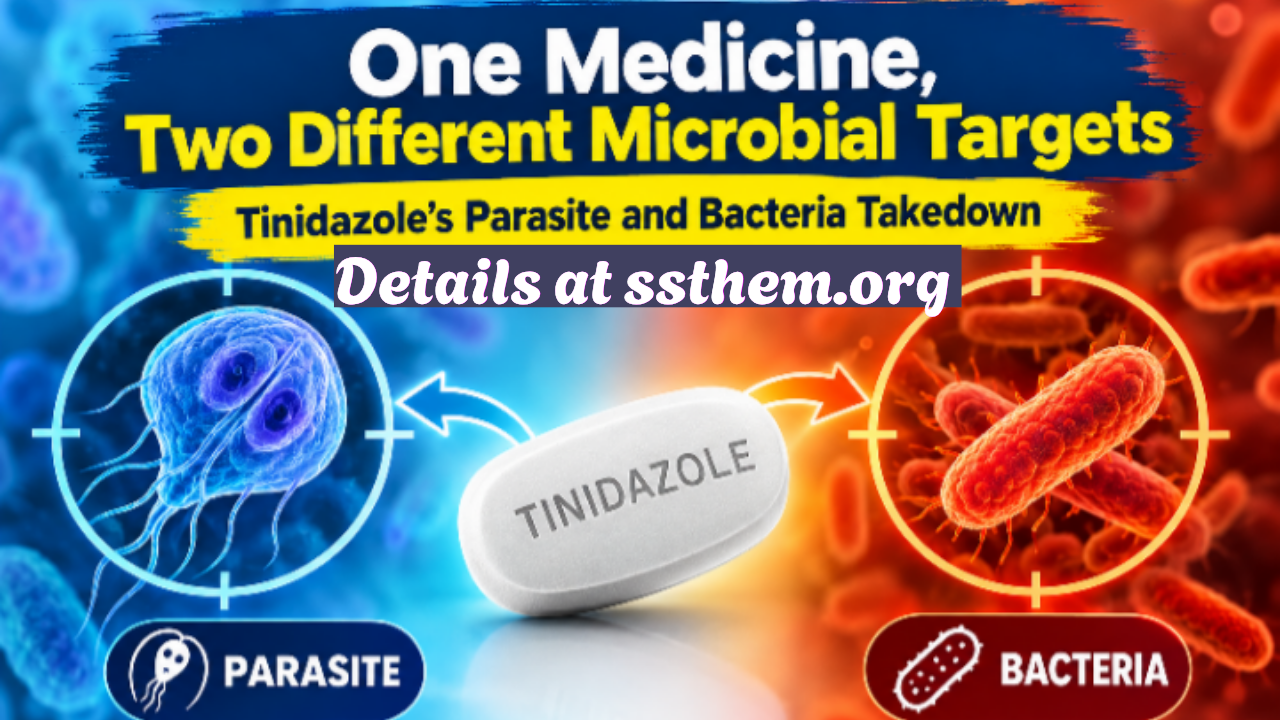
1 Medicine, 2 Microbial Parasites and Bacteria Targets 7 Powerful Facts About Tinidazole
One Medicine, Two Different Microbial Targets Tinidazole’s Parasites and Bacteria Takedown
What happens when one medicine can interfere with the survival of a microscopic parasites and bacteria also damage the cellular machinery of certain bacteria? The answer lies in a remarkable feature of pharmacology: a drug does not always need to attack every microorganism in the same way to treat infections caused by different organisms.
Tinidazole is a member of the nitroimidazole antibiotics, a group of medicines with activity against selected protozoa and anaerobic microorganisms. It is used for conditions such as giardiasis, amebiasis, trichomoniasis, and bacterial vaginosis. Yet its broad-sounding activity can be misleading. Tinidazole does not treat every parasite, every bacterium, or every infection that causes similar symptoms.
The real scientific story begins inside the microbial cell. Under suitable conditions, tinidazole undergoes chemical activation that generates reactive intermediates capable of damaging DNA and disrupting essential cellular processes. Susceptible organisms may then lose their ability to survive and reproduce. Understanding that mechanism helps explain why tinidazole can act against both protozoal parasites and certain anaerobic bacteria, while remaining ineffective against many other pathogens.
Consider a medical student comparing two patients: one with laboratory-confirmed Giardia duodenalis infection and another with symptomatic bacterial vaginosis. Both may be prescribed tinidazole, but the organisms, diagnostic criteria, treatment objectives, and recommended regimens differ. The same drug name does not mean the same clinical reasoning.
The crucial distinction: A medicine’s mechanism explains what it can do biologically; clinical evidence and treatment guidelines determine when its use is appropriate.
This evidence-based guide explores the science behind tinidazole, its FDA-approved indications, clinically relevant dosing, pharmacokinetics, adverse effects, resistance, and differences from metronidazole. It also explains why a bitter taste does not prove that a medicine is working and why a single-dose regimen for one infection cannot automatically be transferred to another.
For readers exploring related pharmacology, see Metronidazole Gel vs Cream: Important Clinical Differences, which examines how formulation and administration can influence the clinical use of another nitroimidazole medicine.
Key Facts Table
| Parameter | Clinically Relevant Details |
|---|---|
| Generic name | Tinidazole |
| Common brand | Tindamax; availability varies by market |
| Drug class | Nitroimidazole antimicrobial |
| Therapeutic class | Antiprotozoal and selected antibacterial agent |
| ATC code | J01XD02 |
| Common U.S. tablet strength | 500 mg; availability varies |
| Route | Oral |
| FDA-approved indications | Trichomoniasis, giardiasis, amebiasis, and bacterial vaginosis in specified populations |
| Oral absorption | Rapid and nearly complete |
| Protein binding | Approximately 12% |
| Apparent volume of distribution | Approximately 50 L |
| Elimination half-life | Approximately 12–14 hours in healthy adults |
| Metabolism | Hepatic oxidation, hydroxylation, and conjugation |
| Elimination routes | Urine and feces |
| Common adverse effects | Metallic or bitter taste, nausea, dyspepsia, abdominal discomfort, and headache |
| Important precautions | Nitroimidazole hypersensitivity, pregnancy, breastfeeding, neurologic symptoms, and drug interactions |
Important Note: A drug’s pharmacological spectrum does not mean universal coverage. Always distinguish the organisms a medicine can affect from the infections for which its use is supported by clinical evidence.
For broader educational resources, visit ssthem.xyz for online-job information and WhatsApp group resources. Keep medical treatment decisions separate from general online information, and use reliable clinical sources when evaluating medicines.
FDA-Approved Uses
Tinidazole’s U.S. prescribing information identifies four principal indication groups: trichomoniasis, giardiasis, amebiasis, and bacterial vaginosis. The approved populations and dosing regimens differ by condition. A medicine’s laboratory activity against other organisms does not automatically make those infections FDA-approved indications.
1. Trichomoniasis 
Trichomoniasis is a sexually transmitted infection caused by the protozoan Trichomonas vaginalis. Symptoms may include vaginal discharge, irritation, or urinary discomfort, although many infected people have no symptoms. Tinidazole is FDA-approved for treatment of trichomoniasis. The labeled adult regimen is a single oral dose of 2 g taken with food. Sexual partners require appropriate evaluation and treatment to reduce reinfection.
The CDC lists tinidazole 2 g orally once as an alternative regimen for women and men. For women, CDC recommends metronidazole 500 mg twice daily for seven days as the preferred regimen. An approved alternative is not necessarily the preferred regimen for every patient.
2. Giardiasis
Giardiasis is an intestinal infection caused by Giardia duodenalis, also known as G. lamblia. Transmission can occur through contaminated water, food, or person-to-person exposure. Symptoms may include diarrhea, bloating, abdominal cramps, and malabsorption, although some infections are asymptomatic.
Tinidazole is FDA-approved for giardiasis in adults and pediatric patients aged three years and older. The labeled regimen is a single oral dose taken with food. Pediatric dosing is weight-based, with a maximum adult dose, and must be calculated by a qualified clinician.
3. Amebiasis
Amebiasis results from infection with Entamoeba histolytica. Disease may remain in the intestine or spread beyond it, including to the liver. Tinidazole is FDA-approved for intestinal amebiasis and amebic liver abscess in adults and children aged three years and older.
Unlike the standard single-dose regimens used for giardiasis and trichomoniasis, amebiasis requires a multidose course. In invasive disease, treatment commonly also requires a luminal amebicide to eliminate residual organisms in the intestine. Tinidazole alone should not be assumed to eradicate every intestinal parasite stage.
4. Bacterial Vaginosis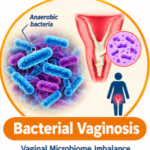
Bacterial vaginosis (BV) is a disturbance of the vaginal microbiome involving reduced protective lactobacilli and increased concentrations of various anaerobic bacteria. It is not simply an infection caused by one organism.
Tinidazole is FDA-approved for BV in adult women. The labeled regimens include 2 g orally once daily for two days or 1 g orally once daily for five days, taken with food. CDC guidance lists tinidazole as an alternative rather than a preferred first-line regimen.
Persistent vaginal odor or discharge should not automatically be interpreted as BV. Other causes, including trichomoniasis and candidiasis, may require different diagnostic tests and treatments.
What Is Not Automatically an FDA-Approved Use?
Tinidazole’s activity against selected anaerobic bacteria does not mean every anaerobic infection is an approved indication. Its approved label should not be expanded to include unrelated systemic, respiratory, urinary, or bloodstream infections merely because some causative organisms may be susceptible in laboratory testing. Off-label prescribing, where legally permitted, is not the same as FDA approval.
Dosage Table: Evidence-Based Tinidazole Regimens
The following table summarizes labeled oral regimens. It is intended for clinical education, not as a personal prescription. Diagnosis, age, pregnancy status, interacting medicines, and the specific product label must be checked before treatment.
| Condition | Adult Regimen | Pediatric Regimen | Duration |
|---|---|---|---|
| Trichomoniasis | 2 g orally once | Follow specialist guidance and applicable labeling | Single dose |
| Giardiasis | 2 g orally once | 50 mg/kg once, maximum 2 g, for ages 3 years and older | Single dose |
| Intestinal amebiasis | 2 g orally daily | 50 mg/kg daily, maximum 2 g/day, for ages 3 years and older | 3 days |
| Amebic liver abscess | 2 g orally daily | 50 mg/kg daily, maximum 2 g/day, for ages 3 years and older | 3–5 days |
| Bacterial vaginosis | 2 g daily or 1 g daily | Not an established pediatric indication in the adult BV label | 2 days or 5 days, respectively |
All listed doses are taken with food according to U.S. prescribing information. Pediatric treatment must be weight-based and clinician-supervised.
Important Note: The same 2 g dose can mean very different things. For giardiasis, it is a single-dose regimen; for amebic liver abscess, treatment continues for several days. Dose size alone does not establish an appropriate treatment duration.
Tinidazole Single Dose vs 5-Day Course for Amebiasis
The distinction is especially important in amebiasis. The labeled regimen for intestinal disease is a daily dose over three days, while amebic liver abscess treatment generally continues for three to five days. A single dose used for giardiasis should not be substituted for an amebiasis regimen.
The clinician must also consider whether a luminal amebicide is required after tissue-active treatment. Inadequate treatment of intestinal carriage can contribute to persistent infection and transmission.
Tinidazole Mechanism of Action: How Does It Attack Parasites and Bacteria?
1. Entry Into Susceptible Microbial Cells
After oral absorption, tinidazole reaches infected tissues and body fluids. Susceptible anaerobic organisms and protozoa possess biochemical conditions that permit reductive activation of the drug. The ability to activate tinidazole is a key determinant of susceptibility. Oxygen conditions and organism-specific enzymes influence the process.
2. Reductive Activation of the Nitro Group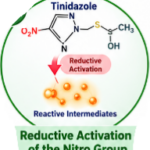
Inside susceptible organisms, the nitro group undergoes reduction through electron-transfer reactions. This produces reactive intermediates capable of interacting with important cellular components. The exact pathways differ between microbial species. It is therefore more accurate to describe tinidazole as a molecule requiring intracellular activation than to claim that every organism activates it identically.
3. DNA Damage and Disruption of Cellular Functions
Reactive intermediates can damage DNA, interfere with nucleic-acid integrity, and disrupt essential cellular processes. This impairs the organism’s ability to maintain genetic information and survive. The phrase “tinidazole mechanism of action DNA damage in protozoa” describes a central part of this process, but it should not be interpreted as evidence that DNA is the only possible cellular target.
4. Why Parasites and Bacteria Can Both Be Affected
Protozoa such as Giardia, Entamoeba, and Trichomonas have metabolic pathways that can activate nitroimidazoles. Certain anaerobic bacteria can also activate the drug under suitable conditions. This explains the apparently unusual combination of antiprotozoal and antibacterial effects. It does not mean tinidazole is broadly effective against aerobic bacteria, viruses, fungi, or all intestinal parasites.
5. Resistance and Reduced Susceptibility
Resistance can arise when organisms reduce drug activation, change relevant electron-transfer pathways, or improve their ability to withstand cellular damage. In T. vaginalis, nitroimidazole resistance is a recognized clinical problem. Treatment failure may also occur without resistance. Incorrect diagnosis, poor adherence, reinfection, inadequate exposure, or an untreated source can produce a similar clinical picture.
Clinical takeaway: Mechanism, susceptibility, and clinical outcome are related but not interchangeable concepts.
What Is Tinidazole?
Tinidazole is an orally administered nitroimidazole antimicrobial with both antiprotozoal and selected antibacterial activity. Its clinical role depends on the organism and infection being treated.
Generic and Pharmacologic Classification
- Generic name: Tinidazole.
- Pharmacologic class: Nitroimidazole derivative.
- Therapeutic role: Treatment of specified protozoal infections and bacterial vaginosis.
- Usual dosage form: Oral tablet.
- Common U.S. tablet strength: 500 mg, subject to product availability.
Does Tinidazole Treat Parasites or Bacteria?
It can treat both, but only selected infections. Its approved antiprotozoal uses include giardiasis, amebiasis, and trichomoniasis. Its approved antibacterial indication includes bacterial vaginosis. The term “Parasite-and-Bacteria” captures this dual activity, not universal antimicrobial coverage.
Antiprotozoal Drugs List: Where Does Tinidazole Fit?
- Tinidazole and metronidazole for selected susceptible protozoal infections.
- Nitazoxanide for certain protozoal and other infections.
- Paromomycin for selected intestinal protozoal indications.
- Chloroquine for susceptible malaria parasites in appropriate settings.
- Artemisinin-based combination therapies for malaria, depending on the species and setting.
This is an illustrative list, not a ranking or a substitute for disease-specific guidelines. Different medicines target different organisms and life-cycle stages.
Pharmacokinetics & Pharmacodynamics Key Table
| Parameter | Clinically Relevant Details |
|---|---|
| Absorption | Rapid and nearly complete after oral administration |
| Time to peak concentration | Approximately 1.6 hours in a fasted single-dose study |
| Effect of food | May delay the peak and modestly reduce peak concentration without materially changing overall exposure |
| Protein binding | Approximately 12% |
| Apparent volume of distribution | Approximately 50 L |
| Tissue distribution | Broad distribution into tissues and body fluids |
| CNS penetration | Crosses the blood–brain barrier |
| Metabolism | Hepatic oxidation, hydroxylation, and conjugation |
| Elimination | Renal and fecal routes |
| Pharmacodynamic target | Reactive intermediates that damage microbial DNA and other cellular components |
| Main determinants of activity | Organism susceptibility, intracellular activation, exposure, and infection site |
Half-Life
Tinidazole has an elimination half-life of approximately 12–14 hours in healthy adults, with a mean of about 13.2 hours in one prescribing-information study. During the terminal elimination phase, plasma concentration falls by roughly half over that interval. This does not mean the medicine disappears completely after one half-life.
The half-life helps explain why tinidazole can remain in the body well after a single dose and why certain approved regimens use once-daily administration. It does not establish treatment duration by itself. The required duration depends on the infection, organism, clinical evidence, and approved regimen.
Patient characteristics, particularly significant hepatic disease and relevant interactions, may influence exposure. The prescriber should use the applicable label when considering these factors.
For a broader explanation of elimination half-life and its clinical significance, read Half-Life of Medicines: Complete Guide.
Metabolism
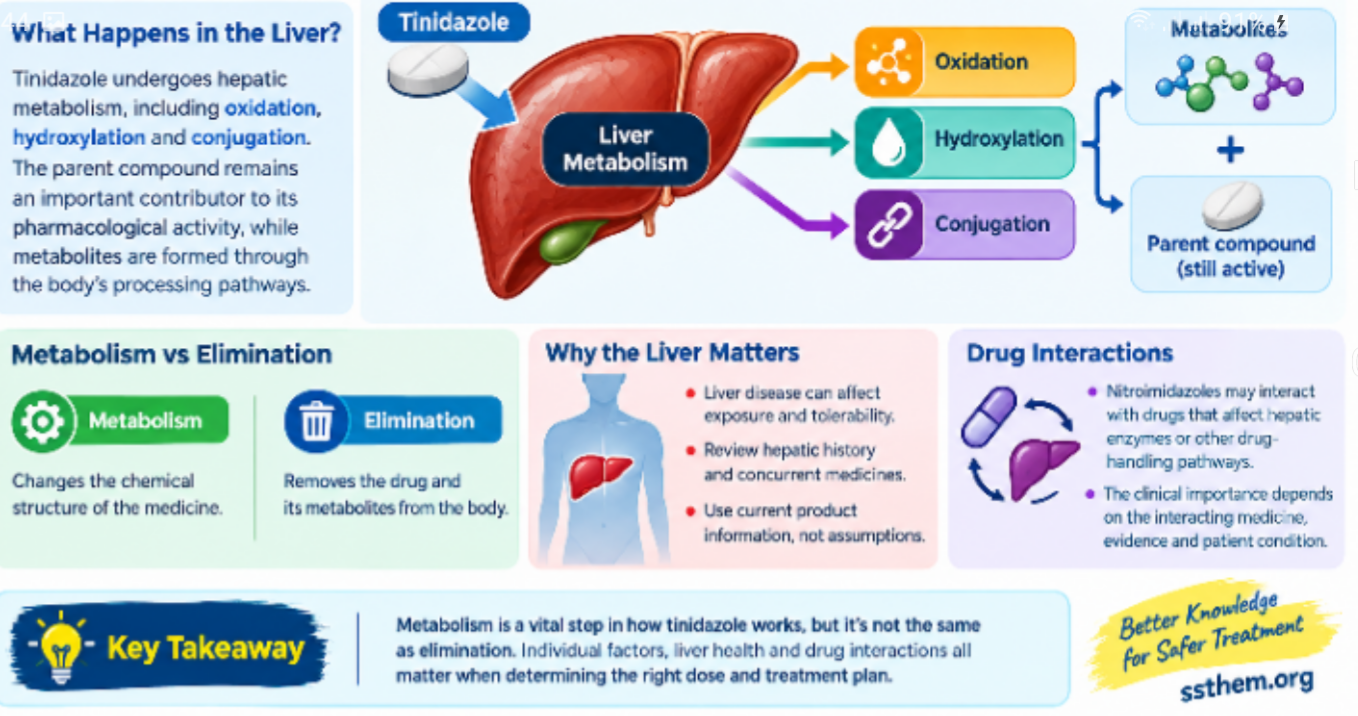
Tinidazole undergoes hepatic metabolism, including oxidation, hydroxylation, and conjugation. The parent compound remains an important contributor to its pharmacological activity, while metabolites are formed through the body’s processing pathways.
Metabolism and elimination are related but distinct. Metabolism changes the chemical structure of a medicine; elimination removes the drug and its metabolites from the body.
Clinically, liver disease deserves attention because altered drug handling can affect exposure and tolerability. The prescriber should review hepatic history, concurrent medicines, and current product information rather than assume that all patients process tinidazole identically.
Nitroimidazole medicines may also interact with drugs that affect hepatic enzymes or other drug-handling pathways. The practical importance of an interaction depends on the interacting medicine, the evidence, and the patient’s clinical condition.
Bioavailability & Protein Binding
Tinidazole is rapidly and nearly completely absorbed after oral administration. In a prescribing-information study involving a 2 g dose in healthy volunteers, mean peak plasma concentration was approximately 47.7 micrograms/mL, reached at about 1.6 hours under fasting conditions. Food delayed the peak and lowered the peak concentration modestly, without materially changing overall exposure.
Its plasma protein binding is approximately 12%, meaning most circulating tinidazole is not bound to plasma proteins at a given moment. This characteristic contributes to its distribution but should not be used alone to predict efficacy or adverse effects.
For more detail on this pharmacology concept, see Bioavailability in Pharmacology.
Spectrum of Activity and Minimum Inhibitory Concentration (MIC)
Tinidazole’s spectrum is selective. It is active against certain protozoa and anaerobic microorganisms, but its activity cannot be generalized to all bacteria.
The minimum inhibitory concentration (MIC) is the lowest concentration of an antimicrobial that prevents visible growth of a microorganism under defined laboratory conditions. An MIC result must be interpreted using a validated method and an appropriate organism-specific breakpoint, where one exists.
| Organism or Group | Expected Relevance | Clinical Interpretation |
|---|---|---|
| Giardia duodenalis | Susceptible protozoal target | Approved indication for giardiasis |
| Entamoeba histolytica | Susceptible protozoal target | Approved for intestinal amebiasis and amebic liver abscess |
| Trichomonas vaginalis | Susceptible protozoal target | Approved for trichomoniasis |
| Anaerobic organisms associated with BV | Relevant mixed microbial environment | Tinidazole is approved for bacterial vaginosis |
| Selected susceptible anaerobic bacteria | Potential activity | Use must match evidence, diagnosis, and applicable labeling |
| Many aerobic bacteria | Not reliably covered | Do not presume effectiveness |
| Viruses and fungi | No relevant direct therapeutic activity | Requires a different treatment approach |
Why No Universal MIC Number Is Provided
There is no single tinidazole MIC that can validly represent every organism in this table. MIC values vary by species, isolate, laboratory method, and testing conditions. A number without a verified organism-specific study or susceptibility standard could mislead readers.
Tinidazole is not routinely selected for all anaerobic bacterial infections simply because laboratory activity may exist. For serious infections, clinicians should use an evidence-supported regimen appropriate to the site, likely pathogens, susceptibility data when available, and current professional guidance.
Intrinsic and Acquired Resistance
Intrinsic resistance reflects the natural characteristics of an organism that make a drug ineffective. Acquired resistance develops through changes that reduce susceptibility in an organism that was previously susceptible. For nitroimidazoles, changes in activation pathways and cellular responses can contribute to reduced activity. Resistance is particularly important in persistent or recurrent trichomoniasis, where specialist-guided evaluation may be needed.
Clinical takeaway: In-vitro activity is not proof of clinical effectiveness.
Pharmacodynamics
Tinidazole’s pharmacodynamic effect depends on its intracellular activation and the susceptibility of the target organism. Once reactive intermediates form, they interfere with DNA integrity and other essential cellular functions.
Unlike beta-lactam antibiotics, tinidazole does not primarily inhibit peptidoglycan cross-linking. Unlike macrolides, it does not primarily block the bacterial 50S ribosomal subunit. Its action is based on reductive activation and damage to cellular components.
Concentration and Exposure
Drug concentration matters, but the relationship between concentration and microbial killing is not identical for every organism. A clinician should not assume that a higher dose will necessarily improve outcomes or that a longer course will always overcome resistance. There is no single universally applicable pharmacodynamic index that predicts clinical success for every tinidazole indication.
Therapeutic Window
The therapeutic window is the range of drug exposure that provides useful therapeutic activity without unacceptable toxicity. Tinidazole’s short-course regimens are designed to achieve clinically useful exposure, but adverse reactions remain possible. The risk–benefit assessment should consider the infection, alternative therapies, previous reactions, interacting medicines, pregnancy status, and the possibility of resistance.
Post-Antibiotic Effect
A post-antibiotic effect refers to persistent suppression of microbial growth after antimicrobial concentrations fall below the MIC. This concept is important in antimicrobial pharmacology, but it should not be used to justify a tinidazole regimen that differs from validated dosing guidance without supporting evidence.
Contraindications
According to U.S. prescribing information, tinidazole is contraindicated in the following circumstances:
- Previous hypersensitivity: A history of hypersensitivity to tinidazole or other nitroimidazole derivatives. Reactions can range from urticaria to severe cutaneous reactions.
- Cockayne syndrome: Severe, potentially fatal hepatotoxicity has been reported with metronidazole, a structurally related medicine. The tinidazole label identifies this as a contraindication because of the serious concern associated with the drug class.
A previous severe reaction to a related nitroimidazole requires specialist consideration. Other circumstances, including pregnancy, liver disease, neurologic symptoms, and interacting medicines, may require avoidance, additional precautions, or an alternative regimen. They should not all be incorrectly described as absolute contraindications.
Warnings & Precautions
Neurologic Effects
Seizures and peripheral neuropathy have been reported with nitroimidazole treatment. New numbness, tingling, weakness, impaired coordination, confusion, or seizures warrant prompt medical assessment. Prescribing information advises discontinuation if abnormal neurologic signs develop, with appropriate clinical evaluation.
Potential Carcinogenicity
Carcinogenicity has been observed in animals treated chronically with metronidazole, a structurally related nitroimidazole. Comparable carcinogenicity findings have not been established for tinidazole in the same way, and the relevance of animal findings to short-course human treatment is uncertain. The label advises limiting tinidazole to approved indications and avoiding chronic use. This warning is a reason to follow evidence-based regimens, not a basis for claiming that a short prescribed course inevitably causes cancer.
Blood Disorders
Transient leukopenia and neutropenia have been reported. Caution is appropriate in patients with existing blood dyscrasias or other relevant clinical risk factors. Testing should be guided by the patient’s condition and anticipated duration of therapy.
Pregnancy
Human pregnancy data for tinidazole are limited. The prescribing information advises avoiding tinidazole during pregnancy, particularly because safety has not been adequately established. The decision to treat an infection during pregnancy must balance the risks of the infection, the available alternatives, and the evidence for the medicine being considered.
Breastfeeding
Tinidazole passes into breast milk. U.S. prescribing information recommends interrupting breastfeeding during treatment and for 72 hours after a single 2 g dose. For other regimens, the appropriate interval should be checked against the product label and discussed with a clinician.
Liver and Kidney Impairment
Clinicians should review significant hepatic disease, renal function where clinically relevant, and the patient’s overall medical history. Dose adjustment should not be improvised: the decision must follow the applicable prescribing information and specialist judgment when evidence is limited.
Older Adults and Children
Age alone does not determine whether tinidazole is appropriate. Pediatric dosing for the labeled protozoal indications is weight-based, while the adult BV indication should not automatically be extended to children. Older adults may have additional medical conditions and medications that influence treatment selection.
Alcohol
Tinidazole labeling advises avoiding alcoholic beverages and preparations containing ethanol or propylene glycol during treatment and for three days afterward. This is a prudent approach when following the U.S. product label, even though CDC discussion of nitroimidazole–alcohol reactions notes that convincing evidence for a classic disulfiram-like interaction is lacking.
Side Effects
Adverse effects are not inevitable, and their occurrence does not establish whether treatment is working. Tinidazole’s side effects can range from temporary taste changes to uncommon but clinically significant reactions.
Common Side Effects
| Side Effect | Clinical Explanation |
|---|---|
| Metallic or bitter taste | A recognized taste disturbance that may occur during treatment |
| Nausea | Gastrointestinal intolerance that may be more noticeable after a large dose |
| Dyspepsia | Upper abdominal discomfort or indigestion |
| Abdominal cramps | May occur during treatment but can also arise from the underlying infection |
| Headache | Usually nonspecific; severity and associated symptoms matter |
| Reduced appetite | May accompany nausea or gastrointestinal discomfort |
| Fatigue or general discomfort | Can occur, but persistent or severe symptoms need assessment |
The official label includes unpleasant or metallic taste, nausea, dyspepsia, vomiting, anorexia, and headache among reported adverse reactions. Exact frequencies depend on the study and regimen.
Less Common Side Effects
Other reported reactions include dizziness, constipation, diarrhea, weakness, and vaginal candidiasis. Candidiasis can develop when antimicrobial treatment alters the normal microbial environment. New symptoms should be assessed in context. Persistent diarrhea, for example, could be related to the medicine, the original gastrointestinal infection, or another condition.
Why Does Tinidazole Taste Bitter, and Is It Working?
A bitter or metallic taste is a recognized drug-related effect, but it is not a reliable marker of therapeutic success. A patient may experience a taste disturbance without clearing the infection, while another patient may improve without noticing any taste change. The appropriate measures of response are clinical improvement and, where indicated, repeat testing or other follow-up recommended for the infection.
Adverse Effects: Serious Reactions Requiring Attention
Severe Hypersensitivity
Facial or throat swelling, breathing difficulty, collapse, or widespread hives with systemic symptoms may indicate a serious allergic reaction. Emergency medical care is necessary.
Severe Skin Reactions
Rare but serious skin reactions, including Stevens–Johnson syndrome, have been reported with nitroimidazole-related medicines. Blistering, painful skin, sores involving the mouth or eyes, or a rapidly spreading rash requires urgent assessment.
Peripheral Neuropathy and Seizures
Numbness, burning sensations, weakness, loss of coordination, or seizure activity may signal neurologic toxicity. New neurologic symptoms should not be dismissed as an ordinary taste or stomach side effect.
Liver Injury
Severe hepatotoxicity has been a particular concern in patients with Cockayne syndrome exposed to metronidazole. Symptoms such as jaundice, dark urine, persistent vomiting, or significant right-upper-abdominal pain warrant prompt assessment.
Hematologic Effects
Significant or persistent changes in white blood cells may be relevant in susceptible patients. Fever, unusual infections, or other concerning symptoms should be assessed in the context of the patient’s medical history and treatment.
When Should a Patient Seek Urgent Care?
Seek emergency assistance for breathing difficulty, facial or throat swelling, collapse, a seizure, or a severe blistering rash. Prompt medical evaluation is appropriate for new neurologic symptoms, jaundice, persistent severe vomiting, or substantial worsening of the original illness.
How to Recover Safely From Tinidazole Side Effects
Mild Taste Disturbance or Nausea
If symptoms are mild, a patient can discuss supportive measures with a pharmacist or prescriber. Taking the medicine with food is consistent with labeled administration instructions. Small sips of water and ordinary oral hygiene may help with an unpleasant taste, although neither guarantees relief. Do not take extra doses because a tablet leaves a bitter taste or because symptoms have not disappeared immediately.
Abdominal Discomfort or Diarrhea
Maintain adequate fluid intake if appropriate and monitor symptom progression. Persistent diarrhea, blood in the stool, severe abdominal pain, or signs of dehydration need medical evaluation rather than automatic attribution to the medicine.
Symptoms That Do Not Improve
If the original infection persists, the clinician may need to reassess the diagnosis, adherence, reinfection, and possible resistance. The next step is not necessarily a larger dose or another course. For trichomoniasis, reinfection from an untreated partner is an important possibility. For giardiasis, continued symptoms can reflect reinfection, ongoing intestinal effects, or another diagnosis.
Serious Reactions
For suspected severe hypersensitivity, neurologic toxicity, or a severe skin reaction, seek urgent medical care. Do not attempt to manage these conditions with unverified home remedies or by starting another medicine independently. A healthcare professional can determine whether the drug should be discontinued, whether an alternative is required, and whether additional investigations are needed.
Drug Interactions
Tinidazole interactions should be assessed before treatment, particularly in patients using anticoagulants, immunosuppressants, or other medicines with narrow therapeutic ranges.
| Interacting Medicine or Class | Potential Interaction | Clinical Significance and Management |
|---|---|---|
| Warfarin and related coumarin anticoagulants | May increase anticoagulant effect | Review INR monitoring and bleeding risk during and after treatment |
| Lithium | Potential increase in lithium exposure has been reported with related nitroimidazole therapy | Review the exact regimen and consider appropriate clinical or laboratory monitoring |
| Disulfiram | Potential neuropsychiatric reactions have been associated with combined nitroimidazole/disulfiram exposure | Avoid unsupervised combination and check current product guidance |
| Enzyme-inducing or enzyme-inhibiting medicines | May alter drug exposure in some circumstances | Review the full medication list and product-specific interaction information |
| Alcohol-containing preparations | Label advises avoiding ethanol and propylene glycol during therapy and for three days afterward | Follow the applicable product-label precaution |
| Other medicines affecting blood counts or neurologic function | May complicate recognition or management of adverse reactions | Review patient-specific risks and monitor where clinically justified |
The interaction profile is not identical for every nitroimidazole or every interacting drug. A pharmacist or prescriber should verify the current label before applying a management recommendation.
Administration Table
| Administration Factor | Practical Guidance |
|---|---|
| Route | Oral |
| Food | Take with food according to prescribing information |
| Timing | Follow the prescribed regimen; do not combine different regimens |
| Tablets | Swallow as directed by the product instructions |
| Pediatric administration | Weight-based dosing requires a clinician; do not estimate from adult tablets |
| Missed dose | Follow prescription instructions and contact a pharmacist if uncertain; do not double doses without direction |
| Storage | Follow the specific product label and keep out of children’s reach |
| Alcohol | Follow the U.S. label’s avoidance recommendation during treatment and for three days afterward |
| Treatment completion | Use the prescribed duration; do not extend treatment independently |
Tinidazole regimens differ substantially by infection. A single dose for trichomoniasis does not mean that a patient with amebiasis should also take only one dose.
Pharmacokinetics
The major pharmacokinetic properties have been summarized in the key table, with dedicated discussions of half-life, metabolism, and bioavailability above. This section connects those properties to clinical decision-making without repeating the detailed explanations.
Absorption and Distribution
Oral absorption is rapid and nearly complete. The drug distributes broadly into tissues and body fluids, supporting its use against susceptible organisms at relevant sites. However, distribution alone does not establish that a particular infection will respond.
Elimination
Tinidazole and its metabolites are eliminated through both renal and fecal routes. Individual drug exposure can vary with patient characteristics and concurrent medicines.
Clinical Interpretation
Pharmacokinetics can help explain dosing intervals, drug exposure, and potential interactions. It cannot replace a diagnosis or the disease-specific evidence supporting a treatment regimen. The most important practical question remains whether the chosen regimen is validated for the patient’s infection and clinical circumstances.
Special Populations
Pregnancy
Tinidazole is generally avoided during pregnancy under U.S. prescribing guidance because the evidence is limited. Clinicians should select treatment according to the infection, gestational stage, available alternatives, and applicable guidelines.
Lactation
Because tinidazole enters breast milk, breastfeeding interruption is recommended for a defined interval in U.S. labeling. Patients should coordinate treatment and feeding plans with a clinician rather than independently changing either.
Pediatrics
Tinidazole is approved for giardiasis and amebiasis in children aged three years and older under the U.S. label. Dosing is weight-based, with specified maximum doses. The safety and effectiveness of a regimen for one pediatric infection should not be assumed for another.
Older Adults
Older patients may have additional medical conditions and polypharmacy. Review medication interactions, hepatic status, renal function where relevant, and the ability to tolerate the selected regimen.
Renal and Hepatic Impairment
Significant hepatic disease can affect the handling of tinidazole and should be reviewed before treatment. Renal impairment and other comorbidities should also be considered using current product guidance, especially when the clinical picture is complex. There is insufficient justification for inventing a universal dose reduction that applies to all patients with impaired organ function.
Immunocompromised and Critically Ill Patients
The underlying condition may change the severity of infection, the differential diagnosis, and the need for additional investigations. Tinidazole should not be treated as a stand-alone solution for severe or complicated infections without a condition-specific assessment.
Monitoring
Clinical Response
Assess whether the symptoms and signs improve as expected. Persistent symptoms may require confirmation of the original diagnosis and evaluation for reinfection, adherence problems, resistance, or another cause.
Laboratory Testing
Routine extensive laboratory monitoring may not be necessary for every otherwise healthy patient receiving a short course. However, blood counts, liver tests, renal assessment, or other investigations may be appropriate for patients with relevant disease, concerning symptoms, prolonged treatment, or specific interacting medicines.
Microbiological Follow-Up
Follow-up testing is infection-specific. For example, the CDC recommends retesting sexually active women for trichomoniasis approximately three months after treatment because reinfection is common. A test performed too soon after therapy may detect residual nucleic acid rather than viable organisms, depending on the test used.
Adverse-Reaction Monitoring
Ask about new neurologic symptoms, severe rash, allergic symptoms, and persistent gastrointestinal problems. A change in symptoms should be interpreted alongside the patient’s underlying illness. For additional health education, ssthem.net can be presented as a general information resource. Medical monitoring recommendations should always be grounded in official labeling and professional guidance rather than promotional website content.
Clinical Perspective: Choosing Tinidazole in Practice
Imagine a classroom discussion led by a professor of clinical pharmacology. Three patients arrive with superficially similar complaints: abdominal discomfort, vaginal discharge, and persistent gastrointestinal symptoms after drinking untreated water. The correct first step is not to prescribe the same medicine to all three. It is to establish the likely diagnosis and determine whether tinidazole has a supported role.
- Patient A: A stool test confirms giardiasis. A labeled tinidazole regimen may be appropriate, with age and weight considered.
- Patient B: A patient has symptoms consistent with BV. Clinical evaluation distinguishes BV from other causes of discharge and determines whether tinidazole or another recommended treatment is appropriate.
- Patient C: A patient has persistent diarrhea after previous treatment. The clinician considers reinfection, treatment failure, post-infectious symptoms, and alternative diagnoses before choosing another medicine.
These examples illustrate evidence-based reasoning; they do not represent actual patients or personal clinical experience.
Tinidazole for Bacterial Vaginosis When Metronidazole Fails
Tinidazole may be considered in selected patients, but apparent metronidazole failure should trigger reassessment. The clinician should establish whether BV is still present, whether the initial regimen was completed, whether symptoms have another cause, and whether recurrence is involved.
CDC guidance lists tinidazole as an alternative BV regimen. It does not establish that tinidazole is universally superior to metronidazole. A 2025 systematic review and meta-analysis found no statistically significant difference in BV cure between the two medicines across the included studies, while also identifying substantial heterogeneity.
Tinidazole vs Metronidazole
The two medicines share a drug class and mechanism, but their dosing options, tolerability, evidence base, and guideline roles differ. For trichomoniasis, tinidazole is an alternative regimen in CDC guidance. For women, multidose metronidazole is preferred. For BV, tinidazole is an alternative rather than the default first-line option. The best choice depends on the infection and patient circumstances, not on a broad claim that one drug is always stronger.
Can Tinidazole Cure Both Trichomoniasis and Bacterial Vaginosis?
Tinidazole has approved indications for both conditions, but one course should not be assumed to treat both simultaneously. Diagnosis, dose, duration, and follow-up differ. If a patient may have both infections, a clinician must select a regimen appropriate to each confirmed or strongly suspected condition.
When to Reassess
Reassessment is warranted when symptoms worsen, fail to improve as expected, recur after treatment, or are accompanied by new concerning signs. For sexually transmitted infections, partner evaluation and prevention of reinfection may be essential. Antimicrobial stewardship means using medicines when indicated, in an evidence-supported regimen, while avoiding unnecessary exposure and resistance.
For information about the world’s religions, visit ssthem.com.
1. What is tinidazole?
Answer : Tinidazole is a nitroimidazole antimicrobial used to treat specified protozoal infections and bacterial vaginosis. It works through intracellular activation that damages microbial DNA and other cellular components.
2. What infections does tinidazole treat?
Answer : Its FDA-approved indications in the United States include trichomoniasis, giardiasis, intestinal amebiasis, amebic liver abscess, and bacterial vaginosis in the relevant labeled populations.
3. Does tinidazole treat parasites or bacteria?
Answer : Both, but selectively. It is active against certain protozoa and certain anaerobic bacteria. It does not treat every parasite or bacterial infection.
4. How does tinidazole kill Giardia and anaerobic bacteria?
Answer : Susceptible organisms activate tinidazole through reductive biochemical pathways. Reactive intermediates damage DNA and disrupt essential cellular processes, impairing survival and reproduction.
5. What is the usual tinidazole dosage for giardiasis?
Answer : The U.S. label specifies a single 2 g oral dose for adults. For children aged three years and older, the labeled regimen is 50 mg/kg once, up to 2 g. A clinician must confirm the diagnosis and calculate the pediatric dose.
6. Is tinidazole 2 g as a single dose effective for trichomoniasis?
Answer : A single 2 g dose is an FDA-approved regimen and a CDC-listed alternative. For women, CDC prefers metronidazole 500 mg twice daily for seven days. Effectiveness depends on the patient, adherence, reinfection, and organism susceptibility.
7. Can tinidazole treat bacterial vaginosis?
Answer : Yes. It is FDA-approved for BV in adult women. The labeled oral regimens are 2 g daily for two days or 1 g daily for five days. CDC lists tinidazole as an alternative regimen.
8. Can tinidazole cure both trichomoniasis and bacterial vaginosis?
Answer : It can be used for either condition, but a regimen suitable for one should not automatically be assumed to treat the other. If both are suspected, a clinician should confirm the diagnoses and select appropriate treatment.
9. What is the difference between tinidazole and metronidazole for parasites?
Answer : Both are nitroimidazoles with activity against selected protozoa. Their approved indications, dosing, tolerability, and guideline recommendations are not identical. Choice depends on the organism, clinical evidence, and patient-specific factors.
10. Does tinidazole taste bitter?
Answer : Yes. A bitter or metallic taste is a recognized adverse effect. It does not indicate whether the infection is responding to treatment.
11. What are the common tinidazole side effects?
Answer : Commonly reported effects include metallic taste, nausea, dyspepsia, vomiting, reduced appetite, and headache. The frequency and severity vary.
12. Are serious adverse reactions possible?
Answer : Yes. Rare but important reactions include severe hypersensitivity, serious skin reactions, seizures, and peripheral neuropathy. New neurologic symptoms or a severe allergic reaction require prompt medical attention.
13. Is tinidazole FDA-approved?
Answer : Yes. U.S. prescribing information identifies approval for trichomoniasis, giardiasis, amebiasis, and bacterial vaginosis in the specified populations. The initial U.S. approval was in 2004.
14. How long does tinidazole stay in the body?
Answer : The medicine declines gradually after dosing rather than disappearing immediately. Its elimination half-life is approximately 12–14 hours in healthy adults, although individual exposure can vary.
15. Can tinidazole be taken with food?
Answer : Yes. U.S. prescribing information recommends taking tinidazole with food. Food can delay the peak concentration without materially changing total exposure.
16. Can alcohol be consumed during tinidazole treatment?
Answer : U.S. labeling advises avoiding alcohol and preparations containing ethanol or propylene glycol during treatment and for three days afterward. Follow the product-specific instructions and ask a pharmacist if uncertain.
17. Is tinidazole safe during pregnancy?
Answer : Human pregnancy evidence is limited, and U.S. prescribing guidance advises avoiding tinidazole during pregnancy. A clinician should assess the infection and select an appropriate alternative where possible.
18. Can someone breastfeed while taking tinidazole?
Answer : Tinidazole enters breast milk. U.S. labeling recommends interrupting breastfeeding during treatment and for 72 hours after a single 2 g dose. The plan should be confirmed with the prescribing clinician.
19. Is tinidazole suitable for children?
Answer : It is approved for giardiasis and amebiasis in children aged three years and older under U.S. labeling. Pediatric dosing is weight-based and requires professional calculation.
20. Does kidney or liver disease affect tinidazole treatment?
Answer : Significant liver disease and other medical conditions require review before treatment. Clinicians should consult current prescribing information and assess individual risk rather than assume that the standard regimen fits every patient.
21. What medicines interact with tinidazole?
Answer : Potentially important interactions include those involving warfarin and related anticoagulants, lithium, disulfiram, and other medicines that affect drug handling or complicate adverse-effect monitoring. A pharmacist should review the complete medication list.
22. What should someone do after missing a dose?
Answer : The appropriate action depends on the prescribed regimen and when the dose was missed. Follow the prescription instructions or contact a pharmacist. Do not double the next dose or independently restart treatment.
23. Can tinidazole resistance develop?
Answer : Yes. Reduced nitroimidazole susceptibility has been documented, particularly in trichomoniasis. Persistent symptoms can also reflect reinfection, incomplete treatment, or an incorrect diagnosis.
24. How long does tinidazole treatment usually last?
Answer : Some approved regimens use one dose, while others require multiple days. For example, labeled treatment differs between giardiasis, intestinal amebiasis, amebic liver abscess, and BV. Duration must match the diagnosed condition.
25. When should medical attention be sought after taking tinidazole?
Answer : Seek emergency care for breathing difficulty, facial or throat swelling, collapse, seizures, or a severe blistering rash. Prompt assessment is also appropriate for new neurologic symptoms, jaundice, persistent severe vomiting, or an infection that worsens or fails to improve.
Five Authentic Studies: What the Evidence Shows
The following are five identifiable published studies relevant to tinidazole. They include randomized trials and a systematic review. Older studies are included because they address important clinical questions; their age and methodological limitations should be considered when applying their results today.
Study 1. Effectiveness of Two Tinidazole Regimens in Bacterial Vaginosis
Full citation: Livengood CH III, Ferris DG, Wiesenfeld HC, et al. “Effectiveness of two tinidazole regimens in treatment of bacterial vaginosis: a randomized controlled trial.” Obstetrics & Gynecology. 2007;110(2 Pt 1):302–309. DOI: 10.1097/01.AOG.0000275282.60506.3d.
- Study type: Prospective, randomized, double-blind, placebo-controlled trial.
- Population: 235 women across 10 U.S. centers.
- Interventions: Tinidazole 1 g daily for five days or 2 g daily for two days.
- Comparator: Placebo.
- Main outcome: BV cure at 21–30 days using stringent criteria.
- Key findings: Cure was reported in 36.8% of the 1 g regimen group and 27.4% of the 2 g regimen group, compared with 5.1% in the placebo group under the primary endpoint definition.
- Clinical significance: Both tinidazole regimens demonstrated efficacy compared with placebo.
- Limitation: Cure rates depended on stringent diagnostic and outcome definitions, and results do not establish superiority over metronidazole.
Study 2. Tinidazole Versus Metronidazole for Bacterial Vaginosis
Full citation: Sobral MVS, Soares VG, Moreira JLML, et al. “Tinidazole vs metronidazole for the treatment of bacterial vaginosis: a systematic review and meta-analysis.” Archives of Gynecology and Obstetrics. 2025;311(2):333–340. DOI: 10.1007/s00404-024-07899-z.
- Study type: Systematic review and meta-analysis.
- Population: Six studies involving 1,036 patients.
- Interventions: Tinidazole and metronidazole regimens used for BV.
- Comparator: The alternative nitroimidazole treatment.
- Main outcomes: BV cure at follow-up, nausea, and unpleasant or metallic taste.
- Key findings: The review found no statistically significant difference in cure at the first or second follow-up between tinidazole and metronidazole. The included studies showed substantial heterogeneity.
- Clinical significance: The evidence does not support a blanket claim that tinidazole is superior to metronidazole for BV.
- Limitation: The small number of studies, differences in regimens, and heterogeneity reduce certainty about whether specific patient groups benefit more from one drug.
Study 3. Single-Dose Oral Treatment of Vaginal Trichomoniasis
Full citation: Manorama HT, Shenoy DR. “Single-dose oral treatment of vaginal trichomoniasis with tinidazole and metronidazole.” The Journal of International Medical Research. 1978;6(1):46–49. DOI: 10.1177/030006057800600108.
- Study type: Randomized comparative clinical trial.
- Population: 60 patients with trichomonal vaginitis.
- Interventions: Single oral doses of tinidazole or metronidazole, each at 2 g.
- Comparator: The alternative medicine.
- Main outcome: Parasitological cure, clinical response, and adverse effects.
- Key findings: Parasitological cure was reported in both treatment groups among patients evaluated. The tinidazole group also had fewer reported side effects in this small trial.
- Clinical significance: The study provides historical evidence supporting single-dose tinidazole for trichomoniasis.
- Limitation: The trial was small and conducted decades ago. Its results cannot replace current treatment guidance.
Study 4. Single-Dose Treatment of Trichomoniasis: Tinidazole and Metronidazole
Full citation: Anjaeyulu R, Gupte SAG, Desai DB. “Single-dose treatment of trichomonal vaginitis: a comparison of tinidazole and metronidazole.” The Journal of International Medical Research. 1977;5(6):438–441. DOI: 10.1177/030006057300100210.
- Study type: Randomized comparative trial.
- Population: 100 patients with trichomonal vaginitis.
- Interventions: A single 2 g dose of tinidazole or metronidazole.
- Comparator: The other treatment arm.
- Main outcome: Parasitological cure and clinical response.
- Key findings: The investigators reported higher parasitological cure in the tinidazole group than in the metronidazole group.
- Clinical significance: This is part of the historical clinical evidence for tinidazole’s activity against T. vaginalis.
- Limitation: The study is old, and its findings should be interpreted alongside contemporary trials, diagnostic practices, resistance patterns, and CDC recommendations.
Study 5. Tinidazole and Lactobacillus for Bacterial Vaginosis
Full citation: Martinez RC, Franceschini SA, Patta MC, et al. “Improved cure of bacterial vaginosis with single dose of tinidazole (2 g), Lactobacillus rhamnosus GR-1, and Lactobacillus reuteri RC-14: a randomized, double-blind, placebo-controlled trial.” Canadian Journal of Microbiology. 2009;55(2):133–138. DOI: 10.1139/w08-102.
- Study type: Randomized, double-blind, placebo-controlled trial.
- Population: 64 Brazilian women diagnosed with BV.
- Interventions: A single 2 g dose of tinidazole, accompanied by probiotic capsules or placebo capsules over the following four weeks.
- Comparator: Tinidazole plus placebo versus tinidazole plus the probiotic combination.
- Main outcome: BV cure at day 28 and changes in vaginal microbiota.
- Key findings: The investigators reported higher cure in the probiotic group than in the placebo group.
- Clinical significance: The study illustrates scientific interest in the relationship between antimicrobial treatment and vaginal microbiota.
- Limitation: The sample was small, and the findings do not establish probiotics as a universally recommended adjunct or replacement for guideline-supported BV treatment.
Authentic References and Clinical Resources
- U.S. National Library of Medicine. DailyMed. Tinidazole tablets, official prescribing information, including indications, dosing, contraindications, pharmacokinetics, and warnings. Read the current label.
- Centers for Disease Control and Prevention. Sexually Transmitted Infections Treatment Guidelines: Trichomoniasis. CDC guidance.
- Centers for Disease Control and Prevention. Sexually Transmitted Infections Treatment Guidelines: Bacterial Vaginosis. CDC guidance.
- Sobral MVS, et al. Tinidazole versus metronidazole for bacterial vaginosis: a systematic review and meta-analysis. Archives of Gynecology and Obstetrics. 2025;311:333–340. DOI: 10.1007/s00404-024-07899-z.
- Livengood CH III, et al. Effectiveness of two tinidazole regimens in treatment of bacterial vaginosis: a randomized controlled trial. Obstetrics & Gynecology. 2007;110:302–309. DOI: 10.1097/01.AOG.0000275282.60506.3d.
- Manorama HT, Shenoy DR. Single-dose oral treatment of vaginal trichomoniasis with tinidazole and metronidazole. The Journal of International Medical Research. 1978;6:46–49. DOI: 10.1177/030006057800600108.
- Anjaeyulu R, Gupte SAG, Desai DB. Single-dose treatment of trichomonal vaginitis: a comparison of tinidazole and metronidazole. The Journal of International Medical Research. 1977;5:438–441. DOI: 10.1177/030006057300100210.
- Martinez RC, et al. Improved cure of bacterial vaginosis with single-dose tinidazole and Lactobacillus. Canadian Journal of Microbiology. 2009;55:133–138. DOI: 10.1139/w08-102.
- U.S. National Library of Medicine. PubMed. Indexed clinical literature on tinidazole, trichomoniasis, giardiasis, amebiasis, and bacterial vaginosis. Search the biomedical literature.
- World Health Organization. WHO publications and guidance for evidence-based infectious-disease and antimicrobial-management resources. WHO publications.
- National Center for Biotechnology Information. Bookshelf for biomedical reference material, pharmacology, and drug information. NCBI Bookshelf.
- Centers for Disease Control and Prevention. Antibiotic use and antimicrobial resistance resources. CDC resources.
Editorial Note: This reference list distinguishes official prescribing information, professional guidelines, systematic review evidence, and older individual trials. It does not claim that all references were published in the latest year or that the five studies constitute a complete systematic review of tinidazole.
The Science Matters More Than the Single Dose
Tinidazole demonstrates how one antimicrobial can have activity against selected protozoal parasites and anaerobic bacteria through a shared principle of reductive activation and cellular damage. Yet its clinical role is defined by the infection, the organism, the evidence, and the patient’s circumstances—not by the apparent versatility of its mechanism.
The difference between a single dose for giardiasis, a single-dose alternative for trichomoniasis, and multidose treatment for amebiasis is a practical reminder that pharmacology cannot be reduced to a drug name or a dosage number.
For healthcare professionals and students, the most useful approach is to combine mechanistic understanding with current prescribing information, disease-specific guidelines, recognition of adverse effects, and antimicrobial stewardship. For patients, the key message is equally important: do not self-diagnose, borrow prescription medicines, or alter a regimen based on online claims.
For more educational articles, explore TB Diagnosis Resource. These topics reinforce a common clinical principle: accurate diagnosis comes before choosing a medicine.
Medical Information Disclaimer: This article is intended for medical education and general informational purposes. It does not replace a professional diagnosis, individualized prescribing advice, or current clinical guidelines. Dosage, duration, contraindications, and monitoring must be determined using the applicable product label and the patient’s clinical circumstances. Consult a qualified healthcare professional before starting, changing, or stopping prescription treatment.




One Comment