Ceftriaxone Sulbactam for Infection 7 Powerful Uses, Benefits & Serious Side Effects You Must Know
Ceftriaxone Sulbactam for Infection: 7 Powerful Uses, Benefits & Safety Facts
What if a single antibiotic combination could stand between a patient and a life-threatening superbug — quietly shielding a powerful cephalosporin from enzymatic destruction while clinicians race against time? That combination is ceftriaxone sulbactam, and it has become a critical tool in the global fight against beta-lactamase-producing bacteria.
Here is what makes it genuinely fascinating: ceftriaxone is a third-generation cephalosporin with an unusually long half-life, while sulbactam is a beta-lactamase inhibitor with intrinsic activity against Acinetobacter. Together, they create a pharmacological partnership that extends the spectrum of ceftriaxone against many resistant organisms — but not all. Understanding exactly where this combination works, where it fails, and how to dose it safely separates confident prescribers from those who guess.
Different antibiotics work against different bacteria, reach different tissues, have different pharmacological properties, and carry different risks. The appropriate choice depends on the suspected or confirmed organism, site and severity of infection, local resistance patterns, allergies, kidney and liver function, drug interactions, and patient-specific considerations. Ceftriaxone sulbactam occupies a specific niche: it bridges the gap between standard ceftriaxone and broader beta-lactam/beta-lactamase inhibitor combinations.
What you are about to read will challenge the way you think about this combination. We will explore 7 powerful facts about ceftriaxone sulbactam — from its FDA status and dosage strategies to its spectrum of activity, resistance challenges, and the latest evidence from clinical studies. Whether you are a medical student preparing for ward rounds, a practicing clinician refining antimicrobial stewardship, or a pharmacist ensuring safe dispensing, the clinically important details in this article will strengthen your understanding. Stay with us — because the details that make ceftriaxone sulbactam truly powerful are revealed progressively.
A sobering clinical reality first: adverse drug reactions account for a significant proportion of hospital admissions, and beta-lactam antibiotics are among the most commonly implicated drug classes. Understanding the full safety profile is not optional — it is essential. For a suspenseful, evidence-based look at this hidden crisis, explore Shocking Adverse Drug Reaction Facts before you prescribe another beta-lactam.
Key Facts Table: Ceftriaxone Sulbactam at a Glance
The following table summarizes the most clinically important facts about ceftriaxone sulbactam. This is not a substitute for full prescribing information, but it provides a rapid reference for healthcare professionals and students.
| Parameter | Details |
|---|---|
| Generic Name | Ceftriaxone sodium + Sulbactam sodium |
| Common Brand Names | Elores®, Sulbactomax, Triaf-S, various generics |
| Drug Class | Cephalosporin + β-lactamase inhibitor |
| Therapeutic Class | Antibacterial combination |
| Pharmacologic Class | Third-generation cephalosporin + irreversible β-lactamase inhibitor |
| ATC Code | J01DD04 (ceftriaxone) / J01CG01 (sulbactam) |
| Available Strengths | 1.5 g (1 g ceftriaxone + 0.5 g sulbactam); 3 g (2 g + 1 g) |
| Dosage Forms | Powder for injection |
| Route(s) of Administration | Intravenous or deep intramuscular |
| FDA Status | Ceftriaxone and sulbactam individually FDA-approved. The fixed-dose combination is widely used internationally but is not separately FDA-approved in the U.S. |
| Primary Clinical Uses | Lower respiratory tract infections, UTIs, skin infections, sepsis, meningitis, intra-abdominal infections, pelvic inflammatory disease |
| Bioavailability | 100% (IV) |
| Protein Binding | Ceftriaxone ~85–95%; Sulbactam ~38% |
| Volume of Distribution | Ceftriaxone 5.8–13.5 L; Sulbactam 12–18 L |
| Half-Life | Ceftriaxone 5.8–8.7 h; Sulbactam ~1 h |
| Metabolism | Minimal for both components |
| Major Route of Elimination | Ceftriaxone: renal (40–50%) + biliary; Sulbactam: primarily renal |
| Renal/Hepatic Considerations | Sulbactam dose reduction required if CrCl <30 mL/min; ceftriaxone generally no adjustment in mild-moderate renal impairment |
| Major Contraindications | Hypersensitivity to cephalosporins or sulbactam; hyperbilirubinemic neonates; premature neonates |
| Important Adverse Effects | Diarrhea, rash, injection site reactions, biliary sludging, severe cutaneous reactions, C. difficile infection |
This table is a snapshot. Every parameter in it will be expanded in the dedicated sections below, but we will not repeat the full explanations unnecessarily.
FDA-Approved Uses
To be clear from the start: ceftriaxone alone is FDA-approved for a defined set of indications. Sulbactam alone is FDA-approved only in combination with ampicillin (as ampicillin-sulbactam) in the United States. The ceftriaxone sulbactam fixed-dose combination is extensively approved and used in many countries, particularly in India and parts of Asia and Africa, but it does not carry a separate FDA approval as a combined product in the U.S.
Understanding this distinction is critical for appropriate prescribing and antimicrobial stewardship. This section details what is ceftriaxone sulbactam used for from an evidence-based standpoint, along with pathogen and dosing details.
- Lower Respiratory Tract Infections:
 Community-acquired pneumonia, hospital-acquired pneumonia, and bronchitis caused by susceptible Streptococcus pneumoniae, Haemophilus influenzae, Klebsiella pneumoniae, Escherichia coli, and Staphylococcus aureus. Dosage: Ceftriaxone 1–2 g IV once daily; sulbactam added for beta-lactamase coverage.
 - Acute Bacterial Otitis Media:
 Caused by S. pneumoniae, H. influenzae, and Moraxella catarrhalis. Single IM dose of 50 mg/kg (max 1 g) in children.
 - Skin and Skin Structure Infections:
 Caused by S. aureus, S. pyogenes, and susceptible Gram-negative organisms. Dosage: 1–2 g IV once daily.
 - Urinary Tract Infections:
 Complicated and uncomplicated, caused by E. coli, Klebsiella, and Proteus species. Dosage: 1–2 g IV once daily.
 - Pelvic Inflammatory Disease:
 Often in combination with doxycycline or metronidazole.
 - Bacterial Septicemia:
 Including sepsis and bacteremia caused by susceptible organisms.
 - Bone and Joint
 Infections: Osteomyelitis and septic arthritis.
 - Intra-Abdominal Infections:
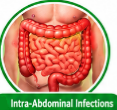 In combination with anaerobic coverage.
 - Meningitis:
 Caused by N. meningitidis, S. pneumoniae, and H. influenzae. Dosage: Ceftriaxone 2 g IV every 12 hours.
 - Sexually Transmitted Diseases: Gonorrhea and syphilis.
- Surgical Prophylaxis: The preoperative administration of ceftriaxone-sulbactam 2:1 may reduce the incidence of postoperative infections in patients undergoing surgical procedures.
Guideline-Supported and Off-Label Uses: Beyond FDA-approved indications, the combination has been studied or recommended for ESBL-producing Enterobacteriaceae infections, carbapenem-resistant Acinetobacter baumannii infections (sulbactam has intrinsic activity), ventilator-associated pneumonia, complicated urinary tract infections, and diabetic foot infections. Clinicians must always consider local resistance patterns, culture results, and current guidelines when considering off-label use, and must never label an off-label use as FDA-approved.
And here is a clinical trap many prescribers fall into: assuming all cephalosporins are interchangeable. Cefdinir has its own dosing quirks and safety profile. Before you prescribe or dispense another oral cephalosporin, read Must-Know Cefdinir Uses, Dosage and Safety Facts — it may save you from a dosing error.
Dosage Table
The table below provides a concise summary of typical dosing for common indications. Doses may vary based on renal and hepatic function, severity, and susceptibility data.
| Patient/Condition | Recommended Dose | Frequency | Duration | Important Considerations |
|---|---|---|---|---|
| Adults — general infections | 1.5 g (1 g + 0.5 g) | Every 12 hours or ceftriaxone 1–2 g once daily | 7–14 days | Max ceftriaxone 4 g/day |
| Adults — severe infections | 3 g (2 g + 1 g) | Every 12 hours | 10–14 days | Monitor closely |
| Adults — meningitis | Ceftriaxone 2 g + sulbactam | Every 12 hours | 7–14 days | Meningitic dosing |
| Pediatric — skin/soft tissue | 50–75 mg/kg ceftriaxone | Once daily or divided q12h | 7–14 days | Max 1 g/day |
| Pediatric — otitis media | 50 mg/kg IM | Single dose | Single dose | Max 1 g |
| Pediatric — serious infections | 50–75 mg/kg ceftriaxone | Divided q12h | 7–14 days | Max 2 g/day |
| Pediatric — meningitis | 100 mg/kg ceftriaxone | Once daily or divided q12h | 7–14 days | Max 4 g |
| Renal impairment CrCl <30 | Ceftriaxone no adjustment; sulbactam 500 mg q12h | Every 12 hours | As indicated | Max sulbactam 1 g/day |
Important: The usual daily dose of ceftriaxone is 1–2 g once daily or divided q12h. Total daily dose should not exceed 4 g. In renal impairment, sulbactam accumulation is the main concern.
Mechanism of Action
Ceftriaxone sulbactam exerts its bactericidal effect through a well-characterized molecular mechanism that combines cell wall inhibition with enzymatic protection. Understanding this mechanism is fundamental to appreciating both its clinical utility and its limitations.
Primary Molecular Target: 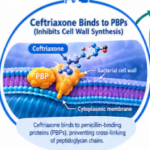 Ceftriaxone binds to penicillin-binding proteins (PBPs) — enzymes embedded in the bacterial cytoplasmic membrane essential for cell wall synthesis. Specifically, it inhibits PBPs involved in cross-linking peptidoglycan chains.
Binding and Interaction: 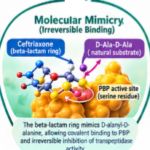 The beta-lactam ring of ceftriaxone is structurally analogous to the terminal D-alanyl-D-alanine moiety of peptidoglycan precursors. This molecular mimicry allows ceftriaxone to bind covalently to the active site serine residue of PBPs, forming a stable acyl-enzyme complex that irreversibly inhibits transpeptidase activity.
Sulbactam’s Protective Role: 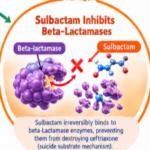 Sulbactam is a beta-lactamase inhibitor. It irreversibly binds beta-lactamase enzymes that would otherwise hydrolyze and destroy ceftriaxone. This “suicide substrate” mechanism permanently disables the enzyme, allowing ceftriaxone to reach its PBP target.
Cellular Pathway Affected: 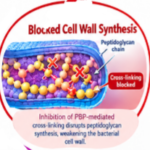 By inhibiting PBP-mediated cross-linking, ceftriaxone disrupts the final stages of peptidoglycan synthesis. This leads to a weakened cell wall that cannot withstand internal osmotic pressure. The result is bacterial cell lysis and death — a bactericidal effect.
Resistance Mechanisms: 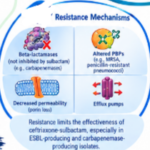 Resistance occurs through hydrolysis by beta-lactamases not inhibited by sulbactam (e.g., carbapenemases), alteration of PBPs (MRSA, penicillin-resistant pneumococci), decreased outer membrane permeability (porin loss), and active efflux pumps. Most ESBL-producing and carbapenemase-producing isolates are resistant to ceftriaxone sulbactam.
And if you want to understand how concentration, time, and target binding interact to determine bacterial killing, read Master Pharmacodynamics: 7 Keys to Drug Action — it is the missing link between pharmacology and clinical cure.
What Is Ceftriaxone Sulbactam?
What is ceftriaxone sulbactam? It is a fixed-dose combination antibiotic consisting of ceftriaxone sodium and sulbactam sodium in a 2:1 ratio (ceftriaxone:sulbactam). It is supplied as a sterile powder for reconstitution and administered by intravenous injection or deep intramuscular injection.
Generic Name and Drug Class: The generic name is ceftriaxone sodium and sulbactam sodium. Ceftriaxone is a third-generation cephalosporin. Sulbactam is a beta-lactamase inhibitor of the penicillin sulfone class.
Therapeutic Role: It is used for the treatment of moderate to severe bacterial infections where beta-lactamase-mediated resistance is suspected or confirmed. It is particularly valuable in settings where ESBL-producing organisms are prevalent.
Relevant Formulations, Strengths, and Routes: Powder for injection in vials containing 1.5 g (1 g ceftriaxone + 0.5 g sulbactam) or 3 g (2 g + 1 g). Administered by intravenous (slow injection over 2–4 minutes or infusion over 30 minutes) or deep intramuscular injection.
How It Differs from Closely Related Medicines: Unlike ampicillin-sulbactam (which uses ampicillin, a penicillin), ceftriaxone sulbactam uses a third-generation cephalosporin with broader Gram-negative coverage and a longer half-life. Unlike ceftazidime-avibactam (which includes a novel beta-lactamase inhibitor active against some carbapenemases), sulbactam does not inhibit carbapenemases such as KPC or NDM. Unlike piperacillin-tazobactam (which has broader Pseudomonas coverage), ceftriaxone sulbactam has minimal Pseudomonas activity.
Pharmacokinetics & Pharmacodynamics Key Table
The following table summarizes the key pharmacokinetic (PK) and pharmacodynamic (PD) properties that inform the clinical use of ceftriaxone sulbactam.
| Parameter | Clinically Relevant Details |
|---|---|
| Absorption | Complete (IV route) |
| Bioavailability | 100% (IV) |
| Time to Peak Concentration | Immediate (IV) |
| Protein Binding | Ceftriaxone: 85–95%; Sulbactam: ~38% |
| Volume of Distribution | Ceftriaxone: 5.8–13.5 L; Sulbactam: 12–18 L |
| Tissue Penetration | Excellent for ceftriaxone (CSF, bile, bone, synovial fluid); moderate for sulbactam |
| Blood-Brain Barrier Penetration | Ceftriaxone: yes (especially with inflamed meninges); Sulbactam: limited |
| Placental Transfer | Ceftriaxone: crosses placenta; Sulbactam: unknown |
| Half-Life | Ceftriaxone: 5.8–8.7 hours; Sulbactam: ~1 hour |
| Metabolism | Ceftriaxone: minimal; Sulbactam: <25% metabolized |
| Active Metabolites | None clinically significant |
| Enzyme Involvement | No significant CYP450 involvement |
| Elimination | Ceftriaxone: renal (40–50%) + biliary; Sulbactam: renal (primarily) |
| Renal Clearance | Ceftriaxone: ~0.5 L/h; Sulbactam: ~0.25 L/h |
| Fecal/Biliary Elimination | Ceftriaxone: significant biliary excretion |
| Pharmacodynamic Target | Penicillin-binding proteins (PBPs) |
| Mechanism | Inhibition of cell wall synthesis; beta-lactamase inhibition |
| Concentration/Time-Dependent Activity | Ceftriaxone: time-dependent killing; Sulbactam: time-dependent inhibition |
| PK/PD Index | Ceftriaxone: %T > MIC; Sulbactam: %T > threshold |
This table is a quick reference. The following sections explain the most important details without unnecessary repetition.
Half-Life
Ceftriaxone has a half-life of approximately 5.8 to 8.7 hours in healthy adults. This is unusually long for a cephalosporin and is the reason ceftriaxone can be dosed once daily for many indications.
Sulbactam has a much shorter half-life of approximately 1 hour. This difference in half-life is one of the most clinically important pharmacological features of the combination.
What alters the half-life? Renal impairment prolongs both ceftriaxone and sulbactam half-lives. However, ceftriaxone’s dual elimination pathway (renal + biliary) means its half-life is less affected by renal impairment than sulbactam’s. Hepatic impairment may affect ceftriaxone’s biliary excretion. Neonates have prolonged half-lives due to immature renal and hepatic function. Older adults with reduced renal function may have prolonged elimination, particularly for sulbactam.
Why it matters clinically: The half-life determines dosing frequency. Ceftriaxone’s long half-life allows once-daily dosing for many infections, which is a major advantage for outpatient parenteral antibiotic therapy (OPAT). Sulbactam’s short half-life means that if sulbactam coverage is critical, more frequent dosing (every 6–8 hours) may be necessary, or higher doses may be required to maintain adequate beta-lactamase inhibition between doses.
Metabolism
Ceftriaxone undergoes minimal hepatic metabolism. It is primarily eliminated unchanged via two routes: renal excretion (40–50% of the dose) and biliary excretion. Approximately 40–50% of a parenterally administered dose is excreted in the urine within 48 hours as active drug. The remainder is eliminated in bile and feces.
Sulbactam is also minimally metabolized — less than 25% of the administered dose undergoes metabolism. The majority is excreted unchanged in the urine.
Important clinical implications: No significant CYP450 involvement means fewer drug-drug interactions compared to many other antibiotics. There are no clinically significant active metabolites for either component. Severe hepatic disease may reduce ceftriaxone’s biliary excretion, potentially prolonging its half-life. Sulbactam accumulation occurs in renal impairment, and dose adjustment is necessary.
And here is a safety principle that applies to every antibiotic: even common drugs can cause serious harm when metabolism or elimination is impaired. Paracetamol is the world’s favorite fever and pain reliever — but dosage errors can be dangerous. Know The Facts of Paracetamol Dosage, Uses, Side Effects before you recommend it alongside antibiotics.
Bioavailability & Protein Binding
Bioavailability: Ceftriaxone sulbactam is administered intravenously or intramuscularly. The intravenous route provides 100% bioavailability. Intramuscular administration of ceftriaxone also provides essentially complete absorption, though it may be slower and can cause injection site pain. There is no oral formulation because ceftriaxone is not absorbed orally, and sulbactam has poor oral bioavailability.
Protein Binding: Ceftriaxone is approximately 85–95% protein-bound, primarily to albumin. This high protein binding has clinical significance. Ceftriaxone can displace bilirubin from albumin, which is why it is contraindicated in hyperbilirubinemic neonates (risk of kernicterus). In patients with hypoalbuminemia, the free (active) fraction of ceftriaxone increases, which may theoretically enhance efficacy but also increase toxicity risk. Sulbactam is approximately 38% protein-bound. This lower protein binding means sulbactam has a larger free fraction available for tissue distribution and beta-lactamase inhibition.
Clinical Significance: The high protein binding of ceftriaxone means that drug interactions involving displacement from albumin are theoretically possible, but clinically significant interactions from protein displacement alone are rare. The more relevant consideration is in neonates, where bilirubin displacement is a real and serious risk.
Spectrum of Activity
Understanding the antimicrobial spectrum of ceftriaxone sulbactam is essential for appropriate prescribing and antimicrobial stewardship. The spectrum is essentially that of ceftriaxone, extended to include organisms that produce beta-lactamases inhibited by sulbactam.
Gram-Positive Activity: Streptococcus pneumoniae (including penicillin-susceptible strains), Streptococcus pyogenes, Streptococcus agalactiae, methicillin-susceptible Staphylococcus aureus (MSSA), and viridans group streptococci.
Gram-Negative Activity: Escherichia coli (including many ESBL producers when sulbactam inhibits the enzyme), Klebsiella pneumoniae, Klebsiella oxytoca, Proteus mirabilis, Proteus vulgaris, Haemophilus influenzae (including beta-lactamase-producing strains), Moraxella catarrhalis, Neisseria meningitidis, Neisseria gonorrhoeae, Serratia marcescens, and Enterobacter species (variable).
Anaerobic Activity: Ceftriaxone alone has modest anaerobic activity. Sulbactam adds activity against Bacteroides fragilis group, Bacteroides thetaiotaomicron, other Bacteroides species, Prevotella species, Fusobacterium species, and Peptostreptococcus species.
Important Susceptible Pathogens: Acinetobacter baumannii (sulbactam has intrinsic activity), Stenotrophomonas maltophilia (intrinsically resistant).
Important Intrinsic Resistance: Pseudomonas aeruginosa (ceftriaxone has minimal activity), Enterococcus species (intrinsically resistant), MRSA (resistant due to altered PBP2a), Mycoplasma, Chlamydia, Legionella.
Acquired Resistance: ESBL production (sulbactam inhibits many ESBLs but not all), AmpC beta-lactamases (poorly inhibited by sulbactam), carbapenemases (KPC, NDM, VIM, IMP, OXA-48 — not inhibited by sulbactam), porin loss, and efflux pumps.
Clinical Significance of Susceptibility Testing: In vitro activity does not always translate to clinical effectiveness. Susceptibility testing (MIC determination) is essential to guide therapy, especially in serious infections. The MIC breakpoints for ceftriaxone sulbactam may differ from those for ceftriaxone alone.
Pharmacodynamics
The pharmacodynamics of ceftriaxone sulbactam is best understood by examining each component and their interaction.
Ceftriaxone Pharmacodynamics: Binds to penicillin-binding proteins (PBPs), particularly PBP2 and PBP3 in Gram-negative bacteria. Ceftriaxone exhibits time-dependent killing. The pharmacodynamic parameter that best predicts efficacy is the percentage of the dosing interval during which free drug concentration exceeds the MIC (%fT > MIC). For cephalosporins, the target is typically 40–70% fT > MIC for clinical efficacy. Ceftriaxone has a modest post-antibiotic effect against Gram-positive organisms (1–2 hours) but minimal against Gram-negative organisms.
Sulbactam Pharmacodynamics: Irreversibly binds to beta-lactamase enzymes, forming a stable acyl-enzyme complex. Sulbactam’s inhibitory effect is concentration-dependent initially, but the duration of inhibition is determined by the time it remains above the threshold concentration required to saturate the beta-lactamase active site. A post-beta-lactamase-inhibiting effect (PLIE) has been demonstrated, meaning sulbactam continues to inhibit beta-lactamase activity even after its elimination from the system.
PK/PD Index: The primary PK/PD index for ceftriaxone is %fT > MIC. For sulbactam, the index is less well-defined but is related to maintaining adequate concentrations to inhibit beta-lactamase. Studies suggest that a ceftriaxone/sulbactam ratio below 2 is associated with synergistic activity.
Resistance Suppression: Sulbactam’s inhibition of beta-lactamase may suppress the emergence of resistance during therapy by preventing the selection of beta-lactamase-overproducing strains. However, this has not been definitively proven in clinical trials.
Contraindications
Contraindications are not precautions. They are situations where the risk of harm clearly outweighs any potential benefit. Understanding them prevents harm.
Absolute Contraindications: Known hypersensitivity to cephalosporin antibiotics. Known hypersensitivity to sulbactam. Hyperbilirubinemic neonates (ceftriaxone can displace bilirubin from albumin, leading to kernicterus). Premature neonates (risk of bilirubin displacement and immature renal function).
Major Hypersensitivity Contraindications: Previous serious allergic reaction to penicillin (anaphylaxis, Stevens-Johnson syndrome, toxic epidermal necrolysis). Previous severe reaction to any beta-lactam.
Disease-Specific Contraindications: Severe hepatic disease with concurrent renal impairment (ceftriaxone elimination may be significantly prolonged, and sulbactam accumulation may occur). History of C. difficile-associated diarrhea (caution warranted).
Formulation-Specific Contraindications: Contraindicated in patients with a history of hypersensitivity to any component of the formulation.
Important distinction: Many patients report “penicillin allergy” that is not a true allergy (e.g., rash without systemic symptoms, gastrointestinal upset). A detailed allergy history is essential to avoid unnecessarily withholding effective therapy. However, for any history of severe immediate hypersensitivity, avoidance is prudent.
Warnings & Precautions
- Renal Impairment: Sulbactam is primarily eliminated by the kidneys. In patients with creatinine clearance <30 mL/min, sulbactam accumulation can occur, leading to increased risk of adverse effects. Dose reduction is required. Ceftriaxone generally does not require dose adjustment in mild to moderate renal impairment, but in severe renal impairment with concurrent hepatic impairment, caution is advised.
- Hepatic Impairment: Ceftriaxone’s biliary excretion may be impaired in severe hepatic disease. While no specific dose adjustment is typically required, monitoring for signs of toxicity (e.g., biliary sludging) is advisable. The combination should be used with caution in patients with severe hepatic impairment and concurrent renal impairment.
- Allergy/Hypersensitivity: Before initiating therapy, a detailed allergy history should be obtained. Cross-reactivity between penicillins and cephalosporins is estimated at 1–3%. Patients with a history of severe beta-lactam allergy should be managed with alternative agents unless the infection is serious and no other options exist.
- Pregnancy: Ceftriaxone is generally considered safe in pregnancy (Pregnancy Category B by FDA’s old classification). Sulbactam’s safety in pregnancy is less well-established. The combination should be used only when clearly needed.
- Breastfeeding: Low concentrations of ceftriaxone and sulbactam are excreted in human milk. The clinical significance is unknown, but the amount ingested by the infant is likely small. Most sources consider it compatible with breastfeeding, but monitoring the infant for diarrhea or thrush is reasonable.
- Pediatric Use: Contraindicated in hyperbilirubinemic neonates and premature neonates. In older infants and children, it can be used with appropriate dose adjustments. The safety and efficacy of sulbactam in pediatric patients have not been extensively studied.
- Older Adults: Older adults are more likely to have reduced renal function, which can lead to sulbactam accumulation. Creatinine clearance should be estimated, and dosing adjusted accordingly. Falls and altered mental status have been reported with ceftriaxone, particularly in older adults with renal impairment.
- Drug Interactions: Probenecid decreases renal tubular secretion of sulbactam, increasing sulbactam concentrations. Warfarin may be potentiated by ceftriaxone, potentially increasing bleeding risk. Live bacterial vaccines may have reduced efficacy. Ceftriaxone-calcium precipitation can occur in neonates.
- QT or Cardiac Risks: No significant QT prolongation has been attributed to ceftriaxone sulbactam.
- CNS Effects: Ceftriaxone can cause encephalopathy, particularly in patients with renal impairment or underlying CNS disease. Symptoms include somnolence, lethargy, confusion, myoclonus, and seizures.
- Bleeding Risks: Ceftriaxone has been associated with coagulation abnormalities, particularly in patients with vitamin K deficiency, malnutrition, or chronic hepatic disease. Monitoring prothrombin time (PT) is recommended in at-risk patients.
- Serious Organ Toxicity: Biliary sludging/pseudolithiasis, urolithiasis, immune hemolytic anemia, severe cutaneous adverse reactions (SJS, TEN, AGEP), and agranulocytosis (isolated cases reported).
- Monitoring Requirements: Renal function at baseline and periodically during therapy, hepatic function at baseline and if clinically indicated, complete blood count with differential if therapy extends beyond 7 days, prothrombin time in at-risk patients, clinical response to therapy, and signs of C. difficile infection.
Side Effects
Understanding the side effect profile of ceftriaxone sulbactam is essential for patient counseling and clinical monitoring. Adverse effects are broadly categorized by frequency, and distinguishing between common, bothersome side effects and serious adverse reactions is clinically important.
In a post-marketing surveillance study of 2,500 patients treated with ceftriaxone sulbactam, 409 adverse events were reported in 211 patients (8.4%).
Common Side Effects:
- Vomiting (3.0%)
- Pain at injection site (2.5%)
- Nausea (2.3%)
- Redness at injection site (1.96%)
- Thrombophlebitis (1.4%)
- Diarrhea
- Rash (usually maculopapular and mild)
- Elevated liver enzymes (usually transient and asymptomatic)
- Headache
- Chest discomfort
Less Common Side Effects: Eosinophilia, lymphocytopenia, thrombocytopenia, increased liver enzymes (AST, ALT), nephrorrhagia, and thrombophlebitis.
It is important to note that “side effect” and “adverse effect” are often used interchangeably, but “serious adverse reaction” refers to events that result in death, hospitalization, disability, or require intervention to prevent permanent impairment.
Adverse Effects
While the common side effects of ceftriaxone sulbactam are generally mild and self-limiting, the drug carries a risk of serious adverse effects that all prescribers must recognize and monitor for.
- Anaphylaxis: A severe, life-threatening allergic reaction. Symptoms include hypotension, bronchospasm, laryngeal edema, and urticaria. Requires immediate epinephrine, airway management, and discontinuation of the drug. Risk is higher in patients with a history of severe beta-lactam allergy.
- Severe Cutaneous Adverse Reactions: Stevens-Johnson Syndrome (SJS) — mucosal involvement, painful skin lesions, targetoid lesions, and systemic symptoms. Mortality rate 5–10%. Toxic Epidermal Necrolysis (TEN) — more extensive than SJS, with >30% body surface area detachment. Mortality rate 30–50%. Acute Generalized Exanthematous Pustulosis (AGEP) — sudden onset of fever and widespread pustules. Erythema multiforme — targetoid lesions, often self-limiting.
- Ceftriaxone-Calcium Precipitation: Gallbladder pseudolithiasis — ceftriaxone-calcium precipitates form in the gallbladder, appearing on ultrasound as sludge or gallstone-like echoes. This occurs more frequently in pediatric patients and may cause symptoms mimicking gallbladder disease. The condition is reversible upon discontinuation. Urolithiasis and post-renal acute renal failure — ceftriaxone-calcium precipitates in the urinary tract can cause ureteral obstruction. Adequate hydration is essential, and the drug should be stopped if urolithiasis develops.
- Hematologic Effects: Immune hemolytic anemia — antibodies against ceftriaxone can form, leading to red blood cell destruction. Thrombocytopenia — immune-mediated destruction of platelets can occur. Coagulation abnormalities — alterations in prothrombin time occur, particularly in patients with impaired vitamin K synthesis. Agranulocytosis — isolated cases reported, typically after 10+ days of treatment with total doses ≥20 grams.
- Neurologic Effects: Encephalopathy — ceftriaxone can cause serious CNS adverse events, including encephalopathy (somnolence, lethargy, confusion), myoclonus, and seizures. Risk is higher in patients with renal impairment or underlying CNS disease. Seizures — rare but reported, particularly in patients with renal failure receiving high doses.
- Hepatotoxicity: Elevated liver enzymes are common and usually transient. Cholestatic hepatitis has been reported rarely. Biliary sludging is the most common biliary adverse effect.
- Nephrotoxicity: Ceftriaxone-calcium precipitation is the main renal risk. Acute interstitial nephritis has been reported with cephalosporins.
- C. difficile-Associated Diarrhea (CDAD): Presents as watery diarrhea, abdominal pain, fever, and leukocytosis. Can occur during or after antibiotic therapy. Severe cases may progress to pseudomembranous colitis, toxic megacolon, and perforation.
- When to Seek Medical Attention: Difficulty breathing, facial swelling, or hives (anaphylaxis); skin peeling, mucosal lesions, or painful blisters (SJS/TEN); severe abdominal pain, jaundice, or dark urine (biliary/renal); unexplained bleeding, bruising, or petechiae (hematologic); confusion, lethargy, or seizures (neurotoxicity); severe or bloody diarrhea (CDAD).
Drug Interactions
The following table summarizes clinically meaningful drug interactions with ceftriaxone sulbactam. Theoretical interactions of little clinical relevance have been omitted.
| Interacting Medicine/Class | Potential Interaction | Clinical Significance | Management Consideration |
|---|---|---|---|
| Probenecid | Decreases renal tubular secretion of sulbactam | Increases sulbactam concentrations | Monitor for sulbactam toxicity; consider dose adjustment |
| Warfarin | Ceftriaxone may potentiate anticoagulant effect | Increased bleeding risk | Monitor INR closely; adjust warfarin dose as needed |
| Live Bacterial Vaccines | Antibiotics may reduce vaccine efficacy | Reduced immune response | Avoid live bacterial vaccines during therapy; wait until after completion |
| Calcium-containing IV solutions | Ceftriaxone-calcium precipitation | Risk of precipitation, particularly in neonates | Do not mix or co-administer with calcium-containing solutions in neonates; in older patients, separate administration by at least 30 minutes |
| Aminoglycosides | Potential additive nephrotoxicity | Increased risk of renal injury | Monitor renal function closely if used together |
| Loop Diuretics | May increase ceftriaxone elimination | Potential reduced efficacy | Monitor clinical response; dose adjustment rarely needed |
| Methotrexate | Ceftriaxone may reduce renal clearance of methotrexate | Increased methotrexate toxicity | Monitor methotrexate levels and toxicity |
| Oral Contraceptives | No significant interaction established | Unlikely to affect contraceptive efficacy | No specific management needed |
The interaction between ceftriaxone and warfarin deserves special emphasis. Ceftriaxone can alter the gut flora that produces vitamin K, which is essential for clotting factor synthesis. Additionally, ceftriaxone may displace warfarin from protein binding sites. The result is a potential increase in INR and bleeding risk. For any patient on warfarin who requires ceftriaxone sulbactam, INR should be checked within 48–72 hours of initiation and monitored closely.
Administration Table
Practical administration instructions are essential for patient education and nursing practice. The table below summarizes key administration factors.
| Administration Factor | Guidance |
|---|---|
| Route | Intravenous (slow injection over 2–4 minutes or infusion over 30 minutes) or deep intramuscular |
| With Food/Without Food | Not applicable (parenteral administration) |
| Timing | Usually every 12 hours, or once daily depending on indication |
| Tablet/Capsule Instructions | Not applicable |
| Liquid Formulation | Not applicable |
| IV Administration | Reconstitute with sterile water for injection, 0.9% sodium chloride, or 5% dextrose. Do not mix with calcium-containing solutions. Administer slowly to avoid injection site reactions. |
| IM Administration | Reconstitute with lidocaine 1% (without epinephrine) for IM injection to reduce pain. Inject deep into a large muscle. |
| Missed Dose | Administer as soon as remembered if within a few hours; otherwise, skip and resume regular schedule. Do not double the dose. |
| Storage | Store powder at room temperature (20–25°C). Reconstituted solution should be used immediately or stored refrigerated (2–8°C) for up to 24 hours. |
| Special Administration Instructions | For IV infusion, dilute in 50–100 mL of compatible fluid and infuse over 30 minutes. For IV push, reconstitute and administer over 2–4 minutes. For IM, use lidocaine for reconstitution. |
Pharmacokinetics
This section consolidates the clinically relevant pharmacokinetic properties of ceftriaxone sulbactam in a professional overview. Detailed explanations of half-life, metabolism, bioavailability, and protein binding are provided in their respective dedicated sections above and are not repeated here.
Absorption and Bioavailability: Ceftriaxone sulbactam is administered parenterally. The intravenous route provides immediate and complete absorption. Intramuscular administration provides essentially complete absorption, with peak concentrations achieved within 1–2 hours.
Distribution: Both components distribute widely into tissues and body fluids. Ceftriaxone has excellent penetration into cerebrospinal fluid (CSF), especially when the meninges are inflamed. It also penetrates well into bile, synovial fluid, bone, and peritoneal fluid. Sulbactam has a smaller volume of distribution and penetrates less well into the CSF.
Metabolism and Elimination: Ceftriaxone undergoes minimal hepatic metabolism. It is eliminated unchanged by renal (40–50%) and biliary routes. Sulbactam is <25% metabolized and excreted mainly unchanged in urine. No significant CYP450 involvement. No active metabolites.
Special Populations: In neonates, both drugs have prolonged half-lives. Older adults with reduced renal function may have prolonged sulbactam elimination. Renal impairment requires sulbactam dose adjustment. Hepatic impairment has minimal effect unless severe and concurrent with renal impairment.
Special Populations
Pregnancy: Ceftriaxone is classified as Pregnancy Category B. Animal studies have not demonstrated fetal risk, but there are no adequate well-controlled studies in pregnant women. Sulbactam’s pregnancy safety data are limited. The combination should be used during pregnancy only if clearly needed.
Lactation: Low concentrations of ceftriaxone and sulbactam are excreted in human milk. The clinical significance is unknown, but the amount ingested by the infant is likely small. Most sources consider it compatible with breastfeeding. Monitoring the infant for diarrhea or thrush is reasonable.
Pediatrics: Contraindicated in hyperbilirubinemic neonates and premature neonates due to the risk of kernicterus. In older infants and children, it can be used with appropriate dose adjustments. For skin and skin structure infections, the recommended total daily dose is 50–75 mg/kg given once daily or divided every 12 hours. For acute bacterial otitis media, a single intramuscular dose of 50 mg/kg (not to exceed 1 g) is recommended. For meningitis, the initial dose is 100 mg/kg (not to exceed 4 g).
Older Adults: Older adults are more likely to have reduced renal function, which can lead to sulbactam accumulation. Creatinine clearance should be estimated using Cockcroft-Gault or MDRD equations, and dosing adjusted accordingly. Falls and altered mental status have been reported with ceftriaxone, particularly in older adults with renal impairment. Monitoring for neurotoxicity is recommended.
Renal Impairment: Ceftriaxone requires no dose adjustment for mild to moderate renal impairment. In severe renal impairment with concurrent hepatic impairment, monitoring is advised. Sulbactam dose reduction required when creatinine clearance <30 mL/min. Maximum sulbactam dose: 500 mg every 12 hours (1 g/day) for CrCl <15 mL/min.
Hepatic Impairment: No specific dose adjustment for hepatic impairment alone. However, in severe hepatic disease with concurrent renal impairment, ceftriaxone elimination may be significantly prolonged. Monitor for accumulation.
Obesity: No specific dosing recommendations for obesity. However, the volume of distribution may be altered, and weight-based dosing should be considered. The population PK study identified weight as a covariate explaining between-subject variability.
Critically Ill Patients: Critically ill patients may have altered pharmacokinetics due to changes in volume of distribution, renal function, and protein binding. Therapeutic drug monitoring (TDM) may be considered in select cases, although routine TDM for ceftriaxone sulbactam is not widely available. Dose optimization may be guided by PK/PD principles and Monte Carlo simulations.
Monitoring
- Clinical Response: Fever curve, white blood cell count, clinical symptoms. Reassess if no improvement after 48–72 hours of therapy.
- Laboratory Parameters: Renal function (creatinine and BUN at baseline and every 2–3 days during therapy, especially in patients with pre-existing renal impairment or those receiving other nephrotoxic agents). Hepatic function (AST, ALT, bilirubin at baseline and if clinically indicated). Complete blood count (if therapy extends beyond 7 days, monitor for hematologic effects). Prothrombin time (in patients at risk for bleeding).
- ECG/QT: No routine ECG monitoring is required for ceftriaxone sulbactam, as it does not significantly prolong the QT interval.
- Drug Levels/TDM: Routine therapeutic drug monitoring is not standard for ceftriaxone sulbactam. However, in critically ill patients with altered pharmacokinetics or in those with renal impairment, TDM may be considered if available.
- Microbiological Response: Repeat cultures if clinical response is poor. Susceptibility testing should be performed on all isolates. De-escalation to a narrower-spectrum agent should be considered when culture results are available.
- Adverse Reactions: Monitor for rash, diarrhea, injection site reactions. Evaluate any new symptoms for potential drug-related adverse effects. Monitor for signs of C. difficile infection if diarrhea develops.
Clinical Perspective
From a clinical standpoint, ceftriaxone sulbactam occupies a valuable niche in the antibiotic armamentarium. It is not a “stronger” version of ceftriaxone. It is a different tool with a specific niche. Overuse of beta-lactam/beta-lactamase inhibitor combinations contributes to resistance. The combination should be reserved for infections where beta-lactamase-mediated resistance is confirmed or strongly suspected.
Where ceftriaxone sulbactam can be clinically useful: Community-acquired pneumonia requiring hospitalization, when resistant Gram-negative organisms are suspected. Complicated urinary tract infections caused by ESBL-producing organisms. Skin and soft tissue infections with suspected beta-lactamase-producing pathogens. Intra-abdominal infections as part of a broader regimen with anaerobic coverage. Sepsis and bacteremia caused by susceptible organisms. Surgical prophylaxis in settings where ceftriaxone sulbactam has demonstrated benefit.
Situations where clinicians may prefer alternatives: Methicillin-resistant Staphylococcus aureus (MRSA) — ceftriaxone sulbactam has no activity. Use vancomycin, daptomycin, or linezolid. Pseudomonas aeruginosa — ceftriaxone has minimal activity. Use piperacillin-tazobactam, cefepime, or carbapenems. Carbapenem-resistant Enterobacteriaceae (CRE) — sulbactam does not inhibit carbapenemases. Use ceftazidime-avibactam, meropenem-vaborbactam, or colistin-based regimens. Enterococcus — intrinsically resistant. Use ampicillin, vancomycin, or linezolid. Severe penicillin allergy — consider aztreonam or a non-beta-lactam alternative.
Factors influencing medicine selection: Local resistance patterns (ESBL prevalence varies by region and institution), culture and susceptibility results, patient allergy history, renal and hepatic function, drug interactions, cost and availability, and antimicrobial stewardship principles.
Importance of antimicrobial stewardship: Ceftriaxone sulbactam is not a “stronger” version of ceftriaxone. It is a different tool with a specific niche. Overuse of beta-lactam/beta-lactamase inhibitor combinations contributes to resistance. The combination should be reserved for infections where beta-lactamase-mediated resistance is confirmed or strongly suspected.
Patient-specific considerations: Allergy history (distinguish true allergy from intolerance), renal function (estimate creatinine clearance; adjust sulbactam dose), pregnancy and lactation (use only if clearly needed), age (contraindicated in hyperbilirubinemic and premature neonates), and comorbidities (diabetes, immunosuppression, and chronic organ disease may affect outcomes).
Interpretation of treatment response and situations requiring reassessment: Clinical improvement (fever resolution, WBC normalization, symptom improvement). Microbiological cure (negative repeat cultures). Failure to respond — consider resistant organisms, inadequate dosing, undrained abscess, or non-infectious etiology. Reassessment if no improvement in 48–72 hours. Persistent fever after 72 hours of therapy. Clinical deterioration despite therapy. New symptoms suggesting adverse drug reaction. Positive cultures for organisms not covered by the regimen. Development of diarrhea (evaluate for C. difficile).
Question. What is ceftriaxone sulbactam used for?
Answer : Ceftriaxone sulbactam is used to treat a variety of bacterial infections, including lower respiratory tract infections, urinary tract infections, skin infections, sepsis, meningitis, intra-abdominal infections, and pelvic inflammatory disease. It is particularly useful when beta-lactamase-producing organisms are suspected.
Question. Is ceftriaxone sulbactam FDA-approved?
Answer : Ceftriaxone alone and sulbactam (in combination with ampicillin) are FDA-approved. The fixed-dose combination of ceftriaxone sulbactam is not separately FDA-approved in the United States, but it is approved and widely used in many other countries.
Question. How does ceftriaxone sulbactam work?
Answer : Ceftriaxone inhibits bacterial cell wall synthesis by binding to penicillin-binding proteins. Sulbactam inhibits beta-lactamase enzymes that would otherwise destroy ceftriaxone. Together, they overcome resistance and kill susceptible bacteria.
Question. What is the half-life of ceftriaxone sulbactam?
Answer : Ceftriaxone has a half-life of 5.8–8.7 hours. Sulbactam has a half-life of approximately 1 hour. The longer half-life of ceftriaxone allows once-daily dosing for many infections.
Question. What are the common side effects of ceftriaxone sulbactam?
Answer : Common side effects include diarrhea, nausea, vomiting, rash, injection site pain, and thrombophlebitis. These are usually mild and temporary.
Question. What are the serious adverse effects of ceftriaxone sulbactam?
Answer : Serious adverse effects include anaphylaxis, severe cutaneous reactions (SJS/TEN), ceftriaxone-calcium precipitation (biliary sludging, urolithiasis), immune hemolytic anemia, thrombocytopenia, encephalopathy, and C. difficile-associated diarrhea.
Question. Can ceftriaxone sulbactam be used during pregnancy?
Answer : Ceftriaxone is generally considered safe in pregnancy (Category B). Sulbactam’s safety data are limited. Use only if clearly needed and the benefits outweigh the risks.
Question. Can ceftriaxone sulbactam be used while breastfeeding?
Answer : Low concentrations are excreted in human milk. Most sources consider it compatible with breastfeeding, but monitoring the infant for diarrhea or thrush is reasonable.
Question. Does ceftriaxone sulbactam interact with alcohol?
Answer : No specific interaction with alcohol has been established. However, patients should avoid alcohol during any serious infection and while taking antibiotics.
Question. What medicines interact with ceftriaxone sulbactam?
Answer : Important interactions include probenecid (increases sulbactam levels), warfarin (increased bleeding risk), live bacterial vaccines (reduced efficacy), and calcium-containing IV solutions (precipitation risk in neonates).
Question. What happens if a dose is missed?
Answer : Administer the missed dose as soon as remembered if within a few hours. If it is almost time for the next dose, skip the missed dose and resume the regular schedule. Do not double the dose.
Question. How should ceftriaxone sulbactam be administered?
Answer : It is administered by intravenous injection (slow push over 2–4 minutes or infusion over 30 minutes) or deep intramuscular injection. It should not be mixed with calcium-containing solutions.
Question. Does renal impairment require dose adjustment?
Answer : Yes. Sulbactam requires dose reduction when creatinine clearance is <30 mL/min. Ceftriaxone generally does not require adjustment in mild to moderate renal impairment.
Question. Does hepatic impairment affect the use of ceftriaxone sulbactam?
Answer : No specific dose adjustment is required for hepatic impairment alone. However, in severe hepatic disease with concurrent renal impairment, ceftriaxone elimination may be prolonged, and monitoring is advised.
Question. Is ceftriaxone sulbactam safe for children?
Answer : It is contraindicated in hyperbilirubinemic and premature neonates. In older infants and children, it can be used with weight-based dose adjustments. The safety of sulbactam in pediatric patients is not extensively studied.
Question. Is ceftriaxone sulbactam appropriate for older adults?
Answer : Older adults are more likely to have reduced renal function, which can lead to sulbactam accumulation. Creatinine clearance should be estimated, and dosing adjusted accordingly. Monitoring for neurotoxicity is recommended.
Question. What should clinicians monitor during ceftriaxone sulbactam therapy?
Answer : Monitor clinical response (fever, WBC, symptoms), renal function, hepatic function, complete blood count (if prolonged therapy), prothrombin time (in at-risk patients), and signs of adverse reactions.
Question. What are the alternatives to ceftriaxone sulbactam?
Answer : Alternatives depend on the infection and resistance patterns. Options include piperacillin-tazobactam, cefepime, carbapenems, ceftazidime-avibactam, and non-beta-lactam agents (e.g., fluoroquinolones, aminoglycosides).
Question. What are the major contraindications to ceftriaxone sulbactam?
Answer : Contraindications include known hypersensitivity to cephalosporins or sulbactam, hyperbilirubinemic neonates, and premature neonates.
Question. How does resistance affect the use of ceftriaxone sulbactam?
Answer : Sulbactam inhibits many beta-lactamases (TEM, SHV, CTX-M) but not carbapenemases. Resistance can also occur through porin loss, efflux pumps, and PBP alterations. Susceptibility testing is essential.
Question. How long does treatment with ceftriaxone sulbactam usually last?
Answer : Treatment duration varies by infection. Typically 7–14 days. In complicated infections, longer therapy may be required. Therapy should continue for at least 2 days after signs and symptoms of infection have disappeared.
Question. When should medical attention be sought during ceftriaxone sulbactam therapy?
Answer : Seek immediate medical attention for difficulty breathing, facial swelling, skin peeling or blistering, severe abdominal pain, jaundice, dark urine, unexplained bleeding, confusion, seizures, or severe diarrhea.
Question. Can ceftriaxone sulbactam be used for MRSA?
Answer : No. Ceftriaxone sulbactam has no activity against MRSA. Alternative agents such as vancomycin, daptomycin, or linezolid are required.
Question. Can ceftriaxone sulbactam be used for Pseudomonas infections?
Answer : No. Ceftriaxone has minimal activity against Pseudomonas aeruginosa. Sulbactam does not enhance activity against Pseudomonas. Alternative agents are required.
Question. What is the role of ceftriaxone sulbactam in antimicrobial stewardship?
Answer : Ceftriaxone sulbactam should be reserved for infections where beta-lactamase-mediated resistance is confirmed or strongly suspected. It is not a “stronger” version of ceftriaxone. Overuse contributes to resistance. De-escalation to a narrower-spectrum agent should be considered when culture results are available.
5 Authentic Studies
Study 1
Citation: Sharma VD, et al. Population Pharmacokinetics of Fixed Dose Combination of Ceftriaxone and Sulbactam in Healthy and Infected Subjects. AAPS PharmSciTech. 2016;17(5):1192-1203. doi:10.1208/s12249-015-0454-2. PMID: 26644225.
Study Type: Randomized controlled trial; open-label, crossover, single-dose comparative PK study.
Population: 24 healthy adult subjects; model validation included infected subjects.
Intervention/Exposure: Fixed-dose combination of ceftriaxone and sulbactam compared with individual reference formulations.
Main Outcome: Pharmacokinetic parameters; population PK model development; Monte Carlo simulations for dose optimization.
Key Findings: No mutual PK interactions between ceftriaxone and sulbactam were observed. Pharmacokinetics of ceftriaxone/sulbactam was explained by one and two compartment models, respectively. Weight was identified as a covariate explaining between-subject variability. In infected subjects, 3 g FDC/24 h can treat bacteria with MIC ≤8 μg/mL, while for MIC 8-32 μg/mL, 3 g FDC/12 h is recommended.
Clinical Significance: This study provides the pharmacokinetic basis for dosing recommendations and demonstrates that ceftriaxone and sulbactam do not interact pharmacokinetically when administered together.
Important Limitation: The study was conducted in healthy volunteers for the primary PK analysis; infected patients were included only for model validation. Real-world PK in critically ill patients may differ.
Study 2
Citation: Post-β-Lactamase-Inhibiting Effect of Sulbactam in Combination with Ceftriaxone on Extended-Spectrum-β-Lactamase-Producing Escherichia coli. Antibiotics (MDPI). 2025;14(9):915. doi:10.3390/antibiotics14090915.
Study Type: In vitro pharmacodynamic study using hollow-fiber infection model (HFIM).
Population: E. coli NCTC 13353 (ESBL-producing strain).
Intervention/Exposure: Ceftriaxone monotherapy vs. ceftriaxone-sulbactam combination at various doses.
Comparator: Ceftriaxone alone.
Main Outcome: Bacterial killing; β-lactamase activity; post-β-lactamase-inhibiting effect.
Key Findings: Ceftriaxone monotherapy did not have an antibacterial effect against the ESBL-producing strain. When ceftriaxone was combined with sulbactam, synergistic inhibition of E. coli growth was observed. Sulbactam maintained continuous inhibition of β-lactamase activity even after its elimination from the system. The ceftriaxone/sulbactam ratio below 2 was associated with synergistic activity, while a ratio above 2 was associated with failure to inhibit bacterial growth.
Clinical Significance: This study provides mechanistic evidence for the post-β-lactamase-inhibiting effect of sulbactam and supports the clinical use of ceftriaxone-sulbactam against ESBL-producing organisms.
Important Limitation: In vitro study using a hollow-fiber model; findings may not fully translate to clinical outcomes.
Study 3
Citation: Safety and Efficacy of a Novel Drug Elores (Ceftriaxone + Sulbactam + Disodium Edetate) in the Management of Multi-Drug Resistant Bacterial Infections in Tertiary Care Centers: A Post-Marketing Surveillance Study. Brazilian Journal of Infectious Diseases. 2017;21(4):408-417. doi:10.1016/j.bjid.2017.02.007.
Study Type: Post-marketing surveillance study.
Population: 2,500 patients of all age groups with various bacterial infections across 17 centers in India.
Intervention/Exposure: Elores (CSE-1034: ceftriaxone + sulbactam + disodium edetate).
Comparator: None (observational).
Main Outcome: Efficacy (cure, improvement, failure) and adverse events.
Key Findings: 79.4% of patients were cured, 20.1% showed clinical improvement, and 0.2% were complete failures. A total of 409 adverse events were reported in 211 patients (8.4%). The most common adverse events were vomiting (3.0%), pain at injection site (2.5%), nausea (2.3%), redness at site (1.96%), and thrombophlebitis (1.4%). No grade IV or V adverse events were reported.
Clinical Significance: This large post-marketing study demonstrates the real-world effectiveness and safety of ceftriaxone-sulbactam in a setting with high rates of multidrug-resistant infections.
Important Limitation: Observational study without a comparator group; the addition of disodium edetate may contribute to the efficacy observed, making it difficult to isolate the effect of ceftriaxone-sulbactam alone.
Study 4
Citation: Chandrasekaran A, et al. Effectiveness and Safety of Elores® (Ceftriaxone + Sulbactam + Disodium Edetate) in Carbapenem-resistant Enterobacteriaceae and Acinetobacter baumannii Infections: Interim Analysis of a Real-world Observational Multicenter Study. Indian J Crit Care Med. 2026;30(S1):S11-S11. doi:10.5005/jaypee-journals-10071-25142.11.
Study Type: Prospective, observational, multi-center real-world study (interim analysis).
Population: 86 patients from 7 centers, enrolled up to November 1, 2025. Adult patients (≥18 years) with suspected or proven carbapenem-resistant Gram-negative infections.
Intervention/Exposure: Intravenous ELORES for at least five days.
Comparator: None (observational).
Main Outcome: Clinical, microbiological, and safety assessments at baseline, end of IV treatment (Day 5–14), and follow-up (Day 28 ± 2).
Key Findings: The mean age was 60.95 ± 17.38 years, with 52.3% elderly (≥65 years). 65.1% were male. 76.7% had comorbidities, most commonly diabetes (39.4%) and hypertension (24.2%). The most common isolated pathogen was Klebsiella pneumoniae (44.7%), followed by Acinetobacter baumannii (25.9%) and Escherichia coli (16.5%). Infections included hospital-acquired pneumonia (32.6%), ventilator-associated pneumonia (25.6%), complicated urinary tract infection (25.6%), skin and soft tissue infection (11.6%), and bloodstream infection (4.6%). Of all cases, 88.4% were enrolled as culture-proven.
Clinical Significance: This ongoing study provides interim data on the real-world use of ceftriaxone-sulbactam in carbapenem-resistant infections, a critical unmet need in clinical practice.
Important Limitation: Interim analysis with a small sample size (n=86); final results may differ. Observational design without comparator limits causal inference.
Study 5
Citation: Sanghavi S, et al. In Vitro Susceptibility of Clinical Isolates to Ceftriaxone Alone and Ceftriaxone in Combination With Sulbactam or Tazobactam: A Comparative Study of Broad-Spectrum β-Lactam Antibiotics in India. Cureus. 2023;15(9):e46014. doi:10.7759/cureus.46014. PMID: 37900428.
Study Type: In vitro susceptibility study.
Population: 180 non-repetitive clinical isolates from three hospitals in India.
Intervention/Exposure: MIC determination using E-test for ceftriaxone alone and ceftriaxone in combination with sulbactam or tazobactam.
Comparator: Ceftriaxone alone; ceftriaxone-tazobactam; amoxicillin-clavulanate; piperacillin-tazobactam; cefotaxime; cefepime.
Main Outcome: Minimum inhibitory concentrations (MICs); efficacy ratios (ER).
Key Findings: Ceftriaxone and ceftriaxone in combination with sulbactam had efficacy ratios ranging from 6–10 against prevalent infectious microorganisms such as E. coli and K. pneumoniae. Ceftriaxone + tazobactam had ER >10 against 78% of isolates.
Clinical Significance: This study provides contemporary in vitro susceptibility data supporting the potential utility of ceftriaxone-sulbactam against common Gram-negative pathogens in India.
Important Limitation: In vitro study; results may not predict clinical outcomes. Regional resistance patterns may differ.
Authentic References
- Sharma VD, et al. Population Pharmacokinetics of Fixed Dose Combination of Ceftriaxone and Sulbactam in Healthy and Infected Subjects. AAPS PharmSciTech. 2016;17(5):1192-1203. doi:10.1208/s12249-015-0454-2. PMID: 26644225.
- Post-β-Lactamase-Inhibiting Effect of Sulbactam in Combination with Ceftriaxone on Extended-Spectrum-β-Lactamase-Producing Escherichia coli. Antibiotics (MDPI). 2025;14(9):915. doi:10.3390/antibiotics14090915.
- Safety and Efficacy of a Novel Drug Elores (Ceftriaxone + Sulbactam + Disodium Edetate) in the Management of Multi-Drug Resistant Bacterial Infections in Tertiary Care Centers: A Post-Marketing Surveillance Study. Braz J Infect Dis. 2017;21(4):408-417. doi:10.1016/j.bjid.2017.02.007.
- Chandrasekaran A, et al. Effectiveness and Safety of Elores® (Ceftriaxone + Sulbactam + Disodium Edetate) in Carbapenem-resistant Enterobacteriaceae and Acinetobacter baumannii Infections: Interim Analysis of a Real-world Observational Multicenter Study. Indian J Crit Care Med. 2026;30(S1):S11-S11. doi:10.5005/jaypee-journals-10071-25142.11.
- Sanghavi S, et al. In Vitro Susceptibility of Clinical Isolates to Ceftriaxone Alone and Ceftriaxone in Combination With Sulbactam or Tazobactam: A Comparative Study of Broad-Spectrum β-Lactam Antibiotics in India. Cureus. 2023;15(9):e46014. doi:10.7759/cureus.46014. PMID: 37900428.
- Summary of Product Characteristics: TRIAF-S 1.5 G (Ceftriaxone Sodium and Sulbactam Sodium for Injection). Ghana FDA. 2025.
- NAFDAC Summary of Product Characteristics: SULBAXONE (Ceftriaxone and Sulbactam for Injection). National Agency for Food & Drug Administration & Control, Nigeria.
- In Vitro Activities of Ceftriaxone-Sulbactam against Major Aerobic and Anaerobic Bacteria from Clinical Samples. Lab Med Online. 2011;1(4):209-220. doi:10.3343/lmo.2011.1.4.7.
- A Multicentre Clinical Study on the Injection of Ceftriaxone/Sulbactam Compared with Cefoperazone/Sulbactam in the Treatment of Respiratory and Urinary Tract Infections. Ann Clin Microbiol Antimicrob. 2013;12:33. doi:10.1186/1476-0711-12-33.
- Dose Optimization of Ceftriaxone-Sulbactam Combination in Adults Using In Vitro Systems, PK/PD Modeling and Stochastic Simulations Approaches. International Journal of Pharmacy and Pharmaceutical Sciences. 2016;8(7).
Medical Information Disclaimer: The information provided in this article is for educational and informational purposes only and is intended for healthcare professionals, medical students, and informed general readers. It does not constitute medical advice, diagnosis, or treatment recommendations. Ceftriaxone sulbactam is a prescription medication that should only be used under the supervision of a qualified healthcare provider. Treatment decisions, including dose selection, duration, and adjustments, depend on the patient’s diagnosis, age, renal and hepatic function, interacting medicines, susceptibility data where relevant, and clinician judgment. Readers should not use this information to self-medicate or to make clinical decisions without appropriate professional consultation. If you have a medical condition or are experiencing symptoms of infection, seek evaluation from a qualified healthcare professional. The authors and publishers of this article do not assume any liability for any adverse effects or consequences resulting from the use or misuse of the information provided herein.
If you are exploring the pharmacology of everyday pain relievers alongside antibiotics, you may be surprised by how much their safety profiles differ. For a suspenseful, evidence-based breakdown, explore The Facts of Paracetamol Dosage, Uses, Side Effects — but keep your clinical focus on ceftriaxone sulbactam first.
For authentic and engaging information about the world’s different religions, visit ssthem.com for religious studies and discover well-organized, informative content.
For online earning ideas, freelancing, affiliate marketing, YouTube, Facebook monetization, and AI tips, visit ssthem.xyz for online earning and WhatsApp group links.
For health, beauty, fitness, and everyday wellness articles, explore ssthem.net for health and wellness content.