
10 signs you need vitamin E immediately + the 5-minute test, top foods,
10 Signs You Need Vitamin E Immediately — And 6 Best Foods That Work Wonders
A Note on the Title: The phrase “5-Minute Test” in the title is a curiosity-driven editorial device, not a literal validated clinical screening tool. No self-administered five-minute quiz can diagnose vitamin E deficiency. This article explains the genuine clinical signs, the physiology behind them, and the laboratory investigations that actually confirm deficiency. Readers should not use this article to self-diagnose or self-prescribe.
Vitamin E occupies an unusual position in clinical nutrition. On one side, it is a fat-soluble antioxidant essential for membrane integrity and neurological function. On the other, decades of high-profile supplementation trials have produced disappointing and sometimes concerning results, leading many clinicians to dismiss it as irrelevant outside rare malabsorption syndromes. Both views contain truth. Vitamin E deficiency is genuinely uncommon in well-nourished adults, but when it occurs, the neurological consequences can be irreversible if not recognized and treated promptly.
The primary keyword — signs you need vitamin E immediately — deserves careful framing. In clinical reality, there is no single symptom that demands urgent vitamin E replacement in an otherwise healthy adult eating a mixed diet. The signs that matter emerge in specific contexts: fat malabsorption, genetic disorders of alpha-tocopherol transport, severe malnutrition, and prematurity. For medical students and clinicians, the task is not to memorize a list of vague symptoms but to understand who is at risk, why the nervous system is vulnerable, and how to investigate appropriately without overtesting or overtreating.
This article provides a comprehensive, evidence-based review of vitamin E physiology, deficiency recognition, diagnosis, treatment, and safety. It is designed for healthcare professionals, students, and educated readers who want reliable information rather than supplement marketing. Readers seeking broader nutritional context may find related discussions on fat-soluble vitamins and pharmacology foundations useful, such as the examination of vitamin A’s roles in skin and vision available on SSTHEM.org, and the foundational principles of drug and nutrient action covered in the pharmacology basics resource.
Key Facts at a Glance
| Key fact | Information |
|---|---|
| Nutrient name | Vitamin E (collective term for tocopherols and tocotrienols; alpha-tocopherol is the most biologically active form) |
| Nutrient category | Fat-soluble vitamin |
| Main physiological functions | Lipid-soluble antioxidant protecting polyunsaturated fatty acids in cell membranes; contributes to neurological health, particularly peripheral nerves and the spinocerebellum; modulates immune function and gene expression |
| Natural sources | Vegetable oils (wheat germ, sunflower, safflower, corn, soybean), nuts (almonds, hazelnuts, peanuts), seeds (sunflower), green leafy vegetables (spinach, broccoli), fortified cereals |
| Deficiency | Rare in healthy adults; occurs with fat malabsorption (cystic fibrosis, cholestatic liver disease, short bowel syndrome), abetalipoproteinemia, ataxia with vitamin E deficiency (AVED), severe malnutrition, and prematurity |
| Recommended intake (adults) | RDA: 15 mg/day alpha-tocopherol for adults (both sexes, including pregnancy); lactation: 19 mg/day (NIH) |
| Testing | Plasma or serum alpha-tocopherol concentration; ratio of alpha-tocopherol to total plasma lipids is more accurate in hyperlipidemia |
| Supplementation | Indicated for confirmed deficiency, malabsorption disorders, and specific genetic conditions; not routinely recommended for healthy adults |
| Safety | Tolerable upper intake level (UL) for adults: 1,000 mg/day of any form of supplemental alpha-tocopherol; risk of bleeding at high doses, especially with anticoagulants |
| Clinical relevance | Untreated deficiency causes progressive spinocerebellar ataxia and peripheral neuropathy that may become irreversible; early recognition in at-risk populations is essential |
Quick Note for Digital Learners: Readers interested in practical health and beauty education alongside medical content can explore the resources available on SSTHEM.net for general wellness topics.
1. What Is Vitamin E?
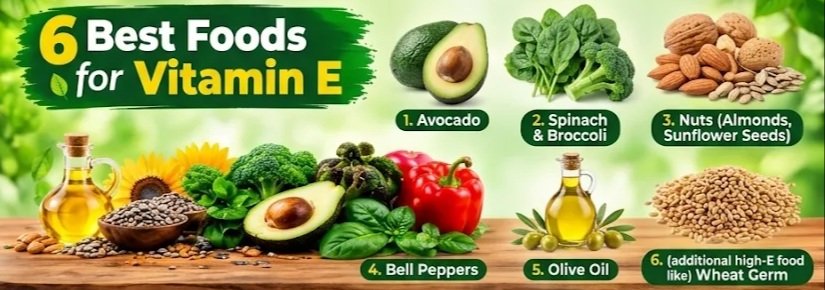
Vitamin E is not a single molecule but a family of eight structurally related compounds: four tocopherols (alpha, beta, gamma, delta) and four tocotrienols (alpha, beta, gamma, delta). Among these, alpha-tocopherol is the most biologically active and is the form that the human body preferentially retains and uses. The liver selectively incorporates alpha-tocopherol into very-low-density lipoproteins (VLDL) for distribution to tissues, a process mediated by the alpha-tocopherol transfer protein (alpha-TTP).
The vitamin functions primarily as a chain-breaking antioxidant in lipid-rich environments. It scavenges peroxyl radicals, protecting polyunsaturated fatty acids in cell membranes and lipoproteins from oxidative damage. This is not merely a biochemical curiosity: the nervous system is particularly rich in polyunsaturated lipids, which helps explain why neurological manifestations dominate the clinical picture of deficiency.
Vitamin E is distinct from other fat-soluble vitamins in one important respect: body stores are substantial in adipose tissue, and deficiency develops slowly in adults unless absorption is severely impaired or intake is profoundly inadequate for an extended period. This storage capacity is why a healthy adult eating a mixed diet is unlikely to become deficient, and why the “signs you need vitamin E immediately” framing must be interpreted through a clinical lens rather than a consumer one.
2. Types and Forms of Vitamin E
Natural vs. Synthetic Forms
Natural vitamin E occurs as d-alpha-tocopherol (and other naturally occurring stereoisomers), while synthetic supplements commonly contain dl-alpha-tocopherol, a mixture of stereoisomers. The natural form has higher biological activity; approximately 1 mg of natural alpha-tocopherol is equivalent to about 1.36 mg of the synthetic form when expressed in international units. Current recommendations, however, increasingly use milligrams of alpha-tocopherol rather than international units to avoid confusion.
Tocopherols vs. Tocotrienols
Tocotrienols have received attention in laboratory and preliminary clinical research for potential roles in cardiovascular and metabolic health, but the evidence base for clinical benefit remains far less established than for alpha-tocopherol’s antioxidant function. No major health authority recommends tocotrienol supplementation for disease prevention. For clinical purposes, alpha-tocopherol is the form that matters for preventing and treating deficiency.
Supplemental Forms
Vitamin E supplements are available as:
- Natural alpha-tocopherol (often labeled d-alpha-tocopherol or mixed tocopherols)
- Synthetic alpha-tocopherol (dl-alpha-tocopherol)
- Alpha-tocopheryl acetate or succinate (esterified forms that resist oxidation; absorbed after hydrolysis in the gut)
- Mixed tocopherol preparations containing gamma- and other tocopherols
The esterified forms are common in supplements because they are more stable, but they require digestion for absorption and are not suitable for individuals with severe fat malabsorption unless given in specialized formulations.
3. Major Functions in the Human Body
Antioxidant Protection of Membranes
The best-established function of alpha-tocopherol is its role as a lipid-soluble antioxidant. It donates a hydrogen atom to lipid peroxyl radicals, interrupting the chain reaction of lipid peroxidation that would otherwise damage polyunsaturated fatty acids in cellular and subcellular membranes. This function is particularly important in tissues with high lipid content and high metabolic activity, including neurons and red blood cell membranes.
Neurological Health
The neurological consequences of deficiency provide the clearest evidence of vitamin E’s physiological importance. Alpha-tocopherol protects the long axons of sensory neurons and the spinocerebellar tracts from oxidative damage. When deficiency occurs, a “dying-back” axonopathy develops, beginning in the distal portions of the longest sensory nerves and progressing centrally. This explains the characteristic pattern of symptoms: loss of vibration and position sense, ataxia, and areflexia.
Red Blood Cell Integrity
Vitamin E protects erythrocyte membranes from oxidative hemolysis. In deficiency states, red blood cells become more fragile and may rupture, producing a mild hemolytic anemia. This is most dramatically seen in premature infants, whose antioxidant defenses and vitamin E stores are both immature.
Immune Function
Vitamin E modulates several aspects of immune function, including T-cell-mediated responses and resistance to certain infections in animal models and older adults. However, the clinical significance of these effects in humans remains an area of ongoing research rather than an established basis for supplementation in healthy populations.
Gene Expression and Cell Signaling
Emerging research suggests that alpha-tocopherol and its metabolites influence gene expression and cell signaling pathways beyond simple antioxidant activity. These mechanisms are biologically plausible and under active investigation, but they do not currently support specific clinical recommendations for supplementation outside established deficiency states.
4. Evidence-Based Benefits of Vitamin E
Established Physiological Functions
The functions described above — antioxidant protection, neurological maintenance, and erythrocyte stability — are established physiological roles supported by the deficiency phenotype. When vitamin E is absent or severely inadequate, these functions fail, producing the characteristic clinical syndrome.
Clinical Evidence in Specific Populations
Ataxia with vitamin E deficiency (AVED) is an autosomal recessive disorder caused by mutations in the TTPA gene encoding alpha-TTP. Without functional alpha-TTP, plasma alpha-tocopherol levels fall precipitously, and a progressive spinocerebellar ataxia develops. High-dose vitamin E supplementation can halt progression and, if started early, may prevent or partially reverse neurological damage. This is one of the clearest examples of a vitamin-responsive neurological disorder.
Abetalipoproteinemia is another genetic disorder in which the absence of apolipoprotein B prevents the formation of lipoproteins that transport vitamin E. Patients develop severe deficiency and neurological complications unless treated with high-dose vitamin E supplementation from early life.
Chronic cholestasis and cystic fibrosis impair fat absorption and place patients at risk of fat-soluble vitamin deficiencies, including vitamin E. Supplementation is a standard component of care in these conditions, guided by monitoring of plasma levels.
Areas Where Evidence Is Limited or Inconsistent
Observational studies once suggested that higher vitamin E intake might reduce cardiovascular risk, but large randomized controlled trials failed to confirm benefit. The Women’s Health Study, the Physicians’ Health Study II, and the HOPE-TOO trial all found no reduction in cardiovascular events with vitamin E supplementation. Similarly, the SELECT trial found that vitamin E supplementation (400 IU/day) was associated with an increased risk of prostate cancer in men, a finding that underscored the potential harms of unnecessary high-dose supplementation.
Bottom line: Vitamin E supplementation is beneficial and sometimes life-altering for people with genuine deficiency or malabsorption. It is not a proven preventive agent for cardiovascular disease, cancer, or dementia in well-nourished adults.
5. Recommended Daily Intake
The following table summarizes the Recommended Dietary Allowances (RDA) and Adequate Intakes (AI) for vitamin E established by the National Institutes of Health, expressed as milligrams of alpha-tocopherol.
| Life stage | Males | Females | Pregnancy | Lactation |
|---|---|---|---|---|
| 0–6 months | 4 mg (AI) | 4 mg (AI) | — | — |
| 7–12 months | 5 mg (AI) | 5 mg (AI) | — | — |
| 1–3 years | 6 mg | 6 mg | — | — |
| 4–8 years | 7 mg | 7 mg | — | — |
| 9–13 years | 11 mg | 11 mg | — | — |
| 14+ years | 15 mg | 15 mg | 15 mg | 19 mg |
Important distinctions:
- RDA is the average daily intake sufficient to meet the requirement of nearly all healthy individuals.
- AI is used when evidence is insufficient to establish an RDA; it is based on observed or experimentally determined approximations of nutrient intake.
- Tolerable Upper Intake Level (UL) for adults is 1,000 mg/day of supplemental alpha-tocopherol (any form). This UL applies to supplements and fortified foods, not to naturally occurring vitamin E in food.
- Therapeutic doses used in malabsorption disorders and AVED are determined by clinicians based on the specific condition, plasma monitoring, and clinical response. They are not the same as the RDA and should not be self-prescribed.
6. Best Food Sources
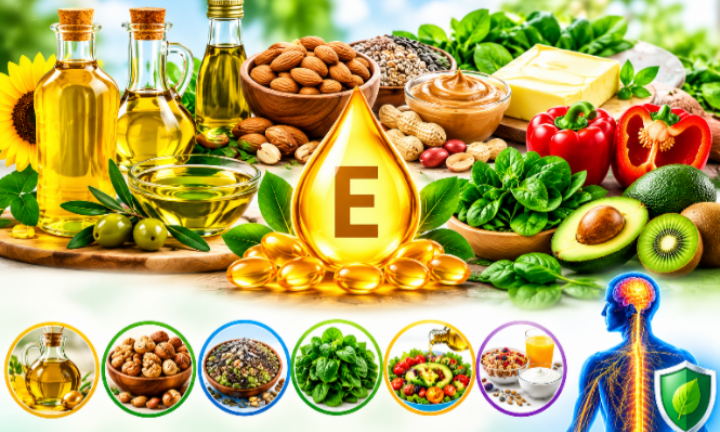
Vitamin E is abundant in vegetable oils, nuts, seeds, and certain green vegetables. The following values are approximate and drawn from food composition data; actual content varies by processing, storage, and brand.
| Food | Vitamin E (mg per 100 g) | Dietary notes |
|---|---|---|
| Sunflower oil | 51.6 | Plant-based; primary culinary source in many diets |
| Almonds (raw) | 27.8 | Plant-based; also rich in magnesium and fiber |
| Canola oil | 24.1 | Plant-based; commonly used in cooking |
| Olive oil | 18.7 | Plant-based; rich in monounsaturated fat |
| Margarine (fortified) | 17.6 | Fortified food; composition varies by brand |
| Peanut butter | 8.5 | Plant-based; energy-dense |
| Red bell pepper (raw) | 4.2 | Plant-based; also rich in vitamin C |
| Spinach (raw) | 1.9 | Plant-based; fat content low, so absorption benefits from added oil |
| Avocado | 1.8 | Plant-based; rich in monounsaturated fat |
| Kiwifruit | 1.1 | Plant-based |
Practical considerations:
- Vitamin E is a fat-soluble vitamin and is best absorbed when consumed with dietary fat. A salad with fat-free dressing delivers less absorbable vitamin E than the same salad with olive oil.
- Food processing matters: refined oils may lose some vitamin E during processing, while cold-pressed oils retain more.
- Fortified foods (cereals, juices, margarines) contribute to intake in some populations, particularly in countries with fortification programs.
- For most healthy adults, a varied diet containing nuts, seeds, vegetable oils, and green vegetables easily meets the RDA without supplementation.
7. Absorption, Bioavailability, and Metabolism
Digestion and Absorption
Vitamin E is absorbed in the small intestine as part of mixed micelles formed with bile salts and dietary fats. Adequate fat absorption is therefore a prerequisite for vitamin E absorption. Conditions that impair bile production (cholestatic liver disease), pancreatic enzyme secretion (chronic pancreatitis, cystic fibrosis), or intestinal absorptive surface (short bowel syndrome, celiac disease) can all reduce vitamin E absorption.
Transport and Tissue Distribution
Absorbed alpha-tocopherol is packaged into chylomicrons, transported via lymphatics into the circulation, and taken up by the liver. The liver is the central regulator of vitamin E status: alpha-TTP selectively transfers alpha-tocopherol (and to a lesser extent gamma-tocopherol) into VLDL for secretion into plasma. Other tocopherols and tocotrienols are preferentially metabolized and excreted.
Storage and Excretion
Vitamin E is stored primarily in adipose tissue, with smaller amounts in the liver and muscle. This storage capacity is substantial in adults, which is why deficiency develops slowly even when intake is low. Metabolites of vitamin E are excreted in bile and urine.
Clinical Implications
The dependence of vitamin E absorption on normal fat digestion explains why the “signs you need vitamin E immediately” are most relevant to patients with fat malabsorption. A patient with cystic fibrosis, chronic cholestasis, or short bowel syndrome who develops unexplained ataxia or neuropathy should have vitamin E status assessed. Conversely, a healthy adult with a normal diet and no malabsorption symptoms is very unlikely to be vitamin E deficient.
8. Deficiency: Causes, Risk Factors, and Mechanisms
What Deficiency Means
Vitamin E deficiency exists on a spectrum. Inadequate intake without biochemical depletion is common and usually inconsequential. Biochemical deficiency is defined by low plasma alpha-tocopherol concentrations. Clinically significant deficiency is present when biochemical deficiency is accompanied by the characteristic neurological or hematological manifestations. Treatment decisions depend on which level is present and what underlying condition is driving it.
Causes and Risk Factors
Fat malabsorption disorders are the most important cause in high-income countries:
- Cystic fibrosis (pancreatic insufficiency)
- Chronic cholestatic liver disease (biliary atresia, primary biliary cholangitis)
- Chronic pancreatitis
- Short bowel syndrome
- Celiac disease (untreated)
- Abetalipoproteinemia (genetic defect in lipoprotein assembly)
Genetic disorders of alpha-tocopherol transport:
- Ataxia with vitamin E deficiency (AVED; TTPA mutations)
Severe malnutrition and food insecurity: In countries with high rates of food insecurity, inadequate dietary intake is the leading cause of deficiency.
Prematurity: Preterm infants have low vitamin E reserves because placental transfer is limited, and their antioxidant systems are immature. They are at risk of hemolytic anemia and, in severe cases, intraventricular hemorrhage and retinopathy of prematurity.
Very low-fat diets: Extreme fat restriction, whether medically prescribed or self-imposed, can lead to inadequate vitamin E intake and absorption.
Mechanism of Neurological Damage
Alpha-tocopherol deficiency leads to oxidative damage of membrane lipids in the nervous system. The longest and most metabolically active axons are most vulnerable, producing a distal axonopathy that begins with sensory loss and progresses to ataxia and weakness. If deficiency is corrected before axonal loss becomes irreversible, neurological function may be preserved or restored; if treatment is delayed, deficits may persist.
9. Signs and Symptoms of Deficiency
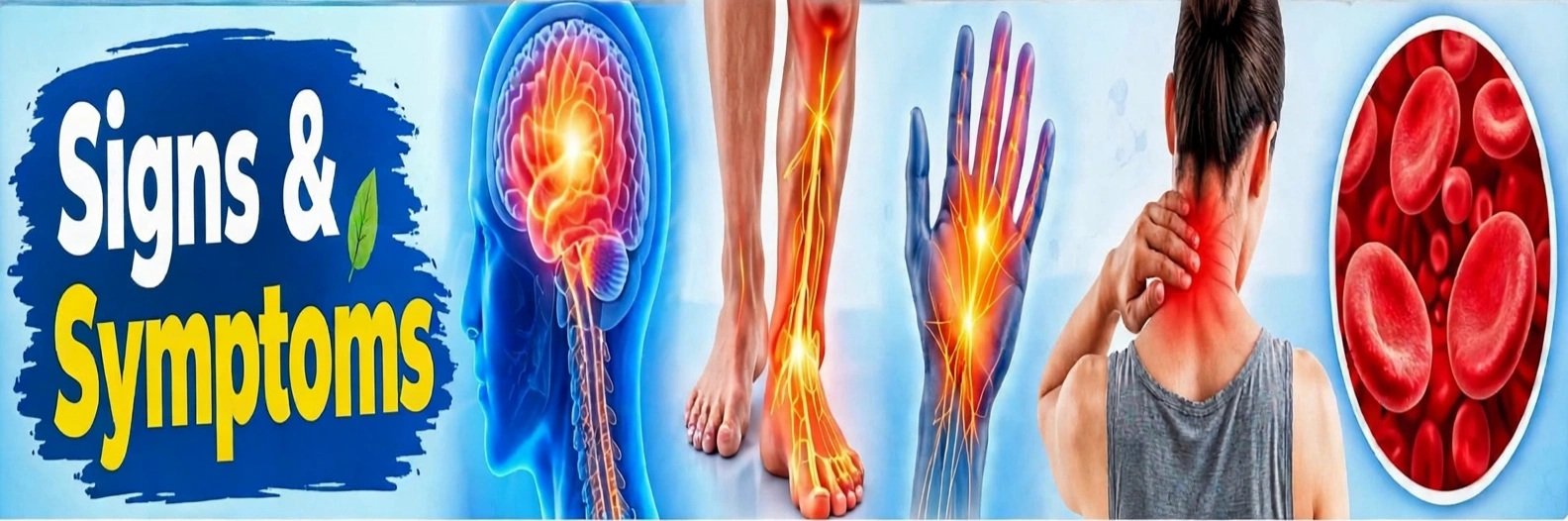
The following table summarizes the clinical findings associated with vitamin E deficiency, their mechanisms, and their specificity.
| Finding | Possible explanation | Clinical interpretation |
|---|---|---|
| Muscle weakness | Impaired antioxidant protection of muscle and nerve membranes | Nonspecific; can have many causes; significant when accompanied by neurological signs |
| Loss of coordination (ataxia) | Spinocerebellar tract and sensory neuron damage | More specific in the context of malabsorption or AVED; warrants investigation |
| Difficulty walking | Progressive sensory ataxia | Reflects posterior column and spinocerebellar dysfunction |
| Numbness/tingling in hands and feet | Peripheral sensory neuropathy | Nonspecific; common in diabetes, B12 deficiency, and many other conditions |
| Loss of position sense | Posterior column dysfunction | Characteristic of vitamin E deficiency neuropathy |
| Slow reflexes (hyporeflexia) | Sensory neuron degeneration | Consistent with peripheral neuropathy |
| Vision changes | Retinal and optic nerve oxidative damage (reported in severe deficiency) | Rare; more common in preterm infants with retinopathy of prematurity |
| Hemolytic anemia | Increased erythrocyte membrane fragility | Most prominent in preterm infants; mild in adults |
| Cardiomyopathy | Myocardial membrane damage (reported in severe deficiency) | Rare; described in AVED and severe malabsorption |
Critical caveat: Fatigue, muscle weakness, hair changes, and tingling are among the most common complaints in primary care, and vitamin E deficiency is among the least common causes. These symptoms must not be attributed to vitamin E deficiency without appropriate investigation and exclusion of more likely diagnoses. The “signs you need vitamin E immediately” are not symptoms in isolation but symptoms in context — specifically, in a patient with a known cause of fat malabsorption, a genetic transport disorder, or severe malnutrition.
10. Diagnosis and Laboratory Investigations
Clinical Assessment
The diagnostic process begins with a careful history:
- Dietary assessment, with attention to fat intake and food variety
- History of gastrointestinal disease, liver disease, or pancreatic disease
- History of bariatric surgery or extensive bowel resection
- Family history of ataxia or neurological disorders
- Medication review (see Section 15)
Physical examination should include:
- Neurological assessment: gait, coordination, proprioception, vibration sense, deep tendon reflexes
- Signs of malabsorption: steatorrhea, weight loss, fat-soluble vitamin deficiency signs (e.g., night blindness from vitamin A deficiency, easy bruising from vitamin K deficiency)
- Signs of hemolytic anemia: pallor, jaundice, splenomegaly
Laboratory Investigations
| Test | What it measures | Clinical purpose | Major limitations |
|---|---|---|---|
| Plasma or serum alpha-tocopherol | Concentration of alpha-tocopherol in plasma | Direct assessment of vitamin E status | Influenced by plasma lipid concentrations; values may appear normal in hyperlipidemia despite tissue deficiency |
| Alpha-tocopherol-to-lipid ratio | Ratio of alpha-tocopherol to total plasma lipids (cholesterol + triglycerides) | More accurate indicator of vitamin E status in patients with abnormal lipid levels | Requires simultaneous lipid measurement; reference ranges vary by laboratory |
| Hemolysis test | Susceptibility of erythrocytes to peroxide-induced hemolysis | Indirect functional assessment | Nonspecific; not used for routine diagnosis |
| Other fat-soluble vitamin levels | Vitamin A, 25-hydroxyvitamin D, vitamin K (INR) | Assess concurrent deficiencies in malabsorption | Should be interpreted together, as deficiencies often coexist |
Diagnostic thresholds: The Merck Manual and MSD Manual Professional Edition state that in adults, vitamin E deficiency is suspected when plasma alpha-tocopherol is less than 5 mcg/mL (less than 11.6 micromol/L). In patients with hyperlipidemia, the ratio of alpha-tocopherol to total plasma lipids is more reliable; a ratio of less than 0.8 mg/g total lipid suggests deficiency. These thresholds should be interpreted according to the specific laboratory’s reference intervals and the patient’s clinical context.
Differential Diagnosis
The neurological presentation of vitamin E deficiency overlaps with many other conditions:
- Vitamin B12 deficiency (subacute combined degeneration)
- Copper deficiency myeloneuropathy
- Hereditary ataxias (Friedreich ataxia, spinocerebellar ataxias)
- Paraneoplastic neurological syndromes
- Diabetic or alcoholic peripheral neuropathy
- Multiple sclerosis (for central demyelination)
The key differentiator is the presence of a condition that predisposes to vitamin E deficiency (malabsorption, AVED, severe malnutrition). In the absence of such a predisposing condition, vitamin E deficiency is very unlikely, and other diagnoses should be pursued. For a deeper look at another cause of neuropathy that often enters the differential, see the SSTHEM.org review of vitamin B12 and neurological health.
Health and Beauty Note: Readers interested in general health and beauty education can find related wellness content on SSTHEM.net. This resource is separate from the clinical guidance provided here.
11. Treatment of Deficiency
Principles of Management
Treatment of vitamin E deficiency has three components:
- Address the underlying cause — for example, treating cholestatic liver disease, optimizing pancreatic enzyme replacement in cystic fibrosis, or managing short bowel syndrome.
- Correct the deficiency with vitamin E supplementation.
- Monitor for response and prevent recurrence.
Supplementation
For confirmed deficiency with neurological manifestations, clinicians typically prescribe high-dose oral alpha-tocopherol. The MSD Manual Professional Edition notes that for deficiency due to malabsorption, oral alpha-tocopherol 15–25 mg/kg once daily may be used. For abetalipoproteinemia or severe malabsorption where oral absorption is unreliable, high-dose parenteral vitamin E may be necessary initially. These doses are therapeutic and must be supervised by a clinician; they are not appropriate for self-treatment.
In AVED, lifelong high-dose vitamin E supplementation is required. Early initiation — ideally before neurological symptoms develop — can prevent the progression of ataxia.
Monitoring
Response to treatment is monitored through:
- Clinical neurological assessment (gait, coordination, sensory function)
- Plasma alpha-tocopherol levels to confirm absorption and adherence
- Resolution of hemolytic anemia, if present
- Prevention of recurrence through continued supplementation and management of the underlying condition
Prognosis
If deficiency is recognized and treated before irreversible axonal loss occurs, neurological function may stabilize or improve. Once significant neuronal degeneration has occurred, recovery may be incomplete. This is why early recognition in at-risk patients — particularly children with cholestatic liver disease and adults with newly diagnosed malabsorption — is clinically important.
12. Supplements: Forms, Uses, and Responsible Selection
When Are Supplements Appropriate?
Vitamin E supplementation is appropriate in the following contexts:
- Confirmed deficiency with or without clinical manifestations
- Known malabsorption disorders where prophylactic supplementation is standard of care (cystic fibrosis, chronic cholestasis, short bowel syndrome)
- Genetic disorders affecting vitamin E transport or lipoprotein metabolism (AVED, abetalipoproteinemia)
- Premature infants under neonatal supervision
Routine supplementation in healthy adults eating a varied diet is not recommended by major health authorities, and high-dose supplementation has been associated with harm in some trials.
Evaluating a Supplement
When a supplement is indicated, consider:
- Stated amount: Check the label for the amount of alpha-tocopherol in milligrams (mg) or international units (IU). Be aware that “mixed tocopherols” products may contain variable amounts of alpha-tocopherol.
- Form: Natural (d-alpha-tocopherol) vs. synthetic (dl-alpha-tocopherol); esterified forms (acetate, succinate) are stable but require digestion.
- Quality: Look for products from reputable manufacturers. In some countries, third-party testing seals (e.g., USP, NSF) indicate independent verification of content and purity.
- Duplication: Check all supplements being taken (including multivitamins) for overlapping vitamin E content to avoid unintended high total intake.
- Marketing claims: Be skeptical of claims that vitamin E prevents heart disease, cancer, or dementia. These claims are not supported by large randomized trials.
13. Dosage, Safety, and Upper Intake Limits
Key Distinctions
| Term | Meaning | Example |
|---|---|---|
| RDA | Daily intake sufficient for nearly all healthy people | 15 mg/day for adults |
| Supplemental dose (general) | Amount in a typical multivitamin or single supplement | Often 10–30 mg (15–45 IU) |
| Therapeutic dose | Clinician-supervised dose for deficiency treatment | 15–25 mg/kg/day for malabsorption (MSD Manual) |
| Tolerable Upper Intake Level (UL) | Highest daily intake unlikely to cause adverse effects in most people | 1,000 mg/day of supplemental alpha-tocopherol for adults |
Safety Considerations
The UL of 1,000 mg/day applies to supplemental alpha-tocopherol from all sources (supplements and fortified foods). It does not apply to naturally occurring vitamin E in food, which is not associated with adverse effects at typical dietary intakes.
Who should be particularly cautious?
- Patients taking anticoagulants or antiplatelet agents (warfarin, aspirin, clopidogrel): vitamin E may increase bleeding risk, especially at doses above 1,000 mg/day.
- Patients scheduled for surgery: high-dose vitamin E may increase bleeding risk; discuss supplementation with the surgical team.
- Pregnant individuals: the RDA is 15 mg/day during pregnancy; high-dose supplementation should only be used under medical supervision.
- Individuals with vitamin K deficiency or liver disease: increased risk of bleeding with high-dose vitamin E.
14. Side Effects, Toxicity, and Overdose
| Safety issue | Possible manifestations or risks | Recommended action |
|---|---|---|
| Excessive intake (above UL) | Increased bleeding risk, particularly at doses >1,000 mg/day; muscle weakness, fatigue, nausea, diarrhea reported occasionally | Stop inappropriate self-supplementation and seek medical advice |
| Drug interaction (anticoagulants) | Enhanced anticoagulant effect; bleeding | Review with prescriber before starting vitamin E; monitor INR if combined |
| High-risk patient (vitamin K deficiency, liver disease) | Exacerbation of bleeding tendency | Avoid high-dose supplementation without clinical supervision |
| Possible severe reaction | Serious bleeding (e.g., intracranial hemorrhage) is rare but reported with very high doses | Seek urgent medical evaluation for unexplained bleeding |
Important distinction: Vitamin E toxicity from food sources is essentially unknown. The risks described above pertain to high-dose supplemental intake. Normal dietary intake of vitamin E-rich foods is safe and does not require restriction.
15. Drug–Nutrient and Nutrient–Nutrient Interactions
| Interacting agent | Nature of interaction | Clinical significance |
|---|---|---|
| Warfarin and other coumarin anticoagulants | Vitamin E may potentiate anticoagulant effect, increasing bleeding risk | Clinically significant at high doses; monitor INR and bleeding signs |
| Antiplatelet drugs (aspirin, clopidogrel) | Additive antiplatelet effect | Theoretical and reported; caution with high-dose vitamin E |
| Orlistat | Reduces absorption of fat-soluble vitamins, including vitamin E | Clinically relevant; patients on orlistat may need fat-soluble vitamin supplementation |
| Cholestyramine and bile acid sequestrants | May reduce absorption of fat-soluble vitamins | Monitor vitamin status in long-term use |
| Vitamin K | High-dose vitamin E may antagonize vitamin K-dependent clotting factors | Relevant in patients with marginal vitamin K status |
| Iron | Some evidence that high-dose vitamin E may impair iron absorption or utilization | Significance uncertain; avoid unnecessary high-dose supplementation in iron-deficient patients |
Healthcare professionals should routinely review supplement use when evaluating medication lists, particularly in patients with bleeding disorders, on anticoagulation, or with malabsorption. The principles of drug action and interaction covered in the SSTHEM.org pharmacology basics guide provide useful context for understanding these interactions.
16. Special Populations
Children and Adolescents
Children with cholestatic liver disease (e.g., biliary atresia), cystic fibrosis, or short bowel syndrome are at significant risk of vitamin E deficiency and require monitoring and supplementation as part of comprehensive care. AVED typically presents in childhood with gait difficulties and should be considered in children with progressive ataxia and a family history of consanguinity.
Pregnancy and Lactation
The RDA is 15 mg/day during pregnancy and 19 mg/day during lactation. Routine high-dose supplementation is not recommended during pregnancy. Vitamin E needs are met through diet in most cases. Patients with malabsorption disorders require individualized management.
Older Adults
Vitamin E deficiency is rare in older adults unless malabsorption is present. However, older adults may be more vulnerable to drug interactions (particularly with anticoagulants) and should be counseled about the risks of high-dose supplementation.
People with Malabsorption Disorders
This is the highest-risk group in high-income countries. Patients with cystic fibrosis, chronic cholestasis, short bowel syndrome, and abetalipoproteinemia require lifelong monitoring and supplementation. Neurological assessment should be part of routine follow-up.
Preterm Infants
Preterm infants have low vitamin E reserves and immature antioxidant defenses. They are at risk of hemolytic anemia and, in severe deficiency, intraventricular hemorrhage and retinopathy of prematurity. Neonatal units routinely monitor and supplement as indicated.
People Following Restrictive Diets
Extremely low-fat diets, whether for medical or personal reasons, may increase the risk of inadequate vitamin E intake and absorption. A dietitian can help ensure adequacy.
17. Common Myths and Medical Misconceptions
| Common claim | Evidence-based explanation |
|---|---|
| “Vitamin E prevents heart disease.” | Large randomized trials (Women’s Health Study, Physicians’ Health Study II, HOPE-TOO) found no cardiovascular benefit from vitamin E supplementation. |
| “Vitamin E prevents cancer.” | The SELECT trial found an increased risk of prostate cancer with vitamin E supplementation (400 IU/day), not a protective effect. |
| “Everyone should take a vitamin E supplement.” | Healthy adults eating a varied diet meet the RDA through food. Routine supplementation is not recommended and may cause harm at high doses. |
| “Vitamin E is completely harmless because it’s natural.” | High-dose supplemental vitamin E increases bleeding risk, particularly in patients on anticoagulants or with vitamin K deficiency. |
| “Muscle weakness means you need vitamin E.” | Muscle weakness has dozens of causes; vitamin E deficiency is a rare cause and should only be considered in at-risk patients. |
| “Vitamin E supplements are good for skin and hair.” | There is no robust evidence that oral vitamin E supplementation improves skin or hair in healthy people. Topical vitamin E is used in some cosmetic products, but clinical evidence for benefit is limited. |
| “A blood test can tell you if you need vitamin E immediately.” | Plasma alpha-tocopherol is the appropriate test when deficiency is suspected clinically, but it should not be ordered as a routine screening test in asymptomatic healthy people. |
| “Natural vitamin E is always better than synthetic.” | Natural alpha-tocopherol has higher biological activity per milligram, but both forms can correct deficiency. The choice depends on clinical context and product quality. |
18. Clinical Case Examples for Medical Students
The following cases are fictional and intended for educational purposes only. They do not represent real patients and should not be used as templates for treatment without individualized clinical assessment.
Case 1: Ataxia in a Patient with Cystic Fibrosis
Presentation: A 28-year-old man with cystic fibrosis presents with 6 months of progressive difficulty walking, particularly in the dark, and numbness in both feet. He has been adherent to pancreatic enzyme replacement but admits to skipping some doses due to cost.
History: No family history of neurological disease. No alcohol use disorder. Dietary intake includes some nuts and vegetable oils, but overall fat intake is moderate.
Differential diagnosis: Vitamin E deficiency neuropathy; vitamin B12 deficiency; copper deficiency; diabetic neuropathy (if diabetic); hereditary ataxia.
Investigations: Plasma alpha-tocopherol, vitamin B12, methylmalonic acid, copper, ceruloplasmin, HbA1c, and vitamin A and D levels. Plasma alpha-tocopherol is low; alpha-tocopherol-to-lipid ratio is also low. Vitamin B12 and copper are normal.
Interpretation: Vitamin E deficiency secondary to fat malabsorption from cystic fibrosis, compounded by inconsistent enzyme replacement.
Management principles: Optimize pancreatic enzyme dosing with a CF specialist; initiate high-dose oral alpha-tocopherol under supervision; monitor plasma levels and neurological function; assess other fat-soluble vitamins.
Learning points: Cystic fibrosis is a classic risk factor for fat-soluble vitamin deficiency. Neurological symptoms in a CF patient should prompt assessment of vitamin E status. Early treatment can halt progression.
Case 2: Progressive Ataxia in a Young Adult
Presentation: A 19-year-old woman is referred for evaluation of 2 years of progressive clumsiness, frequent falls, and slurred speech. Her parents are first cousins.
History: No malabsorption symptoms. Diet is varied. Family history is notable for a paternal uncle with similar symptoms.
Differential diagnosis: Friedreich ataxia; AVED; other hereditary ataxias; vitamin B12 deficiency.
Investigations: Brain MRI is unremarkable. Plasma alpha-tocopherol is markedly low (<1.7 mg/L). Genetic testing reveals compound heterozygous mutations in TTPA, confirming AVED.
Interpretation: AVED, an autosomal recessive disorder of alpha-tocopherol transport.
Management principles: Initiate lifelong high-dose vitamin E supplementation under neurological supervision. Genetic counseling for the family. Monitoring of neurological function and plasma levels.
Learning points: AVED is a treatable cause of hereditary ataxia. Vitamin E levels should be checked in any young patient with progressive ataxia of unknown cause, particularly with consanguinity or a family history. Early treatment can prevent progression.
Case 3: Hemolytic Anemia in a Preterm Infant
Presentation: A premature infant born at 30 weeks’ gestation develops jaundice and pallor at 4 weeks of age. Laboratory studies show anemia with elevated reticulocytes and evidence of hemolysis.
History: The infant is receiving breast milk and a standard preterm formula. No other obvious cause of hemolysis is identified.
Differential diagnosis: Vitamin E deficiency hemolytic anemia; immune hemolytic anemia; hereditary spherocytosis; other causes of neonatal hemolysis.
Investigations: Plasma alpha-tocopherol is low. Other causes of hemolysis are excluded.
Interpretation: Vitamin E deficiency hemolytic anemia of prematurity.
Management principles: Vitamin E supplementation under neonatal supervision; monitoring of hematocrit and reticulocyte count; continued nutritional support.
Learning points: Preterm infants are at risk of vitamin E deficiency due to limited placental transfer and immature antioxidant defenses. Hemolytic anemia in a preterm infant should prompt consideration of vitamin E status.
19. Practical Prevention Strategies
For the General Population
- Eat a varied diet that includes vegetable oils, nuts, seeds, and green leafy vegetables. A handful of almonds or sunflower seeds provides a meaningful amount of vitamin E.
- Include some fat with meals to support absorption of fat-soluble vitamins. Fat-free diets are not optimal for vitamin E status.
- Do not self-prescribe high-dose vitamin E supplements for prevention of heart disease, cancer, or dementia; the evidence does not support these uses and high doses may cause harm.
For At-Risk Patients
- Patients with cystic fibrosis, chronic cholestasis, short bowel syndrome, or other malabsorption disorders should have fat-soluble vitamin status monitored as part of routine care and receive supplementation as prescribed.
- Patients with AVED or abetalipoproteinemia require lifelong high-dose vitamin E under specialist supervision.
- Preterm infants should receive nutritional support that meets vitamin E requirements, with monitoring as clinically indicated.
For Healthcare Professionals
- Include vitamin E assessment in the evaluation of unexplained ataxia or neuropathy, particularly in patients with malabsorption risk factors.
- Review supplement use, including multivitamins and individual vitamin E products, when evaluating bleeding risk or medication interactions.
- Counsel patients that “natural” does not mean “harmless,” and that high-dose vitamin E is not a proven preventive measure.
20. Frequently Asked Questions
What is vitamin E used for in the body?
Answer : Vitamin E functions primarily as a lipid-soluble antioxidant, protecting cell membranes from oxidative damage. It is particularly important for the maintenance of neurological tissue and red blood cell membranes.
What are the main benefits of vitamin E?
Answer : In people with deficiency, vitamin E supplementation prevents or improves the neurological and hematological consequences of deficiency. In well-nourished adults, supplementation has not been shown to prevent cardiovascular disease, cancer, or dementia.
What are the early signs of vitamin E deficiency?
Answer : Early neurological signs may include loss of vibration and position sense, mild unsteadiness, and reduced reflexes. These are nonspecific and should be evaluated in the context of a predisposing condition.
Which foods contain the highest amounts of vitamin E?
Answer : Sunflower oil, almonds, canola oil, olive oil, and fortified margarine are among the richest sources. Nuts, seeds, and green leafy vegetables also contribute.
How much vitamin E is recommended daily?
Answer : The RDA for adults is 15 mg/day of alpha-tocopherol; during lactation it is 19 mg/day. The tolerable upper intake level for supplemental alpha-tocopherol is 1,000 mg/day.
Who is at risk of vitamin E deficiency?
Answer : People with fat malabsorption disorders (cystic fibrosis, cholestatic liver disease, short bowel syndrome), genetic disorders of vitamin E transport (AVED, abetalipoproteinemia), preterm infants, and people with severe malnutrition.
Which tests can help identify vitamin E deficiency?
Answer : Plasma or serum alpha-tocopherol concentration is the primary test. In patients with abnormal lipid levels, the ratio of alpha-tocopherol to total plasma lipids is more accurate.
Can deficiency occur despite a balanced diet?
Answer : In healthy adults with normal fat absorption, deficiency from diet alone is very rare. When it occurs despite adequate intake, an underlying malabsorption disorder or genetic condition should be suspected.
Are supplements necessary for everyone?
Answer : No. Routine vitamin E supplementation is not recommended for healthy adults. Supplements are indicated for confirmed deficiency, malabsorption disorders, and specific genetic conditions.
What are the risks of taking too much vitamin E?
Answer : High-dose supplemental vitamin E (above 1,000 mg/day) increases bleeding risk, particularly in patients taking anticoagulants. Other reported effects include muscle weakness, fatigue, nausea, and diarrhea.
Can vitamin E interact with medicines?
Answer : Yes. Vitamin E may potentiate the effects of warfarin and other anticoagulants, increasing bleeding risk. Orlistat and bile acid sequestrants can reduce vitamin E absorption.
How long does correction of deficiency take?
Answer : Neurological improvement may take weeks to months after starting supplementation, and recovery may be incomplete if axonal loss has occurred. Hematological improvement is typically faster.
Should children or pregnant people take vitamin E supplements?
Answer : Routine supplementation is not recommended during pregnancy beyond a standard prenatal vitamin. Children with malabsorption disorders or AVED require supplementation under specialist supervision.
When should someone seek professional advice?
Answer : Anyone with progressive difficulty walking, unexplained numbness or tingling, or symptoms of malabsorption should seek medical evaluation. Do not self-diagnose vitamin E deficiency or self-prescribe high-dose supplements.
Can vitamin E deficiency cause vision problems?
Answer : Severe deficiency has been associated with retinal changes in some reports, and preterm infants with deficiency are at risk of retinopathy of prematurity. However, vision problems are not a typical presenting feature in adults.
21. Key Takeaways
- Vitamin E is a family of fat-soluble antioxidants, with alpha-tocopherol being the most biologically active form. Its primary established function is protection of cell membranes from oxidative damage.
- Deficiency is rare in healthy adults eating a varied diet but occurs in specific high-risk groups: fat malabsorption disorders, genetic transport defects (AVED, abetalipoproteinemia), severe malnutrition, and prematurity.
- The neurological consequences of deficiency — sensory ataxia, peripheral neuropathy, loss of position sense — reflect oxidative damage to the longest sensory axons. Early treatment can prevent progression; delayed treatment may leave residual deficits.
- The “signs you need vitamin E immediately” are contextual, not symptom-based in isolation. Muscle weakness, tingling, and fatigue have many causes and should not be attributed to vitamin E deficiency without appropriate investigation.
- Diagnosis relies on plasma alpha-tocopherol measurement, interpreted alongside total plasma lipids. The alpha-tocopherol-to-lipid ratio is more accurate in patients with hyperlipidemia.
- Treatment requires clinician supervision, with doses determined by the underlying condition and monitored through clinical response and laboratory testing.
- High-dose supplementation is not benign. The UL for adults is 1,000 mg/day, and doses above this increase bleeding risk, particularly in patients on anticoagulants. Large trials found no cardiovascular or cancer prevention benefit and possible harm.
- Food sources are abundant and safe. Vegetable oils, nuts, seeds, and green vegetables provide vitamin E without the risks of high-dose supplementation.
- Healthcare professionals should consider vitamin E deficiency in patients with unexplained ataxia or neuropathy and a history of malabsorption, bariatric surgery, or genetic risk.
- Patient education should counter misconceptions about vitamin E as a preventive panacea while ensuring that patients with genuine risk factors receive appropriate monitoring and treatment.
22. Conclusion
Vitamin E is neither the miracle nutrient that supplement marketers once promoted nor an irrelevant relic of nutritional science. It is an essential fat-soluble vitamin whose deficiency, though uncommon, produces a recognizable and potentially devastating neurological syndrome. The clinical skill lies in knowing who to test, how to interpret the results, and when to treat — and in avoiding the twin errors of missing a treatable deficiency in a patient with malabsorption and prescribing high-dose supplements to healthy people who do not need them.
For medical students and clinicians, vitamin E offers a case study in the importance of context in nutritional assessment. A symptom list alone is never sufficient; the patient’s underlying conditions, medications, and dietary patterns provide the framework for interpretation. For educated readers, the lesson is similarly practical: food first, supplements only when indicated, and always with professional guidance.
Evidence-based nutrition requires resisting both the allure of simplification (“one vitamin for everything”) and the cynicism that dismisses all nutritional concerns. Vitamin E deficiency is real, it is treatable, and it is preventable — but only when approached with clinical rigor rather than marketing rhetoric.
Additional Resource Note: Readers interested in religious knowledge and educational perspectives from around the world can explore SSTHEM.com. This resource is separate from the medical evidence discussed in this article and should not be used as a substitute for scientific or clinical guidance.
References
- National Institutes of Health, Office of Dietary Supplements. Vitamin E: Fact Sheet for Health Professionals. https://ods.od.nih.gov/factsheets/VitaminE-HealthProfessional/
- Merck Manual Consumer Version. Vitamin E Deficiency. Reviewed/Revised August 2024. https://www.merckmanuals.com/home/disorders-of-nutrition/vitamins/vitamin-e-deficiency
- MSD Manual Professional Edition. Vitamin E Toxicity. Full review June 2026. https://www.msdmanuals.com/professional/nutritional-disorders/vitamin-deficiency-dependency-and-toxicity/vitamin-e-toxicity
- MSD Manual Professional Edition. Vitamin E Deficiency. https://www.msdmanuals.com/professional/nutritional-disorders/vitamin-deficiency-dependency-and-toxicity/vitamin-e-deficiency
- National Institutes of Health, PubMed Central. Vitamin E Inadequacy in Humans: Causes and Consequences. https://www.ncbi.nlm.nih.gov/pmc/articles/PMC4188222/
- Europe PMC. Ataxia With Vitamin E Deficiency Syndrome and a Novel TTPA Variant: A Paired Case Report. https://europepmc.org/article/MED/42164107
- Healthdirect Australia. Vitamin E and your health. Last reviewed February 2026. https://www.healthdirect.gov.au/healthy-living/food-and-nutrition/vitamin-e-and-your-health
- Ubie Health. Muscle Weakness? Why Your Body Lacks Vitamin E. https://ubiehealth.com/doctors-note/vitamin-e-muscle-weakness-body-lacks-73-steps-info
Medical Information Disclaimer: This article is intended for educational and informational purposes only. It does not replace individualized medical advice, diagnosis, or treatment. Nutritional requirements and supplement safety vary by age, health status, pregnancy status, medicines, and other factors. Consult a qualified healthcare professional for personalized assessment, testing, and treatment recommendations. This article does not guarantee any health outcome, search ranking, or platform approval. All clinical recommendations should be individualized by qualified healthcare professionals.

