
10 Powerful Vitamin D Secrets for Strong Bones and a Healthier Life
Discover the 10 Best Vitamin D Secrets for a Longer, Healthier Life
Vitamin D is simultaneously one of the most studied and one of the most oversimplified nutrients in clinical nutrition. It is a fat-soluble secosteroid that behaves more like a hormone than a classical vitamin: the skin synthesises it under ultraviolet B (UVB) radiation, the liver converts it to 25-hydroxyvitamin D [25(OH)D], and the kidney—along with several extrarenal tissues—activates it to 1,25-dihydroxyvitamin D [1,25(OH)₂D], the biologically potent form that regulates calcium homeostasis, bone mineralisation, and a broad repertoire of cellular functions. This endocrine-like physiology explains why vitamin D status cannot be assessed with the same logic applied to water-soluble vitamins, and why “normal” intake does not guarantee adequacy in every patient.
The clinical stakes are substantial. Vitamin D deficiency is widely described as the most common nutritional deficiency worldwide, and subclinical insufficiency affects an estimated one billion people across both developed and developing countries. Severe, prolonged deficiency produces rickets in children and osteomalacia in adults, while milder insufficiency contributes to secondary hyperparathyroidism, bone loss, muscle weakness, and fragility fractures—particularly in older adults. Yet most patients with low vitamin D stores are asymptomatic, which creates a diagnostic paradox: the condition is common, consequences can be serious, but routine screening of the general population is not recommended by major preventive bodies.
For medical students and practising clinicians, vitamin D is an instructive case study in the distinction between recommended dietary allowance, optimal serum concentration, therapeutic repletion dose, and tolerable upper intake level. Confusing these concepts leads to two opposite errors: undertreating patients with true deficiency, and over-supplementing asymptomatic individuals who are unlikely to benefit. The evidence for vitamin D’s extraskeletal roles—immune modulation, respiratory infection prevention, cancer mortality, cardiovascular risk—is genuinely interesting but frequently overstated in popular media and commercial marketing. A professional understanding requires separating established physiology from promising but inconsistent clinical trial evidence.
This article examines ten evidence-based “secrets” that healthcare professionals should understand about vitamin D: its dual origins as a nutrient and a hormone; the limitations of serum testing; the gap between intake recommendations and optimal status; the reality behind immune and mortality claims; the importance of formulation and co-nutrients; the drug interactions that are easy to miss; the special populations who genuinely need attention; the safety margin that is wider than feared but not infinite; and the practical strategies that work without turning patients into supplement consumers. Throughout, the emphasis is on clinically responsible interpretation rather than sensational promises. Readers who wish to explore broader principles of drug absorption and pharmacokinetics—concepts that directly affect how oral vitamin D supplements are absorbed—can find useful educational material in this guide to drug absorption explained.
Healthcare professionals and students who are also interested in how evidence-based medical content is created, published, and distributed online may find complementary digital-skills resources at ssthem.xyz. That platform focuses on digital education and responsible online publishing, and it remains entirely separate from the clinical guidance presented here. Always evaluate any online educational or earning opportunity carefully and prioritise sources that are transparent about their limitations.
Key Facts at a Glance
| Key fact | Information |
|---|---|
| Nutrient name | Vitamin D; principal forms are vitamin D₃ (cholecalciferol, animal-derived and synthesised in skin) and vitamin D₂ (ergocalciferol, plant/fungal-derived) |
| Nutrient category | Fat-soluble vitamin; functions as a prohormone |
| Main physiological functions | Calcium and phosphate homeostasis; bone mineralisation; skeletal muscle function; modulation of innate and adaptive immunity; cellular differentiation and proliferation |
| Natural sources | UVB-mediated cutaneous synthesis; fatty fish (salmon, trout, mackerel, tuna); fish liver oils; egg yolks; beef liver; UV-exposed mushrooms; fortified foods (milk, plant beverages, some cereals, orange juice) |
| Deficiency | Rickets in children; osteomalacia, osteopenia, and osteoporosis in adults; secondary hyperparathyroidism; proximal myopathy; increased fall and fracture risk |
| Recommended intake (US IOM/NAM, 2010) | Infants 0–12 months: 400 IU (10 mcg)/day; children and adults 1–70 years: 600 IU (15 mcg)/day; adults ≥71 years: 800 IU (20 mcg)/day; pregnancy and lactation: 600 IU/day |
| Tolerable upper intake level (US IOM/NAM) | Infants 0–6 months: 1,000 IU/day; 7–12 months: 1,500 IU/day; 1–3 years: 2,500 IU/day; 4–8 years: 3,000 IU/day; ≥9 years including pregnancy and lactation: 4,000 IU/day |
| Testing | Serum total 25-hydroxyvitamin D [25(OH)D] is the accepted biomarker of status; assay variability limits direct comparison across laboratories |
| Supplementation | Indicated for confirmed deficiency, high-risk groups, and selected clinical contexts; not routinely required for all healthy adults with adequate sun exposure and dietary intake |
| Safety | Toxicity is rare with oral supplementation below the UL; hypercalcaemia typically emerges only at serum 25(OH)D concentrations above approximately 150 ng/mL (375 nmol/L) |
| Clinical relevance | High prevalence of insufficiency; important in bone health, falls prevention, malabsorption, obesity, darker skin, limited sun exposure, and selected drug therapies |
Sources: Institute of Medicine (2011) Dietary Reference Intakes for Calcium and Vitamin D; NIH Office of Dietary Supplements; BMJ Best Practice; EFSA (2023).
Healthcare professionals and students who are also interested in how evidence-based medical content is created, published, and distributed online may find complementary digital-skills resources at ssthem.xyz. That platform focuses on digital education and responsible online publishing, and it remains entirely separate from the clinical guidance presented here. Always evaluate any online educational or earning opportunity carefully and prioritise sources that are transparent about their limitations.
1. What Is Vitamin D?
Vitamin D is not a single molecule but a family of secosteroids. The two nutritionally and clinically relevant forms are vitamin D₃ (cholecalciferol) and vitamin D₂ (ergocalciferol). Vitamin D₃ is synthesised in the skin when 7-dehydrocholesterol is exposed to UVB radiation, and it is also obtained from animal-based foods. Vitamin D₂ is produced by UV irradiation of ergosterol in fungi and is the form found in many plant-based supplements and UV-exposed mushrooms. Both forms are biologically inert until they undergo two sequential hydroxylations. The first occurs predominantly in the liver and yields 25-hydroxyvitamin D [25(OH)D], the major circulating metabolite and the accepted biomarker of vitamin D status. The second hydroxylation, catalysed by 1α-hydroxylase (CYP27B1), occurs primarily in the proximal renal tubule and produces 1,25-dihydroxyvitamin D [1,25(OH)₂D], the active hormone that binds the vitamin D receptor (VDR) in target tissues. Extrarenal expression of 1α-hydroxylase has been described in immune cells, placenta, and other tissues, which underpins hypotheses about local, autocrine/paracrine vitamin D actions—but these local actions should not be conflated with systemic endocrine effects demonstrated in clinical trials.
The classification of vitamin D as a “vitamin” is historically convenient but physiologically imprecise. Unlike classical vitamins, it can be synthesised endogenously in quantities that, under ideal sun exposure, may exceed dietary intake by an order of magnitude. This dual origin complicates the establishment of dietary recommendations: the Institute of Medicine (now the National Academy of Medicine) explicitly assumed minimal sun exposure when setting the Recommended Dietary Allowance (RDA), meaning that the RDA is intended to cover the needs of individuals with limited cutaneous synthesis. For clinicians, this is the first “secret” of vitamin D: intake recommendations and physiological optimisation are not the same thing, and neither can be inferred from the other without measuring status when clinically indicated.
2. Types and Forms of Vitamin D
The clinical and commercial landscape of vitamin D is populated by several distinct forms, each with different bioavailability, regulatory status, and evidence base.
Vitamin D₃ (cholecalciferol)  is the form synthesised in human skin and the predominant form in animal-derived foods and most over-the-counter supplements. It is generally considered at least as effective as D₂—and possibly modestly more potent—in raising and maintaining serum 25(OH)D, although the difference is small at usual supplemental doses and varies between studies.
Vitamin D₂ (ergocalciferol)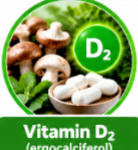 is derived from plant and fungal sterols and is the form used in some prescription high-dose preparations. It is effective for repletion but may produce a shorter duration of elevation in 25(OH)D compared with D₃, particularly at intermittent high doses.
25-hydroxyvitamin D (calcifediol) 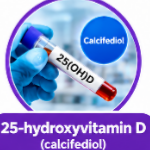 is a prohormone metabolite available in some countries as an oral preparation. Because it bypasses hepatic 25-hydroxylation, it raises serum 25(OH)D more rapidly and may be preferred in patients with severe liver disease or malabsorption, although cost and availability limit routine use.
1,25-dihydroxyvitamin D (calcitriol) and active analogues 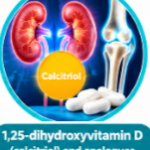 (alfacalcidol, paricalcitol) are used in specific clinical settings—notably chronic kidney disease, where renal 1α-hydroxylation is impaired—and in hypoparathyroidism and certain metabolic bone diseases. These are pharmacological agents with a narrow therapeutic index and require monitoring of calcium and renal function; they are not interchangeable with nutritional vitamin D supplements.
The practical implication is that “vitamin D” on a product label is not a single entity. For routine nutritional supplementation and correction of uncomplicated deficiency, D₃ is the most widely used and best-supported choice. For patients with organ dysfunction or malabsorptive states, the route and form may need to be individualised in consultation with a clinician.
3. Major Functions in the Human Body
Vitamin D’s established physiological functions are best understood through the endocrine actions of 1,25(OH)₂D. The classical, non-negotiable role is the regulation of calcium and phosphate homeostasis. 1,25(OH)₂D increases intestinal absorption of calcium and phosphate, mobilises calcium from bone when needed (in concert with parathyroid hormone), and modulates renal calcium reabsorption. These actions are essential for normal skeletal mineralisation: without adequate vitamin D, osteoid matrix is not properly mineralised, producing the clinical syndromes of rickets in growing children and osteomalacia in adults.
Beyond mineral homeostasis, the vitamin D receptor is expressed in a wide range of tissues, and 1,25(OH)₂D influences cellular differentiation, proliferation, and apoptosis. In skeletal muscle, VDR activation contributes to myocyte function and muscle protein synthesis; deficiency is associated with proximal myopathy, muscle weakness, and an increased risk of falls, particularly in older adults. In the immune system, vitamin D signalling modulates both innate and adaptive responses: it promotes antimicrobial peptide production, influences macrophage function, and shifts adaptive immunity in ways that have been hypothesised to reduce excessive inflammatory responses. These immune actions are biologically plausible and supported by laboratory and observational data, but their clinical significance—how much they translate into reduced infection risk or improved outcomes—remains a matter of ongoing trial evidence, discussed in the next section.
It is important to state clearly what vitamin D does not do as a proven physiological function. It is not a direct “energy vitamin” in the sense of producing ATP, and it does not independently “boost” the immune system in a global, non-specific manner. Its role in energy metabolism is indirect, mediated through musculoskeletal function, calcium homeostasis, and possibly mitochondrial efficiency; fatigue in vitamin D deficiency is real but non-specific and multifactorial. This distinction matters for clinicians because it protects against the common error of attributing every non-specific symptom to low vitamin D without considering alternative diagnoses.
4. Evidence-Based Benefits of Vitamin D
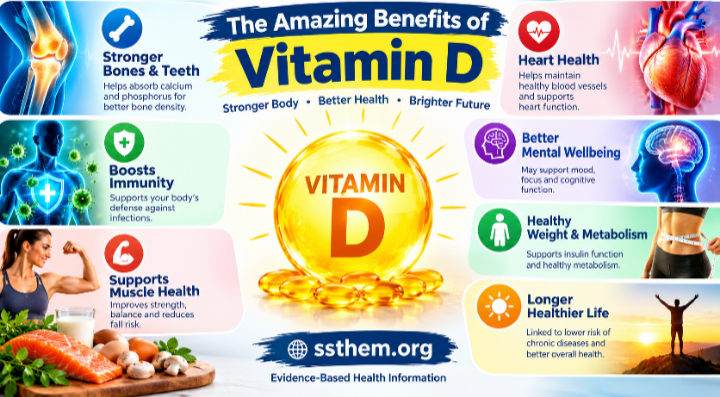
The evidence for vitamin D benefits exists on a spectrum from unequivocal to speculative. Responsible clinical communication requires placing each claim on that spectrum.
Established, high-certainty benefits. The prevention and treatment of nutritional rickets and osteomalacia are beyond reasonable dispute. Correction of deficiency reliably improves bone mineralisation and reduces the biochemical abnormalities of secondary hyperparathyroidism. In older adults with deficiency, vitamin D supplementation—often combined with calcium—reduces the risk of falls and fragility fractures in many guideline frameworks, although the magnitude of benefit depends on baseline status, dose, and adherence.
Evidence-supported but context-dependent benefits. The effect of vitamin D on acute respiratory infections (ARIs) has been extensively studied. A 2021 meta-analysis of 37 randomised controlled trials reported a statistically significant protective effect of supplementation for ARI prevention (odds ratio approximately 0.92, 95% CI 0.86–0.99), with the greatest benefit observed in trials using daily or weekly dosing and in participants with baseline deficiency. However, later large trials—particularly those conducted during the COVID-19 pandemic—did not consistently confirm clinically important benefits in populations not selected for deficiency, and some rigorous re-analyses have concluded that the evidence is insufficient to justify universal prescription for respiratory infection prevention. The most defensible clinical position is that correcting deficiency is reasonable and may reduce infection susceptibility in deficient individuals, while high-dose supplementation in already-replete people is not supported by consistent evidence.
Limited or inconsistent evidence. Associations between low vitamin D status and cancer incidence, cardiovascular disease, type 2 diabetes, autoimmune disease, and depression have been reported in observational studies, but randomised trials have generally not confirmed that vitamin D supplementation reduces the incidence of these outcomes in initially healthy populations. The US Preventive Services Task Force has concluded that the evidence is insufficient to recommend routine screening for vitamin D deficiency in asymptomatic adults, and that treating asymptomatic deficiency offers no demonstrated benefit for cancer, diabetes, or mortality outcomes. A pooled analysis of trials has suggested a possible reduction in cancer mortality with vitamin D supplementation, but the effect is modest, inconsistent across trials, and not a basis for recommending supplementation solely for cancer prevention. These distinctions are essential for evidence-based counselling: patients should not be told that vitamin D “prevents cancer” or “protects the heart” on the basis of current human trial data.
5. Recommended Daily Intake
The most widely cited dietary reference values for vitamin D come from the Institute of Medicine (IOM; now the National Academy of Medicine) 2011 report, which remains the basis for the RDA in the United States and Canada. The RDA assumes minimal sun exposure.
| Population group | RDA (IU/day) | RDA (mcg/day) | Tolerable upper intake level (IU/day) |
|---|---|---|---|
| Infants 0–6 months | 400 (AI) | 10 | 1,000 |
| Infants 7–12 months | 400 (AI) | 10 | 1,500 |
| Children 1–3 years | 600 | 15 | 2,500 |
| Children 4–8 years | 600 | 15 | 3,000 |
| Children and adults 9–70 years | 600 | 15 | 4,000 |
| Adults ≥71 years | 800 | 20 | 4,000 |
| Pregnancy and lactation | 600 | 15 | 4,000 |
Source: Institute of Medicine, Dietary Reference Intakes for Calcium and Vitamin D (2011); NIH Office of Dietary Supplements.
Several clarifications are necessary. First, the RDA is not a therapeutic dose. It is the intake sufficient to meet the requirements of nearly all healthy individuals in a population, not the dose required to correct established deficiency. Second, the tolerable upper intake level (UL) is not a target; it is the highest average daily intake likely to pose no risk of adverse health effects for almost all individuals. The US UL for adults is 4,000 IU/day, while the European Food Safety Authority has established a UL of 100 mcg (4,000 IU)/day for adults and adolescents aged 11–17 years, and 50 mcg (2,000 IU)/day for children aged 1–10 years. Third, recommendations differ internationally; some countries recommend lower intakes, while some expert bodies advocate higher maintenance doses for specific high-risk groups. Clinicians should follow the guidance applicable to their jurisdiction and patient population rather than assuming a single global standard.
The distinction between recommended intake, therapeutic repletion, and maintenance dose is the second major “secret” of vitamin D. A patient with documented deficiency may require a structured repletion regimen—often a total dose in the range of 300,000 IU delivered over several weeks—followed by a lower maintenance dose, and this is a clinical decision that depends on the severity of deficiency, the underlying cause, and the patient’s response. Self-supplementation with a standard multivitamin is not equivalent to clinician-supervised treatment of deficiency.
6. Best Food Sources
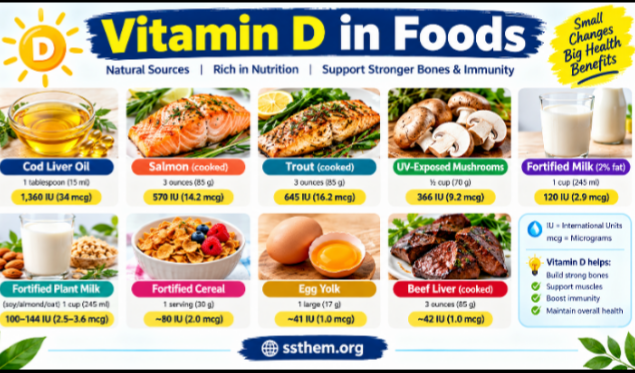
Very few foods naturally contain meaningful amounts of vitamin D, and fortified foods contribute a substantial proportion of intake in countries with fortification programmes. The table below summarises representative values from authoritative food-composition data. Values vary by species, preparation, fortification, and brand; clinicians should consult local food-composition databases when precise estimates are required.
| Food | Serving | Approximate vitamin D (IU) | Approximate vitamin D (mcg) | Source type |
|---|---|---|---|---|
| Cod liver oil | 1 tablespoon | 1,360 | 34.0 | Animal (fish liver) |
| Rainbow trout, farmed, cooked | 3 ounces | 645 | 16.2 | Animal (fish) |
| Sockeye salmon, cooked | 3 ounces | 570 | 14.2 | Animal (fish) |
| Mushrooms, white, UV-exposed, raw | ½ cup | 366 | 9.2 | Plant/fungal (UV-treated) |
| Milk, 2% fat, vitamin D-fortified | 1 cup | 120 | 2.9 | Fortified dairy |
| Soy, almond, or oat milk, fortified | 1 cup | 100–144 | 2.5–3.6 | Fortified plant beverage |
| Ready-to-eat cereal, fortified | 1 serving | ~80 | ~2.0 | Fortified grain product |
| Egg yolk | 1 large | ~41 | ~1.0 | Animal |
| Beef liver | 3 ounces | ~42 | ~1.0 | Animal |
Adapted from NIH Office of Dietary Supplements, Vitamin D Fact Sheet (food-composition data).
For vegetarians and vegans, UV-exposed mushrooms and fortified plant beverages are important sources, but achieving the RDA from diet alone can be difficult without fortification or supplementation, particularly in winter at higher latitudes. Fatty fish remains the most concentrated natural source, but cultural, ethical, and taste preferences limit its universal utility. The practical message is not that everyone needs supplements, but that dietary adequacy requires deliberate attention in populations that avoid animal products or do not consume fortified foods regularly.
7. Absorption, Bioavailability and Metabolism
Vitamin D is a fat-soluble nutrient, and its absorption from the gut is bile-dependent and occurs in the small intestine, predominantly via incorporation into mixed micelles. Conditions that impair fat absorption—pancreatic exocrine insufficiency, coeliac disease, cystic fibrosis, bariatric surgery, cholestatic liver disease—therefore predispose to deficiency even when dietary intake appears adequate. This is one of the most clinically important “secrets” of vitamin D: a patient can consume enough vitamin D and still be deficient because they cannot absorb it.
Once absorbed (or synthesised in the skin), vitamin D is transported in the circulation bound to vitamin D-binding protein (DBP) and albumin. Hepatic 25-hydroxylation is relatively unregulated and reflects total substrate availability, which is why serum 25(OH)D is a good marker of exposure (from sun and intake) but not necessarily of biological effect. Renal 1α-hydroxylation is tightly regulated by parathyroid hormone, fibroblast growth factor 23 (FGF23), calcium, and phosphate, and this regulation can be disrupted in chronic kidney disease, leading to low 1,25(OH)₂D despite normal or elevated 25(OH)D. This distinction explains why patients with advanced kidney disease may require active vitamin D analogues rather than nutritional vitamin D.
Obesity is another important modifier. Vitamin D is sequestered in adipose tissue, and individuals with obesity often have lower serum 25(OH)D for a given intake and may require higher doses to achieve the same serum concentration. Ageing reduces cutaneous 7-dehydrocholesterol availability and renal 1α-hydroxylase activity, contributing to lower status in older adults. These physiological variables mean that a dose that is adequate for a lean, young, sun-exposed adult may be insufficient for an older, obese, housebound patient—a point that supports individualised assessment rather than blanket recommendations.
8. Deficiency: Causes, Risk Factors and Mechanisms
Vitamin D deficiency arises when the supply of vitamin D—from cutaneous synthesis and diet—is insufficient to maintain serum 25(OH)D above the threshold associated with normal calcium homeostasis and bone health. The BMJ Best Practice summary defines deficiency as a serum 25(OH)D concentration below 50 nmol/L (20 ng/mL) and insufficiency as 52–72 nmol/L (21–29 ng/mL), while noting that definitions vary across guidelines and that the Endocrine Society in 2024 no longer endorsed specific numerical cut-offs. Many experts recommend maintaining a concentration above 75 nmol/L (30 ng/mL), particularly in older adults, although this remains a matter of debate.
The causes of deficiency can be grouped into four categories:
- Reduced cutaneous synthesis: limited sun exposure (indoor work, institutionalisation, clothing practices, sunscreen use, winter at high latitude), darker skin pigmentation (melanin reduces UVB penetration), and ageing (reduced 7-dehydrocholesterol in skin).
- Inadequate intake: diets lacking fatty fish, fortified foods, or supplements; restrictive dietary patterns; food insecurity.
- Malabsorption: coeliac disease, inflammatory bowel disease, cystic fibrosis, pancreatic insufficiency, bariatric surgery, cholestatic liver disease.
- Increased catabolism or impaired activation: obesity (sequestration in adipose tissue), medications that induce hepatic enzymes (antiepileptics, rifampicin), chronic kidney disease (impaired 1α-hydroxylation), and liver disease (impaired 25-hydroxylation).
Differentiating inadequate intake from confirmed biochemical deficiency and clinically significant deficiency disease is essential. A low dietary intake may be present without biochemical deficiency if sun exposure is adequate; conversely, a low serum 25(OH)D may be an incidental finding in an asymptomatic patient without clinical consequences. The decision to treat should be based on the combination of biochemical status, clinical context, and the presence of risk factors or symptoms.
9. Signs and Symptoms of Deficiency
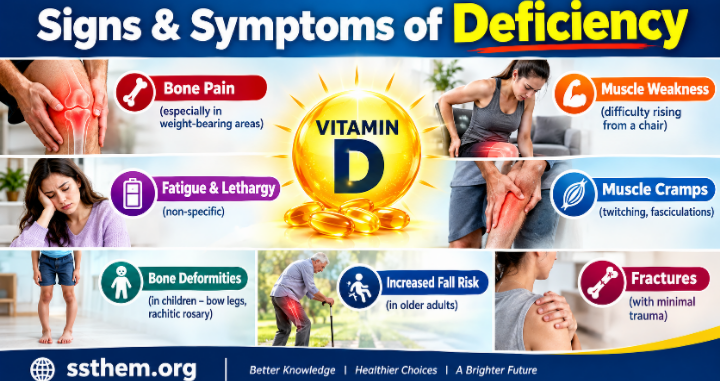
Most patients with mild to moderate vitamin D deficiency are asymptomatic. When symptoms occur, they are often non-specific and overlap with many other conditions. The table below summarises the clinical findings, their physiological basis, and their diagnostic specificity.
| Finding | Possible explanation | Clinical interpretation |
|---|---|---|
| Bone pain, especially in weight-bearing areas | Osteomalacia with impaired mineralisation; secondary hyperparathyroidism | Suggestive when combined with low 25(OH)D and biochemical abnormalities; not specific in isolation |
| Proximal muscle weakness, difficulty rising from a chair, waddling gait | Vitamin D–deficient myopathy | Characteristic of severe deficiency; improves with repletion |
| Muscle twitching, cramps, fasciculations | Hypocalcaemia or hypophosphataemia secondary to deficiency | Non-specific; require biochemical confirmation |
| Fatigue, lethargy | Multifactorial; may reflect myopathy, anaemia, or other causes | Very non-specific; should not be attributed to vitamin D without testing |
| Bone deformities in children (bow legs, rachitic rosary, delayed fontanelle closure) | Rickets | Highly suggestive in the appropriate age group; requires urgent assessment |
| Increased fall frequency in older adults | Myopathy, balance impairment, fracture risk | Important clinical marker; warrants vitamin D assessment and falls review |
| Fractures with minimal trauma | Osteoporosis/
osteomalacia |
Suggests long-standing deficiency; requires bone health evaluation |
Sources: BMJ Best Practice; NCBI Bookshelf (StatPearls); MSD Manual.
The critical clinical message is that none of these symptoms should be used alone to diagnose vitamin D deficiency. Fatigue, hair changes, and muscle discomfort have extensive differential diagnoses, and attributing them to low vitamin D without biochemical confirmation can delay the diagnosis of other conditions. Conversely, the absence of symptoms does not exclude deficiency, particularly in high-risk groups.
10. Diagnosis and Laboratory Investigations
The assessment of vitamin D status begins with a focused history—sun exposure, dietary intake, supplement use, medications, gastrointestinal disease, bariatric surgery, and symptoms—and physical examination for signs of rickets, osteomalacia, or myopathy. Laboratory testing is indicated when deficiency is suspected clinically or when a high-risk condition is present.
Serum total 25-hydroxyvitamin D [25(OH)D] is the accepted biomarker. It reflects both cutaneous synthesis and dietary intake, has a relatively long half-life, and is not directly regulated by calcium or PTH in the way that 1,25(OH)₂D is. The test measures both D₂ and D₃ metabolites, which is important because patients may be taking either form. Assay variability is a recognised limitation: different immunoassays and liquid chromatography–tandem mass spectrometry (LC-MS/MS) methods can produce different results, and clinicians should interpret values in the context of the local laboratory’s reference interval and method.
Representative interpretive thresholds from authoritative sources are shown below. These are not universal diagnostic cut-offs; they vary by guideline, laboratory, and clinical context.
| 25(OH)D concentration | Interpretation (Oxford University Hospitals NHS guide) | Alternative interpretation (BMJ Best Practice / common US practice) |
|---|---|---|
| <25 nmol/L (<10 ng/mL) | Deficiency, requires replacement | Severe deficiency |
| 25–50 nmol/L (10–20 ng/mL) | Insufficiency, consider replacement | Deficiency (<20 ng/mL) |
| >50 nmol/L (>20 ng/mL) | Adequate status | Sufficient for most people |
| 50–75 nmol/L (20–30 ng/mL) | Adequate but may be suboptimal for some | Insufficiency in some frameworks |
| >75 nmol/L (>30 ng/mL) | Replete | Target in some expert guidelines |
| >375 nmol/L (>150 ng/mL) | Toxicity possible; review dose | Toxicity threshold |
Sources: Oxford University Hospitals NHS Foundation Trust; BMJ Best Practice; NIH ODS.
Additional investigations may include serum calcium, phosphate, alkaline phosphatase, parathyroid hormone, and renal function. In suspected malabsorption, coeliac serology, faecal elastase, or small-bowel imaging may be appropriate. In chronic kidney disease, measurement of 1,25(OH)₂D and assessment of mineral metabolism are relevant. The differential diagnosis of low 25(OH)D includes poor intake, malabsorption, obesity, drug-induced catabolism, and inherited disorders of vitamin D metabolism; specialist referral is appropriate when the cause is unclear or when deficiency is severe and refractory to standard repletion.
The US Preventive Services Task Force has concluded that the evidence is insufficient to recommend routine screening for vitamin D deficiency in asymptomatic adults, and screening should therefore be targeted to high-risk groups rather than applied universally. This is a key point of controversy: some professional societies advocate broader screening, while preventive bodies emphasise the absence of proven benefit from treating asymptomatic deficiency in the general population.
11. Treatment of Deficiency
The treatment of vitamin D deficiency has three components: correcting the underlying cause, achieving repletion, and maintaining adequate status long term.
Addressing the cause is essential to prevent recurrence. If deficiency is due to malabsorption, the gastrointestinal disorder must be managed; if it is due to a drug that accelerates vitamin D catabolism, alternative therapy should be considered in consultation with the prescriber; if it is due to limited sun exposure or dietary inadequacy, practical preventive strategies should be discussed.
Repletion regimens vary by country and guideline. A common approach in adults with uncomplicated deficiency is a total loading dose of approximately 300,000 IU of vitamin D₃ delivered over 6–10 weeks, followed by a maintenance dose of 800–2,000 IU/day. Regimens may use daily, weekly, or intermittent dosing; daily or weekly dosing is generally preferred over large intermittent bolus doses because bolus administration may be associated with a higher risk of falls and fractures in some trials. In pregnant women, repletion doses are typically lower and should be supervised by an obstetric clinician. In children, doses are weight- and age-adjusted, and severe deficiency with hypocalcaemia may require calcitriol and calcium in addition to cholecalciferol.
Monitoring typically involves repeating serum 25(OH)D after the repletion phase (often at 8–12 weeks) and then at longer intervals depending on the clinical context. Calcium and PTH may also be monitored in patients with bone disease or renal impairment. Maintenance therapy is often lifelong in patients with chronic risk factors such as malabsorption or obesity.
A brief resource note for readers interested in broader health and wellness education: general educational content on health and beauty topics is available at ssthem.net, although it is separate from the clinical evidence discussed here. It should not be used as a substitute for professional medical advice.
12. Supplements: Forms, Uses and Responsible Selection
The supplement market for vitamin D is vast and variable in quality. Responsible selection requires attention to several factors.
Stated amount and units. Vitamin D is labelled in either international units (IU) or micrograms (mcg); 1 mcg of vitamin D is equivalent to 40 IU. Products may contain 400 IU, 1,000 IU, 2,000 IU, 4,000 IU, or higher doses, and combination products may duplicate vitamin D across a multivitamin and a separate supplement. Patients should be counselled to read labels and account for total daily intake from all sources.
Formulation. Vitamin D₃ is the preferred form for most nutritional supplementation. Oil-based capsules or liquid preparations may enhance absorption in patients with fat malabsorption, although evidence for superiority over standard tablets is limited. Calcidiol and active analogues are reserved for specific clinical indications.
Quality and regulatory status. In countries with limited supplement regulation, independent third-party testing (e.g., USP, NSF, or equivalent) provides some assurance of label accuracy and purity. Clinicians should encourage patients to choose products from reputable manufacturers and to disclose all supplements during medication reconciliation.
Marketing claims. Claims that a particular brand is “more bioavailable,” “clinically proven,” or “doctor-formulated” are not reliable indicators of superiority. The evidence base for most premium-priced vitamin D products is thin, and the cheapest generic cholecalciferol is often as effective as expensive branded alternatives. The responsible message is that dose, adherence, and correction of the underlying cause matter more than brand prestige.
13. Dosage, Safety and Upper Intake Limits
The safety profile of vitamin D is favourable when used within recommended limits, but the margin is not infinite. The key distinction is between recommended intake, supplemental dose, therapeutic repletion dose, and the tolerable upper intake level (UL).
The US UL for adults, including pregnant and lactating women, is 4,000 IU/day (100 mcg/day). The European Food Safety Authority has set the same UL for adults and adolescents aged 11–17 years, and a lower UL of 2,000 IU/day for children aged 1–10 years. These values apply to total intake from food, fortified foods, and supplements. They are not targets, and there is no established benefit to routine supplementation at or near the UL in otherwise healthy, replete individuals.
Doses above the UL may be appropriate in specific clinical circumstances—for example, under medical supervision for the treatment of severe deficiency or malabsorption—but such use requires monitoring of serum calcium and 25(OH)D and should not be self-initiated. The risk of toxicity rises with sustained intakes well above the UL, particularly with high-dose bolus regimens or with active vitamin D analogues, which have a much narrower therapeutic index.
14. Side Effects, Toxicity and Overdose
Vitamin D toxicity is rare with oral nutritional supplements but can occur with excessive intake, particularly when high doses are taken for prolonged periods or when active analogues are used without monitoring. The central mechanism is hypercalcaemia (and hypercalciuria), which can produce renal, gastrointestinal, cardiovascular, and neurological manifestations.
| Safety issue | Possible manifestations or risks | Recommended action |
|---|---|---|
| Excessive intake (chronic) | Hypercalcaemia, hypercalciuria, nephrocalcinosis, renal impairment, constipation, nausea, polyuria, polydipsia, confusion | Stop inappropriate self-supplementation; seek medical assessment; monitor calcium and renal function |
| Acute overdose | Severe hypercalcaemia, dehydration, arrhythmias, pancreatitis, renal failure | Urgent medical evaluation; intravenous fluids and other supportive measures as indicated |
| Thiazide diuretics | Additive hypercalcaemia risk because thiazides reduce urinary calcium excretion | Monitor calcium when vitamin D is co-prescribed; review dose and indication |
| Corticosteroids | Reduce intestinal calcium absorption and antagonise vitamin D effects on bone | Assess bone health; ensure adequate calcium and vitamin D intake; consider osteoporosis prophylaxis |
| Antiepileptics (phenytoin, phenobarbital, carbamazepine) | Induce hepatic enzymes that increase vitamin D catabolism; may worsen bone loss | Monitor 25(OH)D and bone health; supplement if indicated |
| Chronic kidney disease | Impaired 1α-hydroxylation and reduced clearance of active vitamin D metabolites; risk of hypercalcaemia and vascular calcification | Use active vitamin D analogues only under nephrology supervision; monitor calcium, phosphate, PTH |
| Granulomatous disease (sarcoidosis, tuberculosis, lymphoma) | Extrarenal 1α-hydroxylase activity can produce excessive 1,25(OH)₂D and hypercalcaemia | Avoid unsupervised high-dose vitamin D; monitor calcium and 1,25(OH)₂D |
Sources: EFSA (2023); BMJ Best Practice; drug interaction literature.
Toxicity is usually defined biochemically as a serum 25(OH)D concentration above approximately 375 nmol/L (150 ng/mL), and hypercalcaemia typically emerges only at concentrations well above the physiological range. However, individual susceptibility varies, and patients with renal impairment or granulomatous disease may develop hypercalcaemia at lower 25(OH)D concentrations. The clinical approach should be to prevent toxicity through dose awareness, monitor high-risk patients, and investigate hypercalcaemia promptly when it occurs.
15. Drug–Nutrient and Nutrient–Nutrient Interactions
Medication review is an essential component of vitamin D assessment. A substantial literature review identified numerous drug classes associated with altered vitamin D status, including antiepileptics, laxatives, metformin, loop and thiazide diuretics, ACE inhibitors, statins, calcium channel blockers, corticosteroids, antimicrobials (including rifampicin and isoniazid), immunosuppressants, and certain chemotherapeutic agents. Not every theoretical interaction is clinically significant, but several are well established and clinically relevant.
Antiepileptic drugs such as phenytoin, phenobarbital, and carbamazepine induce hepatic cytochrome P450 enzymes, accelerating the conversion of vitamin D to inactive metabolites. Patients on long-term antiepileptic therapy have a higher prevalence of vitamin D deficiency and osteomalacia, and guidelines generally recommend vitamin D supplementation and bone health monitoring in this population.
Thiazide diuretics reduce urinary calcium excretion and, when combined with vitamin D, can precipitate hypercalcaemia, particularly in older adults or those with reduced renal function. This interaction is well recognised and warrants calcium monitoring when both agents are used.
Corticosteroids reduce intestinal calcium absorption and directly impair osteoblast function, increasing the risk of glucocorticoid-induced osteoporosis. Vitamin D and calcium supplementation are commonly recommended for patients on long-term corticosteroids, alongside bone density assessment.
Rifampicin and isoniazid affect vitamin D metabolism and have been associated with osteomalacia in treated patients. Ketoconazole inhibits 1α-hydroxylase and can reduce 1,25(OH)₂D production. Orlistat, a lipase inhibitor, may reduce absorption of fat-soluble vitamins including vitamin D, and supplementation is often advised.
Healthcare professionals should review supplements when evaluating a patient’s medication list, particularly in older adults with polypharmacy. However, the presence of a theoretical interaction should not automatically lead to supplementation; the decision should be based on the patient’s risk profile, baseline status, and clinical context.
A brief, clearly separate resource note: readers interested in religious knowledge and educational perspectives from around the world may explore ssthem.com. This resource is independent of the medical evidence discussed in this article and should never be used as a substitute for scientific or clinical guidance.
16. Special Populations
Vitamin D requirements and risks vary substantially across populations. The table below summarises the key considerations; doses should be individualised and aligned with local guidelines.
| Population | Key considerations | Typical approach |
|---|---|---|
| Infants and children | Breast milk contains little vitamin D; rickets risk if not supplemented or exposed to sun. | 400 IU/day for all breastfed infants; 600 IU/day for children and adolescents; higher doses for confirmed deficiency under medical supervision. |
| Pregnancy and lactation | Maternal deficiency affects fetal bone development and neonatal calcium homeostasis. | 600–1,000 IU/day is commonly recommended; up to 2,000 IU/day may be used in higher-risk women under supervision. |
| Older adults (≥65 years) | Reduced cutaneous synthesis, renal activation, and mobility; increased fall and fracture risk. | 800–2,000 IU/day; combine with calcium if dietary intake is inadequate; falls assessment. |
| Obesity and bariatric surgery | Adipose sequestration and reduced absorption; higher doses often required. | 1,000–4,000 IU/day, with monitoring; bariatric patients may need specialised formulations. |
| Malabsorption syndromes | Impaired fat absorption (coeliac disease, cystic fibrosis, IBD, pancreatic insufficiency). | 1,000–5,000 IU/day; may require calcidiol or parenteral routes; treat the underlying disorder. |
| Chronic kidney disease | Impaired 1α-hydroxylation; risk of hypercalcaemia and vascular calcification. | Nutritional vitamin D may be used, but active analogues (calcitriol, alfacalcidol) are often required under nephrology supervision. |
| Liver disease | Impaired 25-hydroxylation; low albumin and DBP. | 1,000–2,000 IU/day with monitoring; calcidiol may be useful in severe disease. |
| Darker skin pigmentation | Melanin reduces cutaneous vitamin D synthesis. | 800–1,000 IU/day and monitoring if additional risk factors are present. |
Sources: Updated perspectives on vitamin D (2026); BMJ Best Practice; NCBI Bookshelf; IOF guidance.
Recommendations should not be generalised from one population to another. An infant’s requirement is not simply a scaled-down adult dose; a pregnant woman’s needs differ from those of a non-pregnant woman; and a patient with CKD may respond differently to nutritional vitamin D than a patient with normal renal function. This population-specific approach is one of the most important practical lessons of clinical vitamin D management.
17. Common Myths and Medical Misconceptions
| Common claim | Evidence-based explanation |
|---|---|
| “Everyone is vitamin D deficient and everyone needs supplements.” | Deficiency is common in certain risk groups, but not universal. Many healthy adults with regular sun exposure and adequate diet are replete. Screening and supplementation should be targeted, not universal. |
| “Sunscreen use causes vitamin D deficiency.” | Normal sunscreen use may modestly reduce cutaneous synthesis but does not generally cause deficiency in otherwise healthy people. There is no convincing evidence that typical sunscreen use leads to vitamin D insufficiency, and sun protection remains important for skin cancer prevention. |
| “Vitamin D prevents cancer and heart disease.” | Observational associations exist, but large randomised trials have not consistently shown that supplementation reduces cancer incidence or cardiovascular events in healthy populations. Current evidence does not support supplementation solely for these outcomes. |
| “More vitamin D is always better.” | There is a U-shaped or threshold relationship for some outcomes. Doses above the UL offer no established benefit in replete individuals and may cause hypercalcaemia, particularly with active analogues or in renal impairment. |
| “Vitamin D boosts the immune system and prevents all infections.” | Vitamin D modulates immune function, and deficiency may increase susceptibility to some infections. However, trials of supplementation in replete populations have produced inconsistent results, and vitamin D is not a substitute for vaccination, hygiene, or other preventive measures. |
| “A standard multivitamin corrects deficiency.” | Standard multivitamins typically contain 400–800 IU, which may be insufficient to correct established deficiency. Treatment requires a structured repletion regimen under clinical supervision. |
| “Vitamin D is only important for bones.” | Bone health is the best-established role, but vitamin D also influences muscle function and immune modulation. However, extraskeletal benefits should not be overstated beyond what clinical trials support. |
| “Vitamin D and K2 must always be taken together.” | Vitamin K2 is involved in carboxylation of osteocalcin and may complement vitamin D’s effects on bone, and some studies suggest additive benefits. However, combination therapy is not universally required, and evidence for routine K2 supplementation is less mature than for vitamin D. |
| “If you have symptoms of fatigue or hair loss, you need vitamin D.” | These symptoms have many causes. They should not be attributed to vitamin D deficiency without appropriate investigation and biochemical confirmation. |
18. Clinical Case Examples for Medical Students
The following cases are fictional and educational. They are not real patients and should not be used to justify unsupported treatment recommendations.
Case 1: An Older Adult with Falls and Proximal Weakness
Presentation: A 78-year-old woman presents after two falls in the past six months. She reports difficulty rising from a low chair and generalised aching in her thighs and hips. She lives alone, rarely goes outdoors, and has a diet low in dairy products.
History: Hypertension treated with a thiazide diuretic; no calcium or vitamin D supplements. No history of malabsorption, but she has reduced appetite and has lost 3 kg unintentionally.
Differential diagnosis: Vitamin D deficiency with myopathy; age-related sarcopenia; hypothyroidism; anaemia; medication adverse effect; occult malignancy.
Initial investigations: Serum 25(OH)D, calcium, phosphate, alkaline phosphatase, PTH, renal function, full blood count, thyroid function, and a falls risk assessment. A dietary assessment is also obtained.
Interpretation: Serum 25(OH)D is 18 nmol/L (7 ng/mL), calcium is low-normal, phosphate is normal, alkaline phosphatase is elevated, and PTH is elevated. These findings are consistent with vitamin D deficiency and secondary hyperparathyroidism.
Management principles: The patient is commenced on a supervised repletion regimen of vitamin D₃ (e.g., a total loading dose of approximately 300,000 IU over 8–10 weeks) followed by maintenance therapy. Calcium intake is assessed and optimised through diet and, if necessary, supplementation. The thiazide diuretic is reviewed because of the risk of hypercalcaemia during repletion. A falls prevention programme is arranged, and follow-up includes repeat 25(OH)D, calcium, and clinical assessment of muscle strength and falls.
Learning points: Vitamin D deficiency can present with non-specific falls and weakness in older adults. Thiazide diuretics require calcium monitoring during repletion. Treatment must address the underlying cause (limited sun exposure, poor intake) and include falls prevention.
Case 2: A Young Adult with Malabsorption
Presentation: A 28-year-old man with a five-year history of diarrhoea and weight loss is referred for bone pain. He has been diagnosed with coeliac disease but admits to imperfect adherence to a gluten-free diet. He has widespread bone tenderness and muscle weakness.
History: No vitamin D or calcium supplementation. Laboratory tests show low 25(OH)D, low calcium, low phosphate, elevated alkaline phosphatase, and elevated PTH. Dual-energy X-ray absorptiometry (DXA) shows low bone mineral density.
Differential diagnosis: Osteomalacia secondary to coeliac disease–related malabsorption; osteoporosis; other malabsorption syndromes; medication-related bone loss.
Management principles: The priority is treatment of coeliac disease with a strict gluten-free diet and gastroenterology follow-up. Vitamin D repletion is undertaken with a supervised regimen, and calcium and phosphate are monitored and corrected as needed. Because absorption may be impaired, higher doses or alternative formulations (e.g., calcidiol) may be considered. Bone density is rechecked after correction of deficiency.
Learning points: Malabsorption is a common cause of refractory vitamin D deficiency. Treating the underlying gastrointestinal disease is essential. Bone density can improve with correction of deficiency, but long-term monitoring is required.
Case 3: A Patient with Obesity and Low 25(OH)D
Presentation: A 45-year-old woman with class II obesity (BMI 37 kg/m²) is found to have a serum 25(OH)D of 42 nmol/L (17 ng/mL) on routine testing. She is asymptomatic and takes a standard multivitamin containing 400 IU of vitamin D.
Differential diagnosis: Obesity-related sequestration of vitamin D; inadequate supplemental dose; limited sun exposure; other causes of low 25(OH)D.
Management principles: The patient is advised that her current supplement dose is likely insufficient to achieve repletion given her body size. A higher maintenance dose (e.g., 2,000–4,000 IU/day) may be appropriate, with monitoring of 25(OH)D after 8–12 weeks. Lifestyle measures for weight management are discussed, but vitamin D supplementation should not be presented as a weight-loss treatment.
Learning points: Obesity increases vitamin D requirements. Standard multivitamin doses may be inadequate. Monitoring and dose adjustment are more important than brand or formulation.
19. Practical Prevention Strategies
Prevention of vitamin D deficiency should be proportionate to risk. For the general population, the following strategies are evidence-based and practical:
- Safe sun exposure: Brief periods of midday sun exposure (typically 10–30 minutes, depending on skin type and latitude) can support cutaneous synthesis, but sunburn must be avoided. Sunscreen should not be omitted solely to raise vitamin D; normal sunscreen use does not generally cause deficiency, and skin cancer prevention remains important.
- Dietary variety: Include fatty fish once or twice per week where culturally and ethically appropriate; use fortified dairy or plant beverages; include UV-exposed mushrooms; and consider fortified cereals and juices.
- Targeted supplementation: Routine supplementation is not necessary for all healthy adults, but it is appropriate for high-risk groups—older adults, infants, pregnant and lactating women, people with darker skin and limited sun exposure, those with malabsorption, and patients on long-term medications that affect vitamin D metabolism.
- Food fortification: National fortification policies have historically been effective in reducing rickets and remain an important public health strategy in many countries. Clinicians should be aware of local fortification practices.
- Patient education: Explain the difference between RDA and therapeutic doses, the importance of adherence, and the risks of megadoses. Encourage patients to disclose all supplements during medication reviews.
Prevention should not be framed as a guarantee against all disease. Adequate vitamin D status supports bone and muscle health and may reduce the risk of some infections in deficient individuals, but it is not a panacea.
20. Frequently Asked Questions
1. What is vitamin D used for in the body?
Answer : Vitamin D regulates calcium and phosphate absorption and bone mineralisation; it also supports skeletal muscle function and modulates immune responses.
2. What are the main benefits of vitamin D?
Answer : The best-established benefits are prevention and treatment of rickets and osteomalacia, and support of bone health. Evidence for extraskeletal benefits is more variable and should not be overstated.
3. What are the early signs of vitamin D deficiency?
Answer : Most people are asymptomatic. When symptoms occur, they may include bone pain, muscle weakness, fatigue, and muscle twitching, but these are non-specific and require biochemical confirmation.
4. Which foods contain the highest amounts of vitamin D?
Answer : Fatty fish (salmon, trout, mackerel), cod liver oil, UV-exposed mushrooms, and fortified dairy or plant beverages are the richest sources. Egg yolks and beef liver contain smaller amounts.
5. How much vitamin D is recommended daily?
Answer : The US RDA is 600 IU/day for children and adults aged 1–70 years, and 800 IU/day for adults aged 71 years and older, assuming minimal sun exposure. Other countries have different recommendations.
6. Who is at risk of vitamin D deficiency?
Answer : Older adults, infants who are breastfed without supplementation, people with limited sun exposure, darker-skinned individuals, people with obesity or malabsorption, and those taking certain medications (antiepileptics, rifampicin, corticosteroids).
7. Which tests can help identify deficiency?
Answer : Serum total 25-hydroxyvitamin D [25(OH)D] is the standard test. Calcium, phosphate, alkaline phosphatase, and PTH may provide supportive information.
8. Can deficiency occur despite a balanced diet?
Answer : Yes. Very few foods naturally contain vitamin D, and malabsorption, obesity, limited sun exposure, and medications can cause deficiency even with an apparently adequate diet.
9. Are supplements necessary for everyone?
Answer : No. Routine supplementation is not required for all healthy adults with adequate sun exposure and dietary intake. Targeted supplementation is appropriate for high-risk groups and confirmed deficiency.
10. What are the risks of taking too much vitamin D?
Answer : Excessive intake can cause hypercalcaemia, hypercalciuria, renal impairment, and other complications. The US UL for adults is 4,000 IU/day.
11. Can vitamin D interact with medicines?
Answer : Yes. Thiazide diuretics increase hypercalcaemia risk; antiepileptics and rifampicin accelerate vitamin D catabolism; corticosteroids impair calcium absorption and bone health.
12. How long does correction of deficiency take?
Answer : With a structured repletion regimen, serum 25(OH)D usually rises within weeks, but clinical improvement in bone pain or myopathy may take several months. Maintenance therapy is often long-term.
13. Should children or pregnant people take supplements?
Answer : Breastfed infants should receive 400 IU/day. Pregnant and lactating women are generally advised to take 600–1,000 IU/day, with higher doses in some high-risk situations under supervision.
14. When should someone seek professional advice?
Answer : Anyone with symptoms suggestive of deficiency, risk factors for deficiency, or concerns about supplement dosing should consult a qualified healthcare professional. Severe symptoms such as fractures, severe weakness, or confusion require urgent medical assessment.
21. Key Takeaways
- Vitamin D is a prohormone with endocrine, skeletal, and immune functions; it is not simply a “bone vitamin.”
- Deficiency is common in specific risk groups but is not universal, and routine screening of asymptomatic adults is not recommended by major preventive bodies.
- Serum 25(OH)D is the standard biomarker, but assay variability and differing thresholds complicate interpretation.
- The RDA (600–800 IU/day for adults) is a population-level intake recommendation, not a therapeutic dose for deficiency.
- Repletion of confirmed deficiency requires a structured, clinician-supervised regimen; maintenance therapy is often long-term.
- Vitamin D₃ is the preferred form for most nutritional supplementation; active analogues are reserved for specific clinical contexts such as chronic kidney disease.
- The tolerable upper intake level for adults is 4,000 IU/day; toxicity is rare below this level but can occur with excessive dosing or active analogues.
- Drug interactions—particularly with thiazides, antiepileptics, corticosteroids, and rifampicin—are clinically relevant and warrant medication review.
- Special populations, including older adults, infants, pregnant women, people with obesity or malabsorption, and patients with kidney or liver disease, require individualised approaches.
- Evidence for extraskeletal benefits (cancer prevention, cardiovascular protection) is inconsistent; clinicians should avoid overstating what vitamin D can do.
- Practical prevention combines safe sun exposure, dietary variety, food fortification, and targeted supplementation for those at risk.
- Patients should be counselled to avoid megadoses and to disclose all supplements during medication reviews.
22. Conclusion
Vitamin D occupies a unique position in clinical nutrition: it is a nutrient that behaves like a hormone, a supplement that is widely used but often misunderstood, and a biomarker that is easy to measure but difficult to interpret without context. The ten “secrets” explored in this article are not hidden knowledge; they are the distinctions that separate evidence-based practice from marketing-driven enthusiasm. The clinician who understands the difference between RDA and repletion dose, who recognises the limitations of serum testing, who reviews medications for interactions, and who individualises care for high-risk populations will use vitamin D appropriately—neither neglecting deficiency nor over-treating repletion.
For medical students, the broader lesson is about how to evaluate nutritional evidence: distinguish physiological plausibility from clinical trial proof; recognise that association is not causation; and resist the temptation to extrapolate from laboratory mechanisms to patient outcomes. For practising clinicians, the practical lesson is that vitamin D is a useful tool when used with precision, and a source of unnecessary cost and potential harm when used indiscriminately. The goal is not to make everyone take vitamin D, nor to withhold it from those who need it, but to apply the same rigorous, patient-centred reasoning that governs every other area of therapeutics.
References
- Institute of Medicine (US) Committee to Review Dietary Reference Intakes for Vitamin D and Calcium. Dietary Reference Intakes for Calcium and Vitamin D. Washington, DC: National Academies Press; 2011. Available at: https://ods.od.nih.gov/factsheets/VitaminD-HealthProfessional/.
- National Institutes of Health, Office of Dietary Supplements. Vitamin D Fact Sheet for Health Professionals. Available at: https://ods.od.nih.gov/factsheets/VitaminD-HealthProfessional/.
- BMJ Best Practice. Vitamin D Deficiency. Topic last updated 29 May 2025. Available at: https://bestpractice.bmj.com/topics/en-gb/641.
- NCBI Bookshelf, StatPearls. Vitamin D Deficiency. Continuing Education Activity, 2025. Available at: https://www.ncbi.nlm.nih.gov/sites/books/NBK532266/.
- Oxford University Hospitals NHS Foundation Trust. Vitamin D – Biochemistry Test Catalogue. Last reviewed 23 April 2025. Available at: https://www.ouh.nhs.uk/biochemistry/tests/tests-catalogue/vitamin-d/.
- European Food Safety Authority (EFSA). Scientific opinion on the tolerable upper intake level for vitamin D. EFSA Journal. 2023. Available at: https://www.efsa.europa.eu/en/efsajournal/pub/8145.
- Wakeman M. A Literature Review of the Potential Impact of Medication on Vitamin D Status. Risk Management and Healthcare Policy. 2021;14:4517–4533. Available at: https://www.tandfonline.com/doi/full/10.2147/RMHP.S316897.
- US Preventive Services Task Force. Vitamin, Mineral, and Multivitamin Supplementation for the Primary Prevention of Cardiovascular Disease and Cancer: Systematic Evidence Review. 2022. Available at: https://www.uspreventiveservicestaskforce.org/.
- Meta-analysis of randomised controlled trials of vitamin D supplementation for prevention of acute respiratory infections. 2021. Summary available via Europe PMC: https://europepmc.org/.
- Updated perspectives on vitamin D deficiency, screening, supplementation and clinical guidance. Cardiovascular Diabetology – Endocrinology Reports. 2026. Available at: https://link.springer.com/article/10.1186/s40842-026-00300-9.
- NHS Oxford Adult 25-hydroxyvitamin D guidelines. In: Oxford University Hospitals NHS Foundation Trust test catalogue (see ref. 5).
- NIH Office of Dietary Supplements. Vitamin D – Food Composition Data. Available at: https://ods.od.nih.gov/.
Medical Information Disclaimer: This article is for educational purposes only and does not constitute medical advice. Clinical decisions should be individualised and based on the latest local guidelines and the patient’s specific circumstances.






2 Comments