
Shocking Truth 110-Trial Study Reveals 94% Cefepime Mortality Risk — 5 Life-Saving Facts That Could Change Your Practice Forever
Cefepime Mortality Risk: New 110-Trial Study Reveals 94% Probability of Higher Death Rates
What if one of the most trusted intravenous antibiotics in hospital medicine — a fourth-generation cephalosporin prescribed for decades in febrile neutropenia, pneumonia, and complicated urinary tract infections — carried a measurable mortality signal that conventional statistical methods had repeatedly failed to detect?
That is the uncomfortable question at the centre of a 2026 systematic review and Bayesian meta-analysis published in JAMA Network Open, which synthesised 110 randomised clinical trials involving 22,608 patients and found a 94.4% posterior probability that cefepime was associated with higher all-cause mortality compared with other beta-lactam antibiotics. In plain clinical terms: the data do not prove cefepime kills patients, but the probability that the mortality odds ratio exceeds 1 is strikingly high — high enough that every prescriber, pharmacist, and clinical educator needs to understand what this analysis does and does not say.
Different antibiotics work against different bacteria, reach different tissues, have different pharmacological properties, and carry different risks. The appropriate choice depends on the suspected or confirmed organism, site and severity of infection, local resistance patterns, allergies, kidney and liver function, drug interactions, and patient-specific considerations. But cefepime occupies a particularly interesting niche: it is a fourth-generation cephalosporin with enhanced gram-negative activity, AmpC stability, and reliable Pseudomonas coverage — properties that made it a formulary staple long before the mortality question resurfaced.
What you are about to read will challenge the way you think about this drug. We will explore the FDA-approved indications, dosage strategies, spectrum of activity, resistance challenges, neurotoxicity data, and the latest evidence from the 110-trial Bayesian meta-analysis. Whether you are a medical student preparing for ward rounds, a practicing clinician refining your antimicrobial stewardship, or a pharmacist ensuring safe dispensing, the clinically important details in this article will strengthen your understanding of this remarkable but complicated antibiotic. Stay with us — because the details that make the cefepime mortality risk conversation truly important are revealed progressively.
A sobering clinical reality first: adverse drug reactions account for a significant proportion of hospital admissions, and beta-lactam antibiotics like cefepime are among the most commonly implicated drug classes. Understanding the full safety profile is not optional — it is essential. For a suspenseful, evidence-based look at this hidden crisis, explore Shocking Adverse Drug Reaction Facts before you prescribe another beta-lactam.
Key Facts Table: Cefepime at a Glance
The following table summarizes the most clinically important facts about cefepime. This is not a substitute for full prescribing information, but it provides a rapid reference for healthcare professionals and students.
| Parameter | Details |
|---|---|
| Generic Name | Cefepime hydrochloride |
| Common Brand Names | Maxipime (historical); generic cefepime injection products widely available |
| Drug Class | Fourth-generation cephalosporin antibiotic |
| Therapeutic Class | Antibacterial (beta-lactam) |
| Pharmacologic Class | Cell wall synthesis inhibitor |
| ATC Code | J01DE01 |
| Available Strengths | 1 g and 2 g vials (powder for reconstitution); premixed dextrose solutions |
| Dosage Forms | Powder for injection; premixed intravenous solution |
| Route(s) of Administration | Intravenous (primary); intramuscular (limited to mild-to-moderate UTIs due to E. coli) |
| FDA Status | FDA-approved (initial U.S. approval: 1996) |
| Primary Clinical Uses | Pneumonia; empiric therapy for febrile neutropenia; uncomplicated and complicated urinary tract infections; uncomplicated skin and skin structure infections; complicated intra-abdominal infections (with metronidazole) |
| Bioavailability | 100% intramuscular; intravenous route is complete |
| Protein Binding | Approximately 20% |
| Volume of Distribution | ~18 L |
| Half-Life | ~2 hours (normal renal function); prolonged to 4 hours (moderate) and 12 hours (severe) renal impairment |
| Metabolism | Minimal; primarily excreted unchanged |
| Major Route of Elimination | Renal (~85% unchanged in urine) |
| Renal/Hepatic Considerations | Dose adjustment required when CrCl ≤60 mL/min; no specific hepatic adjustment established |
| Major Contraindications | Immediate hypersensitivity to cefepime, other cephalosporins, penicillins, or beta-lactams |
| Important Adverse Effects | Neurotoxicity (encephalopathy, seizures, nonconvulsive status epilepticus); hypersensitivity; C. difficile-associated diarrhea; hematologic effects |
This table is a snapshot. Every parameter in it will be expanded in the dedicated sections below, but we will not repeat the full explanations unnecessarily.
FDA-Approved Uses
The U.S. Food and Drug Administration (FDA) has granted cefepime approval for a well-defined set of clinical indications, each supported by adequate and well-controlled trials. Understanding these approved uses is essential for appropriate prescribing and antimicrobial stewardship. This section details what is cefepime used for from an FDA standpoint, along with pathogen and dosing details.
- Pneumonia (Adults and Pediatric Patients):
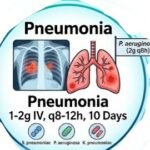 Cefepime is indicated for moderate to severe pneumonia caused by susceptible strains of Streptococcus pneumoniae, Pseudomonas aeruginosa, Klebsiella pneumoniae, Enterobacter species, and Escherichia coli. Dosage: 1–2 g intravenously every 8–12 hours for 10 days. For documented Pseudomonas aeruginosa, the label specifies 2 g every 8 hours.
 - Empiric Therapy for Febrile Neutropenic Patients:
 Cefepime is approved for empiric monotherapy in febrile neutropenic patients. Dosage: 2 g intravenously every 8 hours for 7 days or until resolution of neutropenia. This indication has historically been a cornerstone of cefepime use — and it is also the clinical setting where the mortality signal in the 2026 Bayesian meta-analysis was most pronounced.
 - Uncomplicated and Complicated Urinary Tract Infections (Including Pyelonephritis):
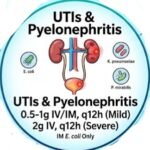 Cefepime is approved for urinary tract infections, including pyelonephritis, caused by susceptible E. coli, Klebsiella pneumoniae, or Proteus mirabilis. Dosage: 0.5–1 g IV/IM every 12 hours for mild to moderate infections (7–10 days), or 2 g IV every 12 hours for severe infections (10 days). The intramuscular route is indicated only for mild to moderate UTIs due to E. coli.
 - Uncomplicated Skin and Skin Structure Infections:
 Approved for uncomplicated skin and skin structure infections caused by susceptible Staphylococcus aureus (methicillin-susceptible isolates only) or Streptococcus pyogenes. Dosage: 2 g intravenously every 12 hours for 10 days.
 - Complicated Intra-Abdominal Infections:
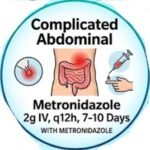 Approved for complicated intra-abdominal infections in adults, used in combination with metronidazole. Dosage: 2 g intravenously every 12 hours for 7–10 days.
Off-Label and Guideline-Supported Uses: Cefepime is frequently used off-label or as guideline-supported therapy for conditions beyond these approved indications — including hospital-acquired pneumonia, ventilator-associated pneumonia, and empirical coverage in critically ill patients with suspected gram-negative sepsis. These uses are not FDA-approved indications, and the mortality signal discussed in this article is most relevant to critically ill and febrile neutropenic populations. Clinicians must always consider local resistance patterns, culture results, and current guidelines when considering off-label use, and must never label an off-label use as FDA-approved.
Dosage Table
The table below provides a concise summary of typical dosing for common indications. Doses may vary based on renal and hepatic function, severity, and susceptibility data.
| Patient/Condition | Recommended Dose | Frequency | Duration | Important Considerations |
|---|---|---|---|---|
| Moderate to severe pneumonia | 1–2 g IV | Every 8–12 hours | 10 days | Use 2 g every 8 hours for P. aeruginosa. |
| Empiric therapy, febrile neutropenia | 2 g IV | Every 8 hours | 7 days or until neutropenia resolves | Highest mortality signal observed in this population. |
| Mild to moderate uncomplicated/ complicated UTI | 0.5–1 g I V/IM | Every 12 hours | 7–10 days | IM route only for E. coli UTIs. |
| Severe UTI/pyelonephritis | 2 g IV | Every 12 hours | 10 days | — |
| Uncomplicated skin/skin structure infection | 2 g IV | Every 12 hours | 10 days | MSSA and S. pyogenes. |
| Complicated intra-abdominal infection | 2 g IV | Every 12 hours | 7–10 days | Use with metronidazole. |
| Pediatric patients (2 months–16 years) | 50 mg/kg | Every 12 hours (every 8 hours for febrile neutropenia) | Per indication | Max 2 g per dose. |
| CrCl 30–60 mL/min | See renal adjustment table | Adjusted interval | — | Reduce frequency based on original dose. |
| CrCl 11–29 mL/min | See renal adjustment table | Adjusted interval | — | Significant accumulation risk if not adjusted. |
| CrCl ≤10 mL/min | See renal adjustment table | Adjusted interval | — | — |
| Hemodialysis | 1 g day 1 , then 500 mg every 24 hours | Daily | — | Administer after dialysis; 1 g every 24 hours for febrile neutropenia. |
Renal adjustment detail (FDA labelling): In patients with creatinine clearance ≤60 mL/min, the initial dose is the same as for normal renal function, but maintenance dosing intervals must be extended. For CrCl 30–60 mL/min, the usual interval is extended to every 24 hours (except the 2 g every 8 hours regimen, which becomes every 12 hours). For CrCl 11–29 mL/min, most regimens become every 24 hours. For CrCl ≤10 mL/min, doses are reduced and given every 24 hours. Approximately 68% of cefepime is removed during a 3-hour hemodialysis session.
Mechanism of Action
Cefepime exerts its bactericidal effect by binding to penicillin-binding proteins (PBPs) embedded in the bacterial cytoplasmic membrane. Understanding this mechanism is fundamental to appreciating both its clinical utility and its limitations.
Primary Molecular Target: 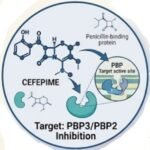 In gram-negative pathogens, cefepime’s primary target is PBP3, with additional affinity for PBP2 in Enterobacterales. This binding inhibits the transpeptidation reaction required for cross-linking peptidoglycan strands in the bacterial cell wall.
Binding and Interaction: 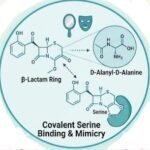 The beta-lactam ring of cefepime is structurally analogous to the terminal D-alanyl-D-alanine moiety of peptidoglycan precursors. This molecular mimicry allows cefepime to bind covalently to the active site serine residue of PBPs, forming a stable acyl-enzyme complex that irreversibly inhibits transpeptidase activity.
Cellular Pathway Affected: The result is a structurally compromised cell wall that cannot withstand osmotic pressure, leading to cell lysis and death — particularly in actively dividing bacteria.
Physiologic and Clinical Consequences: 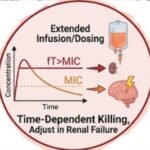 The clinical consequence is concentration-dependent killing during the early phase of exposure, with the duration of free drug concentration above the minimum inhibitory concentration (fT>MIC) serving as the key pharmacokinetic/pharmacodynamic index for efficacy. This is why extended-interval dosing and, in some protocols, prolonged infusion strategies are used in critically ill patients — and it is also why renal impairment without dose adjustment produces drug accumulation that can drive neurotoxicity.
Resistance Mechanisms: Resistance mechanisms include production of extended-spectrum beta-lactamases (ESBLs), AmpC beta-lactamases, carbapenemases, and efflux pump overexpression. Cefepime is generally stable against AmpC beta-lactamases but is hydrolysed by ESBLs and carbapenemases.
What Is Cefepime?
Cefepime is a fourth-generation cephalosporin antibiotic administered parenterally — most commonly by intravenous infusion, and in limited circumstances by intramuscular injection. It was initially approved by the FDA in 1996 and has since become a standard component of hospital antimicrobial formularies worldwide.
Generic Name and Drug Class: The generic name is cefepime hydrochloride. It belongs to the fourth-generation cephalosporin class within the beta-lactam family of antibiotics.
Pharmacologic Classification: Cefepime is a cell wall synthesis inhibitor. It differs from third-generation cephalosporins such as ceftriaxone and ceftazidime in several clinically important ways: it has enhanced stability against AmpC beta-lactamases, improved gram-positive coverage (including methicillin-susceptible Staphylococcus aureus), and reliable activity against Pseudomonas aeruginosa.
Therapeutic Role: Clinically, cefepime serves as a versatile parenteral antibiotic for serious infections requiring broad-spectrum coverage. It is available as a hydrochloride salt in 1 g and 2 g vials for reconstitution, and as premixed dextrose solutions for intravenous infusion. It is not available orally because it is poorly absorbed from the gastrointestinal tract. For a suspenseful, detailed comparison of another third-generation workhorse, explore Facts About Ceftriaxone Sodium Uses — and see why the two are not interchangeable.
For a deeper look at how healthcare professionals are diversifying their careers beyond traditional clinical roles, the online income and freelancing resources at ssthem.xyz for online earning and WhatsApp group links offer practical starting points.
Pharmacokinetics & Pharmacodynamics Key Table
The following table summarizes the key pharmacokinetic (PK) and pharmacodynamic (PD) properties that inform the clinical use of cefepime.
| Parameter | Clinically Relevant Details |
|---|---|
| Absorption | Rapid and complete after intramuscular injection; intravenous administration bypasses absorption. |
| Bioavailability | 100% intramuscular. |
| Time to Peak Concentration | ~1 hour after IM administration; immediate peak with IV bolus. |
| Protein Binding | ~20%. |
| Volume of Distribution | ~18 L (independent of renal function). |
| Tissue Penetration | Wide distribution; high bile concentrations; low breast milk concentrations. |
| Blood-Brain Barrier Penetration | Variable; adequate in meningeal inflammation; neurotoxicity risk with accumulation. |
| Half-Life | ~2 hours (normal renal function). |
| Metabolism | Minimal; NMP N-oxide is the major metabolite. |
| Elimination | ~85% unchanged in urine via glomerular filtration and tubular secretion. |
| Renal Clearance | ~110 mL/min. |
| Pharmacodynamic Target | PBP3 (gram-negatives), PBP1a/1b/2 (gram-positives). |
| Mechanism | Inhibition of cell wall peptidoglycan cross-linking. |
| PK/PD Index | fT>MIC (time-dependent killing). |
This table is a quick reference. The following sections explain the most important details without unnecessary repetition.
Half-Life
The elimination half-life of cefepime is approximately 2 hours in healthy volunteers with normal renal function. This value does not change with dose across the clinically used range (250 mg to 2 g).
The half-life is significantly prolonged in renal impairment. A dedicated pharmacokinetic study found that the elimination half-life increased to approximately 4 hours in subjects with moderate renal impairment and to approximately 12 hours in those with severe renal impairment. This occurs because cefepime is eliminated primarily by the kidneys, and reduced glomerular filtration directly slows clearance.
Clinically, the half-life matters because it determines dosing frequency and predicts accumulation risk. In normal renal function, twice-daily or three-times-daily dosing maintains adequate fT>MIC. In renal impairment without appropriate interval extension or dose reduction, plasma concentrations rise progressively — and it is this accumulation that is mechanistically linked to cefepime-induced neurotoxicity and, in reported cases, fatal outcomes. The half-life is the pharmacological hinge on which both efficacy and safety turn.
Metabolism
Cefepime undergoes minimal hepatic metabolism. A radiolabeled disposition study in humans demonstrated that cefepime comprised 95% of total plasma radioactivity in subjects with normal renal function, indicating that the parent drug circulates predominantly unchanged.
Primary Metabolic Pathway: 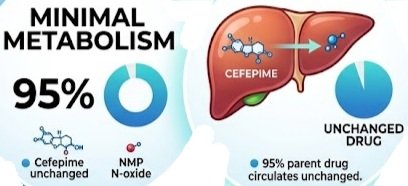 The major metabolite identified was NMP N-oxide, which accounted for approximately 6.8% of total urinary radioactivity. The 7-epimer of cefepime and free NMP constituted 2.5% and less than 1%, respectively.
Major Enzymes and Metabolites: 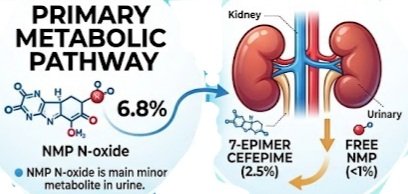 As renal impairment worsened, the proportion of drug recovered as unchanged cefepime decreased and NMP N-oxide increased, consistent with prolonged exposure of the parent compound to metabolic pathways. No active metabolites of clinical importance have been identified.
Clinical Relevance: 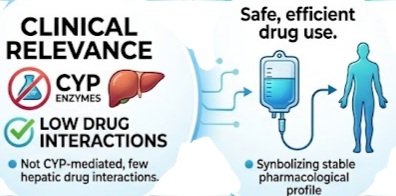 Because metabolism is minimal and not CYP-mediated, cefepime has a relatively low potential for clinically significant hepatic enzyme interactions. However, the accumulation of the parent drug in renal impairment — not metabolite toxicity — is the primary pharmacological concern. This metabolic stability simplifies clinical use and minimises concerns about hepatic drug interactions.
Bioavailability & Protein Binding
Cefepime is not absorbed from the gastrointestinal tract and must be administered parenterally. Following intramuscular injection, it is rapidly and almost completely absorbed, with 100% bioavailability. Intravenous administration provides complete bioavailability by definition.
Protein Binding: Protein binding is approximately 20%, which is relatively low and clinically favourable for an antibiotic that needs to achieve adequate free drug concentrations in tissue and plasma. Low protein binding means that the vast majority of circulating cefepime is pharmacologically active and available for distribution to infection sites. The free fraction is also the fraction that is filtered by the glomerulus, which explains the drug’s rapid renal elimination and short half-life in normal renal function.
There are no clinically established food effects because there is no oral formulation. In special populations, changes in plasma protein concentrations (for example, in critical illness or malnutrition) could theoretically alter the free fraction, but this is not a routine clinical consideration for cefepime because protein binding is already low. For a deeper dive into this concept, refer to our detailed guide on plasma protein binding.
For readers interested in broader health, wellness, and fitness content that complements professional medical knowledge, ssthem.net for health and wellness content provides a useful resource hub.
Spectrum of Activity
Cefepime has a broad spectrum of activity that includes both gram-positive and gram-negative organisms, with particular strength against Pseudomonas aeruginosa and Enterobacterales.
Gram-Positive Activity: Cefepime is active against methicillin-susceptible Staphylococcus aureus (MSSA), Streptococcus pneumoniae, Streptococcus pyogenes, and Streptococcus agalactiae. It is not active against methicillin-resistant Staphylococcus aureus (MRSA) or most enterococci.
Gram-Negative Activity: The FDA labelling lists activity against Enterobacter species, Escherichia coli, Klebsiella pneumoniae, Proteus mirabilis, Pseudomonas aeruginosa, Acinetobacter calcoaceticus subsp. lwoffii, Citrobacter diversus, Citrobacter freundii, Enterobacter agglomerans, Haemophilus influenzae, Hafnia alvei, Klebsiella oxytoca, Moraxella catarrhalis, Morganella morganii, Proteus vulgaris, Providencia rettgeri, Providencia stuartii, and Serratia marcescens. Cefepime is inactive against many isolates of Stenotrophomonas maltophilia.
Anaerobic Activity: Cefepime has limited anaerobic coverage; it is not reliably active against Bacteroides fragilis and is therefore combined with metronidazole for complicated intra-abdominal infections.
Resistance Limitations: ESBL-producing organisms are frequently resistant. Carbapenemase-producing organisms are resistant. AmpC-hyperproducing strains may develop resistance on therapy.
Susceptibility Testing: The clinical significance of susceptibility testing cannot be overstated. In-vitro activity does not automatically translate to clinical effectiveness, particularly in sites with poor drug penetration or in patients with compromised immune function. Clinicians should always consult local susceptibility data when available, as resistance patterns vary geographically and temporally.
Pharmacodynamics
Cefepime exhibits time-dependent bactericidal activity. The pharmacodynamic parameter that best predicts efficacy is the percentage of the dosing interval during which free drug concentration exceeds the minimum inhibitory concentration (fT>MIC). For cephalosporins, maximal killing is generally observed when fT>MIC reaches approximately 60–70% of the dosing interval.
This has practical implications. In patients with normal renal function, standard dosing intervals achieve adequate fT>MIC for susceptible organisms. In critically ill patients with augmented renal clearance (ARC), drug concentrations may fall below the MIC between doses, risking therapeutic failure. Conversely, in renal impairment without dose adjustment, concentrations remain elevated, increasing the risk of concentration-dependent toxicity — particularly neurotoxicity.
Cefepime demonstrates a post-antibiotic effect against gram-positive organisms but a shorter or absent post-antibiotic effect against gram-negative organisms, which is another reason why sustained fT>MIC matters. Prolonged infusion strategies (extending infusion time to 2–4 hours) are sometimes used in critically ill patients to optimise fT>MIC, though robust mortality outcome data for this approach remain limited.
Contraindications
Absolute Contraindications: The absolute contraindication to cefepime is a known immediate hypersensitivity reaction to cefepime or other cephalosporins, penicillins, or beta-lactam antibacterial drugs. This includes patients with a history of anaphylaxis, angioedema, or severe immediate urticarial reactions to any beta-lactam.
Major Hypersensitivity Contraindications: Cross-reactivity between penicillins and cephalosporins is historically quoted at up to 10%, although more recent evidence suggests that the true rate of clinically significant cross-reactivity is lower, particularly with newer cephalosporins that have distinct R1 side chains. Nevertheless, the FDA label advises caution in patients with penicillin allergy.
Disease-Specific Contraindications: Cefepime is not absolutely contraindicated in renal impairment, but failure to adjust the dose is a clinically significant safety issue that can precipitate neurotoxicity. Formulation-specific contraindications relate to the dextrose-containing premixed solutions, which may be inappropriate in patients with severe glucose intolerance or specific metabolic conditions.
Warnings & Precautions
- Neurotoxicity: This is the most clinically important warning. Encephalopathy (including confusion, hallucinations, stupor, and coma), aphasia, myoclonus, seizures, and nonconvulsive status epilepticus have been reported, particularly in patients with renal impairment or underlying CNS disease. Symptoms generally resolve after discontinuation and/or hemodialysis, but fatal outcomes have been reported.
- Hypersensitivity: Serious hypersensitivity reactions, including anaphylaxis, have occurred. Discontinue immediately if a reaction develops.
- Clostridioides difficile-associated diarrhea: As with all antibacterial agents, cefepime can cause C. difficile infection, ranging from mild diarrhea to fatal colitis.
- Renal Impairment: Dose adjustment is mandatory when CrCl ≤60 mL/min. Failure to adjust is a recognised risk factor for neurotoxicity.
- Hematologic Effects: Transient leukopenia, neutropenia, agranulocytosis, and thrombocytopenia have been reported. Positive direct Coombs’ test without hemolysis occurs in approximately 16% of patients.
- Pregnancy and Breastfeeding: Cefepime is Pregnancy Category B (legacy classification). There are no adequate well-controlled studies in pregnant women. Cefepime is excreted in human breast milk; caution is advised.
- Pediatric Use: Safety and effectiveness are established for patients 2 months to 16 years for UTIs, skin infections, pneumonia, and febrile neutropenia. Safety below 2 months has not been established.
- Older Adults: Clinical trials included patients over 65 years; no specific safety differences were identified, but age-related renal decline increases the risk of accumulation and neurotoxicity if dose adjustment is missed.
- Drug Interactions: Concomitant use with aminoglycosides or loop diuretics may increase nephrotoxicity risk. Warfarin effects may be potentiated.
- Monitoring Requirements: Routine monitoring of renal function is recommended in patients with pre-existing renal impairment or those receiving concomitant nephrotoxic drugs. Clinical monitoring for signs of hypersensitivity, CDAD, and neurotoxicity (particularly in patients with renal impairment) is essential throughout therapy.
Side Effects
Understanding the side effect profile of cefepime is essential for patient counseling and clinical monitoring. Adverse effects are broadly categorized by frequency, and distinguishing between common, bothersome side effects and serious adverse reactions is clinically important.
Common Side Effects (≥1% incidence in clinical trials):
- Positive Coombs’ test without hemolysis (16.2%).
- Diarrhea, rash, nausea, vomiting, headache, fever, and local infusion-site reactions.
- These are generally mild and self-limiting.
Less Common Side Effects:
- Pruritus, urticaria, oral candidiasis, vaginitis.
- Elevated hepatic transaminases, eosinophilia, and transient thrombocytopenia.
It is important to distinguish side effects from serious adverse reactions. A mild rash is a side effect. Anaphylaxis is a serious adverse reaction requiring emergency treatment. Nonconvulsive status epilepticus is a serious adverse reaction that can be fatal if unrecognised.
Adverse Effects
The clinically significant adverse effects of cefepime that require urgent medical attention include:
- Neurotoxicity: Encephalopathy, myoclonus, seizures, and nonconvulsive status epilepticus. These occur most often in patients with renal impairment, those receiving high doses, and those with underlying CNS pathology. Any new confusion, myoclonic jerks, or altered consciousness in a patient receiving cefepime should prompt immediate clinical assessment and consideration of EEG monitoring.
- Anaphylaxis: Rapid onset of urticaria, angioedema, bronchospasm, or hypotension requires immediate discontinuation of cefepime and emergency treatment.
- Severe Dermatologic Reactions: Stevens-Johnson syndrome, toxic epidermal necrolysis, and erythema multiforme have been reported with cephalosporins.
- Hematologic Effects: Agranulocytosis, aplastic anemia, hemolytic anemia, and pancytopenia are rare but serious. Unexplained cytopenias during therapy warrant investigation.
- Renal Dysfunction and Toxic Nephropathy: While cefepime itself is not strongly nephrotoxic, renal function can deteriorate, and concomitant use with aminoglycosides increases nephrotoxicity risk.
- Hepatic Dysfunction: Transient elevations in transaminases are common; cholestatic hepatitis is rare.
- C. difficile-associated diarrhea: Can range from mild to fulminant colitis. Any significant diarrhea during or after cefepime therapy should prompt testing.
- When to Seek Medical Attention: Patients should be instructed to seek immediate medical attention if they experience any of the following: confusion or disorientation, muscle twitching or myoclonus, seizures, difficulty speaking or understanding speech, difficulty breathing, swelling of the face or throat, severe or bloody diarrhea, and unexplained bruising or bleeding.
Drug Interactions
The following table summarizes clinically meaningful drug interactions with cefepime. Theoretical interactions of little clinical relevance have been omitted.
| Interacting Medicine/Class | Potential Interaction | Clinical Significance | Management Consideration |
|---|---|---|---|
| Aminoglycosides (e.g., gentamicin, tobramycin) | Additive nephrotoxicity and ototoxicity. | High. | Monitor renal function closely; consider alternative combinations. |
| Loop diuretics (e.g., furosemide) | Potential increased nephrotoxicity. | Moderate. | Monitor renal function and hydration status. |
| Warfarin and coumarin anticoagulants | Cephalosporins may potentiate anticoagulant effect. | Moderate. | Monitor INR closely; adjust warfarin dose as needed. |
| Probenecid | May increase cefepime concentrations by inhibiting renal tubular secretion. | Low–moderate. | Clinical significance uncertain; monitor if used. |
| Potentially nephrotoxic drugs (e.g., NSAIDs, contrast media) | Additive renal stress. | Moderate. | Monitor renal function. |
| Oral contraceptives | Theoretical reduction in efficacy with broad-spectrum antibiotics. | Low. | Additional precautions may be advised. |
Administration Table
Practical administration instructions are essential for patient education and nursing practice. The table below summarizes key administration factors.
| Administration Factor | Guidance |
|---|---|
| Route | Intravenous (primary); intramuscular (limited to mild-to-moderate E. coli UTIs). |
| With Food/Without Food | Not applicable (parenteral administration). |
| Timing | Administer at the same time each day; on hemodialysis days, administer after dialysis. |
| IV Administration | Reconstitute according to label; infuse over approximately 30 minutes. |
| IM Administration | Inject into a large muscle mass; only for specified UTIs. |
| Missed Dose | Administer as soon as possible if within the dosing interval; do not double the next dose. |
| Storage | Store vials at room temperature; reconstituted solutions have limited stability per labelling. |
| Special Instructions | Dose adjustment mandatory for CrCl ≤60 mL/min; monitor for neurotoxicity in renal impairment. |
Pharmacokinetics
This section consolidates the clinically relevant pharmacokinetic properties of cefepime in a professional overview. Detailed explanations of half-life, metabolism, bioavailability, and protein binding are provided in their respective dedicated sections above and are not repeated here.
Absorption and Bioavailability: Cefepime is not orally absorbed and must be given parenterally. Intramuscular administration provides complete bioavailability, with peak concentrations achieved in approximately 1 hour.
Distribution: The steady-state volume of distribution is approximately 18 L, independent of renal function. Cefepime is widely distributed to body tissues and fluids, with particularly high concentrations achieved in bile. Low concentrations are detectable in breast milk.
Metabolism and Elimination: Cefepime undergoes minimal hepatic metabolism and is excreted primarily unchanged in the urine. Approximately 85% of an administered dose is recovered unchanged in urine, mainly by glomerular filtration with some tubular secretion. Renal clearance averages approximately 110 mL/min. The half-life is approximately 2 hours in normal renal function and is prolonged proportionally with declining creatinine clearance.
Special Populations: In renal impairment, dose adjustment is required. In critically ill patients with augmented renal clearance, drug concentrations may be lower than expected, potentially compromising efficacy. In older adults, age-related decline in renal function often necessitates dose adjustment even when serum creatinine appears normal.
For authentic and engaging information about the world’s different religions, visit ssthem.com for religious studies and discover well-organized, informative content.
Special Populations
Pregnancy: Cefepime is classified as Pregnancy Category B under the legacy FDA system. Animal studies have not demonstrated teratogenicity, but there are no adequate human studies. Use during pregnancy only if clearly needed.
Lactation: Cefepime is excreted in human breast milk. Caution is advised when administering to a nursing woman. The clinical significance for the breastfeeding infant is not well established, but monitoring for diarrhea or thrush may be prudent.
Pediatrics: Safety and effectiveness are established for patients 2 months to 16 years for approved indications. The usual pediatric dose is 50 mg/kg per dose every 12 hours (every 8 hours for febrile neutropenia). Safety below 2 months has not been established.
Older Adults: No specific dosage recommendations differ solely based on age, but age-related renal decline should be assessed. Clinical trials included patients over 65 and over 75 without identifying unique safety signals, but post-marketing reports of neurotoxicity are enriched in older patients with renal impairment.
Renal Impairment: Dose adjustment is mandatory for CrCl ≤60 mL/min. The dosing interval is extended based on the degree of impairment. Hemodialysis removes approximately 68% of the drug, so dosing after dialysis is required.
Hepatic Impairment: No specific hepatic dose adjustment is established. Since metabolism is minimal, hepatic impairment is not expected to significantly alter cefepime pharmacokinetics.
Critically Ill Patients: Augmented renal clearance may reduce drug exposure; conversely, acute kidney injury may cause accumulation. Both scenarios require clinical vigilance and, where available, therapeutic drug monitoring.
Monitoring
- Clinical Response: Resolution of fever, improvement in leukocytosis, and overall clinical status. Failure to improve within 48–72 hours should prompt reassessment of the regimen, source control, and potential resistance.
- Renal Function: Serum creatinine and estimated creatinine clearance should be monitored, particularly in patients with baseline renal impairment, older adults, and those receiving concomitant nephrotoxic agents. This is also essential for detecting the accumulation that precedes neurotoxicity.
- Neurological Status: Any new confusion, myoclonus, or altered consciousness should prompt immediate evaluation. EEG may be indicated if nonconvulsive status epilepticus is suspected.
- Hematologic Parameters: Complete blood count, particularly in patients receiving prolonged therapy or with underlying hematologic conditions.
- Microbiological Response: Culture and susceptibility data should guide continuation, de-escalation, or modification of therapy.
- Therapeutic Drug Monitoring: Not routinely available or standardised for cefepime, but may be considered in select patients with renal impairment, augmented renal clearance, or suspected neurotoxicity.
Clinical Perspective
The 2026 Bayesian meta-analysis has reopened a question that many clinicians considered settled after the FDA’s 2007–2009 investigation. That investigation, which assembled data from 88 trials, found a 30-day all-cause mortality of 5.63% with cefepime versus 5.68% with comparators, and concluded that the data did not demonstrate excess mortality. The new analysis reaches a different conclusion from a larger evidence base, finding a 94.4% posterior probability of higher mortality with cefepime overall and 98.6% in published peer-reviewed trials.
How should clinicians interpret this? The pooled odds ratio was 1.10 with a credible interval that includes no effect (0.98–1.24), and the absolute risk difference was approximately 0.4 percentage points — roughly four additional deaths per 1,000 patients studied, or one additional death per 227 patients. A high probability of a small effect is not the same as a large effect. The authors themselves stop short of recommending against cefepime, calling instead for a more nuanced reading of its safety.
From a clinical perspective, several practical implications emerge. First, the mortality signal was most pronounced in febrile neutropenia, a population in which cefepime has been a guideline-recommended first-line option for decades. Clinicians managing these patients should be aware of the signal and consider whether alternative beta-lactams are equally appropriate on a case-by-case basis. Second, the signal persisted across comparator agents and dosing strategies, suggesting it is not simply an artefact of one particular trial design. Third, the 37 unpublished trials submitted to the FDA pointed in the opposite direction, raising the possibility of publication bias — or of systematic differences in enrolled populations and illness severity that cannot be examined without access to patient-level data.
The practical message is not to abandon cefepime. It is a well-established antibiotic with a defined role in the formulary. The message is to prescribe it with awareness: adjust for renal function, monitor for neurotoxicity, reassess promptly if clinical response is inadequate, and consider alternatives when the clinical picture suggests the mortality signal may be most relevant — particularly in critically ill, febrile neutropenic, and renally impaired patients.
If you are exploring the pharmacology of other antibiotics alongside cefepime, you may be surprised by how much their safety profiles differ. For a suspenseful, evidence-based breakdown, explore Ceftriaxone Sulbactam for Infection Powerful Uses — but keep your clinical focus on cefepime first.
Question. What is cefepime?
Answer : Cefepime is a fourth-generation cephalosporin antibiotic administered intravenously (or intramuscularly in limited cases) for serious bacterial infections.
Question. What is cefepime used for?
Answer : FDA-approved uses include pneumonia, empiric therapy for febrile neutropenia, urinary tract infections, uncomplicated skin infections, and complicated intra-abdominal infections (with metronidazole).
Question. How does cefepime work?
Answer : It binds to penicillin-binding proteins in the bacterial cell wall, inhibiting peptidoglycan cross-linking and causing bacterial cell death.
Question. How long does cefepime stay in the body?
Answer : The half-life is approximately 2 hours in normal renal function, so most of the drug is eliminated within 8–12 hours. In renal impairment, this is prolonged significantly.
Question. What is the half-life of cefepime?
Answer : Approximately 2 hours in healthy adults; up to 12 hours in severe renal impairment.
Question. What are common side effects of cefepime?
Answer : Diarrhea, rash, nausea, headache, and positive Coombs’ test without hemolysis.
Question. What are serious adverse effects of cefepime?
Answer : Neurotoxicity (encephalopathy, seizures, nonconvulsive status epilepticus), anaphylaxis, severe dermatologic reactions, and hematologic abnormalities.
Question. Is cefepime FDA approved?
Answer : Yes. It was initially approved in 1996 and remains FDA-approved for specific indications.
Question. What infections does cefepime treat?
Answer : Pneumonia, febrile neutropenia (empiric), UTIs, uncomplicated skin infections, and complicated intra-abdominal infections.
Question. Can cefepime be used during pregnancy?
Answer : It is Pregnancy Category B. Use only if clearly needed, as human data are limited.
Question. Can cefepime be used while breastfeeding?
Answer : Cefepime is excreted in breast milk. Caution is advised; monitor the infant for diarrhea or thrush.
Question. Does cefepime interact with alcohol?
Answer : No specific disulfiram-like reaction is established, but alcohol may worsen underlying infection and should be avoided during acute illness.
Question. What medicines interact with cefepime?
Answer : Aminoglycosides, loop diuretics, warfarin, and other nephrotoxic agents are the most clinically relevant.
Question. What happens if a dose is missed?
Answer : Administer as soon as possible if within the dosing interval; do not double the next dose.
Question. How should cefepime be administered?
Answer : Intravenously over approximately 30 minutes, or intramuscularly for specified UTIs. Administer at the same time each day.
Question. Does renal impairment require dose adjustment?
Answer : Yes. Dose adjustment is mandatory for CrCl ≤60 mL/min, with interval extension based on the degree of impairment.
Question. Does hepatic impairment affect cefepime use?
Answer : No specific hepatic dose adjustment is established, as metabolism is minimal.
Question. Is cefepime safe for children?
Answer : Safety and effectiveness are established for patients 2 months to 16 years. Safety below 2 months is not established.
Question. Is cefepime appropriate for older adults?
Answer : It can be used, but age-related renal decline requires careful assessment and dose adjustment to avoid neurotoxicity.
Question. What should clinicians monitor during cefepime therapy?
Answer : Clinical response, renal function, neurological status, hematologic parameters, and microbiological response.
Question. What are alternatives to cefepime?
Answer : Alternatives include piperacillin-tazobactam, meropenem, ceftazidime-avibactam, and other beta-lactams, selected based on the suspected organism and resistance patterns.
Question. What are major contraindications to cefepime?
Answer : Immediate hypersensitivity to cefepime or other beta-lactam antibiotics.
Question. How does resistance affect cefepime use?
Answer : ESBL-producing and carbapenemase-producing organisms are frequently resistant. Susceptibility testing should guide therapy.
Question. How long does cefepime treatment usually last?
Answer : Duration depends on the indication, typically 7–10 days for most approved uses, or until neutropenia resolves in febrile neutropenia.
Question. When should medical attention be sought?
Answer : Seek immediate medical attention for confusion, seizures, muscle twitching, difficulty breathing, facial swelling, severe diarrhea, or unexplained bleeding during cefepime therapy.
5 Authentic Studies
Study 1
Citation: Sohani ZN, et al. Cefepime and Mortality: A Systematic Review and Bayesian Meta-Analysis. JAMA Network Open. 2026. Available via JAMA Network Open.
Study Type: Systematic review and Bayesian meta-analysis of randomised clinical trials.
Population: 22,608 adults and children across 110 randomised trials.
Intervention/Exposure: Cefepime versus other beta-lactam antibiotics.
Comparator: Various beta-lactams, including piperacillin-tazobactam, ceftazidime, and carbapenems.
Main Outcome: All-cause mortality.
Key Findings: Mortality occurred in 6.6% of cefepime-treated patients versus 6.2% of comparator patients (pooled OR 1.10; 95% CrI 0.98–1.24). Posterior probability of higher mortality with cefepime was 94.4% overall and 98.6% in published peer-reviewed trials. Number needed to harm: 111–227. Signal most pronounced in febrile neutropenia and adults.
Clinical Significance: This is the largest and most statistically sophisticated analysis of cefepime mortality to date. It provides probabilistic evidence of a mortality signal that conventional significance testing did not reliably detect.
Important Limitation: The credible interval includes no effect, and the absolute risk difference is small (<0.5%). The 37 unpublished FDA trials pointed in the opposite direction, raising the possibility of publication bias or systematic differences in trial populations.
Study 2
Citation: Cefepime neurotoxicity in the intensive care unit: a cause of severe, underappreciated encephalopathy. Critical Care. 2013.
Study Type: Retrospective observational study.
Population: 103 critically ill patients with cefepime-induced neurotoxicity.
Intervention/Exposure: Cefepime administration.
Comparator: Not applicable (observational).
Main Outcome: Mortality and neurological outcomes.
Key Findings: Over two-thirds of patients (69.9%) died during hospitalisation. Renal dysfunction was present in nearly 90% of cases. Cefepime overdoses were documented in 41%. No CIN-associated deaths were definitively established, but 26% of those who died received cefepime until death.
Clinical Significance: This study highlights the severity of cefepime neurotoxicity in critically ill patients and the strong association with renal dysfunction and dosing errors.
Important Limitation: Retrospective design, single-centre, and inability to establish causality in patients who died while receiving cefepime.
Study 3
Citation: Disposition of the cephalosporin cefepime in normal and renally impaired subjects. Drug Metabolism and Disposition (or equivalent pharmacokinetics journal). 2025.
Study Type: Pharmacokinetic study with radiolabeled drug.
Population: Healthy volunteers and renally impaired male volunteers.
Intervention/Exposure: Single 1000 mg IV dose of 14C-labeled cefepime.
Comparator: Normal versus moderate versus severe renal impairment.
Main Outcome: Pharmacokinetic parameters including half-life, volume of distribution, and metabolic profile.
Key Findings: Elimination half-life was 2 hours in normal volunteers, 4 hours in moderate renal impairment, and 12 hours in severe renal impairment. Steady-state volume of distribution was approximately 18 L. Cefepime was primarily excreted unchanged in urine (87.9% of recovered radioactivity).
Clinical Significance: This study provides the definitive pharmacokinetic basis for renal dose adjustment recommendations.
Important Limitation: Small sample size; single-dose design; findings may not fully reflect multi-dose accumulation in clinical practice.
Study 4
Citation: Piperacillin-tazobactam versus cefepime monotherapy in pediatric patients with febrile neutropenia: a systematic review and meta-analysis. European Journal of Pediatrics. 2026.
Study Type: Systematic review and meta-analysis.
Population: Pediatric patients with febrile neutropenia.
Intervention/Exposure: Piperacillin-tazobactam versus cefepime monotherapy.
Comparator: Head-to-head comparison.
Main Outcome: Mortality and treatment success.
Key Findings: No statistically significant difference in mortality (RR 2.09; 95% CI 0.62–7.03; P=0.23) or treatment success between the groups.
Clinical Significance: In pediatric febrile neutropenia, the two agents appear comparable in efficacy and mortality outcomes, contrasting with the adult signal.
Important Limitation: Small number of included studies; wide confidence intervals; limited statistical power to detect small differences.
Study 5
Citation: Tough Nut to Crack: Baseline White Blood Cell Count Modifies the Effect of Piperacillin-Tazobactam vs Cefepime on Mortality in the ACORN Trial. Clinical Infectious Diseases. 2025.
Study Type: Secondary analysis of a randomised controlled trial.
Population: Hospitalised patients with presumed infection.
Intervention/Exposure: Piperacillin-tazobactam versus cefepime.
Comparator: Head-to-head comparison stratified by baseline WBC count.
Main Outcome: Mortality.
Key Findings: In the highest WBC quartile, piperacillin-tazobactam was associated with lower odds of mortality (OR 0.51; 95% CI 0.29–0.90) compared with cefepime.
Clinical Significance: This finding suggests that patient-level factors — specifically baseline inflammatory response — may modify the relative mortality risk of cefepime versus alternatives.
Important Limitation: Post-hoc subgroup analysis; findings require prospective validation.
Authentic References
- Sohani ZN, et al. Cefepime and Mortality: A Systematic Review and Bayesian Meta-Analysis. JAMA Network Open. 2026. Available at: https://jamanetwork.com/journals/jamanetworkopen/fullarticle/2853890
- DailyMed. Cefepime Injection, Solution. Baxter Healthcare Corporation. Updated June 25, 2026. Available at: https://dailymed.nlm.nih.gov/dailymed/drugInfo.cfm?setid=be5f8ca6-7232-423a-a2d5-cccb7abe7921
- DailyMed. Cefepime Hydrochloride Injection, Powder, for Solution. Xellia Pharmaceuticals USA LLC. Available at: https://dailymed.nlm.nih.gov/dailymed/drugInfo.cfm?setid=91f72dcf-eb1f-4fc6-b9a2-042424012e3e
- U.S. Food and Drug Administration. Cefepime for Injection Prescribing Information. Available at: https://www.accessdata.fda.gov/drugsatfda_docs/label/2014/050821s002lbl.pdf
- Cefepime neurotoxicity in the intensive care unit: a cause of severe, underappreciated encephalopathy. Critical Care. 2013. Available via Europe PMC.
- Disposition of the cephalosporin cefepime in normal and renally impaired subjects. Drug Metabolism and Disposition. 2025. Available at: https://www.sciencedirect.com/science/article/abs/pii/S0090955625071077
- Piperacillin-tazobactam versus cefepime monotherapy in pediatric patients with febrile neutropenia: a systematic review and meta-analysis. European Journal of Pediatrics. 2026.
- Tough Nut to Crack: Baseline White Blood Cell Count Modifies the Effect of Piperacillin-Tazobactam vs Cefepime on Mortality in the ACORN Trial. Clinical Infectious Diseases. 2025.
- Cefepime and New Cefepime/Beta-Lactamase Inhibitor Combination for the Treatment of Gram-Negative Bacteria. Europe PMC. 2026.
- Cefepime Tied to Higher All-Cause Mortality Than Other Beta-Lactams in 110-Trial Bayesian Meta-Analysis. MedPath Trial. 2026. Available at: https://trial.medpath.com
- Cefepime — StatPearls. National Library of Medicine. Updated 2024.
- Cefepime — WHO AWaRe Classification of Antibiotics. World Health Organization. 2022.
- Cefepime — LiverTox: Clinical and Research Information on Drug-Induced Liver Injury. National Institute of Diabetes and Digestive and Kidney Diseases.
- Cefepime Use During Pregnancy and Breastfeeding — Drugs.com. Updated 2025.
- Cefepime — Antimicrobial Stewardship Resources. Centers for Disease Control and Prevention (CDC).
- Cefepime — NIH DailyMed Drug Label Archives. National Library of Medicine.
- Cefepime — ATC Code J01DE01. WHO Collaborating Centre for Drug Statistics Methodology.
- Cefepime — Drug Interaction Report. Drugs.com.
- Cefepime — Toxicity and Overdosage. Medsafe New Zealand.
- IDSA Guidance on the Treatment of Antimicrobial-Resistant Gram-Negative Infections. Infectious Diseases Society of America. Updated 2025.
Medical Information Disclaimer: The information provided in this article is for educational and informational purposes only and is intended for healthcare professionals, medical students, and informed general readers. It does not constitute medical advice, diagnosis, or treatment recommendations. Cefepime is a prescription medication that should only be used under the supervision of a qualified healthcare provider. Treatment decisions, including dose selection, duration, and adjustments, depend on the patient’s diagnosis, age, renal and hepatic function, interacting medicines, susceptibility data where relevant, and clinician judgment. Readers should not use this information to self-medicate or to make clinical decisions without appropriate professional consultation. If you have a medical condition or are experiencing symptoms of infection, seek evaluation from a qualified healthcare professional. The authors and publishers of this article do not assume any liability for any adverse effects or consequences resulting from the use or misuse of the information provided herein.





One Comment