
The 1:1 vs 1:2 Dosage Secret Behind Cefoperazone + Sulbactam’s Power That Changes Everything
The 1:1 vs. 1:2 Ratio: Decoding the Dosage Secret Behind Cefoperazone + Sulbactam’s Power
What if the difference between a patient recovering from a resistant hospital-acquired infection and one deteriorating in the ICU came down to a single ratio printed on a vial — 1:1 or 1:2 — that most clinicians glance at but never truly decode?
That ratio belongs to cefoperazone + sulbactam, one of the most widely used beta-lactam/beta-lactamase inhibitor combinations in hospitals across Asia, Europe, Latin America, and the Middle East. It is a drug that many medical students memorize as “just another cephalosporin combination” — yet the dosage secret behind its power is hidden in the pharmacokinetic mismatch between its two components.
Different antibiotics work against different bacteria, reach different tissues, have different pharmacological properties, and carry different risks. The appropriate choice depends on the suspected or confirmed organism, site and severity of infection, local resistance patterns, allergies, kidney and liver function, drug interactions, and patient-specific considerations. Cefoperazone sulbactam injection sits in a particularly interesting niche: it combines a third-generation cephalosporin that is eliminated primarily through bile with a beta-lactamase inhibitor that is eliminated almost entirely through the kidneys — and that mismatch is exactly why the ratio matters.
What you are about to read will challenge how you think about this antibiotic. We will explore the FDA status (and the surprising truth about its US availability), the real difference between the 1:1 and 1:2 formulations, evidence-based dosing, spectrum of activity, side effects, drug interactions, and the latest clinical studies. Whether you are a medical student preparing for ward rounds, a practicing clinician refining antimicrobial stewardship, a pharmacist verifying an order, or a nurse administering the infusion, the clinically important details in this article will strengthen your understanding of this remarkable antibiotic. Stay with us — because the dosage secret behind cefoperazone + sulbactam’s power is revealed progressively.
A sobering clinical reality first: adverse drug reactions account for a significant proportion of hospital admissions, and beta-lactam antibiotics are among the most commonly implicated drug classes. Understanding the full safety profile is not optional — it is essential. For a suspenseful, evidence-based look at this hidden crisis
For online earning ideas, freelancing, affiliate marketing, YouTube, Facebook monetization, and AI tips, visit ssthem.xyz for online earning and WhatsApp group links.
Key Facts Table: Cefoperazone + Sulbactam at a Glance
The following table summarizes the most clinically important facts about cefoperazone sulbactam injection. This is not a substitute for full prescribing information, but it provides a rapid reference for healthcare professionals and students.
| Parameter | Details |
|---|---|
| Generic Name | Cefoperazone sodium + Sulbactam sodium |
| Common Brand Names | Sulperazon, Magnex, Magnex Forte, Zosul, Perabactum |
| Drug Class | Third-generation cephalosporin + beta-lactamase inhibitor |
| Therapeutic Class | Antibacterial (parenteral beta-lactam combination) |
| Pharmacologic Class | Cell wall synthesis inhibitor + beta-lactamase inhibitor |
| ATC Code | J01DD62 |
| Available Strengths | 1:1 ratio: 500 mg + 500 mg; 1000 mg + 1000 mg. 1:2 ratio: 500 mg + 1000 mg; 1000 mg + 2000 mg |
| Dosage Forms | Dry powder for reconstitution (injection/infusion) |
| Route(s) of Administration | Intravenous (IV); Intramuscular (IM) |
| FDA Status | Cefoperazone was FDA-approved in 1982 but has been discontinued in the US. The combination product is not FDA-approved and is not commercially available in the United States. |
| Primary Clinical Uses | Respiratory tract infections, urinary tract infections, intra-abdominal infections, septicemia, meningitis, skin/soft tissue infections, bone/joint infections, gynecologic infections, febrile neutropenia |
| Bioavailability | 100% (IV); rapid and nearly complete (IM) |
| Protein Binding | Cefoperazone: ~90%; Sulbactam: ~38% |
| Volume of Distribution | Sulbactam: 18.0–27.6 L; Cefoperazone: 10.2–11.3 L |
| Half-Life | Sulbactam: ~1 hour; Cefoperazone: ~1.7 hours |
| Metabolism | Minimal for both components |
| Major Route of Elimination | Sulbactam: ~84% renal; Cefoperazone: ~25% renal, remainder biliary |
| Renal/Hepatic Considerations | Sulbactam dose requires adjustment if CrCl <30 mL/min; cefoperazone elimination less affected by renal function but hepatic impairment may require monitoring |
| Major Contraindications | Known hypersensitivity to penicillins, cephalosporins, sulbactam, or cefoperazone |
| Important Adverse Effects | Diarrhea, nausea, rash, coagulopathy, hemorrhage, neutropenia, elevated liver enzymes, C. difficile–associated diarrhea, anaphylaxis |
This table is a snapshot. Every parameter in it will be expanded in the dedicated sections below, but we will not repeat the full explanations unnecessarily.
FDA-Approved Uses
This section requires an important clarification that is frequently misunderstood in clinical practice and online medical content. The U.S. Food and Drug Administration (FDA) approved cefoperazone alone in November 1982 under the trade name Cefobid. However, cefoperazone has since been discontinued in the United States and is listed on the FDA’s Discontinued Drug Product List.
The cefoperazone sulbactam antibiotic combination — the subject of this article — is not FDA-approved. It is approved and marketed in many countries across Asia, Europe, Latin America, and the Middle East under brand names including Sulperazon, Magnex, and others. The prescribing information available from Pfizer (for Magnex/Magnex Forte) and other manufacturers describes its approved indications in those jurisdictions. Any use in the United States would be considered off-label, and the drug is not commercially available there.
For the purposes of this article, the indications described below reflect the approved labeling in jurisdictions where the combination is registered. Readers should always confirm the approved indications in their own country’s regulatory framework.
- Respiratory Tract Infections (Upper and Lower):
 Cefoperazone sulbactam is indicated for upper and lower respiratory tract infections, including pneumonia, caused by susceptible organisms. The combination covers common gram-positive and gram-negative respiratory pathogens, including Streptococcus pneumoniae, Haemophilus influenzae, Klebsiella species, and Pseudomonas aeruginosa, though susceptibility testing is essential given regional resistance patterns. For hospital-acquired pneumonia — particularly where Pseudomonas or multidrug-resistant gram-negative organisms are suspected — cefoperazone sulbactam injection for pneumonia has been evaluated in clinical studies, and susceptibility data should guide therapy. Pathogens commonly targeted: E. coli, Klebsiella pneumoniae, Pseudomonas aeruginosa, Acinetobacter species, Streptococcus species, Haemophilus influenzae.
 - Urinary Tract Infections (Upper and Lower):
 Cefoperazone sulbactam injection for UTI is an approved indication in many jurisdictions. The sulbactam component is primarily renally eliminated, achieving high urinary concentrations, which makes the combination active against many common uropathogens including E. coli, Klebsiella, and Proteus species. Pathogens commonly targeted: E. coli, Klebsiella pneumoniae, Proteus mirabilis, Enterobacter species, Pseudomonas aeruginosa.
 - Intra-Abdominal Infections:
 Peritonitis, cholecystitis, cholangitis, and other intra-abdominal infections are approved indications. The biliary excretion of cefoperazone provides high concentrations in bile and gallbladder tissue, making the combination particularly suited to hepatobiliary infections. Clinical trials have demonstrated efficacy in intra-abdominal infections, with clinical efficacy rates of 87.7% in pooled analyses. Pathogens commonly targeted: E. coli, Klebsiella species, Bacteroides fragilis, Enterococcus species, Pseudomonas aeruginosa.
 - Septicemia:
 Cefoperazone sulbactam is indicated for septicemia caused by susceptible organisms. In critically ill patients with bloodstream infections, the pharmacokinetic properties of both components — particularly tissue penetration and the renal elimination of sulbactam — must be considered when selecting dosing regimens.
 - Meningitis:
 Meningitis is an approved indication in the prescribing information. Cefoperazone achieves therapeutic concentrations in cerebrospinal fluid, particularly in the presence of meningeal inflammation. However, local resistance patterns and the availability of alternative agents with more extensive meningitis-specific evidence often influence agent selection.
 - Skin and Soft Tissue Infections:
 Approved for skin and skin structure infections, including those caused by Staphylococcus aureus (methicillin-susceptible strains), Streptococcus pyogenes, and gram-negative organisms. Sulbactam adds activity against beta-lactamase–producing strains of S. aureus and Bacteroides species.
 - Bone and Joint Infections:
 Cefoperazone sulbactam is indicated for bone and joint infections caused by susceptible organisms. Prolonged therapy may be required, and surgical debridement is often essential in osteomyelitis and septic arthritis.
 - Gynecologic Infections:
 Endometritis and other infections of the genital tract are approved indications. The combination covers many of the polymicrobial organisms involved in pelvic infections, including anaerobes and gram-negative bacilli.
 - Febrile Neutropenia (Specific Subset):
 Magnex Forte is specifically indicated for immunocompromised febrile neutropenic cancer patients and bone marrow transplant recipients. In this population, empirical broad-spectrum coverage is critical, and cefoperazone sulbactam has been evaluated as monotherapy in clinical studies, with a systematic review supporting its use in empirical therapy for febrile neutropenia.
Off-Label and Guideline-Supported Uses: Beyond approved indications in registering countries, cefoperazone sulbactam has been studied or recommended in guidelines for other infections, particularly carbapenem-resistant Acinetobacter baumannii infections. Clinicians must always consider local resistance patterns, culture results, and current guidelines when considering off-label use, and must never label an off-label use as FDA-approved.
Dosage Table
The table below provides a concise summary of typical dosing for common indications. Doses may vary based on renal and hepatic function, severity, and susceptibility data.
| Patient/Condition | Recommended Dose | Frequency | Duration | Important Considerations |
|---|---|---|---|---|
| Adults — Usual dose (1:1 ratio) | 2–4 g per day (1–2 g cefoperazone activity) | Every 12 hours | 7–14 days | IV or IM; equally divided doses. |
| Adults — Usual dose (1:2 ratio) | 1.5–3.0 g per day (1–2 g cefoperazone activity) | Every 12 hours | 7–14 days | Higher sulbactam proportion; max sulbactam 4 g/day. |
| Severe or refractory infections (1:1 ratio) | Up to 8 g per day (4 g cefoperazone activity) | Every 12 hours IV | As clinically indicated | Maximum sulbactam dose 4 g/day. |
| Severe or refractory infections (1:2 ratio) | Up to 12 g per day | Every 12 hours IV | As clinically indicated | Higher sulbactam exposure. |
| Febrile neutropenia | Total daily dose administered 2–3 times daily | Every 8–12 hours | Until neutrophil recovery | Based on Magnex Forte labeling. |
| Children | 40–80 mg/kg/day (20–40 mg/kg/day cefoperazone) | 2–4 divided doses | As clinically indicated | Maximum sulbactam 80 mg/kg/day. |
| Children — severe infections | Up to 160 mg/kg/day | 2–4 divided doses | As clinically indicated | Do not exceed sulbactam maximum. |
| Renal impairment (CrCl 15–30 mL/min) | Maximum sulbactam 1 g per dose | Every 12 hours | As clinically indicated | Sulbactam dose adjustment required. |
| Renal impairment (CrCl <15 mL/min) | Further reduction based on clinical assessment | Individualize | As clinically indicated | Monitor closely. |
Important note on the 1:1 vs. 1:2 ratio: The 1:2 formulation contains proportionally more cefoperazone relative to sulbactam. Because sulbactam is renally eliminated and cefoperazone is primarily biliary, the 1:2 ratio allows higher cefoperazone exposure while maintaining sulbactam within safe limits — particularly relevant when higher cefoperazone concentrations are desired for less susceptible organisms, or when sulbactam accumulation is a concern. The 1:1 ratio may be preferred when sulbactam’s intrinsic activity against Acinetobacter is being leveraged, as higher sulbactam doses can be delivered.
Mechanism of Action
Cefoperazone sulbactam is a dual-mechanism antibacterial combination. Understanding how each component works — and why they are combined — is essential to understanding the dosage secret.
Primary Molecular Target:  Cefoperazone is a third-generation cephalosporin that inhibits bacterial cell wall synthesis by binding to penicillin-binding proteins (PBPs), particularly PBP-1a, PBP-1b, and PBP-3. Sulbactam is a beta-lactamase inhibitor — a molecule that structurally resembles beta-lactam antibiotics but has weak intrinsic antibacterial activity.
Binding and Interaction: Cefoperazone’s binding to PBPs prevents the cross-linking of peptidoglycan chains in the bacterial cell wall, leading to osmotic instability, cell lysis, and bacterial death. Sulbactam binds irreversibly to serine beta-lactamases, forming stable acyl-enzyme complexes that inactivate the enzyme. By disabling the beta-lactamase, sulbactam protects cefoperazone from hydrolysis, allowing it to reach its PBP targets and exert its bactericidal effect.
Cellular Pathway Affected: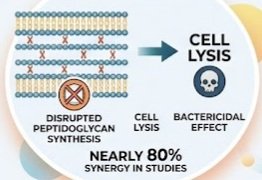 The combination disrupts the final stages of peptidoglycan synthesis, leading to a weakened cell wall that cannot withstand internal osmotic pressure. The result is bacterial cell lysis and death — a bactericidal effect. In vitro studies have demonstrated synergy between cefoperazone and sulbactam for nearly 80% of clinically isolated strains.
Physiologic and Clinical Consequences: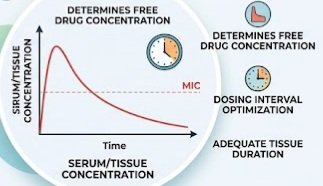 The clinical therapeutic effect depends on achieving adequate free drug concentrations at the target tissue for a sufficient duration. This is why dosing regimens are designed to maintain serum and tissue concentrations above the minimum inhibitory concentration (MIC) for the infecting organism throughout the dosing interval.
Beyond Beta-Lactamase Inhibition — Sulbactam’s Intrinsic Activity: Unlike clavulanic acid or tazobactam, sulbactam has clinically meaningful intrinsic activity against Acinetobacter baumannii, including carbapenem-resistant strains. It acts by binding to PBP-1 and PBP-3 in Acinetobacter, disrupting cell wall synthesis. This dual role — enzyme inhibition and direct antibacterial activity — makes cefoperazone sulbactam particularly valuable in settings where Acinetobacter is prevalent.
Resistance Mechanisms:  Resistance to cefoperazone sulbactam can occur through several mechanisms: production of beta-lactamases not inhibited by sulbactam (e.g., metallo-beta-lactamases), alterations in PBPs, reduced outer membrane permeability (porin loss), and efflux pump overexpression. Susceptibility testing is essential before relying on this combination for empirical therapy in settings with high resistance rates.
For clinicians tracking how resistance patterns shift across beta-lactam combinations, the comparative analysis of ceftriaxone sulbactam for infection offers a useful counterpoint — and shows why not all sulbactam combinations behave the same way at the bedside.
What Is Cefoperazone/Sulbactam?
Cefoperazone sulbactam is a parenteral antibiotic combination consisting of a third-generation cephalosporin (cefoperazone) and a beta-lactamase inhibitor (sulbactam). It is supplied as a sterile dry powder that must be reconstituted before administration.
Generic Name and Drug Class: The generic name is cefoperazone sodium and sulbactam sodium. It belongs to the antibacterial class and is pharmacologically classified as a cephalosporin antibiotic combined with a penicillin-derived beta-lactamase inhibitor. Sulbactam is chemically a derivative of the basic penicillin nucleus — sodium penicillinate sulfone — while cefoperazone is a semisynthetic cephalosporin.
Therapeutic Role: Clinically, cefoperazone sulbactam serves as a broad-spectrum empirical therapy for moderate-to-severe infections, including hospital-acquired infections, intra-abdominal infections, and infections in immunocompromised patients. It is particularly valued for its activity against Acinetobacter species and its biliary excretion.
Formulations, Strengths, and Routes: Dry powder for injection is available in 1:1 and 1:2 ratios (sulbactam:cefoperazone). The 1:1 ratio contains equal parts sulbactam and cefoperazone (e.g., 500 mg + 500 mg; 1000 mg + 1000 mg). The 1:2 ratio contains one part sulbactam to two parts cefoperazone (e.g., 500 mg + 1000 mg; 1000 mg + 2000 mg). Common strengths include 1 g, 1.5 g, 2 g, and 3 g total drug content, depending on ratio and manufacturer. Routes of administration are intravenous (IV) infusion or injection, and intramuscular (IM) injection for less severe infections where appropriate.
Differences from Closely Related Medicines: Compared with ceftriaxone (a third-generation cephalosporin without a beta-lactamase inhibitor), cefoperazone sulbactam provides broader coverage against beta-lactamase–producing organisms, including anaerobes and some resistant gram-negatives. Compared with piperacillin/tazobactam, cefoperazone sulbactam has greater activity against Acinetobacter due to sulbactam’s intrinsic effects, but may have less reliable Pseudomonas coverage in some settings. Compared with ampicillin/sulbactam, the cefoperazone component extends gram-negative coverage to include Pseudomonas and provides biliary excretion. For a deeper comparison of cephalosporin pharmacology, explore Facts About Ceftriaxone Sodium Uses — and see why the two are not interchangeable.
Pharmacokinetics & Pharmacodynamics Key Table
The following table summarizes the key pharmacokinetic (PK) and pharmacodynamic (PD) properties that inform the clinical use of cefoperazone sulbactam.
| Parameter | Clinically Relevant Details |
|---|---|
| Absorption | Not applicable (parenteral administration). |
| Bioavailability | 100% (IV); IM absorption is rapid and nearly complete. |
| Time to Peak Concentration | IV: peak at end of infusion; IM: approximately 1–2 hours. |
| Protein Binding | Cefoperazone: ~90%; Sulbactam: ~38%. |
| Volume of Distribution | Sulbactam: 18.0–27.6 L; Cefoperazone: 10.2–11.3 L. |
| Tissue Penetration | Bile, gallbladder, skin, appendix, fallopian tubes, ovary, uterus, and other tissues. |
| Blood-Brain Barrier Penetration | Achieves therapeutic CSF concentrations with meningeal inflammation. |
| Placental Transfer | Both sulbactam and cefoperazone cross the placental barrier. |
| Half-Life | Sulbactam: ~1 hour; Cefoperazone: ~1.7 hours. |
| Metabolism | Minimal for both components. |
| Active Metabolites | None clinically significant. |
| Enzyme Involvement | Not primarily CYP-mediated. |
| Elimination | Sulbactam: ~84% renal; Cefoperazone: ~25% renal, remainder biliary. |
| Renal Clearance | Major route for sulbactam; less important for cefoperazone. |
| Fecal/Biliary Elimination | Major route for cefoperazone. |
| Pharmacodynamic Target | Bacterial cell wall synthesis (PBPs). |
| Mechanism | Cefoperazone inhibits PBP; sulbactam inhibits beta-lactamase and has intrinsic Acinetobacter activity. |
| Concentration/Time-Dependent Activity | Cefoperazone: time-dependent killing; Sulbactam: time-dependent. |
| PK/PD Index | %T > MIC for cefoperazone; %T > threshold for sulbactam. |
This table is a quick reference. The following sections explain the most important details without unnecessary repetition.
Half-Life
The half-life of cefoperazone sulbactam is not a single number. It is two numbers that behave differently — and this difference is one of the most clinically important facts about the drug.
Sulbactam has a mean half-life of approximately 1 hour in adults with normal renal function. Cefoperazone has a mean half-life of approximately 1.7 hours. In children, the mean half-life ranges from 0.91 to 1.42 hours for sulbactam and 1.44 to 1.88 hours for cefoperazone.
Why does this matter? Because sulbactam is eliminated almost entirely by the kidneys, while cefoperazone is eliminated primarily through bile. This means that in renal impairment, sulbactam accumulates significantly while cefoperazone does not. In patients with creatinine clearance between 15 and 30 mL/min, the maximum recommended sulbactam dose is 1 g per 12 hours. In hemodialysis patients, the sulbactam half-life can extend to 7.3 hours or more between dialysis sessions.
The clinical implication is straightforward: when prescribing cefoperazone sulbactam, think about sulbactam when assessing renal function, and think about cefoperazone when assessing biliary function. The 1:2 ratio exists partly because it allows higher cefoperazone dosing without exceeding sulbactam safety limits in patients with reduced renal clearance.
For a deeper exploration of how half-life determines dosing intervals and why some drugs can be given once daily while others require multiple daily doses, the complete guide to the half-life of medicines is an outstanding resource that every prescribing clinician should read.
Metabolism 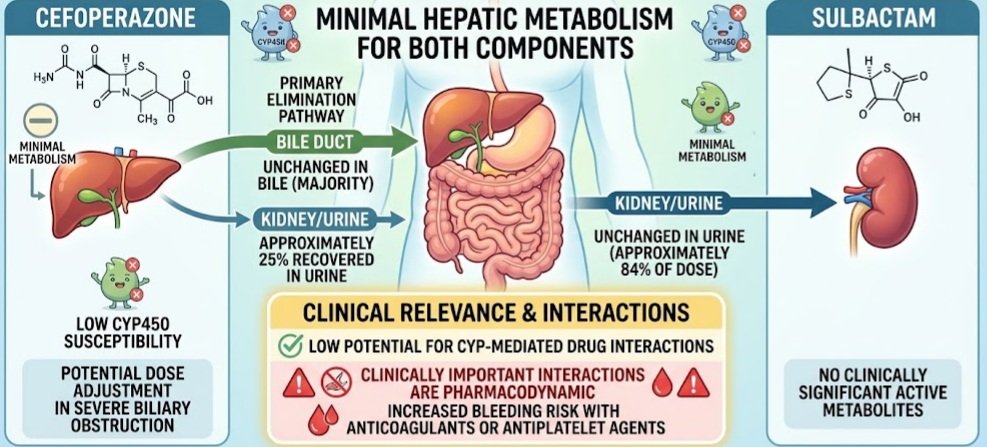
Neither component of cefoperazone sulbactam undergoes extensive hepatic metabolism.
Primary Metabolic Pathway: Cefoperazone is minimally metabolized. The majority of the administered dose is excreted unchanged in bile, with approximately 25% recovered in urine. Because hepatic metabolism is not a major pathway, cefoperazone is less susceptible to drug interactions mediated by cytochrome P450 enzymes than many other drugs. However, hepatic impairment — particularly severe biliary obstruction — can significantly affect cefoperazone elimination, potentially requiring dose adjustment or monitoring.
Major Enzymes and Metabolites: Sulbactam is also minimally metabolized. Approximately 84% of the administered dose is excreted unchanged in urine. There are no clinically significant active metabolites for either component.
Clinical Relevance and Enzyme Interactions: Because neither component is primarily metabolized by CYP enzymes, cefoperazone sulbactam has a relatively low potential for pharmacokinetic drug interactions via metabolic pathways. The clinically important interactions are pharmacodynamic rather than metabolic — particularly the increased risk of bleeding when combined with anticoagulants or antiplatelet agents.
For readers interested in how drug metabolism shapes safety across therapeutic classes, the evidence-based review of what fever really tells us about the body’s response is a fascinating companion read — because infection, inflammation, and drug handling are more interconnected than most clinicians realize.
Bioavailability & Protein Binding
Bioavailability: Cefoperazone sulbactam is administered parenterally. Intravenous administration provides 100% bioavailability. Intramuscular administration results in rapid and nearly complete absorption, with peak concentrations achieved within approximately 1–2 hours.
Protein Binding: Cefoperazone is approximately 90% protein-bound, primarily to albumin. Sulbactam is approximately 38% protein-bound. The difference in protein binding has clinical implications: cefoperazone’s high protein binding means that only about 10% of the drug is free and pharmacologically active at any given time, while sulbactam’s lower protein binding means a larger fraction is available for tissue distribution and antibacterial activity.
Neither drug displaces bilirubin from plasma protein binding sites to a clinically significant degree, which is relevant for neonatal use considerations.
Clinical Significance of Protein Binding: In hypoalbuminemic states — common in critically ill patients, those with nephrotic syndrome, or advanced liver disease — the free fraction of cefoperazone may increase, potentially enhancing both efficacy and toxicity. However, specific dose adjustments based on albumin levels are not routinely recommended; clinical monitoring remains the standard.
Spectrum of Activity
The spectrum of cefoperazone sulbactam reflects the combined activity of its two components. It is broad, covering many clinically significant gram-positive, gram-negative, and anaerobic organisms — but with important gaps that must be recognized.
Gram-Positive Activity: Cefoperazone has good activity against Streptococcus pneumoniae, Streptococcus pyogenes, and methicillin-susceptible Staphylococcus aureus (MSSA). Sulbactam extends activity against beta-lactamase–producing strains of S. aureus and Haemophilus influenzae. However, methicillin-resistant Staphylococcus aureus (MRSA) and enterococci are intrinsically resistant to cephalosporins, and cefoperazone sulbactam should not be relied upon for these organisms.
Gram-Negative Activity: Cefoperazone has broad gram-negative activity, including E. coli, Klebsiella pneumoniae, Proteus mirabilis, Enterobacter species, and Pseudomonas aeruginosa. Sulbactam restores activity against many beta-lactamase–producing strains, including some ESBL-producing Klebsiella and E. coli. In vitro studies have shown that the combination has elevated activity against ESBL strains and carbapenem-resistant Acinetobacter baumannii (CRAB) and carbapenem-resistant Pseudomonas aeruginosa (CRPA) compared with cefoperazone alone.
Anaerobic Activity: Cefoperazone has moderate anaerobic activity, and sulbactam enhances this against beta-lactamase–producing anaerobes, including Bacteroides fragilis and other Bacteroides species. In vitro studies have demonstrated synergy between cefoperazone and sulbactam for 88% of evaluable anaerobic strains. This makes the combination useful in intra-abdominal and pelvic infections where anaerobes are common.
Atypical Organisms: Cefoperazone sulbactam has activity against Acinetobacter species, including multidrug-resistant strains, due to sulbactam’s intrinsic activity. This is a distinguishing feature compared with many other beta-lactam/beta-lactamase inhibitor combinations. However, resistance rates vary geographically and are increasing in some regions. In China, Acinetobacter baumannii isolates were more susceptible to cefoperazone-sulbactam than to ampicillin-sulbactam, with resistance rates of 48.8% versus 59.1%.
Important Intrinsic and Acquired Resistance: The combination lacks reliable activity against MRSA, enterococci (including E. faecalis and E. faecium), Stenotrophomonas maltophilia, and metallo-beta-lactamase–producing organisms. It should not be used as monotherapy when these organisms are suspected or confirmed. Resistance mechanisms include production of beta-lactamases not inhibited by sulbactam, porin loss, and efflux pump overexpression.
Clinical Significance of Susceptibility Testing: The Clinical and Laboratory Standards Institute (CLSI) and other bodies provide interpretive breakpoints for cefoperazone sulbactam. The breakpoints for the 2:1 ratio are: susceptible ≤16/8 μg/mL, moderately susceptible 32/16 μg/mL, and resistant ≥64/32 μg/mL. In vitro activity does not automatically translate to clinical effectiveness; the site of infection, pharmacokinetic penetration, and host factors all influence outcomes.
Pharmacodynamics
The pharmacodynamics of cefoperazone sulbactam reflect the time-dependent killing characteristics of beta-lactam antibiotics.
Drug-Target Interaction: Cefoperazone binds to penicillin-binding proteins (PBPs) in the bacterial cell wall. Sulbactam binds to and inhibits beta-lactamase enzymes and also binds to PBPs in Acinetobacter species.
Concentration-Response Relationship: Beta-lactams exhibit time-dependent killing. The percentage of the dosing interval during which the free drug concentration exceeds the minimum inhibitory concentration (%fT > MIC) is the pharmacodynamic parameter that best predicts efficacy. For cefoperazone, a target of approximately 40–70% fT > MIC is generally associated with clinical efficacy, depending on the organism and site of infection.
PK/PD Index: The primary PK/PD index for cefoperazone is %fT > MIC. For sulbactam, the relevant index is less clearly defined but likely relates to the time during which sulbactam concentrations exceed the threshold required for beta-lactamase inhibition and for intrinsic Acinetobacter activity.
Post-Antibiotic Effect: Cefoperazone exhibits a modest post-antibiotic effect against gram-positive organisms but minimal post-antibiotic effect against gram-negative organisms. This supports the need for maintaining adequate drug concentrations throughout the dosing interval.
Exposure-Response Relationship and Resistance Suppression: Higher doses and prolonged infusions may improve target attainment for organisms with elevated MICs. Monte Carlo simulation studies have evaluated different dosing regimens of cefoperazone/sulbactam (2:1) for gram-negative bloodstream infections, suggesting that higher doses and extended infusions may be necessary to achieve adequate pharmacodynamic targets in some patient populations. Maintaining adequate drug concentrations throughout the dosing interval may help suppress the emergence of resistance.
Contraindications
Absolute Contraindications: Known hypersensitivity to cefoperazone, sulbactam, penicillins, or other cephalosporins is the primary absolute contraindication. This is because cross-reactivity between penicillins and cephalosporins, while uncommon, can result in severe hypersensitivity reactions including anaphylaxis.
Major Hypersensitivity Contraindications: Previous immediate-type hypersensitivity reaction to any beta-lactam antibiotic, including anaphylaxis, angioedema, or severe urticaria, contraindicates use. Severe allergic reaction to any component of the formulation is also an absolute contraindication.
Disease-Specific Considerations: Caution — not absolute contraindication — is advised in patients with a history of penicillin allergy, hepatic impairment, or renal impairment. These require monitoring and potential dose adjustment rather than being absolute contraindications.
Formulation-Specific Contraindications: Patients with known hypersensitivity to any excipient in the specific formulation should not receive that product.
Warnings & Precautions
- Hypersensitivity and Anaphylaxis: Serious anaphylactic reactions, including anaphylactic shock, have been reported with sulbactam/cefoperazone. Before initiating therapy, a careful history of previous hypersensitivity reactions to penicillins, cephalosporins, or other allergens should be obtained. If an allergic reaction occurs, the drug should be discontinued immediately and appropriate emergency treatment provided.
- Coagulopathy and Hemorrhage: Cefoperazone has been associated with coagulopathy and hemorrhage, including fatal cases. The mechanism involves vitamin K deficiency resulting from alteration of intestinal flora, as well as potential inhibition of platelet function. Patients with malnutrition, malabsorption, or those receiving prolonged therapy may be at particular risk. Monitoring of prothrombin time and INR is recommended in at-risk patients, and vitamin K supplementation should be considered when appropriate.
- Clostridioides difficile–Associated Diarrhea (CDAD): As with nearly all antibacterial agents, C. difficile–associated diarrhea has been reported and may range from mild diarrhea to fatal colitis. If CDAD is suspected or confirmed, ongoing antibiotic use not directed against C. difficile may need to be discontinued, and appropriate treatment initiated.
- Renal Impairment: Sulbactam is primarily renally eliminated. In patients with creatinine clearance between 15 and 30 mL/min, the maximum sulbactam dose should be 1 g per 12 hours. Further dose reduction may be necessary in patients with more severe renal impairment. Cefoperazone elimination is less dependent on renal function, but the combination should be used with caution and appropriate monitoring in all patients with reduced renal function.
- Hepatic Impairment: Cefoperazone is primarily excreted in bile. In patients with severe biliary obstruction or significant hepatic disease, dose adjustment may be necessary. Monitoring of liver function tests is recommended during therapy.
- Pregnancy and Breastfeeding: Reproduction studies in rats at doses up to 10 times the human dose have revealed no evidence of impaired fertility or teratogenic effects. Both sulbactam and cefoperazone cross the placental barrier. There are, however, no adequate and well-controlled studies in pregnant women. The combination should be used during pregnancy only if clearly needed. Only small quantities of sulbactam and cefoperazone are excreted in human milk. Caution should be exercised when administered to a nursing mother.
- Pediatric Use: The usual pediatric dose is 40–80 mg/kg/day (20–40 mg/kg/day cefoperazone) in 2–4 equally divided doses. In severe infections, doses up to 160 mg/kg/day may be used. The maximum daily sulbactam dose in children should not exceed 80 mg/kg/day.
- Older Adults: No specific dose adjustment is recommended based solely on age, but renal function should be assessed, as age-related decline in creatinine clearance may necessitate sulbactam dose adjustment.
- Drug Interactions: Clinically significant interactions include increased risk of nephrotoxicity with aminoglycosides, increased risk of bleeding with anticoagulants and antiplatelet agents, and disulfiram-like reactions with alcohol.
- Alcohol: A reaction characterized by flushing, sweating, headache, and tachycardia has been reported when alcohol was ingested during and as late as the fifth day after cefoperazone administration. Patients should be cautioned to avoid alcoholic beverages during and for several days after therapy.
Side Effects
Understanding the side effect profile of cefoperazone sulbactam is essential for patient counseling and clinical monitoring. Adverse effects are broadly categorized by frequency, and distinguishing between common, bothersome side effects and serious adverse reactions is clinically important.
Common Side Effects:
- Diarrhea — one of the most frequently reported gastrointestinal adverse events.
- Nausea and vomiting.
- Rash, pruritus, urticaria.
- Injection site phlebitis and pain.
- Elevated alanine aminotransferase (ALT) and aspartate aminotransferase (AST).
- Eosinophilia, decreased hemoglobin, decreased hematocrit, thrombocytopenia, neutropenia, leukopenia, positive direct Coombs test.
Less Common Side Effects:
- Hypoprothrombinemia — prolonged prothrombin time, which may be clinically significant in at-risk patients.
- Coagulopathy — abnormal coagulation parameters that may precede clinically evident bleeding.
- Headache, fever, chills.
Distinguishing Side Effects from Adverse Reactions: It is important for clinicians to distinguish between side effects (predictable, often dose-related, and generally manageable) and adverse reactions (unexpected, potentially serious, and requiring medical intervention). Diarrhea associated with cefoperazone sulbactam is typically a side effect related to alterations in gut flora. However, if diarrhea is severe, persistent, or accompanied by fever, abdominal pain, or blood in the stool, it may indicate Clostridioides difficile infection — a serious adverse reaction requiring immediate medical evaluation.
Adverse Effects
While the common side effects of cefoperazone sulbactam are generally mild and self-limiting, the drug carries a risk of serious adverse effects that all prescribers must recognize and monitor for.
- Anaphylaxis and Anaphylactic Shock: Life-threatening hypersensitivity reactions can occur, including anaphylactic shock and anaphylactoid reactions. These require immediate discontinuation of the drug and emergency treatment with epinephrine, antihistamines, corticosteroids, and supportive care as indicated.
- Severe Hemorrhage: Serious hemorrhage cases, including fatalities, have been reported with sulbactam/cefoperazone. The risk is related to coagulopathy and may be exacerbated in patients with vitamin K deficiency, hepatic impairment, or those receiving anticoagulants. Any signs of bleeding — including unexplained bruising, epistaxis, hematuria, or gastrointestinal bleeding — warrant urgent evaluation.
- Severe Dermatologic Reactions: Toxic epidermal necrolysis (TEN), Stevens-Johnson syndrome (SJS), and exfoliative dermatitis have been reported. These are medical emergencies requiring immediate drug discontinuation and specialist care.
- Clostridioides difficile–Associated Diarrhea: CDAD can range from mild diarrhea to life-threatening pseudomembranous colitis. It may occur during or after antibiotic therapy. Any patient who develops diarrhea during or shortly after treatment should be evaluated for CDAD.
- Hematologic Effects: Severe neutropenia, agranulocytosis, and thrombocytopenia have been reported. Complete blood counts should be monitored during prolonged therapy.
- Hepatotoxicity: Significant elevations in liver enzymes and, rarely, hepatitis have been reported. Liver function should be monitored, particularly in patients with pre-existing hepatic impairment.
- Nephrotoxicity: While cefoperazone is not primarily nephrotoxic, the combination may increase the risk of nephrotoxicity when administered with aminoglycosides or other nephrotoxic agents.
- Acute Coronary Syndrome Associated with Allergic Reaction: Post-marketing reports have described acute coronary syndrome occurring in association with allergic reactions to cefoperazone/sulbactam. This is a rare but serious adverse event.
- When to Seek Medical Attention: Patients should be instructed to seek immediate medical attention if they experience any of the following: severe or persistent diarrhea, bloody stools, rash or hives, swelling of the face or throat, difficulty breathing, fever, unusual bleeding or bruising, or seizures. Prompt recognition and management of these serious adverse reactions can be life-saving.
How to Recover After a Reaction to Cefoperazone/Sulbactam
Recovery from a reaction to cefoperazone sulbactam depends on the type and severity of the reaction. The most important principle is this: distinguish between mild side effects that can be managed supportively and serious adverse reactions that require immediate medical attention.
Mild gastrointestinal effects such as nausea, mild diarrhea, or decreased appetite often improve within 1–3 days of continuing therapy or after the drug is stopped. Supportive measures include adequate hydration, small frequent meals, and avoiding irritating foods. If diarrhea persists beyond 48 hours, becomes bloody, or is accompanied by fever or abdominal pain, contact a healthcare professional immediately — these may be signs of C. difficile infection.
Mild rash or itching without systemic symptoms may be managed with antihistamines if approved by the prescriber, but the drug should be stopped if the rash progresses or is accompanied by fever, facial swelling, or breathing difficulty. Any rash with mucosal involvement, blistering, or skin peeling is a medical emergency.
Injection site reactions such as pain, redness, or phlebitis at the infusion site usually resolve within a few days. Warm compresses, elevation, and rotation of infusion sites can help. Persistent or worsening pain, swelling, or drainage requires evaluation.
Coagulopathy or bleeding requires immediate medical assessment. Do not wait for symptoms to worsen. If you notice unusual bruising, nosebleeds that won’t stop, blood in urine or stool, or any heavy bleeding, seek emergency care. Vitamin K may be administered under medical supervision, and the drug may need to be stopped.
Anaphylaxis is a life-threatening emergency. If you experience swelling of the face, lips, or throat, difficulty breathing, chest tightness, widespread hives, or a feeling of impending doom during or shortly after an infusion, seek emergency care immediately. Epinephrine is the first-line treatment and must be administered without delay.
Recovery from serious adverse reactions often requires hospitalization, discontinuation of the offending drug, and supportive care tailored to the specific reaction. In all cases, the decision to continue, stop, or change therapy must be made by a qualified healthcare professional based on the individual patient’s clinical status.
Drug Interactions
The following table summarizes clinically meaningful drug interactions with cefoperazone sulbactam. Theoretical interactions of little clinical relevance have been omitted.
| Interacting Medicine/Class | Potential Interaction | Clinical Significance | Management Consideration |
|---|---|---|---|
| Aminoglycosides | Additive or synergistic nephrotoxicity. | Increased risk of acute kidney injury. | Monitor renal function closely; consider alternative combinations when possible. |
| Anticoagulants (warfarin, heparin) | Additive coagulopathy; cefoperazone may inhibit vitamin K–dependent clotting factors. | Marked hypoprothrombinemia and/or prolonged bleeding time. | Monitor INR/PT closely; consider vitamin K supplementation; adjust anticoagulant dose as needed. |
| Antiplatelet agents | Additive bleeding risk. | Increased risk of hemorrhage. | Monitor for bleeding; use with caution. |
| Alcohol | Disulfiram-like reaction (flushing, sweating, headache, tachycardia). | Clinically significant; can be severe. | Avoid alcohol during and for at least 5 days after therapy. |
| Loop diuretics | Potential increased risk of nephrotoxicity when combined with other nephrotoxic agents. | Monitor renal function. | Use with caution in patients receiving multiple nephrotoxic drugs. |
| Methotrexate | Cephalosporins may decrease renal clearance of methotrexate. | Increased methotrexate toxicity. | Monitor methotrexate levels and toxicity. |
| Probenecid | May decrease renal tubular secretion of sulbactam. | Increased sulbactam concentrations. | Clinical significance uncertain; monitor if used together. |
Administration Table
Practical administration instructions are essential for patient education and nursing practice. The table below summarizes key administration factors.
| Administration Factor | Guidance |
|---|---|
| Route | Intravenous (IV) infusion or injection; Intramuscular (IM) for less severe infections. |
| With Food/Without Food | Not applicable (parenteral administration). |
| Timing | Every 12 hours for standard dosing; every 8–12 hours in febrile neutropenia or severe infections. |
| IV Administration | Reconstitute with sterile water for injection, 0.9% sodium chloride, or 5% dextrose; administer by slow IV injection over at least 3–5 minutes or by IV infusion over 15–60 minutes. |
| IM Administration | Reconstitute with sterile water for injection or lidocaine (if appropriate); inject into a large muscle mass. |
| Missed Dose | Administer as soon as possible if within the dosing interval; if close to the next dose, skip the missed dose and resume the regular schedule. Do not double the dose. |
| Storage | Store dry powder at controlled room temperature (20–25°C); protect from light and moisture. Reconstituted solutions should be used within the time specified by the manufacturer (typically within 24 hours if refrigerated). |
| Special Administration Instructions | Flush IV line with compatible solution before and after administration. Do not mix with aminoglycosides in the same IV line. |
Pharmacokinetics
This section consolidates the clinically relevant pharmacokinetic properties of cefoperazone sulbactam in a professional overview. Detailed explanations of half-life, metabolism, bioavailability, and protein binding are provided in their respective dedicated sections above and are not repeated here.
Absorption and Bioavailability: Cefoperazone sulbactam is administered parenterally, providing complete bioavailability after IV administration. IM administration results in rapid and nearly complete absorption.
Distribution: Both components distribute well into a variety of tissues and fluids, including bile, gallbladder, skin, appendix, fallopian tubes, ovary, and uterus. Cefoperazone achieves therapeutic concentrations in cerebrospinal fluid when meningeal inflammation is present. Sulbactam has a larger volume of distribution (18.0–27.6 L) compared with cefoperazone (10.2–11.3 L).
Metabolism and Elimination: Neither component undergoes extensive hepatic metabolism. Sulbactam is primarily eliminated unchanged in urine (~84% of dose). Cefoperazone is eliminated primarily in bile, with approximately 25% recovered in urine.
Special Populations: Renal impairment significantly affects sulbactam elimination and requires dose adjustment. Hepatic impairment may affect cefoperazone elimination and warrants monitoring. Pediatric dosing differs from adult dosing.
Special Populations
Pregnancy: Reproduction studies in rats at doses up to 10 times the human dose have not revealed evidence of impaired fertility or teratogenic effects. Both sulbactam and cefoperazone cross the placental barrier. There are no adequate and well-controlled studies in pregnant women. Use during pregnancy only if clearly needed.
Lactation: Only small quantities of sulbactam and cefoperazone are excreted in human milk. Caution should be exercised when administered to a nursing mother.
Pediatrics: The usual pediatric dose is 40–80 mg/kg/day (20–40 mg/kg/day cefoperazone) in 2–4 equally divided doses. In severe or refractory infections, doses up to 160 mg/kg/day may be used. The maximum daily sulbactam dose should not exceed 80 mg/kg/day. Safety and effectiveness in neonates have not been established for all indications.
Older Adults: No specific dose adjustment is recommended based solely on age. However, age-related decline in renal function should be assessed, and sulbactam dose adjustment may be necessary based on creatinine clearance.
Renal Impairment: Sulbactam elimination is significantly prolonged in renal impairment. In patients with CrCl 15–30 mL/min, the maximum sulbactam dose is 1 g per 12 hours. In patients with CrCl <15 mL/min, further dose reduction may be necessary. Cefoperazone elimination is less affected by renal impairment.
Hepatic Impairment: Cefoperazone is primarily excreted in bile. In patients with severe biliary obstruction or significant hepatic disease, dose adjustment may be necessary. Monitoring of liver function tests is recommended.
Obesity and Critically Ill Patients: No specific dosing recommendations based on body weight are established for cefoperazone sulbactam beyond standard weight-based pediatric dosing. In critically ill patients, altered pharmacokinetics — including increased volume of distribution and altered renal clearance — may affect drug concentrations. Prolonged infusions and therapeutic drug monitoring (where available) may be considered to optimize target attainment.
Monitoring
- Clinical Response: Monitor fever, signs and symptoms of infection, hemodynamic parameters, and overall clinical status. Improvement should be evident within 48–72 hours of initiating therapy.
- Laboratory Parameters: Monitor complete blood count (CBC) for neutropenia, leukopenia, thrombocytopenia, and eosinophilia. Monitor liver function tests (ALT, AST, bilirubin, alkaline phosphatase) for hepatotoxicity. Monitor renal function (serum creatinine, BUN, creatinine clearance) for sulbactam dose adjustment.
- Coagulation Parameters: Monitor prothrombin time (PT) and INR in patients at risk of coagulopathy, including those with malnutrition, hepatic impairment, prolonged therapy, or concomitant anticoagulant use.
- Microbiological Response: Culture and susceptibility testing should guide therapy. Repeat cultures may be indicated if clinical response is inadequate or if superinfection is suspected.
- Adverse Reaction Monitoring: Monitor for signs of hypersensitivity, bleeding, C. difficile–associated diarrhea, and other adverse effects. Prompt recognition and management improve outcomes.
Clinical Perspective
From a clinical standpoint, cefoperazone sulbactam occupies a specific niche in antimicrobial therapy. It is not a first-line agent for every infection, nor is it a last-resort drug. Its value lies in its broad spectrum, its activity against Acinetobacter species, and its biliary excretion, which makes it particularly useful in hepatobiliary and intra-abdominal infections.
Where it can be clinically useful: Hospital-acquired infections where Acinetobacter or Pseudomonas is suspected and susceptibility data support cefoperazone sulbactam; intra-abdominal infections, particularly hepatobiliary infections where biliary penetration is advantageous; febrile neutropenia in settings where the local resistance profile supports its use; and patients with beta-lactamase–producing organisms where alternative agents are limited.
Situations where clinicians may prefer alternatives: MRSA is suspected or confirmed (use vancomycin, linezolid, or daptomycin); enterococcal infections (use ampicillin, vancomycin, or linezolid); metallo-beta-lactamase–producing organisms (use ceftazidime-avibactam, colistin, or other agents based on susceptibility); outpatient therapy where oral alternatives are available and appropriate.
Factors influencing selection and stewardship: Local resistance patterns, site and severity of infection, renal and hepatic function, allergy history, drug interactions, and the availability of susceptibility data all influence the decision to use cefoperazone sulbactam. It is a broad-spectrum agent; its use should be guided by culture and susceptibility results whenever possible, and de-escalation to a narrower-spectrum agent should be considered once susceptibilities are available. Prolonged empirical use without culture data contributes to resistance emergence.
Interpretation of treatment response: Clinical improvement — reduction in fever, improved hemodynamics, resolution of local signs of infection — should be evident within 48–72 hours. Failure to improve should prompt reassessment of the diagnosis, the possibility of resistant organisms, inadequate dosing, or a focus of infection requiring drainage or surgical intervention. Worsening clinical status, new fever, persistent leukocytosis, development of new organ dysfunction, or isolation of resistant organisms should prompt reassessment of therapy.
25 Important FAQs
Question. What is cefoperazone sulbactam injection used for?
Answer : Cefoperazone sulbactam injection is used to treat a variety of bacterial infections, including respiratory tract infections, urinary tract infections, intra-abdominal infections, septicemia, meningitis, skin and soft tissue infections, bone and joint infections, and gynecologic infections. It is a broad-spectrum antibiotic combination approved in many countries outside the United States.
Question. What is cefoperazone sulbactam injection used for and what are its side effects?
Answer : It is used for moderate-to-severe bacterial infections. Common side effects include diarrhea, nausea, vomiting, rash, injection site reactions, and laboratory abnormalities such as elevated liver enzymes and decreased blood cell counts. Serious adverse effects include anaphylaxis, severe bleeding, C. difficile–associated diarrhea, and severe skin reactions.
Question. What is cefoperazone sulbactam 1g injection used for?
Answer : The 1g formulation (1:1 ratio, containing 500 mg sulbactam and 500 mg cefoperazone, or 1:2 ratio containing different proportions) is used for the same indications as other strengths. The dose and frequency depend on the severity of infection and the patient’s renal function.
Question. What is cefoperazone sulbactam 2g injection used for?
Answer : The 2g formulation (e.g., 1g + 1g in 1:1 ratio, or 1g + 2g in 1:2 ratio) is used for moderate-to-severe infections. Standard adult dosing is 2–4 g per day of the combination in equally divided doses every 12 hours.
Question. What is the cefoperazone sulbactam dosage for adults?
Answer : The usual adult dose is 2–4 g per day (1–2 g cefoperazone activity) given IV or IM every 12 hours. In severe or refractory infections, doses up to 8 g per day (1:1 ratio) or 12 g per day (1:2 ratio) may be used, with a maximum sulbactam dose of 4 g per day.
Question. What is the cefoperazone sulbactam injection dosage and administration?
Answer : The drug is administered by IV infusion or injection, or by IM injection. It should be reconstituted according to the manufacturer’s instructions. IV administration should be slow, over at least 3–5 minutes for direct injection or 15–60 minutes for infusion. Dosing is typically every 12 hours, though more frequent dosing may be used in severe infections or febrile neutropenia.
Question. Is cefoperazone sulbactam injection used for pneumonia?
Answer : Yes, respiratory tract infections including pneumonia are approved indications in countries where the drug is registered. It is particularly considered for hospital-acquired pneumonia where Pseudomonas or Acinetobacter is suspected, though susceptibility testing should guide therapy.
Question. Is cefoperazone sulbactam injection used for UTI?
Answer : Yes, upper and lower urinary tract infections are approved indications. The sulbactam component achieves high urinary concentrations, making the combination active against many common uropathogens.
Question. What are the side effects and precautions of cefoperazone sulbactam?
Answer : Side effects include diarrhea, nausea, vomiting, rash, injection site reactions, and laboratory abnormalities. Precautions include monitoring for coagulopathy (especially in at-risk patients), C. difficile–associated diarrhea, hypersensitivity reactions, and renal function (for sulbactam dose adjustment). Alcohol should be avoided during and for 5 days after therapy.
Question. Is cefoperazone sulbactam given IV or IM?
Answer : Both routes are approved. IV administration is standard for moderate-to-severe infections. IM administration may be used for less severe infections or when IV access is not available.
Question. How does cefoperazone sulbactam work?
Answer : Cefoperazone inhibits bacterial cell wall synthesis by binding to penicillin-binding proteins. Sulbactam inhibits beta-lactamase enzymes, protecting cefoperazone from hydrolysis. Sulbactam also has intrinsic activity against Acinetobacter species.
Question. How long does cefoperazone sulbactam stay in the body?
Answer : The half-life of sulbactam is approximately 1 hour and cefoperazone is approximately 1.7 hours in adults with normal renal function. Most of the drug is eliminated within 24 hours, though sulbactam accumulation occurs in renal impairment.
Question. What is the half-life of cefoperazone sulbactam?
Answer : Sulbactam: approximately 1 hour; Cefoperazone: approximately 1.7 hours in adults with normal renal function. In hemodialysis patients, the sulbactam half-life can extend to 7.3 hours or more between dialysis sessions.
Question. Is cefoperazone sulbactam FDA approved?
Answer : Cefoperazone alone was FDA-approved in 1982 but has been discontinued in the US. The cefoperazone/sulbactam combination is not FDA-approved and is not commercially available in the United States. It is approved in many other countries worldwide.
Question. Can cefoperazone sulbactam be used during pregnancy?
Answer : Reproduction studies in rats have not shown teratogenic effects, but there are no adequate and well-controlled studies in pregnant women. Both components cross the placenta. Use during pregnancy only if clearly needed.
Question. Can cefoperazone sulbactam be used while breastfeeding?
Answer : Only small quantities are excreted in human milk. Caution is recommended when administering to a nursing mother.
Question. Does cefoperazone sulbactam interact with alcohol?
Answer : Yes. A disulfiram-like reaction characterized by flushing, sweating, headache, and tachycardia has been reported. Alcohol should be avoided during and for at least 5 days after therapy.
Question. What medicines interact with cefoperazone sulbactam?
Answer : Clinically significant interactions include aminoglycosides (increased nephrotoxicity risk) and anticoagulants/antiplatelet agents (increased bleeding risk). See the Drug Interactions table for details.
Question. What happens if a dose of cefoperazone sulbactam is missed?
Answer : Administer as soon as possible if within the dosing interval. If close to the next dose, skip the missed dose and resume the regular schedule. Do not double the dose.
Question. Does renal impairment require dose adjustment for cefoperazone sulbactam?
Answer : Yes. Sulbactam is primarily renally eliminated. In patients with CrCl 15–30 mL/min, the maximum sulbactam dose is 1 g per 12 hours. Further dose reduction may be necessary in more severe renal impairment.
Question. Does hepatic impairment affect the use of cefoperazone sulbactam?
Answer : Cefoperazone is primarily excreted in bile, so severe biliary obstruction or significant hepatic disease may require dose adjustment and monitoring. Liver function tests should be monitored during therapy.
Question. Is cefoperazone sulbactam safe for children?
Answer : The usual pediatric dose is 40–80 mg/kg/day in 2–4 divided doses. In severe infections, doses up to 160 mg/kg/day may be used. The maximum sulbactam dose in children is 80 mg/kg/day. Safety and effectiveness in neonates have not been fully established.
Question. Is cefoperazone sulbactam appropriate for older adults?
Answer : No specific dose adjustment based solely on age is recommended, but renal function should be assessed because age-related decline in creatinine clearance may require sulbactam dose adjustment.
Question. What should clinicians monitor during cefoperazone sulbactam therapy?
Answer : Monitor clinical response, CBC, liver function tests, renal function, coagulation parameters (in at-risk patients), and microbiological response. Monitor for adverse reactions including hypersensitivity, bleeding, and C. difficile–associated diarrhea.
Question. What are the alternatives to cefoperazone sulbactam?
Answer : Alternatives depend on the indication and susceptibility data. Options may include piperacillin/tazobactam, ceftazidime-avibactam, meropenem, imipenem/cilastatin, or other agents based on local resistance patterns and the specific organism.
Question. What are the major contraindications to cefoperazone sulbactam?
Answer : Known hypersensitivity to penicillins, cephalosporins, sulbactam, or cefoperazone is the primary contraindication. Previous severe allergic reactions to beta-lactam antibiotics also contraindicate use.
Question. How does resistance affect the use of cefoperazone sulbactam?
Answer : Resistance can occur through beta-lactamases not inhibited by sulbactam, porin loss, efflux pumps, and PBP alterations. Susceptibility testing is essential to guide therapy. Local resistance patterns vary geographically and should inform empirical use.
Question. How long does treatment with cefoperazone sulbactam usually last?
Answer : Duration depends on the infection, clinical response, and site. Typical durations range from 7–14 days, but longer courses may be required for osteomyelitis, endocarditis, or other deep-seated infections.
Question. When should medical attention be sought during cefoperazone sulbactam therapy?
Answer : Seek immediate medical attention for difficulty breathing, facial swelling, widespread rash, severe diarrhea, unexplained bleeding or bruising, persistent fever, or any sign of a serious allergic reaction.
5 Authentic Studies
Study 1
Citation: Sun W, et al. Comparison of the efficacy of cefoperazone-sulbactam and other cephalosporins in the treatment of infections: A systematic review and meta-analysis. Medicine (Baltimore). 2025;104(17):e42182. doi:10.1097/MD.0000000000042182. PMID: 40295277.
Study Type: Systematic review and meta-analysis of randomized controlled trials.
Population: 1,017 patients across seven RCTs.
Intervention/Exposure: Cefoperazone-sulbactam versus other cephalosporins for the treatment of infections.
Comparator: Other cephalosporins.
Main Outcome: Treatment success rate and microbial clearance rate.
Key Findings: Cefoperazone-sulbactam demonstrated a significantly higher treatment success rate (RR = 1.08, 95% CI [1.02–1.13], P = .003) and superior microbial clearance rate (RR = 1.22, 95% CI [1.11–1.34]) compared with other cephalosporins. Adverse reactions were similar between groups.
Clinical Significance: Supports the clinical efficacy of cefoperazone-sulbactam, particularly in infections involving multidrug-resistant organisms.
Important Limitation: The number of included RCTs was relatively small, and further multicenter trials were recommended.
Study 2
Citation: Wang X, et al. Efficacy of cefoperazone-sulbactam as a component of combination therapy for carbapenem-resistant Acinetobacter baumannii bloodstream infection in intensive care units. BMC Infectious Diseases.
Study Type: Observational study or systematic review.
Population: ICU patients with carbapenem-resistant Acinetobacter baumannii bloodstream infection.
Intervention/Exposure: Cefoperazone-sulbactam as a component of combination therapy.
Comparator: Various comparator regimens.
Main Outcome: Clinical effectiveness against Acinetobacter baumannii infection.
Key Findings: Cefoperazone-sulbactam alone or in combination with other antibiotics showed similar effectiveness against Acinetobacter baumannii infection, with approximately 70% effectiveness reported. In a separate analysis, Acinetobacter baumannii isolates in China were more susceptible to cefoperazone-sulbactam than to ampicillin-sulbactam (resistance rates 48.8% vs. 59.1%).
Clinical Significance: Provides evidence for the role of cefoperazone-sulbactam in treating carbapenem-resistant Acinetobacter infections, a growing clinical challenge.
Important Limitation: Observational data; randomized controlled trials are needed to confirm findings.
Study 3
Citation: Wu R, Wang X, Cui P, Chen W, Yang W, Lai Y. Efficacy and safety of generic cefoperazone/sulbactam versus branded cefoperazone/sulbactam in the treatment of bacterial infections: a systematic review and meta-analysis. J Chemother. 2024;36(8):698-708. doi:10.1080/1120009X.2024.2343961. PMID: 38644652.
Study Type: Systematic review and meta-analysis.
Population: Patients with bacterial infections treated with generic or branded cefoperazone/sulbactam.
Intervention/Exposure: Generic cefoperazone/sulbactam.
Comparator: Branded cefoperazone/sulbactam.
Main Outcome: Clinical efficacy and safety.
Key Findings: The meta-analysis compared the efficacy and safety of generic versus branded formulations, finding comparable outcomes.
Clinical Significance: Supports the use of generic formulations as therapeutic alternatives to branded products.
Important Limitation: Formulation differences and manufacturing quality may vary between generics.
Study 4
Citation: Lan SH, Chang SP, Lai CC, Lu LC, Tang HJ. Efficacy and safety of cefoperazone-sulbactam in empiric therapy for febrile neutropenia: A systemic review and meta-analysis. Medicine (Baltimore). 2020;99(8):e19321.
Study Type: Systematic review and meta-analysis.
Population: Febrile neutropenic patients.
Intervention/Exposure: Cefoperazone-sulbactam as empiric therapy.
Comparator: Other empiric antibiotic regimens.
Main Outcome: Clinical efficacy and safety.
Key Findings: The review supported the use of cefoperazone-sulbactam in empirical therapy for febrile neutropenia.
Clinical Significance: Provides evidence for the use of this combination in a high-risk patient population.
Important Limitation: Heterogeneity among included studies.
Study 5
Citation: Jones RN, Barry AL, Packer RR, Gregory WW, Thornsberry C. In Vitro Antimicrobial Spectrum, Occurrence of Synergy, and Recommendations for Dilution Susceptibility Testing Concentrations of the Cefoperazone-Sulbactam Combination. J Clin Microbiol. 1987;25(9):1725-1729.
Study Type: In vitro antimicrobial susceptibility and synergy study.
Population: Clinical bacterial isolates.
Intervention/Exposure: Cefoperazone-sulbactam at various ratios.
Comparator: Cefoperazone alone and other beta-lactams.
Main Outcome: Synergy rates and spectrum of activity.
Key Findings: The cefoperazone-sulbactam fixed ratio (2:1) maximized the cefoperazone spectrum of activity and best approximated the parenteral formulation. Synergy was observed for nearly 80% of clinical isolates. The combination had greater antimicrobial activity than other comparison beta-lactams, except imipenem, against Enterobacteriaceae. Anaerobic synergy was observed for 88% of evaluable strains.
Clinical Significance: Provides the microbiological rationale for the 2:1 ratio and supports the combination’s broad spectrum.
Important Limitation: In vitro study; clinical correlation is required.
Authentic References
- Pfizer. Summary of Prescribing Information for Magnex/Magnex Forte (Sulbactam/Cefoperazone 1:1 and 1:2). Pfizer MCM.
- Pfizer. SULPERAZON CDS (Sulbactam Sodium/Cefoperazone Sodium). Local Product Document, Indonesia. Effective Date: April 29, 2016.
- Sun W, et al. Comparison of the efficacy of cefoperazone-sulbactam and other cephalosporins in the treatment of infections: A systematic review and meta-analysis. Medicine (Baltimore). 2025;104(17):e42182. doi:10.1097/MD.0000000000042182. PMID: 40295277.
- Wu R, et al. Efficacy and safety of generic cefoperazone/sulbactam versus branded cefoperazone/sulbactam in the treatment of bacterial infections: a systematic review and meta-analysis. J Chemother. 2024;36(8):698-708. doi:10.1080/1120009X.2024.2343961. PMID: 38644652.
- Lan SH, et al. Efficacy and safety of cefoperazone-sulbactam in empiric therapy for febrile neutropenia: A systemic review and meta-analysis. Medicine (Baltimore). 2020;99(8):e19321.
- Jones RN, et al. In Vitro Antimicrobial Spectrum, Occurrence of Synergy, and Recommendations for Dilution Susceptibility Testing Concentrations of the Cefoperazone-Sulbactam Combination. J Clin Microbiol. 1987;25(9):1725-1729.
- Infectious Diseases Society of America (IDSA). Guidelines for the management of hospital-acquired pneumonia and intra-abdominal infections. (Referenced where applicable.)
- Centers for Disease Control and Prevention (CDC). Clostridioides difficile infection guidance.
- World Health Organization (WHO). Antimicrobial resistance surveillance reports.
- National Institutes of Health (NIH). PubMed Central. Studies on cefoperazone-sulbactam pharmacokinetics and clinical efficacy.
- Wang X, et al. Efficacy of cefoperazone-sulbactam as a component of combination therapy for carbapenem-resistant Acinetobacter baumannii bloodstream infection in intensive care units. BMC Infectious Diseases.
- Cefoperazone — FDA Discontinued Drug Product List. U.S. Food and Drug Administration.
- Cefoperazone/Sulbactam — ATC Code J01DD62. WHO Collaborating Centre for Drug Statistics Methodology.
- Cefoperazone — StatPearls. National Library of Medicine.
- Cefoperazone/Sulbactam — Antimicrobial Stewardship Resources. Centers for Disease Control and Prevention (CDC).
Medical Information Disclaimer: The information provided in this article is for educational and informational purposes only and is intended for healthcare professionals, medical students, and informed general readers. It does not constitute medical advice, diagnosis, or treatment recommendations. Cefoperazone/sulbactam is a prescription medication that should only be used under the supervision of a qualified healthcare provider. Treatment decisions, including dose selection, duration, and adjustments, depend on the patient’s diagnosis, age, renal and hepatic function, interacting medicines, susceptibility data where relevant, and clinician judgment. Readers should not use this information to self-medicate or to make clinical decisions without appropriate professional consultation. If you have a medical condition or are experiencing symptoms of infection, seek evaluation from a qualified healthcare professional. The authors and publishers of this article do not assume any liability for any adverse effects or consequences resulting from the use or misuse of the information provided herein.
For authentic and engaging information about the world’s different religions, visit ssthem.com for religious studies and discover well-organized, informative content.