Cefpodoxime Uses and Dosage 7 Powerful Facts You Need to Know
Cefpodoxime Uses and Dosage 100 Powerful Answers to Common Questions
Why would a single oral antibiotic, developed in the 1980s, still remain one of the most prescribed third-generation cephalosporins in outpatient medicine today? The answer lies not in marketing or habit, but in a rare combination of broad-spectrum activity, oral convenience, and a safety profile that has survived decades of post-marketing scrutiny.
That antibiotic is cefpodoxime, and it has quietly earned its place in hospital formularies and outpatient prescriptions worldwide. But here is what makes it genuinely fascinating: cefpodoxime is a prodrug — a pharmacologically inert molecule that undergoes enzymatic conversion in the gastrointestinal tract to release its active component, cefpodoxime. This elegant chemical design solves one of the oldest problems in antibiotic pharmacology: how to get a broad-spectrum, beta-lactamase-stable cephalosporin into the bloodstream through the gut without destroying it in the stomach.
Different antibiotics work against different bacteria, reach different tissues, have different pharmacological properties, and carry different risks. The appropriate choice depends on the suspected or confirmed organism, site and severity of infection, local resistance patterns, allergies, kidney and liver function, drug interactions, and patient-specific considerations. But cefpodoxime occupies a particularly interesting niche: it is a third-generation cephalosporin that bridges the gap between narrow-spectrum oral agents and broader intravenous options.
What you are about to read will challenge the way you think about this drug. We will explore the complete pharmacology of cefpodoxime — from its FDA-approved indications and dosage strategies to its spectrum of activity, resistance challenges, and the latest evidence from clinical studies. Whether you are a medical student preparing for ward rounds, a practicing clinician refining your antimicrobial stewardship, or a pharmacist ensuring safe dispensing, the clinically important details in this article will strengthen your understanding of this remarkable antibiotic. Stay with us — because the details that make cefpodoxime truly powerful are revealed progressively.
A viral detail worth sharing first: if you have ever wondered why some antibiotics work faster than others, the answer often lies in their half-life. Explore our complete guide on the half-life of medicines to understand how this single pharmacokinetic parameter shapes dosing schedules across all of medicine — before we apply it specifically to cefpodoxime below.
Key Facts Table: Cefpodoxime at a Glance
The following table summarizes the most clinically important facts about cefpodoxime. This is not a substitute for full prescribing information, but it provides a rapid reference for healthcare professionals and students.
| Parameter | Details |
|---|---|
| Generic Name | Cefpodoxime proxetil (prodrug); active moiety: cefpodoxime |
| Common Brand Names | Vantin (historical); generic cefpodoxime proxetil available |
| Drug Class | Third-generation cephalosporin antibiotic |
| Therapeutic Class | Antibacterial (beta-lactam) |
| Pharmacologic Class | Cell wall synthesis inhibitor |
| ATC Code | J01DD13 |
| Available Strengths | Tablets: 100 mg, 200 mg; Oral suspension: 50 mg/5 mL, 100 mg/5 mL |
| Dosage Forms | Film-coated tablets; granules for oral suspension |
| Route of Administration | Oral only |
| FDA Status | Approved for specific mild-to-moderate infections caused by susceptible organisms |
| Primary Clinical Uses | Respiratory tract infections, urinary tract infections, skin and skin structure infections, pharyngitis/tonsillitis, gonococcal urethritis |
| Bioavailability | Approximately 50% of orally administered dose absorbed systemically |
| Protein Binding | 18–23% to human plasma or serum proteins |
| Volume of Distribution | Not extensively characterized; low protein binding suggests good tissue distribution |
| Half-Life | 2.09–2.84 hours in healthy adults with normal renal function |
| Metabolism | Minimal metabolism in humans; prodrug de-esterified to active cefpodoxime |
| Major Route of Elimination | Renal excretion (29–33% of administered dose excreted unchanged in urine) |
| Renal/Hepatic Considerations | Dose reduction required in severe renal impairment (CrCl <30 mL/min); hepatic impairment does not require routine adjustment |
| Major Contraindications | Known allergy to cefpodoxime or cephalosporin antibiotics |
| Important Adverse Effects | Diarrhea, nausea, abdominal pain, headache, rash; serious reactions include C. difficile-associated diarrhea, severe cutaneous reactions, anaphylaxis |
This table is a snapshot. Every parameter in it will be expanded in the dedicated sections below, but we will not repeat the full explanations unnecessarily.
FDA-Approved Uses
Cefpodoxime proxetil is indicated for the treatment of patients with mild to moderate infections caused by susceptible strains of designated microorganisms in the conditions listed below. Each indication carries specific pathogen coverage and dosing requirements that must be matched to the individual patient. Understanding what is cefpodoxime used to treat from an FDA standpoint is essential for appropriate prescribing and antimicrobial stewardship.
- Lower Respiratory Tract Infections — Acute Community-Acquired Pneumonia:
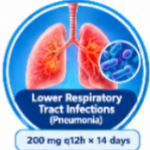
Cefpodoxime is approved for community-acquired pneumonia caused by Streptococcus pneumoniae or Haemophilus influenzae (including beta-lactamase-producing strains). Dosage: Adults — cefpodoxime 200 mg every 12 hours for 14 days. Clinical trials have demonstrated efficacy rates exceeding 85% in appropriately selected patients. - Acute Bacterial Exacerbation of Chronic Bronchitis:
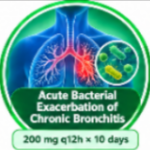
Approved for exacerbations caused by S. pneumoniae, H. influenzae (beta-lactamase positive and negative strains), or Moraxella catarrhalis (including beta-lactamase-producing strains). Dosage: 200 mg every 12 hours for 10 days. - Acute Bacterial Sinusitis:

Cefpodoxime is indicated for acute maxillary sinusitis caused by S. pneumoniae or H. influenzae (including beta-lactamase-producing strains). Dosage: 200 mg every 12 hours for 10 days. This indication reflects the drug’s ability to achieve adequate tissue concentrations in sinus mucosa. - Pharyngitis and/or Tonsillitis:
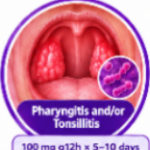
Approved for pharyngitis and tonsillitis caused by Streptococcus pyogenes (Group A beta-hemolytic streptococci). Dosage: 100 mg every 12 hours for 5 to 10 days. This indication is particularly relevant because group A streptococcal pharyngitis requires complete eradication to prevent rheumatic fever. - Uncomplicated Urinary Tract Infections:
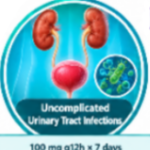
Cefpodoxime is indicated for uncomplicated urinary tract infections caused by Escherichia coli, Klebsiella pneumoniae, Proteus mirabilis, or Staphylococcus saprophyticus. Dosage: 100 mg every 12 hours for 7 days. For upper urinary tract infections (pyelonephritis), the dose is increased to 200 mg every 12 hours for 10 days. - Skin and Skin Structure Infections:

Approved for uncomplicated skin and skin structure infections caused by Staphylococcus aureus (including penicillinase-producing strains) or Streptococcus pyogenes. Dosage: 400 mg every 12 hours for 7 to 14 days. This higher dose reflects the need for sustained tissue concentrations in infected skin. - Acute Uncomplicated Gonococcal Urethritis:
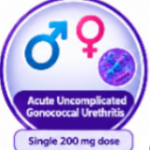
For uncomplicated urethritis in men or cervicitis in women caused by Neisseria gonorrhoeae, a single 200 mg oral dose is recommended. However, due to emerging resistance patterns, this indication requires careful consideration of local susceptibility data.
Off-Label and Guideline-Supported Uses: Beyond FDA-approved indications, cefpodoxime has been studied or recommended in guidelines for other infections. Uses such as Helicobacter pylori eradication, dental infections, or prophylaxis in surgical patients are either guideline-supported or investigational and must not be presented as FDA-approved. The global challenge of antimicrobial resistance is directly linked to the inappropriate use of antibiotics beyond their labeled indications. Clinicians must always consider local resistance patterns, culture results, and current guidelines when considering off-label use, and must never label an off-label use as FDA-approved.
Dosage Table
The following table summarizes evidence-based dosing for FDA-approved indications in adults and adolescents (≥12 years of age). Pediatric dosing follows in a separate section.
| Patient/Condition | Recommended Dose | Frequency | Duration | Important Considerations |
|---|---|---|---|---|
| Pharyngitis
/Tonsillitis |
100 mg | Every 12 hours | 5–10 days | Ensure adequate hydration; consider culture confirmation. |
| Acute maxillary sinusitis | 200 mg | Every 12 hours | 10 days | Optimal with food to enhance absorption. |
| Acute bacterial exacerbation of chronic bronchitis | 200 mg | Every 12 hours | 10 days | Reserve for confirmed bacterial etiology. |
| Community-acquired pneumonia | 200 mg | Every 12 hours | 14 days | Assess severity; consider hospitalization if severe. |
| Uncomplicated UTI (cystitis) | 100 mg | Every 12 hours | 7 days | Increase to 200 mg q12h for pyelonephritis. |
| Skin and skin structure infections | 400 mg | Every 12 hours | 7–14 days | Higher dose required for tissue penetration. |
| Uncomplicated gonococcal urethritis/
cervicitis |
200 mg | Single dose | — | Confirm susceptibility; consider dual therapy per guidelines. |
Pediatric Dosing (≥2 months of age):
- Pharyngitis/Tonsillitis: 5 mg/kg/dose every 12 hours (maximum 100 mg/dose) for 5–10 days
- Acute maxillary sinusitis: 5 mg/kg/dose every 12 hours (maximum 200 mg/dose) for 10 days
- Uncomplicated UTI: 5 mg/kg/dose every 12 hours (maximum 100 mg/dose) for 7 days
Renal Impairment: For patients with creatinine clearance <30 mL/min, the dosing interval should be increased to every 24 hours. Patients on hemodialysis should receive the dose after dialysis sessions.
Mechanism of Action
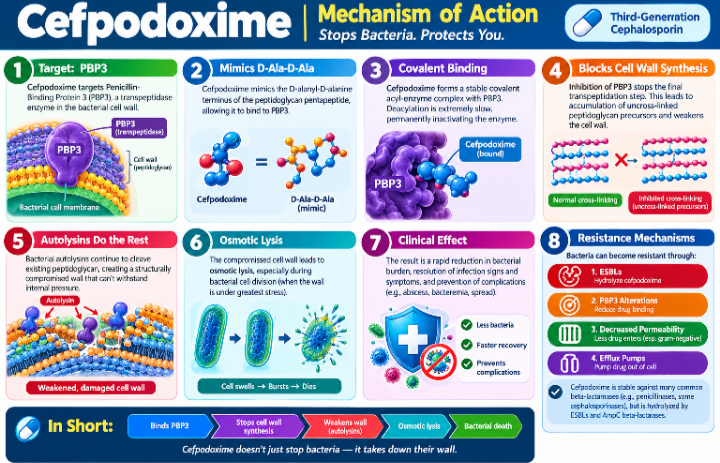
Cefpodoxime exerts its bactericidal activity through a precisely orchestrated molecular mechanism that targets the structural integrity of the bacterial cell wall. Understanding this mechanism is fundamental to appreciating both its clinical utility and its limitations.
Primary Molecular Target: The primary target is penicillin-binding protein 3 (PBP3), a transpeptidase enzyme anchored to the inner membrane of the bacterial cytoplasmic membrane. PBP3 catalyzes the cross-linking of peptidoglycan strands, the essential structural polymer that gives the bacterial cell wall its mechanical strength and osmotic stability.
Binding and Interaction: Cefpodoxime, like other beta-lactam antibiotics, structurally mimics the D-alanyl-D-alanine terminus of the peptidoglycan pentapeptide. This molecular mimicry allows the drug to form a stable covalent acyl-enzyme complex with the serine residue at the active site of PBP3. The acylation reaction is rapid, but deacylation is extremely slow, effectively permanently inactivating the enzyme.
Cellular Pathway Affected: By inhibiting PBP3, cefpodoxime blocks the final transpeptidation step of peptidoglycan synthesis. This results in the accumulation of uncross-linked peptidoglycan precursors, weakening the cell wall. Bacterial autolysins — enzymes that normally remodel the cell wall during growth — continue to cleave existing peptidoglycan, creating a structurally compromised wall that cannot withstand internal osmotic pressure.
Physiologic Consequence: The compromised cell wall leads to osmotic lysis, particularly during bacterial cell division when the wall is under greatest stress. This is why beta-lactams are most effective against actively dividing bacteria.
Clinical Therapeutic Effect: The bactericidal effect translates clinically into rapid reduction in bacterial burden, resolution of signs and symptoms of infection, and prevention of complications such as abscess formation, bacteremia, or metastatic spread.
Resistance Mechanisms: Resistance to cefpodoxime can occur through several mechanisms: (1) production of extended-spectrum beta-lactamases (ESBLs) that hydrolyze the drug; (2) alterations in PBP3 that reduce drug binding affinity; (3) decreased outer membrane permeability in gram-negative bacteria; and (4) active efflux pumps. Cefpodoxime is stable against many common plasmid-mediated beta-lactamases, including penicillinases and some cephalosporinases, but is hydrolyzed by ESBLs and AmpC beta-lactamases.
What Is Cefpodoxime?
Cefpodoxime is the active metabolite of cefpodoxime proxetil, an orally administered third-generation cephalosporin antibiotic. The prodrug design is central to its clinical utility: cefpodoxime itself is poorly absorbed from the gastrointestinal tract, but esterification with a proxetil group creates a lipophilic molecule that is efficiently absorbed and then rapidly hydrolyzed by intestinal esterases to release the active antibiotic.
Generic Name and Drug Class: The generic name is cefpodoxime proxetil. When administered orally, it is formulated as a prodrug that is absorbed intact and then hydrolyzed by esterases in the intestinal mucosa to release active cefpodoxime into the systemic circulation. It belongs to the third-generation cephalosporin class of beta-lactam antibiotics.
Pharmacologic Classification: Cefpodoxime belongs to the beta-lactam family of antibiotics. Within the cephalosporin class, it is classified as third-generation based on its spectrum of activity, which extends gram-negative coverage while retaining important gram-positive activity. Cefpodoxime has activity in the presence of some beta-lactamases, making it more stable than first- and second-generation cephalosporins against many beta-lactamase-producing organisms.
Therapeutic Role: Clinically, cefpodoxime serves as a versatile oral antibiotic for respiratory tract infections, urinary tract infections, skin infections, and specific infections such as gonococcal urethritis. It is particularly valued for its activity against Haemophilus influenzae (including beta-lactamase-producing strains), Moraxella catarrhalis, and Streptococcus pneumoniae.
Formulations, Strengths, and Routes: Oral tablets come in 100 mg and 200 mg strengths. Oral suspension granules are available as 50 mg/5 mL and 100 mg/5 mL formulations. The oral route is appropriate for mild-to-moderate infections. There is no intravenous formulation of cefpodoxime.
Differences from Closely Related Medicines: Cefpodoxime is distinguished from first-generation cephalosporins (e.g., cephalexin) by its extended gram-negative coverage and stability against many beta-lactamases. Compared with second-generation agents (e.g., cefuroxime), it has enhanced activity against H. influenzae and M. catarrhalis. Unlike third-generation agents such as ceftriaxone, cefpodoxime is orally administered and lacks significant anti-pseudomonal activity. It differs from cefixime in its more balanced gram-positive coverage, particularly against S. pneumoniae and S. pyogenes. For a suspenseful, detailed comparison of another cephalosporin workhorse, explore What Is Cefradine Used For? 10 Powerful Facts — and see why the two are not interchangeable.
Pharmacokinetics & Pharmacodynamics Key Table
The following table summarizes the key pharmacokinetic (PK) and pharmacodynamic (PD) properties that inform the clinical use of cefpodoxime.
| Parameter | Clinically Relevant Details |
|---|---|
| Absorption | Prodrug absorbed from GI tract and de-esterified to active cefpodoxime. |
| Bioavailability | ~50% absolute bioavailability of tablets. |
| Time to Peak Concentration | 1.9–3.1 hours after oral administration. |
| Protein Binding | 18–23% to human plasma/serum proteins. |
| Volume of Distribution | Not extensively characterized; low protein binding suggests extensive tissue distribution. |
| Tissue Penetration | Good penetration into respiratory secretions, sinus mucosa, skin, and urinary tract. |
| Blood-Brain Barrier Penetration | Not adequate for treatment of CNS infections. |
| Placental Transfer | Not established; use only if clearly needed. |
| Half-Life | 2.09–2.84 hours in healthy adults with normal renal function. |
| Metabolism | Minimal hepatic metabolism; prodrug de-esterification is the primary biotransformation. |
| Active Metabolites | Cefpodoxime (the active moiety). |
| Enzyme Involvement | Esterases (not cytochrome P450) mediate prodrug activation. |
| Elimination | Renal excretion (29–33% unchanged in urine). |
| Renal Clearance | Primary elimination pathway; dose adjustment required in severe impairment. |
| Fecal/Biliary Elimination | Unabsorbed drug degraded in GI tract and excreted in feces. |
| Pharmacodynamic Target | Penicillin-binding protein 3 (PBP3). |
| Mechanism | Inhibition of peptidoglycan cross-linking. |
| Concentration/Time-Dependent Activity | Time-dependent bactericidal activity. |
| PK/PD Index | %T > MIC (percentage of dosing interval that free drug concentration exceeds MIC). |
This table is a quick reference. The following sections explain the most important details without unnecessary repetition.
Half-Life
The terminal elimination half-life of cefpodoxime in healthy adults with normal renal function ranges from 2.09 to 2.84 hours following oral administration of cefpodoxime proxetil tablets. A comprehensive pharmacokinetic review reported a range of 1.9 to 2.8 hours, consistent with these findings.
Factors That Alter Half-Life: The most clinically significant factor is renal function. In patients with mild renal impairment (creatinine clearance 50–80 mL/min), the average plasma half-life increases to approximately 3.5 hours. In moderate to severe renal impairment, the half-life is prolonged further, necessitating dose interval adjustment.
In older adults (≥65 years), the half-life averages 4.2 hours compared with 3.3 hours in younger subjects, reflecting age-related declines in renal function. The pharmacokinetics of cefpodoxime are not otherwise significantly affected by age when renal function is normal.
Why Half-Life Matters Clinically: The half-life determines the dosing interval necessary to maintain therapeutic drug concentrations. With a half-life of approximately 2–3 hours, cefpodoxime requires twice-daily (every 12 hours) administration to maintain serum concentrations above the minimum inhibitory concentration (MIC) for susceptible organisms. The time-dependent bactericidal activity of cefpodoxime means that the percentage of the dosing interval during which free drug concentration exceeds the MIC (%T > MIC) is the pharmacodynamic parameter most closely correlated with clinical efficacy. This is why extending the dosing interval in renal impairment maintains therapeutic levels without accumulation-related toxicity.
Metabolism
Cefpodoxime undergoes minimal metabolism in humans, a property that simplifies its clinical use and minimizes concerns about hepatic drug interactions.
Primary Metabolic Pathway: The critical metabolic step is the de-esterification of the prodrug, cefpodoxime proxetil, to the active cefpodoxime moiety. This reaction occurs rapidly during and immediately after absorption, mediated by non-specific esterases in the intestinal mucosa and portal circulation, not by cytochrome P450 enzymes.
Major Enzymes and Metabolites: Because hepatic cytochrome P450 enzymes are not involved in cefpodoxime activation or elimination, clinically significant drug interactions involving metabolic pathways are uncommon. Drug not absorbed from the gastrointestinal tract is degraded by intestinal bacteria and excreted in the feces. No active metabolites of clinical importance have been identified beyond the parent cefpodoxime molecule itself.
Clinical Relevance: The absence of significant hepatic metabolism has two important clinical implications. First, dose adjustment is generally not required in patients with hepatic impairment. Second, cefpodoxime does not induce or inhibit hepatic drug-metabolizing enzymes, reducing the likelihood of interactions with medications metabolized by the liver.
Enzyme Interactions: While cefpodoxime itself does not meaningfully inhibit or induce cytochrome P450 enzymes, the co-administration of probenecid — a drug that inhibits renal tubular secretion — increases the area under the serum concentration versus time curve (AUC) of cefpodoxime. This interaction occurs at the level of renal excretion rather than hepatic metabolism and can increase the risk of adverse effects.
Bioavailability & Protein Binding
Oral Bioavailability: The absolute bioavailability of cefpodoxime proxetil tablets is approximately 50% when administered to fasting subjects. This means that of a 100 mg oral dose, approximately 50 mg of active cefpodoxime reaches the systemic circulation.
Factors Affecting Absorption: Absorption is enhanced by concomitant administration of food, which increases both the rate and extent of cefpodoxime absorption. This food effect is clinically relevant: taking cefpodoxime with a meal improves bioavailability and may reduce gastrointestinal side effects. Raising gastric pH through pretreatment with antacids (sodium bicarbonate, aluminum hydroxide) or H2-receptor antagonists reduces peak plasma levels by 24% to 42% and the extent of absorption by 27% to 32%. This interaction occurs because cefpodoxime proxetil requires an acidic environment for optimal dissolution and absorption.
Protein Binding: Cefpodoxime is 18–23% bound to human plasma or serum proteins. This low level of protein binding has important clinical implications: the free (unbound) fraction of cefpodoxime is approximately 77–82%, meaning that a large proportion of circulating drug is pharmacologically active and available to distribute into tissues. Low protein binding also means that drug interactions involving displacement from protein binding sites are unlikely to be clinically significant.
For a deeper dive into this concept and how it applies across drug classes, refer to our detailed guide on pharmacology basics.
Spectrum of Activity
Cefpodoxime exhibits broad-spectrum antibacterial activity encompassing both gram-positive and gram-negative organisms, with stability against many common beta-lactamases. Understanding the antimicrobial spectrum of cefpodoxime is essential for appropriate prescribing and antimicrobial stewardship.
Gram-Positive Activity: Cefpodoxime is active against Staphylococcus aureus (including penicillinase-producing strains but not methicillin-resistant strains), Streptococcus pneumoniae, Streptococcus pyogenes (Group A beta-hemolytic streptococci), and Streptococcus saprophyticus.
Gram-Negative Activity: The drug demonstrates activity against Escherichia coli, Klebsiella pneumoniae, Proteus mirabilis, Haemophilus influenzae (including beta-lactamase-producing strains), and Moraxella catarrhalis (including beta-lactamase-producing strains). It also has activity against Neisseria gonorrhoeae.
Anaerobic Activity: Cefpodoxime has limited anaerobic coverage and should not be relied upon for infections involving Bacteroides fragilis or other obligate anaerobes.
Important Intrinsic Resistance: Cefpodoxime is intrinsically resistant to Pseudomonas aeruginosa, Enterococcus species, methicillin-resistant Staphylococcus aureus (MRSA), and Stenotrophomonas maltophilia. ESBL-producing organisms are also typically resistant.
Clinical Significance of Susceptibility Testing: In-vitro susceptibility does not automatically guarantee clinical effectiveness, particularly for infections at sites where drug penetration may be suboptimal. Susceptibility testing should guide therapy when culture results are available, and local resistance patterns should inform empirical prescribing decisions.
Pharmacodynamics
The pharmacodynamic profile of cefpodoxime is characterized by time-dependent bactericidal activity. The key parameter predicting efficacy is the percentage of the dosing interval during which free drug concentration exceeds the minimum inhibitory concentration (%T > MIC).
Drug-Target Interaction: Cefpodoxime binds irreversibly to penicillin-binding protein 3 (PBP3), disrupting cell wall synthesis. The rate and extent of bacterial killing correlate with the duration of drug exposure above the MIC rather than with peak concentration.
Concentration-Response Relationship: Increasing cefpodoxime concentrations above four times the MIC does not substantially increase the rate or extent of bacterial killing. This means that achieving higher peak concentrations offers no therapeutic advantage over maintaining concentrations just above the MIC for an adequate duration.
Time-Dependent vs Concentration-Dependent Effects: Unlike aminoglycosides (concentration-dependent) or fluoroquinolones (concentration-dependent with AUC/MIC correlation), beta-lactams like cefpodoxime exhibit time-dependent killing. This pharmacodynamic property justifies the twice-daily dosing strategy and explains why more frequent dosing or prolonged infusions of beta-lactams can enhance efficacy in severe infections.
Post-Antibiotic Effect: Cefpodoxime demonstrates a modest post-antibiotic effect against gram-positive organisms, meaning bacterial growth remains suppressed for a short period after drug concentrations fall below the MIC. This effect is less pronounced against gram-negative bacteria.
Therapeutic Window: The therapeutic window for cefpodoxime is relatively wide. The drug is well tolerated across a broad range of concentrations, with dose-limiting toxicity primarily related to gastrointestinal effects rather than specific organ toxicity.
Contraindications
Absolute Contraindications: Cefpodoxime proxetil is contraindicated in patients with known allergy to cefpodoxime or to the cephalosporin group of antibiotics. Previous severe immediate hypersensitivity reaction (anaphylaxis, angioedema) to cefpodoxime or any cephalosporin is an absolute contraindication. Previous severe immediate hypersensitivity reaction to any beta-lactam antibiotic is also a contraindication, given the potential for cross-reactivity (though the risk of cross-reactivity between penicillins and cephalosporins is lower than historically believed).
Major Hypersensitivity Contraindications: Patients with a history of serious immediate-type allergic reactions to penicillins should be evaluated carefully before cefpodoxime administration. While the overall cross-reactivity rate is low (approximately 1–2% for most cephalosporins), the potential for severe reactions warrants caution.
Disease-Specific Contraindications: There are no absolute contraindications based on specific disease states in the FDA labeling. However, cefpodoxime should be used with caution in patients with a history of gastrointestinal disease, particularly colitis, because of the risk of Clostridioides difficile-associated diarrhea.
Formulation-Specific Contraindications: Cefpodoxime proxetil tablets contain lactose monohydrate. Patients with rare hereditary problems of galactose intolerance, the Lapp lactase deficiency, or glucose-galactose malabsorption should not take this formulation. The suspension formulation may contain different excipients and should be checked for specific patient restrictions.
Warnings & Precautions
- Renal Impairment: In patients with transient or persistent reduction in urinary output due to renal insufficiency, the total daily dose should be reduced because high and prolonged serum antibiotic concentrations can occur following usual doses. For creatinine clearance <30 mL/min, the dosing interval should be extended to every 24 hours.
- Hepatic Impairment: Hepatic impairment does not require routine dose adjustment because cefpodoxime undergoes minimal hepatic metabolism. However, patients with combined hepatic and renal impairment should be monitored closely.
- Hypersensitivity: Serious and occasionally fatal hypersensitivity reactions, including anaphylaxis, have been reported with beta-lactam antibiotics. Before initiating therapy, careful inquiry should be made about previous hypersensitivity reactions to cephalosporins, penicillins, or other allergens.
- Clostridioides difficile-Associated Diarrhea: Prolonged use of cefpodoxime may result in overgrowth of non-susceptible organisms, including C. difficile. Patients who develop watery or bloody stools with or without abdominal cramps and fever during or after antibiotic therapy should seek medical evaluation.
- Pregnancy: Cefpodoxime proxetil was neither teratogenic nor embryocidal in animal studies at doses up to 100 mg/kg/day in rats and 30 mg/kg/day in rabbits. However, there are no adequate and well-controlled studies in pregnant women. The drug should be used during pregnancy only if clearly needed.
- Breastfeeding: Cefpodoxime is excreted in human milk. In a study of lactating women, levels in human milk were 0% to 16% of concomitant serum levels at various time points after a 200 mg oral dose. Because of the potential for serious reactions in nursing infants, a decision should be made whether to discontinue nursing or the drug, taking into account the importance of the drug to the mother.
- Pediatric Use: Safety and efficacy in infants less than 2 months of age have not been established.
- Older Adults: Cefpodoxime half-life is prolonged in older adults, reflecting age-related declines in renal function. Dose selection should be cautious, and renal function should be considered.
- Drug Interactions: Concomitant administration of antacids or H2-blockers reduces cefpodoxime absorption. Potent diuretics may increase the risk of nephrotoxicity when administered with cephalosporins.
- Monitoring Requirements: Routine monitoring of renal function is recommended in patients with pre-existing renal impairment or those receiving concomitant nephrotoxic drugs. Clinical monitoring for signs of hypersensitivity, CDAD, and neurotoxicity is essential throughout therapy.
Side Effects
Understanding the distinction between side effects, adverse effects, and serious adverse reactions is essential for safe prescribing and patient counseling.
Common Side Effects:
- Diarrhea (often dose-related) — the most common complaint.
- Nausea and vomiting.
- Abdominal pain or discomfort.
- Headache.
- Rash.
- In pediatric patients, diaper rash and fungal skin rash have been reported in approximately 2% of cases.
Less Common Side Effects:
- Vomiting, dyspepsia, dry mouth, stomatitis.
- Changes in vaginal discharge.
- Tinnitus.
- Transient elevation of liver enzymes.
Patient Communication Tip: Diarrhea is a common problem caused by antibiotics and usually ends when the antibiotic is discontinued. However, patients who develop watery and bloody stools — even as late as two or more months after taking the last dose — should contact their physician as soon as possible.
Adverse Effects
While the common side effects of cefpodoxime are generally mild and self-limiting, the drug carries a risk of serious adverse effects that all prescribers must recognize and monitor for.
- Severe Cutaneous Adverse Reactions: Stevens-Johnson syndrome (SJS), toxic epidermal necrolysis (TEN), erythema multiforme, and drug reaction with eosinophilia and systemic symptoms (DRESS) have been reported with cefpodoxime. These reactions require immediate discontinuation of the drug and urgent medical evaluation.
- Anaphylaxis: Severe immediate hypersensitivity reactions, including angioedema, bronchospasm, and anaphylactic shock, can occur. Emergency treatment with epinephrine and supportive care is required.
- Clostridioides difficile-Associated Diarrhea: This potentially life-threatening condition can occur during or after antibiotic therapy. Symptoms include watery diarrhea, fever, abdominal pain, and leukocytosis.
- Encephalopathy: Rare cases of encephalopathy manifesting as seizures, confusion, consciousness disorders, or abnormal movements have been reported, particularly in patients with renal impairment.
- Hematologic Effects: Eosinophilia has been reported. Rare cases of neutropenia, thrombocytopenia, and hemolytic anemia have occurred with cephalosporin antibiotics.
- Hepatic and Renal Effects: Transient elevations in serum transaminases, alkaline phosphatase, and bilirubin have been reported with cefpodoxime use. These elevations are typically mild and reversible upon discontinuation of therapy.
What Makes These Reactions Clinically Important: Each serious adverse effect requires a specific clinical response: immediate drug discontinuation, targeted diagnostic evaluation (e.g., C. difficile toxin testing, skin biopsy for suspected SJS/TEN), and appropriate supportive or definitive therapy. Prescribers must counsel patients to recognize warning signs and seek urgent care.
Drug Interactions
The following table summarizes clinically meaningful drug interactions with cefpodoxime. Theoretical interactions of little clinical relevance have been omitted.
| Interacting Medicine/Class | Potential Interaction | Clinical Significance | Management Consideration |
|---|---|---|---|
| Antacids (sodium bicarbonate, aluminum hydroxide) | Reduces peak plasma levels by 24–42% and extent of absorption by 27–32%. | Significant; may reduce efficacy. | Administer cefpodoxime at least 2 hours before or after antacids. |
| H2-receptor antagonists (e.g., famotidine, ranitidine) | Reduces cefpodoxime absorption by elevating gastric pH. | Significant. | Avoid concomitant use; if necessary, separate administration times. |
| Proton pump inhibitors | May reduce absorption through pH elevation. | Theoretical; monitor clinical response. | Consider alternative acid suppression if possible. |
| Probenecid | Inhibits renal tubular secretion; increases AUC by ~31% and peak levels by ~20%. | Moderate. | Not routinely clinically significant; monitor for increased side effects. |
| Potent diuretics (e.g., furosemide) | Potential increased risk of nephrotoxicity. | Caution advised. | Monitor renal function closely with concurrent use. |
| Nephrotoxic drugs (e.g., aminoglycosides, amphotericin B) | Potential additive nephrotoxicity. | Monitor renal function. | Close monitoring of renal function is advised. |
| Oral contraceptives | No significant interaction established. | Low risk of contraceptive failure. | No specific precautions required. |
| Warfarin | Possible increased anticoagulant effect (class effect with antibiotics). | Monitor INR. | Check INR if cefpodoxime is added or discontinued. |
Administration Table
Practical administration instructions are essential for patient education and nursing practice. The table below summarizes key administration factors.
| Administration Factor | Guidance |
|---|---|
| Route | Oral only. |
| With Food/Without Food | May be taken with or without food; food enhances absorption. |
| Timing | Every 12 hours for most indications. |
| Tablet Instructions | Swallow whole with water; do not crush or chew. |
| Liquid Formulation | Shake well before each use; measure with calibrated device. |
| IV Administration | Not applicable (no IV formulation available). |
| Missed Dose | Take as soon as remembered; if close to next dose, skip missed dose and resume regular schedule; do not double dose. |
| Storage | Tablets: store at room temperature 20°–25°C (68°–77°F). Suspension: store reconstituted suspension refrigerated and discard after 14 days. |
| Special Instructions | Avoid taking antacids or H2-blockers within 2 hours of cefpodoxime. Complete the full prescribed course even if symptoms improve. |
Pharmacokinetics
This section consolidates the clinically relevant pharmacokinetic properties of cefpodoxime in a professional overview. Detailed explanations of half-life, metabolism, bioavailability, and protein binding are provided in their respective dedicated sections above and are not repeated here.
Absorption: Cefpodoxime proxetil is absorbed from the gastrointestinal tract and rapidly de-esterified to active cefpodoxime. Food enhances absorption, while elevated gastric pH reduces it. Absolute bioavailability is approximately 50%.
Distribution: Cefpodoxime has low protein binding (18–23%), suggesting extensive distribution into tissues. It achieves therapeutic concentrations in respiratory secretions, sinus mucosa, skin, and urinary tract. CNS penetration is inadequate for treating meningitis.
Metabolism and Elimination: Minimal hepatic metabolism occurs. The prodrug is activated by esterases, not cytochrome P450 enzymes. This eliminates concerns about hepatic enzyme interactions and reduces the need for dose adjustment in liver disease. Renal excretion is the primary elimination pathway, with 29–33% of the administered dose excreted unchanged in urine.
Special Populations: Renal impairment requires dose interval extension. Hepatic impairment does not require routine adjustment. Pediatric patients ≥2 months of age can receive cefpodoxime with weight-based dosing. Older adults may require cautious dosing due to age-related renal decline.
Special Populations
Pregnancy: Cefpodoxime is classified as Pregnancy Category B (historical classification). Animal studies have not demonstrated teratogenicity or embryocidal effects, but adequate human studies are lacking. Use only when clearly needed.
Lactation: Cefpodoxime is excreted in human milk at low concentrations (0–16% of serum levels). The decision to continue breastfeeding while taking cefpodoxime should balance the benefits of breastfeeding against the potential for serious reactions in the infant.
Pediatrics: Safety and efficacy have been established for infants ≥2 months of age. Dosing is weight-based (5 mg/kg/dose every 12 hours for most indications). Safety in neonates (<2 months) has not been established.
Older Adults: Age-related declines in renal function prolong cefpodoxime half-life. Dose selection should consider renal function status.
Renal Impairment: For creatinine clearance <30 mL/min, extend dosing interval to every 24 hours. Hemodialysis patients should receive the dose after dialysis.
Hepatic Impairment: No routine dose adjustment required.
Monitoring
- Clinical Response: Resolution of fever, improvement in localized signs and symptoms, and return of functional status. Failure to improve within 48–72 hours should prompt reassessment of diagnosis and therapy.
- Renal Function: Baseline and periodic serum creatinine, particularly in patients with pre-existing renal impairment or those receiving concomitant nephrotoxic drugs.
- Hepatic Function: Periodic liver enzymes in patients with underlying liver disease, though routine monitoring is not required.
- Microbiological Response: Culture and susceptibility testing when indicated, particularly for infections that fail initial therapy.
- Adverse Reactions: Monitor for diarrhea (including C. difficile), rash, and other hypersensitivity manifestations.
Clinical Perspective
Cefpodoxime occupies a well-defined niche in outpatient antimicrobial therapy. Its pharmacologic profile—broad-spectrum coverage, oral bioavailability, twice-daily dosing, and minimal metabolic interactions—makes it a rational choice for mild-to-moderate community-acquired infections in appropriately selected patients.
The drug is most clinically useful when the suspected pathogen is likely to be susceptible based on local resistance patterns, the patient can tolerate oral therapy, and there are no contraindications such as severe allergy or significant renal impairment requiring alternative agents.
Clinicians may prefer alternatives when the patient has severe penicillin or cephalosporin allergy, when the suspected organism is likely resistant (e.g., ESBL-producing E. coli), when CNS penetration is required, or when the patient cannot take oral medications.
Antimicrobial stewardship principles dictate that cefpodoxime should be prescribed only for confirmed or strongly suspected bacterial infections, with culture and susceptibility testing when feasible, and with the shortest effective course to minimize resistance selection and adverse effects. The emergence of extended-spectrum beta-lactamase-producing organisms has narrowed the empirical niche for oral third-generation cephalosporins, and prescribers should remain vigilant for treatment failure that may indicate resistance.
Patient-specific considerations—including age, renal function, pregnancy status, concomitant medications, and severity of infection—must guide the final therapeutic decision. Interpretation of treatment response should occur within 48–72 hours; if the patient is not improving, reassessment of the diagnosis, culture data, and therapeutic choice is warranted.
Question. What is cefpodoxime used for?
Answer : Cefpodoxime is used to treat a range of mild-to-moderate bacterial infections, including respiratory tract infections (pneumonia, bronchitis, sinusitis), pharyngitis/tonsillitis, urinary tract infections, and uncomplicated skin infections caused by susceptible organisms.
Question. How does cefpodoxime work?
Answer : It kills bacteria by binding to penicillin-binding protein 3 (PBP3) and inhibiting the cross-linking of peptidoglycan in the bacterial cell wall, leading to cell lysis and death.
Question. What is the difference between cefpodoxime and cefpodoxime proxetil?
Answer : Cefpodoxime proxetil is the prodrug form that is absorbed orally. It is converted to the active drug, cefpodoxime, by esterases in the body. All dosing is expressed as cefpodoxime equivalents.
Question. How long does cefpodoxime take to work?
Answer : Many patients experience symptomatic improvement within 48–72 hours. However, it is essential to complete the full prescribed course even if you feel better early.
Question. What is the half-life of cefpodoxime?
Answer : The half-life ranges from 2.09 to 2.84 hours in healthy adults with normal renal function. It is prolonged in renal impairment and in older adults.
Question. Is cefpodoxime FDA-approved?
Answer : Yes. Cefpodoxime proxetil is FDA-approved for specific respiratory tract infections, urinary tract infections, skin infections, and pharyngitis/tonsillitis caused by susceptible organisms.
Question. What are the most common side effects of cefpodoxime?
Answer : Diarrhea, nausea, abdominal pain, headache, and rash are the most commonly reported side effects.
Question. What serious side effects can cefpodoxime cause?
Answer : Serious reactions include severe skin reactions (SJS/TEN), anaphylaxis, C. difficile-associated diarrhea, and rare cases of encephalopathy.
Question. Can cefpodoxime be used during pregnancy?
Answer : Animal studies have not shown fetal harm, but human data are limited. It should be used during pregnancy only if clearly needed.
Question. Is cefpodoxime safe while breastfeeding?
Answer : Cefpodoxime is excreted in human milk at low concentrations. The decision to use it while breastfeeding should consider the potential for serious reactions in the infant.
Question. Does cefpodoxime interact with alcohol?
Answer : There is no specific interaction between cefpodoxime and alcohol. However, alcohol may worsen gastrointestinal side effects and is generally not recommended during acute illness.
Question. What medicines interact with cefpodoxime?
Answer : Antacids and H2-blockers reduce its absorption. Probenecid increases its levels. Potent diuretics and nephrotoxic drugs require monitoring.
Question. What happens if I miss a dose of cefpodoxime?
Answer : Take it as soon as you remember. If it is almost time for your next dose, skip the missed dose and continue with your regular schedule. Do not double the dose.
Question. Should cefpodoxime be taken with food?
Answer : It may be taken with or without food, but food enhances absorption and may reduce stomach upset.
Question. Does renal impairment require dose adjustment?
Answer : Yes. For creatinine clearance below 30 mL/min, the dosing interval should be extended to every 24 hours.
Question. Does liver disease affect cefpodoxime dosing?
Answer : No routine dose adjustment is required because cefpodoxime undergoes minimal hepatic metabolism.
Question. Can children take cefpodoxime?
Answer : Yes, for children aged 2 months and older. Dosing is weight-based.
Question. Is cefpodoxime appropriate for older adults?
Answer : Older adults can take cefpodoxime, but dose selection should consider age-related declines in renal function.
Question. What should clinicians monitor during cefpodoxime therapy?
Answer : Clinical response, renal function, signs of hypersensitivity, and gastrointestinal symptoms—particularly diarrhea.
Question. What are alternatives to cefpodoxime?
Answer : Alternatives include amoxicillin-clavulanate, cefuroxime, cefixime, and fluoroquinolones, depending on the indication and local resistance patterns.
Question. What are the major contraindications to cefpodoxime?
Answer : Known allergy to cefpodoxime or cephalosporin antibiotics is the primary contraindication.
Question. How does resistance affect cefpodoxime use?
Answer : Resistance through ESBL production or PBP alterations can render cefpodoxime ineffective. Culture and susceptibility testing guide appropriate use.
Question. How long does treatment with cefpodoxime usually last?
Answer : Treatment duration ranges from a single dose (gonorrhea) to 7–14 days, depending on the infection being treated.
Question. When should I seek emergency medical attention?
Answer : Seek emergency care for difficulty breathing, facial swelling, severe skin rash with blistering or peeling, bloody diarrhea, or signs of anaphylaxis.
Question. Can cefpodoxime be crushed or chewed?
Answer : Tablets should be swallowed whole. If a patient cannot swallow tablets, the oral suspension formulation is available.
5 Authentic Studies
Study 1
Citation: Sengupta J, Mondal AK, Jain P, Garg RD, Mathur NC, Moharana AK. Comparative evaluation of cefpodoxime versus cefixime in children with lower respiratory tract infections. Journal of the Indian Medical Association. (Specific journal details available via PubMed record; study conducted at multiple centers in India).
Study Type: Prospective, open-label, comparative, multicenter randomized controlled trial.
Population: 776 children (mean age 10 years) with community-acquired lower respiratory tract infections.
Intervention/Exposure: Cefpodoxime suspension 5 mg/kg twice daily (n = 396).
Comparator: Cefixime 4 mg/kg twice daily (n = 380).
Main Outcome: Clinical cure and bacteriological eradication rates at the end of therapy (10–14 days).
Key Findings: Clinical success was 97% with cefpodoxime versus 86.8% with cefixime. Bacterial eradication was 93.4% with cefpodoxime versus 82.9% with cefixime.
Clinical Significance: This large comparative trial demonstrated that cefpodoxime was superior to cefixime for treating lower respiratory tract infections in children, with significantly higher clinical cure and bacteriological eradication rates. The findings support cefpodoxime as an effective option in pediatric respiratory infections.
Important Limitation: The study was open-label (not blinded), which may have introduced observer bias in outcome assessment. Additionally, it was conducted in a specific geographic population, and results may not be universally generalizable.
Study 2
Citation: Farooq A, Zamir A, et al. Clinical pharmacokinetics of cefpodoxime: a systematic review. Expert Opinion on Drug Metabolism & Toxicology. 2024;20(10). DOI: 10.1080/17425255.2024.2391389.
Study Type: Systematic review of pharmacokinetic and pharmacodynamic studies.
Population: Adults and pediatric patients across multiple published studies.
Intervention/Exposure: Oral cefpodoxime proxetil at various doses.
Comparator: Not applicable (systematic review of pharmacokinetic parameters).
Main Outcome: Comprehensive characterization of cefpodoxime pharmacokinetic parameters and their correlation with pharmacodynamic effects.
Key Findings: The review consolidates data on absorption, distribution, metabolism, and elimination of cefpodoxime, providing clinically applicable PK/PD parameters including %T > MIC targets for efficacy.
Clinical Significance: This 2024 systematic review provides the most current evidence-based synthesis of cefpodoxime pharmacokinetics, helping clinicians optimize dosing regimens and understand variability in drug exposure across patient populations.
Important Limitation: As a review of published data, it is limited by the quality and consistency of the included studies. Heterogeneity in study designs and patient populations may affect the generalizability of pooled findings.
Study 3
Citation: Study on rapid cefpodoxime disk screening for early detection of third-generation cephalosporin resistance in Escherichia coli and Klebsiella pneumoniae bacteremia. Journal of Pharmaceutical Health Care and Sciences. 2023;9:43.
Study Type: Diagnostic accuracy study / clinical evaluation.
Population: Patients with E. coli and K. pneumoniae bacteremia.
Intervention/Exposure: Rapid cefpodoxime disk screening performed directly on positive blood culture samples.
Comparator: Standard susceptibility testing methods.
Main Outcome: Time to detection of third-generation cephalosporin resistance compared with conventional methods.
Key Findings: Rapid cefpodoxime disk screening enabled earlier detection of third-generation cephalosporin resistance, potentially facilitating earlier appropriate antimicrobial therapy adjustments.
Clinical Significance: This study highlights the role of cefpodoxime as a screening agent for detecting ESBL-producing organisms. Early detection of resistance can guide clinicians toward appropriate alternative therapy more rapidly, improving patient outcomes and supporting antimicrobial stewardship.
Important Limitation: The study focused on specific gram-negative organisms in bacteremic patients; findings may not apply to other specimen types or organisms. Implementation requires laboratory infrastructure and training.
Study 4
Citation: Meta-analysis of cephalosporin versus penicillin treatment of group A streptococcal tonsillopharyngitis. Published in Diagnostic Microbiology and Infectious Disease and related journals.
Study Type: Meta-analysis of randomized controlled trials.
Population: Adults with group A beta-hemolytic streptococcal (GAS) tonsillopharyngitis (5 RCTs, n = 1030).
Intervention/Exposure: Short-course (5 days) cephalosporins including cefpodoxime.
Comparator: 10 days of penicillin.
Main Outcome: Bacteriologic eradication rates.
Key Findings: The likelihood of bacteriologic eradication with 5 days of select cephalosporins (including cefpodoxime) was noninferior to 10 days of penicillin. A separate meta-analysis in children demonstrated superior bacteriologic cure rates for cephalosporins including cefpodoxime.
Clinical Significance: These findings support shorter-course cefpodoxime therapy for streptococcal pharyngitis, potentially improving patient adherence and reducing antibiotic exposure without compromising efficacy. Shorter courses also reduce the selection pressure for antibiotic resistance.
Important Limitation: Most included trials were conducted in specific geographic regions with distinct resistance patterns. The applicability to settings with high macrolide or clindamycin resistance may differ.
Study 5
Citation: In vitro activity of cefpodoxime against Russian clinical isolates of Haemophilus influenzae, Streptococcus pneumoniae, and Streptococcus pyogenes. Journal of Global Antimicrobial Resistance. 2023;25(4):372-378.
Study Type: In vitro susceptibility study.
Population: Clinical bacterial isolates from patients across Russia.
Intervention/Exposure: Cefpodoxime susceptibility testing.
Comparator: Other oral cephalosporins and antibiotics.
Main Outcome: Minimum inhibitory concentration (MIC) distribution and susceptibility rates.
Key Findings: Cefpodoxime demonstrated potent in vitro activity against the majority of tested respiratory pathogens, supporting its continued utility as an empirical treatment option for community-acquired respiratory infections.
Clinical Significance: This study provides contemporary susceptibility data confirming that cefpodoxime retains activity against key respiratory pathogens in a specific geographic region. Such data are essential for informing local empirical treatment guidelines.
Important Limitation: In vitro activity does not always correlate with clinical efficacy. The study reflects susceptibility patterns in a specific region, and results may not be generalizable to other geographic areas with different resistance epidemiology.
Authentic References
- U.S. Food and Drug Administration. Cefpodoxime Proxetil Tablets, USP—Prescribing Information. DailyMed. Updated February 2025. Available at: https://dailymed.nlm.nih.gov/dailymed/lookup.cfm?setid=fe827f61-9336-72e7-e053-6394a90af75f
- U.S. Food and Drug Administration. Cefpodoxime Proxetil for Oral Suspension, USP—Prescribing Information. DailyMed. Updated June 2025. Available at: https://dailymed.nlm.nih.gov/dailymed/lookup.cfm?setid=849a91fa-6412-4985-a567-528c508e6815
- Borin MT. A review of the pharmacokinetics of cefpodoxime proxetil. Drugs. 1991;42(Suppl 3):13-21. PMID: 1726203.
- Farooq A, Zamir A, et al. Clinical pharmacokinetics of cefpodoxime: a systematic review. Expert Opinion on Drug Metabolism & Toxicology. 2024;20(10):989-1001. DOI: 10.1080/17425255.2024.2391389.
- Sengupta J, et al. Comparative evaluation of cefpodoxime versus cefixime in children with lower respiratory tract infections. PMID: 15226561.
- U.S. Food and Drug Administration. Cefpodoxime Proxetil—Clinical Trials section. DailyMed. Updated January 2024.
- DrugCentral. Cefpodoxime proxetil—Pregnancy, Nursing Mothers, Pediatric Use sections. Updated 2023.
- National Center for Biotechnology Information. PubChem Compound Summary for Cefpodoxime. Available at: https://pubchem.ncbi.nlm.nih.gov/
- Centers for Disease Control and Prevention. Antibiotic Prescribing and Use—Core Elements of Antibiotic Stewardship. Available at: https://www.cdc.gov/antibiotic-use/
- World Health Organization. Antimicrobial Resistance: Global Report on Surveillance. WHO Press, Geneva.
- Infectious Diseases Society of America. Clinical Practice Guidelines for the Diagnosis and Management of Group A Streptococcal Pharyngitis. Clinical Infectious Diseases.
- Sakai T, et al. Effect of rapid cefpodoxime disk screening for early detection of third-generation cephalosporin resistance. Journal of Pharmaceutical Health Care and Sciences. 2023;9:43.
Medical Information Disclaimer: This article is intended for educational and informational purposes only and is written primarily for medical students, healthcare professionals, and informed readers. It does not constitute medical advice, diagnosis, or treatment recommendations for any individual patient. Cefpodoxime is a prescription antibiotic, and its use must be directed by a licensed healthcare professional who can evaluate the patient’s specific clinical situation, including diagnosis, severity of infection, allergies, renal and hepatic function, concomitant medications, and local resistance patterns. Antibiotics should be used only when prescribed for a confirmed or strongly suspected bacterial infection. Misuse or overuse of antibiotics contributes to antimicrobial resistance, a global health threat. Patients should never share antibiotics with others, save leftover antibiotics for future use, or take antibiotics without a prescription. If you are experiencing symptoms of an infection, consult a qualified healthcare provider. If you are a healthcare professional, this article is intended to complement—not replace—your clinical judgment, institutional guidelines, and current evidence-based recommendations.
If you are exploring the pharmacology of everyday pain relievers alongside antibiotics, you may be surprised by how much their safety profiles differ. For a suspenseful, evidence-based breakdown, explore Facts of Ibuprofen Uses, Dosage and Side Effects — but keep your clinical focus on cefpodoxime first.
For authentic and engaging information about the world’s different religions, visit ssthem.com for religious studies and discover well-organized, informative content.
For online earning ideas, freelancing, affiliate marketing, YouTube, Facebook monetization, and AI tips, visit ssthem.xyz for online earning and WhatsApp group links.
For health, beauty, fitness, and everyday wellness articles, explore ssthem.net for health and wellness content.