What Is Diagnosis 15 Powerful Steps to Understand Symptoms, Tests & Results
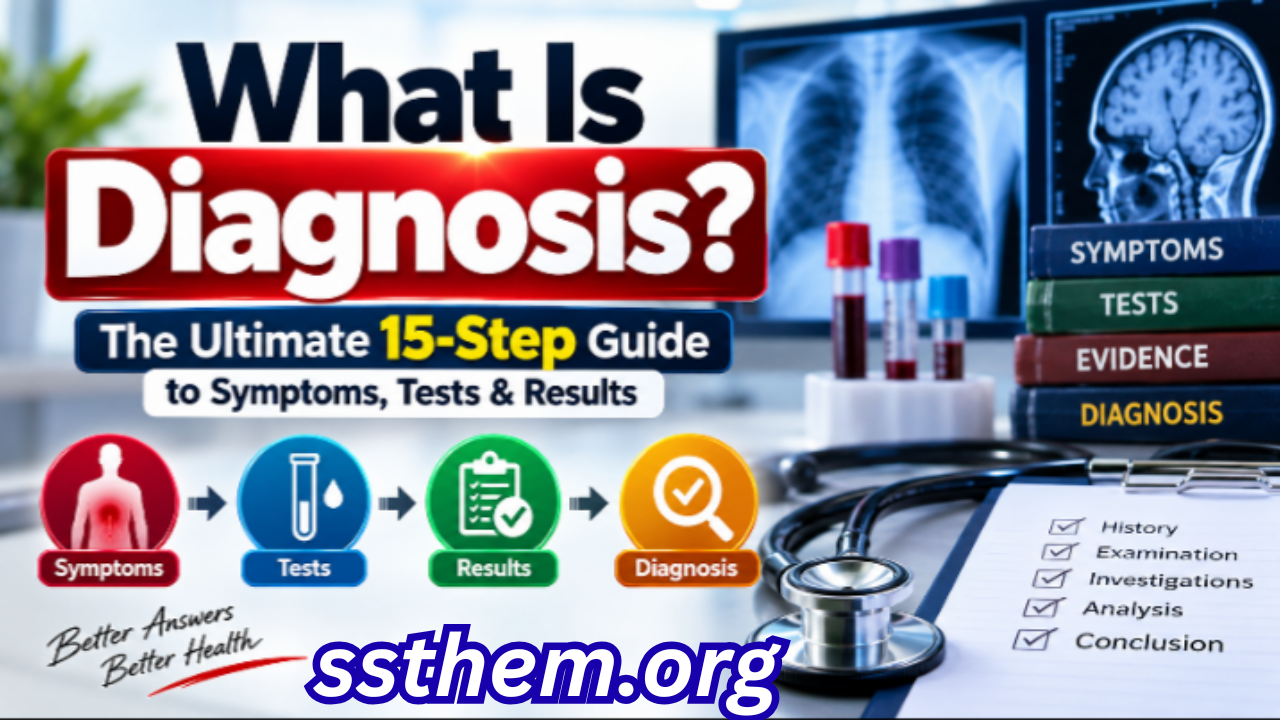
What Is Diagnosis? The Ultimate 15-Step Guide to Symptoms, Tests & Results
A patient arrives with a symptom that initially appears routine. The first examination may be reassuring. An initial laboratory test may even fall within its reference interval. Yet the real diagnostic question has only just begun: what evidence can distinguish the actual disease from the conditions that can look remarkably similar?
This is the central challenge of medicine. Diagnosis is not simply finding an abnormal laboratory result. It is not merely naming a disease after hearing a patient’s symptoms. It is not the same thing as ordering a scan or performing a blood test. Diagnosis is a structured process of collecting, evaluating, and integrating clinical evidence to determine what condition best explains a patient’s findings.
That process begins before a test is ordered. A physician first asks what could plausibly be happening. The history then changes the probability of different possibilities. Physical examination provides additional evidence. Investigations are selected according to the clinical question. Results are interpreted in context rather than isolation. Differential diagnoses are compared. Sometimes a diagnosis can be made clinically; sometimes laboratory testing, imaging, pathology, microbiology, molecular testing, or another specialized investigation is required.
This is why understanding what is diagnosis in medical terms is much more valuable than memorizing a list of tests. An accurate diagnosis can influence almost every subsequent medical decision: treatment selection, monitoring, prognosis, referral, prevention, patient counseling, and assessment of complications. An incorrect diagnosis can send the diagnostic process in the wrong direction.
This comprehensive guide explains what is medical diagnosis, how doctors diagnose disease, why diagnosis is important, how diagnostic tests are selected, how results are interpreted, why false-positive and false-negative results occur, and how clinicians confirm or reconsider a diagnosis.
A sobering clinical reality first: diagnostic errors affect a significant proportion of clinical encounters, and cognitive biases are among the most common contributors. Understanding the diagnostic process is not optional — it is essential. For a suspenseful, evidence-based look at this hidden crisis, explore Shocking Adverse Drug Reaction Facts before you interpret another laboratory result.
Key Diagnostic Facts About Diagnosis
The following table summarizes the most clinically important facts about diagnosis. This is not a substitute for full clinical training, but it provides a rapid reference for healthcare professionals, students, and informed readers.
| Diagnostic Feature | Key Fact |
|---|---|
| Medical diagnosis | The clinical process of identifying the condition most likely responsible for a patient’s findings |
| Starting point | Symptoms, signs, history, risk factors, examination findings, or screening abnormalities |
| First clinical step | Establish the clinical problem and estimate the possible causes |
| History | Provides information about onset, duration, progression, exposures, medications, family history and associated symptoms |
| Physical examination | Adds objective clinical evidence and may identify characteristic findings or complications |
| Initial investigations | Selected according to the suspected conditions and the clinical question |
| Laboratory testing | May evaluate blood, urine, body fluids, microorganisms, antibodies, genetic material, hormones, enzymes or tissue |
| Imaging | May identify structural, anatomical, inflammatory, vascular or functional abnormalities |
| Differential diagnosis | A reasoned list of plausible conditions that could explain the presentation |
| Confirmatory testing | Used when a diagnosis requires additional evidence or when uncertainty remains |
| Important limitation | No diagnostic test is perfect |
| False positive | A test appears positive despite the target condition being absent |
| False negative | A test appears negative despite the target condition being present |
| Diagnostic challenge | Diseases may have overlapping symptoms, atypical presentations, changing findings, or imperfect tests |
| Reassessment | Essential when the clinical course does not fit the original diagnosis |
| Patient importance | Diagnosis helps determine appropriate management and communication |
| Professional importance | Diagnosis supports clinical decision-making, risk assessment, monitoring and referral |
This table is a snapshot. Every parameter in it will be expanded in the dedicated sections below, but we will not repeat the full explanations unnecessarily.
1. What Is Diagnosis?
The simplest answer to what is diagnosis is: diagnosis is the process of identifying a disease, disorder, condition, or clinical explanation that accounts for a patient’s symptoms, signs, history, examination findings, and investigation results.
The word has an important distinction from the word symptom. A symptom is something a patient experiences or reports. Examples include pain, fatigue, nausea, dizziness, shortness of breath, cough, weakness, and fever. A diagnosis is the medical explanation for the clinical problem. For example, abdominal pain is a symptom. Several different diseases may produce abdominal pain. The diagnostic task is to determine which explanation best fits the available evidence.
Therefore: symptom → clinical question → differential diagnosis → investigation → interpretation → diagnosis. This sequence is simplified because real clinical reasoning is often iterative. A physician may initially suspect several possibilities, perform an examination, order targeted investigations, revise the differential diagnosis, and then request additional testing.
What is medical diagnosis? Medical diagnosis is broader than identifying a disease name. It can involve determining: what condition is present, what is causing the condition, how severe it is, whether complications are present, whether another condition better explains the findings, whether more than one condition exists, and whether the initial diagnosis needs to be revised. In some cases, the diagnosis remains provisional until additional evidence becomes available.
A working diagnosis is not necessarily the same as a final confirmed diagnosis.
2. What Does Diagnosis Mean in Healthcare?
In healthcare, diagnosis refers to the reasoned identification of a patient’s medical condition. It usually integrates several categories of information: patient history, symptoms, physical signs, risk factors, previous medical information, laboratory investigations, imaging, pathology, microbiology, molecular or genetic testing, clinical criteria, disease progression, and response to previous interventions when clinically relevant.
The importance of each category varies according to the disease. For some disorders, history and examination may provide most of the diagnostic information. For others, laboratory testing or imaging may be essential. Some diseases require tissue examination or molecular confirmation. There is therefore no universal diagnostic test that applies to every disease.
3. Diagnosis vs Symptoms vs Signs vs Testing
These concepts are frequently confused.
| Term | Meaning |
|---|---|
| Symptom | A subjective experience reported by the patient |
| Sign | An objective finding identified by a clinician |
| Test | An investigation used to obtain additional evidence |
| Diagnosis | The clinical conclusion about the condition causing the findings |
| Differential diagnosis | The group of plausible conditions being considered |
| Prognosis | The expected course or outcome of a condition |
| Screening | Testing people without symptoms to identify possible disease or risk |
What is the difference between diagnosis and symptoms? Symptoms are evidence used during diagnosis. They are not necessarily the diagnosis itself. A headache, for example, can occur with numerous conditions. The diagnostic process asks: what explains the headache in this particular patient? That question requires context.
4. Why Is Diagnosis Important?
The importance of diagnosis extends beyond naming a disease.
4.1 Diagnosis guides treatment: Different diseases can produce similar symptoms but require very different management strategies. A treatment appropriate for one condition may be ineffective or inappropriate for another. Therefore, identifying the underlying condition is central to rational medical care.
4.2 Diagnosis helps identify dangerous alternatives: A clinician must consider not only the most common explanation but also clinically important alternatives. A relatively common symptom may occasionally represent a condition requiring urgent assessment. This is one reason physicians consider red flags.
4.3 Diagnosis influences prognosis: Once a condition is identified, clinicians may be able to estimate severity, likely progression, complications, recurrence risk, need for specialist assessment, and need for monitoring.
4.4 Diagnosis supports prevention: Some diagnoses identify risk factors that may also affect family members or future health. A diagnosis can therefore influence preventive counseling and screening decisions.
4.5 Diagnosis reduces unnecessary investigation: Good diagnostic reasoning does not mean ordering every available test. In fact, excessive testing can create additional problems, including incidental findings and false-positive results.
The most useful test is not necessarily the most advanced test. It is the test that meaningfully answers the clinical question.
5. The 15-Step Diagnostic Process
The diagnostic process can be understood as a structured pathway: clinical presentation → suspicion → history → examination → differential diagnosis → probability assessment → test selection → investigation → interpretation → confirmation → severity assessment → specialist input → reassessment → diagnosis communication → follow-up. The following sections explain this process in detail.
Step 1 — When Should Doctors Suspect a Disease?
The process begins with clinical suspicion. A physician may suspect a disease because of characteristic symptoms, physical findings, risk factors, epidemiological exposure, family history, medication exposure, occupational exposure, abnormal screening findings, previous episodes, or disease-specific patterns. However, suspicion is not confirmation.
Typical presentation: Doctors first consider whether the presentation resembles the expected pattern of the condition. Questions may include: What is the main complaint? When did it begin? Is it acute or chronic? Is it getting better or worse? Is the symptom localized or generalized? Are other organ systems involved? Are there relevant risk factors?
Atypical presentation: Diseases do not always present according to textbook descriptions. Age, pregnancy, immune status, medications, comorbidities, and disease severity can influence presentation. Therefore, an atypical presentation should not automatically exclude a diagnosis.
Nonspecific symptoms: Many symptoms have low diagnostic specificity. Fatigue, fever, nausea, pain, dizziness, and weakness can occur in numerous conditions. The physician therefore combines several findings rather than relying on one symptom.
Step 2 — Medical History

The medical history is one of the most important diagnostic tools available. A carefully obtained history can substantially change the probability of different diagnoses before any laboratory test is performed.
Presenting complaint: The clinician clarifies the main problem in the patient’s own words.
Onset: Was the onset sudden? Gradual? Intermittent? Progressive? The timing can substantially narrow the differential diagnosis.
Duration: The duration may distinguish acute, subacute, recurrent, and chronic processes.
Progression: The clinician asks whether the condition is improving, worsening, fluctuating, stable, or recurring.
Severity: Severity should be assessed appropriately for the clinical problem.
Associated symptoms: Associated findings can be diagnostically valuable. For example, the combination of symptoms may be more informative than any single symptom.
Previous episodes: Previous episodes can suggest recurrence, chronic disease, an established pattern, or a previous incorrect diagnosis.
Medication history: Medication history should include prescription medicines, over-the-counter medicines, supplements, recent medication changes, and adherence where clinically relevant. Drug exposure can sometimes produce symptoms or laboratory abnormalities that resemble disease. For readers interested in adverse reactions, see the related educational article: Shocking Adverse Drug Reaction Facts: A Detailed Guide.
Allergy history: The clinician distinguishes documented allergies from previous side effects whenever possible.
Family history: Some diseases have important hereditary or familial components.
Social history: Depending on the clinical problem, relevant factors may include tobacco exposure, alcohol exposure, recreational substances, occupation, living environment, travel, infectious exposure, sexual history, and diet. Only medically relevant information should be emphasized.
Previous procedures: Previous surgery, invasive procedures, hospitalization, or diagnostic procedures may change the differential diagnosis.
Step 3 — Physical Examination

After the history, the clinician obtains objective information through physical examination.
Vital signs: Depending on the situation, these may include temperature, heart rate, respiratory rate, blood pressure, and oxygen saturation. Abnormal vital signs may alter the urgency of evaluation.
General appearance: Clinicians may assess level of alertness, respiratory effort, hydration, distress, pallor, jaundice, and nutritional status.
Organ-system examination: The examination is adapted to the clinical problem. For example: cardiovascular examination, respiratory examination, abdominal examination, neurological examination, musculoskeletal examination, skin examination.
Why examination matters: Physical findings can strengthen a diagnostic hypothesis, weaken a hypothesis, identify complications, reveal another possible diagnosis, and determine urgency.
A physical examination is not merely a formality. It can change which tests are appropriate next.
Red Flags That Should Not Be Ignored
Red flags depend heavily on the disease and presenting complaint.
| Red Flag | Why It Matters | Possible Concern | Appropriate Action |
|---|---|---|---|
| Severe or rapidly worsening symptoms | May indicate significant disease progression | Acute complication or serious underlying condition | Prompt professional assessment |
| Altered consciousness | Indicates possible neurological or systemic dysfunction | Serious systemic or neurological disorder | Urgent assessment |
| Severe breathing difficulty | May indicate respiratory or cardiovascular compromise | Potentially serious cardiopulmonary condition | Urgent medical evaluation |
| Significant bleeding | Can cause acute physiological compromise | Gastrointestinal, internal or other bleeding | Prompt assessment |
| Severe chest pain with concerning features | May indicate a serious cardiopulmonary problem | Cardiac or vascular emergency among possibilities | Emergency assessment |
| New severe neurological deficit | Can indicate acute neurological disease | Stroke or other neurological emergency | Emergency assessment |
| Severe dehydration or inability to maintain fluids | May cause physiological instability | Significant fluid/electrolyte disturbance | Prompt assessment |
These signs do not establish a diagnosis by themselves. They indicate that the clinical situation may require urgent evaluation.
Step 4 — Constructing the Differential Diagnosis
A differential diagnosis is a structured list of conditions that could plausibly explain the patient’s presentation. For example, when a patient presents with fever, clinicians may consider several categories: infectious disease, inflammatory disease, autoimmune disease, medication reaction, malignancy, endocrine disorders, and other systemic conditions.
The differential should be adjusted according to: age, symptoms, examination, risk factors, prevalence, exposure history, time course, and severity.
Why differential diagnosis matters: Without a differential diagnosis, clinicians can become overly committed to the first plausible explanation. This is sometimes called anchoring. A broader differential helps prevent premature closure.
Step 5 — Estimating Pretest Probability
One of the most important concepts in diagnostic medicine is pretest probability. Pretest probability refers to the estimated likelihood of a disease before the result of a particular diagnostic test is considered. It can be influenced by: disease prevalence, symptoms, signs, risk factors, epidemiology, and previous investigations.
The same test result can have different meanings in different clinical contexts. For example, a positive test for a relatively uncommon disease may have a different predictive meaning when the patient has very few features suggesting that disease than when the patient has a highly characteristic presentation. This is why laboratory results should not be interpreted in isolation.
Step 6 — Choosing the Right Diagnostic Test
A test should answer a clinical question. Before ordering it, clinicians should consider: What am I trying to find out? Possible questions include: Is infection likely? Is there organ dysfunction? Is structural disease present? Is a suspected diagnosis supported? Is a dangerous alternative present? Is additional confirmation necessary?
The best test is not always the most expensive test: Advanced testing may be unnecessary when a simpler investigation provides sufficient information. Conversely, a simple test may be insufficient when a serious diagnosis requires specialized investigation. Good diagnostic practice therefore balances clinical usefulness, accuracy, availability, risk, cost, timing, and patient factors.
Step 7 — Laboratory Diagnosis

Laboratory medicine provides a wide range of diagnostic evidence. The appropriate tests depend on the disease being investigated.
Complete Blood Count: A complete blood count (CBC) evaluates blood-cell populations. Depending on the clinical context, it may provide information about anemia, leukocyte abnormalities, platelet abnormalities, and inflammatory or infectious patterns. A CBC rarely identifies a disease by itself. Its interpretation depends on the clinical context.
Inflammatory markers: Tests such as C-reactive protein (CRP) and erythrocyte sedimentation rate (ESR) may provide evidence of inflammation. However, inflammation is not synonymous with infection. These tests generally require clinical interpretation.
Blood chemistry: Depending on the suspected condition, clinicians may assess glucose, electrolytes, renal markers, liver-associated tests, proteins, and enzymes.
Kidney tests: Renal assessment can be relevant when kidney disease is suspected, systemic disease may affect renal function, medication dosing depends on kidney function, or electrolyte abnormalities require evaluation.
Liver tests: Liver-associated biochemical tests can help assess patterns of hepatocellular injury, cholestasis, synthetic function, or other abnormalities. The pattern is often more informative than a single value.
Serology: Serological testing can detect antibodies, antigens, and immune responses. Timing matters because antibodies may not be detectable immediately after infection or exposure.
Microbiology: Depending on the disease, clinicians may use cultures, microscopy, antigen tests, and molecular tests.
Polymerase Chain Reaction: Polymerase chain reaction (PCR) testing can detect specific genetic material from an organism or other target. PCR is highly useful in selected clinical situations but remains dependent on specimen quality, timing, target selection, and assay performance.
Step 8 — Imaging Diagnosis

Imaging can provide structural and sometimes functional information.
X-ray: X-ray imaging is useful for selected anatomical questions, particularly in areas such as the chest and bones. Its limitations include reduced sensitivity for certain early or subtle conditions.
Ultrasound: Ultrasound can evaluate organs, fluid, blood flow with Doppler techniques, and selected soft-tissue abnormalities. It has the advantage of avoiding ionizing radiation. However, image quality may depend on operator skill and patient factors.
Computed Tomography: Computed tomography (CT) can provide detailed cross-sectional anatomical information. It may be valuable when clinicians need rapid evaluation of certain structural abnormalities. Limitations include radiation exposure and the possibility of incidental findings.
Magnetic Resonance Imaging: Magnetic resonance imaging (MRI) provides detailed soft-tissue imaging without ionizing radiation. It can be particularly valuable for selected neurological, musculoskeletal, spinal, pelvic, and other conditions. MRI may be less practical in some emergencies or in patients with certain devices or contraindications.
Endoscopy: Endoscopic examination allows direct visualization of selected internal surfaces and may permit biopsy, tissue sampling, removal of selected lesions, and microbiological sampling.
Step 9 — Specialized and Confirmatory Testing
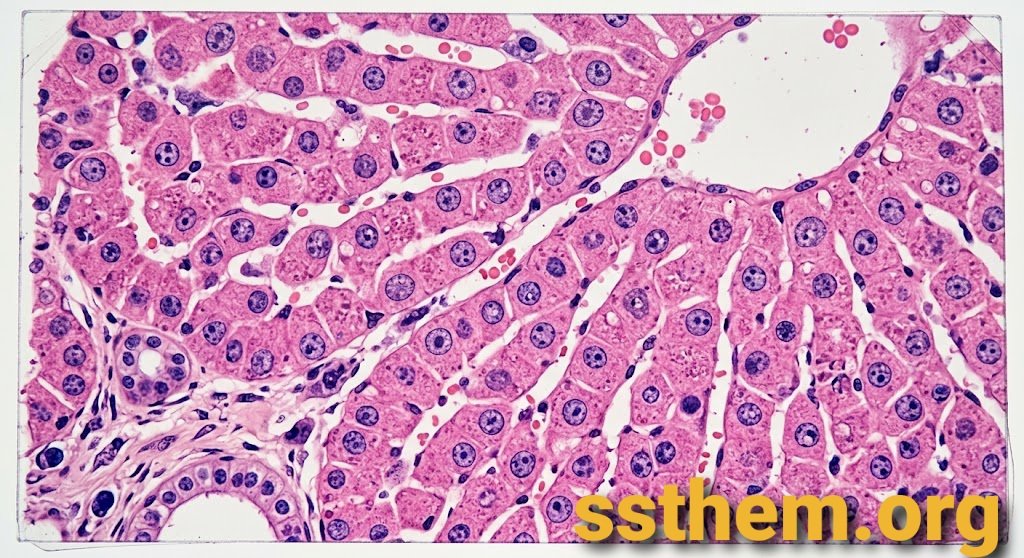
Some conditions require specialized testing. Depending on the disease, this may include biopsy, histopathology, culture, molecular testing, genetic testing, electrophysiology, functional testing, specialized imaging, and disease-specific biomarkers.
Biopsy: A biopsy involves obtaining tissue for examination. Histopathology may reveal cellular and structural abnormalities that cannot be established reliably through symptoms or routine blood testing.
Molecular testing: Molecular methods may detect specific genetic material or molecular alterations. They can be particularly useful when conventional testing is insufficient.
Genetic testing: Genetic testing can be appropriate for selected inherited or molecular disorders. A genetic result requires careful interpretation because detecting a genetic variant does not always mean that the variant is responsible for the patient’s current condition.
Step 10 — Interpreting Test Results
A test result is evidence. It is not automatically a diagnosis. Consider four broad possibilities:
Positive result: A positive result may increase the likelihood of the suspected condition. But the meaning depends on test specificity, pretest probability, disease prevalence, specimen quality, and clinical context.
Negative result: A negative result may reduce the probability of disease. But it does not always exclude the condition. A negative result may occur because disease is early, specimen quality is inadequate, the wrong test was selected, disease burden is below detection, or the assay has imperfect sensitivity.
A normal result does not always mean the disease is absent.
| Test/Investigation | Purpose | Possible Result | General Interpretation | Limitation |
|---|---|---|---|---|
| CBC | Evaluate blood-cell abnormalities | Normal/abnormal cell counts | May support certain diagnostic possibilities | Usually nonspecific |
| CRP | Assess inflammatory activity | Increased/not increased | May support inflammation | Does not identify one specific cause |
| ESR | Assess inflammatory pattern | Increased/not increased | May support inflammatory disease in context | Slow and nonspecific |
| Culture | Detect viable microorganisms | Growth/no growth | May support specific infection | Sampling and prior treatment affect results |
| PCR | Detect target genetic material | Detected/not detected | May support presence of target | Timing and specimen quality matter |
| Ultrasound | Assess selected structures | Structural abnormality/normal | May support specific structural diagnoses | Operator and patient dependent |
| CT | Detailed anatomical assessment | Abnormal/normal | May identify structural disease | Radiation and incidental findings |
| MRI | Detailed soft-tissue assessment | Abnormal/normal | May provide important anatomical evidence | Availability and patient factors |
| Biopsy | Examine tissue | Histological abnormality | Can provide strong diagnostic evidence in appropriate diseases | Invasive and sampling dependent |
Step 11 — Reference Interval vs Diagnostic Threshold
This distinction is essential. A reference interval describes values observed in a defined reference population under specified conditions. A diagnostic threshold is a value used in a diagnostic framework to support or establish a particular diagnosis. A screening cutoff is used to identify people who may need further assessment. A prognostic marker helps estimate expected outcomes. A treatment target is a value clinicians may aim to achieve during management.
These are not interchangeable. For example, a laboratory result outside a reference interval does not automatically mean that a disease exists. Likewise, a result inside a laboratory reference interval does not always exclude disease. Reference intervals and diagnostic thresholds may vary according to laboratory, assay, age, sex, pregnancy, population, clinical setting, and disease-specific guidelines. Therefore, exact numerical interpretation should use the appropriate laboratory reference interval and current disease-specific guidance.
Step 12 — Diagnostic Criteria
Some diseases have recognized diagnostic criteria. These may include required findings, supporting findings, exclusion criteria, diagnostic thresholds, scoring systems, classification criteria, and staging systems. However, classification criteria and diagnostic criteria are not always identical. Some classification systems are developed primarily for research consistency rather than direct individual-patient diagnosis. Clinicians therefore need to understand the purpose and limitations of the criteria being used. If a disease has no universally accepted diagnostic criterion, that should be stated clearly.
Step 13 — Confirming or Reconsidering the Diagnosis
After initial testing, the physician asks: Does the complete clinical picture make sense? This is an important checkpoint. If the history, examination, investigation results, and disease course are consistent, confidence in the diagnosis may increase. If they conflict, reassessment is necessary.
Possible next steps include: repeat testing, alternative testing, specialist review, additional imaging, tissue sampling, microbiological testing, and reassessment of the differential diagnosis.
When the patient does not behave as expected for the diagnosis, the diagnosis itself should be reconsidered. Reassessment is not a failure of medicine. It is part of good clinical reasoning.
Step 14 — Severity, Staging and Complications
Diagnosis often goes beyond simply asking: Does the disease exist? Clinicians may also need to determine: How severe is it? Which organs are affected? Are complications present? What stage is the disease? What grade is appropriate? Is there evidence of progression? A patient with the same disease can have substantially different clinical severity. Therefore, diagnostic evaluation may continue after the basic diagnosis has been established.
Step 15 — Follow-Up and Dynamic Diagnosis
Some diagnoses become clearer over time. A patient may initially have nonspecific findings. Follow-up can reveal progression, resolution, recurrence, response or lack of response to an appropriate intervention, emergence of new signs, laboratory changes, and imaging changes. The diagnosis may therefore evolve. This is particularly important in conditions where early findings are nonspecific.
Differential Diagnosis: Why Similar Diseases Cause Confusion
Many diseases share symptoms. For example, fatigue can occur with anemia, infection, endocrine disorders, sleep disorders, medication effects, inflammatory disease, psychological conditions, and chronic systemic illness. The clinician must therefore distinguish among plausible explanations.
| Diagnostic Possibility | Similar Features | Distinguishing Features | Key Investigation |
|---|---|---|---|
| Condition A | Shared symptom | Characteristic history | Targeted investigation |
| Condition B | Shared symptom | Different time course | Laboratory/imaging evidence |
| Condition C | Shared symptom | Distinct examination finding | Disease-specific test |
| Condition D | Shared symptom | Important risk factor | Targeted assessment |
The exact differential depends on the disease being evaluated. This is why a diagnostic article should never encourage readers to identify a disease from one symptom alone.
False-Positive Results
A false-positive result occurs when a test indicates that the target condition or finding is present when it is actually absent. Possible reasons include imperfect specificity, cross-reactivity, contamination, technical factors, inappropriate test selection, and testing in a low-prevalence population.
A false-positive result can lead to unnecessary additional testing, anxiety, unnecessary procedures, inappropriate labeling, and unnecessary treatment. This is one reason test results must be interpreted within clinical context.
False-Negative Results
A false-negative result occurs when a test fails to detect a condition that is actually present. Possible causes include testing too early, inadequate sample, low disease burden, incorrect specimen, imperfect sensitivity, technical limitations, and prior treatment affecting the result. A negative test should therefore be interpreted according to the characteristics of the test and the clinical probability of disease.
How Doctors Use Pretest and Post-Test Probability
The diagnostic process can be conceptualized as: pretest probability → test result → post-test probability. If clinical suspicion is very low, an abnormal test may need careful confirmation. If clinical suspicion is high, a negative test may not be sufficient to completely exclude disease. This is one reason evidence-based diagnosis relies on both clinical assessment and test performance.
10 Common Diagnostic Mistakes
- Anchoring bias: The clinician becomes overly attached to the first plausible diagnosis.
- Premature diagnostic closure: The search for alternative explanations stops too early.
- Ignoring red flags: Important warning signs may be overlooked when attention is focused on a common diagnosis.
- Over-relying on one laboratory test: A single abnormal result may be given more significance than it deserves.
- Misunderstanding reference ranges: An abnormal value is assumed to equal disease, or a normal value is assumed to exclude disease.
- Ignoring pretest probability: The result is interpreted without considering how likely the disease was beforehand.
- Failure to consider alternatives: A plausible diagnosis is accepted without sufficiently considering important competing explanations.
- Inappropriate test selection: A test is ordered without a clear clinical question.
- Misinterpreting false-positive results: An unexpected result is treated as definitive without confirmation when confirmation is appropriate.
- Failure to reassess: The original diagnosis is retained even when the clinical course no longer fits.
These errors are not reasons to blame clinicians. They illustrate why diagnostic medicine requires structured reasoning, continuous learning, and reassessment.
Hypothetical Clinical Cases
The following cases are completely hypothetical and are presented for educational purposes only. They do not represent real patients.
Case 1: The Fatigue That Would Not Resolve
Presentation: A 42-year-old adult develops several days of fatigue and intermittent fever. The symptoms are nonspecific.
Initial differential: Possible explanations include viral infection, bacterial infection, inflammatory disease, medication-related illness, and other systemic disorders.
History: The clinician asks about onset, duration, travel, sick contacts, medications, occupational exposure, previous episodes, and associated symptoms. Additional information changes the diagnostic probability.
Examination: Vital signs and a focused examination provide further evidence.
Investigations: Initial tests are selected according to the findings. The physician does not automatically order every available test.
Clinical reasoning: The important lesson is that the diagnostic pathway begins with probability assessment. The test result is interpreted after considering the history and examination.
Key diagnostic lesson: The diagnosis does not begin with the laboratory machine. It begins with a clinical question.
Case 2: The Abdominal Discomfort That Did Not Fit
Presentation: A patient presents with persistent abdominal discomfort. The symptom alone does not establish a diagnosis.
Initial differential: Possible causes include gastrointestinal, urinary, metabolic, medication-related, inflammatory, and other conditions.
History: The physician asks about exact location, onset, duration, relation to meals, bowel changes, urinary symptoms, medication exposure, previous surgery, weight change, and associated symptoms.
Examination: The clinician assesses vital signs and performs an abdominal examination.
Investigations: Testing is selected according to the clinical findings. If initial results do not explain the symptoms, the diagnostic process continues.
Key diagnostic lesson: Persistent symptoms with unexplained findings should trigger reassessment rather than automatic diagnostic closure.
Case 3: The Negative Test That Was Not the End
Presentation: A patient has a symptom that initially appears compatible with a common condition. An initial test is negative.
Clinical reasoning: The physician considers: How sensitive is the test? Was the test performed at the appropriate time? Was the specimen adequate? How strong was the clinical suspicion? Are there alternative explanations? If suspicion remains high, further assessment may be appropriate.
Key diagnostic lesson: A negative test can change probability without necessarily reducing it to zero.
What Should a Patient Expect During Diagnosis?
Patients sometimes imagine diagnosis as a single appointment followed by one test. In reality, the process can be more gradual.
1. Consultation: The clinician asks why the patient has sought medical attention.
2. History: The clinician asks detailed questions about the symptoms and relevant medical background.
3. Examination: A focused physical examination may provide important evidence.
4. Initial investigations: Depending on the problem, these may include blood tests, urine tests, imaging, microbiology, and other targeted investigations.
5. Additional investigations: If the first results do not answer the clinical question, additional tests may be necessary. This does not automatically mean something serious has been discovered. Sometimes additional testing is required simply because the first investigation was not designed to answer the remaining question.
6. Waiting for results: Some tests are available quickly. Others require additional processing, cultures, pathology review, or specialized laboratory analysis.
7. Follow-up: The clinician reviews the results together with the original symptoms and examination findings.
Why Doctors Sometimes Order More Than One Test
Different tests answer different questions. One investigation may identify inflammation. Another may evaluate organ function. An imaging study may examine anatomy. A biopsy may examine tissue. A molecular test may detect a particular genetic target. The combination can provide stronger diagnostic evidence than any single test. However, more tests do not automatically mean better diagnosis. Unnecessary testing can increase the probability of incidental or false-positive findings.
Diagnosis vs Screening
These terms should not be confused.
Diagnosis: Diagnosis evaluates a person who has symptoms, signs, abnormal findings, or another clinical reason for evaluation.
Screening: Screening tests people who may not have symptoms to identify disease or increased risk. A positive screening result usually means: Further diagnostic evaluation may be needed. It does not necessarily mean the person definitely has the disease.
Working Diagnosis vs Confirmed Diagnosis
A working diagnosis is the condition currently considered most likely based on available evidence. A confirmed diagnosis generally indicates that sufficient evidence has been obtained according to accepted clinical practice. The degree of certainty depends on the disease. Some diseases can be diagnosed clinically. Others require laboratory, imaging, pathology, microbiology, or molecular evidence.
Why Can Diagnosis Be Difficult?
Diagnosis can be difficult because:
- Diseases overlap: Different diseases can produce similar symptoms.
- Patients vary: Age, genetics, pregnancy, immune status, medications, and comorbidities can alter presentation.
- Diseases evolve: Early disease may not resemble later disease.
- Tests are imperfect: No diagnostic test has unlimited sensitivity and specificity.
- Multiple diseases can coexist: One diagnosis does not always explain every symptom.
- Reference values vary: Laboratory interpretation depends on the appropriate reference population and assay.
- Incidental findings occur: Modern imaging can identify abnormalities unrelated to the presenting problem.
- The disease may be rare: Rare conditions may not initially be considered when a common condition appears more plausible.
How Doctors Confirm a Diagnosis
Confirmation depends on the disease. Possible approaches include: characteristic clinical presentation, diagnostic laboratory criteria, microbiological identification, imaging findings, pathology, molecular testing, genetic testing, specialized functional testing, and combination of several findings. The important principle is: Confirmation should follow the accepted diagnostic framework for the particular disease. There is no universal “confirmation test” applicable to all illnesses.
How Doctors Find the Cause of a Disease
Finding the cause is often more difficult than identifying the syndrome. For example, inflammation can be identified without immediately knowing what caused it. Clinicians may investigate: infection, autoimmune disease, medication exposure, environmental exposure, metabolic disorders, inherited conditions, malignancy, trauma, and vascular disease. The process involves progressively narrowing the possibilities.
Diagnostic Algorithm
A practical model for medical students and clinicians is:
Symptoms/signs → Clinical suspicion → Focused history → Physical examination → Identify red flags → Construct differential diagnosis → Estimate pretest probability → Select appropriate initial tests → Interpret results in context → Revise differential diagnosis → Additional/confirmatory testing when appropriate → Establish diagnosis → Assess severity, stage and complications → Specialist evaluation when indicated → Follow-up and reassessment
This model is deliberately iterative. A clinician may move backward in the pathway when new evidence appears.
The Role of Evidence-Based Medicine in Diagnosis
Evidence-based diagnosis integrates three major components: best available scientific evidence, clinical expertise, and patient circumstances and preferences. Diagnostic decisions should consider the quality of available evidence and the applicability of that evidence to the individual patient. Clinical guidelines can be valuable, but they should be applied appropriately rather than mechanically. Professional sources such as the National Institutes of Health, World Health Organization, professional medical societies, and recognized guideline organizations can help clinicians evaluate current evidence. For broader patient-safety information, readers can also consult the World Health Organization’s work on patient safety and diagnostic safety.
How Patients Can Help Make Diagnosis More Accurate
Patients can improve the quality of a medical consultation by preparing relevant information. Bring or describe: current medicines, allergies, supplements, previous diagnoses, previous test results, symptom timeline, previous procedures, relevant family history, and recent travel or exposure when relevant.
A symptom diary can sometimes help clarify: timing, triggers, duration, frequency, severity, and associated symptoms. Patients should also tell healthcare professionals if symptoms are changing.
Understanding Your Laboratory Report
When reviewing a laboratory report, do not look only at whether a value is marked High or Low. Consider: What test was performed? Why was it ordered? What is the laboratory’s reference interval? Is the result being used diagnostically? Is it a screening test? Could medications affect it? Could timing affect it? Does it need confirmation? How does it fit the clinical picture?
A laboratory report provides data. Clinical interpretation gives that data meaning.
Important Diagnostic Principles
- Principle 1: Diagnosis begins with a clinical question.
- Principle 2: Symptoms are evidence, not necessarily diagnoses.
- Principle 3: A test result should be interpreted in context.
- Principle 4: A normal result does not automatically exclude disease.
- Principle 5: An abnormal result does not automatically establish disease.
- Principle 6: Pretest probability affects the meaning of test results.
- Principle 7: Differential diagnosis protects against premature closure.
- Principle 8: The simplest appropriate test may sometimes be more useful than the most advanced test.
- Principle 9: Diagnosis may evolve as new evidence becomes available.
- Principle 10: Persistent inconsistency between the clinical picture and the working diagnosis deserves reassessment.
If You are Searching WhatsApp Groups links for viral your content visit ssthem.xyz
Question. What is diagnosis?
Answer : Diagnosis is the medical process of identifying the disease or condition that best explains a patient’s symptoms, signs, history, examination findings, and investigation results.
Question. What is medical diagnosis and why is it important?
Answer : Medical diagnosis identifies the most likely clinical condition and helps guide appropriate management, monitoring, referral, prevention, and communication.
Question. What does diagnosis mean in healthcare?
Answer : Diagnosis in healthcare means reaching a clinically supported conclusion about the condition causing a patient’s findings.
Question. How do doctors make a diagnosis?
Answer : Doctors combine history, physical examination, clinical reasoning, differential diagnosis, appropriate investigations, test interpretation, and follow-up.
Question. How is a disease diagnosed?
Answer : A disease may be diagnosed through clinical assessment, laboratory tests, imaging, pathology, microbiology, molecular testing, or a combination of these depending on the condition.
Question. What are the steps of medical diagnosis?
Answer : The process generally includes clinical suspicion, history, examination, differential diagnosis, probability assessment, appropriate testing, result interpretation, confirmation when necessary, severity assessment, and follow-up.
Question. What tests are used for diagnosis?
Answer : Tests vary by disease and may include blood tests, urine tests, cultures, molecular tests, imaging, biopsies, pathology, genetic testing, and specialized investigations.
Question. What is the difference between diagnosis and symptoms?
Answer : Symptoms are experiences reported by a patient, while diagnosis is the clinical conclusion about the condition that explains those findings.
Question. What is the difference between diagnosis and testing?
Answer : Testing is one component of diagnosis. Diagnosis integrates test results with history, examination, clinical probability, and other evidence.
Question. Can one test diagnose a disease?
Answer : Sometimes a particular test can provide definitive or highly specific evidence, but many diagnoses require a combination of clinical information and investigations.
Question. Can a normal test result rule out disease?
Answer : Not always. The ability of a negative test to exclude disease depends on the test’s sensitivity, timing, specimen quality, pretest probability, and the disease being investigated.
Question. What is a false-positive test?
Answer : A false-positive result occurs when a test indicates that a condition or target is present even though it is actually absent.
Question. What is a false-negative test?
Answer : A false-negative result occurs when a test fails to detect a condition that is actually present.
Question. Why can diagnosis be difficult?
Answer : Diagnosis can be difficult because diseases can share symptoms, patients can have atypical presentations, tests have limitations, diseases evolve over time, and multiple conditions can coexist.
Question. What is a differential diagnosis?
Answer : A differential diagnosis is a structured list of plausible conditions that could explain the patient’s clinical presentation.
Question. What is a working diagnosis?
Answer : A working diagnosis is the condition currently considered most likely based on the available evidence. It may change as additional information becomes available.
Question. What is a confirmed diagnosis?
Answer : A confirmed diagnosis means sufficient evidence has been obtained according to accepted diagnostic practice for the particular condition.
Question. Why do doctors sometimes repeat a test?
Answer : Repeat testing may be appropriate when timing, specimen quality, technical limitations, changing disease status, or an unexpected result affects confidence in the original result.
Question. What should a patient bring to a diagnostic appointment?
Answer : Relevant medication information, allergies, previous diagnoses, test reports, symptom timelines, previous procedures, and important exposure or family-history information can be useful.
Question. Does diagnosis always require blood tests?
Answer : No. Some conditions can be diagnosed primarily through history and physical examination, while others require laboratory testing, imaging, pathology, or specialized investigations.
When to Seek Urgent Medical Care
The appropriate urgency depends on the patient’s symptoms and suspected condition. Seek urgent professional assessment for concerning features such as: severe difficulty breathing, severe or rapidly worsening symptoms, new major neurological abnormalities, loss of consciousness, significant unexplained bleeding, severe chest pain with concerning associated features, severe dehydration, sudden major deterioration, and other emergency warning signs identified by a healthcare professional.
This article is educational and should not be used to diagnose yourself or another person. Do not start, stop, or change prescription treatment solely on the basis of information in this article.
Final Perspective: Diagnosis Is a Reasoning Process
So, what is diagnosis? It is much more than naming a disease. Diagnosis is a disciplined process of asking the right clinical questions, gathering relevant evidence, estimating probability, choosing appropriate investigations, interpreting results correctly, considering alternative explanations, and reassessing the situation when the evidence does not fit.
The most important lesson is simple: A diagnostic test is only one piece of the diagnostic puzzle. The history provides context. The examination provides clinical evidence. The differential diagnosis provides competing explanations. The test provides additional evidence. The result changes probability. Further testing may resolve remaining uncertainty. And follow-up determines whether the overall clinical picture continues to support the diagnosis.
That is why good diagnosis requires both scientific knowledge and careful reasoning. For medical students, understanding this process is more valuable than memorizing isolated test names. For healthcare professionals, it reinforces the importance of probability, test characteristics, clinical context, and reassessment. For patients, it explains why a doctor may ask many questions, perform an examination, order several different investigations, or occasionally repeat a test before reaching a conclusion.
Diagnosis is not simply finding an abnormal number. It is the careful interpretation of evidence in the context of a real human being.
Medical Disclaimer
This article is intended for general medical education and does not replace consultation with a qualified healthcare professional. Diagnosis requires individualized assessment based on the patient’s history, examination, investigations, clinical circumstances, and applicable professional guidelines. Laboratory reference intervals and diagnostic criteria may vary by laboratory, assay, population, age, pregnancy status, and clinical context. Readers should not use this article to self-diagnose or to start, stop, or change prescription medicines.
SEO Information
Primary Keyword: What is Diagnosis
Secondary Keywords: what is medical diagnosis, diagnosis meaning, medical diagnosis meaning, what does diagnosis mean, disease diagnosis, diagnostic process, diagnosis process, how doctors diagnose disease, types of diagnosis, importance of diagnosis
Long-Tail Keywords: what is diagnosis in medical terms, what is medical diagnosis and why is it important, what does diagnosis mean in healthcare, how do doctors make a diagnosis, how is a disease diagnosed, what are the steps of medical diagnosis, what tests are used for diagnosis, what is the difference between diagnosis and symptoms, what is the difference between diagnosis and testing, how doctors find the cause of a disease, why is accurate diagnosis important, what happens during the diagnostic process, what are the different types of medical diagnosis, how do doctors confirm a diagnosis, why can diagnosis be difficult
Suggested Tags: diagnosis, medical diagnosis, disease diagnosis, diagnostic process, diagnosis meaning, medical tests, diagnostic tests, clinical diagnosis, differential diagnosis, laboratory diagnosis, imaging diagnosis, diagnosis symptoms, medical testing, healthcare diagnosis, diagnostic criteria, clinical reasoning, evidence based medicine, patient diagnosis, disease detection, diagnostic medicine