Loading Dose Guide 20 Proven Clinical Facts, Formula & Examples
Loading Dose: A Comprehensive Clinical Pharmacology Guide
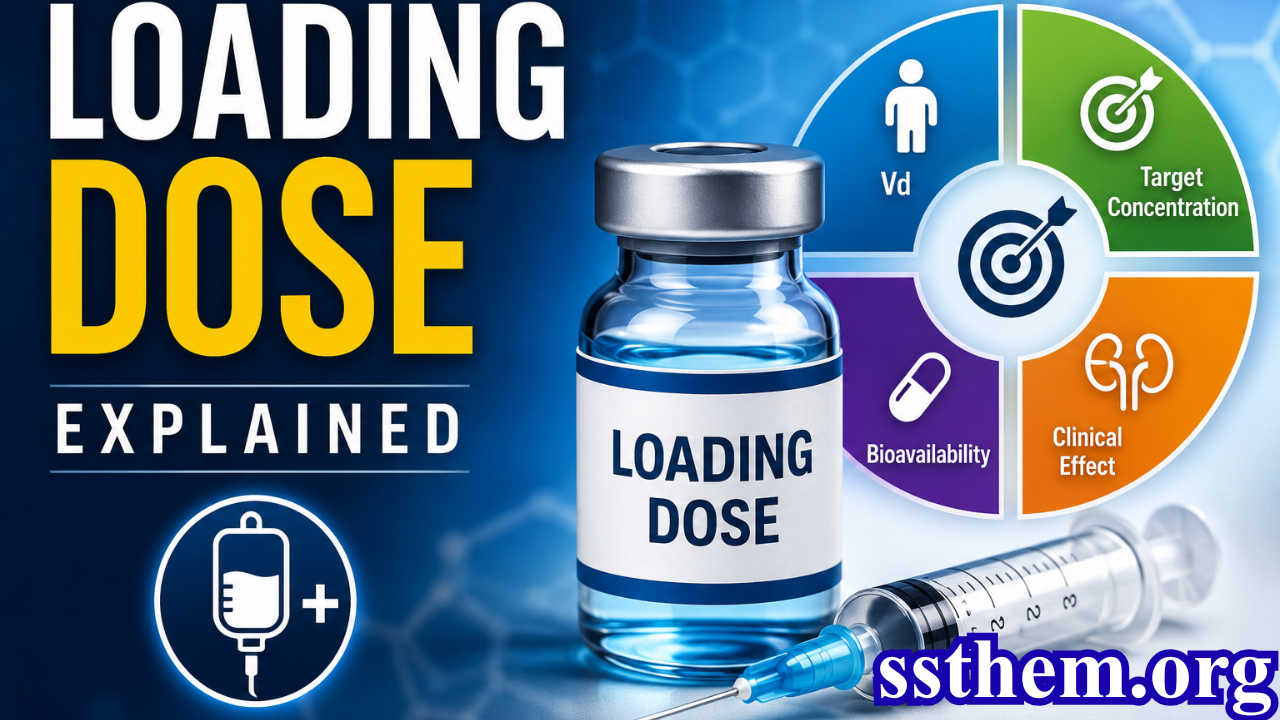
A loading dose is a larger-than-usual initial dose of a medication administered to rapidly achieve therapeutic drug concentrations in the body, bypassing the gradual accumulation that would otherwise occur through repeated maintenance dosing. This comprehensive review provides medical students, pharmacists, nurses, and healthcare professionals with a rigorous, evidence‑based understanding of loading dose pharmacology – from its mathematical definition and pharmacokinetic foundations to its clinical applications, calculation methodologies, and safety considerations in special populations. Special emphasis is placed on the relationship between volume of distribution, target concentration, bioavailability, salt factor, and practical case‑based reasoning.
Learn about Basics of Pharmacology
1. Introduction and Historical Context
1.1 What Is a Loading Dose?
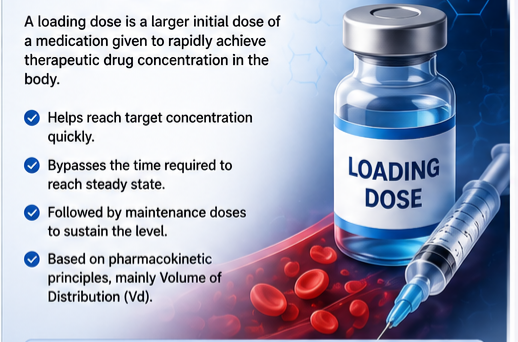 A loading dose (LD) is an initial, larger‑than‑usual dose of a medication administered to rapidly achieve therapeutic drug concentrations in the body. Unlike maintenance doses, which are designed to sustain drug levels over time, the loading dose serves to “front‑load” the drug into the body’s distribution spaces, bypassing the gradual accumulation that would otherwise occur through repeated maintenance dosing.
The loading dose is calculated based on pharmacokinetic principles, specifically the relationship between the dose administered and the resulting drug concentration in the bloodstream. The fundamental goal is to achieve a target plasma concentration (Ctarget) quickly, particularly when therapeutic effects are needed urgently.
Example: If a drug has a volume of distribution (Vd) of 50 L and the target concentration is 5 mg/L, the body requires 250 mg of drug in the systemic circulation to achieve this concentration. For intravenous administration (bioavailability = 1.0), the loading dose would be 250 mg IV. For oral administration with 50% bioavailability, the loading dose would be 500 mg oral.
The loading dose is typically larger than subsequent maintenance doses and is usually administered as a single bolus, although certain drugs – such as amiodarone or digoxin – may require multiple loading doses administered over several hours to days to safely achieve therapeutic concentrations.
1.2 Historical Development
The concept of loading doses emerged alongside the development of modern pharmacokinetics in the mid‑20th century. As researchers began to understand the relationship between drug concentration and therapeutic effect, clinicians recognized the need for strategies to achieve therapeutic levels rapidly in acute conditions. Early applications included the use of digitalis loading for heart failure and antibiotic loading for severe infections.
The pioneering work of Torsten Teorell and others laid the foundation for compartmental modelling, enabling clinicians to relate drug concentration to effect. Today, the loading dose is a standard component of pharmacotherapeutic practice, with established protocols for numerous medications across all therapeutic categories. The clinical integration of loading dose calculations began in the 1970s with the widespread availability of serum drug assays, which allowed physicians to individualise therapy for drugs like digoxin and theophylline.
1.3 The Therapeutic Window and Loading Dose
The relationship between loading dose and the therapeutic window is critical. Drugs with a narrow therapeutic index (e.g., warfarin, digoxin, lithium, phenytoin) require precise dosing because small fluctuations in concentration can lead to subtherapeutic effects or toxicity. A loading dose that achieves concentrations near the upper limit of the therapeutic window can be beneficial but carries increased risk of adverse effects if not carefully calculated.
Key Insight: The loading dose is determined by volume of distribution (Vd), not clearance (Cl). This distinction is fundamental because Vd governs how much drug is required to achieve a given concentration, while clearance determines how much drug must be replaced to sustain that concentration. Understanding these relationships is essential for individualised therapy.
2. Pharmacokinetic Principles Underlying Loading Doses
2.1 The ADME Framework
The loading dose is determined by the interplay of the four major pharmacokinetic processes:
- Absorption: Entry of the drug into the bloodstream. For oral loading doses, bioavailability (F) accounts for the fraction absorbed.
- Distribution: Movement from blood into tissues (governed by volume of distribution, Vd). This is the primary determinant of loading dose.
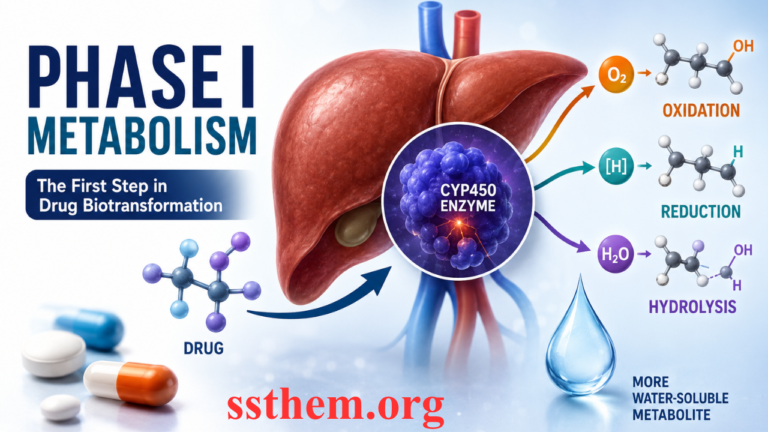
- Metabolism: Biotransformation, mainly in the liver, which converts lipophilic drugs into more hydrophilic metabolites for excretion. Affects maintenance dose more than loading dose.
- Excretion: Removal via kidneys (glomerular filtration, tubular secretion), bile, lungs, or other routes. Affects maintenance dose more than loading dose.
The loading dose is mathematically linked to two primary parameters: Volume of Distribution (Vd) and Target Concentration (Ctarget), adjusted for bioavailability and salt factor.
2.2 The Two Primary Pharmacokinetic Parameters
| Parameter | Definition | Clinical Relevance |
|---|---|---|
| Volume of Distribution (Vd) | Apparent space in the body available to contain the drug Vd = Amount of drug / Plasma concentration |
Determines loading dose; large Vd → larger loading dose required |
| Clearance (Cl) | Volume of plasma cleared of drug per unit time Cl = Rate of elimination / Concentration |
Determines maintenance dose; reduced Cl → prolonged half‑life but does NOT affect loading dose |
2.3 Volume of Distribution (Vd)
The volume of distribution is an apparent volume that describes the extent to which a drug distributes from the bloodstream into body tissues. It is defined as the theoretical volume that would be required to contain the total amount of drug in the body at the same concentration as that measured in the plasma.
Vd = Amount of Drug in Body / Plasma Concentration
The volume of distribution is not a physical volume but rather a mathematical construct that reflects drug distribution characteristics. Several factors influence Vd:
- Lipid Solubility: Lipid‑soluble drugs tend to distribute extensively into adipose tissue, increasing Vd.
- Protein Binding: Drugs that bind extensively to plasma proteins (e.g., albumin) tend to remain in the vascular compartment, reducing Vd.
- Tissue Binding: Drugs that bind to tissue proteins or accumulate in organs have larger Vd.
- Physiological Factors: Age, body composition, disease states, and pregnancy can all affect Vd.
For drugs with large volumes of distribution, a larger loading dose is required to achieve a given plasma concentration because the drug distributes extensively out of the bloodstream into tissues. Conversely, drugs with small Vd (remaining primarily in the vascular space) require smaller loading doses.
2.4 Clearance (CL)
Clearance is the volume of plasma from which a drug is completely removed per unit time. It represents the efficiency of drug elimination from the body, primarily through renal excretion and hepatic metabolism.
CL = Rate of Elimination / Plasma Concentration
Clearance determines the maintenance dose required to sustain therapeutic concentrations. Unlike loading dose, which depends on Vd, maintenance dosing is governed by clearance.
2.5 Bioavailability (F)
Bioavailability is the fraction of an administered dose that reaches systemic circulation unchanged. For intravenous drugs, bioavailability = 1 (100%). For oral and other routes, bioavailability is influenced by:
- Absorption from the gastrointestinal tract
- First‑pass metabolism in the liver
- Gut wall metabolism
- Drug formulation and food effects
Bioavailability directly impacts the required loading dose: lower bioavailability necessitates a larger oral loading dose to achieve the same therapeutic concentration. For example, a drug with 50% oral bioavailability requires twice the oral loading dose compared to the IV dose.
2.6 Salt Factor (S)
The salt factor represents the fraction of a drug salt that is the active drug moiety. For example, phenytoin sodium contains approximately 92% active phenytoin (S = 0.92). This factor must be accounted for in loading dose calculations. When a drug is formulated as a salt (e.g., hydrochloride, sodium), the salt factor adjusts the dose to reflect only the active drug component.
—
3. Loading Dose Formula and Mathematics
3.1 Standard Loading Dose Equation
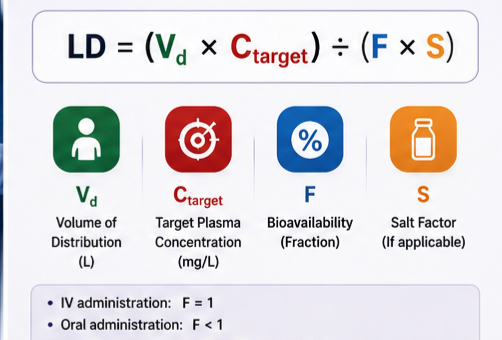
The loading dose is calculated based on the volume of distribution and the desired target concentration, adjusted for bioavailability and salt factor:
LD = (Vd × Ctarget) / (F × S)
Where:
- LD = Loading dose (mg)
- Vd = Volume of distribution (L)
- Ctarget = Target plasma concentration (mg/L)
- F = Bioavailability (fraction absorbed; 1.0 for IV)
- S = Salt factor (fraction of drug salt that is active drug)
3.2 Simplified Formula for IV Administration
For intravenous administration (F = 1, S = 1), the equation simplifies to:
LD = Vd × Ctarget
3.3 Loading Dose for Subtherapeutic Levels
When a patient already has a measurable drug concentration and needs to be brought to a higher therapeutic level, the loading dose calculation must account for the existing concentration:
LD = Vd × (Ctarget – Ccurrent) / (F × S)
3.4 Practical Calculation Examples
| Scenario | Calculation | Result |
|---|---|---|
| IV Loading: Vd = 50 L, Ctarget = 5 mg/L | LD = 50 L × 5 mg/L | 250 mg IV |
| Oral Loading: Vd = 50 L, Ctarget = 5 mg/L, F = 0.5 | LD = (50 × 5) / 0.5 | 500 mg oral |
| Loading from Subtherapeutic: Vd = 42 L, Ctarget = 15 mg/L, Ccurrent = 5 mg/L | LD = 42 × (15 – 5) | 420 mg IV |
| Pediatric: Vd = 0.6 L/kg, weight = 70 kg, Ctarget = 15 mg/L | Vd = 0.6 × 70 = 42 L; LD = 42 × 15 | 630 mg |
Rule of Thumb:
- Loading dose is determined by Vd × target concentration
- Maintenance dose is determined by clearance × target concentration
- For IV drugs: LD = Vd × Ctarget
- For oral drugs: LD = (Vd × Ctarget) / F
3.5 Step-by-Step Calculation Process
Step 1: Determine Pharmacokinetic Parameters
| Parameter | How to Obtain |
|---|---|
| Vd | Literature, package insert, or patient‑specific data |
| Ctarget | Therapeutic range for the drug and indication |
| F | Literature (for oral drugs; IV = 1.0) |
| S | Literature (drug‑specific) |
Step 2: Calculate Required Amount in Body
Required Amount = Vd × Ctarget
Step 3: Adjust for Bioavailability and Salt Factor
LD = Required Amount / (F × S)
Step 4: Round to Clinically Practical Dose
Doses are typically rounded to available tablet strengths, ampoule sizes, or standard infusion rates.
4. Clinical Examples of Loading Dose Calculations
4.1 Example 1: Digoxin
Clinical Context: Atrial fibrillation or heart failure requiring rapid digitalisation.
Pharmacokinetic Parameters:
- Vd = 7.3 L/kg
- Therapeutic Ctarget = 1.5 μg/L (1.5 ng/mL)
- Bioavailability (oral) = 0.7 (70%)
- Salt factor = 1.0
Patient: Weight = 70 kg
Calculation:
Vd (total) = 7.3 L/kg × 70 kg = 511 L
LD = (Vd × Ctarget) / (F × S)
LD = (511 L × 1.5 μg/L) / (0.7 × 1.0)
LD = 766.5 μg / 0.7 = 1,095 μg ≈ 1.1 mg oral digoxin
Clinical Consideration: Digoxin loading is typically divided: one‑half initially, one‑quarter at 6‑8 hours, and one‑quarter at 12‑24 hours to minimise toxicity risk.
4.2 Example 2: Vancomycin
Clinical Context: Severe Gram‑positive infection requiring rapid therapeutic levels.
Pharmacokinetic Parameters:
- Vd = 0.7 L/kg
- Target trough = 15‑20 mg/L
- Bioavailability = 1.0 (IV)
Patient: Weight = 80 kg
Calculation:
Vd (total) = 0.7 L/kg × 80 kg = 56 L
Ctarget = 15 mg/L (trough target)
LD = Vd × Ctarget = 56 L × 15 mg/L = 840 mg IV
Clinical Consideration: Vancomycin loading doses are typically 20‑25 mg/kg (actual body weight) for critically ill patients, with dose capped at 2‑3 grams based on renal function and clinical status.
4.3 Example 3: Phenytoin
Clinical Context: Status epilepticus requiring rapid seizure control.
Pharmacokinetic Parameters:
- Vd = 0.6 L/kg
- Therapeutic range = 10‑20 mg/L
- IV bioavailability = 1.0
Patient: Weight = 70 kg
Calculation (for 15 mg/L target):
Vd (total) = 0.6 L/kg × 70 kg = 42 L
LD = Vd × Ctarget = 42 L × 15 mg/L = 630 mg IV
Clinical Consideration: Phenytoin IV loading dose is typically 15‑20 mg/kg (1,000‑1,500 mg for an adult) administered slowly (≤50 mg/min) with ECG monitoring due to cardiac risk with rapid infusion.
4.4 Example 4: Levetiracetam
Clinical Context: Status epilepticus requiring rapid seizure termination.
Pharmacokinetic Parameters:
- Vd = 0.5‑0.7 L/kg
- Therapeutic range: 12‑46 mg/L
- IV bioavailability = 1.0
Patient: Weight = 75 kg
Calculation:
LD = 30 mg/kg × 75 kg = 2,250 mg IV
Clinical Consideration: Studies have found that a loading dose of levetiracetam is essential for adequate treatment of status epilepticus. The typical loading dose is 20‑60 mg/kg IV.
4.5 Example 5: Amiodarone
Clinical Context: Life‑threatening ventricular arrhythmias.
Pharmacokinetic Parameters:
- Vd = 66 L/kg
- Therapeutic concentration: 1‑2 mg/L
- IV bioavailability = 1.0
Patient: Weight = 70 kg
Calculation:
Vd (total) = 66 L/kg × 70 kg = 4,620 L
LD = Vd × Ctarget = 4,620 L × 1.5 mg/L ≈ 6,930 mg
Clinical Consideration: Due to the massive Vd and multiple compartment distribution, amiodarone loading is administered as a divided regimen: 150 mg IV over 10 minutes, followed by 360 mg IV over 6 hours, then 540 mg IV over 18 hours (total 1,050 mg over 24 hours).
4.6 Example 6: Theophylline (Adjustment from Current Level)
Clinical Context: Acute asthma exacerbation in patient with existing theophylline level.
Pharmacokinetic Parameters:
- Vd = 0.5 L/kg
- Therapeutic range: 10‑20 mg/L
- IV bioavailability = 1.0
Patient:
- Weight = 70 kg (lean body weight)
- Current level = 3.5 mg/L
- Desired level = 15 mg/L
Calculation:
Vd (total) = 0.5 L/kg × 70 kg = 35 L
LD = Vd × (Ctarget – Ccurrent)
LD = 35 L × (15 – 3.5) mg/L = 35 L × 11.5 mg/L = 402.5 mg ≈ 400 mg IV
4.7 Example 7: Phenobarbital in Neonates
Clinical Context: Neonatal seizures.
Pharmacokinetic Parameters (neonates):
- Vd = 0.9 L/kg
- Salt factor (sodium phenobarbital) = 0.9
- IV bioavailability = 1.0
Patient: Weight = 3.2 kg neonate
Loading dose = 20 mg/kg
Calculation of Post‑Load Concentration:
LD = 20 mg/kg × 3.2 kg = 64 mg
Salt factor adjustment: Active drug = 64 mg × 0.9 = 57.6 mg
Vd (total) = 0.9 L/kg × 3.2 kg = 2.88 L
Predicted concentration = 57.6 mg / 2.88 L = 20 mg/L
—
5. Loading Dose vs Maintenance Dose
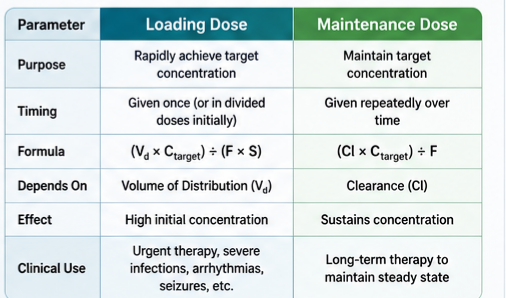 Understanding the distinction between loading dose and maintenance dose is fundamental to rational drug therapy.
| Aspect | Loading Dose | Maintenance Dose |
|---|---|---|
| Purpose | Rapidly achieve therapeutic concentration | Maintain steady‑state concentration |
| Dose Size | Larger (often 2‑5× maintenance dose) | Smaller, regular intervals |
| Calculation Basis | Volume of distribution (Vd) | Clearance (CL) |
| Primary Determinant | Vd – determines how much drug is needed to achieve a given concentration | CL – determines how much drug must be replaced to sustain the concentration |
| Timing | Initial dose only | Regular intervals (e.g., QD, BID, TID, QID) |
| Clinical Context | Acute conditions requiring rapid effect | Chronic conditions requiring sustained effect |
| Formula | LD = Vd × Ctarget / (F × S) | MD = Ctarget × CL × τ / (F × S) |
5.1 Maintenance Dose Formula
MD = (Ctarget × CL × τ) / (F × S)
Where:
- MD = Maintenance dose (mg)
- Ctarget = Target concentration (mg/L)
- CL = Clearance (L/hr)
- τ = Dosing interval (hours)
- F = Bioavailability
- S = Salt factor
5.2 Conceptual Framework: The “Leaky Bucket” Analogy
The relationship between loading dose and maintenance dose can be understood through a simple analogy:
Imagine a bucket with a hole in the bottom. Your task is to fill it to a specific level and keep it there.
- The loading dose is the initial large amount of water you pour in to quickly reach the desired level.
- The maintenance dose is the steady trickle of water you add to compensate for the leakage (elimination) and maintain the level.
The bucket’s size represents the volume of distribution – larger buckets require more water to reach the same level (larger loading dose). The hole size represents clearance – larger holes require more water flow to maintain the level (larger maintenance dose).
6. When Is a Loading Dose Indicated?
6.1 Clinical Scenarios Requiring Loading Doses
1. Acute Medical Emergencies
| Condition | Drug Example | Rationale |
|---|---|---|
| Status epilepticus | Phenytoin, levetiracetam | Immediate seizure control needed |
| Cardiac arrhythmias | Amiodarone, digoxin | Rapid rhythm control |
| Severe infections | Vancomycin, aminoglycosides | Early bacterial killing |
| Pulmonary embolism | Heparin | Immediate anticoagulation |
| Acute asthma | Theophylline | Rapid bronchodilation |
2. Drugs with Long Elimination Half‑Lives
| Drug | Half‑Life | Time to Steady State (5 t½) |
|---|---|---|
| Amiodarone | 25‑110 days | 4‑18 months |
| Digoxin | 36‑48 hours | 7‑10 days |
| Phenytoin | 22 hours | 4‑5 days |
| Warfarin | 40 hours | 7‑10 days |
3. Loading Doses to “Boost” Subtherapeutic Levels
When therapeutic drug monitoring reveals subtherapeutic levels, a loading dose can rapidly correct the deficiency:
LD = Vd × (Ctarget – Ccurrent) / (F × S)
This approach is commonly used with phenytoin, vancomycin, and aminoglycosides.
4. Antibiotics Requiring Early Bactericidal Effect
For certain antibiotics, achieving rapid therapeutic concentrations may reduce the risk of resistance emergence. The mutant prevention concentration (MPC) concept suggests that drug concentrations above MPC are needed to prevent selection of resistant mutants. A loading dose may be essential when the time to reach effective concentration could allow mutant strain selection.
5. Drugs with Significant Tissue Accumulation
Drugs with large volumes of distribution (due to extensive tissue binding) require loading doses because the initial maintenance dose would distribute widely into tissues, leaving plasma concentrations below therapeutic levels.
6.2 When a Loading Dose May NOT Be Indicated
- Drugs with Narrow Therapeutic Indices: Drugs with a narrow margin between therapeutic and toxic concentrations (e.g., digoxin, aminoglycosides, warfarin) require cautious loading dose administration, often with divided doses and monitoring.
- Conditions Where Immediate Effect Is Not Required: For chronic conditions where gradual improvement is acceptable, waiting 4‑5 half‑lives for steady state may be appropriate.
- Drugs with Short Half‑Lives: Drugs with half‑lives of a few hours reach steady state within a day without a loading dose, making loading unnecessary.
- Drugs with Irreversible Adverse Effects: When toxicity from high initial concentrations could cause irreversible damage, loading doses should be avoided.
7. Drugs That Commonly Require Loading Doses
7.1 Antimicrobial Agents
| Drug | Typical Loading Dose | Indication |
|---|---|---|
| Vancomycin | 20‑25 mg/kg IV | Severe Gram‑positive infections |
| Gentamicin | 2 mg/kg IV | Severe infections |
| Amikacin | 7‑10 mg/kg IV | Severe Gram‑negative infections |
| Daptomycin | 6‑10 mg/kg IV | MRSA infections |
| Linezolid | 600 mg IV/PO | VRE/MRSA infections |
| Ceftazidime | Loading dose considered | Severe Pseudomonas infections |
7.2 Cardiovascular Drugs
| Drug | Typical Loading Dose | Indication |
|---|---|---|
| Digoxin | 10‑15 μg/kg IV/PO | Atrial fibrillation, heart failure |
| Amiodarone | 150 mg IV then infusion | Ventricular arrhythmias |
| Dofetilide | Individualised | Atrial fibrillation |
| Heparin | 80 units/kg IV bolus | Pulmonary embolism, ACS |
7.3 Anticonvulsants
| Drug | Typical Loading Dose | Indication |
|---|---|---|
| Phenytoin | 15‑20 mg/kg IV | Status epilepticus |
| Fosphenytoin | 15‑20 mg PE/kg IV | Status epilepticus |
| Levetiracetam | 20‑60 mg/kg IV | Status epilepticus |
| Valproic Acid | 15‑25 mg/kg IV | Status epilepticus |
| Lacosamide | 200‑400 mg IV | Seizure control |
| Phenobarbital | 15‑20 mg/kg IV | Status epilepticus |
7.4 Respiratory Agents
| Drug | Typical Loading Dose | Indication |
|---|---|---|
| Theophylline | 5‑6 mg/kg IV | Acute asthma |
| Aminophylline | 6 mg/kg IV | Acute asthma |
—
8. Oral Loading Dose
8.1 Principles of Oral Loading
Oral loading doses are used when rapid therapeutic concentrations are needed but IV access is unavailable or unnecessary. The oral route, however, presents unique challenges:
- Lower Bioavailability: Oral drugs are subject to first‑pass metabolism and incomplete absorption, requiring larger doses to achieve the same systemic concentration.
- Slower Absorption: Oral drugs take time to be absorbed, delaying onset of action compared to IV.
Formula for Oral Loading Dose:
LDoral = (Vd × Ctarget) / (F × S)
8.2 Clinical Example: Phenytoin Oral Loading
Phenytoin provides a classic example of oral loading. The IV loading dose of phenytoin carries risk of cardiac arrest and death if administered too rapidly. By taking advantage of reduced bioavailability (F = 0.8) and slow absorption of oral phenytoin, the loading dose can be administered safely as an oral dose.
Vd = 0.6 L/kg × 70 kg = 42 L
Ctarget = 10 mg/L
LD = (42 L × 10 mg/L) / (0.8 × 1.0) = 525 mg ≈ 500 mg oral
8.3 Oral Loading Scenarios
Digoxin: Oral digoxin loading for rapid digitalisation: 0.5‑1.0 mg initially, followed by 0.25‑0.5 mg at 6‑8 hours and 12‑24 hours. Total loading dose: 1.0‑1.5 mg.
Amiodarone: Oral loading: 600‑800 mg/day in divided doses for 1‑3 weeks, then maintenance 100‑400 mg/day.
Warfarin: Loading dose historically used but now largely abandoned due to thromboembolism risk. Current practice: standard initiation dose without loading.
8.4 Advantages and Disadvantages of Oral Loading
| Aspect | Advantage | Disadvantage |
|---|---|---|
| Safety | Avoids IV‑related complications | Slower onset of action |
| Convenience | Can be administered at home | Variable absorption |
| Cost | Lower than IV administration | Larger dose required |
| Monitoring | TDM may be needed | Drug interactions more common |
—
9. Intravenous Loading Dose
9.1 Principles of IV Loading
Intravenous loading doses offer rapid, predictable achievement of therapeutic concentrations because bioavailability = 100%:
LDIV = Vd × Ctarget
9.2 Advantages of IV Loading
- Immediate Onset: The drug enters the systemic circulation directly, achieving peak concentrations immediately.
- Predictable Pharmacokinetics: Bioavailability = 1.0, eliminating absorption variables.
- Precise Dosing: The full dose reaches systemic circulation.
- Adjustable Administration: Can be given as bolus, rapid infusion, or slow infusion.
- Patient Compliance: No reliance on patient swallowing, GI function, or absorption.
9.3 IV Loading Clinical Examples
| Drug | Loading Dose | Administration |
|---|---|---|
| Vancomycin | 20‑25 mg/kg IV | Over 60‑120 minutes |
| Phenytoin | 15‑20 mg/kg IV | ≤50 mg/min (ECG monitoring) |
| Amiodarone | 150 mg IV | Over 10 minutes, then infusion |
| Heparin | 80 units/kg IV | Bolus |
9.4 Safety Considerations for IV Loading
1. Infusion Rate
Rapid IV infusion can cause toxicity. For example, phenytoin must be infused at ≤50 mg/min in adults to avoid cardiac complications.
2. Monitoring
Patients receiving IV loading doses require close monitoring:
- Vital signs
- ECG (for drugs with cardiac effects)
- Respiratory status
- Infusion site (for extravasation)
3. Divided Doses
For drugs with narrow therapeutic indices, the loading dose may be divided over several hours to minimise toxicity risk.
10. Special Population Considerations
10.1 Pediatric Considerations
Loading dose calculations in children require careful attention to:
- Weight‑Based Dosing: Children require weight‑based dosing (mg/kg) due to variations in body composition and organ function.
- Age‑Dependent Pharmacokinetics: Neonates, infants, and children have different Vd, protein binding, and clearance compared to adults.
- Developmental Changes: The neonatal and paediatric Vd may be larger for hydrophilic drugs due to higher total body water (70‑80% in neonates vs. 50‑60% in adults).
Example: Neonatal Phenobarbital
Neonatal Vd for phenobarbital = 0.9 L/kg. Loading dose of 20 mg/kg produces predicted concentration of approximately 20 mg/L.
10.2 Geriatric Considerations
Older adults may require loading dose adjustments due to:
- Increased Body Fat: Many drugs are lipid‑soluble, increasing Vd in elderly patients with higher body fat percentage.
- Decreased Lean Body Mass: Drugs distributed in lean tissue may have reduced Vd.
- Altered Protein Binding: Lower serum albumin reduces protein binding, increasing free drug concentrations.
- Organ Function Decline: Reduced renal and hepatic clearance affect maintenance dosing.
- Polypharmacy: Drug‑drug interactions may alter pharmacokinetics.
Example: For digoxin, the Vd decreases with age (approximately 5‑6 L/kg vs. 7.3 L/kg in younger adults). The loading dose should be adjusted accordingly.
10.3 Pregnancy and Lactation
Loading doses during pregnancy require consideration of:
- Increased Vd: Total body water increases during pregnancy, increasing Vd for hydrophilic drugs.
- Altered Protein Binding: Albumin decreases, increasing free drug concentrations.
- Increased Clearance: Renal blood flow increases, increasing drug elimination.
- Placental Transfer: The fetus may be exposed to drugs, requiring careful risk‑benefit assessment.
- Lactation: Drugs may transfer into breast milk, affecting the nursing infant.
10.4 Renal Impairment
Renal impairment primarily affects maintenance dose (clearance), but may also affect loading dose:
- Volume of Distribution Changes: Uraemia can alter protein binding and Vd.
- When Vd is Unchanged: Loading dose remains the same.
- When Vd is Changed: Loading dose requires adjustment.
Example: Gentamicin Vd may be reduced in patients with renal impairment, requiring a lower loading dose to avoid toxicity. The standard loading dose of 2 mg/kg may produce a concentration of 16 mg/L (instead of 8 mg/L) in a patient with Vd that is half the normal value.
Renal Adjustment Formula:
Modified LD = (Patient Vd / Normal Vd) × Usual LD
10.5 Hepatic Impairment
Hepatic impairment affects:
- Hepatic Metabolism: Drugs cleared by the liver require maintenance dose adjustment.
- Protein Binding: Reduced albumin production increases free drug concentrations.
- Volume of Distribution: Liver disease may alter Vd through fluid shifts.
- Bioavailability: Hepatic impairment can increase oral bioavailability due to reduced first‑pass metabolism.
Example: Drugs with extensive first‑pass metabolism (e.g., propranolol, lidocaine) have higher bioavailability in hepatic impairment, requiring lower loading doses.
10.6 Obesity and Weight‑Based Dosing
Challenges:
- Lipophilic drugs have increased Vd in obese patients
- Hydrophilic drugs distribute primarily in lean body weight
- Weight‑based dosing may require adjustments
Dosing Strategies:
- Ideal Body Weight (IBW): Used for drugs that distribute primarily in lean tissue.
- Adjusted Body Weight: Used for drugs that distribute in both lean and adipose tissue.
- Actual Body Weight (ABW): Used for drugs with high lipophilicity.
- Lean Body Weight (LBW): Used for theophylline dosing in obese patients.
Theophylline Example:
LBW (female) = 45.5 kg + 2.3 kg × (inches above 5 feet)
LBW = 45.5 + 2.3 × 4 = 54.7 kg
Vd = 0.5 L/kg × LBW = 27.35 L
Loading dose to achieve 15 mg/L from current 3.5 mg/L:
LD = Vd × (Ctarget – Ccurrent) = 27.35 L × 11.5 mg/L = 315 mg
11. Therapeutic Drug Monitoring
11.1 Principles of TDM
Therapeutic drug monitoring (TDM) measures drug concentrations in blood to optimise dosing, ensuring therapeutic efficacy while minimising toxicity.
11.2 Role of TDM in Loading Dose Therapy
- Verification of Target Achievement: TDM confirms that the loading dose achieved the desired therapeutic concentration.
- Adjustment for Interpatient Variability: Individual patient pharmacokinetics may differ from population norms.
- Assessment of Loading Dose Efficacy: Subtherapeutic levels after loading may require additional dosing.
- Toxicity Monitoring: Supratherapeutic levels may require dose reduction or withholding.
11.3 Timing of TDM after Loading Dose
Post‑Distribution Samples: For most drugs, levels should be drawn after distribution is complete (typically 30‑60 minutes after IV bolus for many drugs; longer for drugs with extensive distribution).
Trough Levels: For drugs with maintenance dosing, trough levels (just before next dose) assess steady‑state concentrations.
11.4 Commonly Monitored Loading Dose Drugs
| Drug | TDM Parameter | Therapeutic Range | Monitoring Frequency |
|---|---|---|---|
| Vancomycin | Trough | 15‑20 mg/L | Before 4th dose, then weekly |
| Gentamicin | Peak/Trough | Peak: 6‑12 mg/L Trough: <2 mg/L |
After 2nd dose, then 2‑3×/week |
| Amikacin | Peak/Trough | Peak: 20‑30 mg/L Trough: <8 mg/L |
After 2nd dose, then 2‑3×/week |
| Phenytoin | Total/Free | Total: 10‑20 mg/L Free: 1‑2 mg/L |
After loading, then weekly |
| Digoxin | Trough | 0.8‑2.0 ng/mL | After loading, then as needed |
| Theophylline | Trough | 10‑20 mg/L | After loading, then daily until stable |
| Valproic Acid | Trough | 50‑100 mg/L | After loading, then as needed |
12. Risks of Incorrect Loading Dose
12.1 Underdosing
Consequences:
- Subtherapeutic drug levels
- Therapeutic failure
- Delayed clinical improvement
- Potential for resistance development (antimicrobials)
Example: Subtherapeutic vancomycin loading may lead to persistent infection and development of resistant organisms.
12.2 Overdosing
Consequences:
- Toxicity
- Adverse effects
- Organ damage
- Prolonged recovery
Example: Phenytoin overdose can cause cardiac arrest, hypotension, and respiratory depression.
12.3 Clinical Implications of Dose Errors
Loading Dose Errors with Long Half‑Life Drugs: The effects of loading dose errors persist for extended periods with drugs having long half‑lives. An overdose of amiodarone will remain in the body for weeks or months. An underdose will result in subtherapeutic levels for extended periods.
Transfer Errors: Staff may mistakenly continue loading doses instead of lowering to maintenance doses, particularly when patients transfer between care settings (emergency department to floor, hospital to outpatient).
12.4 Mechanisms of Incorrect Loading
- Use of Incorrect Pharmacokinetic Parameters: Using population Vd instead of patient‑specific values.
- Failure to Adjust for Patient Weight: Standard doses may not be appropriate for all patients.
- Failure to Account for Comorbidities: Renal, hepatic, cardiac, and other disease states affect drug distribution and clearance.
- Calculation Errors: Multistep calculations are prone to error.
- Incorrect Formula: Confusing loading dose with maintenance dose formula.
12.5 Adverse Effects from Loading Doses
| Drug | Adverse Effect | Mechanism |
|---|---|---|
| Phenytoin | Cardiac arrest, respiratory depression | Rapid IV infusion; protein binding saturation |
| Digoxin | Arrhythmias, nausea, visual disturbances | High initial concentration |
| Vancomycin | Red man syndrome, nephrotoxicity | Rapid infusion; high trough levels |
| Gentamicin | Nephrotoxicity, ototoxicity | High peak levels |
| Amiodarone | Hypotension, bradycardia | Rapid infusion; vasodilation |
| Heparin | Bleeding | Over‑anticoagulation |
| Theophylline | Seizures, arrhythmias | Toxicity in narrow therapeutic range |
13. Clinical Case Studies
📋 Case 1: Vancomycin Loading in Sepsis
Presentation: 55‑year‑old male with septic shock, weight 80 kg, suspected MRSA pneumonia. Normal renal function (CrCl > 90 mL/min).
Action: Administer vancomycin loading dose 25 mg/kg = 2,000 mg IV over 2 hours. Draw trough level before 4th maintenance dose.
Reasoning: Rapid achievement of therapeutic trough (15‑20 mg/L) is essential in severe MRSA infections to optimise bacterial killing and prevent resistance.
📋 Case 2: Phenytoin Loading in Status Epilepticus
Presentation: 30‑year‑old female with generalised tonic‑clonic seizure lasting 15 minutes. Weight 65 kg.
Action: Administer phenytoin 20 mg/kg IV = 1,300 mg at ≤50 mg/min with ECG monitoring. Draw level 1‑2 hours after infusion.
Reasoning: Phenytoin loading is essential for rapid seizure termination. Infusion rate must be controlled to avoid cardiac complications.
📋 Case 3: Digoxin Loading in Atrial Fibrillation with Rapid Ventricular Response
Presentation: 70‑year‑old male with atrial fibrillation, HR 140 bpm, weight 80 kg. Normal renal function.
Action: Administer digoxin 0.5 mg IV initially, then 0.25 mg IV at 6 hours and 0.25 mg IV at 12 hours (total 1.0 mg).
Reasoning: Divided loading reduces toxicity risk. Monitor ECG for arrhythmias and serum digoxin level after loading.
📋 Case 4: Theophylline Loading in Acute Asthma
Presentation: 45‑year‑old female with acute asthma exacerbation, weight 70 kg. Current theophylline level = 3.5 mg/L.
Action: LD = Vd × (Ctarget – Ccurrent). Vd = 0.5 L/kg × 70 kg = 35 L. LD = 35 L × (15 – 3.5) = 402.5 mg IV.
Reasoning: Adjustment for current level prevents toxicity. Monitor theophylline level daily until stable.
Common Clinical Mistakes
Mistake 1: Not Checking Baseline Levels
Example: Administering a full phenytoin loading dose without checking current levels, leading to toxicity.
Solution: Always check baseline levels when available. Use adjusted formula: LD = Vd × (Ctarget – Ccurrent).
Mistake 2: Using Wrong Pharmacokinetic Parameters
Example: Using population Vd for a patient with significant hypoalbuminaemia.
Solution: Adjust parameters for patient‑specific factors. For phenytoin in renal impairment, the therapeutic range may be lower due to protein binding changes.
Mistake 3: Forgetting Bioavailability/Salt Factor
Example: Using IV dose for oral loading without dividing by bioavailability.
Solution: Always adjust for F and S. IV F = 1; oral F varies.
Mistake 4: Failing to Adjust for Weight
Example: Using standard adult dose for obese or paediatric patients.
Solution: Use weight‑based dosing with appropriate weight type (ABW, IBW, LBW).
Mistake 5: Infusing Too Rapidly
Example: Rapid IV push of phenytoin causing cardiac arrest.
Solution: Follow recommended infusion rates. Phenytoin ≤50 mg/min; vancomycin over 60‑120 minutes.
Mistake 6: Continuing Loading Doses
Example: Patient transferred from ED to floor; floor team continues loading doses instead of switching to maintenance.
Solution: Clear documentation of transition from loading to maintenance; use of standardised transfer protocols.
Mistake 7: Not Monitoring After Loading
Example: Administering loading dose without TDM follow‑up.
Solution: Schedule TDM and clinical monitoring at appropriate intervals.
Mistake 8: Failing to Consider Drug Interactions
Example: Loading with theophylline while patient on cimetidine.
Solution: Review drug interactions before loading.
Mistake 9: Using Total Concentration in Renal Impairment
Example: Treating to total phenytoin level of 10 mg/L in renal impairment when free level may be therapeutic at lower total concentration.
Solution: Use free (unbound) concentration for drugs with altered protein binding.
Mistake 10: Ignoring Half‑Life Implications
Example: Loading with long half‑life drug without recognising that overdosing effects will persist.
Solution: For drugs with long half‑lives, consider divided loading doses, adjust for patient factors carefully, and plan for extended monitoring.
Q1: What is a loading dose?
Q2: Why is a loading dose given?
Q3: What is the difference between a loading dose and a maintenance dose?
Q4: What is the loading dose formula?
Q5: How do you calculate a loading dose?
Q6: What is volume of distribution?
Q7: Which drugs commonly require loading doses?
Q8: Is vancomycin loading dose required?
Q9: Does phenytoin require a loading dose?
Q10: Is a loading dose needed for levetiracetam?
Q11: When is a loading dose NOT needed?
Q12: Is a loading dose needed in chronic kidney disease?
Q13: What are the risks of loading doses?
Q14: What is the main concern with phenytoin loading?
Q15: What monitoring is needed after a loading dose?
Q16: What is therapeutic drug monitoring?
Q17: How does renal impairment affect loading doses?
Q18: How does hepatic impairment affect loading doses?
Q19: How does age affect loading dose?
Q20: What loading dose is used for status epilepticus?
Q21: What is the heparin loading dose for PE?
Q22: What is the vancomycin loading dose?
Q23: What is the amiodarone loading dose for arrhythmias?
Q24: What is the digoxin loading dose?
Q25: What is the theophylline loading dose for acute asthma?
Q26: What is the gentamicin loading dose for severe infections?
Q27: Can loading doses be given orally?
Q28: How fast can you give vancomycin IV?
Q29: How fast can you give phenytoin IV?
Q30: How do you calculate loading dose for children?
Q31: How does obesity affect loading dose?
Q32: Is loading dose needed during pregnancy?
16. Key Takeaways
- Definition: A loading dose is an initial, larger‑than‑usual dose to rapidly achieve therapeutic drug concentrations.
- Formula: LD = (Vd × Ctarget) / (F × S); for IV, LD = Vd × Ctarget.
- Clinical Indications: Loading doses are indicated when immediate therapeutic effect is needed, particularly for drugs with long half‑lives.
- Pharmacokinetic Principle: Loading dose is determined by volume of distribution (Vd), not clearance (CL).
- Maintenance Dose Distinction: Loading doses rapidly achieve concentration; maintenance doses sustain it. Maintenance dose depends on clearance, not Vd.
- Common Loading Dose Drugs: Vancomycin, gentamicin, phenytoin, levetiracetam, digoxin, amiodarone, theophylline.
- Safety Considerations: Infusion rates, drug interactions, TDM, and careful transition to maintenance are critical.
- Special Populations: Neonates, elderly, renal/hepatic impairment, and obesity require dose adjustments.
- TDM: Therapeutic drug monitoring is essential for many loading dose drugs.
- Clinical Importance: Loading doses are a cornerstone of acute medical management, representing the application of pharmacokinetic principles to urgent clinical care.
—
17. References and Suggested Readings
1. Rowland M, Tozer TN. Clinical Pharmacokinetics and Pharmacodynamics: Concepts and Applications. 4th ed. Lippincott Williams & Wilkins; 2011.
2. Birkett DJ. Pharmacokinetics Made Easy. 2nd ed. McGraw‑Hill; 2010.
3. Buxton ILO, Benet LZ. Pharmacokinetics: The Dynamics of Drug Absorption, Distribution, Metabolism, and Elimination. In: Brunton LL, Hilal‑Dandan R, Knollmann BC, eds. Goodman & Gilman’s The Pharmacological Basis of Therapeutics. 13th ed. McGraw‑Hill; 2018.
4. Katzung BG, Vanderah TW. Basic and Clinical Pharmacology. 15th ed. McGraw‑Hill; 2021.
5. Meibohm B, Derendorf H. Basic concepts of pharmacokinetic/pharmacodynamic (PK/PD) modelling. Int J Clin Pharmacol Ther. 1997;35(10):401‑13.
6. Leucuta SE, Vlase L. Pharmacokinetics and metabolic drug interactions. Curr Clin Pharmacol. 2006;1(1):5‑20.
7. Mangoni AA, Jackson SHD. Age‑related changes in pharmacokinetics and pharmacodynamics: basic principles and practical applications. Br J Clin Pharmacol. 2004;57(1):6‑14.
8. Verbeeck RK, Musuamba FT. Pharmacokinetics and dosage adjustment in patients with renal dysfunction. Eur J Clin Pharmacol. 2009;65(8):757‑73.
9. Miniaci A, Gupta V. Loading Dose. In: StatPearls [Internet]. Treasure Island (FL): StatPearls Publishing; 2026 Jan‑. Available from: https://www.ncbi.nlm.nih.gov/books/NBK557418/
10. US Food and Drug Administration. Guidance for Industry: Population Pharmacokinetics. 2022.
11. National Institute for Health and Care Excellence (NICE). Medicines optimisation: the safe and effective use of medicines to enable the best possible outcomes. NICE guideline NG5; 2015.
12. Winter ME. Basic Clinical Pharmacokinetics. 5th ed. Lippincott Williams & Wilkins; 2010.
13. Bauer LA. Applied Clinical Pharmacokinetics. 3rd ed. McGraw‑Hill; 2014.
14. British National Formulary (BNF). London: Pharmaceutical Press.
15. World Health Organization. WHO Model Formulary. Geneva: WHO Press.
16. American Society of Health‑System Pharmacists. AHFS Drug Information. Bethesda: ASHP.
—
⚕️ Disclaimer:
This educational resource provides general pharmacological information and is not intended as medical advice. Drug dosing should always be guided by current clinical guidelines, package inserts, patient‑specific factors, and the judgment of a qualified healthcare provider. Always consult with a pharmacist, clinical pharmacologist, or specialist before administering loading doses.
Last Updated: June 2026 | Version: 2.0 | Review Frequency: Annual review recommended
This article has been written with a focus on evidence‑based medicine, clinical pharmacology, and practical application for medical students, residents, pharmacists, nurses, and practicing clinicians. The content aligns with contemporary pharmacokinetic principles and antimicrobial stewardship practices.