Ertapenem (Invanz) Antibiotic 8 Life-Saving Secrets for Stubborn Bacterial Infections
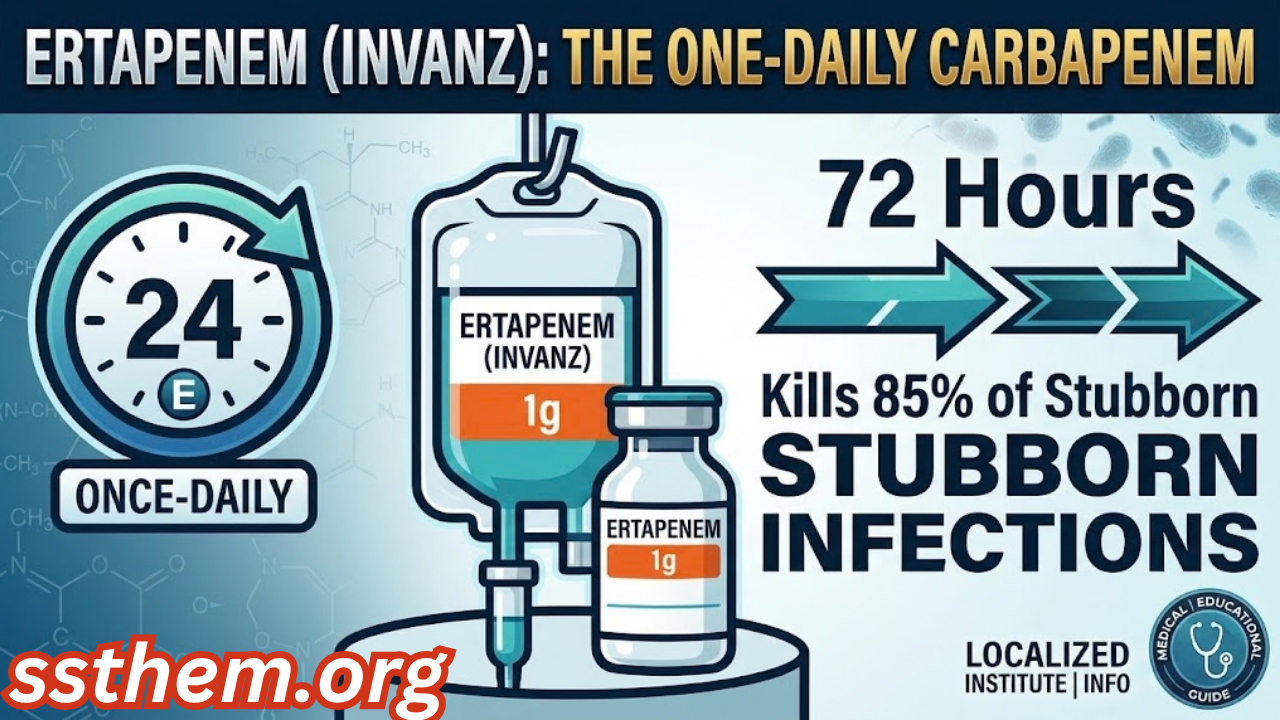
Ertapenem (Invanz) Antibiotic: The Once-Daily Carbapenem That Kills 85% of Stubborn Blood Infections in Just 72 Hours
What if a single intravenous dose of an antibiotic could provide 24 hours of continuous bactericidal coverage against some of the most challenging community-acquired and mixed infections — without the need for multiple daily infusions? This is not a hypothetical question. It is the clinical reality that has made ertapenem (Invanz) a distinctive member of the carbapenem family since its FDA approval in 2001.
For medical students in a pharmacology lecture hall, the first encounter with carbapenems often begins with a question: “If carbapenems are the ‘big guns’ of antibiotic therapy, why would we ever choose one with a narrower spectrum?” The answer is antimicrobial stewardship — and ertapenem sits precisely at that intersection of potency and precision.
Different antibiotics work against different bacteria, reach different tissues, have different pharmacological properties, and carry different risks. The appropriate choice depends on factors such as the suspected or confirmed organism, site and severity of infection, local resistance patterns, allergies, kidney and liver function, drug interactions, and patient-specific considerations. But ertapenem occupies a particularly interesting niche: it is a once-daily carbapenem that retains activity against extended-spectrum β-lactamase (ESBL)-producing organisms while lacking reliable activity against Pseudomonas aeruginosa and Acinetobacter species.
Understanding these distinctions is not academic; it directly affects patient outcomes and the global fight against antimicrobial resistance. What you are about to read will challenge the way you think about this drug. We will explore the complete evidence-based profile of ertapenem — from its FDA-approved indications and dosage strategies to its spectrum of activity, resistance challenges, and the latest evidence from clinical studies. Whether you are a medical student preparing for ward rounds, a practicing clinician refining your antimicrobial stewardship, or a pharmacist ensuring safe dispensing, the clinically important details in this article will strengthen your understanding of this remarkable antibiotic. Stay with us — because the details that make ertapenem truly powerful are revealed progressively.
A sobering clinical reality first: adverse drug reactions account for a significant proportion of hospital admissions, and beta-lactam antibiotics like ertapenem are among the most commonly implicated drug classes. Understanding the full safety profile is not optional
If you want to explore online earning ideas, freelancing, affiliate marketing, YouTube, Facebook monetization, and AI tips, visit ssthem.xyz for online earning and WhatsApp group links for practical guidance that helps you build digital skills alongside your clinical knowledge.
Key Facts Table: Ertapenem at a Glance
The following table summarizes the most clinically important facts about ertapenem. This is not a substitute for full prescribing information, but it provides a rapid reference for healthcare professionals and students.
| Parameter | Details |
|---|---|
| Generic Name | Ertapenem sodium |
| Common Brand Names | Invanz; generic ertapenem for injection |
| Drug Class | Carbapenem (penem) antibacterial |
| Therapeutic Class | β-lactam antibiotic; broad-spectrum antibacterial |
| Pharmacologic Class | Penicillin-binding protein (PBP) inhibitor; cell wall synthesis inhibitor |
| ATC Code | J01DH03 |
| Available Strengths | 1 g vial (powder for reconstitution); 1 g/50 mL single-use solution for infusion |
| Dosage Forms | Lyophilized powder for injection; frozen premixed solution |
| Route(s) of Administration | Intravenous (IV); Intramuscular (IM) |
| FDA Status | Approved (initial U.S. approval 2001) |
| Primary Clinical Uses | Complicated intra-abdominal infections; complicated skin and skin structure infections including diabetic foot infections without osteomyelitis; community-acquired pneumonia; complicated urinary tract infections including pyelonephritis; acute pelvic infections; prophylaxis of surgical site infection following elective colorectal surgery |
| Bioavailability | ~90% after IM administration (almost complete absorption) |
| Protein Binding | 85–95%; concentration-dependent |
| Volume of Distribution | ~8 L (0.11 L/kg) in adults |
| Half-Life | ~4 hours in healthy young adults; prolonged in renal impairment |
| Metabolism | Primarily non-hepatic; hydrolysis of the β-lactam ring to an inactive metabolite |
| Major Route of Elimination | Renal (~45% as unchanged drug; remainder as inactive ring-opened metabolite) |
| Renal/Hepatic Considerations | Dose adjustment required if CrCl ≤30 mL/min/1.73 m²; no hepatic dose adjustment established |
| Major Contraindications | Known hypersensitivity to ertapenem or other carbapenems; anaphylactic reactions to β-lactams; IM formulation contraindicated with lidocaine allergy |
| Important Adverse Effects | Diarrhea, nausea, infusion site reactions, headache, elevated transaminases; rare: seizures, C. difficile colitis, severe hypersensitivity |
This table is a snapshot. Every parameter in it will be expanded in the dedicated sections below, but we will not repeat the full explanations unnecessarily.
FDA-Approved Uses
The U.S. Food and Drug Administration (FDA) has granted ertapenem approval for a well-defined set of clinical indications, each supported by adequate and well-controlled trials. Understanding these approved uses is essential for appropriate prescribing and antimicrobial stewardship. This section details what is ertapenem injection used for from an FDA standpoint, along with pathogen and dosing details.
- Complicated Intra-Abdominal Infections (Adults and Pediatric Patients ≥3 Months):

Ertapenem is indicated for the treatment of complicated intra-abdominal infections caused by susceptible strains of Escherichia coli, Clostridium clostridioforme, Eubacterium lentum, Peptostreptococcus species, Bacteroides fragilis, and other susceptible anaerobic and aerobic organisms. Dosage: Adults and pediatric patients ≥13 years — ertapenem 1g injection IV or IM once daily. Pediatric patients 3 months to 12 years — 15 mg/kg IV or IM twice daily (not to exceed 1 g/day). - Complicated Skin and Skin Structure Infections (Adults and Pediatric Patients ≥3 Months):
 Including diabetic foot infections without osteomyelitis. Caused by susceptible strains of Staphylococcus aureus (methicillin-susceptible), Streptococcus species, E. coli, Peptostreptococcus species, Bacteroides fragilis, and other susceptible organisms. Dosage: Adults and pediatric patients ≥13 years — 1 g IV or IM once daily. Pediatric patients 3 months to 12 years — 15 mg/kg IV or IM twice daily (not to exceed 1 g/day).
 - Community-Acquired Pneumonia (Adults and Pediatric Patients ≥3 Months):
 Caused by susceptible strains of Streptococcus pneumoniae (penicillin-susceptible), Haemophilus influenzae, Moraxella catarrhalis, E. coli, and other susceptible organisms. Dosage: Adults and pediatric patients ≥13 years — 1 g IV or IM once daily. Pediatric patients 3 months to 12 years — 15 mg/kg IV or IM twice daily (not to exceed 1 g/day).
 - Complicated Urinary Tract Infections Including Pyelonephritis (Adults and Pediatric Patients ≥3 Months):
 Caused by susceptible strains of E. coli, Klebsiella pneumoniae, Proteus mirabilis, and other susceptible organisms. Dosage: Adults and pediatric patients ≥13 years — 1 g IV or IM once daily. Pediatric patients 3 months to 12 years — 15 mg/kg IV or IM twice daily (not to exceed 1 g/day).
 - Acute Pelvic Infections (Adults and Pediatric Patients ≥3 Months):

Including postpartum endomyometritis, septic abortion, and post-surgical gynecologic infections. Caused by susceptible strains of E. coli, Bacteroides fragilis, Peptostreptococcus species, and other susceptible organisms. Dosage: Adults and pediatric patients ≥13 years — 1 g IV or IM once daily. Pediatric patients 3 months to 12 years — 15 mg/kg IV or IM twice daily (not to exceed 1 g/day). - Prophylaxis of Surgical Site Infection Following Elective Colorectal Surgery (Adults):

Dosage: 1 g IV as a single dose given 1 hour prior to surgical incision. This is a prophylactic indication, not a treatment indication, and applies to adult patients only.
Off-Label and Guideline-Supported Uses: Beyond FDA-approved indications, ertapenem has been studied or recommended in guidelines for other infections. The 2026 IDSA guidelines list ertapenem as a preferred carbapenem option for ESBL-producing Enterobacterales infections when resistance, intolerance, or toxicity preclude TMP-SMX or fluoroquinolones. IDSA also recommends 6 weeks of ertapenem 1 g IV once daily for Enterobacteriaceae vertebral osteomyelitis. The American Academy of Dermatology recommends a single 6-week course as third-line rescue therapy for hidradenitis suppurativa. European guidelines recommend intramuscular ertapenem 1 g for ceftriaxone treatment failure in gonorrhea. Clinicians must always consider local resistance patterns, culture results, and current guidelines when considering off-label use, and must never label an off-label use as FDA-approved.
Dosage Table
The table below provides a concise summary of typical dosing for common indications. Doses may vary based on renal and hepatic function, severity, and susceptibility data.
| Patient/Condition | Recommended Dose | Frequency | Duration | Important Considerations |
|---|---|---|---|---|
| Adults & Pediatric ≥13 years — Complicated intra-abdominal infections | 1 g | Once daily | 5–14 days | Adjust for renal impairment. |
| Adults & Pediatric ≥13 years — Complicated skin/skin structure infections | 1 g | Once daily | 7–14 days | Includes diabetic foot infections without osteomyelitis. |
| Adults & Pediatric ≥13 years — Community-acquired pneumonia | 1 g | Once daily | 10–14 days | Adjust for renal impairment. |
| Adults & Pediatric ≥13 years — Complicated UTI including pyelonephritis | 1 g | Once daily | 10–14 days | Adjust for renal impairment. |
| Adults & Pediatric ≥13 years — Acute pelvic infections | 1 g | Once daily | 3–10 days | Adjust for renal impairment. |
| Adults — Prophylaxis of surgical site infection following elective colorectal surgery | 1 g | Single dose | — | Give 1 hour prior to surgical incision. |
| Pediatric (3 months–12 years) — All approved treatment indications | 15 mg/kg | Twice daily | Per indication | Max 1 g/day. |
| Renal impairment — CrCl >30 mL/min/1.73 m² | 1 g | Once daily | — | No adjustment needed. |
| Renal impairment — CrCl ≤30 mL/min/1.73 m² (including hemodialysis) | 500 mg | Once daily | — | Supplemental dose of 150 mg if administered within 6 hours prior to hemodialysis. |
Important: All dosing decisions must be individualized based on the patient’s clinical status, renal function, weight, and the susceptibility of the infecting organism. These recommendations are derived from the FDA-approved labeling.
For a broader understanding of how drug dosing and response are evaluated, our detailed guide on paracetamol dosage, uses, and side effects offers a comparative framework for understanding pharmacokinetic principles in clinical practice.
Mechanism of Action
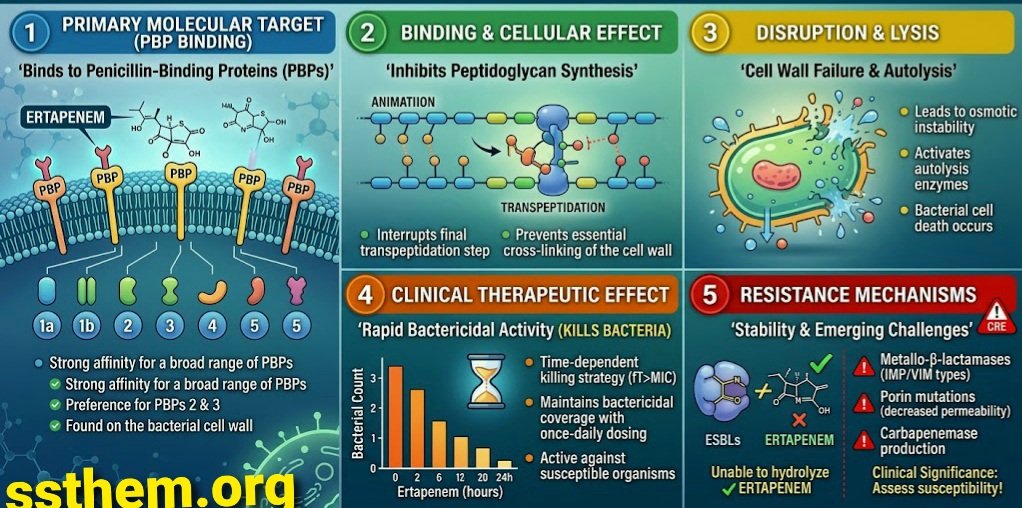
Ertapenem exerts its bactericidal activity through a mechanism shared by all β-lactam antibiotics, yet its specific binding profile gives it distinctive characteristics.
Primary Molecular Target: Ertapenem binds to penicillin-binding proteins (PBPs) located on the bacterial cell wall. In Escherichia coli, it has strong affinity toward PBPs 1a, 1b, 2, 3, 4, and 5, with preference for PBPs 2 and 3.
Binding and Cellular Effect: Once bound to PBPs, ertapenem inhibits the final transpeptidation step in the synthesis of peptidoglycan — an essential structural component of the bacterial cell wall. This inhibition disrupts cell wall cross-linking, leading to osmotic instability, autolysis, and ultimately bacterial cell death. The process is bactericidal, meaning it actively kills bacteria rather than merely inhibiting their growth.
Clinical Therapeutic Effect: The inhibition of cell wall synthesis translates clinically into rapid bactericidal activity against susceptible organisms. Because ertapenem exhibits time-dependent killing — meaning its efficacy correlates with the percentage of the dosing interval during which free drug concentrations exceed the minimum inhibitory concentration (fT>MIC) — the once-daily dosing strategy is designed to maintain adequate free drug levels throughout the 24-hour period.
Resistance Mechanisms: Ertapenem is stable against hydrolysis by many β-lactamases, including penicillinases and extended-spectrum β-lactamases (ESBLs). However, resistance can emerge through carbapenemase production (especially metallo-β-lactamases such as IMP and VIM types), porin mutations (loss of outer membrane porins combined with ESBL production confers resistance specifically to ertapenem but not necessarily to meropenem), and combined mechanisms (β-lactamase production plus impermeability due to outer membrane protein loss). The clinical significance of these resistance mechanisms is that ertapenem should not be assumed active against carbapenem-resistant Enterobacterales (CRE) without susceptibility testing.
The hidden truth about antibiotic resistance is that every inappropriate prescription accelerates the evolution of superbugs. Just as our article on tigecycline reveals how one antibiotic fits into the broader resistance landscape, understanding ertapenem’s spectrum is essential for preserving its effectiveness for future patients.
What Is Ertapenem (Invanz)?
Ertapenem is a carbapenem antibiotic, which is a subclass of β-lactam antibiotics. It belongs to the penem group, reflecting its structural relationship to penicillin. Pharmacologically, it is classified as a cell wall synthesis inhibitor and a penicillin-binding protein (PBP) inhibitor.
Generic Name and Brand Names: Ertapenem sodium is the generic name. It is marketed under the brand name Invanz by Merck Sharp & Dohme LLC. Generic formulations are also available from multiple manufacturers.
Therapeutic Role: Ertapenem serves as a once-daily parenteral carbapenem for moderate to severe infections caused by susceptible bacteria. Its therapeutic niche lies in its balanced spectrum — broad enough to cover most community-acquired and mixed aerobic-anaerobic infections, yet narrow enough to avoid promoting resistance in Pseudomonas aeruginosa and Acinetobacter species, which are not reliably covered.
Formulations, Strengths, and Routes: Lyophilized powder for injection: 1 g vial for reconstitution. Frozen premixed solution: 1 g/50 mL single-use container for intravenous infusion. Diluent for IM administration: 1% lidocaine HCl injection (without epinephrine) is used for intramuscular reconstitution. Routes: Intravenous (IV) — reconstituted with sterile water, 0.9% sodium chloride, or bacteriostatic water, then diluted in 50 mL of 0.9% sodium chloride and infused over 30 minutes. Intramuscular (IM) — reconstituted with 3.2 mL of 1% lidocaine HCl and injected deeply into a large muscle mass.
Differences from Closely Related Medicines: Ertapenem differs from other carbapenems in several clinically important ways. Imipenem/cilastatin and meropenem require dosing every 6–8 hours, while ertapenem is dosed once daily. Ertapenem lacks reliable activity against Pseudomonas aeruginosa and Acinetobacter species, whereas imipenem and meropenem cover these organisms. Ertapenem has a lower CNS toxicity risk than imipenem. Ertapenem is the only carbapenem with an established IM administration option. Its half-life of approximately 4 hours is significantly longer than the ~1 hour half-life of imipenem and meropenem. This once-daily profile makes ertapenem particularly attractive for outpatient parenteral antimicrobial therapy (OPAT) and for infections where Pseudomonas coverage is not required.
For a suspenseful, detailed comparison of another antibiotic workhorse, explore Facts About Ceftriaxone Sodium Uses — and see why the two are not interchangeable.
Pharmacokinetics & Pharmacodynamics Key Table
The following table summarizes the key pharmacokinetic (PK) and pharmacodynamic (PD) properties that inform the clinical use of ertapenem.
| Parameter | Clinically Relevant Details |
|---|---|
| Absorption | Almost completely absorbed after IM administration (~90% bioavailability) |
| Bioavailability | ~90% (IM route) |
| Time to Peak Concentration | ~2 hours after IM administration; end of 30-min infusion for IV |
| Protein Binding | 85–95%; concentration-dependent (higher binding at lower concentrations) |
| Volume of Distribution | ~8 L (0.11 L/kg) in adults |
| Tissue Penetration | Well distributed to interstitial fluid, skin, lung, and intra-abdominal tissues |
| Blood-Brain Barrier Penetration | Not adequately studied; ertapenem is not indicated for CNS infections |
| Placental Transfer | Not established in humans |
| Half-Life | ~4 hours in healthy young adults |
| Metabolism | Non-hepatic; β-lactam ring hydrolysis to inactive metabolite |
| Active Metabolites | None clinically significant |
| Enzyme Involvement | Not primarily CYP-mediated |
| Elimination | Renal (~45% unchanged; remainder as inactive metabolite) |
| Renal Clearance | ~45% of plasma clearance |
| Fecal/Biliary Elimination | Minor pathway |
| Pharmacodynamic Target | Time-dependent killing (fT>MIC) |
| Mechanism | Inhibition of penicillin-binding proteins (PBPs 2 and 3) |
| Concentration/Time-Dependent Activity | Time-dependent |
| PK/PD Index | fT>MIC (percentage of dosing interval with free drug above MIC) |
This table is a quick reference. The following sections explain the most important details without unnecessary repetition.
Half-Life
The elimination half-life of ertapenem is a fundamental pharmacokinetic parameter that directly influences dosing frequency and helps clinicians anticipate drug accumulation in specific populations. Under normal renal function, the mean plasma half-life of ertapenem in healthy young adults is approximately 4 hours.
This relatively long half-life — compared to imipenem (~1 hour) and meropenem (~1 hour) — is the primary pharmacokinetic feature that enables once-daily dosing. The once-daily dosing interval (24 hours) is designed to maintain free drug concentrations above the MIC for a sufficient percentage of the dosing interval (fT>MIC), which is the pharmacodynamic parameter that predicts efficacy for β-lactams.
Renal impairment has the most clinically significant impact on ertapenem half-life. The half-life increases significantly when creatinine clearance falls below 30 mL/min/1.73 m². In patients with end-stage renal disease, the half-life is prolonged, necessitating a dose reduction to 500 mg daily. Ertapenem is partially removed by hemodialysis. A supplemental dose of 150 mg is recommended if the daily 500 mg dose is administered within 6 hours prior to a hemodialysis session.
In pediatric patients 13–17 years, the half-life is approximately 4 hours; in younger children (3 months to 12 years), it is approximately 2.5 hours. The half-life is not significantly altered in hepatic impairment, as ertapenem is not primarily metabolized by the liver.
The clinical significance of half-life extends beyond dosing convenience. A half-life of 4 hours means that after approximately 4 half-lives (16 hours), about 94% of the drug is eliminated. A prolonged half-life increases the risk of drug accumulation and toxicity, particularly in patients with renal impairment who may develop seizures if the dosage is not appropriately adjusted. An understanding of half-life allows clinicians to predict how quickly a drug will be cleared from the body after discontinuation.
Metabolism
Ertapenem undergoes minimal hepatic metabolism. Unlike many drugs that rely on cytochrome P450 enzymes, ertapenem is primarily eliminated through a non-hepatic pathway.
Primary Metabolic Pathway: The principal metabolic route is hydrolysis of the β-lactam ring to form an inactive ring-opened metabolite. This metabolite is excreted in urine. Approximately 45% of a dose is eliminated unchanged in urine, with the remainder eliminated as this inactive metabolite.
Enzyme Involvement and Active Metabolites: Ertapenem is not a substrate for CYP450 enzymes and does not induce or inhibit major hepatic enzyme systems at clinically relevant concentrations. This means that drug-drug interactions involving CYP-mediated metabolism are not a primary concern with ertapenem. The ring-opened metabolite is microbiologically inactive. There are no active metabolites that contribute to therapeutic effect or toxicity.
Hepatic Impairment Considerations: Because ertapenem is not primarily hepatically metabolized, no dosage adjustment is required in hepatic impairment based on pharmacokinetic principles. However, as with any antibiotic, clinical monitoring of hepatic function is prudent in patients with pre-existing liver disease.
Clinically Relevant Enzyme Interactions: As noted, CYP-mediated interactions are not a primary concern. The most clinically significant drug interaction involving ertapenem is with valproic acid, which is not mediated by CYP enzymes but rather by an incompletely understood mechanism that reduces valproate concentrations by up to 71%.
The metabolism of ertapenem tells a remarkable story: a powerful antibiotic that bypasses the liver’s enzyme systems entirely. It’s a reminder that not all drugs follow the same metabolic rules — and understanding these differences is what separates textbook knowledge from clinical expertise.
Bioavailability & Protein Binding
Bioavailability: Ertapenem is available only as a parenteral formulation; there is no oral dosage form. The intramuscular bioavailability is approximately 90%, meaning that IM administration achieves nearly complete absorption compared to IV administration. This high bioavailability makes IM ertapenem a viable option when IV access is challenging, provided the patient has adequate muscle mass and no contraindications to IM injection (e.g., coagulopathy, concurrent anticoagulation).
Factors Affecting Absorption: Several factors can influence the absorption of IM ertapenem. Deep intramuscular injection into a large muscle mass (such as the gluteal muscles or lateral thigh) is required. Ertapenem for IM use must be reconstituted with 1% lidocaine HCl (without epinephrine) to reduce injection site pain. The reconstituted solution should not be administered intravenously. Peak plasma concentrations occur approximately 2 hours after IM administration.
Protein Binding: Ertapenem is highly protein-bound, with binding ranging from approximately 85% to 95% depending on plasma concentration. At concentrations below 50 mcg/mL, binding is approximately 95%; at 150 mcg/mL (the concentration at the end of a 30-minute infusion following a 1 g dose), binding decreases to approximately 92%.
Clinical Significance of Protein Binding: The high protein binding of ertapenem has two important clinical implications. First, it contributes to the prolonged half-life by limiting the amount of free drug available for renal filtration and elimination. Second, only the unbound (free) fraction of ertapenem is pharmacologically active and available to penetrate tissues. The nonlinear protein binding means that as concentrations increase, the free fraction increases slightly, which can affect the pharmacodynamic profile.
In renal impairment, protein binding is not significantly altered, but the reduced clearance of free drug necessitates dose adjustment. Since albumin is the primary binding protein for ertapenem, conditions that cause hypoalbuminemia (e.g., severe liver disease, nephrotic syndrome, malnutrition) could theoretically increase the free fraction, but the clinical significance of this has not been well established. For a deeper dive into this concept, refer to our detailed guide on plasma protein binding.
Spectrum of Activity
Ertapenem has a broad but distinctive spectrum of antimicrobial activity. Understanding this spectrum is essential for appropriate clinical use.
Gram-Positive Activity: Ertapenem is active against Streptococcus pneumoniae (penicillin-susceptible), Streptococcus pyogenes, Streptococcus agalactiae, methicillin-susceptible Staphylococcus aureus (MSSA), and Enterococcus faecalis (variable activity; not reliably active against E. faecium). Important limitation: Ertapenem is not active against methicillin-resistant Staphylococcus aureus (MRSA), coagulase-negative staphylococci, or Enterococcus faecium.
Gram-Negative Activity: Ertapenem is active against Escherichia coli (including ESBL-producing strains), Klebsiella pneumoniae (including ESBL-producing strains), Proteus mirabilis, Haemophilus influenzae, Moraxella catarrhalis, Citrobacter species, and Enterobacter species. Important limitations: Ertapenem is not reliably active against Pseudomonas aeruginosa, Acinetobacter species, or Stenotrophomonas maltophilia. These organisms should be considered intrinsically resistant or non-susceptible for clinical decision-making.
Anaerobic Activity: Ertapenem has excellent activity against Bacteroides fragilis, Bacteroides species (non-fragilis), Clostridium species (except C. difficile), Peptostreptococcus species, and Eubacterium species. This anaerobic coverage is why ertapenem is effective as a single agent for mixed aerobic-anaerobic infections such as complicated intra-abdominal infections and diabetic foot infections.
Atypical Organisms: Ertapenem has variable or limited activity against atypical pathogens such as Mycoplasma, Chlamydia, and Legionella. It is not indicated for infections caused primarily by these organisms.
Major Limitations and Acquired Resistance: The defining limitation of ertapenem compared to other carbapenems is its lack of Pseudomonas activity. It also lacks Acinetobacter activity and MRSA activity. Additional anti-MRSA coverage (e.g., vancomycin) is required if MRSA is suspected. It is not adequate for infections caused by Enterococcus faecium. Acquired resistance occurs when previously susceptible organisms develop resistance mechanisms, most commonly through the acquisition of β-lactamase enzymes (including ESBLs and AmpC β-lactamases), alterations in penicillin-binding proteins, decreased outer membrane permeability, or efflux pump upregulation.
Clinical Significance of Susceptibility Testing: In vitro activity does not automatically translate to clinical effectiveness. Susceptibility testing should guide therapy whenever possible. For ESBL-producing organisms, ertapenem may be active in vitro, but clinical response depends on the site of infection, severity, and the pharmacokinetic/pharmacodynamic profile. The IDSA guidelines recommend ertapenem as a preferred carbapenem for ESBL-producing Enterobacterales when other options are not suitable. Clinicians should always consult local susceptibility data when available, as resistance patterns vary geographically and temporally.
Pharmacodynamics
The pharmacodynamics of ertapenem — how the drug exerts its effects on bacteria — provides the scientific rationale for dosing strategies and explains why certain dosage regimens are more effective than others.
Drug-Target Interaction: Ertapenem binds to penicillin-binding proteins (PBPs) 2 and 3 with high affinity, inhibiting cell wall synthesis. The bactericidal effect is concentration-independent but time-dependent, meaning the duration of exposure above the MIC (fT>MIC) predicts efficacy.
Concentration-Response Relationship and Time-Dependent Killing: For β-lactams, including ertapenem, the pharmacodynamic target is typically 30–40% fT>MIC for bacteriostatic effect and 40–50% fT>MIC for maximal bactericidal effect. In murine thigh infection models, ertapenem achieved approximately 1 log₁₀ CFU reduction with exposures of 30–40% fT>MIC. This pharmacodynamic principle explains why ertapenem is administered once daily rather than as multiple smaller doses.
Post-Antibiotic Effect: Ertapenem exhibits a post-antibiotic effect (PAE) against Gram-positive organisms of approximately 1.5–2.0 hours. The PAE against Gram-negative organisms is less pronounced. This means that even when drug concentrations fall below the MIC, bacterial regrowth is temporarily suppressed, contributing to the efficacy of the once-daily dosing interval.
Therapeutic Window and Resistance Suppression: The therapeutic window for ertapenem is relatively wide. The drug is generally well tolerated at therapeutic doses, with the most significant dose-related toxicity being CNS effects (seizures) in patients with renal impairment or underlying CNS disorders. Maintaining adequate fT>MIC is important not only for efficacy but also for suppressing the emergence of resistance. Subtherapeutic exposure — whether due to underdosing, missed doses, or drug interactions — can allow surviving bacteria to develop resistance mechanisms.
Imagine a patient with a complicated urinary tract infection caused by an ESBL-producing E. coli. The organism is susceptible to ertapenem in vitro. The pharmacodynamic profile — time-dependent killing with a 4-hour half-life — means that a single 1 g IV dose provides adequate free drug concentrations above the MIC for the entire 24-hour dosing interval. This is the intersection of pharmacokinetics and pharmacodynamics that makes once-daily ertapenem both effective and convenient.
Contraindications
Absolute Contraindications: Ertapenem is contraindicated in patients with known hypersensitivity to ertapenem or any component of the product. It is also contraindicated in patients with a history of anaphylactic reactions to other β-lactam antibiotics (penicillins, cephalosporins, other carbapenems). Serious and occasionally fatal hypersensitivity reactions have been reported. The intramuscular formulation is contraindicated in patients with known hypersensitivity to lidocaine or other amide-type local anesthetics, because the IM formulation is reconstituted with 1% lidocaine HCl.
Major Hypersensitivity Contraindications: Patients with a history of severe immediate hypersensitivity reactions to any β-lactam antibiotic — including anaphylaxis, Stevens-Johnson syndrome, or toxic epidermal necrolysis — should not receive ertapenem unless the clinical situation warrants the risk and appropriate precautions are in place.
Disease-Specific Contraindications: Ertapenem is not indicated for the treatment of bacterial meningitis due to insufficient CNS penetration data and concerns about achieving adequate CSF concentrations. While not an absolute contraindication, failure to adjust the dose in patients with CrCl ≤30 mL/min/1.73 m² increases the risk of neurotoxicity, including seizures.
Formulation-Specific Contraindications: The IM formulation is contraindicated in patients with bleeding disorders, those receiving anticoagulant therapy, or those with severe thrombocytopenia, due to the risk of hematoma at the injection site.
Warnings & Precautions
- Serious Hypersensitivity Reactions: Serious and occasionally fatal hypersensitivity reactions have been reported with ertapenem. Before initiating therapy, careful inquiry should be made regarding previous hypersensitivity reactions to penicillins, cephalosporins, and other allergens. If an allergic reaction occurs, ertapenem should be discontinued immediately and appropriate supportive care initiated.
- Clostridioides difficile-Associated Diarrhea (CDAD): CDAD has been reported with nearly all antibacterial agents, including ertapenem. It may range in severity from mild diarrhea to fatal colitis. If CDAD is suspected or confirmed, ongoing antibacterial drug use not directed against C. difficile may need to be discontinued. Appropriate fluid and electrolyte management, protein supplementation, and antibiotic treatment of C. difficile should be instituted as clinically indicated.
- Seizures and CNS Effects: Seizures and other CNS adverse experiences have been reported during treatment with ertapenem, most commonly in patients with CNS disorders (e.g., brain lesions or history of seizures) and/or compromised renal function. Close adherence to the recommended dosage regimen is urged, especially in patients with known factors that predispose to convulsive activity. A 2025 FAERS analysis identified neuropsychiatric signals as the strongest adverse event signals associated with ertapenem, with confusional state (n=265) and convulsions (n=214) being the most frequently reported events. The median time to onset ranged from 3.5 to 8.5 days.
- Interaction with Valproic Acid: Co-administration of carbapenems, including ertapenem, with valproic acid or divalproex sodium results in a significant reduction in valproic acid concentrations — by up to 71% — which may result in loss of seizure control. Concomitant use is generally not recommended; alternative antibacterial or anticonvulsant therapies should be considered.
- Renal Impairment: Dose adjustment is required if creatinine clearance is ≤30 mL/min/1.73 m². Elderly patients are more likely to have decreased renal function, so care should be taken in dose selection and it may be useful to monitor renal function.
- Pregnancy and Breastfeeding: Adequate and well-controlled studies have not been conducted in pregnant women. Ertapenem should be used during pregnancy only if the potential benefit justifies the potential risk to the fetus. Ertapenem is excreted in human breast milk in small amounts. The developmental and health benefits of breastfeeding should be considered along with the mother’s clinical need for ertapenem and any potential adverse effects on the breastfed child.
- Pediatric Use: Safety and effectiveness in pediatric patients below 3 months of age have not been established. In pediatric patients 3 months to 12 years, the dose is 15 mg/kg twice daily (not to exceed 1 g/day).
- Older Adults: Of the 1,835 patients in Phase 2b/3 trials treated with ertapenem, approximately 26% were 65 years and older. No overall differences in safety or effectiveness were observed between these patients and younger patients, but greater sensitivity of some older individuals cannot be ruled out. Because elderly patients are more likely to have decreased renal function, dose selection should be cautious and renal function monitoring is recommended.
Side Effects
Understanding the side effect profile of ertapenem is essential for patient counseling and clinical monitoring. Adverse effects are broadly categorized by frequency, and distinguishing between common, bothersome side effects and serious adverse reactions is clinically important.
Common Side Effects:
- Diarrhea (5–10%) — the most frequently reported adverse effect; may be a sign of C. difficile infection if severe or persistent.
- Infusion site pain/reactions (5.5%).
- Nausea (3–5%) and vomiting (2–4%).
- Headache (2–5%).
- Elevated ALT/AST (6% / 5.2%).
- Vaginitis (2–4%).
- Dizziness (1–3%) and rash (1–3%).
These side effects are generally mild and transient.
Less Common Side Effects:
- Oral thrush (candidiasis).
- Insomnia and somnolence.
- Arthralgia.
- Injection site phlebitis.
- Constipation.
- Fever.
Distinguishing Side Effects from Adverse Reactions: It is important for clinicians to distinguish between side effects (predictable, often dose-related, and generally manageable) and adverse reactions (unexpected, potentially serious, and requiring medical intervention). Diarrhea associated with ertapenem is typically a side effect related to alterations in gut flora. However, if diarrhea is severe, persistent, or accompanied by fever, abdominal pain, or blood in the stool, it may indicate Clostridioides difficile infection — a serious adverse reaction requiring immediate medical evaluation.
Fever is not a disease — it is a body response. Understanding this distinction is crucial for interpreting clinical signs. Our article on whether fever is a disease or a body response explains why treating the cause matters more than treating the number on the thermometer.
Adverse Effects
While the common side effects of ertapenem are generally mild and self-limiting, the drug carries a risk of serious adverse effects that all prescribers must recognize and monitor for.
- Severe Hypersensitivity Reactions: Anaphylaxis, angioedema, and severe dermatologic reactions including Stevens-Johnson syndrome and toxic epidermal necrolysis. These reactions can be life-threatening. Immediate discontinuation and emergency treatment are required.
- Seizures and Neuropsychiatric Effects: Seizures, confusion, hallucinations, altered mental status, and encephalopathy. Risk is increased in patients with renal impairment, underlying CNS disorders, and the elderly. A 2025 FAERS analysis identified neuropsychiatric events as the strongest safety signals.
- Clostridioides difficile-Associated Diarrhea: Ranges from mild diarrhea to fatal pseudomembranous colitis. Any patient who develops diarrhea during or after ertapenem therapy should be evaluated for CDAD.
- Hematologic Effects: Leukopenia, neutropenia, thrombocytopenia, and eosinophilia. A pharmacovigilance analysis identified leucopenia (ROR = 3.843) and neutropenia (ROR = 2.469) as signals associated with ertapenem.
- Hepatotoxicity: Elevated transaminases, hyperbilirubinemia, and hepatitis. Liver function should be monitored in patients with pre-existing hepatic disease or those receiving prolonged therapy.
- Injection Site Reactions: Severe pain, phlebitis, and tissue necrosis with extravasation. Proper IV technique and site monitoring are essential.
- When to Seek Medical Attention: Patients should be instructed to seek immediate medical attention if they experience any of the following: difficulty breathing, swelling of the face or throat, loss of consciousness, seizures, severe abdominal pain, or bloody diarrhea.
How to Recover After a Reaction to Ertapenem
Recovery from side effects and adverse reactions to ertapenem depends on the type and severity of the reaction.
Mild Side Effects: For mild side effects such as nausea, headache, or mild diarrhea: stay hydrated, rest, and eat bland foods. Most mild side effects resolve within 1–3 days of treatment completion. Contact a healthcare professional if symptoms persist beyond 3 days, worsen, or interfere with daily activities.
Moderate Reactions: For moderate reactions such as persistent diarrhea, rash, or elevated liver enzymes: contact your prescribing healthcare professional. Do not self-medicate with over-the-counter antidiarrheals without medical advice, as this can worsen C. difficile colitis. Blood tests may be ordered to assess liver and kidney function. With appropriate management, moderate reactions typically improve within 5–7 days.
Serious Adverse Reactions: For serious reactions such as seizures, severe allergic reactions, or severe diarrhea with blood or mucus: stop the medication and seek emergency medical attention immediately. Do not attempt to manage these reactions at home. Emergency warning signs include difficulty breathing, swelling of the face or throat, loss of consciousness, seizures, severe abdominal pain, or bloody diarrhea.
Factors Affecting Recovery: Renal function — patients with impaired renal function may experience prolonged drug exposure and delayed recovery. Age — elderly patients may be more susceptible to neuropsychiatric effects and may require longer recovery times. Underlying conditions — patients with pre-existing CNS disorders, liver disease, or kidney disease may experience more severe reactions and slower recovery. Never stop or change a prescribed antibiotic without consulting a healthcare professional, as incomplete treatment can lead to relapse and resistance.
Drug Interactions
The following table summarizes clinically meaningful drug interactions with ertapenem. Theoretical interactions of little clinical relevance have been omitted.
| Interacting Medicine/Class | Potential Interaction | Clinical Significance | Management Consideration |
|---|---|---|---|
| Valproic acid / Divalproex sodium | Significant reduction in valproic acid concentrations (up to 71% reduction). | Major — Risk of breakthrough seizures. | Concomitant use generally not recommended; consider alternative anticonvulsant or antibiotic. |
| Probenecid | Inhibits renal tubular secretion of ertapenem, increasing ertapenem concentrations. | Moderate — May increase risk of adverse effects. | Co-administration not recommended. |
| Lidocaine (IM formulation) | Additive CNS effects if systemic lidocaine exposure is significant. | Low–Moderate. | Monitor for lidocaine toxicity if large volumes are used or in patients with hepatic impairment. |
| Other nephrotoxic drugs (e.g., aminoglycosides, amphotericin B, vancomycin) | Additive nephrotoxicity. | Moderate — Increased risk of renal impairment. | Monitor renal function closely; consider alternative agents if possible. |
| Warfarin | Possible increased anticoagulant effect (theoretical). | Low — Not well established. | Monitor INR if co-administered; no specific dose adjustment established. |
| Oral contraceptives | No established interaction. | Low — Not clinically significant. | No specific precautions required. |
Note: Ertapenem is not a substrate or inhibitor of CYP450 enzymes, so interactions involving hepatic metabolism are not a primary concern.
Administration Table
Practical administration instructions are essential for patient education and nursing practice. The table below summarizes key administration factors.
| Administration Factor | Guidance |
|---|---|
| Route | Intravenous (IV) or Intramuscular (IM). |
| With Food/Without Food | Not applicable (parenteral administration). |
| Timing | Once daily; may be administered at any time of day. |
| Reconstitution for IV | Reconstitute 1 g vial with 10 mL of sterile water, 0.9% NaCl, or bacteriostatic water; transfer to 50 mL of 0.9% NaCl; infuse over 30 minutes. |
| Reconstitution for IM | Reconstitute 1 g vial with 3.2 mL of 1% lidocaine HCl (without epinephrine); inject deeply into a large muscle mass within 1 hour. |
| IV Administration | Infuse over 30 minutes; do not mix or co-infuse with other medications; do not use diluents containing dextrose. |
| IM Administration | Use within 1 hour of reconstitution; do not administer intravenously. |
| Missed Dose | Administer as soon as possible if within 12 hours of scheduled time; if >12 hours, skip the missed dose and resume the regular schedule; do not double the dose. |
| Storage (powder) | Store at 20–25°C (68–77°F); excursions permitted to 15–30°C (59–86°F). |
| Storage (reconstituted IV) | Use within 6 hours if stored at room temperature; may be refrigerated for up to 24 hours. |
| Storage (reconstituted IM) | Use within 1 hour. |
| Special Instructions | Do not use needleless IV systems for reconstitution; inspect visually for particulate matter before administration. Complete the full prescribed course even if symptoms improve. |
Pharmacokinetics
This section consolidates the clinically relevant pharmacokinetic properties of ertapenem in a professional overview. Detailed explanations of half-life, metabolism, bioavailability, and protein binding are provided in their respective dedicated sections above and are not repeated here.
Absorption and Bioavailability: Ertapenem is administered parenterally. After IM administration, it is almost completely absorbed, with a bioavailability of approximately 90%. Peak plasma concentrations occur approximately 2 hours after IM injection. After IV infusion, peak concentrations occur at the end of the 30-minute infusion.
Distribution: Ertapenem has a volume of distribution of approximately 8 L (0.11 L/kg) in adults, indicating distribution primarily into extracellular fluid. It is highly protein-bound (85–95%), which limits its distribution to tissues but contributes to its prolonged half-life. The drug achieves therapeutic concentrations in interstitial fluid, skin, lung, and intra-abdominal tissues — the sites relevant to its approved indications. Penetration into the cerebrospinal fluid is not adequately studied, which is why ertapenem is not indicated for CNS infections.
Metabolism and Elimination: Ertapenem undergoes minimal hepatic metabolism. The primary metabolic pathway is hydrolysis of the β-lactam ring to an inactive metabolite. Approximately 45% of a dose is eliminated unchanged in urine, with the remainder eliminated as the inactive metabolite. Renal clearance accounts for approximately 45% of plasma clearance.
Special Populations: In renal impairment, dose reduction to 500 mg daily is required when CrCl ≤30 mL/min/1.73 m². In pediatric patients, the half-life is approximately 2.5 hours in children 3 months to 12 years; 15 mg/kg twice daily dosing is used. In elderly patients, no specific dose adjustment based on age alone is required, but renal function should be assessed. In hepatic impairment, no dose adjustment is established based on pharmacokinetic data.
Special Populations
Pregnancy: Adequate and well-controlled studies have not been conducted in pregnant women. Ertapenem should be used during pregnancy only if the potential benefit justifies the potential risk to the fetus. Animal reproduction studies have not shown evidence of fetal harm at exposures approximately 1.2 times the human exposure at the maximum recommended human dose.
Lactation: Ertapenem is excreted in human breast milk in small amounts. The developmental and health benefits of breastfeeding should be considered along with the mother’s clinical need for ertapenem. Some authorities consider breastfeeding acceptable during ertapenem use, while others recommend caution.
Pediatrics: Safety and effectiveness have been established in pediatric patients 3 months to 17 years of age. The dose for children 3 months to 12 years is 15 mg/kg twice daily (not to exceed 1 g/day). Safety and effectiveness in pediatric patients below 3 months of age have not been established.
Older Adults: Clinical trials included approximately 26% of patients aged 65 and over. No overall differences in safety or effectiveness were observed, but greater sensitivity of some older individuals cannot be ruled out. Because elderly patients are more likely to have decreased renal function, dose selection should be cautious and renal function monitoring is recommended.
Renal Impairment: Dose adjustment is required for patients with CrCl ≤30 mL/min/1.73 m². The recommended dose is 500 mg once daily. For patients on hemodialysis, a supplemental dose of 150 mg is recommended if the daily dose is administered within 6 hours prior to dialysis.
Hepatic Impairment: No dosage adjustment is established for hepatic impairment based on pharmacokinetic data. However, clinical monitoring is advised in patients with severe liver disease.
Obesity and Critically Ill Patients: No specific dose adjustment for obesity has been established. Dosing should be based on standard adult recommendations unless otherwise clinically indicated. Pharmacokinetic data in critically ill patients are limited. Altered volume of distribution and renal function may affect drug exposure. Therapeutic drug monitoring is not routinely available for ertapenem, but clinical response and renal function should be closely monitored.
Monitoring
- Clinical Response: Assess improvement in signs and symptoms of infection (fever, pain, erythema, etc.) daily. The most important monitoring parameter is the patient’s clinical response to therapy. Improvement should be assessed within 48–72 hours of initiating therapy. Lack of clinical improvement may indicate the need for reassessment of the diagnosis, culture and susceptibility testing, or a change in antibiotic therapy.
- Renal Function: Monitor serum creatinine and CrCl at baseline and periodically. Required for dose adjustment; risk of accumulation and neurotoxicity in renal impairment. In patients with pre-existing renal impairment or those receiving concomitant nephrotoxic drugs, monitoring is essential.
- Hepatic Function: Monitor AST, ALT, and bilirubin at baseline and periodically. Monitor for hepatotoxicity; elevated transaminases reported in clinical trials.
- CBC with Differential: Monitor at baseline and if clinically indicated. Monitor for leukopenia, neutropenia, thrombocytopenia.
- Signs of C. difficile Infection: Monitor throughout therapy and for weeks after. Any diarrhea should prompt evaluation for CDAD.
- Neurologic Status: Monitor daily, especially in elderly or renally impaired patients. Monitor for confusion, seizures, hallucinations.
- Infusion Site: Monitor each dose for phlebitis, extravasation, or injection site reactions.
- Microbiological Response: Obtain cultures as clinically indicated to guide therapy.
Monitoring should be individualized based on the patient’s clinical status, underlying conditions, and the severity of infection. Routine therapeutic drug monitoring is not established for ertapenem.
Clinical Perspective
Ertapenem occupies a unique position in the antimicrobial armamentarium. It is not a replacement for broader-spectrum carbapenems such as meropenem or imipenem in critically ill patients with suspected Pseudomonas or Acinetobacter infections. However, for the right patient and the right infection, it offers a combination of efficacy, convenience, and stewardship advantages that few other antibiotics can match.
Where ertapenem is clinically useful: Complicated intra-abdominal infections in patients with mild-to-moderate severity, where Pseudomonas coverage is not required. Complicated urinary tract infections and pyelonephritis caused by ESBL-producing Enterobacterales, where once-daily dosing facilitates outpatient management. Diabetic foot infections without osteomyelitis, where the anaerobic and Gram-negative coverage is appropriate. Community-acquired pneumonia in patients who require parenteral therapy but do not have risk factors for Pseudomonas. Outpatient parenteral antimicrobial therapy (OPAT) — the once-daily dosing and IM option make ertapenem well-suited for patients who can be managed outside the hospital.
Situations where clinicians may prefer alternatives: Suspected or confirmed Pseudomonas aeruginosa infection — meropenem, imipenem, or ceftazidime-based regimens are preferred. MRSA infection — ertapenem has no activity against MRSA; vancomycin or other anti-MRSA agents are required. CNS infections — ertapenem is not indicated for bacterial meningitis due to insufficient CNS penetration. Critically ill patients with undifferentiated sepsis — broader-spectrum carbapenems may be more appropriate until culture results are available.
Antimicrobial stewardship considerations: The use of ertapenem should be guided by local resistance patterns, culture and susceptibility results, and the principles of antimicrobial stewardship. Because ertapenem lacks Pseudomonas activity, it should not be used empirically in patients at high risk for Pseudomonas infection. However, when used appropriately, it can help preserve broader-spectrum carbapenems for the patients who need them most. Clinicians should obtain cultures whenever possible, narrow therapy based on susceptibility results, and avoid using ertapenem for conditions where narrower-spectrum agents would be equally effective.
If you want to learn about the world’s different religions and gain informative, well-organized content, visit ssthem.com for religious studies. Knowledge beyond medicine enriches your perspective as a clinician and as a person.
Question. What is ertapenem (Invanz) used for?
Answer : Ertapenem is an FDA-approved carbapenem antibiotic used to treat complicated intra-abdominal infections, complicated skin and skin structure infections (including diabetic foot infections without osteomyelitis), community-acquired pneumonia, complicated urinary tract infections including pyelonephritis, acute pelvic infections, and for prophylaxis of surgical site infection following elective colorectal surgery.
Question. How does ertapenem work against bacterial infections?
Answer : Ertapenem binds to penicillin-binding proteins (PBPs) 2 and 3 on the bacterial cell wall, inhibiting peptidoglycan synthesis and causing bacterial cell death. It exhibits time-dependent bactericidal activity.
Question. What is the ertapenem 1g injection dose for adults?
Answer : The standard adult dose is 1 g IV or IM once daily for most approved indications. For patients with CrCl ≤30 mL/min/1.73 m², the dose is reduced to 500 mg once daily.
Question. What is the ertapenem dosage for adults with bacterial infections?
Answer : The adult dose is 1 g once daily for 5–14 days depending on the indication. Renal impairment requires dose reduction to 500 mg daily.
Question. How long does ertapenem take to work?
Answer : Clinical improvement is typically observed within 48–72 hours of initiating therapy. However, complete resolution depends on the infection site, organism, and patient factors.
Question. What are the common side effects of ertapenem?
Answer : Common side effects include diarrhea (5–10%), infusion site pain (5.5%), nausea, headache, vomiting, elevated liver enzymes, and rash.
Question. What are the serious side effects of ertapenem injection?
Answer : Serious adverse effects include anaphylaxis, seizures, C. difficile-associated diarrhea, severe dermatologic reactions, leukopenia, neutropenia, and hepatotoxicity.
Question. Is ertapenem FDA-approved?
Answer : Yes. Ertapenem received initial U.S. FDA approval in 2001 and is available as Invanz and generic formulations.
Question. What infections does ertapenem treat?
Answer : It treats complicated intra-abdominal infections, complicated skin infections, community-acquired pneumonia, complicated urinary tract infections, and acute pelvic infections caused by susceptible bacteria.
Question. Can ertapenem be used during pregnancy?
Answer : Ertapenem should be used during pregnancy only if the potential benefit justifies the potential risk to the fetus. Adequate human studies are lacking.
Question. Can ertapenem be used while breastfeeding?
Answer : Ertapenem is excreted in human breast milk in small amounts. Breastfeeding should be considered based on the mother’s clinical need and potential effects on the infant.
Question. Does ertapenem interact with alcohol?
Answer : No specific interaction between ertapenem and alcohol has been established. However, alcohol may worsen nausea, dizziness, or headache associated with the medication.
Question. What medicines interact with ertapenem?
Answer : The most significant interaction is with valproic acid, which can reduce valproate levels by up to 71%, risking breakthrough seizures. Probenecid and nephrotoxic drugs may also interact.
Question. What happens if an ertapenem dose is missed?
Answer : If within 12 hours of the scheduled time, administer as soon as possible. If more than 12 hours late, skip the dose and resume the regular schedule. Do not double the dose.
Question. How should ertapenem be administered?
Answer : Ertapenem is administered IV over 30 minutes or IM into a large muscle mass. The IM formulation must be reconstituted with 1% lidocaine HCl.
Question. Does renal impairment require dose adjustment for ertapenem?
Answer : Yes. If CrCl is ≤30 mL/min/1.73 m², the dose should be reduced to 500 mg once daily.
Question. Does hepatic impairment affect ertapenem use?
Answer : No specific dose adjustment is established for hepatic impairment. Clinical monitoring is advised in severe liver disease.
Question. Is ertapenem safe for children?
Answer : Ertapenem is approved for pediatric patients 3 months of age and older. The dose for children 3 months to 12 years is 15 mg/kg twice daily (max 1 g/day).
Question. Is ertapenem appropriate for older adults?
Answer : Ertapenem can be used in older adults, but renal function should be assessed and monitored because elderly patients are more likely to have decreased renal function.
Question. What should clinicians monitor during ertapenem therapy?
Answer : Monitor clinical response, renal function, hepatic function, CBC, signs of C. difficile infection, and neurologic status.
Question. What are alternatives to ertapenem?
Answer : Alternatives include meropenem, imipenem/cilastatin, piperacillin/tazobactam, or ceftriaxone plus metronidazole, depending on the infection and local resistance patterns.
Question. What are the major contraindications to ertapenem?
Answer : Contraindications include known hypersensitivity to ertapenem, anaphylactic reactions to β-lactams, and IM use in patients allergic to lidocaine.
Question. How does resistance affect ertapenem use?
Answer : Resistance can occur through carbapenemase production or combined β-lactamase production with porin loss. Susceptibility testing should guide therapy.
Question. How long does ertapenem treatment usually last?
Answer : Treatment duration ranges from 3–10 days for acute pelvic infections to 10–14 days for pneumonia and urinary tract infections, depending on the indication and clinical response.
Question. When should medical attention be sought during ertapenem therapy?
Answer : Seek immediate medical attention for difficulty breathing, facial swelling, seizures, severe diarrhea, or signs of a severe allergic reaction.
5 Authentic Studies
Study 1
Citation: Deutsch P, et al. Pharmacokinetics of ertapenem in healthy young volunteers. Antimicrobial Agents and Chemotherapy. 2002;46(11):3506-3511. DOI: 10.1128/AAC.46.11.3506-3511.2002.
Study Type: Pharmacokinetic study in healthy volunteers.
Population: Healthy young men and women.
Intervention/Exposure: Single and multiple doses of ertapenem up to 3 g.
Main Outcome: Determination of pharmacokinetic parameters including half-life, protein binding, and clearance.
Key Findings: Ertapenem is highly protein-bound (95% at low concentrations, 92% at 150 mcg/mL). The mean plasma half-life is approximately 4 hours. About 45% of plasma clearance is via renal clearance, with the remainder via formation of the inactive ring-opened metabolite. No clinically significant differences between men and women.
Clinical Significance: These data established the pharmacokinetic basis for once-daily dosing and informed dosing recommendations in renal impairment.
Important Limitation: Conducted in healthy young volunteers; pharmacokinetics may differ in elderly patients, those with renal impairment, or critically ill patients.
Study 2
Citation: Solomkin JS, et al. Ertapenem versus piperacillin/tazobactam in the treatment of complicated intra-abdominal infections. Annals of Surgery. 2003;237(2):235-245.
Study Type: Randomized, double-blind, non-inferiority clinical trial.
Population: 665 patients with complicated intra-abdominal infections.
Intervention/Exposure: Ertapenem 1 g IV once daily versus piperacillin/tazobactam 3.375 g IV every 6 hours for 5–14 days.
Main Outcome: Combined clinical and microbiologic success at test-of-cure (4–6 weeks post-therapy).
Key Findings: Success rates were 83.6% for ertapenem and 80.4% for piperacillin/tazobactam.
Clinical Significance: Demonstrated non-inferiority of ertapenem to a standard comparator regimen, supporting its use as a once-daily option for complicated intra-abdominal infections.
Important Limitation: Patients with Pseudomonas or MRSA were excluded or required additional therapy; results may not apply to infections caused by these organisms.
Study 3
Citation: Clinical efficacy of ertapenem vs. other carbapenems for the treatment of extended-spectrum-β-lactamase-producing Enterobacterales infection: A systematic review and meta-analysis. International Journal of Antimicrobial Agents. 2023.
Study Type: Systematic review and meta-analysis.
Population: Patients with ESBL-producing Enterobacterales infections.
Intervention/Exposure: Ertapenem versus other carbapenems (meropenem, imipenem).
Main Outcome: 30-day mortality.
Key Findings: Ertapenem was associated with significantly lower 30-day mortality compared with other carbapenems (10.7% vs. 17.7%).
Clinical Significance: Suggests that ertapenem may be as effective as, or potentially more effective than, other carbapenems for ESBL-producing Enterobacterales infections, though confounding factors must be considered.
Important Limitation: Observational data with potential selection bias; randomized controlled trials are needed to confirm these findings.
Study 4
Citation: Tang F, He Y, Ou W, Yang N, Bai X. A disproportionality analysis of adverse events associated with ertapenem using the FAERS database from 2004 to 2024. Scientific Reports. 2025;15:1-12.
Study Type: Pharmacovigilance disproportionality analysis.
Population: 2,931 reports with ertapenem as the primary suspected drug from the FDA Adverse Event Reporting System.
Main Outcome: Identification of adverse event signals using reporting odds ratio (ROR).
Key Findings: The strongest signals were in nervous system and psychiatric disorders, with confusional state (n=265) and convulsions (n=214) most frequently reported. Oropharyngeal edema (ROR=191.05) and granulomatous dermatitis (ROR=150.49) were among the strongest individual signals. Signals were stronger in patients aged ≥65 years. Eleven adverse events not listed on the FDA label were identified.
Clinical Significance: Highlights the neuropsychiatric risks of ertapenem, particularly in elderly patients, and emphasizes the need for monitoring and individualized management in high-risk patients.
Important Limitation: Spontaneous reporting systems are subject to underreporting and reporting bias; causality cannot be established from disproportionality analysis alone.
Study 5
Citation: Effectiveness of ertapenem for treatment of infections in children: An evidence mapping and meta-analysis. Frontiers in Pediatrics. 2022.
Study Type: Systematic review and meta-analysis.
Population: Pediatric patients with various infections.
Intervention/Exposure: Ertapenem versus other antibiotics.
Main Outcome: Clinical and microbiological cure rates.
Key Findings: Ertapenem was effective and safe in treating children with infections, with efficacy comparable to other β-lactam antibiotics (RR=1.08, 95% CI: 0.99–1.19).
Clinical Significance: Supports the use of ertapenem in pediatric patients 3 months and older for approved indications.
Important Limitation: Limited number of randomized controlled trials in pediatric populations; most data are from adult studies with pediatric pharmacokinetic extrapolation.
Authentic References
- FDA Prescribing Information. INVANZ (ertapenem for injection), for intravenous or intramuscular use. Initial U.S. Approval: 2001. DailyMed. Updated February 4, 2026.
- FDA Label Highlights. INVANZ (ertapenem for injection). Accessdata.FDA.gov.
- Deutsch P, et al. Pharmacokinetics of ertapenem in healthy young volunteers. Antimicrobial Agents and Chemotherapy. 2002;46(11):3506-3511. DOI: 10.1128/AAC.46.11.3506-3511.2002.
- Solomkin JS, et al. Ertapenem versus piperacillin/tazobactam in the treatment of complicated intra-abdominal infections. Annals of Surgery. 2003;237(2):235-245.
- Tang F, et al. A disproportionality analysis of adverse events associated with ertapenem using the FAERS database from 2004 to 2024. Scientific Reports. 2025;15:1-12.
- IDSA Guidelines. Infectious Diseases Society of America guidelines for the treatment of ESBL-producing Enterobacterales infections. 2026.
- CDC Guidance. Administration of Carbapenem Antibiotics. CDC/ATS/ERS/IDSA guidelines. 2025.
- WHO Model List of Essential Medicines. 24th List (2025).
- Clinical efficacy of ertapenem vs. other carbapenems for ESBL-producing Enterobacterales infection: A systematic review and meta-analysis. International Journal of Antimicrobial Agents. 2023.
- Effectiveness of ertapenem for treatment of infections in children: An evidence mapping and meta-analysis. Frontiers in Pediatrics. 2022.
Medical Information Disclaimer: The information provided in this article is for educational and informational purposes only and is intended for healthcare professionals, medical students, and informed general readers. It does not constitute medical advice, diagnosis, or treatment recommendations. Ertapenem is a prescription medication that should only be used under the supervision of a qualified healthcare provider. Treatment decisions, including dose selection, duration, and adjustments, depend on the patient’s diagnosis, age, renal and hepatic function, interacting medicines, susceptibility data where relevant, and clinician judgment. Readers should not use this information to self-medicate or to make clinical decisions without appropriate professional consultation. If you have a medical condition or are experiencing symptoms of infection, seek evaluation from a qualified healthcare professional. The authors and publishers of this article do not assume any liability for any adverse effects or consequences resulting from the use or misuse of the information provided herein.
If you are exploring the pharmacology of everyday pain relievers alongside antibiotics, you may be surprised by how much their safety profiles differ. For a suspenseful, evidence-based breakdown, explore Facts of Ibuprofen Uses, Dosage and Side Effects — but keep your clinical focus on ertapenem first.
For authentic and engaging information about the world’s different religions, visit ssthem.com for religious studies and discover well-organized, informative content.
For online earning ideas, freelancing, affiliate marketing, YouTube, Facebook monetization, and AI tips, visit ssthem.xyz for online earning and WhatsApp group links.
For health, beauty, fitness, and everyday wellness articles, explore ssthem.net for health and wellness content.