
Cefadroxil 3 Days vs 7 Days 7 Shocking Facts That Could Change Antibiotic Treatment
Cefadroxil 3 Days vs. 7 Days: The Shocking Study That Changes Everything
What if the antibiotic you were taught to prescribe for seven days could achieve the same cure in just three — with fewer side effects, less resistance pressure, and better patient adherence?
Picture a busy outpatient clinic. A 28-year-old woman presents with classic symptoms of acute uncomplicated cystitis — dysuria, urinary frequency, and suprapubic discomfort that has been building for two days. She is otherwise healthy, non-pregnant, and has no history of recurrent urinary tract infections. The urine dipstick is positive for leukocyte esterase and nitrites. You reach for your prescription pad, intending to prescribe cefadroxil 500 mg twice daily for seven days — the duration you were taught in medical school.
But then a question surfaces, the kind that a sharp medical student might ask during rounds: “Professor, if this is an uncomplicated infection, why are we treating for a full week? Wouldn’t three days be just as effective — and safer for the microbiome?”
It is a question that has haunted clinical pharmacology for decades. And the answer, according to a body of evidence that stretches back to the 1980s and continues to accumulate today, may genuinely surprise you. The Cefadroxil 3 day vs 7 day treatment debate is not a trivial academic exercise. It sits at the intersection of antimicrobial stewardship, patient adherence, adverse effect minimization, and — perhaps most importantly — the growing global crisis of antibiotic resistance.
Different antibiotics work against different bacteria, reach different tissues, have different pharmacological properties, and carry different risks. The appropriate choice depends on factors such as the suspected or confirmed organism, site and severity of infection, local resistance patterns, allergies, kidney and liver function, drug interactions, and patient-specific considerations. But cefadroxil occupies a particularly interesting niche: it is a first-generation oral cephalosporin that has been FDA-approved since the late 1970s, yet modern evidence suggests its optimal duration may be shorter than traditional teaching.
What you are about to read will challenge the way you think about this drug. We will explore the pharmacology of cefadroxil — from its FDA-approved indications and dosage strategies to its spectrum of activity, resistance challenges, and the latest evidence from clinical studies comparing 3-day and 7-day courses. Whether you are a medical student preparing for ward rounds, a practicing clinician refining your antimicrobial stewardship, or a pharmacist ensuring safe dispensing, the clinically important details in this article will strengthen your understanding of this remarkable antibiotic. Stay with us — because the details that make cefadroxil truly powerful are revealed progressively.
A sobering clinical reality first: adverse drug reactions account for a significant proportion of hospital admissions, and beta-lactam antibiotics like cefadroxil are among the most commonly implicated drug classes. Understanding the full safety profile is not optional — it is essential. For a suspenseful, evidence-based look at this hidden crisis, explore Shocking Adverse Drug Reaction Facts before you prescribe another beta-lactam. For a comprehensive guide to understanding how half-life influences dosing intervals across different drug classes, the ssthem.org resource on the half-life of medicines offers an excellent educational overview.
Key Facts Table: Cefadroxil at a Glance
The following table summarizes the most clinically important facts about cefadroxil. This is not a substitute for full prescribing information, but it provides a rapid reference for healthcare professionals and students.
| Parameter | Details |
|---|---|
| Generic Name | Cefadroxil monohydrate |
| Common Brand Names | Duricef, Cefadroxil (generic), Droxyl, Cefamox, Sofidrox |
| Drug Class | First-generation cephalosporin antibiotic |
| Therapeutic Class | Antibacterial (beta-lactam) |
| Pharmacologic Class | Cell wall synthesis inhibitor |
| ATC Code | J01DB05 |
| Available Strengths | Capsules: 500 mg; Tablets: 1 g; Oral suspension: 125 mg/5 mL, 250 mg/5 mL, 500 mg/5 mL |
| Dosage Forms | Capsule, tablet, powder for oral suspension |
| Route(s) of Administration | Oral only |
| FDA Status | FDA-approved (initial approval late 1970s; multiple generic ANDAs) |
| Primary Clinical Uses | Uncomplicated urinary tract infections, skin and skin structure infections, pharyngitis/tonsillitis (group A streptococcal) |
| Bioavailability | Approximately 80–90% |
| Protein Binding | Approximately 20% |
| Volume of Distribution | Approximately 0.3 L/kg |
| Half-Life | 1–2 hours (normal renal function); prolonged to 20–24 hours in end-stage renal disease |
| Metabolism | Not appreciably metabolized; >90% excreted unchanged in urine |
| Major Route of Elimination | Renal (glomerular filtration and tubular secretion) |
| Renal/Hepatic Considerations | Dosage adjustment required if CrCl <50 mL/min; hepatic impairment has minimal effect |
| Major Contraindications | Known hypersensitivity to cefadroxil or other cephalosporins |
| Important Adverse Effects | Diarrhea, nausea, vomiting, rash, genital pruritus, vaginitis, C. difficile-associated diarrhea |
This table is a snapshot. Every parameter in it will be expanded in the dedicated sections below, but we will not repeat the full explanations unnecessarily.
FDA-Approved Uses
The U.S. Food and Drug Administration (FDA) has granted cefadroxil approval for a well-defined set of clinical indications, each supported by adequate and well-controlled trials. Understanding these approved uses is essential for appropriate prescribing and antimicrobial stewardship. This section details what is cefadroxil used for from an FDA standpoint, along with pathogen and dosing details.
- Pharyngitis/Tonsillitis:
 Cefadroxil is indicated for the treatment of pharyngitis and tonsillitis caused by Streptococcus pyogenes (group A beta-hemolytic streptococci). Dosage: 1 g per day in single or divided doses (twice daily) for 10 days. The 10-day duration is essential for the prevention of acute rheumatic fever.
 - Skin and Skin Structure Infections:
 Cefadroxil is approved for skin and skin structure infections caused by susceptible strains of Staphylococcus aureus (including penicillinase-producing strains) and Streptococcus pyogenes. Dosage: 1 g per day in single or divided doses (twice daily). Duration typically ranges from 7 to 10 days depending on severity.
 - Urinary Tract Infections:
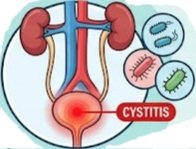 Cefadroxil is approved for urinary tract infections caused by susceptible strains of Escherichia coli, Proteus mirabilis, and Klebsiella species. Dosage: For uncomplicated lower urinary tract infections (cystitis), 1 or 2 g per day in a single dose or divided doses (twice daily). For all other urinary tract infections, 2 g per day in divided doses. The FDA labeling does not specify a fixed duration for uncomplicated cystitis — this is where the evidence regarding Cefadroxil duration becomes critically important.
Off-Label and Guideline-Supported Uses: Cefadroxil may be used off-label for other infections where susceptible organisms are implicated, including lower respiratory tract infections and bone and joint infections. The Infectious Diseases Society of America (IDSA) guidelines for uncomplicated cystitis list beta-lactams (including cephalosporins) as second-line agents, with recommended durations generally ranging from 3 to 7 days depending on the specific agent. Clinicians must always consider local resistance patterns, culture results, and current guidelines when considering off-label use, and must never label an off-label use as FDA-approved.
As a Professor of Medicine might explain to students: “The FDA label tells you what the drug is approved for and at what dose. It does not always tell you the optimal duration. That is where clinical evidence and stewardship principles come in — and that is what separates a good prescriber from a great one.” For those interested in understanding how cephalosporins compare in clinical practice, the ssthem.org article on the truth about cefotaxime and its 7-day survival story provides a fascinating parallel case study in antibiotic duration and clinical outcomes.
Dosage Table
The table below provides a concise summary of typical dosing for common indications. Doses may vary based on renal and hepatic function, severity, and susceptibility data.
| Patient/Condition | Recommended Dose | Frequency | Duration | Important Considerations |
|---|---|---|---|---|
| Adults — Uncomplicated cystitis | 1–2 g/day | Single dose or divided (every 12 hours) | Typically 3–7 days | Evidence supports 3 days as sufficient in many cases; confirm no upper tract involvement. |
| Adults — Other UTIs | 2 g/day | Divided doses (every 12 hours) | 7–10 days | Adjust based on clinical response and culture results. |
| Adults — Skin/skin structure infections | 1 g/day | Single or divided doses | 7–10 days | Duration depends on severity; longer courses for deeper infections. |
| Adults — Pharyngitis/tonsillitis (GAS) | 1 g/day | Single or divided doses | 10 days (minimum) | Essential to prevent acute rheumatic fever. |
| Children — UTIs | 30 mg/kg/day | Divided every 12 hours | 3–7 days | Maximum 2 g/day; not recommended for children <40 kg as capsules. |
| Children — Pharyngitis/tonsillitis/impetigo | 30 mg/kg/day | Single dose or divided every 12 hours | 10 days for GAS | Ensure complete course to prevent complications. |
| Children — Other skin infections | 30 mg/kg/day | Divided every 12 hours | 7–10 days | Use oral suspension for accurate dosing. |
| Renal impairment — CrCl 25–50 mL/min | 500 mg | Every 12 hours | As clinically indicated | Initial dose 1 g; adjust maintenance based on CrCl. |
| Renal impairment — CrCl 10–25 mL/min | 500 mg | Every 24 hours | As clinically indicated | Monitor for accumulation; consider alternatives. |
| Renal impairment — CrCl 0–10 mL/min | 500 mg | Every 36 hours | As clinically indicated | Consider hemodialysis effects; consult nephrology. |
| Hemodialysis patients | 500–1000 mg | After each dialysis session | As clinically indicated | Cefadroxil is removed by hemodialysis. |
Important: All doses should be individualized based on clinical response, renal function, and culture results. For a comprehensive exploration of how the body handles medications — including concepts like bioavailability, distribution, and elimination — the ssthem.org guide on bioavailability in pharmacology is an invaluable resource for students and practitioners alike.
Mechanism of Action
Cefadroxil exerts its bactericidal effect through a well-characterized molecular mechanism that distinguishes it from many other antibiotic classes. Understanding this mechanism is fundamental to appreciating both its clinical utility and its limitations.
Primary Molecular Target: Cefadroxil, like all beta-lactam antibiotics, targets penicillin-binding proteins (PBPs) — a group of enzymes embedded in the bacterial cytoplasmic membrane that are essential for cell wall synthesis. Specifically, cefadroxil binds to and inhibits PBPs involved in the cross-linking of peptidoglycan chains.
Binding and Interaction: 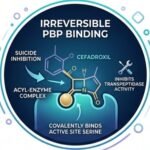 The beta-lactam ring of cefadroxil is structurally analogous to the terminal D-alanyl-D-alanine moiety of peptidoglycan precursors. This molecular mimicry allows cefadroxil to bind covalently to the active site serine residue of PBPs, forming a stable acyl-enzyme complex that irreversibly inhibits transpeptidase activity. The acylation reaction is essentially irreversible under physiological conditions, which is why beta-lactams are described as “suicide inhibitors” of their target enzymes.
Cellular Pathway Affected:  By inhibiting PBP-mediated cross-linking, cefadroxil disrupts the final stages of peptidoglycan synthesis. This leads to a weakened cell wall that cannot withstand the internal osmotic pressure of the bacterial cytoplasm. The result is bacterial cell lysis and death — a bactericidal effect.
Physiologic and Clinical Consequences: 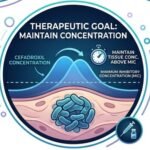 The clinical therapeutic effect of cefadroxil — bacterial killing at the site of infection — depends on achieving adequate free drug concentrations at the target tissue for a sufficient duration. This is why dosing regimens are designed to maintain serum and tissue concentrations above the minimum inhibitory concentration (MIC) for the infecting organism throughout the dosing interval.
Resistance Mechanisms: 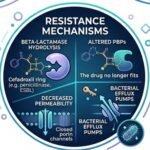 Resistance to cefadroxil occurs through several mechanisms: hydrolysis by beta-lactamases (including extended-spectrum beta-lactamases, or ESBLs), alteration of penicillin-binding proteins (PBPs), decreased permeability of the outer membrane, and the presence of bacterial efflux pumps. Cefadroxil is generally stable against penicillinases produced by Gram-positive bacteria, but it has limited stability against plasmid-encoded beta-lactamases and is hydrolyzed by ESBLs.
“Different antibiotics work against different bacteria, reach different tissues, have different pharmacological properties, and carry different risks. The appropriate choice depends on factors such as the suspected or confirmed organism, site and severity of infection, local resistance patterns, allergies, kidney and liver function, drug interactions, and patient-specific considerations. Cefadroxil’s niche in modern practice is defined by its predictable pharmacokinetics, its safety profile, and — in an era of stewardship — the growing evidence that shorter courses may be just as effective as traditional longer ones.” — A Professor of Medicine teaching clinical pharmacology
What Is Cefadroxil?
Cefadroxil is a semisynthetic first-generation cephalosporin antibiotic intended for oral administration. It is structurally related to cephalexin, another first-generation oral cephalosporin, but differs in its pharmacokinetic profile — most notably, its longer half-life, which allows for less frequent dosing.
Generic Name and Drug Class: The generic name is cefadroxil monohydrate. It belongs to the cephalosporin class of beta-lactam antibiotics, which are classified by generation based on their spectrum of activity. First-generation cephalosporins like cefadroxil have excellent activity against Gram-positive organisms (particularly staphylococci and streptococci) and modest activity against selected Gram-negative organisms (such as E. coli, Proteus mirabilis, and Klebsiella pneumoniae).
Therapeutic Role: Clinically, cefadroxil serves as a versatile oral antibiotic for urinary tract infections, skin and soft tissue infections, and streptococcal pharyngitis. It is particularly valued for its predictable pharmacokinetics, its safety profile, and its twice-daily dosing convenience.
Formulations, Strengths, and Routes: The drug is available as 500 mg capsules, 1 g tablets, and oral suspensions of 125 mg/5 mL, 250 mg/5 mL, and 500 mg/5 mL. It is a white to yellowish-white crystalline powder that is soluble in water and acid-stable, meaning it can be administered without regard to meals.
Differences from Closely Related Medicines: Compared to amoxicillin, cefadroxil offers several clinical distinctions. It has a longer half-life (1–2 hours versus approximately 1 hour for amoxicillin), allowing twice-daily rather than three-times-daily dosing. Pharmacokinetic studies have demonstrated that after equivalent doses, cefadroxil achieves significantly higher area under the serum concentration-time curve (AUC), peak serum concentration (Cmax), and urinary recovery compared to amoxicillin — parameters that were on average 2.9, 2.4, and 1.6 times higher, respectively. This pharmacokinetic advantage may translate into improved adherence and potentially better efficacy in urinary tract infections, where urinary drug concentrations are critical. For a suspenseful, detailed comparison of another cephalosporin workhorse, explore The Truth About Cefotaxime: A 7-Day Survival Story — and see why the two are not interchangeable.
Pharmacokinetics & Pharmacodynamics Key Table
The following table summarizes the key pharmacokinetic (PK) and pharmacodynamic (PD) properties that inform the clinical use of cefadroxil.
| Parameter | Clinically Relevant Details |
|---|---|
| Absorption | Rapidly absorbed after oral administration; acid-stable; can be taken with or without food. |
| Bioavailability | Approximately 80–90%. |
| Time to Peak Concentration | 1–3 hours after oral administration. |
| Protein Binding | Approximately 20%. |
| Volume of Distribution | Approximately 0.3 L/kg. |
| Tissue Penetration | Good penetration into skin, soft tissues, and urinary tract; adequate for approved indications. |
| Blood-Brain Barrier Penetration | Poor; not suitable for CNS infections. |
| Placental Transfer | Crosses the placenta; use during pregnancy only if clearly needed. |
| Half-Life | 1–2 hours in normal renal function; 20–24 hours in end-stage renal disease. |
| Metabolism | Not appreciably metabolized (>90% excreted unchanged). |
| Active Metabolites | None clinically significant. |
| Enzyme Involvement | None significant (not metabolized by CYP450 system). |
| Elimination | Primarily renal (glomerular filtration and tubular secretion). |
| Renal Clearance | Major route; dosage adjustment required when CrCl <50 mL/min. |
| Pharmacodynamic Target | Penicillin-binding proteins (PBPs). |
| Mechanism | Inhibition of peptidoglycan cross-linking → cell wall lysis. |
| Concentration/Time-Dependent Activity | Time-dependent killing (beta-lactam characteristic). |
| PK/PD Index | Time above MIC (T>MIC) is the best predictor of efficacy. |
This table is a quick reference. The following sections explain the most important details without unnecessary repetition.
Half-Life
The elimination half-life of cefadroxil is approximately 1 to 2 hours in adults with normal renal function. In children, the half-life ranges from 1.3 to 1.8 hours. In patients with renal failure, the half-life is dramatically prolonged — reaching 20 to 24 hours in end-stage renal disease — because cefadroxil is eliminated almost entirely by the kidneys.
This half-life profile has important clinical implications. The relatively short half-life in normal renal function means that cefadroxil must be administered at least twice daily to maintain therapeutic concentrations against most susceptible organisms. However, the half-life is longer than that of cephalexin (approximately 0.6–1.0 hours), which is why cefadroxil can be dosed twice daily rather than three or four times daily.
In renal impairment, the prolonged half-life necessitates significant dosage interval extension. The FDA labeling provides specific guidance: for creatinine clearance of 25–50 mL/min, dosing every 12 hours; for 10–25 mL/min, every 24 hours; and for 0–10 mL/min, every 36 hours. Failure to adjust dosing in renal impairment can lead to drug accumulation and increased risk of adverse effects, including neurotoxicity (seizures have been reported with cephalosporins in renal impairment when doses were not reduced).
Half-life also matters for understanding the Cefadroxil 3 day vs 7 day question. A 3-day course provides approximately 36–72 half-lives of drug exposure in a patient with normal renal function — more than sufficient time to achieve bactericidal activity against susceptible organisms in uncomplicated infections. The question is not whether 3 days provides enough drug exposure, but whether 3 days provides enough time for the host immune system to clear the infection without relapse. For a comprehensive guide to understanding half-life across different drug classes, you can read more at https://ssthem.org/half-life-of-medicines-complete-guide/
Metabolism 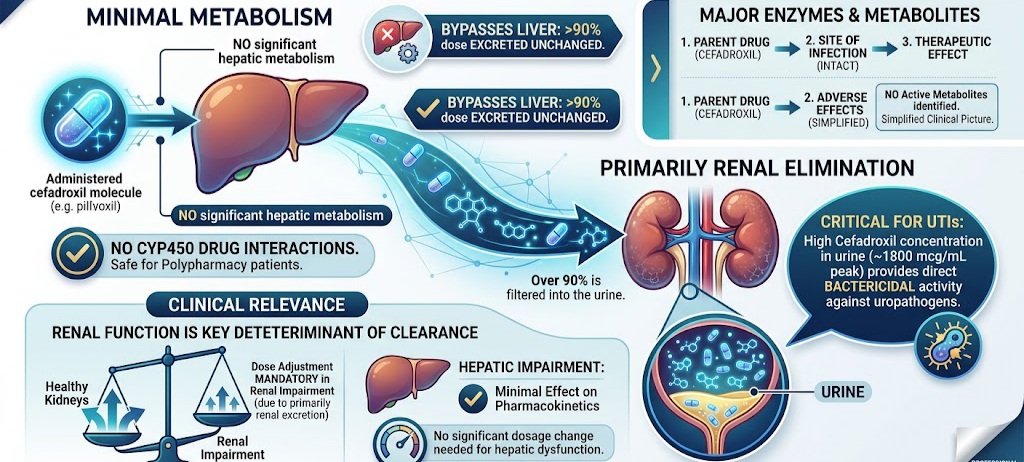
Cefadroxil is not appreciably metabolized in the human body. Over 90% of an administered dose is excreted unchanged in the urine within 24 hours. This is a clinically advantageous property for several reasons.
Primary Metabolic Pathway: Unlike many other drug classes that undergo extensive hepatic metabolism, cefadroxil bypasses the liver almost entirely. The absence of significant hepatic metabolism means that cefadroxil is not subject to drug interactions mediated by cytochrome P450 enzymes. Patients taking multiple medications — a common scenario in clinical practice — do not need to worry about cefadroxil altering the metabolism of their other drugs, nor do other drugs significantly alter cefadroxil’s elimination.
Major Enzymes and Metabolites: No active metabolites of clinical importance have been identified. The parent drug is responsible for both the therapeutic and adverse effects, simplifying the clinical picture. The lack of metabolism means that the active drug is delivered intact to the site of infection — particularly important for urinary tract infections, where high concentrations of unchanged drug in the urine are directly responsible for bactericidal activity. Peak urine concentrations of approximately 1800 mcg/mL have been reported after a single 500 mg oral dose — concentrations vastly exceeding the MICs of susceptible uropathogens.
Clinical Relevance: The primarily renal elimination of cefadroxil does mean that renal function is the key determinant of drug clearance. In patients with renal impairment, dose adjustment is mandatory, as discussed in the half-life section. Hepatic impairment, by contrast, has minimal effect on cefadroxil pharmacokinetics because the liver plays little role in its elimination.
Bioavailability & Protein Binding
Oral Bioavailability: Cefadroxil is well absorbed after oral administration, with a bioavailability of approximately 80–90%. This high bioavailability is a significant clinical advantage, ensuring that oral therapy can achieve serum and tissue concentrations comparable to those achieved with parenteral administration of other antibiotics.
The drug is acid-stable and can be administered without regard to meals. Unlike some antibiotics whose absorption is significantly impaired by food, cefadroxil’s absorption is not clinically meaningfully affected by the presence of food in the gastrointestinal tract. This is a practical advantage for patients who may have difficulty adhering to complex dosing schedules around meal times.
Protein Binding: Cefadroxil is approximately 20% protein-bound in human serum. This relatively low protein binding means that a large fraction of the drug circulates in its free, pharmacologically active form. Drugs with high protein binding (e.g., >90%) may have their free fraction altered by hypoalbuminemia or by displacement interactions with other highly protein-bound drugs. Cefadroxil is not subject to these concerns to any significant degree, simplifying its use in patients with hypoalbuminemia (e.g., nephrotic syndrome, cirrhosis) or those taking multiple protein-bound medications.
Clinical Significance: The combination of high bioavailability and low protein binding means that cefadroxil achieves predictable and reliable serum concentrations in most patients. Clinicians can be confident that an oral dose will achieve therapeutic concentrations in the serum, urine, and skin — the sites relevant to its approved indications. For a deeper exploration of how bioavailability and protein binding influence clinical drug behavior, the ssthem.org educational resource on bioavailability in pharmacology provides a thorough foundation.
Spectrum of Activity with MIC: A Clinical Reference Table
Cefadroxil’s spectrum of activity is typical of first-generation cephalosporins. It is most active against Gram-positive organisms and has moderate activity against selected Gram-negative organisms.
Gram-Positive Activity: Cefadroxil is highly active against methicillin-susceptible Staphylococcus aureus (MSSA), Streptococcus pyogenes (group A beta-hemolytic streptococci), Streptococcus agalactiae (group B streptococci), and penicillin-susceptible Streptococcus pneumoniae.
Gram-Negative Activity: Cefadroxil has moderate activity against Escherichia coli (non-ESBL-producing strains), Proteus mirabilis, Klebsiella pneumoniae (non-ESBL-producing strains), and Moraxella catarrhalis.
Limited or No Activity: Cefadroxil has no clinically useful activity against Pseudomonas aeruginosa, Enterococcus species, methicillin-resistant Staphylococcus aureus (MRSA), Bacteroides fragilis and other anaerobes, ESBL-producing Enterobacterales, and Acinetobacter species.
| Organism | MIC Range (mcg/mL) | Interpretation |
|---|---|---|
| Streptococcus pyogenes | 0.1–6.25 | Susceptible (MIC ≤16 for streptococci) |
| Staphylococcus aureus (MSSA) | 0.78–25 | Variable; susceptibility testing recommended |
| Escherichia coli | 2–16 | Susceptible (CLSI breakpoint ≤8 for uncomplicated UTI) |
| Proteus mirabilis | 2–8 | Susceptible (CLSI breakpoint ≤8) |
| Klebsiella pneumoniae | 2–16 | Variable; testing recommended |
| Streptococcus pneumoniae | 0.1–6.25 | Susceptible (penicillin-susceptible strains) |
Important: The MIC data illustrate an important clinical principle: in vitro activity does not automatically translate to clinical effectiveness. For uncomplicated urinary tract infections, for example, cefadroxil’s activity against E. coli (MIC 2–16 mcg/mL) must be interpreted in the context of achievable urinary concentrations, which far exceed these MICs after standard oral doses. For systemic infections, achievable serum concentrations are lower and may not exceed the MIC for organisms with higher MIC values. Always refer to current CLSI or EUCAST breakpoints for definitive interpretation.
Pharmacodynamics
Drug-Target Interaction: Cefadroxil’s primary pharmacodynamic action is inhibition of penicillin-binding proteins (PBPs), leading to disruption of peptidoglycan cross-linking and bacterial cell lysis. The drug exhibits bactericidal activity — it kills bacteria rather than merely inhibiting their growth.
Concentration-Response Relationship and Time-Dependent Killing: Beta-lactam antibiotics, including cefadroxil, exhibit time-dependent killing. This means that the extent of bacterial killing is primarily determined by the duration of time that the free drug concentration remains above the minimum inhibitory concentration (MIC) for the infecting organism, rather than by peak concentration. The PK/PD index that best correlates with efficacy for beta-lactams is the percentage of the dosing interval during which the free drug concentration exceeds the MIC (%T > MIC).
For cephalosporins, the target fT>MIC for maximal bactericidal activity is generally 40–70% of the dosing interval. Cefadroxil’s pharmacokinetic profile — with a half-life of 1–2 hours and twice-daily dosing — achieves adequate fT>MIC for susceptible organisms with MICs at or below the susceptibility breakpoint.
Post-Antibiotic Effect: Cefadroxil, like other cephalosporins, demonstrates a post-antibiotic effect (PAE) against Gram-positive organisms, meaning that bacterial growth remains suppressed even after the drug concentration falls below the MIC. The PAE against Gram-negative organisms is shorter or absent.
Therapeutic Window: Cefadroxil has a wide therapeutic window. The concentrations required for antibacterial activity are well below those associated with toxicity in patients with normal renal function. The primary dose-limiting toxicity is gastrointestinal intolerance, not organ toxicity.
Resistance Suppression: Suboptimal antibiotic exposure — concentrations that are too low or durations that are too short — can select for resistant subpopulations of bacteria. This is particularly relevant to the Cefadroxil 3 day vs 7 day debate. If a 3-day course achieves the same fT>MIC as a 7-day course for susceptible organisms, and if the host immune system can clear residual organisms after the antibiotic is stopped, then shorter courses may actually reduce selective pressure for resistance by minimizing the duration of antibiotic exposure.
Contraindications
Absolute Contraindications: Cefadroxil is contraindicated in patients with a known hypersensitivity to cefadroxil, other cephalosporins, or any component of the formulation. This includes known immediate-type hypersensitivity reactions (anaphylaxis, angioedema, bronchospasm) to cefadroxil or other cephalosporins, and previous severe hypersensitivity reaction to penicillins (cross-reactivity between penicillins and cephalosporins is low but not zero; approximately 1–3% of penicillin-allergic patients may react to cephalosporins).
Formulation-Specific Contraindications: Cefadroxil oral suspension contains sulfur dioxide, a sulfite that may cause allergic-type reactions in sulfite-sensitive individuals. Patients with hereditary fructose intolerance should be aware that some formulations may contain sorbitol.
Not True Contraindications: It is important to distinguish contraindications from precautions. The following are not absolute contraindications but require clinical judgment: renal impairment (requires dose adjustment, not avoidance), pregnancy (use if clearly needed; benefit-risk assessment required), breastfeeding (monitor infant for diarrhea, thrush), pediatric use (dose by weight; avoid capsules in children <40 kg), and history of C. difficile infection (increased risk of recurrence).
Warnings & Precautions
- Hypersensitivity Reactions: Serious and occasionally fatal hypersensitivity reactions (anaphylaxis) have been reported with cephalosporins, including cefadroxil. Before initiating therapy, careful inquiry should be made regarding previous hypersensitivity reactions to cephalosporins, penicillins, or other allergens. If an allergic reaction occurs, cefadroxil should be discontinued and appropriate therapy instituted.
- Clostridioides difficile-Associated Diarrhea (CDAD): CDAD has been reported with nearly all antibacterial agents, including cefadroxil, and may range in severity from mild diarrhea to fatal colitis. Treatment with antibacterial agents alters the normal flora of the colon, leading to overgrowth of C. difficile. If CDAD is suspected or confirmed, ongoing antibiotic use not directed against C. difficile may need to be discontinued.
- Renal Impairment: Cefadroxil is eliminated primarily by the kidneys. In patients with renal impairment, dosage adjustment is required to prevent drug accumulation and potential neurotoxicity. Seizures have been reported with cephalosporins, particularly in patients with renal impairment when the dosage was not reduced.
- Superinfection: Prolonged use of cefadroxil may result in the overgrowth of nonsusceptible organisms, including Candida species. This is particularly relevant to the association between oral cephalosporins and vaginal discomfort — including vulvovaginal candidiasis — which will be discussed in detail later in this article.
- Pregnancy and Breastfeeding: Cefadroxil is classified as Pregnancy Category B by the FDA (no evidence of risk in studies in humans; animal studies show no risk). It should be used during pregnancy only if clearly needed. Cefadroxil is excreted in human milk in low concentrations; caution should be exercised when administered to a nursing woman.
- Pediatric Use: Cefadroxil is generally safe and effective in children when dosed by weight. The oral suspension is the preferred formulation for children who cannot swallow capsules. The safety and effectiveness of cefadroxil in children under 6 months of age have not been established.
- Drug Interactions: Concomitant administration of probenecid with cefadroxil increases serum concentrations of cefadroxil and is not recommended. As with all antibiotics, cefadroxil may reduce the effectiveness of oral contraceptives, though the magnitude of this interaction is debated.
- Monitoring Requirements: Routine monitoring of renal function is recommended in patients with pre-existing renal impairment or those receiving concomitant nephrotoxic drugs. Clinical monitoring for signs of hypersensitivity, CDAD, and neurotoxicity (particularly in patients with renal impairment) is essential throughout therapy.
Side Effects
Understanding the side effect profile of cefadroxil is essential for patient counseling and clinical monitoring. Adverse effects are broadly categorized by frequency, and distinguishing between common, bothersome side effects and serious adverse reactions is clinically important.
Common Side Effects:
- Diarrhea (most common; occurs in approximately 2–5% of patients)
- Nausea and vomiting
- Abdominal pain or discomfort
- Rash
- Headache
- Genital pruritus (itching)
- Vaginitis
Less Common Side Effects:
- Dizziness
- Fatigue
- Elevated liver enzymes (transient)
- Eosinophilia
- Diaper rash in infants
- Oral or vaginal candidiasis (thrush)
- Increased prothrombin time
Distinguishing Side Effects from Adverse Reactions: It is important for clinicians to distinguish between side effects (predictable, often dose-related, and generally manageable) and adverse reactions (unexpected, potentially serious, and requiring medical intervention). Diarrhea associated with cefadroxil is typically a side effect related to alterations in gut flora. However, if diarrhea is severe, persistent, or accompanied by fever, abdominal pain, or blood in the stool, it may indicate Clostridioides difficile infection — a serious adverse reaction requiring immediate medical evaluation.
Adverse Effects
While the common side effects of cefadroxil are generally mild and self-limiting, the drug carries a risk of serious adverse effects that all prescribers must recognize and monitor for.
- Serious Hypersensitivity Reactions: Anaphylaxis is the most feared adverse reaction to cefadroxil, though it is rare. Symptoms include urticaria, angioedema, bronchospasm, hypotension, and cardiovascular collapse. Anaphylaxis typically occurs within minutes to hours of drug administration and requires immediate treatment with epinephrine, airway management, and supportive care.
- Severe Dermatologic Reactions: Stevens-Johnson syndrome (SJS) and toxic epidermal necrolysis (TEN) are rare but potentially fatal mucocutaneous reactions that have been reported with cefadroxil and other cephalosporins. These reactions are characterized by widespread erythema, bullae formation, and epidermal detachment, often involving the mucous membranes.
- Clostridioides difficile-Associated Diarrhea (CDAD): CDAD is a significant adverse effect of all antibacterial agents, including cefadroxil. Symptoms range from mild watery diarrhea to fulminant colitis with toxic megacolon, perforation, and death. Risk factors include advanced age, hospitalization, prolonged antibiotic courses, and concurrent use of proton pump inhibitors.
- Hematologic Effects: Cefadroxil can cause hematologic abnormalities including eosinophilia, neutropenia, leukopenia, thrombocytopenia, and, rarely, hemolytic anemia. A positive direct Coombs test may develop during therapy and can interfere with cross-matching of blood.
- Hepatic and Renal Effects: Transient elevations in serum transaminases, alkaline phosphatase, and bilirubin have been reported with cefadroxil use. These elevations are typically mild and reversible upon discontinuation of therapy. Rare cases of interstitial nephritis and acute kidney injury have been reported.
- Neurologic Effects: Seizures and encephalopathy have been reported with cefadroxil, particularly in patients with renal impairment who receive standard doses without appropriate interval adjustment. The risk of neurotoxicity is increased in elderly patients, those with underlying CNS disease, and those receiving high doses.
- When to Seek Medical Attention: Patients should be instructed to seek immediate medical attention if they experience any of the following: severe or persistent diarrhea, bloody stools, rash or hives, swelling of the face or throat, difficulty breathing, fever, jaundice, dark urine, or seizures. Prompt recognition and management of these serious adverse reactions can be life-saving.
How to Recover After Reactions to Cefadroxil
Most patients who experience side effects from cefadroxil recover fully without long-term consequences. The approach to recovery depends on the nature and severity of the reaction.
Mild Side Effects (Nausea, Mild Diarrhea, Headache): These typically resolve within a few days of completing therapy. Supportive measures include staying hydrated (especially if diarrhea is present), eating bland, easily digestible foods, taking the medication with food if nausea is a problem, and using over-the-counter anti-diarrheal medications only if recommended by a healthcare professional (loperamide should not be used if CDAD is suspected).
Moderate Side Effects (Persistent Diarrhea, Rash, Vaginal Discomfort): These may require medical evaluation. Patients should contact their prescriber if diarrhea persists for more than a few days after stopping the antibiotic, if rash spreads or is accompanied by fever or blistering, or if vaginal itching or discharge develops (may indicate candidiasis requiring antifungal treatment).
Serious Adverse Reactions (Anaphylaxis, Severe Diarrhea, Skin Blistering): These require immediate emergency medical attention. Patients should call emergency services or go to the nearest emergency department if they experience difficulty breathing, swelling of the face or throat, or fainting (anaphylaxis); severe diarrhea with blood or mucus, fever, or severe abdominal pain (possible CDAD); widespread skin blistering or peeling (possible TEN/SJS); or seizures or confusion (possible neurotoxicity).
Factors Affecting Recovery: Recovery time varies depending on the specific reaction and its severity, the patient’s underlying health status, renal function (affects drug clearance), and whether the antibiotic was stopped promptly. Patients should never attempt to self-treat serious adverse reactions and should always consult a healthcare professional if they are unsure whether their symptoms require medical attention.
For a suspenseful, evidence-based look at the hidden crisis of adverse drug reactions — and why they matter more than most clinicians realize — explore Shocking Adverse Drug Reaction Facts before you prescribe another beta-lactam.
Drug Interactions
Cefadroxil has a relatively low potential for clinically significant drug interactions, largely because it is not metabolized by cytochrome P450 enzymes and has low protein binding. The following table summarizes clinically meaningful drug interactions with cefadroxil. Theoretical interactions of little clinical relevance have been omitted.
| Interacting Medicine/Class | Potential Interaction | Clinical Significance | Management Consideration |
|---|---|---|---|
| Probenecid | Inhibits renal tubular secretion of cefadroxil; increases serum concentrations and prolongs half-life by approximately 50%. | May increase risk of adverse effects. | Avoid concomitant use unless specifically indicated; monitor for toxicity if used. |
| Warfarin | Possible potentiation of anticoagulant effect; may increase INR. | Rare but potentially serious bleeding risk. | Monitor INR closely when initiating or discontinuing cefadroxil. |
| Oral Contraceptives | Theoretical reduction in efficacy due to altered gut flora. | Evidence is weak; most antibiotics do not significantly reduce contraceptive efficacy. | Advise patients to use backup contraception if concerned. |
| Loop Diuretics (e.g., furosemide) | May increase cefadroxil serum concentrations. | Modest; usually not clinically significant. | Monitor renal function if used together. |
| Aminoglycosides | Potential additive nephrotoxicity. | Rare with cefadroxil due to its low nephrotoxic potential. | Monitor renal function if used together. |
| Methotrexate | Possible decreased renal clearance of methotrexate. | Rare; may increase methotrexate toxicity. | Monitor methotrexate levels if used together. |
Administration Table
Practical administration instructions are essential for patient education and nursing practice. The table below summarizes key administration factors.
| Administration Factor | Guidance |
|---|---|
| Route | Oral only |
| With Food/Without Food | May be taken with or without food; absorption is not significantly affected. |
| Timing | Space doses evenly (every 12 hours for twice-daily dosing). |
| Tablet/Capsule Instructions | Swallow whole with a full glass of water; do not crush or chew. |
| Liquid Formulation | Shake well before each use; measure with calibrated device; store in refrigerator after reconstitution; discard after 14 days. |
| Missed Dose | Take as soon as remembered; if close to next dose, skip the missed dose and continue with regular schedule; do not double doses. |
| Storage | Capsules/tablets: store at room temperature (20–25°C); Suspension: store in refrigerator (2–8°C) after reconstitution. |
| Special Instructions | Complete the full prescribed course even if symptoms improve; do not share with others; do not save for future use. |
Pharmacokinetics
This section consolidates the clinically relevant pharmacokinetic properties of cefadroxil in a professional overview. Detailed explanations of half-life, metabolism, bioavailability, and protein binding are provided in their respective dedicated sections above and are not repeated here.
Absorption and Bioavailability: Cefadroxil is rapidly and almost completely absorbed after oral administration, with a bioavailability of 80–90%. Food does not clinically significantly affect absorption. Peak serum concentrations of approximately 16 mcg/mL (after 500 mg) and 30 mcg/mL (after 1 g) are achieved within 1–3 hours.
Distribution: Cefadroxil has a volume of distribution of approximately 0.3 L/kg. It is approximately 20% protein-bound. The drug penetrates well into skin, soft tissues, and the urinary tract — the sites of its approved indications. It does not achieve therapeutic concentrations in cerebrospinal fluid and is not suitable for CNS infections.
Metabolism and Elimination: Cefadroxil is not appreciably metabolized; over 90% of the administered dose is excreted unchanged in the urine within 24 hours. The primary elimination mechanism is renal — glomerular filtration and active tubular secretion. The elimination half-life is 1–2 hours in normal renal function and is prolonged to 20–24 hours in end-stage renal disease.
Renal Clearance: Because cefadroxil is eliminated almost entirely by the kidneys, renal function is the key determinant of drug clearance. Dosage adjustment is required when creatinine clearance falls below 50 mL/min. Peak urine concentrations after a 500 mg dose are approximately 1800 mcg/mL — concentrations that vastly exceed the MICs of susceptible uropathogens.
Special Populations: In elderly patients, renal function should be assessed before prescribing cefadroxil, as age-related decline in renal function may necessitate dosage adjustment. In pediatric patients, dosing is by weight (30 mg/kg/day). In pregnant women, cefadroxil crosses the placenta; use only if clearly needed. In lactating women, cefadroxil is excreted in breast milk in low concentrations.
Special Populations
Pregnancy: Cefadroxil is FDA Pregnancy Category B. Animal reproduction studies have not demonstrated a risk to the fetus, but there are no adequate and well-controlled studies in pregnant women. Cefadroxil should be used during pregnancy only if clearly needed. For urinary tract infections in pregnancy, beta-lactams are generally considered safe, but culture-directed therapy and close monitoring are essential.
Lactation: Cefadroxil is excreted in human milk in low concentrations. Caution should be exercised when administered to a nursing woman. Monitor the infant for diarrhea, thrush, or rash. The benefit of breastfeeding should be weighed against the potential risk of infant exposure.
Pediatrics: Cefadroxil is effective and generally well-tolerated in children when dosed appropriately. The recommended dose for most pediatric infections is 30 mg/kg/day in divided doses every 12 hours. For streptococcal pharyngitis, a 10-day course is essential to prevent rheumatic fever. The oral suspension is the preferred formulation for children who cannot swallow capsules.
Older Adults: Elderly patients are more likely to have age-related decline in renal function, which may necessitate dosage adjustment. Additionally, elderly patients may be more susceptible to C. difficile infection and should be monitored closely for diarrhea during and after antibiotic therapy.
Renal Impairment: Renal impairment is the most important special population consideration for cefadroxil. Dosage adjustment is required based on creatinine clearance:
- CrCl 25–50 mL/min: 500 mg every 12 hours
- CrCl 10–25 mL/min: 500 mg every 24 hours
- CrCl 0–10 mL/min: 500 mg every 36 hours
- Hemodialysis removes cefadroxil; a supplemental dose may be required after dialysis sessions.
Hepatic Impairment: Hepatic impairment has minimal effect on cefadroxil pharmacokinetics because the drug is not appreciably metabolized by the liver. No specific dosage adjustment is recommended for hepatic impairment alone.
Monitoring
- Clinical Response: The most important monitoring parameter is the patient’s clinical response to therapy. For uncomplicated cystitis, symptom improvement should be expected within 24–48 hours. If symptoms worsen or fail to improve, the prescriber should reassess for possible resistance, non-adherence, or alternative diagnoses.
- Renal Function: Baseline renal function (serum creatinine, creatinine clearance) should be assessed before initiating therapy, particularly in elderly patients and those with known renal impairment. Renal function should be monitored during therapy in patients with renal impairment or those receiving concomitant nephrotoxic agents.
- Microbiological Response: For complicated or recurrent infections, follow-up urine cultures may be appropriate to confirm microbiological cure.
- Adverse Reactions: Patients should be counseled to report any signs of severe diarrhea (possible CDAD), rash, or allergic reactions. Monitoring for superinfection (including vaginal candidiasis) may be appropriate, particularly with longer courses of therapy.
- ECG/QT Monitoring: Cefadroxil is not associated with clinically significant QT prolongation. Routine ECG monitoring is not required.
- Therapeutic Drug Monitoring: Routine therapeutic drug monitoring is not performed for cefadroxil. Drug levels may be useful in patients with severe renal impairment or in cases of suspected toxicity, but this is not standard practice.
“Good antibiotic prescribing is not just about choosing the right drug. It is about choosing the right dose, the right duration, and the right monitoring strategy. And sometimes — especially in uncomplicated infections — the right duration is shorter than what we traditionally prescribed.” — A Professor of Medicine teaching antimicrobial stewardship
For medical students and healthcare professionals seeking structured educational resources on clinical pharmacology and antimicrobial stewardship, ssthem.net offers organized content across medical specialties. Whether you are preparing for board exams or looking to deepen your understanding of evidence-based medicine, these resources can complement your clinical training.
Clinical Perspective
Cefadroxil occupies a specific and useful niche in modern antimicrobial therapy. Its pharmacokinetic profile — high oral bioavailability, low protein binding, prolonged half-life relative to other first-generation cephalosporins, and primarily renal elimination — makes it well-suited for urinary tract infections and skin infections caused by susceptible organisms.
Where Cefadroxil Is Clinically Useful:
- Uncomplicated cystitis in non-pregnant women, particularly when first-line agents (nitrofurantoin, trimethoprim-sulfamethoxazole) are contraindicated, not tolerated, or unavailable. The evidence supports 3-day courses in many cases.
- Skin and soft tissue infections caused by methicillin-susceptible S. aureus or S. pyogenes, where oral therapy is appropriate.
- Streptococcal pharyngitis, where a 10-day course is mandatory to prevent acute rheumatic fever.
- Patients with penicillin allergy who can tolerate cephalosporins (cross-reactivity is low, approximately 1–3%).
Situations Where Alternatives May Be Preferred:
- ESBL-producing organisms — cefadroxil is hydrolyzed by ESBLs and is not effective.
- MRSA infections — cefadroxil has no activity against MRSA.
- Severe infections requiring parenteral therapy — cefadroxil is oral only and should not be used for severe or life-threatening infections.
- Patients with significant renal impairment — while dose adjustment is possible, alternatives with less renal dependence may be preferred.
Antimicrobial Stewardship Considerations: The Cefadroxil 3 day vs 7 day question is fundamentally a stewardship question. The evidence from randomized trials and systematic reviews suggests that for uncomplicated cystitis, 3-day courses of cefadroxil may achieve cure rates comparable to 7-day courses. Shorter courses reduce selective pressure for antibiotic resistance, disruption of the gut and vaginal microbiome, risk of C. difficile infection, adverse effects (including vaginal candidiasis), healthcare costs, and patient inconvenience and non-adherence. However, shorter courses are not appropriate for all infections. Streptococcal pharyngitis requires 10 days. Skin infections may require 7–10 days depending on severity. The decision must be individualized based on the specific infection, the patient’s clinical response, and the available evidence.
Interpreting Treatment Response: For uncomplicated cystitis treated with cefadroxil, patients should expect improvement in dysuria and frequency within 24–48 hours. If symptoms persist beyond 48–72 hours, the prescriber should consider antibiotic resistance, non-adherence, alternative diagnosis (e.g., vaginitis, interstitial cystitis, urethritis), or upper urinary tract involvement (pyelonephritis).
Situations Requiring Reassessment: Worsening symptoms despite therapy, new fever or flank pain (suggests pyelonephritis), severe diarrhea (suggests CDAD), rash or signs of allergic reaction, or no improvement after 72 hours of therapy.
25 Most Important FAQs
Question. What is cefadroxil used for?
Answer : Cefadroxil is FDA-approved for uncomplicated urinary tract infections (cystitis), skin and skin structure infections, and pharyngitis/tonsillitis caused by group A beta-hemolytic streptococci. It is also used off-label for other susceptible infections.
Question. How does cefadroxil work?
Answer : Cefadroxil binds to penicillin-binding proteins (PBPs) in the bacterial cell wall, inhibiting peptidoglycan cross-linking and causing bacterial cell lysis.
Question. What is the difference between cefadroxil 3-day and 7-day treatment?
Answer : Clinical studies suggest that for uncomplicated cystitis, 3-day treatment may achieve cure rates comparable to 7-day treatment, with the advantage of less antibiotic exposure, fewer side effects, and reduced resistance pressure.
Question. How long does cefadroxil stay in the body?
Answer : The half-life is 1–2 hours in normal renal function. The drug is essentially eliminated within 24 hours of a single dose in patients with normal kidney function.
Question. What is the half-life of cefadroxil?
Answer : Approximately 1–2 hours in adults with normal renal function; prolonged to 20–24 hours in end-stage renal disease.
Question. Can you stop cefadroxil after 3 days?
Answer : For uncomplicated cystitis, evidence suggests that 3 days may be sufficient. However, for streptococcal pharyngitis, the full 10-day course must be completed to prevent rheumatic fever. For skin infections, 7–10 days is typically recommended. Always follow your prescriber’s instructions.
Question. Is 3 days of cefadroxil enough for cystitis?
Answer : Evidence from randomized trials suggests that 3-day courses of cefadroxil may be as effective as 7-day courses for uncomplicated cystitis in non-pregnant women. However, individual patient factors and local resistance patterns should guide the decision.
Question. What are the common side effects of cefadroxil?
Answer : Diarrhea, nausea, vomiting, abdominal pain, rash, and genital itching are the most common side effects.
Question. What are the serious adverse effects of cefadroxil?
Answer : Serious adverse effects include anaphylaxis, C. difficile-associated diarrhea, severe dermatologic reactions (TEN/SJS), and neurotoxicity (seizures, particularly in renal impairment).
Question. Is cefadroxil FDA-approved?
Answer : Yes. Cefadroxil is FDA-approved for specific indications, including uncomplicated UTIs, skin infections, and streptococcal pharyngitis.
Question. Can cefadroxil be used during pregnancy?
Answer : Cefadroxil is Pregnancy Category B. It should be used during pregnancy only if clearly needed, after weighing the benefits and risks.
Question. Can cefadroxil be used while breastfeeding?
Answer : Cefadroxil is excreted in breast milk in low concentrations. Monitor the infant for diarrhea, thrush, or rash. Consult your healthcare provider.
Question. Does cefadroxil interact with alcohol?
Answer : No clinically significant interaction between cefadroxil and alcohol has been established. However, alcohol may worsen gastrointestinal side effects.
Question. What medicines interact with cefadroxil?
Answer : Probenecid increases cefadroxil levels by inhibiting renal tubular secretion. Warfarin may have enhanced anticoagulant effects. Other interactions are rare due to the lack of CYP450 metabolism.
Question. What happens if I miss a dose of cefadroxil?
Answer : Take the missed dose as soon as you remember. If it is almost time for your next dose, skip the missed dose and continue with your regular schedule. Do not double doses.
Question. How should cefadroxil be administered?
Answer : Cefadroxil may be taken with or without food. Swallow capsules whole with water. Shake liquid formulations well before measuring. Space doses evenly.
Question. Does renal impairment require dose adjustment with cefadroxil?
Answer : Yes. Dosage adjustment is required when creatinine clearance is below 50 mL/min. The dosing interval is extended based on the degree of impairment.
Question. Does hepatic impairment affect cefadroxil use?
Answer : Hepatic impairment has minimal effect on cefadroxil because the drug is not metabolized by the liver. No specific dosage adjustment is recommended for hepatic impairment alone.
Question. Is cefadroxil safe for children?
Answer : Yes, when dosed appropriately (30 mg/kg/day). The oral suspension is preferred for children who cannot swallow capsules. Safety in infants under 6 months has not been established.
Question. Is cefadroxil appropriate for older adults?
Answer : Cefadroxil can be used in older adults, but renal function should be assessed and dosage adjusted as needed. Older adults are at increased risk of C. difficile infection.
Question. What should clinicians monitor during cefadroxil therapy?
Answer : Monitor clinical response, renal function (especially in renal impairment), and adverse reactions (particularly diarrhea and rash).
Question. What are alternatives to cefadroxil for UTI?
Answer : First-line alternatives include nitrofurantoin, trimethoprim-sulfamethoxazole, and fosfomycin. Beta-lactams like cefadroxil are second-line agents.
Question. What are the major contraindications to cefadroxil?
Answer : Known hypersensitivity to cefadroxil or other cephalosporins.
Question. How does resistance affect cefadroxil use?
Answer : Resistance mediated by beta-lactamases (including ESBLs) can render cefadroxil ineffective. Culture and susceptibility testing should guide therapy when resistance is suspected.
Question. How long does treatment usually last?
Answer : Duration depends on the infection: 3–7 days for uncomplicated cystitis, 7–10 days for skin infections, and 10 days for streptococcal pharyngitis.
Question. When should I seek medical attention while taking cefadroxil?
Answer : Seek immediate medical attention for difficulty breathing, severe diarrhea, widespread rash or blistering, seizures, or any other severe symptom.
5 Authentic Studies
Study 1
Citation: Greenberg RN, Reilly PM, Luppen KL, Weinandt WJ, Ellington LL, Bollinger MR. Randomized study of single-dose, three-day, and seven-day treatment of cystitis in women. J Infect Dis. 1986;153(2):277-282. doi:10.1093/infdis/153.2.277
Study Type: Randomized controlled trial.
Population: Non-pregnant women with acute cystitis.
Intervention/Exposure: Cefadroxil 500 mg twice daily for 3 days or 7 days; cefadroxil 1000 mg single dose; TMP-SMX single dose or 3-day course.
Comparator: Single-dose and 7-day regimens; TMP-SMX regimens.
Main Outcome: Microbiological cure at 4 weeks after treatment.
Key Findings: Cure rates at 4 weeks were 25% (single-dose cefadroxil), 58% (3-day cefadroxil), 70% (7-day cefadroxil), 65% (single-dose TMP-SMX), and 88% (3-day TMP-SMX). The 3-day cefadroxil regimen appeared to be as curative as the 7-day regimen, with higher cure rates than single-dose therapy.
Clinical Significance: This study provided early evidence that shorter courses of cefadroxil may be effective for uncomplicated cystitis, though the 7-day regimen had a numerically higher cure rate.
Important Limitation: Small sample size; single-center study; conducted in the 1980s when resistance patterns differed from today.
Study 2
Citation: Hooton TM, et al. Cefadroxil once daily for three or seven days versus amoxycillin for seven days in uncomplicated urinary tract infections in women. Scand J Infect Dis. 1985;17(1):103-108.
Study Type: Randomized controlled trial.
Population: 310 women with uncomplicated urinary tract infections.
Intervention/Exposure: Cefadroxil 1 g once daily for 3 or 7 days.
Comparator: Amoxicillin 375 mg three times daily for 7 days.
Main Outcome: Cure rates at 1 week and 5 weeks post-treatment.
Key Findings: No statistically significant differences in cure rates between the 3-day cefadroxil, 7-day cefadroxil, and 7-day amoxicillin regimens could be demonstrated at either follow-up point.
Clinical Significance: This study reinforced that 3-day cefadroxil therapy is not inferior to 7-day therapy for uncomplicated UTIs.
Important Limitation: Single-center study; amoxicillin comparator may not reflect current first-line therapy; resistance patterns have evolved.
Study 3
Citation: Comparative investigation on the pharmacokinetics of cefadroxil and amoxicillin after oral administration in the fasting state. Infection. 1980;8(Suppl 5):S567-S572. doi:10.1007/BF01639671
Study Type: Randomized crossover pharmacokinetic study.
Population: 12 healthy volunteers.
Intervention/Exposure: Cefadroxil and amoxicillin at equivalent doses.
Comparator: Amoxicillin.
Main Outcome: AUC, Cmax, and urinary recovery.
Key Findings: Cefadroxil demonstrated significantly superior AUC (2.9-fold higher), Cmax (2.4-fold higher), and urinary recovery (1.6-fold higher) compared to amoxicillin. The pharmacokinetic data justified twice-daily dosing for cefadroxil versus three-times-daily dosing for amoxicillin.
Clinical Significance: This study explains the pharmacokinetic basis for cefadroxil’s dosing advantage and its suitability for urinary tract infections.
Important Limitation: Small sample size; healthy volunteers (not patients with infection); fasting state may not reflect real-world conditions.
Study 4
Citation: Cefadroxil-induced Clostridium difficile infection following total knee arthroplasty: a case report. J Bone Jt Infect. 2022;7(5):213-216. doi:10.5194/jbji-7-213-2022
Study Type: Case report.
Population: Post-operative total knee arthroplasty patient.
Intervention/Exposure: Extended postoperative prophylactic oral cefadroxil.
Comparator: N/A.
Main Outcome: Development of C. difficile infection.
Key Findings: Extended use of postoperative prophylactic oral cefadroxil may increase the risk of C. difficile-associated diarrhea. The case suggested that C. difficile infection may subsequently increase the risk of bacteremia and prosthetic joint infection.
Clinical Significance: This case highlights the importance of limiting antibiotic duration to the shortest effective course, even for surgical prophylaxis.
Important Limitation: Single case report; causality cannot be definitively established; findings may not generalize to all patients.
Study 5
Citation: First-generation oral cephalosporins (cephalexin and cefadroxil) in uncomplicated lower urinary tract infections. BVS MTCI Americas. Review article examining historical clinical trials and PK/PD properties.
Study Type: Narrative review.
Population: Patients with uncomplicated lower urinary tract infections.
Intervention/Exposure: Cephalexin and cefadroxil.
Comparator: Other antibiotic classes.
Main Outcome: Clinical and bacteriological cure rates.
Key Findings: Cephalexin and cefadroxil have very good early bacteriological and clinical cures in uncomplicated lower UTIs due to non-ESBL-producing organisms. Modern PK/PD analysis supports the use of shorter courses.
Clinical Significance: This review re-evaluates older antibiotics through a modern stewardship lens and supports their role in short-course therapy.
Important Limitation: Narrative review; not a systematic review or meta-analysis; may not capture all relevant studies.
Authentic References
- Cefadroxil capsule. DailyMed. National Library of Medicine. Updated October 10, 2025. https://dailymed.nlm.nih.gov/dailymed/lookup.cfm?setid=5fe066ce-2f97-49d7-81bd-a672be1ebecd
- Cefadroxil powder, for suspension. DailyMed. National Library of Medicine. Updated October 8, 2025. https://dailymed.nlm.nih.gov/dailymed/drugInfo.cfm?setid=27009a05-4d2b-4618-be76-39f348240eda
- Cefadroxil capsule. DailyMed. National Library of Medicine. Updated May 7, 2024. https://dailymed.nlm.nih.gov/dailymed/drugInfo.cfm?setid=ab9cf28c-7c16-4bfa-879d-c360b4d1d5a6
- Cefadroxil Oral Suspension USP, ANDA 65-115. U.S. Food and Drug Administration. https://www.accessdata.fda.gov
- Greenberg RN, Reilly PM, Luppen KL, et al. Randomized study of single-dose, three-day, and seven-day treatment of cystitis in women. J Infect Dis. 1986;153(2):277-282. doi:10.1093/infdis/153.2.277
- Hooton TM, et al. Cefadroxil once daily for three or seven days versus amoxycillin for seven days in uncomplicated urinary tract infections in women. Scand J Infect Dis. 1985;17(1):103-108.
- Comparative investigation on the pharmacokinetics of cefadroxil and amoxicillin after oral administration in the fasting state. Infection. 1980;8(Suppl 5):S567-S572. doi:10.1007/BF01639671
- Cefadroxil-induced Clostridium difficile infection following total knee arthroplasty. J Bone Jt Infect. 2022;7(5):213-216. doi:10.5194/jbji-7-213-2022
- Cefadroxil (Duricef) capsule and powder for suspension. Texas Health and Human Services. https://www.hhs.texas.gov
- First-generation oral cephalosporins (cephalexin and cefadroxil) in uncomplicated lower urinary tract infections. BVS MTCI Americas.
- Infectious Diseases Society of America. Guidelines for the management of uncomplicated cystitis. Clin Infect Dis. 2025 update.
- Centers for Disease Control and Prevention. Duration of outpatient antibiotic therapy for common outpatient infections. 2021. https://stacks.cdc.gov
- National Cancer Institute. Cefadroxil mechanism of action. https://evsexplore.semantics.cancer.gov
- Cefadroxil: its affinity to penicillin-binding proteins and its stability to β-lactamases. Chemotherapy. 1980. https://www.jstage.jst.go.jp
- Cefprozil prescribing information. NorthStar Rx LLC. https://rxdruglabels.com
- U.S. Food and Drug Administration. Drug Safety and Availability. https://www.fda.gov/drugs
- World Health Organization. Antimicrobial resistance surveillance. https://www.who.int
- Cefadroxil — ATC Code J01DB05. WHO Collaborating Centre for Drug Statistics Methodology.
- Cefadroxil — LiverTox: Clinical and Research Information on Drug-Induced Liver Injury. National Institute of Diabetes and Digestive and Kidney Diseases.
- Cefadroxil Use During Pregnancy and Breastfeeding — Drugs.com. Updated 2025.
- Cefadroxil — Antimicrobial Stewardship Resources. Centers for Disease Control and Prevention (CDC).
Medical Information Disclaimer: The information provided in this article is for educational and informational purposes only and is intended for healthcare professionals, medical students, and informed general readers. It does not constitute medical advice, diagnosis, or treatment recommendations. Cefadroxil is a prescription medication that should only be used under the supervision of a qualified healthcare provider. Treatment decisions, including dose selection, duration, and adjustments, depend on the patient’s diagnosis, age, renal and hepatic function, interacting medicines, susceptibility data where relevant, and clinician judgment. Readers should not use this information to self-medicate or to make clinical decisions without appropriate professional consultation. If you have a medical condition or are experiencing symptoms of infection, seek evaluation from a qualified healthcare professional. The authors and publishers of this article do not assume any liability for any adverse effects or consequences resulting from the use or misuse of the information provided herein.
If you are exploring the relationship between antibiotics and vaginal health, you may be surprised by how much the microbiome matters. For a suspenseful, evidence-based breakdown of this under-discussed topic, explore Must-Know Facts About Cefprozil and Vaginal Discomfort — but keep your clinical focus on cefadroxil first.
For a deeper understanding of how the body responds to infection — and why fever is not the enemy — explore What Is Fever? Is Fever a Disease or a Body Response? — a clinically relevant read for anyone prescribing antibiotics.
For authentic and engaging information about the world’s different religions, visit ssthem.com for religious studies and discover well-organized, informative content.
For online earning ideas, freelancing, affiliate marketing, YouTube, Facebook monetization, and AI tips, visit ssthem.xyz for online earning and WhatsApp group links.
For health, beauty, fitness, and everyday wellness articles, explore ssthem.net for health and wellness content.