Powerful Facts About the CYP450 Enzyme System Every Healthcare Professional Must Know (Complete Clinical Guide 2026)
CYP450 Enzyme System Explained Proven Drug Metabolism Secrets Every Medical Student Should Learn
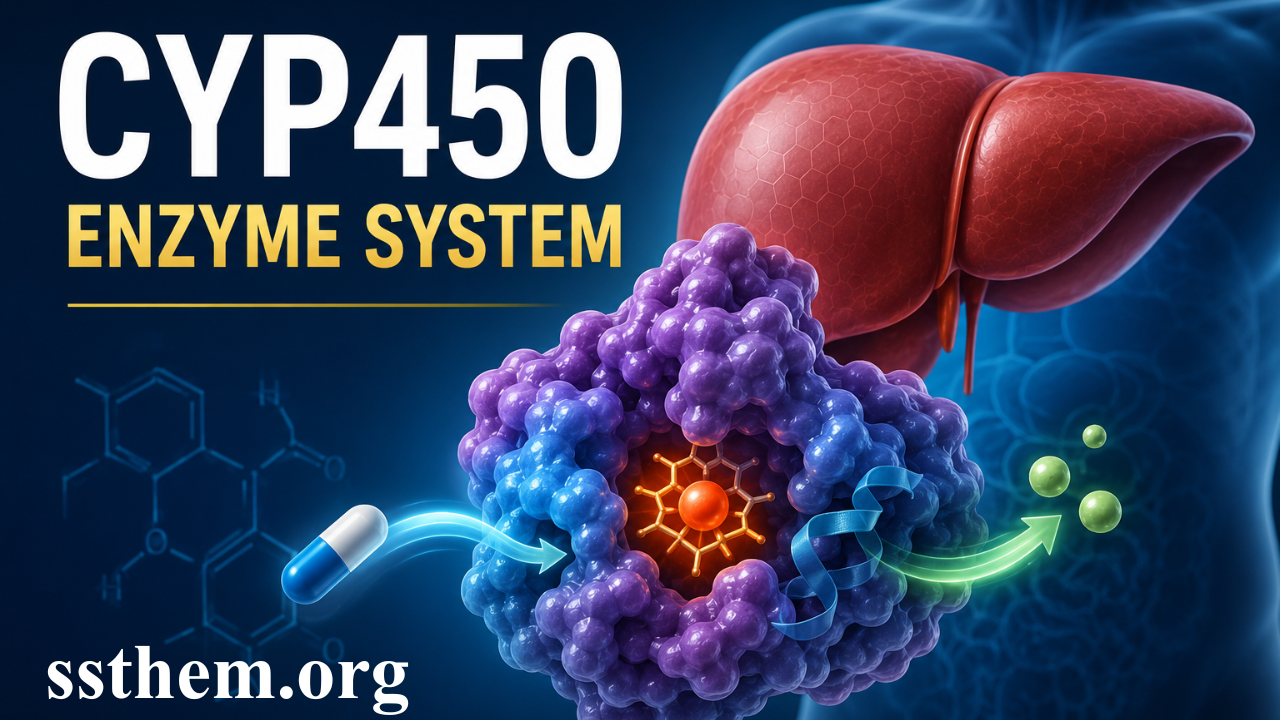
Interindividual variability in drug response remains one of the most significant challenges in clinical medicine, with outcomes ranging from therapeutic failure to life-threatening adverse drug reactions. A substantial proportion of this variability arises from differences in drug metabolism, much of which is governed by the cytochrome P450 (CYP450) enzyme system. This superfamily of membrane-bound hemoprotein isozymes plays a pivotal role in the detoxification of xenobiotics, cellular metabolism, and homeostasis. Predominantly expressed in hepatocytes, CYP enzymes catalyze the biotransformation and clearance of a wide array of xenobiotics and potentially toxic compounds.
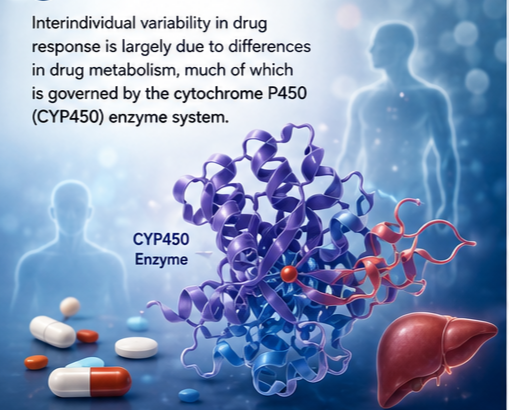 The clinical significance of the CYP450 system cannot be overstated. CYP family enzymes are collectively involved in an estimated 80% to 90% of enzymatic drug metabolism. A relatively small subset of approximately 6 isoforms—CYP1A2, CYP2C9, CYP2C19, CYP2D6, CYP2E1, and CYP3A4—accounts for the majority of this activity. Because drugs can either influence CYP activity or be influenced by it, unintended interactions may arise, altering therapeutic efficacy or increasing toxicity.
💊 Medicines & Diseases :Discover evidence-based information about medicines, diseases, drug interactions, side effects, pharmacology, and clinical guidelines. ادویات، بیماریوں، علاج، فارماکولوجی اور طبی رہنما اصولوں کے بارے میں تحقیق پر مبنی مستند معلومات حاصل کریں۔SSTHEM.ORG
Understanding how drugs modulate CYP enzymes and how genetic, environmental, and pharmacological factors shape CYP function is essential for optimizing therapy and ensuring safe, effective clinical outcomes. This comprehensive guide explores the structure, function, clinical significance, and pharmacogenomic implications of the CYP450 enzyme system, providing healthcare professionals with the knowledge necessary to anticipate and manage drug interactions and personalize therapeutic regimens.
What Is the CYP450 Enzyme System?
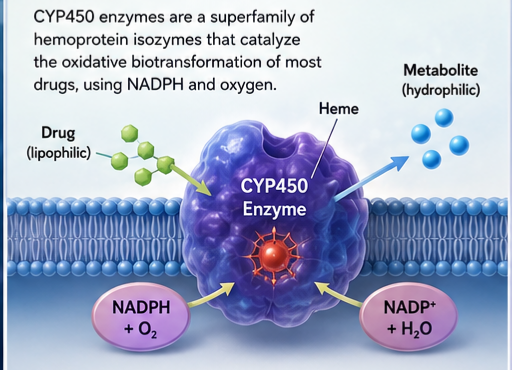 The cytochrome P450 (CYP450) enzyme system represents a large superfamily of membrane-bound hemoprotein isozymes that catalyze the oxidative biotransformation of most drugs. These enzymes are mixed-function oxidases that require both NADPH (nicotinamide adenine dinucleotide phosphate) and molecular oxygen to carry out their reactions.
CYP enzymes are designated by the letters “CYP” followed by an Arabic numeral, a letter, and another Arabic numeral (e.g., CYP2D6). Each enzyme is termed an isoform since each derives from a different gene. While humans possess 57 functional CYP genes, the majority of drug metabolism is mediated by a small subset of isoforms.
The primary purpose of CYP-mediated drug metabolism is to facilitate the safe elimination of exogenous compounds by converting lipophilic substances into more hydrophilic metabolites. Once rendered water-soluble, drugs and their metabolites are efficiently transported to the kidneys for filtration and excretion. Classically, drug metabolism is divided into three phases, with phase I reactions—mediated largely by the CYP system—representing the initial biochemical modifications.
History of Cytochrome P450
The discovery of cytochrome P450 dates to the 1950s when scientists identified a novel pigment in liver microsomes that, when bound to carbon monoxide, exhibited a characteristic absorption peak at 450 nm. This unique spectral property gave the enzyme system its name. Over subsequent decades, research elucidated the enzyme’s heme-thiolate structure and its central role in drug metabolism.
The enzyme system’s nomenclature evolved as advances in molecular biology identified multiple gene families and subfamilies. The systematic classification system—using the prefix “CYP” followed by family, subfamily, and individual gene numbers—was established to organize the growing number of identified isoforms.
Today, more than 100 distinct CYP structures have been resolved and deposited in the Protein Data Bank. Research continues to refine our understanding of CYP structure, function, and genetic variability, with insights from the Human Genome Project positioning CYP pharmacogenomics as a central component of precision medicine.
Why CYP450 Is Important in Medicine
The clinical importance of the CYP450 system extends across multiple dimensions of medical practice:
Drug Metabolism and Clearance
CYP enzymes mediate the oxidative biotransformation of most drugs and are important determinants of the duration of drug action. Understanding CYP-mediated metabolism is essential for predicting drug clearance rates and appropriate dosing intervals.
Drug Interactions
Induction or inhibition of CYP enzymes is a major mechanism that underlies drug-drug interactions. CYP enzyme inhibition is a principal mechanism for metabolism-based drug-drug interactions. The clinical consequences can be severe: as many as 5% of hospitalizations and 7,000 deaths annually in the United States are attributable to drug-drug interactions.
Pharmacogenomics
CYP enzymes exhibit a large number of allelic variants that may encode defective enzymes or no enzyme at all. These genetic polymorphisms may be responsible for inter-individual and interethnic variations in disease susceptibility and the therapeutic efficacy of drugs.
Health & Beauty Tips : Explore healthy lifestyle tips, skincare, nutrition, fitness, wellness and beauty guides based on reliable information. صحت، جلد کی حفاظت، غذائیت، فٹنس اور خوبصورتی سے متعلق معلوماتی sshetm.net اور مفید مضامین پڑھیں۔
Personalized Medicine : Knowledge about the substrates, inducers, and inhibitors of CYP isoforms, as well as the polymorphisms of CYP enzymes, may be used as an aid by clinicians to determine therapeutic strategy and treatment doses for drugs metabolized by CYP gene products. The primary goal of individualized medicine is the optimization of drug therapy, which involves the selection of appropriate drugs, dosages, drug combinations, and minimization of toxic side effects.
Drug Development
The influence of CYP enzymes on drug disposition, safety, and efficacy has placed them at the forefront of drug development, where characterization of CYP-mediated induction, inhibition, and substrate specificity is essential.
Where CYP450 Enzymes Are Found
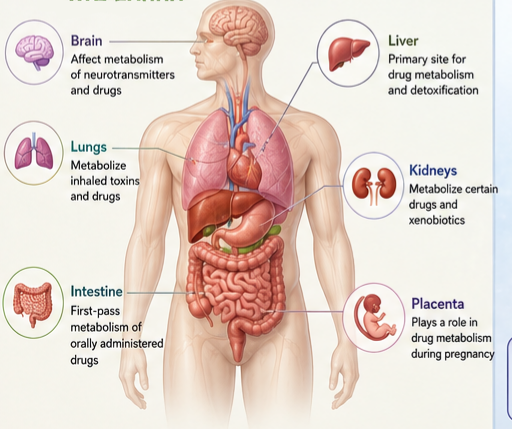 While CYP enzymes are most abundant in the liver, they are present throughout the body with significant activity in multiple organs.
Liver : The liver expresses the most abundant CYP enzymes and is the primary site of drug metabolism. Hepatic CYP enzymes catalyze the biotransformation of the vast majority of xenobiotics.
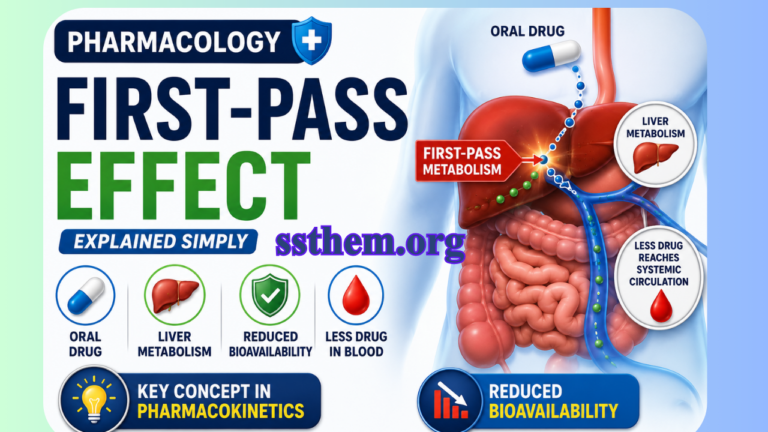
Intestine: Significant CYP activity is found in the intestines, particularly in the enterocytes of the small intestine. Intestinal CYP enzymes contribute to the first-pass effect, metabolizing drugs before they reach systemic circulation.
Kidneys : Renal CYP enzymes participate in the metabolism of certain drugs and endogenous compounds, though to a lesser extent than hepatic isoforms.
Lungs : Pulmonary CYP enzymes metabolize inhaled xenobiotics and contribute to local drug metabolism.
Brain : CYP enzymes are expressed in the brain, where they may influence the metabolism of psychotropic medications and endogenous neuroactive substances.
Placenta : The placenta expresses CYP enzymes that may metabolize drugs and protect the fetus from certain xenobiotics.
Other Tissues : CYP enzymes are also found in breast tissue, colon, and other organs. The distribution of specific isoforms varies by tissue, with CYP3A4 being the most abundant CYP enzyme in the liver and intestine.
Classification of CYP450 Enzymes
The CYP450 superfamily is organized into families and subfamilies based on amino acid sequence similarity. The major families involved in drug metabolism include:
CYP1 Family : The CYP1 family includes CYP1A1, CYP1A2, and CYP1B1. These enzymes are crucial for sex-hormone metabolism and are present in extrahepatic tissues, including breast, ovary, prostate, uterus, lung, muscle, and placenta. CYP1A2 is notable for metabolizing caffeine, theophylline, and certain antipsychotics, and it is induced by smoking.
CYP2 Family : The CYP2 family is the largest and most diverse, containing several clinically significant isoforms:
- CYP2D6: Metabolizes approximately 25% of all clinically used medications
- CYP2C9: Metabolizes warfarin, phenytoin, and certain NSAIDs
- CYP2C19: Metabolizes proton pump inhibitors, diazepam, and clopidogrel
- CYP2E1: Metabolizes ethanol and certain anesthetics
- CYP2B6: Metabolizes efavirenz and certain other drugs
CYP3 Family: The CYP3 family includes CYP3A4 and CYP3A5, which together metabolize approximately 30-50% of known drugs. CYP3A4 is the most abundant CYP enzyme in the liver and intestine and is involved in the metabolism of the greatest number of drugs.
Major CYP450 Enzymes CYP3A4
Function : CYP3A4 is the most important CYP enzyme for drug metabolism, accounting for approximately 30-50% of all CYP-mediated drug metabolism. It catalyzes the oxidative metabolism of a vast array of structurally diverse substrates.
Common Drugs : CYP3A4 metabolizes numerous clinically important drugs, including:
- Benzodiazepines (alprazolam, midazolam, triazolam)
- Calcium channel blockers
- Cyclosporine
- Statins (lovastatin, atorvastatin, simvastatin)
- Antifungals (ketoconazole, itraconazole)
- Macrolide antibiotics (erythromycin, clarithromycin)
- HIV protease inhibitors (ritonavir, indinavir, saquinavir)
Clinical Importance : CYP3A4 is a major site of clinically significant drug-drug interactions due to its abundance and broad substrate specificity. Its inhibition or induction can have profound effects on the pharmacokinetics of co-administered drugs.
Genetic Variability: CYP3A4 and CYP3A5 exhibit significant inter-individual variability in enzymatic activity due to genetic polymorphisms, which can result in different pharmacokinetic profiles in response to the same drug among individuals. These polymorphisms can lead to either increased drug toxicity or reduced therapeutic effects, requiring dosage adjustments based on genetic profiles.
CYP2D6
Function : CYP2D6 metabolizes approximately 25% of all clinically used medications, including many psychotherapeutics. Despite representing a small fraction of total hepatic CYP content, it is involved in the metabolism of a disproportionately large number of drugs.
Genetic Variability : CYP2D6 exhibits genetic polymorphism, with distinct population differences in its expression or activity. Approximately 7-10% of Caucasians are poor metabolizers of drugs metabolized by CYP2D6. Ethnic differences are significant, as Asians and Blacks are less likely than Caucasians to be poor metabolizers.
Individuals are classified based on their CYP2D6 genotype:
- Poor metabolizers lack active enzyme gene alleles
- Intermediate metabolizers have one active and one inactive allele
- Extensive (normal) metabolizers have two active alleles
- Ultrarapid metabolizers have more than two active gene copies
Drug Examples
CYP2D6 metabolizes:
- Antidepressants (amitriptyline, desipramine, fluoxetine, imipramine, paroxetine, venlafaxine)
- Antipsychotics (haloperidol, perphenazine, risperidone, thioridazine)
- Beta-blockers (metoprolol, propranolol, timolol)
- Narcotics (codeine, tramadol)
Clinical Importance
Poor metabolizers are at risk for drug accumulation and toxicity from drugs metabolized by CYP2D6. Conversely, when formation of an active metabolite is essential for drug action (as with codeine, which requires CYP2D6-mediated conversion to morphine), poor metabolizers may have less therapeutic response. Ultrarapid metabolizers may not reach therapeutic concentrations at usual recommended doses of active drugs.
Learn Religion : Read educational articles about Islam, Quran, Hadith, Islamic history and authentic religious knowledge قرآن، حدیث، اسلامی تاریخ اور دینی تعلیمات پر مبنی
ssthem.com مستند اور معلوماتی مضامین پڑھیں
CYP2C9
Function
CYP2C9 is involved in the metabolism of approximately 15-20% of clinically used drugs, including warfarin, phenytoin, and certain NSAIDs. It is one of the most important CYP enzymes for drugs with narrow therapeutic indices.
Genetic Variability : CYP2C9 exhibits clinically significant genetic polymorphisms. Individuals with reduced-function alleles require lower doses of warfarin and other CYP2C9 substrates to avoid toxicity.
Drug Examples
CYP2C9 metabolizes:
- Warfarin
- Phenytoin
- Various NSAIDs
- Some oral hypoglycemics
Clinical Importance CYP2C9 genotyping to determine drug metabolizer status may be considered medically necessary for individuals with relapsing forms of multiple sclerosis being considered for treatment with siponimod. CYP2C9 polymorphisms are also relevant for warfarin dosing and anticoagulation management.
CYP2C19
Function
CYP2C19 metabolizes several important types of drugs, including proton pump inhibitors, diazepam, propranolol, imipramine, and amitriptyline.
Genetic Variability : CYP2C19 exhibits significant ethnic variability in its population distribution. Approximately 3-5% of Caucasians and 15-20% of Asians are poor metabolizers.
Drug Examples
CYP2C19 metabolizes:
- Proton pump inhibitors (omeprazole, lansoprazole)
- Diazepam
- Clopidogrel (requires CYP2C19 for bioactivation)
- Certain antidepressants
Clinical Importance : CYP2C19 genotype-guided treatment is particularly relevant for clopidogrel therapy, as poor metabolizers have reduced capacity to convert the prodrug to its active metabolite, increasing the risk of cardiovascular events.
CYP1A2
Function CYP1A2 metabolizes caffeine, theophylline, and certain antipsychotics. It is one of the CYP enzymes with clinically significant induction by environmental factors.
Induction
Nicotine induces CYP1A2, and both nicotine and caffeine serve as substrates of this isoform, offering a mechanistic basis for the heightened caffeine tolerance observed in individuals with chronic cigarette use.
Drug Examples
CYP1A2 metabolizes:
- Caffeine
- Theophylline
- Clozapine
- Certain antipsychotics
Clinical Importance
Drug interactions with CYP1A2 can significantly affect theophylline levels, with inhibitors (e.g., ciprofloxacin) increasing levels and inducers (e.g., tobacco) decreasing levels.
CYP2E1
Function
CYP2E1 metabolizes ethanol and certain anesthetics. It is inducible by chronic alcohol consumption.
Induction
Chronic alcohol consumption induces CYP2E1, which can increase the metabolism of certain drugs and potentially contribute to alcohol-related organ damage.
Drug Examples
CYP2E1 metabolizes:
- Ethanol
- Halothane
- Acetaminophen (at high doses, through a minor pathway)
Clinical Importance
CYP2E1 induction contributes to the tolerance observed in chronic alcohol users and may increase the risk of acetaminophen hepatotoxicity.
CYP2B6
Function
CYP2B6 metabolizes efavirenz and certain other drugs. It is one of the CYP enzymes with clinically significant genetic polymorphisms.
Drug Examples
CYP2B6 metabolizes:
- Efavirenz (an antiretroviral for HIV)
- Bupropion
- Certain other drugs
Clinical Importance
CYP2B6 genotype-guided dosing is relevant for efavirenz therapy, as polymorphisms can significantly affect drug levels and neuropsychiatric side effects.
Drug Metabolism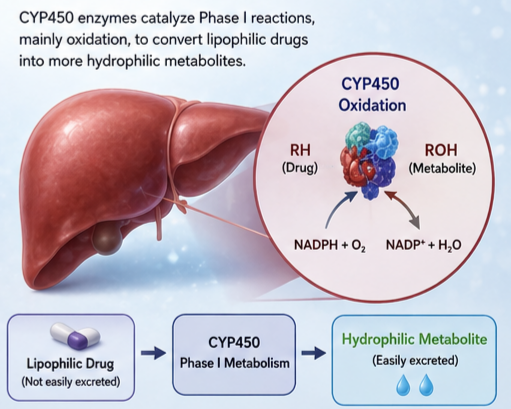
Drug metabolism is the biochemical modification of pharmaceutical substances by living organisms, usually through specialized enzymatic systems. The primary purpose of drug metabolism is to facilitate the safe elimination of exogenous compounds by converting lipophilic substances into more hydrophilic metabolites. Once rendered water-soluble, drugs and their metabolites are efficiently transported to the kidneys for filtration and excretion.
Phase I Metabolism
Classically, drug metabolism is divided into three phases, with phase I reactions—mediated largely by the CYP system—representing the initial biochemical modifications. Phase I reactions include oxidation, reduction, and hydrolysis, with oxidation serving as the predominant mechanism through which substrates undergo structural transformation.
Oxidation
Oxidation is the most common phase I reaction and is primarily catalyzed by CYP enzymes. This reaction introduces or exposes a functional group (such as -OH, -NH2, or -SH) on the drug molecule, increasing its hydrophilicity.
Reduction
Reduction reactions involve the gain of electrons and are catalyzed by CYP and other enzymes. These reactions are less common than oxidation but are important for certain drugs.
Hydrolysis
Hydrolysis involves the cleavage of chemical bonds by the addition of water. This reaction is catalyzed by esterases, amidases, and other hydrolases rather than CYP enzymes.
Phase II Metabolism
Following phase I metabolism, many drugs undergo phase II conjugation reactions, where the metabolite is coupled with endogenous substances such as glucuronic acid, sulfate, or glutathione. These conjugation reactions further increase water solubility and facilitate excretion.
CYP450 Reaction Mechanism
CYP enzymes are heme-containing monooxygenases that catalyze a wide array of reactions. As monooxygenases, their primary function is to insert a single oxygen atom into the substrate, typically resulting in hydroxylation. The catalytic mechanism follows a series of coordinated steps:
- Active Site Composition: The CYP active site contains a heme-iron center, with the iron coordinated to the protein via a cysteine thiolate ligand.
- Substrate Binding: The substrate binds to the heme iron, inducing a conformational change that optimizes enzyme-substrate interactions.
- Electron Transfer: Electrons are transferred from NADPH to the heme iron via associated reductase proteins, reducing the ferric iron (Fe³⁺) to the ferrous state (Fe²⁺).
- Oxygen Activation: Molecular oxygen binds to the reduced iron, forming an oxyferrous complex that is further reduced to generate a reactive oxygen species capable of inserting into substrate bonds.
This mechanism enables CYP enzymes to catalyze the oxidative metabolism of diverse substrates despite substantial sequence variability among isoforms. CYP enzymes share a conserved tertiary architecture consisting of a predominantly α-helical fold—commonly described as containing around 12 major helices—supported by several β-sheet regions. This structural framework permits considerable conformational flexibility, enabling the active site to accommodate substrates of diverse sizes and shapes.
Pharmacokinetics
Pharmacokinetics describes the movement of drugs through the body, encompassing absorption, distribution, metabolism, and elimination (ADME). CYP enzymes play a central role in the metabolism phase of pharmacokinetics.
Absorption
Absorption is the process by which a drug enters the bloodstream from its site of administration. CYP enzymes in the intestine contribute to the first-pass effect, metabolizing some drugs before they reach systemic circulation.
Distribution
Distribution refers to the reversible transfer of a drug between the bloodstream and the tissues. CYP-mediated metabolism can affect distribution by producing more hydrophilic metabolites that are less able to cross cell membranes.
Metabolism
Metabolism is the biochemical modification of a drug, primarily occurring in the liver through CYP enzymes. CYP-mediated metabolism is a critical determinant of drug clearance and duration of action.
Elimination
Elimination is the irreversible removal of a drug from the body, primarily through renal or biliary excretion. Phase I metabolism by CYP enzymes typically precedes conjugation and excretion.
CYP450 and Drug Interactions
Drug interactions involving the CYP450 isoforms generally result from one of two processes: enzyme inhibition or enzyme induction.
Enzyme Inhibition
Enzyme inhibition occurs when a drug reduces CYP metabolic activity, leading to decreased metabolism of other drugs that are substrates for the same isoenzyme. The clinical consequence is typically increased concentrations of the affected drug, potentially leading to toxicity.
Competitive Inhibition
Competitive inhibition occurs when two drugs compete for the same enzyme binding site. This process usually begins with the first dose of the inhibitor, and the onset and offset of inhibition correlate with the half-lives of the drugs involved.
Noncompetitive Inhibition
Noncompetitive inhibition occurs when the inhibitor binds to a site other than the active site, altering enzyme conformation and reducing catalytic activity regardless of substrate concentration.
Mechanism-Based Inhibition
Mechanism-based inhibition (also called suicide inhibition) occurs when a drug is metabolized by the CYP enzyme to a reactive intermediate that covalently binds to the enzyme, irreversibly inactivating it. Reversal requires synthesis of new enzyme.
Enzyme Induction
Enzyme induction occurs when a drug stimulates the synthesis of more enzyme protein, enhancing the enzyme’s metabolizing capacity. Induction increases the metabolism of substrates, potentially lowering their plasma concentrations below therapeutic levels and leading to treatment failure.
Mechanism
Enzyme induction involves increased synthesis of enzyme protein, which requires time to develop and resolve. The timing and extent of enzyme induction depends on the half-life of the inducing drug, its dose, and the rate of turnover of the enzyme being induced. It can take days or even 2-3 weeks to develop fully and might persist for a similar length of time when the enzyme inducer is stopped.
Clinical Significance
Induction interactions can be delayed in onset and slow to resolve, making them challenging to anticipate and manage.
Strong CYP450 Inhibitors
Strong CYP450 inhibitors significantly reduce the metabolism of co-administered drugs that are substrates for the affected isoenzyme. The following tables summarize strong inhibitors for major CYP isoforms:
Strong CYP3A4 Inhibitors
| Drug | Clinical Use | Clinical Significance |
|---|---|---|
| Ketoconazole | Antifungal | Increases levels of many CYP3A4 substrates |
| Clarithromycin | Macrolide antibiotic | Can cause toxicity with certain statins, benzodiazepines |
| Erythromycin | Macrolide antibiotic | Inhibits CYP3A4, causing multiple interactions |
| Ritonavir | HIV protease inhibitor | Potent inhibitor, used as pharmacokinetic enhancer |
| Itraconazole | Antifungal | Increases levels of many CYP3A4 substrates |
| Fluconazole | Antifungal | Moderate inhibitor of CYP3A4 |
| Grapefruit juice | Food/beverage | Inhibits intestinal CYP3A4, increasing drug levels |
Strong CYP2D6 Inhibitors
| Drug | Clinical Use | Clinical Significance |
|---|---|---|
| Paroxetine | Antidepressant (SSRI) | Strongest CYP2D6 inhibitor among SSRIs |
| Fluoxetine | Antidepressant (SSRI) | Potent CYP2D6 inhibitor |
| Sertraline | Antidepressant (SSRI) | Moderate inhibitor at higher doses |
| Quinidine | Antiarrhythmic | Classic CYP2D6 inhibitor |
Strong CYP2C9 Inhibitors
| Drug | Clinical Use | Clinical Significance |
|---|---|---|
| Fluconazole | Antifungal | Potent CYP2C9 inhibitor |
| Amiodarone | Antiarrhythmic | Increases warfarin levels |
| Sulfinpyrazone | Uricosuric | Increases warfarin levels |
Strong CYP2C19 Inhibitors
| Drug | Clinical Use | Clinical Significance |
|---|---|---|
| Omeprazole | Proton pump inhibitor | Inhibits its own metabolism |
| Fluconazole | Antifungal | Inhibits CYP2C19 |
| Fluvoxamine | Antidepressant (SSRI) | Potent CYP2C19 inhibitor |
Strong CYP450 Inducers
Strong CYP450 inducers significantly increase the metabolism of co-administered drugs that are substrates for the affected isoenzyme. The following tables summarize strong inducers for major CYP isoforms:
Strong CYP3A4 Inducers
| Drug | Clinical Use | Clinical Significance |
|---|---|---|
| Rifampin | Antitubercular | Prototypical CYP3A4 inducer; decreases levels of many drugs |
| Carbamazepine | Anticonvulsant | Potent inducer of CYP3A4 |
| Phenytoin | Anticonvulsant | Induces CYP3A4 and other isoforms |
| Phenobarbital | Anticonvulsant | Induces CYP3A4 and other isoforms |
| St. John’s Wort | Herbal supplement | Well-documented inducer of CYP3A4 |
CYP1A2 Inducers
| Drug | Clinical Use | Clinical Significance |
|---|---|---|
| Tobacco smoke | Nicotine | Induces CYP1A2, increasing caffeine and theophylline metabolism |
| Charcoal-broiled foods | Dietary | Induces CYP1A2 |
| Certain medications | Various | Less potent than tobacco |
CYP2B6 Inducers
| Drug | Clinical Use | Clinical Significance |
|---|---|---|
| Efavirenz | Antiretroviral | Induces its own metabolism |
| Rifampin | Antitubercular | Induces CYP2B6 |
Drugs Metabolized by CYP3A4
CYP3A4 is the most versatile drug-metabolizing enzyme and is responsible for the metabolism of an extensive list of clinically important drugs.
| Drug Class | Specific Drugs |
|---|---|
| Benzodiazepines | Alprazolam, midazolam, triazolam |
| Calcium channel blockers | Amlodipine, diltiazem, felodipine, nifedipine, verapamil |
| Statins | Atorvastatin, lovastatin, simvastatin |
| Antifungals | Ketoconazole, itraconazole |
| Macrolides | Erythromycin, clarithromycin |
| HIV protease inhibitors | Indinavir, nelfinavir, ritonavir, saquinavir |
| Immunosuppressants | Cyclosporine, tacrolimus |
| Antidepressants | Amitriptyline, imipramine, venlafaxine |
| Anticonvulsants | Carbamazepine |
| Others | Cisapride, terfenadine (withdrawn), dexamethasone, ethinyl estradiol, glyburide, sertraline, theophylline |
Drugs Metabolized by CYP2D6
CYP2D6 metabolizes approximately 25% of all clinically used medications, including many psychotherapeutics.
| Drug Class | Specific Drugs |
|---|---|
| Antidepressants | Amitriptyline, clomipramine, desipramine, doxepin, fluoxetine, imipramine, nortriptyline, paroxetine, venlafaxine |
| Antipsychotics | Haloperidol, perphenazine, risperidone, thioridazine |
| Beta-blockers | Metoprolol, penbutolol, propranolol, timolol |
| Narcotics | Codeine, tramadol |
| Others | Dextromethorphan, tamoxifen |
Drugs Metabolized by CYP2C19
| Drug Class | Specific Drugs |
|---|---|
| Proton pump inhibitors | Omeprazole, lansoprazole, pantoprazole |
| Antidepressants | Amitriptyline, imipramine |
| Antiplatelet | Clopidogrel |
| Anticonvulsants | Diazepam |
| Others | Propranolol |
Drugs Metabolized by CYP2C9
| Drug Class | Specific Drugs |
|---|---|
| Anticoagulants | Warfarin |
| Anticonvulsants | Phenytoin |
| NSAIDs | Ibuprofen, diclofenac |
| Antidiabetics | Glyburide, glipizide |
| Others | Losartan, fluvastatin |
Pharmacogenomics
The responses of patients to standard drug regimens vary widely, with dose responses ranging from subtherapeutic to toxic. A significant proportion of this variability arises from genetic differences in CYP enzymes.
Metabolizer Categories
Genetic variations in CYP genes contribute to interindividual differences in drug metabolism. Individuals are classified into metabolizer categories based on their CYP genotype:
Poor Metabolizers
Poor metabolizers lack active enzyme gene alleles. They are at risk for drug accumulation and toxicity at usual doses due to reduced metabolism. Conversely, for prodrugs requiring CYP-mediated conversion to active metabolites, they may experience therapeutic failure.
Intermediate Metabolizers
Intermediate metabolizers have one active and one inactive enzyme gene allele. They may experience to a lesser degree some of the consequences of poor metabolizers.
Normal (Extensive) Metabolizers
Normal metabolizers have two active alleles and respond to standard dosing.
Rapid Metabolizers
Rapid metabolizers metabolize drugs more quickly than normal, potentially requiring higher doses for therapeutic effect.
Ultrarapid Metabolizers
Ultrarapid metabolizers have more than two active gene copies. They may not reach therapeutic concentrations at usual recommended doses of active drugs due to enhanced metabolism. For prodrugs, they may experience adverse effects due to excessive production of active metabolites.
Ethnocultural Variability
There is pronounced ethnic variability in the population distribution of metabolizer types for a given CYP enzyme. For example, approximately 7-10% of Caucasians are poor metabolizers of CYP2D6 substrates, while Asians and Blacks are less likely to be poor metabolizers. Similarly, 3-5% of Caucasians and 15-20% of Asians are poor metabolizers of CYP2C19.
CYP450 Genetic Testing
Diagnostic genotyping tests for CYP450 enzymes are available under the auspices of the Clinical Laboratory Improvement Amendments (CLIA). Laboratories that offer laboratory-developed tests must be licensed by the CLIA for high-complexity testing.
FDA-Cleared Testing Kits
Several testing kits for CYP450 genotyping have been cleared for marketing by the FDA:
| Device Name | Manufacturer | Approval Date |
|---|---|---|
| Genomadix Cube CYP2C19 System | Genomadix Inc. | 2023 |
| xTAG Cyp2c19 Kit V3 | Luminex Molecular Diagnostics | 2013 |
| Spartan Rx Cyp2c19 Test System | Spartan Bioscience | 2013 |
| Verigene Cyp2c19 Nucleic Acid Test | Nanosphere | 2012 |
| Infiniti Cyp2c19 Assay | AutoGenomics | 2010 |
| xTAG Cyp2d6 Kit V3 | Luminex Molecular Diagnostics | 2010 |
| Roche AmpliChip CYP450 Test | Roche Molecular Systems | 2005 |
Clinical Utility
The clinical utility of CYP450 genotyping is favored when:
- The drug has a narrow therapeutic dose range
- The consequences of treatment failure are severe
- Serious adverse reactions are more likely in patients with gene sequence variants
Under these circumstances, genotyping may direct early selection of the most effective drug or dose, and/or avoid drugs or doses likely to cause toxicity.
Clinical Indications
CYP2D6 genotyping may be considered medically necessary for individuals with Gaucher disease being considered for treatment with eliglustat, or with Huntington disease being considered for treatment with tetrabenazine at doses greater than 50 mg per day.
CYP2C9 genotyping may be considered medically necessary for individuals with relapsing forms of multiple sclerosis being considered for treatment with siponimod.
Precision Medicine
The primary goal of individualized medicine is the optimization of drug therapy, which involves the selection of appropriate drugs, dosages, drug combinations, and the minimization of toxic side effects. CYP pharmacogenetics is a central component of this precision medicine approach.
Ongoing Research
Although substantial progress has been made in characterizing CYP structure, function, and genetic variability, ongoing molecular research—enhanced by insights from the Human Genome Project—continues to refine our understanding of how CYP polymorphisms contribute to interindividual variability in drug response. These developments have positioned CYP pharmacogenomics as a central component of precision medicine.
Clinical Guidelines
Clinical guidelines for CYP genotype-guided treatment are available through the Clinical Pharmacogenetics Implementation Consortium (CPIC) for multiple drugs:
| Drug | Gene | Role of CYP | Clinical Guidelines |
|---|---|---|---|
| Citalopram | CYP2C19 | Clearance/Excretion | CPIC SSRI guidelines |
| Codeine | CYP2D6 | Bioactivation | CPIC opioids guidelines |
| Tacrolimus | CYP3A5 | Clearance/Excretion | CPIC tacrolimus guidelines |
| Clopidogrel | CYP2C19 | Bioactivation | CPIC clopidogrel guidelines |
| Efavirenz | CYP2B6 | Clearance/Excretion | CPIC efavirenz guidelines |
| Tamoxifen | CYP2D6 | Bioactivation | CPIC tamoxifen guidelines |
| Voriconazole | CYP2C19 | Clearance/Excretion | CPIC voriconazole guidelines |
| Atomoxetine | CYP2D6 | Bioactivation | CPIC atomoxetine guidelines |
Food Interactions
Grapefruit Juice
Grapefruit juice acts as a CYP3A4 inhibitor in the intestine, elevating drug levels and increasing toxicity risk. This interaction is particularly significant for drugs with narrow therapeutic indices that are metabolized by CYP3A4 in the gut. Patients taking CYP3A4 substrates should be advised to avoid grapefruit juice consumption.
Alcohol
Alcohol has complex interactions with CYP enzymes. Chronic alcohol consumption induces CYP2E1, while acute alcohol consumption may inhibit certain CYP enzymes.
Smoking
Nicotine induces CYP1A2, offering a mechanistic basis for the heightened caffeine tolerance observed in individuals with chronic cigarette use. Smokers may require higher doses of CYP1A2 substrates such as theophylline.
Herbal Medicines
Several natural products modulate CYP activity, potentially significantly influencing drug exposure. St. John’s Wort is a well-documented inducer of CYP3A4 and can markedly decrease plasma concentrations of co-administered medications. Other herbal supplements may act as inhibitors or inducers of CYP enzymes.
Disease Effects
Liver Disease
Hepatic comorbidities such as cirrhosis or viral hepatitis can compromise CYP function. Under these conditions, the risk of adverse drug reactions increases.
Kidney Disease
Renal impairment may affect drug elimination, though CYP-mediated metabolism may be relatively preserved.
Heart Failure
Heart failure can reduce hepatic blood flow, affecting the delivery of drugs to the liver and potentially altering CYP-mediated metabolism.
Aging
Age-related changes in liver function can affect CYP enzyme activity, contributing to altered drug metabolism in older adults.
Pregnancy
Pregnancy can alter CYP enzyme expression and activity, potentially affecting drug metabolism and dosing requirements.
Pediatrics
CYP enzyme expression and activity develop over the first year of life and may differ significantly from adult patterns. Pediatric dosing must account for these developmental changes. Polymorphisms in CYP genes can impact drug response in pediatric patients, similar to adults.
Older Adults
Aging is associated with reduced hepatic drug metabolism, potentially increasing drug sensitivity and risk of adverse effects. Polypharmacy in older adults increases the risk of CYP-mediated drug interactions.
Clinical Applications :
Knowledge of CYP enzymes and their interactions has several practical clinical applications:
- Anticipating Drug Interactions: Understanding which drugs are substrates, inhibitors, or inducers of specific CYP isoforms helps predict potential interactions.
- Personalizing Dosing: Genotype-guided dosing can optimize therapy for drugs with narrow therapeutic indices.
- Selecting Alternative Therapies: When interactions are unavoidable, alternative drugs not metabolized by the affected CYP isoform may be selected.
- Monitoring and Adjustment: Therapeutic drug monitoring can be used when CYP-mediated interactions are suspected.
- Avoiding Toxicity: Identifying patients with poor metabolizer genotypes helps avoid drug accumulation and toxicity.
Drug Safety
Drug toxicity resulting from CYP inhibition typically manifests as symptoms consistent with overdose, and management often involves withholding the offending agent until plasma concentrations normalize, with antidotal therapy reserved for severe cases. Conversely, treatment failure attributable to accelerated drug clearance reflects enzyme induction, necessitating dose modification or selection of an alternative therapeutic agent.
Prodrugs introduce additional complexity, as they require metabolic activation to yield pharmacologically active metabolites. Codeine, which relies on CYP2D6-mediated conversion to morphine, exemplifies this phenomenon. Individuals who are genetically poor metabolizers exhibit minimal therapeutic response due to insufficient bioactivation, whereas ultrarapid metabolizers generate elevated morphine concentrations that can precipitate life-threatening respiratory depression.
Therapeutic Drug Monitoring
Therapeutic drug monitoring (TDM) can be useful when CYP-mediated interactions are suspected or when patients have genetic variants affecting drug metabolism. TDM may be particularly beneficial for drugs with narrow therapeutic indices and significant interindividual variability in metabolism.
Common Drug Interaction Examples
Case Study 1: Antidepressant Interaction
A 74-year-old woman with insulin-dependent diabetes had been taking metoprolol, warfarin for atrial fibrillation, and amitriptyline for diabetic neuropathy. Paroxetine was added for depression. Three days later, she was brought to the emergency department with sedation and dizziness. Fluoxetine was substituted but symptoms persisted. She was found to have an INR of 4.0. Both paroxetine and fluoxetine inhibit CYP2D6, responsible for metabolizing the patient’s other medications, leading to drug accumulation and toxicity.
Case Study 2: Antimicrobial Interaction
Ciprofloxacin inhibits CYP1A2, slowing the metabolism of theophylline, giving a longer half-life and higher peak levels, which may cause toxicity.
Case Study 3: Grapefruit Juice Interaction
Grapefruit juice inhibits intestinal CYP3A4, increasing concentrations of many CYP3A4 substrates including certain statins, calcium channel blockers, and immunosuppressants.
Question . What is the CYP450 enzyme system?
Question . Which CYP enzyme metabolizes the most drugs?
Question . What are CYP450 inhibitors?
Question . What are CYP450 inducers?
Question . Why is CYP3A4 important?
Question . How does grapefruit juice affect CYP3A4?
Question . What is pharmacogenomic testing?
Question . What are the metabolizer categories?
Question . What drugs are metabolized by CYP2D6?
Question . What are common CYP3A4 inhibitors?
Question . What are common CYP3A4 inducers?
Question . How does smoking affect CYP enzymes?
Question . What is enzyme induction?
Question . What is enzyme inhibition?
Question . How long does enzyme induction take?
Question:. How long does enzyme inhibition take?
Question . What drugs are metabolized by CYP2C19?
Question . What drugs are metabolized by CYP2C9?
Question . What is a poor metabolizer?
Question . What is an ultrarapid metabolizer?
Question . What is the role of CYP in prodrug activation?
Question . How does liver disease affect CYP metabolism?
Question . What are CYP2D6 inhibitors?
Question . What is first-pass metabolism?
Question . What is Phase I metabolism?
Question . What herbal supplements affect CYP enzymes?
Question . What is the clinical significance of CYP polymorphisms?
Question:. What is CYP2D6’s role in codeine metabolism?
Question . What is CYP2C19’s role in clopidogrel?
Question . When is CYP450 testing indicated?
Key Takeaways
- The CYP450 enzyme system mediates the oxidative biotransformation of 80-90% of drugs, making it a critical determinant of drug metabolism, clearance, and duration of action.
- A small subset of enzymes—including CYP3A4, CYP2D6, CYP2C9, CYP2C19, CYP1A2, and CYP2E1—accounts for the majority of drug metabolism.
- Drug interactions involving the CYP450 system occur through enzyme inhibition (increasing drug levels) or enzyme induction (decreasing drug levels), with potentially severe clinical consequences.
- Genetic polymorphisms in CYP enzymes result in significant interindividual and interethnic variability in drug metabolism, requiring personalized dosing approaches for many drugs.
- CYP2D6 and CYP3A4/5 are the most clinically significant isoforms, metabolizing approximately 25% and 30-50% of drugs respectively.
- Pharmacogenomic testing is available for several CYP isoforms and is essential for optimizing therapy for drugs with narrow therapeutic indices.
- Prodrugs such as codeine and clopidogrel require CYP-mediated bioactivation, making their efficacy dependent on the patient’s CYP genotype.
- Food and herbal interactions can significantly affect CYP enzyme activity, with grapefruit juice acting as an inhibitor and St. John’s Wort acting as an inducer.
- Understanding the CYP450 system is essential for healthcare professionals to anticipate and manage drug interactions, personalize dosing, and ensure patient safety.
- CYP pharmacogenomics is a central component of precision medicine, enabling the selection of appropriate drugs, dosages, and combinations based on individual genetic profiles.
References
- Blue Cross Blue Shield Association. FEP Medical Policy Manual: Cytochrome P450 Genotype-Guided Treatment Strategy. 2025.
- Hays SM. CYP 450: Coming to a Drug Near You. National Association of Pediatric Nurse Practitioners 45th National Conference. 2024.
- Kondža M, Bukić J, Ćavar I, Tubić B. Targeted but Troubling: CYP450 Inhibition by Kinase and PARP Inhibitors and Its Clinical Implications. Drugs and Drug Candidates. 2025;4(2):24.
- StatPearls [Internet]. Biochemistry, Cytochrome P450. National Institutes of Health. 2026.
- Manikandan P, et al. Cytochrome P450 Structure, Function and Clinical Significance: A Review. Curr Drug Targets. 2018.
- Exploring the roles of cytochrome P450 enzymes and their inhibitors in cancers and non-neoplastic human diseases. Archives of Pharmacal Research. 2025;48:1224-1252.
- Table 4. Patient Cases, Drugs, Pharmacogenes, and Clinical Guidelines. National Institutes of Health. 2023.
- Medicines Learning Portal. Interactions: Cytochrome p450. 2024.
- CYP3A4 and CYP3A5: the crucial roles in clinical drug metabolism and the significant implications of genetic polymorphisms. Europe PMC. 2024.
- Murray M, et al. Cytochromes P450: decision-making tools for personalized therapeutics. Curr Opin Mol Ther. 2006.
- Cupp MJ, Tracy TS. Cytochrome P450: New Nomenclature and Clinical Implications. American Family Physician. 1998;57(1):107-116.
- Wynn GH, Oesterheld JR, Cozza KL, Armstrong SC. Clinical Manual of Drug Interaction Principles for Medical Practice. American Psychiatric Association Publishing.
Disclaimer: This article is for educational and informational purposes only and does not constitute medical advice. The content is based on current evidence and clinical guidelines but should not replace professional medical judgment. Always consult a qualified healthcare provider before making any medication-related decisions.