
Zosyn vs Tazocin 6 Shocking Truths About the Same Antibiotic With Two Names
Zosyn vs. Tazocin: Same Drug, Different Name — Here’s What You Need to Know
What if two of the most recognizable antibiotic names in hospital formularies — Zosyn and Tazocin — were actually the exact same medicine, just wearing different name tags depending on which continent you practice on?
That is not a trick question. It is a clinical reality that confuses medical students, pharmacists, and even experienced prescribers. Zosyn is the brand name used primarily in the United States and Canada. Tazocin is the brand name used in the United Kingdom, Europe, Australia, and much of Asia and the Middle East. The generic name for both is piperacillin and tazobactam.
Different antibiotics work against different bacteria, reach different tissues, have different pharmacological properties, and carry different risks. The appropriate choice depends on the suspected or confirmed organism, site and severity of infection, local resistance patterns, allergies, kidney and liver function, drug interactions, and patient-specific considerations. But piperacillin-tazobactam occupies a particularly important niche: it is a broad-spectrum beta-lactam/beta-lactamase inhibitor combination that covers gram-positive cocci, gram-negative bacilli including Pseudomonas aeruginosa, and anaerobes — all in a single agent.
What you are about to read will change the way you think about this drug. We will explore its FDA-approved indications, dosage strategies across patient populations, mechanism of action, spectrum of activity, adverse effects, drug interactions, renal dose adjustment, infusion rate considerations, and the latest evidence from clinical studies. Whether you are a medical student preparing for ward rounds, a resident managing a septic patient, a pharmacist verifying doses, or a nurse administering the infusion — the clinically important details in this article will strengthen your understanding.
A sobering clinical reality first: adverse drug reactions account for a significant proportion of hospital admissions, and beta-lactam antibiotics like piperacillin-tazobactam are among the most commonly implicated drug classes. Understanding the full safety profile is not optional — it is essential. For a suspenseful, evidence-based look at this hidden crisis, explore Shocking Adverse Drug Reaction Facts before you prescribe another beta-lactam.
Key Facts Table: Piperacillin-Tazobactam at a Glance
The following table summarizes the most clinically important facts about piperacillin-tazobactam (Zosyn/Tazocin). This is not a substitute for full prescribing information, but it provides a rapid reference for healthcare professionals and students.
| Parameter | Details |
|---|---|
| Generic Name | Piperacillin sodium and tazobactam sodium |
| Common Brand Names | Zosyn (US/Canada), Tazocin (UK/EU/Australia/Asia), generics available |
| Drug Class | Beta-lactam/beta-lactamase inhibitor combination |
| Therapeutic Class | Broad-spectrum antibacterial |
| Pharmacologic Class | Extended-spectrum penicillin + beta-lactamase inhibitor |
| ATC Code | J01CR05 |
| Available Strengths | 2.25 g, 3.375 g, 4.5 g vials; frozen premixed IV solutions |
| Dosage Forms | Lyophilized powder for injection; frozen solution for IV infusion |
| Route(s) of Administration | Intravenous only |
| FDA Status | Approved (initial U.S. approval: 1993) |
| Primary Clinical Uses | Intra-abdominal infections, nosocomial pneumonia, skin/soft tissue infections, female pelvic infections, community-acquired pneumonia |
| Bioavailability | 100% (IV administration) |
| Protein Binding | Approximately 30% for both piperacillin and tazobactam |
| Volume of Distribution | 0.18–0.33 L/kg (both components) |
| Half-Life | 0.7–1.2 hours (both components) |
| Metabolism | Piperacillin: minimal hepatic metabolism; Tazobactam: metabolized to inactive metabolite |
| Major Route of Elimination | Renal excretion (60–80% unchanged) |
| Renal/Hepatic Considerations | Dose adjustment required when CrCl ≤ 40 mL/min |
| Major Contraindications | History of allergic reactions to penicillins, cephalosporins, or beta-lactamase inhibitors |
| Important Adverse Effects | Diarrhea, nausea, rash, infusion site reactions; serious: hypersensitivity, CDAD, hematologic effects, rhabdomyolysis |
This table is a snapshot. Every parameter in it will be expanded in the dedicated sections below, but we will not repeat the full explanations unnecessarily.
FDA-Approved Uses
The U.S. Food and Drug Administration (FDA) has granted piperacillin-tazobactam approval for a well-defined set of clinical indications, each supported by adequate and well-controlled trials. Understanding these approved uses is essential for appropriate prescribing and antimicrobial stewardship. This section details what piperacillin and tazobactam injection is used for from an FDA standpoint, along with pathogen and dosing details.
- Intra-Abdominal Infections (Adults and Pediatric Patients 2 Months and Older):
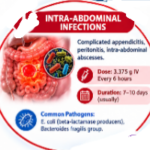 Piperacillin-tazobactam is indicated for the treatment of complicated appendicitis, peritonitis, and intra-abdominal abscesses. The approved pathogens include beta-lactamase-producing Escherichia coli and members of the Bacteroides fragilis group, including B. fragilis, B. ovatus, B. thetaiotaomicron, and B. vulgatus. Dosage: Adults — 3.375 g IV every 6 hours, typically for 7 to 10 days. For infections suspected to involve Pseudomonas aeruginosa, the dose may be increased to 3.375 g every 4 hours or 4.5 g every 6 hours.
 - Nosocomial Pneumonia (Adults and Pediatric Patients 2 Months and Older):
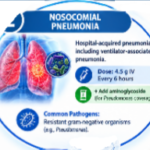 For hospital-acquired pneumonia, including ventilator-associated pneumonia. Dosage: Adults — 4.5 g IV every 6 hours. The FDA label specifically states that initial presumptive treatment should include an aminoglycoside, totaling 18 g (16 g piperacillin and 2 g tazobactam) daily.
 - Skin and Skin Structure Infections (Adults):
 For cellulitis, abscesses, and surgical site infections caused by susceptible organisms. Dosage: 3.375 g IV every 6 hours.
 - Female Pelvic Infections (Adults):
 For postpartum endometritis, pelvic inflammatory disease, and other pelvic infections. Dosage: 3.375 g IV every 6 hours.
 - Community-Acquired Pneumonia (Adults):
 For moderate-to-severe community-acquired pneumonia requiring hospitalization. Dosage: 3.375 g IV every 6 hours.
Off-Label and Guideline-Supported Uses: Beyond FDA-approved indications, piperacillin-tazobactam has been studied or recommended in guidelines for other infections. It is commonly used for complicated urinary tract infections, febrile neutropenia, and surgical prophylaxis. Clinicians must always consider local resistance patterns, culture results, and current guidelines when considering off-label use, and must never label an off-label use as FDA-approved.
Dosage Table
The table below provides a concise summary of typical dosing for common indications. Doses may vary based on renal and hepatic function, severity, and susceptibility data.
| Patient/Condition | Recommended Dose | Frequency | Duration | Important Considerations |
|---|---|---|---|---|
| Adults — Standard indications | 3.375 g IV | Every 6 hours | 7–10 days | Total daily dose: 13.5 g |
| Adults — Nosocomial pneumonia | 4.5 g IV | Every 6 hours | 7–14 days | Add aminoglycoside per FDA label |
| Adults — Pseudomonas coverage | 3.375 g q4h or 4.5 g q6h | Variable | Per indication | Higher dose for resistant organisms |
| Pediatric (2–9 months) — Appendicitis/Peritonitis | 90 mg/kg | Every 8 hours | 7–10 days | Max 3.375 g/dose |
| Pediatric (2–9 months) — Nosocomial pneumonia | 90 mg/kg | Every 6 hours | 7–14 days | Add aminoglycoside |
| Pediatric (older than 9 months) — Appendicitis/Peritonitis | 112.5 mg/kg | Every 8 hours | 7–10 days | Max 4.5 g/dose |
| Pediatric (older than 9 months) — Nosocomial pneumonia | 112.5 mg/kg | Every 6 hours | 7–14 days | Max 4.5 g/dose |
| Renal impairment — CrCl 20–40 mL/min | 2.25 g IV | Every 6 hours | Per indication | No loading dose adjustment |
| Renal impairment — CrCl <20 mL/min | 2.25 g IV | Every 8 hours | Per indication | Monitor closely |
| Hemodialysis | 2.25 g IV | Every 12 hours | Per indication | Give after dialysis session |
Important: For children weighing more than 40 kg, adult dosing should be used. Piperacillin Tazobactam dosage IV must always be individualized. Age, weight, renal function, site of infection, and local resistance patterns matter more than a one-size-fits-all number.
Mechanism of Action
The piperacillin tazobactam mechanism of action is a two-part story that explains why this combination exists and why it works against organisms that would otherwise resist piperacillin alone.
Primary Molecular Target: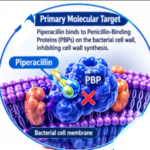 Piperacillin is a semisynthetic, broad-spectrum penicillin. Like all beta-lactam antibiotics, it exerts bactericidal activity by binding to penicillin-binding proteins (PBPs) located on the inner bacterial membrane. This binding inhibits the transpeptidation reaction required for cross-linking peptidoglycan strands in the bacterial cell wall.
Binding and Interaction: 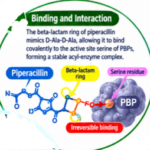 The beta-lactam ring of piperacillin is structurally analogous to the terminal D-alanyl-D-alanine moiety of peptidoglycan precursors. This molecular mimicry allows piperacillin to bind covalently to the active site serine residue of PBPs, forming a stable acyl-enzyme complex that inhibits transpeptidase activity. Without proper cell wall cross-linking, the cell cannot maintain osmotic stability, particularly during cell division. The bacterium undergoes lysis and death.
The Role of Tazobactam:  Tazobactam is a beta-lactam molecule structurally related to penicillins, but its primary role is not antibacterial activity. Instead, it functions as a suicide inhibitor of many beta-lactamase enzymes. Beta-lactamases are enzymes produced by many bacteria that hydrolyze the beta-lactam ring of penicillins and cephalosporins, rendering them inactive. Tazobactam binds irreversibly to these enzymes, permanently disabling them. This protects piperacillin from degradation, allowing it to reach its target PBPs and exert its bactericidal effect.
Resistance Mechanisms: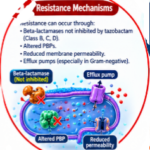 The combination is not immune to resistance. The two main mechanisms of resistance to piperacillin-tazobactam are: (1) beta-lactamases not inhibited by tazobactam, including molecular class B (metallo-beta-lactamases), class C (AmpC cephalosporinases), and class D (OXA-type) enzymes; and (2) alteration of penicillin-binding proteins, which reduces the affinity of piperacillin for its molecular target. Additionally, alterations in bacterial membrane permeability and expression of multidrug efflux pumps can contribute to resistance.
Drug mechanisms are not abstract. They explain why one antibiotic works and another fails. If you want a clear example of how a common painkiller works at the molecular level, read this viral-style explainer on ssthem.org: How Does Diclofenac Sodium Work for Pain Relief — it is a great way to sharpen your pharmacology thinking.
What Is Piperacillin-Tazobactam?
Piperacillin-tazobactam is a combination antibiotic that pairs a broad-spectrum penicillin (piperacillin) with a beta-lactamase inhibitor (tazobactam) in a fixed 8:1 ratio. This means that for every 8 parts of piperacillin, there is 1 part of tazobactam. The most common formulation is 4 g piperacillin combined with 0.5 g tazobactam, yielding the 4.5 g vial.
Generic Name and Drug Class: The generic name is piperacillin and tazobactam. The drug belongs to the beta-lactam/beta-lactamase inhibitor class of antibiotics. Other members of this class include amoxicillin-clavulanate, ampicillin-sulbactam, and ceftolozane-tazobactam. What distinguishes piperacillin-tazobactam is its broad spectrum of activity, particularly its excellent coverage of Pseudomonas aeruginosa and many anaerobic organisms.
Pharmacologic Classification and Therapeutic Role: Piperacillin-tazobactam is classified as an extended-spectrum penicillin combined with a beta-lactamase inhibitor. The World Health Organization classifies it in the “Watch” group of its AWaRe classification, indicating it should be used judiciously to preserve its effectiveness. It is not the same as amoxicillin-clavulanate, which is oral. It is not the same as meropenem, which is a carbapenem.
Formulations, Strengths, and Routes: Piperacillin-tazobactam is supplied as vials containing 2.25 g, 3.375 g, or 4.5 g of lyophilized powder for reconstitution. It is also available as frozen premixed solutions for IV infusion. It is given only by IV. There is no oral form. The piperacillin tazobactam brand names include Zosyn and Tazocin. The Zosyn generic name is exactly that: piperacillin and tazobactam.
If you have ever wondered why some oral drugs lose potency before reaching the bloodstream, you are thinking about first-pass metabolism. Piperacillin-tazobactam avoids that problem because it is IV. For a fascinating breakdown of first-pass effect, visit this ssthem.org article: First Pass Effect and First Pass Metabolism.
Pharmacokinetics & Pharmacodynamics Key Table
The following table summarizes the key pharmacokinetic (PK) and pharmacodynamic (PD) properties that inform the clinical use of piperacillin-tazobactam.
| Parameter | Clinically Relevant Details |
|---|---|
| Absorption | IV only; complete bioavailability |
| Bioavailability | 100% (IV administration) |
| Time to Peak Concentration | Immediately after completion of 30-minute infusion |
| Protein Binding | ~30% for both piperacillin and tazobactam |
| Volume of Distribution | 0.18–0.33 L/kg (both components) |
| Tissue Penetration | Good penetration into most tissues; adequate in lung, skin, intra-abdominal fluid |
| Blood-Brain Barrier Penetration | Limited; not reliable for CNS infections |
| Placental Transfer | Crosses placenta in humans |
| Half-Life | 0.7–1.2 hours (both components) |
| Metabolism | Piperacillin: minimal; Tazobactam: metabolized to inactive metabolite |
| Active Metabolites | None clinically significant |
| Enzyme Involvement | Tazobactam undergoes limited metabolism; no significant CYP450 involvement |
| Elimination | Renal excretion (60–80% unchanged) |
| Renal Clearance | Major route of elimination |
| Fecal/Biliary Elimination | Minor route |
| Pharmacodynamic Target | Penicillin-binding proteins (PBPs) |
| Mechanism | Inhibition of cell wall synthesis (piperacillin); beta-lactamase inhibition (tazobactam) |
| Concentration/Time-Dependent Activity | Time-dependent killing |
| PK/PD Index | T > MIC (time above minimum inhibitory concentration) |
This table is a quick reference. The following sections explain the most important details without unnecessary repetition.
Half-Life
The half-life of both piperacillin and tazobactam ranges from 0.7 to 1.2 hours in healthy adults with normal renal function. This relatively short half-life is unaffected by dose or duration of infusion, meaning that increasing the dose does not prolong the drug’s presence in the body in a linear fashion.
Several factors alter this half-life clinically. Renal impairment significantly prolongs the half-life because both components are eliminated primarily by the kidneys. This is why dose adjustment is required when creatinine clearance falls below 40 mL/min. In patients with severe renal impairment or on dialysis, the half-life may extend to several hours, necessitating less frequent dosing. In neonates and young infants, immature renal function prolongs the half-life. Critical illness with augmented renal clearance (ARC) can shorten the half-life and potentially lead to subtherapeutic drug concentrations.
Why does the half-life matter? It directly determines dosing frequency. Because the drug is eliminated quickly, frequent dosing (every 6 to 8 hours) is required to maintain concentrations above the minimum inhibitory concentration (MIC) for target organisms. The pharmacodynamic parameter that best predicts efficacy is T > MIC — the percentage of the dosing interval during which free drug concentration exceeds the MIC. For piperacillin, achieving T > MIC for at least 40–50% of the dosing interval is generally associated with clinical efficacy.
This pharmacokinetic profile explains why piperacillin-tazobactam is typically administered as a short 30-minute infusion. Prolonged infusion strategies (extending the infusion to 3–4 hours) have been studied as a way to maximize T > MIC, particularly for organisms with higher MICs.
Metabolism
Piperacillin undergoes minimal hepatic metabolism. The majority of the drug is excreted unchanged in the urine. This means that hepatic impairment has limited impact on piperacillin clearance, and dose adjustments for liver disease are generally not required based on hepatic function alone.
Tazobactam, in contrast, undergoes some metabolism to a single inactive metabolite. However, the clinical significance of this metabolism is minimal because tazobactam is primarily eliminated unchanged by the kidneys. The inactive metabolite does not contribute to therapeutic effect or toxicity.
Because neither component is significantly metabolized by cytochrome P450 enzymes, piperacillin-tazobactam has a relatively low potential for drug-drug interactions mediated through metabolic pathways. This is a clinical advantage in patients taking multiple medications, particularly those metabolized by CYP enzymes.
The practical implication is straightforward: renal function, not hepatic function, drives dose adjustments. Clinicians should assess creatinine clearance before prescribing and monitor renal function during therapy, especially in patients with changing clinical status. This is why Piperacillin Tazobactam renal dose adjustment is a core clinical skill. If you miss it, you risk toxicity or underdosing.
Bioavailability & Protein Binding
Piperacillin-tazobactam is administered exclusively by the intravenous route, giving it a bioavailability of 100%. There is no oral formulation. This means that issues of absorption, food effects, and gastrointestinal first-pass metabolism are not relevant for this drug.
Both piperacillin and tazobactam are approximately 30% bound to plasma proteins. This moderate level of protein binding has several clinical implications. The free (unbound) fraction of drug — approximately 70% — is pharmacologically active and available to interact with bacterial targets. This is a favorable profile compared to highly protein-bound drugs, where small changes in binding can dramatically alter free drug concentrations. The protein binding of either component is unaffected by the presence of the other compound, meaning there is no competitive displacement between piperacillin and tazobactam.
Hypoalbuminemia, common in critically ill patients, may increase the free fraction of the drug. While this could theoretically enhance antibacterial activity, it also carries a theoretical risk of increased toxicity. Clinical monitoring in critically ill patients should account for this possibility. Protein binding is not significantly altered by renal or hepatic impairment in a way that requires dose adjustment beyond the standard renal dosing recommendations. For a deeper dive into this concept, refer to our detailed guide on plasma protein binding.
Spectrum of Activity
Understanding the piperacillin tazobactam spectrum of activity is essential for appropriate prescribing and antimicrobial stewardship. The combination provides one of the broadest spectrums among beta-lactam antibiotics.
Gram-Positive Activity: Piperacillin-tazobactam covers many clinically important gram-positive organisms, including methicillin-susceptible Staphylococcus aureus (MSSA), Streptococcus pneumoniae, Streptococcus pyogenes, Streptococcus agalactiae, and Enterococcus faecalis (but not Enterococcus faecium). Important limitation: It does not reliably cover methicillin-resistant Staphylococcus aureus (MRSA). If MRSA is suspected, additional coverage with vancomycin or linezolid is required.
Gram-Negative Activity: The gram-negative spectrum is extensive and includes Escherichia coli, Klebsiella pneumoniae (including some beta-lactamase-producing strains), Pseudomonas aeruginosa (excellent coverage), Haemophilus influenzae, Proteus mirabilis, Enterobacter species, Citrobacter species, Serratia marcescens, and Acinetobacter species (variable activity).
Anaerobic Activity: Piperacillin-tazobactam provides excellent anaerobic coverage, which is one reason it is valued for intra-abdominal infections. Key anaerobes covered include the Bacteroides fragilis group, Prevotella species, Porphyromonas species, Fusobacterium species, and Clostridium species (except C. difficile).
Atypical Organisms and Resistance: Coverage of atypical organisms is limited. Piperacillin-tazobactam does not reliably cover Mycoplasma pneumoniae, Chlamydia pneumoniae, or Legionella pneumophila. Intrinsic resistance includes MRSA, Enterococcus faecium, Stenotrophomonas maltophilia, and Acinetobacter baumannii (often resistant). Acquired resistance through beta-lactamase production, particularly ESBLs and AmpC enzymes, is increasingly common.
In-vitro susceptibility does not always guarantee clinical effectiveness. The MERINO trial demonstrated that piperacillin-tazobactam was inferior to meropenem for treating ESBL-producing E. coli and Klebsiella pneumoniae bloodstream infections, despite in-vitro susceptibility. If you want to compare broad-spectrum agents, carbapenems are another major class. Their history, uses, and hidden risks are covered in this ssthem.org article: The Imipenem Cilastatin Story of Uses and Hidden Risks.
Pharmacodynamics
Piperacillin-tazobactam kills bacteria in a time-dependent manner. The key index is T > MIC: the time free drug stays above the minimum inhibitory concentration. For piperacillin, target T > MIC is about 40–50% of the dosing interval for good efficacy.
The post-antibiotic effect is modest for gram-negative bacteria but longer for gram-positive organisms. This means that bacterial growth may be suppressed for some time after drug concentrations fall below the MIC, but not enough to justify prolonged dosing intervals.
The pharmacodynamic relationship also explains why prolonged or extended infusions have been investigated. By extending the infusion time from 30 minutes to 3–4 hours, clinicians can maintain higher plasma concentrations for a greater proportion of the dosing interval, potentially improving outcomes in infections caused by organisms with higher MICs. There is no significant concentration-dependent toxicity for piperacillin-tazobactam within the therapeutic range, although very high concentrations (particularly in renal failure) have been associated with neuromuscular excitability and seizures.
Contraindications
Piperacillin-tazobactam is contraindicated in patients with a history of allergic reactions to any of the penicillins, cephalosporins, or beta-lactamase inhibitors. This is an absolute contraindication, as cross-reactivity between beta-lactam antibiotics can occur and may result in severe hypersensitivity reactions, including anaphylaxis.
It is important to distinguish true contraindications from precautions. A patient with a mild, non-urticarial rash after amoxicillin many years ago may not be truly allergic, and a careful allergy history is essential. However, a documented history of anaphylaxis, angioedema, or Stevens-Johnson syndrome after beta-lactam exposure represents an absolute contraindication.
There are no disease-specific absolute contraindications for piperacillin-tazobactam beyond the allergy history. Renal impairment requires dose adjustment but is not a contraindication. Hepatic impairment does not require dose adjustment. Pregnancy is not a contraindication but requires careful risk-benefit assessment.
Warnings & Precautions
- Hypersensitivity Reactions: Serious and occasionally fatal hypersensitivity reactions, including anaphylaxis, have been reported. Before initiating therapy, a careful history of previous beta-lactam hypersensitivity should be obtained. If a reaction occurs during therapy, the drug should be discontinued immediately and appropriate supportive measures initiated.
- Severe Cutaneous Adverse Reactions: Stevens-Johnson syndrome, toxic epidermal necrolysis, drug reaction with eosinophilia and systemic symptoms (DRESS), and acute generalized exanthematous pustulosis have been reported. Patients should be monitored for progressive rashes, and the drug should be discontinued if these occur.
- Hemophagocytic Lymphohistiocytosis (HLH): This rare but serious condition has been reported with piperacillin-tazobactam use. If HLH is suspected, the drug should be discontinued immediately.
- Rhabdomyolysis: Signs or symptoms suggestive of rhabdomyolysis — muscle pain, weakness, dark urine — warrant discontinuation and appropriate evaluation.
- Hematologic Effects: Bleeding manifestations, leukopenia, and neutropenia have occurred, particularly during prolonged therapy. Periodic hematologic monitoring is recommended for patients receiving extended courses.
- Clostridioides difficile-Associated Diarrhea (CDAD): CDAD has been reported with nearly all antibacterial agents, including piperacillin-tazobactam. It may range in severity from mild diarrhea to fatal colitis. CDAD should be considered in any patient presenting with diarrhea during or after antibiotic therapy.
- Renal Impairment: Dose adjustment is required when creatinine clearance is ≤ 40 mL/min. In patients with changing renal function, particularly in the ICU setting, frequent monitoring is essential to avoid under- or over-dosing.
- Sodium Content: Piperacillin-tazobactam contains approximately 2.84 mEq (65 mg) of sodium per gram of piperacillin. This may be clinically relevant in patients on sodium-restricted diets or with heart failure.
- Concomitant Vancomycin: The combination of piperacillin-tazobactam and vancomycin has been associated with an increased incidence of acute kidney injury. Renal function should be monitored closely when these agents are used together.
Side Effects
Understanding the side effect profile of piperacillin-tazobactam is essential for patient counseling and clinical monitoring. Adverse effects are broadly categorized by frequency, and distinguishing between common, bothersome side effects and serious adverse reactions is clinically important.
Common Side Effects:
- Diarrhea — the most common gastrointestinal side effect, occurring in approximately 8–10% of patients. It is usually mild and self-limiting but may indicate CDAD in severe or persistent cases.
- Nausea and vomiting — reported in approximately 5–7% of patients.
- Headache — mild to moderate, occurring in about 4–6% of patients.
- Rash — maculopapular rash occurs in approximately 2–4% of patients and may indicate hypersensitivity.
- Infusion site reactions — phlebitis, pain, and erythema at the IV site.
- Insomnia — occasionally reported.
- Fever — may occur, particularly in patients with cystic fibrosis, who have a higher incidence of fever and rash with piperacillin therapy.
Less Common Side Effects:
- Constipation
- Dyspepsia
- Pruritus
- Oral candidiasis
- Vaginal candidiasis
- Elevated liver enzymes (transient)
- Hypokalemia
- Thrombocytosis
Piperacillin Tazobactam Side Effects in Elderly Patients: Older adults may be more susceptible to adverse effects such as CDAD, acute kidney injury, and neurotoxicity. Renal dose adjustment is critical in this population. Piperacillin Tazobactam side effects adults commonly include diarrhea, nausea, vomiting, headache, rash, and infusion site reactions.
Adverse Effects
Adverse effects are clinically significant reactions that may require medical intervention, dose modification, or discontinuation of therapy. They include serious organ toxicities, severe hypersensitivity reactions, and other potentially life-threatening events.
- Severe Hypersensitivity Reactions: Anaphylaxis, angioedema, and bronchospasm are rare but potentially fatal. These require immediate discontinuation of the drug and emergency medical treatment. Patients with known beta-lactam allergy should not receive piperacillin-tazobactam.
- Severe Cutaneous Adverse Reactions: Stevens-Johnson syndrome (SJS), toxic epidermal necrolysis (TEN), DRESS syndrome, and acute generalized exanthematous pustulosis (AGEP) are rare but serious. Symptoms include progressive rash, mucosal involvement, skin peeling, and systemic symptoms such as fever and eosinophilia. These require immediate discontinuation and urgent medical evaluation.
- Clostridioides difficile-Associated Diarrhea (CDAD): This potentially life-threatening condition should be suspected in any patient who develops diarrhea during or within several weeks after antibiotic therapy. Diagnosis is confirmed by stool testing for C. difficile toxins or PCR. Management includes discontinuation of piperacillin-tazobactam if possible and initiation of appropriate anti-C. difficile therapy.
- Hematologic Effects: Leukopenia, neutropenia, thrombocytopenia, and bleeding manifestations have been reported, particularly with prolonged therapy. Complete blood counts should be monitored during extended treatment courses.
- Acute Kidney Injury: While piperacillin-tazobactam is primarily eliminated renally and requires dose adjustment in renal impairment, it can also cause acute kidney injury, particularly when combined with vancomycin. Serum creatinine should be monitored closely, especially in critically ill patients receiving concomitant nephrotoxic agents.
- Rhabdomyolysis: This rare but serious adverse effect is characterized by muscle pain, weakness, and elevated creatine kinase. If suspected, the drug should be discontinued, and renal function should be monitored for acute kidney injury.
- Neurotoxicity: Seizures and neuromuscular excitability have been reported, particularly at high doses in patients with renal impairment. Dose adjustment and monitoring of renal function are essential to prevent accumulation.
- Hemophagocytic Lymphohistiocytosis (HLH): This rare syndrome is characterized by fever, cytopenias, hyperferritinemia, and multiple organ dysfunction. It has been reported with piperacillin-tazobactam use and requires immediate discontinuation and specialist management.
What are the serious side effects of Zosyn? The most urgent are breathing difficulty, facial swelling, extensive rash, severe diarrhea, decreased urine output, and muscle pain with dark urine. These require immediate medical attention. Do not wait.
How to Recover After a Reaction
Mild diarrhea and nausea often improve with hydration and bland food. But if symptoms persist, call a clinician. Rash needs evaluation. Stop the drug only if instructed. Some rashes are harmless; some are dangerous.
Serious reactions require emergency care. Stop the drug, seek help, and bring a full medication list. Recovery depends on the reaction type and the patient’s health. Supportive care and stopping the offending agent are key. Never self-treat a serious antibiotic reaction at home.
Drug Interactions
The following table summarizes clinically meaningful drug interactions with piperacillin-tazobactam. Zosyn drug interactions are mostly manageable with monitoring. The vancomycin combination is the one that deserves extra respect.
| Interacting Medicine/Class | Potential Interaction | Clinical Significance | Management Consideration |
|---|---|---|---|
| Vancomycin | Increased risk of acute kidney injury | High | Monitor renal function closely; consider alternative if possible |
| Aminoglycosides | Potential additive nephrotoxicity | Moderate | Monitor renal function and aminoglycoside levels |
| Warfarin | Potential increase in INR; bleeding risk | Moderate | Monitor INR; adjust warfarin dose as needed |
| Methotrexate | Decreased methotrexate clearance | Moderate | Monitor methotrexate levels; consider dose adjustment |
| Probenecid | Increased piperacillin levels | Low | Avoid concurrent use if possible |
| Allopurinol | Increased risk of rash | Low | Monitor for rash |
| Heparin | Incompatible in same IV line | Moderate | Flush line between administrations |
| Lactated Ringer’s | Incompatibility with older formulations | Low | Current formulations are compatible |
Administration Table
Practical administration instructions are essential for patient education and nursing practice. The table below summarizes key administration factors.
| Administration Factor | Guidance |
|---|---|
| Route | Intravenous only |
| With Food/Without Food | Not applicable (IV administration) |
| Timing | Every 6–8 hours depending on indication and renal function |
| Tablet/Capsule Instructions | Not applicable; no oral formulation |
| Liquid Formulation | Not applicable |
| IV Administration | Infuse over 30 minutes (standard); extended infusion over 3–4 hours may be used in some settings |
| Missed Dose | Administer as soon as possible; if close to next dose, skip missed dose and resume schedule; do not double dose |
| Storage | Store vials at room temperature (20–25°C); reconstituted solution should be used promptly; refrigerated solutions may be stable for limited periods per labeling |
| Special Administration Instructions | Flush IV line between administration of piperacillin-tazobactam and other medications; do not mix with aminoglycosides in same bag |
Piperacillin Tazobactam infusion rate is usually 30 minutes. Extended infusions may help when MICs are higher.
Pharmacokinetics
This section consolidates the clinically relevant pharmacokinetic properties of piperacillin-tazobactam in a professional overview. Detailed explanations of half-life, metabolism, bioavailability, and protein binding are provided in their respective dedicated sections above and are not repeated here.
Absorption and Bioavailability: Administered intravenously, achieving 100% bioavailability. Peak plasma concentrations occur immediately after the 30-minute infusion.
Distribution: Both piperacillin and tazobactam have moderate volumes of distribution (0.18–0.33 L/kg), with good penetration into most tissues, including lung, skin, and intra-abdominal fluid. Central nervous system penetration is limited, making the drug unsuitable for meningitis.
Metabolism and Elimination: Piperacillin undergoes minimal hepatic metabolism. Tazobactam is metabolized to a single inactive metabolite. Neither significantly involves cytochrome P450 enzymes, reducing metabolic drug interaction potential. Elimination is primarily renal, with approximately 60–80% of the drug recovered in urine.
Special Populations: Pharmacokinetics are altered in neonates (immature renal function), older adults (declining renal function), and critically ill patients (variable clearance).
Special Populations
Pregnancy: Piperacillin and tazobactam cross the placenta in humans. However, there are insufficient data in pregnant women to inform a drug-associated risk for major birth defects and miscarriage. No fetal structural abnormalities were observed in animal reproduction studies. The FDA labeling states that the drug should be used during pregnancy only if clearly needed.
Lactation: Piperacillin is excreted in human milk in low concentrations. Tazobactam excretion data are limited. The clinical significance for the breastfed infant is unknown. Decisions about breastfeeding during therapy should consider the importance of the drug to the mother and the potential for adverse effects in the infant.
Pediatrics: Piperacillin-tazobactam is approved for pediatric patients 2 months of age and older for intra-abdominal infections and nosocomial pneumonia. Dosing is weight-based and age-specific. The piperacillin tazobactam dose for pediatric patients is 90 mg/kg or 112.5 mg/kg depending on age and indication.
Older Adults: Older adults may have decreased renal function, which prolongs the half-life and necessitates dose adjustment. No specific dose adjustments are recommended based solely on age, but creatinine clearance should be estimated and used to guide dosing. Older patients may also be more susceptible to adverse effects such as CDAD and neurotoxicity.
Renal Impairment: Renal impairment significantly affects piperacillin-tazobactam elimination. Dose adjustment is required when creatinine clearance is ≤ 40 mL/min. In dialysis patients, doses should be given after hemodialysis sessions on dialysis days. Piperacillin tazobactam and kidney function monitoring is essential.
Hepatic Impairment: Hepatic impairment does not significantly alter piperacillin-tazobactam pharmacokinetics, and dose adjustment is not required based on liver function alone. However, hepatic function should be monitored during prolonged therapy.
Critical Illness: Critically ill patients may exhibit altered pharmacokinetics, including augmented renal clearance (increasing drug elimination) or acute kidney injury (decreasing elimination). Clinical monitoring of renal function and response to therapy is essential.
Monitoring
- Clinical Response: Fever curve, white blood cell count, and resolution of signs and symptoms of infection should be assessed daily. Lack of improvement within 48–72 hours may indicate the need for reassessment of the empiric regimen.
- Renal Function: Serum creatinine and creatinine clearance should be monitored at baseline and periodically during therapy, especially in patients with pre-existing renal impairment, older adults, and those receiving concomitant nephrotoxic agents.
- Hepatic Function: Transaminases and bilirubin may be monitored during prolonged therapy, particularly in patients with underlying liver disease.
- Hematologic Parameters: Complete blood count should be monitored during prolonged therapy (beyond 2 weeks) for leukopenia, neutropenia, and thrombocytopenia.
- Microbiological Response: Culture and susceptibility results should guide de-escalation to a narrower-spectrum agent whenever possible.
- Adverse Reactions: Patients should be monitored for diarrhea (CDAD), rash, and signs of hypersensitivity.
- IV Site: Regular assessment for phlebitis and infusion site reactions.
Fever is not just a number. It is a body response. Understanding fever helps you interpret treatment response. This ssthem.org article explains it clearly: What Is Fever? Is Fever a Disease or a Body Response?
Clinical Perspective
Piperacillin-tazobactam occupies a well-established position in the antimicrobial armamentarium. Its broad spectrum — covering gram-positive cocci, gram-negative bacilli including Pseudomonas, and anaerobes — makes it a valuable empiric choice for seriously ill patients with intra-abdominal infections, nosocomial pneumonia, and complicated skin and soft tissue infections.
However, its role must be balanced against the imperative of antimicrobial stewardship. Broad-spectrum agents like piperacillin-tazobactam should be de-escalated to narrower-spectrum options as soon as culture results and clinical response permit. This reduces selective pressure for resistant organisms and minimizes the risk of adverse effects such as CDAD.
Clinicians may prefer alternatives to piperacillin-tazobactam in several situations. For severe infections caused by ESBL-producing organisms, carbapenems are generally preferred based on the MERINO trial and subsequent meta-analyses. For patients with documented severe beta-lactam allergy, alternative classes such as fluoroquinolones or aztreonam (with appropriate anaerobic coverage) may be necessary.
Piperacillin tazobactam vs meropenem for intra-abdominal infections is a common question. Both are options. Meropenem may be preferred in severe ESBL risk. Piperacillin-tazobactam may be adequate when local resistance is low and source control is good. The interpretation of treatment response requires clinical judgment. Fever that persists beyond 72 hours may indicate a resistant organism, an undrained source, or a non-infectious process. In such cases, reassessment of the antimicrobial regimen, imaging, and source control is warranted.
For medical students and trainees, understanding piperacillin-tazobactam is not just about memorizing a drug name — it is about grasping the principles of beta-lactam pharmacology, resistance mechanisms, and the importance of matching the spectrum of activity to the clinical syndrome. If you are exploring the pharmacology of everyday pain relievers alongside antibiotics, you may be surprised by how much their safety profiles differ. For a suspenseful, evidence-based breakdown, explore Facts of Ibuprofen Uses, Dosage and Side Effects — but keep your clinical focus on piperacillin-tazobactam first.
25 Important FAQs
Question. What is piperacillin and tazobactam injection used for?
Answer : It is used to treat serious bacterial infections, including intra-abdominal infections, hospital-acquired pneumonia, skin and soft tissue infections, female pelvic infections, and community-acquired pneumonia. It is administered intravenously in healthcare settings.
Question. How long does it take for piperacillin tazobactam to work?
Answer : Most patients begin to show clinical improvement within 48–72 hours of starting therapy. Fever and inflammatory markers typically decline within this timeframe. If no improvement occurs, the regimen should be reassessed.
Question. What is the difference between Zosyn and Tazocin?
Answer : They are the same medication. Zosyn is the brand name used in the United States and Canada, while Tazocin is the brand name used in the United Kingdom, Europe, Australia, and parts of Asia. The active ingredients, strengths, and formulations are identical.
Question. Does piperacillin tazobactam cover MRSA?
Answer : No. Piperacillin-tazobactam does not reliably cover methicillin-resistant Staphylococcus aureus. If MRSA is suspected, additional coverage with vancomycin, linezolid, or daptomycin is required.
Question. What is the usual adult dose of piperacillin tazobactam?
Answer : The standard adult dose is 3.375 g IV every 6 hours for most indications. For nosocomial pneumonia, the dose is 4.5 g IV every 6 hours plus an aminoglycoside.
Question. Does piperacillin tazobactam require renal dose adjustment?
Answer : Yes. When creatinine clearance is ≤ 40 mL/min, the dose should be reduced. For CrCl 20–40 mL/min, 2.25 g every 6 hours is typical; for CrCl < 20 mL/min, 2.25 g every 8 hours is recommended.
Question. Is piperacillin tazobactam safe during pregnancy?
Answer : Animal studies have not shown fetal harm, but human data are limited. It should be used during pregnancy only if clearly needed and the benefits outweigh potential risks. Clinicians should discuss the risks and benefits with the patient.
Question. Can I take piperacillin tazobactam at home?
Answer : It is typically administered in hospital settings, but outpatient parenteral antimicrobial therapy (OPAT) programs may allow administration at home or in infusion centers for stable patients who meet specific criteria.
Question. What are the serious side effects of Zosyn?
Answer : Serious side effects include anaphylaxis, severe skin reactions (SJS, TEN, DRESS), Clostridioides difficile-associated diarrhea, acute kidney injury, rhabdomyolysis, hematologic abnormalities, and neurotoxicity.
Question. How does piperacillin tazobactam work?
Answer : Piperacillin inhibits bacterial cell wall synthesis by binding to penicillin-binding proteins. Tazobactam inhibits beta-lactamase enzymes that would otherwise destroy piperacillin, thereby extending its spectrum of activity.
Question. What infections does piperacillin tazobactam treat?
Answer : It treats intra-abdominal infections, nosocomial pneumonia, skin and soft tissue infections, female pelvic infections, and community-acquired pneumonia. It is also used off-label for other serious infections based on susceptibility.
Question. Can piperacillin tazobactam be used in children?
Answer : Yes, it is approved for children 2 months of age and older for intra-abdominal infections and nosocomial pneumonia. Dosing is weight-based and age-specific.
Question. What is the half-life of piperacillin tazobactam?
Answer : The half-life is 0.7–1.2 hours in adults with normal renal function. It is prolonged in renal impairment and in neonates.
Question. Does piperacillin tazobactam interact with alcohol?
Answer : There is no specific interaction between piperacillin-tazobactam and alcohol. However, alcohol consumption should be avoided during serious infections and while taking any medication that may affect liver function or hydration status.
Question. What should I do if I miss a dose?
Answer : If you miss a dose, contact your healthcare provider. In hospital settings, the next dose should be administered as scheduled; missed doses are not doubled.
Question. How is piperacillin tazobactam administered?
Answer : It is administered by intravenous infusion over 30 minutes. In some settings, extended infusions over 3–4 hours may be used to optimize pharmacokinetics.
Question. Is piperacillin tazobactam safe for older adults?
Answer : It can be used in older adults, but renal function should be assessed and doses adjusted accordingly. Older adults are at higher risk for CDAD and neurotoxicity.
Question. What monitoring is required during piperacillin tazobactam therapy?
Answer : Monitor clinical response, renal function, hepatic function, complete blood count, and for adverse effects such as diarrhea and rash.
Question. What are the alternatives to piperacillin tazobactam?
Answer : Alternatives include carbapenems (meropenem, imipenem-cilastatin), cephalosporins with metronidazole, or other broad-spectrum beta-lactams, depending on the clinical scenario and susceptibility data.
Question. Does piperacillin tazobactam cover anaerobes?
Answer : Yes, it provides excellent anaerobic coverage, including Bacteroides fragilis and other clinically important anaerobes. This makes it a preferred single-agent option for many intra-abdominal infections.
Question. How long is treatment with piperacillin tazobactam usually?
Answer : Treatment duration depends on the indication and clinical response. Most courses are 7–14 days. Prolonged therapy requires monitoring for hematologic and renal adverse effects.
Question. What is the piperacillin tazobactam infusion rate?
Answer : The standard infusion time is 30 minutes. Extended infusions over 3–4 hours may be used in some clinical settings to maximize time above the MIC.
Question. Can piperacillin tazobactam be used for urinary tract infections?
Answer : It is not FDA-approved for uncomplicated UTIs, but it may be used for complicated UTIs or pyelonephritis when broader coverage is required and the organism is susceptible.
Question. What is the piperacillin tazobactam dose for pediatric patients?
Answer : For children 2–9 months, 90 mg/kg every 8 hours (appendicitis/peritonitis) or every 6 hours (nosocomial pneumonia). For children older than 9 months, 112.5 mg/kg using the same schedules.
Question. When should I seek medical attention during piperacillin tazobactam therapy?
Answer : Seek immediate medical attention for difficulty breathing, facial swelling, extensive rash, severe or bloody diarrhea, decreased urine output, muscle pain, or seizures.
5 Authentic Studies
Study 1
Citation: Harris PNA, Tambyah PA, Lye DC, et al. Effect of Piperacillin-Tazobactam vs Meropenem on 30-Day Mortality for Patients With E coli or Klebsiella pneumoniae Bloodstream Infection and Ceftriaxone Resistance: A Randomized Clinical Trial. JAMA. 2018;320(10):984–994. PMID: 30208454.
Study Type: International, multicentre, open-label, randomized controlled non-inferiority trial.
Population: 391 patients with bloodstream infections caused by ceftriaxone-resistant E. coli or Klebsiella pneumoniae.
Intervention/Exposure: Piperacillin-tazobactam 4.5 g every 6 hours.
Comparator: Meropenem 1 g every 8 hours.
Main Outcome: 30-day mortality.
Key Findings: Mortality was 12.3% in the piperacillin-tazobactam group versus 3.7% in the meropenem group. The trial was stopped early for futility, failing to demonstrate non-inferiority.
Clinical Significance: This landmark trial established that piperacillin-tazobactam should not be used as definitive therapy for ESBL-producing bloodstream infections, despite in-vitro susceptibility.
Important Limitation: The trial was open-label and conducted primarily in settings with low rates of carbapenem resistance. Results may not generalize to all patient populations.
Study 2
Citation: Piperacillin-tazobactam vs. carbapenems for treating hospitalized patients with ESBL-producing Enterobacterales bloodstream infections: A systematic review and meta-analysis. Journal of Global Antimicrobial Resistance. 2024;39:27–36.
Study Type: Systematic review and meta-analysis of 10 studies (1 RCT, 9 observational).
Population: 1,962 hospitalized patients with ESBL-producing Enterobacterales bloodstream infections.
Intervention/Exposure: Piperacillin-tazobactam.
Comparator: Carbapenems.
Main Outcome: Mortality rate.
Key Findings: Mortality did not significantly differ between groups overall (OR 1.41; 95% CI 0.96–2.07). However, mortality was significantly higher with piperacillin-tazobactam when <50% of bloodstream infections originated from urinary or biliary sources (OR 2.02; 95% CI 1.00–4.07).
Clinical Significance: This meta-analysis suggests that piperacillin-tazobactam may be an option for ESBL bloodstream infections originating from urinary or biliary sources, but not for other sources.
Important Limitation: Most included studies were retrospective observational, introducing potential confounding.
Study 3
Citation: Systematic review and meta-analysis of randomized controlled trials comparing piperacillin-tazobactam vs cefepime monotherapy in pediatric febrile neutropenia.
Study Type: Systematic review and meta-analysis.
Population: Pediatric patients with febrile neutropenia.
Intervention/Exposure: Piperacillin-tazobactam monotherapy.
Comparator: Cefepime monotherapy.
Main Outcome: Treatment success, mortality, duration of therapy.
Key Findings: No significant difference in treatment success or mortality was found between the two regimens.
Clinical Significance: Both regimens are acceptable empiric options for pediatric febrile neutropenia, allowing clinicians to choose based on local resistance patterns and patient-specific factors.
Important Limitation: Heterogeneity in study designs and definitions of treatment success.
Study 4
Citation: Multiple observational studies and meta-analyses on acute kidney injury with concomitant piperacillin-tazobactam and vancomycin.
Study Type: Retrospective cohort studies and meta-analyses.
Population: Hospitalized patients receiving concomitant piperacillin-tazobactam and vancomycin.
Intervention/Exposure: Combination therapy.
Comparator: Vancomycin alone or with other beta-lactams.
Main Outcome: Incidence of acute kidney injury.
Key Findings: Concomitant use is associated with a significantly increased risk of AKI compared to vancomycin alone or with other beta-lactams.
Clinical Significance: Renal function should be monitored closely when these agents are used together. Alternative combinations may be considered when possible.
Important Limitation: Observational design limits causal inference; confounding by indication is possible.
Study 5
Citation: Pharmacokinetic studies on augmented renal clearance and pharmacokinetic variability in ICU patients receiving piperacillin-tazobactam.
Study Type: Pharmacokinetic studies in critically ill populations.
Population: Critically ill patients, including those with sepsis and augmented renal clearance.
Intervention/Exposure: Standard dosing of piperacillin-tazobactam.
Comparator: Various — including prolonged infusion strategies.
Main Outcome: Pharmacokinetic parameters (clearance, volume of distribution, T > MIC).
Key Findings: Augmented renal clearance in young, critically ill patients can lead to subtherapeutic drug concentrations with standard dosing. Prolonged infusions may improve target attainment.
Clinical Significance: Clinicians should consider patient-specific factors — including renal function, age, and severity of illness — when dosing piperacillin-tazobactam in critically ill patients.
Important Limitation: Pharmacokinetic studies may not directly correlate with clinical outcomes.
Authentic References
- FDA Prescribing Information: ZOSYN (piperacillin and tazobactam) injection, for intravenous use. Baxter Healthcare Corporation. Initial U.S. Approval: 1993. Available at DailyMed and FDA AccessData.
- FDA Prescribing Information: Piperacillin and Tazobactam for Injection. Civica, Inc. Updated December 12, 2025.
- Solomkin JS, Mazuski JE, Bradley JS, et al. Diagnosis and Management of Complicated Intra-abdominal Infection in Adults and Children: Guidelines by the Surgical Infection Society and the Infectious Diseases Society of America. Clinical Infectious Diseases. 2010;50(2):133–164.
- Harris PNA, Tambyah PA, Lye DC, et al. Effect of Piperacillin-Tazobactam vs Meropenem on 30-Day Mortality for Patients With E coli or Klebsiella pneumoniae Bloodstream Infection and Ceftriaxone Resistance. JAMA. 2018;320(10):984–994. PMID: 30208454.
- Piperacillin-tazobactam vs. carbapenems for treating hospitalized patients with ESBL-producing Enterobacterales bloodstream infections: A systematic review and meta-analysis. Journal of Global Antimicrobial Resistance. 2024;39:27–36.
- European Medicines Agency: Tazocin Article 30 Referral — Annex III.
- CDC: Antibiotic Resistance Threats in the United States. Centers for Disease Control and Prevention.
- WHO: Model List of Essential Medicines. World Health Organization.
- NIH/NLM: DailyMed — Piperacillin and Tazobactam Injection Labeling.
- Drugs.com: Piperacillin / Tazobactam Dosage Guide. Medically reviewed November 4, 2025.
Medical Information Disclaimer: The information provided in this article is for educational and informational purposes only and is intended for healthcare professionals, medical students, and informed general readers. It does not constitute medical advice, diagnosis, or treatment recommendations. Piperacillin-tazobactam is a prescription medication that should only be used under the supervision of a qualified healthcare provider. Treatment decisions, including dose selection, duration, and adjustments, depend on the patient’s diagnosis, age, renal and hepatic function, interacting medicines, susceptibility data where relevant, and clinician judgment. Readers should not use this information to self-medicate or to make clinical decisions without appropriate professional consultation. If you have a medical condition or are experiencing symptoms of infection, seek evaluation from a qualified healthcare professional. The authors and publishers of this article do not assume any liability for any adverse effects or consequences resulting from the use or misuse of the information provided herein.
For authentic and engaging information about the world’s different religions, visit ssthem.com for religious studies and discover well-organized, informative content.
For online earning ideas, freelancing, affiliate marketing, YouTube, Facebook monetization, and AI tips, visit ssthem.xyz for online earning and WhatsApp group links.
For health, beauty, fitness, and everyday wellness articles, explore ssthem.net for health and wellness content.



2 Comments