From Zero to Hero in Pharmacology: 100+ MCQs, 30 Clinical Cases & Exam-Proven Strategies
Pharmacology MCQs with Clinical Cases: The Ultimate Exam Revision Guide for MBBS, Pharm-D & Nursing Students
Imagine you are a junior doctor on your first night shift. A 68-year-old patient with heart failure and chronic kidney disease arrives in the emergency department. She has been taking digoxin for years, but today she presents with nausea, visual disturbances, and an irregular heartbeat. The senior resident turns to you and asks, “What’s the half-life of digoxin in renal impairment? How would you adjust the dose?” In that moment, your understanding of pharmacokinetics and pharmacodynamics becomes more than just textbook knowledge—it becomes a tool for saving lives.
Pharmacology is the scientific study of drugs, encompassing their sources, mechanisms of action, therapeutic effects, adverse reactions, and clinical applications. A strong foundation in general pharmacology enables healthcare professionals to make evidence-based decisions about drug selection, dosing, monitoring, and managing adverse effects. For medical students, nursing professionals, and pharmacy graduates, mastering pharmacology is essential for clinical competence and safe prescribing.
This comprehensive guide combines concept-based MCQs and clinical cases designed to strengthen understanding of:
- Pharmacokinetics (ADME: Absorption, Distribution, Metabolism, Excretion)
- Pharmacodynamics (drug mechanisms and effects)
- Drug receptors and receptor theory
- Dose-response relationships
- Drug interactions and their clinical significance
- Adverse drug reactions and drug safety principles
- Clinical pharmacology applications in patient care
Each question includes a detailed explanation that connects basic science to clinical practice, ensuring you understand not just the correct answer but also the underlying physiological and pharmacological principles.
قرآن، حدیث، سیرتِ انبیاء اور اسلامی تاریخ کی ایسی مستند معلومات پڑھیں جو دل کو بھی چھوئیں اور علم بھی بڑھائیں۔
Read authentic Islamic content on the Qur’an, Hadith, the Prophets, and Islamic history that inspires the heart and expands knowledge.
MCQ 1
Pharmacology is the scientific study of:
- A) Diseases and their pathological mechanisms
- B) Drugs and their effects on living systems
- C) Surgical techniques and procedures
- D) Microorganisms and their role in infection
- E) Genetic disorders and inheritance patterns
Correct Answer: B
Explanation: Pharmacology represents the comprehensive science that studies drugs—their properties, mechanisms of action, therapeutic applications, adverse effects, toxicity, and interactions with biological systems. The term derives from the Greek words “pharmakon” (drug) and “logos” (study). Unlike toxicology, which focuses specifically on harmful effects, pharmacology encompasses both therapeutic and adverse actions of chemical substances on living organisms.
Clinical pharmacology, a specialized branch, applies these principles to patient care, guiding healthcare professionals in selecting appropriate medications, determining optimal dosing regimens, and monitoring therapeutic outcomes. Modern pharmacology integrates knowledge from physiology, biochemistry, pathology, and molecular biology to explain how drugs produce their effects.
MCQ 2
The branch of pharmacology that describes what the body does to a drug is called:
- A) Pharmacodynamics
- B) Pharmacokinetics
- C) Toxicology
- D) Pharmacognosy
- E) Pharmacogenetics
Correct Answer: B
Explanation: Pharmacokinetics describes the movement of drugs through the body over time—essentially, what the body does to the administered drug. This encompasses four fundamental processes collectively remembered by the acronym ADME:
Absorption: The process by which a drug enters the bloodstream from its site of administration. This depends on factors including the drug’s physicochemical properties, formulation, route of administration, and physiological conditions at the absorption site.
Distribution: The reversible transfer of a drug from the bloodstream into tissues and organs. Distribution is influenced by blood flow, tissue binding, drug lipophilicity, and protein binding in plasma.
Metabolism (Biotransformation): The chemical modification of drugs, primarily in the liver, to make them more water-soluble for excretion. Metabolism typically involves Phase I (oxidation, reduction, hydrolysis) and Phase II (conjugation) reactions.
Excretion: The removal of drugs and their metabolites from the body, primarily through the kidneys (urine), but also via bile, lungs, sweat, and breast milk.
Pharmacodynamics, in contrast, describes what the drug does to the body—its mechanisms of action and effects at receptor and cellular levels.
MCQ 3
Which pharmacokinetic parameter determines the fraction of an administered drug that reaches systemic circulation unchanged?
- A) Clearance
- B) Bioavailability
- C) Potency
- D) Affinity
- E) Half-life
Correct Answer: B
Explanation: Bioavailability (F) represents the fraction of an administered dose of a drug that reaches the systemic circulation in an unchanged form. It is a crucial pharmacokinetic parameter because it determines the actual amount of drug available to produce therapeutic effects.
For intravenously administered drugs, bioavailability is 100% by definition, as the entire dose enters the systemic circulation directly. For orally administered drugs, bioavailability may be significantly less due to several factors:
- First-pass metabolism: Drugs absorbed from the gastrointestinal tract pass through the portal vein to the liver, where significant metabolism may occur before reaching systemic circulation.
- Incomplete absorption: Some drugs are only partially absorbed from the gastrointestinal tract due to their physicochemical properties or formulation characteristics.
- Drug stability: Some drugs may be degraded in the gastrointestinal tract before absorption.
- Food effects: The presence of food can affect drug absorption, sometimes increasing and sometimes decreasing bioavailability.
Clinical implications of bioavailability include determining appropriate oral doses, switching between routes of administration, and understanding variability in drug response between patients.
گھر بیٹھے کمائی کے وہ طریقے جانیں جو آج کی ڈیجیٹل دنیا میں واقعی کام کرتے ہیں۔
MCQ 4
A drug with a high volume of distribution (Vd) generally indicates:
- A) The drug remains primarily in the plasma compartment
- B) Extensive drug distribution into tissues
- C) Rapid elimination of the drug
- D) High plasma protein binding
- E) Limited ability to cross biological membranes
Correct Answer: B
Explanation: The volume of distribution (Vd) is a theoretical concept that relates the amount of drug in the body to its concentration in plasma. It represents the apparent volume into which the drug would need to be diluted to achieve its observed plasma concentration.
A high volume of distribution suggests that a drug extensively leaves the plasma compartment and distributes into tissues. This occurs with lipophilic drugs that can cross cell membranes and bind to tissue proteins. Examples include digoxin, which has a Vd of approximately 500 L due to extensive binding to muscle tissue, and chloroquine, which accumulates in tissues.
Clinical significance of Vd includes determining loading dose requirements. Drugs with a large Vd require larger loading doses to achieve therapeutic plasma concentrations rapidly. Conversely, drugs with a small Vd remain primarily in the plasma and vascular compartments, making them more suitable for conditions requiring high plasma concentrations.
MCQ 5
Which of the following factors increases the rate of drug absorption from the gastrointestinal tract?
- A) High lipophilicity
- B) High molecular weight
- C) Ionized form of a weak acid at acidic pH
- D) Extensive protein binding
- E) Slow gastric emptying
Correct Answer: A
Explanation: Lipophilicity significantly enhances drug absorption across biological membranes. The gastrointestinal epithelium consists of lipid bilayers that allow lipophilic (fat-soluble) drugs to diffuse passively across cell membranes. Most orally administered drugs are absorbed by passive diffusion, and their lipophilicity is a key determinant of absorption rate and extent.
Factors that increase drug absorption include:
- Small molecular size: Smaller molecules diffuse more rapidly across membranes.
- Unionized form: Non-ionized forms of weak acids or bases are more lipophilic and cross membranes more readily than ionized forms. For weak acids, the unionized form predominates at acidic pH (the pH of the stomach), while for weak bases, the unionized form predominates at alkaline pH.
- Increased surface area: The small intestine provides extensive surface area for absorption due to villi and microvilli.
- Adequate blood flow: Good perfusion at the absorption site maintains concentration gradients.
MCQ 6
First-pass metabolism primarily occurs in which organ?
- A) Kidney
- B) Liver
- C) Lung
- D) Skin
- E) Skeletal muscle
Correct Answer: B
Explanation: First-pass metabolism (also known as presystemic metabolism) refers to the metabolism of a drug before it reaches systemic circulation. This occurs primarily in the liver, but can also occur in the gastrointestinal wall and lungs.
When a drug is administered orally, it is absorbed from the gastrointestinal tract and enters the portal venous system, which carries it directly to the liver. The liver contains high concentrations of drug-metabolizing enzymes, particularly cytochrome P450 enzymes, which can metabolize significant portions of the drug before it enters systemic circulation.
Clinical implications of extensive first-pass metabolism include:
- High oral doses: Drugs with extensive first-pass metabolism require higher oral doses compared to intravenous doses. For example, propranolol has an oral bioavailability of only about 25% due to first-pass metabolism.
- Route selection: Some drugs are not administered orally because first-pass metabolism would eliminate them before they could produce therapeutic effects. Intravenous, sublingual, or transdermal routes avoid first-pass metabolism.
- Interindividual variability: Differences in hepatic enzyme activity can cause significant variability in first-pass metabolism between patients, affecting drug response.
ادویات، بیماریوں، علامات اور علاج کے بارے میں ایسی معلومات حاصل کریں جو آسان بھی ہوں اور معتبر بھی۔
Get clear, trusted information about medicines, diseases, symptoms, and treatments in a simple way.
MCQ 7
The time required for the plasma concentration of a drug to decrease by 50% is known as:
- A) Clearance
- B) Half-life
- C) Bioavailability
- D) Volume of distribution
- E) Area under the curve
Correct Answer: B
Explanation: Elimination half-life (t½) is the time required for the plasma concentration of a drug to decrease by 50% during elimination. This pharmacokinetic parameter is clinically crucial for determining dosing intervals and predicting drug accumulation with repeated dosing.
Half-life is related to two other pharmacokinetic parameters—clearance and volume of distribution—by the equation:
t½ = 0.693 × Vd / CL
where CL is clearance and Vd is volume of distribution.
Clinical significance of half-life:
- Dosing intervals: Drugs with short half-lives require more frequent administration to maintain therapeutic concentrations. Drugs with long half-lives can be administered less frequently.
- Time to steady state: It takes approximately 4-5 half-lives to reach steady-state concentrations during repeated dosing. Similarly, it takes about 4-5 half-lives for a drug to be eliminated after stopping administration.
- Drug accumulation: Drugs with long half-lives can accumulate with repeated dosing, potentially leading to toxicity, especially in patients with impaired elimination.
MCQ 8
Zero-order kinetics describes drug elimination that is:
- A) Proportional to drug concentration
- B) Constant regardless of drug concentration
- C) Faster at higher concentrations
- D) Slower at higher concentrations
- E) Independent of dose
Correct Answer: B
Explanation: Zero-order kinetics describes elimination that occurs at a constant rate, independent of drug concentration. This contrasts with first-order kinetics, where elimination is proportional to drug concentration.
In zero-order kinetics, a fixed amount of drug is eliminated per unit time, regardless of how much drug is present. This occurs when the elimination pathway is saturated—the enzymes responsible for metabolism are working at maximum capacity, and the rate of metabolism cannot increase further even if more drug is available.
Drugs that demonstrate zero-order kinetics include:
- Ethanol: Alcohol is metabolized at a constant rate of approximately 10-20 mg/dL per hour.
- Phenytoin: An anticonvulsant that follows zero-order kinetics at therapeutic concentrations, making dose adjustments particularly challenging.
- Aspirin: At high concentrations, salicylate metabolism becomes saturated, exhibiting zero-order kinetics.
Clinical implications of zero-order kinetics:
- Nonlinear drug accumulation: Small dose increases can cause disproportionately large increases in drug concentrations, potentially leading to toxicity.
- Prolonged elimination: Because elimination rate is constant, high doses take longer to eliminate than predicted by first-order kinetics.
- Monitoring requirements: Drugs following zero-order kinetics require careful therapeutic drug monitoring and cautious dose adjustments.
MCQ 9
The study of drug effects on the body and the mechanisms of drug action is known as:
- A) Pharmacokinetics
- B) Pharmacodynamics
- C) Pharmacognosy
- D) Pharmacy
- E) Pharmacogenetics
Correct Answer: B
Explanation: Pharmacodynamics is the branch of pharmacology that describes what the drug does to the body. It encompasses:
- Mechanisms of drug action: How drugs interact with molecular targets to produce their effects. This includes receptor binding, enzyme inhibition, and ion channel modulation.
- Drug-receptor interactions: The binding of drugs to receptors and the subsequent cascade of events leading to biological responses.
- Dose-response relationships: The relationship between drug concentration and the magnitude of the biological response.
- Therapeutic and adverse effects: The desirable and undesirable effects of drugs.
- Drug toxicity: The mechanisms and manifestations of harmful drug effects.
While pharmacokinetics describes drug movement through the body, pharmacodynamics explains the resulting effects. Both disciplines are essential for rational drug therapy and understanding how drugs produce their therapeutic and adverse effects.
MCQ 10
The maximum effect a drug can produce, regardless of dose, is termed:
- A) Potency
- B) Efficacy
- C) Affinity
- D) Selectivity
- E) Bioavailability
Correct Answer: B
Explanation: Efficacy (maximal efficacy) represents the maximum biological effect a drug can produce, regardless of the dose administered. It is a measure of a drug’s ability to produce a response, independent of its potency.
In dose-response curves, efficacy corresponds to the maximum height of the curve (Emax). A drug with high efficacy can produce a complete biological response, while a drug with low efficacy produces only a partial response even at very high doses.
Potency, in contrast, refers to the amount of drug required to produce a given effect. A potent drug produces its effects at lower concentrations than a less potent drug. Potency is measured by the ED50—the dose required to produce 50% of the maximal effect.
Clinical significance of efficacy versus potency:
- Therapeutic selection: When choosing drugs, efficacy is often more important than potency. A more potent drug may require lower doses, but a drug with greater efficacy may produce better clinical outcomes.
- Drug classification: Full agonists have high efficacy and produce maximal responses. Partial agonists have lower efficacy and produce only partial responses even at full receptor occupancy.
MCQ 11
The concentration required to produce 50% of a drug’s maximal effect is known as:
- A) EC50
- B) ED50
- C) LD50
- D) TD50
- E) IC50
Correct Answer: A
Explanation: EC50 (the concentration producing 50% of the maximal effect) is the drug concentration at which 50% of the maximum biological response is achieved. This parameter is derived from in vitro dose-response curves.
It is important to distinguish EC50 from ED50:
- EC50: The concentration (in molar units) producing 50% of the maximal effect in vitro.
- ED50: The dose (in weight units) producing 50% of the maximal effect in vivo in a population.
- IC50: The concentration producing 50% inhibition of a particular process (used for antagonists).
- LD50: The dose that is lethal in 50% of test animals.
Clinical significance of EC50 includes understanding drug potency and comparing drugs within the same class. A lower EC50 indicates greater potency—less drug is needed to produce 50% of the maximal effect.
MCQ 12
A drug that binds to a receptor and activates it to produce a response is known as:
- A) Antagonist
- B) Agonist
- C) Partial agonist
- D) Inverse agonist
- E) Allosteric modulator
Correct Answer: B
Explanation: An agonist is a drug that binds to a receptor and activates it, producing a biological response. Agonists have both affinity (ability to bind) and intrinsic activity (ability to activate the receptor).
Agonists can be classified based on their efficacy:
- Full agonists: Produce maximum possible response when occupying all available receptors. Examples include morphine at opioid receptors and isoproterenol at beta-adrenergic receptors.
- Partial agonists: Produce a response that is less than maximal even when all receptors are occupied. They have lower intrinsic activity than full agonists. Examples include buprenorphine at opioid receptors.
- Inverse agonists: Bind to the same receptor as agonists but produce an opposite effect by stabilizing the receptor in an inactive conformation. Examples include certain beta-blockers.
MCQ 13
A competitive antagonist is characterized by:
- A) Irreversible binding to the receptor
- B) Parallel shift in the dose-response curve to the right
- C) Decreased maximal response
- D) Increased potency of the agonist
- E) Non-specific binding to plasma proteins
Correct Answer: B
Explanation: A competitive antagonist binds reversibly to the same receptor site as the agonist, but without activating the receptor. Because binding is reversible, the antagonist can be displaced by increasing concentrations of the agonist.
Competitive antagonism is characterized by:
- Parallel rightward shift of the dose-response curve: The agonist dose-response curve is shifted to the right, meaning higher agonist concentrations are needed to achieve the same effect. However, the maximum response (efficacy) is preserved because sufficient agonist concentration can fully displace the antagonist.
- Surmountability: The antagonism can be overcome by increasing agonist concentration.
- Schild plot: This analytical method can be used to determine the affinity of competitive antagonists (pA2 value).
Clinical examples of competitive antagonists include:
- Naloxone: Competitively antagonizes opioid receptors, reversing the effects of opioid agonists.
- Propranolol: Competitively antagonizes beta-adrenergic receptors.
- Atropine: Competitively antagonizes muscarinic acetylcholine receptors.
MCQ 14
Non-competitive antagonism results in:
- A) Parallel shift of the dose-response curve to the right
- B) Increased maximal response
- C) Decreased maximal response without change in potency
- D) Increased agonist affinity
- E) Rapid drug elimination
Correct Answer: C
Explanation: Non-competitive antagonism occurs when the antagonist binds to a site distinct from the agonist binding site (allosteric site) or binds irreversibly to the receptor. This type of antagonism cannot be overcome by increasing agonist concentration.
Characteristics of non-competitive antagonism include:
- Decreased maximal response: The maximum biological effect that can be achieved is reduced because the antagonist prevents some receptors from being activated.
- No change in potency (EC50): The agonist concentration required to produce 50% of the available effect remains the same because the remaining receptors function normally.
- Irreversible or allosteric mechanism: The antagonism is either irreversible (covalent binding) or mediated through an allosteric site.
Clinical examples include:
- Phenoxybenzamine: Irreversibly blocks alpha-adrenergic receptors.
- Ketamine: Non-competitively antagonizes NMDA receptors.
MCQ 15
Which of the following best describes a partial agonist?
- A) Binds to the receptor but does not activate it
- B) Produces a submaximal response even at full receptor occupancy
- C) Produces a maximal response at low receptor occupancy
- D) Binds irreversibly to the receptor
- E) Acts as a competitive antagonist at low concentrations
Correct Answer: B
Explanation: A partial agonist binds to the same receptor as a full agonist but produces a submaximal response even when all receptors are occupied. Partial agonists have:
- Lower intrinsic activity: Their ability to activate the receptor and produce a response is less than that of a full agonist.
- Intermediate efficacy: They produce responses between those of full agonists and antagonists.
- Antagonist-like effects in the presence of full agonists: When co-administered with a full agonist, a partial agonist can act as an antagonist because it occupies receptors but produces less activation than the full agonist would.
Clinical examples of partial agonists include:
- Buprenorphine: A partial agonist at opioid mu receptors, used for pain management and opioid dependence.
- Aripiprazole: A partial agonist at dopamine D2 receptors, used in psychiatric disorders.
- Pindolol: A partial agonist at beta-adrenergic receptors.
The therapeutic advantage of partial agonists is often a lower risk of adverse effects and overdose, as their effects are limited by their intrinsic activity.
MCQ 16
Receptors are most accurately described as:
- A) Drug-metabolizing enzymes in the liver
- B) Proteins that bind drugs and mediate biological responses
- C) Transport proteins in cell membranes
- D) Genetic material affected by drugs
- E) Plasma proteins that bind drugs
Correct Answer: B
Explanation: Receptors are specialized proteins, usually located on cell membranes or within cells, that recognize and bind specific endogenous ligands (such as neurotransmitters and hormones) as well as drugs. Receptor binding initiates signal transduction cascades that produce biological responses.
Key characteristics of receptors include:
- Specificity: Receptors have specific binding sites that recognize particular molecular structures.
- Saturability: Receptors can be saturated at high ligand concentrations because there is a finite number of binding sites.
- Reversibility: Most drug-receptor interactions are reversible, allowing for competition and regulation.
- Coupling mechanisms: Receptors are coupled to effector systems that translate binding into biological responses.
- Regulation: Receptor numbers and sensitivity can be regulated by prolonged exposure to ligands (up-regulation and down-regulation).
Receptor types include:
- Ligand-gated ion channels: Fast, direct coupling to ion channel opening.
- G protein-coupled receptors: The largest family of receptors, coupled to G proteins and second messenger systems.
- Enzyme-linked receptors: Receptors with intrinsic enzymatic activity or coupled to enzymes.
- Intracellular receptors: Located in the cytoplasm or nucleus, mediating genomic effects.
MCQ 17
Up-regulation of receptors refers to:
- A) Increased receptor numbers in response to an antagonist
- B) Decreased receptor numbers in response to an agonist
- C) Increased receptor binding affinity
- D) Decreased receptor sensitivity
- E) Receptor degradation
Correct Answer: A
Explanation: Up-regulation (homologous regulation) is an adaptive increase in the number of receptors in response to prolonged exposure to a receptor antagonist or decreased exposure to an agonist. This compensatory mechanism enhances the cell’s sensitivity to the ligand.
Up-regulation results from:
- Increased receptor synthesis: Enhanced gene expression leading to more receptor protein production.
- Decreased receptor degradation: Slower breakdown of existing receptors.
- Reduced receptor internalization: Less removal of receptors from the cell surface.
Clinical implications of up-regulation include:
- Supersensitivity: Rebound hypersensitivity when an antagonist is discontinued, potentially causing exaggerated responses to endogenous agonists.
- Tolerance development: In contrast, prolonged agonist exposure causes down-regulation (decreased receptor numbers) contributing to tolerance.
- Withdrawal phenomena: Up-regulation during chronic antagonist treatment can lead to withdrawal symptoms when the antagonist is stopped.
Examples include:
- Beta-adrenergic receptor up-regulation: Occurs with chronic beta-blocker use, leading to increased sensitivity to catecholamines upon withdrawal.
- Opioid receptor up-regulation: Contributes to opioid withdrawal syndrome when long-term agonist treatment is abruptly discontinued.
MCQ 18
A drug with high affinity but low efficacy is best described as:
- A) Full agonist
- B) Partial agonist
- C) Competitive antagonist
- D) Allosteric modulator
- E) Non-competitive antagonist
Correct Answer: B
Explanation: A partial agonist characteristically has high affinity for the receptor (binds effectively) but low efficacy (produces only a partial response upon binding). This combination results in:
- High receptor occupancy: Due to high affinity, partial agonists occupy many receptors even at relatively low concentrations.
- Submaximal effects: Despite high occupancy, the biological response is less than that of a full agonist.
- Antagonist properties: When combined with a full agonist, the partial agonist reduces the full agonist’s effect by occupying receptors and producing less activation.
This contrasts with:
- Competitive antagonists: Have high affinity but no efficacy (zero intrinsic activity).
- Full agonists: Have both high affinity and high efficacy.
Clinical utility of partial agonists includes providing a ceiling effect (limited maximum response), which may reduce the risk of adverse effects and overdose.
MCQ 19
Which of the following ionotropic receptors is directly gated by GABA?
- A) NMDA receptor
- B) AMPA receptor
- C) GABA-A receptor
- D) Nicotinic acetylcholine receptor
- E) 5-HT3 receptor
Correct Answer: C
Explanation: The GABA-A receptor is a ligand-gated ion channel (ionotropic receptor) that opens in response to binding by gamma-aminobutyric acid (GABA), the major inhibitory neurotransmitter in the central nervous system. When GABA binds, the channel opens and allows chloride ions to enter the neuron, causing hyperpolarization and inhibition of neuronal firing.
Key features of GABA-A receptors:
- Pentameric structure: Composed of five subunits (typically two alpha, two beta, and one gamma).
- Multiple binding sites: Includes the GABA binding site and allosteric sites for benzodiazepines, barbiturates, and neurosteroids.
- Therapeutic targets: Benzodiazepines (diazepam, alprazolam), barbiturates, and general anesthetics enhance GABA-A receptor function.
Other ionotropic receptors include:
- Nicotinic acetylcholine receptors: Directly gated by acetylcholine.
- NMDA receptors: Directly gated by glutamate.
- AMPA receptors: Directly gated by glutamate.
- 5-HT3 receptors: Directly gated by serotonin.
MCQ 20
G protein-coupled receptors (GPCRs) are characterized by:
- A) Direct ion channel opening upon ligand binding
- B) Seven transmembrane domains and coupling to G proteins
- C) Intrinsic tyrosine kinase activity
- D) Nuclear localization and gene regulation
- E) Formation of dimers that activate JAK kinases
Correct Answer: B
Explanation: G protein-coupled receptors (GPCRs) represent the largest family of cell surface receptors, with over 800 members in humans. They are characterized by:
- Seven transmembrane domains: The receptor protein traverses the cell membrane seven times.
- Extracellular N-terminus: The ligand-binding domain is extracellular.
- Intracellular C-terminus: The G protein coupling domain is intracellular.
- G protein coupling: Upon ligand binding, the receptor interacts with heterotrimeric G proteins (Gα, Gβ, and Gγ subunits).
- Signal transduction: G proteins activate effector enzymes (such as adenylyl cyclase, phospholipase C) and ion channels, producing second messengers.
GPCR signaling pathways include:
- Gs pathway: Activates adenylyl cyclase, increasing cAMP.
- Gi pathway: Inhibits adenylyl cyclase, decreasing cAMP.
- Gq pathway: Activates phospholipase C, producing IP3 and DAG.
GPCRs are the targets of approximately 30-40% of all clinically used drugs, including beta-blockers, antihistamines, antidepressants, and antipsychotics.
MCQ 21
The dose-response curve of a drug with high potency is characterized by:
- A) A steep curve with high maximum effect
- B) A curve shifted to the right compared to a less potent drug
- C) A curve shifted to the left compared to a less potent drug
- D) A reduced maximum effect
- E) A flat curve with high efficacy
Correct Answer: C
Explanation: Potency refers to the amount of drug required to produce a given effect. A drug with high potency requires a lower dose to produce a specified effect compared to a drug with lower potency.
In dose-response curves:
- Potency is reflected by the position of the curve on the x-axis (dose axis): A highly potent drug produces effects at lower doses, so its curve is positioned to the left of a less potent drug.
- The EC50 or ED50 values: A drug with high potency has a lower EC50 (the dose required for 50% of maximal effect).
It is important to note that potency is distinct from efficacy:
- Potency relates to the dose required for an effect.
- Efficacy relates to the maximum effect achievable.
Clinical implications include:
- Dosing considerations: Highly potent drugs require careful dosing to avoid overdose.
- Equivalence: When switching between drugs in the same class, potency differences must be considered.
MCQ 22
The therapeutic index of a drug is calculated as:
- A) ED50 / LD50
- B) LD50 / ED50
- C) ED50 × LD50
- D) TD50 / ED50
- E) ED50 / TD50
Correct Answer: B
Explanation: The therapeutic index (TI) is a measure of drug safety that compares the dose producing a therapeutic effect to the dose producing toxicity. The conventional formula is:
TI = LD50 / ED50
Where:
- LD50 (median lethal dose) = the dose lethal to 50% of test animals
- ED50 (median effective dose) = the dose producing 50% of maximal effect
In clinical settings, the therapeutic index may be expressed as:
TI = TD50 / ED50
Where TD50 is the dose producing toxicity in 50% of patients.
Interpretation:
- Wide therapeutic index: The drug has a large safety margin. There is a substantial difference between therapeutic and toxic doses. Examples include many antibiotics and antihypertensives.
- Narrow therapeutic index: The drug has a small safety margin. Therapeutic and toxic doses are close, requiring careful monitoring and dose adjustments. Examples include digoxin, warfarin, lithium, and phenytoin.
Clinical significance:
- Drugs with narrow therapeutic indices require therapeutic drug monitoring.
- Small changes in dose, drug interactions, or alterations in pharmacokinetics can lead to toxicity or therapeutic failure.
MCQ 23
The quantal dose-response relationship is used to:
- A) Determine the maximum effect of a drug
- B) Measure drug potency in an individual patient
- C) Describe the variation in response to a drug in a population
- D) Calculate drug bioavailability
- E) Determine drug clearance
Correct Answer: C
Explanation: The quantal (population) dose-response relationship describes how a population of individuals responds to a drug at different doses. Unlike graded dose-response curves, which show the continuous relationship between dose and effect in a single individual, quantal curves show the proportion of individuals achieving a defined therapeutic effect (or experiencing toxicity) at each dose.
Characteristics of quantal dose-response curves:
- All-or-none response: Each individual either achieves the defined response or does not.
- Population variability: Shows the range of doses required to produce the effect in different individuals.
- Sigmoid curve shape: A typical cumulative frequency distribution curve.
- ED50 determination: The dose at which 50% of individuals achieve the defined response.
Clinical applications include:
- Determining standard doses: The ED50 and other percentiles help establish dosing recommendations.
- Understanding variability: Explains why some patients respond to standard doses while others require higher or lower doses.
- Risk assessment: Quantal toxicity curves help determine the dose-response relationship for adverse effects.
- Therapeutic index: Comparing ED50 to TD50 provides a safety assessment.
MCQ 24
Steep dose-response curves are clinically significant because they indicate:
- A) Small dose changes produce large changes in response
- B) Small dose changes produce small changes in response
- C) High drug efficacy
- D) Low drug potency
- E) Wide therapeutic index
Correct Answer: A
Explanation: Steep dose-response curves indicate that small changes in dose produce relatively large changes in biological response. This has several clinical implications:
Therapeutic considerations:
- Careful dose titration is required to avoid overshooting the desired effect.
- Even small errors in dosing can lead to significant changes in drug effect.
- Patient compliance becomes particularly important.
Safety implications:
- The difference between therapeutic and toxic doses may be narrow.
- Accidental overdose can produce severe effects.
- Dose adjustments must be made cautiously.
Pharmacokinetic variability:
- Minor differences in absorption, distribution, metabolism, or excretion can result in substantial differences in response.
- Therapeutic drug monitoring may be particularly useful.
Examples of drugs with steep dose-response curves include neuromuscular blockers and certain cardiovascular drugs, where small dose changes can dramatically alter clinical effects.
MCQ 25
Which route of administration provides 100% bioavailability?
- A) Oral
- B) Sublingual
- C) Intravenous
- D) Intramuscular
- E) Transdermal
Correct Answer: C
Explanation: Intravenous (IV) administration provides 100% bioavailability because the drug is placed directly into the systemic circulation, avoiding any barriers to absorption and entirely bypassing first-pass metabolism.
Bioavailability by other routes is always less than 100% due to various factors:
- Oral: Variable bioavailability due to incomplete absorption and first-pass metabolism.
- Sublingual: Good bioavailability as the drug enters the systemic circulation directly, bypassing the liver initially, but may be incomplete due to swallowing.
- Intramuscular: Usually good bioavailability but less than 100% due to factors such as blood flow to the muscle and drug formulation.
- Transdermal: Variable bioavailability depending on the drug’s properties and the delivery system.
- Rectal: Avoids first-pass metabolism to some extent but absorption may be incomplete and variable.
Clinical implications of bioavailability include:
- Dose adjustments: When switching from IV to oral administration, the dose must be increased to compensate for bioavailability less than 100%.
- Route selection: Drugs with poor oral bioavailability may need to be administered by other routes.
MCQ 26
Which of the following factors decreases oral bioavailability?
- A) High lipid solubility
- B) Presence of food that increases gastric emptying
- C) Extensive first-pass metabolism
- D) Small molecular size
- E) Acid-stable drug formulation
Correct Answer: C
Explanation: Extensive first-pass metabolism significantly decreases oral bioavailability because a substantial portion of the absorbed drug is metabolized in the liver before reaching systemic circulation.
Other factors that reduce bioavailability include:
- Incomplete absorption: Some drugs are not fully absorbed from the gastrointestinal tract.
- Drug degradation: Some drugs are unstable in the acidic environment of the stomach or are metabolized by gastrointestinal enzymes.
- Food effects: The presence of food can reduce drug absorption for many drugs, though for some it may increase absorption.
- Drug interactions: Other drugs can affect absorption or metabolism.
- Disease states: Gastrointestinal disorders can reduce absorption, and liver disease can affect first-pass metabolism.
Factors that increase oral bioavailability include:
- High lipid solubility: Enhances absorption across cell membranes.
- Small molecular size: Facilitates absorption.
- Formulation design: Extended-release or immediate-release formulations can affect bioavailability.
MCQ 27
Area under the curve (AUC) in pharmacokinetics represents:
- A) Total drug clearance
- B) Total drug exposure over time
- C) Maximum drug concentration
- D) Volume of drug distribution
- E) Time to reach maximum concentration
Correct Answer: B
Explanation: The area under the curve (AUC) represents the total drug exposure over time. It is calculated by plotting plasma drug concentration on the y-axis against time on the x-axis and measuring the area under the resulting curve.
Clinical significance of AUC:
- Bioavailability assessment: The relative bioavailability of different formulations is determined by comparing AUC values. If two formulations have the same AUC, they have comparable drug exposure.
- Therapeutic monitoring: AUC is useful for drugs with narrow therapeutic indices where total exposure is more important than peak concentrations.
- Pharmacokinetic studies: AUC is a key parameter for determining clearance and volume of distribution.
- Dosing frequency: The relationship between AUC and dosing interval helps determine appropriate dosing schedules.
The relationship between AUC, dose, and clearance is:
AUC = Dose / Clearance
Thus, AUC is inversely proportional to clearance. This relationship is the basis for estimating clearance from AUC data.
MCQ 28
Drug clearance (CL) is defined as:
- A) The volume of blood from which drug is completely removed per unit time
- B) The time required for drug concentration to decrease by 50%
- C) The volume of distribution of a drug
- D) The amount of drug administered per dose
- E) The maximum concentration achieved after dosing
Correct Answer: A
Explanation: Clearance (CL) is the volume of blood (or plasma) from which a drug is completely removed per unit time. It is expressed in units of volume per time (e.g., L/hour or mL/minute).
Clearance is a measure of the body’s efficiency in eliminating a drug and is the sum of clearances from all eliminating organs:
Total Clearance = Renal Clearance + Hepatic Clearance + Other Clearances
The relationship between clearance, dose, and area under the curve (AUC) is:
CL = Dose / AUC
Clinical significance of clearance:
- Dosing adjustments: Drugs with reduced clearance require dose reduction to avoid accumulation and toxicity.
- Renal impairment: Drugs primarily eliminated by the kidney require dose adjustment in renal disease.
- Hepatic impairment: Drugs metabolized by the liver require caution in liver disease.
- Therapeutic drug monitoring: Clearance estimates help guide dosing.
MCQ 29
The primary organ responsible for drug excretion in the human body is:
- A) Liver
- B) Kidney
- C) Lung
- D) Skin
- E) Gastrointestinal tract
Correct Answer: B
Explanation: The kidney is the primary organ responsible for drug excretion, eliminating most drugs and their metabolites through urine. Renal excretion involves three processes:
- Glomerular filtration: Drugs and metabolites in the blood are filtered across the glomerular membrane into the renal tubule. This passive process applies to drugs not bound to plasma proteins and depends on molecular size.
- Active tubular secretion: Certain drugs are actively transported from the blood into the renal tubule. This process is saturable and can be inhibited by other drugs.
- Passive tubular reabsorption: Some drugs may be reabsorbed from the tubule back into the blood. This passive process depends on the drug’s lipophilicity and the pH of the urine.
Drugs that are water-soluble and not bound to plasma proteins are readily excreted by the kidney.
Clinical considerations:
- Renal impairment: Reduced renal function requires dose adjustment for drugs eliminated by the kidney.
- Competition for tubular secretion: Certain drugs can compete for secretion transporters, leading to drug interactions.
- pH-dependent excretion: Changes in urine pH can affect the excretion of weak acids and bases.
MCQ 30
Which of the following organ systems is primarily responsible for drug metabolism?
- A) Kidney
- B) Liver
- C) Lung
- D) Gastrointestinal tract
- E) Skin
Correct Answer: B
Explanation: The liver is the primary organ responsible for drug metabolism (biotransformation). The high concentration of drug-metabolizing enzymes in hepatocytes, particularly cytochrome P450 enzymes, makes the liver the main site for metabolic drug clearance.
Drug metabolism in the liver involves:
- Phase I reactions: Oxidation, reduction, and hydrolysis reactions that introduce or expose functional groups, often making the drug more water-soluble. Cytochrome P450 enzymes (CYP450) are the major Phase I enzymes.
- Phase II reactions: Conjugation reactions that attach a hydrophilic group (e.g., glucuronic acid, sulfate) to the drug or its Phase I metabolite, producing highly water-soluble compounds for excretion.
Other sites of drug metabolism include:
- Gastrointestinal tract: Contains drug-metabolizing enzymes in the intestinal epithelium.
- Lungs: Metabolize some drugs, particularly inhaled substances.
- Kidney: Contains some metabolic enzymes.
- Blood: Contains certain enzymes that metabolize drugs.
Clinical implications:
- Hepatic impairment: Liver disease reduces drug metabolism and may require dose reduction.
- Enzyme induction: Certain drugs (e.g., phenytoin, rifampin) can increase hepatic enzyme activity, accelerating the metabolism of other drugs.
- Enzyme inhibition: Some drugs (e.g., cimetidine, erythromycin) can inhibit hepatic enzymes, slowing the metabolism of other drugs.
MCQ 31
Pharmacokinetic drug interactions involve:
- A) Interactions at the receptor level
- B) Changes in drug absorption, distribution, metabolism, or excretion
- C) Additive or synergistic pharmacological effects
- D) Antagonism at the effector level
- E) Changes in drug sensitivity
Correct Answer: B
Explanation: Pharmacokinetic drug interactions occur when one drug affects the absorption, distribution, metabolism, or excretion of another drug, thereby altering its plasma concentration and consequent effects.
Types of pharmacokinetic interactions:
- Absorption interactions:
- Altered gastric emptying or motility
- Changes in gastrointestinal pH
- Formation of complexes that reduce absorption
- Competition for transport proteins
- Distribution interactions:
- Competition for plasma protein binding sites
- Displacement from tissue binding sites
- Metabolism interactions:
- Enzyme induction (increased metabolism)
- Enzyme inhibition (decreased metabolism)
- Excretion interactions:
- Competition for renal tubular secretion
- Changes in urine pH
These interactions are important because they can lead to either therapeutic failure (if drug concentration is reduced) or toxicity (if drug concentration is increased).
MCQ 32
Enzyme induction of cytochrome P450 enzymes results in:
- A) Decreased metabolism of co-administered drugs
- B) Increased metabolism of co-administered drugs
- C) Increased plasma protein binding
- D) Decreased drug absorption
- E) Increased drug efficacy
Correct Answer: B
Explanation: Enzyme induction refers to the increased synthesis or activity of drug-metabolizing enzymes, particularly cytochrome P450 enzymes. This results in increased metabolism of co-administered drugs that are substrates for the induced enzymes.
Clinically important enzyme inducers include:
- Rifampin: A potent inducer of CYP3A4 and other CYP enzymes, used in tuberculosis treatment.
- Phenytoin: Induces CYP3A4 and CYP2C9, used in epilepsy.
- Carbamazepine: Induces CYP3A4, used in epilepsy and bipolar disorder.
- Barbiturates (e.g., phenobarbital): Induce multiple CYP enzymes.
- St. John’s Wort: Induces CYP3A4 and other enzymes.
Consequences of enzyme induction:
- Reduced drug efficacy: The metabolism of co-administered drugs is accelerated, leading to subtherapeutic concentrations and potential treatment failure.
- Need for dose adjustments: Doses of affected drugs may need to be increased to maintain therapeutic effects.
- Withdrawal effects: When the inducer is discontinued, drug concentrations of affected drugs may rise, potentially causing toxicity if the dose is not adjusted.
MCQ 33
Which of the following drug combinations represents a clinically significant pharmacokinetic interaction involving CYP inhibition?
- A) Digoxin and furosemide
- B) Warfarin and aspirin
- C) Warfarin and amiodarone
- D) Metformin and sulfonylureas
- E) Atenolol and nifedipine
Correct Answer: C
Explanation: The combination of warfarin and amiodarone represents a clinically significant pharmacokinetic interaction. Amiodarone inhibits CYP2C9, the enzyme that metabolizes the more active S-enantiomer of warfarin. This leads to:
- Increased warfarin concentration: Inhibition of warfarin metabolism results in higher plasma concentrations.
- Increased anticoagulant effect: Prolonged prothrombin time and increased risk of bleeding.
- Need for dose reduction: When amiodarone is initiated in a patient taking warfarin, the warfarin dose should typically be reduced by 30-50% and the INR monitored closely.
Other significant CYP-mediated interactions include:
- Erythromycin + simvastatin: Erythromycin inhibits CYP3A4, increasing simvastatin concentrations and risk of myopathy.
- Ketoconazole + midazolam: Ketoconazole inhibits CYP3A4, greatly increasing midazolam concentrations and prolonging sedation.
- Cimetidine + warfarin: Cimetidine inhibits CYP2C9, increasing warfarin concentrations.
MCQ 34
Pharmacodynamic drug interactions occur when:
- A) One drug affects the absorption of another
- B) Drugs interact at the receptor level or effector site
- C) One drug affects the metabolism of another
- D) Drugs compete for protein binding sites
- E) One drug affects the excretion of another
Correct Answer: B
Explanation: Pharmacodynamic drug interactions occur when drugs interact at the receptor level or effector sites, resulting in changes in the pharmacological response without necessarily altering plasma concentrations of the drugs.
Types of pharmacodynamic interactions:
- Additive effects: When two drugs with the same mechanism produce a combined effect equal to the sum of their individual effects.
- Synergistic effects: When two drugs with different mechanisms produce a combined effect greater than the sum of their individual effects (supra-additive).
- Antagonistic effects: When one drug reduces or abolishes the effect of another drug.
Examples of pharmacodynamic interactions:
- Alcohol + benzodiazepines: Both are central nervous system depressants, producing additive (or synergistic) effects on sedation and respiratory depression.
- Warfarin + aspirin: Both affect hemostasis through different mechanisms (anticoagulation and platelet inhibition), producing an increased risk of bleeding.
- Beta-blockers + verapamil: Both have negative inotropic effects on the heart, leading to additive cardiac depression.
Section 9: Adverse Drug Reactions MCQs
MCQ 35
An adverse drug reaction (ADR) is defined as:
- A) Any unintended effect of a drug taken at a therapeutic dose
- B) A drug overdose resulting in toxicity
- C) A drug interaction causing reduced efficacy
- D) A placebo effect
- E) A drug’s expected therapeutic effect
Correct Answer: A
Explanation: An adverse drug reaction (ADR) is a response to a drug that is noxious and unintended and that occurs at doses normally used in humans for prophylaxis, diagnosis, or therapy of disease. This definition excludes intentional or accidental overdose.
ADRs are classified based on their characteristics:
- Type A (Augmented): Predictable, dose-dependent reactions related to the drug’s pharmacological actions. Examples include bleeding with warfarin, sedation with benzodiazepines, and hypotension with antihypertensives. These are common and often preventable.
- Type B (Bizarre): Unpredictable, dose-independent reactions that are often immune-mediated. Examples include anaphylaxis, skin rashes, and drug-induced liver injury. These are less common but can be severe.
- Type C (Chronic): Reactions that occur with prolonged drug use. Examples include osteoporosis with corticosteroids, tardive dyskinesia with antipsychotics.
- Type D (Delayed): Reactions that appear after drug discontinuation. Examples include carcinogenesis and teratogenesis.
- Type E (End of use): Withdrawal reactions that occur when a drug is discontinued. Examples include benzodiazepine withdrawal syndrome.
MCQ 36
Type A adverse drug reactions are characterized by:
- A) Unpredictability and immunological mechanism
- B) Predictability and dose dependence
- C) Occurring only in susceptible individuals
- D) Rare and severe manifestations
- E) Delayed onset after drug discontinuation
Correct Answer: B
Explanation: Type A (Augmented) adverse drug reactions are:
- Predictable: They can be anticipated based on the known pharmacological actions of the drug.
- Dose-dependent: They are more likely to occur at higher doses and are proportional to the drug’s concentration at the site of action.
- Common: They represent the majority of ADRs, occurring in a significant proportion of patients.
- Potentially preventable: Through careful dose selection, monitoring, and patient education.
Examples of Type A reactions:
- Hypoglycemia with insulin: Occurs when the dose is too high relative to the patient’s glucose needs.
- Bleeding with warfarin: Increases with higher INR values.
- Respiratory depression with opioids: Related to the dose administered.
- Nephrotoxicity with aminoglycosides: Increases with higher trough concentrations.
Management of Type A reactions involves dose adjustment, therapeutic drug monitoring, and selection of alternative medications when necessary.
MCQ 37
Type B adverse drug reactions are characterized by:
- A) Dose dependence and common occurrence
- B) Unpredictability and often immunological mechanisms
- C) Predictable based on the drug’s pharmacology
- D) Occurring in all patients taking the drug
- E) Gradual onset during chronic therapy
Correct Answer: B
Explanation: Type B (Bizarre) adverse drug reactions are:
- Unpredictable: They cannot be anticipated based on the known pharmacological effects of the drug.
- Dose-independent: They may occur at any dose, including low doses.
- Often immunological: Many Type B reactions involve immune mechanisms, such as drug-induced hypersensitivity.
- Rare: They occur in a small proportion of patients.
- Not related to the drug’s main pharmacological action.
Examples of Type B reactions:
- Penicillin-induced anaphylaxis: A severe IgE-mediated hypersensitivity reaction.
- Stevens-Johnson syndrome: A severe skin reaction, often caused by sulfonamides, carbamazepine, or allopurinol.
- Drug-induced liver injury: Can occur with various drugs, including acetaminophen (overdose), isoniazid, and halothane.
- Agranulocytosis: With drugs such as clozapine and carbamazepine.
Management of Type B reactions involves identifying the causative drug, discontinuing it, and managing the clinical manifestations. Genetic testing may be useful for some Type B reactions (e.g., HLA-B*5701 testing for abacavir hypersensitivity).
MCQ 38
The maximum therapeutic concentration of a drug is limited by:
- A) Its half-life
- B) Its toxicity profile
- C) Its bioavailability
- D) Its volume of distribution
- E) Its clearance rate
Correct Answer: B
Explanation: The toxicity profile of a drug determines its maximum safe concentration. The therapeutic window is bounded by:
- The minimum effective concentration: The lowest concentration that produces a therapeutic effect.
- The maximum safe concentration (toxic threshold): The concentration above which unacceptable adverse effects occur.
The relationship between therapeutic and toxic concentrations determines the drug’s safety margin. Drugs with a narrow therapeutic index have a small difference between therapeutic and toxic concentrations.
Factors influencing the toxicity profile:
- Acute toxicity: Immediate adverse effects that occur at high concentrations.
- Chronic toxicity: Adverse effects that develop with prolonged use, even at therapeutic concentrations.
- Organ-specific toxicity: Certain organs may be particularly vulnerable to a drug’s toxic effects.
- Idiosyncratic reactions: Unpredictable toxic effects that occur in susceptible individuals.
Clinical monitoring strategies:
- Therapeutic drug monitoring: Used for narrow therapeutic index drugs to maintain concentrations within the therapeutic window.
- Toxicity screening: Regular monitoring of organ function for drugs with known organ toxicity.
- Symptom monitoring: Patient education about early signs of toxicity.
MCQ 39
Signs of digoxin toxicity typically include:
- A) Tachycardia and hypertension
- B) Nausea, vomiting, and visual disturbances
- C) Hypokalemia and muscle weakness
- D) Respiratory depression and coma
- E) Hyperglycemia and polyuria
Correct Answer: B
Explanation: Digoxin toxicity is characterized by a classic set of signs and symptoms resulting from excessive digitalis effects:
- Gastrointestinal effects: Nausea, vomiting, anorexia, and abdominal discomfort are early signs of toxicity.
- Visual disturbances: Yellow-green color vision disturbances (xanthopsia), blurred vision, and halos around lights are characteristic.
- Cardiac effects: Various cardiac arrhythmias occur, including:
- Ventricular premature beats (most common)
- Ventricular tachycardia
- Ventricular fibrillation
- Atrial tachycardia with block
- Bradyarrhythmias (sinus bradycardia, atrioventricular block)
- Neurological effects: Headache, confusion, drowsiness, and fatigue.
Predisposing factors for digoxin toxicity:
- Electrolyte disturbances: Hypokalemia, hypomagnesemia, and hypercalcemia increase the risk of toxicity.
- Renal impairment: Reduced clearance of digoxin increases concentrations.
- Drug interactions: Drugs that reduce digoxin clearance or displace it from tissue binding.
- Advanced age: Reduced renal function and changes in body composition.
Management includes dose reduction or discontinuation, electrolyte correction, and administration of digoxin-specific antibody fragments (Digibind) for severe toxicity.
MCQ 40
Reversible drug-induced hepatotoxicity is most commonly caused by:
- A) Paracetamol (acetaminophen) in therapeutic doses
- B) Methotrexate in therapeutic doses
- C) Isoniazid in therapeutic doses
- D) Chlorpromazine in therapeutic doses
- E) Erythromycin in therapeutic doses
Correct Answer: D
Explanation: Drug-induced liver injury (DILI) can be caused by various drugs through different mechanisms. The liver is particularly susceptible to drug toxicity because it is the primary site of drug metabolism, where reactive intermediates may be generated.
Chlorpromazine is associated with a characteristic pattern of hepatotoxicity that is:
- Reversible: The liver injury typically resolves when the drug is discontinued.
- Cholestatic: The predominant pattern is cholestasis (bile flow obstruction) rather than hepatocellular necrosis.
- Dose-independent: Can occur at therapeutic doses.
Other drugs commonly associated with hepatotoxicity include:
- Paracetamol (acetaminophen): Hepatotoxic in overdose, causing centrilobular necrosis through glutathione depletion and reactive metabolite formation.
- Isoniazid: Can cause hepatocellular injury, particularly in older patients and those with pre-existing liver disease.
- Valproic acid: Can cause serious hepatotoxicity, particularly in young children and patients taking multiple anticonvulsants.
- Amiodarone: Can cause phospholipidosis and cirrhosis with long-term use.
- Methotrexate: Can cause hepatic fibrosis with long-term use.
MCQ 41
A drug with a narrow therapeutic index requires:
- A) Less frequent dosing
- B) Therapeutic drug monitoring
- C) Higher doses to achieve efficacy
- D) Longer duration of treatment
- E) Reduced absorption
Correct Answer: B
Explanation: Drugs with a narrow therapeutic index (NTI) require therapeutic drug monitoring (TDM) to ensure that concentrations remain within the therapeutic window.
NTI drugs have the following characteristics:
- Small difference between therapeutic and toxic concentrations: The therapeutic window is narrow.
- Linear dose-concentration relationship within the therapeutic range: Small changes in dose produce proportionally small changes in concentration until toxicity is approached.
- Potential for serious adverse effects at concentrations only slightly above the therapeutic range.
Drugs requiring TDM due to narrow therapeutic index:
- Digoxin: Therapeutic range 0.8-2.0 ng/mL; toxicity above 2.0 ng/mL.
- Lithium: Therapeutic range 0.6-1.2 mEq/L; toxicity above 1.5 mEq/L.
- Warfarin: Monitored by INR rather than drug concentration.
- Phenytoin: Therapeutic range 10-20 μg/mL; toxicity above 20 μg/mL.
- Carbamazepine: Therapeutic range 4-12 μg/mL; toxicity above 12 μg/mL.
- Aminoglycosides: Therapeutic trough concentrations must be monitored.
TDM involves:
- Measuring drug concentrations at appropriate times
- Interpreting results in the clinical context
- Making dose adjustments based on pharmacokinetic principles
MCQ 42
Therapeutic drug monitoring (TDM) is particularly important for drugs that:
- A) Have a wide therapeutic index
- B) Are metabolized by many different pathways
- C) Have a narrow therapeutic index and variable pharmacokinetics
- D) Are administered intravenously
- E) Have immediate-release formulations
Correct Answer: C
Explanation: Therapeutic drug monitoring (TDM) is the clinical practice of measuring drug concentrations in blood (or other biological fluids) to optimize therapy. It is particularly important for drugs that have:
- A narrow therapeutic index: Small differences between therapeutic and toxic concentrations.
- Significant inter-individual variability in pharmacokinetics: Wide variation in metabolism, distribution, or elimination between patients.
- Established concentration-effect relationships: Clear relationship between blood concentration and both therapeutic and toxic effects.
- Potential for serious toxicity: Adverse effects that are clinically significant and potentially dangerous.
Common indications for TDM:
- Ensuring therapeutic efficacy: Ensuring concentrations are above the minimum effective concentration.
- Preventing toxicity: Maintaining concentrations below the toxic threshold.
- Monitoring compliance: Assessing whether patients are taking their medications as prescribed.
- Evaluating suspected toxicity: Determining if toxic symptoms are drug-related.
- Individualizing dosing: Adjusting doses based on individual pharmacokinetic parameters.
MCQ 43
Phase I clinical trials are primarily designed to:
- A) Evaluate drug efficacy in a large patient population
- B) Determine the optimal therapeutic dose
- C) Assess drug safety, tolerability, and pharmacokinetics in healthy volunteers
- D) Compare the new drug to a standard treatment
- E) Monitor long-term safety in clinical practice
Correct Answer: C
Explanation: Phase I clinical trials are the first stage of testing in humans. Their primary objectives are:
- Safety assessment: Determining the safety and tolerability of the drug.
- Pharmacokinetic characterization: Understanding the drug’s absorption, distribution, metabolism, and excretion in humans.
- Dose finding: Determining the maximum tolerated dose and appropriate starting doses for Phase II trials.
- Formulation testing: Evaluating different formulations and routes of administration.
Typical Phase I characteristics:
- Subjects: Healthy volunteers are usually used, although patients may be used in oncology trials.
- Sample size: Small numbers (20-100 subjects).
- Design: Open-label or single-blind studies, often with dose escalation.
- Duration: Several months.
- Endpoints: Safety, tolerability, and pharmacokinetic parameters.
MCQ 44
Phase III clinical trials are designed to:
- A) Confirm efficacy and monitor adverse effects in a large patient population
- B) Assess drug safety in healthy volunteers
- C) Determine the maximum tolerated dose
- D) Evaluate pharmacokinetics in special populations
- E) Monitor long-term safety after drug approval
Correct Answer: A
Explanation: Phase III clinical trials are the large-scale, confirmatory trials conducted to:
- Confirm efficacy: Establish that the drug is effective for its intended indication.
- Monitor adverse effects: Identify common adverse effects and assess the safety profile in a larger, more diverse population.
- Compare with standard treatment: Evaluate the new drug against the existing standard of care.
- Support regulatory approval: Provide the evidence required for marketing authorization.
Typical Phase III characteristics:
- Subjects: Large numbers (several hundred to several thousand) of patients with the target condition.
- Design: Randomized, double-blind, placebo-controlled or active-controlled studies.
- Duration: Several years.
- Endpoints: Clinical efficacy endpoints, safety parameters, and quality-of-life measures.
MCQ 45
Evidence-based medicine in pharmacology involves:
- A) Relying primarily on expert opinion
- B) Using clinical experience without considering research
- C) Integrating clinical expertise with best available evidence from systematic research
- D) Following standard treatment protocols without modification
- E) Using only laboratory research findings
Correct Answer: C
Explanation: Evidence-based medicine (EBM) in pharmacology involves the integration of:
- Clinical expertise: The clinician’s experience and judgment in managing patients.
- Best available evidence: From systematic research, including randomized controlled trials, meta-analyses, and systematic reviews.
- Patient values and preferences: The patient’s individual circumstances, values, and treatment goals.
- Clinical practice guidelines: Based on systematic reviews of evidence, providing recommendations for specific clinical situations.
- Pharmacoeconomics: Considerations of cost-effectiveness and resource utilization.
Key principles include:
- Systematic approach: Formulating clear clinical questions and searching for the best evidence.
- Critical appraisal: Evaluating the quality and relevance of evidence.
- Application: Integrating evidence with clinical judgment and patient preferences.
- Evaluation: Assessing outcomes and updating knowledge.
MCQ 46
The highest level of evidence in clinical pharmacology is generally considered to be:
- A) Expert opinion
- B) Case reports
- C) Randomized controlled trials
- D) Systematic reviews and meta-analyses
- E) Observational studies
Correct Answer: D
Explanation: In the hierarchy of evidence, systematic reviews and meta-analyses of randomized controlled trials are considered the highest level of evidence because they:
- Summarize the totality of evidence: Combine results from multiple studies to provide more precise estimates of treatment effects.
- Assess consistency: Evaluate whether results are consistent across different studies.
- Identify sources of heterogeneity: Explore reasons for differences between studies.
- Increase statistical power: Combine data to detect smaller treatment effects.
- Provide quantitative summaries: Present pooled estimates with confidence intervals.
The hierarchy of evidence, from highest to lowest, typically includes:
- Systematic reviews and meta-analyses of randomized controlled trials
- Randomized controlled trials (individual studies)
- Controlled observational studies
- Uncontrolled case series
- Case reports
- Expert opinion
Clinical Pharmacology Cases
Clinical Case 1: Loading Dose Concept
Scenario: A 72-year-old male with severe heart failure is admitted to the intensive care unit with acute pulmonary edema. The physician determines that rapid achievement of a therapeutic digoxin concentration is required. The patient’s volume of distribution is 500 L, and the desired plasma concentration is 1.5 ng/mL.
Question: Which pharmacological principle explains the use of an initial higher dose to rapidly achieve therapeutic concentrations?
- A) Maintenance dose calculation
- B) Loading dose administration
- C) Clearance determination
- D) Bioavailability assessment
- E) Half-life estimation
Answer: B
Explanation: A loading dose is used when rapid achievement of therapeutic drug concentration is required, particularly when the drug has a long half-life. The loading dose is calculated based on:
- Desired plasma concentration (Ctarget): The concentration required for therapeutic effect.
- Volume of distribution (Vd): The apparent volume into which the drug distributes.
- Bioavailability (F): The fraction of administered drug that reaches systemic circulation.
The loading dose formula is:
Loading Dose = (Ctarget × Vd) / F
For digoxin in this patient:
- Desired concentration: 1.5 ng/mL
- Volume of distribution: 500 L
- Bioavailability (oral): 0.7
Loading dose = (1.5 × 500) / 0.7 = 1071 µg (1.07 mg)
Clinical implications:
- Rapid onset: Loading doses achieve therapeutic concentrations quickly.
- Risk of toxicity: High loading doses increase the risk of toxicity, particularly in patients with conditions that alter Vd or clearance.
- Maintenance therapy: After the loading dose, maintenance doses are given to maintain the target concentration.
Clinical Case 2: Drug Half-Life
Scenario: A 65-year-old female with atrial fibrillation has been taking warfarin for stroke prevention. She was recently diagnosed with advanced renal failure and started on hemodialysis. Her physician is concerned about drug accumulation and the risk of bleeding.
Question: What effect does impaired drug elimination have on the clinical effects of medications with a long half-life?
- A) Shortened duration of action
- B) Longer persistence in the body and increased risk of adverse effects
- C) Reduced therapeutic efficacy
- D) Complete absorption failure
- E) No change in drug effects
Answer: B
Explanation: Elimination half-life represents the time required for plasma drug concentration to decrease by 50%. When drug elimination is impaired (as in renal failure), the half-life of drugs eliminated by the kidney is prolonged, leading to:
- Drug accumulation: With repeated dosing, drug concentrations increase to higher steady-state levels.
- Prolonged persistence: The drug remains in the body for a longer period after discontinuation.
- Increased risk of adverse effects: Higher concentrations increase the likelihood of dose-dependent adverse effects.
- Delayed onset of effect: Conversely, with drug accumulation, the effect is more prolonged.
For warfarin:
- Pharmacokinetics: Warfarin is metabolized in the liver, not primarily eliminated by the kidney. However, renal failure may affect warfarin sensitivity through other mechanisms (such as impaired protein binding or altered vitamin K metabolism).
- Clinical management: Patients with renal impairment on warfarin require close monitoring of INR and careful dose adjustment.
Clinical Case 3: Drug Interaction
Scenario: A 55-year-old male with hypertension has been taking simvastatin 40 mg daily for hyperlipidemia. He develops a chest infection and is prescribed erythromycin 500 mg three times daily by his primary care physician. Three days later, he experiences severe muscle pain and dark urine.
Question: What is the most likely explanation for this patient’s symptoms?
- A) Simvastatin-induced muscle injury potentiated by erythromycin inhibition of CYP3A4 metabolism
- B) Erythromycin-induced muscle injury independent of simvastatin
- C) Simvastatin-induced liver injury
- D) Erythromycin-induced nephrotoxicity
- E) Idiopathic muscle injury unrelated to medications
Answer: A
Explanation: This case illustrates a clinically significant pharmacokinetic drug interaction:
- Simvastatin metabolism: Simvastatin is metabolized primarily by CYP3A4 in the liver and intestine.
- Erythromycin effect: Erythromycin is a potent CYP3A4 inhibitor.
- Interaction: Erythromycin inhibits simvastatin metabolism, leading to increased simvastatin concentrations.
- Consequence: Elevated simvastatin concentrations increase the risk of myopathy and rhabdomyolysis (muscle breakdown).
- Clinical presentation: Muscle pain, dark urine (due to myoglobinuria), elevated creatine kinase, and potentially acute kidney injury.
Prevention and management:
- Avoid using CYP3A4 inhibitors with simvastatin when possible.
- If the combination is necessary, consider reducing the simvastatin dose (to 10 mg or 20 mg) and monitoring for muscle symptoms.
- Consider alternative statins that are less dependent on CYP3A4 (e.g., pravastatin, rosuvastatin).
Clinical Case 4: Therapeutic Index
Scenario: A 45-year-old female with bipolar disorder has been taking lithium carbonate for 10 years. She comes to the clinic complaining of nausea, tremor, and increased thirst. Laboratory studies show a lithium level of 1.8 mEq/L (therapeutic range 0.6-1.2 mEq/L). She has been taking ibuprofen for back pain for the past week.
Question: What does this situation illustrate about drugs with a narrow therapeutic index?
- A) Wide safety margin requires minimal monitoring
- B) Small changes in pharmacokinetics can lead to toxicity
- C) Adverse effects are always mild and reversible
- D) Drug interactions are clinically insignificant
- E) Dose adjustments are unnecessary
Answer: B
Explanation: This case demonstrates the clinical significance of a narrow therapeutic index drug and the importance of monitoring for drug interactions:
- Lithium’s therapeutic index: Lithium is a narrow therapeutic index drug with a small difference between therapeutic and toxic concentrations.
- Therapeutic range: 0.6-1.2 mEq/L (maintenance); levels above 1.5 mEq/L are associated with increased toxicity.
- Drug interaction: Ibuprofen (an NSAID) can reduce renal clearance of lithium by inhibiting prostaglandin-mediated renal vasodilation, leading to increased lithium concentrations.
- Consequences: The elevated lithium concentration (1.8 mEq/L) is causing toxicity with gastrointestinal (nausea), neurological (tremor), and renal (thirst) symptoms.
Clinical significance: This case underscores:
- The need for careful monitoring of drugs with narrow therapeutic indices.
- The importance of checking for potential drug interactions.
- The need for patient education about avoiding over-the-counter medications that may interact with prescribed drugs.
- The role of therapeutic drug monitoring in optimizing therapy.
Clinical Case 5: Bioavailability and Route Selection
Scenario: A 28-year-old female is admitted with severe bronchospasm. The emergency physician decides to administer a bronchodilator that has 100% bioavailability when given intravenously but only 20% bioavailability when given orally. The intravenous dose required for the desired effect is 5 mg.
Question: If switching to oral therapy, what would be the appropriate oral dose to achieve the same drug exposure?
- A) 5 mg
- B) 10 mg
- C) 15 mg
- D) 25 mg
- E) 50 mg
Answer: D (25 mg)
Explanation: This case illustrates the relationship between bioavailability and dose calculation:
- Bioavailability (F) = the fraction of the administered dose that reaches systemic circulation unchanged.
- Intravenous bioavailability: 100% (by definition).
- Oral bioavailability: 20% (0.2).
- Intravenous dose: 5 mg reaches systemic circulation.
To achieve the same drug exposure orally:
Oral Dose = Intravenous Dose / Oral Bioavailability
Oral Dose = 5 mg / 0.2 = 25 mg
Clinical implications:
- Route conversion requires calculation of equivalent doses based on bioavailability differences.
- Other factors (first-pass metabolism, food effects, patient characteristics) may also affect drug exposure.
- Starting with a lower dose and titrating upward is often prudent.
Clinical Case 6: Pharmacodynamic Antagonism
Scenario: A 75-year-old male with Parkinson’s disease is being treated with levodopa/carbidopa. He is recently started on an antipsychotic medication for behavioral disturbances.
Question: Which pharmacological principle explains why the antipsychotic might worsen his Parkinson’s disease symptoms?
- A) Pharmacokinetic interaction reducing levodopa absorption
- B) Pharmacodynamic antagonism at dopamine receptors
- C) Enzyme induction increasing levodopa metabolism
- D) Protein binding displacement
- E) Altered drug clearance
Answer: B
Explanation: This case demonstrates pharmacodynamic antagonism:
- Levodopa/carbidopa: Levodopa is converted to dopamine in the brain, acting as an agonist at dopamine D2 receptors to improve Parkinson’s symptoms.
- Antipsychotic medications: Most conventional antipsychotics (typical antipsychotics) act as dopamine D2 receptor antagonists.
- Pharmacodynamic interaction: The antipsychotic blocks dopamine D2 receptors, counteracting the therapeutic effect of levodopa.
- Result: Worsening of Parkinson’s symptoms, including tremor, rigidity, and bradykinesia.
Management considerations:
- Selecting antipsychotics with lower dopamine receptor antagonism (e.g., atypical antipsychotics like quetiapine or clozapine) for Parkinson’s patients.
- Adjusting levodopa doses to overcome the blockade (may increase adverse effects).
- Using alternative strategies for managing behavioral disturbances (non-pharmacological interventions first).
Clinical Case 7: Volume of Distribution
Scenario: A 68-year-old male with heart failure and a normal body weight is prescribed digoxin. He is an elderly patient with reduced muscle mass. The pharmacist notes that the patient’s calculated digoxin volume of distribution is lower than expected.
Question: How does reduced muscle mass affect the volume of distribution of digoxin?
- A) Increases the volume of distribution
- B) Decreases the volume of distribution
- C) No effect on the volume of distribution
- D) Increases protein binding
- E) Increases digoxin clearance
Answer: B
Explanation: Volume of distribution (Vd): The apparent volume into which the drug distributes. It is affected by factors such as:
- Tissue binding: Drugs that bind extensively to tissues have a large Vd.
- Plasma protein binding: Drugs that bind extensively to plasma proteins have a smaller Vd.
- Body composition: Changes in body composition (muscle mass, fat, total body water) affect Vd.
Digoxin’s distribution: Digoxin binds extensively to skeletal muscle, which is the main site of tissue binding.
Effect of reduced muscle mass: Elderly patients and those with reduced muscle mass have less tissue to bind digoxin, resulting in:
- Lower Vd for digoxin.
- Higher plasma concentrations for a given dose.
- Increased risk of toxicity.
- Need for dose reduction.
Clinical significance: Understanding how body composition affects Vd is important for:
- Calculating appropriate loading doses.
- Interpreting drug concentrations.
- Adjusting doses in special populations (elderly, cachexic patients).
Clinical Case 8: Drug Metabolism and CYP450
Scenario: A 52-year-old female on warfarin for atrial fibrillation is started on amiodarone for rate control. The patient’s INR increases from 2.5 to 4.5 within 2 weeks.
Question: What is the most likely mechanism of this drug interaction?
- A) Amiodarone displaces warfarin from protein binding
- B) Amiodarone inhibits CYP2C9 metabolism of warfarin
- C) Amiodarone induces CYP3A4 metabolism of warfarin
- D) Amiodarone increases vitamin K levels
- E) Amiodarone competes for renal clearance of warfarin
Answer: B
Explanation: This case illustrates a clinically important CYP450-mediated interaction:
- Warfarin metabolism: Warfarin is a racemic mixture of R-warfarin and S-warfarin. S-warfarin is about 3-5 times more potent as an anticoagulant and is primarily metabolized by CYP2C9.
- Amiodarone’s effect: Amiodarone inhibits CYP2C9 (as well as other CYP enzymes).
- Pharmacokinetic interaction: Inhibition of CYP2C9 by amiodarone reduces S-warfarin metabolism, increasing its plasma concentration.
- Consequence: The increased warfarin concentration leads to:
- Prolonged prothrombin time.
- Elevated INR.
- Increased risk of bleeding.
Management:
- Reduce warfarin dose when initiating amiodarone (typically by 30-50%).
- Monitor INR frequently (every few days until stable).
- Adjust dose based on INR response.
Clinical Case 9: Receptor Down-Regulation
Scenario: A 40-year-old male with asthma has been using a beta-2 agonist inhaler (albuterol) as needed for several years. He notices that the medication is becoming less effective and he needs to use it more frequently.
Question: What pharmacological principle best explains the decreased effectiveness of the beta-2 agonist over time?
- A) Receptor down-regulation due to prolonged agonist exposure
- B) Increased drug metabolism
- C) Drug interaction with other medications
- D) Development of antibodies to the drug
- E) Reduced drug absorption from the lungs
Answer: A
Explanation: Receptor down-regulation is an adaptive response to prolonged exposure to an agonist:
- Tolerance development: Prolonged exposure to an agonist often leads to tolerance, where higher doses of the drug are needed to produce the same effect.
- Receptor down-regulation: Repeated exposure to an agonist can lead to:
- Internalization of receptors from the cell surface.
- Decreased receptor synthesis.
- Increased receptor degradation.
- Beta-2 receptor down-regulation: Chronic use of beta-2 agonists (e.g., albuterol) can lead to:
- Reduced number of beta-2 receptors on bronchial smooth muscle.
- Decreased responsiveness to the agonist.
- Need for higher doses to achieve bronchodilation.
- Reduced efficacy during acute exacerbations.
Management strategies:
- Use the lowest effective dose.
- Consider periodic “drug holidays” to allow receptor up-regulation.
- Use anti-inflammatory medications (e.g., corticosteroids) to prevent receptor down-regulation.
- Consider alternative therapies (e.g., long-acting beta agonists with regular corticosteroids).
Clinical Case 10: Drug-Induced CYP Inhibition
Scenario: A 64-year-old male with hypertension is taking amlodipine 10 mg daily. He develops a fungal infection and is started on ketoconazole. One week later, he develops ankle edema, headache, and flushing.
Question: What is the most likely explanation for the patient’s symptoms?
- A) Amlodipine toxicity due to ketoconazole inhibition of CYP3A4
- B) Ketoconazole toxicity independent of amlodipine
- C) Hypertensive crisis
- D) Drug-induced allergy
- E) Renal impairment from ketoconazole
Answer: A
Explanation:
This case demonstrates a significant CYP450-mediated interaction:
- Amlodipine metabolism: Amlodipine (a dihydropyridine calcium channel blocker) is metabolized primarily by CYP3A4.
- Ketoconazole’s effect: Ketoconazole is a potent CYP3A4 inhibitor.
- Interaction: Ketoconazole inhibits amlodipine metabolism, leading to:
- Increased amlodipine plasma concentrations.
- Enhanced and prolonged vasodilatory effects.
- Consequences: The increased amlodipine concentration causes:
- Peripheral edema (ankle swelling).
- Headache (cerebral vasodilation).
- Flushing (cutaneous vasodilation).
Management:
- Avoid the ketoconazole/amlodipine combination when possible.
- If the combination is necessary, consider amlodipine dose reduction.
- Monitor for signs of excessive vasodilation.
- Consider alternative antifungal agents (e.g., fluconazole, which has less CYP3A4 inhibition).
Q1: What is the difference between pharmacokinetics and pharmacodynamics?
ANS: Pharmacokinetics describes what the body does to the drug, including its absorption, distribution, metabolism, and excretion (ADME). Pharmacodynamics describes what the drug does to the body, including its mechanism of action, effects on receptors, and dose-response relationship. Both are essential for understanding drug therapy and optimizing treatment.
Q2: Why is understanding volume of distribution important?
ANS: Volume of distribution (Vd) affects drug dosing, particularly loading doses. Drugs with a large Vd require larger loading doses to achieve therapeutic concentrations. Changes in Vd (due to age, disease, or drug interactions) can affect drug efficacy and safety.
Q3: What does a narrow therapeutic index mean?
ANS: A narrow therapeutic index means there is a small difference between the therapeutic dose and the toxic dose of a drug. These drugs require careful monitoring, often including therapeutic drug monitoring, to maintain concentrations within the therapeutic window and avoid toxicity.
Q4: How do drug interactions occur?
ANS: Drug interactions can be pharmacokinetic (affecting absorption, distribution, metabolism, or excretion) or pharmacodynamic (affecting receptor activity or effector systems). Pharmacokinetic interactions often involve enzyme inhibition or induction, while pharmacodynamic interactions involve additive, synergistic, or antagonistic effects at the receptor level.
Q5: Why is bioavailability important?
ANS : Bioavailability determines the fraction of administered drug that reaches systemic circulation and is available for therapeutic action. It influences dosing for different routes of administration and is particularly important when switching between oral and intravenous formulations.
Q6: What is the role of cytochrome P450 enzymes in drug metabolism?
ANS: Cytochrome P450 enzymes are responsible for the metabolism of many drugs. They can be induced or inhibited by other drugs, leading to clinically significant interactions. Understanding CYP450 metabolism helps predict drug interactions and individualize therapy.
Q7: How do drugs produce adverse effects?
ANS: Adverse effects can result from the drug’s primary mechanism (dose-dependent, Type A reactions) or from unpredictable mechanisms (Type B reactions). Common causes include receptor interactions, enzyme inhibition, allergic reactions, and drug accumulation in tissues.
Q8: Why is therapeutic drug monitoring important?
ANS: Therapeutic drug monitoring is important for drugs with narrow therapeutic indices, significant inter-individual variability, and established concentration-effect relationships. It helps optimize therapy, avoid toxicity, and ensure therapeutic efficacy.
Q9: What is a loading dose and when is it used?
ANS : A loading dose is a higher initial dose used to rapidly achieve therapeutic concentrations for drugs with long half-lives. It is calculated based on the desired concentration and volume of distribution. After the loading dose, maintenance doses are given to maintain the therapeutic effect.
Q10: How does drug clearance affect dosing?
ANS : Drug clearance determines the rate at which the drug is eliminated from the body. In patients with reduced clearance (due to renal or hepatic impairment), doses must be reduced to prevent drug accumulation and toxicity. Clearance-based dosing is essential for drugs with narrow therapeutic indices.
References
This article is based on evidence-based information from the following authoritative references:
- Goodman & Gilman’s The Pharmacological Basis of Therapeutics (13th Edition)
- Katzung & Trevor’s Pharmacology Examination & Board Review (14th Edition)
- Rang & Dale’s Pharmacology (9th Edition)
- Clinical Pharmacokinetics (Shargel & Yu, 8th Edition)
- British National Formulary (BNF) (current edition)
- AHFS Drug Information (current edition)
- World Health Organization (WHO) medication safety principles
- FDA drug safety communications
- PubMed and Cochrane Library systematic reviews
- National Institutes of Health (NIH) drug information
About the Author
This comprehensive pharmacology guide was developed by clinical pharmacology experts and medical educators to provide high-quality, evidence-based educational content for healthcare students and professionals. All content has been reviewed for clinical accuracy and safety.
Disclaimer: This article provides educational information for healthcare students and professionals. It is not intended as medical advice or as a substitute for clinical judgment. Always consult current drug references, guidelines, and a qualified healthcare provider before making clinical decisions. Drug interactions and dosing recommendations may vary based on individual patient characteristics and evolving evidence. Never use this content to prescribe, administer, or manage medications without appropriate clinical training and supervision.
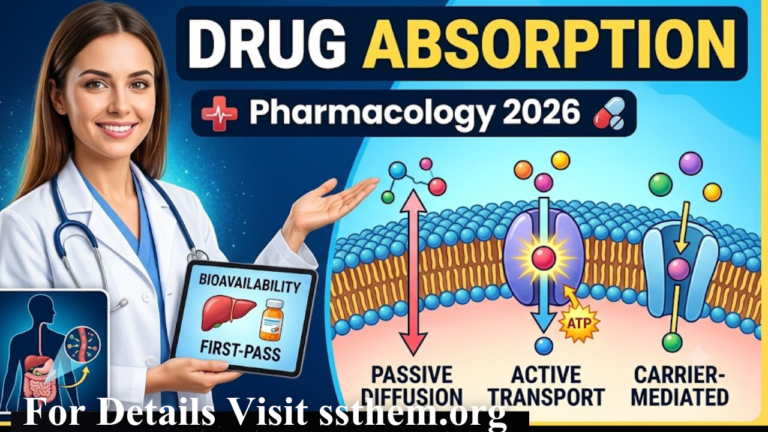
One Comment