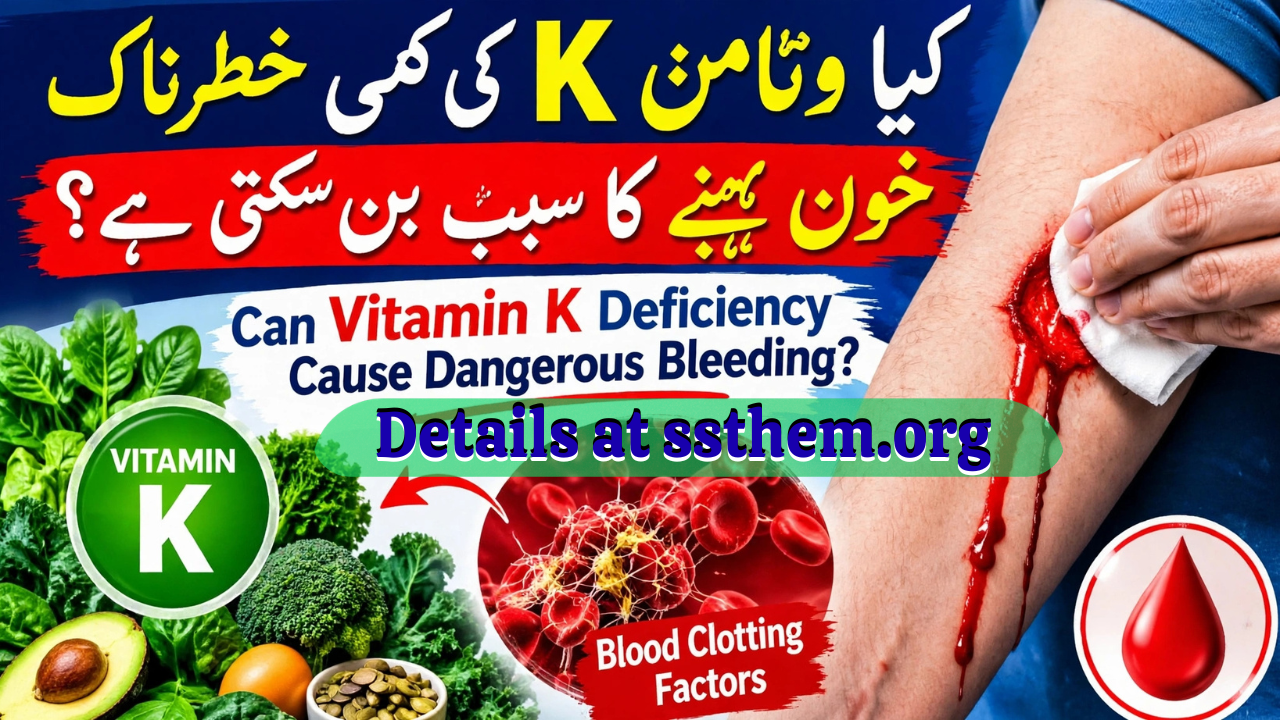
5 Shocking Truths About Vitamin K and Blood Clotting You Need to Know
The 1 Shocking Link Between Vitamin K and Blood Clotting
Vitamin K is one of the most important nutrients involved in normal blood clotting, yet its role is frequently misunderstood. Many people associate blood clotting only with platelets, fibrin, or medications such as warfarin. However, the body also requires vitamin K to activate several essential proteins that prevent excessive bleeding. Without adequate vitamin K activity, the blood coagulation system cannot function normally.
The fascinating connection between Vitamin K and Blood Clotting is that this vitamin does not directly create a blood clot. Instead, it enables specific coagulation proteins to become biologically active. This process is essential for normal hemostasis, the physiological mechanism that controls bleeding after blood vessel injury.
Vitamin K also participates in bone metabolism and other cellular processes. Its importance extends from newborn care to anticoagulant therapy, nutritional assessment, and the management of selected bleeding disorders. Understanding its functions helps medical students, physicians, nurses, pharmacists, and nutrition professionals make better clinical decisions.
If you Interested in digital skills, online publishing, and responsible online earning? Visit SSTHEM.xyz to explore educational resources
This comprehensive article explains how vitamin K works, its major forms, recommended intake, food sources, deficiency symptoms, laboratory investigations, supplementation, warfarin interactions, and the importance of vitamin K injections in newborns.
Key Facts About Vitamin K at a Glance
| Key Fact | Scientific Information |
|---|---|
| Nutrient name | Vitamin K |
| Nutrient category | Fat-soluble vitamin |
| Main forms | Vitamin K1 (phylloquinone) and vitamin K2 (menaquinones) |
| Main function | Activation of vitamin K-dependent proteins involved in blood coagulation |
| Other functions | Bone metabolism and regulation of selected cellular proteins |
| Major food sources | Kale, spinach, broccoli, cabbage, vegetable oils, and fermented foods |
| Deficiency | May cause impaired coagulation and excessive bleeding |
| Newborn importance | Vitamin K prophylaxis reduces the risk of vitamin K deficiency bleeding |
| Adult intake | United States adequate intake: 120 micrograms daily for adult men and 90 micrograms for adult women |
| Important interaction | Warfarin and other vitamin K antagonists |
| Common investigation | Prothrombin time (PT) and international normalized ratio (INR), when clinically indicated |
| Clinical relevance | Coagulation, newborn medicine, nutritional assessment, and anticoagulant management |
Important Fact: Vitamin K is necessary for the activation of clotting factors II, VII, IX, and X, along with the anticoagulant proteins C and S. Therefore, its biological activity supports a balanced coagulation system rather than simply making blood clot faster.
1. What Is Vitamin K?
Vitamin K is a group of fat-soluble compounds required for the normal functioning of several proteins in the human body. It was identified through research into blood coagulation, and its name is historically associated with the German word Koagulation.
Unlike water-soluble vitamins, vitamin K is absorbed along with dietary fats. Its absorption therefore depends partly on normal digestion, bile secretion, pancreatic function, and intestinal health.
The most important nutritional forms are phylloquinone, known as vitamin K1, and menaquinones, collectively known as vitamin K2. Both support the vitamin K-dependent biochemical process called gamma-carboxylation.
Why Is Vitamin K Important?
The liver uses vitamin K to activate several proteins that participate in coagulation. These proteins help produce stable blood clots when blood vessels are injured. Vitamin K also activates proteins involved in bone metabolism, including osteocalcin.
A person with severe vitamin K deficiency may develop prolonged bleeding, bruising, or other manifestations of impaired coagulation. However, these symptoms are not exclusive to vitamin K deficiency and require appropriate medical assessment.
2. Types and Forms of Vitamin K
Vitamin K1: Phylloquinone
Vitamin K1 is the main dietary form found in green leafy vegetables. Kale, spinach, broccoli, parsley, and other green vegetables provide substantial amounts. It is particularly important for maintaining normal coagulation protein activity.
Vitamin K2: Menaquinones
Vitamin K2 includes several related compounds designated MK-4, MK-7, and other menaquinones. They differ in the length of their chemical side chains and occur in different animal-based and fermented foods.
Some menaquinones are produced by bacteria during food fermentation. Their absorption, distribution, and persistence in the circulation may differ from those of vitamin K1. However, evidence does not establish that one form is universally superior for every clinical purpose.
| Feature | Vitamin K1 | Vitamin K2 |
|---|---|---|
| Scientific name | Phylloquinone | Menaquinones |
| Main sources | Green leafy vegetables | Fermented foods and selected animal products |
| Important examples | Phylloquinone | MK-4 and MK-7 |
| Physiological role | Vitamin K-dependent protein activation | Vitamin K-dependent protein activation |
| Clinical relevance | Important dietary source and coagulation support | Bone and other vitamin K-dependent protein research |
3. Major Functions of Vitamin K in the Human Body
Blood Coagulation 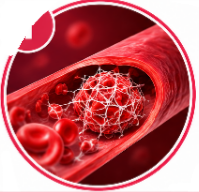
The most established function of vitamin K is its participation in the activation of several coagulation proteins. These proteins include prothrombin, factor VII, factor IX, and factor X. Vitamin K also supports the activation of proteins C and S, which help regulate coagulation.
Bone Metabolism 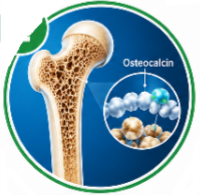
Vitamin K activates osteocalcin, a protein produced by bone-forming cells. This protein participates in bone mineralization. Vitamin K also activates matrix Gla protein, which is involved in regulating mineralization in soft tissues.
Cellular Protein Regulation 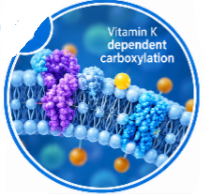
Vitamin K-dependent carboxylation influences the activity of multiple proteins. These biochemical processes demonstrate that vitamin K has functions beyond blood coagulation, although the clinical significance of some proposed additional benefits remains under investigation.
| Function | Relevant Protein | Physiological Importance |
|---|---|---|
| Coagulation | Factors II, VII, IX, X | Normal blood clot formation |
| Anticoagulant regulation | Proteins C and S | Regulation of coagulation |
| Bone metabolism | Osteocalcin | Participation in bone mineralization |
| Tissue mineral regulation | Matrix Gla protein | Regulation of tissue mineralization |
4. Evidence-Based Benefits of Vitamin K
Vitamin K has several established physiological roles. Its importance in normal coagulation is supported by extensive biochemical and clinical evidence. Vitamin K administration is also used in specific medical circumstances, including prevention or treatment of vitamin K deficiency bleeding.
- Normal coagulation: Supports the activation of essential coagulation proteins.
- Bleeding prevention: Adequate vitamin K status helps prevent deficiency-related bleeding.
- Newborn protection: Prophylactic vitamin K substantially reduces vitamin K deficiency bleeding in newborns.
- Bone protein activation: Supports the activation of osteocalcin.
- Protein regulation: Participates in the activation of several vitamin K-dependent proteins.
Although vitamin K has a recognized role in bone biology, evidence that supplementation prevents fractures in all healthy adults is not conclusive. Similarly, laboratory findings involving vascular calcification should not be interpreted as proof that vitamin K supplements prevent cardiovascular disease.
5. Recommended Daily Intake of Vitamin K
Vitamin K intake recommendations differ between countries. In the United States, the National Academies established adequate intake values rather than recommended dietary allowances because available evidence was insufficient to establish an RDA.
| Population | Adequate Intake |
|---|---|
| Birth to 6 months | 2 micrograms/day |
| 7–12 months | 2.5 micrograms/day |
| 1–3 years | 30 micrograms/day |
| 4–8 years | 55 micrograms/day |
| 9–13 years | 60 micrograms/day |
| 14–18 years | 75 micrograms/day |
| Adult men | 120 micrograms/day |
| Adult women | 90 micrograms/day |
| Pregnancy, ages 14–18 | 75 micrograms/day |
| Pregnancy, ages 19–50 | 90 micrograms/day |
| Lactation, ages 14–18 | 75 micrograms/day |
| Lactation, ages 19–50 | 90 micrograms/day |
These values represent United States adequate intake guidance and should not be confused with therapeutic doses used to treat deficiency or reverse the effects of vitamin K antagonists. No tolerable upper intake level has been established for vitamin K because available evidence has not identified a toxicity threshold for naturally occurring forms in healthy individuals.
6. Foods High in Vitamin K
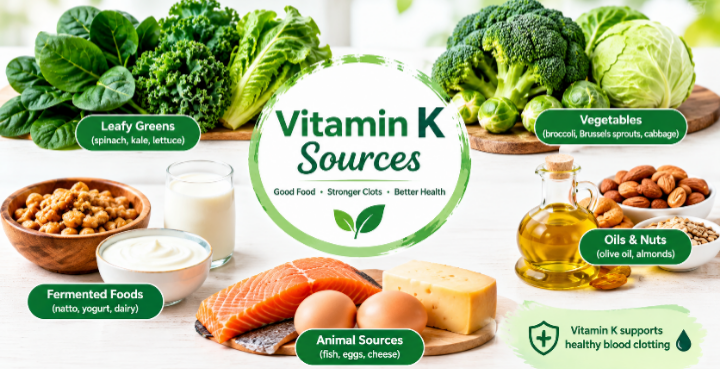
Green leafy vegetables are among the richest sources of vitamin K1. Regularly including these foods in a varied diet can help maintain adequate vitamin K intake. Other sources include vegetable oils, selected animal products, and fermented foods.
| Food | Approximate Serving | Vitamin K |
|---|---|---|
| Cooked kale | 1/2 cup | Approximately 530 micrograms |
| Cooked spinach | 1/2 cup | Approximately 444 micrograms |
| Raw spinach | 1 cup | Approximately 145 micrograms |
| Cooked broccoli | 1/2 cup | Approximately 110 micrograms |
| Green cabbage | 1/2 cup cooked | Approximately 82 micrograms |
| Soybean oil | 1 tablespoon | Approximately 25 micrograms |
| Canola oil | 1 tablespoon | Approximately 10 micrograms |
Food composition values are approximate and may vary according to the variety, preparation method, serving size, and database used. For accurate food-specific information, consult the USDA FoodData Central database.
Readers interested in other essential nutrients can also explore Facts About Vitamin B12: The Secrets of Better Health, which discusses another important vitamin involved in normal human physiology.
7. Absorption, Bioavailability and Metabolism
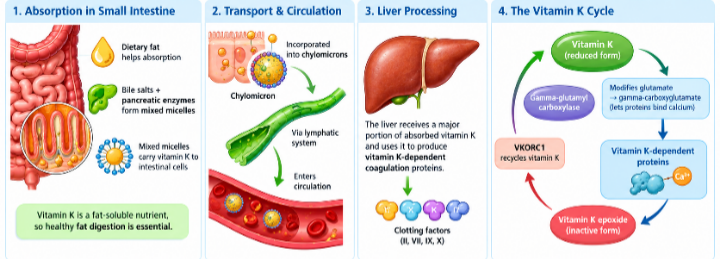
Vitamin K is absorbed in the small intestine through mechanisms associated with dietary fat digestion. Bile salts and pancreatic enzymes assist the formation of mixed micelles, which transport fat-soluble nutrients toward intestinal cells.
After absorption, vitamin K is incorporated into chylomicrons and transported through the lymphatic system before entering the circulation. The liver receives a substantial proportion of absorbed vitamin K and uses it in the production of vitamin K-dependent coagulation proteins.
The Vitamin K Cycle
Vitamin K acts as a cofactor for gamma-glutamyl carboxylase. This enzyme modifies selected glutamate residues in vitamin K-dependent proteins, converting them into gamma-carboxyglutamate residues. These modifications allow the proteins to bind calcium and perform their biological functions.
During this reaction, reduced vitamin K is converted into vitamin K epoxide. Vitamin K epoxide reductase complex subunit 1 (VKORC1) helps regenerate active vitamin K. This recycling process is essential because it allows the body to reuse vitamin K efficiently.
8. Vitamin K Deficiency: Causes and Risk Factors
Vitamin K deficiency occurs when insufficient vitamin K is available to support normal vitamin K-dependent protein activation. Clinically significant deficiency is uncommon in otherwise healthy adults who consume a varied diet, but it can occur in people with certain medical conditions or medication exposures.
- Prolonged use of certain broad-spectrum antibiotics.
- Fat malabsorption disorders.
- Cholestatic liver or biliary disease.
- Pancreatic insufficiency.
- Inflammatory or intestinal disorders affecting absorption.
- Very restricted dietary intake combined with additional risk factors.
- Long-term use of medicines that interfere with vitamin K metabolism.
- Newborn status because placental transfer is limited and intestinal vitamin K-producing bacteria are not yet established.
9. Vitamin K Deficiency Symptoms and Clinical Signs
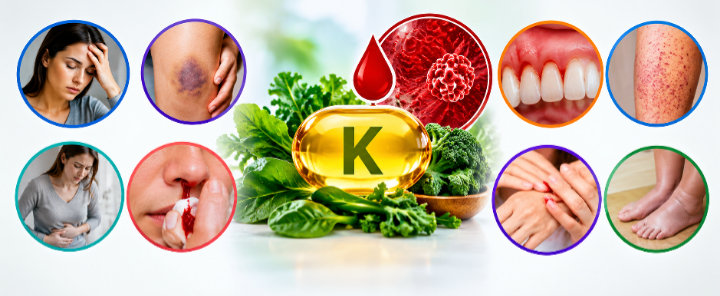
Vitamin K deficiency symptoms are primarily related to impaired blood coagulation. When vitamin K-dependent proteins are not adequately activated, the body may have difficulty forming normal blood clots. Symptoms can range from mild bruising to serious internal bleeding.
| Finding | Possible Mechanism | Clinical Interpretation |
|---|---|---|
| Easy bruising | Impaired coagulation | Nonspecific finding |
| Nosebleeds | Reduced coagulation capacity | Requires assessment if recurrent |
| Bleeding gums | Impaired hemostasis or local disease | Not specific to vitamin K deficiency |
| Prolonged bleeding | Reduced activity of coagulation factors | Clinically important |
| Blood in urine | Possible bleeding disorder | Requires prompt medical assessment |
| Gastrointestinal bleeding | Impaired coagulation | Potentially serious |
| Intracranial bleeding | Severe bleeding tendency | Medical emergency |
Medical Warning: Unexplained severe bleeding, black stools, vomiting blood, fainting, or a sudden severe headache requires urgent medical evaluation. These symptoms should never be attributed to a vitamin deficiency without proper assessment.
10. Diagnosis and Laboratory Investigations
The diagnosis of vitamin K deficiency requires clinical context and appropriate investigations. A history of malabsorption, prolonged antibiotic exposure, dietary restriction, or unexplained bleeding may increase clinical suspicion.
| Investigation | Purpose | Limitation |
|---|---|---|
| Prothrombin time | Assesses selected coagulation pathways | Prolongation has several possible causes |
| INR | Standardizes PT results | Not specific for vitamin K deficiency |
| Activated partial thromboplastin time | Assesses another part of coagulation | May remain normal in early deficiency |
| Complete blood count | Assesses anemia and platelet count | Does not directly measure vitamin K |
| PIVKA-II | Detects undercarboxylated prothrombin | Interpretation requires clinical context |
| Serum phylloquinone | Measures circulating vitamin K1 | Affected by recent dietary intake and lipid levels |
Prolonged prothrombin time may occur in vitamin K deficiency, liver disease, disseminated intravascular coagulation, and during treatment with vitamin K antagonists. Therefore, laboratory findings must be interpreted alongside medical history, medication use, and examination findings.
A clinical discussion of diagnostic reasoning and medicine-related mechanisms can be supplemented by reading Pharmacology Basics: What Is Pharmacology?.
11. Treatment of Vitamin K Deficiency
Treatment depends on the severity of deficiency, underlying cause, bleeding status, age, and clinical circumstances. The primary objective is to restore adequate vitamin K activity and correct the condition responsible for deficiency.
- Identify and treat underlying malabsorption or biliary disease.
- Improve dietary vitamin K intake when appropriate.
- Use oral vitamin K when suitable and clinically indicated.
- Consider parenteral vitamin K when absorption is impaired or clinical circumstances require it.
- Monitor coagulation tests and clinical response when appropriate.
- Investigate other possible causes of bleeding or abnormal coagulation.
Severe bleeding associated with vitamin K deficiency may require emergency treatment, including vitamin K and additional hemostatic measures. In selected situations, clinicians may use prothrombin complex concentrate or plasma according to the underlying cause and treatment guidelines.
Important Note: Treatment of suspected vitamin K deficiency should not be delayed when serious bleeding is present. However, unexplained coagulation abnormalities require proper investigation because liver disease and other disorders can produce similar findings.
12. Vitamin K Supplements: Forms and Uses
Vitamin K supplements are available in several formulations. Common products contain phylloquinone or menaquinones. Some multivitamins include vitamin K alongside other nutrients, while individual supplements may contain a specific form.
- Vitamin K1 supplements.
- Vitamin K2 supplements containing MK-4.
- Vitamin K2 supplements containing MK-7.
- Multivitamin and mineral formulations.
- Clinically prescribed vitamin K preparations.
Supplements are not necessary for everyone. Individuals taking warfarin should never start or stop vitamin K supplements without consulting their anticoagulation clinician. Product quality, formulation, dosage, and possible interactions should be reviewed before use.
For readers interested in other nutrients and their roles in health, the article 90 Days of Vitamin A: Game-Changing Truths for Skin and Eyes provides additional nutritional education.
13. Dosage, Safety and Upper Intake Limits
Recommended nutritional intake is different from therapeutic vitamin K dosing. The amount required to correct deficiency or reverse warfarin effects is determined by clinical indication and must be supervised by an appropriate healthcare professional.
There is no established tolerable upper intake level for naturally occurring vitamin K1 and K2 because available evidence has not established a harmful threshold in healthy populations. This does not mean that every supplement dose is appropriate for every patient.
14. Side Effects, Toxicity and Overdose
Naturally occurring vitamin K1 and K2 have low recognized toxicity when consumed in ordinary dietary amounts. However, synthetic menadione, historically known as vitamin K3, is associated with toxicity and is not used as a routine nutritional supplement in humans.
| Safety Issue | Potential Concern | Recommended Action |
|---|---|---|
| Excessive supplementation | Unnecessary exposure and possible interactions | Review supplement use with a clinician |
| Warfarin interaction | Reduced anticoagulant effect | Maintain consistent vitamin K intake and monitor INR |
| Menadione exposure | Potential toxicity | Avoid unsupervised use |
| Severe bleeding | Potentially life-threatening hemorrhage | Seek emergency medical care |
15. Warfarin and Vitamin K Interaction
Warfarin is an oral anticoagulant that works by inhibiting vitamin K epoxide reductase. This reduces the regeneration of active vitamin K and consequently decreases the activation of vitamin K-dependent coagulation factors.
Because warfarin acts through the vitamin K cycle, changes in dietary vitamin K intake can influence anticoagulation. A sudden substantial increase in vitamin K intake may reduce warfarin’s anticoagulant effect, while a sudden decrease may increase anticoagulant effect in some circumstances.
What Foods Should You Avoid When Taking Warfarin?
Most people taking warfarin do not need to completely avoid spinach, kale, broccoli, cabbage, or other vitamin K-rich foods. The important principle is to maintain a reasonably consistent dietary pattern and follow the monitoring plan provided by the anticoagulation service.
| Food or Product | Clinical Consideration |
|---|---|
| Spinach | Maintain consistent intake |
| Kale | Avoid sudden large dietary changes |
| Broccoli | Can be included in a consistent diet |
| Vitamin K supplements | Require professional review |
| Multivitamins | Check vitamin K content before use |
Important: Never change warfarin dosage yourself to compensate for dietary changes. INR monitoring and medication adjustment should be managed by qualified healthcare professionals.
16. Why Do Newborns Need Vitamin K Injection After Birth?
Newborn babies naturally have relatively low vitamin K stores. Vitamin K crosses the placenta in limited amounts, breast milk contains relatively little vitamin K, and the newborn intestinal microbiome is not yet established.
These factors place newborns at risk of vitamin K deficiency bleeding, a potentially serious condition that can cause bleeding from the umbilical area, gastrointestinal tract, skin, or brain.
A vitamin K injection administered after birth is recommended by major pediatric organizations to prevent this condition. Intramuscular prophylaxis is highly effective and is preferred in many national guidelines.
Types of Vitamin K Deficiency Bleeding
- Early vitamin K deficiency bleeding, occurring within the first 24 hours after birth.
- Classical vitamin K deficiency bleeding, generally occurring during the first week.
- Late vitamin K deficiency bleeding, occurring from approximately one week to six months of age.
Late vitamin K deficiency bleeding is particularly concerning because intracranial hemorrhage can occur. Parents should discuss newborn prophylaxis with their healthcare professional and follow local neonatal recommendations.
Readers interested in health, nutrition, skincare, and beauty education can also explore SSTHEM.net.
17. Drug–Nutrient and Nutrient–Nutrient Interactions
Several medicines and medical conditions can influence vitamin K status or activity. Healthcare professionals should review supplements, dietary patterns, and medication history when assessing unexplained coagulation abnormalities.
| Medicine or Factor | Interaction | Clinical Relevance |
|---|---|---|
| Warfarin | Inhibits vitamin K recycling | Requires INR monitoring |
| Broad-spectrum antibiotics | May contribute to deficiency in susceptible patients | Assess prolonged exposure and nutritional risk |
| Bile acid sequestrants | May reduce absorption of fat-soluble vitamins | Monitor at-risk patients |
| Orlistat | May reduce absorption of fat-soluble vitamins | Review nutritional status |
| Vitamin K supplements | May alter warfarin response | Professional medication review |
18. Vitamin K in Special Populations
Newborns and Infants
Newborns require preventive vitamin K administration because their natural stores are low and deficiency bleeding can be severe. Follow established neonatal prophylaxis guidelines.
Pregnancy and Lactation
Pregnant and breastfeeding individuals should generally obtain vitamin K through a varied diet. Routine supplementation should follow local prenatal guidance and individual clinical assessment.
Older Adults
Older adults may have dietary limitations, multiple medications, or gastrointestinal conditions that affect nutritional status. Adequate intake should be assessed without assuming that every older person needs supplementation.
People With Liver or Gastrointestinal Disease
Cholestasis, pancreatic disease, and fat malabsorption can interfere with vitamin K absorption. Liver disease can also impair coagulation through mechanisms unrelated to vitamin K deficiency.
19. Common Myths About Vitamin K
| Common Claim | Evidence-Based Explanation |
|---|---|
| Vitamin K directly creates blood clots | It activates proteins required for normal coagulation. |
| Everyone needs vitamin K supplements | Most healthy people can obtain adequate amounts from food. |
| People taking warfarin must avoid vegetables | Consistent dietary intake is generally preferred to complete avoidance. |
| Vitamin K2 is always better than K1 | Both forms have biological activity, and superiority depends on the intended clinical outcome. |
| Vitamin K deficiency is common in healthy adults | Clinically significant deficiency is uncommon in healthy adults. |
| All bleeding means vitamin K deficiency | Bleeding has numerous possible causes. |
| Vitamin K supplements prevent all fractures | Evidence for universal fracture prevention is insufficient. |
| Newborns do not need vitamin K if breastfed | Breast milk contains relatively little vitamin K, so prophylaxis remains important. |
20. Clinical Case Examples for Medical Students
Case 1: Adult With Unexplained Bruising
Fictional Educational Case: A 62-year-old patient presents with unexplained bruising and recurrent nosebleeds. The patient has a history of chronic gastrointestinal disease and prolonged antibiotic exposure.
Initial assessment: Obtain a complete medication history, dietary history, physical examination, complete blood count, PT/INR, and other investigations according to the clinical presentation.
Clinical interpretation: Vitamin K deficiency is one possibility, but liver disease, medication effects, platelet disorders, and other coagulation abnormalities must also be considered.
Learning point: Unexplained bruising requires a structured clinical assessment rather than automatic vitamin supplementation.
Case 2: Patient Taking Warfarin
Fictional Educational Case: A 70-year-old patient receiving warfarin begins consuming substantially larger amounts of leafy vegetables after changing dietary habits. Subsequent INR testing shows a change in anticoagulation status.
Clinical assessment: Review medication adherence, recent dietary changes, new medicines, supplements, illness, and the INR monitoring history.
Management principle: Maintain a consistent vitamin K intake and allow the anticoagulation team to adjust warfarin according to the patient’s INR and clinical indication.
Learning point: Patients taking warfarin should not independently eliminate vitamin K-rich foods or change medication doses.
Case 3: Newborn Without Vitamin K Prophylaxis
Fictional Educational Case: A young infant presents with unexplained bleeding and poor feeding. The birth history indicates that vitamin K prophylaxis was not administered.
Initial assessment: This presentation requires emergency pediatric assessment, coagulation investigations, blood count, and evaluation for intracranial or other internal bleeding when clinically indicated.
Clinical interpretation: Vitamin K deficiency bleeding is an important differential diagnosis. Other neonatal bleeding disorders and medical conditions must also be considered.
Learning point: Newborn vitamin K prophylaxis is an important preventive intervention against potentially life-threatening hemorrhage.
21. Practical Strategies to Maintain Healthy Vitamin K Levels
- Include green leafy vegetables regularly in meals.
- Eat a varied diet containing vegetables, legumes, and appropriate sources of healthy fats.
- Consider broccoli, spinach, cabbage, and kale as useful dietary sources.
- Address medical conditions that interfere with fat absorption.
- Discuss prolonged antibiotic exposure and nutritional risk with healthcare professionals.
- Review supplements and multivitamins before starting them.
- Maintain consistent vitamin K intake when taking warfarin.
- Ensure newborn vitamin K prophylaxis according to local guidelines.
1. How does vitamin K help blood clotting?
Answer : Vitamin K helps activate coagulation factors II, VII, IX, and X through gamma-carboxylation. These proteins participate in normal blood clot formation.
2. What are the main vitamin K deficiency symptoms?
Answer : Possible symptoms include easy bruising, recurrent nosebleeds, prolonged bleeding, and gastrointestinal or other internal bleeding. These findings require clinical evaluation.
3. Which foods are high in vitamin K?
Answer : Kale, spinach, broccoli, cabbage, and certain vegetable oils are important sources of vitamin K1. Fermented foods and selected animal products can provide vitamin K2.
4. What is the difference between vitamin K1 and K2?
Answer : Vitamin K1 is phylloquinone, mainly found in green vegetables. Vitamin K2 includes menaquinones found in fermented foods and selected animal products.
5. Does vitamin K make blood clot faster?
Answer : Vitamin K supports normal coagulation by activating specific proteins. It does not simply make blood clot faster in every individual.
6. Can you take vitamin K with blood thinners?
Answer : People taking warfarin should discuss vitamin K supplements with their healthcare professional because changes can affect anticoagulation. Other anticoagulants do not all interact with vitamin K in the same way.
7. What foods should be avoided when taking warfarin?
Answer : Complete avoidance of leafy vegetables is generally unnecessary. The recommended approach is to maintain a consistent dietary pattern and follow INR monitoring instructions.
8. Why do newborns need vitamin K injections?
Answer : Newborns have low vitamin K stores and are vulnerable to vitamin K deficiency bleeding. Prophylactic vitamin K significantly reduces this risk.
9. Can vitamin K deficiency cause internal bleeding?
Answer : Yes. Severe deficiency can cause gastrointestinal and intracranial bleeding, particularly in vulnerable newborns.
10. Which laboratory test detects vitamin K deficiency?
Answer : Prothrombin time and INR can become prolonged in clinically significant deficiency. Additional investigations may include PIVKA-II and circulating phylloquinone measurements.
11. Is vitamin K2 better than vitamin K1?
Answer : There is no universal evidence that K2 is better than K1 for every clinical outcome. Both forms support vitamin K-dependent protein activation.
12. How much vitamin K should adults consume daily?
Answer : The United States adequate intake is 120 micrograms daily for adult men and 90 micrograms daily for adult women. Recommendations may differ between countries.
13. Can antibiotics cause vitamin K deficiency?
Answer : Some prolonged antibiotic exposures may contribute to vitamin K deficiency, particularly in people with poor nutrition or additional risk factors.
14. Can vitamin K supplements prevent osteoporosis?
Answer : Vitamin K participates in bone metabolism, but evidence does not establish that supplementation universally prevents osteoporosis or fractures.
15. When should someone seek medical advice about possible vitamin K deficiency?
Answer : Seek medical evaluation for unexplained bruising, recurrent bleeding, blood in urine or stool, or abnormal coagulation results. Severe or uncontrolled bleeding requires emergency care.
23. Key Takeaways: Vitamin K and Blood Clotting
- Vitamin K is a fat-soluble vitamin essential for normal coagulation protein activation.
- Vitamin K1 is mainly obtained from green leafy vegetables.
- Vitamin K2 includes menaquinones found in fermented foods and selected animal products.
- Vitamin K supports activation of clotting factors II, VII, IX, and X.
- Proteins C and S also depend on vitamin K for activation.
- Deficiency can produce bruising and serious bleeding.
- PT and INR can help identify coagulation abnormalities but are not specific for vitamin K deficiency.
- Warfarin interferes with vitamin K recycling.
- People taking warfarin should maintain consistent dietary vitamin K intake.
- Newborn vitamin K prophylaxis prevents potentially life-threatening deficiency bleeding.
- Most healthy adults can obtain sufficient vitamin K from a varied diet.
24. Conclusion: The Essential Link Between Vitamin K and Blood Clotting
Vitamin K plays a fundamental role in human physiology, particularly in the regulation of blood coagulation. Its ability to activate clotting factors makes it essential for normal hemostasis, while its involvement in osteocalcin and matrix Gla protein demonstrates additional biological importance.
Understanding the relationship between vitamin K and blood clotting is especially important when evaluating unexplained bleeding, newborn nutritional care, fat malabsorption, and anticoagulant therapy. The interaction between warfarin and vitamin K also demonstrates why dietary consistency and appropriate laboratory monitoring matter in clinical practice.
The most practical approach is to maintain a varied diet, recognize important deficiency risk factors, avoid unnecessary supplementation, and seek professional assessment when abnormal bleeding or coagulation results occur. Good nutritional medicine depends on evidence, clinical reasoning, and individualized care.
Scientific References and Further Reading
- National Institutes of Health, Office of Dietary Supplements. Vitamin K: Fact Sheet for Health Professionals. https://ods.od.nih.gov/factsheets/VitaminK-HealthProfessional/
- Centers for Disease Control and Prevention. Vitamin K Deficiency Bleeding. https://www.cdc.gov/vitamin-k-deficiency/
- Hand I, Noble L, Abrams SA. Vitamin K and the Newborn Infant. Pediatrics. 2022;149(3):e2021056036. https://doi.org/10.1542/peds.2021-056036
- US Department of Agriculture. FoodData Central. https://fdc.nal.usda.gov/
- National Health Service. Warfarin. https://www.nhs.uk/medicines/warfarin/
- MedlinePlus. Vitamin K. https://medlineplus.gov/
- World Health Organization. Nutrition. https://www.who.int/health-topics/nutrition
Medical Information Disclaimer: This article is intended for educational and informational purposes only. It does not replace individualized medical advice, diagnosis, or treatment. Nutritional requirements and supplement safety vary by age, health status, pregnancy status, medicines, and other factors. Consult a qualified healthcare professional for personalized assessment, testing, and treatment recommendations. If you experience severe or unexplained bleeding, seek urgent medical attention.


