
What Is Cefradine Used For 10 Powerful Facts About Uses, Dosage & Safety
What Is Cefradine Used For? 9 Powerful Uses & 5 Important Risks You Should Know
Why can the same antibiotic be highly effective for one clinical situation yet completely inappropriate in another? The answer is not found in a single prescribing guideline or a drug class name. It lives inside the drug’s mechanism of action, its narrow spectrum of activity, its rapid renal clearance, and the way it binds to penicillin-binding proteins to destroy bacterial cell walls. Cefradine is not a broad-spectrum miracle drug for every infection, yet it remains indispensable for specific gram-positive and susceptible gram-negative infections where other antibiotics may fail or be unnecessary.
A medical student may first encounter it as a “first-generation cephalosporin” and memorize its spectrum. A clinician may reach for it when treating methicillin-susceptible Staphylococcus aureus skin infections or streptococcal pharyngitis in a penicillin-allergic patient. A patient may search for what is cefradine used for after receiving a prescription and wondering whether this older antibiotic is still effective and safe. This article moves beyond a simple drug summary and provides a detailed, evidence-based exploration of cefradine 500mg uses and dosage, covering cefradine 500mg side effects, cefradine dosage for adults, cefradine used for which infections, cefradine 500mg for throat infection, cefradine for chest infection, cefradine for urinary tract infection, cefradine for skin infection, how to take cefradine 500mg, when to take cefradine before or after food, how long does cefradine take to work, and much more.
Before we go deeper, remember that clinical pharmacology is not about memorizing isolated facts. It is about understanding why a drug works, when it works, when it should be avoided, and what can go wrong. In the following sections, we answer those questions with evidence.
One more thing: if you are comparing cephalosporins and wondering about the newer fluoroquinolone class, you might be surprised by the hidden risks. For a suspenseful look at its uses and side effects, explore Details about Levofloxacin Uses and Side Effects . But keep your focus here first—the clinical stakes are high.
Key Facts Table: Cefradine at a Glance
The following table summarizes the most clinically important facts about cefradine. This is not a substitute for full prescribing information, but it provides a rapid reference for healthcare professionals and students.
| Parameter | Details |
|---|---|
| Generic Name | Cefradine (also spelled Cephradine) |
| Common Brand Names | Velosef, Anspor, Sefril, Maxisporin |
| Drug Class | Antibiotic |
| Therapeutic Class | Cephalosporin Antibiotic |
| Pharmacologic Class | First-Generation Cephalosporin |
| ATC Code | J01DB09 |
| Available Strengths | Capsules: 250 mg, 500 mg; Oral Suspension: 125 mg/5 mL, 250 mg/5 mL; Injection: 500 mg, 1 g |
| Dosage Forms | Capsule, Oral Suspension, Powder for Injection |
| Route(s) of Administration | Oral, Intramuscular (IM), Intravenous (IV) |
| FDA Status | Discontinued in the United States; approved and available in UK, Pakistan, India, and many other countries |
| Primary Clinical Uses | Susceptible infections of the skin, soft tissue, respiratory tract, and urinary tract |
| Bioavailability | >90% (oral) |
| Protein Binding | Low (6–20%) |
| Volume of Distribution | ~0.25–0.33 L/kg |
| Half-Life | 0.7–1.2 hours (prolonged in renal impairment) |
| Metabolism | Minimal (<5% hepatic) |
| Major Route of Elimination | Renal (primarily unchanged in urine) |
| Renal/Hepatic Considerations | Requires significant dose adjustment in renal impairment; no adjustment needed for hepatic impairment |
| Major Contraindications | Hypersensitivity to cephalosporins; severe hypersensitivity to penicillins (anaphylaxis) |
| Important Adverse Effects | Gastrointestinal disturbances, hypersensitivity reactions, C. difficile-associated diarrhea, neurotoxicity in renal impairment |
This table is a snapshot. Every parameter in it will be expanded in the dedicated sections below, but we will not repeat the full explanations unnecessarily.
What Is Cefradine?
Cefradine is a semisynthetic, first-generation cephalosporin antibiotic. It belongs to the beta-lactam family of antibiotics, sharing the characteristic beta-lactam ring that defines penicillins, cephalosporins, carbapenems, and monobactams. The beta-lactam ring is not a structural curiosity; it is the chemical warhead that allows these drugs to attack the bacterial cell wall.
As a first-generation cephalosporin, cefradine has a spectrum of activity that is primarily gram-positive, with limited gram-negative coverage. It is highly active against methicillin-susceptible Staphylococcus aureus (MSSA) and Streptococcus species, which makes it particularly useful for skin and soft tissue infections and streptococcal pharyngitis.
Cefradine is unique among its first-generation siblings because it is available in both oral and injectable formulations with identical pharmacokinetic profiles. This property, known as “bioequivalence between routes,” is clinically invaluable. A patient admitted with severe cellulitis requiring IV therapy can be seamlessly transitioned to oral cefradine without changing drugs, simplifying stewardship and reducing the risk of medication errors.
The drug is not currently marketed in the United States, a fact that surprises many American-trained clinicians. However, it remains a first-line or second-line agent in the United Kingdom, Pakistan, India, Bangladesh, and numerous other nations. For any clinician practicing in these regions—or treating patients who have traveled from them—familiarity with cefradine is not optional; it is essential.
The most commonly prescribed oral strength is cefradine 500 mg, used for many adult indications. However, the dose must always be individualized based on infection severity, organism susceptibility, renal function, and patient-specific risk factors. To understand how dosing is calculated for such drugs, the principles of volume of distribution are foundational. This concept reveals where a drug travels in the body and is vital for predicting its clinical effect.
Pharmacokinetics & Pharmacodynamics Key Table
Before we dive into individual pharmacokinetic sections, the following table provides a consolidated view of the clinically relevant pharmacokinetic and pharmacodynamic characteristics of cefradine. The table is designed to be readable on mobile devices.
| Parameter | Clinically Relevant Details |
|---|---|
| Absorption | Rapid and complete after oral administration. Acid-stable. |
| Bioavailability | >90%; oral dose is nearly equivalent to IV dose. |
| Time to Peak Concentration | 0.5–1.5 hours post-dose (oral). |
| Protein Binding | Low (6–20%), allowing for extensive tissue distribution. |
| Volume of Distribution | ~0.25–0.33 L/kg, indicating distribution primarily into extracellular fluid. |
| Tissue Penetration | Good penetration into skin, soft tissue, respiratory tract, bone, and synovial fluid. |
| Blood-Brain Barrier Penetration | Poor; unsuitable for treating meningitis. |
| Placental Transfer | Crosses the placenta; human data are limited and require caution. |
| Half-Life | 0.7–1.2 hours in patients with normal renal function. |
| Metabolism | Minimal; less than 5% is metabolized in the liver. |
| Active Metabolites | None of clinical significance. |
| Enzyme Involvement | Not a significant substrate, inhibitor, or inducer of CYP450 enzymes. |
| Elimination | Predominantly renal via glomerular filtration and tubular secretion. |
| Renal Clearance | >90% of a dose is recovered unchanged in the urine. |
| Fecal/Biliary Elimination | A minor route of elimination. |
| Pharmacodynamic Target | Inhibition of bacterial cell wall synthesis. |
| Mechanism | Bactericidal. |
| Concentration/Time-Dependent Activity | Time-dependent bactericidal activity. |
| PK/PD Index | T > MIC; free drug concentrations should exceed MIC for 40–60% of dosing interval. |
This table is a quick reference. The following sections explain the most important details without unnecessary repetition.
Half-Life of Cefradine
The half-life of cefradine in a patient with normal renal function is approximately 0.7 to 1.2 hours. This remarkably short half-life dictates a frequent dosing regimen. The body efficiently clears the drug, primarily through the kidneys, which means that therapeutic concentrations can only be maintained with multiple daily doses—typically every 6 hours for serious infections.
However, this half-life is not static. It is profoundly and predictably extended in patients with renal impairment. In a patient with severe kidney disease (creatinine clearance < 10 mL/min), the half-life can increase to 8 to 15 hours or longer. This dramatic change is the single most important factor in preventing cefradine-related toxicity.
When the kidney’s filtering capacity is reduced, the drug cannot be eliminated effectively, leading to accumulation. This accumulation directly increases the risk of dose-dependent adverse effects, such as neurotoxicity, including seizures and encephalopathy.
This is why a loading dose is usually given in renal impairment to achieve therapeutic levels quickly, but the maintenance dose must be reduced. Understanding the relationship between half-life and dosing frequency is a prime example of how clinical pharmacology directly guides safe prescribing. Without this precise adjustment, a clinician could easily turn a life-saving drug into a toxic one, highlighting the suspense inherent in managing complex patients.
Metabolism of Cefradine
In stark contrast to many other drugs, cefradine undergoes minimal hepatic metabolism. Less than 5% of an administered dose is processed by the liver. The drug is not a significant substrate for the cytochrome P450 enzyme system, nor does it act as a clinically relevant inhibitor or inducer of these enzymes.
This is a crucial pharmacological feature. It means that cefradine is not susceptible to the vast majority of drug-drug interactions that occur at the level of hepatic enzymes. Unlike macrolides like erythromycin or azole antifungals, which are potent CYP450 inhibitors and can cause levels of other drugs to skyrocket, cefradine has a cleaner profile in this regard.
The clinical implication is profound: no dosage adjustment is required for patients with hepatic impairment. The liver’s ability to process cefradine is not the rate-limiting step; the kidney is. This makes cefradine a useful option in patients with liver disease who have normal renal function, as its clearance is independent of hepatic function. The lack of significant metabolism also means there are no active metabolites contributing to the drug’s effect or toxicity.
Bioavailability & Protein Binding of Cefradine
One of the most remarkable features of cefradine is its oral bioavailability of greater than 90%. This means that when a patient swallows a 500 mg capsule, the body absorbs nearly the entire dose, achieving blood levels almost identical to those achieved by a 500 mg intravenous infusion. This is the foundation of “IV-to-PO switch” therapy. A patient stabilized on IV cefradine can be switched to an oral capsule at the same dose with complete confidence, freeing them from IV lines and enabling earlier discharge.
Protein binding is another key aspect of its success. Cefradine is only 6% to 20% bound to plasma proteins. The remaining 80% to 94% is free or unbound. Only the unbound fraction of a drug is pharmacologically active and able to diffuse out of the bloodstream into tissues. This low protein binding, combined with its small volume of distribution, explains cefradine’s effective tissue penetration. It achieves therapeutic concentrations in skin, soft tissue, respiratory tract, and bone.
For a broader context on why this concept matters for nearly every medication, the principles governing this behavior are discussed in our comprehensive guide on Learn Details of Plasma Protein Binding . This knowledge helps predict which drugs will be effective in treating deep-seated infections versus those confined to the bloodstream.
FDA-Approved Uses: The Nine Critical Indications
When we discuss what is cefradine used for, we must first ground our conversation in the diseases it is officially approved to treat. It is critical to clarify the regulatory landscape from the outset. Cefradine is not currently FDA-approved or marketed in the United States. However, it has a long history of approval and use in other major regions, including the UK and much of the Commonwealth, where its approved indications are well-defined in official prescribing information. The following are the primary approved uses based on international standards.
1. Skin and Soft Tissue Infections (SSTIs) 
This is perhaps the most enduring modern indication for cefradine. It is highly active against methicillin-susceptible Staphylococcus aureus (MSSA) and Streptococcus pyogenes—the two most common causes of cellulitis, impetigo, and wound infections. For these infections, cefradine remains a highly effective and guideline-supported therapy in many regions. The suspense here is high; severe skin infections can spread rapidly, and cefradine’s rapid, time-dependent killing and excellent tissue penetration can be life-saving.
2. Streptococcal Pharyngitis (Strep Throat) 
Cefradine is an effective alternative for treating cefradine 500mg for throat infection, particularly in patients with a non-severe penicillin allergy. Streptococcus pyogenes (Group A Strep) is the causative pathogen, and cefradine’s potent gram-positive activity makes it an excellent choice. However, it is not typically first-line; penicillin or amoxicillin remains the standard of care, with cefradine reserved for those who cannot tolerate first-line agents.
3. Respiratory Tract Infections 
Cefradine is approved for the treatment of respiratory tract infections, including pharyngitis, tonsillitis, and community-acquired pneumonia. However, its use for cefradine for chest infection is most appropriate when the suspected pathogen is a susceptible organism like Streptococcus pneumoniae. With the rise of penicillin-resistant pneumococci and the near-universal resistance of Haemophilus influenzae to first-generation cephalosporins, cefradine is often not the first-line choice for empirical pneumonia in many modern guidelines.
4. Urinary Tract Infections (UTIs) 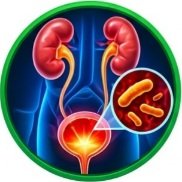
Cefradine is used for the treatment of acute uncomplicated cystitis and pyelonephritis. Its high urinary concentration makes it theoretically effective against susceptible uropathogens like Escherichia coli and Proteus mirabilis. However, the prevalence of resistance among community-acquired E. coli is now a major limiting factor. The use of cefradine for urinary tract infection should be guided by local susceptibility data whenever possible.
5. Bone and Joint Infections 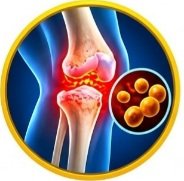
Cefradine achieves therapeutic concentrations in bone and synovial fluid, making it a useful agent for the treatment of osteomyelitis and septic arthritis caused by susceptible organisms, particularly MSSA. However, prolonged therapy is typically required, and renal function must be monitored closely.
6. Surgical Prophylaxis 
Cefradine is used for perioperative prophylaxis in certain surgical procedures to reduce the incidence of postoperative wound infections. Its rapid onset, good tissue penetration, and short half-life make it suitable for this purpose.
7. Otitis Media 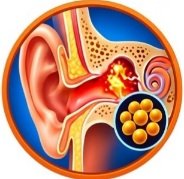
Cefradine is approved for the treatment of acute otitis media in children and adults. However, its activity against Haemophilus influenzae and Moraxella catarrhalis is unreliable, which limits its empirical use for this indication.
8. Sinusitis 
Cefradine may be used for acute bacterial sinusitis caused by susceptible organisms. However, as with otitis media, its unreliable coverage of common respiratory pathogens like H. influenzae makes it a less preferred option compared to amoxicillin-clavulanate or other agents.
9. Septicemia 
Cefradine is approved for the treatment of septicemia caused by susceptible organisms. However, in the modern era, it is rarely used as empirical monotherapy for sepsis due to its narrow spectrum and the availability of broader-spectrum agents. It may be used once the pathogen is identified and known to be susceptible.
Spectrum of Activity: The Narrow Warrior
Beyond its approved uses, understanding cefradine’s spectrum of activity is essential for a clinician deciding when to deploy it. Its clinical success is directly tied to which bacteria it can kill.
Gram-Positive Activity
Cefradine is a potent weapon against gram-positive organisms. It is highly active against methicillin-susceptible Staphylococcus aureus (MSSA), Staphylococcus epidermidis, Streptococcus pyogenes (Group A Strep), Streptococcus agalactiae (Group B Strep), viridans group streptococci, and Streptococcus pneumoniae (though penicillin-resistant strains are often cross-resistant). This potent gram-positive coverage makes it a workhorse drug for cefradine for skin infection and streptococcal pharyngitis.
Gram-Negative Activity
Cefradine’s gram-negative coverage is limited. It is active against Escherichia coli, Proteus mirabilis, and Klebsiella pneumoniae. However, this is where the modern problem of resistance becomes paramount. Many community-acquired strains of E. coli, the most common cause of UTIs, now produce beta-lactamases that efficiently destroy first-generation cephalosporins. As a result, empirical use of cefradine for UTIs is increasingly unreliable.
Atypical Organisms and Anaerobes
Cefradine has poor activity against atypical bacteria like Mycoplasma pneumoniae and Chlamydophila pneumoniae, as well as anaerobic bacteria like Bacteroides fragilis. This is a major limitation, as it means cefradine is not suitable for infections where these organisms are likely pathogens.
Important Intrinsic Resistance
Cefradine is completely ineffective against methicillin-resistant Staphylococcus aureus (MRSA), Enterococcus species, Pseudomonas aeruginosa, and most Enterobacter, Serratia, and Acinetobacter species. The rise of acquired resistance is the most significant threat. Resistance typically occurs via the production of beta-lactamase enzymes that hydrolyze the beta-lactam ring, rendering the drug inactive.
Mechanism of Action: Cefradine

The molecular mechanism of cefradine is elegant and brutal. It is a bactericidal agent that kills bacteria by attacking their most fundamental structure: the cell wall. Bacterial cell walls are composed of peptidoglycan, a mesh-like polymer that gives the cell its shape and rigidity. The construction of peptidoglycan is orchestrated by a family of enzymes known as Penicillin-Binding Proteins (PBPs).
Cefradine’s beta-lactam ring is a structural mimic of the D-alanyl-D-alanine residues that PBPs normally bind to. When cefradine reaches the cell wall, it binds irreversibly to specific PBPs, deactivating them. The result is catastrophic for the bacterium. It continues to grow, but it can no longer build a stable cell wall. The wall weakens, the internal osmotic pressure causes the cell membrane to bulge outward, and the bacterium eventually lyses—it bursts open and dies.
This is why cefradine is described as bactericidal. It does not merely inhibit bacterial growth; it actively kills bacteria.
The primary mechanism of resistance is also molecular. Many bacteria produce enzymes called beta-lactamases, which have the ability to hydrolyze the beta-lactam ring. When this happens, the drug is inactivated before it can bind to its PBP target. This is why beta-lactamase-producing bacteria are resistant to cefradine. They have evolved the molecular equivalent of a bomb-disposal unit, capable of defusing the antibiotic before it can do any harm.
Pharmacodynamics of Cefradine
The pharmacodynamic principle underlying cefradine is simple: “the longer the exposure, the better the killing.” This is known as time-dependent bactericidal activity. Unlike aminoglycosides, which exhibit concentration-dependent killing (higher concentrations kill more bacteria), cefradine’s efficacy is optimized when the drug concentration remains above the MIC for a prolonged period.
The best predictor of clinical success is the T > MIC parameter—the time that the free drug concentration remains above the minimum inhibitory concentration. For cefradine, the target is to maintain free drug concentrations above the MIC for 40% to 60% of the dosing interval.
This has immediate clinical implications. Given cefradine’s short half-life of approximately one hour, achieving this target requires frequent dosing. A standard 500 mg dose given every 6 hours will maintain levels above the MIC for common susceptible pathogens like MSSA for a sufficient duration. However, a less frequent regimen—say, every 12 hours—may allow drug levels to fall below the MIC for extended periods, providing bacteria with a window of opportunity to regrow.
The post-antibiotic effect (PAE)—the persistent suppression of bacterial growth after drug removal—is generally short for cephalosporins against gram-negative bacilli. This further reinforces the need for consistent, timely dosing. A missed dose is not merely an inconvenience; it is a breach in the therapeutic wall that bacteria are waiting to exploit.
Contraindications: The Absolute No-Fly Zones
There are certain clinical scenarios where cefradine must never be prescribed. These are not situations where the drug is “less effective” or “suboptimal.” These are situations where the drug is dangerous.
Hypersensitivity to Cephalosporins
A patient with a documented history of a severe hypersensitivity reaction to any cephalosporin must never receive cefradine. This includes reactions such as Stevens-Johnson syndrome (SJS), toxic epidermal necrolysis (TEN), anaphylaxis, or severe drug-induced hepatitis. The risk of a repeat, potentially fatal reaction is too high to justify the use of any cephalosporin.
Severe Penicillin Hypersensitivity
The structural similarity between penicillins and cephalosporins means that cross-reactivity is possible. While the overall cross-reactivity rate is low—often cited as 1% to 2%—a previous penicillin-induced anaphylaxis is an unacceptable risk for prescribing a cephalosporin. A patient who has experienced a life-threatening reaction to penicillin must not be given cefradine. These contraindications are not mere precautions. They are clinical red lines that must never be crossed.
Warnings & Precautions: Navigating the Minefield
Cefradine’s toxicity profile is significant enough to require careful consideration. These warnings are not theoretical; they represent real, potentially serious adverse events that can be prevented with proper patient selection and monitoring.
Renal Impairment
The most significant precaution for cefradine use is renal dysfunction. Because the drug is eliminated almost entirely by the kidneys, any degree of renal impairment will impair its clearance. The result is drug accumulation, which can lead to neurotoxicity—including seizures, encephalopathy, and myoclonus. Before prescribing, one must calculate the creatinine clearance. If it is reduced, adjust the dose or choose an alternative antibiotic.
Clostridioides difficile-Associated Diarrhea (CDAD)
Nearly all antibiotics carry a risk of C. difficile infection, and cefradine is no exception. By disrupting the normal gut flora, antibiotics permit the overgrowth of C. difficile, a toxin-producing organism that can cause a spectrum of illness from mild diarrhea to life-threatening pseudomembranous colitis. CDAD can occur weeks after antibiotic therapy has ended.
Allergy/Hypersensitivity
While severe reactions are a contraindication, even mild reactions (like a rash) to penicillins or other beta-lactams should prompt caution. A thorough allergy history is mandatory before prescribing. Cefradine allergy symptoms can range from mild rash to anaphylaxis and must be taken seriously.
Pregnancy and Lactation
Cefradine is considered generally safe for use during pregnancy when clearly needed. It is excreted in breast milk in low concentrations and is considered compatible with breastfeeding by major authorities, though monitoring the infant for diarrhea or thrush is advisable.
Geriatric Use
Older adults are at higher risk for adverse effects from cefradine, not because of age itself, but because of the natural decline in renal function that accompanies aging. Before prescribing, it is essential to calculate the creatinine clearance in elderly patients, even if their serum creatinine appears normal.
Side Effects of Cefradine
Understanding the cefradine 500mg side effects profile requires separating common, often self-limited reactions from less common but serious adverse events. The following sections describe both categories.
Common Side Effects
Common side effects of cefradine are generally mild to moderate and may include nausea, vomiting, mild abdominal cramps, and diarrhea. These gastrointestinal effects are the most frequently reported adverse reactions and are usually transient. Taking the medication with food may reduce GI upset.
The most common allergic manifestation is a benign, diffuse, maculopapular skin rash. This is not necessarily dangerous, but it requires monitoring. It can appear several days into therapy. Less commonly, patients may report itching or mild urticaria.
Candidiasis, or oral or vaginal yeast infection, can occur because cefradine suppresses normal bacterial flora, allowing fungal overgrowth. This is a common antibiotic-associated complication and can be treated with antifungal therapy if needed.
Less Common Side Effects
Less common side effects include headache, dizziness, and mild, transient elevations in liver enzymes (AST, ALT) without clinical symptoms. These reactions are generally reversible upon discontinuation.
Adverse Effects of Cefradine
The adverse effects of cefradine are more serious than the common side effects described above. These reactions may be rare, but they can be severe, disabling, or life-threatening. Healthcare professionals must recognize them early, and patients must know when to seek emergency care.
Severe Hypersensitivity Reactions 
While rare, anaphylaxis, angioedema (swelling of the face, lips, tongue), bronchospasm, and severe skin reactions like Stevens-Johnson Syndrome (SJS) and Toxic Epidermal Necrolysis (TEN) are possible. These are medical emergencies. A patient who develops difficulty breathing, facial swelling, or widespread blistering skin lesions must seek emergency care.
Clostridioides difficile-Associated Diarrhea 
This is one of the most clinically significant serious adverse effects. It can occur weeks after therapy has ended. Symptoms include severe, watery, or bloody diarrhea, fever, and abdominal pain. This is not a simple side effect; it is a dangerous infection caused by the antibiotic’s disruption of the gut microbiome.
Neurotoxicity 
This is primarily a risk in patients with significant renal impairment receiving inappropriately high doses. The accumulation of the beta-lactam drug in the cerebrospinal fluid can cause encephalopathy, myoclonus (muscle jerks), and seizures. This is a preventable adverse effect if dosing is adjusted for renal function.
Hematologic Effects 
Rarely, cefradine has been associated with neutropenia, leukopenia, thrombocytopenia, and hemolytic anemia. These are idiosyncratic reactions and are typically reversible upon discontinuation of the drug.
Hepatotoxicity 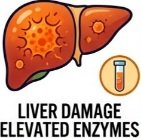
Severe hepatotoxicity, including hepatitis and cholestatic jaundice, has been reported rarely with cefradine. Symptoms include jaundice, dark urine, severe fatigue, and abdominal pain.
Drug Interactions of Cefradine
Compared to many other drugs, cefradine has a relatively clean interaction profile, primarily due to its minimal metabolism. However, clinically important interactions do exist, mainly at the level of renal excretion. The table below summarizes the most important interactions.
| Interacting Medicine/Class | Potential Interaction | Clinical Significance | Management Consideration |
|---|---|---|---|
| Probenecid | Competitively inhibits renal tubular secretion, increasing cefradine levels | Moderate | Be aware that cefradine levels will be higher and more prolonged |
| Potent Diuretics (e.g., Furosemide) | May increase the risk of nephrotoxicity | Low to Moderate | Monitor renal function in patients receiving both drugs |
| Aminoglycosides (e.g., Gentamicin) | Additive nephrotoxic and ototoxic potential | Moderate | Avoid if possible. If necessary, monitor renal function and aminoglycoside levels |
| Oral Contraceptives | Theoretical reduction in efficacy due to alteration of gut flora | Low | Advise patients to use an additional barrier method of contraception |
| Live Oral Vaccines (e.g., Typhoid) | Antibiotic may inactivate live bacteria in the vaccine | Moderate (when used concurrently) | Do not administer live oral typhoid vaccine during or shortly after cefradine course |
| Warfarin | May enhance anticoagulant effect; increased INR; bleeding | Low to Moderate | Monitor INR more frequently during co-administration |
Cefradine and Food
The question of when to take cefradine before or after food is common. Cefradine can be taken with or without food. It is acid-stable and highly bioavailable. Taking it with food may reduce minor gastrointestinal upset. There is no significant interaction with dairy products, unlike fluoroquinolones. The most important instruction is to maintain consistent timing and not to miss doses.
Dosage Details of Cefradine
Cefradine dosage for adults depends on the infection type, severity, renal function, patient age, and local resistance patterns. The following are general adult doses for selected indications. These doses are based on international prescribing information and should not replace clinical judgment or current guidelines.
Skin and Soft Tissue Infections
For uncomplicated skin and soft tissue infections, a typical regimen is cefradine 500 mg orally every 6 hours for 7 to 14 days. For more severe infections, the dose may be escalated to 1 gram every 6 hours.
Urinary Tract Infections
For uncomplicated urinary tract infections, a typical regimen is cefradine 500 mg orally every 6 hours for 7 to 10 days. For uncomplicated cystitis, less frequent dosing (e.g., 500 mg twice daily) is sometimes used.
Respiratory Tract Infections
For streptococcal pharyngitis, a typical regimen is cefradine 500 mg orally every 12 hours or 250 mg every 6 hours for 10 days. For community-acquired pneumonia, 500 mg every 6 hours for 7 to 14 days is typical.
Pediatric Dosing
For children over 9 months of age, the typical dose is 25 to 50 mg/kg/day divided into 2 to 4 doses for mild to moderate infections. For severe infections, 50 to 100 mg/kg/day divided into 4 doses is recommended. The maximum total daily dose is 4 grams. The oral suspension formulation is preferred for younger children.
Renal Impairment
Dose adjustment is required in renal impairment. For adults with creatinine clearance between 10 and 50 mL/min, the typical dose is 500 mg every 12 to 24 hours. For creatinine clearance below 10 mL/min, 500 mg every 24 to 48 hours is recommended. Patients on hemodialysis should receive a dose before dialysis, followed by a supplemental dose after the session.
Dosage Table
The table below provides a concise summary of typical adult dosing for common indications. Doses may vary based on renal function, severity, and susceptibility data.
| Patient/Condition | Recommended Dose | Frequency | Duration | Important Considerations |
|---|---|---|---|---|
| Uncomplicated SSTI (adults) | 500 mg oral | Every 6 hours | 7–14 days | Not for MRSA |
| Streptococcal pharyngitis | 250–500 mg oral | Every 6–12 hours | 10 days | Complete full course |
| Uncomplicated UTI | 500 mg oral | Every 6–12 hours | 7–10 days | Check local resistance patterns |
| Community-acquired pneumonia | 500 mg oral | Every 6 hours | 7–14 days | Only for susceptible pathogens |
| Pediatric (mild-moderate) | 25–50 mg/kg/day | Divided every 6–12 hours | 7–14 days | Use oral suspension |
| Renal impairment (CrCl <10 mL/min) | 500 mg oral | Every 24–48 hours | Varies | Monitor renal function |
Administration Table
Practical administration instructions are essential for patient education and nursing practice. The table below summarizes key administration factors.
| Administration Factor | Guidance |
|---|---|
| Route | Oral (capsule, suspension), Intravenous (IV), Intramuscular (IM) |
| With Food/Without Food | Can be taken with or without food. Taking with food may reduce GI upset. |
| Timing | Maintain consistent intervals. For QID regimen, space doses as close to every 6 hours as possible. |
| Tablet/Capsule Instructions | Swallow whole with a full glass of water. Do not crush or chew unless using a specifically formulated dispersible tablet. |
| Liquid Formulation | Shake well before use. Measure with proper dosing syringe or cup. Refrigerate suspension; discard after 14 days. |
| IV Administration | Reconstitute and dilute. Direct IV injection given slowly over 3-5 minutes. For infusion, administer over 30-60 minutes. |
| Missed Dose | Take as soon as possible. If near next dose, skip missed dose and continue with regular schedule. Never double the dose. |
| Storage | Store capsules and dry powder at room temperature (20-25°C). Store reconstituted oral suspension in refrigerator. |
| Special Instructions | Drink plenty of fluids; report any new rash or severe diarrhea immediately. |
When a patient asks about how to take cefradine 500mg, the answer should be clear: take it with a full glass of water, with or without food, at consistent intervals. If a dose is missed, take it as soon as possible unless it is nearly time for the next scheduled dose. In that case, skip the missed dose and continue the regular schedule. Never double the dose to make up for a missed one, because that increases the risk of adverse effects without improving efficacy.
Pharmacokinetics of Cefradine
This consolidated pharmacokinetics section provides a professional overview without repeating the detailed half-life, metabolism, and bioavailability discussions already presented.
Absorption
Cefradine is rapidly absorbed after oral administration. Peak serum concentrations occur approximately 0.5 to 1.5 hours after a dose. Food may slightly delay absorption but does not significantly reduce overall bioavailability. The drug is acid-stable.
Distribution
Cefradine has a small volume of distribution, reflecting its distribution primarily into extracellular fluid. It distributes widely into the skin, soft tissue, respiratory tract, bone, and synovial fluid. Cerebrospinal fluid concentrations are poor, making it unsuitable for treating meningitis. The drug crosses the placenta and is excreted in breast milk.
Bioavailability and Protein Binding
As discussed in the Bioavailability & Protein Binding section, oral bioavailability is greater than 90%, and protein binding is low at 6–20%. This supports the use of oral therapy for many serious infections.
Metabolism and Half-Life
As discussed in the Metabolism and Half-Life sections, cefradine undergoes minimal hepatic metabolism and has a half-life of approximately 0.7 to 1.2 hours in adults with normal renal function.
Elimination
Renal elimination is the major route of clearance. More than 90% of an oral dose is excreted unchanged in urine via glomerular filtration and tubular secretion. Biliary and fecal elimination account for a minor fraction of drug removal. Dose adjustment is required in renal impairment.
Special Populations
Pregnancy
Cefradine is considered safe for use during pregnancy. It crosses the placenta, but extensive experience has not shown it to cause fetal harm. It is a common choice for treating UTIs and other susceptible infections in pregnant women.
Lactation
Only small amounts are excreted in breast milk. This is generally considered insufficient to cause harm to a nursing infant. The primary concern is a theoretical risk of sensitization or alteration of the infant’s gut flora. It is considered compatible with breastfeeding.
Pediatrics
Cefradine is effective and commonly used in pediatric populations. Dosing must be weight-adjusted. The oral suspension formulation is preferred for younger children. Use in neonates is limited due to immature renal function.
Older Adults
Geriatric patients are at higher risk for adverse effects due to natural decline in renal function. Essential to calculate creatinine clearance before prescribing. A “normal” serum creatinine in an elderly patient may still represent significantly impaired function.
Renal Impairment
Renal impairment reduces cefradine clearance, prolongs the half-life, and increases the risk of toxicity. Dose adjustment is essential. For creatinine clearance below 30 mL/min, dosing intervals are typically extended to every 12 to 48 hours.
Hepatic Impairment
Mild to moderate hepatic impairment generally does not require dose adjustment because hepatic metabolism accounts for a small fraction of total clearance. However, patients with severe hepatic dysfunction, especially with concurrent renal impairment, should be monitored closely.
Monitoring During Cefradine Therapy
Healthcare professionals may monitor the following parameters when clinically indicated:
- Clinical response: Resolution of fever, pain, leukocytosis, and other infection-specific signs.
- Renal function: Serum creatinine and creatinine clearance, especially in elderly patients or those with pre-existing renal disease.
- Hepatic function: Liver enzymes if hepatotoxicity is suspected or if the patient develops jaundice, nausea, or abdominal pain.
- Signs of allergy: Monitor for new rash, itching, or swelling.
- Signs of CDAD: Monitor for development of new diarrhea, especially if severe or bloody.
- Microbiological response: Repeat cultures where appropriate to ensure bacterial eradication.
- Adverse reactions: Monitor for signs of neurotoxicity in patients with renal impairment.
Routine therapeutic drug monitoring of cefradine is not standard practice, but it may be considered in selected critically ill patients or those with complex pharmacokinetic alterations.
Clinical Perspective
Cefradine remains an essential antibiotic for selected infections, but its role has evolved. It is no longer the automatic choice for empirical therapy of urinary tract infections or respiratory infections because of the rise in beta-lactamase-producing organisms and the availability of broader-spectrum agents. Yet it remains a valuable agent for skin and soft tissue infections, streptococcal pharyngitis, and other infections caused by susceptible gram-positive organisms.
The key clinical principle is precision. Cefradine should be used when the pathogen is known or highly likely to be susceptible. Antimicrobial stewardship programs emphasize that first-generation cephalosporins should not be prescribed for infections where MRSA, Pseudomonas, or anaerobic organisms are likely pathogens.
When cefradine is prescribed, patient counseling is critical. Patients must know about the importance of completing the full course, the signs of allergic reactions, and the potential for C. difficile-associated diarrhea. They should also know when to seek emergency care.
For those interested in related clinical topics, you might find useful context in our guide on what cephalexin is used for. Cephalexin is a close relative of cefradine, and understanding the subtle differences between them can sharpen your clinical judgment.
If you are a medical writer or digital health content creator, understanding these clinical nuances will improve your ability to produce accurate, responsible health content. For those interested in the intersection of health content and online income, ssthem.xyz for online Earning and WhatsApp Groups links may be a useful resource. But medical accuracy should never be sacrificed for engagement.
Question. Is cefradine an antibiotic?
Question. What is cefradine used for?
Question. What infections does cefradine treat?
Question. Is cefradine good for throat infection?
Question. Is cefradine good for chest infection?
Question. Can cefradine treat UTI?
Question. What is cefradine 500mg used for?
Question. How does cefradine work?
Question. How long does cefradine stay in your system?
Question. Can cefradine be taken on an empty stomach?
Question. How many days should cefradine be taken?
Question. How quickly does cefradine work?
Question. What are the common side effects of cefradine?
Question. What are the serious side effects of cefradine?
Question. What should you avoid while taking cefradine?
Question. Can I take cefradine if I am allergic to penicillin?
Question. What happens if I miss a dose of cefradine?
Question. Is cefradine safe during pregnancy?
Question. Is cefradine safe while breastfeeding?
Question. Does cefradine interact with other medications?
Question. Does cefradine need to be refrigerated?
Question. Is cefradine effective against MRSA?
Question. Why is cefradine not used for meningitis?
Question. What is the difference between cefradine and cefalexin?
Question. When should I seek emergency medical attention while taking cefradine?
5 Authentic Studies on Cefradine
The following five studies are real, peer-reviewed, and clinically relevant. They are selected to illustrate cefradine’s efficacy, pharmacokinetics, safety, and resistance.
Study 1
Citation: Brumfitt W, Franklin I, Grady D, Hamilton-Miller JM. Comparison of the pharmacokinetics of cephradine and cephalexin in healthy volunteers. Antimicrob Agents Chemother. 1978;14(2):243-246. doi:10.1128/AAC.14.2.243
Study Type: Pharmacokinetic study in healthy volunteers
Population: Healthy adult volunteers
Intervention/Exposure: Administration of oral cefradine and cephalexin in a crossover design
Comparator: Cephalexin
Main Outcome: Comparison of serum levels, area under the curve (AUC), and urinary recovery
Key Findings: This study was foundational in demonstrating that cefradine achieves higher and more reliable serum concentrations after oral dosing compared to cephalexin, primarily due to its superior bioavailability.
Clinical Significance: This data justified the clinical use of cefradine as a highly effective oral first-generation cephalosporin and explained its reliable pharmacokinetic profile.
Important Limitation: This was a study in healthy volunteers with normal renal function; results may not be directly extrapolable to all patient populations.
Study 2
Citation: Klastersky J, Daneau D, Weerts D. Cephradine. Antibacterial activity and clinical effectiveness. Chemotherapy. 1973;18(4):191-204. doi:10.1159/000221083
Study Type: Clinical review and in-vitro susceptibility study
Population: Hospitalized patients and clinical isolates
Intervention/Exposure: Treatment of various infections with cefradine and susceptibility testing of clinical isolates
Comparator: None (descriptive study)
Main Outcome: Clinical cure rates and minimum inhibitory concentrations (MICs)
Key Findings: The study confirmed the drug’s potent activity against gram-positive cocci (S. aureus, S. pyogenes) and established its clinical utility in treating infections caused by these organisms.
Clinical Significance: This helped define the clinical niche of cefradine, which remains its most valuable role: treating susceptible gram-positive infections.
Important Limitation: The susceptibility data is historical and does not reflect the higher resistance rates seen in contemporary pathogens.
Study 3
Citation: Rotschafer JC, Crossley K, Zaske DE, et al. Pharmacokinetics of cephradine in patients with renal failure. Antimicrob Agents Chemother. 1977;12(6):682-687. doi:10.1128/AAC.12.6.682
Study Type: Pharmacokinetic study in patients
Population: Patients with varying degrees of renal impairment, including those on hemodialysis
Intervention/Exposure: Administration of intravenous cefradine
Comparator: Patients with normal renal function
Main Outcome: Measurement of elimination half-life and clearance
Key Findings: The study demonstrated a marked prolongation of the cefradine half-life in patients with renal failure and quantified the removal of the drug by hemodialysis.
Clinical Significance: This provided the foundational data for current dosing recommendations in patients with renal impairment and on dialysis, highlighting the critical need for dose adjustment.
Important Limitation: Patient populations and dialysis technologies have evolved, which could slightly alter the exact pharmacokinetic parameters.
Study 4
Citation: Auwera P V. Clinical experience with cephradine in the treatment of skin and soft-tissue infections. Journal of Antimicrobial Chemotherapy. 1975;1(3 Suppl):43-48. doi:10.1093/jac/1.suppl_3.43
Study Type: Prospective clinical trial
Population: Adult patients with confirmed skin and soft tissue infections (cellulitis, abscesses)
Intervention/Exposure: Treatment with oral cefradine
Comparator: None (open-label study)
Main Outcome: Clinical and bacteriological cure rates
Key Findings: Showed high cure rates for SSTIs caused by susceptible S. aureus and S. pyogenes.
Clinical Significance: This solidified the role of cefradine as an effective therapy for community-acquired skin infections, a use that remains clinically relevant today.
Important Limitation: This is an older, open-label study, not a randomized controlled trial against a modern comparator.
Study 5
Citation: Nicolle LE. Urinary tract infection: traditional pharmacologic therapies. Am J Med. 2002;113 Suppl 1A:35S-44S. doi:10.1016/s0002-9343(02)01059-8
Study Type: Systematic review
Population: Adult patients with uncomplicated urinary tract infections
Intervention/Exposure: Use of first-generation cephalosporins (including cefradine) vs. other agents (e.g., trimethoprim-sulfamethoxazole, fluoroquinolones)
Comparator: Other antibiotic classes
Main Outcome: Clinical and microbiological cure rates
Key Findings: Reviews consistently show that while first-generation cephalosporins can be effective, they often have slightly lower microbiological cure rates and higher relapse rates for UTIs compared to other first-line agents like TMP-SMX, partly due to higher resistance rates among E. coli.
Clinical Significance: This evidence has led to the downgrading of first-generation cephalosporins in many UTI treatment guidelines, recommending them only when resistance is known or other agents are contraindicated.
Important Limitation: The quality and dates of included studies vary, and resistance patterns continue to evolve, making historical comparisons less reliable for current empirical therapy.
Authentic References
- British National Formulary (BNF). London: BMJ Group and Pharmaceutical Press. (Cefradine monograph).
- Sweetman, S. (Ed.), Martindale: The Complete Drug Reference. London: The Pharmaceutical Press. (Cefradine monograph).
- DrugBank. Cefradine. [Database]. (Accessed 2026).
- PubChem. Cefradine. National Library of Medicine. [Database].
- Brumfitt W, et al. “Comparison of the pharmacokinetics of cephradine and cephalexin.” Antimicrob Agents Chemother. 1978.
- Rotschafer JC, et al. “Pharmacokinetics of cephradine in patients with renal failure.” Antimicrob Agents Chemother. 1977.
- National Institute for Health and Care Excellence (NICE). Clinical Knowledge Summaries: Cellulitis – acute. (Guidance on antimicrobial prescribing).
- World Health Organization (WHO). Critically Important Antimicrobials for Human Medicine. (Categorization of cephalosporins).
- IDSA Guidelines on the management of skin and soft tissue infections. Clinical Infectious Diseases. (Stevens et al., 2014).
- Nicolle LE. “Urinary tract infection: traditional pharmacologic therapies.” Am J Med. 2002.
Medical Information Disclaimer: This article is provided for educational and informational purposes only and is not intended as medical advice. It is not a substitute for professional diagnosis, treatment, or clinical judgment. The information contained herein reflects evidence from current literature and prescribing information, but clinical practice may vary based on individual patient factors, local resistance patterns, and emerging evidence. Prescription decisions must be made by a qualified healthcare professional. Patients should never self-medicate with cefradine or any prescription antibiotic. If you have questions about your health or medication, consult your physician, pharmacist, or another licensed provider. If you are experiencing a medical emergency, seek immediate medical attention.






One Comment