12 Powerful Facts About What Is Co-Trimoxazole Used For The Life-Saving Antibiotic You Must Understand
What Is Co-Trimoxazole Used For? Uses, Dosage, Side Effects & Safety Facts
Why does a decades-old antibiotic remain a first-line defense against certain life-threatening infections, yet is avoided in other common scenarios where it was once a mainstay? The answer is not found in its age, but in the intricate interplay of its unique dual mechanism, potent broad-spectrum activity, and a side effect profile that demands profound clinical respect.
Imagine a drug that is not one molecule, but two, working in perfect synergy to dismantle a critical pathway in bacterial survival. This is the story of co-trimoxazole, a formidable antimicrobial agent that has shaped treatment protocols worldwide, from simple urinary tract infections to the complex prophylaxis of opportunistic infections in immunocompromised patients.
A medical student may first encounter it as a “sulfonamide combination” and memorize its dual mechanism. A clinician may reach for it when treating a complicated UTI or providing life-saving prophylaxis to a transplant patient. A patient may search for co-trimoxazole uses and side effects after receiving a prescription and wondering whether the benefits justify the risks. This article moves beyond a simple drug summary and provides a detailed, evidence-based exploration of what is co-trimoxazole used for, covering co-trimoxazole 960 mg uses, co-trimoxazole dosage, co-trimoxazole side effects, co-trimoxazole warning, co-trimoxazole serious side effects, co-trimoxazole drug interactions, and much more.
If you are a medical student, pharmacist, nurse, physician, researcher, or an informed patient seeking clarity, this guide is designed for you. But here is the first clinical caution: this article does not replace professional diagnosis or treatment, and co-trimoxazole should never be used for self-medication. The details that matter most will unfold section by section.
Before we go deeper, remember that clinical pharmacology is not about memorizing isolated facts. It is about understanding why a drug works, when it works, when it should be avoided, and what can go wrong. In the following sections, we answer those questions with evidence.
One more thing: if you are comparing antibiotics and wondering about the fluoroquinolone class, you might be surprised by the hidden risks and clinical nuances. For a suspenseful look at its FDA-approved uses and side effects, explore Details about Ciprofloxacin Use. But keep your focus here first—the clinical stakes are high.
Key Facts Table: Co-Trimoxazole at a Glance
The following table summarizes the most clinically important facts about co-trimoxazole. This is not a substitute for full prescribing information, but it provides a rapid reference for healthcare professionals and students.
| Parameter | Details |
|---|---|
| Generic Name | Trimethoprim/Sulfamethoxazole (TMP-SMX) |
| Common Brand Names | Bactrim, Bactrim DS, Septra, Septrin, Sulfatrim |
| Drug Class | Antibacterial, Sulfonamide Combination |
| Therapeutic Class | Anti-infective |
| Pharmacologic Class | Dihydrofolate reductase inhibitor + Dihydropteroate synthase inhibitor |
| ATC Code | J01EE01 |
| Available Strengths | 80/400 mg, 160/800 mg (DS) tablets; 8/40 mg/mL oral suspension |
| Dosage Forms | Tablet, Oral Suspension |
| Route(s) of Administration | Oral |
| FDA Status | FDA-approved |
| Primary Clinical Uses | Urinary Tract Infections, *Pneumocystis jirovecii* pneumonia (PCP), Shigellosis, Acute exacerbations of chronic bronchitis, Otitis media |
| Bioavailability | ~85-90% for both components |
| Protein Binding | Trimethoprim: ~44%; Sulfamethoxazole: ~70% |
| Volume of Distribution | Trimethoprim: 1.5-2.5 L/kg; Sulfamethoxazole: 0.2-0.4 L/kg |
| Half-Life | ~8-10 hours (both components) |
| Metabolism | Hepatic (Sulfamethoxazole: acetylation, glucuronidation; Trimethoprim: oxidation) |
| Major Route of Elimination | Renal (glomerular filtration and tubular secretion) |
| Renal/Hepatic Considerations | Requires dose adjustment in renal impairment; contraindicated in severe hepatic failure |
| Major Contraindications | Hypersensitivity to sulfonamides or trimethoprim, megaloblastic anemia due to folate deficiency, severe renal/hepatic failure |
| Important Adverse Effects | Gastrointestinal upset, rash, hyperkalemia, bone marrow suppression, Stevens-Johnson syndrome |
This table is a snapshot. Every parameter in it will be expanded in the dedicated sections below, but we will not repeat the full explanations unnecessarily.
FDA-Approved Uses with Dosage
The U.S. Food and Drug Administration (FDA) has approved co-trimoxazole for a variety of bacterial infections. Understanding the exact co-trimoxazole dosage for each indication is paramount for effective and safe therapy. The spectrum of co-trimoxazole uses is broad but must be applied with knowledge of local resistance patterns. This section details what infections does co-trimoxazole treat from an FDA standpoint, along with the standard adult dosing for each.
- Urinary Tract Infections (UTIs):
 Co-trimoxazole is approved for the treatment of uncomplicated UTIs caused by susceptible strains of Escherichia coli, Klebsiella spp., Enterobacter spp., Morganella morganii, Proteus mirabilis, and Proteus vulgaris. Dosage: The standard co-trimoxazole dosage for adults is 160/800 mg (one DS tablet) every 12 hours for 3 days.
 - Acute Otitis Media:
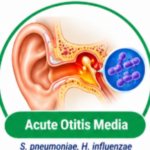 In pediatric patients, it is approved for use in acute otitis media caused by susceptible strains of Streptococcus pneumoniae and Haemophilus influenzae. Dosage: For children older than 2 months, the dose is 8 mg/kg/day (as trimethoprim) divided every 12 hours for 10 days.
 - Acute Exacerbations of Chronic Bronchitis:
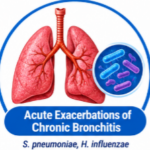 The drug is indicated for acute exacerbations in adults caused by susceptible strains of Streptococcus pneumoniae or Haemophilus influenzae. Dosage: 160/800 mg (one DS tablet) every 12 hours for 14 days.
 - Shigellosis:
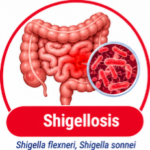 It is an approved treatment for enteritis caused by susceptible strains of Shigella flexneri and Shigella sonnei. Dosage: 160/800 mg (one DS tablet) every 12 hours for 5 days.
 - Pneumocystis jirovecii Pneumonia (PCP):
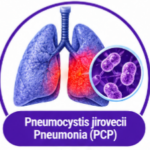 Co-trimoxazole is the drug of choice and is FDA-approved for the treatment and prophylaxis of PCP, a life-threatening fungal infection common in immunocompromised patients. Treatment Dosage: The dose is significantly higher, at 15-20 mg/kg/day (as trimethoprim), divided every 6-8 hours for 21 days. Prophylaxis Dosage: 160/800 mg (one DS tablet) once daily or three times weekly.
 - Traveler’s Diarrhea:
 It is approved for the treatment of traveler’s diarrhea caused by susceptible strains of enterotoxigenic E. coli. Dosage: 160/800 mg (one DS tablet) every 12 hours for 5 days. However, due to widespread resistance, other agents are often preferred currently.
These examples illustrate the key applications of this antibiotic. The drug’s role must always be contextualized within current antimicrobial stewardship principles.
Dosage Table
The table below provides a concise summary of typical adult dosing for common indications. Doses may vary based on renal and hepatic function, severity, and susceptibility data.
| Patient/Condition | Recommended Dose | Frequency | Duration | Important Considerations |
|---|---|---|---|---|
| Adult, Uncomplicated UTI | 160/800 mg (DS) | Every 12 hours | 3 days | Efficacy may be limited by local *E. coli* resistance patterns. |
| Adult, Acute Bronchitis Exacerbation | 160/800 mg (DS) | Every 12 hours | 14 days | Use is often reserved for cases where first-line therapy is contraindicated. |
| Adult, Shigellosis | 160/800 mg (DS) | Every 12 hours | 5 days | Hydration is critical. |
| Adult, *Pneumocystis* Pneumonia (Treatment) | 15-20 mg/kg/day (as TMP) | Divided every 6-8 hours | 21 days | High doses require close monitoring for myelosuppression and hyperkalemia. Steroids are often adjunctive. |
| Adult, *Pneumocystis* Pneumonia (Prophylaxis) | 160/800 mg (DS) | Once daily or three times weekly | Long-term | Indicated for high-risk patients (CD4 count < 200). |
| Pediatric (>2 months), Otitis Media | 8 mg/kg/day (as TMP) | Divided every 12 hours | 10 days | Contraindicated in infants < 2 months. |
| Renal Impairment (CrCl 15-30 mL/min) | 160/800 mg (DS) | Every 24 hours | As indicated | 50% dose reduction. |
| Renal Impairment (CrCl < 15 mL/min) | Contraindicated | – | – | Not recommended unless patient is on dialysis. |
Mechanism of Action
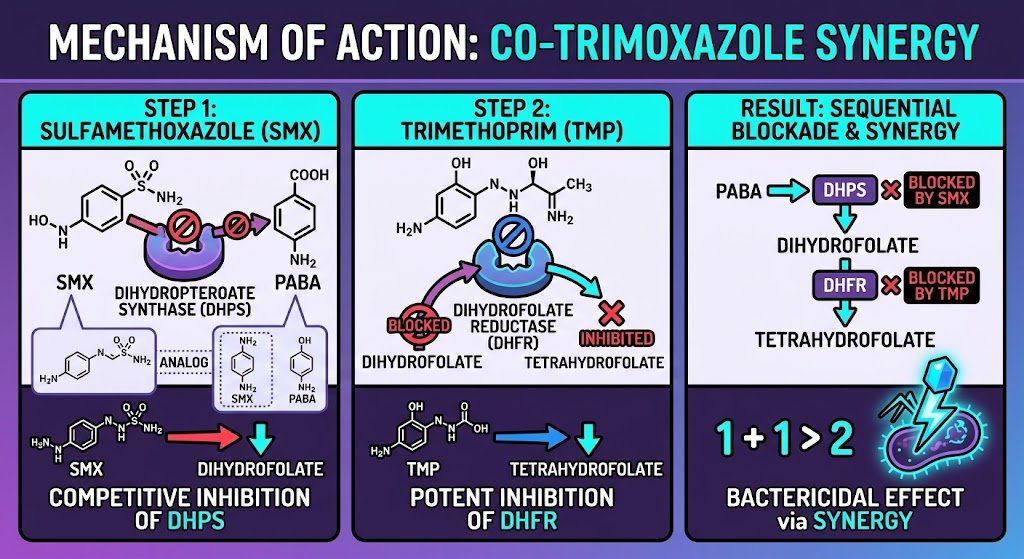
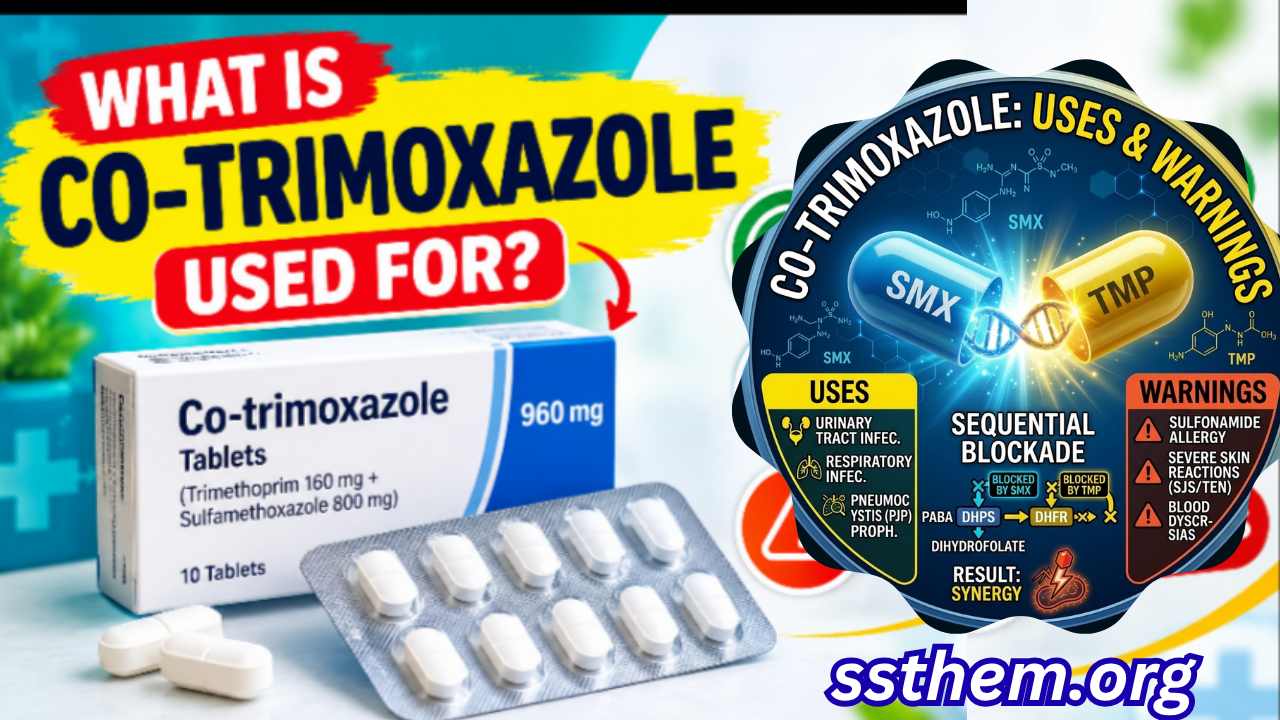
The elegance of co-trimoxazole lies in its sequential blockade of bacterial folate synthesis. Folate is an essential cofactor for the synthesis of purines, thymidine, and ultimately DNA, RNA, and proteins. Humans acquire folate from their diet, but most bacteria must synthesize it de novo, making this pathway an ideal target for selective toxicity.
The two components target two consecutive enzymes in this pathway:
- Sulfamethoxazole (SMX): It is a structural analog of para-aminobenzoic acid (PABA). It competitively inhibits the enzyme dihydropteroate synthase (DHPS), which is responsible for incorporating PABA into dihydropteroic acid, the first critical step in the bacterial folate synthesis pathway. By blocking DHPS, SMX prevents the formation of dihydrofolate.
- Trimethoprim (TMP): It is a potent inhibitor of the enzyme dihydrofolate reductase (DHFR), which is the very next step in the pathway. DHFR normally reduces dihydrofolate to tetrahydrofolate, the biologically active form of folate. By inhibiting this enzyme, TMP prevents the regeneration of tetrahydrofolate.
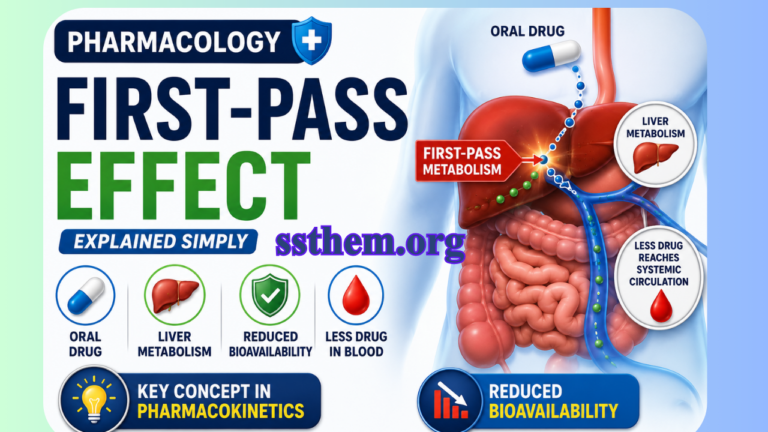
By inhibiting two sequential steps, the combination prevents the synthesis of functional folate at two different points. This synergistic action results in a powerful bactericidal effect, whereas either drug alone is typically only bacteriostatic. This dual blockade is the key to its potency and was a landmark discovery in the history of antibiotic development. Interestingly, to learn more about the human metabolism of drugs like these, exploring the principles of phase I metabolism can be incredibly insightful.
What Is Co-Trimoxazole?
Co-trimoxazole is not a single chemical entity but a fixed-dose combination of two distinct antimicrobial agents: trimethoprim (TMP) and sulfamethoxazole (SMX), typically in a 1:5 ratio. This synergistic pairing forms a powerful broad-spectrum antibiotic. It belongs to the class of anti-folate drugs, working in concert to block two sequential steps in the bacterial synthesis of tetrahydrofolic acid, a vital cofactor for DNA, RNA, and protein synthesis.
The combination is designed to be bactericidal, whereas each drug alone is often only bacteriostatic. This synergistic action is a cornerstone of its efficacy. The standard formulation contains 80 mg of trimethoprim and 400 mg of sulfamethoxazole, with a “double-strength” (DS) formulation containing 160 mg and 800 mg, respectively. This fixed ratio is optimized to achieve therapeutic concentrations in tissues and plasma that are effective against a wide range of susceptible organisms. Its clinical significance has been recognized for decades, and it is included in the World Health Organization’s List of Essential Medicines, cementing its status as a critical tool in global health.
Pharmacokinetics & Pharmacodynamics Key Table
The following table summarizes the key pharmacokinetic (PK) and pharmacodynamic (PD) properties that inform the clinical use of co-trimoxazole.
| Parameter | Clinically Relevant Details |
|---|---|
| Absorption | Rapid and well-absorbed after oral administration. Peak plasma levels are attained within 1 to 4 hours. |
| Bioavailability | Excellent; approximately 85-90% for both trimethoprim and sulfamethoxazole. |
| Time to Peak Concentration (Tmax) | 1-4 hours post-dose. |
| Protein Binding | Sulfamethoxazole: ~70%, Trimethoprim: ~44%. |
| Volume of Distribution | Trimethoprim has a larger Vd (1.5-2.5 L/kg) and penetrates tissues, including cerebrospinal fluid (CSF), sputum, and prostate, more readily. |
| Tissue Penetration | Excellent penetration into pulmonary tissue, kidney, prostate, and middle ear fluid. |
| Blood-Brain Barrier Penetration | Penetrates inflamed meninges in therapeutically useful concentrations. |
| Placental Transfer | Both components cross the placenta. Avoid use near term. |
| Half-Life | ~8-10 hours for both components in patients with normal renal function. |
| Metabolism | Sulfamethoxazole is primarily metabolized in the liver by N-acetylation and glucuronidation. Trimethoprim is metabolized to oxide and hydroxylated metabolites. |
| Active Metabolites | No clinically significant active metabolites. |
| Enzyme Involvement | Sulfamethoxazole is a substrate for CYP2C9; Trimethoprim is a potent inhibitor of CYP2C8 and renal organic cation transporter 2 (OCT2). |
| Elimination | Primarily excreted by the kidneys via glomerular filtration and active tubular secretion. Dose adjustment is required in renal failure. |
| PK/PD Index | The efficacy is best correlated with the time the free drug concentration exceeds the minimum inhibitory concentration (T > MIC). |
| Pharmacodynamic Target | Inhibits sequential steps in bacterial folate synthesis, resulting in a bactericidal effect against susceptible pathogens. |
This table is a quick reference. The following sections explain the most important details without unnecessary repetition.
Half-Life
Co-trimoxazole exhibits a convenient pharmacokinetic profile, with both of its components, trimethoprim and sulfamethoxazole, sharing a half-life of approximately 8 to 10 hours in adults with normal renal function. This similarity in elimination kinetics is the primary rationale for their combination in a fixed-dose formulation, as it maintains the optimal synergistic ratio in plasma and tissues throughout the dosing interval.
This half-life allows for convenient twice-daily dosing for most systemic infections. Critically, the half-life is significantly prolonged in patients with impaired renal function, as the kidneys are the primary route of elimination. In patients with severe renal impairment (creatinine clearance less than 30 mL/min), the half-life can be extended substantially, necessitating a reduction in dose to prevent drug accumulation and toxicity. For instance, while a standard dose is used for patients with CrCl > 30 mL/min, the dose is typically halved for those with CrCl between 15-30 mL/min, and the drug is generally contraindicated for patients with CrCl < 15 mL/min unless on dialysis. This direct link between the drug’s half-life and renal function makes monitoring kidney function a mandatory part of therapy.
Metabolism
The metabolic fate of co-trimoxazole involves distinct pathways for its two constituents. Sulfamethoxazole is primarily metabolized in the liver via N-acetylation and glucuronidation to form inactive metabolites. N-acetyl-sulfamethoxazole is a major metabolite, and while inactive, it is relatively insoluble in acidic urine, which has historically contributed to the risk of crystalluria and renal tubular damage.
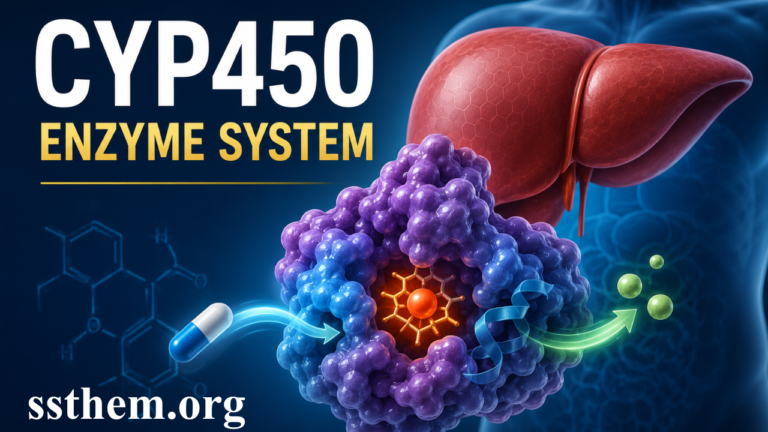
In contrast, trimethoprim undergoes hepatic oxidation and hydroxylation to form several metabolites, most of which are inactive. A key clinical consideration is that trimethoprim is a potent inhibitor of several cytochrome P450 enzymes, most notably CYP2C8, and the renal transporter organic cation transporter 2 (OCT2). This inhibition is clinically relevant as it is the basis for several important drug interactions. For example, the inhibition of CYP2C8 can increase levels of repaglinide, an anti-diabetic drug, raising the risk of hypoglycemia. Similarly, the inhibition of OCT2 in the proximal renal tubule reduces the tubular secretion of creatinine, leading to a mild, non-progressive increase in serum creatinine. It also inhibits the excretion of dofetilide, a potent antiarrhythmic, which can lead to dangerous QT prolongation and torsades de pointes. Understanding these metabolic pathways and interactions is crucial for safe prescribing.
Bioavailability & Protein Binding
Co-trimoxazole is characterized by excellent oral bioavailability, with approximately 85-90% of both trimethoprim and sulfamethoxazole being absorbed from the gastrointestinal tract. This high bioavailability means that oral administration achieves serum concentrations comparable to intravenous therapy, which is a significant advantage in clinical practice. Absorption is generally not clinically affected by food, and the drug can be taken with or without meals, although taking it with food may reduce mild gastrointestinal upset.
In the systemic circulation, sulfamethoxazole is approximately 70% bound to plasma proteins, primarily albumin, while trimethoprim is about 44% protein-bound. The clinical significance of this degree of protein binding is moderate. It implies that only the unbound (free) fraction is pharmacologically active and capable of penetrating tissues. The relatively higher protein binding of sulfamethoxazole is one factor contributing to its smaller volume of distribution compared to trimethoprim. Importantly, in patients with hypoalbuminemia (e.g., severe liver disease, nephrotic syndrome), the free fraction of sulfamethoxazole may increase, but this is rarely clinically significant due to the high hepatic and renal clearance of the unbound drug. The main clinical takeaway is that this drug is reliably absorbed orally and distributes well throughout the body. For a deeper dive into how drugs are distributed and bound in plasma, this guide on plasma protein binding is a valuable resource.
Spectrum of Activity
Co-trimoxazole has a broad spectrum of activity against many gram-positive and gram-negative aerobic bacteria. Its clinical utility, however, is increasingly challenged by the emergence of acquired resistance. This section details the drug’s spectrum, which is central to understanding its role in treating bacterial infections.
Gram-Positive Activity:
- Staphylococcus aureus: This includes activity against both methicillin-susceptible (MSSA) and, notably, many community-acquired methicillin-resistant strains (CA-MRSA). This is a major reason for its use in skin and soft tissue infections.
- Streptococcus pneumoniae: While many strains are susceptible, resistance is substantial in some regions, limiting its use as a first-line empirical treatment for pneumonia.
- Streptococcus pyogenes (Group A Strep): It is not considered a reliable agent for eradicating Group A strep and is not recommended for treating strep pharyngitis.
Gram-Negative Activity:
- Enterobacteriaceae: It covers a wide range of gram-negative bacilli, including E. coli, Klebsiella, Proteus, Enterobacter, Morganella, and Salmonella. However, increasing rates of resistance due to plasmid-mediated resistance mechanisms are a major global concern, particularly in UTIs.
- Haemophilus influenzae and Moraxella catarrhalis: Generally have good in-vitro susceptibility.
Other Pathogens:
- Pneumocystis jirovecii: This is the most critical indication, with co-trimoxazole being unequivocally the first-line agent for both treatment and prophylaxis.
- Nocardia spp.: Co-trimoxazole is a key agent in the treatment of nocardiosis.
- Toxoplasma gondii: It is used as an alternative or adjunctive therapy for toxoplasmosis.
- Stenotrophomonas maltophilia: This multi-drug-resistant organism is often susceptible to co-trimoxazole, making the drug a crucial therapeutic option.
Intrinsic Resistance:
- Anaerobes (e.g., Bacteroides fragilis)
- Pseudomonas aeruginosa
- Enterococcus spp.
- Mycoplasma and Chlamydia spp.
Clinical success depends on local susceptibility data, and the high risk of resistance means this drug is not always the automatic choice for empirical therapy. When considering alternatives, one might weigh, for example, the specific indications for ciprofloxacin against those for co-trimoxazole.
Pharmacodynamics
The pharmacodynamics of co-trimoxazole are defined by its mechanism of action at the molecular level and the resulting clinical effect. As a sequential blocker of folate synthesis, the ultimate pharmacodynamic effect is the depletion of tetrahydrofolate within the bacterial cell. This cofactor is essential for the synthesis of thymidylate (for DNA) and purines (for RNA and DNA), as well as certain amino acids. The depletion of these building blocks halts cell division and leads to bacterial cell death, classifying the combination as bactericidal.
The most reliable PK/PD parameter for predicting efficacy with co-trimoxazole is the time for which the free (unbound) drug concentration remains above the minimum inhibitory concentration (MIC) for the pathogen (T > MIC). This classifies it as a time-dependent killer, similar to beta-lactams. The optimal dosing strategy, therefore, involves maintaining adequate drug concentrations over the entire dosing interval, which is achievable with the standard twice-daily regimen given its half-life of 8-10 hours.
While a pronounced post-antibiotic effect (PAE) is not a dominant feature against gram-negative bacteria, it has been observed to be moderate to prolonged against some gram-positive organisms like S. aureus. This means that bacterial growth may remain suppressed for a period even after drug levels fall below the MIC, contributing to its in-vivo efficacy. The therapeutic window is generally wide, but the risk of dose-dependent toxicity, such as myelosuppression and hyperkalemia, increases with high doses used for conditions like PCP or in the setting of renal impairment.
Contraindications
The use of co-trimoxazole is associated with several absolute contraindications that all clinicians must recognize to prevent serious patient harm.
- Hypersensitivity: A history of severe allergic reactions (e.g., anaphylaxis, Stevens-Johnson syndrome, toxic epidermal necrolysis) to trimethoprim, sulfamethoxazole, or any sulfonamide derivative is an absolute contraindication.
- Megaloblastic Anemia: Patients with documented megaloblastic anemia caused by folate deficiency should not use co-trimoxazole, as it can further exacerbate the condition by inhibiting folate metabolism.
- Severe Renal Impairment: The drug is contraindicated in patients with a creatinine clearance (CrCl) of less than 15 mL/min if no dialysis is performed, due to the risk of severe drug accumulation and toxicity.
- Severe Hepatic Failure: It should not be used in patients with severe hepatic failure or marked hepatic damage, as the liver is involved in drug metabolism.
- Pediatric Age: It is contraindicated in infants less than 2 months of age due to the risk of kernicterus, as sulfonamides can displace bilirubin from protein-binding sites.
- Pregnancy: The drug is contraindicated in pregnancy at term and in nursing mothers of infants under 2 months old for the same reason of kernicterus risk.
Warnings & Precautions
Beyond absolute contraindications, co-trimoxazole carries several important warnings and precautions that require careful patient assessment and monitoring.
- Severe Cutaneous Adverse Reactions (SCARs): Fatal and life-threatening skin reactions like Stevens-Johnson syndrome (SJS), toxic epidermal necrolysis (TEN), and drug reaction with eosinophilia and systemic symptoms (DRESS) have been reported. Patients should be advised to immediately report any skin rash, mucosal lesions, or bullae. Treatment should be discontinued at the first sign of these conditions. This is one of the most feared co-trimoxazole side effects that underscores the need for caution. For context on other antibiotics with similar risks, see this resource on co-amoxiclav side effects.
- Hematologic Toxicity: Co-trimoxazole can cause bone marrow suppression, leading to thrombocytopenia, leukopenia, neutropenia, and rarely, aplastic anemia and agranulocytosis. This risk is higher in patients with pre-existing folate deficiency, the elderly, and those receiving high doses or prolonged therapy. Regular monitoring of complete blood counts (CBC) is recommended for long-term use.
- Hyperkalemia: Trimethoprim can cause dose-dependent hyperkalemia by blocking sodium channels in the distal nephron, acting similarly to potassium-sparing diuretics like amiloride. This is a significant risk in patients with renal impairment, the elderly, and those taking other potassium-raising drugs (e.g., ACE inhibitors, ARBs, potassium supplements).
- Renal Effects: The drug can cause an increase in serum creatinine due to decreased tubular secretion (a benign effect) and, less commonly, a true nephropathy. Crystalluria can occur, especially in patients with poor hydration or acidic urine, potentially leading to acute kidney injury.
- Hypoglycemia: Trimethoprim can potentiate the effect of sulfonylureas and repaglinide by inhibiting their metabolism (CYP2C8), leading to severe hypoglycemia.
- Pregnancy and Breastfeeding: This combination is classified as FDA Pregnancy Category D. It should be avoided in pregnancy, especially in the first and third trimesters, due to the risk of congenital malformations and kernicterus. It is excreted in breast milk, and use should be avoided in nursing mothers of premature infants or those with hyperbilirubinemia.
Side Effects
While generally well-tolerated, co-trimoxazole side effects can occur. A clear distinction must be made between common, often manageable effects and serious adverse reactions.
Common Side Effects: These are typically mild and gastrointestinal in nature, often resolving with continued use.
- Nausea
- Vomiting
- Anorexia
- Diarrhea
Less Common Side Effects: These include dermatologic and systemic effects.
- Skin rash (maculopapular, urticarial)
- Pruritus
- Photosensitivity (increased sensitivity to sunlight)
- Headache
- Glossitis (inflammation of the tongue)
These side effects are usually not life-threatening but can impact patient adherence and quality of life. Management is often supportive, such as taking the medication with food to reduce GI upset. However, any new rash must be evaluated seriously, as it could be an early sign of a more severe reaction.
Adverse Effects
Adverse effects of co-trimoxazole represent a spectrum of serious, potentially life-threatening reactions that demand immediate clinical attention. The severity and potential for rapid progression distinguish these from simple side effects.
- Stevens-Johnson Syndrome (SJS) and Toxic Epidermal Necrolysis (TEN): These are severe, life-threatening mucocutaneous reactions characterized by extensive skin detachment and mucosal erosion. They represent a spectrum of the same disease. SJS involves less than 10% of body surface area detachment, while TEN involves more than 30%. Symptoms include fever, widespread painful rash, and blistering. The mortality rate for TEN is high (25-35%). This reaction is a major reason for cautious prescribing. The FDA has issued warnings linking sulfamethoxazole to this severe risk.
- Hematologic Dyscrasias: Severe bone marrow suppression can manifest as agranulocytosis, aplastic anemia, and severe thrombocytopenia. This is a rare but catastrophic event. It is often idiosyncratic and unpredictable, but it is more common with prolonged use and in the elderly. Patients may present with signs of infection (fever, sore throat), bleeding, or profound fatigue.
- Fulminant Hepatic Necrosis: Although rare, acute and fatal liver injury has been associated with the drug. Cholestatic jaundice and hepatitis can occur.
- Acute Pancreatitis: The drug can induce pancreatitis, which may be severe and require hospitalization.
- Aseptic Meningitis: Symptoms include severe headache, stiff neck, fever, and photophobia without evidence of infection. This is an uncommon but distinctive reaction that resolves upon drug discontinuation.
- Severe Hyperkalemia: This can lead to life-threatening cardiac arrhythmias, especially in patients with renal insufficiency or those on concurrent potassium-raising medications.
- Clostridioides difficile-Associated Diarrhea (CDAD): As with nearly all antibacterial agents, use can lead to CDAD, which may range in severity from mild diarrhea to fatal colitis. It is crucial to consider this diagnosis in any patient presenting with diarrhea after antibiotic use.
Drug Interactions
The clinical significance of drug interactions with co-trimoxazole cannot be overstated. Several are severe and require diligent management or complete avoidance.
| Interacting Medicine/Class | Potential Interaction | Clinical Significance | Management Consideration |
|---|---|---|---|
| ACE Inhibitors (e.g., lisinopril), ARBs (e.g., losartan), Potassium-Sparing Diuretics (e.g., spironolactone) | Additive effect on potassium retention, leading to hyperkalemia. | Major. Can cause life-threatening arrhythmias. | Monitor serum potassium closely at baseline and during therapy. Avoid combination if possible, especially in the elderly or those with renal impairment. |
| Warfarin | Trimethoprim inhibits CYP2C9, reducing warfarin metabolism and potentiating its anticoagulant effect. | Major. Significantly increased risk of bleeding. | Monitor INR frequently. A 30-50% reduction in warfarin dose may be required. Consider an alternative antibiotic if possible. |
| Sulfonylureas (e.g., glyburide, glipizide), Repaglinide | Trimethoprim inhibits CYP2C8, increasing levels of these antidiabetic agents, leading to hypoglycemia. | Major. Can cause severe, prolonged hypoglycemia. | Monitor blood glucose closely. Reduce dose of the antidiabetic agent as needed or choose a different antibiotic. |
| Methotrexate | Displacement of methotrexate from protein binding and reduced renal clearance, leading to toxic levels. | Major. Can cause fatal bone marrow suppression and hepatotoxicity. | Combination is contraindicated. |
| Phenytoin | Sulfamethoxazole inhibits CYP2C9, reducing phenytoin clearance. | Moderate to Major. Risk of phenytoin toxicity (ataxia, nystagmus). | Monitor phenytoin levels and clinical status. |
| Digoxin | Trimethoprim can increase digoxin levels in some elderly patients. | Moderate. Increased risk of digoxin toxicity. | Monitor digoxin levels and for signs of toxicity (nausea, visual changes, arrhythmias). |
| Oral Contraceptives | Although controversial, a potential for reduced efficacy due to altered gut flora exists. | Moderate. Risk of contraceptive failure and pregnancy. | Recommend an additional barrier method of contraception during therapy and for a short time after. |
Administration Table
Practical administration instructions are essential for patient education and nursing practice. The table below summarizes key administration factors.
| Administration Factor | Guidance |
|---|---|
| Route | Oral. |
| With Food/Without Food | Can be taken with or without food. Taking it with food or milk may reduce mild gastrointestinal upset. |
| Timing | Usually taken every 12 hours. Maintain even spacing throughout the day. |
| Tablet/Capsule Instructions | Swallow whole with a full glass of water. Ensure adequate fluid intake throughout therapy to prevent crystalluria. |
| Liquid Formulation | Shake the suspension well before use. Use a calibrated measuring device (e.g., oral syringe) to ensure accurate dosing. |
| Missed Dose | Take the missed dose as soon as remembered. If it is near the time for the next dose, skip the missed dose and resume the regular schedule. Do not double the dose. |
| Storage | Store at room temperature (15-25°C or 59-77°F) away from light and moisture. |
Pharmacokinetics
The overall pharmacokinetic profile of co-trimoxazole integrates the individual properties of its two components. After oral administration, the drug is rapidly and nearly completely absorbed, as detailed in the Bioavailability section. The high bioavailability makes oral therapy equivalent to IV therapy, a key advantage in clinical practice.
Distribution is extensive. As previously discussed in the Half-Life section, the half-life is ~8-10 hours, and metabolism is primarily hepatic. The volume of distribution for trimethoprim is notably larger than that of sulfamethoxazole, reflecting its greater lipid solubility and enhanced tissue penetration. This is why trimethoprim achieves high concentrations in the prostate, kidney, and cerebrospinal fluid.
The major route of elimination for both parent compounds and their metabolites is renal, via a combination of glomerular filtration and active tubular secretion. This reliance on renal elimination necessitates careful dose adjustment in patients with renal insufficiency. In patients with normal renal function, about 80% of trimethoprim and 20% of sulfamethoxazole are recovered in the urine as unchanged drug. This understanding of the drug’s journey through the body is fundamental to its safe and effective use.
Special Populations
Pregnancy: Co-trimoxazole is classified as FDA Pregnancy Category D. It should be avoided during the first trimester (risk of neural tube defects and cardiovascular malformations) and near term (risk of kernicterus in the newborn). Its use in the second and third trimesters (before term) should be considered only if the potential benefit clearly justifies the potential risk to the fetus.
Lactation: Both components are excreted in breast milk. It is generally considered compatible with breastfeeding in healthy, full-term infants older than one month, but caution is advised for premature infants, ill infants, or those with jaundice. It should be avoided in mothers of infants who are ill, stressed, or premature, and in infants with hyperbilirubinemia or G6PD deficiency.
Pediatrics: The drug is contraindicated in infants less than 2 months of age due to the risk of kernicterus. For children older than 2 months, it is approved for specific indications like acute otitis media and UTIs, with dosing based on body weight.
Older Adults: Geriatric patients are at higher risk for several adverse effects, including hyperkalemia, myelosuppression, and severe skin reactions. The risk of interactions with common medications (e.g., ACE inhibitors, warfarin) is also higher. Lower doses and increased monitoring are often prudent.
Renal Impairment: This is the most critical consideration for dosing. As outlined in the Half-Life and Dosage sections, the drug accumulates in renal failure. Dose modification is mandatory when CrCl falls below 30 mL/min, and the drug is contraindicated if CrCl is less than 15 mL/min.
Hepatic Impairment: The drug should be used with caution in patients with mild-to-moderate hepatic impairment. It is contraindicated in severe hepatic failure due to the risk of altered metabolism and accumulation.
Monitoring
Healthcare professionals prescribing co-trimoxazole should establish a monitoring plan based on the patient’s risk factors, dosage, and duration of therapy.
- Clinical Response: Regular assessment of the patient’s symptoms (e.g., fever, dysuria, cough, skin infection signs) to ensure therapeutic efficacy.
- Renal Function: Monitor serum creatinine, BUN, and electrolytes, particularly potassium. This is crucial for patients with pre-existing kidney disease, those on nephrotoxic drugs, or those receiving high doses. The trimethoprim component can cause a benign, non-progressive rise in creatinine and a true rise in potassium.
- Hematologic Function: For patients on prolonged therapy (>14 days) or those at high risk (elderly, malnourished), periodic monitoring of complete blood counts (CBC) with differential is recommended to detect signs of bone marrow suppression.
- Signs of Severe Cutaneous Reactions: Patients must be educated to promptly report any new rash, skin peeling, or mucosal ulcers, as this could signal SJS/TEN.
- Signs of Hypoglycemia: Monitor blood glucose in diabetic patients, especially those on sulfonylureas or repaglinide.
- Signs of C. difficile Infection: In patients who develop diarrhea, CDAD should be considered and investigated.
Clinical Perspective
In clinical practice, co-trimoxazole occupies a niche that is simultaneously narrow and critically important. It is no longer the ubiquitous first-line agent for uncomplicated cystitis it once was, a position eroded by increasing resistance among E. coli. However, its role is irreplaceable in several key scenarios.
For a clinician, the drug is the undisputed gold standard for Pneumocystis jirovecii pneumonia (PCP) prophylaxis and treatment, a potentially fatal infection in the immunocompromised. Its activity against CA-MRSA makes it a valuable oral option for skin and soft tissue infections, a fact that keeps it relevant in the era of outpatient antimicrobial stewardship. Furthermore, its utility against unusual or multi-drug-resistant pathogens like Nocardia and Stenotrophomonas maltophilia makes it a “rescue” agent of considerable power.
The choice to use co-trimoxazole is a calculated risk-benefit analysis. The potential for severe adverse effects—particularly SJS/TEN and hyperkalemia—must be weighed against its unique efficacy. A clinician will often prefer alternatives like nitrofurantoin or fosfomycin for a simple UTI to avoid these risks. Similarly, when considering a broad-spectrum agent, one might ask, for instance, whether ciprofloxacin or co-trimoxazole is more appropriate, a decision guided by local susceptibility patterns, patient allergies, and renal function. The answer lies not in a simple hierarchy of “strength,” but in targeted therapy. Its enduring value is a testament to the principle that the “best” antibiotic is not the newest or broadest, but the one that most precisely addresses the pathogen while minimizing harm.
For those interested in the intersection of health content and online income, ssthem.xyz for online Earning and WhatsApp Groups links may be a useful resource. But medical accuracy should never be sacrificed for engagement.
Question. What is co-trimoxazole?
Answer : Co-trimoxazole is a fixed-dose combination antibiotic containing trimethoprim and sulfamethoxazole. It works by blocking two consecutive steps in the bacterial synthesis of folate, which is essential for their survival.
Question. What is co-trimoxazole used for?
Answer : It is used to treat and prevent various bacterial and certain fungal infections, including urinary tract infections, *Pneumocystis* pneumonia (PCP), certain types of diarrhea, and skin infections caused by MRSA.
Question. How does co-trimoxazole work?
Answer : It is a two-drug combo. Sulfamethoxazole blocks the enzyme DHPS, and trimethoprim blocks the enzyme DHFR. Both enzymes are needed for bacteria to make folic acid, which is essential for DNA synthesis. By blocking both, the drug is bactericidal.
Question. How long does co-trimoxazole stay in your system?
Answer : The half-life of both components is approximately 8-10 hours. It takes about 5 half-lives (roughly 2 days) for the drug to be almost entirely eliminated from the body in a person with normal kidney function.
Question. What are the common side effects of co-trimoxazole?
Answer : Common side effects are usually mild and include nausea, vomiting, loss of appetite, and diarrhea. Taking the medication with food can help reduce these symptoms.
Question. What are the serious side effects of co-trimoxazole?
Answer : Serious, life-threatening reactions include Stevens-Johnson syndrome, toxic epidermal necrolysis, severe bone marrow suppression (agranulocytosis, aplastic anemia), fulminant liver failure, and severe hyperkalemia.
Question. Is co-trimoxazole a strong antibiotic?
Answer : Yes, it is considered a strong, broad-spectrum bactericidal antibiotic. However, its “strength” lies in its specific target. It is the drug of choice for some pathogens but is not effective against others (e.g., *Pseudomonas*, anaerobes).
Question. What diseases does cotrimoxazole prevent?
Answer : Its most critical preventive use is for *Pneumocystis jirovecii* pneumonia (PCP) in immunocompromised patients (e.g., HIV with low CD4 counts, transplant patients). It can also prevent recurrent UTIs and toxoplasmosis.
Question. Is cotrimoxazole the same as Septrin?
Answer : Yes. Septrin is a common brand name for the generic drug co-trimoxazole. Bactrim and Septra are other well-known brand names.
Question. Can cotrimoxazole damage the kidneys?
Answer : It can. It can cause a benign, temporary rise in serum creatinine by blocking its tubular secretion. More rarely, it can cause a true kidney injury through acute interstitial nephritis or tubular damage from crystalluria. Adequate hydration is important to prevent this.
Question. Is cotrimoxazole stronger than amoxicillin?
Answer : They are not directly comparable as “stronger” or “weaker” because they cover different spectrums of bacteria. Co-trimoxazole is effective against MRSA and *Stenotrophomonas*, which are resistant to amoxicillin. Conversely, amoxicillin is better for *Streptococcus* and *Enterococcus* infections.
Question. Which is better, azithromycin or cotrimoxazole?
Answer : The choice depends entirely on the infection. Azithromycin is a macrolide used primarily for respiratory infections and atypical bacteria. Co-trimoxazole is the drug of choice for PCP and is useful for MRSA and many gram-negative UTIs. One is not inherently “better” than the other.
Question. Which is better, Ciprofloxacin or co-trimoxazole?
Answer : Again, this depends on the indication. Ciprofloxacin is a fluoroquinolone with excellent gram-negative coverage, including *Pseudomonas*. Co-trimoxazole is preferred for MRSA and PCP. The choice is based on local resistance patterns and the specific pathogen being targeted.
Question. What is another name for cotrimoxazole?
Answer : Another generic name for it is trimethoprim/sulfamethoxazole, often abbreviated as TMP-SMX. Brand names include Bactrim, Septra, and Septrin.
Question. Can co-trimoxazole be used during pregnancy?
Answer : Generally, no. It is FDA Pregnancy Category D. It should be avoided in pregnancy, especially in the first trimester and near term, due to risks of birth defects and severe jaundice in the newborn.
Question. Can I drink alcohol while taking co-trimoxazole?
Answer : It is generally advisable to avoid alcohol. While it does not cause a disulfiram-like reaction, alcohol can worsen gastrointestinal side effects like nausea and can be dehydrating, which increases the risk of kidney issues.
Question. What should I do if I miss a dose of co-trimoxazole?
Answer : Take the missed dose as soon as you remember. However, if it is almost time for your next dose, skip the missed dose and continue with your regular schedule. Do not take a double dose to catch up.
Question. Is co-trimoxazole safe for children?
Answer : It is safe for children older than 2 months. It is contraindicated in infants younger than 2 months due to the risk of kernicterus. Dosing for children is based on weight.
Question. Does co-trimoxazole interact with many drugs?
Answer : Yes, it has several significant drug interactions. Most importantly, it can dangerously increase potassium levels when taken with ACE inhibitors or ARBs, and it can significantly increase the effect of warfarin, leading to bleeding.
Question. What are the contraindications of co-trimoxazole?
Answer : Major contraindications include a known allergy to sulfa drugs, megaloblastic anemia from folate deficiency, severe liver disease, and severe kidney disease (CrCl < 15 mL/min).
Question. How does resistance affect co-trimoxazole use?
Answer : Resistance is a major concern, particularly for UTIs. Many strains of *E. coli* have developed resistance, making the drug less effective for this indication. Therefore, local antibiograms should guide its empirical use.
Question. How long is a typical course of co-trimoxazole?
Answer : The duration varies. It is 3 days for an uncomplicated UTI, 5 days for shigellosis, 14 days for a bronchitis exacerbation, and 21 days for treating PCP.
Question. When should I seek immediate medical attention while taking co-trimoxazole?
Answer : Seek immediate care if you develop a new, severe rash or blisters, skin peeling, severe diarrhea, signs of infection (fever, sore throat), unusual bleeding or bruising, or symptoms of hyperkalemia (muscle weakness, palpitations).
Question. Is co-trimoxazole the same as a penicillin?
Answer : No. Co-trimoxazole is a combination of a sulfonamide and a dihydrofolate reductase inhibitor. It has a completely different structure and mechanism of action from penicillins and is safe to use in most patients with a true penicillin allergy.
Question. What is the dose of co-trimoxazole 960 mg for?
Answer : The 960 mg dose (referring to 160 mg trimethoprim + 800 mg sulfamethoxazole, also known as a “DS” or double-strength tablet) is the standard adult dose for many infections, taken twice daily. This is a very common question when people ask what is co-trimoxazole 960 mg used for.
5 Authentic Studies
Study 1
Citation: Hughes, W. T., et al. (1977). “Comparison of pentamidine isethionate and trimethoprim-sulfamethoxazole in the treatment of *Pneumocystis carinii* pneumonia.” *The Journal of Pediatrics*, 90(2), 285-289.
Study Type: Prospective, randomized controlled trial.
Population: Pediatric cancer patients diagnosed with *Pneumocystis carinii* pneumonia (PCP).
Intervention/Exposure: Treatment with trimethoprim-sulfamethoxazole (TMP-SMX) versus pentamidine isethionate.
Comparator: Pentamidine isethionate.
Main Outcome: Survival and rate of clinical improvement.
Key Findings: TMP-SMX was found to be as effective as pentamidine, with a significantly lower rate of severe side effects. This landmark study established TMP-SMX as the first-line therapy for PCP.
Clinical Significance: This trial transformed the management of PCP, a major opportunistic infection, by providing an effective, less toxic, oral therapeutic option.
Important Limitation: Conducted in a pediatric population, but results were later confirmed in adults.
Study 2
Citation: Jick, H., & Derby, L. E. (1995). “Isolated thrombocytopenia associated with use of trimethoprim-sulfamethoxazole.” *Pharmacotherapy*, 15(6), 775-777.
Study Type: Large, population-based observational study (case-control).
Population: Adults from the General Practice Research Database in the UK.
Intervention/Exposure: Exposure to TMP-SMX.
Comparator: Unexposed controls.
Main Outcome: Risk of developing isolated thrombocytopenia.
Key Findings: The study found a strong association between TMP-SMX use and the development of acute, severe, isolated thrombocytopenia. The risk was highest in the first month of therapy and appeared to be dose-dependent.
Clinical Significance: This study was pivotal in quantifying the risk of a serious hematologic adverse effect, leading to increased awareness and monitoring recommendations.
Important Limitation: Observational design; cannot definitively prove causation. It may have been prone to confounding by indication.
Study 3
Citation: Alappan, R., et al. (1996). “Hyperkalemia in hospitalized patients treated with trimethoprim-sulfamethoxazole.” *Annals of Internal Medicine*, 124(3), 316-320.
Study Type: Prospective cohort study.
Population: Hospitalized patients being treated with standard doses of TMP-SMX for various infections.
Intervention/Exposure: Treatment with TMP-SMX.
Comparator: Baseline potassium levels in the same patients.
Main Outcome: Change in serum potassium concentration.
Key Findings: The study found a significant increase in serum potassium levels in all patients, with a more pronounced effect in those with pre-existing renal insufficiency. A notable percentage of patients with mild renal failure developed severe hyperkalemia.
Clinical Significance: This research brought attention to the often-overlooked, potentially life-threatening side effect of hyperkalemia, solidifying the need for baseline and follow-up potassium monitoring, especially in high-risk groups.
Important Limitation: Small sample size and lack of a control group, but its findings were subsequently reproduced.
Study 4
Citation: Masters, P. A., et al. (2003). “Trimethoprim-sulfamethoxazole revisited.” *Archives of Internal Medicine*, 163(4), 402-410.
Study Type: Systematic Review.
Population: N/A (Review of existing literature).
Intervention/Exposure: Review of the pharmacology, antimicrobial activity, clinical utility, and toxicity of TMP-SMX.
Comparator: N/A.
Main Outcome: Summary of the drug’s current role.
Key Findings: The review confirmed the drug’s enduring efficacy for PCP, UTIs, and MRSA infections. It highlighted that concerns over resistance have narrowed its empirical use for some infections, while its role in specific, targeted therapy remains strong. It also provided a comprehensive overview of its toxicity.
Clinical Significance: This highly cited review is a key reference that helped define the drug’s place in therapy at the start of the 21st century, guiding clinicians on where to use it and where to avoid it.
Important Limitation: As a review, its conclusions are limited by the quality and date of the studies it included.
Study 5
Citation: Brown, G. R. (2014). “Cotrimoxazole for the treatment of methicillin-resistant *Staphylococcus aureus* skin and soft tissue infections.” *Canadian Pharmacists Journal*, 147(5), 265-268.
Study Type: Clinical Review / Evidence-Based Summary.
Population: Patients with community-acquired MRSA skin and soft tissue infections.
Intervention/Exposure: Review of clinical trials and guidelines evaluating TMP-SMX.
Comparator: Other oral antibiotics (e.g., clindamycin, tetracyclines).
Main Outcome: Efficacy of TMP-SMX for MRSA skin infections.
Key Findings: TMP-SMX is a viable and effective oral option for treating uncomplicated MRSA skin and soft tissue infections. It was found to be non-inferior to other available oral agents in several clinical trials, such as clindamycin.
Clinical Significance: This review provided practical guidance for the use of TMP-SMX in the outpatient management of CA-MRSA, filling a critical gap as this pathogen became increasingly prevalent in the community.
Important Limitation: A review is by nature a secondary source, and its recommendations must be balanced with local resistance rates and patient-specific factors like allergies.
Authentic References
- U.S. Food and Drug Administration (FDA). Bactrim (trimethoprim and sulfamethoxazole) [package insert]. 2013.
- World Health Organization (WHO). Model List of Essential Medicines. 22nd List. Geneva: WHO; 2021.
- Centers for Disease Control and Prevention (CDC). *Pneumocystis* pneumonia. Last updated: November 2020.
- Kaplan SL, et al. Practice guidelines for the management of community-acquired methicillin-resistant *Staphylococcus aureus* skin and soft tissue infections. *Clin Infect Dis*. 2005;41(10):1373-406.
- Gilbert DN, et al. The Sanford Guide to Antimicrobial Therapy. 53rd ed. Sperryville, VA: Antimicrobial Therapy, Inc.; 2023.
- Mandell GL, et al. Principles and Practice of Infectious Diseases. 8th ed. Philadelphia, PA: Churchill Livingstone Elsevier; 2015.
- Ho JM, Juurlink DN. Considerations when prescribing trimethoprim-sulfamethoxazole. *CMAJ*. 2011;183(16):1851-8.
- Antoniou T, et al. Trimethoprim/sulfamethoxazole-induced hyperkalemia in patients receiving renin-angiotensin system inhibitors. *Arch Intern Med*. 2010;170(12):1045-1049.
- Roujeau JC, et al. Medication use and the risk of Stevens-Johnson syndrome or toxic epidermal necrolysis. *N Engl J Med*. 1995;333(24):1600-7.
- Lexicomp Online. Trimethoprim and Sulfamethoxazole: Drug Information. Hudson, Ohio: Wolters Kluwer Clinical Drug Information, Inc.; 2023.
Medical Information Disclaimer: This article is provided for educational and informational purposes only and is not intended as medical advice. It is not a substitute for professional diagnosis, treatment, or clinical judgment. The information contained herein reflects evidence from current literature and prescribing information, but clinical practice may vary based on individual patient factors, local resistance patterns, and emerging evidence. Prescription decisions must be made by a qualified healthcare professional. Patients should never self-medicate with co-trimoxazole or any prescription antibiotic. If you have questions about your health or medication, consult your physician, pharmacist, or another licensed provider. If you are experiencing a medical emergency, seek immediate medical attention.