Drug Receptors Explained 11 Powerful Concepts That Transform Pharmacology Learning
The Molecular Bridge Between Drug and Effect
Imagine you are a physician in a busy emergency department. A 55-year-old man arrives with acute shortness of breath, wheezing, and a history of asthma. You administer a dose of salbutamol via nebulizer. Within minutes, his breathing eases, the wheezing subsides, and his oxygen saturation improves. At the molecular level, what just happened? The salbutamol molecule, a carefully designed chemical entity, sought out and bound to specific proteins on the surface of his bronchial smooth muscle cells known as beta-2 adrenergic receptors. This binding initiated a cascade of molecular events that ultimately relaxed the bronchial muscles and opened his airways.
This is the essence of receptor pharmacology—the study of how drugs interact with specific molecular targets to produce their therapeutic and adverse effects. Drug receptors are the fundamental units through which most medicines exert their actions, and understanding these interactions is central to rational therapeutics.
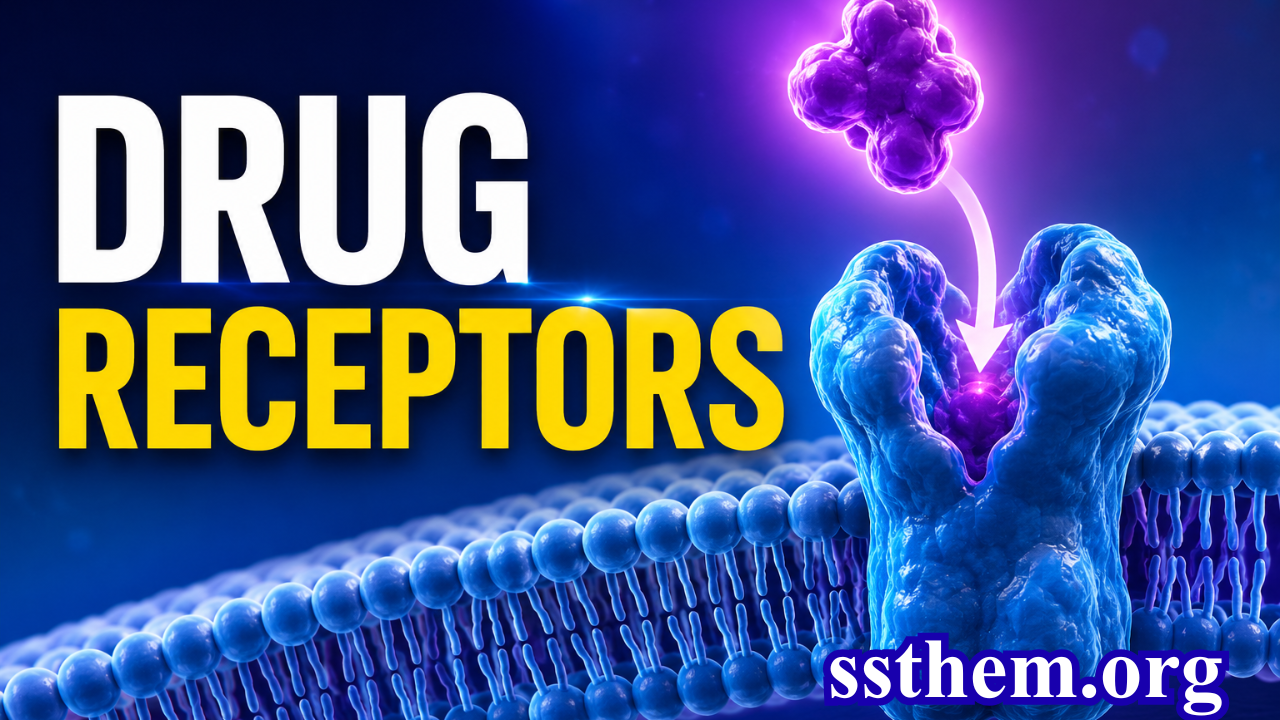
Receptors are specialized proteins, primarily located on the surface of cells or within cellular compartments, that recognize and bind specific molecules—endogenous chemical messengers like hormones and neurotransmitters, as well as exogenous substances such as drugs. These receptors serve as the body’s communication network, translating chemical signals from the external and internal environment into coordinated cellular responses. Drugs that mimic or block these natural signals can restore normal function in diseased states, making receptors the single most important class of drug targets in medicine.
The journey to understanding drug receptors began over a century ago with pioneering thinkers like Paul Ehrlich, who conceptualized the “magic bullet”—a drug designed to target specific disease-causing organisms without harming the patient. John Langley, working with the South American arrow poison jaborandi, proposed that cells contained “receptive substances” that mediated drug effects. A.J. Clark later formalized receptor theory with quantitative models in the 1930s, establishing the mathematical frameworks we still use today to understand drug action. This rich history has evolved into a sophisticated understanding of molecular pharmacology that now underpins modern drug discovery and clinical therapeutics.
This comprehensive guide will explore the intricate world of drug receptors—their definition, classification, mechanisms of action, signal transduction pathways, clinical importance, and the evolving landscape of receptor pharmacology in personalized medicine. Whether you are a medical student preparing for pharmacology examinations, a practicing healthcare professional seeking to deepen your understanding, or a researcher exploring new therapeutic avenues, this resource will provide the foundational knowledge needed to understand how drugs work at the molecular level.
What Are Drug Receptors?
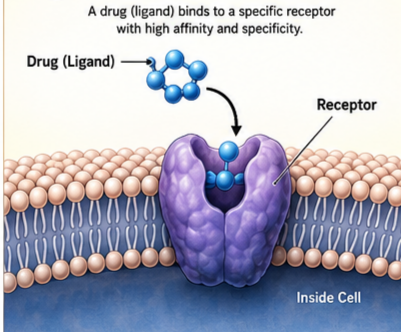 In the simplest terms, a drug receptor is a specialized macromolecule, typically a protein, located on the cell surface, within the cytoplasm, or in the nucleus, that binds specific chemical messengers (ligands) and initiates a cellular response. These receptors are the primary targets for most therapeutic agents, mediating both beneficial effects and side effects.
The Scientific Definition
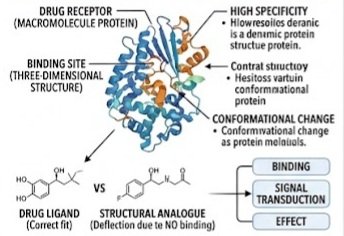
A receptor is a protein molecule that recognizes and binds with high specificity to a ligand—a smaller molecule capable of attaching to the receptor. In pharmacology, the ligand of interest is often an exogenous drug, but receptors have evolved to bind endogenous molecules such as neurotransmitters, hormones, growth factors, and inflammatory mediators. When a drug binds to its receptor, it triggers a conformational change in the receptor protein that initiates a sequence of biochemical events known as signal transduction, ultimately producing a measurable pharmacological effect.
The Biological Role of Receptors
In the body, receptors are the central components of cellular communication systems. They allow cells to perceive and respond to signals from other cells, tissues, and organs. For example, pancreatic beta cells release insulin, which binds to insulin receptors on muscle and fat cells, promoting glucose uptake. Adrenal glands release adrenaline, which binds to adrenergic receptors on heart muscle cells, increasing heart rate and contractility. Receptors also mediate sensory perception, including vision, taste, and smell.
Fundamental Characteristics of Drug Receptors
For a macromolecule to function as a pharmacological receptor, it must possess several essential properties:
- Specificity refers to the ability of a receptor to distinguish between structurally similar molecules and bind only to its intended ligand. This specificity is determined by the three-dimensional structure of the binding site, which is complementary to specific features of the ligand molecule. Structural analogues of a drug may have reduced or completely absent affinity for the receptor.
- Saturability means that receptors are present in finite numbers within a cell or tissue. As drug concentration increases, more receptors become occupied until all available receptors are bound—a state of saturation. This saturability explains why drug effects reach a maximum plateau at high concentrations.
- High affinity ensures that receptors can bind ligands effectively at low concentrations. The affinity of a receptor for its ligand is measured by the dissociation constant (Kd), which represents the concentration of ligand required to occupy 50% of available receptors. Lower Kd values indicate higher affinity.
- Reversibility characterizes most drug-receptor interactions. The binding is typically governed by non-covalent bonds—hydrogen bonds, ionic interactions, van der Waals forces, and hydrophobic interactions—allowing the drug to dissociate from the receptor. Some drugs, however, form covalent bonds with receptors, producing essentially irreversible effects.
These properties collectively define what makes a receptor a receptor and distinguish genuine pharmacological targets from non-specific binding sites.
History of Drug Receptor Theory
The concept of the drug receptor represents one of the most significant intellectual achievements in the history of biomedical science, transforming pharmacology from an empirical art into a mechanistic science.
Paul Ehrlich and the Magic Bullet Concept
Paul Ehrlich (1854–1915), often considered the father of chemotherapy, first proposed that drugs act by binding to specific chemical groups within cells. Through his studies on the staining properties of dyes and the selective toxicity of compounds against parasites, Ehrlich introduced the concept of the “receptor” as a specific chemical grouping in the cell that could interact with a drug. He famously described his vision of a “magic bullet”—a drug that would selectively target pathogens without harming host tissues. Ehrlich’s work on salvarsan, an arsenic-based compound for treating syphilis, demonstrated that careful chemical modification could enhance drug selectivity, a principle that remains central to modern drug discovery.
John Langley and the “Receptive Substance”
John Newport Langley (1852–1925), working at Cambridge University, made observations that laid the foundation for receptor theory. Studying the actions of alkaloids derived from jaborandi (pilocarpine, atropine, and nicotine), Langley noticed that curare could block the effects of nicotine on muscle contraction. He proposed that cells contained “receptive substances” that combined with both nicotine and curare, though with different outcomes—nicotine producing a response and curare blocking it. Langley’s concept that receptors are specific cellular components capable of distinguishing between chemically related compounds established the receptor as a real biological entity rather than an abstract concept.
A.J. Clark and the Occupancy Theory
Alfred Joseph Clark (1885–1941) revolutionized receptor pharmacology by applying quantitative principles to drug action. Working in the 1930s, Clark showed that the relationship between drug concentration and pharmacological effect could be described by a simple mathematical equation, analogous to the law of mass action. This occupancy theory proposed that the magnitude of a drug effect is proportional to the number of receptors occupied by that drug. Clark demonstrated this elegantly using acetylcholine and the nicotine receptor on frog muscle, showing that the dose-response curve for acetylcholine followed the same shape as a receptor occupancy curve. Clark’s quantitative approach transformed pharmacology into a predictive science.
A.J. Clark’s Occupation Theory
According to Clark’s occupancy theory, the relationship between drug concentration (D), receptor concentration (R), and drug-receptor complex (DR) follows the law of mass action:
D + R ⇌ DR → Effect
The magnitude of the response is proportional to the number of occupied receptors. This simple model explains many fundamental aspects of drug action, including why drug effects reach a maximum plateau (when all receptors are occupied) and why increasing the dose of a drug can overcome the effect of a competitive antagonist.
Stephenson’s Modification of Receptor Theory
In 1956, R.P. Stephenson refined Clark’s model by introducing the concept of efficacy—the ability of a drug-receptor complex to trigger a response. Stephenson recognized that a drug could occupy a receptor and produce a response, but that not all drugs that occupy receptors produce the same level of response. Some drugs, which he called partial agonists, occupy receptors but produce submaximal responses even at full receptor occupancy. Importantly, Stephenson also introduced the concept of “spare receptors”—where a full response can be obtained with only a fraction of receptors occupied, meaning that receptor occupancy exceeds the minimum required for a maximal response.
These historical developments have shaped our modern understanding of drug receptors and continue to inform drug discovery and clinical practice.
Basic Principles of Drug-Receptor Interaction
Understanding how drugs interact with receptors requires mastering several key concepts that describe the quantitative aspects of drug action. These principles define the relationship between drug concentration, receptor binding, and pharmacological response.
Ligands
In pharmacology, a ligand is any molecule that binds to a receptor, whether endogenous (such as neurotransmitters and hormones) or exogenous (such as drugs). Ligands interact with receptors through specific binding sites, triggering or blocking receptor activity.
Binding and the Law of Mass Action
Drug-receptor binding is governed by the law of mass action, which states that the rate of binding is proportional to the concentration of both the drug and the unoccupied receptor. The interaction is typically reversible and can be described as:
D + R ⇌ DR
where D represents the drug, R represents the receptor, and DR represents the drug-receptor complex. The equilibrium between association and dissociation determines the proportion of receptors occupied at a given drug concentration.
Affinity
Affinity is the measure of how tightly a drug binds to its receptor. High-affinity drugs bind strongly and remain bound for longer periods, while low-affinity drugs bind weakly and dissociate rapidly. Affinity is quantified by the dissociation constant (Kd)—the concentration of drug required to occupy 50% of receptors at equilibrium. A lower Kd indicates higher affinity. Affinity is determined by the specific physicochemical interactions between the drug and the receptor, including hydrogen bonds, ionic interactions, van der Waals forces, and hydrophobic interactions.
Efficacy
Efficacy, also called intrinsic activity, refers to the ability of a drug to produce an effect once it has bound to the receptor. Drugs with high efficacy produce a large response when occupying a given number of receptors, while drugs with low efficacy produce a smaller response. Full agonists have high efficacy and can produce a maximal response, whereas partial agonists have lower efficacy and produce a submaximal response even at full receptor occupancy.
Selectivity
Selectivity describes the ability of a drug to act at one receptor type or subtype without affecting others. Drugs that are highly selective for a specific receptor target produce therapeutic effects with fewer off-target side effects. However, absolute selectivity is rare in pharmacology; most drugs interact with multiple receptor types to some degree, explaining their side-effect profiles.
Specificity
Specificity refers to the precision with which a drug recognizes its receptor. Drugs with high specificity bind to a limited set of receptors with particular structural characteristics. Specificity is determined by the complementarity between the drug’s molecular structure and the receptor’s binding site.
Reversibility
Most drug-receptor interactions involve non-covalent bonds, making them reversible. This reversibility allows the drug to dissociate from the receptor and be cleared from the body. Reversible binding is essential for drugs that require dose adjustment, as the equilibrium between bound and free drug can be shifted by changing drug concentration. Some drugs, however, form covalent bonds with receptors, producing essentially irreversible effects that can only be overcome by new protein synthesis.
Where Are Drug Receptors Located?
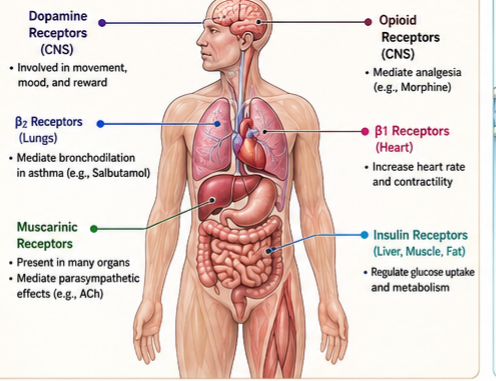 Drug receptors are strategically positioned throughout the cell to receive and process signals from the extracellular environment, within the cytoplasm, and in the nucleus. The location of a receptor determines which chemical signals it can access and the types of responses it can initiate.
Cell Membrane Receptors
Cell membrane receptors are the most common type of receptor targets for drugs. These transmembrane proteins span the plasma membrane, with an extracellular domain that binds ligands and an intracellular domain that initiates signal transduction. Membrane receptors include ligand-gated ion channels, G protein-coupled receptors, and enzyme-linked receptors. Their extracellular location makes them accessible to drugs administered via the bloodstream, as these drugs can reach the receptor without needing to cross the plasma membrane.
Cytoplasmic Receptors
Some receptors are located within the cytoplasm rather than on the cell surface. These receptors typically bind lipophilic molecules that can freely cross the plasma membrane. When a ligand binds to its cytoplasmic receptor, the receptor-ligand complex translocates to the nucleus to regulate gene expression. Cytoplasmic receptors play crucial roles in steroid hormone action and are drug targets in conditions such as inflammation and certain cancers.
Nuclear Receptors
Nuclear receptors are located within the nucleus and function as transcription factors, directly regulating gene expression. These receptors respond to lipophilic ligands such as steroid hormones, thyroid hormones, vitamin D, and retinoic acid. Upon ligand binding, nuclear receptors bind to specific DNA sequences and modulate the transcription of target genes. Examples include the glucocorticoid receptor, estrogen receptor, and peroxisome proliferator-activated receptors (PPARs). The therapeutic implications of nuclear receptors are significant. For instance, PPAR agonists like fibrates and thiazolidinediones are clinically used for metabolic disorders and are being investigated in cancer therapy.
Intracellular Organelle Receptors
Recent research has revealed that receptors can also function within intracellular organelles, including the endoplasmic reticulum, Golgi apparatus, endosomes, and mitochondria. This subcellular localization adds another layer of complexity to receptor signaling. For example, the β2-adrenergic receptor, opioid receptors, and cannabinoid receptors have all been shown to signal from intracellular compartments, challenging the traditional view that GPCR signaling occurs exclusively at the cell surface. This compartmentalized signaling offers new therapeutic opportunities through targeted drug delivery.
Types of Drug Receptors
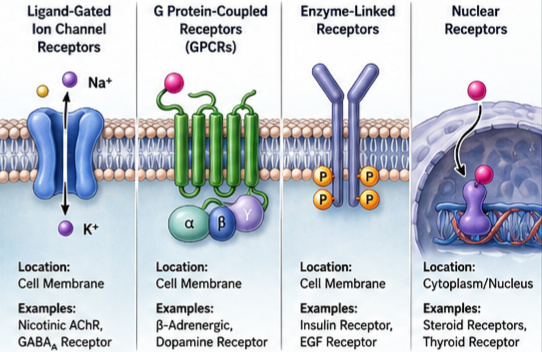
Drug receptors are classified into four major families based on their structure, location, and mechanism of signal transduction. Each receptor family mediates drug effects through distinct molecular mechanisms, and understanding these distinctions is essential for rational pharmacotherapy.
Ligand-Gated Ion Channels
Ligand-gated ion channels, also known as ionotropic receptors, are membrane-spanning proteins that combine a ligand-binding site with an ion channel. When a ligand binds, these receptors undergo a conformational change that opens a pore, allowing ions to flow across the plasma membrane. This ion flux alters the electrical potential of the cell, leading to rapid effects such as nerve impulse transmission or muscle contraction.
Structure and Mechanism
Ligand-gated ion channels are composed of multiple protein subunits that assemble to form a central pore. Each subunit typically contains four transmembrane domains, and the ligand-binding site is located on the extracellular portion of the receptor. When the ligand binds to its site, it triggers a conformational change that opens the pore, allowing ions such as sodium (Na+), potassium (K+), calcium (Ca2+), or chloride (Cl−) to flow down their electrochemical gradients. The result is a rapid depolarization or hyperpolarization of the cell membrane, which can trigger or inhibit electrical signaling.
Clinical Examples
The nicotinic acetylcholine receptor is a classic example of a ligand-gated ion channel. Located at the neuromuscular junction, it binds acetylcholine released from motor neurons, opening a channel that allows sodium influx and triggers muscle contraction. This receptor is the target of neuromuscular blocking agents such as atracurium, used during surgery to induce muscle relaxation. It is also the site of action of nicotine, which explains its effects on the nervous system.
The GABAA receptor is another important ligand-gated ion channel. It is the primary inhibitory receptor in the brain, and its activation by GABA promotes chloride influx, hyperpolarizing the cell and reducing neuronal excitability. This receptor is the target of benzodiazepines (such as diazepam) and barbiturates, which enhance the effects of GABA, producing sedation, anxiolysis, and anticonvulsant effects. Alcohol also acts on GABAA receptors, explaining its sedative and anxiolytic properties.
The 5-HT3 receptor is a ligand-gated ion channel activated by serotonin. It is involved in nausea and vomiting, particularly in response to chemotherapy. 5-HT3 antagonists such as ondansetron are widely used as antiemetics.
Clinical Significance
Ligand-gated ion channels mediate the most rapid cellular responses to receptor activation, operating on a millisecond time scale. They are involved in fast synaptic transmission in the central and peripheral nervous systems and at the neuromuscular junction. Drugs targeting these channels are used in anesthesia, psychiatry, neurology, and gastroenterology.
G Protein-Coupled Receptors
G protein-coupled receptors (GPCRs) represent the largest and most diverse family of cell membrane receptors. Approximately 1% of the human genome codes for GPCRs, with about 450 of these receptors responding to endogenous ligands. More than 40% of all marketed drugs act through GPCRs, making them the most important class of drug targets in pharmacology.
Structure and Mechanism
GPCRs share a common structural motif: a single polypeptide chain that traverses the plasma membrane seven times, forming seven transmembrane α-helices connected by alternating intracellular and extracellular loops. The extracellular loops and portions of the transmembrane helices form the ligand-binding site, while the intracellular loops interact with G proteins.
The mechanism of GPCR signaling involves three main components: the receptor itself, a transducer (G protein), and an effector molecule. When a ligand binds to the receptor, it induces a conformational change that allows the receptor to interact with a G protein on the intracellular surface of the membrane. The G protein is a heterotrimer consisting of α, β, and γ subunits. Upon activation, the G protein exchanges GDP for GTP on its α subunit, which dissociates from the βγ dimer. The activated Gα subunit and the βγ dimer can then interact with effector molecules such as adenylyl cyclase, phospholipase C, or ion channels to generate intracellular signals.
GPCR Subtypes and Endogenous Agonists
GPCRs are classified based on sequence similarity into three main families:
- Family A (rhodopsin-like) includes the adrenergic receptors (α1, α2, β1, β2, β3), dopaminergic receptors (D1-D5), muscarinic acetylcholine receptors (M1-M5), serotonin receptors (5-HT1-5-HT7), histamine receptors (H1-H4), and opioid receptors. These receptors respond to neurotransmitters, hormones, and sensory stimuli.
- Family B (secretin-like) includes receptors for peptide hormones such as secretin, glucagon, and parathyroid hormone.
- Family C (metabotropic glutamate-like) includes metabotropic glutamate receptors, GABAB receptors, and calcium-sensing receptors.
Clinical Examples
β-adrenergic receptors are classic GPCRs with immense therapeutic significance. β1 receptors are primarily located in the heart and kidney, and their activation increases heart rate and contractility. β2 receptors are found in bronchial smooth muscle and blood vessels, mediating bronchodilation and vasodilation. Drugs acting at these receptors include the β-blockers (such as propranolol and metoprolol) for hypertension and heart failure, and β2 agonists (such as salbutamol and formoterol) for asthma and COPD.
Opioid receptors (μ, δ, κ) mediate the effects of endogenous opioids and exogenous drugs such as morphine and fentanyl. μ-opioid receptor agonists are potent analgesics but also cause respiratory depression, constipation, and addiction.
Histamine receptors play important roles in allergy and gastric acid secretion. H1 antagonists (antihistamines) are used for allergic conditions, while H2 antagonists (such as ranitidine) reduce gastric acid secretion.
Dopamine receptors are targets for antipsychotics (which block D2 receptors) and drugs for Parkinson’s disease (which stimulate D2 receptors).
Signal Transduction Pathways
GPCRs activate several major signaling cascades, primarily through the Gα and Gβγ subunits:
- The cAMP pathway involves Gαs (stimulatory) or Gαi (inhibitory) acting on adenylyl cyclase. Gαs activates adenylyl cyclase, increasing intracellular cAMP and activating protein kinase A (PKA), which phosphorylates various target proteins. Gαi inhibits adenylyl cyclase, reducing cAMP levels.
- The IP3/DAG pathway involves Gαq activating phospholipase C-β (PLCβ), which cleaves phosphatidylinositol 4,5-bisphosphate (PIP2) into inositol triphosphate (IP3) and diacylglycerol (DAG). IP3 releases calcium from intracellular stores, while DAG activates protein kinase C (PKC).
- The Gβγ subunits can directly modulate ion channels (such as potassium channels) and are involved in receptor trafficking and receptor desensitization.
Enzyme-Linked Receptors
Enzyme-linked receptors, also called catalytic receptors, are single-pass transmembrane proteins that have intrinsic enzymatic activity in their cytoplasmic domain. When a ligand binds to the extracellular domain, the receptor’s intracellular enzyme activity is activated, initiating a signaling cascade.
Receptor Tyrosine Kinases
Receptor tyrosine kinases (RTKs) are the most common type of enzyme-linked receptor. They consist of an extracellular ligand-binding domain, a single transmembrane helix, and an intracellular domain with tyrosine kinase activity. Ligand binding typically induces receptor dimerization, bringing the two kinase domains together. This proximity allows the receptor to autophosphorylate tyrosine residues on its intracellular domain. These phosphotyrosine residues then serve as docking sites for downstream signaling molecules.
The insulin receptor is a classic example of an RTK. Insulin binding activates the receptor, leading to phosphorylation of insulin receptor substrates (IRS proteins), which initiate pathways that regulate glucose uptake, metabolism, and growth.
Growth factor receptors are another important class of RTKs. The epidermal growth factor (EGF) receptor is overexpressed in many cancers, making it a target for drugs such as trastuzumab (a monoclonal antibody that targets HER2, a related RTK) and gefitinib (a small-molecule tyrosine kinase inhibitor). These drugs are used in the treatment of breast cancer and non-small cell lung cancer.
JAK-STAT Pathway
Some enzyme-linked receptors associate with cytoplasmic tyrosine kinases called Janus kinases (JAKs). Cytokine receptors, for example, do not have intrinsic enzymatic activity but bind to JAKs. When the ligand binds, the receptor dimerizes and the associated JAKs are activated. JAKs phosphorylate the receptor, creating docking sites for STAT proteins (signal transducers and activators of transcription), which are then phosphorylated, dimerize, and translocate to the nucleus to regulate gene expression.
This pathway is targeted by JAK inhibitors such as tofacitinib, used in autoimmune diseases including rheumatoid arthritis, and baricitinib, used for severe alopecia areata. These drugs are also being investigated for other inflammatory conditions.
Clinical Significance
Enzyme-linked receptors are particularly important in the regulation of growth, differentiation, and metabolism. Drugs targeting these receptors and their signaling pathways have become central to cancer therapy and the treatment of metabolic and immune disorders.
Intracellular (Nuclear) Receptors
Intracellular receptors, also known as nuclear receptors, are located within the cytoplasm or nucleus rather than on the cell surface. These receptors function as ligand-activated transcription factors, directly regulating gene expression.
Structure and Mechanism
Nuclear receptors share a common modular structure, including:
- An N-terminal domain that may have ligand-independent transcriptional activation activity
- A central DNA-binding domain that recognizes specific DNA sequences (response elements)
- A ligand-binding domain in the C-terminal region that binds the ligand and mediates interaction with co-regulatory proteins
- A hinge region connecting the DNA-binding and ligand-binding domains
Lipophilic ligands such as steroid hormones, thyroid hormones, vitamin D, and retinoids can cross the plasma membrane and bind to their receptors. Some receptors, such as the glucocorticoid receptor, are located in the cytoplasm in an inactive form associated with heat shock proteins. Upon ligand binding, these receptors translocate to the nucleus. Others, such as the estrogen receptor, are located in the nucleus. Once in the nucleus, the receptor-ligand complex binds to specific DNA sequences (hormone response elements) and modulates the transcription of target genes, typically through interaction with coactivators or corepressors.
Clinical Examples
The glucocorticoid receptor binds cortisol and synthetic glucocorticoids such as prednisone and dexamethasone. These drugs are widely used for their anti-inflammatory and immunosuppressive effects in conditions including asthma, rheumatoid arthritis, and inflammatory bowel disease.
The estrogen receptor binds estrogen and is the target of tamoxifen, a selective estrogen receptor modulator used in the treatment of breast cancer.
The androgen receptor binds testosterone and is a target in prostate cancer treatment using androgen receptor antagonists.
The PPAR family of nuclear receptors binds fatty acids and is the target of the fibrates (PPARα agonists) and thiazolidinediones (PPARγ agonists). Fibrates are used in dyslipidemia, while thiazolidinediones such as pioglitazone are used in type 2 diabetes. Recent research has highlighted the complex context-dependent roles of PPARs in cancer, where they may have both tumor-suppressive and tumor-promoting effects depending on cellular context, metabolic state, and genetic background.
Clinical Significance
Nuclear receptors mediate effects with a delayed onset (typically hours to days) because their actions involve changes in gene expression and subsequent protein synthesis. They are involved in metabolism, development, reproduction, and immune function. Despite the delayed onset, their effects can be extremely potent and long-lasting. Over 13% of all US Food and Drug Administration-approved drugs target nuclear receptors, highlighting their therapeutic importance.
Drug-Receptor Binding
Understanding how drugs bind to receptors requires models that explain the molecular and thermodynamic principles governing these interactions.
Lock-and-Key Model
The lock-and-key model was the earliest conceptual framework describing drug-receptor binding. Proposed by Emil Fischer in 1894, this model suggests that the drug (the key) must have a specific shape that precisely fits the receptor (the lock). Only a drug with the correct structural features can bind to the receptor and initiate a response. While this model is useful for explaining specificity, it is overly simplistic because it assumes both the drug and receptor are rigid structures.
Induced Fit Model
The induced fit model, proposed by Daniel Koshland in 1958, accounts for the conformational flexibility of both the drug and the receptor. According to this model, the drug molecule’s approach causes the receptor to undergo a conformational change that optimizes binding. The receptor is not a rigid structure but a dynamic protein that adapts its shape to accommodate the ligand. This model better explains how drugs with slightly different structures can bind to the same receptor and how receptor binding can change over time. It also helps explain the phenomenon of biased signaling, where different ligands binding to the same receptor can induce distinct conformations that couple to different downstream pathways.
Occupancy Theory
The occupancy theory, developed by A.J. Clark and refined by Stephenson, describes drug-receptor interactions in quantitative terms. The theory proposes that the magnitude of a drug effect is proportional to the fraction of receptors occupied by the drug. This relationship can be described by:
Effect = (Emax × [D]) / (Kd + [D])
where Emax is the maximum effect, [D] is the drug concentration, and Kd is the dissociation constant. This equation yields a hyperbolic curve, with effect increasing as drug concentration increases until a maximum is reached.
While the occupancy theory explains many aspects of drug action, it cannot account for differences in efficacy among drugs that occupy the same number of receptors. This led to the development of efficacy concepts.
Two-State Model
The two-state model proposes that receptors exist in at least two conformational states: an inactive (R) state and an active (R*) state. In the absence of ligand, the receptor can spontaneously exist in either state, but the active state is usually less stable. Agonists stabilize the active state and promote the active conformation, while inverse agonists stabilize the inactive state and promote the inactive conformation. Antagonists, in this model, bind with equal affinity to both states and stabilize neither, effectively blocking the access of agonists without changing the receptor’s state.
This model helps explain the concept of constitutive receptor activity, where the receptor is active even in the absence of an agonist, and the phenomenon of inverse agonism, where an inverse agonist reduces basal receptor activity.
Signal Transduction
Signal transduction is the process by which a chemical signal—in this case, a drug—bound to a receptor is converted into a cellular response. The complexity of these pathways is central to understanding both the therapeutic effects and side effects of drugs.
Second Messengers
The concept of second messengers was introduced by Earl Sutherland in the 1950s, based on his pioneering work on the mechanism of action of epinephrine. Sutherland discovered that epinephrine’s effects on the liver were mediated by a heat-stable small molecule he called cyclic adenosine monophosphate (cAMP).
Today, we recognize several major classes of second messengers:
cAMP (Cyclic Adenosine Monophosphate)
cAMP is synthesized by adenylyl cyclase from ATP and degraded by phosphodiesterases. The cAMP pathway is a classic signaling cascade that amplifies the signal: a single ligand binding to a receptor can activate many G proteins, each of which can activate many adenylyl cyclase molecules, each of which can produce many cAMP molecules, each of which can activate many protein kinase A molecules, each of which can phosphorylate many target proteins. This amplification explains how very small concentrations of hormones and neurotransmitters can produce significant biological effects.
IP3 and DAG
IP3 and DAG are second messengers generated by phospholipase C-β (PLCβ) cleavage of PIP2. IP3 is water-soluble and diffuses through the cytoplasm to bind to receptors on the endoplasmic reticulum, triggering the release of stored calcium. DAG remains in the membrane and activates protein kinase C (PKC), which phosphorylates various target proteins.
Calcium
Calcium ions act as a ubiquitous second messenger that regulates numerous cellular processes, including muscle contraction, neurotransmitter release, and gene expression. Calcium can enter the cell through ion channels in the plasma membrane, or be released from intracellular stores (such as the endoplasmic reticulum). Calcium binds to proteins such as calmodulin, which then regulate enzymes and other effector molecules.
Protein Kinase Pathways
Protein kinases are enzymes that add phosphate groups to proteins, altering their activity, stability, subcellular localization, and interactions with other proteins. Protein phosphorylation is a fundamental mechanism for signal transduction, providing a rapid and reversible way to modulate protein function. Reversible phosphorylation allows cells to quickly respond to signals and then return to baseline.
PKA (protein kinase A) is activated by cAMP and phosphorylates a wide range of substrates. In the liver, PKA phosphorylation of enzymes such as glycogen phosphorylase and glycogen synthase leads to the breakdown of glycogen and release of glucose. In adipose tissue, PKA activates hormone-sensitive lipase, promoting the release of fatty acids.
PKC (protein kinase C) is activated by DAG and calcium. It phosphorylates numerous target proteins involved in cell growth, differentiation, and apoptosis. Overactive PKC signaling has been implicated in cancer, making it a potential drug target.
MAP kinases are serine/threonine kinases that are part of the mitogen-activated protein kinase signaling cascade. This pathway regulates cell proliferation, differentiation, and survival. Dysregulation of MAP kinase signaling is common in cancer, and MAP kinase inhibitors are used in the treatment of various malignancies.
Receptor Desensitization and Downregulation
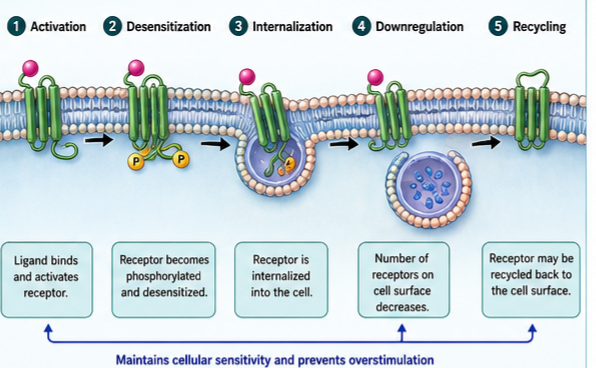 Continuous exposure to an agonist frequently leads to reduced responsiveness—a phenomenon known as desensitization. This regulatory mechanism protects cells from overstimulation and is clinically relevant in explaining tolerance to drugs.
Desensitization refers to a reduced response to a drug after repeated or continuous exposure. Mechanisms include receptor phosphorylation, which uncouples the receptor from G proteins or other signaling effectors; receptor internalization, where receptors are sequestered inside the cell; and allosteric changes that reduce receptor affinity. For example, β-adrenergic receptors are rapidly phosphorylated and desensitized upon exposure to epinephrine or β-agonists.
Tachyphylaxis is a form of rapid desensitization that occurs with the first dose, often due to depletion of cellular mediators or very rapid receptor phosphorylation.
Tolerance is a more gradual loss of response that occurs over days or weeks, often involving receptor downregulation or changes in downstream signaling.
Refractoriness describes a state where there is lack of responsiveness to a drug, often due to receptor loss or pathway alteration.
Drug resistance is a term reserved for the loss of effectiveness of antimicrobial or anticancer drugs, which may involve alterations in receptor expression, mutations in drug targets, or activation of alternative signaling pathways.
Downregulation refers to a reduction in the number of receptors, typically due to receptor internalization and degradation. Chronic exposure to an agonist can downregulate its receptors, such as in the heart where prolonged β-adrenergic stimulation in heart failure leads to β1 receptor downregulation. This contributes to the reduced sensitivity of failing hearts to adrenergic stimulation.
Upregulation is the opposite process, where chronic receptor blockade (such as by an antagonist) leads to an increase in receptor number. This can explain the withdrawal or rebound phenomenon when the antagonist is suddenly discontinued, as there are more receptors available to respond to endogenous agonists.
Types of Drug Actions
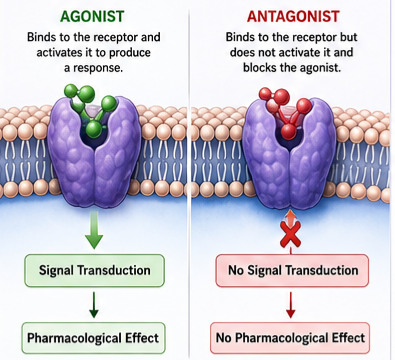
The classification of drugs based on their activity at the receptor level is fundamental to understanding their effects and clinical applications.
Agonists
An agonist is a drug that binds to a receptor and activates it, producing a biological response. Agonists are classified by their ability to produce the maximum response.
Full agonists produce the maximal response achievable by the receptor. They have high efficacy, typically because the drug-receptor complex has the same or greater ability than the endogenous ligand to stabilize the active conformation of the receptor. For example, morphine is a full agonist at the μ-opioid receptor, producing maximal analgesia.
Partial agonists produce a submaximal response even at full receptor occupancy. They have lower efficacy than full agonists. Partial agonists can act as antagonists if sufficient concentrations are reached because they compete with full agonists for receptor binding but produce a smaller response. Buprenorphine is a partial agonist at the μ-opioid receptor used in opioid addiction treatment; it reduces cravings and withdrawal symptoms with a ceiling effect that limits the risk of respiratory depression.
Inverse agonists bind to the same receptor as agonists but produce the opposite effect. This class of drugs was discovered once it was recognized that receptors can have constitutive activity (activity in the absence of an agonist). For example, some antipsychotics like haloperidol act as inverse agonists at dopamine D2 receptors, stabilizing the inactive conformation and reducing basal receptor activity.
Antagonists
An antagonist is a drug that binds to a receptor without activating it, blocking the receptor and preventing the binding of agonists. Antagonists can be classified by their mechanism of action.
Competitive antagonists bind reversibly to the same binding site as the agonist and compete for the receptor. The effects of a competitive antagonist can be overcome by increasing the agonist concentration. Atropine, which blocks muscarinic acetylcholine receptors at the neuromuscular junction, is a classic example.
Noncompetitive antagonists bind to a site distinct from the agonist binding site (an allosteric site) or bind irreversibly to the agonist binding site. They cannot be overcome by increasing the agonist concentration. An example is ketamine, which acts as a noncompetitive antagonist at NMDA receptors.
Irreversible antagonists form covalent bonds with the receptor, rendering the receptor permanently inactive. New receptors must be synthesized for the antagonist’s effects to be overcome. An example is phenoxybenzamine, an irreversible α-adrenergic receptor antagonist used in the management of pheochromocytoma.
Physiological antagonists produce the opposite effect to an agonist but do so by acting at a different receptor. For example, epinephrine (a β-adrenergic agonist that dilates bronchioles) can counteract histamine-induced bronchoconstriction.
Chemical antagonists bind directly to the drug itself, preventing it from interacting with the receptor. An example is protamine sulfate, which chemically neutralizes the anticoagulant effects of heparin by forming an inactive complex.
Receptor Selectivity
Selectivity refers to the ability of a drug to bind to and affect a specific receptor subtype, rather than all receptors in a given class. The concept of selectivity is central to modern pharmacology, as it allows drugs to produce targeted therapeutic effects with fewer side effects.
Different receptors, even within the same family, can have different tissue distributions, which explains the selectivity of drugs. For example, β1-adrenergic receptors are predominantly found in the heart, while β2-adrenergic receptors are predominantly found in bronchial smooth muscle. This distribution allows for the development of β1-selective blockers such as metoprolol, which reduce cardiac rate and contractility without causing bronchoconstriction.
Additionally, receptor subtypes can have different structural features, including differences in the amino acid sequences of the binding pocket, which can be exploited by drug design. For example, the D2 dopamine receptor is a target for antipsychotics, and the D1 dopamine receptor is a target for drugs used in Parkinson’s disease.
Selectivity is often a relative term, and even selective drugs can produce off-target effects at higher doses. The therapeutic index of a drug often depends on its selectivity for the intended target.
Spare Receptors
Spare receptors are a phenomenon where the maximal biological response can be achieved with less than maximal receptor occupancy. Stephenson first described this concept in 1956, noting that a full response could be obtained when only a fraction of receptors were occupied.
Spare receptors allow for:
- Signal amplification: A small number of ligand-receptor complexes can produce a maximal response because of amplification at downstream steps in the signaling cascade (e.g., enzyme cascade activation).
- Efficient use of endogenous agonists: Low concentrations of hormones and neurotransmitters can produce full physiological responses.
- Greater sensitivity: When spare receptors are present, the EC50 is lower than the Kd, meaning the drug is more potent than its receptor binding affinity would predict.
- Increased response to partial agonists: In systems with spare receptors, a partial agonist may produce a full response because it only needs to occupy a fraction of receptors.
The presence of spare receptors has therapeutic implications. Drugs with low efficacy can still produce clinical effects if enough receptors are available. Also, partial agonists can act as antagonists in systems with spare receptors, but as full agonists in systems without spare receptors.
Dose-Response Relationship
The dose-response relationship is the cornerstone of pharmacology, describing how the magnitude of a drug effect changes with drug dose or concentration. Understanding this relationship is essential for selecting appropriate drug doses and predicting clinical outcomes.
Key Parameters
EC50 (Half-Maximal Effective Concentration) is the concentration of a drug that produces 50% of its maximal effect. Drugs with lower EC50 are more potent. The EC50 is also the concentration of drug at which 50% of the receptors are occupied in the absence of spare receptors.
Emax (Maximal Effect) is the maximum effect a drug can produce, regardless of how much more drug is added. Emax is determined by the drug’s efficacy and the signaling capacity of the cell or tissue.
Potency is the amount of drug required to produce a given effect. Potency is often expressed as the ED50 (the dose that produces 50% of the maximal effect in a population). More potent drugs require lower doses to produce the same effect. Potency depends on the drug’s affinity (Kd) and the number of spare receptors. A shift to the right in a dose-response curve indicates decreased potency, often due to the presence of a competitive antagonist.
Efficacy is the maximum effect that a drug can produce. Efficacy is determined by the drug’s ability to activate the receptor and trigger cellular responses. Full agonists have high efficacy, while partial agonists have low efficacy.
Shape of Dose-Response Curves
When the drug dose or concentration is plotted against the magnitude of the response on a linear scale, the resulting curve is typically hyperbolic. However, when the dose is plotted on a logarithmic (log) scale, the curve becomes sigmoidal (S-shaped). The log dose-response curve is more useful clinically because it is linear in the middle range, making it easier to compare drugs and to determine potency, and it expands the scale at low doses where the response is changing rapidly.
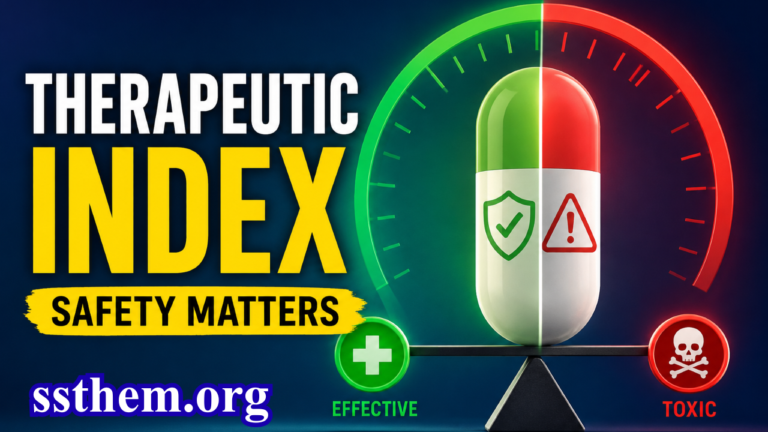
Therapeutic Index
The therapeutic index (TI) is a measure of a drug’s safety. It is defined as:
TI = LD50 / ED50
where LD50 is the dose that kills 50% of an exposed population and ED50 is the dose that produces a therapeutic effect in 50% of the population.
A larger therapeutic index indicates a safer drug, because a larger gap exists between the dose that produces therapeutic effects and the dose that produces toxic effects. Drugs with a narrow therapeutic index require careful dosing and monitoring. Digoxin, warfarin, and cyclosporine are examples of drugs with narrow therapeutic indices.
Some experts argue that the therapeutic index is best calculated as LD5/ED95 or LD1/ED99, as these provide a more clinically relevant estimate of safety, especially for drugs with steep dose-response curves. For example, the therapeutic index of NSAIDs is often defined using LD25/ED75 for COX-2 selectivity.
Factors Affecting Drug-Receptor Interaction
Numerous physiological and pathological factors influence drug-receptor interactions, contributing to individual variability in drug responses.
Age
Age affects drug-receptor interactions through changes in:
- Receptor expression (e.g., β-adrenergic receptors decline with age)
- Receptor sensitivity (e.g., increased sensitivity to benzodiazepines in the elderly)
- Signaling efficiency (e.g., reduced G protein coupling in older patients)
Genetics
Genetic polymorphisms can significantly affect receptor structure and function. Examples include:
- Polymorphisms in β1-adrenergic receptors: These affect the response to β-blockers in heart failure patients.
- Polymorphisms in dopamine receptors: These influence the response to antipsychotics and the risk of side effects.
- Polymorphisms in serotonin receptors: These affect the response to selective serotonin reuptake inhibitors (SSRIs) and tricyclic antidepressants.
Disease
Disease can alter receptor number, function, or signaling efficiency:
- Heart failure: Downregulation of myocardial β1-adrenergic receptors occurs due to chronic sympathetic activation, reducing the response to β-adrenergic agonists.
- Diabetes: Insulin receptor number and function may be altered in insulin resistance.
- Hypertension: Changes in α-adrenergic receptor sensitivity affect blood pressure control.
Drug Interactions
Drug interactions can occur at the receptor level:
- Competitive antagonism: Two drugs compete for the same receptor binding site.
- Allosteric modulation: One drug binds to a site distinct from the agonist binding site, altering receptor conformation and affinity.
- Receptor downregulation: Long-term use of agonists can downregulate receptors, reducing the effect of the drug and potentially leading to tolerance or withdrawal.
Tolerance
Tolerance is a progressive reduction in response to a drug after repeated exposure. It can result from:
- Receptor downregulation (reduction in receptor number)
- Desensitization (reduced receptor signaling efficiency)
- Alterations in downstream signaling pathways (e.g., changes in G protein coupling)
Chronic Therapy
Chronic drug therapy can produce:
- Downregulation: Long-term use of opioids leads to μ-opioid receptor downregulation, reducing analgesic efficacy.
- Tolerance: Chronic use of β-agonists in asthma leads to tolerance to the drug’s bronchodilator effect.
- Withdrawal: Abrupt cessation of a drug can lead to withdrawal symptoms, as receptors are upregulated or sensitized in the absence of the drug.
Clinical Importance of Drug Receptors
Drug receptors are the targets for the treatment of numerous diseases, making understanding receptor pharmacology essential for clinical practice.
Hypertension
β1-adrenergic receptors in the heart are blocked by β-blockers (metoprolol, atenolol), which reduce heart rate and cardiac output, thereby lowering blood pressure.
Angiotensin II receptors (AT1) are blocked by angiotensin receptor blockers (ARBs) such as losartan, which reduce vasoconstriction and aldosterone secretion, lowering blood pressure.
α1-adrenergic receptors in blood vessels are blocked by α-blockers (prazosin, doxazosin), which reduce vasoconstriction and lower blood pressure. These are often used in the treatment of hypertension and benign prostatic hyperplasia.
Diabetes
Insulin receptors are stimulated by insulin and insulin analogues, which promote glucose uptake, lower blood glucose levels, and regulate metabolism.
GLP-1 (glucagon-like peptide-1) receptors are stimulated by GLP-1 receptor agonists such as semaglutide, which enhance insulin secretion and suppress glucagon secretion, lowering blood glucose levels.
PPARγ is activated by thiazolidinediones (pioglitazone, rosiglitazone), which increase insulin sensitivity by activating PPARγ in adipose tissue and muscle.
Asthma
β2-adrenergic receptors in bronchial smooth muscle are stimulated by β2-agonists (salbutamol, formoterol), which activate adenylyl cyclase, increasing cAMP, relaxing bronchial smooth muscle, and causing bronchodilation.
Muscarinic (M3) receptors in bronchial smooth muscle are blocked by anticholinergics (tiotropium, ipratropium), which block M3 receptors and reduce bronchoconstriction.
Depression
Serotonin (5-HT) transporters and receptors are targets for antidepressants. SSRIs such as fluoxetine block serotonin transporters, increasing synaptic serotonin. Serotonin receptors (5-HT1A, 5-HT2A) are also targeted by some atypical antidepressants.
Norepinephrine (NE) transporters and receptors are targets for tricyclic antidepressants and SNRIs, which block NE transporters or stimulate NE receptors, enhancing noradrenergic signaling.
Dopamine receptors are targeted by bupropion, a dopamine and norepinephrine reuptake inhibitor used as an antidepressant.
Parkinson’s Disease
Dopamine (D2) receptors are stimulated by dopamine agonists (pramipexole, ropinirole) in the striatum, reducing the symptoms of Parkinson’s disease.
Heart Failure
β1-adrenergic receptors in the heart are blocked by β-blockers (metoprolol, carvedilol), which reduce the effects of chronic sympathetic activation and improve survival in heart failure. This is an important clinical application of receptor blockade in a condition where receptor downregulation is part of the disease process.
Cancer Therapy
Receptor tyrosine kinases are targeted by monoclonal antibodies (trastuzumab targets HER2; cetuximab targets EGFR) and small molecule tyrosine kinase inhibitors (gefitinib targets EGFR; erlotinib targets EGFR), which inhibit cancer cell proliferation.
Estrogen receptors are blocked by selective estrogen receptor modulators (tamoxifen) used in estrogen receptor-positive breast cancer. Androgen receptors are blocked by androgen receptor antagonists (enzalutamide) used in prostate cancer.
Autoimmune Diseases
Cytokine receptors are targeted by biologics such as TNF inhibitors (infliximab, etanercept) used in rheumatoid arthritis and inflammatory bowel disease. JAK-STAT pathway is targeted by JAK inhibitors (tofacitinib, baricitinib) used in autoimmune diseases.
Common Drug Receptor Examples
Understanding specific receptors and their clinical roles is essential for rational pharmacotherapy.
β1 Receptor: Located in the heart (mainly), β1 receptors mediate positive chronotropy (increased heart rate) and positive inotropy (increased contractility). Antagonists such as metoprolol are used in hypertension and heart failure.
β2 Receptor: Located in bronchial smooth muscle (and blood vessels), β2 receptors mediate bronchodilation and vasodilation. Agonists such as salbutamol are used in asthma and COPD.
α1 Receptor: Located in blood vessels, α1 receptors mediate vasoconstriction. Antagonists such as prazosin are used in hypertension and benign prostatic hyperplasia.
α2 Receptor: Located in presynaptic neurons and some tissues, α2 receptors mediate feedback inhibition of neurotransmitter release. Agonists such as clonidine are used in hypertension and pain management (e.g., in epidural anesthesia).
Muscarinic Receptors: Located in various tissues, including the heart (M2, M3), smooth muscle (M3), and glands. Muscarinic agonists are used in glaucoma (pilocarpine), while antagonists (atropine, ipratropium) are used in various conditions including bradycardia, COPD, and to treat poisoning by organophosphates.
Nicotinic Receptors: Located at the neuromuscular junction and in the CNS, nicotinic receptors mediate fast synaptic transmission. Agonists (nicotine) have effects on the CNS, while antagonists (atracurium, succinylcholine) are used as neuromuscular blocking agents during surgery.
Histamine Receptors: H1 receptors are located in the CNS and smooth muscle, mediating allergic responses. Antihistamines (diphenhydramine, cetirizine) are used for allergies. H2 receptors are located in the stomach, mediating gastric acid secretion. Antagonists (ranitidine, cimetidine) are used in peptic ulcer disease. H3 receptors are in the CNS and are targets for drugs in development for cognitive disorders and sleep disorders.
Dopamine Receptors: D1-D5 receptors are located in various regions of the CNS and the periphery. D2 antagonists (haloperidol, risperidone) are used as antipsychotics, while D2 agonists (pramipexole, ropinirole) are used in Parkinson’s disease.
Serotonin Receptors: 5-HT receptors are numerous (5-HT1A, 5-HT2A, 5-HT3, 5-HT4, etc.) and are targets for many drugs. Antidepressants, antipsychotics, antiemetics (ondansetron), and treatments for migraine (triptans) all target serotonin receptors.
Opioid Receptors: μ, δ, and κ receptors are located in the CNS and periphery. μ agonists (morphine, fentanyl) are potent analgesics but cause respiratory depression and constipation; partial agonists (buprenorphine) are used in addiction treatment; antagonists (naloxone) are used in opioid overdose.
GABA Receptors: GABAA receptors (ligand-gated ion channels) and GABAB receptors (GPCRs) are located in the CNS. GABAA agonists (benzodiazepines) are used as anxiolytics, sedatives, and anticonvulsants. GABAB agonists (baclofen) are used as muscle relaxants.
NMDA Receptors: NMDA receptors are ligand-gated ion channels in the CNS. Antagonists (ketamine, memantine) are used as analgesics, anesthetics, and in the treatment of Alzheimer’s disease and treatment-resistant depression.
Drug Receptors in Personalized Medicine
Personalized medicine aims to tailor drug therapy based on individual patient characteristics, including genetic makeup. Receptors are central to this approach, and increasingly, clinicians can predict drug responses based on receptor genetics, expression, and signaling.
Genetic polymorphisms in drug receptors can affect drug responses:
- β1-adrenergic receptor polymorphisms can influence the response to β-blockers in heart failure, with some patients having receptors that are more or less responsive to these drugs.
- Dopamine receptor polymorphisms may affect the response to antipsychotics, with some patients requiring higher doses or experiencing more side effects based on their receptor genetics.
- Estrogen receptor polymorphisms may affect the response to tamoxifen in breast cancer patients, with genetic differences in receptor expression or function influencing treatment outcomes.
Quantitative pharmacology—the integration of pharmacodynamics and pharmacokinetics—allows for personalized dosing. By measuring drug concentrations in the blood and modeling the relationship between drug exposure and response, clinicians can adjust doses to achieve the desired effect with minimal toxicity. This is particularly important for drugs with a narrow therapeutic index.
For example, therapeutic drug monitoring (TDM) is widely used for drugs such as digoxin, warfarin, cyclosporine, and many antibiotics to ensure that plasma drug concentrations remain within the therapeutic window.
Pharmacogenomics and Drug Receptors
Pharmacogenomics is the study of how an individual’s genetic makeup affects their response to drugs. Receptors are frequently the targets of pharmacogenomic research.
Genetic Variation in Receptors
Polymorphisms in receptor genes can affect:
- Receptor expression levels: In some individuals, the receptor is expressed at higher or lower levels, affecting drug sensitivity.
- Receptor affinity: A single amino acid change can significantly alter the affinity of the receptor for a drug.
- Receptor function: Polymorphisms can affect receptor coupling to signaling pathways.
Clinical Implications
Genetic testing for receptor polymorphisms is increasingly used in clinical practice:
- D2 dopamine receptor polymorphisms are used to predict the response to antipsychotics in schizophrenia.
- β2-adrenergic receptor polymorphisms may predict the response to β-agonists in asthma and affect the risk of cardiovascular side effects.
- PPARγ polymorphisms may predict the response to thiazolidinediones in diabetes, with certain variants associated with better glycemic control or fewer side effects.
Drug Resistance Related to Receptors
Drug resistance occurs when a previously effective drug becomes less effective over time. Receptor-related mechanisms are common.
Downregulation of Receptors: Chronic exposure to an agonist can lead to receptor downregulation, reducing the number of receptors and decreasing the drug’s effect. This is a major mechanism of tolerance to opioids and β-agonists.
Desensitization: Receptors can become phosphorylated and uncoupled from their signaling partners, reducing drug efficacy. This is a common mechanism of desensitization to β-agonists, benzodiazepines, and opiates.
Mutations in the Receptor: In some cases, the receptor itself can mutate, altering its amino acid sequence and reducing drug binding. This is a mechanism of resistance to targeted cancer therapies, particularly to tyrosine kinase inhibitors, where a mutation in the EGFR or HER2 receptor reduces the affinity of the drug.
Activation of Alternative Pathways: A cell may activate alternative signaling pathways to bypass the drug’s inhibitory effects. For example, in cancer, the PI3K/AKT pathway may be activated to bypass EGFR inhibition.
Pharmacokinetic Resistance: The drug may be metabolized or eliminated more rapidly, reducing its concentration at the receptor site.
Future of Drug Receptor Research
The field of receptor pharmacology continues to evolve, driven by advances in molecular biology, structural biology, and computational chemistry. Several exciting developments are transforming our understanding of drug receptors and the development of new therapies.
Artificial Intelligence and Drug Discovery
Artificial intelligence (AI) and machine learning are being used to predict the 3D structure of receptors and design molecules that can bind to them with high affinity and selectivity. AI-driven approaches are accelerating drug discovery and enabling the development of drugs that target previously undruggable receptors. By predicting the binding modes and affinities of potential drugs, AI can help optimize lead compounds before they enter preclinical testing.
Precision Medicine and Targeted Therapies
The integration of genomics and clinical data is enabling the development of precision therapies that target specific receptor subtypes or receptor variants. This approach is already being used in oncology, where tumor genetic profiling is used to select patients who are most likely to respond to targeted therapies. In the future, precision approaches are likely to be extended to other disease areas, including cardiology, neurology, and psychiatry.
Biologics and Receptors
Biologic drugs (monoclonal antibodies, peptides, etc.) are increasingly used to target receptors with high specificity and potency. These drugs are often used in autoimmune diseases, cancer, and metabolic disorders. Advances in biologics research are leading to:
- Bispecific antibodies: Antibodies that bind to two different receptors or epitopes, enhancing targeting and reducing off-target effects.
- Antibody-drug conjugates (ADCs): Antibodies that deliver a cytotoxic payload to cancer cells expressing a specific receptor.
- Receptor modulators: Biologics that bind to receptors in ways that tune receptor activity to achieve therapeutic benefits without causing toxicity.
Gene Therapy and Receptors
Gene therapy can be used to modify receptor expression or function in diseases where receptor abnormalities are part of the pathophysiology. Approaches include:
- Knockdown of overactive receptors: Using RNA interference or antisense oligonucleotides to reduce receptor expression.
- Gene replacement therapy: Using viral vectors to deliver a functional copy of a receptor gene to cells that lack a functional version.
- Gene editing: Using CRISPR-Cas9 or other gene-editing technologies to correct pathogenic mutations in receptor genes.
Drug Receptors vs Drug Targets
Drug receptors are the most common type of drug target, but not all drug targets are receptors. Drug targets include:
- Enzymes: Molecules that catalyze biochemical reactions. Many drugs (statins, NSAIDs, ACE inhibitors) inhibit enzymes. More than 30% of drugs target enzymes.
- Ion channels: Pores in cell membranes that allow ions to pass. Some drugs (local anesthetics, calcium channel blockers) block or modulate ion channels, which are involved in nerve conduction, muscle contraction, and cardiac rhythm.
- Transporters: Proteins that move molecules across cell membranes. Drugs (SSRIs, SNRIs) can inhibit transporters, affecting neurotransmitter reuptake. Transporters are also targets for drugs used in hypertension, diabetes, and psychiatric disorders.
- DNA: Some drugs (chemotherapeutic agents) bind to DNA and interfere with transcription or replication. A significant number of cancer drugs target DNA, although many newer agents target receptors or signaling pathways.
- RNA: Antisense oligonucleotides can bind to mRNA and inhibit protein synthesis. This is a newer class of drugs with increasing clinical applications.
The distinction is important, but in clinical practice, the terms “target” and “receptor” are often used interchangeably to describe the molecule that the drug interacts with.
Drug Receptors vs Enzymes
Drugs can act on receptors or enzymes, and the distinction has important implications.
Receptors are proteins that bind ligands and change their conformation, initiating signal transduction. They are typically located on the cell surface or intracellularly.
Enzymes are proteins that catalyze biochemical reactions, facilitating the conversion of substrates into products. They are often located in the cytoplasm, mitochondria, or endoplasmic reticulum.
Key differences include:
- Amplification: Receptor signaling can be amplified, while enzyme inhibition typically has a direct one-to-one relationship between drug concentration and effect.
- Regulation: Receptors are often regulated (upregulated/downregulated, desensitized), while enzyme levels are often more stable.
- Location: Receptors are often on the cell surface, while enzymes are often inside the cell.
- Mechanism of action: Receptor agonism/antagonism produces effects through signal transduction; enzyme inhibition directly reduces product formation.
Drug Receptors vs Ion Channels
Drugs can also act on ion channels or receptors. Both are proteins that are often located in the membrane, but they have distinct functions.
Ion channels are proteins that allow ions (Na+, K+, Ca2+, Cl−) to pass through the membrane, either by gating (voltage-gated or ligand-gated) or passively.
Receptors are proteins that bind ligands and transduce signals; some are also ligand-gated ion channels (in which case the two categories overlap).
Key differences include:
- Function: Ion channels primarily mediate ion flux and electrical signaling; receptors initiate signal transduction.
- Gating: Ion channels are opened by voltage, ligands, or other stimuli; receptors are activated by ligand binding.
- Speed: Ion channel responses are very rapid (milliseconds); receptor signaling is slower (seconds to hours) due to amplification and gene expression changes.
- Signaling: Ligand-gated ion channels produce rapid, direct responses; GPCRs and enzyme-linked receptors produce slower, amplified responses.
Drug Receptors vs Pharmacodynamics
Pharmacodynamics is the study of drug effects, including the relationship between drug concentration and effect. Drug receptors are the molecular targets of pharmacodynamics.
Pharmacodynamics describes:
- The magnitude of a drug effect
- The time course of a drug effect
- Drug-receptor binding and the resulting cellular response
- The relationship between drug concentration and effect (dose-response curves)
- Drug potency and efficacy
- Receptor upregulation, downregulation, and desensitization
In essence, drug receptors are the mechanism by which pharmacodynamic effects occur. Understanding the receptor is essential to understanding pharmacodynamics.
Clinical Case Studies
Case Study 1: Bronchial Asthma and β2-Agonists
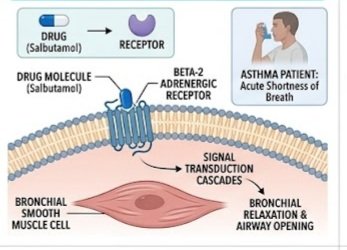 A 25-year-old woman with asthma presents to the emergency department with wheezing, shortness of breath, and a peak expiratory flow rate (PEFR) of 200 L/min (normal >400 L/min). She is given nebulized salbutamol (a β2-adrenergic receptor agonist).
Receptor Pharmacology: Salbutamol binds to β2-adrenergic receptors on bronchial smooth muscle, activating Gαs, which activates adenylyl cyclase, increasing cAMP levels. PKA is activated, which phosphorylates and relaxes bronchial smooth muscle, leading to bronchodilation and improved airflow.
Clinical Response: The patient’s PEFR improves to 320 L/min within 15 minutes of treatment.
Discussion: β2-agonists are first-line therapy in acute asthma. Their selectivity for β2 over β1 receptors reduces the risk of cardiac side effects (tachycardia, palpitations). However, tolerance can develop with chronic use, requiring dose escalation or alternative treatments (inhaled corticosteroids).
Case Study 2: Hypertension and β-Blockers
A 55-year-old man with hypertension and a heart rate of 95 bpm is prescribed metoprolol, a β1-selective antagonist.
Receptor Pharmacology: Metoprolol binds to and blocks β1-adrenergic receptors in the heart, reducing the effects of circulating catecholamines. This decreases heart rate and cardiac output, lowering blood pressure.
Clinical Response: After 4 weeks, the patient’s blood pressure and heart rate are controlled.
Discussion: β-blockers reduce cardiovascular mortality in hypertension and heart failure. They are contraindicated in patients with asthma or COPD due to the risk of bronchospasm (β2-blockade). Metoprolol’s β1-selectivity reduces this risk, but caution is still warranted.
Case Study 3: Peptic Ulcer Disease and H2 Antagonists
A 45-year-old man with epigastric pain, heartburn, and an endoscopically confirmed duodenal ulcer is prescribed famotidine, an H2 receptor antagonist.
Receptor Pharmacology: Famotidine binds to H2 receptors on gastric parietal cells, blocking histamine-induced acid secretion. This reduces gastric acid production and promotes ulcer healing.
Clinical Response: The patient’s pain resolves within 3 days, and ulcer healing is confirmed by repeat endoscopy at 6 weeks.
Discussion: H2 antagonists were a major advance in peptic ulcer treatment. They are now largely replaced by proton pump inhibitors (PPIs) due to their greater efficacy in inhibiting acid secretion. However, H2 antagonists are still used in some cases, including prophylaxis for stress ulcers and treatment of gastric acid hypersecretion.
Case Study 4: Cancer and Receptor Tyrosine Kinase Inhibitors
A 60-year-old woman with metastatic non-small cell lung cancer with an EGFR mutation is prescribed gefitinib, an EGFR tyrosine kinase inhibitor.
Receptor Pharmacology: Gefitinib binds to the ATP-binding pocket of the EGFR kinase domain, inhibiting receptor autophosphorylation and downstream signaling. This blocks cell proliferation and induces apoptosis in EGFR-mutant cancer cells.
Clinical Response: The patient’s tumor shrinks, and her symptoms improve.
Discussion: Gefitinib is a targeted therapy that selectively inhibits EGFR-mutant cancers. It is effective only in patients with EGFR mutations, highlighting the importance of personalized medicine and pharmacogenomics. Resistance can develop through mutations in the EGFR kinase domain (e.g., T790M) or activation of alternative signaling pathways (e.g., PI3K/AKT).
Case Study 5: Opioid Analgesia and Receptor Desensitization
A 50-year-old man with chronic back pain is prescribed morphine (a μ-opioid receptor agonist). Over several months, the patient requires higher doses to achieve the same analgesic effect, a phenomenon known as tolerance.
Receptor Pharmacology: Morphine is a full agonist at the μ-opioid receptor, activating Gαi, inhibiting adenylyl cyclase, reducing cAMP, and activating inwardly rectifying potassium channels, which hyperpolarizes the neuron and reduces neurotransmission. Chronic exposure leads to receptor phosphorylation, internalization, and downregulation.
Clinical Response: The patient’s pain is controlled, but he requires escalating doses.
Discussion: Tolerance to opioids is a significant clinical problem. It is managed by dose escalation, opioid rotation, or the use of adjunctive medications (e.g., gabapentinoids, NSAIDs). Receptor pharmacology explains the mechanism of tolerance and the need for careful monitoring in chronic pain management.
Case Study 6: Opioid Overdose and Naloxone
A 30-year-old man is brought to the emergency department unresponsive, with pinpoint pupils and respiratory depression. His friend reports that he injected heroin. Naloxone, an opioid receptor antagonist, is administered.
Receptor Pharmacology: Naloxone binds to opioid receptors (μ, δ, κ) with high affinity, but does not activate them. It competitively antagonizes the effects of heroin, reversing respiratory depression, sedation, and analgesia.
Clinical Response: The patient becomes responsive and his respiratory rate and oxygen saturation improve.
Discussion: Naloxone is a life-saving medication for opioid overdose. Its competitive antagonism at the μ-opioid receptor explains its ability to reverse the effects of opioids, including respiratory depression. It is relatively short-acting, so careful monitoring and repeat dosing may be required.
Question . What are drug receptors?
Question . Where are drug receptors located?
Question . What is receptor affinity?
Question . What is receptor efficacy?
Question . What are GPCRs?
Question . What is receptor desensitization?
Question . What is a partial agonist?
Question . How do antagonists work?
Question . What are spare receptors?
Question . Why are drug receptors important?
Question . What is the difference between affinity and efficacy?
Question . What are the four main types of drug receptors?
Question . What is signal transduction?
Question . What is the role of second messengers in receptor signaling?
Question . How do drugs cause tolerance?
Question . What is the therapeutic index?
Question . What is the difference between a competitive and noncompetitive antagonist?
Question . What is the role of receptors in personalized medicine?
Question . What are the clinical applications of drug receptor knowledge?
Question . What is the future of drug receptor research?
Key Takeaways
- Receptor Definition and Function: Drug receptors are specialized proteins that bind ligands (drugs, hormones, neurotransmitters) and initiate signal transduction, producing pharmacological effects. They are the primary targets of most therapeutic agents.
- Receptor Classification: Drug receptors are classified into four major families: ligand-gated ion channels, G protein-coupled receptors (GPCRs), enzyme-linked receptors, and intracellular (nuclear) receptors. Each family has distinct mechanisms of action, structure, and clinical significance.
- GPCRs as Major Drug Targets: GPCRs are the largest and most important class of drug targets, with approximately 40% of all marketed drugs acting through them. They are involved in numerous physiological processes, including neurotransmission, hormone action, immune function, and sensory perception.
- Agonists and Antagonists: Drugs can be classified as agonists (activate receptors) or antagonists (block receptors). Agonists include full agonists, partial agonists, and inverse agonists, each with distinct efficacy profiles. Antagonists include competitive, noncompetitive, and irreversible antagonists.
- Signal Transduction: Receptor activation initiates signal transduction, involving second messengers (cAMP, IP3, DAG, calcium) and protein kinases (PKA, PKC, MAP kinases). These cascades amplify the signal and regulate diverse cellular functions.
- Receptor Regulation: Receptors are dynamically regulated by upregulation, downregulation, desensitization, and internalization. These processes contribute to drug tolerance, withdrawal, and drug resistance.
- Clinical Relevance: Receptor pharmacology is essential for treating conditions such as hypertension, diabetes, asthma, depression, Parkinson’s disease, heart failure, cancer, and autoimmune diseases. Understanding drug receptors is central to rational pharmacotherapy.
- Personalized Medicine: Genetic polymorphisms in receptors affect drug responses, enabling personalized treatment based on patient genotype. This is increasingly important in oncology, cardiology, and psychiatry.
- Drug Resistance: Drug resistance can occur through receptor downregulation, desensitization, mutations in the receptor, or activation of alternative signaling pathways. This is a major limitation in the long-term effectiveness of many drugs.
- Future Developments: Advances in AI, precision medicine, biologics, and gene therapy are transforming receptor pharmacology. These approaches enable the design of more selective and effective drugs and are expanding the therapeutic options available to clinicians.
References
This article is based on evidence from authoritative medical and pharmacological references, including:
- Goodman & Gilman’s The Pharmacological Basis of Therapeutics
- Katzung’s Basic & Clinical Pharmacology
- Rang & Dale’s Pharmacology
- British National Formulary (BNF)
- WHO Model Formulary
- FDA Drug Information
- European Medicines Agency (EMA) guidelines
- Peer-reviewed articles from Nature Reviews Drug Discovery, The Lancet, and New England Journal of Medicine
Disclaimer: This article is for educational and informational purposes only and is not a substitute for professional medical advice, diagnosis, or treatment. Always seek the advice of your physician or other qualified healthcare provider with any questions you may have regarding a medical condition or treatment.