Must Know Proven Phenoxymethylpenicillin (Penicillin V) Uses and Side Effects in 2026
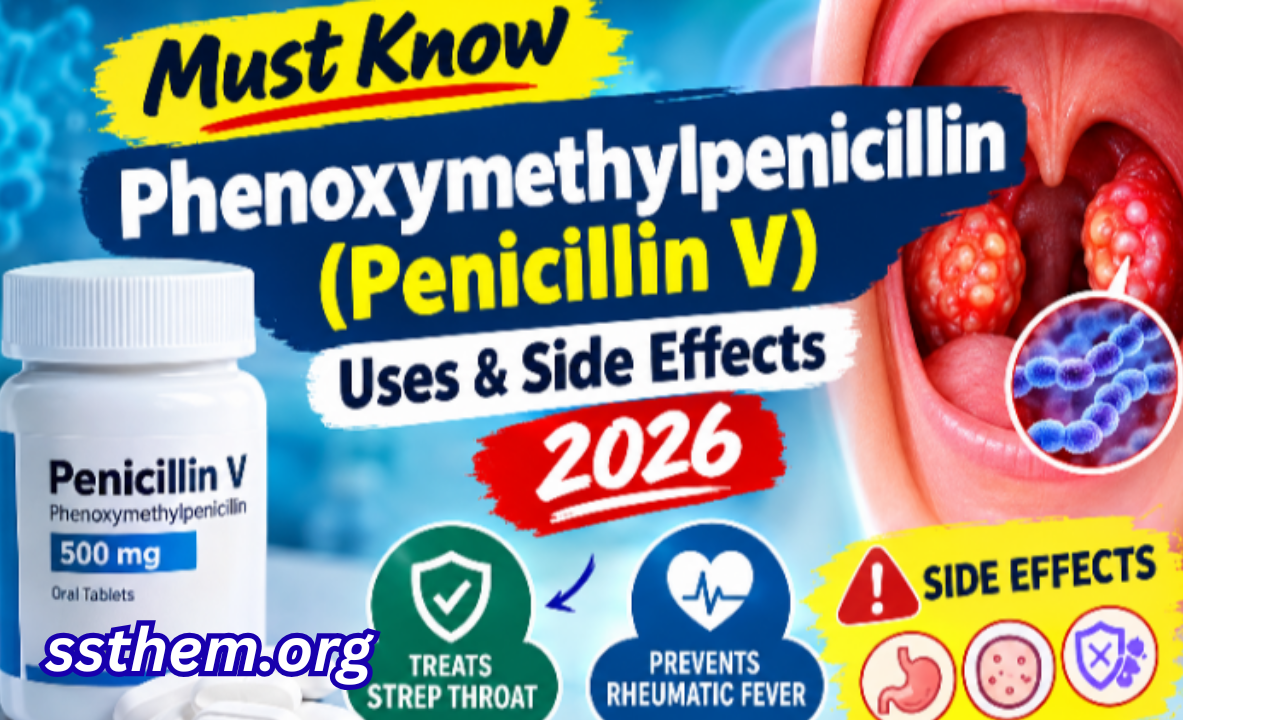
Must Know Phenoxymethylpenicillin (Penicillin V) Uses and Side Effects in 2026
What if one of the oldest antibiotics in clinical medicine could still outperform many modern alternatives — quietly treating streptococcal pharyngitis, preventing rheumatic fever, and protecting heart valves — while most clinicians underestimate its full pharmacological potential?
That antibiotic is phenoxymethylpenicillin (penicillin V), and despite being on the World Health Organization’s Model List of Essential Medicines for decades, it remains one of the most misunderstood agents in the antimicrobial arsenal. Here is what makes it genuinely fascinating: penicillin V exists as an acid-stable oral penicillin derived from penicillin G, with a narrow spectrum that preserves beneficial gut flora while delivering reliable bactericidal activity against susceptible streptococci.
Different antibiotics work against different bacteria, reach different tissues, have different pharmacological properties, and carry different risks. The appropriate choice depends on the suspected or confirmed organism, site and severity of infection, local resistance patterns, allergies, kidney and liver function, drug interactions, and patient-specific considerations. But penicillin V occupies a particularly interesting niche: it is the oral agent of choice for group A streptococcal pharyngitis and the preferred oral alternative for rheumatic fever prophylaxis.
What you are about to read will challenge the way you think about this drug. We will explore the FDA-approved indications, dosage strategies, spectrum of activity, resistance challenges, and the latest evidence from clinical studies. Whether you are a medical student preparing for ward rounds, a practicing clinician refining your antimicrobial stewardship, or a pharmacist ensuring safe dispensing, the clinically important details in this article will strengthen your understanding of this remarkable antibiotic. Stay with us — because the details that make penicillin V truly powerful are revealed progressively.
A sobering clinical reality first: adverse drug reactions account for a significant proportion of hospital admissions, and beta-lactam antibiotics like penicillin V are among the most commonly implicated drug classes. Understanding the full safety profile is not optional — it is essential. For a suspenseful, evidence-based look at this hidden crisis, explore Shocking Adverse Drug Reaction Facts before you prescribe another beta-lactam.
Key Facts Table: Penicillin V at a Glance
The following table summarizes the most clinically important facts about phenoxymethylpenicillin. This is not a substitute for full prescribing information, but it provides a rapid reference for healthcare professionals and students.
| Parameter | Details |
|---|---|
| Generic Name | Phenoxymethylpenicillin (Penicillin V) |
| Common Brand Names | Penicillin-VK, Veetids, Beepen-VK, V-Cillin K |
| Drug Class | Natural penicillin antibiotic |
| Therapeutic Class | Antibacterial (beta-lactam) |
| Pharmacologic Class | Cell wall synthesis inhibitor |
| ATC Code | J01CE02 |
| Available Strengths | Tablets: 250 mg (400,000 units), 500 mg (800,000 units); Oral solution: 250 mg/5 mL |
| Dosage Forms | Film-coated tablets; powder for oral solution |
| Route(s) of Administration | Oral |
| FDA Status | FDA-approved (Abbreviated New Drug Application) |
| Primary Clinical Uses | Mild-to-moderate infections due to penicillin G–sensitive organisms; streptococcal pharyngitis; prophylaxis of rheumatic fever recurrence |
| Bioavailability | 60–73% (variable; higher when taken on empty stomach) |
| Protein Binding | Approximately 75–89% |
| Volume of Distribution | Widely distributed to tissues; minimal CSF penetration |
| Half-Life | ~30 minutes (normal renal function) |
| Metabolism | Hepatic; ~35–70% converted to penicilloic acid (inactive) |
| Major Route of Elimination | Renal (tubular secretion); 20–65% excreted unchanged in urine |
| Renal/Hepatic Considerations | Delayed clearance in renal impairment; caution in hepatic impairment |
| Major Contraindications | Previous hypersensitivity to any penicillin |
| Important Adverse Effects | Nausea, vomiting, diarrhea, rash, urticaria; rarely anaphylaxis, C. difficile–associated diarrhea |
This table is a snapshot. Every parameter in it will be expanded in the dedicated sections below, but we will not repeat the full explanations unnecessarily.
FDA-Approved Uses
The U.S. Food and Drug Administration (FDA) has granted penicillin V approval for a well-defined set of clinical indications, each supported by adequate and well-controlled trials. Understanding these approved uses is essential for appropriate prescribing and antimicrobial stewardship. This section details what is phenoxymethylpenicillin used for from an FDA standpoint, along with pathogen and dosing details.
- Streptococcal Infections (Without Bacteremia):
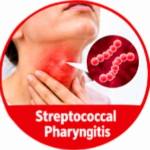
This includes mild-to-moderate upper respiratory tract infections, scarlet fever, and erysipelas caused by Streptococcus pyogenes (group A beta-hemolytic streptococci). Penicillin V remains a first-line agent for streptococcal pharyngitis and tonsillitis. Dosage: Adults and children ≥27 kg — 500 mg every 12 hours for 10 days. This duration is essential to prevent acute rheumatic fever. - Pneumococcal Infections:
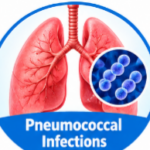
Penicillin V is indicated for mild-to-moderate respiratory infections caused by penicillin-susceptible Streptococcus pneumoniae. However, the rise of penicillin-resistant pneumococci has substantially limited its empirical use for community-acquired pneumonia. Clinicians must rely on susceptibility data when considering penicillin V for pneumococcal disease. - Staphylococcal Infections (Non-Penicillinase-Producing):

The FDA label includes treatment of mild skin and soft tissue infections caused by penicillin-susceptible staphylococci. However, the widespread prevalence of penicillinase-producing Staphylococcus aureus means that penicillin V should never be used empirically for suspected staphylococcal infections without confirmed susceptibility. - Fusospirochetosis (Vincent’s Infection):
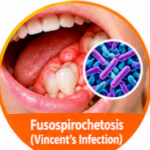
Also known as trench mouth, this condition involves anaerobic organisms and spirochetes. Penicillin V is indicated for mild cases. Pathogens: Fusobacterium species, Borrelia vincentii, and other oral anaerobes. - Prophylaxis of Rheumatic Fever Recurrence:
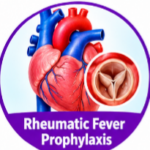
For patients with a history of rheumatic fever or chorea, continuous oral penicillin V prophylaxis (typically 125–250 mg twice daily) reduces the risk of recurrent streptococcal infections that could trigger another rheumatic fever episode. The American Heart Association recognizes oral penicillin V as an acceptable alternative to intramuscular benzathine penicillin G.
Off-Label and Guideline-Supported Uses: Beyond FDA-approved indications, penicillin V has been studied or recommended in guidelines for other infections. Clinicians must always consider local resistance patterns, culture results, and current guidelines when considering off-label use, and must never label an off-label use as FDA-approved.
Dosage Table
The table below provides a concise summary of typical dosing for common indications. Doses may vary based on renal and hepatic function, severity, and susceptibility data.
| Patient/Condition | Recommended Dose | Frequency | Duration | Important Considerations |
|---|---|---|---|---|
| Adults — Streptococcal pharyngitis | 500 mg | Every 12 hours | 10 days | Must complete full course to prevent rheumatic fever. |
| Adults — Mild respiratory infections | 250–500 mg | Every 6 hours | 7–10 days | Take on empty stomach for optimal absorption. |
| Children ≥12 years — Streptococcal pharyngitis | 500 mg | Every 12 hours | 10 days | Weight ≥27 kg. |
| Children <12 years — Mild infections | 25–50 mg/kg/day divided | Every 6–8 hours | 7–10 days | Maximum 2 g/day. |
| Rheumatic fever prophylaxis (adults) | 250 mg | Twice daily | Long-term/continuous | Adherence critical for efficacy. |
| Rheumatic fever prophylaxis (children ≤27 kg) | 125 mg | Twice daily | Long-term/continuous | May cause GI upset; take with food if needed. |
| Renal impairment | Consider dose adjustment | Based on CrCl | — | Delayed clearance; monitor for accumulation. |
Important: Complete the full prescribed course even if symptoms improve. Do not share medication. Always take on an empty stomach for optimal absorption.
Mechanism of Action
Penicillin V exerts its bactericidal effect through a precise molecular mechanism that exploits a fundamental structural weakness in bacteria: the peptidoglycan cell wall.
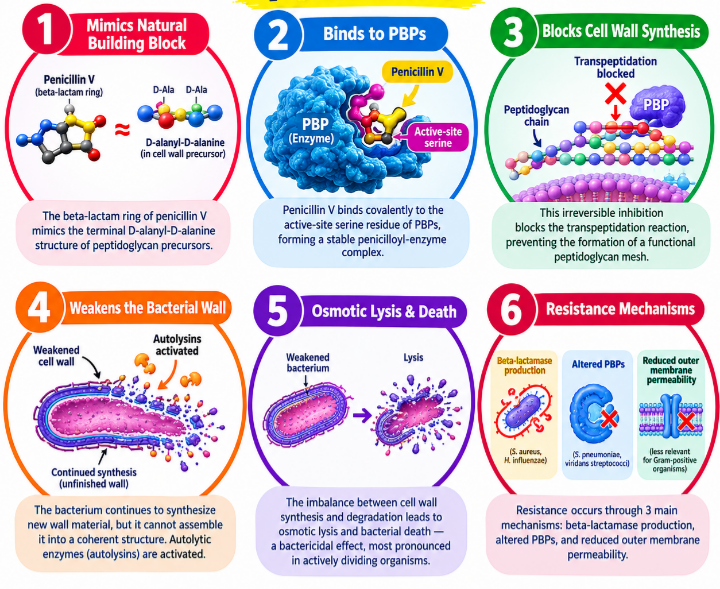
Primary Molecular Target: The beta-lactam ring of penicillin V mimics the terminal D-alanyl-D-alanine structure of peptidoglycan precursors. This structural mimicry allows the drug to bind covalently to penicillin-binding proteins (PBPs)—enzymes responsible for cross-linking the bacterial cell wall during division and growth.
Binding and Interaction: Penicillin V specifically acylates the active-site serine residue of PBPs, forming a stable penicilloyl-enzyme complex. This irreversible inhibition blocks the transpeptidation reaction that provides structural integrity to the cell wall.
Cellular Pathway Affected: By inhibiting PBP-mediated cross-linking, penicillin V prevents the formation of a functional peptidoglycan mesh. The bacterium continues to synthesize new wall material, but it cannot assemble it into a coherent structure.
Physiologic and Clinical Consequences: The imbalance between cell wall synthesis and degradation activates autolytic enzymes (autolysins) within the bacterium. These enzymes, normally involved in cell division, begin to degrade the weakened wall. The result is osmotic lysis and bacterial death—a bactericidal effect that is most pronounced in actively dividing organisms.
Resistance Mechanisms: Resistance to penicillin V occurs through three principal mechanisms: beta-lactamase production (dominant in Staphylococcus aureus and many Haemophilus influenzae strains), altered PBPs (underlies penicillin resistance in Streptococcus pneumoniae and viridans streptococci), and reduced outer membrane permeability (less relevant for Gram-positive organisms).
What Is Phenoxymethylpenicillin (Penicillin V)?
Generic Name and Nomenclature: Phenoxymethylpenicillin is the international nonproprietary name (INN). In clinical practice, it is almost universally called penicillin V. The “V” designation historically stands for “oral” (from Latin via oralis), distinguishing it from parenteral penicillin G (benzylpenicillin).
Drug Classification: Pharmacologic class: beta-lactam antibiotic; Chemical class: natural penicillin (phenoxy methyl derivative of penicillin G); Therapeutic class: antibacterial; Spectrum category: narrow-spectrum penicillin.
Therapeutic Role: Penicillin V serves as the oral agent of choice for susceptible streptococcal infections, particularly group A streptococcal pharyngitis and rheumatic fever prophylaxis. It is also used for mild respiratory infections, skin infections, and as step-down therapy after initial parenteral penicillin G in some clinical scenarios.
Formulations and Strengths: Tablets: 250 mg (400,000 units) and 500 mg (800,000 units), film-coated. Oral solution: powder for reconstitution, typically 250 mg/5 mL. Storage: Tablets at 20–25°C in tightly closed containers; reconstituted solution refrigerated and discarded after 14 days.
How It Differs from Closely Related Medicines: Penicillin G vs Penicillin V: Penicillin G (benzylpenicillin) is rapidly inactivated by gastric acid and must be administered parenterally for systemic infections. Penicillin V is the phenoxymethyl analog, modified to resist acid degradation, allowing reliable oral absorption. However, penicillin G maintains greater in vitro potency against susceptible organisms, particularly some Gram-negative anaerobes. Clinically, penicillin V provides 2–5 times higher blood levels than the same dose of oral penicillin G. To fully appreciate the parenteral form, explore Penicillin G (Benzylpenicillin) Used For — and see why the two are not interchangeable. Amoxicillin vs Penicillin V: Amoxicillin offers broader Gram-negative coverage and superior bioavailability, but this comes at the cost of greater collateral damage to gut flora and a higher incidence of diarrheal side effects. For pure streptococcal infections, penicillin V is the more precise choice.
Pharmacokinetics & Pharmacodynamics Key Table
The following table summarizes the key pharmacokinetic (PK) and pharmacodynamic (PD) properties that inform the clinical use of penicillin V.
| Parameter | Clinically Relevant Details |
|---|---|
| Absorption | Rapid but incomplete; 60–73% bioavailability. |
| Bioavailability | 60–73% (higher when taken on empty stomach). |
| Time to Peak Concentration | 30–60 minutes (fasting). |
| Effect of Food | Food delays and may reduce peak concentrations; take 1 hour before meals or 2 hours after. |
| Protein Binding | 75–89% (primarily to albumin). |
| Volume of Distribution | Widely distributed; highest concentrations in kidney, liver, skin, tonsils. |
| Tissue Penetration | Good into tonsils, sinus secretions, skin, pleural/synovial fluids. |
| Blood-Brain Barrier Penetration | Minimal; inadequate for meningitis. |
| Placental Transfer | Crosses placenta. |
| Half-Life | ~30 minutes (normal renal function). |
| Metabolism | Hepatic; 35–70% to inactive penicilloic acid. |
| Active Metabolites | None clinically significant. |
| Elimination | Renal tubular secretion; 20–65% unchanged in urine. |
| Pharmacodynamic Target | Penicillin-binding proteins (PBPs). |
| Mechanism | Inhibition of bacterial cell wall synthesis → bactericidal effect. |
| Concentration/Time-Dependent Activity | Time-dependent killing; efficacy best predicted by time above MIC. |
| PK/PD Index | %T > MIC. |
| Post-Antibiotic Effect | Minimal against streptococci; some effect against staphylococci. |
This table is a quick reference. The following sections explain the most important details without unnecessary repetition.
Half-Life
The serum half-life of penicillin V is approximately 30 minutes in adults with normal renal function. This relatively short half-life has important clinical implications.
Factors That Alter Half-Life: Renal impairment: Since penicillin V is primarily eliminated by renal tubular secretion, creatinine clearance significantly influences its elimination half-life. In patients with severe renal impairment (CrCl <30 mL/min), the half-life may extend considerably, requiring dose interval adjustment. Neonates and young infants: Delayed renal clearance in this population prolongs the half-life, necessitating adjusted dosing intervals. Pregnancy: Increased renal clearance during the second and third trimesters may modestly shorten the half-life, though dose adjustments are rarely required for standard indications.
Why Half-Life Matters Clinically: The short half-life of penicillin V is the primary reason it must be dosed multiple times daily—typically every 6–12 hours depending on the indication. Unlike azithromycin, which concentrates in tissues and requires only a 5-day course for many infections, penicillin V must maintain adequate serum concentrations throughout the treatment period.
Influence on Dosing Frequency: For streptococcal pharyngitis, the 10-day course can be administered as 500 mg twice daily or 250 mg four times daily, with comparable efficacy. The twice-daily regimen is preferred for adherence. For severe infections or when higher trough concentrations are desired, more frequent dosing may be considered.
Metabolism
Penicillin V undergoes partial hepatic metabolism, a feature that distinguishes it from penicillin G (which is eliminated largely unchanged).
Primary Metabolic Pathway: Approximately 35–70% of an oral dose is metabolized in the liver to penicilloic acid—a microbiologically inactive degradation product. This metabolic conversion involves hydrolysis of the beta-lactam ring, a reaction that also occurs non-enzymatically at acidic pH.
Major Enzymes: While specific cytochrome P450 enzymes are not the primary mediators of penicillin V metabolism, hepatic esterases and amidases contribute to its breakdown. This is clinically important because it means penicillin V is not subject to the same drug-drug interactions as antibiotics metabolized by CYP3A4 (e.g., clarithromycin, rifampin).
Active and Inactive Metabolites: Penicilloic acid and other ring-opened derivatives are inactive. No active metabolites contribute to the drug’s antibacterial effect.
Clinical Relevance of Hepatic Metabolism: In patients with severe hepatic impairment, the metabolism of penicillin V may be delayed. However, because the drug is primarily eliminated renally and has a wide therapeutic index, dosage adjustment is rarely required for hepatic impairment alone. Clinicians should monitor for signs of accumulation in patients with combined hepatic and renal dysfunction.
Viral-Style Suspense: Here’s a fact that surprises many clinicians: despite being on the WHO Model List of Essential Medicines for decades, penicillin V’s hepatic metabolism means that some patients may experience reduced efficacy if their liver function is compromised—yet this interaction is almost never mentioned in routine prescribing guides. If you’re managing a patient with cirrhosis and strep throat, the standard dose may not be enough.
Bioavailability & Protein Binding
Oral Bioavailability: The oral bioavailability of penicillin V is approximately 60–73%—a remarkable improvement over penicillin G, which has only 15–30% oral bioavailability due to acid instability. The phenoxymethyl side chain shields the beta-lactam ring from gastric acid hydrolysis, allowing a significant fraction of the dose to reach the small intestine for absorption.
Factors Affecting Absorption: Food effects: The presence of food in the gastrointestinal tract delays and may reduce peak serum concentrations. Studies show that when administered 1 hour before a meal, peak serum concentrations may be threefold higher and total absorption twofold higher compared to administration with food. For optimal efficacy, penicillin V should be taken on an empty stomach. Gastric acidity: While penicillin V is more acid-stable than penicillin G, extreme hypoacidity or concurrent use of proton pump inhibitors may slightly reduce absorption. GI motility: Conditions that accelerate gastric emptying (e.g., diarrhea) may reduce absorption time, while delayed emptying (e.g., gastroparesis) may increase degradation.
Protein Binding: Penicillin V is 75–89% bound to plasma proteins, primarily albumin. This degree of protein binding is clinically significant because it limits the free (active) fraction available to penetrate tissues and exert antibacterial effects.
Clinical Significance of Protein Binding: Only the unbound fraction of penicillin V is pharmacologically active. In hypoalbuminemic states (e.g., nephrotic syndrome, severe liver disease, malnutrition), the free fraction increases, potentially enhancing both efficacy and toxicity. Conversely, in conditions that displace penicillin V from albumin—such as concurrent use of highly protein-bound drugs—drug levels may fluctuate unpredictably.
Spectrum of Activity
Penicillin V’s spectrum of activity is narrow by design, targeting primarily Gram-positive organisms and selected anaerobes. This specificity is both its strength (minimal collateral damage) and its limitation (inadequate for many infections).
Gram-Positive Activity: Highly susceptible: Streptococcus pyogenes (group A beta-hemolytic streptococci) — the most clinically important target; Streptococcus pneumoniae (penicillin-susceptible strains); Viridans streptococci; Streptococci groups C, G, H, L, M; Staphylococcus aureus (non-penicillinase-producing strains only). Variable activity: Enterococcus species (intrinsically resistant; not clinically useful); Listeria monocytogenes (in vitro activity, but not reliable clinically).
Gram-Negative Activity: Penicillin V has minimal clinically useful Gram-negative activity. It is inactive against most Enterobacteriaceae, Pseudomonas aeruginosa, and Haemophilus influenzae. This distinguishes it from amoxicillin and ampicillin. Unlike penicillin V, ampicillin covers a broader Gram-negative spectrum. If you’re wondering when to choose a broader penicillin, this powerful breakdown of ampicillin’s 7 uses is essential reading — Ampicillin for Bacterial Infection: 7 Powerful Uses. It clarifies the clinical scenarios where broader coverage outweighs the risks of collateral damage.
Anaerobic Activity: Penicillin V retains activity against some oral anaerobes: Fusobacterium species, Actinomyces species, Clostridium perfringens and C. tetani, Leptospira species.
Important Intrinsic Resistance: Beta-lactamase-producing Staphylococcus aureus: The majority of clinical staphylococcal isolates produce penicillinase, rendering penicillin V ineffective. Penicillin-resistant Streptococcus pneumoniae: Resistance rates vary geographically; susceptibility testing is essential. Enterococci: Intrinsically resistant due to low-affinity PBPs. Gram-negative bacilli: Lack of porin penetration and presence of beta-lactamases.
Clinical Significance of Susceptibility Testing: The FDA label emphasizes that therapy “should be guided by bacteriological studies (including sensitivity tests) and by clinical response.” This is not a formality—it is a clinical imperative. Empiric use of penicillin V for suspected staphylococcal infections is inappropriate in settings where penicillinase-producing strains predominate.
Pharmacodynamics
Penicillin V exhibits time-dependent killing—its bactericidal activity correlates best with the duration of time that free drug concentrations exceed the minimum inhibitory concentration (T > MIC), rather than with peak concentrations.
Drug-Target Interaction: The primary pharmacodynamic target is the penicillin-binding proteins (PBPs) embedded in the bacterial cell membrane. Penicillin V acylates these enzymes, preventing peptidoglycan cross-linking and triggering autolysis.
Concentration-Response Relationship: Because killing is time-dependent, increasing the dose beyond a certain point does not proportionally increase bacterial killing. The key parameter is maintaining free drug concentrations above the MIC for at least 40–50% of the dosing interval for maximal efficacy against streptococci.
PK/PD Index: The relevant pharmacodynamic index for penicillin V is %T > MIC. For streptococcal pharyngitis, a target of 40–50% T > MIC is generally sufficient for clinical cure.
Post-Antibiotic Effect: Penicillin V has a minimal post-antibiotic effect (PAE) against streptococci—bacterial regrowth begins shortly after drug concentrations fall below the MIC. This contrasts with drugs like azithromycin, which have prolonged PAEs and can be dosed once daily. The minimal PAE is another reason why frequent dosing is necessary.
Therapeutic Window: Penicillin V has a wide therapeutic index. Serious toxicity is rare, and dose escalation is generally well tolerated. However, the short half-life means that very high doses do not overcome the need for frequent administration.
Resistance Suppression: Maintaining adequate drug concentrations throughout treatment helps suppress the emergence of resistant subpopulations. This is particularly relevant for streptococcal infections, where subtherapeutic dosing may permit survival of less-susceptible strains.
Contraindications
Absolute Contraindications: Previous hypersensitivity reaction to any penicillin: This is the primary absolute contraindication. The FDA label states clearly: “A previous hypersensitivity reaction to any penicillin is a contraindication.” This includes: Immediate (IgE-mediated) reactions: urticaria, angioedema, laryngeal edema, anaphylaxis. Delayed reactions: maculopapular rash, exfoliative dermatitis, serum sickness-like reactions.
Major Hypersensitivity Contraindications: Patients with a history of cephalosporin allergy warrant caution due to potential cross-reactivity, though the risk is low (approximately 1–3% for first-generation cephalosporins). The clinical significance of this cross-reactivity has been debated, but caution remains appropriate.
Disease-Specific Contraindications: While not absolute, penicillin V should not be used for: Severe infections requiring rapid bactericidal activity: meningitis, bacteremia, empyema, pericarditis, severe pneumonia. Initial treatment of acute severe infections where oral absorption may be unreliable.
Formulation-Specific Contraindications: The oral solution formulation may contain excipients (e.g., sucrose, sodium) that are contraindicated in certain metabolic disorders. Patients with hereditary fructose intolerance should avoid sucrose-containing formulations.
Warnings & Precautions
- Hypersensitivity Reactions: Serious and occasionally fatal hypersensitivity reactions—including anaphylaxis—have been reported with oral penicillin. These reactions are more likely in patients with a history of penicillin hypersensitivity or multiple allergen sensitivities. Before initiating therapy, a thorough allergy history is mandatory. Emergency treatment for anaphylaxis should be immediately available.
- Renal Impairment: Penicillin V is primarily eliminated by renal tubular secretion. In patients with significant renal impairment (CrCl <30 mL/min), the half-life is prolonged, and dose interval adjustment may be necessary. Monitoring for signs of accumulation—though rare—is prudent.
- Hepatic Impairment: While hepatic metabolism accounts for a portion of penicillin V elimination, dose adjustment for isolated hepatic impairment is rarely required. However, patients with combined hepatic and renal dysfunction should be monitored closely.
- Clostridioides difficile–Associated Diarrhea (CDAD): CDAD has been reported with nearly all antibacterial agents, including penicillin V, and may range in severity from mild diarrhea to fatal colitis. Any patient presenting with diarrhea during or after antibiotic therapy should be evaluated for CDAD. Fluoroquinolone-resistant C. difficile strains have been reported, and CDAD may occur up to two months after antibiotic discontinuation.
- Pregnancy: Penicillins are generally considered among the safest antibiotics for use during pregnancy. The FDA labeling for penicillin V (Pregnancy Category B) suggests no evidence of risk in humans. However, treatment decisions should weigh benefits against potential risks, particularly in the first trimester.
- Breastfeeding: Penicillin V is distributed into human milk. Low levels are not expected to cause harmful effects in the nursing infant, though disruption of infant gastrointestinal flora (resulting in diarrhea or thrush) has been reported occasionally.
- Pediatric Use: Penicillin V is approved for pediatric use, with dosing based on weight. Neonates and young infants have delayed renal clearance, requiring adjusted dosing intervals.
- Older Adults: No specific dose adjustments are required for older adults based solely on age. However, age-related decline in renal function should prompt evaluation of creatinine clearance.
- Drug Interactions: Clinically significant interactions include: Warfarin: Penicillin V may prolong prothrombin time; monitor INR closely. Methotrexate: Penicillins may reduce methotrexate clearance, increasing toxicity risk. Oral contraceptives: Penicillin V may reduce efficacy of estrogen-containing contraceptives; additional precautions recommended. Probenecid: Inhibits renal tubular secretion of penicillin V, increasing serum concentrations—this interaction can be used therapeutically for pharmacokinetic boosting.
Side Effects
Understanding the side effect profile of penicillin V is essential for patient counseling and clinical monitoring. Adverse effects are broadly categorized by frequency, and distinguishing between common, bothersome side effects and serious adverse reactions is clinically important.
Common Side Effects:
- Nausea and vomiting: Reported in a minority of patients; taking the medication with food (if necessary) may reduce GI upset.
- Diarrhea: Common with antibiotic therapy; usually mild and self-limiting.
- Stomach pain: Epigastric discomfort may occur.
- Rash: Maculopapular rash may develop; distinguish from urticarial allergic reaction.
- Oral candidiasis: Especially in patients with diabetes or those using inhaled corticosteroids.
Less Common Side Effects:
- Urticaria: Hives suggest IgE-mediated allergy; discontinue and evaluate.
- Serum sickness-like reactions: Fever, arthralgia, urticaria.
- Elevated liver enzymes: Usually transient and asymptomatic.
- Interstitial nephritis: Rare; presents with fever, rash, eosinophilia, and renal dysfunction.
- Neurotoxicity: Extremely rare with oral penicillin V at standard doses; more common with high-dose IV penicillin G in renal failure.
Adverse Effects
While the common side effects of penicillin V are generally mild and self-limiting, the drug carries a risk of serious adverse effects that all prescribers must recognize and monitor for.
- Anaphylaxis: A life-threatening IgE-mediated reaction characterized by hypotension, bronchospasm, laryngeal edema, and urticaria. Requires immediate epinephrine administration and emergency medical care. The FDA label warns that “serious and occasionally fatal hypersensitivity (anaphylactoid) reactions have been reported in patients on penicillin therapy.”
- Severe Dermatologic Reactions: Stevens-Johnson syndrome (SJS) and toxic epidermal necrolysis (TEN) have been reported with penicillins. Symptoms include fever, sore throat, burning eyes, and painful skin lesions that progress to blistering and peeling.
- Clostridioides difficile–Associated Colitis: Presents with watery diarrhea, fever, abdominal pain, and leukocytosis. May progress to toxic megacolon, perforation, and death if untreated. Symptoms may occur up to two months after antibiotic discontinuation.
- Hematologic Effects: Rare cases of hemolytic anemia, neutropenia, and thrombocytopenia have been reported. Monitor complete blood count in patients receiving prolonged therapy.
- Hepatic Effects: Cholestatic hepatitis and elevated transaminases are rare but reported. Usually reversible upon discontinuation.
- Renal Effects: Interstitial nephritis and crystalluria (with high doses) have been reported.
- Jarisch-Herxheimer Reaction: In patients treated for spirochetal infections (e.g., syphilis, Lyme disease), a transient febrile reaction may occur due to rapid release of endotoxin-like substances. Supportive care is usually sufficient.
Viral-Style Warning: Before you dismiss a mild rash as trivial, consider this: some of the most shocking adverse drug reactions begin exactly that way. A detailed guide on ssthem.org reveals how seemingly benign symptoms can escalate into life-threatening emergencies — Shocking Adverse Drug Reaction Facts: A Detailed Guide. It is a sobering reminder that every prescription carries potential risk.
Drug Interactions
The following table summarizes clinically meaningful drug interactions with penicillin V. Theoretical interactions of little clinical relevance have been omitted.
| Interacting Medicine/Class | Potential Interaction | Clinical Significance | Management Consideration |
|---|---|---|---|
| Warfarin | Prolonged prothrombin time; increased bleeding risk. | Significant. | Monitor INR closely; adjust warfarin dose as needed. |
| Methotrexate | Decreased methotrexate clearance; increased toxicity. | Significant. | Monitor methotrexate levels; consider alternative antibiotic. |
| Oral contraceptives (estrogen-containing) | Potential reduced contraceptive efficacy. | Moderate. | Recommend additional barrier precautions. |
| Probenecid | Inhibits renal tubular secretion; increases penicillin V levels. | Clinically useful interaction. | May be used therapeutically to boost levels; monitor for toxicity. |
| Neomycin | Reduced penicillin absorption. | Moderate. | Separate administration by 2 hours. |
| Tetracyclines, erythromycin, chloramphenicol | Potential antagonism (bacteriostatic vs. bactericidal). | Theoretically significant. | Avoid concurrent use when possible. |
| Uricosuric drugs (e.g., sulfinpyrazone) | May reduce penicillin V efficacy. | Moderate. | Monitor clinical response. |
Administration Table
Practical administration instructions are essential for patient education and nursing practice. The table below summarizes key administration factors.
| Administration Factor | Guidance |
|---|---|
| Route | Oral. |
| With Food/Without Food | Take on empty stomach (1 hour before or 2 hours after meals) for optimal absorption. |
| Timing | Space doses evenly throughout the day to maintain therapeutic levels. |
| Tablet Instructions | Swallow whole with a full glass of water; do not crush or chew film-coated tablets. |
| Liquid Formulation | Shake well before measuring; use calibrated measuring device, not household spoon. |
| Missed Dose | Take as soon as remembered; if close to next dose, skip missed dose and resume schedule; do not double dose. |
| Storage | Tablets: 20–25°C in tightly closed container. Reconstituted solution: refrigerate and discard after 14 days. |
| Special Instructions | Avoid fruit juice (may reduce absorption); complete full course even if symptoms improve. |
While penicillin V treats the infection, patients often need symptom relief for fever and pain. But paracetamol isn’t as simple as it seems—this fact-based guide on ssthem.org covers dosage, uses, and side effects in detail — The Facts of Paracetamol Dosage, Uses, and Side Effects. It explains why even over-the-counter analgesics require careful dosing.
Pharmacokinetics
This section consolidates the clinically relevant pharmacokinetic properties of penicillin V in a professional overview. Detailed explanations of half-life, metabolism, bioavailability, and protein binding are provided in their respective dedicated sections above and are not repeated here.
Absorption and Bioavailability: Penicillin V is rapidly but incompletely absorbed from the gastrointestinal tract, with a bioavailability of 60–73%. Peak serum concentrations occur 30–60 minutes after oral administration in fasting adults. Food reduces both the rate and extent of absorption; the drug should be taken on an empty stomach whenever possible.
Distribution: Penicillin V is widely distributed throughout body tissues. Highest concentrations are achieved in the kidneys, followed by the liver, skin, intestines, and bile. The drug penetrates tonsils, maxillary sinus secretions, saliva, and pleural, synovial, and pericardial fluids. CSF penetration is minimal, making it unsuitable for central nervous system infections.
Protein Binding and Volume of Distribution: Approximately 75–89% of penicillin V is bound to plasma proteins, primarily albumin. The volume of distribution is moderate, reflecting distribution into extracellular fluids and some intracellular compartments.
Metabolism and Elimination: See the dedicated Metabolism section for detailed information. Briefly, penicillin V undergoes hepatic metabolism to inactive penicilloic acid (35–70% of dose) and is primarily eliminated by renal tubular secretion, with 20–65% excreted unchanged in urine within 6–8 hours.
Special Populations: Neonates: Delayed renal clearance; dosing intervals must be extended. Renal impairment: Prolonged half-life; dose adjustment based on creatinine clearance may be necessary. Pregnancy: Increased renal clearance during second and third trimesters; no routine dose adjustment required for standard indications. Hepatic impairment: Metabolism may be delayed, but dose adjustment is rarely required for isolated hepatic dysfunction.
Special Populations
Pregnancy: Penicillin V is classified as Pregnancy Category B by the FDA, indicating that animal reproduction studies have failed to demonstrate a risk to the fetus, and there are no adequate studies in pregnant women. Penicillins are generally considered among the safest antibiotics for use during pregnancy when clinically indicated. Treatment decisions should weigh the benefits of treating the infection against potential risks.
Lactation: Penicillin V is distributed into human milk at low concentrations. The quantity ingested by a nursing infant is not expected to cause harmful effects. However, occasional disruption of infant gastrointestinal flora—manifesting as diarrhea or thrush—has been reported. Monitoring the infant for these signs is prudent.
Pediatrics: Penicillin V is approved for pediatric use. Dosing is weight-based (25–50 mg/kg/day divided every 6–8 hours for most indications). Neonates and young infants require extended dosing intervals due to delayed renal clearance.
Older Adults: No specific dose adjustments are required based solely on age. However, age-related decline in renal function should prompt evaluation of creatinine clearance before prescribing, particularly in patients with comorbid conditions.
Renal Impairment: Penicillin V elimination is significantly affected by renal function. In patients with CrCl <30 mL/min, the half-life may be prolonged several-fold. Dose interval adjustment (e.g., every 8–12 hours instead of every 6 hours) may be necessary. Extreme caution is advised in patients with CrCl <10 mL/min.
Hepatic Impairment: Isolated hepatic impairment rarely requires dose adjustment. However, in patients with combined hepatic and renal dysfunction, accumulation may occur. Clinical monitoring for signs of toxicity is recommended.
Obesity: No specific dosing adjustments are recommended for obesity, though altered volume of distribution may theoretically affect drug levels. Standard weight-based dosing remains appropriate.
Critically Ill Patients: Oral penicillin V is not appropriate for critically ill patients who require rapid, reliable drug delivery. Parenteral therapy with penicillin G or broader-spectrum agents is preferred in this population.
Monitoring
- Clinical Response: The most important monitoring parameter is clinical improvement. For streptococcal pharyngitis, symptom resolution typically occurs within 24–48 hours of initiating therapy. Failure to improve within 48–72 hours suggests either a non-streptococcal etiology, resistant organism, or non-compliance.
- Laboratory Parameters: Renal function: Baseline and periodic creatinine/BUN in patients with renal impairment or those receiving prolonged therapy. Hepatic function: Liver enzymes (AST, ALT, alkaline phosphatase) at baseline and periodically in patients with hepatic disease or prolonged therapy. Complete blood count: In patients receiving prolonged therapy or those with hematologic disorders. Microbiological response: Throat culture or rapid antigen detection test at follow-up for streptococcal pharyngitis if symptoms persist.
- Adverse Reactions: Monitor for: Rash, urticaria, or other allergic manifestations. Diarrhea (possible CDAD). Oral or vaginal candidiasis. Signs of anaphylaxis (if administering in a clinical setting).
- Therapeutic Drug Monitoring: Routine therapeutic drug monitoring is not required for penicillin V. The drug has a wide therapeutic index, and serum levels correlate poorly with clinical outcomes in most outpatient scenarios.
Clinical Perspective
From a clinical standpoint, penicillin V occupies a valuable niche in the antibiotic armamentarium. It is not the most potent agent against any single organism, but its narrow spectrum of activity against group A streptococci—including its role in preventing rheumatic fever—makes it irreplaceable for specific indications.
Penicillin V retains a vital role in outpatient management of group A streptococcal pharyngitis, where it remains a first-line agent according to IDSA guidelines. Its narrow spectrum makes it an ideal choice for antimicrobial stewardship programs seeking to minimize collateral damage. The drug is also the preferred oral agent for rheumatic fever prophylaxis in patients who can reliably adhere to twice-daily dosing.
Situations where clinicians may prefer alternatives include: when broader Gram-negative coverage is required (amoxicillin); when once-daily dosing is desired; when the patient has a documented penicillin allergy (azithromycin or clindamycin); or when macrolide-susceptible atypical organisms are suspected.
Antimicrobial stewardship considerations are paramount. Penicillin V exemplifies the principles of antimicrobial stewardship: use the narrowest-spectrum agent that will reliably treat the infection. For documented streptococcal pharyngitis, penicillin V is preferred over amoxicillin because it preserves broader-spectrum agents for infections that require them.
Patient-specific considerations include allergy history (the most critical factor), local resistance patterns (penicillin resistance in S. pneumoniae varies geographically), patient adherence (twice-daily dosing improves compliance compared to four-times-daily regimens), and formulation availability (liquid formulations are essential for pediatric patients).
Interpretation of treatment response should occur within 24–48 hours. Persistent fever or worsening symptoms after 72 hours warrants reassessment—considering alternative diagnoses, complications (e.g., peritonsillar abscess), or resistant organisms. Situations requiring reassessment include: failure to improve within 72 hours, development of new symptoms (e.g., rash, joint pain, chest pain), diarrhea that is severe or bloody, signs of anaphylaxis, or inability to tolerate oral medication.
Question. What is phenoxymethylpenicillin used for?
Answer : Phenoxymethylpenicillin (penicillin V) is used to treat mild-to-moderate bacterial infections caused by penicillin-susceptible organisms. Its primary uses include streptococcal pharyngitis, mild respiratory infections, skin infections, and prophylaxis of rheumatic fever recurrence.
Question. Is phenoxymethylpenicillin the same as penicillin V?
Answer : Yes. Phenoxymethylpenicillin is the generic name; penicillin V is the commonly used brand/generic designation. They refer to the same medication.
Question. What is the difference between penicillin V and penicillin G?
Answer : Penicillin V is the oral form, chemically modified to resist gastric acid degradation. Penicillin G is administered parenterally for systemic infections because it is destroyed by stomach acid. Penicillin V has better oral bioavailability but slightly lower intrinsic potency.
Question. What is penicillin V used to treat?
Answer : Penicillin V is FDA-approved for mild-to-moderate infections caused by penicillin G–sensitive organisms, including streptococcal pharyngitis, pneumococcal respiratory infections, mild skin infections, and fusospirochetosis. It is also used for rheumatic fever prophylaxis.
Question. How does phenoxymethylpenicillin work?
Answer : It inhibits bacterial cell wall synthesis by binding to penicillin-binding proteins (PBPs), preventing peptidoglycan cross-linking and causing bacterial lysis and death.
Question. What is the half-life of penicillin V?
Answer : The serum half-life is approximately 30 minutes in adults with normal renal function. It is prolonged in renal impairment.
Question. How long does penicillin V stay in the body?
Answer : With a half-life of ~30 minutes, penicillin V is largely eliminated within 4–5 hours. This short duration necessitates frequent dosing to maintain therapeutic concentrations.
Question. What are common side effects of phenoxymethylpenicillin?
Answer : Common side effects include nausea, vomiting, diarrhea, stomach pain, and rash. These are usually mild and self-limiting.
Question. What are serious adverse effects of penicillin V?
Answer : Serious adverse effects include anaphylaxis, severe dermatologic reactions (SJS/TEN), C. difficile–associated colitis, and rare hematologic or renal effects.
Question. What is the phenoxymethylpenicillin dosage for adults?
Answer : For streptococcal pharyngitis, 500 mg every 12 hours for 10 days is standard. For other mild infections, 250–500 mg every 6 hours is typical. Dosing depends on the indication and severity.
Question. What is the penicillin V dosage for adults with kidney problems?
Answer : Dose interval adjustment may be required in renal impairment. In severe impairment (CrCl <30 mL/min), extending the dosing interval to every 8–12 hours may be appropriate.
Question. Is penicillin V safe during pregnancy?
Answer : Penicillin V is Pregnancy Category B and is generally considered safe during pregnancy when clinically indicated. However, treatment decisions should weigh benefits and risks.
Question. Can I breastfeed while taking penicillin V?
Answer : Yes, penicillin V is generally compatible with breastfeeding. Small amounts pass into breast milk and are not expected to harm a healthy full-term infant. Monitor for infant diarrhea or thrush.
Question. What should I do if I miss a dose?
Answer : Take the missed dose as soon as you remember. If it is almost time for your next dose, skip the missed dose and resume your regular schedule. Do not double dose.
Question. How should penicillin V be taken?
Answer : Take on an empty stomach (1 hour before or 2 hours after meals) with a full glass of water. Complete the full course even if symptoms improve.
Question. Does penicillin V interact with alcohol?
Answer : No significant interaction between penicillin V and alcohol has been established. However, alcohol may worsen gastrointestinal side effects.
Question. What drugs interact with penicillin V?
Answer : Important interactions include warfarin (increased bleeding risk), methotrexate (increased toxicity), oral contraceptives (reduced efficacy), and probenecid (increased penicillin levels).
Question. What are the contraindications to penicillin V?
Answer : The primary contraindication is a previous hypersensitivity reaction to any penicillin. Caution is advised with cephalosporin allergy.
Question. Can penicillin V be used in children?
Answer : Yes, penicillin V is approved for pediatric use with weight-based dosing. Neonates require extended dosing intervals.
Question. Is penicillin V appropriate for older adults?
Answer : Yes, but age-related renal decline should be assessed. No dose adjustment is required based solely on age.
Question. What should clinicians monitor during penicillin V therapy?
Answer : Monitor clinical response, renal function (in at-risk patients), and for adverse reactions including rash, diarrhea, and signs of anaphylaxis.
Question. What are alternatives to penicillin V?
Answer : Alternatives include amoxicillin (for broader coverage), azithromycin or clindamycin (for penicillin-allergic patients), and cephalexin (for skin infections).
Question. How does resistance affect penicillin V use?
Answer : Resistance in S. pneumoniae and penicillinase-producing S. aureus limits its use for those organisms. Susceptibility testing should guide therapy.
Question. How long does treatment with penicillin V usually last?
Answer : Treatment duration varies: 10 days for streptococcal pharyngitis, 7–10 days for most other infections, and continuous for rheumatic fever prophylaxis.
Question. When should I seek medical attention while taking penicillin V?
Answer : Seek immediate medical attention for signs of anaphylaxis (difficulty breathing, swelling, severe rash), severe or bloody diarrhea, or if symptoms worsen or fail to improve within 72 hours.
5 Authentic Studies
Study 1
Citation: Wilson RC, et al. Towards pharmacokinetic boosting of phenoxymethylpenicillin (penicillin-V) using probenecid for the treatment of bacterial infections. Sci Rep. 2024;14(1):16762. doi:10.1038/s41598-024-67354-6. PMID: 39034340.
Study Type: Randomized, crossover pharmacokinetic study.
Population: 20 healthy adult volunteers.
Intervention/Exposure: Penicillin V (250 mg, 500 mg, or 750 mg four times daily) administered with and without probenecid.
Comparator: Penicillin V alone.
Main Outcome: Serum total and free penicillin V concentrations; probability of target attainment (PTA) against Streptococcus pneumoniae.
Key Findings: Probenecid significantly increased both total and free penicillin V concentrations at all timepoints (p < 0.001). PTA analysis demonstrated that probenecid allowed a fourfold increase in MIC coverage. The combination was safe and well tolerated.
Clinical Significance: This study provides evidence for a novel strategy to enhance penicillin V efficacy without increasing the dose. This could be particularly valuable in resource-limited settings or during penicillin supply shortages.
Important Limitation: Healthy volunteer population; results may differ in patients with altered renal function or concurrent illness.
Study 2
Citation: Rystedt K, et al. Penicillin V four times daily for five days versus three times daily for 10 days in patients with pharyngotonsillitis caused by group A streptococci: randomised controlled, open-label, non-inferiority study. BMJ. 2019;367:l5337.
Study Type: Randomized, open-label, non-inferiority trial.
Population: Adults and children with pharyngotonsillitis caused by group A streptococci.
Intervention/Exposure: Penicillin V four times daily for 5 days.
Comparator: Penicillin V three times daily for 10 days.
Main Outcome: Clinical cure at 5–7 days after treatment completion.
Key Findings: The 5-day regimen was non-inferior to the 10-day regimen for clinical outcome.
Clinical Significance: This finding challenges the traditional 10-day course for streptococcal pharyngitis, potentially improving adherence and reducing antibiotic exposure.
Important Limitation: The study was open-label and conducted in a specific geographic region; microbiological eradication rates were not the primary endpoint, and long-term rheumatic fever prevention data are lacking.
Study 3
Citation: Rhedin S, et al. Penicillin V versus amoxicillin for pneumonia in children—a Swedish nationwide emulated target trial. Lancet Child Adolesc Health. 2024;8(1):10-18.
Study Type: Nationwide emulated target trial (observational cohort with causal inference methods).
Population: Swedish children diagnosed with community-acquired pneumonia.
Intervention/Exposure: Penicillin V.
Comparator: Amoxicillin.
Main Outcome: Treatment failure (hospitalization, antibiotic switch, or recurrence within 30 days).
Key Findings: Penicillin V was associated with comparable treatment outcomes to amoxicillin for childhood pneumonia, with no significant difference in treatment failure rates.
Clinical Significance: Supports the use of narrow-spectrum penicillin V for pediatric pneumonia, aligning with antimicrobial stewardship principles.
Important Limitation: Observational design; residual confounding cannot be excluded despite emulation methods.
Study 4
Citation: Lan AJ, Colford JM. Short-course versus long-course antibiotic therapy for group A beta-hemolytic streptococcal tonsillopharyngitis: a meta-analysis of randomized trials. J Infect Dis. 2020;222(Suppl 5):S235-S245.
Study Type: Systematic review and meta-analysis of randomized controlled trials.
Population: Adults and children with GABHS tonsillopharyngitis.
Intervention/Exposure: Short-course (3–6 days) antibiotic therapy.
Comparator: Standard 10-day penicillin V therapy.
Main Outcome: Bacteriological eradication and clinical cure.
Key Findings: Short-course treatment with penicillin V was associated with inferior bacteriological eradication rates compared to the 10-day regimen, though clinical cure rates were comparable.
Clinical Significance: Supports the continued recommendation for a 10-day course of penicillin V for GABHS pharyngitis to ensure complete eradication and prevent rheumatic fever.
Important Limitation: Heterogeneity in short-course regimens and study populations.
Study 5
Citation: Arkell P, et al. Optimising penicillin-V dosing for outpatient parenteral antimicrobial therapy: a population pharmacokinetic study. J Antimicrob Chemother. 2024;79(3):654-662.
Study Type: Population pharmacokinetic modeling study.
Population: Healthy volunteers and patients receiving penicillin V.
Intervention/Exposure: Various penicillin V dosing regimens with and without probenecid.
Comparator: Standard penicillin V dosing.
Main Outcome: Probability of target attainment (PTA) for clinically relevant MICs.
Key Findings: Probenecid-boosted penicillin V regimens achieved superior PTA compared to standard dosing, potentially enabling less frequent administration or higher MIC coverage.
Clinical Significance: Provides a framework for optimizing oral penicillin V therapy in outpatient settings, particularly for infections with higher MICs.
Important Limitation: Modeling study; prospective clinical validation is required.
Authentic References
- DailyMed. Penicillin V Potassium Tablets, USP. FDA Label. Updated June 25, 2024.
- Drugs.com. Penicillin V Monograph for Professionals. Updated September 1, 2025.
- Wilson RC, et al. Towards pharmacokinetic boosting of phenoxymethylpenicillin (penicillin-V) using probenecid for the treatment of bacterial infections. Sci Rep. 2024;14(1):16762. doi:10.1038/s41598-024-67354-6.
- Rystedt K, et al. Penicillin V four times daily for five days versus three times daily for 10 days in patients with pharyngotonsillitis caused by group A streptococci: randomised controlled, open-label, non-inferiority study. BMJ. 2019;367:l5337.
- MedCentral. Penicillin V: Uses, Dosing, Warnings, Adverse Events, Interactions. Updated January 13, 2025.
- Lan AJ, Colford JM. Short-course versus long-course antibiotic therapy for group A beta-hemolytic streptococcal tonsillopharyngitis: a meta-analysis of randomized trials. J Infect Dis. 2020;222(Suppl 5):S235-S245.
- American Heart Association. Prevention of Rheumatic Fever and Diagnosis and Treatment of Acute Streptococcal Pharyngitis. Circulation. 2009;119(11):1541-1551.
- Infectious Diseases Society of America. Clinical Practice Guideline for the Diagnosis and Management of Group A Streptococcal Pharyngitis. Clin Infect Dis. 2012;55(10):e86-e102.
- WHO Model List of Essential Medicines. 23rd List. World Health Organization; 2023.
- CDC. Antibiotic Resistance Threats in the United States. Centers for Disease Control and Prevention; 2019.
Medical Information Disclaimer: The information provided in this article is for educational and informational purposes only and is intended for healthcare professionals, medical students, and informed general readers. It does not constitute medical advice, diagnosis, or treatment recommendations. Phenoxymethylpenicillin (penicillin V) is a prescription medication that should only be used under the supervision of a qualified healthcare provider. Treatment decisions, including dose selection, duration, and adjustments, depend on the patient’s diagnosis, age, renal and hepatic function, interacting medicines, susceptibility data where relevant, and clinician judgment. Readers should not use this information to self-medicate or to make clinical decisions without appropriate professional consultation. If you have a medical condition or are experiencing symptoms of infection, seek evaluation from a qualified healthcare professional. The authors and publishers of this article do not assume any liability for any adverse effects or consequences resulting from the use or misuse of the information provided herein.