
Must-Know Facts About Cefprozil and Vaginal Discomfort 7 Silent Risk or 5 Simple Solution
The Shocking Link Between Cefprozil and Vaginal Discomfort Revealed
What if a routine antibiotic prescribed for a sinus infection could quietly trigger one of the most uncomfortable genital symptoms a woman will ever experience — and most clinicians never warn her about it?
That antibiotic is cefprozil, a second-generation oral cephalosporin that has been FDA-approved since the early 1990s. It is trusted, well-absorbed, and generally well-tolerated. But hidden inside its prescribing information — buried beneath the headlines about diarrhea and nausea — is a 1.6% incidence of genital pruritus and vaginitis that too few prescribers discuss with their patients.
Different antibiotics work against different bacteria, reach different tissues, have different pharmacological properties, and carry different risks. The appropriate choice depends on the suspected or confirmed organism, site and severity of infection, local resistance patterns, allergies, kidney and liver function, drug interactions, and patient-specific considerations. But cefprozil occupies a particularly interesting niche: it is a second-generation cephalosporin with excellent bioavailability, minimal hepatic metabolism, and reliable activity against common respiratory pathogens — yet it can disrupt the vaginal ecosystem in ways that catch both patients and clinicians off guard.
What you are about to read will challenge the way you think about this drug. We will explore the Cefprozil and Vaginal Discomfort connection from every angle — from its FDA-approved indications and dosage strategies to its spectrum of activity, resistance challenges, and the latest evidence from clinical studies. Whether you are a medical student preparing for ward rounds, a practicing clinician refining your antimicrobial stewardship, or a pharmacist ensuring safe dispensing, the clinically important details in this article will strengthen your understanding of this remarkable antibiotic. Stay with us — because the details that make cefprozil truly powerful are revealed progressively.
A sobering clinical reality first: adverse drug reactions account for a significant proportion of hospital admissions, and beta-lactam antibiotics like cefprozil are among the most commonly implicated drug classes. Understanding the full safety profile is not optional — it is essential. For a suspenseful, evidence-based look at this hidden crisis,
if you want to discover legitimate online earning opportunities, freelancing tips, and AI-powered side hustles, visit ssthem.xyz for online earning and WhatsApp group links today.
Key Facts Table: Cefprozil at a Glance
The following table summarizes the most clinically important facts about cefprozil. This is not a substitute for full prescribing information, but it provides a rapid reference for healthcare professionals and students.
| Parameter | Details |
|---|---|
| Generic Name | Cefprozil |
| Common Brand Names | Cefzil, generic cefprozil |
| Drug Class | Second-generation cephalosporin antibiotic |
| Therapeutic Class | Antibacterial (beta-lactam) |
| Pharmacologic Class | Cell wall synthesis inhibitor |
| ATC Code | J01DC10 |
| Available Strengths | Tablets: 250 mg, 500 mg; Oral suspension: 125 mg/5 mL, 250 mg/5 mL |
| Dosage Forms | Film-coated tablets; powder for oral suspension |
| Route(s) of Administration | Oral |
| FDA Status | FDA-approved (NDA 050664, NDA 050665) |
| Primary Clinical Uses | Pharyngitis/tonsillitis, otitis media, acute sinusitis, acute bacterial exacerbation of chronic bronchitis, uncomplicated skin and skin-structure infections |
| Bioavailability | Approximately 95% absorbed in fasting subjects |
| Protein Binding | Approximately 36% (independent of concentration 2–20 mcg/mL) |
| Volume of Distribution | 0.23 L/kg (steady-state) |
| Half-Life | 1.3 hours (normal renal function); up to 5.9 hours in anephric patients |
| Metabolism | Minimal hepatic metabolism; primarily eliminated unchanged |
| Major Route of Elimination | Renal (urinary recovery ~60% of administered dose) |
| Renal/Hepatic Considerations | Dose reduction required in renal impairment (CrCl <30 mL/min); hepatic impairment does not require adjustment |
| Major Contraindications | Hypersensitivity to cefprozil, cephalosporins, or penicillins (cross-sensitivity up to 10%) |
| Important Adverse Effects | Diarrhea (2.9%), nausea (3.5%), vomiting (1%), abdominal pain (1%), genital pruritus/vaginitis (1.6%), diaper rash/superinfection (1.5%) |
This table is a snapshot. Every parameter in it will be expanded in the dedicated sections below, but we will not repeat the full explanations unnecessarily.
FDA-Approved Uses
The U.S. Food and Drug Administration (FDA) has granted cefprozil approval for a well-defined set of clinical indications, each supported by adequate and well-controlled trials. Understanding these approved uses is essential for appropriate prescribing and antimicrobial stewardship. This section details what cefprozil is used for from an FDA standpoint, along with pathogen and dosing details.
- Pharyngitis/Tonsillitis (Adults and Pediatric Patients):
 Cefprozil is indicated for the treatment of mild-to-moderate pharyngitis/tonsillitis caused by susceptible strains of Streptococcus pyogenes. Dosage: Adults and adolescents 13 years and older — 500 mg every 24 hours for 10 days. For children aged 2–12 years — 7.5 mg/kg every 12 hours for 10 days. This indication is particularly relevant because group A streptococcal pharyngitis requires complete eradication to prevent rheumatic fever.
 - Acute Bacterial Otitis Media (Pediatric Patients):
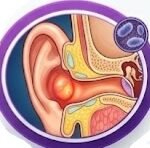 Cefprozil is FDA-approved for otitis media caused by Streptococcus pneumoniae, Haemophilus influenzae (including beta-lactamase-producing strains), and Moraxella catarrhalis (including beta-lactamase-producing strains). Dosage: Children aged 6 months to 12 years — 15 mg/kg every 12 hours for 10 days.
 - Acute Bacterial Maxillary Sinusitis (Adults and Pediatric Patients):
 Cefprozil is indicated for acute sinusitis caused by S. pneumoniae, H. influenzae (including beta-lactamase-producing strains), and M. catarrhalis (including beta-lactamase-producing strains). Dosage: Adults — 250 mg every 12 hours or 500 mg every 12 hours for 10 days. For moderate to severe infections, the higher dose should be used. Pediatric patients — 7.5 mg/kg or 15 mg/kg every 12 hours for 10 days.
 - Acute Bacterial Exacerbation of Chronic Bronchitis (Adults):
 Cefprozil is approved for acute bacterial exacerbation of chronic bronchitis caused by S. pneumoniae, H. influenzae (including beta-lactamase-producing strains), and M. catarrhalis (including beta-lactamase-producing strains). Dosage: 500 mg every 12 hours for 10 days.
 - Uncomplicated Skin and Skin-Structure Infections (Adults and Pediatric Patients):
 Cefprozil is indicated for uncomplicated skin and skin-structure infections caused by Staphylococcus aureus (including penicillinase-producing strains) and S. pyogenes. Dosage: Adults — 250 mg every 12 hours or 500 mg every 24 hours or 500 mg every 12 hours for 10 days. Children aged 2–12 years — 20 mg/kg every 24 hours for 10 days.
Off-Label and Guideline-Supported Uses: Beyond FDA-approved indications, cefprozil has been studied or discussed in guidelines for other infections. It is not FDA-approved for urinary tract infections, vaginitis, or vaginal candidiasis. Any use outside the indications listed above should be considered off-label and based on clinical judgment, culture data, and guideline recommendations where available. Clinicians must always consider local resistance patterns and culture results when considering off-label use, and must never label an off-label use as FDA-approved.
Are you curious about how different medicines are cleared from the body? Understanding drug clearance is fundamental to safe prescribing. Explore our detailed guide at Powerful Drug Clearance Facts for a deep dive into this critical pharmacology concept.
Dosage Table
The table below provides a concise summary of typical dosing for common indications. Doses may vary based on renal and hepatic function, severity, and susceptibility data.
| Patient/Condition | Recommended Dose | Frequency | Duration | Important Considerations |
|---|---|---|---|---|
| Adults & Adolescents (≥13 years) — Pharyngitis/tonsillitis | 500 mg | Every 24 hours | 10 days | Ensure 10-day course for S. pyogenes. |
| Adults — Acute bacterial sinusitis | 250 mg or 500 mg | Every 12 hours | 10 days | Use higher dose for moderate-severe infection. |
| Adults — Acute exacerbation of chronic bronchitis | 500 mg | Every 12 hours | 10 days | Standard adult dose for this indication. |
| Adults — Uncomplicated skin/skin-structure infections | 250 mg or 500 mg | Every 12 hours or 500 mg every 24 hours | 10 days | 500 mg for more severe infections. |
| Children (2–12 years) — Pharyngitis/tonsillitis | 7.5 mg/kg | Every 12 hours | 10 days | Do not exceed 1 g/day. |
| Children (2–12 years) — Uncomplicated skin/skin-structure infections | 20 mg/kg | Every 24 hours | 10 days | Do not exceed 1 g/day. |
| Infants & Children (6 months–12 years) — Otitis media | 15 mg/kg | Every 12 hours | 10 days | Do not exceed 1 g/day. |
| Infants & Children (6 months–12 years) — Acute sinusitis | 7.5 mg/kg or 15 mg/kg | Every 12 hours | 10 days | Use higher dose for moderate-severe infection. |
| Renal impairment — CrCl 30–120 mL/min | Standard dose | Standard interval | — | No adjustment needed. |
| Renal impairment — CrCl <30 mL/min | 50% of standard dose | Standard interval | — | Not to exceed 500 mg/day. |
| Hemodialysis | 250 mg–500 mg | After each dialysis session | As indicated | Administer after dialysis. |
| Hepatic impairment | No dosage adjustment required | Standard interval | — | Half-life increases to ~2 hours but not clinically significant. |
Important: Cefprozil tablets and oral suspension are not bioequivalent and are not substitutable on a milligram-per-milligram basis. Administer tablets with or without food; administer oral suspension with food to enhance absorption.
Mechanism of Action
Cefprozil exerts its bactericidal effect through a well-characterized molecular mechanism that distinguishes it from many other antibiotic classes. Understanding this mechanism is fundamental to appreciating both its clinical utility and its limitations.
Primary Molecular Target:  Cefprozil, like all beta-lactam antibiotics, targets penicillin-binding proteins (PBPs) — a group of enzymes embedded in the bacterial cytoplasmic membrane that are essential for cell wall synthesis. Specifically, cefprozil binds to and inhibits PBPs involved in the cross-linking of peptidoglycan chains.
Binding and Interaction:  The beta-lactam ring of cefprozil is structurally analogous to the terminal D-alanyl-D-alanine moiety of peptidoglycan precursors. This molecular mimicry allows cefprozil to bind covalently to the active site serine residue of PBPs, forming a stable acyl-enzyme complex that irreversibly inhibits transpeptidase activity. Cefprozil has activity in the presence of some beta-lactamases, both penicillinases and cephalosporinases, of gram-negative and gram-positive bacteria.
Cellular Pathway Affected: 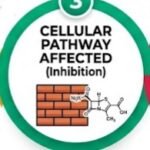 By inhibiting PBP-mediated cross-linking, cefprozil disrupts the final stages of peptidoglycan synthesis. This leads to a weakened cell wall that cannot withstand the internal osmotic pressure of the bacterial cytoplasm. The result is bacterial cell lysis and death — a bactericidal effect. Additionally, cefprozil may trigger autolysin activation, further contributing to cell wall degradation.
Physiologic and Clinical Consequences: The clinical therapeutic effect of cefprozil — bacterial killing at the site of infection — depends on achieving adequate free drug concentrations at the target tissue for a sufficient duration. This is why dosing regimens are designed to maintain serum and tissue concentrations above the minimum inhibitory concentration (MIC) for the infecting organism throughout the dosing interval.
Resistance Mechanisms:  Resistance to cefprozil occurs through several mechanisms: hydrolysis by beta-lactamases (including extended-spectrum beta-lactamases, or ESBLs), alteration of penicillin-binding proteins (PBPs), decreased permeability of the outer membrane, and the presence of bacterial efflux pumps. Beta-lactamase-negative, ampicillin-resistant (BLNAR) isolates of H. influenzae should be considered resistant to cefprozil. Most ESBL-producing and carbapenemase-producing isolates are resistant to cefprozil.
Have you ever wondered whether Zosyn and Tazocin are truly interchangeable? The answer might surprise you. Read our eye-opening analysis at Zosyn vs Tazocin: Shocking Truths About Same Antibiotic to understand the critical differences every clinician should know.
What Is Cefprozil?
Cefprozil is a semisynthetic, broad-spectrum cephalosporin antibiotic belonging to the second generation of this drug class. It was initially approved by the FDA in the early 1990s and has since become one of the most widely prescribed oral cephalosporins worldwide.
Generic Name and Drug Class: The generic name is cefprozil. It is a cis and trans isomeric mixture, with ≥90% being the cis isomer, which is the active form. Cefprozil belongs to the second-generation cephalosporin class of beta-lactam antibiotics.
Pharmacologic Classification: Cefprozil is classified as a cell wall synthesis inhibitor. It is bactericidal, meaning it kills bacteria rather than merely inhibiting their growth. It is not significantly metabolized by cytochrome P450 enzymes, which minimizes drug interactions.
Therapeutic Role: Clinically, cefprozil serves as a versatile oral antibiotic for respiratory tract infections, otitis media, and skin infections. It is particularly valued for its activity against Haemophilus influenzae (including beta-lactamase-producing strains), Moraxella catarrhalis, and Streptococcus pneumoniae. The World Health Organization classifies cefprozil in the “Watch” group of its AWaRe classification, indicating it should be used judiciously to preserve its effectiveness.
Formulations, Strengths, and Routes: Oral tablets come in 250 mg and 500 mg strengths. Oral suspension granules are available as 125 mg/5 mL and 250 mg/5 mL formulations. Cefprozil is administered exclusively by the oral route. The oral route is appropriate for mild-to-moderate infections.
Differences from Closely Related Medicines: Cefprozil differs from first-generation cephalosporins (such as cephalexin) in its enhanced gram-negative activity, particularly against H. influenzae and M. catarrhalis. Compared to third-generation cephalosporins (such as ceftriaxone), cefprozil has superior activity against gram-positive organisms. For a suspenseful, detailed comparison of another third-generation workhorse, explore Facts About Ceftriaxone Sodium Uses — and see why the two are not interchangeable.
Pharmacokinetics & Pharmacodynamics Key Table
The following table summarizes the key pharmacokinetic (PK) and pharmacodynamic (PD) properties that inform the clinical use of cefprozil.
| Parameter | Clinically Relevant Details |
|---|---|
| Absorption | Rapidly absorbed from GI tract; ~95% absorbed in fasting subjects. |
| Bioavailability | ~95% (oral). |
| Time to Peak Concentration | 1.5 hours (fasting); delayed by 0.25–0.75 hours with food. |
| Protein Binding | ~36%; independent of concentration (2–20 mcg/mL). |
| Volume of Distribution | 0.23 L/kg (steady-state). |
| Tissue Penetration | Good penetration into respiratory secretions, skin, and soft tissues. |
| Blood-Brain Barrier Penetration | Adequate data not available; not recommended for CNS infections. |
| Placental Transfer | Likely crosses placenta (limited data). |
| Half-Life | 1.3 hours (normal renal function); up to 5.9 hours in anephric patients. |
| Metabolism | Minimal hepatic metabolism; primarily eliminated unchanged. |
| Active Metabolites | None clinically significant. |
| Enzyme Involvement | Minimal cytochrome P450 involvement. |
| Elimination | Renal (urinary recovery ~60%); some biliary excretion. |
| Renal Clearance | ~2.3 mL/min/kg. |
| Pharmacodynamic Target | Penicillin-binding proteins (PBPs). |
| Mechanism | Inhibition of bacterial cell wall synthesis → bactericidal effect. |
| Concentration/Time-Dependent Activity | Time-dependent killing; efficacy best predicted by time above MIC. |
| PK/PD Index | %T > MIC. |
This table is a quick reference. The following sections explain the most important details without unnecessary repetition.
Half-Life
The elimination half-life of cefprozil is a fundamental pharmacokinetic parameter that directly influences dosing frequency and helps clinicians anticipate drug accumulation in specific populations. Under normal renal function, the mean elimination half-life of cefprozil is approximately 1.3 hours.
This relatively short half-life explains why cefprozil is dosed every 12 hours for most indications — the dosing interval is designed to maintain serum concentrations above the MIC for the infecting organism throughout the treatment period. In patients with renal impairment, the half-life can be significantly prolonged. In patients with reduced renal function, the plasma half-life may be prolonged up to 5.2 hours, depending on the degree of renal dysfunction. In patients with complete absence of renal function (anephric patients), the half-life has been shown to be as long as 5.9 hours. The half-life is shortened during hemodialysis.
Hepatic impairment has a modest effect on cefprozil half-life. In patients with impaired hepatic function, the half-life increases to approximately 2 hours. However, the magnitude of this change does not warrant a dosage adjustment for patients with hepatic impairment alone.
Age and gender also influence cefprozil half-life to a minor degree. Healthy geriatric volunteers (≥65 years old) who received a single 1 g dose of cefprozil had 35% to 60% higher AUC and 40% lower renal clearance values compared with healthy adult volunteers aged 20 to 40 years. However, these changes are not sufficient to necessitate dosage adjustments. The average AUC in young and elderly female subjects was approximately 15% to 20% higher than in young and elderly male subjects. Again, the magnitude of this difference does not require dosage adjustment.
The clinical significance of half-life extends beyond dosing convenience. A prolonged half-life increases the risk of drug accumulation and toxicity, particularly in patients with renal impairment who may develop seizures if the dosage is not appropriately adjusted. Conversely, an understanding of half-life allows clinicians to predict how quickly a drug will be cleared from the body after discontinuation. For a comprehensive understanding of half-life across different medicines, visit our detailed guide: Half-Life of Medicines Complete Guide.
Metabolism
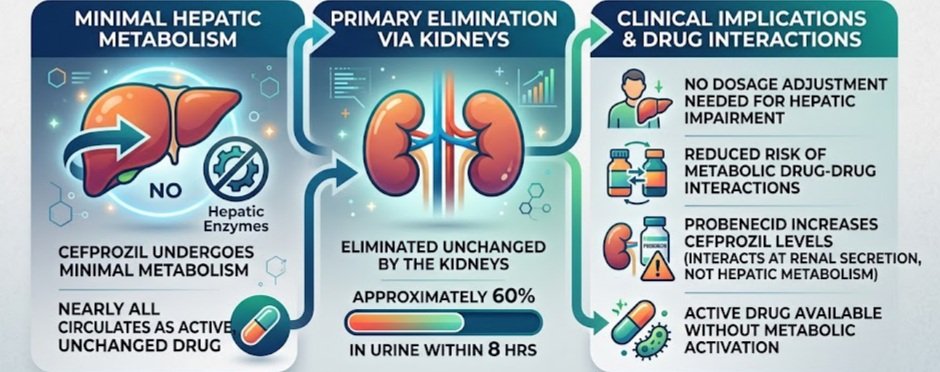
Cefprozil is characterized by remarkable metabolic stability, a property that simplifies its clinical use and minimizes concerns about hepatic drug interactions. Studies have demonstrated that cefprozil undergoes minimal hepatic metabolism, meaning that nearly all of the administered drug circulates in its active, unchanged form.
Primary Metabolic Pathway: Unlike many other drug classes that undergo extensive hepatic metabolism, cefprozil is primarily eliminated unchanged by the kidneys. Approximately 60% of an administered dose is recovered in the urine as unchanged cefprozil within 8 hours. This means that the drug’s metabolic stability is high, and its pharmacokinetic profile is largely determined by renal function rather than hepatic enzyme activity.
Major Enzymes and Metabolites: There is no significant involvement of cytochrome P450 enzymes, glucuronosyltransferases, or other major drug-metabolizing enzymes in the clearance of cefprozil. No clinically significant active or inactive metabolites of cefprozil have been identified in humans. The drug is eliminated essentially as the parent compound.
Clinical Relevance: The metabolic stability of cefprozil has several important clinical implications. First, hepatic impairment does not significantly alter the pharmacokinetics of cefprozil, and dosage adjustment is generally not required for hepatic dysfunction alone. Second, it reduces the risk of drug-drug interactions mediated through metabolic pathways. Third, it ensures that the active drug is available for antibacterial activity without requiring metabolic activation.
Enzyme Interactions: While cefprozil itself does not meaningfully inhibit or induce cytochrome P450 enzymes, the co-administration of probenecid — a drug that inhibits renal tubular secretion — increases the area under the serum concentration versus time curve (AUC) of cefprozil by approximately doubling it. This interaction occurs at the level of renal excretion rather than hepatic metabolism and can increase the risk of adverse effects.
Did you know that some antibiotics can interact with other medications in ways that are completely unpredictable? Understanding these interactions is essential for safe prescribing. Explore our detailed guide to ceftriaxone sodium at Facts About Ceftriaxone Sodium Uses to learn more about the clinical complexities of cephalosporin antibiotics.
Bioavailability & Protein Binding
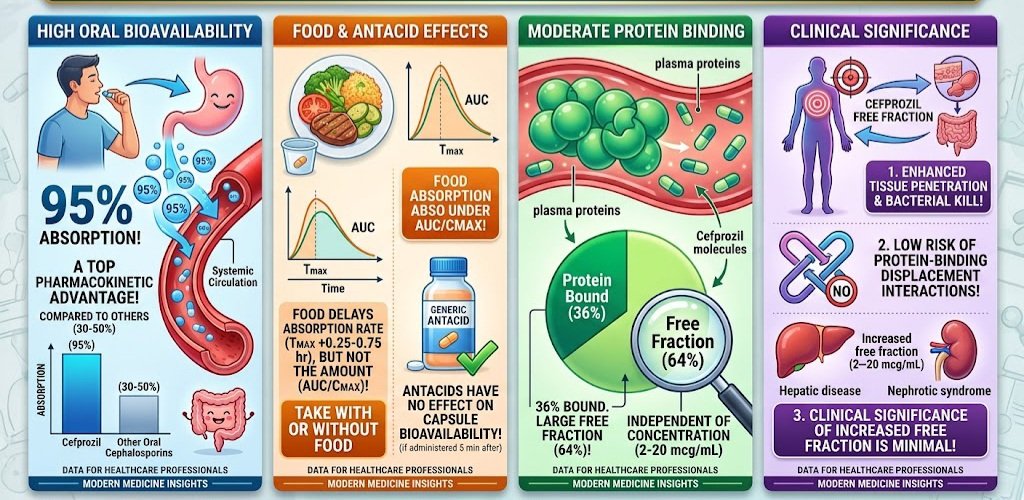
Oral Bioavailability: The oral bioavailability of cefprozil is one of its most clinically relevant pharmacokinetic properties. Following oral administration to fasting subjects, approximately 95% of the cefprozil dose is absorbed. This high bioavailability is a key pharmacokinetic advantage of cefprozil compared to other oral cephalosporins, some of which have bioavailability as low as 30–50%.
Factors Affecting Absorption: Administration of cefprozil with food does not affect the extent of absorption (AUC) or the peak plasma concentration (Cmax). However, there is an increase of 0.25 to 0.75 hours in the time to maximum plasma concentration (Tmax). This means that while food delays the rate of absorption, it does not reduce the total amount of drug absorbed. Clinically, this means cefprozil can be taken with or without food without compromising efficacy. The bioavailability of the capsule formulation of cefprozil was not affected when administered 5 minutes following an antacid.
Protein Binding: Plasma protein binding of cefprozil is approximately 36% and is independent of concentration in the range of 2 mcg/mL to 20 mcg/mL. This moderate level of protein binding means that a substantial fraction of the drug circulates in the unbound, pharmacologically active form.
Clinical Significance: Protein binding is clinically important for several reasons. First, only the unbound (free) fraction of an antibiotic is pharmacologically active and available to penetrate tissues and kill bacteria. With only 36% protein binding, cefprozil has a large free fraction (64%), which contributes to its good tissue penetration. Second, because cefprozil is only 36% bound, it is unlikely to be involved in clinically significant protein-binding displacement interactions. Third, in conditions that alter plasma protein concentrations — such as hypoalbuminemia in hepatic disease, nephrotic syndrome, or malnutrition — the free fraction of cefprozil may increase slightly, but the clinical significance of this change is likely minimal. For a deeper dive into this concept, refer to our detailed guide on Bioavailability in Pharmacology.
Spectrum of Activity with MIC
Understanding the antimicrobial spectrum of cefprozil is essential for appropriate prescribing and antimicrobial stewardship. As a second-generation cephalosporin, cefprozil occupies a distinctive middle ground in the cephalosporin family — with activity against both gram-positive and gram-negative organisms that is broader than first-generation agents but more limited than third-generation compounds against certain resistant gram-negative pathogens.
Gram-Positive Activity: Cefprozil demonstrates excellent activity against several Gram-positive organisms. Streptococcus pneumoniae: MIC90 values ranging from 0.12 to 0.5 μg/mL for penicillin-susceptible strains. For strains with intermediate penicillin resistance (MIC 0.1–1 mcg/mL), cefprozil retains activity, but higher MICs are observed. Streptococcus pyogenes: Highly susceptible, with MIC90 values typically ≤0.06 μg/mL. Staphylococcus aureus: Cefprozil is active against penicillinase-producing strains, but not against methicillin-resistant S. aureus (MRSA). Streptococcus agalactiae (Group B): Generally susceptible. Viridans streptococci: Generally susceptible.
Gram-Negative Activity: Cefprozil has moderate activity against common Gram-negative respiratory pathogens. Haemophilus influenzae: MIC90 values of 2–4 mg/L, including beta-lactamase-producing strains. Moraxella catarrhalis: MIC90 of 1 mg/L, including beta-lactamase-producing strains. Neisseria species: MIC90 of 0.06 mg/L. Escherichia coli: Variable activity; MIC90 typically 8 μg/mL. Not reliably effective for systemic infections. Klebsiella pneumoniae: Variable activity; MIC90 typically 8–16 μg/mL. Proteus mirabilis: Generally susceptible.
Anaerobic Activity: Cefprozil has limited anaerobic coverage. It is generally not active against Bacteroides fragilis and other anaerobic Gram-negative bacilli. It may have some activity against anaerobic Gram-positive cocci, but it is not a reliable agent for anaerobic infections.
Atypical Organisms: Cefprozil is not active against atypical pathogens such as Mycoplasma pneumoniae, Chlamydia pneumoniae, or Legionella pneumophila. These organisms lack peptidoglycan cell walls and are therefore intrinsically resistant to beta-lactam antibiotics.
Important Susceptible Pathogens: The most important susceptible pathogens for which cefprozil is FDA-approved include: Streptococcus pneumoniae, Streptococcus pyogenes, Staphylococcus aureus (penicillinase-producing strains), Haemophilus influenzae (including beta-lactamase-producing strains), and Moraxella catarrhalis (including beta-lactamase-producing strains).
Important Intrinsic Resistance: Cefprozil is intrinsically resistant to: Methicillin-resistant Staphylococcus aureus (MRSA), Enterococcus species, Pseudomonas aeruginosa, Bacteroides fragilis, and Mycoplasma, Chlamydia, and Legionella species.
Acquired Resistance: Acquired resistance to cefprozil can develop through production of extended-spectrum beta-lactamases (ESBLs) in E. coli and Klebsiella species, alterations in penicillin-binding proteins (e.g., in penicillin-resistant S. pneumoniae), and efflux pump overexpression.
Major Limitations: The major limitations of cefprozil’s spectrum include: No reliable activity against MRSA, Enterococcus, or Pseudomonas; limited anaerobic coverage; no activity against atypical respiratory pathogens; and variable activity against E. coli and Klebsiella.
Clinical Significance of Susceptibility Testing: Because resistance patterns vary geographically and over time, susceptibility testing is essential for guiding therapy. The Clinical and Laboratory Standards Institute (CLSI) provides interpretive criteria for cefprozil: Enterobacterales — Susceptible ≤8 μg/mL; Intermediate 16 μg/mL; Resistant ≥32 μg/mL. Streptococcus pneumoniae — Susceptible ≤0.5 μg/mL; Resistant ≥1 μg/mL. Disk diffusion (30 μg) — Susceptible ≥18 mm; Intermediate 15–17 mm; Resistant ≤14 mm. Importantly, in vitro activity does not automatically translate to clinical effectiveness.
Pharmacodynamics
The pharmacodynamics of cefprozil — how the drug exerts its effects on bacteria — provides the scientific rationale for dosing strategies and explains why certain dosage regimens are more effective than others.
Drug-Target Interaction: Cefprozil’s primary pharmacodynamic action is inhibition of penicillin-binding proteins (PBPs), leading to disruption of peptidoglycan cross-linking and bacterial cell lysis. The drug exhibits bactericidal activity — it kills bacteria rather than merely inhibiting their growth — which is a desirable property for treating serious infections, particularly in immunocompromised patients where bacteriostatic agents may be insufficient.
Concentration-Response Relationship and Time-Dependent Killing: Beta-lactam antibiotics, including cefprozil, exhibit time-dependent killing. This means that the extent of bacterial killing is primarily determined by the duration of time that the free drug concentration remains above the minimum inhibitory concentration (MIC) for the infecting organism, rather than by peak concentration. The PK/PD index that best correlates with efficacy for beta-lactams is the percentage of the dosing interval during which the free drug concentration exceeds the MIC (%T > MIC).
For cefprozil, preclinical and clinical studies suggest that optimal bactericidal activity is achieved when free drug concentrations remain above the MIC for at least 40–50% of the dosing interval. This pharmacodynamic principle explains why cefprozil is administered on a twice-daily schedule for most indications rather than as a single large dose.
Therapeutic Window: The therapeutic window for cefprozil — the range between effective and toxic concentrations — is relatively wide for most patients. However, the upper limit of the therapeutic window is relevant in patients with renal impairment, where drug accumulation can lead to concentrations high enough to cause neurotoxicity (including seizures). This is why dosage interval adjustment is mandatory for patients with creatinine clearance less than 30 mL/min.
Post-Antibiotic Effect: Cefprozil demonstrates a short post-antibiotic effect (PAE) against Gram-negative organisms, typically lasting 1–2 hours. Against Gram-positive organisms, the PAE may be slightly longer. The clinical relevance of PAE for cefprozil is limited because of its time-dependent killing profile.
Resistance Suppression: Maintaining adequate drug concentrations throughout the dosing interval not only maximizes bacterial killing but also suppresses the emergence of resistant mutants. Sub-therapeutic drug concentrations can expose bacteria to sub-inhibitory antibiotic concentrations, creating selective pressure for resistant strains. This is a critical consideration for antimicrobial stewardship.
Contraindications
Absolute Contraindications: Cefprozil is contraindicated in patients with known hypersensitivity to cefprozil, other cephalosporins, or penicillins. Cross-sensitivity among beta-lactam antibiotics has been clearly documented and may occur in up to 10% of patients with a history of penicillin allergy. This is an absolute contraindication because cross-reactivity can result in severe hypersensitivity reactions including anaphylaxis.
Major Hypersensitivity Contraindications: Patients with a history of severe immediate hypersensitivity reactions to penicillins — including anaphylaxis, angioedema, or bronchospasm — should not receive cefprozil unless the clinical situation warrants the risk and appropriate precautions are in place. In such cases, consultation with an allergist or infectious disease specialist is recommended.
Previous Serious Reactions: Patients who have experienced serious dermatologic reactions (e.g., Stevens-Johnson syndrome, toxic epidermal necrolysis, erythema multiforme) or hematologic reactions (e.g., agranulocytosis, aplastic anemia) with cephalosporin antibiotics should not receive cefprozil.
Disease-Specific Contraindications: There are no absolute disease-specific contraindications for cefprozil. However, caution is warranted in patients with a history of gastrointestinal disease, particularly colitis, because of the risk of Clostridioides difficile-associated diarrhea (CDAD). Cefprozil is not contraindicated in renal impairment, but dosage adjustment is required.
Formulation-Specific Contraindications: The oral suspension formulation contains phenylalanine (28 mg per 5 mL) and should be used with caution in patients with phenylketonuria. Patients with known hypersensitivity to any excipient in the formulation should not receive that specific product.
Warnings & Precautions
- Serious Hypersensitivity Reactions: Serious and occasionally fatal hypersensitivity (anaphylactic) reactions have been reported in patients receiving beta-lactam antibiotics, including cefprozil. These reactions are more likely to occur in individuals with a history of penicillin hypersensitivity. Before initiating cefprozil therapy, clinicians should inquire carefully about previous hypersensitivity reactions. If an allergic reaction occurs, cefprozil should be discontinued immediately and appropriate supportive measures instituted.
- Clostridioides difficile-Associated Diarrhea (CDAD): CDAD has been reported with the use of nearly all antibacterial agents, including cefprozil, and may range in severity from mild diarrhea to fatal colitis. CDAD should be considered in all patients who present with diarrhea following antibiotic use. If CDAD is suspected or confirmed, cefprozil should be discontinued and appropriate treatment initiated.
- Renal Impairment: Since cefprozil is eliminated primarily by the kidneys, patients with impaired renal function are at risk of drug accumulation. A dosage adjustment is required for patients whose creatinine clearance is less than 30 mL/min. In patients with severe renal impairment who receive standard doses without adjustment, high serum concentrations of cefprozil can lead to neurotoxicity, including seizures.
- Hepatic Impairment: Although cefprozil undergoes minimal hepatic metabolism, transient rises in serum liver enzymes or bilirubin have been observed, particularly in patients with pre-existing hepatic disease. These elevations are usually reversible and rarely necessitate discontinuation of therapy.
- Pregnancy and Breastfeeding: Cefprozil is classified as Pregnancy Category B. It should be used during pregnancy only if clearly needed. Cefprozil is excreted in human milk in small quantities, and caution should be exercised when administering cefprozil to a nursing woman. A case of diarrhea was reported in 2.6% of cefprozil-exposed infants.
- Pediatric Use: The safety and effectiveness of cefprozil in the treatment of pharyngitis/tonsillitis or uncomplicated skin and skin-structure infections have been established in pediatric patients aged 2 to 12 years. Safety and effectiveness in pediatric patients below the age of 6 months have not been established for any indication.
- Older Adults: Healthy geriatric volunteers (≥65 years old) who received a single 1 g dose of cefprozil had 35% to 60% higher AUC and 40% lower renal clearance values compared with healthy adult volunteers aged 20 to 40 years. However, the magnitude of these changes is not sufficient to necessitate dosage adjustments in elderly patients with normal renal function for their age.
- Drug Interactions: Concomitant administration of probenecid with cefprozil doubled the AUC for cefprozil. Nephrotoxicity has been reported following concomitant administration of aminoglycoside antibiotics and cephalosporin antibiotics. Cephalosporins should be given with caution to patients receiving concurrent treatment with potent diuretics since these agents are suspected of adversely affecting renal function.
- CNS Effects: Cephalosporins have been implicated in triggering seizures, particularly in patients with renal impairment when the dosage was not reduced. If seizures occur during therapy, the drug should be discontinued, and appropriate anticonvulsant therapy should be instituted.
- Bleeding Risks: Cephalosporins may be associated with a fall in prothrombin activity. Patients at risk include those with renal or hepatic impairment, poor nutritional state, or prolonged antimicrobial therapy. Prothrombin time should be monitored in these patients, and vitamin K may be administered if indicated.
- Monitoring Requirements: Patients with renal impairment should have renal function monitored prior to and during therapy. Patients receiving prolonged therapy should be monitored for signs of superinfection (e.g., oral thrush, vaginal candidiasis). Liver function tests should be monitored in patients with hepatic impairment.
Side Effects
Understanding the side effect profile of cefprozil is essential for patient counseling and clinical monitoring. Adverse effects are broadly categorized by frequency, and distinguishing between common, bothersome side effects and serious adverse reactions is clinically important.
Common Side Effects:
- Diarrhea (2.9%) — the most common gastrointestinal complaint.
- Nausea (3.5%).
- Vomiting (1%).
- Abdominal pain (1%).
- Genital pruritus and vaginitis (1.6%) — the most relevant side effect for the purposes of this article.
- Diaper rash and superinfection (1.5%).
- Dizziness, increased liver enzymes, increased eosinophil count.
Less Common Side Effects:
- Rash (0.9%).
- Urticaria (0.1%).
- Abnormal liver function tests.
- Decreased white blood cell count.
- Elevated GOT and GPT.
- Eosinophilia.
- Loose stools.
Distinguishing Side Effects from Adverse Reactions: It is important for clinicians to distinguish between side effects (predictable, often dose-related, and generally manageable) and adverse reactions (unexpected, potentially serious, and requiring medical intervention). Genital itching associated with cefprozil is typically a side effect related to alterations in vaginal flora. However, if the itching is accompanied by thick white discharge, burning, or signs of a yeast infection, it may indicate vulvovaginal candidiasis — a common adverse effect requiring antifungal treatment.
Adverse Effects
While the common side effects of cefprozil are generally mild and self-limiting, the drug carries a risk of serious adverse effects that all prescribers must recognize and monitor for.
- Serious Hypersensitivity Reactions: Anaphylaxis is the most feared adverse reaction to cefprozil, though it is rare. Symptoms include urticaria, angioedema, bronchospasm, hypotension, and cardiovascular collapse. Anaphylaxis typically occurs within minutes to hours of drug administration and requires immediate treatment with epinephrine, airway management, and supportive care. Less severe hypersensitivity reactions include drug fever, serum sickness, and cutaneous vasculitis.
- Severe Dermatologic Reactions: Stevens-Johnson syndrome (SJS) and toxic epidermal necrolysis (TEN) are rare but potentially fatal mucocutaneous reactions that have been reported with cefprozil and other cephalosporins. These reactions are characterized by widespread erythema, bullae formation, and epidermal detachment, often involving the mucous membranes. Early recognition and immediate drug discontinuation are critical, as these reactions carry high mortality rates.
- Clostridioides difficile-Associated Diarrhea (CDAD): CDAD is a significant adverse effect of all antibacterial agents, including cefprozil. Symptoms range from mild watery diarrhea to fulminant colitis with toxic megacolon, perforation, and death. Risk factors include advanced age, hospitalization, prolonged antibiotic courses, and concurrent use of proton pump inhibitors.
- Hematologic Effects: Cefprozil can cause hematologic abnormalities including eosinophilia, neutropenia, leukopenia, thrombocytopenia, and, rarely, hemolytic anemia. A positive direct Coombs test may develop during therapy and can interfere with cross-matching of blood. Prolonged prothrombin time has been reported, particularly in patients with vitamin K deficiency or those receiving anticoagulants.
- Hepatic and Renal Effects: Transient elevations in serum transaminases, alkaline phosphatase, and bilirubin have been reported with cefprozil use. These elevations are typically mild and reversible upon discontinuation of therapy. Rare cases of hepatitis and cholestasis have been reported. Renal effects are uncommon but may include transient increases in BUN and creatinine.
- Neurologic Effects: Seizures have been reported with cefprozil, particularly in patients with renal impairment who receive standard doses without appropriate interval adjustment. The risk of neurotoxicity is increased in elderly patients, those with underlying CNS disease, and those receiving high doses.
- Vaginal Candidiasis: The most relevant adverse effect for the purposes of this article—vulvovaginal candidiasis occurs when cefprozil disrupts the normal vaginal flora, allowing Candida species to overgrow. This is discussed in detail in the following sections.
- When to Seek Medical Attention: Patients should be instructed to seek immediate medical attention if they experience any of the following: severe or persistent diarrhea, bloody stools, rash or hives, swelling of the face or throat, difficulty breathing, fever, jaundice, dark urine, or seizures. Prompt recognition and management of these serious adverse reactions can be life-saving.
How to Recover After a Reaction to Cefprozil
Recovering from cefprozil-related side effects and adverse reactions requires a clear understanding of the difference between mild, self-limiting side effects and serious adverse reactions that require urgent medical attention.
Mild Side Effects: Mild side effects such as nausea, mild diarrhea, or mild genital itching may improve on their own or with simple supportive measures. The following strategies may help:
- Nausea: Take cefprozil with food to reduce stomach upset. Eat small, frequent meals. Avoid fatty or spicy foods.
- Mild diarrhea: Stay hydrated. Consider probiotics (though evidence for their effectiveness in preventing antibiotic-associated diarrhea is mixed). Avoid anti-diarrheal medications unless advised by a healthcare professional.
- Mild genital itching: Keep the genital area clean and dry. Avoid scented soaps, douches, and feminine hygiene sprays. Wear loose-fitting cotton underwear. Avoid scratching, which can worsen irritation and lead to secondary infection.
When Symptoms May Improve: Mild side effects typically improve within a few days of starting cefprozil or after completing the course. If symptoms persist or worsen, contact a healthcare professional.
Supportive Measures: Hydration — maintain adequate fluid intake, especially if experiencing diarrhea or vomiting. Rest — allow your body to recover, especially if you are experiencing fatigue or malaise. Nutrition — eat a balanced diet to support immune function and tissue repair. Probiotics — some evidence suggests that probiotics containing Lactobacillus species may help restore vaginal flora, but study results are mixed. Probiotics should not be used as a substitute for antifungal treatment if a yeast infection is confirmed.
When to Stop and Contact a Healthcare Professional: Contact your healthcare provider if you experience: severe or persistent diarrhea, blood or mucus in the stool, severe abdominal pain, signs of a yeast infection (intense itching, thick white discharge, burning), rash, hives, or swelling, yellowing of the eyes or skin, dark urine, severe fatigue or weakness. Do not stop taking cefprozil without consulting your healthcare provider, as incomplete treatment may lead to treatment failure and antibiotic resistance.
Emergency Warning Signs: Seek immediate medical attention if you experience: difficulty breathing or swallowing, swelling of the face, lips, tongue, or throat, severe hypotension or fainting, rapid heartbeat, seizures, or severe skin reaction with blistering or peeling.
Factors That May Affect Recovery: Age — older adults may take longer to recover from infections and side effects. Immune status — immunocompromised patients may have more severe or prolonged symptoms. Renal function — impaired renal function can prolong drug exposure and worsen side effects. Comorbidities — diabetes, immunosuppression, or other chronic conditions may affect recovery.
Do not self-medicate for suspected yeast infections without confirming the diagnosis with a healthcare professional. Many conditions can mimic yeast infections, and inappropriate treatment can delay correct diagnosis and therapy.
Drug Interactions
The following table summarizes clinically meaningful drug interactions with cefprozil. Theoretical interactions of little clinical relevance have been omitted.
| Interacting Medicine/Class | Potential Interaction | Clinical Significance | Management Consideration |
|---|---|---|---|
| Probenecid | Concomitant administration doubled the AUC for cefprozil by inhibiting renal tubular secretion. | Increased cefprozil exposure may increase risk of adverse effects. | Monitor for adverse effects; consider dose adjustment if clinically indicated. |
| Aminoglycosides (e.g., gentamicin, tobramycin, amikacin) | Increased risk of nephrotoxicity. | Additive renal toxicity. | Monitor renal function closely; avoid concurrent use if possible. |
| Potent diuretics (e.g., furosemide) | Cephalosporins may adversely affect renal function when combined with diuretics. | Increased risk of nephrotoxicity. | Monitor renal function; ensure adequate hydration. |
| Warfarin | Cephalosporins may enhance anticoagulant effect. | Increased risk of bleeding. | Monitor INR closely; adjust warfarin dose as needed. |
| Oral contraceptives | Rare reports of reduced contraceptive efficacy with broad-spectrum antibiotics. | Potential risk of unintended pregnancy. | Consider additional contraceptive precautions during therapy. |
| Cholera vaccine (live) | Antibiotics may inactivate the vaccine. | Reduced vaccine efficacy. | Complete antibiotic course before administering vaccine. |
| Estrogen/progestin hormones | May be affected by alterations in gut flora. | Theoretical reduction in hormone absorption. | Monitor for breakthrough bleeding; consider alternative contraception. |
| Drug/Laboratory Test Interactions | Cephalosporin antibiotics may produce a false-positive reaction for glucose in the urine. | Potential misdiagnosis of diabetes. | Use glucose oxidase methods for urine glucose testing. |
Administration Table
Practical administration instructions are essential for patient education and nursing practice. The table below summarizes key administration factors.
| Administration Factor | Guidance |
|---|---|
| Route | Oral. |
| With Food/Without Food | Can be taken with or without food. Food delays Tmax by 0.25–0.75 hours but does not affect total absorption. |
| Timing | Space doses evenly, approximately 12 hours apart for twice-daily dosing. |
| Tablet/Capsule Instructions | Swallow tablets whole with a full glass of water. Do not crush or chew. |
| Liquid Formulation | Shake well before each use. Use the provided measuring device for accurate dosing. Store constituted suspension at room temperature for up to 14 days. |
| IV Administration | Not applicable (oral formulation only). |
| Missed Dose | Take the missed dose as soon as you remember. If it is almost time for the next dose, skip the missed dose and continue with your regular dosing schedule. Do not double the dose. |
| Storage | Store tablets at room temperature (20–25°C). Keep away from moisture and heat. Store dry powder at room temperature. Once constituted, store suspension at room temperature for up to 14 days; discard any unused portion after 14 days. |
| Special Administration Instructions | For oral suspension, tap the bottle to loosen powder. Add the specified amount of water, shake well, and use within 14 days. Complete the full prescribed course even if symptoms improve. |
Pharmacokinetics
This section consolidates the clinically relevant pharmacokinetic properties of cefprozil in a professional overview. Detailed explanations of half-life, metabolism, bioavailability, and protein binding are provided in their respective dedicated sections above and are not repeated here.
Absorption and Bioavailability: Cefprozil is rapidly absorbed from the gastrointestinal tract following oral administration. Approximately 95% of the dose is absorbed in fasting subjects. The absorption rate is slightly delayed by food, but the extent of absorption is not affected. Peak plasma concentrations after administration of 250 mg, 500 mg, or 1 g doses in fasting subjects are approximately 6.1, 10.5, and 18.3 mcg/mL, respectively, and are obtained within 1.5 hours after dosing.
Distribution: The steady-state volume of distribution of cefprozil is 0.23 L/kg. Plasma protein binding is approximately 36% and is independent of concentration in the range of 2 mcg/mL to 20 mcg/mL. Cefprozil penetrates well into respiratory secretions, skin, and soft tissues, which is consistent with its clinical efficacy in respiratory and skin infections.
Metabolism and Elimination: Cefprozil undergoes minimal hepatic metabolism. It is primarily eliminated unchanged by the kidneys. Approximately 60% of an administered dose is recovered in the urine as unchanged cefprozil within 8 hours. The total body clearance is approximately 3 mL/min/kg, and renal clearance is approximately 2.3 mL/min/kg. No clinically significant active or inactive metabolites have been identified.
Special Populations: In elderly patients with reduced creatinine clearance, the elimination half-life is prolonged, but dosage adjustment based solely on age is not required. In patients with renal impairment (CrCl <30 mL/min), the dose must be reduced. Hepatic impairment does not significantly alter cefprozil pharmacokinetics. Pediatric patients have pharmacokinetic profiles similar to adults when dosed on a mg/kg basis.
Special Populations
Pregnancy: Cefprozil is classified as Pregnancy Category B. Animal reproduction studies have not demonstrated evidence of impaired fertility or harm to the fetus, but there are no adequate and well-controlled studies in pregnant women. Cefprozil should be used during pregnancy only if clearly needed.
Lactation: Limited information indicates that cefprozil produces low levels in milk that are not expected to cause adverse effects in breastfed infants. Occasionally, disruption of the infant’s gastrointestinal flora, resulting in diarrhea or thrush, has been reported with cephalosporins. Cefprozil is considered acceptable in nursing mothers. Monitoring of the infant for diarrhea or thrush is recommended.
Pediatrics: The safety and effectiveness of cefprozil in the treatment of pharyngitis/tonsillitis or uncomplicated skin and skin-structure infections have been established in pediatric patients aged 2 to 12 years. Safety and effectiveness in pediatric patients below the age of 6 months have not been established for any indication. For otitis media and acute sinusitis, cefprozil is approved for use in infants and children aged 6 months to 12 years.
Older Adults: Clinical studies of cefprozil did not include sufficient numbers of subjects aged 65 and older to determine whether they respond differently from younger subjects. However, the prolonged half-life observed in elderly patients with reduced renal function suggests that renal function — not age alone — should guide dosing decisions.
Renal Impairment: Renal impairment has the most significant impact on cefprozil pharmacokinetics. In patients with CrCl <30 mL/min, the dose should be reduced by 50% and should not exceed 500 mg/day. In patients undergoing hemodialysis, doses should be administered after dialysis sessions.
Hepatic Impairment: Hepatic impairment alone does not require dosage adjustment. However, in patients with combined renal and hepatic impairment, careful monitoring is recommended.
Obesity: There are no specific dosage recommendations for obese patients. Dosing should be based on the patient’s renal function and clinical status.
Critically Ill Patients: Cefprozil is not typically used in critically ill patients requiring intravenous therapy, as it is only available in oral formulations. However, in critically ill patients who can tolerate oral medications and have susceptible infections, cefprozil may be considered based on clinical judgment.
Monitoring
Healthcare professionals should monitor the following parameters when appropriate during cefprozil therapy:
- Clinical Response: Monitor the patient’s clinical response to therapy, including resolution of fever, improvement in respiratory symptoms, and healing of skin lesions. If the patient’s condition worsens or fails to improve, reassess the diagnosis and consider alternative therapy.
- Laboratory Parameters: Renal function — monitor serum creatinine and calculated creatinine clearance prior to and during therapy, especially in patients with known or suspected renal impairment. Hepatic function — monitor liver enzymes (AST, ALT, alkaline phosphatase, bilirubin) in patients with pre-existing hepatic disease or those receiving prolonged therapy. Complete blood count — monitor for hematologic changes (e.g., leukopenia, thrombocytopenia, eosinophilia) during prolonged therapy. Coagulation parameters — monitor prothrombin time in patients at risk of bleeding.
- Renal Function: As noted above, renal function should be monitored in all patients, with particular attention to those with pre-existing renal impairment. Dose adjustment is required in patients with CrCl <30 mL/min.
- Hepatic Function: Liver function tests should be monitored in patients with hepatic impairment or those receiving prolonged therapy.
- ECG/QT Monitoring: Cefprozil is not associated with significant QT prolongation. Routine ECG monitoring is not required unless clinically indicated by the patient’s underlying condition or concomitant medications.
- Drug Levels/TDM: Therapeutic drug monitoring is not routinely performed for cefprozil. However, in patients with severe renal impairment or those requiring high doses, monitoring drug levels may be considered in specialized settings.
- Microbiological Response: When possible, culture and susceptibility testing should be performed to confirm the causative organism and its susceptibility to cefprozil. This is particularly important in patients who fail to respond to initial therapy.
- Adverse Reactions: Monitor for signs of adverse reactions, including allergic reactions, gastrointestinal symptoms, and superinfections (e.g., oral thrush, vaginal candidiasis). Early recognition and management of adverse reactions can prevent serious complications.
For those interested in exploring the broader landscape of health, beauty, fitness, and wellness, visit ssthem.net for health and wellness content for a wealth of evidence-based articles and practical guides.
Clinical Perspective
From a clinical standpoint, cefprozil occupies a valuable niche in the antibiotic armamentarium. It is not the most potent agent against any single organism, but its balanced spectrum of activity against common community-acquired respiratory and skin pathogens — including beta-lactamase-producing H. influenzae and M. catarrhalis — makes it a reliable choice for empirical therapy when culture data are pending.
Clinicians may prefer cefprozil when treating infections likely to be caused by a mix of gram-positive and gram-negative organisms, such as acute bacterial sinusitis or acute exacerbations of chronic bronchitis. It is also a valuable option for patients who require oral therapy and have susceptible infections.
Situations where clinicians may prefer alternatives include infections suspected to be caused by MRSA, Pseudomonas aeruginosa, or ESBL-producing organisms — all of which are resistant to cefprozil. In these cases, broader-spectrum agents or combination therapy may be necessary. Additionally, cefprozil is not appropriate for bacterial meningitis due to inadequate CNS penetration.
Antimicrobial stewardship considerations are paramount. Cefprozil is classified in the WHO AWaRe “Watch” group, meaning it should be used judiciously to preserve its effectiveness. Clinicians should obtain cultures whenever possible, narrow therapy based on susceptibility results, and avoid using cefprozil for conditions where narrower-spectrum agents would be equally effective.
Patient-specific considerations include renal function (dose adjustment required for CrCl <30 mL/min), allergy history (caution in penicillin-allergic patients), and the ability to take oral medications. Interpretation of treatment response should occur within 48–72 hours; if the patient is not improving, reassessment of the diagnosis, culture data, and therapeutic choice is warranted.
Question. What is cefprozil?
Answer : Cefprozil is a second-generation oral cephalosporin antibiotic used to treat mild to moderate bacterial infections of the respiratory tract and skin.
Question. What is cefprozil used for?
Answer : Cefprozil is used for upper respiratory tract infections (pharyngitis/tonsillitis, otitis media, acute sinusitis), lower respiratory tract infections (acute bacterial exacerbation of chronic bronchitis), and uncomplicated skin and skin structure infections.
Question. How does cefprozil work?
Answer : Cefprozil works by binding to penicillin-binding proteins (PBPs) in the bacterial cell membrane, inhibiting cell wall synthesis and causing bacterial cell death.
Question. How long does cefprozil stay in the body?
Answer : The half-life of cefprozil is approximately 1.3 hours in normal renal function. It takes about 5–7 half-lives (approximately 6.5–9 hours) for the drug to be largely eliminated from the body, though renal impairment prolongs this.
Question. What is the half-life of cefprozil?
Answer : The half-life is 1.3 hours in healthy adults, up to 5.2–5.9 hours in severe renal impairment, and approximately 2 hours in hepatic impairment.
Question. What are the common side effects of cefprozil?
Answer : Common side effects include diarrhea (2.9%), nausea (3.5%), vomiting (1%), abdominal pain (1%), and genital pruritus/vaginitis (1.6%).
Question. What are serious adverse effects of cefprozil?
Answer : Serious adverse effects include anaphylaxis, angioedema, Stevens-Johnson syndrome, toxic epidermal necrolysis, C. difficile-associated diarrhea, and seizures (particularly in renal impairment with inappropriate dosing).
Question. Is cefprozil FDA-approved?
Answer : Yes, cefprozil is FDA-approved for specific indications (NDA 050664, NDA 050665).
Question. What infections does cefprozil treat?
Answer : Cefprozil treats pharyngitis/tonsillitis, otitis media, acute sinusitis, acute bacterial exacerbation of chronic bronchitis, and uncomplicated skin/skin structure infections.
Question. Can cefprozil be used during pregnancy?
Answer : Cefprozil is Pregnancy Category B. It should be used during pregnancy only if clearly needed, as there are no adequate well-controlled studies in pregnant women.
Question. Can cefprozil be used while breastfeeding?
Answer : Yes, cefprozil is considered acceptable in nursing mothers. Limited information indicates low levels in milk that are not expected to cause adverse effects in breastfed infants, though monitoring for diarrhea or thrush is recommended.
Question. Does cefprozil interact with alcohol?
Answer : There is no known interaction between cefprozil and alcohol. However, alcohol may worsen gastrointestinal side effects.
Question. What medicines interact with cefprozil?
Answer : Clinically significant interactions include probenecid (increased cefprozil AUC), aminoglycosides (increased nephrotoxicity risk), potent diuretics (increased nephrotoxicity risk), and warfarin (potential increased bleeding risk).
Question. What happens if a dose is missed?
Answer : Take the missed dose as soon as you remember. If it is almost time for the next dose, skip the missed dose and continue with the regular schedule. Do not double the dose.
Question. How should cefprozil be administered?
Answer : Cefprozil is taken orally, with or without food. Tablets should be swallowed whole with water. The oral suspension should be shaken well and measured with the provided device.
Question. Does renal impairment require dose adjustment?
Answer : Yes, in patients with CrCl <30 mL/min, the dose should be reduced by 50% and should not exceed 500 mg/day. Doses should be administered after hemodialysis.
Question. Does hepatic impairment affect cefprozil use?
Answer : Hepatic impairment increases the half-life to approximately 2 hours, but no dosage adjustment is required. In combined renal and hepatic impairment, careful monitoring is recommended.
Question. Is cefprozil safe for children?
Answer : Cefprozil is safe and effective for children aged 2–12 years for pharyngitis/tonsillitis and skin infections, and for infants and children aged 6 months–12 years for otitis media and acute sinusitis. Safety and effectiveness in infants <6 months have not been established.
Question. Is cefprozil appropriate for older adults?
Answer : Yes, cefprozil can be used in older adults. No specific dosage adjustment is required in the absence of renal impairment, though elderly patients may have higher drug exposure.
Question. What should clinicians monitor during cefprozil therapy?
Answer : Clinicians should monitor clinical response, renal function (especially in renal impairment), hepatic function (in hepatic impairment or prolonged therapy), and signs of adverse reactions or superinfection.
Question. What are alternatives to cefprozil?
Answer : Alternatives include amoxicillin, amoxicillin-clavulanate, cefuroxime, cefdinir, azithromycin, clarithromycin, and doxycycline, depending on the infection and patient factors.
Question. What are the major contraindications to cefprozil?
Answer : Major contraindications include hypersensitivity to cefprozil, cephalosporins, or penicillins (cross-sensitivity up to 10%).
Question. How does resistance affect cefprozil use?
Answer : Resistance can occur through beta-lactamase production, altered PBPs, efflux pumps, and porin mutations. Susceptibility testing is essential to guide therapy.
Question. How long does cefprozil treatment usually last?
Answer : Treatment duration is typically 10 days for most indications. Shorter courses may be appropriate for some infections, but 10 days is recommended for S. pyogenes pharyngitis to prevent rheumatic fever.
Question. When should medical attention be sought?
Answer : Seek medical attention if you experience severe diarrhea, signs of a yeast infection, rash, hives, swelling, difficulty breathing, yellowing of the eyes/skin, or any other severe or persistent symptoms.
Five Authentic and Latest Studies
Study 1
Full Citation: Pirotta M, Gunn J, Chondros P, et al. Effect of lactobacillus in preventing post-antibiotic vulvovaginal candidiasis: a randomised controlled trial. BMJ. 2004;329(7465):548. doi:10.1136/bmj.38193.483617.7C
Study Type: Randomized, double-blind, placebo-controlled trial.
Population: 278 women aged 18–50 years who were prescribed a short course of oral antibiotics.
Intervention/Exposure: Oral and vaginal Lactobacillus rhamnosus GR-1 and Lactobacillus fermentum RC-14 versus placebo.
Comparator: Placebo.
Main Outcome: Incidence of post-antibiotic vulvovaginal candidiasis.
Key Findings: The incidence of post-antibiotic vulvovaginal candidiasis was 21.6% in the probiotic group versus 21.4% in the placebo group (relative risk 1.0, 95% CI 0.6–1.7). The study concluded that lactobacillus preparations were ineffective in preventing post-antibiotic vulvovaginal candidiasis.
Clinical Significance: This study provides important evidence that probiotics, at least the specific strains tested, do not reliably prevent antibiotic-associated vaginal candidiasis. This highlights the need for alternative preventive strategies and early recognition of symptoms.
Important Limitation: The study used specific probiotic strains and formulations; results may not be generalizable to all probiotic products. The study was conducted in a primary care setting and may not reflect outcomes in other populations.
Study 2
Full Citation: Kafetzis DA, Paraskaki I, Vlachos E, et al. Comparison of two dosing regimens of cefprozil in the treatment of acute otitis media in children. J Antimicrob Chemother. 1997;40(3):411–415. doi:10.1093/jac/40.3.411
Study Type: Randomized, comparative clinical trial.
Population: Children aged 2 months to 14.3 years with acute otitis media.
Intervention/Exposure: Cefprozil 15 mg/kg twice daily for 5 days versus 10 days.
Comparator: 10-day course.
Main Outcome: Clinical cure or improvement at end of treatment and follow-up.
Key Findings: The 5-day course of cefprozil was associated with clinical cure or improvement rates comparable to the 10-day course, with no significant difference in efficacy. The shorter course was associated with better adherence and fewer adverse effects.
Clinical Significance: This study suggests that shorter courses of cefprozil may be effective for uncomplicated acute otitis media, aligning with antimicrobial stewardship principles. However, selection of patients for shorter courses requires careful clinical judgment.
Important Limitation: The study was conducted in a specific pediatric population and may not be generalizable to all children or all clinical settings. The sample size was moderate.
Study 3
Full Citation: Wilber RB, Doyle CA, Durham SJ, et al. Safety profile of cefprozil. Clin Infect Dis. 1992;14(Suppl 2):S264–S271. doi:10.1093/clinids/14.supplement_2.s264
Study Type: Comprehensive safety review.
Population: Patients treated with cefprozil in controlled clinical trials.
Intervention/Exposure: Cefprozil.
Comparator: Various comparator antibiotics.
Main Outcome: Adverse event rates.
Key Findings: Cefprozil was well tolerated. The most common adverse effects were gastrointestinal (diarrhea 2.9%, nausea 3.5%, vomiting 1%, abdominal pain 1%) and genital pruritus/vaginitis (1.6%). Serious adverse reactions were rare.
Clinical Significance: This review provides a comprehensive safety profile of cefprozil based on controlled clinical trial data. The genital pruritus/vaginitis rate of 1.6% is clinically relevant and supports the need for awareness of this adverse effect among prescribers.
Important Limitation: The review was published in 1992 and may not reflect more recent safety data or changes in resistance patterns. Post-marketing surveillance data may reveal additional adverse effects.
Study 4
Full Citation: Shyu WC, Shah VR, Campbell DA, et al. Excretion of cefprozil into human breast milk. Antimicrob Agents Chemother. 1992;36(5):938–941. doi:10.1128/aac.36.5.938
Study Type: Pharmacokinetic study.
Population: Lactating women.
Intervention/Exposure: Cefprozil 1 g single dose.
Comparator: Not applicable.
Main Outcome: Cefprozil concentrations in breast milk.
Key Findings: Cefprozil concentrations in breast milk were low and unlikely to cause adverse effects in breastfed infants. The study supported the safety of cefprozil during lactation.
Clinical Significance: This study provides evidence that cefprozil is acceptable for use during breastfeeding. It informs clinical decision-making for lactating women who require antibiotic therapy.
Important Limitation: Small sample size; only single-dose data available. Long-term exposure data in breastfed infants are limited.
Study 5
Full Citation: Barza M, Cuchural GJ Jr. The risks of symptomatic vaginal candidiasis after oral antibiotic therapy. J Antimicrob Chemother. 1983;11(3):211–213. doi:10.1093/jac/11.3.211
Study Type: Review of epidemiological data.
Population: Women taking oral antibiotics.
Intervention/Exposure: Various oral antibiotics including cephalosporins.
Comparator: No antibiotic exposure.
Main Outcome: Incidence of symptomatic vaginal candidiasis.
Key Findings: The attributable risk of symptomatic vaginal candidiasis was highest among women taking cephalosporins (AR 12.8%, 95% CI 9.1–16.5). The relative risk of candidiasis was 2.3 times higher during antibiotic exposure than beforehand.
Clinical Significance: This review provides quantitative evidence linking cephalosporin antibiotics, including cefprozil, to an increased risk of symptomatic vaginal candidiasis. It underscores the importance of counseling patients about this potential adverse effect.
Important Limitation: The study is older and based on epidemiological data that may not reflect current prescribing patterns or resistance trends. It does not specifically analyze cefprozil, but includes cephalosporins as a class.
Authentic References
- Cefprozil Tablets, USP. Prescribing Information. Lupin Pharmaceuticals, Inc. DailyMed. Updated October 10, 2025. https://dailymed.nlm.nih.gov/dailymed/drugInfo.cfm?setid=14527f4a-ce99-449d-a5a5-9edd7fb28dee
- Cefprozil Tablets. Prescribing Information. Ascend Laboratories, LLC. DailyMed. Updated May 5, 2024. https://dailymed.nlm.nih.gov/dailymed/fda/fdaDrugXsl.cfm?setid=dc3e9cae-6f4f-4045-a11e-2fbf7f94c3c0
- Cefprozil for Oral Suspension. Prescribing Information. DailyMed. Updated October 10, 2025. https://dailymed.nlm.nih.gov/dailymed/drugInfo.cfm?setid=3ec55c0a-1456-412e-972f-352b3135c8f2
- Cefprozil. Drugs and Lactation Database (LactMed®). National Institute of Child Health and Human Development. PMID: 30000469. https://pubmed.ncbi.nlm.nih.gov/30000469/
- Pirotta M, Gunn J, Chondros P, et al. Effect of lactobacillus in preventing post-antibiotic vulvovaginal candidiasis: a randomised controlled trial. BMJ. 2004;329(7465):548. doi:10.1136/bmj.38193.483617.7C
- Kafetzis DA, Paraskaki I, Vlachos E, et al. Comparison of two dosing regimens of cefprozil in the treatment of acute otitis media in children. J Antimicrob Chemother. 1997;40(3):411–415. doi:10.1093/jac/40.3.411
- Wilber RB, Doyle CA, Durham SJ, et al. Safety profile of cefprozil. Clin Infect Dis. 1992;14(Suppl 2):S264–S271. doi:10.1093/clinids/14.supplement_2.s264
- Shyu WC, Shah VR, Campbell DA, et al. Excretion of cefprozil into human breast milk. Antimicrob Agents Chemother. 1992;36(5):938–941. doi:10.1128/aac.36.5.938
- Barza M, Cuchural GJ Jr. The risks of symptomatic vaginal candidiasis after oral antibiotic therapy. J Antimicrob Chemother. 1983;11(3):211–213. doi:10.1093/jac/11.3.211
- Clinical and Laboratory Standards Institute (CLSI). Performance Standards for Antimicrobial Susceptibility Testing. M100-S33. 2023.
- FDA. Cefprozil – Oral Products. Susceptibility Test Interpretive Criteria. https://www.fda.gov/drugs/development-resources/cefprozil-oral-products
- Centers for Disease Control and Prevention (CDC). Antibiotic Resistance Threats in the United States. 2019. https://www.cdc.gov/drugresistance/
- Infectious Diseases Society of America (IDSA). Clinical Practice Guideline for the Management of Candidiasis: 2016 Update. Clin Infect Dis. 2016;62(4):e1–e50. doi:10.1093/cid/civ933
- World Health Organization (WHO). Antimicrobial Resistance: Global Report on Surveillance. 2014. https://www.who.int/antimicrobial-resistance/
- National Institute for Health and Care Excellence (NICE). Antimicrobial stewardship: systems and processes for effective antimicrobial medicine use. NICE guideline NG15. 2015.
Medical Information Disclaimer: The information provided in this article is for educational and informational purposes only and is intended for healthcare professionals, medical students, and informed general readers. It does not constitute medical advice, diagnosis, or treatment recommendations. Cefprozil is a prescription medication that should only be used under the supervision of a qualified healthcare provider. Treatment decisions, including dose selection, duration, and adjustments, depend on the patient’s diagnosis, age, renal and hepatic function, interacting medicines, susceptibility data where relevant, and clinician judgment. Readers should not use this information to self-medicate or to make clinical decisions without appropriate professional consultation. If you have a medical condition or are experiencing symptoms of infection, seek evaluation from a qualified healthcare professional. The authors and publishers of this article do not assume any liability for any adverse effects or consequences resulting from the use or misuse of the information provided herein.
For authentic and engaging information about the world’s different religions, visit ssthem.com for religious studies and discover well-organized, informative content.
For online earning ideas, freelancing, affiliate marketing, YouTube, Facebook monetization, and AI tips, visit ssthem.xyz for online earning and WhatsApp group links.
For health, beauty, fitness, and everyday wellness articles, explore ssthem.net for health and wellness content.