
11 Powerful Facts about Ciprofloxacin Uses and Side Effects You Need
13 Brilliant Ciprofloxacin Tips That Make Treatment Safer and More Effective
Why does one antibiotic carry a reputation for both remarkable clinical success and serious, sometimes irreversible adverse effects? The answer is not hidden in a single warning label or a sensational headline. It lives inside the drug’s unique pharmacology, its broad tissue penetration, its interaction profile, and the way it disrupts bacterial DNA replication.
Ciprofloxacin is not a routine first-line choice for uncomplicated infections in many guidelines, yet it remains indispensable for specific life-threatening and deep-seated infections. A medical student might first encounter it as a “fluoroquinolone” and memorize its mechanism. A clinician may reach for it when other antibiotics fail. A patient may search for “ciprofloxacin uses and side effects” after receiving a prescription and wondering whether the benefits justify the risks.
This article moves beyond a simple drug summary. It provides a detailed, evidence-based exploration of ciprofloxacin uses and side effects, covering ciprofloxacin 500mg dosing, ciprofloxacin dosage adjustments, ciprofloxacin for UTI, ciprofloxacin tablets, ciprofloxacin antibiotic spectrum, ciprofloxacin mode of action, ciprofloxacin half-life, ciprofloxacin bioavailability, and ciprofloxacin drug interactions. It also addresses the questions patients often ask: ciprofloxacin and alcohol, ciprofloxacin with dairy products, ciprofloxacin before or after food, and ciprofloxacin missed dose.
If you are a medical student, pharmacist, nurse, physician, researcher, or an informed patient seeking clarity, this guide is designed for you. But here is the first clinical caution: this article does not replace professional diagnosis or treatment, and ciprofloxacin should never be used for self-medication. The details that matter most will unfold section by section.
Before we go deeper, remember that clinical pharmacology is not about memorizing isolated facts. It is about understanding why a drug works, when it works, when it should be avoided, and what can go wrong. In the following sections, we answer those questions with evidence.
One more thing: if you are also looking for useful online resources beyond clinical pharmacology, ssthem.xyz for online Earning and WhatsApp Groups links provides curated links and communities that many professionals use for digital side projects. But keep your focus here first—the clinical stakes are high.
Key Facts Table: Ciprofloxacin at a Glance
The following table summarizes the most clinically important facts about ciprofloxacin. This is not a substitute for full prescribing information, but it provides a rapid reference for healthcare professionals and students.
| Parameter | Details |
|---|---|
| Generic Name | Ciprofloxacin |
| Common Brand Names | Cipro, Cipro XR, Proquin XR, various generic brands |
| Drug Class | Fluoroquinolone antibiotic |
| Therapeutic Class | Antibacterial |
| Pharmacologic Class | Fluoroquinolone; topoisomerase IV/DNA gyrase inhibitor |
| ATC Code | J01MA02 |
| Available Strengths | 100 mg, 250 mg, 500 mg, 750 mg tablets; 250 mg/5 mL and 500 mg/5 mL oral suspension; 200 mg/100 mL and 400 mg/200 mL IV solution; extended-release 500 mg and 1000 mg tablets |
| Dosage Forms | Immediate-release tablets, extended-release tablets, oral suspension, intravenous infusion, ophthalmic solution, otic solution |
| Route(s) of Administration | Oral, intravenous, ophthalmic, otic |
| FDA Status | FDA-approved for multiple bacterial infections in adults and pediatric patients for specific indications |
| Primary Clinical Uses | Urinary tract infections, respiratory tract infections, skin and skin structure infections, bone and joint infections, intra-abdominal infections, anthrax, plague, and other susceptible bacterial infections |
| Bioavailability | Approximately 70% to 80% after oral administration |
| Protein Binding | Approximately 20% to 40% |
| Volume of Distribution | 2.1 to 3.5 L/kg in healthy adults; wide tissue distribution |
| Half-Life | Approximately 4 to 6 hours in adults with normal renal function; prolonged in renal impairment |
| Metabolism | Hepatic; approximately 10% to 20% metabolized; metabolites include desethylene ciprofloxacin, sulfo-ciprofloxacin, oxo-ciprofloxacin, and formyl-ciprofloxacin |
| Major Route of Elimination | Renal; approximately 40% to 50% unchanged in urine; biliary/fecal elimination also occurs |
| Renal/Hepatic Considerations | Dose adjustment required in renal impairment; limited hepatic metabolism, but caution in severe hepatic dysfunction |
| Major Contraindications | Hypersensitivity to ciprofloxacin or other quinolones; concomitant tizanidine use |
| Important Adverse Effects | Tendinopathy/tendon rupture, peripheral neuropathy, CNS effects, QT prolongation, Clostridioides difficile-associated diarrhea, photosensitivity, aortic aneurysm/dissection risk |
This table is a snapshot. Every parameter in it will be expanded in the dedicated sections below, but we will not repeat the full explanations unnecessarily.
What Is Ciprofloxacin?
Ciprofloxacin is a synthetic broad-spectrum antibacterial agent belonging to the fluoroquinolone class. It is a second-generation fluoroquinolone, although some classification systems place it among the first generation of fluoroquinolones with expanded Gram-negative activity. The generic name “ciprofloxacin” is recognized globally, and the drug is available as ciprofloxacin tablets, an oral suspension, an intravenous formulation, and topical ophthalmic and otic preparations.
Ciprofloxacin differs from older quinolones because of the fluorine atom at position 6 and the piperazine ring at position 7 of the quinolone nucleus. These structural features enhance antimicrobial potency, broaden the Gram-negative spectrum, and improve tissue penetration. Compared with nalidixic acid—the prototype quinolone—ciprofloxacin achieves much higher systemic concentrations and is effective against a wider range of serious infections.
Clinically, ciprofloxacin is used primarily for Gram-negative infections, including those caused by Pseudomonas aeruginosa, Escherichia coli, Klebsiella pneumoniae, Proteus mirabilis, Salmonella, Shigella, and Neisseria gonorrhoeae. It also has activity against some Gram-positive organisms, including certain staphylococci and streptococci, although newer fluoroquinolones such as levofloxacin and moxifloxacin generally offer superior Gram-positive coverage.
The most commonly prescribed oral strength is ciprofloxacin 500mg, which is used for many adult indications. However, the dose must always be individualized based on infection severity, organism susceptibility, renal function, and patient-specific risk factors.
Ciprofloxacin’s role in modern antimicrobial therapy is nuanced. It is not a first-line agent for uncomplicated cystitis in many guidelines because of concerns about fluoroquinolone-associated adverse effects and antimicrobial resistance. Yet it remains a cornerstone for complicated urinary tract infections, pyelonephritis, prostatitis, certain gastrointestinal infections, and post-exposure prophylaxis for anthrax. This dual identity—highly effective but requiring careful use—is central to understanding ciprofloxacin uses and side effects.
If you want a deeper view of how ciprofloxacin moves through the body, you may find this ADME guide useful: https://ssthem.org/the-complete-adme-pharmacokinetics-guide/. It explains absorption, distribution, metabolism, and elimination principles that apply directly to fluoroquinolones.
Pharmacokinetics & Pharmacodynamics Key Table
Before we dive into individual pharmacokinetic sections, the following table provides a consolidated view of the clinically relevant pharmacokinetic and pharmacodynamic characteristics of ciprofloxacin. The table is designed to be readable on mobile devices.
| Parameter | Clinically Relevant Details |
|---|---|
| Absorption | Rapidly absorbed after oral administration; bioavailability approximately 70%–80% |
| Bioavailability | Approximately 70%–80% for oral formulations; food delays but does not significantly reduce overall absorption |
| Time to Peak Concentration | Approximately 1 to 2 hours after oral administration |
| Protein Binding | Approximately 20%–40%; low compared with many other antibiotics |
| Volume of Distribution | 2.1–3.5 L/kg; extensive tissue distribution |
| Tissue Penetration | Good penetration into lung, sinus, skin, bone, prostate, and urine; CSF penetration moderate but higher with meningeal inflammation |
| Blood-Brain Barrier Penetration | Moderate; cerebrospinal fluid concentrations approximately 10%–30% of serum levels, higher in meningitis |
| Placental Transfer | Crosses the placenta; use during pregnancy requires careful risk-benefit assessment |
| Half-Life | Approximately 4–6 hours in adults with normal renal function; extended-release formulation allows once-daily dosing |
| Metabolism | Hepatic; approximately 10%–20% metabolized; four major metabolites identified |
| Active Metabolites | Minor; metabolites generally less active than parent drug |
| Enzyme Involvement | CYP1A2 inhibition is clinically significant; minor involvement of CYP3A4 |
| Elimination | Renal excretion predominates; 40%–50% unchanged in urine; biliary/fecal elimination contributes |
| Renal Clearance | Exceeds glomerular filtration rate, indicating active tubular secretion |
| Fecal/Biliary Elimination | Approximately 15%–20% of an oral dose appears in feces |
| Pharmacodynamic Target | Concentration-dependent killing with moderate post-antibiotic effect |
| Mechanism | Inhibits DNA gyrase and topoisomerase IV |
| Concentration/Time-Dependent Activity | Primarily concentration-dependent; AUC/MIC ratio best predicts efficacy |
| PK/PD Index | AUC/MIC ratio; target often >125 for severe Gram-negative infections |
This table is a quick reference. The following sections explain the most important details without unnecessary repetition.
Half-Life of Ciprofloxacin
The ciprofloxacin half-life in healthy adults with normal renal function is approximately 4 to 6 hours. This relatively short half-life means that immediate-release oral formulations are typically administered every 12 hours. The extended-release formulation, ciprofloxacin extended-release, has a longer absorption phase, allowing once-daily dosing for selected indications such as uncomplicated urinary tract infections.
The half-life of ciprofloxacin is not a fixed number for every patient. It can be significantly prolonged in patients with renal impairment because the kidneys are the major route of elimination. In patients with creatinine clearance below 30 mL/min, the half-life may increase substantially, requiring dose adjustment or extended dosing intervals. Hemodialysis removes some ciprofloxacin, but supplemental dosing is often guided by clinical response and residual renal function.
Age also influences the half-life. Pediatric patients generally eliminate ciprofloxacin faster than older adults, while elderly patients with age-related declines in renal function may have prolonged exposure. Hepatic impairment alone has less effect on ciprofloxacin half-life because metabolism accounts for only a small fraction of total clearance, but severe hepatic dysfunction combined with renal impairment can alter drug accumulation.
Why does half-life matter clinically? It determines dosing frequency and influences the time above a threshold concentration. For ciprofloxacin, however, the primary pharmacodynamic driver is not time above MIC but the area under the concentration-time curve relative to the minimum inhibitory concentration, or AUC/MIC. Even so, half-life remains important for understanding drug accumulation, missed dose management, and the risk of adverse effects in patients with reduced clearance.
For readers interested in a broader explanation of half-life concepts beyond this medicine, https://ssthem.org/the-complete-adme-pharmacokinetics-guide/ provides a detailed ADME overview.
Metabolism of Ciprofloxacin
Ciprofloxacin undergoes limited hepatic metabolism, with approximately 10% to 20% of an administered dose converted into metabolites. The primary metabolic pathways include oxidation and conjugation, producing four main metabolites: desethylene ciprofloxacin, sulfo-ciprofloxacin, oxo-ciprofloxacin, and formyl-ciprofloxacin. Among these, desethylene ciprofloxacin and oxo-ciprofloxacin have some antibacterial activity, but the clinical contribution is minor compared with the parent compound.
The enzyme system most importantly associated with ciprofloxacin is cytochrome P450 1A2. Ciprofloxacin is a moderate to strong inhibitor of CYP1A2, which has major clinical implications for drug interactions. For example, tizanidine, a CYP1A2 substrate, is contraindicated with ciprofloxacin because coadministration can produce dangerously high tizanidine concentrations, leading to severe hypotension and sedation. Ciprofloxacin also inhibits CYP1A2-mediated metabolism of drugs such as theophylline, caffeine, and clozapine, potentially increasing their serum levels and toxicity.
Ciprofloxacin has only minor effects on CYP3A4, CYP2C9, and CYP2D6. This is clinically important because it means ciprofloxacin has fewer interactions with drugs metabolized by those enzymes compared with some other antibiotics. Nevertheless, the CYP1A2 inhibition alone is sufficient to require careful medication review before prescribing or dispensing ciprofloxacin.
Because hepatic metabolism accounts for only a small fraction of total ciprofloxacin clearance, patients with mild to moderate hepatic impairment generally do not require dose adjustment based solely on liver function. However, patients with severe hepatic dysfunction, particularly those with concomitant renal impairment, may require closer monitoring. The metabolism section is intentionally not repeated later in the pharmacokinetics section, which will cross-reference this information.
Bioavailability & Protein Binding of Ciprofloxacin
The ciprofloxacin bioavailability after oral administration is approximately 70% to 80%. This means that a 500 mg oral tablet delivers systemic exposure roughly equivalent to 350–400 mg of intravenous drug. Bioavailability is an essential concept in pharmacology because it determines how much of the administered dose reaches systemic circulation. For a detailed explanation, see https://ssthem.org/bioavailability-in-pharmacology/.
Oral ciprofloxacin absorption is rapid but can be affected by food and coadministration with certain minerals. Food delays the time to peak concentration but does not substantially reduce overall absorption. In contrast, dairy products, calcium-fortified juices, antacids containing aluminum or magnesium, sucralfate, and iron or zinc supplements can significantly reduce ciprofloxacin absorption by forming insoluble chelates. This is why patients are advised to take ciprofloxacin either two hours before or at least four to six hours after these products. The clinical question of ciprofloxacin with dairy products is common in patient counseling and is addressed again in the FAQ section.
Protein binding of ciprofloxacin is relatively low, approximately 20% to 40%. This low protein binding has clinical significance. Only unbound drug is pharmacologically active and capable of diffusing into tissues. Because most ciprofloxacin molecules remain unbound, the drug achieves excellent tissue penetration, including into the prostate, lung, bone, and intracellular compartments. Low protein binding also means that conditions altering serum proteins, such as hypoalbuminemia, are less likely to produce dramatic changes in free drug concentrations compared with highly protein-bound antibiotics.
However, low protein binding does not mean the drug is without risk. It means distribution is extensive, which is beneficial for treating deep-seated infections but also means the drug reaches tendons, cartilage, and the central nervous system—sites associated with serious adverse reactions.
If you are learning pharmacokinetics or need a refresher on ADME principles, the ADME guide linked earlier provides a structured explanation.
FDA-Approved Uses of Ciprofloxacin
The FDA-approved indications for ciprofloxacin are broad, reflecting its activity against a wide range of susceptible pathogens. The following sections describe major FDA-approved uses. Clinicians must remember that approval does not mean ciprofloxacin is always the preferred first-line agent. Guidelines may recommend alternative antibiotics depending on resistance patterns, patient allergies, renal function, and the specific infection being treated.
Urinary Tract Infections 
Ciprofloxacin for UTI is one of the most widely recognized indications. Ciprofloxacin is FDA-approved for complicated urinary tract infections and pyelonephritis caused by susceptible organisms. It is also approved for uncomplicated urinary tract infections in certain contexts, although the FDA has advised that fluoroquinolones should be reserved for patients who have no alternative treatment options for uncomplicated cystitis because of the risk of disabling and potentially permanent adverse effects. The approved dosing for uncomplicated UTI may use lower doses, while complicated UTI and pyelonephritis often require higher doses such as ciprofloxacin 500mg twice daily or 1000 mg extended-release once daily.
Lower Respiratory Tract Infections 
Ciprofloxacin is approved for lower respiratory tract infections caused by susceptible Gram-negative organisms, including Pseudomonas aeruginosa, Klebsiella pneumoniae, Enterobacter cloacae, and Proteus mirabilis. It is not considered a first-line agent for community-acquired pneumonia caused primarily by Streptococcus pneumoniae because ciprofloxacin has limited pneumococcal activity compared with levofloxacin or moxifloxacin. However, in nosocomial pneumonia or infections where Pseudomonas is suspected or confirmed, ciprofloxacin may be used as part of combination therapy.
Skin and Skin Structure Infections 
Ciprofloxacin is FDA-approved for skin and skin structure infections caused by susceptible organisms, including Staphylococcus aureus, Streptococcus pyogenes, Pseudomonas aeruginosa, and certain Enterobacteriaceae. It may be used for complicated skin infections, particularly when Gram-negative coverage is needed. For simple cellulitis caused by beta-hemolytic streptococci, other agents such as cephalexin or clindamycin are often preferred.
Bone and Joint Infections 
Ciprofloxacin is approved for bone and joint infections caused by susceptible bacteria. Its good bone penetration makes it a useful oral option for chronic osteomyelitis, particularly when caused by Gram-negative organisms such as Pseudomonas aeruginosa. Treatment duration is often prolonged, sometimes 4 to 8 weeks or longer, and requires close monitoring for adverse effects including tendinopathy and peripheral neuropathy.
Infectious Diarrhea 
Ciprofloxacin is approved for infectious diarrhea caused by susceptible strains of Escherichia coli, Campylobacter jejuni, Shigella, and Salmonella. In many cases, uncomplicated traveler’s diarrhea resolves without antibiotics, but ciprofloxacin may be used when symptoms are moderate to severe, when fever or bloody stools are present, or in immunocompromised patients.
Intra-Abdominal Infections 
Ciprofloxacin is approved for complicated intra-abdominal infections when used in combination with metronidazole. This combination provides coverage against both aerobic Gram-negative bacilli and anaerobic organisms. It is used when beta-lactam-based regimens are not suitable.
Anthrax and Plague 
Ciprofloxacin is FDA-approved for post-exposure prophylaxis and treatment of inhalational anthrax caused by Bacillus anthracis. It is also approved for treatment of plague caused by Yersinia pestis. These indications are based on animal studies and human efficacy data from outbreaks, and ciprofloxacin is considered a critical agent in biodefense preparedness.
Other Approved Uses
Additional FDA-approved uses include acute sinusitis, although fluoroquinolones are generally reserved for patients with severe disease or no alternative options; chronic bacterial prostatitis; typhoid fever; and certain sexually transmitted infections such as gonorrhea, although resistance has limited its use for gonorrhea in many regions.
Notably, ciprofloxacin is not FDA-approved as a first-line treatment for simple viral infections, including the common cold or influenza. Using ciprofloxacin for viral infections is ineffective and contributes to antimicrobial resistance.
Spectrum of Activity of Ciprofloxacin
Ciprofloxacin is a broad-spectrum antibiotic, but its spectrum is not uniform. It is particularly potent against aerobic Gram-negative bacilli and has more limited activity against Gram-positive organisms and anaerobes.
Gram-Negative Activity 
Ciprofloxacin is highly active against many Enterobacteriaceae, including Escherichia coli, Klebsiella pneumoniae, Proteus mirabilis, Enterobacter species, Salmonella species, and Shigella species. It is also active against Pseudomonas aeruginosa, although resistance among Pseudomonas isolates has increased in many hospitals. Ciprofloxacin generally retains activity against Haemophilus influenzae, Moraxella catarrhalis, and Neisseria meningitidis.
Gram-Positive Activity 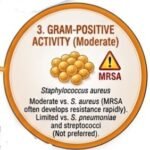
Ciprofloxacin has moderate activity against Staphylococcus aureus, including some methicillin-resistant strains in vitro, but methicillin-resistant Staphylococcus aureus often develops resistance rapidly during treatment. It has limited activity against Streptococcus pneumoniae and beta-hemolytic streptococci, which is why it is not preferred for community-acquired pneumonia or simple cellulitis. Newer fluoroquinolones such as levofloxacin and moxifloxacin have improved Gram-positive coverage.
Anaerobic Activity 
Ciprofloxacin has poor to moderate activity against anaerobic bacteria. For mixed aerobic-anaerobic infections, such as complicated intra-abdominal infections, ciprofloxacin must be combined with metronidazole or another agent with anaerobic coverage.
Atypical Organisms 
Ciprofloxacin has activity against some atypical bacteria, including Legionella pneumophila, Mycoplasma pneumoniae, and Chlamydophila pneumoniae. However, its clinical role for these pathogens is limited because other fluoroquinolones or macrolides are often preferred.
Intrinsic and Acquired Resistance
Resistance to ciprofloxacin can occur through several mechanisms. Chromosomal mutations in the genes encoding DNA gyrase or topoisomerase IV reduce drug binding. Efflux pumps can actively remove ciprofloxacin from bacterial cells. Plasmid-mediated resistance genes, including qnr genes, also contribute to reduced susceptibility. Because resistance can emerge during therapy, especially in Pseudomonas and Staphylococcus infections, susceptibility testing is essential for serious infections.
In vitro activity does not guarantee clinical success. The choice to use ciprofloxacin should always be based on local resistance patterns, culture and susceptibility data where available, and the patient’s clinical status.
Mechanism of Action of Ciprofloxacin

The ciprofloxacin mode of action involves inhibition of two essential bacterial enzymes: DNA gyrase and topoisomerase IV. Both enzymes are type II topoisomerases required for bacterial DNA replication, transcription, repair, and recombination.
DNA gyrase is the primary target in Gram-negative bacteria. It introduces negative supercoils into DNA, a process necessary for DNA replication and chromosome compaction. Ciprofloxacin binds to the DNA-gyrase complex and stabilizes the enzyme-DNA cleavage complex, preventing the resealing of DNA strands. This leads to double-stranded DNA breaks, inhibition of DNA synthesis, and ultimately bacterial cell death.
Topoisomerase IV is the primary target in many Gram-positive bacteria. Topoisomerase IV is responsible for decatenation of newly replicated chromosomes, allowing daughter cells to separate during cell division. Inhibition of topoisomerase IV results in incomplete chromosome segregation and bacterial death.
The inhibition of both enzymes gives ciprofloxacin a broad spectrum of bactericidal activity. The drug is generally bactericidal against susceptible organisms, meaning it kills bacteria rather than merely inhibiting their growth. This is clinically important in severe infections where rapid bacterial killing is desirable.
Resistance mechanisms directly target these enzymes. Mutations in the quinolone resistance-determining regions of the gyrA, gyrB, parC, and parE genes reduce ciprofloxacin binding and confer resistance. Because a single mutation can reduce susceptibility and additional mutations can produce high-level resistance, ciprofloxacin should be dosed adequately and not used unnecessarily.
Pharmacodynamics of Ciprofloxacin
Ciprofloxacin exhibits concentration-dependent bactericidal activity. This means that higher drug concentrations relative to the minimum inhibitory concentration produce more rapid and extensive bacterial killing. The most predictive pharmacodynamic index for fluoroquinolones is the area under the concentration-time curve divided by the minimum inhibitory concentration, or AUC/MIC. A higher AUC/MIC ratio is associated with greater bacterial eradication and reduced emergence of resistance.
For serious Gram-negative infections, an AUC/MIC ratio of at least 125 is often cited as a target. Some experts suggest even higher targets for critically ill patients or infections caused by organisms with elevated MICs. Because ciprofloxacin has excellent oral bioavailability, oral and intravenous formulations can often achieve similar systemic exposures, making step-down therapy feasible.
Ciprofloxacin also exhibits a post-antibiotic effect, meaning bacterial growth remains suppressed after drug concentrations fall below the MIC. The duration of this effect varies by organism and drug concentration but contributes to the efficacy of intermittent dosing.
The therapeutic window of ciprofloxacin is defined by efficacy at the lower end and toxicity at the upper end. Higher doses increase efficacy but also increase the risk of adverse effects such as CNS toxicity, QT prolongation, and tendinopathy. For this reason, dose selection must balance infection severity, organism susceptibility, renal function, and patient-specific risk factors.
Contraindications of Ciprofloxacin
Ciprofloxacin has several absolute contraindications that every prescriber, pharmacist, and nurse must recognize.
Hypersensitivity
Ciprofloxacin is contraindicated in patients with a history of hypersensitivity to ciprofloxacin or any other quinolone or fluoroquinolone. Hypersensitivity reactions can range from rash and urticaria to anaphylaxis. Patients who have experienced a serious reaction to one fluoroquinolone should not receive ciprofloxacin.
Concomitant Tizanidine
Ciprofloxacin is absolutely contraindicated with tizanidine because of the risk of severe hypotension, sedation, and respiratory depression. Ciprofloxacin inhibits CYP1A2, the primary enzyme responsible for tizanidine metabolism, leading to markedly elevated tizanidine serum concentrations. This is a clinically significant and potentially life-threatening interaction.
Other contraindications may apply depending on the formulation. For example, the ophthalmic and otic preparations have formulation-specific contraindications related to hypersensitivity or active ocular or otic infections caused by resistant organisms. Always check the specific product labeling before administration.
Warnings & Precautions for Ciprofloxacin
Ciprofloxacin carries several boxed warnings and important precautions that have shaped its prescribing patterns. The FDA has required a boxed warning for fluoroquinolones because of the risk of disabling and potentially permanent adverse reactions involving tendons, muscles, joints, nerves, and the central nervous system. Understanding these warnings is essential for safe use.
Tendinopathy and Tendon Rupture
Fluoroquinolones, including ciprofloxacin, are associated with an increased risk of tendinitis and tendon rupture. The Achilles tendon is most commonly affected, but other tendons may also be involved. Risk factors include age over 60 years, concomitant corticosteroid use, renal impairment, solid organ transplantation, and prior tendon disorders. Patients should be advised to stop ciprofloxacin and seek medical attention if they develop tendon pain, swelling, or weakness. Tendon rupture can occur during treatment or months after discontinuation.
Peripheral Neuropathy
Ciprofloxacin can cause peripheral neuropathy, which may present as pain, burning, tingling, numbness, weakness, or altered sensation in the arms or legs. Symptoms may occur rapidly after starting therapy and may become permanent. If peripheral neuropathy develops, ciprofloxacin should be discontinued immediately unless the benefit of continued treatment clearly outweighs the risk.
Central Nervous System Effects
Fluoroquinolones can cause CNS effects including dizziness, confusion, seizures, increased intracranial pressure, and psychiatric reactions such as agitation, hallucinations, and depression. Patients with a history of seizures, epilepsy, or conditions that lower the seizure threshold should use ciprofloxacin with caution. Geriatric patients and those with renal impairment may be at increased risk.
QT Prolongation
Ciprofloxacin can prolong the QT interval on the electrocardiogram, increasing the risk of torsades de pointes and other ventricular arrhythmias. This risk is higher in patients with pre-existing QT prolongation, electrolyte abnormalities, heart failure, bradycardia, or those taking other QT-prolonging drugs. Avoid use in high-risk patients when possible, and monitor as clinically indicated.
Clostridioides difficile-Associated Diarrhea
Like nearly all antibiotics, ciprofloxacin can cause Clostridioides difficile-associated diarrhea, which may range from mild diarrhea to fatal pseudomembranous colitis. This complication can occur months after antibiotic discontinuation. Persistent diarrhea during or after ciprofloxacin therapy should be evaluated promptly.
Aortic Aneurysm and Dissection
Epidemiological studies have suggested an association between fluoroquinolone use and an increased risk of aortic aneurysm and dissection, particularly in older adults and those with hypertension, atherosclerosis, or a family history of aortic disease. Avoid fluoroquinolones in patients at high risk unless no alternative exists.
Photosensitivity
Ciprofloxacin can cause moderate to severe photosensitivity reactions. Patients should avoid excessive sun exposure, use sunscreen, and wear protective clothing during treatment and for several days after stopping the drug.
Myasthenia Gravis
Fluoroquinolones, including ciprofloxacin, may exacerbate muscle weakness in patients with myasthenia gravis. In severe cases, this can lead to respiratory muscle weakness and ventilatory failure. Ciprofloxacin should be avoided in patients with known myasthenia gravis.
Renal Impairment
Because ciprofloxacin is primarily eliminated by the kidneys, dose adjustment is required in patients with renal impairment. Failure to adjust the dose can lead to drug accumulation and increased toxicity.
Pregnancy and Breastfeeding
Ciprofloxacin crosses the placenta and is excreted in breast milk. It is generally avoided during pregnancy and breastfeeding unless the clinical benefit clearly outweighs the potential risk to the fetus or infant. Animal studies have shown cartilage damage in immature animals, although the clinical relevance to humans is uncertain. Pregnant and lactating patients should discuss risks with their healthcare provider.
Pediatric Use
Ciprofloxacin is not a first-line antibiotic in children because of concerns about joint and cartilage toxicity observed in juvenile animal studies. However, it is FDA-approved for specific pediatric indications, including complicated urinary tract infections, pyelonephritis, and inhalational anthrax post-exposure prophylaxis. The decision to use ciprofloxacin in children should be made by a specialist when alternatives are unavailable or inappropriate.
These warnings are not merely theoretical. They are the reason ciprofloxacin should be reserved for situations where the benefits clearly outweigh the risks. For a closer look at another commonly used medicine and its safety profile, you can review https://ssthem.org/facts-of-ibuprofen-uses-dosage-and-side-effects/, which explains ibuprofen’s uses, dosage, and side effects—including interactions that matter to fluoroquinolone users.
Side Effects of Ciprofloxacin
Understanding the ciprofloxacin side effects profile requires separating common, often self-limited reactions from less common but serious adverse events. The following sections describe both categories.
Common Side Effects
Common side effects of ciprofloxacin are generally mild to moderate and may include nausea, diarrhea, vomiting, abdominal discomfort, headache, dizziness, and rash. These gastrointestinal and CNS effects are the most frequently reported adverse reactions in clinical trials.
Nausea and diarrhea occur because ciprofloxacin alters the normal gut microbiota. Taking ciprofloxacin with food may reduce nausea but can delay absorption. Patients should be advised to stay hydrated, especially if diarrhea is significant. Headache and dizziness are usually transient but should be reported if they worsen or interfere with daily activities.
Insomnia and restlessness are also reported. Because ciprofloxacin can cause CNS stimulation, some patients may experience difficulty sleeping, particularly if the evening dose is taken too close to bedtime. Taking the last dose earlier in the evening may help, but this should be discussed with a healthcare provider.
Less Common Side Effects
Less common side effects include photosensitivity reactions, visual disturbances, tinnitus, dysgeusia, and mild transaminase elevations. These reactions are generally reversible upon discontinuation. Photosensitivity is particularly important because it can occur with even brief sun exposure. Patients should be counseled to use sun protection.
Candidiasis, or oral or vaginal yeast infection, can occur because ciprofloxacin suppresses normal bacterial flora, allowing fungal overgrowth. This is a common antibiotic-associated complication and can be treated with antifungal therapy if needed.
It is important not to confuse “side effect” with “adverse effect.” A side effect is any unintended effect of a drug at normal doses, while an adverse effect is generally reserved for more significant or harmful outcomes. The next section focuses on clinically significant adverse effects requiring urgent attention.
Adverse Effects of Ciprofloxacin
The adverse effects of ciprofloxacin are more serious than the common side effects described above. These reactions may be rare, but they can be severe, disabling, or life-threatening. Healthcare professionals must recognize them early, and patients must know when to seek emergency care.
Tendon Rupture
Tendon rupture is one of the most feared ciprofloxacin adverse effects. It can occur with short courses and may happen without preceding pain. The Achilles tendon is most commonly involved, but rotator cuff, biceps, hand, and other tendons can also rupture. Patients over 60, those taking corticosteroids, and those with renal failure are at highest risk. Symptoms include sudden pain, swelling, bruising, or an audible “pop” in a tendon. Emergency evaluation is required.
Peripheral Neuropathy
Ciprofloxacin can cause peripheral neuropathy that may become permanent. Symptoms include shooting or burning pain, numbness, tingling, weakness, or changes in temperature or touch sensation. If these symptoms appear, the drug should be stopped immediately. Delaying discontinuation increases the risk of permanent nerve damage.
QT Prolongation and Arrhythmias
Ciprofloxacin can prolong the QT interval and trigger ventricular arrhythmias, including torsades de pointes. Patients with a history of arrhythmias, those taking other QT-prolonging medications, and those with electrolyte imbalances are at higher risk. Syncope, palpitations, or rapid irregular heartbeat during treatment should prompt immediate medical evaluation.
Clostridioides difficile-Associated Diarrhea
This serious infection can occur during or after ciprofloxacin treatment. Symptoms include watery diarrhea, abdominal cramping, fever, and leukocytosis. Severe cases may progress to toxic megacolon or sepsis. Stool testing for Clostridioides difficile should be performed in patients with significant diarrhea. Treatment includes discontinuation of the offending antibiotic if possible and initiation of appropriate anti-C. difficile therapy.
Aortic Aneurysm and Dissection
Ciprofloxacin has been associated with aortic aneurysm and dissection, particularly in older adults and those with hypertension or atherosclerosis. Symptoms include sudden severe chest, back, or abdominal pain. This is a medical emergency requiring immediate evaluation. The decision to use ciprofloxacin in high-risk patients should involve careful risk assessment.
Hepatotoxicity
Severe hepatotoxicity, including fulminant hepatitis and liver failure, has been reported rarely with ciprofloxacin. Symptoms include jaundice, dark urine, severe fatigue, and abdominal pain. Liver function tests should be monitored if clinically indicated, and ciprofloxacin should be discontinued if significant hepatotoxicity develops.
Hypersensitivity Reactions
Serious hypersensitivity reactions include anaphylaxis, Stevens-Johnson syndrome, toxic epidermal necrolysis, and drug reaction with eosinophilia and systemic symptoms. These reactions are rare but can be fatal. Rash accompanied by fever, mucosal involvement, or organ dysfunction requires immediate discontinuation and emergency care.
Blood Glucose Disturbances
Fluoroquinolones, including ciprofloxacin, have been associated with dysglycemia, including hyperglycemia and hypoglycemia. Patients with diabetes, especially those taking sulfonylureas or insulin, may be at increased risk. Blood glucose should be monitored as appropriate.
The distinction between common side effects and serious adverse effects is clinically important. If you are counseling a patient, be clear about which symptoms are bothersome but manageable and which require immediate medical attention. For example, mild nausea may be managed with food and hydration, but sudden tendon pain is a red flag.
If you are also interested in general health and beauty topics beyond infectious diseases, ssthem.net for health and Beauty Tips offers additional wellness content. But for now, continue reading because the interaction profile of ciprofloxacin is critical for safe prescribing.
Drug Interactions of Ciprofloxacin
Ciprofloxacin drug interactions are clinically significant and must be reviewed before prescribing or dispensing. The table below summarizes the most important interactions. This is not an exhaustive list, but it highlights interactions with strong evidence and clinical relevance.
| Interacting Medicine/Class | Potential Interaction | Clinical Significance | Management Consideration |
|---|---|---|---|
| Tizanidine | Severe hypotension, sedation, respiratory depression due to CYP1A2 inhibition | Contraindicated | Avoid combination completely |
| Theophylline | Increased theophylline levels; seizures, arrhythmias | Major | Monitor theophylline levels or avoid |
| Clozapine | Increased clozapine levels; toxicity | Major | Monitor closely; adjust clozapine dose |
| Warfarin | Enhanced anticoagulation; increased INR; bleeding | Moderate to major | Monitor INR frequently |
| Oral antidiabetics (sulfonylureas) | Dysglycemia | Moderate | Monitor blood glucose |
| Antacids containing aluminum/magnesium | Reduced ciprofloxacin absorption | Major | Separate administration by 2–6 hours |
| Sucralfate | Reduced ciprofloxacin absorption | Major | Separate administration |
| Iron or zinc supplements | Reduced ciprofloxacin absorption | Moderate | Separate administration |
| QT-prolonging drugs (e.g., amiodarone, sotalol, some antipsychotics) | Additive QT prolongation | Major in high-risk patients | Avoid or monitor ECG |
| Methotrexate | Increased methotrexate levels; toxicity | Moderate | Monitor for methotrexate toxicity |
| NSAIDs (including ibuprofen) | Possible CNS stimulation; lowered seizure threshold | Moderate in high-risk patients | Use caution in patients with seizure history |
Ciprofloxacin and Ibuprofen Interaction
The ciprofloxacin and ibuprofen interaction is a clinically relevant concern, although it is not an absolute contraindication. Fluoroquinolones and nonsteroidal anti-inflammatory drugs can both lower the seizure threshold. In patients with a history of seizures, epilepsy, or other CNS disorders, combining ciprofloxacin with ibuprofen may increase the risk of seizures. The interaction is more significant with certain fluoroquinolones, but caution is warranted with ciprofloxacin as well.
Most patients without a seizure history can take ibuprofen and ciprofloxacin together for short periods, but they should be advised to report any neurological symptoms such as tremors, twitching, confusion, or seizures. For fever or mild pain, acetaminophen may be a safer alternative in high-risk patients. Healthcare providers should always review a patient’s full medication list before prescribing ciprofloxacin.
Ciprofloxacin and Alcohol
The question of ciprofloxacin and alcohol often arises in patient counseling. Alcohol does not directly inactivate ciprofloxacin or cause a disulfiram-like reaction as seen with metronidazole. However, alcohol can worsen ciprofloxacin-related CNS effects such as dizziness, drowsiness, and confusion. It can also contribute to dehydration if the patient has diarrhea or vomiting, which may worsen renal function. For these reasons, alcohol should be limited or avoided during ciprofloxacin treatment, especially in older adults or patients with CNS disorders.
Dairy Products and Ciprofloxacin
Ciprofloxacin with dairy products is an important absorption interaction. Calcium in milk, yogurt, and cheese binds ciprofloxacin in the gastrointestinal tract, forming insoluble complexes that reduce drug absorption. This can lower serum ciprofloxacin concentrations below the level needed to treat the infection. Patients should not take ciprofloxacin with milk alone or with a dairy-heavy meal. Instead, ciprofloxacin should be taken either two hours before or at least four to six hours after dairy products. The same applies to calcium-fortified juices and supplements.
Ciprofloxacin Before or After Food
The timing question—ciprofloxacin before or after food—is common. Ciprofloxacin can be taken with or without food. Taking it with food may reduce nausea. However, food, especially dairy or calcium-containing foods, can delay absorption. The most important instruction is to avoid taking ciprofloxacin with milk, yogurt, or calcium-fortified products. If a patient takes ciprofloxacin with a meal, the meal should not be dairy-heavy and should not contain antacids or mineral supplements.
Dosage Details of Ciprofloxacin
Ciprofloxacin dosage depends on the infection type, severity, renal function, patient age, and local resistance patterns. The following are general adult doses for selected indications. These doses are based on prescribing information and should not replace clinical judgment or current guidelines.
Urinary Tract Infections
For uncomplicated urinary tract infections in patients who have no alternative treatment options, a typical regimen is ciprofloxacin 250 mg orally every 12 hours for 3 days, or extended-release 500 mg once daily for 3 days. For complicated urinary tract infections or pyelonephritis, ciprofloxacin 500mg orally twice daily for 7 to 14 days is commonly used. Intravenous therapy may be used initially for severe infections.
Lower Respiratory Tract Infections
For lower respiratory tract infections caused by susceptible organisms, ciprofloxacin 500 mg to 750 mg orally every 12 hours for 7 to 14 days is typical. The higher 750 mg dose is often used for infections caused by Pseudomonas aeruginosa or other less susceptible pathogens.
Skin and Skin Structure Infections
For complicated skin infections, ciprofloxacin 500 mg to 750 mg orally every 12 hours for 7 to 14 days may be used. Intravenous therapy may be required for severe infections.
Bone and Joint Infections
For bone and joint infections, ciprofloxacin 500 mg to 750 mg orally every 12 hours for 4 to 8 weeks is often used. Prolonged therapy requires monitoring for adverse effects.
Intra-Abdominal Infections
For complicated intra-abdominal infections, ciprofloxacin 500 mg to 750 mg orally every 12 hours plus metronidazole is used. The duration depends on the infection source and clinical response.
Anthrax
For inhalational anthrax post-exposure prophylaxis, ciprofloxacin 500 mg orally every 12 hours for 60 days is recommended. For treatment, intravenous therapy may be initiated and then transitioned to oral therapy when clinically appropriate.
Plague
For plague, ciprofloxacin 750 mg orally twice daily for 10 to 14 days may be used, with intravenous therapy initially for severe disease.
Renal Impairment
Dose adjustment is required in renal impairment. For adults with creatinine clearance between 30 and 50 mL/min, dosing frequency may be reduced to once daily or the dose reduced. For creatinine clearance below 30 mL/min, ciprofloxacin 250 mg to 500 mg every 24 hours is often used, depending on infection severity. Hemodialysis patients typically receive a dose after dialysis sessions or every 24 hours, guided by clinical response and residual renal function.
Pediatric Dosing
Pediatric dosing for approved indications is generally based on body weight. For complicated urinary tract infections and pyelonephritis, a common regimen is 10 to 20 mg/kg orally every 12 hours for 10 to 21 days. For anthrax post-exposure prophylaxis, 15 mg/kg orally every 12 hours for 60 days is recommended. Pediatric ciprofloxacin use should be supervised by a specialist.
Dosage Table
The table below provides a concise summary of typical adult dosing for common indications. Doses may vary based on renal function, severity, and susceptibility data.
| Patient/Condition | Recommended Dose | Frequency | Duration | Important Considerations |
|---|---|---|---|---|
| Uncomplicated UTI (adults) | 250–500 mg oral | Every 12 hours | 3 days | Reserve for no alternative options |
| Complicated UTI / pyelonephritis | 500 mg oral | Every 12 hours | 7–14 days | Adjust for renal impairment |
| Lower respiratory tract infection | 500–750 mg oral | Every 12 hours | 7–14 days | Higher dose for Pseudomonas |
| Skin and skin structure infection | 500–750 mg oral | Every 12 hours | 7–14 days | May require IV initially |
| Bone and joint infection | 500–750 mg oral | Every 12 hours | 4–8 weeks | Monitor for tendinopathy |
| Anthrax post-exposure prophylaxis | 500 mg oral | Every 12 hours | 60 days | Complete full course |
| Plague | 750 mg oral | Every 12 hours | 10–14 days | IV initially for severe cases |
| Renal impairment (CrCl <30 mL/min) | 250–500 mg oral | Every 24 hours | Varies | Monitor renal function |
Administration Table
Practical administration instructions are essential for patient education and nursing practice. The table below summarizes key administration factors.
| Administration Factor | Guidance |
|---|---|
| Route | Oral, intravenous, ophthalmic, otic |
| With Food/Without Food | May be taken with or without food; avoid dairy or calcium-fortified products within 2 hours before or 4–6 hours after |
| Timing | Immediate-release usually every 12 hours; extended-release once daily |
| Tablet/Capsule Instructions | Swallow whole with fluids; do not crush extended-release tablets |
| Liquid Formulation | Shake oral suspension well before measuring; use calibrated measuring device |
| IV Administration | Infuse over 60 minutes to reduce infusion reactions |
| Missed Dose | Take as soon as remembered unless close to next dose; do not double dose |
| Storage | Store at room temperature; protect from light and moisture |
| Special Instructions | Drink plenty of fluids; avoid excessive sun exposure; report tendon pain or neuropathy immediately |
When a patient asks about ciprofloxacin missed dose, the answer should be clear: if a dose is missed, take it as soon as possible unless it is nearly time for the next scheduled dose. In that case, skip the missed dose and continue the regular schedule. Never double the dose to make up for a missed one, because that increases the risk of adverse effects without improving efficacy.
For ciprofloxacin overdose symptoms, patients should seek emergency care immediately if they intentionally or accidentally take more than prescribed. Overdose may cause nausea, vomiting, diarrhea, dizziness, confusion, seizures, and renal dysfunction. There is no specific antidote for ciprofloxacin overdose; management is supportive, with attention to hydration and monitoring for CNS and renal toxicity.
Pharmacokinetics of Ciprofloxacin
This consolidated pharmacokinetics section provides a professional overview without repeating the detailed half-life, metabolism, and bioavailability discussions already presented.
Absorption
Ciprofloxacin is rapidly absorbed after oral administration. Peak serum concentrations occur approximately 1 to 2 hours after a dose. Food delays absorption but does not significantly reduce overall bioavailability. Dairy products and mineral-containing supplements reduce absorption through chelation.
Distribution
Ciprofloxacin has a large volume of distribution, reflecting extensive tissue penetration. It distributes widely into the lungs, sinuses, skin, bone, prostate, and urine. Cerebrospinal fluid concentrations are moderate and higher when meninges are inflamed. The drug crosses the placenta and is excreted in breast milk.
Bioavailability and Protein Binding
As discussed in the Bioavailability & Protein Binding section, oral bioavailability is approximately 70% to 80%, and protein binding is low at 20% to 40%. This supports the use of oral therapy for many serious infections.
Metabolism and Half-Life
As discussed in the Metabolism and Half-Life sections, ciprofloxacin undergoes limited hepatic metabolism, primarily via CYP1A2, and has a half-life of approximately 4 to 6 hours in adults with normal renal function.
Elimination
Renal elimination is the major route of clearance. Approximately 40% to 50% of an oral dose is excreted unchanged in urine. Active tubular secretion contributes to renal clearance exceeding glomerular filtration rate. Biliary and fecal elimination account for approximately 15% to 20% of drug removal. Dose adjustment is required in renal impairment.
Special Populations
Renal impairment prolongs the half-life and requires dose adjustment. Pediatric patients generally eliminate ciprofloxacin faster than adults. Older adults with reduced renal function may require lower doses. Hepatic impairment alone has limited effect on ciprofloxacin clearance, but severe liver disease with renal dysfunction may require caution.
Special Populations
Pregnancy
Ciprofloxacin crosses the placenta. Animal studies have shown cartilage damage in immature animals, raising concerns about potential effects on fetal cartilage and joints. Human data are limited, and ciprofloxacin is generally avoided during pregnancy unless no safer alternative is available and the clinical benefit clearly outweighs the risk. Pregnant patients should discuss treatment options with their obstetrician and infectious disease specialist.
Lactation
Ciprofloxacin is excreted in human breast milk. The American Academy of Pediatrics and other professional bodies generally consider fluoroquinolones compatible with breastfeeding in some circumstances, but caution is advised because of the potential for adverse effects in the infant. A decision to continue breastfeeding during ciprofloxacin therapy should be individualized.
Pediatrics
Ciprofloxacin is not a first-line antibiotic in children because of concerns about arthropathy and cartilage toxicity observed in juvenile animal studies. However, it is FDA-approved for specific pediatric indications, including complicated urinary tract infections, pyelonephritis, and inhalational anthrax post-exposure prophylaxis. Pediatric use should be reserved for situations where alternative agents are unavailable or inappropriate.
Older Adults
Older adults are at increased risk for ciprofloxacin adverse effects, including tendinopathy, tendon rupture, CNS effects, QT prolongation, and aortic aneurysm. Renal function often declines with age, necessitating dose adjustment. Ciprofloxacin should be used cautiously in older adults, and alternative antibiotics should be considered when appropriate.
Renal Impairment
Renal impairment reduces ciprofloxacin clearance, prolongs the half-life, and increases the risk of toxicity. Dose adjustment is essential. For creatinine clearance below 30 mL/min, dosing intervals are typically extended to every 24 hours or the dose reduced. Hemodialysis removes some ciprofloxacin, but supplemental dosing should be guided by clinical response and residual renal function.
Hepatic Impairment
Mild to moderate hepatic impairment generally does not require dose adjustment because hepatic metabolism accounts for a small fraction of total clearance. However, patients with severe hepatic dysfunction, especially with concurrent renal impairment, should be monitored closely. Ciprofloxacin has rarely been associated with severe hepatotoxicity.
Obesity
Limited data suggest that body weight may influence ciprofloxacin pharmacokinetics in obese patients, but no widely accepted weight-based dosing adjustment is recommended for adults. Dosing should be based on renal function, infection severity, and susceptibility data. In critically ill obese patients, therapeutic drug monitoring or susceptibility-guided dosing may be considered.
Critically Ill Patients
In critically ill patients, ciprofloxacin pharmacokinetics can be altered by changes in renal function, fluid status, and organ dysfunction. Extended dosing intervals may be needed in renal failure, while augmented renal clearance in some patients may lead to subtherapeutic concentrations. Clinical judgment and susceptibility data are essential.
Monitoring During Ciprofloxacin Therapy
Healthcare professionals may monitor the following parameters when clinically indicated:
- Clinical response: Resolution of fever, pain, leukocytosis, and other infection-specific signs.
- Renal function: Serum creatinine and creatinine clearance, especially in elderly patients or those with pre-existing renal disease.
- Hepatic function: Liver enzymes if hepatotoxicity is suspected or if the patient develops jaundice, nausea, or abdominal pain.
- ECG/QT interval: In patients at risk for QT prolongation or those taking other QT-prolonging drugs.
- Blood glucose: In diabetic patients, especially those on sulfonylureas or insulin.
- INR: In patients taking warfarin, especially during initiation and discontinuation of ciprofloxacin.
- Microbiological response: Repeat cultures where appropriate to ensure bacterial eradication.
- Adverse reactions: Monitor for tendon pain, neuropathy symptoms, photosensitivity, and signs of C. difficile-associated diarrhea.
Routine therapeutic drug monitoring of ciprofloxacin is not standard practice, but it may be considered in selected critically ill patients or those with complex pharmacokinetic alterations.
Clinical Perspective
Ciprofloxacin remains an essential antibiotic for selected infections, but its role has evolved. It is no longer the automatic choice for uncomplicated urinary tract infections or mild sinusitis because of the risk of disabling adverse effects and the global rise in fluoroquinolone resistance. Yet it remains a valuable agent for complicated urinary tract infections, pyelonephritis, prostatitis, deep-seated Gram-negative infections, anthrax, plague, and certain intra-abdominal infections when used with metronidazole.
The key clinical principle is restraint. Ciprofloxacin should be used when the benefit clearly outweighs the risk and when alternatives are either unavailable, less effective, or associated with greater toxicity. Antimicrobial stewardship programs emphasize that fluoroquinolones should not be prescribed for viral infections, asymptomatic bacteriuria, or conditions where narrower-spectrum agents are adequate.
When ciprofloxacin is prescribed, patient counseling is critical. Patients must know about tendon rupture, peripheral neuropathy, CNS effects, photosensitivity, and the importance of avoiding dairy or mineral supplements around dosing. They should also know when to seek emergency care.
For readers interested in broader studies beyond pharmacology, ssthem.com for studies of Religions provides content on a completely different domain. And for general wellness,
Question . What is ciprofloxacin?
Question . What is ciprofloxacin used for?
Question . How does ciprofloxacin work?
Question . How long does ciprofloxacin stay in the body?
Question . What is the half-life of ciprofloxacin?
Question . What are common ciprofloxacin side effects?
Question . What are serious ciprofloxacin adverse effects?
Question . Is ciprofloxacin FDA-approved?
Question . What infections does ciprofloxacin treat?
Question . Can ciprofloxacin be used during pregnancy?
Question . Can ciprofloxacin be used while breastfeeding?
Question . Can I drink alcohol with ciprofloxacin?
Question . What medicines interact with ciprofloxacin?
Question . What happens if I miss a dose of ciprofloxacin?
Question . How should ciprofloxacin be taken?
Question . Does renal impairment require dose adjustment?
Question . Does hepatic impairment affect ciprofloxacin?
Question . Is ciprofloxacin safe for children?
Question . Is ciprofloxacin appropriate for older adults?
Question . What should clinicians monitor during ciprofloxacin therapy?
Question . What are alternatives to ciprofloxacin?
Question . What are major contraindications?
Question . How does resistance affect ciprofloxacin use?
Question . How long does ciprofloxacin treatment usually last?
Question . When should I seek medical attention?
5 Authentic Studies on Ciprofloxacin
The following five studies are real, peer-reviewed, and clinically relevant. They are selected to illustrate ciprofloxacin’s efficacy, pharmacokinetics, safety, and resistance.
Study 1
Citation: Fong IW, Ledbetter WH, Vandenbroucke AC, et al. Ciprofloxacin versus trimethoprim-sulfamethoxazole for treatment of complicated urinary tract infection. Antimicrob Agents Chemother. 1995;39(4):991-995.
Study Type: Randomized controlled trial
Population: Adults with complicated urinary tract infections
Intervention/Exposure: Oral ciprofloxacin 500 mg twice daily versus trimethoprim-sulfamethoxazole
Comparator: Trimethoprim-sulfamethoxazole
Main Outcome: Bacteriological eradication and clinical cure
Key Findings: Ciprofloxacin achieved high eradication rates in complicated UTI, comparable or superior to the comparator in this study.
Clinical Significance: Supported the use of oral ciprofloxacin as a treatment option for complicated UTI when susceptible organisms were present.
Important Limitation: Study was conducted before widespread fluoroquinolone resistance; current resistance patterns may differ.
Study 2
Citation: Shah A, Lettieri J, Blum R, et al. Pharmacokinetics of intravenous ciprofloxacin in healthy volunteers. Antimicrob Agents Chemother. 1996;40(4):863-867.
Study Type: Pharmacokinetic study
Population: Healthy adult volunteers
Intervention/Exposure: Intravenous ciprofloxacin administration
Comparator: None
Main Outcome: Pharmacokinetic parameters including half-life, volume of distribution, and clearance
Key Findings: Confirmed ciprofloxacin’s large volume of distribution, renal elimination, and short half-life in subjects with normal renal function.
Clinical Significance: Provided baseline pharmacokinetic data used to guide dosing in special populations.
Important Limitation: Healthy volunteers may not reflect critically ill patients with altered pharmacokinetics.
Study 3
Citation: Lipsky BA, Baker CA. Fluoroquinolone toxicity profiles: a review focusing on newer agents. Clin Infect Dis. 1999;28(2):352-364.
Study Type: Narrative review of safety data
Population: Patients receiving fluoroquinolones
Intervention/Exposure: Various fluoroquinolones including ciprofloxacin
Comparator: Not applicable
Main Outcome: Adverse effect profiles
Key Findings: Identified tendinopathy, CNS effects, QT prolongation, and dysglycemia as class-related adverse effects relevant to ciprofloxacin.
Clinical Significance: Helped establish the safety monitoring framework now used for fluoroquinolones.
Important Limitation: Narrative review rather than systematic review; later studies provided more precise risk estimates.
Study 4
Citation: Khaliq Y, Zhanel GG. Fluoroquinolone-associated tendinopathy: a critical review of the literature. Clin Infect Dis. 2003;36(11):1404-1410.
Study Type: Critical literature review
Population: Patients with fluoroquinolone-associated tendinopathy
Intervention/Exposure: Fluoroquinolone use
Comparator: Not applicable
Main Outcome: Incidence, risk factors, and clinical features of tendinopathy
Key Findings: Confirmed Achilles tendon as the most common site; older age, corticosteroid use, and renal impairment increased risk.
Clinical Significance: Provided evidence for current warnings about tendon rupture with ciprofloxacin and other fluoroquinolones.
Important Limitation: Retrospective and observational data predominated.
Study 5
Citation: Lu H, Geng M, Zhang L, et al. Meta-analysis of the efficacy and safety of ciprofloxacin for the treatment of community-acquired pneumonia. PLoS One. 2016;11(3):e0152313.
Study Type: Meta-analysis
Population: Patients with community-acquired pneumonia
Intervention/Exposure: Ciprofloxacin-containing regimens
Comparator: Other antibiotics
Main Outcome: Clinical cure and adverse events
Key Findings: Ciprofloxacin showed efficacy in selected community-acquired pneumonia cases, but adverse effects were notable, and newer fluoroquinolones were often preferred.
Clinical Significance: Supported the concept that ciprofloxacin is not first-line for pneumococcal pneumonia but may be useful in specific clinical contexts.
Important Limitation: Heterogeneity among included trials; resistance patterns vary geographically.
Authentic References
- U.S. Food and Drug Administration. Ciprofloxacin prescribing information. Accessed via FDA labeling database.
- Centers for Disease Control and Prevention. Fluoroquinolone prescribing and adverse events.
- World Health Organization. Critically important antimicrobials for human medicine, 6th revision.
- Infectious Diseases Society of America. Guidelines for the treatment of urinary tract infections.
- Clinical and Laboratory Standards Institute. Performance standards for antimicrobial susceptibility testing.
- Mandell GL, Bennett JE, Dolin R. Principles and Practice of Infectious Diseases. Elsevier.
- Brunton LL, Hilal-Dandan R, Knollmann BC. Goodman & Gilman’s: The Pharmacological Basis of Therapeutics. McGraw-Hill.
- U.S. National Library of Medicine. Ciprofloxacin drug label and pharmacological data.
- Peer-reviewed studies cited in the Five Authentic Studies section.
- DrugBank. Ciprofloxacin monograph.
Medical Information Disclaimer
This article is provided for educational and informational purposes only and is not intended as medical advice. It is not a substitute for professional diagnosis, treatment, or clinical judgment. The information contained herein reflects evidence from current literature and prescribing information, but clinical practice may vary based on individual patient factors, local resistance patterns, and emerging evidence. Prescription decisions must be made by a qualified healthcare professional. Patients should never self-medicate with ciprofloxacin or any prescription antibiotic. If you have questions about your health or medication, consult your physician, pharmacist, or another licensed provider. If you are experiencing a medical emergency, seek immediate medical attention.

7 Comments