Mupirocin for MRSA The Good, the Bad, and the 7Resistance Crisis
Mupirocin for MRSA Miracle Cure or Resistance Risk?
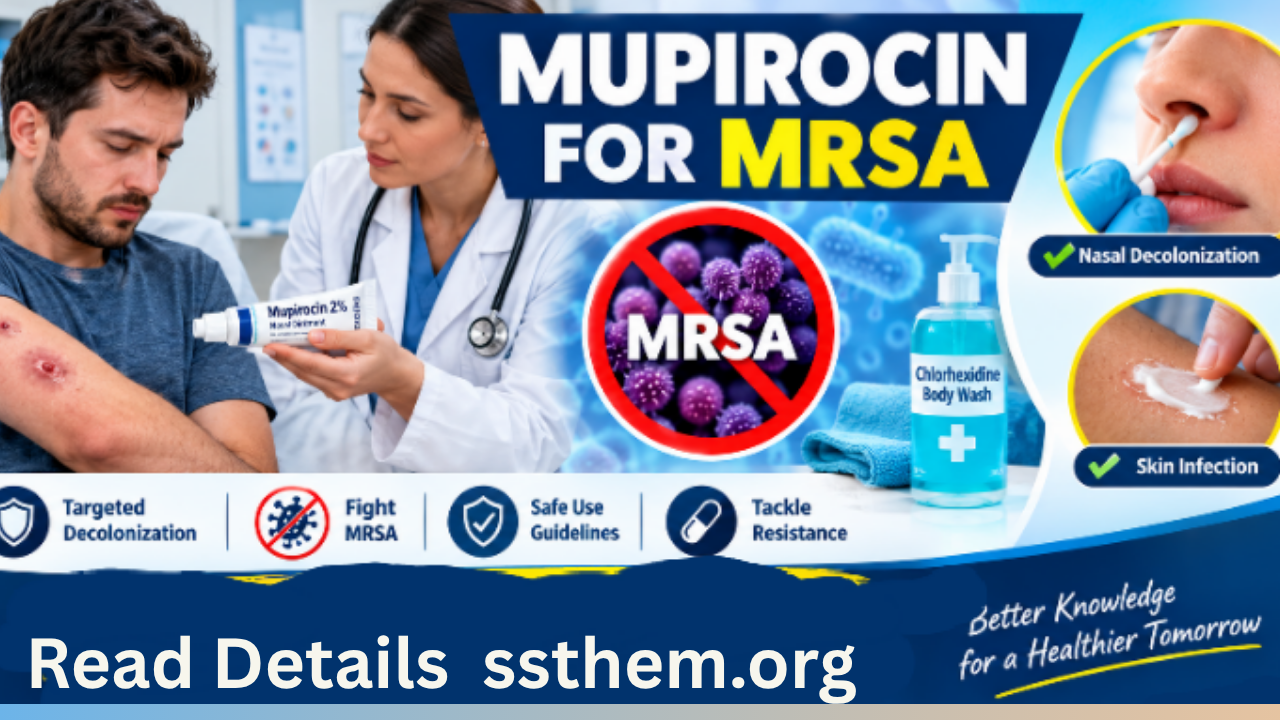
A patient with recurrent MRSA skin abscesses is sitting in clinic. The wound has been drained, hygiene has been optimized, and yet the infection returns. The clinician reaches for a familiar tube: mupirocin 2% nasal ointment, to be applied twice daily for five days, alongside chlorhexidine body washes. This is the standard decolonization package recommended by the Infectious Diseases Society of America (IDSA). It is also one of the most widely used—and most frequently misunderstood—antimicrobial strategies in modern practice.
Mupirocin for MRSA sits at a curious intersection. It is, in many ways, a pharmacological success story: a naturally derived antibiotic with a unique mechanism, bactericidal activity at topical concentrations, and a clear role in nasal decolonization. Yet it is also a story about limits. Mupirocin is not a treatment for invasive MRSA disease. It does not reliably eradicate MRSA from every body site. Its effectiveness is increasingly threatened by plasmid-mediated resistance, with some surveillance studies detecting the mupA resistance gene in a substantial proportion of MRSA isolates. And even when susceptibility is retained, recolonization after a short course is common.
The central question for students and clinicians is therefore not simply “Does mupirocin work for MRSA?” The better question is: In which specific clinical scenario, against which anatomical reservoir, and with what companion measures does mupirocin produce a meaningful outcome—and when does it become a false sense of security? This article teaches the pharmacology and evidence needed to answer that question. It examines what mupirocin actually is, what the FDA has approved it for, what the decolonization trials show, why resistance emerges, and how clinicians should interpret response and failure. The goal is not to promote or demonize the drug, but to place it within a defensible, evidence-based framework for antimicrobial stewardship.
Key Facts Table: Mupirocin at a Glance
The following table summarizes the most clinically important facts about mupirocin. This is not a substitute for full prescribing information, but it provides a rapid reference for healthcare professionals and students.
| Parameter | Details |
|---|---|
| Generic Name | Mupirocin |
| Common Brand Names (Verified) | Bactroban (brand discontinued by manufacturer in some markets); Centany; various generic mupirocin products |
| Drug Class | Topical antibiotic; RNA synthetase inhibitor antibacterial |
| Therapeutic Classification | Topical antibacterial agent |
| Pharmacological Classification | Bactericidal protein synthesis inhibitor (isoleucyl-tRNA synthetase inhibitor) |
| ATC Code | D06AX09 (topical); R01AX06 (nasal) |
| Available Strengths and Formulations | 2% ointment (20 mg/g) in a water-miscible ointment base; 2% cream; 2% nasal ointment |
| Routes of Administration | Topical (skin); intranasal (dedicated nasal formulation) |
| Regulatory Approval Status | FDA-approved for impetigo (ointment) and secondarily infected traumatic lesions (cream); nasal ointment FDA-approved for MRSA nasal eradication |
| Approved Indications | Impetigo due to S. aureus and S. pyogenes; secondarily infected traumatic skin lesions (cream); eradication of nasal MRSA colonization (nasal ointment) |
| Important Adverse Effects | Application-site burning, stinging, itching; contact dermatitis; rare systemic allergic reactions (anaphylaxis, angioedema) |
| Major Contraindications | Known hypersensitivity to mupirocin or excipients |
| Relevant Pharmacokinetic Facts | Systemic absorption through intact skin is minimal; protein binding >97%; half-life after IV administration 20–40 minutes (mupirocin) and 30–80 minutes (monic acid); metabolized to inactive monic acid |
This table is a snapshot. Every parameter in it will be expanded in the dedicated sections below, but we will not repeat the full explanations unnecessarily.
Pharmacology Fact: Mupirocin’s ophthalmic formulation does not exist; the drug is formulated for skin and nasal application only. The systemic pharmacokinetic parameters—half-life, protein binding, metabolism—derive from intravenous administration studies. Applying those numbers directly to the topical route would be pharmacologically misleading.
Looking for useful digital resources beyond medical education? Explore WhatsApp group resources, online earning information, and online-job updates at ssthem.xyz.
FDA-Approved Uses
Mupirocin’s approved indications are formulation-specific. This is a point that students frequently overlook: the existence of “mupirocin” in a pharmacy does not mean every formulation is interchangeable for every infection.
Topical mupirocin 2% ointment 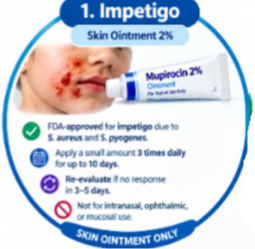 is FDA-approved for the topical treatment of impetigo due to susceptible isolates of Staphylococcus aureus and Streptococcus pyogenes. Impetigo is a superficial, contagious bacterial skin infection characterized by honey-crusted lesions. The approved regimen is a small amount applied to the affected area three times daily for up to 10 days, with re-evaluation if there is no clinical response within three to five days. The ointment is not approved for intranasal, ophthalmic, or other mucosal use; a separate nasal formulation exists for intranasal administration.
Topical mupirocin 2% cream 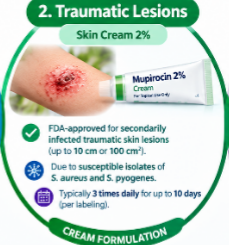 is FDA-approved for the treatment of secondarily infected traumatic skin lesions (up to 10 cm in length or 100 cm² in area) due to susceptible isolates of S. aureus and S. pyogenes. This is a distinct indication from impetigo and reflects differences in the cream base and clinical trial program.
Mupirocin 2% nasal ointment 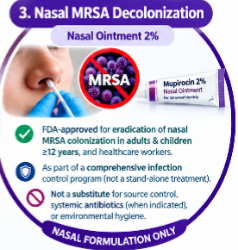 is FDA-approved for the eradication of nasal colonization with methicillin-resistant Staphylococcus aureus (MRSA) in adult and pediatric patients aged 12 years and older, and in healthcare workers, as part of a comprehensive infection control program to reduce the risk of infection among patients at high risk of MRSA infection during institutional outbreaks. The phrase “as part of a comprehensive infection control program” is not decorative. The nasal ointment is not approved as a stand-alone treatment for active MRSA infection, and it is not a substitute for source control, systemic antibiotics when indicated, or environmental hygiene.
Off-Label and Guideline-Supported Uses: Uses outside these approved indications—such as applying mupirocin ointment to infected wounds, using mupirocin for decolonization in populations or schedules not specified in the label, or using it for methicillin-susceptible S. aureus (MSSA) decolonization—are either guideline-supported in specific contexts or off-label. They should be distinguished from FDA-approved uses in clinical documentation and in discussions with patients.
Im Note: FDA approval for nasal MRSA eradication is deliberately narrow because the evidence base supports a specific use—short-course decolonization in a defined population as part of a bundle. It does not support the use of mupirocin as a treatment for active MRSA pneumonia, bacteremia, or deep-seated infection. The approved indication accommodates the clinical reality of MRSA colonization while placing the responsibility for appropriate use squarely on the clinician.
Dosage Table
The table below provides a concise summary of typical dosing for common indications. Doses may vary based on infection severity, susceptibility data, and clinical judgment.
| Indication / Scenario | Patient Group | Labeled Dose | Frequency / Duration | Important Considerations |
|---|---|---|---|---|
| Impetigo (ointment) | Adults and children | Small amount to affected area | 3 times daily for up to 10 days | Re-evaluate if no response in 3–5 days; not for mucosal use |
| Secondarily infected traumatic lesions (cream) | Adults and children | Apply to affected area | Typically 3 times daily for up to 10 days (per labeling) | Limited to lesions up to 10 cm or 100 cm² |
| Nasal MRSA decolonization (nasal ointment) | Adults and children ≥12 years; healthcare workers | Apply to anterior nares | Twice daily for 5–10 days as part of comprehensive infection control program | IDSA recommends combination with chlorhexidine body washes (5–14 days) or dilute bleach baths for recurrent MRSA skin and soft tissue infections |
| Off-label: wound infection | Adults | Variable; clinician-directed | Variable | Not FDA-approved; local resistance and wound environment may affect efficacy |
Critical Notes on Dosing: The labeled dosing schedule for nasal decolonization reflects the evidence base from clinical trials that used twice-daily application for five days, often combined with chlorhexidine bathing. This is not a universal regimen for all MRSA colonization scenarios; it is the regimen supported by the strongest evidence for the specific indication of nasal eradication as part of a bundle.
For skin infections, the three-times-daily schedule for up to 10 days reflects the labeled impetigo regimen. Clinicians should assess whether the patient can realistically adhere to the schedule and should reassess if there is no improvement within three to five days. A closer look at ciprofloxacin eye-drop timing and dosing considerations illustrates how administration schedules and treatment decisions depend on the specific medicine, the infection, its severity, and official instructions—and that no universal timing rule applies to every patient or every antibiotic.
Common Misconception: The “twice daily for five days” instruction for nasal mupirocin does not mean that a single course will permanently eradicate MRSA in every patient. Recolonization from skin, household contacts, or environmental reservoirs can occur, and repeat courses may be needed in some settings—but repeat courses should be guided by clinical assessment and susceptibility data, not by routine re-prescribing.
Mechanism of Action
Mupirocin is produced by fermentation of Pseudomonas fluorescens and belongs to a class of compounds known as pseudomonic acids. Its mechanism can be understood in three sequential steps:
Step 1 — Target identification: 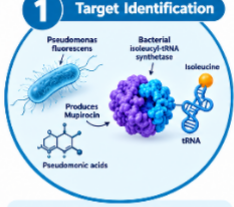 Mupirocin’s target is bacterial isoleucyl-transfer RNA (tRNA) synthetase, an enzyme responsible for attaching isoleucine to its corresponding tRNA during protein synthesis. This enzyme is essential for translating the genetic code into functional proteins.
Step 2 — Binding and inhibition: 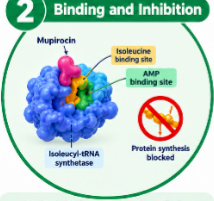 Mupirocin binds reversibly and specifically to the bacterial enzyme, occupying the isoleucine and AMP binding sites within the synthetic site. By doing so, it prevents the incorporation of isoleucine into nascent polypeptide chains, halting bacterial protein synthesis. At concentrations achieved by topical administration, mupirocin is bactericidal.
Step 3 — Selective toxicity: 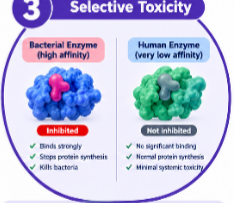 The selectivity of mupirocin for the bacterial enzyme is the reason it can be applied to human skin with minimal systemic toxicity: the drug has very low affinity for mammalian isoleucyl-tRNA synthetase. This is a classic example of selective toxicity—the principle that an antimicrobial can harm a microbial target while sparing human cells because the target structure or pathway differs sufficiently between the two.
Mechanisms of Resistance: Resistance to mupirocin arises principally through two mechanisms:
- Low-level resistance (MICs in the range of 8–256 mcg/mL) typically results from point mutations in the chromosomal gene encoding isoleucyl-tRNA synthetase, altering the enzyme’s binding pocket so that mupirocin binds less effectively.
- High-level resistance (MIC ≥512 mcg/mL) is usually plasmid-mediated and involves the acquisition of mupA, a gene encoding an alternative, mupirocin-resistant isoleucyl-tRNA synthetase. The mupA gene is carried on mobile genetic elements, including conjugative and mobilizable plasmids, which facilitates its spread across staphylococcal lineages.
Because mupirocin’s mechanism is unique, it does not demonstrate cross-resistance with other classes of antimicrobial agents—but that does not prevent the horizontal spread of mupA among staphylococci.
Professor’s Insight: A laboratory report of “mupirocin-susceptible” does not guarantee clinical eradication. Susceptibility testing tells you whether the organism’s isoleucyl-tRNA synthetase is likely to be inhibited at achievable concentrations; it does not tell you whether the patient will adhere to the regimen, whether the reservoir extends beyond the nares, or whether recolonization will occur after treatment stops. Clinical effectiveness is a function of drug, host, site, adherence, and ecology—not merely a MIC value.
What Is Mupirocin?
Mupirocin is a topical antibiotic that has been available in the United States since 1987. It is not an oral or intravenous drug for systemic MRSA infection. Its clinical identity is defined by its route: it is a locally acting antimicrobial intended for skin or nasal application. This matters because the pharmacokinetic and safety assumptions that apply to systemic antibiotics do not translate directly to topical agents. Systemic absorption through intact skin is minimal, and the drug’s clinical effect is largely determined by the concentration achieved at the application site, the susceptibility of the colonizing or infecting organism, and the duration of contact.
The distinction between mupirocin skin ointment and mupirocin nasal ointment is not merely semantic. The nasal formulation is designed for application to the anterior nares, and the labeling for the skin ointment explicitly states that it is not for intranasal use. Clinicians and patients should not substitute one formulation for the other. Similarly, mupirocin cream and mupirocin ointment have different approved indications and bases; the cream is approved for secondarily infected traumatic lesions, while the ointment is approved for impetigo.
Generic vs. Brand vs. Formulation: The distinction between generic and brand-name products is primarily commercial rather than pharmacological—the active ingredient and concentration are identical. The formulation, however, is clinically meaningful: the ointment base provides prolonged contact time and is often used for skin lesions, while the nasal formulation is designed for application to the anterior nares. The cream formulation has a different base and is approved for a different indication.
Mupirocin is often grouped with other topical antibiotics such as fusidic acid and retapamulin, but its mechanism and resistance profile are distinct. It is also sometimes confused with antiseptics such as chlorhexidine. The difference is important: chlorhexidine is a broad-spectrum antiseptic that disrupts microbial membranes, whereas mupirocin is a targeted antibiotic that inhibits a specific bacterial enzyme. In decolonization regimens, they are used together precisely because their mechanisms and sites of action complement each other.
Why It Matters: Two products can both be “mupirocin 2%” yet differ in base, preservative, and intended site of application. These formulation differences rarely change antibacterial activity but can influence tolerability, adherence, and appropriateness for a given clinical scenario.
Pharmacokinetics & Pharmacodynamics Key Table
The following table summarizes the key pharmacokinetic (PK) and pharmacodynamic (PD) properties that inform the clinical use of mupirocin.
| Parameter | Clinically Relevant Details |
|---|---|
| Absorption | Minimal systemic absorption through intact skin; some absorption observed through damaged skin, especially in children |
| Systemic Bioavailability | Not routinely measured for topical use; systemic exposure is low but not zero when applied to large or damaged areas |
| Time to Peak Concentration | Not clinically applicable for topical effect; systemic data are limited |
| Protein Binding | Greater than 97% |
| Volume of Distribution | Not well characterized for topical route; systemic distribution data derived from IV studies |
| Tissue Penetration | Local skin and nasal mucosa concentrations are the relevant compartments; systemic tissue penetration is not the therapeutic target |
| Blood-Brain Barrier Penetration | Not relevant for topical use |
| Placental Transfer | Insufficiently characterized for topical mupirocin; systemic exposure is minimal |
| Half-Life (IV Data) | Mupirocin: 20–40 minutes; monic acid: 30–80 minutes |
| Metabolism | Rapidly metabolized after systemic absorption; principal metabolite monic acid is inactive |
| Elimination | Monic acid predominantly eliminated by renal excretion |
| Pharmacodynamic Target | Bacterial isoleucyl-tRNA synthetase; bactericidal at topical concentrations |
| Relevant PK/PD Index | Not established for topical use; local concentration and duration of exposure are the practical determinants |
Evidence Check: The pharmacokinetic data presented above derive from multiple sources—some from systemic administration studies, others from topical absorption studies. The systemic values represent the best available estimate of what happens after absorption, but they do not describe the local concentration at the site of application. For a topically applied drug, the relevant exposure metric is the concentration at the skin or nasal mucosa, not the plasma concentration.
Half-Life
The commonly cited half-life of mupirocin—20 to 40 minutes for the parent drug and 30 to 80 minutes for the inactive metabolite monic acid—comes from studies of intravenous administration in healthy adult volunteers. It does not describe the residence time of mupirocin on the skin or in the nasal mucosa after topical application. For a topically applied drug, the relevant “half-life” is not a systemic pharmacokinetic parameter in the usual sense; it is a function of formulation retention, local dilution by secretions, and mechanical removal by washing or mucociliary clearance.
This distinction has clinical implications. A clinician should not reason: “The half-life is short, so the drug cannot work.” The drug works because it is applied directly to the site of colonization or infection at a concentration far exceeding the MIC for susceptible organisms, and because repeated application maintains local exposure. Conversely, a clinician should not assume that systemic pharmacokinetic data can predict the duration of nasal decolonization. The persistence of effect after a five-day course is determined by whether the organism was eradicated from all colonized sites and whether the patient is re-exposed—not by the plasma half-life of the drug.
Important Insight: A common error among students is to apply systemic pharmacokinetic parameters to topical drugs. When a drug is applied to the skin or nares, the relevant question is not “what is the plasma half-life?” but “how long does the drug remain at the site of action in sufficient concentration?” For mupirocin, that local residence time is determined by the formulation and the frequency of application, not by the two-hour plasma half-life of the parent drug.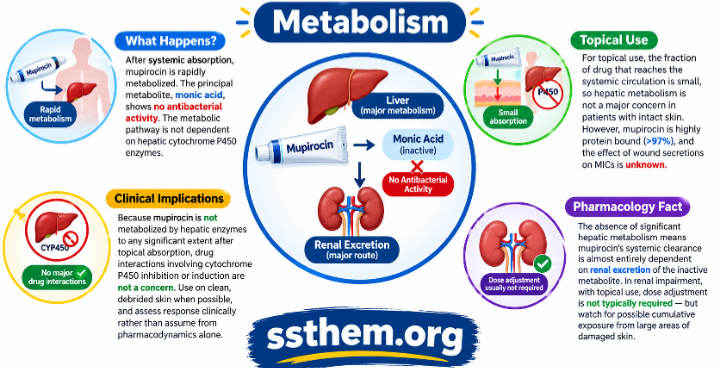
After systemic absorption, mupirocin is rapidly metabolized. The principal metabolite, monic acid, demonstrates no antibacterial activity. This is pharmacologically important: the active drug is short-lived systemically, and the metabolite does not contribute to antimicrobial effect. The metabolic pathway is not dependent on hepatic cytochrome P450 enzymes in a way that would create the kind of drug-interaction profile seen with many systemic antibiotics.
For topical use, the fraction of drug that reaches the systemic circulation is generally small, so hepatic metabolism is not a major clinical concern in patients with intact skin. However, the labeling notes that mupirocin is highly protein bound (>97%), and the effect of wound secretions on MICs has not been determined. This is an honest statement of an evidence gap. In a heavily exuding wound, proteinaceous material could theoretically bind some drug and reduce free concentrations, but the clinical significance of this is uncertain.
Clinical Implications: Because mupirocin is not metabolized by hepatic enzymes to any significant extent after topical absorption, drug interactions involving cytochrome P450 inhibition or induction are not a concern. The practical lesson is that mupirocin should be used on clean, debrided skin when possible, and response should be assessed clinically rather than assumed from the pharmacodynamic profile alone.
Pharmacology Fact: The absence of significant hepatic metabolism means that mupirocin’s systemic clearance is almost entirely dependent on renal excretion of the inactive metabolite. In patients with renal impairment who receive topical mupirocin, systemic exposure is so low that dose adjustment is not typically required—but the possibility of cumulative systemic exposure from large application areas on damaged skin should be considered.
Bioavailability & Protein Binding
Bioavailability refers to the fraction of an administered dose that reaches the systemic circulation in an active form. For topical mupirocin, systemic bioavailability is low when the drug is applied to intact skin. In a study of mupirocin cream applied three times daily for five days to skin lesions greater than 10 cm or 100 cm², systemic absorption was observed—evidenced by detection of monic acid in urine—but the degree of percutaneous absorption was minimal in adults and children overall. Children showed more frequent detectable absorption than adults (90% versus 44% of subjects), but urinary concentrations remained within the observed adult range. This is a reminder that damaged skin and pediatric skin are not identical to intact adult skin.
Protein binding is greater than 97%. For a drug that acts locally, protein binding is less clinically relevant than it would be for a systemically administered agent, because the target is in the skin or nasal mucosa rather than in the bloodstream. However, protein binding can influence the amount of free drug available at the site if the drug enters wound exudate or mucosal secretions. The labeling explicitly states that the effect of wound secretions on mupirocin MICs has not been determined, which is a limitation worth acknowledging rather than glossing over.
Why the Distinction Matters: When interpreting the clinical pharmacology of a topical antibiotic, systemic bioavailability and plasma protein binding are of limited relevance because the therapeutic effect is local, not systemic. The relevant exposure metric is the concentration of drug at the site of colonization or infection, not the plasma concentration. For locally acting medicines, systemic pharmacokinetic values may be unavailable, not routinely measured, or clinically inapplicable.
Practical Takeaway: Do not dismiss the systemic pharmacokinetic data as irrelevant—they inform our understanding of potential systemic adverse effects, particularly if the skin barrier is compromised (e.g., extensive burns or ulceration) and systemic absorption may be enhanced. But for the routine treatment of impetigo or nasal colonization, think local: the drug needs to be present at the skin or nasal mucosa, not in the bloodstream.
Spectrum of Activity
Mupirocin is active primarily against Gram-positive bacteria. Its clinically established spectrum includes susceptible isolates of Staphylococcus aureus (both MSSA and MRSA, when susceptible) and Streptococcus pyogenes. It is also active against most isolates of Staphylococcus epidermidis in vitro, although the clinical significance of this activity is not fully established.
Mupirocin is not a broad-spectrum antibiotic. It does not reliably cover Gram-negative organisms, anaerobes, or atypical pathogens. This is a critical limitation in the context of MRSA: MRSA is a Gram-positive organism, so mupirocin’s spectrum is relevant, but polymicrobial wounds or infections with Gram-negative co-pathogens will not be treated by mupirocin alone.
| Organism Category | Expected Activity | Clinical Notes |
|---|---|---|
| Staphylococcus aureus (MSSA) | Active if susceptible | FDA-approved indication for impetigo; used off-label for nasal decolonization |
| Staphylococcus aureus (MRSA) | Active only if susceptible; resistance is increasing | FDA-approved nasal indication for eradication of nasal colonization; susceptibility testing recommended for MRSA |
| Streptococcus pyogenes | Active | FDA-approved impetigo indication |
| Staphylococcus epidermidis | Active in vitro for most isolates | Clinical significance uncertain |
| Gram-negative bacteria | Not reliably active | Not a treatment option |
| Anaerobes | Not reliably active | Not a treatment option |
Minimum Inhibitory Concentration (MIC) Context: Mupirocin MIC breakpoints for staphylococci are typically ≤4 mcg/mL for susceptible organisms, 8–256 mcg/mL for low-level resistance, and ≥512 mcg/mL for high-level resistance. However, MIC values are laboratory measurements that must be interpreted in the context of the infection site and the achievable local drug concentration. For nasal decolonization, the concentration of mupirocin in the nasal ointment is high (2%), but local dilution by secretions and mechanical removal can reduce the effective concentration at the mucosal surface.
Important Note: The laboratory distinction between “susceptible” and “resistant” is not binary in clinical practice. Low-level resistance may be missed by some testing methods, and high-level resistance is plasmid-mediated and can spread. The labeling recommends that MRSA populations be tested for mupirocin susceptibility prior to use when appropriate. In settings where resistance prevalence is high, empirical decolonization without susceptibility data may fail more often than clinicians expect.
Evidence Check: In-vitro activity against an organism is a necessary but not sufficient condition for clinical effectiveness. The site of colonization or infection, drug penetration, host immune status, and bacterial load all influence treatment outcomes. A laboratory report of “susceptible” does not guarantee clinical eradication.
Pharmacodynamics
Mupirocin’s pharmacodynamic profile is characterized by time-dependent inhibition of bacterial isoleucyl-tRNA synthetase, with bactericidal activity at concentrations achieved topically. Because the drug is applied directly to the target site, the relevant exposure-response relationship is local: the concentration in the nasal mucosa or skin lesion must exceed the MIC of the colonizing organism for a sufficient duration to produce eradication.
There is no established systemic PK/PD index (such as AUC/MIC or time above MIC) for topical mupirocin, because systemic concentrations are low and not the therapeutic target. The practical pharmacodynamic question is whether the formulation remains in contact with the colonized surface long enough and at a sufficient concentration to kill the organism. This is why adherence to the prescribed frequency and duration matters, and why mechanical factors—such as nasal secretions, wound exudate, or washing—can influence success.
Clinical Pearl: A patient who applies mupirocin nasal ointment once daily instead of twice daily may still achieve some reduction in colonization, but the evidence base for the approved and guideline-recommended regimens assumes twice-daily application. Under-dosing is a modifiable contributor to apparent treatment failure.
Contraindications
The primary contraindication to mupirocin is known hypersensitivity to mupirocin or any of the excipients in the formulation. This is a true contraindication, not a precaution. A patient who has experienced anaphylaxis, angioedema, or a severe generalized rash after previous mupirocin exposure should not receive the drug again.
Formulation-specific restrictions also function as contraindications in practice. The skin ointment is not for intranasal, ophthalmic, or other mucosal use; the nasal formulation must be used for intranasal application. Using the wrong formulation at the wrong site is not merely off-label—it can cause local irritation and may not deliver the drug appropriately. The labeling for mupirocin ointment also warns against use where absorption of large quantities of polyethylene glycol is possible, especially in patients with moderate or severe renal impairment, and against use with intravenous cannulae or at central intravenous sites.
Warnings & Precautions
- Severe Allergic Reactions: Anaphylaxis, urticaria, angioedema, and generalized rash have been reported with mupirocin formulations, including the ointment. These reactions require immediate discontinuation and emergency assessment.
- Eye Irritation: Mupirocin ointment should not contact the eyes, and if it does, the eye should be rinsed thoroughly with water. This is particularly relevant for nasal application, where inadvertent ocular exposure can occur.
- Local Irritation and Sensitization: The labeling advises stopping treatment in the event of sensitization or severe local irritation. Mild burning or stinging is common and does not necessarily require discontinuation, but worsening erythema, blistering, or spreading dermatitis should prompt reassessment.
- Clostridioides difficile-Associated Diarrhea (CDAD): If diarrhea occurs during or after mupirocin use, patients should be evaluated for CDAD. The risk is low with topical application, but the warning reflects the possibility that swallowed drug or changes in local flora could contribute.
- Microbial Overgrowth: Prolonged use may result in overgrowth of nonsusceptible microorganisms, including fungi. This is a general principle of antimicrobial therapy: suppressing one organism can open ecological space for another.
- Polyethylene Glycol Absorption: The ointment base contains polyethylene glycol, and absorption of large quantities—particularly through damaged skin in patients with moderate or severe renal impairment—could theoretically worsen renal function. This is not a common clinical event, but it is a reason to avoid applying large amounts to extensive denuded skin in vulnerable patients.
- Mucosal Use: The skin ointment is not appropriate for mucosal surfaces. A separate nasal formulation exists, and the labeling explicitly states that the ointment is not formulated for mucosal surfaces.
- Pregnancy and Breastfeeding: There are no adequate data with respect to the ocular or systemic use of mupirocin in pregnant women. Topical mupirocin should be used during pregnancy only when the potential benefit exceeds the risk. It is not known whether mupirocin is excreted in human milk after topical application; because systemic absorption is minimal, exposure to the infant is likely to be very low, but data are limited.
- Pediatric Use: The skin ointment is approved for impetigo in children. The nasal formulation is approved for MRSA nasal eradication in patients aged 12 years and older. Safety and efficacy in children younger than 12 years for the nasal indication have not been established. Children may have greater percutaneous absorption through damaged skin.
- Renal and Hepatic Impairment: Because systemic absorption after topical administration is minimal, dose adjustment for renal or hepatic impairment is not typically required. However, the polyethylene glycol base can be absorbed through damaged skin and may pose a risk in patients with moderate or severe renal impairment.
Common Misconception: Patients sometimes believe that because the ointment is “topical,” it cannot cause systemic effects. While systemic absorption is indeed low, the possibility of allergic reactions—including rare anaphylaxis—means that any new symptoms after starting therapy deserve attention.
Side Effects
The most frequent adverse reactions to mupirocin ointment—reported in at least 1% of patients—are burning, stinging or pain, and itching at the application site. These are local, expected effects and are usually mild. Contact dermatitis, rash, and dryness can also occur. In clinical trials, adverse events considered possibly or probably drug-related and occurring in less than 1% of patients included abdominal pain, burning at the application site, cellulitis, dermatitis, dizziness, pruritus, secondary wound infection, and ulcerative stomatitis.
| Frequency Category | Adverse Effects |
|---|---|
| Common (≥1%) | Burning, stinging or pain, itching at application site |
| Less Common (<1%) | Contact dermatitis, rash, dryness, abdominal pain, dizziness, secondary wound infection |
| Rare | Severe hypersensitivity reactions (see below) |
The frequency estimates are based on clinical trial data and post-marketing surveillance. It is important to note that mild application-site irritation is common and expected, and does not necessarily indicate a hypersensitivity reaction.
Why It Matters: The distinction between expected, transient application-site irritation and a true hypersensitivity reaction is clinically important. Irritation that occurs immediately after application and resolves within minutes does not require discontinuation. Itching, redness, or swelling that persists or worsens suggests a hypersensitivity reaction and warrants discontinuation and evaluation.
Common Misconception: Patients sometimes interpret burning on application as a sign that the antibiotic is “working.” Burning is a local irritant effect, not a pharmacodynamic marker of bacterial killing. It should be managed symptomatically and distinguished from worsening infection or allergic contact dermatitis.
Serious Adverse Effects
Serious adverse effects with topical mupirocin are rare. The most important is systemic allergic reaction, including anaphylaxis, angioedema, urticaria, and generalized rash. These reactions require immediate discontinuation and emergency medical assessment. They are not predictable from a prior history of mild local irritation, although previous sensitization may increase risk.
- Severe Local Reactions: Exfoliative dermatitis or extensive blistering are uncommon but warrant prompt evaluation. The labeling advises discontinuation for severe local irritation or sensitization. A spreading rash around the application site, fever, or systemic symptoms should raise concern for a hypersensitivity reaction or a secondary infection.
- C. difficile-Associated Diarrhea: A potential serious adverse effect, particularly if the drug is inadvertently ingested or if the patient has other risk factors. Persistent diarrhea, abdominal pain, or fever after mupirocin use should prompt clinical evaluation.
Important Note: The serious adverse effects listed for mupirocin in many reference sources are derived from systemic administration studies. When discussing the safety of topical mupirocin, we must clearly distinguish between the risks of systemic antibiotic therapy—which include dose-dependent toxicities—and the risks of topical therapy, which are overwhelmingly local and allergic in nature. The low systemic exposure of topical mupirocin is what makes serious systemic toxicity uncommon, but it is not zero.
Recovery & Management After an Adverse Reaction
The management of adverse reactions to mupirocin depends on the nature and severity of the reaction.
Mild Local Irritation: Transient burning or stinging immediately after application is common and typically does not require discontinuation. Patients should be reassured that this is an expected effect of the medication. Applying a thinner layer of ointment and ensuring the skin is clean and dry before application may reduce irritation.
Hypersensitivity Reaction (Mild to Moderate): If itching, swelling, or rash develops and persists, the medication should be discontinued and the patient should contact their prescribing clinician. An alternative antibiotic or antiseptic may be considered based on the clinical situation.
Severe Hypersensitivity Reaction: If symptoms of anaphylaxis develop (facial swelling, difficulty breathing, widespread urticaria), emergency medical assessment should be sought immediately. The medication should not be used again.
C. difficile Symptoms: Watery diarrhea, abdominal cramping, or fever after mupirocin use should prompt clinical evaluation. The patient should not self-treat with anti-diarrheal medication without medical advice.
Recovery: Recovery from mild local reactions typically occurs within days of discontinuation. Contact dermatitis may take days to weeks to resolve. More severe hypersensitivity reactions may require supportive care and, in some cases, corticosteroid therapy under professional supervision.
Important Safety Note: Do not recommend unsupervised treatment changes. Patients should not stop or change prescription topical antibiotics without professional guidance. If a dose is missed, it should be applied as soon as remembered, unless it is almost time for the next dose; doubling doses is not appropriate.
Drug Interactions
Mupirocin is a locally acting agent with minimal systemic absorption, so clinically significant systemic drug interactions are uncommon. The labeling does not list major CYP-mediated interactions. However, formulation-related interactions and theoretical concerns deserve attention.
| Interacting Medicine/Class | Potential Interaction | Clinical Significance | Management Consideration |
|---|---|---|---|
| Other topical products applied to the same area | Altered absorption, irritation, or dilution of mupirocin | Variable; not well studied | Avoid concurrent application of multiple topical products unless specifically directed; the labeling notes that concurrent use with other topical products has not been studied |
| Chlorhexidine (body wash) | Additive antisepsis; no known adverse interaction | Beneficial in decolonization regimens | Used together intentionally in IDSA-recommended regimens |
| Polyethylene glycol–containing products (large amounts on damaged skin) | Increased systemic absorption of polyethylene glycol, especially in renal impairment | Theoretical risk of renal toxicity | Avoid large amounts on extensive denuded skin in patients with moderate-to-severe renal impairment |
| Systemic antibiotics | No established pharmacokinetic interaction | Clinical significance depends on the regimen | Mupirocin does not replace systemic therapy for invasive MRSA infection |
Evidence Check: The lack of established drug interaction studies for topical mupirocin does not mean that interactions cannot occur—it means that they have not been systematically studied. In practice, the very low systemic absorption of topical mupirocin makes clinically significant interactions unlikely in patients who are not receiving concurrent systemic therapy with potentially interacting agents.
Administration Table
Practical administration instructions are essential for patient education and nursing practice. The table below summarizes key administration factors.
| Administration Factor | Guidance |
|---|---|
| Route | Topical (skin) or intranasal (dedicated nasal formulation only) |
| Timing and Frequency (skin) | Three times daily for up to 10 days (impetigo); follow labeling for other indications |
| Timing and Frequency (nasal) | Twice daily for 5–10 days as part of a comprehensive infection control program |
| Administration Technique (skin) | Wash hands thoroughly. Apply a small amount to clean, dry affected area with a cotton swab or gauze pad. Do not rub in vigorously. Cover with a dressing if directed. |
| Administration Technique (nasal) | Gently cleanse the nares. Apply a small amount of nasal ointment to the anterior nares as directed. Avoid blowing the nose immediately after application. |
| Missed Dose | Apply as soon as remembered unless it is almost time for the next dose. Do not double doses. |
| Storage | Store at room temperature as specified on the product label. Keep the tube tightly closed when not in use. Protect from freezing. |
| Special Instructions | Do not use skin ointment intranasally or in the eyes. Do not share the tube with others. Discard as directed by the manufacturer after the treatment course. |
Administration Technique for Nasal Ointment: Apply a small amount of the nasal formulation to the inside of the anterior nares. Close the nostrils gently and massage briefly to distribute the ointment. Avoid contact with the eyes. Important administration details for ofloxacin eye drops and other topical antimicrobials follow similar principles of correct technique and adherence to product instructions, though the specifics depend on the formulation and the site of application.
Clinical Pearl: Adherence to the full decolonization regimen—not just the nasal component—is associated with better eradication outcomes. Chlorhexidine body washes, when used, should be applied according to the product instructions and kept away from the eyes, ears, and mucous membranes. Patients should be counseled that skipping the body wash component may reduce the overall effectiveness of the bundle.
Consolidated Pharmacokinetics
Mupirocin exhibits a pharmacokinetic profile dominated by local exposure rather than systemic absorption.
Absorption: After topical application, mupirocin is minimally absorbed through intact skin. Some absorption occurs through damaged skin, particularly in children. Systemic bioavailability is low, and plasma concentrations after topical administration are generally below the limit of quantification for standard assays.
Distribution: Any mupirocin that reaches the systemic circulation is highly protein bound (>97%). The volume of distribution is not well characterized for topical use but is derived from systemic administration studies. The drug does not penetrate into deep tissues or the bloodstream at concentrations that would be therapeutically relevant for invasive infection.
Metabolism: Mupirocin undergoes rapid systemic metabolism to the inactive metabolite monic acid. It is not a substrate for cytochrome P450 enzymes to a clinically significant degree.
Elimination: Monic acid is predominantly eliminated by renal excretion. The parent drug has a short systemic half-life (20–40 minutes), and the metabolite has a slightly longer half-life (30–80 minutes).
Special Populations: Renal impairment may prolong the elimination of monic acid, but this is of limited clinical relevance for topical use because systemic exposure is minimal. Pediatric patients may have greater percutaneous absorption through damaged skin, so application should be limited to the affected area and excessive use should be avoided.
Special Populations
Pregnancy: There are no adequate, well-controlled studies of topical mupirocin in pregnant women. Systemic absorption is minimal, but the possibility of fetal harm cannot be excluded. The drug should be used during pregnancy only if clearly needed, and the prescriber should weigh the benefit against the theoretical risk.
Breastfeeding: It is not known whether mupirocin is excreted in human milk after topical application. Because systemic absorption is minimal, exposure to the infant is likely to be very low, but data are limited. Breastfeeding mothers should avoid applying mupirocin to the breast area immediately before feeding and should consult a healthcare professional.
Pediatrics: The ointment is approved for impetigo in children, and the nasal formulation is approved for MRSA nasal eradication in patients aged 12 years and older. Safety and efficacy in children younger than 12 years for the nasal indication have not been established. Children may have greater percutaneous absorption through damaged skin, so application should be limited to the affected area and excessive use should be avoided.
Older Adults: No specific dosage adjustment is required for topical use, but older adults with renal impairment should be cautious about extensive application of polyethylene glycol–containing ointment to damaged skin, given the theoretical risk of systemic polyethylene glycol absorption.
Renal Impairment: Systemic absorption of mupirocin is minimal, but the polyethylene glycol base can be absorbed through damaged skin and may pose a risk in patients with moderate or severe renal impairment. The labeling advises caution and avoidance of large quantities in this population.
Hepatic Impairment: No specific dose adjustment is recommended for topical use. Systemic metabolism of absorbed drug is rapid, and hepatic impairment is unlikely to be clinically significant for a topically applied agent with low systemic exposure.
Critically Ill Patients: Mupirocin is not a treatment for invasive MRSA infection in critically ill patients. It may be used as a decolonization component in targeted or universal strategies, but the evidence for benefit in intensive care unit populations comes from bundle interventions that include chlorhexidine bathing, not from mupirocin alone.
Monitoring
- Clinical Response: The primary monitoring parameter is the patient’s clinical response. For impetigo, improvement should be evident within a few days; for nasal decolonization, a post-treatment nasal swab may be obtained in settings where eradication confirmation is clinically indicated.
- Adverse Reactions: Patients should be monitored for signs of hypersensitivity (itching, swelling, redness) and superinfection (worsening symptoms, new discharge, fungal elements).
- Microbiological Response: When relevant—for example, repeat nasal screening after decolonization in outbreak settings or before elective surgery—microbiological response should be assessed. Routine culture and sensitivity testing is not required for uncomplicated impetigo.
- Renal Function: In patients with pre-existing renal impairment who are receiving large amounts of polyethylene glycol–containing ointment on damaged skin, renal function should be monitored.
- Systemic Monitoring: Routine laboratory monitoring (complete blood count, liver enzymes, serum drug levels) is not recommended for topical mupirocin because systemic exposure is minimal and there is no established therapeutic drug monitoring target.
Clinical Perspective
Mupirocin for MRSA is best understood as a targeted decolonization agent, not a treatment for invasive infection. Its greatest evidence base is in nasal decolonization as part of a bundle that includes a topical antiseptic body wash, usually chlorhexidine. The IDSA recommends intranasal mupirocin 2% ointment twice daily for 5–10 days plus chlorhexidine body washes for 5–14 days (or dilute bleach baths) for patients with recurrent MRSA skin and soft tissue infections after hygiene measures have failed. This recommendation reflects the understanding that MRSA colonization is often multifocal—nares, skin, and sometimes other sites—and that nasal decolonization alone may not be sufficient.
Where Mupirocin May Be Useful:
- Nasal MRSA decolonization as part of a comprehensive infection control program, particularly in outbreak settings or before elective surgery in high-risk patients
- Recurrent MRSA skin and soft tissue infections, in combination with chlorhexidine body washes
- Impetigo caused by susceptible S. aureus or S. pyogenes
- Secondarily infected traumatic lesions (cream formulation)
Factors Affecting Selection:
- Resistance: mupA-mediated high-level resistance has been detected in a substantial proportion of MRSA isolates in some regions, with prevalence estimates ranging from approximately 15% to 26% among clinical MRSA isolates in different surveillance studies, and higher rates in certain clonal backgrounds. Resistance is associated with decolonization failure, and a meta-analysis has documented an increasing prevalence of mupirocin resistance in S. aureus.
- Susceptibility testing: When feasible, MRSA isolates should be tested for mupirocin susceptibility before decolonization is attempted, particularly in settings with high resistance prevalence.
- Adherence: The effectiveness of decolonization depends on adherence to the full regimen, including the body wash component. Patients should be counseled on the importance of completing the course.
- Recolonization: Even successful decolonization may be followed by recolonization from household contacts, environmental reservoirs, or persistent skin colonization. Repeat courses may be needed in some settings, but they should be guided by clinical assessment and susceptibility data.
Antimicrobial Stewardship Considerations: The overuse of topical antibiotics, including mupirocin, contributes to the development of antimicrobial resistance. Universal, untargeted decolonization increases selective pressure and may accelerate resistance, which is why guidelines emphasize targeted approaches and reserve universal decolonization for specific high-risk settings. Mupirocin should be reserved for infections or colonization scenarios where its use is clearly indicated, and treatment courses should be as short as clinically appropriate.
Reasons to Reassess a Patient:
- No improvement after 3–5 days of appropriate therapy for skin infection
- Worsening symptoms during therapy
- Development of new symptoms (e.g., fever, spreading erythema, systemic signs) suggestive of invasive infection
- Signs of superinfection (e.g., fungal elements, worsening discharge)
- Failure of nasal decolonization in a patient with documented high-level mupirocin resistance
Hypothetical Educational Case: A 45-year-old adult presents with recurrent MRSA abscesses over six months. Hygiene measures have been optimized, but the patient continues to develop new lesions. The clinician prescribes a decolonization regimen: intranasal mupirocin twice daily for five days plus chlorhexidine body washes daily for five days. The patient returns two months later with another abscess. A nasal swab grows MRSA that is now high-level mupirocin resistant (MIC ≥512 mcg/mL). The clinician recognizes that the previous decolonization may have selected for resistance or that the patient was colonized with a resistant strain from the outset. The management plan shifts: repeat decolonization with mupirocin is unlikely to succeed; alternative strategies, including a different topical agent or a systemic regimen guided by susceptibility testing, are considered in consultation with infectious diseases. This case illustrates why pre-treatment susceptibility testing and reassessment after failure matter. The case is hypothetical and does not represent a real patient.
Beyond infectious disease care, readers interested in general health, hygiene, and personal-care education can explore additional informational content on health and beauty tips and everyday personal-care education. This content is separate from medical treatment instructions and should not be used to guide clinical decisions.
5 Authentic Studies
Study 1
Citation: Simor AE, Phillips E, McGeer A, et al. Randomized controlled trial of chlorhexidine gluconate for washing, intranasal mupirocin, and rifampin and doxycycline versus no treatment for the eradication of methicillin-resistant Staphylococcus aureus colonization. Clinical Infectious Diseases. 2007;44(2):178–185. DOI: 10.1086/510079. PMID: 17173213.
Publication Year: 2007.
Study Design: Randomized controlled trial (3:1 allocation).
Population: 146 hospitalized patients colonized with MRSA.
Intervention/Exposure: 2% chlorhexidine washes, 2% intranasal mupirocin ointment, and oral rifampin plus doxycycline for 7 days.
Comparator: No treatment.
Main Outcome: MRSA culture negativity at 3 months.
Key Findings: 74% of treated patients were culture-negative at 3 months versus 32% of untreated patients (P = .0001). Benefit persisted at 8 months (54% negative). Baseline mupirocin-resistant isolate was associated with treatment failure (RR 9.4).
Clinical Significance: Demonstrates that a combined topical and systemic decolonization regimen can eradicate MRSA colonization for months in hospitalized patients, and that baseline resistance predicts failure.
Important Limitation: Single-center; combination regimen makes it impossible to isolate the effect of mupirocin alone; mupirocin resistance emerged in 5% of follow-up isolates.
Study 2
Citation: Huang SS, Septimus E, Kleinman K, et al. Targeted versus universal decolonization to prevent ICU infection. New England Journal of Medicine. 2013;368(24):2255–2265. DOI: 10.1056/NEJMoa1207290. PMID: 23718152.
Publication Year: 2013.
Study Design: Cluster-randomized trial (REDUCE MRSA).
Population: 74 adult ICUs; 74,256 patients.
Intervention/Exposure: Universal decolonization with daily chlorhexidine bathing and twice-daily intranasal mupirocin for 5 days, compared with targeted decolonization (for MRSA carriers) or screening and isolation.
Main Outcome: MRSA-positive clinical cultures and all-cause bloodstream infections.
Key Findings: Universal decolonization reduced MRSA-positive clinical cultures by 37% and all-cause bloodstream infections by 28% compared with screening and isolation.
Clinical Significance: Provides strong evidence that a bundle of nasal mupirocin plus chlorhexidine bathing can reduce MRSA transmission and bloodstream infections in ICU settings.
Important Limitation: The intervention was a bundle; the independent contribution of mupirocin cannot be isolated. Setting-specific (ICU) results may not generalize to all hospital populations.
Study 3
Citation: Fritz SA, Hogan PG, Hayek G, et al. Household versus individual approaches to eradication of community-associated Staphylococcus aureus in children: a randomized trial. Clinical Infectious Diseases. 2012;54(6):743–751. DOI: 10.1093/cid/cir919. PMID: 22198793.
Publication Year: 2012.
Study Design: Randomized controlled trial.
Population: Children with community-associated S. aureus skin infections and their household contacts.
Intervention/Exposure: A 5-day regimen including hygiene education, twice-daily intranasal mupirocin, and daily chlorhexidine body washes, compared with individual-only treatment or education alone.
Main Outcome: Eradication of S. aureus colonization and prevention of recurrent infection.
Key Findings: Household decolonization was more effective than individual treatment in reducing recurrent skin infections in children.
Clinical Significance: Supports the concept that decolonization must address household reservoirs, not just the index patient, to reduce recurrence.
Important Limitation: Pediatric, community-based population; results may not apply to hospital or adult populations.
Study 4
Citation: Dadashi M, Hajikhani B, Darban-Sarokhalil D, van Belkum A, Goudarzi M. Mupirocin resistance in Staphylococcus aureus: a systematic review and meta-analysis. Journal of Global Antimicrobial Resistance. 2020;20:238–247. DOI: 10.1016/j.jgar.2019.07.032.
Publication Year: 2020.
Study Design: Systematic review and meta-analysis.
Population: Published studies of S. aureus (MSSA and MRSA) isolates with mupirocin susceptibility data.
Main Outcome: Prevalence of mupirocin resistance.
Key Findings: The analysis reported an increased prevalence of mupirocin resistance in S. aureus, including MRSA, over time, indicating that reduced efficacy poses a risk for invasive infection and decolonization failure.
Clinical Significance: Quantifies the resistance problem and supports the need for surveillance, susceptibility testing, and stewardship.
Important Limitation: Heterogeneity across studies, different resistance definitions, and geographic variation limit pooled estimates.
Study 5
Citation: Koning S, van der Sande R, Verhagen AP, et al. Interventions for impetigo. Cochrane Database of Systematic Reviews. 2012;1:CD003261. DOI: 10.1002/14651858.CD003261.pub3.
Publication Year: 2012.
Study Design: Cochrane systematic review of randomized controlled trials.
Population: 68 trials; adults and children with impetigo.
Intervention/Exposure: Topical mupirocin, topical fusidic acid, oral antibiotics, antiseptics, and other treatments.
Main Outcome: Clinical cure.
Key Findings: Topical mupirocin and topical fusidic acid were equally or more effective than oral treatment for limited impetigo. In 10 studies with 581 participants, topical mupirocin was slightly superior to oral erythromycin (pooled RR 1.07, 95% CI 1.01–1.13).
Clinical Significance: Provides high-quality evidence supporting topical mupirocin as a first-line option for limited impetigo, reducing the need for systemic antibiotics.
Important Limitation: Most trials were small and conducted in diverse settings; resistance patterns vary geographically.
Note on the TIDE trial: A recent non-inferiority RCT (Cook E, et al., Health Technol Assess. 2026) was designed to compare polyhexanide, chlorhexidine-neomycin, and mupirocin for nasal MRSA decolonization but closed early after recruiting less than 2% of its target sample; the study objectives could not be addressed due to poor recruitment. This is an important limitation in the evidence base for alternatives to mupirocin, not evidence of equivalence.
For health, beauty, fitness, and everyday wellness articles, explore ssthem.net for health and wellness content.
Question 1. What is mupirocin?
Answer : Mupirocin is a topical antibiotic that inhibits bacterial protein synthesis by binding to isoleucyl-tRNA synthetase. It is available as a skin ointment, cream, and nasal ointment.
Question 2. What is mupirocin for MRSA used for?
Answer : The nasal ointment is FDA-approved for eradication of nasal MRSA colonization in adults and children ≥12 years, and in healthcare workers, as part of a comprehensive infection control program. It is not approved for invasive MRSA infection.
Question 3. How does mupirocin work against MRSA?
Answer : It binds to the bacterial enzyme isoleucyl-tRNA synthetase, preventing isoleucine incorporation into proteins and halting bacterial growth; at topical concentrations, it is bactericidal.
Question 4. Is mupirocin FDA-approved for MRSA skin infections?
Answer : The skin ointment is FDA-approved for impetigo due to S. aureus and S. pyogenes, which may include MRSA if susceptible, but the approval is for impetigo generally, not specifically for MRSA. The cream is approved for secondarily infected traumatic lesions.
Question 5. How quickly does mupirocin start working?
Answer : Clinical improvement in impetigo may be visible within a few days. For nasal decolonization, the effect is assessed after the treatment course (typically 5–10 days). Re-evaluate if no response within 3–5 days for skin infections.
Question 6. How long should mupirocin be used for MRSA nasal decolonization?
Answer : IDSA recommends twice-daily application for 5–10 days, combined with chlorhexidine body washes for 5–14 days or dilute bleach baths.
Question 7. What is the half-life of mupirocin?
Answer : After IV administration, the half-life is 20–40 minutes for mupirocin and 30–80 minutes for monic acid. These values do not describe local skin or nasal residence.
Question 8. What are the common side effects of mupirocin?
Answer : Burning, stinging, pain, and itching at the application site are the most frequent reactions (≥1%). Contact dermatitis and rash can occur.
Question 9. Which serious reactions require urgent assessment?
Answer : Anaphylaxis, angioedema, generalized rash, and severe local reactions (exfoliative dermatitis, blistering) require immediate discontinuation and emergency evaluation.
Question 10. Is mupirocin safe during pregnancy?
Answer : There are no adequate well-controlled studies. Systemic absorption is minimal, but use should be based on clinical need and professional judgment.
Question 11. Can mupirocin be used while breastfeeding?
Answer : Data are limited. Avoid application to the breast area immediately before feeding and consult a healthcare professional.
Question 12. Is mupirocin appropriate for children?
Answer : The skin ointment is approved for impetigo in children. The nasal formulation is approved for MRSA nasal eradication in children ≥12 years. Younger children may absorb more through damaged skin.
Question 13. Are older adults at higher risk of side effects?
Answer : Not specifically for topical mupirocin, but older adults with renal impairment should avoid large amounts of polyethylene glycol–containing ointment on damaged skin.
Question 14. What are the major contraindications?
Answer : Known hypersensitivity to mupirocin or any excipient. The skin ointment is not for intranasal, ophthalmic, or mucosal use.
Question 15. Does mupirocin interact with other drugs?
Answer : Systemic interactions are uncommon. Concurrent topical products have not been well studied. The polyethylene glycol base warrants caution in renal impairment when applied to damaged skin.
Question 16. What should I do if I miss a dose?
Answer : Apply the missed dose as soon as remembered, unless it is almost time for the next dose. Do not double the dose.
Question 17. How should mupirocin be applied?
Answer : Apply a small amount to clean, dry affected skin or to the anterior nares (nasal formulation only). Use a cotton swab or gauze pad for skin application.
Question 18. Does kidney impairment affect mupirocin use?
Answer : Systemic absorption is minimal, but the polyethylene glycol base can be absorbed through damaged skin. Use caution and avoid large amounts in moderate-to-severe renal impairment.
Question 19. Does liver impairment affect mupirocin use?
Answer : No specific dose adjustment is recommended for topical use. Systemic exposure is low, and hepatic metabolism is not a major determinant.
Question 20. What monitoring is needed during mupirocin treatment?
Answer : Clinical monitoring for response and adverse reactions. Routine laboratory monitoring is not required for topical use.
Question 21. How does resistance affect mupirocin effectiveness?
Answer : High-level resistance (MIC ≥512 mcg/mL), often mediated by mupA, is associated with decolonization failure. Prevalence is increasing in some regions. Susceptibility testing is recommended for MRSA when feasible.
Question 22. What alternatives might clinicians consider for MRSA decolonization?
Answer : Alternatives include chlorhexidine body washes, dilute bleach baths, and other topical agents such as polyhexanide or chlorhexidine-neomycin combinations, although evidence for superiority over mupirocin is limited. The TIDE trial, designed to compare alternatives, closed early due to poor recruitment and could not answer this question.
Question 23. How long does MRSA treatment usually last?
Answer : For nasal decolonization, 5–10 days of mupirocin. For impetigo, up to 10 days. Duration for off-label uses depends on clinical response and the infection site.
Question 24. When should professional medical assessment be sought?
Answer : If there is no improvement within 3–5 days for skin infection, if symptoms worsen, if signs of systemic infection develop, or if a serious allergic reaction is suspected. Essential facts about recognizing stroke and seeking emergency assessment are also important for any sudden neurological symptoms, though these are unrelated to mupirocin use.
Question 25. Can mupirocin be used for every MRSA colonization?
Answer : No. It is most appropriate for targeted nasal decolonization as part of a bundle. Universal, untargeted use increases selective pressure and resistance. Guidelines emphasize targeted approaches and reserve universal decolonization for specific high-risk settings.
Authentic References
- Mupirocin ointment—FDA prescribing information (Teva Pharmaceuticals USA). DailyMed. National Library of Medicine. Revised May 2017.
- Mupirocin cream—FDA prescribing information (PIRNUO). DailyMed. National Library of Medicine.
- Bactroban (mupirocin) prescribing information. DailyMed. National Library of Medicine.
- Simor AE, Phillips E, McGeer A, et al. Randomized controlled trial of chlorhexidine gluconate for washing, intranasal mupirocin, and rifampin and doxycycline versus no treatment for the eradication of methicillin-resistant Staphylococcus aureus colonization. Clin Infect Dis. 2007;44(2):178–185. DOI: 10.1086/510079. PMID: 17173213.
- Huang SS, Septimus E, Kleinman K, et al. Targeted versus universal decolonization to prevent ICU infection. N Engl J Med. 2013;368(24):2255–2265. DOI: 10.1056/NEJMoa1207290. PMID: 23718152.
- Fritz SA, Hogan PG, Hayek G, et al. Household versus individual approaches to eradication of community-associated Staphylococcus aureus in children: a randomized trial. Clin Infect Dis. 2012;54(6):743–751. DOI: 10.1093/cid/cir919. PMID: 22198793.
- Dadashi M, Hajikhani B, Darban-Sarokhalil D, van Belkum A, Goudarzi M. Mupirocin resistance in Staphylococcus aureus: a systematic review and meta-analysis. J Glob Antimicrob Resist. 2020;20:238–247. DOI: 10.1016/j.jgar.2019.07.032.
- Koning S, van der Sande R, Verhagen AP, et al. Interventions for impetigo. Cochrane Database Syst Rev. 2012;1:CD003261. DOI: 10.1002/14651858.CD003261.pub3.
- Praxismed (University of Calgary/Alberta). Decolonization management for recurrent MRSA infections. Updated November 5, 2025.
- Genomic diversity and topical antimicrobial resistance in Staphylococcus aureus from clinical and carriage populations in the New York–New Jersey region. Antimicrob Agents Chemother. 2026. DOI: 10.1128/aac.00654-26.
- Prevalence of MRSA harboring mupirocin and biocide resistance genes in a large health care system. Am J Infect Control. 2024.
- Cook E, et al. Effectiveness of polyhexanide, chlorhexidine with neomycin and mupirocin for nasal MRSA decolonisation: non-inferiority RCT (TIDE). Health Technol Assess. 2026. DOI: 10.3310/GJMR0715. PMID: 41773476.
- Drugs.com. Mupirocin ointment: uses, dosage, side effects, warnings. Updated August 26, 2024.
- Mayo Clinic. Mupirocin (topical route): side effects & dosage. Updated February 1, 2026.
- Infectious Diseases Society of America (IDSA). Clinical Practice Guidelines for the Treatment of Methicillin-Resistant Staphylococcus aureus Infections in Adults and Children. Clin Infect Dis. 2011;52(3):e18–e55.
- Centers for Disease Control and Prevention (CDC). Strategies to Prevent MRSA Transmission in Acute Care Settings. 2023.
- World Health Organization (WHO). WHO AWaRe Classification of Antibiotics. 2022.
- Williamson DA, et al. Mupirocin resistance in Staphylococcus aureus: a systematic review. J Antimicrob Chemother. 2014;69(3):595–603.
Medical Information Disclaimer: The information provided in this article is for educational and informational purposes only and is intended for healthcare professionals, medical students, and informed general readers. It does not constitute medical advice, diagnosis, or treatment recommendations. Mupirocin is a prescription medication that should only be used under the supervision of a qualified healthcare provider. Treatment decisions, including dose selection, duration, and adjustments, depend on the patient’s diagnosis, age, site of colonization or infection, interacting medicines, susceptibility data where relevant, and clinician judgment. Readers should not use this information to self-medicate or to make clinical decisions without appropriate professional consultation. If you have a medical condition or are experiencing symptoms of a bacterial infection, seek evaluation from a qualified healthcare professional. The authors and publishers of this article do not assume any liability for any adverse effects or consequences resulting from the use or misuse of the information provided herein.
For authentic and engaging information about the world’s different religions, visit ssthem.com for religious studies and discover well-organized, informative content.