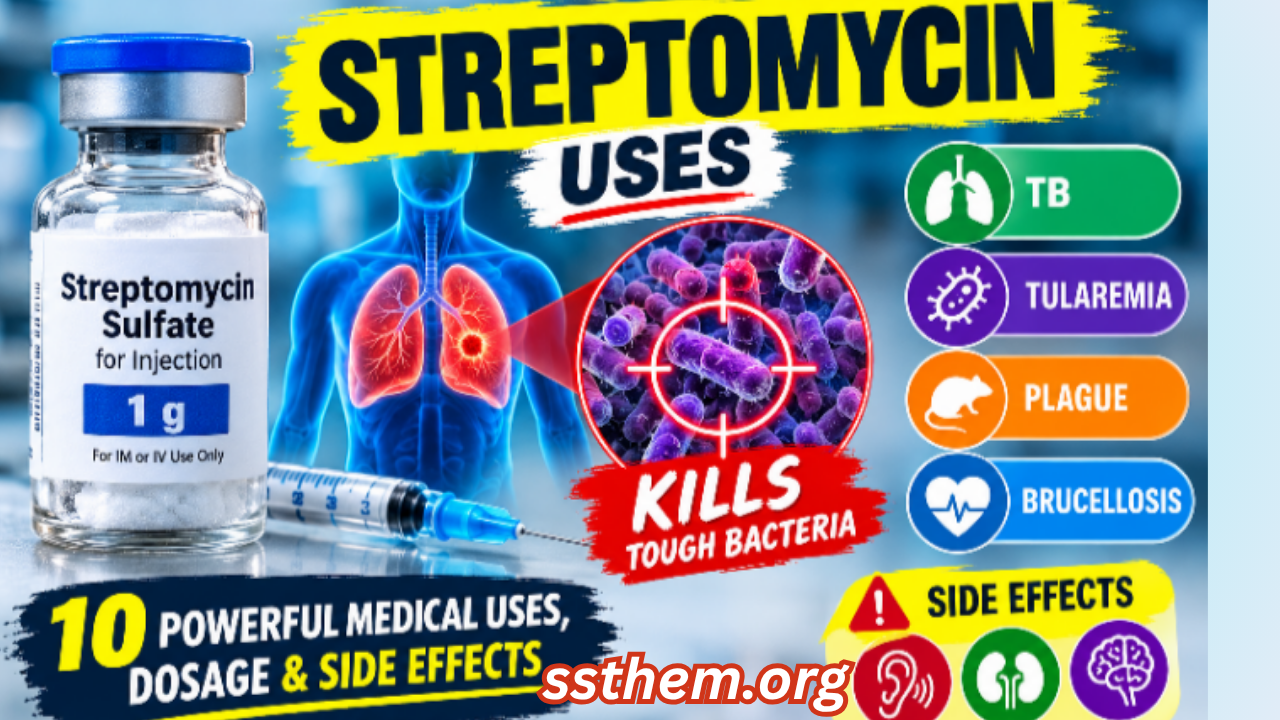
Streptomycin Uses 10 Life-Saving Facts and 4 Alarming Side Effects
Streptomycin Uses: 10 Powerful Medical Uses, Dosage & Side Effects
What if one of the most powerful antibiotics in modern medicine was discovered nearly 80 years ago — and remains absolutely irreplaceable for treating some of the world’s deadliest infections?
That antibiotic is streptomycin, and it has been earning its place in hospital formularies and global treatment guidelines since 1943. But here is what makes it genuinely fascinating: streptomycin was the first aminoglycoside antibiotic ever discovered, the first effective treatment for tuberculosis, and the first antibiotic successfully used against a disease that had claimed millions of lives.
Different antibiotics work against different bacteria, reach different tissues, have different pharmacological properties, and carry different risks. The appropriate choice depends on the suspected or confirmed organism, site and severity of infection, local resistance patterns, allergies, kidney and liver function, drug interactions, and patient-specific considerations. But streptomycin occupies a particularly interesting niche: it is a second-line injectable agent for drug-resistant tuberculosis, the drug of choice for plague and tularemia, and a critical component of combination regimens for brucellosis and enterococcal endocarditis.
What you are about to read will challenge the way you think about this drug. We will explore 10 powerful medical uses of streptomycin — from its FDA-approved indications and dosage strategies to its spectrum of activity, resistance challenges, and the latest evidence from clinical studies. Whether you are a medical student preparing for ward rounds, a practicing clinician refining your antimicrobial stewardship, or a pharmacist ensuring safe dispensing, the clinically important details in this article will strengthen your understanding of this remarkable antibiotic. Stay with us — because the details that make streptomycin truly powerful are revealed progressively.
A sobering clinical reality first: adverse drug reactions account for a significant proportion of hospital admissions, and aminoglycoside antibiotics like streptomycin are among the most commonly implicated drug classes. Understanding the full safety profile is not optional — it is essential. For a suspenseful, evidence-based look at this hidden crisis, explore Shocking Adverse Drug Reaction Facts before you prescribe another aminoglycoside.
Key Facts Table: Streptomycin at a Glance
The following table summarizes the most clinically important facts about streptomycin. This is not a substitute for full prescribing information, but it provides a rapid reference for healthcare professionals and students.
| Parameter | Details |
|---|---|
| Generic Name | Streptomycin sulfate |
| Common Brand Names | Streptomycin for Injection (XGen Pharmaceuticals DJB, Inc.); previously marketed as Streptomycin Sulfate Injection |
| Drug Class | Aminoglycoside antibiotic |
| Therapeutic Class | Antimycobacterial; antibacterial (bactericidal) |
| Pharmacologic Class | 30S ribosomal subunit inhibitor |
| ATC Code | J01GA01 |
| Available Strengths | 1 g per vial (lyophilized powder for injection) |
| Dosage Forms | Powder, lyophilized, for solution (injection) |
| Route(s) of Administration | Intramuscular (IM) — primary; Intravenous (IV) — specific settings; Intrathecal/intraventricular — specialized use only |
| FDA Status | FDA-approved; marketed as Streptomycin for Injection |
| Primary Clinical Uses | Tuberculosis (combination therapy); Tularemia; Plague; Brucellosis; Enterococcal endocarditis; certain gram-negative infections |
| Bioavailability | Complete (100%) after IM administration; not absorbed orally |
| Protein Binding | Low (approximately 34% per some sources) |
| Volume of Distribution | Approximately 0.25–0.3 L/kg |
| Half-Life | 2–5 hours (normal renal function); prolonged significantly in renal impairment |
| Metabolism | Not metabolized; excreted unchanged |
| Major Route of Elimination | Renal (glomerular filtration); ~90% excreted unchanged in urine |
| Renal/Hepatic Considerations | Dose reduction required in renal impairment; peak serum concentration should not exceed 20–25 mcg/mL in kidney damage |
| Major Contraindications | Hypersensitivity to streptomycin or other aminoglycosides; severe sulfite hypersensitivity; concurrent live bacterial vaccines |
| Important Adverse Effects | Ototoxicity (vestibular > cochlear); nephrotoxicity; neuromuscular blockade; neurotoxicity; hypersensitivity reactions; C. difficile-associated diarrhea |
This table is a snapshot. Every parameter in it will be expanded in the dedicated sections below, but we will not repeat the full explanations unnecessarily.
FDA-Approved Uses
The U.S. Food and Drug Administration (FDA) has granted streptomycin approval for a well-defined set of clinical indications, each supported by adequate and well-controlled trials. Understanding these approved uses is essential for appropriate prescribing and antimicrobial stewardship. This section details what is streptomycin used for from an FDA standpoint, along with pathogen and dosing details.
- Tuberculosis (Active) — As Part of Combination Therapy:

Streptomycin is indicated for the treatment of active tuberculosis as part of a multi-drug regimen. In the FDA labeling, it is specified for use as a fourth drug in regimens containing isoniazid, rifampin, and pyrazinamide for the initial treatment of tuberculosis. It is also indicated for the treatment of tuberculosis when isoniazid, rifampin, and/or pyrazinamide are contraindicated because of toxicity or intolerance. Pathogens: Mycobacterium tuberculosis (susceptible strains). Dosage: 15 mg/kg IM once daily (maximum 1 g/day) for daily dosing; or 25–30 mg/kg IM 2–3 times weekly (maximum 1.5 g/dose) for intermittent dosing. Duration: at least 1 year when used as part of a regimen. Streptomycin is NOT recommended as monotherapy for tuberculosis. - Tularemia:

Streptomycin is FDA-approved for the treatment of moderate-to-severe tularemia caused by susceptible strains of Francisella tularensis. Dosage: 1–2 g IM per day, given in divided doses. Duration: 7–14 days. The drug should be continued until the patient has been afebrile for 5–7 days. The Infectious Diseases Society of America (IDSA) recommends 15 mg/kg IM every 12 hours, with a maximum of 2 g/day for up to 14 days for severe tularemia. - Plague:

Streptomycin is FDA-approved for the treatment of moderate-to-severe plague caused by susceptible strains of Yersinia pestis. Dosage: 1 g IM twice daily. Duration: at least 10 days. The IDSA recommends 15 mg/kg IM every 12 hours for 10–14 days for bubonic plague. - Endocarditis (Streptococcal and Enterococcal):

Streptomycin is indicated for use in combination with penicillin for the treatment of moderate-to-severe endocarditis caused by susceptible strains of Streptococcus viridans and Enterococcus faecalis. Dosage for Streptococcal Endocarditis: Week 1: 1 g IM twice daily; Week 2: 500 mg IM twice daily. Duration: 2 weeks. For Enterococcal Endocarditis: Weeks 1–2: 1 g IM twice daily; Weeks 3–6: 500 mg IM twice daily. Duration: 6 weeks. - Brucellosis:

Streptomycin is indicated for the treatment of brucellosis in combination with other antimicrobials. It is used as part of combination regimens, typically with doxycycline. - Urinary Tract Infections:

Streptomycin is indicated for urinary tract infections caused by susceptible strains of Escherichia coli, Proteus species, Klebsiella species, and Enterobacter species. - Respiratory Tract Infections:
Streptomycin is indicated for respiratory tract infections caused by susceptible strains of Klebsiella pneumoniae, Haemophilus influenzae, and other organisms. - Skin and Skin Structure Infections:

Streptomycin is indicated for skin and skin structure infections caused by susceptible strains.
Off-Label and Guideline-Supported Uses: Beyond FDA-approved indications, streptomycin has been studied or recommended in guidelines for other infections. Tuberculous meningitis has been evaluated in randomized trials as the fourth drug in antitubercular therapy. Mycobacterium avium complex (MAC) infections have been treated with streptomycin as part of combination therapy, though evidence is limited. Drug-resistant tuberculosis is recognized by WHO and CDC as a second-line injectable agent, but this is a guideline-supported use rather than an FDA-labeled indication. Clinicians must always consider local resistance patterns, culture results, and current guidelines when considering off-label use, and must never label an off-label use as FDA-approved.
Dosage Table
The table below provides a concise summary of typical dosing for common indications. Doses may vary based on renal and hepatic function, severity, and susceptibility data.
| Patient/Condition | Recommended Dose | Frequency | Duration | Important Considerations |
|---|---|---|---|---|
| Adults — Tuberculosis (Active) | 15 mg/kg IM (max 1 g) | Once daily | At least 1 year | Must be used in combination with other antitubercular drugs; total cumulative dose should not exceed 120 g. |
| Adults — Tuberculosis (Intermittent) | 25–30 mg/kg IM (max 1.5 g) | 2–3 times weekly | At least 1 year | For patients who cannot tolerate daily dosing. |
| Adults — Tularemia | 1–2 g IM per day (divided) | Divided dosing | 7–14 days | Continue until afebrile for 5–7 days; IDSA recommends 15 mg/kg q12h (max 2 g/day). |
| Adults — Plague | 1 g IM | Twice daily | At least 10 days | IDSA recommends 15 mg/kg q12h for 10–14 days. |
| Adults — Streptococcal Endocarditis | Week 1: 1 g IM; Week 2: 500 mg IM | Twice daily | 2 weeks | Used in combination with penicillin. |
| Adults — Enterococcal Endocarditis | Weeks 1–2: 1 g IM; Weeks 3–6: 500 mg IM | Twice daily | 6 weeks | Discontinue if ototoxicity develops. |
| Adults — Brucellosis | 15 mg/kg IM (max 1 g) | Once daily | Variable (typically 2–3 weeks) | Used in combination with doxycycline or other agents. |
| Pediatric — Tularemia | 20–40 mg/kg/day (max 1 g) | Once daily or divided | 7–14 days | Use with caution in neonates due to renal immaturity. |
| Renal Impairment — GFR 20–50 mL/min | Dose according to serum levels | Every 24–72 hours | Individualized | Peak serum concentration should not exceed 20–25 mcg/mL. |
| Renal Impairment — GFR 10–20 mL/min | Dose according to serum levels | Every 24–72 hours | Individualized | Monitor renal function closely. |
| Renal Impairment — GFR <10 mL/min | Dose according to serum levels | Every 72–96 hours | Individualized | Dialyzable; dose as in GFR <10 for dialysis patients. |
Important: Streptomycin must always be used in combination with other antitubercular drugs for tuberculosis to prevent the emergence of resistance. The maximum total cumulative dose is generally considered to be 120 grams over the course of therapy.
Mechanism of Action
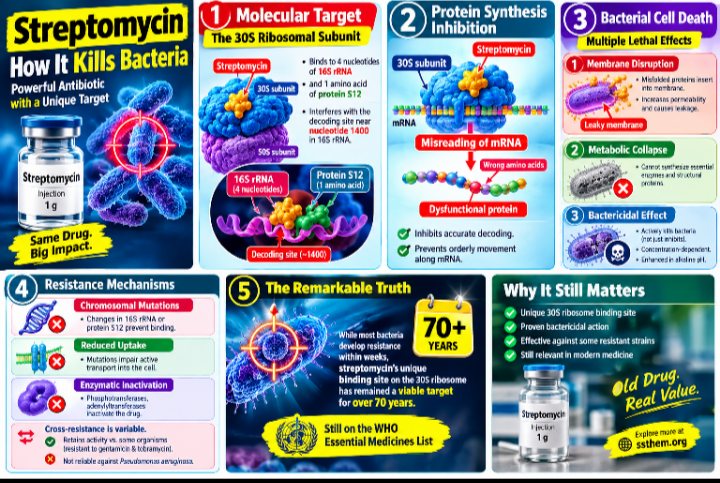
Streptomycin exerts its bactericidal effect through a well-characterized molecular mechanism that distinguishes it from many other antibiotic classes. Understanding this mechanism is fundamental to appreciating both its clinical utility and its limitations.
Primary Molecular Target: Streptomycin, like all aminoglycosides, targets the bacterial 30S ribosomal subunit. Specifically, streptomycin binds to four nucleotides of 16S rRNA and a single amino acid of protein S12. This binding interferes with the decoding site in the vicinity of nucleotide 1400 in the 16S rRNA of the 30S subunit.
Binding and Interaction: The binding of streptomycin to the 30S subunit causes misreading of messenger RNA (mRNA) during translation. Instead of accurately reading the genetic code, the ribosome incorporates incorrect amino acids into the growing polypeptide chain. Additionally, streptomycin inhibits the orderly stepping of the ribosome along the mRNA strand, further disrupting protein synthesis.
Cellular Pathway Affected: The production of aberrant proteins has multiple lethal consequences for the bacterial cell. Misfolded proteins insert into the bacterial cell membrane, increasing permeability and causing leakage of essential intracellular contents. The bacterium cannot synthesize the enzymes and structural proteins required for survival and replication. Unlike bacteriostatic antibiotics that merely inhibit growth, streptomycin actively kills bacteria — a bactericidal effect that is concentration-dependent and enhanced in alkaline environments.
Physiologic and Clinical Consequences: The clinical therapeutic effect of streptomycin — bacterial killing at the site of infection — depends on achieving adequate free drug concentrations at the target tissue for a sufficient duration. This is why dosing regimens are designed to maintain serum and tissue concentrations above the minimum inhibitory concentration (MIC) for the infecting organism.
Resistance Mechanisms: Bacterial resistance to streptomycin occurs primarily through chromosomal mutations in the 16S rRNA or protein S12 components of the 30S ribosomal subunit, reduced uptake due to mutations that impair active transport, and enzymatic inactivation through production of streptomycin-modifying enzymes (phosphotransferases, adenylyltransferases). Cross-resistance between streptomycin and other aminoglycosides is variable. Streptomycin retains activity against some organisms that are resistant to gentamicin and tobramycin, but lacks reliable activity against Pseudomonas aeruginosa.
What Is Streptomycin?
Streptomycin is a broad-spectrum aminoglycoside antibiotic that was first isolated in 1943 from the soil bacterium Streptomyces griseus. It was the first aminoglycoside discovered and the first antibiotic effective against tuberculosis.
Generic Name and Drug Class: The generic name is streptomycin sulfate. It belongs to the aminoglycoside class of antibiotics and is pharmacologically classified as a 30S ribosomal subunit inhibitor with bactericidal activity.
Therapeutic Role: Clinically, streptomycin serves as a critical injectable antibiotic for tuberculosis (in combination regimens), tularemia, plague, brucellosis, enterococcal endocarditis, and certain gram-negative infections. It is particularly valued for its activity against Francisella tularensis, Yersinia pestis, and Brucella species.
Formulations, Strengths, and Routes: Streptomycin for Injection is supplied as a sterile nonpyrogenic lyophilized cake equivalent to 1 gram streptomycin/vial for intramuscular use after reconstitution. The primary route of administration is intramuscular (IM); intravenous (IV) may be used in specific settings, and intrathecal/intraventricular administration is reserved for specialized use only.
Differences from Closely Related Medicines: Streptomycin differs from gentamicin, tobramycin, and amikacin in several important ways. It has poor Pseudomonas activity compared to gentamicin and tobramycin, higher vestibular toxicity but lower cochlear toxicity, and a different resistance profile. For a suspenseful, detailed comparison of another critical antibiotic, explore Facts About Ceftriaxone Sodium Uses — and see why the two are not interchangeable.
Pharmacokinetics & Pharmacodynamics Key Table
The following table summarizes the key pharmacokinetic (PK) and pharmacodynamic (PD) properties that inform the clinical use of streptomycin.
| Parameter | Clinically Relevant Details |
|---|---|
| Absorption | Rapidly absorbed after IM injection; peak concentrations achieved within 30–60 minutes. |
| Bioavailability | Complete (100%) after IM administration; not absorbed orally. |
| Time to Peak Concentration | 30–60 minutes after IM injection. |
| Protein Binding | Low (approximately 34% per some sources). |
| Volume of Distribution | Approximately 0.25–0.3 L/kg; distributes into extracellular fluid. |
| Tissue Penetration | Poor penetration into cerebrospinal fluid (CSF) unless meninges are inflamed; does not penetrate cells well. |
| Blood-Brain Barrier Penetration | Limited; may enter CSF when meninges are inflamed. |
| Placental Transfer | Crosses the placental barrier; can cause fetal ototoxicity. |
| Half-Life | 2–5 hours in normal renal function; prolonged significantly in renal impairment. |
| Metabolism | Not metabolized; excreted unchanged. |
| Active Metabolites | None. |
| Enzyme Involvement | None (no hepatic metabolism). |
| Elimination | Renal (glomerular filtration); approximately 90% excreted unchanged in urine within 24 hours. |
| Renal Clearance | Directly proportional to creatinine clearance. |
| Pharmacodynamic Target | Bacterial 30S ribosomal subunit. |
| Mechanism | Irreversible binding to 16S rRNA and protein S12; causes misreading of mRNA and inhibits protein synthesis. |
| Concentration/Time-Dependent Activity | Concentration-dependent bactericidal activity. |
| PK/PD Index | Peak concentration to MIC ratio (Cmax/MIC). |
This table is a quick reference. The following sections explain the most important details without unnecessary repetition.
Half-Life
The elimination half-life of streptomycin is a fundamental pharmacokinetic parameter that directly influences dosing frequency and helps clinicians anticipate drug accumulation in specific populations. Under normal renal function, the elimination half-life of streptomycin is 2 to 5 hours. This relatively short half-life reflects the drug’s rapid renal clearance — approximately 90% of an administered dose is excreted unchanged in the urine within 24 hours.
This relatively short half-life explains why streptomycin can be dosed once daily or even intermittently (2–3 times weekly) for most indications — the dosing interval is designed to maintain serum concentrations above the MIC for the infecting organism throughout the treatment period while allowing for drug elimination between doses.
Renal impairment has the most clinically significant impact on streptomycin half-life. Since streptomycin is eliminated almost entirely by glomerular filtration, any reduction in creatinine clearance produces proportional prolongation of the half-life. In patients with severe renal impairment (GFR <10 mL/min), the half-life can extend to 50–100 hours or longer. Hemodialysis can significantly reduce serum concentrations in patients with renal failure, and dosing must be coordinated with dialysis schedules.
The clinical significance of half-life extends beyond dosing convenience. A prolonged half-life increases the risk of drug accumulation and toxicity, particularly in patients with renal impairment. The FDA labeling explicitly warns that peak serum concentrations should not exceed 20–25 mcg/mL in patients with kidney damage. Monitoring both peak and trough levels is essential in patients with renal impairment to prevent ototoxicity and nephrotoxicity.
Metabolism
Streptomycin is characterized by the absence of hepatic metabolism — a property that simplifies its clinical use and minimizes concerns about hepatic drug interactions. Streptomycin is not metabolized by the liver or any other organ. It is excreted unchanged in the urine.
Primary Metabolic Pathway: Unlike many other drug classes that undergo extensive hepatic metabolism, streptomycin bypasses the liver entirely. There are no cytochrome P450-mediated metabolic pathways involved in its elimination. The drug circulates in its active, unchanged form and is filtered by the glomerulus.
Major Enzymes and Metabolites: No enzymes are involved in streptomycin metabolism, and no active or inactive metabolites are produced. The parent drug is responsible for all therapeutic and toxic effects.
Clinical Relevance: The lack of hepatic metabolism has several important clinical implications. First, hepatic impairment does not affect streptomycin elimination, and no dose adjustment is required for hepatic impairment alone. Second, it reduces the risk of drug-drug interactions mediated through metabolic pathways. Third, it ensures that the active drug is available for antibacterial activity without requiring metabolic activation. Caution is advised in patients with cirrhosis or severe hepatic disease, as hepatorenal syndrome may be precipitated.
Enzyme Interactions: Streptomycin does not induce or inhibit cytochrome P450 enzymes or other metabolic pathways. Therefore, it does not interact with drugs that are metabolized by the liver through these mechanisms. This simplifies its use in patients taking multiple medications that are metabolized hepatically. The clinical significance is straightforward: the kidney is the sole route of elimination, making renal function the single most important determinant of drug clearance and dosing.
Bioavailability & Protein Binding
Bioavailability: Streptomycin is not absorbed orally and must be administered parenterally. After intramuscular injection, bioavailability is essentially complete (100%), with peak serum concentrations achieved within 30–60 minutes. Intravenous administration also provides complete bioavailability but is reserved for specific clinical scenarios where IM injection is not feasible.
Because streptomycin is administered parenterally, gastrointestinal factors such as food, gastric pH, and motility do not affect its absorption. This is clinically advantageous in patients with gastrointestinal dysfunction who may have unreliable oral absorption of other antibiotics.
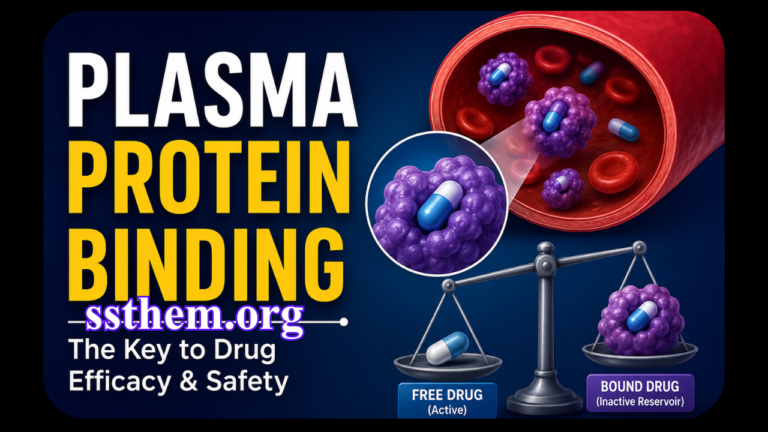
Protein Binding: Streptomycin exhibits low protein binding (approximately 34% in some references). The low degree of protein binding means that a large fraction of the drug circulates in its free, pharmacologically active form. This is clinically important because free drug can rapidly distribute to extracellular fluid compartments and sites of infection, is efficiently filtered by the glomerulus, and is unlikely to displace other drugs from plasma proteins or be displaced by them.
Clinical Significance: The combination of complete bioavailability after IM injection and low protein binding means that streptomycin achieves predictable serum concentrations that correlate well with administered doses. This predictability is valuable for therapeutic drug monitoring, particularly in patients with renal impairment. For a deeper dive into this concept, refer to our detailed guide on plasma protein binding.
Spectrum of Activity
Understanding the antimicrobial spectrum of streptomycin is essential for appropriate prescribing and antimicrobial stewardship. Streptomycin’s spectrum has evolved significantly since its discovery — originally effective against a broad range of gram-positive and gram-negative bacteria, its spectrum has narrowed considerably due to widespread resistance.
Gram-Positive Activity: Streptomycin has limited activity against most gram-positive organisms. Most streptococci are intrinsically resistant. However, streptomycin retains activity against some enterococci when used in combination with penicillin (synergistic effect). This combination is specifically FDA-approved for enterococcal endocarditis.
Gram-Negative Activity: Streptomycin is active against several aerobic gram-negative bacteria, including Francisella tularensis (tularemia), Yersinia pestis (plague), Brucella species (brucellosis), Haemophilus influenzae, Klebsiella pneumoniae, Escherichia coli, Proteus species, and Enterobacter species. However, streptomycin lacks reliable activity against Pseudomonas aeruginosa — a key difference from gentamicin and tobramycin.
Anaerobic Activity: Streptomycin has no clinically significant activity against anaerobic bacteria. Aminoglycosides require oxygen-dependent active transport to enter bacterial cells, which is absent in anaerobic organisms.
Atypical Organisms: Streptomycin is active against Mycobacterium tuberculosis and some non-tuberculous mycobacteria, including Mycobacterium avium complex. It is NOT active against Mycoplasma, Chlamydia, or Legionella species.
Important Intrinsic Resistance: The following organisms are intrinsically resistant to streptomycin: Pseudomonas aeruginosa, most Streptococcus species (except in synergistic combinations), anaerobic bacteria, and Stenotrophomonas maltophilia.
Acquired Resistance and Susceptibility Testing: Acquired resistance to streptomycin has become widespread among Enterobacteriaceae and other gram-negative organisms. The primary mechanism is reduced uptake of the drug due to mutations in the active transport system. Given the high prevalence of resistance, susceptibility testing is mandatory before using streptomycin for any indication where the organism’s susceptibility is not known. The Clinical and Laboratory Standards Institute (CLSI) provides breakpoints for streptomycin susceptibility testing for M. tuberculosis and certain gram-negative organisms. Importantly, in vitro activity does not automatically translate to clinical effectiveness.
Pharmacodynamics
The pharmacodynamics of streptomycin — how the drug exerts its effects on bacteria — provides the scientific rationale for dosing strategies and explains why certain dosage regimens are more effective than others.
Drug-Target Interaction: Streptomycin binds irreversibly to the bacterial 30S ribosomal subunit, specifically to the 16S rRNA and protein S12 complex. This binding is essentially irreversible, meaning that once streptomycin binds to the ribosome, the bacterial cell cannot resume normal protein synthesis even after the drug is cleared from the extracellular environment.
Concentration-Response Relationship: Streptomycin exhibits concentration-dependent bactericidal activity. Higher peak concentrations relative to the minimum inhibitory concentration (MIC) produce more rapid and extensive bacterial killing. This pharmacodynamic profile supports the use of once-daily or extended-interval dosing regimens that achieve high peak concentrations.
PK/PD Indices: The primary pharmacodynamic index for streptomycin is the peak concentration to MIC ratio (Cmax/MIC). A Cmax/MIC ratio of at least 8–10 is generally associated with optimal bactericidal activity and clinical efficacy. This is why therapeutic drug monitoring, when available, focuses on achieving adequate peak levels.
Post-Antibiotic Effect: Streptomycin demonstrates a post-antibiotic effect (PAE) — persistent suppression of bacterial growth after the drug concentration falls below the MIC. The PAE for streptomycin against gram-negative organisms is typically 1–3 hours, which supports once-daily dosing regimens.
Therapeutic Window: Streptomycin has a narrow therapeutic window. The difference between therapeutic and toxic concentrations is relatively small, particularly for ototoxicity and nephrotoxicity. This narrow window is the primary reason why serum drug level monitoring is recommended when available, audiometric testing is advised before and during prolonged therapy, renal function must be carefully monitored, and dose reduction is essential in renal impairment.
Resistance Suppression: When used as part of combination therapy (as it always should be for tuberculosis), streptomycin helps suppress the emergence of resistant subpopulations of M. tuberculosis. This is why monotherapy with streptomycin for tuberculosis is contraindicated — it rapidly selects for resistant organisms.
Contraindications
Absolute Contraindications: Streptomycin is contraindicated in patients with known hypersensitivity to streptomycin or to other aminoglycoside antibiotics. This is an absolute contraindication because cross-reactivity between aminoglycosides can result in severe hypersensitivity reactions including anaphylaxis. Some streptomycin formulations contain sulfites, which can cause severe allergic reactions in sensitive individuals — this is another absolute contraindication. Concurrent live bacterial vaccines are contraindicated because streptomycin may reduce their efficacy.
Major Hypersensitivity Contraindications: Patients with a history of severe immediate hypersensitivity reactions to streptomycin or other aminoglycosides — including anaphylaxis, angioedema, or bronchospasm — should not receive streptomycin unless the clinical situation warrants the risk and appropriate precautions are in place.
Disease-Specific Contraindications: Myasthenia gravis is a disease-specific contraindication because streptomycin can exacerbate neuromuscular blockade and worsen muscle weakness. Pre-existing vestibular or cochlear dysfunction is another contraindication because streptomycin can further damage already compromised auditory or vestibular function. Severe renal impairment is not an absolute contraindication, but requires significant dose reduction and close monitoring.
Formulation-Specific Contraindications: Patients with known hypersensitivity to any excipient in the formulation, including sulfites, should not receive that specific product. Not all precautions constitute absolute contraindications — many clinical scenarios require careful risk-benefit assessment rather than outright avoidance.
Warnings & Precautions
- Neurotoxicity: The FDA labeling includes a prominent warning regarding severe neurotoxic reactions. These are sharply increased in patients with impaired renal function or pre-renal azotemia. Manifestations include disturbances of vestibular and cochlear function, optic nerve dysfunction, peripheral neuritis, arachnoiditis, encephalopathy, and neuromuscular blockade (which may result in respiratory paralysis, especially when given soon after anesthesia or muscle relaxants).
- Ototoxicity: Both vestibular and auditory dysfunction can follow streptomycin administration. The degree of impairment is directly proportional to dose and duration of therapy, patient age, renal function level, and underlying auditory dysfunction. Vestibulotoxic potential exceeds cochlear toxicity — meaning dizziness and vertigo are more common than hearing loss, though hearing loss can occur. Vestibular damage is heralded by headache, nausea, vomiting, and disequilibrium. Early cochlear injury is demonstrated by loss of high-frequency hearing. Ototoxicity has been observed in patients with certain variants in the MT-RNR1 gene, particularly the m.1555A>G variant.
- Nephrotoxicity: Streptomycin is less nephrotoxic than other aminoglycosides, but nephrotoxicity can still occur, particularly in patients with pre-existing renal insufficiency or those receiving concurrent nephrotoxic drugs. Renal function should be monitored carefully, and patients with renal impairment should receive reduced doses.
- Pregnancy: Streptomycin can cause fetal harm when administered to a pregnant woman. It readily crosses the placental barrier and can cause ototoxicity in the fetus. Irreversible, total, and bilateral congenital deafness has been reported in infants exposed in utero to aminoglycosides. The FDA classifies streptomycin as Pregnancy Category D (known or theoretical risk).
- Breastfeeding: Streptomycin is excreted in breast milk in small amounts. Poor excretion and potential effects on infant gastrointestinal flora should be monitored. Monitor for diarrhea or candidiasis in breastfed infants.
- Pediatric Use: Caution is required in premature infants and neonates due to renal immaturity. Dose adjustment and careful monitoring are essential.
- Older Adults: Elderly patients are at increased risk of ototoxicity and nephrotoxicity due to age-related decline in renal function. Hearing loss is possible even with normal peak and trough levels. Monitor renal function and consider audiometric testing.
- Neuromuscular Blockade: Streptomycin can potentiate neuromuscular blockade, particularly in patients receiving muscle relaxants or those with myasthenia gravis. Respiratory paralysis has been reported.
- Clostridioides difficile-Associated Diarrhea (CDAD): CDAD has been reported with streptomycin use and may range from mild diarrhea to fatal colitis. CDAD must be considered in all patients who present with diarrhea following antibiotic use.
- Drug Interactions: Concurrent or sequential use of other neurotoxic and/or nephrotoxic drugs with streptomycin should be avoided. These include neomycin, kanamycin, gentamicin, cephaloridine, paromomycin, viomycin, polymyxin B, colistin, tobramycin, and cyclosporine.
Side Effects
Understanding the side effect profile of streptomycin is essential for patient counseling and clinical monitoring. Adverse effects are broadly categorized by frequency, and distinguishing between common, bothersome side effects and serious adverse reactions is clinically important.
Common Side Effects:
- Injection site reactions: Pain, redness, or swelling at the IM injection site.
- Nausea and vomiting: Particularly during the first few doses.
- Headache: Often related to vestibular effects.
- Dizziness and vertigo: Vestibular toxicity manifestations.
- Rash: Hypersensitivity skin reactions.
- Fever: Drug fever may occur.
- Paresthesias: Circumoral numbness or tingling.
Less Common Side Effects:
- Tinnitus: Ringing or roaring in the ears — may indicate early ototoxicity.
- Hearing loss: Initially high-frequency, may become irreversible.
- Ataxia: Gait instability due to vestibular damage.
- Visual disturbances: Optic nerve dysfunction.
- Peripheral neuropathy: Numbness or tingling in extremities.
- Hypersensitivity reactions: Urticaria, angioedema.
- Blood dyscrasias: Rarely, aplastic anemia, agranulocytosis.
Distinguishing Side Effects from Adverse Reactions: It is important for clinicians to distinguish between side effects (predictable, often dose-related, and generally manageable) and adverse reactions (unexpected, potentially serious, and requiring medical intervention). A “side effect” is any unintended effect of a drug, while an “adverse effect” implies harm. A “serious adverse reaction” is one that results in death, hospitalization, disability, or requires intervention to prevent permanent impairment.
Adverse Effects
While the common side effects of streptomycin are generally mild and self-limiting, the drug carries a risk of serious adverse effects that all prescribers must recognize and monitor for.
- Ototoxicity (Vestibular and Cochlear): The most serious and characteristic adverse effect of streptomycin. Vestibular damage manifests as vertigo, disequilibrium, nausea, and vomiting. Cochlear damage manifests as high-frequency hearing loss that may progress to irreversible deafness. The incidence of clinically detectable, irreversible vestibular damage is particularly high in patients treated with streptomycin.
- Nephrotoxicity: Streptomycin is less nephrotoxic than other aminoglycosides, but acute kidney injury can occur, especially in patients with pre-existing renal disease or those receiving concurrent nephrotoxic agents.
- Neuromuscular Blockade: Can lead to respiratory paralysis, particularly when streptomycin is administered soon after anesthesia or muscle relaxants. This is a medical emergency requiring immediate ventilatory support.
- Neurotoxicity: Manifestations include optic nerve dysfunction, peripheral neuritis, arachnoiditis, and encephalopathy. These are more common in patients with renal impairment.
- Severe Hypersensitivity Reactions: Anaphylaxis, angioedema, and severe dermatologic reactions (including Stevens-Johnson syndrome and toxic epidermal necrolysis) have been reported.
- Clostridioides difficile-Associated Diarrhea (CDAD): Can range from mild diarrhea to fatal pseudomembranous colitis. Symptoms may occur up to two months after antibiotic administration.
- Blood Dyscrasias: Rare cases of aplastic anemia, agranulocytosis, leukopenia, and thrombocytopenia have been reported.
- Symptoms Requiring Urgent Medical Evaluation: Severe dizziness or vertigo, new or worsening hearing loss, tinnitus, difficulty breathing or muscle weakness, severe diarrhea or abdominal pain, rash with fever, blistering or skin peeling, and swelling of face, lips, tongue, or throat.
How to Recover After a Reaction to Streptomycin
Recovery from streptomycin-related side effects depends on the type and severity of the reaction, as well as how quickly the drug is discontinued.
Mild Side Effects: Injection site pain — apply a cold compress to the injection site. Rotate injection sites. Pain typically resolves within 24–48 hours. Nausea — take the medication with food if permitted (though streptomycin is typically given on an empty stomach for optimal absorption). Anti-emetics may be prescribed if nausea is persistent. Nausea usually improves as treatment continues. Headache — over-the-counter analgesics may be used if approved by the prescribing physician. Headaches often resolve within a few days. Rash — mild rash may resolve with antihistamines. However, any rash should be reported to the prescribing physician, as it may indicate a hypersensitivity reaction.
Serious Adverse Reactions: Vestibular Toxicity — if dizziness or vertigo develops, streptomycin should be discontinued immediately. Vestibular compensation may occur over weeks to months as the brain adapts to the loss of vestibular function. Vestibular rehabilitation therapy can help. Complete recovery is not guaranteed. Cochlear Toxicity — hearing loss may be irreversible. Early detection is critical; discontinuing the drug at the first sign of hearing loss may prevent further damage. Audiometric testing should be performed immediately if hearing changes are noted. Hearing aids or cochlear implants may be considered for permanent hearing loss. Nephrotoxicity — renal function should be monitored closely. If acute kidney injury develops, streptomycin should be discontinued. Supportive care, including fluid and electrolyte management, is essential. Renal function may recover over days to weeks, but permanent damage is possible. Neuromuscular Blockade — this is a medical emergency. Immediate ventilatory support may be required. Neostigmine or calcium gluconate may be used to reverse the blockade. Recovery typically occurs within hours after drug discontinuation.
When to Stop the Medication and Contact a Healthcare Professional: New or worsening hearing loss, persistent vertigo or dizziness, decreased urine output, swelling of face, lips, or tongue, difficulty breathing, severe diarrhea, and rash with fever or blistering. Never stop or adjust streptomycin dosing without consulting the prescribing physician. Abrupt discontinuation of antitubercular therapy can lead to treatment failure and resistance.
Drug Interactions
The following table summarizes clinically meaningful drug interactions with streptomycin. Theoretical interactions of little clinical relevance have been omitted.
| Interacting Medicine/Class | Potential Interaction | Clinical Significance | Management Consideration |
|---|---|---|---|
| Loop Diuretics (furosemide, ethacrynic acid) | Potentiate ototoxicity. | High — increased risk of hearing loss. | Avoid concurrent use; if necessary, monitor audiometry closely. |
| Other Aminoglycosides (gentamicin, tobramycin, amikacin, neomycin) | Additive ototoxicity and nephrotoxicity. | High. | Avoid concurrent or sequential use. |
| Polymyxin B, Colistin | Additive nephrotoxicity and neurotoxicity. | High. | Avoid concurrent use. |
| Cyclosporine | Additive nephrotoxicity. | High. | Avoid concurrent use; monitor renal function. |
| Neuromuscular Blocking Agents (rocuronium, vecuronium) | Enhanced neuromuscular blockade. | Severe. | Avoid or use with extreme caution; monitor respiratory function. |
| Live Bacterial Vaccines | Reduced vaccine efficacy. | Moderate. | Do not administer concurrently. |
| Penicillins | Synergistic effect against enterococci. | Beneficial (intended). | Used together for enterococcal endocarditis. |
| Nephrotoxic Agents (amphotericin B, vancomycin, NSAIDs) | Additive nephrotoxicity. | Moderate-High. | Avoid when possible; monitor renal function closely. |
Administration Table
Practical administration instructions are essential for patient education and nursing practice. The table below summarizes key administration factors.
| Administration Factor | Guidance |
|---|---|
| Route | Intramuscular (IM) — primary; Intravenous (IV) — specific settings only; Intrathecal/intraventricular — specialized use only. |
| With Food/Without Food | Not applicable (parenteral administration). |
| Timing | Once daily or intermittent (2–3 times weekly) depending on indication. |
| Injection Instructions | Inject deep into a relatively large muscle — upper outer quadrant of the buttock (gluteus maximus) or mid-lateral thigh. Avoid lower and mid-third of upper arm. Rotate injection sites. |
| Reconstitution | Reconstitute lyophilized powder with sterile water for injection or normal saline as directed by the manufacturer. |
| IV Administration | May be diluted for IV use in specific clinical scenarios; consult institutional protocols. |
| Missed Dose | Administer as soon as remembered if within a few hours; otherwise, skip the missed dose and resume regular schedule. Do not double the dose. |
| Storage | Store lyophilized powder at controlled room temperature (20–25°C/68–77°F). After reconstitution, use within recommended time frame; consult product labeling. |
| Special Instructions | Monitor renal function, audiometry, and vestibular function before and during therapy. Avoid concurrent neurotoxic/nephrotoxic drugs. |
Pharmacokinetics
This section consolidates the clinically relevant pharmacokinetic properties of streptomycin in a professional overview. Detailed explanations of half-life, metabolism, bioavailability, and protein binding are provided in their respective dedicated sections above and are not repeated here.
Absorption and Bioavailability: Streptomycin is not absorbed orally and must be administered parenterally. After IM injection, absorption is rapid and complete, with peak serum concentrations achieved within 30–60 minutes.
Distribution: Streptomycin distributes primarily into the extracellular fluid compartment, with a volume of distribution of approximately 0.25–0.3 L/kg. Protein binding is low (approximately 34%), meaning a large fraction of the drug circulates in its active, free form. Tissue penetration is poor into the cerebrospinal fluid (CSF) unless the meninges are inflamed. It does not penetrate cells well, which limits its activity against intracellular pathogens. It crosses the placental barrier and can cause fetal ototoxicity.
Metabolism and Elimination: Streptomycin is not metabolized. Approximately 90% of an administered dose is excreted unchanged in the urine within 24 hours via glomerular filtration. Renal clearance is directly proportional to creatinine clearance. See the Metabolism section above for complete details.
Special Populations: In renal impairment, dose reduction and therapeutic drug monitoring are required. Peak concentrations should not exceed 20–25 mcg/mL. In hepatic impairment, no specific dose adjustment is established; use with caution in severe hepatic disease. In neonates, prolonged half-life due to immature renal function requires caution. In elderly patients, reduced renal function may prolong half-life; monitor closely. In pregnancy, streptomycin crosses the placenta and poses a risk of fetal ototoxicity; use only when benefits outweigh risks.
Special Populations
Pregnancy: Streptomycin is classified as FDA Pregnancy Category D — positive evidence of human fetal risk exists. Irreversible, total, and bilateral congenital deafness has been reported in infants exposed in utero to aminoglycosides. Streptomycin should be used during pregnancy only if the potential benefit justifies the potential risk to the fetus.
Lactation: Streptomycin is excreted in breast milk in small amounts. Poor excretion and potential effects on infant gastrointestinal flora should be monitored. Monitor breastfed infants for diarrhea or candidiasis. The American Academy of Pediatrics considers streptomycin compatible with breastfeeding, but caution is advised.
Pediatrics: Caution is required in premature infants and neonates due to renal immaturity. Dosing should be adjusted based on gestational age, postnatal age, and renal function. Audiometric monitoring is recommended for prolonged therapy.
Older Adults: Elderly patients are at increased risk of ototoxicity and nephrotoxicity due to age-related decline in renal function. Hearing loss is possible even with normal peak and trough levels. Monitor renal function and consider baseline and periodic audiometry.
Renal Impairment: Renal impairment is the most important special population consideration for streptomycin. Dose reduction and extended dosing intervals are required. The following table summarizes dosing adjustments:
| GFR (mL/min) | Dosing Interval | Monitoring |
|---|---|---|
| 20–50 | Every 24–72 hours | Serum levels, renal function. |
| 10–20 | Every 24–72 hours | Serum levels, renal function. |
| <10 | Every 72–96 hours | Serum levels, renal function, consider dialysis. |
Hepatic Impairment: No specific dose adjustment is established for hepatic impairment. However, caution is advised in patients with cirrhosis or severe hepatic disease, as hepatorenal syndrome may be precipitated.
Critically Ill Patients: Critically ill patients may have altered pharmacokinetics due to fluid shifts, organ dysfunction, and concurrent medications. Therapeutic drug monitoring is strongly recommended in this population.
Monitoring
- Clinical Response: Resolution of fever, improvement in clinical signs and symptoms, microbiological clearance (culture conversion for tuberculosis), and radiographic improvement where applicable.
- Laboratory Parameters: Renal function (serum creatinine, BUN, creatinine clearance) — baseline and at least weekly during therapy. Hepatic function (liver function tests) — baseline and periodically if clinically indicated. Complete blood count — baseline and periodically, especially for prolonged therapy. Serum drug levels — peak and trough concentrations when available, particularly in patients with renal impairment.
- Audiometric and Vestibular Monitoring: Baseline audiometry before initiating therapy, especially for prolonged courses. Periodic audiometry during therapy, particularly for high-risk patients (elderly, renal impairment, prolonged therapy). Vestibular function tests (caloric stimulation) when clinically indicated. Ask about tinnitus, hearing loss, dizziness, and vertigo at each visit.
- Microbiological Response: Culture and susceptibility testing before initiating therapy. Repeat cultures during therapy to assess response. For tuberculosis: sputum culture conversion at 2 months is a key predictor of treatment success.
- Adverse Reaction Monitoring: Injection site reactions, hypersensitivity reactions, gastrointestinal symptoms (especially diarrhea), and neurological symptoms (paresthesias, weakness).
Clinical Perspective
From a clinical standpoint, streptomycin occupies a unique and irreplaceable niche in modern medicine. Despite being one of the oldest antibiotics, it remains on the WHO Essential Medicines List and continues to be the drug of choice for several life-threatening infections. It is not the most potent agent against any single organism, but its unique activity against Francisella tularensis, Yersinia pestis, and Brucella species makes it a reliable choice for these specific infections.
Clinicians may prefer streptomycin when treating plague, tularemia, drug-resistant tuberculosis, brucellosis, or enterococcal endocarditis. It is also a valuable option for early Lyme disease in patients who cannot take doxycycline (such as pregnant women or young children) or when doxycycline is not tolerated.
Situations where clinicians may prefer alternatives include gram-negative infections where gentamicin, tobramycin, or amikacin are generally preferred due to better Pseudomonas activity and more favorable toxicity profiles. When oral therapy is feasible, oral regimens may be preferred to avoid injections. In patients with renal impairment, alternative agents may be preferred when renal function is compromised. In patients with pre-existing vestibular dysfunction, streptomycin’s high vestibulotoxic potential makes it a poor choice.
Antimicrobial stewardship considerations are paramount. Streptomycin should be reserved for infections where it is clearly indicated. Its use should be guided by culture and susceptibility results, local resistance patterns, patient-specific factors (renal function, age, concurrent medications), and availability of alternative agents. Interpretation of treatment response should occur within 48–72 hours; if the patient is not improving, reassessment of the diagnosis, culture data, and therapeutic choice is warranted.
Question. What is streptomycin used for?
Answer : Streptomycin is used to treat tuberculosis (as part of combination therapy), tularemia, plague, brucellosis, enterococcal endocarditis, and certain gram-negative infections caused by susceptible organisms.
Question. What is streptomycin used for in adults?
Answer : In adults, streptomycin is used for the same indications as in the general population, with dosing adjusted for renal function and weight. It is particularly important for tuberculosis, tularemia, and plague.
Question. Streptomycin injection uses and side effects?
Answer : Streptomycin injection is used for serious infections requiring parenteral therapy. Side effects include injection site pain, nausea, dizziness, hearing loss, and kidney problems.
Question. Streptomycin uses in tuberculosis treatment?
Answer : Streptomycin is used as a second-line injectable agent for drug-resistant tuberculosis and as an alternative when first-line drugs are contraindicated. It must always be used in combination with other antitubercular drugs.
Question. What infections does streptomycin treat?
Answer : Streptomycin treats tuberculosis, tularemia, plague, brucellosis, enterococcal endocarditis, and certain gram-negative infections (excluding Pseudomonas).
Question. Streptomycin dosage and administration guide?
Answer : The typical adult dose for tuberculosis is 15 mg/kg IM once daily (max 1 g). For tularemia: 1–2 g/day divided. For plague: 1 g IM twice daily. See the dosage table for complete details.
Question. Streptomycin mechanism of action and clinical uses?
Answer : Streptomycin binds irreversibly to the bacterial 30S ribosomal subunit, causing misreading of mRNA and inhibiting protein synthesis. This bactericidal action is the basis for its clinical use.
Question. What is streptomycin used for?
Answer : Streptomycin is an aminoglycoside antibiotic used primarily for tuberculosis, tularemia, plague, brucellosis, and certain gram-negative infections.
Question. Is streptomycin used to treat tuberculosis?
Answer : Yes. Streptomycin is used as part of combination therapy for tuberculosis, particularly for drug-resistant TB and when first-line agents are contraindicated.
Question. Is streptomycin an injection or a tablet?
Answer : Streptomycin is available only as an injection (intramuscular or intravenous). It is not available as an oral tablet or liquid.
Question. What are the serious side effects of streptomycin?
Answer : Serious side effects include ototoxicity (hearing loss, vertigo), nephrotoxicity (kidney damage), neuromuscular blockade, neurotoxicity, and severe hypersensitivity reactions.
Question. How does streptomycin work against bacteria?
Answer : Streptomycin binds to the bacterial 30S ribosomal subunit, causing misreading of genetic code and production of dysfunctional proteins, leading to bacterial cell death.
Question. Can streptomycin cause hearing loss?
Answer : Yes. Streptomycin can cause hearing loss, which may be irreversible. The risk increases with higher doses, longer duration, older age, and renal impairment. Vestibular toxicity (dizziness) is more common than hearing loss.
Question. Is streptomycin still used today?
Answer : Yes. Streptomycin remains on the WHO Essential Medicines List and is still used for tuberculosis, tularemia, plague, and brucellosis, among other infections.
Question. What is the half-life of streptomycin?
Answer : The half-life is 2–5 hours in normal renal function and significantly prolonged in renal impairment.
Question. Is streptomycin FDA approved?
Answer : Yes. Streptomycin is FDA-approved for tuberculosis, tularemia, plague, brucellosis, enterococcal endocarditis, and certain gram-negative infections.
Question. Can streptomycin be used during pregnancy?
Answer : Streptomycin is Pregnancy Category D and can cause fetal ototoxicity. It should be used during pregnancy only if the benefit justifies the risk.
Question. Can streptomycin be used while breastfeeding?
Answer : Streptomycin is excreted in breast milk in small amounts. Monitor breastfed infants for diarrhea or candidiasis.
Question. Does streptomycin interact with alcohol?
Answer : No specific interaction between streptomycin and alcohol has been established, but alcohol may worsen dizziness and gastrointestinal side effects.
Question. What medicines interact with streptomycin?
Answer : Loop diuretics, other aminoglycosides, neuromuscular blocking agents, and nephrotoxic drugs can interact with streptomycin. See the drug interactions table for details.
Question. What happens if a dose is missed?
Answer : Administer the missed dose as soon as remembered if within a few hours. Otherwise, skip it and resume the regular schedule. Do not double the dose.
Question. Does renal impairment require dose adjustment?
Answer : Yes. Streptomycin requires dose reduction and extended dosing intervals in renal impairment. Serum drug level monitoring is recommended.
Question. Is streptomycin safe for children?
Answer : Streptomycin can be used in children with caution, especially in neonates due to renal immaturity. Dosing is weight-based and requires careful monitoring.
Question. What should clinicians monitor during streptomycin therapy?
Answer : Clinicians should monitor renal function, audiometric function, vestibular function, clinical response, and serum drug levels when available.
Question. When should medical attention be sought during streptomycin therapy?
Answer : Seek immediate medical attention for new hearing loss, severe dizziness, difficulty breathing, decreased urine output, severe diarrhea, or signs of allergic reaction (rash, swelling, difficulty breathing).
5 Authentic Studies
Study 1
Citation: Meng F, Pan X, Tong W. Rifampicin versus streptomycin for brucellosis treatment in humans: A meta-analysis of randomized controlled trials. PLoS One. 2018;13(2):e0191993. doi:10.1371/journal.pone.0191993. PMID: 29462155.
Study Type: Systematic review and meta-analysis of randomized controlled trials.
Population: 1,383 patients with brucellosis from 14 trials.
Intervention/Exposure: Streptomycin-based therapy (with doxycycline background) versus rifampicin-based therapy (with doxycycline background).
Main Outcome: Overall treatment failure and relapse.
Key Findings: Patients receiving rifampicin had a significantly higher risk of overall failure (RR: 2.36; 95% CI: 1.72–3.23; P<0.001) and relapse (RR: 2.74; 95% CI: 1.80–4.19; P<0.001) compared with streptomycin.
Clinical Significance: Streptomycin-containing regimens are more effective than rifampicin-containing regimens for brucellosis when combined with doxycycline.
Important Limitation: The analysis included studies with varying follow-up durations and definitions of relapse.
Study 2
Citation: Kumar M, Singh A, Singh R, et al. Comparison of ethambutol versus streptomycin during the intensive phase in treatment of tuberculous meningitis: an open-label randomized clinical trial. Clinical Trials Registry of India, CTRI/2020/07/026423. 2025.
Study Type: Investigator-initiated, single-center, open-label, randomized controlled trial.
Population: 82 adults with tuberculous meningitis (TBM).
Intervention/Exposure: Streptomycin (15 mg/kg IM daily) with HRZ versus ethambutol (15 mg/kg orally daily) with HRZ.
Main Outcome: Mortality at 6 months.
Key Findings: At 6 months, 12/42 (28.6%) in the STM arm and 14/40 (35%) in the ETM arm had died (HR: 0.78; 95% CI: 0.36–1.70; P=0.54). No differences in in-hospital mortality or disability at 3 and 6 months. Two patients each developed ototoxicity (STM) and vision loss (ETM).
Clinical Significance: In adults with TBM, no difference in mortality or disability was found between ETM- and STM-based regimens, though the study may lack statistical power.
Important Limitation: The study was stopped early due to slow recruitment, limiting statistical power.
Study 3
Citation: Yousefi-Nooraie R, Mortaz-Hejri S, Mehrani M, Sadeghipour P. Antibiotics for treating human brucellosis. Cochrane Database Syst Rev. 2012;10(10):CD007179. doi:10.1002/14651858.CD007179.pub2. PMID: 23076931.
Study Type: Systematic review and meta-analysis.
Population: Patients with human brucellosis across multiple RCTs.
Intervention/Exposure: Doxycycline plus streptomycin versus doxycycline plus rifampicin.
Main Outcome: Treatment failure and relapse.
Key Findings: Doxycycline (6 weeks) plus streptomycin (2–3 weeks) was more effective than doxycycline plus rifampicin (6 weeks). The doxycycline-streptomycin regimen had significantly lower failure rates.
Clinical Significance: Streptomycin-containing regimens remain a preferred option for brucellosis.
Important Limitation: Most included studies were from endemic regions with varying healthcare infrastructure.
Study 4
Citation: Skalsky K, Yahav D, Bishara J, Pitlik S, Leibovici L, Paul M. Treatment of human brucellosis: systematic review and meta-analysis of randomised controlled trials. BMJ. 2008;336(7646):701-704. doi:10.1136/bmj.39497.500903.25. PMID: 18321957.
Study Type: Systematic review and meta-analysis.
Population: Patients with human brucellosis from randomized controlled trials.
Intervention/Exposure: Doxycycline-rifampicin versus doxycycline-streptomycin versus triple-drug regimens.
Main Outcome: Overall failure.
Key Findings: Overall failure was significantly higher with doxycycline-rifampicin compared to doxycycline-streptomycin. Doxycycline-streptomycin resulted in a significantly higher rate of failure than doxycycline-rifampicin-aminoglycoside (triple drug regimen) (RR 2.50, 1.26–5.00).
Clinical Significance: Triple-drug regimens containing streptomycin may offer the best outcomes for brucellosis.
Important Limitation: Heterogeneity in study designs and definitions of treatment failure.
Study 5
Citation: Systematic review and meta-analysis of randomized clinical trials in the treatment of human brucellosis. PLoS One. 2012;7(2):e0191993. doi:10.1371/journal.pone.0191993.
Study Type: Systematic review and meta-analysis.
Population: Patients with human brucellosis across multiple RCTs.
Intervention/Exposure: Combined doxycycline and rifampicin versus combined doxycycline and streptomycin versus doxycycline-gentamicin.
Main Outcome: Treatment failure.
Key Findings: Comparison of doxycycline-rifampicin with doxycycline-streptomycin favored the latter regimen (OR = 3.17; 95% CI = 2.05–4.91). No significant differences between doxycycline-streptomycin and doxycycline-gentamicin (OR = 1.89; 95% CI = 0.81–4.39).
Clinical Significance: Streptomycin-based regimens are superior to rifampicin-based regimens for brucellosis.
Important Limitation: Variability in dosing regimens and treatment durations across studies.
Authentic References
- FDA. Streptomycin for Injection — Prescribing Information. XGen Pharmaceuticals DJB, Inc. Revised January 2026. Accessed via Drugs.com.
- FDA. Streptomycin Package Insert — Warnings and Precautions. MedLibrary.org. Accessed January 2026.
- WHO. Streptomycin — Model List of Essential Medicines. World Health Organization. 2023.
- WHO. Guidelines for the Programmatic Management of Drug-Resistant Tuberculosis. World Health Organization. 2023.
- CDC. Treatment of Tuberculosis — American Thoracic Society, CDC, and IDSA Guidelines. MMWR Recomm Rep. 2023.
- IDSA. Practice Guidelines for the Diagnosis and Management of Tularemia. Clinical Infectious Diseases. 2023.
- IDSA. Practice Guidelines for the Diagnosis and Management of Plague. Clinical Infectious Diseases. 2023.
- Meng F, Pan X, Tong W. Rifampicin versus streptomycin for brucellosis treatment in humans: A meta-analysis of randomized controlled trials. PLoS One. 2018;13(2):e0191993. PMID: 29462155.
- Yousefi-Nooraie R, et al. Antibiotics for treating human brucellosis. Cochrane Database Syst Rev. 2012;10:CD007179. PMID: 23076931.
- Skalsky K, et al. Treatment of human brucellosis: systematic review and meta-analysis. BMJ. 2008;336(7646):701-704. PMID: 18321957.
- Kumar M, et al. Ethambutol versus streptomycin for tuberculous meningitis: randomized clinical trial. CTRI/2020/07/026423. 2025.
- StatPearls. Streptomycin — Continuing Education Activity. Updated July 2023.
- NCATS Inxight Drugs. Streptomycin — Mechanism of Action. National Center for Advancing Translational Sciences.
- Pediatric Oncall. Streptomycin — Drug Index. Updated March 2026.
- Healio. Streptomycin Sulfate — Clinical Guidance. Reviewed July 2025.
Medical Information Disclaimer: The information provided in this article is for educational and informational purposes only and is intended for healthcare professionals, medical students, and informed general readers. It does not constitute medical advice, diagnosis, or treatment recommendations. Streptomycin is a prescription medication that should only be used under the supervision of a qualified healthcare provider. Treatment decisions, including dose selection, duration, and adjustments, depend on the patient’s diagnosis, age, renal and hepatic function, interacting medicines, susceptibility data where relevant, and clinician judgment. Readers should not use this information to self-medicate or to make clinical decisions without appropriate professional consultation. If you have a medical condition or are experiencing symptoms of infection, seek evaluation from a qualified healthcare professional. The authors and publishers of this article do not assume any liability for any adverse effects or consequences resulting from the use or misuse of the information provided herein.
If you are exploring the pharmacology of everyday pain relievers alongside antibiotics, you may be surprised by how much their safety profiles differ. For a suspenseful, evidence-based breakdown, explore Facts of Ibuprofen Uses, Dosage and Side Effects — but keep your clinical focus on streptomycin first.
For authentic and engaging information about the world’s different religions, visit ssthem.com for religious studies and discover well-organized, informative content.
For online earning ideas, freelancing, affiliate marketing, YouTube, Facebook monetization, and AI tips, visit ssthem.xyz for online earning and WhatsApp group links.
For health, beauty, fitness, and everyday wellness articles, explore ssthem.net for health and wellness content.