Streptomycin Uses 10 Life-Saving Facts and 4 Alarming Side Effects
Streptomycin uses: 10 powerful medical facts, dosage, side effects & hidden hearing loss risk. Evidence-based guide for doctors, students & pharmacists.
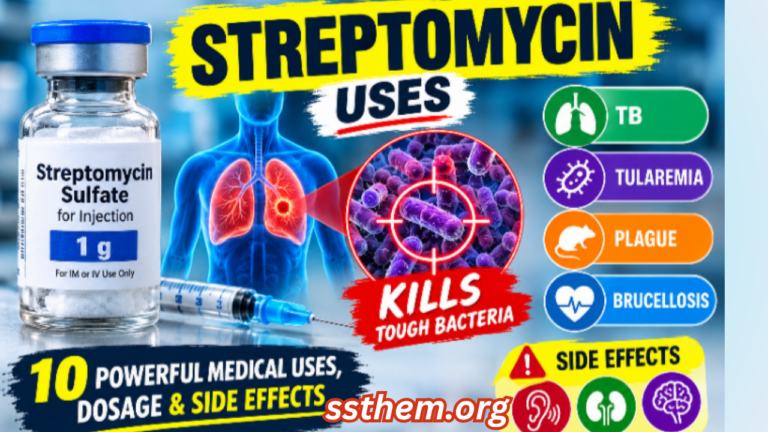
Streptomycin uses: 10 powerful medical facts, dosage, side effects & hidden hearing loss risk. Evidence-based guide for doctors, students & pharmacists.
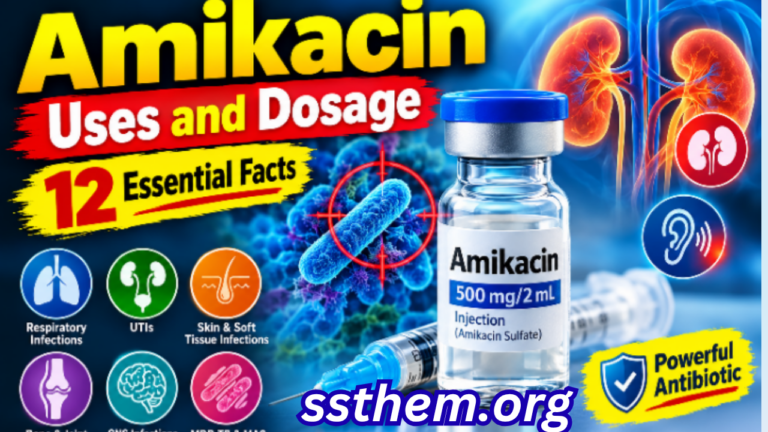
Discover 12 powerful facts about Amikacin uses and dosage, including key indications, dosing principles, mechanism of action, side effects, kidney and hearing risks, drug interactions, and therapeutic monitoring. A concise evidence-based guide for medical students, pharmacists, and healthcare professionals.
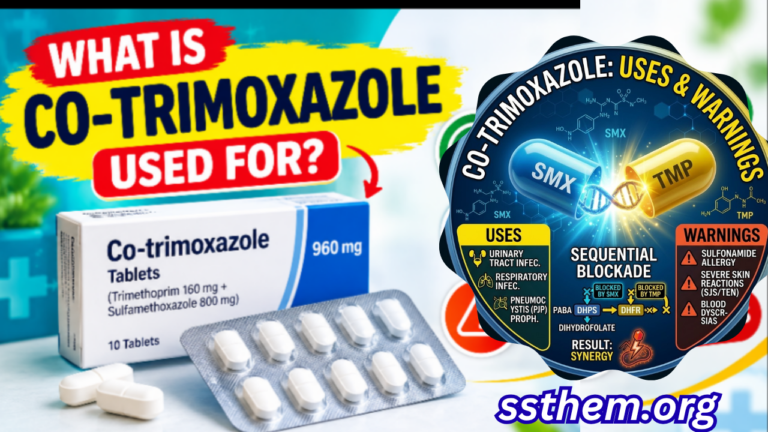
Discover what is co-trimoxazole used for in this expert guide. Uncover powerful, evidence-based facts about its FDA-approved uses, smart dosing, and critical safety secrets. Read before your next prescription.

Pharmacology MCQs with Clinical Cases: The Ultimate Exam Revision Guide for MBBS, Pharm-D & Nursing Students Imagine you are a junior doctor on your first night shift. A 68-year-old patient with heart failure and chronic kidney disease arrives in the emergency department. She has been taking digoxin for years, but today she presents with nausea,…
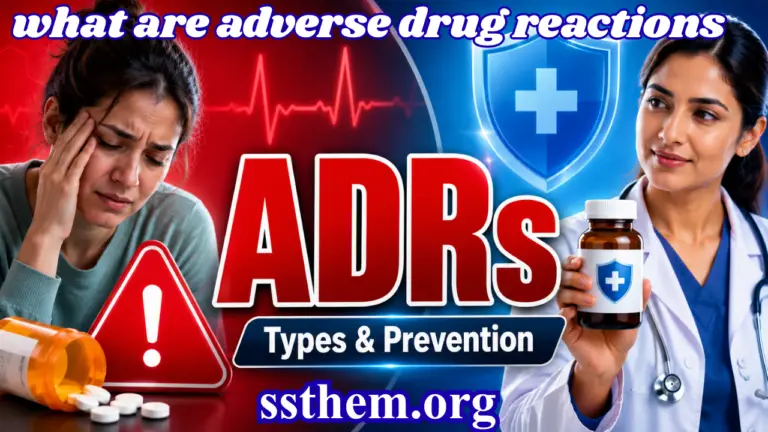
Shocking Adverse Drug Reaction Facts Every Patient Must Know Imagine a patient, Mr. Davi, a 65-year-old man with hypertension and type 2 diabetes, who has been managing his conditions well with a stable medication regimen. Following a minor respiratory infection, his physician prescribes clarithromycin, a commonly used antibiotic. Within three days, Mr. Davi feels increasingly…
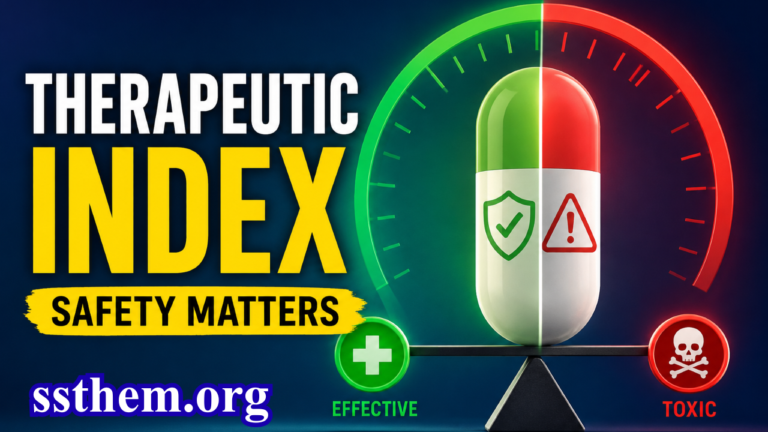
Therapeutic Index Made Easy : Formula, Drug Safety, Clinical Importance & Examples Imagine two patients starting new medications. One receives a common antibiotic for a chest infection. The doctor prescribes a standard dose, and the patient takes it without any blood tests or special monitoring. The other patient is started on warfarin, a blood thinner….
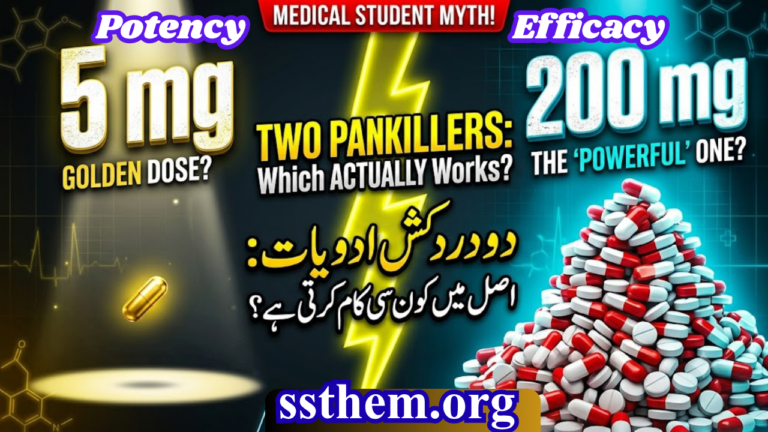
Potency vs Efficacy A Tale of Two Painkillers Imagine a patient in your clinic describing severe, debilitating pain. You have two different pain medications available. Drug A relieves pain completely at a very small dose—just 5 mg. Drug B requires 200 mg to achieve the same complete pain relief. Which drug would you prescribe? Many…
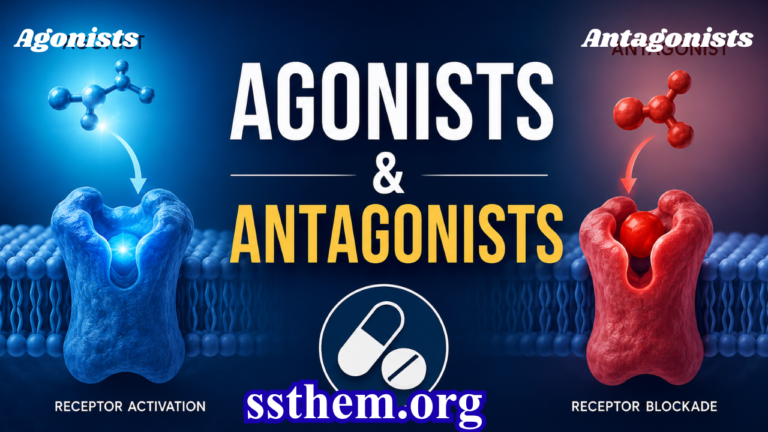
Agonists and Antagonists in Clinical Pharmacology: A Comprehensive Guide for Medical Professionals Imagine a 65-year-old patient with chronic obstructive pulmonary disease (COPD) experiencing acute shortness of breath. The emergency department physician administers albuterol, a beta-2 agonist, through a nebulizer. Within minutes, the patient’s bronchioles dilate, breathing becomes easier, and oxygen saturation improves. That same patient,…
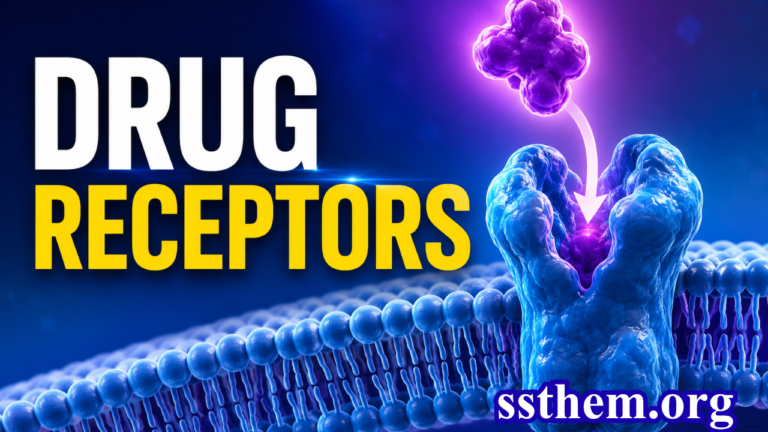
The Molecular Bridge Between Drug and Effect Imagine you are a physician in a busy emergency department. A 55-year-old man arrives with acute shortness of breath, wheezing, and a history of asthma. You administer a dose of salbutamol via nebulizer. Within minutes, his breathing eases, the wheezing subsides, and his oxygen saturation improves. At the…
Expert Therapeutic Drug Monitoring Strategies: A Clinical Scenario to Begin Picture a 64-year-old man with atrial fibrillation and heart failure who has been taking digoxin 0.25 mg daily for several months. He arrives at the emergency department complaining of nausea, vomiting, and visual disturbances—he reports seeing halos around lights. His electrocardiogram shows characteristic downsloping ST-segment…