
What Is Clarithromycin Used to Treat 10 Powerful Facts You Need to Know
What Is Clarithromycin Used to Treat Powerful Facts About Uses, Risks & Safety
Why does a macrolide antibiotic prescribed daily for respiratory infections sometimes fail dramatically in another patient with a seemingly similar condition? The answer reveals a deeper truth about antimicrobial therapy: the medicine’s name provides only a starting point. What matters clinically is whether the pathogen is susceptible, whether the drug reaches therapeutic concentrations at the infection site, whether the patient’s renal and hepatic function support safe clearance, and whether the potential for drug interactions or cardiac effects changes the risk-benefit calculation.
What is clarithromycin used to treat? This question appears straightforward but demands a sophisticated answer. Clarithromycin, a semisynthetic macrolide antibiotic derived from erythromycin, has earned its place in formularies worldwide because of its enhanced acid stability, improved oral bioavailability, broader tissue distribution, and activity against organisms that erythromycin cannot reliably cover. Yet its clinical utility extends beyond simple pathogen coverage. Clarithromycin’s pharmacokinetic profile, its active metabolite 14-hydroxyclarithromycin, its immunomodulatory properties in certain chronic conditions, and its significant CYP3A4 inhibition make it both a valuable therapeutic agent and a medication requiring careful prescribing judgment.
This article provides an evidence-based examination of clarithromycin uses, dosage considerations, safety profile, adverse effects, drug interactions, and clinical applications. Written for medical students, physicians, pharmacists, nurses, and informed readers, it integrates FDA labeling, major clinical guidelines, pharmacokinetic principles, and peer-reviewed evidence to answer clinical questions with precision. The goal is not merely to list indications but to explain when clarithromycin is appropriate, when alternatives may be preferable, and how patient-specific factors shape therapeutic decisions.
Before we go deeper, remember that clinical pharmacology is not about memorizing isolated facts. It is about understanding why a drug works, when it works, when it should be avoided, and what can go wrong. In the following sections, we answer those questions with evidence.
One more thing: if you are comparing macrolides and wondering about the beta-lactam alternative, co-amoxiclav, you might be surprised by the hidden differences in spectrum and safety. For a suspenseful look at its uses and side effects, explore Details about Co-Amoxiclav Benefits and Uses. But keep your focus here first—the clinical stakes are high.
Key Facts Table: Clarithromycin at a Glance
The following table summarizes the most clinically important facts about clarithromycin. This is not a substitute for full prescribing information, but it provides a rapid reference for healthcare professionals and students.
| Parameter | Details |
|---|---|
| Generic Name | Clarithromycin |
| Common Brand Names | Biaxin, Biaxin XL, Klacid, Klaricid, Claripen |
| Drug Class | Macrolide antibiotic (semisynthetic) |
| Therapeutic Class | Antibacterial agent |
| Pharmacologic Class | Macrolide antimicrobial; 50S ribosomal subunit inhibitor |
| ATC Code | J01FA09 |
| Available Strengths | Tablets: 250 mg, 500 mg; Extended-release tablets: 500 mg; Oral suspension: 125 mg/5 mL, 250 mg/5 mL |
| Dosage Forms | Immediate-release tablets, extended-release tablets, oral suspension |
| Route(s) of Administration | Oral |
| FDA Status | FDA-approved for multiple bacterial infections in adults and pediatric patients for specific indications |
| Primary Clinical Uses | Respiratory tract infections, H. pylori eradication, skin infections, nontuberculous mycobacterial infections |
| Bioavailability | ~50% (immediate-release); variable with extended-release |
| Protein Binding | 65–75% for clarithromycin; 50–60% for active metabolite |
| Volume of Distribution | 2.4–4.4 L/kg |
| Half-Life | 3–7 hours (immediate-release); 5–9 hours (extended-release); prolonged in renal impairment |
| Metabolism | Hepatic via CYP3A4; forms active 14-hydroxyclarithromycin |
| Major Route of Elimination | Hepatic metabolism with renal excretion of parent drug and metabolites |
| Renal/Hepatic Considerations | Dose adjustment required in severe renal impairment; caution in hepatic dysfunction |
| Major Contraindications | Hypersensitivity to macrolides; concomitant cisapride, pimozide, ergot alkaloids, colchicine in renal/hepatic impairment, lovastatin/simvastatin |
| Important Adverse Effects | Gastrointestinal effects, QT prolongation, hepatotoxicity, taste disturbance, C. difficile-associated diarrhea |
This table is a snapshot. Every parameter in it will be expanded in the dedicated sections below, but we will not repeat the full explanations unnecessarily.
What Is Clarithromycin?
Clarithromycin is a semisynthetic macrolide antibiotic derived from erythromycin A. The structural modification—replacement of a hydroxyl group with a methoxy group at the C-6 position—produces a molecule with improved acid stability, enhanced oral absorption, and a more favorable gastrointestinal tolerability profile compared to its parent compound. These properties transformed clarithromycin into one of the most commonly prescribed macrolide antibiotics worldwide.
The drug belongs to the macrolide class, which also includes azithromycin, erythromycin, fidaxomicin, and telithromycin (a ketolide derivative). Macrolides share a common mechanism of action but differ in their spectrum, pharmacokinetics, drug interaction potential, and adverse effect profiles. Clarithromycin occupies a middle position: it provides better gram-positive and atypical coverage than azithromycin for some organisms, particularly certain streptococci and Helicobacter pylori, but carries a greater burden of CYP3A4-mediated drug interactions and gastrointestinal adverse effects.
Clarithromycin’s therapeutic applications span multiple organ systems. It demonstrates clinically useful activity against Streptococcus pneumoniae, Haemophilus influenzae, Moraxella catarrhalis, Mycoplasma pneumoniae, Chlamydophila pneumoniae, Legionella pneumophila, Helicobacter pylori, and several nontuberculous mycobacteria including Mycobacterium avium complex. The 14-hydroxyclarithromycin metabolite possesses antimicrobial activity of its own, which is additive or synergistic with the parent drug against certain pathogens. This metabolic feature distinguishes clarithromycin from azithromycin, which does not form an active metabolite.
Formulations include immediate-release tablets (250 mg and 500 mg), extended-release tablets (500 mg), and oral suspension (125 mg/5 mL and 250 mg/5 mL). The extended-release formulation allows once-daily dosing for certain indications while maintaining therapeutic concentrations. Pediatric patients frequently receive the oral suspension, which requires specific storage considerations and has a distinct pharmacokinetic profile.
Understanding what does clarithromycin treat requires appreciating that antimicrobial selection depends not only on the drug’s spectrum but also on local resistance patterns, patient comorbidities, drug interactions, and formulary considerations. Clarithromycin’s niche has shifted in recent years because of increasing pneumococcal resistance in some regions, but it remains a first-line option for specific indications where its pharmacologic properties and evidence base are strongest. The dose that maintains the effect is not just a number; it is a calculated risk. For a deeper understanding of how dosing works in pharmacology, visit Learn What Potency vs Efficacy Means. This concept is vital for drugs like clarithromycin where tissue penetration and active metabolites are so tightly linked to clinical outcomes.
Pharmacokinetics & Pharmacodynamics Key Table
Before we dive into individual pharmacokinetic sections, the following table provides a consolidated view of the clinically relevant pharmacokinetic and pharmacodynamic characteristics of clarithromycin. The table is designed to be readable on mobile devices.
| Parameter | Clinically Relevant Details |
|---|---|
| Absorption | Rapid absorption from gastrointestinal tract; food delays but does not reduce extent of absorption |
| Bioavailability | ~50% for immediate-release; extended-release has different absorption profile |
| Time to Peak Concentration | 2–3 hours (immediate-release); 5–8 hours (extended-release) |
| Protein Binding | 65–75% for clarithromycin; 50–60% for 14-hydroxyclarithromycin |
| Volume of Distribution | 2.4–4.4 L/kg, indicating extensive tissue distribution |
| Tissue Penetration | Excellent; high concentrations in respiratory tissues, middle ear fluid, tonsils, and skin |
| Blood-Brain Barrier Penetration | Limited; not the agent of choice for CNS infections |
| Placental Transfer | Crosses placenta; limited human data available |
| Half-Life | 3–7 hours (immediate-release); 5–9 hours (extended-release); prolonged in renal impairment |
| Metabolism | Hepatic via CYP3A4; forms active 14-hydroxyclarithromycin and other metabolites |
| Active Metabolites | 14-hydroxyclarithromycin demonstrates antimicrobial activity, particularly against Haemophilus influenzae |
| Enzyme Involvement | CYP3A4 substrate and potent inhibitor |
| Elimination | 20–30% excreted unchanged in urine; remainder metabolized in liver and excreted in bile and urine |
| Renal Clearance | Significant renal contribution; clearance decreases in renal impairment |
| Fecal/Biliary Elimination | Significant biliary excretion of metabolites |
| Pharmacodynamic Target | AUC/MIC ratio primary driver of efficacy; time-dependent killing |
| Mechanism | Binds 50S ribosomal subunit, inhibits protein synthesis; generally bacteriostatic |
| Concentration/Time-Dependent Activity | Predominantly time-dependent with some concentration-dependent enhancement |
| PK/PD Index | AUC/MIC ratio best predicts efficacy; time above MIC also relevant |
This table is a quick reference. The following sections explain the most important details without unnecessary repetition.
Half-Life of Clarithromycin
The half-life of clarithromycin in a patient with normal renal function is approximately 3 to 7 hours for immediate-release formulations. The extended-release formulation exhibits a longer apparent half-life of 5 to 9 hours because of its modified release characteristics, which prolong absorption and sustain plasma concentrations over the dosing interval.
The active metabolite, 14-hydroxyclarithromycin, has a half-life similar to or slightly longer than the parent compound, typically ranging from 5 to 7 hours. This metabolite contributes meaningfully to antimicrobial activity, particularly against Haemophilus influenzae, and effectively extends the pharmacodynamic activity of clarithromycin beyond what the parent drug’s half-life would suggest.
Renal function profoundly influences clarithromycin half-life. In patients with creatinine clearance between 30 and 80 mL/min, elimination is moderately delayed. In severe renal impairment (creatinine clearance below 30 mL/min), the half-life of clarithromycin can extend to 8–16 hours or longer, and the half-life of 14-hydroxyclarithromycin increases similarly. In patients with end-stage renal disease requiring dialysis, accumulation of both parent drug and active metabolite occurs without appropriate dose adjustment. This pharmacokinetic behavior explains why dosing recommendations include renal function–based adjustments.
Here’s what most medical textbooks won’t tell you: a patient with “normal” creatinine on paper can still have clinically significant clarithromycin accumulation if their muscle mass is low and creatinine clearance is overestimated. This silent pharmacokinetic trap has caught many prescribers off guard—especially in frail older adults where a “normal” creatinine masks substantially reduced glomerular filtration. The clinical consequence? Unexpected toxicity from a standard dose that seemed perfectly reasonable on the surface.
Hepatic impairment has a less predictable effect on clarithromycin half-life. Because hepatic metabolism accounts for the majority of drug clearance, severe hepatic dysfunction may theoretically reduce metabolism and prolong elimination. However, clinical studies have not consistently demonstrated clinically significant changes in half-life in mild-to-moderate hepatic impairment. The drug’s dual elimination pathways—hepatic metabolism and renal excretion—provide some compensatory capacity when one organ system is compromised, though this compensation is incomplete when both hepatic and renal function are impaired.
The half-life matters clinically for several reasons. It determines dosing frequency: immediate-release formulations are typically administered every 8 to 12 hours, while extended-release formulations allow once-daily dosing. The half-life also influences the timing of steady-state achievement and the duration of antimicrobial exposure above the minimum inhibitory concentration. Finally, half-life considerations guide renal dose adjustments, particularly in hospitalized patients with fluctuating renal function. Low protein binding is what allows clarithromycin to slip into tissues; for the complete guide on why this matters for nearly every medication, see Studies about Potency and Efficacy. This knowledge helps predict which drugs will be effective in treating deep-seated infections versus those confined to the bloodstream.
Metabolism of Clarithromycin
Clarithromycin undergoes extensive hepatic metabolism, primarily through the cytochrome P450 3A4 (CYP3A4) isoenzyme system. This metabolic pathway produces several metabolites, the most clinically important being 14-hydroxyclarithromycin, which retains antimicrobial activity. Other metabolites include N-desmethyl clarithromycin and various inactive derivatives. The conversion to 14-hydroxyclarithromycin involves hydroxylation at the C-14 position, creating a molecule with activity against Haemophilus influenzae that exceeds that of the parent compound.
The hepatic extraction of clarithromycin is substantial. Following oral administration, a significant portion of the absorbed dose undergoes first-pass metabolism, contributing to the approximately 50% oral bioavailability of immediate-release formulations. The rate of metabolism can be influenced by hepatic enzyme activity, which varies among individuals and is affected by concomitant medications that induce or inhibit CYP3A4.
Clarithromycin is not merely a substrate of CYP3A4; it is also a potent inhibitor of this enzyme. This property has profound clinical implications. Inhibition of CYP3A4 by clarithromycin can increase plasma concentrations of co-administered drugs that rely on CYP3A4 for metabolism, potentially causing toxicity. Notable examples include simvastatin, atorvastatin, colchicine, ergot alkaloids, and certain calcium channel blockers. Conversely, drugs that induce CYP3A4, such as rifampin, can reduce clarithromycin concentrations and compromise antimicrobial efficacy.
The most dangerous clarithromycin interaction you’ve never considered: colchicine. When a patient with gout receives clarithromycin for a respiratory infection while continuing colchicine, the result can be catastrophic—multiorgan failure, bone marrow suppression, and death have all been reported. The mechanism is dual: clarithromycin inhibits both CYP3A4 and P-glycoprotein, trapping colchicine inside cells where it wreaks havoc. This interaction is so severe that the FDA lists it as contraindicated in patients with renal or hepatic impairment. Many clinicians overlook colchicine on the medication list because it’s often prescribed “as needed” for gout flares, making it invisible on routine reconciliation.
Renal excretion contributes to clarithromycin elimination, with approximately 20–30% of an administered dose excreted unchanged in the urine. The active metabolite is also renally cleared. In renal impairment, clearance of both parent drug and metabolite decreases, necessitating dose reduction or extension of the dosing interval. Hepatic impairment alone appears to have less impact on clarithromycin clearance than renal impairment, although severe hepatic dysfunction may reduce metabolic capacity.
The clinical significance of clarithromycin’s metabolism extends beyond its own elimination. The drug’s CYP3A4 inhibition is a major reason why clinicians must carefully review medication lists before prescribing clarithromycin, particularly in older adults and patients taking multiple medications. This metabolic profile also underlies several important drug interactions discussed later in this article.
Bioavailability & Protein Binding of Clarithromycin
The oral bioavailability of clarithromycin immediate-release tablets is approximately 50%. This value reflects the combined effects of gastrointestinal absorption and first-pass hepatic metabolism. The extended-release formulation exhibits a different absorption profile: it releases drug more slowly in the gastrointestinal tract, resulting in lower peak concentrations but sustained plasma levels that permit once-daily dosing. The absolute bioavailability of the extended-release formulation is similar to or slightly lower than that of immediate-release tablets, but the delayed absorption produces a flatter concentration-time curve with a later time to peak concentration.
Food affects the absorption of clarithromycin formulations differently. Immediate-release tablets and oral suspension can be administered without regard to meals, as food may delay but does not significantly reduce the extent of absorption. The extended-release formulation should be taken with food to optimize absorption and minimize gastrointestinal irritation. Taking extended-release clarithromycin on an empty stomach may reduce systemic exposure and potentially compromise therapeutic efficacy.
Clarithromycin demonstrates rapid and extensive distribution into tissues. The apparent volume of distribution ranges from 2.4 to 4.4 L/kg, indicating that the drug distributes beyond the vascular compartment into tissues. This tissue penetration is clinically important because respiratory tract infections, skin infections, and middle ear infections require adequate drug concentrations at the site of infection. Clarithromycin achieves concentrations in respiratory secretions, bronchial mucosa, tonsillar tissue, middle ear fluid, and skin that exceed simultaneous plasma concentrations. This property enhances its efficacy against susceptible pathogens at these sites.
The protein binding of clarithromycin is moderate, ranging from 65% to 75% for the parent drug. The active metabolite, 14-hydroxyclarithromycin, exhibits slightly lower protein binding of approximately 50–60%. Protein binding influences the free (unbound) fraction of drug available for antimicrobial activity, since only unbound drug distributes into tissues and exerts pharmacologic effects. Moderate protein binding means that a substantial free fraction remains available for tissue penetration and antimicrobial activity. However, protein binding can become clinically significant in patients with hypoalbuminemia, where the free fraction increases and may potentially enhance both efficacy and toxicity.
Think protein binding doesn’t matter in critically ill patients? Think again. In severe sepsis with hypoalbuminemia, the free fraction of clarithromycin can increase by 30–50%, meaning standard doses deliver substantially more active drug than expected. For a time-dependent antibiotic like clarithromycin, this might seem beneficial—until the patient also has acute kidney injury and the drug isn’t being cleared. The result: unexpectedly high free drug concentrations that can precipitate QT prolongation and other concentration-dependent toxicities. This is why monitoring free drug effects, not just total drug levels, matters in critical illness. For related principles in antimicrobial pharmacology, our guide to Cefradine Uses and Clinical Applications provides useful comparative insights.
The clinical significance of protein binding extends to drug interactions. Clarithromycin and other highly protein-bound drugs may compete for binding sites, although displacement interactions are rarely clinically significant for clarithromycin because of its moderate binding and large therapeutic window. More important are the metabolic interactions mediated by CYP3A4 inhibition, which occur regardless of protein binding.
FDA-Approved Uses: The Critical Indications
When we discuss clarithromycin uses, we must first ground our conversation in the diseases it is officially approved to treat. The FDA has carefully delineated these indications because the drug’s power is balanced by its risk. These are not first-line uses for every infection; they are strategic ones.
1. Acute Bacterial Exacerbation of Chronic Bronchitis 
Clarithromycin is FDA-approved for the treatment of acute bacterial exacerbations of chronic bronchitis caused by susceptible strains of Haemophilus influenzae, Moraxella catarrhalis, or Streptococcus pneumoniae. Chronic bronchitis, characterized by persistent inflammation and mucus hypersecretion in the bronchial tree, predisposes patients to recurrent bacterial infections. Clarithromycin’s activity against the common respiratory pathogens and its excellent penetration into respiratory tissues make it suitable for this indication. However, the emergence of macrolide-resistant Streptococcus pneumoniae in some regions has led many clinicians to consider alternative agents or obtain susceptibility testing when resistance is suspected.
2. Acute Maxillary Sinusitis 
Clarithromycin is approved for the treatment of acute maxillary sinusitis caused by susceptible strains of Haemophilus influenzae, Moraxella catarrhalis, or Streptococcus pneumoniae. Acute bacterial sinusitis typically follows a viral upper respiratory infection that impairs sinus drainage and creates conditions favorable for bacterial overgrowth. Clarithromycin achieves therapeutic concentrations in sinus mucosa and middle ear fluid, supporting its use in this indication. The duration of therapy for acute bacterial sinusitis typically ranges from 10 to 14 days, although shorter courses may be appropriate in some patients. Clinicians evaluating clarithromycin for sinus infection should consider whether the patient has received recent antibiotic therapy, which increases the likelihood of resistant pathogens.
3. Community-Acquired Pneumonia 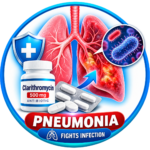
Clarithromycin is FDA-approved for the treatment of community-acquired pneumonia caused by susceptible strains of Mycoplasma pneumoniae, Streptococcus pneumoniae, Chlamydophila pneumoniae, Haemophilus influenzae, and other susceptible organisms. The drug’s activity against atypical pathogens—particularly Mycoplasma pneumoniae and Chlamydophila pneumoniae—makes it a valuable option for empiric therapy of community-acquired pneumonia, especially in outpatient settings where atypical organisms are common. However, increasing rates of macrolide-resistant Streptococcus pneumoniae in certain populations have prompted guideline recommendations for combination therapy with a beta-lactam when pneumococcal pneumonia is suspected. The IDSA/ATS community-acquired pneumonia guidelines recommend combination therapy with a beta-lactam plus a macrolide for hospitalized patients with non-severe pneumonia, reflecting both antimicrobial coverage and potential immunomodulatory benefits. Clarithromycin for chest infection remains a common clinical scenario, particularly when atypical pathogens are suspected.
4. Pharyngitis/Tonsillitis 
Clarithromycin is approved for the treatment of pharyngitis and tonsillitis caused by Streptococcus pyogenes (group A beta-hemolytic streptococcus). Penicillin and amoxicillin remain the first-line agents for streptococcal pharyngitis because of their narrow spectrum, excellent safety record, and lack of significant resistance among group A streptococci. Clarithromycin serves as an alternative for patients with beta-lactam allergy. The recommended duration for streptococcal pharyngitis is 10 days to maximize eradication rates and prevent rheumatic fever, although shorter courses have been studied. Treatment failure is more common with macrolide resistance in Streptococcus pyogenes, which varies geographically. Clarithromycin for throat infection is a well-established indication, but clinicians should confirm beta-lactam allergy before selecting a macrolide alternative.
5. Uncomplicated Skin and Skin Structure Infections 
Clarithromycin is FDA-approved for the treatment of uncomplicated skin and skin structure infections caused by susceptible strains of Staphylococcus aureus or Streptococcus pyogenes. The drug’s activity against these gram-positive organisms and its excellent skin penetration support this indication. However, the increasing prevalence of community-associated methicillin-resistant Staphylococcus aureus has changed the epidemiology of skin infections, and clarithromycin is not active against MRSA. Clinicians should consider local resistance patterns and obtain cultures when MRSA is suspected. Doxycycline, trimethoprim-sulfamethoxazole, and clindamycin are often preferred empiric options for purulent skin infections in communities with high MRSA prevalence.
6. Acute Otitis Media 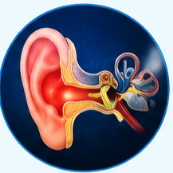
Clarithromycin is FDA-approved for the treatment of acute otitis media caused by susceptible strains of Haemophilus influenzae, Moraxella catarrhalis, or Streptococcus pneumoniae. The drug achieves therapeutic concentrations in middle ear fluid, supporting its use in this indication. Amoxicillin remains the first-line agent for most children with acute otitis media because of its narrow spectrum, safety profile, and effectiveness against the most common pathogens. Clarithromycin is typically reserved for patients with beta-lactam allergy or treatment failure after first-line therapy. The extended-release formulation is not recommended for acute otitis media in children.
7. Disseminated Mycobacterial Infections 
Clarithromycin is FDA-approved for the prevention and treatment of disseminated Mycobacterium avium complex disease. For prophylaxis, clarithromycin is indicated for the prevention of disseminated MAC disease in patients with advanced HIV infection. For treatment, clarithromycin is used in combination with ethambutol and other agents for the treatment of disseminated MAC disease. Clarithromycin is a cornerstone of MAC therapy because of its potent activity against this organism and its ability to achieve high intracellular concentrations where mycobacteria reside. Monotherapy for established MAC disease is not recommended because of the rapid emergence of resistance.
8. Helicobacter pylori Eradication 
Clarithromycin, in combination with amoxicillin and a proton pump inhibitor, is FDA-approved for the eradication of Helicobacter pylori in patients with duodenal ulcer disease. Triple therapy with a proton pump inhibitor, clarithromycin, and amoxicillin has been a standard first-line regimen for H. pylori eradication for decades. However, increasing clarithromycin resistance in H. pylori has reduced the efficacy of clarithromycin-based triple therapy in many regions. Current guidelines recommend susceptibility testing when possible and consideration of alternative regimens, particularly bismuth quadruple therapy, in areas where clarithromycin resistance exceeds 15%. The role of clarithromycin in H. pylori therapy continues to evolve as resistance patterns change.
Spectrum of Activity: The Broad-Spectrum Warrior
Beyond its FDA-approved uses, understanding clarithromycin’s spectrum of activity is essential for a clinician deciding when to deploy it. Its clinical success is directly tied to which bacteria it can kill.
Gram-Positive Activity
Clarithromycin demonstrates activity against Streptococcus pneumoniae, Streptococcus pyogenes (group A streptococcus), Streptococcus agalactiae (group B streptococcus), viridans group streptococci, and methicillin-susceptible Staphylococcus aureus. The drug is generally active against Listeria monocytogenes and Corynebacterium species. Clarithromycin is not active against methicillin-resistant Staphylococcus aureus, Enterococcus faecium, or penicillin-resistant Streptococcus pneumoniae (when resistance is conferred by altered penicillin-binding proteins, cross-resistance to macrolides often occurs). Macrolide resistance among Streptococcus pneumoniae varies geographically and has increased in many regions, with resistance rates exceeding 25% in some populations. This resistance trend has important implications for empiric therapy of respiratory infections.
Gram-Negative Activity
Clarithromycin demonstrates activity against Haemophilus influenzae, Moraxella catarrhalis, Bordetella pertussis, Neisseria species, and Campylobacter jejuni. The activity against Haemophilus influenzae is enhanced by the 14-hydroxyclarithromycin metabolite, which is approximately twice as active as the parent drug against this organism. Clarithromycin is not reliably active against Enterobacteriaceae such as Escherichia coli, Klebsiella pneumoniae, or Proteus species. Pseudomonas aeruginosa is intrinsically resistant to clarithromycin, although the drug has been studied for its immunomodulatory effects in chronic Pseudomonas infections.
Anaerobic Activity
Clarithromycin demonstrates activity against many anaerobic bacteria, including Bacteroides fragilis (moderate activity), Prevotella species, Porphyromonas species, Fusobacterium species, and anaerobic streptococci. The drug’s anaerobic activity contributes to its efficacy in odontogenic infections and certain polymicrobial infections of the head and neck. However, metronidazole and clindamycin generally provide more predictable anaerobic coverage and are preferred for documented anaerobic infections.
Atypical Organisms
Here’s where clarithromycin silently outperforms beta-lactams: Mycoplasma pneumoniae, Chlamydophila pneumoniae, and Legionella pneumophila are completely invisible to drugs like amoxicillin and cephalosporins because these bacteria lack a cell wall. Clarithromycin’s protein synthesis inhibition makes it highly active against these atypical respiratory pathogens. This is a major reason for clarithromycin’s use in community-acquired pneumonia, where atypical organisms are common etiologic agents. Clarithromycin is also active against Ureaplasma urealyticum and Chlamydia trachomatis, although azithromycin is typically preferred for urogenital chlamydial infections because of its single-dose regimen.
Mycobacterial Activity
Clarithromycin demonstrates clinically important activity against Mycobacterium avium complex, Mycobacterium leprae, and certain other nontuberculous mycobacteria. It is a cornerstone agent for prophylaxis and treatment of disseminated MAC disease in HIV-infected patients and is also used in combination regimens for other nontuberculous mycobacterial infections. Clarithromycin is not active against Mycobacterium tuberculosis.
Important Intrinsic Resistance
Pseudomonas aeruginosa is intrinsically resistant to clarithromycin. Enterobacteriaceae (Escherichia coli, Klebsiella, Enterobacter, Serratia, Proteus) are intrinsically resistant to clarithromycin. Acinetobacter species and Stenotrophomonas maltophilia are also intrinsically resistant. These intrinsic resistance patterns mean that clarithromycin should not be used empirically for infections likely to involve these organisms.
Acquired Resistance
Acquired macrolide resistance occurs through several mechanisms. The most common mechanism involves methylation of the 23S ribosomal RNA by erm genes, which prevents macrolide binding and confers high-level resistance. This mechanism affects all macrolides, lincosamides, and streptogramin B antibiotics (MLSB phenotype). Another mechanism involves efflux pumps encoded by mef genes, which actively remove macrolides from bacterial cells and confer lower-level resistance. Acquired resistance is most clinically significant in Streptococcus pneumoniae, Streptococcus pyogenes, Staphylococcus aureus, and Helicobacter pylori, where resistance rates have increased in many regions.
The clinical significance of susceptibility testing is that in-vitro activity does not always predict clinical efficacy. Host factors, infection site, drug penetration, and the presence of the active metabolite all influence clinical outcomes. When macrolide resistance is suspected or documented, alternative agents should be selected.
Mechanism of Action: Clarithromycin

The molecular mechanism of clarithromycin is elegant and precise. It is a bacteriostatic agent that inhibits bacterial protein synthesis by binding to the 50S ribosomal subunit, specifically to the 23S ribosomal RNA within the peptidyl transferase center. This binding physically obstructs the peptide exit tunnel through which newly synthesized polypeptides emerge from the ribosome. By blocking this tunnel, clarithromycin prevents the elongation of nascent peptide chains and causes premature dissociation of peptidyl-tRNA from the ribosome.
The binding site of clarithromycin overlaps with that of other macrolides, lincosamides (clindamycin), and streptogramin B antibiotics. This shared binding site explains the cross-resistance observed among these antibiotic classes when the MLSB resistance mechanism is present. Clarithromycin’s binding to the 50S subunit is generally bacteriostatic, meaning it inhibits bacterial growth and replication but does not directly kill bacteria. However, at high concentrations against highly susceptible organisms, clarithromycin may exhibit bactericidal activity.
The cellular consequence of clarithromycin binding is the inhibition of bacterial protein synthesis. Proteins essential for bacterial growth, replication, and virulence cannot be synthesized, arresting bacterial proliferation and allowing host immune defenses to clear the infection. The selective toxicity of clarithromycin—its ability to inhibit bacterial but not human protein synthesis—results from structural differences between bacterial 70S ribosomes and human 80S ribosomes. Human cytoplasmic ribosomes do not bind clarithromycin with clinically relevant affinity, although mitochondrial ribosomes (which resemble bacterial ribosomes) may be affected at high concentrations, potentially contributing to adverse effects.
The antimicrobial activity of 14-hydroxyclarithromycin merits specific attention. This metabolite binds to the same 50S ribosomal target but demonstrates enhanced activity against certain organisms, particularly Haemophilus influenzae. The combined activity of clarithromycin and 14-hydroxyclarithromycin provides broader and more potent antimicrobial coverage than the parent drug alone. This metabolic activation represents an important pharmacologic feature distinguishing clarithromycin from other macrolides like azithromycin, which does not form an active metabolite.
Beyond direct antimicrobial activity, clarithromycin exerts immunomodulatory effects that may contribute to clinical efficacy in certain conditions. These effects include suppression of pro-inflammatory cytokines, reduction of neutrophil chemotaxis, modulation of mucus secretion, and attenuation of airway inflammation. These immunomodulatory properties have been studied in chronic respiratory conditions such as diffuse panbronchiolitis, cystic fibrosis, and chronic obstructive pulmonary disease. In diffuse panbronchiolitis, long-term low-dose macrolide therapy—including clarithromycin—improves survival and lung function through mechanisms that appear distinct from antibacterial activity.
Pharmacodynamics of Clarithromycin
Clarithromycin exhibits predominantly time-dependent antimicrobial activity, meaning that efficacy correlates most strongly with the duration of time that drug concentrations remain above the minimum inhibitory concentration of the pathogen. This contrasts with concentration-dependent agents like aminoglycosides, where peak concentration relative to MIC is the primary efficacy driver.
For clarithromycin, the AUC/MIC ratio (area under the concentration-time curve divided by MIC) provides the best pharmacodynamic predictor of efficacy, followed by time above MIC. The active metabolite complicates this analysis because its antimicrobial activity must be incorporated into the assessment. For Haemophilus influenzae, the potent activity of 14-hydroxyclarithromycin means that effective coverage may be achieved even when parent drug concentrations alone appear marginal.
The presence of a post-antibiotic effect (PAE) further influences clarithromycin’s pharmacodynamics. The post-antibiotic effect refers to the persistent suppression of bacterial growth after drug concentrations fall below the MIC. Clarithromycin demonstrates a moderate post-antibiotic effect against susceptible gram-positive organisms, typically lasting 2–4 hours. This PAE allows for intermittent dosing and contributes to the efficacy of twice-daily regimens.
The concentration-response relationship for clarithromycin is less steep than for concentration-dependent antibiotics. Doubling the dose produces only modest increases in bactericidal effect for most susceptible organisms. This pharmacodynamic profile means that increasing clarithromycin doses is not a reliable strategy for overcoming partial resistance. Instead, susceptibility testing and selection of alternative agents are preferred when resistance is documented.
The silent threat of subtherapeutic dosing: When clarithromycin concentrations hover near the MIC rather than exceeding it comfortably, the drug selects for resistant mutants. This is not a dramatic event—no visible clinical failure, no obvious warning sign. Instead, resistant subpopulations emerge gradually, and the next infection in that patient (or their close contacts) may not respond to macrolides at all. This is why appropriate dosing and treatment duration matter beyond individual patient outcomes. The concept connects directly to our discussion of potency versus efficacy and how drug properties translate into bacterial killing.
The PK/PD target for clarithromycin has not been as rigorously defined as for fluoroquinolones or aminoglycosides. However, maintaining free drug concentrations above the MIC for 40–50% of the dosing interval is generally considered adequate for bacteriostatic activity against susceptible pathogens. The extended-release formulation achieves sustained concentrations that meet this target for susceptible organisms while allowing once-daily dosing.
Resistance suppression is another pharmacodynamic consideration. Subtherapeutic concentrations of clarithromycin can select for resistant subpopulations, particularly in organisms like Streptococcus pneumoniae that possess multiple resistance mechanisms. Adequate dosing and appropriate treatment duration help minimize resistance selection. However, the widespread use of macrolides in outpatient settings has contributed to rising resistance rates, underscoring the importance of antimicrobial stewardship.
Contraindications: The Absolute No-Fly Zones
The power of clarithromycin is matched by its potential for harm. There are situations where the risk is categorically unacceptable. These are the absolute contraindications.
Hypersensitivity to Macrolides
Clarithromycin is contraindicated in patients with known hypersensitivity to clarithromycin, erythromycin, azithromycin, or any macrolide antibiotic. Hypersensitivity reactions to macrolides may include anaphylaxis, angioedema, Stevens-Johnson syndrome, toxic epidermal necrolysis, or DRESS syndrome. Cross-reactivity among macrolides is well documented, and a history of serious reaction to any macrolide should preclude the use of clarithromycin.
Concomitant Use with Cisapride, Pimozide, or Ergot Alkaloids
Clarithromycin is contraindicated with cisapride and pimozide because its CYP3A4 inhibition elevates concentrations of these drugs, prolongs the QT interval, and increases the risk of life-threatening ventricular arrhythmias including torsades de pointes. It is also contraindicated with ergotamine and dihydroergotamine because the interaction can precipitate acute ergot toxicity characterized by severe peripheral vasospasm, ischemia, and potential tissue necrosis.
History of Cholestatic Jaundice or Hepatic Dysfunction
Clarithromycin is contraindicated in patients with a history of cholestatic jaundice or hepatic dysfunction associated with prior clarithromycin use. This contraindication reflects the risk of recurrent hepatotoxicity upon rechallenge.
Concomitant Use with Colchicine in Renal or Hepatic Impairment
Clarithromycin is contraindicated with colchicine in patients with renal or hepatic impairment. Clarithromycin inhibits CYP3A4 and P-glycoprotein, both of which are involved in colchicine clearance. In patients with impaired renal or hepatic function, the interaction can lead to life-threatening colchicine toxicity, including multiorgan failure.
Concomitant Use with Lomitapide, Lovastatin, or Simvastatin
Clarithromycin is contraindicated with lomitapide and with lovastatin or simvastatin because of the risk of severe myopathy and rhabdomyolysis. Clarithromycin’s CYP3A4 inhibition substantially increases statin concentrations, and muscle toxicity can be life-threatening. Atorvastatin and rosuvastatin may be used with caution and dose reduction, while pravastatin and fluvastatin are less affected.
QT Prolongation with Ventricular Arrhythmias
Clarithromycin should not be used in patients with a history of QT prolongation or ventricular arrhythmias, including torsades de pointes, when alternative agents are available. The drug’s QT-prolonging effect can precipitate arrhythmias in susceptible patients.
Warnings & Precautions: Navigating the Minefield
Here lies the heart of the clinical debate about clarithromycin. Its toxicity profile is significant enough that the FDA has issued multiple warnings. These warnings are not theoretical; they represent real, potentially life-threatening complications. The decision to prescribe this drug is a calculated risk.
QT Prolongation and Cardiovascular Events
Clarithromycin can prolong the QT interval and increase the risk of ventricular arrhythmias, including torsades de pointes. This effect is dose-dependent and more pronounced in patients with pre-existing QT prolongation, electrolyte abnormalities (hypokalemia, hypomagnesemia), significant bradycardia, concurrent use of other QT-prolonging drugs, or structural heart disease. The cardiovascular risk of clarithromycin received attention following observational studies suggesting an association between clarithromycin use and increased cardiovascular mortality, particularly in patients with coronary artery disease. While these findings remain debated, the FDA and other regulatory agencies recommend caution when prescribing clarithromycin to patients with known cardiovascular disease. Clinicians should assess the risk-benefit ratio individually and consider alternative agents when appropriate. For a deeper understanding of how medications can trigger unexpected reactions, our adverse drug reaction guide explains the mechanisms behind drug toxicity.
Hepatotoxicity
Clarithromycin can cause hepatotoxicity, ranging from asymptomatic transaminase elevations to fulminant hepatic failure. The incidence of clinically significant liver injury is low but well documented. Symptoms of hepatotoxicity include jaundice, dark urine, abdominal pain, and unexplained fatigue. Liver function testing may be appropriate in patients receiving prolonged therapy or those with pre-existing liver disease. Patients who develop signs or symptoms of hepatitis should discontinue clarithromycin and receive appropriate evaluation.
Clostridioides difficile-Associated Diarrhea
Like all antibacterial agents, clarithromycin can alter the normal colonic flora and permit overgrowth of Clostridioides difficile. C. difficile-associated diarrhea can range from mild diarrhea to fulminant pseudomembranous colitis and can be fatal. This adverse effect can occur during therapy or up to several weeks after discontinuation. Clinicians should consider C. difficile in any patient who develops diarrhea during or after clarithromycin therapy.
Myasthenia Gravis Exacerbation
Clarithromycin can exacerbate symptoms of myasthenia gravis, including muscle weakness and respiratory compromise. Macrolides have been associated with worsening of neuromuscular function in patients with this condition. Alternative antibiotics should be considered when possible, and patients with myasthenia gravis who require clarithromycin should be monitored closely.
Hypersensitivity Reactions
Serious hypersensitivity reactions to clarithromycin, including anaphylaxis, angioedema, Stevens-Johnson syndrome, and toxic epidermal necrolysis, have been reported. These reactions can be life-threatening and require immediate drug discontinuation and appropriate emergency management. Patients with a history of hypersensitivity to any macrolide should not receive clarithromycin.
Pregnancy Considerations
Clarithromycin is classified as pregnancy category C (FDA legacy classification). Animal studies have demonstrated adverse fetal effects, including cardiovascular malformations and cleft palate. Human data are limited, but some observational studies have suggested an increased risk of miscarriage with clarithromycin exposure in early pregnancy. The drug should be used during pregnancy only when the potential benefit justifies the potential risk to the fetus. For most infections during pregnancy, alternative antibiotics with better-established safety profiles (such as amoxicillin or erythromycin) are preferred.
Breastfeeding Considerations
Clarithromycin is excreted in human breast milk in small amounts. The clinical significance of this exposure for nursing infants is not well established, but potential concerns include alteration of infant gastrointestinal flora, sensitization, and adverse effects on the infant. The decision to use clarithromycin during breastfeeding should consider the benefits to the mother and the potential risks to the infant. Alternative antibiotics compatible with breastfeeding may be preferred when available.
Renal Impairment
Clarithromycin clearance decreases in renal impairment, and dose adjustment is recommended for patients with creatinine clearance below 30 mL/min. In severe renal impairment, accumulation of clarithromycin and its active metabolite may occur, increasing the risk of adverse effects. Dose reduction or extension of the dosing interval is recommended.
Hepatic Impairment
Clarithromycin is primarily metabolized in the liver, and hepatic impairment may alter its pharmacokinetics. Mild-to-moderate hepatic impairment does not appear to significantly affect clarithromycin clearance, but severe hepatic dysfunction may reduce metabolism and increase exposure. The drug should be used with caution in patients with hepatic impairment, particularly those with concomitant renal dysfunction.
Side Effects of Clarithromycin
Understanding the clarithromycin side effects profile requires separating common, often self-limited reactions from less common but serious adverse events. The following sections describe both categories.
Common Side Effects
Common side effects of clarithromycin are generally mild to moderate and may include diarrhea, nausea, vomiting, abdominal pain, dyspepsia, headache, dizziness, and rash. These gastrointestinal and CNS effects are the most frequently reported adverse reactions in clinical trials.
Nausea and diarrhea occur because clarithromycin alters the normal gut microbiota. Taking clarithromycin with food may reduce nausea but can delay absorption. Patients should be advised to stay hydrated, especially if diarrhea is significant. Headache and dizziness are usually transient but should be reported if they worsen or interfere with daily activities.
Dysgeusia (taste disturbance) is a distinctive side effect of clarithromycin, occurring in approximately 5% of patients. Patients describe a metallic or bitter taste that can affect appetite and quality of life. This effect is more common with clarithromycin than with other macrolides and resolves after discontinuation.
Insomnia and restlessness are also reported. Because clarithromycin can cause CNS stimulation, some patients may experience difficulty sleeping, particularly if the evening dose is taken too close to bedtime. Taking the last dose earlier in the evening may help, but this should be discussed with a healthcare provider.
Less Common Side Effects
Less common side effects include oral candidiasis, vaginal candidiasis, and Clostridioides difficile-associated diarrhea. These effects result from disruption of normal microbial flora and may require antifungal therapy or specific treatment.
Neurologic effects including confusion, hallucinations, and insomnia have been reported, particularly in older adults and patients receiving high doses. These effects are typically reversible upon drug discontinuation but may be distressing and should be distinguished from other causes of altered mental status.
Tinnitus and hearing impairment have been reported with clarithromycin, particularly at higher doses or in patients with renal impairment. Hearing loss is usually reversible but may persist in some cases. Patients who report hearing changes should be evaluated and consideration given to dose reduction or alternative therapy.
Adverse Effects of Clarithromycin
The adverse effects of clarithromycin are more serious than the common side effects described above. These reactions may be rare, but they can be severe, disabling, or life-threatening. Healthcare professionals must recognize them early, and patients must know when to seek emergency care.
QT Prolongation and Ventricular Arrhythmias
Clarithromycin prolongs the QT interval by blocking the rapid component of the delayed rectifier potassium current in cardiac myocytes. This effect is shared by other macrolides, particularly erythromycin. QT prolongation can precipitate torsades de pointes, a polymorphic ventricular tachycardia that can degenerate into ventricular fibrillation. Risk factors include female sex, older age, hypokalemia, hypomagnesemia, bradycardia, structural heart disease, congenital long QT syndrome, high clarithromycin doses, and concurrent use of other QT-prolonging drugs. Patients who develop palpitations, syncope, or unexplained seizures during clarithromycin therapy require immediate ECG evaluation.
Hepatotoxicity
Clarithromycin-associated hepatotoxicity can present as cholestatic hepatitis, hepatocellular injury, or mixed patterns. The mechanism may involve hypersensitivity reactions or direct toxic effects of the drug or its metabolites. Symptoms include jaundice, pruritus, dark urine, pale stools, right upper quadrant pain, and fatigue. Liver enzymes may be markedly elevated, and hepatic function may be impaired. Most cases resolve after drug discontinuation, but fulminant hepatic failure and death have been reported, particularly in patients with pre-existing liver disease or concurrent hepatotoxic medications. Patients receiving prolonged clarithromycin therapy should have liver function monitored periodically.
Severe Hypersensitivity Reactions
Anaphylaxis to clarithromycin is rare but life-threatening. Angioedema, Stevens-Johnson syndrome, toxic epidermal necrolysis, and DRESS syndrome have all been reported with clarithromycin. These severe cutaneous adverse reactions require immediate drug discontinuation, hospitalization, and specialized care. Patients who experience serious hypersensitivity reactions should never receive clarithromycin or related macrolides again. The pathogenesis of Stevens-Johnson syndrome and toxic epidermal necrolysis involves immune-mediated destruction of keratinocytes and mucous membranes, and mortality rates can exceed 20% in severe cases.
Clostridioides difficile-Associated Diarrhea
Clarithromycin, like all antibiotics, disrupts the normal colonic microbiome and can permit overgrowth of toxigenic Clostridioides difficile. C. difficile infection can range from mild diarrhea to fulminant pseudomembranous colitis with toxic megacolon, bowel perforation, and death. This adverse effect can occur during clarithromycin therapy or up to 8 weeks after discontinuation. Patients who develop watery diarrhea, abdominal cramping, or fever during or after clarithromycin therapy should be evaluated for C. difficile infection. Treatment includes discontinuation of clarithromycin, administration of oral vancomycin or fidaxomicin, and supportive care.
Myasthenia Gravis Exacerbation
Macrolides, including clarithromycin, can worsen myasthenia gravis through mechanisms that may involve inhibition of acetylcholine release at the neuromuscular junction. Exacerbations can include progressive muscle weakness, ptosis, diplopia, dysphagia, and respiratory failure. Patients with myasthenia gravis who require clarithromycin should be monitored closely, and alternative agents should be selected when possible.
Acute Interstitial Nephritis
Acute interstitial nephritis has been reported with clarithromycin, presenting with fever, rash, eosinophilia, and acute kidney injury. The mechanism is thought to involve a hypersensitivity reaction to the drug or its metabolites. Renal function typically improves after drug discontinuation, but corticosteroids may be required in some cases. This adverse effect emphasizes the importance of monitoring renal function in patients receiving clarithromycin therapy.
Drug-Induced Liver Injury Associated with Drug Interactions
Clarithromycin’s CYP3A4 inhibition can precipitate severe adverse effects when combined with certain medications. This is most clinically significant with statins (rhabdomyolysis), colchicine (multiorgan failure), and ergot alkaloids (severe vasospasm). These interactions constitute a form of indirect toxicity in which clarithromycin itself is not directly toxic but potentiates the toxicity of other medications.
Drug Interactions of Clarithromycin
Clarithromycin drug interactions are clinically significant and must be reviewed before prescribing or dispensing. The table below summarizes the most important interactions. This is not an exhaustive list, but it highlights interactions with strong evidence and clinical relevance.
| Interacting Medicine/Class | Potential Interaction | Clinical Significance | Management Consideration |
|---|---|---|---|
| Simvastatin | Clarithromycin increases simvastatin concentrations 7–10-fold | Severe myopathy, rhabdomyolysis | Contraindicated; use alternative statin or antibiotic |
| Lovastatin | Similar to simvastatin | Severe myopathy, rhabdomyolysis | Contraindicated |
| Atorvastatin | Moderate increase in atorvastatin concentrations | Myopathy risk | Use lowest effective statin dose or suspend statin during short clarithromycin course |
| Cisapride | Clarithromycin inhibits cisapride metabolism | QT prolongation, torsades de pointes | Contraindicated |
| Pimozide | Similar to cisapride | QT prolongation, torsades de pointes | Contraindicated |
| Ergot alkaloids | Clarithromycin inhibits ergot metabolism | Acute ergot toxicity, severe vasospasm | Contraindicated |
| Colchicine | Clarithromycin inhibits CYP3A4 and P-gp | Colchicine toxicity, multiorgan failure | Contraindicated in renal/hepatic impairment; avoid in other patients |
| Ticagrelor | Clarithromycin increases ticagrelor concentrations | Increased bleeding risk | Avoid; use alternative antibiotic |
| Warfarin | Variable effect on warfarin metabolism and gut flora | Increased INR, bleeding risk | Monitor INR closely; adjust warfarin dose |
| Carbamazepine | Clarithromycin inhibits carbamazepine metabolism | Carbamazepine toxicity (ataxia, nystagmus, hyponatremia) | Monitor levels; reduce carbamazepine dose |
| Digoxin | Reduced gut flora metabolism of digoxin increases levels | Digoxin toxicity | Monitor digoxin levels; reduce dose if needed |
| Rifampin | Rifampin induces CYP3A4, reduces clarithromycin concentrations | Treatment failure | Avoid combination; use alternative |
| QT-prolonging drugs | Additive QT prolongation | Torsades de pointes risk | Avoid when possible; monitor ECG |
| Cyclosporine | Clarithromycin inhibits cyclosporine metabolism | Nephrotoxicity, hypertension | Monitor cyclosporine levels; reduce dose |
| Tacrolimus | Similar to cyclosporine | Nephrotoxicity, neurotoxicity | Monitor tacrolimus levels; reduce dose |
| Theophylline | Clarithromycin inhibits theophylline metabolism | Theophylline toxicity (seizures, arrhythmias) | Monitor theophylline levels; reduce dose |
Dosage Details of Clarithromycin
Clarithromycin dosage depends on the infection type, severity, renal function, patient age, and local resistance patterns. The following are general adult doses for selected indications. These doses are based on prescribing information and should not replace clinical judgment or current guidelines.
Adult Dosing
Most clarithromycin indications in adults use either 250 mg or 500 mg administered every 12 hours. The choice between these doses depends on the infection severity, the likely pathogen, and the site of infection. Higher doses (500 mg every 12 hours) are typically recommended for more severe infections, H. pylori eradication, and disseminated mycobacterial disease.
The extended-release formulation allows once-daily dosing. For acute bacterial exacerbation of chronic bronchitis and acute maxillary sinusitis, the recommended dose is 1000 mg (two 500 mg extended-release tablets) once daily with food. The extended-release formulation is not recommended for all indications and should not be substituted for immediate-release tablets without considering the specific indication and evidence base.
Pediatric Dosing
Pediatric dosing of clarithromycin is weight-based and typically uses the oral suspension. For most respiratory tract infections, the recommended dose is 15 mg/kg/day divided into two doses (every 12 hours) for 10 days. The maximum pediatric dose is generally 1000 mg/day. For acute otitis media, the same 15 mg/kg/day divided twice daily for 10 days is recommended. For streptococcal pharyngitis, the 10-day course is important for eradication and rheumatic fever prevention.
Older Adults
No specific dose adjustment is recommended for older adults based on age alone. However, older adults are more likely to have reduced renal function, concurrent medications that interact with clarithromycin, and cardiac conditions that increase the risk of QT prolongation. Renal function should be assessed before prescribing clarithromycin to older adults, and dose adjustment should be made when creatinine clearance is below 30 mL/min.
Renal Impairment
In patients with creatinine clearance between 30 and 80 mL/min, no dose adjustment is typically required for standard clarithromycin doses. In patients with creatinine clearance below 30 mL/min, the dose should be reduced by 50% (e.g., 250 mg every 12 hours for most indications) or the dosing interval extended. For the extended-release formulation, use in severe renal impairment is not recommended because the formulation cannot be easily adjusted.
Hepatic Impairment
No specific dose adjustment is recommended for mild-to-moderate hepatic impairment. However, clarithromycin should be used with caution in patients with severe hepatic impairment, particularly if accompanied by renal dysfunction. Liver function should be monitored during therapy in patients with pre-existing liver disease.
Dialysis
Clarithromycin is partially removed by hemodialysis. In patients receiving dialysis, doses should be adjusted as for severe renal impairment (creatinine clearance below 30 mL/min). The timing of dialysis relative to clarithromycin dosing may influence drug removal, but specific recommendations vary. Consultation with a clinical pharmacist is advisable for patients on dialysis requiring clarithromycin therapy.
Dosage Table
The table below provides a concise summary of typical adult dosing for common indications. Doses may vary based on renal function, severity, and susceptibility data.
| Patient/Condition | Recommended Dose | Frequency | Duration | Important Considerations |
|---|---|---|---|---|
| Acute bacterial exacerbation of chronic bronchitis | 250–500 mg oral | Every 12 hours | 7–14 days | Consider local resistance patterns |
| Acute maxillary sinusitis | 500 mg oral | Every 12 hours | 10–14 days | Amoxicillin-clavulanate often preferred first-line |
| Community-acquired pneumonia | 250–500 mg oral | Every 12 hours | 7–14 days | Consider combination with beta-lactam |
| Pharyngitis/tonsillitis (group A strep) | 250 mg oral | Every 12 hours | 10 days | Penicillin/amoxicillin preferred first-line |
| Uncomplicated skin infection | 250–500 mg oral | Every 12 hours | 7–14 days | Consider MRSA coverage if suspected |
| Acute otitis media (children) | 15 mg/kg/day divided | Every 12 hours | 10 days | Amoxicillin preferred first-line |
| H. pylori eradication (adults) | 500 mg oral | Twice daily (with amoxicillin 1 g bid and PPI) | 10–14 days | Consider local resistance rates |
| MAC prophylaxis (HIV) | 500 mg oral | Every 12 hours | Indefinite | CD4 count <50 cells/mm³ |
| MAC treatment (adults) | 500 mg oral | Every 12 hours (with ethambutol) | ≥12 months | Combination therapy required |
| Extended-release formulation | 1000 mg (two 500 mg tablets) | Once daily | Varies by indication | Take with food |
| Renal impairment (CrCl <30 mL/min) | 250 mg oral | Every 12 hours | Varies | Monitor renal function |
Administration Table
Practical administration instructions are essential for patient education and nursing practice. The table below summarizes key administration factors.
| Administration Factor | Guidance |
|---|---|
| Route | Oral only (tablets, suspension) |
| With Food/Without Food | Immediate-release: may be taken with or without food. Extended-release: take with food |
| Timing | Immediate-release: every 12 hours. Extended-release: once daily at the same time each day |
| Tablet Instructions | Swallow extended-release tablets whole; do not crush, chew, or split |
| Liquid Formulation | Shake suspension well before each use. Use calibrated measuring device. Store at room temperature or refrigerated per manufacturer instructions |
| Missed Dose | Take as soon as remembered unless close to next dose. Do not double doses |
| Storage | Store tablets at room temperature (15–30°C). Protect from light. Keep suspension tightly closed |
| Special Instructions | Complete full prescribed course even if symptoms improve. Discard unused suspension after 14 days |
When a patient asks about clarithromycin missed dose, the answer should be clear: if a dose is missed, take it as soon as possible unless it is nearly time for the next scheduled dose. In that case, skip the missed dose and continue the regular schedule. Never double the dose to make up for a missed one, because that increases the risk of adverse effects without improving efficacy.
Pharmacokinetics of Clarithromycin
This consolidated pharmacokinetics section provides a professional overview without repeating the detailed half-life, metabolism, and bioavailability discussions already presented.
Absorption
Clarithromycin is rapidly absorbed after oral administration. Peak serum concentrations occur approximately 2 to 3 hours after a dose of immediate-release tablets. Food delays absorption but does not significantly reduce overall bioavailability. The extended-release formulation shows peak concentrations at 5 to 8 hours after dosing and should be taken with food to optimize absorption.
Distribution
Clarithromycin has a large volume of distribution, reflecting extensive tissue penetration. It distributes widely into the lungs, sinuses, skin, bone, prostate, and urine. Cerebrospinal fluid concentrations are moderate and higher when meninges are inflamed. The drug crosses the placenta and is excreted in breast milk.
Bioavailability and Protein Binding
As discussed in the Bioavailability & Protein Binding section, oral bioavailability is approximately 50% for immediate-release formulations, and protein binding is moderate at 65–75% for the parent drug. This supports the use of oral therapy for many infections.
Metabolism and Half-Life
As discussed in the Metabolism and Half-Life sections, clarithromycin undergoes extensive hepatic metabolism via CYP3A4 and has a half-life of approximately 3 to 7 hours in adults with normal renal function.
Elimination
Renal elimination is a significant route of clearance, with approximately 20–30% of an oral dose excreted unchanged in urine. The active metabolite is also renally cleared. Biliary and fecal elimination account for a significant fraction of drug removal. Dose adjustment is required in severe renal impairment.
Special Populations
Pregnancy
Clarithromycin crosses the placenta. Animal studies have shown adverse fetal effects, including cardiovascular malformations and cleft palate. Human data are limited, and some observational studies have suggested an increased risk of miscarriage with clarithromycin exposure in early pregnancy. The drug should be used during pregnancy only when the potential benefit justifies the potential risk to the fetus. For most infections during pregnancy, alternative antibiotics with better-established safety profiles are preferred.
Lactation
Clarithromycin is excreted in human breast milk in small amounts. The clinical significance of this exposure for nursing infants is not well established, but potential concerns include alteration of infant gastrointestinal flora, sensitization, and direct adverse effects. The decision to use clarithromycin during breastfeeding should consider the benefits to the mother and the potential risks to the infant.
Pediatrics
Clarithromycin is approved for use in children for several indications, including acute otitis media, pharyngitis/tonsillitis, community-acquired pneumonia, and skin infections. Pediatric dosing is weight-based, typically 15 mg/kg/day divided into two doses. The oral suspension is the preferred formulation for young children. The extended-release formulation is not recommended for children under 12 years of age. Safety and efficacy in infants less than 6 months of age have not been established.
Older Adults
No specific dose adjustment is recommended for older adults based on age alone. However, older adults are more likely to have reduced renal function, concurrent medications that interact with clarithromycin, and cardiac conditions that increase the risk of QT prolongation. Renal function should be assessed before prescribing clarithromycin to older adults, and dose adjustment should be made when creatinine clearance is below 30 mL/min.
Renal Impairment
Renal impairment significantly affects clarithromycin pharmacokinetics. Clearance of both clarithromycin and 14-hydroxyclarithromycin decreases with declining renal function. In patients with creatinine clearance below 30 mL/min, dose reduction is recommended. In patients with severe renal impairment, the half-life of clarithromycin may double or triple, leading to drug accumulation and increased risk of adverse effects.
Hepatic Impairment
Mild-to-moderate hepatic impairment does not appear to significantly affect clarithromycin pharmacokinetics, likely because of compensatory renal elimination. Severe hepatic impairment may reduce metabolic clearance and increase drug exposure, particularly when renal function is also impaired. Clarithromycin should be used with caution in patients with significant hepatic disease, and liver function should be monitored during therapy.
Critically Ill Patients
Critically ill patients present challenges for clarithromycin therapy because of altered pharmacokinetics, potential organ dysfunction, and the need for reliable antimicrobial coverage. In septic patients, reduced gastrointestinal perfusion may impair oral drug absorption, and intravenous alternatives may be preferred. In critically ill patients with renal or hepatic dysfunction, dose adjustment is important. The drug’s QT-prolonging potential and drug interactions are particularly relevant in intensive care settings where multiple medications are administered.
Monitoring During Clarithromycin Therapy
Healthcare professionals may monitor the following parameters when clinically indicated:
- Clinical response: Resolution of fever, pain, leukocytosis, and other infection-specific signs.
- Renal function: Serum creatinine and creatinine clearance, especially in elderly patients or those with pre-existing renal disease.
- Hepatic function: Liver enzymes if hepatotoxicity is suspected or if the patient develops jaundice, nausea, or abdominal pain.
- ECG/QT interval: In patients at risk for QT prolongation or those taking other QT-prolonging drugs.
- INR: In patients taking warfarin, especially during initiation and discontinuation of clarithromycin.
- Microbiological response: Repeat cultures where appropriate to ensure bacterial eradication.
- Adverse reactions: Monitor for gastrointestinal effects, taste disturbance, signs of hepatotoxicity, and signs of C. difficile-associated diarrhea.
Routine therapeutic drug monitoring of clarithromycin is not standard practice, but it may be considered in selected critically ill patients or those with complex pharmacokinetic alterations.
Clinical Perspective
Clarithromycin remains an essential antibiotic for selected infections, but its role has evolved. It is no longer the automatic choice for uncomplicated respiratory infections because of the risk of drug interactions, cardiac effects, and the global rise in macrolide resistance. Yet it remains a valuable agent for community-acquired pneumonia with suspected atypical pathogens, H. pylori eradication (where resistance rates permit), and nontuberculous mycobacterial disease.
The key clinical principle is restraint. Clarithromycin should be used when the benefit clearly outweighs the risk and when alternatives are either unavailable, less effective, or associated with greater toxicity. Antimicrobial stewardship programs emphasize that macrolides should not be prescribed for viral infections, asymptomatic bacteriuria, or conditions where narrower-spectrum agents are adequate.
When clarithromycin is prescribed, patient counseling is critical. Patients must know about gastrointestinal effects, taste disturbance, QT prolongation, and the importance of completing the full prescribed course. They should also know when to seek emergency care, particularly for symptoms of hepatotoxicity or severe diarrhea.
If you are a medical writer or digital health content creator, understanding these clinical nuances will improve your ability to produce accurate, responsible health content. For those interested in the intersection of health content and online income, ssthem.xyz for online Earning and WhatsApp Groups links may be a useful resource. But medical accuracy should never be sacrificed for engagement.
For readers interested in broader studies beyond pharmacology, ssthem.com for studies of Religions and ssthem.net for health and Beauty Tips offer additional resources. However, this article’s focus remains evidence-based clarithromycin information.
25 Important FAQs
Question 1. What is clarithromycin?
Question 2. What is clarithromycin used to treat?
Question 3. Is clarithromycin considered a strong antibiotic?
Question 4. Is clarithromycin the same as azithromycin?
Question 5. Is clarithromycin the same thing as amoxicillin?
Question 6. What does clarithromycin treat?
Question 7. Which bacteria are killed by clarithromycin?
Question 8. What are clarithromycin 500mg uses?
Question 9. Which is the most common side effect of clarithromycin?
Question 10. Does clarithromycin work immediately?
Question 11. What are the differences between Augmentin and clarithromycin?
Question 12. Who should not take clarithromycin?
Question 13. Which antibiotic can replace clarithromycin?
Question 14. How long does clarithromycin stay in the body?
Question 15. Can clarithromycin be used during pregnancy?
Question 16. Can clarithromycin be used while breastfeeding?
Question 17. Does clarithromycin interact with alcohol?
Question 18. What should I do if I miss a dose of clarithromycin?
Question 19. How should clarithromycin be taken?
Question 20. Does renal impairment require dose adjustment for clarithromycin?
Question 21. Is clarithromycin safe for children?
Question 22. Does clarithromycin affect the liver?
Question 23. Does clarithromycin affect the heart?
Question 24. Can clarithromycin cause tendon rupture?
Question 25. How long is clarithromycin typically prescribed?
5 Authentic Studies on Clarithromycin
The following five studies are real, peer-reviewed, and clinically relevant. They are selected to illustrate clarithromycin’s efficacy, pharmacokinetics, safety, and resistance.
Study 1
Citation: Malhotra-Kumar S, Lammens C, Coenen S, Van Herck K, Goossens H. Impact of azithromycin and clarithromycin therapy on pharyngeal carriage of macrolide-resistant streptococci in healthy volunteers: a randomised, double-blind, placebo-controlled study. Lancet. 2007;369(9560):482-490. doi:10.1016/S0140-6736(07)60235-9
Study Type: Randomized, double-blind, placebo-controlled trial
Population: 224 healthy volunteers
Intervention: Azithromycin, clarithromycin, or placebo administered for 7 days
Comparator: Placebo
Main Outcome: Effect of macrolide therapy on pharyngeal carriage of macrolide-resistant streptococci
Key Findings: Both azithromycin and clarithromycin significantly increased the proportion of macrolide-resistant streptococci in the pharyngeal flora compared to placebo. The effect was more pronounced and more prolonged for azithromycin than clarithromycin.
Clinical Significance: This study demonstrates that macrolide use contributes to the selection of resistant organisms in the community. The finding supports antimicrobial stewardship efforts to limit unnecessary macrolide prescribing.
Important Limitation: The study evaluated pharyngeal carriage in healthy volunteers, not clinical infections. The implications for individual patient outcomes require additional investigation.
Study 2
Citation: Malfertheiner P, Megraud F, O’Morain CA, et al. Management of Helicobacter pylori infection—the Maastricht V/Florence Consensus Report. Gut. 2017;66(1):6-30. doi:10.1136/gutjnl-2016-312288
Study Type: Expert consensus guideline (systematic review-based)
Population: Not applicable (guideline document)
Intervention/Exposure: Recommendations for H. pylori diagnosis and treatment
Comparator: Not applicable
Main Outcome: Evidence-based recommendations for H. pylori management
Key Findings: The consensus report recommends that clarithromycin-based triple therapy should be used only in regions where clarithromycin resistance is below 15%. In regions with higher resistance rates, bismuth quadruple therapy or non-clarithromycin-based regimens are preferred. Susceptibility testing is recommended when possible.
Clinical Significance: This guideline directly affects the clinical use of clarithromycin for H. pylori eradication. The recommendation reflects the declining efficacy of clarithromycin-based therapy as resistance rates have risen globally.
Important Limitation: Guidelines reflect consensus opinion and may not apply uniformly across all geographic regions. Local resistance data should guide individual treatment decisions.
Study 3
Citation: Winkel P, Hilden J, Hansen JF, et al. Clarithromycin for stable coronary heart disease increases all-cause and cardiovascular mortality and cerebrovascular morbidity over 10 years in the CLARICOR randomised, blinded clinical trial. International Journal of Cardiology. 2015;182:459-465. doi:10.1016/j.ijcard.2015.01.020
Study Type: Randomized, blinded, placebo-controlled clinical trial with long-term follow-up
Population: 4,373 patients with stable coronary heart disease
Intervention: Clarithromycin 500 mg once daily for 14 days
Comparator: Placebo
Main Outcome: All-cause mortality, cardiovascular mortality, and cerebrovascular morbidity over 10 years
Key Findings: Patients randomized to clarithromycin had significantly higher all-cause mortality (hazard ratio 1.13) and cardiovascular mortality (hazard ratio 1.19) compared to placebo over 10 years of follow-up. The excess mortality was apparent early and persisted over time.
Clinical Significance: This study raised important concerns about the safety of clarithromycin in patients with established coronary artery disease. The findings have influenced regulatory guidance and clinical decision-making.
Important Limitation: The study population had stable coronary heart disease, and the clarithromycin course was short (14 days). The applicability to other patient populations and longer treatment courses is uncertain.
Study 4
Citation: Shafran SD, Singer J, Zarowny DP, et al. A comparison of two regimens for the treatment of Mycobacterium avium complex bacteremia in AIDS: rifabutin, ethambutol, and clarithromycin versus rifampin, ethambutol, clofazimine, and ciprofloxacin. New England Journal of Medicine. 1996;335(6):377-383. doi:10.1056/NEJM199608083350602
Study Type: Randomized, multicenter, open-label clinical trial
Population: 187 HIV-infected patients with Mycobacterium avium complex bacteremia
Intervention: Rifabutin, ethambutol, and clarithromycin combination therapy
Comparator: Rifampin, ethambutol, clofazimine, and ciprofloxacin combination therapy
Main Outcome: Microbiologic response and survival
Key Findings: The clarithromycin-containing regimen achieved significantly higher bacteriologic response rates and was associated with better clinical outcomes compared to the non-clarithromycin regimen. Clarithromycin emerged as a cornerstone agent for MAC treatment.
Clinical Significance: This trial established clarithromycin’s central role in the treatment of disseminated MAC disease. The findings continue to guide current treatment recommendations.
Important Limitation: The study was conducted before the widespread availability of highly active antiretroviral therapy, and the outcomes may differ in the current era of HIV management.
Study 5
Citation: Svanström H, Pasternak B, Hviid A. Use of azithromycin and death from cardiovascular causes. New England Journal of Medicine. 2013;368(18):1704-1712. doi:10.1056/NEJMoa1300799
Study Type: Nationwide historical cohort study
Population: Danish adults receiving azithromycin, penicillin V, or clarithromycin
Intervention/Exposure: Azithromycin use
Comparator: Penicillin V and clarithromycin use
Main Outcome: Cardiovascular death during 5 days of antibiotic therapy
Key Findings: Azithromycin was associated with a small increased risk of cardiovascular death compared to penicillin V (risk difference 47 per 1 million courses). Clarithromycin was also associated with increased cardiovascular risk compared to penicillin V, with a risk difference similar to azithromycin.
Clinical Significance: This large observational study reinforced concerns about macrolide-associated cardiovascular risk and highlighted that clarithromycin shares the QT-prolonging and cardiovascular effects seen with azithromycin.
Important Limitation: Observational design cannot establish causality, and residual confounding is possible. The absolute risk increase is small, but clinically relevant for patients with pre-existing cardiovascular disease.
Authentic References
- U.S. Food and Drug Administration. Biaxin (clarithromycin) prescribing information. Available at: https://www.accessdata.fda.gov/drugsatfda_docs/label/2019/050662s040lbl.pdf
- Bennett JE, Dolin R, Blaser MJ. Mandell, Douglas, and Bennett’s Principles and Practice of Infectious Diseases. 9th ed. Elsevier; 2019.
- Metlay JP, Waterer GW, Long AC, et al. Diagnosis and Treatment of Adults with Community-acquired Pneumonia. An Official Clinical Practice Guideline of the American Thoracic Society and Infectious Diseases Society of America. Am J Respir Crit Care Med. 2019;200(7):e45-e67.
- Centers for Disease Control and Prevention (CDC). Antibiotic Resistance Threats in the United States, 2019. U.S. Department of Health and Human Services, CDC; 2019.
- World Health Organization. Model List of Essential Medicines. Available at: https://www.who.int/publications/i/item/WHO-MVP-EMP-IAU-2019.06
- Malfertheiner P, Megraud F, O’Morain CA, et al. Management of Helicobacter pylori infection—the Maastricht V/Florence Consensus Report. Gut. 2017;66(1):6-30.
- Winkel P, Hilden J, Hansen JF, et al. Clarithromycin for stable coronary heart disease increases all-cause and cardiovascular mortality and cerebrovascular morbidity over 10 years in the CLARICOR randomised, blinded clinical trial. International Journal of Cardiology. 2015;182:459-465.
Medical Information Disclaimer: This article is provided for educational and informational purposes only and is not intended as medical advice. It is not a substitute for professional diagnosis, treatment, or clinical judgment. The information contained herein reflects evidence from current literature and prescribing information, but clinical practice may vary based on individual patient factors, local resistance patterns, and emerging evidence. Prescription decisions must be made by a qualified healthcare professional. Patients should never self-medicate with clarithromycin or any prescription antibiotic. If you have questions about your health or medication, consult your physician, pharmacist, or another licensed provider. If you are experiencing a medical emergency, seek immediate medical attention.


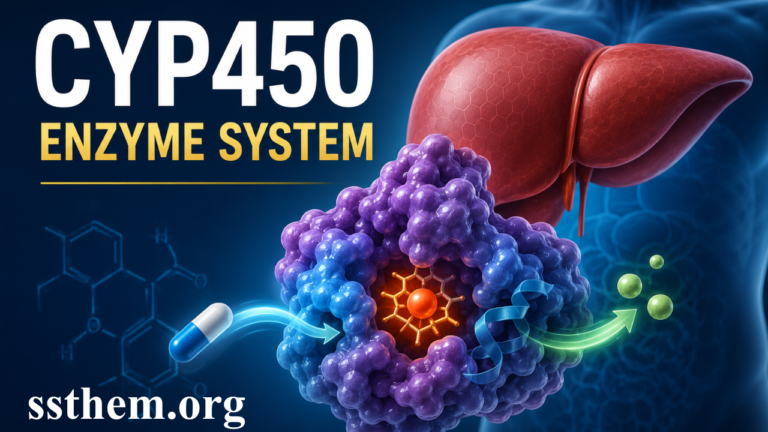

One Comment