
Miracle Drug or Risky Business The Untold Story of Ceftazidime 2026
Ceftazidime: The Powerful Antibiotic — Miracle Drug or Risky Business
What if one of the most powerful antibiotics ever developed for hospital-acquired infections could also be the very drug quietly linked to seizures, treatment failure, and the relentless rise of antimicrobial resistance — all at the same time?
That drug is ceftazidime, and it has been sitting at the centre of clinical medicine since 1985. Here is what makes it genuinely fascinating: ceftazidime is a third-generation cephalosporin with outstanding activity against Pseudomonas aeruginosa, yet it carries a neurotoxicity risk that has ended up in intensive care units, and its usefulness is being slowly eroded by extended-spectrum beta-lactamases that render it useless against a growing list of pathogens.
Different antibiotics work against different bacteria, reach different tissues, have different pharmacological properties, and carry different risks. The appropriate choice depends on factors such as the suspected or confirmed organism, site and severity of infection, local resistance patterns, allergies, kidney and liver function, drug interactions, and patient-specific considerations. But ceftazidime occupies a particularly interesting niche: it is the cephalosporin that clinicians reach for when Pseudomonas is on the differential, and the one they hesitate over when creatinine clearance is falling.
What you are about to read will challenge the way you think about this drug. We will explore the full pharmacology of ceftazidime — from its FDA-approved indications and dosing strategies to its spectrum of activity, resistance challenges, and the latest evidence from clinical studies. Whether you are a medical student preparing for ward rounds, a practising clinician refining your antimicrobial stewardship, or a pharmacist ensuring safe dispensing, the clinically important details in this article will strengthen your understanding of this remarkable antibiotic. Stay with us — because the details that make ceftazidime truly dangerous and truly valuable are revealed progressively.
A sobering clinical reality first: adverse drug reactions account for a significant proportion of hospital admissions, and beta-lactam antibiotics are among the most commonly implicated drug classes. Understanding the full safety profile is not optional — it is essential. For a suspenseful, evidence-based look at this hidden crisis, explore Shocking Adverse Drug Reaction Facts before you prescribe another beta-lactam.
Key Facts Table: Ceftazidime at a Glance
The following table summarises the most clinically important facts about ceftazidime. This is not a substitute for full prescribing information, but it provides a rapid reference for healthcare professionals and students.
| Parameter | Details |
|---|---|
| Generic Name | Ceftazidime (as ceftazidime pentahydrate) |
| Common Brand Names | Fortaz, Tazicef, Tazidime (US); Fortum (international); Avycaz (ceftazidime-avibactam combination) |
| Drug Class | Third-generation cephalosporin antibiotic |
| Therapeutic Class | Antibacterial (beta-lactam) |
| Pharmacologic Class | Cell wall synthesis inhibitor |
| ATC Code | J01DD02 (ceftazidime); J01DD52 (ceftazidime and avibactam) |
| Available Strengths | Vials: 500 mg, 1 g, 2 g, 6 g powder for injection; Avycaz: 2 g/0.5 g single-use vials |
| Dosage Forms | Powder for solution (intravenous or intramuscular) |
| Route(s) of Administration | Intravenous (IV) — preferred; Intramuscular (IM) |
| FDA Status | FDA-approved (initial U.S. approval: 1985) |
| Primary Clinical Uses | Lower respiratory tract infections, skin and skin-structure infections, urinary tract infections, bacterial septicaemia, bone and joint infections, gynaecological infections, intra-abdominal infections, meningitis |
| Bioavailability | Approximately 91% (intramuscular) |
| Protein Binding | Approximately 10% (low, concentration-independent) |
| Volume of Distribution | 0.23 L/kg (adults); increased in critical illness |
| Half-Life | 1.9–2 hours (normal renal function); prolonged to 15–30 hours in severe renal impairment |
| Metabolism | Not significantly metabolised |
| Major Route of Elimination | Renal excretion (80–90% unchanged in urine) |
| Renal/Hepatic Considerations | Dose reduction required if CrCl <50 mL/min; no adjustment for hepatic impairment |
| Major Contraindications | Known hypersensitivity to ceftazidime, other cephalosporins, or severe beta-lactam allergy |
| Important Adverse Effects | Diarrhoea, nausea, rash, injection site reactions, seizures, encephalopathy, C. difficile-associated diarrhoea |
This table is a snapshot. Every parameter in it will be expanded in the dedicated sections below, but we will not repeat the full explanations unnecessarily.
FDA-Approved Uses
The U.S. Food and Drug Administration (FDA) has granted ceftazidime approval for a well-defined set of clinical indications, each supported by adequate and well-controlled trials. Understanding these approved uses is essential for appropriate prescribing and antimicrobial stewardship. This section details what is ceftazidime used to treat from an FDA standpoint, along with pathogen and dosing details.
- Lower Respiratory Tract Infections:
 Ceftazidime is indicated for lower respiratory tract infections, including pneumonia, caused by susceptible strains of Pseudomonas aeruginosa, Klebsiella spp., Enterobacter spp., Proteus mirabilis, Escherichia coli, Serratia spp., Haemophilus influenzae, and methicillin-susceptible Staphylococcus aureus. Dosage: 500 mg to 1 g IV or IM every 8 hours for uncomplicated pneumonia; 2 g IV every 8 hours for severe infections.
 - Skin and Skin-Structure Infections:
 Approved for skin and skin-structure infections caused by susceptible S. aureus, Streptococcus pyogenes, E. coli, Klebsiella spp., and P. aeruginosa. Dosage: 500 mg to 1 g IV or IM every 8 hours for mild infections; higher doses and longer duration for severe or complicated infections.
 - Urinary Tract Infections:
 Approved for both uncomplicated and complicated urinary tract infections. Dosage: 250 mg IV or IM every 12 hours for uncomplicated UTI; 500 mg IV or IM every 8–12 hours for complicated UTI. The ceftazidime dose for urinary tract infection must account for severity and renal function.
 - Bacterial Septicaemia:
 Indicated for bacterial septicaemia caused by susceptible P. aeruginosa, Klebsiella spp., E. coli, and S. aureus. Dosage: 2 g IV every 8 hours. May be used alone or in combination with other antimicrobial agents.
 - Bone and Joint Infections:
 Approved for bone and joint infections caused by susceptible P. aeruginosa, Klebsiella spp., Enterobacter spp., and S. aureus. Dosage: 2 g IV every 12 hours.
 - Gynaecological and Intra-Abdominal Infections:
 Serious gynaecological and intra-abdominal infections, including those caused by Bacteroides spp., are approved indications. Dosage: 2 g IV every 8 hours. Often combined with an anti-anaerobic agent.
 - Meningitis:
 Approved for meningitis caused by susceptible H. influenzae, Neisseria meningitidis, and P. aeruginosa. Dosage: 2 g IV every 8 hours in adults; weight-based dosing in children.
While ceftazidime has long been trusted for serious Gram-negative infections, one landmark analysis involving 110 trials and nearly 95,000 patients revealed a troubling mortality signal for a closely related cephalosporin — a finding that forces every prescriber to think carefully about cephalosporin selection in critically ill patients. Read the full breakdown at 110-Trial Study Reveals 94% Cefepime Mortality Risk — because in sepsis, the choice of cephalosporin is never trivial.
Off-Label and Guideline-Supported Uses: Beyond FDA-approved indications, ceftazidime may be used off-label for infections caused by resistant organisms where susceptibility data support its use. The ceftazidime and avibactam combination uses include complicated intra-abdominal infections (with metronidazole), complicated urinary tract infections including pyelonephritis, and hospital-acquired/ventilator-associated bacterial pneumonia. Clinicians must always consider local resistance patterns, culture results, and current guidelines, and must never label an off-label use as FDA-approved.
Dosage Table
The table below provides a concise summary of typical dosing for common indications. Doses may vary based on renal and hepatic function, severity, and susceptibility data.
| Patient/Condition | Recommended Dose | Frequency | Duration | Important Considerations |
|---|---|---|---|---|
| Adults — Uncomplicated UTI | 250 mg IV or IM | Every 12 hours | 7–10 days | Confirm susceptibility. |
| Adults — Complicated UTI | 500 mg IV or IM | Every 8–12 hours | 10–14 days | Consider severity and uropathogen. |
| Adults — Uncomplicated pneumonia | 500 mg–1 g IV or IM | Every 8 hours | 7–14 days | Higher end for severe cases. |
| Adults — Bone and joint infections | 2 g IV | Every 12 hours | 4–6 weeks | Often requires surgical input. |
| Adults — Serious gynaecological/intra-abdominal infections | 2 g IV | Every 8 hours | 10–14 days | Combine with anaerobic coverage. |
| Adults — Meningitis | 2 g IV | Every 8 hours | 10–14 days | Ensure CNS penetration. |
| Adults — Very severe life-threatening infections | 2 g IV | Every 8 hours | Individualised | Consider combination therapy. |
| Cystic fibrosis lung infection (Pseudomonas) | 30–50 mg/kg IV (max 6 g/day) | Every 8 hours | Individualised | Bacteriologic cure not always expected. |
| Neonates (0–4 weeks) | 30 mg/kg IV | Every 12 hours | Individualised | Adjust for gestational age. |
| Infants and children (1 month–12 years) | 30–50 mg/kg IV (max 6 g/day) | Every 8 hours | Individualised | Higher doses for immunocompromised or meningitis. |
| Renal impairment — CrCl 31–50 mL/min | 1 g | Every 12 hours | — | Loading dose 1 g recommended. |
| Renal impairment — CrCl 16–30 mL/min | 1 g | Every 24 hours | — | Prolong dosage interval. |
| Renal impairment — CrCl 6–15 mL/min | 500 mg | Every 24 hours | — | Monitor for neurotoxicity. |
| Renal impairment — CrCl <5 mL/min | 500 mg | Every 48 hours | — | Dose after dialysis on dialysis days. |
| Haemodialysis | 1 g loading, then 1 g | After each dialysis session | — | Ceftazidime is haemodialysable. |
Important: Ceftazidime renal dose adjustment guidelines must be applied for every patient with reduced kidney function. Failure to adjust the dose is one of the most common and most dangerous prescribing errors with this drug.
Mechanism of Action
Ceftazidime exerts its bactericidal effect through a well-characterised molecular mechanism that distinguishes it from many other antibiotic classes. Understanding this mechanism is fundamental to appreciating both its clinical utility and its limitations.
Primary Molecular Target: 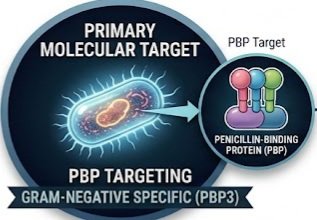 Ceftazidime, like all beta-lactam antibiotics, targets penicillin-binding proteins (PBPs) — a group of enzymes embedded in the bacterial cytoplasmic membrane that are essential for cell wall synthesis. Specifically, ceftazidime binds with high affinity to PBP3 in Gram-negative organisms, and to PBP1a/1b in some species.
Binding and Interaction: 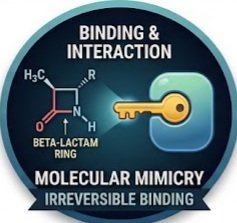 The beta-lactam ring of ceftazidime is structurally analogous to the terminal D-alanyl-D-alanine moiety of peptidoglycan precursors. This molecular mimicry allows ceftazidime to bind covalently to the active site serine residue of PBPs, forming a stable acyl-enzyme complex that irreversibly inhibits transpeptidase activity.
Cellular Pathway Affected: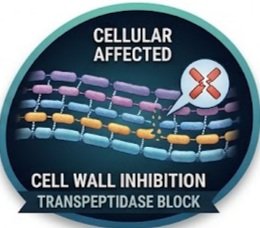 By inhibiting PBP-mediated cross-linking, ceftazidime disrupts the final stages of peptidoglycan synthesis. This leads to a weakened cell wall that cannot withstand the internal osmotic pressure of the bacterial cytoplasm. The result is bacterial cell lysis and death — a bactericidal effect.
Physiologic and Clinical Consequences: The clinical therapeutic effect of ceftazidime — bacterial killing at the site of infection — depends on achieving adequate free drug concentrations at the target tissue for a sufficient duration. This is why dosing regimens are designed to maintain serum and tissue concentrations above the minimum inhibitory concentration (MIC) for the infecting organism throughout the dosing interval.
Resistance Mechanisms: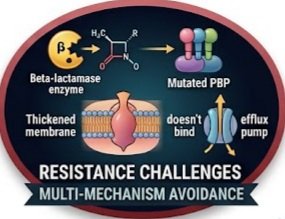 Resistance to ceftazidime occurs through several mechanisms: hydrolysis by beta-lactamases (including extended-spectrum beta-lactamases and AmpC cephalosporinases), alteration of penicillin-binding proteins, decreased permeability of the outer membrane, and the presence of bacterial efflux pumps. The ceftazidime mechanism of action cell wall synthesis inhibition is therefore only as effective as the drug’s ability to reach its target intact — which is precisely where resistance mechanisms strike.
What Is Ceftazidime?
Ceftazidime is a semisynthetic, broad-spectrum cephalosporin antibiotic belonging to the third generation of this drug class. It was initially approved by the FDA in 1985 and has since become one of the most widely used parenteral cephalosporins in hospital practice worldwide.
Generic Name and Drug Class: The generic name is ceftazidime. It is administered as the pentahydrate salt in the form of a powder for reconstitution. Unlike cefuroxime axetil, ceftazidime has no oral formulation — it is exclusively a parenteral agent.
Pharmacologic Classification: Ceftazidime belongs to the beta-lactam family of antibiotics. Within the cephalosporin class, it is classified as third-generation based on its spectrum of activity, which is characterised by enhanced Gram-negative activity and reduced Gram-positive activity compared to earlier generations.
Therapeutic Role: Clinically, ceftazidime serves as a parenteral antibiotic for moderate-to-severe Gram-negative infections, particularly those caused by Pseudomonas aeruginosa. It is particularly valued for its antipseudomonal activity, its ability to penetrate the cerebrospinal fluid when the meninges are inflamed, and its relatively low protein binding.
Formulations, Strengths, and Routes: Ceftazidime is supplied as vials containing 500 mg, 1 g, 2 g, or 6 g of sterile powder for reconstitution. The 6 g vial is typically reserved for patients with cystic fibrosis or for high-dose regimens. The drug is administered by slow intravenous injection, intravenous infusion, or deep intramuscular injection.
Differences from Closely Related Medicines: Ceftazidime differs from other third-generation cephalosporins such as ceftriaxone in its excellent activity against P. aeruginosa and its lack of biliary elimination. For a suspenseful, detailed comparison of another third-generation workhorse, explore Facts About Ceftriaxone Sodium Uses — and see why the two are not interchangeable.
Pharmacokinetics & Pharmacodynamics Key Table
The following table summarises the key pharmacokinetic (PK) and pharmacodynamic (PD) properties that inform the clinical use of ceftazidime.
| Parameter | Clinically Relevant Details |
|---|---|
| Absorption | Rapid and complete after intramuscular administration; no oral absorption. |
| Bioavailability | Approximately 91% (intramuscular). |
| Time to Peak Concentration | 1–2 hours after intramuscular administration. |
| Protein Binding | Approximately 10%; concentration-independent. |
| Volume of Distribution | 0.23 L/kg (adults); increased in critical illness and burns. |
| Tissue Penetration | Good penetration into lung, bone, peritoneal fluid, synovial fluid, and bile. |
| Blood-Brain Barrier Penetration | Adequate when meninges are inflamed; supports use in meningitis. |
| Placental Transfer | Likely crosses the placenta; limited human data. |
| Half-Life | 1.9–2 hours (normal renal function); prolonged in renal impairment. |
| Metabolism | Not significantly metabolised. |
| Active Metabolites | None clinically significant. |
| Enzyme Involvement | No significant CYP450 involvement. |
| Elimination | Renal glomerular filtration; 80–90% unchanged in urine. |
| Renal Clearance | Directly proportional to creatinine clearance. |
| Fecal/Biliary Elimination | Minimal. |
| Pharmacodynamic Target | Penicillin-binding proteins (PBP3 in Gram-negatives). |
| Mechanism | Inhibition of bacterial cell wall synthesis → bactericidal effect. |
| Concentration/Time-Dependent Activity | Time-dependent killing; efficacy best predicted by time above MIC. |
| PK/PD Index | %T > MIC. |
This table is a quick reference. The following sections explain the most important details without unnecessary repetition.
Half-Life
The elimination half-life of ceftazidime is a fundamental pharmacokinetic parameter that directly influences dosing frequency and helps clinicians anticipate drug accumulation in specific populations. Under normal renal function, the mean elimination half-life of ceftazidime is approximately 1.9 to 2 hours following intravenous administration.
This relatively short half-life explains why ceftazidime is dosed every 8 to 12 hours for most indications — the dosing interval is designed to maintain serum concentrations above the MIC for the infecting organism throughout the treatment period. In critically ill patients, the volume of distribution may be increased and the half-life prolonged, sometimes to 4–6 hours or more, due to altered fluid status and organ perfusion. In patients with cystic fibrosis, enhanced renal clearance may shorten the half-life in some studies, though other studies show variability.
Renal impairment has the most clinically significant impact on ceftazidime half-life. Since ceftazidime is eliminated almost exclusively by the kidneys, any condition that reduces glomerular filtration rate will prolong the half-life and necessitate dosage interval adjustments. In severe renal impairment, the half-life can extend to 15–30 hours or more. Approximately 41–81% of the drug can be removed during a high-flux haemodialysis session, so dosing after dialysis is standard practice.
The clinical significance of half-life extends beyond dosing convenience. A prolonged half-life increases the risk of drug accumulation and toxicity, particularly in patients with renal impairment who may develop seizures if the dosage is not appropriately adjusted. Conversely, an understanding of half-life allows clinicians to predict how quickly a drug will be cleared from the body after discontinuation.
Metabolism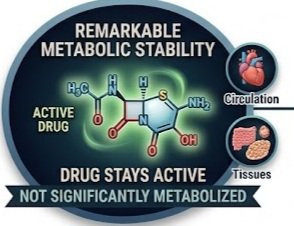
Ceftazidime is characterised by remarkable metabolic stability, a property that simplifies its clinical use and minimises concerns about hepatic drug interactions. The drug is not significantly metabolised in the human body, meaning that nearly all of the administered drug circulates in its active, unchanged form.
Primary Metabolic Pathway: 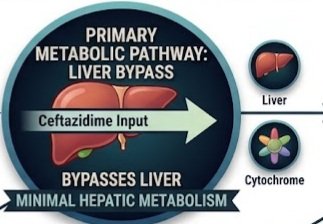 Unlike many other drug classes that undergo extensive hepatic metabolism, ceftazidime bypasses the liver almost entirely. There is no significant phase I or phase II biotransformation. This is not mediated by cytochrome P450 enzymes, which means ceftazidime has minimal potential for CYP-mediated drug interactions.
Major Enzymes and Metabolites: 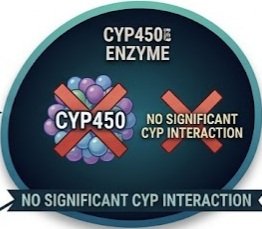 No active metabolites of clinical importance have been identified. The absence of significant hepatic metabolism means that ceftazidime is largely unaffected by hepatic enzyme inducers or inhibitors.
Clinical Relevance: 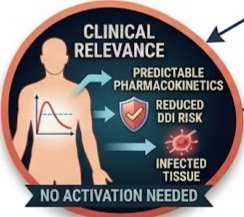 The metabolic stability of ceftazidime has several important clinical implications. First, hepatic impairment does not significantly alter the pharmacokinetics of ceftazidime, and dosage adjustment is generally not required for hepatic dysfunction alone. Second, it reduces the risk of drug-drug interactions mediated through metabolic pathways. Third, it ensures that the active drug is available for antibacterial activity without requiring metabolic activation.
Enzyme Interactions: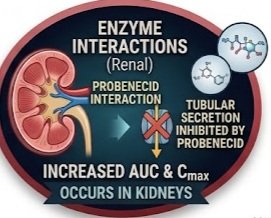 While ceftazidime itself does not meaningfully inhibit or induce cytochrome P450 enzymes, the co-administration of probenecid — a drug that inhibits renal tubular secretion — increases the area under the serum concentration versus time curve (AUC) and maximum serum concentration (Cmax) of ceftazidime. This interaction occurs at the level of renal excretion rather than hepatic metabolism and can increase the risk of adverse effects.
Bioavailability & Protein Binding
Bioavailability: The intramuscular bioavailability of ceftazidime is approximately 91%, meaning that IM administration achieves nearly the same systemic exposure as IV administration. This is clinically useful in settings where IV access is difficult or when transitioning from IV to IM therapy. The absorption is rapid, with peak concentrations reached within 1–2 hours after IM injection.
Factors Affecting Absorption: Injection technique, muscle perfusion, and site of injection can influence absorption. In critically ill patients with poor peripheral perfusion, IM absorption may be less reliable, and IV administration is preferred.
Protein Binding: Ceftazidime is approximately 10% bound to plasma proteins, primarily albumin. This low degree of protein binding has several clinical implications. First, it means that a substantial fraction of the drug circulates in the free, pharmacologically active form capable of diffusing into tissues and binding to bacterial PBPs. Second, it means that ceftazidime is not subject to the same degree of drug displacement interactions as highly protein-bound drugs. Third, in conditions that alter plasma protein concentrations — such as hypoalbuminaemia in hepatic disease, nephrotic syndrome, or malnutrition — the free fraction of ceftazidime may increase slightly, though the clinical impact is modest given the already-low baseline binding. For a deeper dive into this concept, refer to our detailed guide on plasma protein binding.
Clinical Significance: The combination of high IM bioavailability and low protein binding means that ceftazidime achieves predictable and reliable serum concentrations in most patients. However, clinicians should be aware that in critically ill patients with altered pharmacokinetics or in those with significant hypoalbuminaemia, the free drug concentrations may deviate from the norm.
Spectrum of Activity
Understanding the antimicrobial spectrum of ceftazidime is essential for appropriate prescribing and antimicrobial stewardship. As a third-generation cephalosporin, ceftazidime is distinguished by its excellent activity against Pseudomonas aeruginosa — a property that sets it apart from most other cephalosporins.
Gram-Positive Activity: Ceftazidime demonstrates activity against methicillin-susceptible Staphylococcus aureus (MSSA), Streptococcus pyogenes, and Streptococcus pneumoniae, though its activity against Gram-positive organisms is generally weaker than that of first- and second-generation cephalosporins. Methicillin-resistant S. aureus (MRSA) is resistant. Enterococcus species are intrinsically resistant.
Gram-Negative Activity: The Gram-negative spectrum of ceftazidime is one of its defining features. It covers Escherichia coli, Klebsiella pneumoniae, Proteus mirabilis, Enterobacter spp., Serratia marcescens, Haemophilus influenzae, and — most importantly — Pseudomonas aeruginosa. This antipseudomonal activity is the reason ceftazidime remains a cornerstone of Pseudomonas aeruginosa treatment.
Anaerobic Activity: Ceftazidime has limited anaerobic activity. It is not active against Bacteroides fragilis. For infections where anaerobic coverage is required, ceftazidime should be combined with an appropriate anti-anaerobic agent such as metronidazole.
Atypical Organisms: Ceftazidime does not cover atypical respiratory pathogens such as Mycoplasma pneumoniae, Chlamydia pneumoniae, or Legionella species.
Intrinsic and Acquired Resistance: Intrinsic resistance refers to resistance mechanisms that are inherent to a bacterial species. Listeria monocytogenes, Enterococcus species, and Stenotrophomonas maltophilia are intrinsically resistant to ceftazidime. Acquired resistance occurs when previously susceptible organisms develop resistance mechanisms, most commonly through the acquisition of beta-lactamase enzymes (including ESBLs and AmpC beta-lactamases), alterations in penicillin-binding proteins, decreased outer membrane permeability, or efflux pump upregulation.
Susceptibility Testing: The clinical utility of ceftazidime for any given infection ultimately depends on the susceptibility of the infecting organism. Clinicians should always consult local susceptibility data when available, as resistance patterns vary geographically and temporally. Importantly, in vitro activity does not automatically translate to clinical effectiveness.
Pharmacodynamics
The pharmacodynamics of ceftazidime — how the drug exerts its effects on bacteria — provides the scientific rationale for dosing strategies and explains why certain dosage regimens are more effective than others.
Drug-Target Interaction: Ceftazidime’s primary pharmacodynamic action is inhibition of penicillin-binding proteins (PBPs), leading to disruption of peptidoglycan cross-linking and bacterial cell lysis. The drug exhibits bactericidal activity — it kills bacteria rather than merely inhibiting their growth.
Concentration-Response Relationship and Time-Dependent Killing: Beta-lactam antibiotics, including ceftazidime, exhibit time-dependent killing. This means that the extent of bacterial killing is primarily determined by the duration of time that the free drug concentration remains above the minimum inhibitory concentration (MIC) for the infecting organism, rather than by peak concentration. The PK/PD index that best correlates with efficacy for beta-lactams is the percentage of the dosing interval during which the free drug concentration exceeds the MIC (%T > MIC).
For ceftazidime, preclinical and clinical studies suggest that optimal bactericidal activity is achieved when free drug concentrations remain above the MIC for at least 40–70% of the dosing interval. This pharmacodynamic principle explains why extended-infusion strategies (infusing the dose over 3–4 hours) are used to optimise %T > MIC, particularly for Pseudomonas infections with higher MICs.
Therapeutic Window: The therapeutic window for ceftazidime is relatively wide for most patients. However, the upper limit of the therapeutic window is relevant in patients with renal impairment, where drug accumulation can lead to concentrations high enough to cause neurotoxicity (including seizures). This is why dosage interval adjustment is mandatory for patients with creatinine clearance less than 50 mL/min.
Post-Antibiotic Effect: Ceftazidime demonstrates a modest post-antibiotic effect (PAE) against Gram-negative bacteria, typically 1–2 hours. This is shorter than the PAE of some other antibiotic classes, which is another reason why continuous or extended infusion strategies are sometimes preferred.
Resistance Suppression: Maintaining adequate drug concentrations throughout the dosing interval not only maximises bacterial killing but also suppresses the emergence of resistant mutants. Sub-therapeutic drug concentrations can expose bacteria to sub-inhibitory antibiotic concentrations, creating selective pressure for resistant strains. This is a critical consideration for antimicrobial stewardship.
Contraindications
Absolute Contraindications: Ceftazidime is contraindicated in patients with known hypersensitivity to ceftazidime or to any component of the formulation. This is an absolute contraindication because re-exposure can result in severe hypersensitivity reactions including anaphylaxis.
Major Hypersensitivity Contraindications: Patients with a history of severe immediate hypersensitivity reactions to penicillins or other cephalosporins — including anaphylaxis, angioedema, or bronchospasm — should not receive ceftazidime unless the clinical situation warrants the risk and appropriate precautions are in place. Cross-reactivity between penicillins and cephalosporins is a clinical concern, though the risk is lower with third-generation cephalosporins than with earlier generations.
Disease-Specific Contraindications: There are no absolute contraindications based on specific disease states in the FDA labelling. However, ceftazidime should be used with caution in patients with a history of gastrointestinal disease, particularly colitis, because of the risk of Clostridioides difficile-associated diarrhoea (CDAD). Ceftazidime is not contraindicated in renal impairment, but dosage interval adjustment is required.
Formulation-Specific Contraindications: Ceftazidime formulations containing sodium carbonate should be used with caution in patients on strict sodium restriction, as the sodium content may be clinically significant in high doses. Patients with known hypersensitivity to any excipient in the formulation should not receive that specific product.
Important: Ordinary precautions such as renal impairment or mild rash are not absolute contraindications. They require dose adjustment or monitoring, not avoidance of the drug.
Warnings & Precautions
- Serious Hypersensitivity Reactions: Serious and occasionally fatal hypersensitivity (anaphylactic) reactions have been reported in patients receiving beta-lactam antibiotics, including ceftazidime. These reactions are more likely to occur in individuals with a history of penicillin hypersensitivity. Before initiating ceftazidime therapy, clinicians should inquire carefully about previous hypersensitivity reactions. If an allergic reaction occurs, ceftazidime should be discontinued immediately and appropriate supportive measures instituted.
- Neurotoxicity: Elevated ceftazidime levels, particularly in renal impairment, can cause seizures, nonconvulsive status epilepticus (NCSE), encephalopathy, coma, asterixis, neuromuscular excitability, and myoclonia. This is a class effect of cephalosporins but is more common with ceftazidime due to its renal elimination and ability to penetrate the CNS. Patients with pre-existing CNS disorders or renal impairment are at higher risk.
- Clostridioides difficile-Associated Diarrhoea (CDAD): CDAD has been reported with the use of nearly all antibacterial agents, including ceftazidime, and may range in severity from mild diarrhoea to fatal colitis. CDAD should be considered in all patients who present with diarrhoea following antibiotic use. If CDAD is suspected or confirmed, ceftazidime should be discontinued and appropriate treatment initiated.
- Renal Impairment: Since ceftazidime is eliminated primarily by the kidneys, patients with impaired renal function are at risk of drug accumulation. A dosage interval adjustment is required for patients whose creatinine clearance is less than 50 mL/min. In patients with severe renal impairment who receive standard doses without adjustment, high serum concentrations of ceftazidime can lead to neurotoxicity, including seizures.
- Hepatic Impairment: Although ceftazidime undergoes minimal hepatic metabolism, transient rises in serum liver enzymes or bilirubin have been observed. These elevations are usually reversible and rarely necessitate discontinuation of therapy.
- Pregnancy and Breastfeeding: Ceftazidime should be used during pregnancy only if clearly needed. Ceftazidime is excreted in human milk in small quantities, and caution should be exercised when administering ceftazidime to a nursing woman.
- Paediatric Use: The safety and efficacy of ceftazidime in paediatric patients have been established for neonates, infants, and children. Doses are weight-based and adjusted for gestational age in neonates.
- Older Adults: Elderly patients are more likely to have reduced renal function, necessitating dose adjustment. Neurological adverse effects may be more common in this population.
- Drug Interactions: Clinically significant interactions include concomitant use with aminoglycosides (potential nephrotoxicity), chloramphenicol (antagonism based on in vitro data), and other nephrotoxic agents. Loop diuretics may increase ceftazidime clearance, though this is rarely clinically significant.
- Monitoring Requirements: Renal function should be monitored before and during therapy, particularly in patients with changing clinical status. In patients receiving prolonged therapy, periodic monitoring of CBC, hepatic enzymes, and renal function is reasonable.
Side Effects
Understanding the side effect profile of ceftazidime is essential for patient counselling and clinical monitoring. Adverse effects are broadly categorised by frequency, and distinguishing between common, bothersome side effects and serious adverse reactions is clinically important.
Common Side Effects:
- Diarrhoea (approximately 1 in 78 patients) — the most common complaint.
- Nausea (approximately 1 in 156 patients).
- Vomiting (approximately 1 in 500 patients).
- Abdominal pain (approximately 1 in 416 patients).
- Phlebitis and inflammation at the injection site (approximately 1 in 69 patients).
- Maculopapular or urticarial rash, eosinophilia, thrombocytosis.
- Transient increases in hepatic enzymes.
- Headache, dizziness, paraesthesia (reported in fewer than 1% of patients).
Less Common Side Effects:
- Anaphylaxis and severe hypersensitivity reactions.
- Stevens-Johnson syndrome and toxic epidermal necrolysis.
- Seizures, encephalopathy, and nonconvulsive status epilepticus.
- Neutropenia, thrombocytopenia, positive Coombs test.
- Transient elevation of AST, ALT, and alkaline phosphatase.
- Elevation of BUN and serum creatinine.
- Clostridioides difficile-associated diarrhoea (CDAD).
Fever itself is often the first clinical signal that something is going wrong with an antibiotic — but fever is also one of the most misunderstood signs in medicine. Is it a disease, or is it the body’s own defence mechanism? For a clear, evidence-based answer that every clinician should be able to explain at the bedside, read What Is Fever — Is Fever a Disease or a Body Response? before you interpret another temperature chart.
Distinguishing Side Effects from Adverse Reactions: It is important for clinicians to distinguish between side effects (predictable, often dose-related, and generally manageable) and adverse reactions (unexpected, potentially serious, and requiring medical intervention). Diarrhoea associated with ceftazidime is typically a side effect related to alterations in gut flora. However, if diarrhoea is severe, persistent, or accompanied by fever, abdominal pain, or blood in the stool, it may indicate Clostridioides difficile infection — a serious adverse reaction requiring immediate medical evaluation.
Adverse Effects
While the common side effects of ceftazidime are generally mild and self-limiting, the drug carries a risk of serious adverse effects that all prescribers must recognise and monitor for.
- Serious Hypersensitivity Reactions: Anaphylaxis is the most feared adverse reaction to ceftazidime. Symptoms include urticaria, angioedema, bronchospasm, hypotension, and cardiovascular collapse. Anaphylaxis typically occurs within minutes to hours of drug administration and requires immediate treatment with epinephrine, airway management, and supportive care. Less severe hypersensitivity reactions include drug fever, serum sickness, and cutaneous vasculitis.
- Severe Dermatologic Reactions: Stevens-Johnson syndrome (SJS) and toxic epidermal necrolysis (TEN) are rare but potentially fatal mucocutaneous reactions that have been reported with ceftazidime and other cephalosporins. These reactions are characterised by widespread erythema, bullae formation, and epidermal detachment, often involving the mucous membranes. Early recognition and immediate drug discontinuation are critical, as these reactions carry high mortality rates.
- Neurotoxicity: Seizures, encephalopathy, and NCSE can occur, particularly in patients with renal impairment or pre-existing CNS disease. Management includes dose adjustment, discontinuation, and supportive care. This is one of the most clinically important adverse effects of ceftazidime and the one most likely to be missed in busy clinical practice.
- Clostridioides difficile-Associated Diarrhoea (CDAD): CDAD is a significant adverse effect of all antibacterial agents, including ceftazidime. Symptoms range from mild watery diarrhoea to fulminant colitis with toxic megacolon, perforation, and death. Risk factors include advanced age, hospitalisation, prolonged antibiotic courses, and concurrent use of proton pump inhibitors.
- Haematologic Effects: Ceftazidime can cause haematologic abnormalities including eosinophilia, neutropenia, leukopenia, thrombocytopenia, and, rarely, haemolytic anaemia. A positive direct Coombs test may develop during therapy. Prolonged prothrombin time has been reported, particularly in patients with vitamin K deficiency or those receiving anticoagulants.
- Hepatic and Renal Effects: Transient elevations in serum transaminases, alkaline phosphatase, and bilirubin have been reported with ceftazidime use. These elevations are typically mild and reversible upon discontinuation of therapy. Rare cases of hepatitis and cholestasis have been reported. Renal effects are uncommon but may include transient increases in BUN and creatinine.
- When to Seek Medical Attention: Patients should be instructed to seek immediate medical attention if they experience any of the following: severe or persistent diarrhoea, bloody stools, rash or hives, swelling of the face or throat, difficulty breathing, fever, jaundice, dark urine, confusion, or seizures. Prompt recognition and management of these serious adverse reactions can be life-saving.
How to Recover After Reactions to Ceftazidime
Recovery from ceftazidime-related side effects depends on the type and severity of the reaction.
Mild side effects such as diarrhoea, nausea, or mild rash often improve after discontinuation of the drug, though supportive care (hydration, antiemetics, antihistamines for rash) may be needed. Diarrhoea usually resolves within a few days to a week after stopping the antibiotic. Mild injection site reactions typically resolve with warm compresses and rotation of injection sites.
Serious adverse reactions require immediate medical attention. If anaphylaxis is suspected, epinephrine should be administered immediately, and emergency services should be contacted. For neurotoxicity, the drug should be stopped, renal function assessed, and dose adjustments made if therapy is to continue. Seizures may require anticonvulsant therapy. For C. difficile-associated diarrhoea, ceftazidime should be discontinued and appropriate anti-C. difficile therapy initiated.
When to contact a healthcare professional: Any signs of severe allergic reaction (difficulty breathing, swelling of face or throat, widespread rash), severe diarrhoea, seizures, confusion, or unusual bleeding or bruising warrant immediate medical evaluation.
Factors affecting recovery: Renal function, age, underlying comorbidities, and the use of concurrent medications can all influence recovery. Patients with renal impairment may have prolonged drug exposure and slower resolution of symptoms. Hydration and supportive care are important for recovery from most mild side effects. Do not attempt to self-treat serious adverse reactions; always seek professional medical care.
Drug Interactions
The following table summarises clinically meaningful drug interactions with ceftazidime. Theoretical interactions of little clinical relevance have been omitted.
| Interacting Medicine/Class | Potential Interaction | Clinical Significance | Management Consideration |
|---|---|---|---|
| Aminoglycosides (e.g., gentamicin, tobramycin) | Additive nephrotoxicity. | Moderate to high; increased risk of renal impairment. | Monitor renal function closely; use only when necessary. |
| Chloramphenicol | Antagonism (in vitro). | Uncertain clinical significance. | Avoid concurrent use if alternatives exist. |
| Loop diuretics (e.g., furosemide) | May increase ceftazidime clearance. | Low. | Monitor clinical response. |
| Warfarin | Possible increased INR. | Low to moderate. | Monitor INR if used concurrently. |
| Probenecid | Decreases renal tubular secretion of ceftazidime. | Low; may increase serum levels. | Not typically clinically significant. |
| Other nephrotoxic agents (e.g., vancomycin, amphotericin B) | Additive nephrotoxicity. | Moderate. | Monitor renal function; consider alternatives. |
| Oral contraceptives | No significant interaction. | None. | No action needed. |
Administration Table
Practical administration instructions are essential for patient education and nursing practice. The table below summarises key administration factors.
| Administration Factor | Guidance |
|---|---|
| Route | IV (preferred for severe infections); IM for mild-to-moderate infections. |
| With Food/Without Food | Not applicable (parenteral administration). |
| Timing | Doses are typically given every 8–12 hours; extended infusion over 3–4 hours may be used for Pseudomonas. |
| IV Administration | Reconstitute with sterile water or compatible diluent; infuse over 3–5 minutes (direct) or 30 minutes (intermittent). |
| IM Administration | Reconstitute with sterile water, bacteriostatic water, or 0.5%/1% lidocaine; inject deep into a large muscle mass. |
| Missed Dose | Administer as soon as possible; if close to the next dose, skip the missed dose and resume the regular schedule. Do not double the dose. |
| Storage | Store vials at controlled room temperature (20–25°C); reconstituted solutions should be used within recommended timeframes (varies by diluent). |
| Special Administration Instructions | Avoid intra-arterial administration; monitor for phlebitis with IV use; rotate IM injection sites. |
Pharmacokinetics
This section consolidates the clinically relevant pharmacokinetic properties of ceftazidime in a professional overview. Detailed explanations of half-life, metabolism, bioavailability, and protein binding are provided in their respective dedicated sections above and are not repeated here.
Absorption and Bioavailability: Ceftazidime is not absorbed orally and must be administered parenterally. Intramuscular bioavailability is approximately 91%, and peak serum concentrations are achieved 1–2 hours after IM administration.
Distribution: Ceftazidime has a volume of distribution of approximately 0.23 L/kg in healthy adults, indicating distribution into extracellular fluid. The drug achieves therapeutic concentrations in respiratory secretions, skin, soft tissues, bone, peritoneal fluid, synovial fluid, and urine. Penetration into the cerebrospinal fluid is adequate when the meninges are inflamed, which is why ceftazidime is approved for meningitis.
Metabolism and Elimination: Ceftazidime undergoes no significant hepatic metabolism. The drug is eliminated primarily unchanged by the kidneys, with 80–90% of a parenteral dose recovered in the urine. Renal clearance occurs via glomerular filtration, and probenecid has minimal effect on ceftazidime elimination compared with its effect on penicillins.
Special Populations: In elderly patients with reduced creatinine clearance, the elimination half-life is prolonged, and dosage adjustment based on renal function is required. In patients with renal impairment (CrCl <50 mL/min), the dosage interval must be extended. Hepatic impairment does not significantly alter ceftazidime pharmacokinetics. Paediatric patients have pharmacokinetic profiles similar to adults when dosed on a mg/kg basis, though neonates require longer dosing intervals due to immature renal function.
Special Populations
Pregnancy: Ceftazidime is generally considered compatible with pregnancy when clinically indicated. Animal reproduction studies have not demonstrated evidence of impaired fertility or harm to the fetus, but adequate and well-controlled studies in pregnant women are lacking. Ceftazidime should be used during pregnancy only if clearly needed.
Lactation: Ceftazidime is excreted in human milk in small quantities. The clinical significance to the breastfed infant is uncertain, but the low oral bioavailability of ceftazidime means that systemic absorption by the infant is likely minimal. Monitoring for diarrhoea or candidiasis in the infant is prudent.
Paediatrics: Ceftazidime is approved for use in neonates, infants, and children. Doses are weight-based and adjusted for gestational age in neonates. Safety and effectiveness in paediatric patients are supported by clinical studies.
Older Adults: Elderly patients are more likely to have reduced renal function, necessitating dose adjustment. Neurological adverse effects may be more common in this population. Dosing should be based on renal function rather than age alone.
Renal Impairment: Renal impairment has the most significant impact on ceftazidime pharmacokinetics. Dosage interval adjustment is required for patients with creatinine clearance less than 50 mL/min. A loading dose of 1 g is recommended, followed by maintenance doses based on creatinine clearance.
Hepatic Impairment: Hepatic impairment does not significantly alter the pharmacokinetics of ceftazidime because the drug undergoes no significant hepatic metabolism. However, transient liver enzyme elevations have been observed, and monitoring of hepatic function may be appropriate in patients with underlying liver disease.
Obesity: Limited data suggest that dosing may need to be based on adjusted body weight in obese patients, but specific recommendations are not well established.
Critically Ill Patients: Altered pharmacokinetics (increased volume of distribution, augmented renal clearance) may result in subtherapeutic drug levels with standard dosing. Therapeutic drug monitoring, where available, and extended infusion strategies may be considered.
Monitoring
- Clinical Response: The most important monitoring parameter is the patient’s clinical response to therapy. Improvement in signs and symptoms of infection — such as resolution of fever, reduction in pain, and improvement in functional status — should be assessed within 48–72 hours of initiating therapy. Lack of clinical improvement may indicate the need for reassessment of the diagnosis, culture and susceptibility testing, or a change in antibiotic therapy.
- Laboratory Parameters: In patients with pre-existing renal impairment or those receiving concomitant nephrotoxic drugs, monitoring of serum creatinine and BUN is recommended. In patients with hepatic disease, periodic monitoring of liver enzymes may be appropriate. Complete blood count with differential may be indicated in patients receiving prolonged therapy to monitor for haematologic effects.
- Renal Function: Essential before and during therapy, especially in patients with pre-existing renal impairment or those receiving concurrent nephrotoxic agents. Creatinine clearance should be estimated to guide dosing.
- Microbiological Response: When cultures are obtained before initiating therapy, repeat cultures may be useful to confirm eradication of the pathogen, particularly in Pseudomonas infections where resistance can emerge during therapy.
- Adverse Reaction Monitoring: Patients should be monitored for signs of hypersensitivity reactions (rash, urticaria, angioedema), CDAD (severe or persistent diarrhoea), and neurotoxicity (confusion, seizures). In patients with renal impairment, vigilance for signs of drug accumulation is particularly important.
Clinical Perspective
From a clinical standpoint, ceftazidime occupies a valuable niche in the antibiotic armamentarium. It is not the most potent agent against any single organism, but its excellent antipseudomonal activity and reliable pharmacokinetics make it a mainstay for serious Gram-negative infections in hospitalised patients.
Clinicians may prefer ceftazidime when treating infections likely to be caused by Pseudomonas aeruginosa, such as hospital-acquired pneumonia, ventilator-associated pneumonia, or complicated urinary tract infections. It is also a valuable option for meningitis caused by susceptible Gram-negative organisms, given its adequate CSF penetration.
Situations where clinicians may prefer alternatives include infections suspected to be caused by MRSA, ESBL-producing organisms, or carbapenem-resistant Enterobacterales — all of which are resistant to ceftazidime alone. In these cases, broader-spectrum agents such as meropenem or the ceftazidime-avibactam combination may be necessary.
Antimicrobial stewardship considerations are paramount. Ceftazidime is classified in the WHO AWaRe “Watch” group, meaning it should be used judiciously to preserve its effectiveness. Clinicians should obtain cultures whenever possible, narrow therapy based on susceptibility results, and avoid using ceftazidime for conditions where narrower-spectrum agents would be equally effective.
Patient-specific considerations include renal function (dose adjustment required for CrCl <50 mL/min), allergy history (caution in penicillin-allergic patients), and the presence of CNS disorders (increased risk of neurotoxicity). Interpretation of treatment response should occur within 48–72 hours; if the patient is not improving, reassessment of the diagnosis, culture data, and therapeutic choice is warranted.
For readers who want to explore the broader pharmacology of commonly used medicines alongside antibiotics, ssthem.net for health and wellness content offers well-organised articles on health, beauty, fitness, and everyday wellness — a useful complement to clinical reading.
25 Important FAQs
Question. What is ceftazidime used to treat?
Answer : Ceftazidime is used to treat a wide range of bacterial infections, including lower respiratory tract infections, skin and skin-structure infections, urinary tract infections, bacterial septicaemia, bone and joint infections, gynaecological infections, intra-abdominal infections, and meningitis caused by susceptible organisms.
Question. Is ceftazidime a penicillin or cephalosporin?
Answer : Ceftazidime is a third-generation cephalosporin, not a penicillin. Both are beta-lactam antibiotics, but they belong to different chemical classes. Cross-reactivity between penicillins and cephalosporins is possible but less common with third-generation agents.
Question. How does ceftazidime work?
Answer : Ceftazidime works by binding to penicillin-binding proteins (PBPs) in the bacterial cell wall, inhibiting peptidoglycan cross-linking and causing bacterial cell lysis and death. It is bactericidal and is stable against some beta-lactamases.
Question. How long does it take for ceftazidime to work?
Answer : Clinical improvement is typically seen within 48–72 hours of starting therapy. Fever and other signs of infection may begin to resolve within this timeframe. Full resolution depends on the site and severity of infection.
Question. What are the common adverse reactions to ceftazidime?
Answer : Common adverse reactions include diarrhoea, nausea, vomiting, abdominal pain, rash, injection site reactions (phlebitis, inflammation), and transient elevations in liver enzymes.
Question. What are the serious side effects of ceftazidime?
Answer : Serious side effects include anaphylaxis, severe skin reactions (Stevens-Johnson syndrome, toxic epidermal necrolysis), seizures (especially in renal impairment), encephalopathy, and C. difficile-associated diarrhoea.
Question. Is ceftazidime FDA-approved?
Answer : Yes, ceftazidime has been FDA-approved since 1985 for multiple indications, including lower respiratory tract infections, skin infections, urinary tract infections, septicaemia, bone and joint infections, gynaecological infections, intra-abdominal infections, and meningitis.
Question. What is the ceftazidime dose for urinary tract infection?
Answer : For uncomplicated UTIs, the dose is 250 mg IV or IM every 12 hours. For complicated UTIs, the dose is 500 mg IV or IM every 8–12 hours.
Question. How is ceftazidime administered?
Answer : Ceftazidime is administered intravenously (IV) or intramuscularly (IM). IV is preferred for severe infections. The powder must be reconstituted before use.
Question. Can ceftazidime be used during pregnancy?
Answer : Ceftazidime is generally considered compatible with pregnancy when clinically indicated, though human data are limited. Use should be based on a risk-benefit assessment.
Question. Can ceftazidime be used while breastfeeding?
Answer : Ceftazidime is excreted in low concentrations in human milk. Because of its low oral bioavailability, systemic absorption by the infant is expected to be minimal. Monitor the infant for diarrhoea or candidiasis.
Question. Does ceftazidime interact with alcohol?
Answer : No clinically significant interaction between ceftazidime and alcohol has been established. However, alcohol should be avoided during any acute infection.
Question. What medicines interact with ceftazidime?
Answer : Clinically significant interactions include aminoglycosides (additive nephrotoxicity), chloramphenicol (antagonism), and loop diuretics (increased clearance). Warfarin may have increased INR.
Question. What happens if a dose is missed?
Answer : Administer the missed dose as soon as possible. If it is close to the next dose, skip the missed dose and resume the regular schedule. Do not double the dose.
Question. Does renal impairment require dose adjustment?
Answer : Yes. For GFR <50 mL/min, a loading dose of 1 g is recommended, followed by maintenance doses based on creatinine clearance. Ceftazidime renal dose adjustment guidelines are essential for safe use.
Question. Does hepatic impairment affect ceftazidime use?
Answer : No dose adjustment is required for hepatic impairment, as ceftazidime is not significantly metabolised by the liver.
Question. Is ceftazidime safe for children?
Answer : Yes, ceftazidime is approved for use in neonates, infants, and children. Dosing is weight-based and adjusted for age.
Question. Is ceftazidime appropriate for older adults?
Answer : Yes, but elderly patients are more likely to have reduced renal function, requiring dose adjustment. Neurological adverse effects may be more common.
Question. What should clinicians monitor during ceftazidime therapy?
Answer : Monitor clinical response, renal function, CBC, hepatic enzymes, and for adverse reactions such as diarrhoea, rash, and seizures.
Question. What are alternatives to ceftazidime?
Answer : Alternatives include other beta-lactams (cefepime, piperacillin-tazobactam, meropenem), fluoroquinolones (ciprofloxacin, levofloxacin), and aminoglycosides, depending on susceptibility and clinical context.
Question. What are the major contraindications to ceftazidime?
Answer : Known hypersensitivity to ceftazidime or severe beta-lactam allergy. Previous severe immediate hypersensitivity reaction to any cephalosporin or penicillin.
Question. How does resistance affect ceftazidime use?
Answer : Resistance mechanisms include beta-lactamase production, efflux pumps, porin mutations, and PBP alterations. Susceptibility testing is essential to guide therapy, particularly for Pseudomonas aeruginosa.
Question. How long does treatment usually last?
Answer : Duration varies by indication: 7–10 days for uncomplicated UTIs, 10–14 days for complicated infections, 4–6 weeks for bone and joint infections, and 10–14 days for meningitis.
Question. When should medical attention be sought?
Answer : Seek immediate medical attention for signs of severe allergic reaction (difficulty breathing, swelling, widespread rash), seizures, severe diarrhoea, confusion, or unusual bleeding.
Question. What is ceftazidime-avibactam used for?
Answer : Ceftazidime-avibactam is approved for complicated intra-abdominal infections (with metronidazole), complicated urinary tract infections including pyelonephritis, and hospital-acquired/ventilator-associated bacterial pneumonia.
Question. Is ceftazidime a “miracle drug”?
Answer : Ceftazidime is a highly effective antibiotic for specific indications, particularly Pseudomonas infections, but it is not without risks. It is best understood as a valuable but carefully managed therapeutic option, not a miracle cure.
Question. Is ceftazidime used for Pseudomonas aeruginosa pneumonia?
Answer : Yes. Ceftazidime is FDA-approved for lower respiratory tract infections caused by susceptible P. aeruginosa. For hospital-acquired or ventilator-associated pneumonia, higher doses (2 g IV every 8 hours) and consideration of extended infusion are common.
5 Authentic Studies
Study 1
Citation: Torres A, Zhong N, Pachl J, et al. Ceftazidime-avibactam versus meropenem in nosocomial pneumonia, including ventilator-associated pneumonia (REPROVE): a randomised, double-blind, phase 3 non-inferiority trial. Lancet Infect Dis. 2018;18(3):285-295.
Study Type: Randomised, double-blind, phase 3 non-inferiority trial.
Population: Adult patients with nosocomial pneumonia, including ventilator-associated pneumonia.
Intervention/Exposure: Ceftazidime-avibactam 2.5 g IV every 8 hours.
Comparator: Meropenem 1 g IV every 8 hours.
Main Outcome: Clinical cure at test-of-cure visit.
Key Findings: Ceftazidime-avibactam was non-inferior to meropenem in the treatment of nosocomial pneumonia.
Clinical Significance: Supports the use of ceftazidime-avibactam as an alternative to carbapenems for nosocomial pneumonia, particularly in settings where carbapenem-resistant Gram-negative organisms are prevalent.
Important Limitation: The trial was not powered to detect superiority, and patients with carbapenem-resistant infections were not the primary focus.
Study 2
Citation: Carmeli Y, et al. Ceftazidime-avibactam or best available therapy for ceftazidime-resistant complicated urinary tract infections and complicated intra-abdominal infections (REPRISE): a randomised, controlled, double-blind, phase 3 study. Lancet Infect Dis. 2016;16(6):661-673.
Study Type: Randomised, controlled, double-blind, phase 3 study.
Population: Adults with ceftazidime-resistant complicated urinary tract infections or complicated intra-abdominal infections.
Intervention/Exposure: Ceftazidime-avibactam.
Comparator: Best available therapy (typically carbapenems or colistin-based regimens).
Main Outcome: Clinical cure at test-of-cure visit.
Key Findings: Ceftazidime-avibactam was non-inferior to best available therapy.
Clinical Significance: Provides evidence for ceftazidime-avibactam in infections caused by ceftazidime-resistant Gram-negative pathogens.
Important Limitation: Best available therapy varied by site, introducing heterogeneity.
Study 3
Citation: Lipman J, et al. Altered Pharmacokinetics of Ceftazidime in Critically Ill Patients. Antimicrob Agents Chemother. 1999;43(7):1727-1731.
Study Type: Pharmacokinetic study.
Population: Critically ill patients.
Intervention/Exposure: Ceftazidime IV.
Comparator: Healthy volunteers (historical comparison).
Main Outcome: Pharmacokinetic parameters (volume of distribution, half-life).
Key Findings: Critically ill patients had significantly increased volume of distribution (56.91 ± 25.93 L) and prolonged terminal half-life (4.75 ± 1.85 hours) compared to healthy volunteers.
Clinical Significance: Standard dosing may result in subtherapeutic concentrations in critically ill patients, supporting the use of higher doses or extended infusions.
Important Limitation: Single-centre study with a small sample size.
Study 4
Citation: Infectious Diseases Society of America. Guidance on the treatment of antimicrobial-resistant Gram-negative infections. 2024.
Study Type: Clinical practice guideline.
Population: Patients with multidrug-resistant Pseudomonas aeruginosa infections.
Intervention/Exposure: Traditional non-carbapenem beta-lactams (including ceftazidime) versus newer beta-lactams (ceftazidime-avibactam, ceftolozane-tazobactam, imipenem-cilastatin-relebactam).
Comparator: Not applicable (guideline synthesis).
Main Outcome: Preferred antibiotic recommendations.
Key Findings: For susceptible isolates, traditional beta-lactams including ceftazidime remain preferred. For critically ill patients or those with poor source control, newer beta-lactams are advised. Resistance emergence is a concern with all beta-lactams.
Clinical Significance: Provides a framework for selecting ceftazidime versus newer agents based on susceptibility and clinical severity.
Important Limitation: Guidelines are based on expert consensus and available evidence, which may lag behind emerging resistance patterns.
Study 5
Citation: Mavros MN, et al. Comparing novel antibiotics and carbapenems for complicated intra-abdominal infections: a systematic review and meta-analysis of randomized controlled trials. Int J Antimicrob Agents. 2023;62(2):106-115.
Study Type: Systematic review and meta-analysis of randomised controlled trials.
Population: Adults with complicated intra-abdominal infections (cIAIs).
Intervention/Exposure: Novel antibiotics including ceftazidime-avibactam and ceftolozane-tazobactam.
Comparator: Carbapenems.
Main Outcome: Clinical cure and safety.
Key Findings: No significant differences in clinical efficacy or safety were observed between novel antibiotics and carbapenems.
Clinical Significance: Supports the use of ceftazidime-avibactam as a carbapenem-sparing option for cIAIs.
Important Limitation: Heterogeneity in study designs and patient populations limits generalisability.
Authentic References
- DailyMed. Ceftazidime injection, powder, for solution — FDA Prescribing Information. National Library of Medicine. Updated 2026.
- FDA. Ceftazidime for Injection Prescribing Information. U.S. Food and Drug Administration.
- Pfizer Medical Information. Tazicef (ceftazidime for injection, USP) Dosage and Administration.
- DailyMed. Avycaz (ceftazidime and avibactam) for injection — Prescribing Information. National Library of Medicine.
- Infectious Diseases Society of America. Guidance on the treatment of antimicrobial-resistant Gram-negative infections. 2024.
- Torres A, Zhong N, Pachl J, et al. REPROVE trial. Lancet Infect Dis. 2018;18(3):285-295.
- Carmeli Y, et al. REPRISE trial. Lancet Infect Dis. 2016;16(6):661-673.
- Lipman J, et al. Altered Pharmacokinetics of Ceftazidime in Critically Ill Patients. Antimicrob Agents Chemother. 1999;43(7):1727-1731.
- Mavros MN, et al. Meta-analysis of novel antibiotics for complicated intra-abdominal infections. Int J Antimicrob Agents. 2023;62(2):106-115.
- Centers for Disease Control and Prevention. Antibiotic Resistance Threats in the United States.
- World Health Organization. Antimicrobial Resistance Global Report on Surveillance.
- World Health Organization. AWaRe Classification of Antibiotics. 2022.
- NIH/NLM. LiverTox: Clinical and Research Information on Drug-Induced Liver Injury — Ceftazidime.
- Balant L, et al. Ceftazidime pharmacokinetics. Clin Pharmacokinet. 1985.
- StatPearls. Ceftazidime. National Library of Medicine.
- DrugBank. Ceftazidime. https://go.drugbank.com/drugs/DB00438
- Medscape. Pseudomonas aeruginosa Infections Guidelines. Updated 2024.
- Medsafe New Zealand. Ceftazidime — Toxicity and Overdosage.
- Electronic Medicines Compendium. Fortum (ceftazidime) — Summary of Product Characteristics.
- American Society of Health-System Pharmacists. Ceftazidime — AHFS Drug Information.
Final Clinical Takeaway
Ceftazidime is neither a miracle drug nor a reckless gamble — it is a precision tool that demands precision in return. Its antipseudomonal power has saved countless lives in intensive care units, and its renal elimination profile makes it predictable when dosed correctly. But the margin between therapeutic success and neurotoxic harm narrows sharply in renal impairment, and the relentless spread of beta-lactamases continues to shrink the territory it can defend.
Medical Information Disclaimer: The information provided in this article is for educational and informational purposes only and is intended for healthcare professionals, medical students, and informed general readers. It does not constitute medical advice, diagnosis, or treatment recommendations. Ceftazidime is a prescription medication that should only be used under the supervision of a qualified healthcare provider. Treatment decisions, including dose selection, duration, and adjustments, depend on the patient’s diagnosis, age, renal and hepatic function, interacting medicines, susceptibility data where relevant, and clinician judgement. Readers should not use this information to self-medicate or to make clinical decisions without appropriate professional consultation. If you have a medical condition or are experiencing symptoms of infection, seek evaluation from a qualified healthcare professional. The authors and publishers of this article do not assume any liability for any adverse effects or consequences resulting from the use or misuse of the information provided herein.