Itraconazole 7 Powerful Truths – Miracle Drug or a Silent Killer?
Why Itraconazole Deserves a Closer Look
Imagine a medicine that can help treat serious fungal infections affecting the lungs, skin, nails and other parts of the body. It may also be used in carefully selected patients whose fungal infections have not responded to other treatments.
Now consider the other side: the same medicine can cause serious liver injury, worsen heart failure and interact dangerously with medicines prescribed for completely different conditions. This is the medical reality of itraconazole.
Itraconazole is a prescription antifungal medicine belonging to the triazole family. It is used against several medically important fungi, including certain dermatophytes, yeasts and systemic fungal pathogens. Its ability to reach different tissues makes it a valuable treatment option in selected clinical situations.
One of its best-known brand names is Sporanox. Depending on the country and manufacturer, itraconazole may be available as 100 mg capsules, oral solution and other specialized formulations.
But there is an important misunderstanding: itraconazole is not a universal antifungal medicine. A product that works against one fungal organism may be ineffective against another. A capsule and an oral solution containing the same active ingredient may also have different approved uses, absorption characteristics and administration instructions.
The medicine deserves particular attention because of three important issues:
- Cardiac safety: Itraconazole can negatively affect the heart’s ability to contract and may cause or worsen congestive heart failure.
- Liver safety: Rare but serious liver injury, including liver failure, has been reported.
- Drug interactions: Itraconazole strongly inhibits the CYP3A4 enzyme, potentially increasing the concentration of many other medicines.
These risks do not mean that itraconazole is inherently unsafe or should never be used. They mean that its benefits must be weighed against its risks, with appropriate patient assessment and professional supervision.
Its effectiveness in selected fungal infections, especially certain systemic infections and nail infections, explains why clinicians continue to use it despite its important safety limitations.
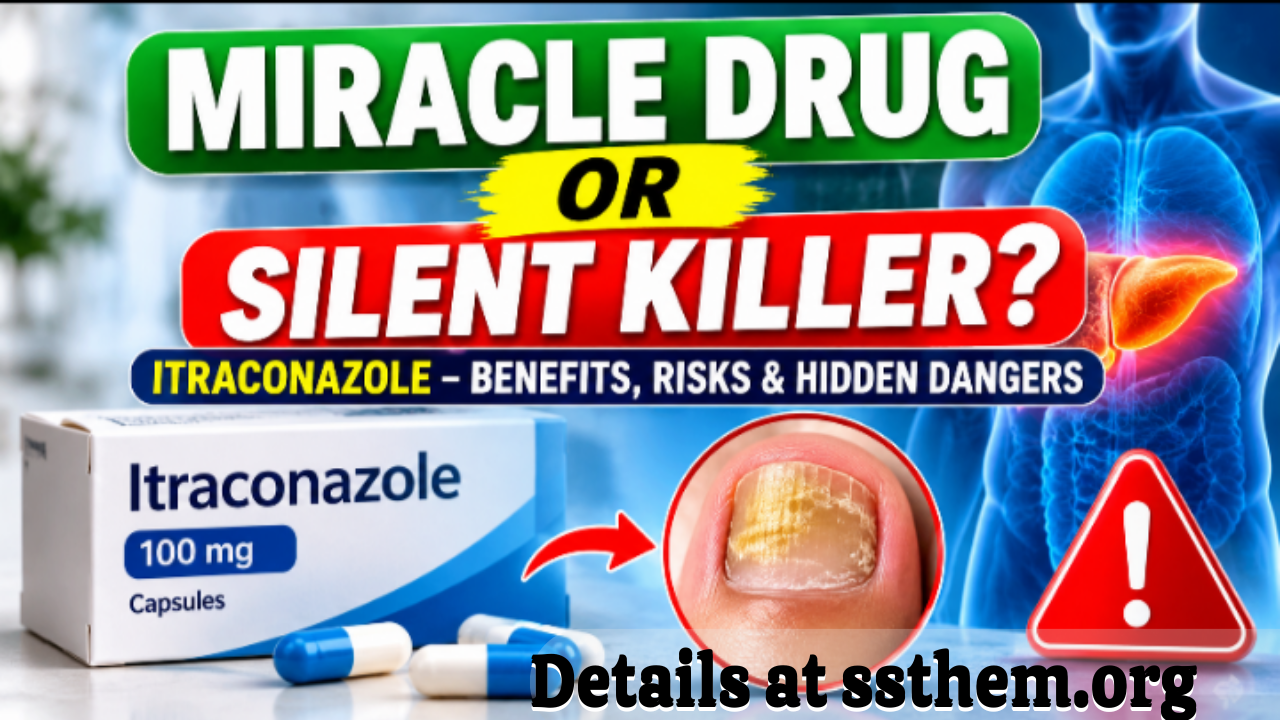
So, is itraconazole a miracle drug or a silent killer? The most accurate answer is neither. It is a clinically useful antifungal medicine with significant benefits and potentially serious risks. Understanding both sides is essential.
Discover More Online Communities
Looking for useful communities, educational discussions, and online groups related to different interests? Explore organized WhatsApp group resources and online community directories.
Visit ssthem.xyz to discover thousands of WhatsApp group links and online community resources. Group availability, privacy, and suitability may vary.
This community resource is separate from medical recommendations. WhatsApp groups should not be considered a source of verified medical advice or professional healthcare consultations.
1. Itraconazole: Important Medical Facts at a Glance
Itraconazole is a systemic antifungal medicine. Its clinical applications depend on the fungal organism, infection site, formulation and patient’s medical condition. The following table summarizes its essential pharmacological and clinical characteristics.
| Medical Category | Important Information |
|---|---|
| Generic name | Itraconazole |
| Common brand name | Sporanox |
| Other brand names | Tolsura and various country-specific generic brands |
| Drug classification | Triazole antifungal |
| Antifungal category | Systemic azole antifungal |
| Available formulations | Oral capsules, oral solution and certain specialized capsule formulations |
| Common capsule strength | 100 mg |
| Oral solution strength | Commonly 10 mg/mL for Sporanox oral solution |
| Specialized formulation | SUBA-itraconazole, including 50 mg capsules in certain markets |
| Approved systemic indications | Selected cases of blastomycosis, histoplasmosis and aspergillosis, depending on the product label |
| Nail infection indication | Dermatophyte-related fingernail and toenail onychomycosis under the US Sporanox capsule label |
| Oral solution indication | Oropharyngeal and esophageal candidiasis under the US Sporanox oral solution label |
| Mechanism of action | Inhibition of fungal CYP450-dependent ergosterol synthesis |
| Molecular target | Fungal lanosterol 14-alpha-demethylase (CYP51) |
| Route of administration | Oral |
| Absorption | Formulation-dependent; conventional capsules are best absorbed with a full meal |
| Metabolism | Mainly hepatic through CYP3A4 |
| Active metabolite | Hydroxy-itraconazole |
| Elimination | Mainly fecal excretion of metabolites, with some urinary elimination |
| Important cardiac warning | Can cause or worsen congestive heart failure |
| Important hepatic warning | Rare serious hepatotoxicity, including liver failure |
| Pregnancy considerations | Generally avoided for nail infections during pregnancy; systemic use requires careful benefit-risk assessment |
| Prescription status | Prescription medicine in the United States and many other countries; local requirements vary |
Important Regulatory Fact: The US Sporanox capsule label includes certain systemic fungal infections and dermatophyte-related onychomycosis. The US oral solution label specifically includes oropharyngeal and esophageal candidiasis. These indications should not automatically be transferred to every generic product or formulation.
Available Formulations and Strengths
| Formulation | Typical Strength | Main Clinical Consideration |
|---|---|---|
| Conventional capsules | 100 mg | Take with a full meal |
| Sporanox oral solution | 10 mg/mL | Take without food when possible |
| SUBA-itraconazole capsules | 50 mg | Enhanced formulation with different absorption characteristics |
| Topical itraconazole products | Country-specific | Availability and approved indications vary |
Important: Conventional capsules and oral solution are not interchangeable on a milligram-for-milligram basis. They can produce different systemic exposure and have different administration instructions. A patient should never replace one formulation with another without professional advice.
2. What Is Itraconazole and How Does It Work?
Itraconazole is a synthetic antifungal medicine developed to interfere with an essential component of fungal cell membranes. It belongs to the triazole subgroup of azole antifungals. Other members of this broad drug family include fluconazole and voriconazole.
Understanding the Triazole Antifungal Class
Fungal cells require a stable cell membrane to survive, grow and reproduce. One of the most important components of this membrane is ergosterol. Ergosterol performs a role in fungal membranes similar to the role cholesterol performs in human cell membranes.
Without sufficient ergosterol, fungal membranes cannot maintain their normal structure and function. Itraconazole interferes with the biochemical pathway responsible for producing ergosterol. The result is impaired fungal membrane development and reduced fungal growth.
What Makes Itraconazole Different?
- Broad antifungal activity: It has activity against several dermatophytes, yeasts and systemic fungal pathogens. However, its activity is not universal.
- Tissue distribution: Itraconazole can accumulate in certain tissues, including skin and nail tissues.
- Active metabolite: The liver converts itraconazole into several metabolites. Hydroxy-itraconazole is an important metabolite with antifungal activity.
- Significant interaction potential: Its strong inhibition of CYP3A4 can increase concentrations of many other medicines.
- Formulation-dependent absorption: Conventional capsules and oral solution have different absorption characteristics.
Which Fungal Organisms May Be Susceptible?
Itraconazole demonstrates activity against several medically important fungal organisms, including:
- Blastomyces dermatitidis
- Histoplasma capsulatum
- Aspergillus fumigatus
- Aspergillus flavus
- Certain Trichophyton species
- Selected Candida species
- Certain other susceptible dermatophytes and dimorphic fungi
Laboratory susceptibility does not automatically establish clinical effectiveness for every infection. Treatment decisions depend on the specific organism, infection location, clinical evidence and susceptibility results where appropriate.
What Are Its Limitations?
Itraconazole is not effective against all fungal pathogens. The prescribing information identifies important groups against which itraconazole is not active, including:
- Rhizopus species
- Rhizomucor species
- Mucor species
- Fusarium species
- Scedosporium species
- Scopulariopsis species
These limitations matter because choosing an inappropriate antifungal medicine can delay effective treatment, particularly in patients with invasive fungal infections.
3. Itraconazole Uses: Which Fungal Infections Can It Treat?
Itraconazole uses vary according to the formulation and local regulatory approval. It is important to distinguish established indications from off-label clinical applications.
3.1 Onychomycosis: Fungal Nail Infection 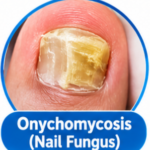
One of the recognized uses of itraconazole capsules is dermatophyte-related nail fungal infection. Onychomycosis affects the fingernails or toenails and may produce yellow, white or brown nail discoloration, thickened nails, brittle nail surfaces, nail separation from the nail bed and crumbling nail edges.
The infection is commonly caused by dermatophytes, particularly species of Trichophyton. Itraconazole reaches nail tissues and can remain detectable in nail keratin after treatment has finished. This property makes it useful in selected cases of nail fungal infection.
However, not every discolored nail is infected with fungi. Nail trauma, psoriasis and other conditions can produce similar appearances. The US Sporanox label recommends laboratory confirmation before initiating treatment for onychomycosis.
3.2 Dermatophytosis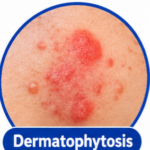
Dermatophytosis is a group of fungal infections involving keratin-containing tissues such as skin, hair and nails. Common examples include tinea corporis, tinea cruris, tinea pedis, tinea capitis and tinea unguium.
Itraconazole may be used in selected dermatophyte infections, particularly when systemic therapy is appropriate. However, uncomplicated skin infections often respond to topical antifungal medicines, making systemic treatment unnecessary.
3.3 Athlete’s Foot 
Athlete’s foot, medically known as tinea pedis, affects the skin of the feet. Common symptoms include itching between the toes, peeling skin, cracks between the toes, burning sensations, scaling on the soles and sometimes small blisters.
Topical terbinafine, clotrimazole and other appropriate topical antifungals are commonly used for uncomplicated cases. Oral itraconazole may be considered in selected extensive, persistent or difficult-to-treat infections under medical supervision.
3.4 Ringworm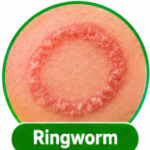
Ringworm is a dermatophyte infection, not an infection caused by an actual worm. It may affect the body, groin, feet or scalp. Itraconazole can be considered for selected dermatophyte infections, depending on their location and severity.
Localized ringworm is generally treated with topical antifungals. Scalp ringworm usually requires an oral antifungal because topical medicines do not adequately reach the infected hair follicles.
3.5 Jock Itch 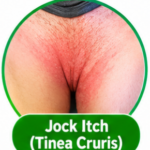
Jock itch, or tinea cruris, affects the groin and surrounding skin. It commonly produces an itchy, reddish rash that may extend to the inner thighs. Topical antifungals are generally suitable for uncomplicated localized cases. Itraconazole may be considered for selected extensive or resistant infections when a clinician determines systemic therapy is appropriate.
3.6 Cutaneous Candidiasis 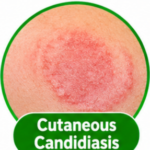
Cutaneous candidiasis occurs when Candida yeast overgrows on the skin. It commonly affects moist areas such as skin folds, under the breasts, groin and armpits. Itraconazole has activity against selected Candida species, but it is not routinely necessary for uncomplicated skin candidiasis. Topical antifungal treatment and management of moisture and skin-fold irritation are often sufficient.
3.7 Oral Candidiasis 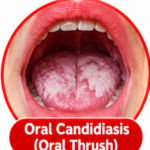
Oral candidiasis, commonly called oral thrush, produces white patches, redness and discomfort inside the mouth. Itraconazole oral solution has a specific US-approved indication for oropharyngeal candidiasis. It may be considered in selected patients, including certain patients who have not responded adequately to other treatments.
The oral solution is swished around the mouth and swallowed according to the prescribed instructions. The capsule formulation should not automatically be substituted for the solution in this indication.
3.8 Esophageal Candidiasis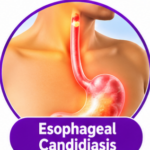
Esophageal candidiasis is a fungal infection involving the esophagus. It is more likely in people with impaired immunity and can cause painful swallowing, difficulty swallowing and chest discomfort. Itraconazole oral solution is an approved treatment option under its US label. This is a medically significant infection that requires professional diagnosis and treatment.
3.9 Vaginal Candidiasis 
Vaginal candidiasis is commonly caused by Candida albicans. Symptoms can include vaginal itching, redness, burning, thick vaginal discharge and discomfort during urination or sexual activity. Itraconazole is not a routine first-line treatment for uncomplicated vaginal candidiasis in contemporary US clinical practice. Other antifungal options, including topical azoles and fluconazole in appropriate nonpregnant patients, are generally preferred depending on the clinical situation.
3.10 Seborrheic Dermatitis 
Seborrheic dermatitis is an inflammatory skin condition associated with several contributing factors, including Malassezia yeasts. It may cause flaking scalp skin, dandruff, redness, greasy scales and facial skin irritation. Topical antifungal shampoos and creams, such as ketoconazole products, are commonly used. Oral itraconazole has been investigated and used in selected difficult cases, but this is not equivalent to a universally approved routine indication.
3.11 Systemic Fungal Infections 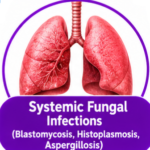
Blastomycosis: A systemic infection caused by Blastomyces species. It may affect the lungs and spread to other organs.
Histoplasmosis: An infection caused by Histoplasma capsulatum. Disease severity varies from mild pulmonary illness to serious disseminated infection.
Aspergillosis: Selected pulmonary and extrapulmonary cases may be treated with itraconazole, particularly when patients cannot tolerate or have not responded to other appropriate treatments. These conditions require specialist assessment, diagnostic investigations and appropriate monitoring.
Summary of Itraconazole Indications
| Infection | Role of Itraconazole | Important Qualification |
|---|---|---|
| Dermatophyte nail infection | Established capsule indication | Confirm fungal diagnosis |
| Toenail fungus | Recognized use | Long period for visible recovery |
| Fingernail fungus | Recognized use | Formulation-specific treatment |
| Athlete’s foot | Selected clinical use | Topical therapy is often sufficient |
| Ringworm | Selected clinical use | Depends on infection site |
| Jock itch | Selected clinical use | Usually not needed for uncomplicated disease |
| Oral candidiasis | Approved oral solution indication | Capsule is not interchangeable |
| Esophageal candidiasis | Approved oral solution indication | Requires medical evaluation |
| Vaginal candidiasis | Not routine first-line treatment | Other treatments generally preferred |
| Seborrheic dermatitis | Selected off-label use | Topical treatment is commonly preferred |
| Blastomycosis | Approved capsule indication | Specialist supervision |
| Histoplasmosis | Approved capsule indication | Specialist supervision |
| Aspergillosis | Selected approved capsule indication | Depends on prior treatment response |
Discover Natural Beauty and Wellness Education
Want to explore more educational information about natural home remedies, skincare, healthy living, and beauty tips?
Visit ssthem.net for additional wellness and beauty-related educational resources.
Natural remedies should not be considered proven antifungal treatments unless supported by reliable clinical evidence. They should not replace prescribed antifungal therapy.
4. Itraconazole Dosage and Administration: Why Formulation Matters
Itraconazole dosage is not universal. The appropriate regimen depends on the infection, formulation, severity, causative organism, patient characteristics and local prescribing guidelines. The following table presents selected adult reference regimens from official labeling and clinical guidance. These are educational references, not personal prescriptions.
| Patient Category / Condition | Formulation | Reference Dose | Frequency | Duration | Important Instructions |
|---|---|---|---|---|---|
| Blastomycosis | Conventional capsules | 200 mg | Once daily initially | Individualized | Specialist supervision |
| Histoplasmosis | Conventional capsules | 200 mg | Once daily initially | Individualized | May require dose escalation |
| Progressive blastomycosis or histoplasmosis | Conventional capsules | Up to 400 mg daily | Divided doses when above 200 mg/day | Individualized | Close supervision |
| Selected aspergillosis | Conventional capsules | 200–400 mg daily in studied populations | One or divided doses depending on dose | Individualized | Specialist-directed |
| Dermatophyte toenail infection | Conventional capsules | 200 mg | Once daily | 12 weeks under US labeling | Take with a full meal |
| Dermatophyte fingernail infection | Conventional capsules | 200 mg twice daily | One week, followed by three weeks off; repeat once | Two pulse courses | Clinician-supervised |
| Toenail infection, guideline pulse option | Conventional capsules | 200 mg twice daily | One week per month | Three pulses | Guideline option |
| Fingernail infection, guideline pulse option | Conventional capsules | 200 mg twice daily | One week per month | Two pulses | Guideline option |
| Oropharyngeal candidiasis | Oral solution | 200 mg (20 mL) | Daily | 1–2 weeks | Swish and swallow |
| Fluconazole-refractory oropharyngeal candidiasis | Oral solution | 100 mg (10 mL) | Twice daily | Clinician-directed | Requires reassessment |
| Esophageal candidiasis | Oral solution | 100 mg (10 mL) | Daily | At least 3 weeks and 2 weeks after symptom resolution | Swish and swallow |
Important: The table contains different regimens for different infections. They must not be combined or substituted for one another.
4.1 Itraconazole 100 mg Capsules
Itraconazole 100mg is a commonly available conventional capsule strength. For example, a prescribed total daily dose of 200 mg may require two 100 mg capsules. However, capsule strength does not determine the correct treatment regimen. A patient prescribed 100 mg for a specific indication should not independently increase the dose to 200 mg simply because that amount appears in another treatment guideline.
4.2 Itraconazole for Nail Fungus: Continuous Dosing
The US Sporanox capsule label describes a continuous regimen for dermatophyte toenail infection. The labeled regimen is 200 mg daily for 12 consecutive weeks, taken with a full meal. This is a reference regimen for appropriately selected patients, not a recommendation for every discolored or thickened nail.
4.3 Itraconazole Pulse Dosing Schedule for Nail Infection
Pulse therapy is an intermittent treatment strategy. Instead of taking the medicine continuously for several months, the patient receives a short treatment period followed by a treatment-free interval.
Example of an adult toenail pulse regimen: A guideline-supported option involves 400 mg daily for seven days, followed by 21 days without treatment. This cycle is repeated for three monthly pulses. The same guideline describes two pulses for fingernail infection.
Pulse dosing is not appropriate for everyone. Cardiac disease, liver problems and interacting medicines must be considered before prescribing. This is a specialist-supervised regimen, not a self-treatment schedule.
4.4 Itraconazole Oral Solution Dosage
The oral solution has different administration instructions from conventional capsules. Under the US Sporanox oral solution label, the reference regimen for oropharyngeal candidiasis is 200 mg daily, equivalent to 20 mL of a 10 mg/mL solution, usually for one to two weeks. For esophageal candidiasis, the reference regimen is 100 mg daily, equivalent to 10 mL, for at least three weeks and continuing for two weeks after symptoms resolve.
The solution should be vigorously swished in the mouth in 10 mL portions for several seconds and swallowed. It should generally be taken without food when possible. The exact regimen must follow the product-specific prescribing information.
4.5 Pediatric Dosage
Pediatric itraconazole treatment requires particular caution. Children should not automatically receive adult regimens or adult capsule doses. For systemic infections, pediatric dosing may depend on body weight, body surface area, infection type, formulation, drug absorption, underlying immune status and other medications.
The US Sporanox capsule labeling does not establish a universal pediatric dosage for every fungal infection. Specialist guidelines discuss selected off-label pediatric uses, but these should not be applied to unrelated infections or without specialist supervision.
4.6 Elderly Patients
Older adults may have reduced hepatic function, reduced renal function, multiple prescription medicines and increased susceptibility to cardiac complications. Itraconazole should therefore be prescribed with a careful review of medical history and concurrent medicines.
4.7 Topical Application Dosage
There is no universal topical itraconazole dosage. Oral itraconazole should not be applied directly to the skin or nails. Where a country-specific topical itraconazole product exists, its dose and approved use must be obtained from that product’s own label. Conventional capsules and oral solution should never be treated as topical products.
4.8 Vaginal Dosage
There is no standard FDA-approved itraconazole vaginal regimen for routine uncomplicated vaginal candidiasis. Patients should not apply oral solution or capsule contents intravaginally. Appropriate treatment depends on the Candida species, pregnancy status and whether the infection is recurrent or complicated.
4.9 Maximum Labeled Dosage
There is no single maximum daily dose that applies to all itraconazole formulations and indications. For example, the US capsule label allows doses up to 400 mg daily for certain systemic fungal infections. This does not mean that 400 mg is appropriate for nail fungus or routine skin infections. The maximum permitted dose depends on the product label and clinical indication.
4.10 Missed Dose
- Take it when remembered unless it is nearly time for the next dose.
- If the next dose is close, skip the missed dose.
- Do not double the next dose.
- Ask a pharmacist if the correct approach is uncertain, especially during a pulse regimen.
4.11 Overdose
Taking more itraconazole than prescribed can increase the risk of adverse effects. Possible concerns include gastrointestinal symptoms, liver injury, cardiac complications and other toxic reactions. There is no specific home antidote. Medical assessment is necessary after a suspected overdose. Itraconazole is not effectively removed through dialysis.
4.12 Renal and Hepatic Dose Considerations
Kidney impairment: Available data are limited. Drug exposure may be lower in some patients with moderate or severe renal impairment. Long-term dosing decisions require caution.
Liver impairment: Itraconazole is extensively metabolized by the liver. Cirrhosis can prolong its elimination half-life. Patients with active liver disease or abnormal liver enzymes require particularly careful evaluation.
The Dosage Detail That Deserves Your Attention
Correct dosage is only one part of safe antifungal treatment. Formulation, infection location, treatment duration and patient-specific risk factors can significantly change the recommended approach.
For further verification, consult the official FDA drug information database and the DailyMed itraconazole prescribing information. These resources help readers verify current product-specific prescribing information.
5. Mode of Action: How Itraconazole Attacks Fungal Cells
Understanding the mechanism of action explains why itraconazole can treat certain fungal infections and why resistance may develop.
5.1 Molecular Target
The primary molecular target is fungal lanosterol 14-alpha-demethylase, commonly known as CYP51. This enzyme belongs to the cytochrome P450 family. Its role is to help convert lanosterol into downstream products required for ergosterol production. Itraconazole inhibits this enzyme.
5.2 Ergosterol Synthesis Inhibition
The fungal membrane depends on ergosterol for its normal structure and function. When CYP51 is inhibited, normal ergosterol production decreases, abnormal sterol intermediates accumulate, fungal membrane composition changes, membrane-associated functions become impaired, and fungal growth and reproduction are inhibited.
5.3 Is Itraconazole Fungistatic or Fungicidal?
Itraconazole is generally considered fungistatic against many susceptible fungal organisms. Fungistatic means that the medicine inhibits fungal growth rather than necessarily killing every organism directly. However, the distinction is not absolute. Its observed activity can depend on the fungal species, drug concentration, infection location, laboratory testing conditions and host immune function.
5.4 Potential Resistance Mechanisms
- Target modification: Mutations in fungal CYP51 can reduce drug binding.
- Increased drug efflux: Fungi may increase the activity of transport proteins that pump antifungal medicines out of their cells.
- Target overexpression: Some fungi produce more of the target enzyme, reducing the effectiveness of inhibition.
- Altered sterol pathways: Changes in fungal sterol production can help organisms survive antifungal exposure.
- Cross-resistance: Reduced susceptibility to one azole may sometimes be associated with reduced susceptibility to another azole.
6. Pharmacokinetics and Metabolism of Itraconazole
Pharmacokinetics describes what the body does to a medicine after administration. For itraconazole, pharmacokinetic characteristics are particularly important because absorption is formulation-dependent and metabolism involves CYP3A4.
6.1 Absorption
Conventional itraconazole capsules are absorbed through the gastrointestinal tract. According to prescribing information, peak plasma concentrations generally occur within 2–5 hours, absolute oral bioavailability is approximately 55%, and absorption is improved when capsules are taken immediately after a full meal.
Itraconazole is poorly soluble in water, and its absorption depends partly on gastric acidity. Medicines that reduce stomach acid may reduce absorption of conventional capsules. Examples include omeprazole, esomeprazole, famotidine and other acid-suppressing medicines.
6.2 Oral Solution Absorption
The oral solution produces different drug exposure from conventional capsules. It is generally taken without food when possible. The solution has demonstrated effectiveness for specific oral and esophageal Candida infections. It should not be substituted for capsules without professional guidance.
6.3 Distribution
Itraconazole is highly lipophilic, meaning it has an affinity for fatty environments. It distributes into several tissues, including skin, nails, lungs, liver and other body tissues. It is also highly protein-bound in plasma.
6.4 Plasma Protein Binding
Itraconazole is reported to be more than 99% protein-bound in plasma. This means that most circulating drug is associated with plasma proteins rather than existing as freely dissolved drug. Protein binding is one factor affecting distribution and pharmacological exposure.
6.5 Hepatic Metabolism
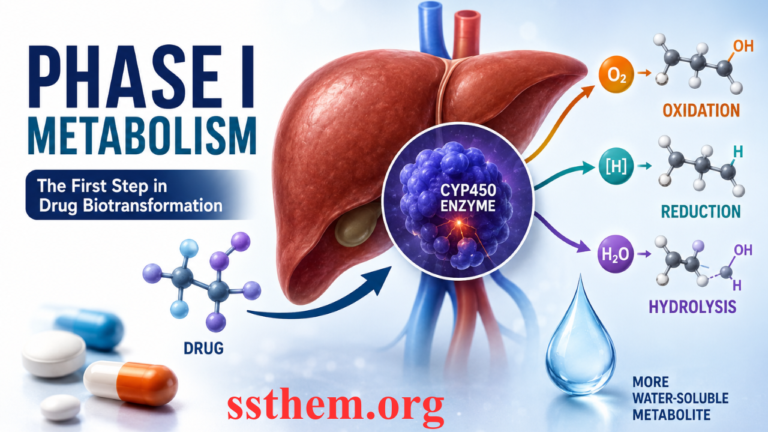
Itraconazole undergoes extensive hepatic metabolism. CYP3A4 is the major enzyme involved. One of its important metabolites is hydroxy-itraconazole, which also has antifungal activity.
6.6 Elimination
Itraconazole is eliminated mainly through metabolism. A substantial portion of the administered dose is eliminated in feces, including unchanged drug and metabolites. Some drug-related material is excreted through urine. The kidney is not the main elimination route for unchanged itraconazole, but kidney impairment can still influence exposure and treatment decisions.
6.7 Pharmacokinetic Summary Table
| Pharmacokinetic Parameter | Reported Value or Characteristic |
|---|---|
| Peak concentration after capsules | 2–5 hours |
| Absolute oral bioavailability | Approximately 55% |
| Terminal half-life after a single dose | 16–28 hours |
| Half-life after repeated administration | 34–42 hours |
| Time to steady state | Approximately 15 days |
| Major metabolic enzyme | CYP3A4 |
| Major active metabolite | Hydroxy-itraconazole |
| Main elimination route | Fecal elimination of drug-related material |
| Protein binding | More than 99% |
| Renal contribution | Some urinary excretion; limited role in elimination of unchanged drug |
6.8 Factors That Influence Itraconazole Concentration
| Factor | Potential Effect |
|---|---|
| Full meal | Improves absorption of conventional capsules |
| Reduced gastric acidity | May reduce capsule absorption |
| Proton pump inhibitors | May reduce capsule exposure |
| CYP3A4 inhibitors | May increase itraconazole concentrations |
| CYP3A4 inducers | May reduce itraconazole concentrations |
| Liver impairment | Can alter metabolism and elimination |
| Formulation changes | Can substantially change exposure |
| Repeated dosing | Produces accumulation |
7. Itraconazole Side Effects: Common and Serious Adverse Reactions
Itraconazole side effects range from mild gastrointestinal discomfort to rare but life-threatening complications. Not every patient develops adverse reactions. Risk depends on the dose, treatment duration, formulation, concurrent medicines and individual medical history.
7.1 Common Side Effects
- Nausea
- Vomiting
- Abdominal discomfort
- Diarrhea
- Headache
- Dizziness
- Rash
- Indigestion
These reactions may be mild, but persistent or worsening symptoms should be discussed with a healthcare professional.
7.2 Liver-Related Adverse Reactions
Itraconazole can cause hepatotoxicity. Rare cases of severe liver injury, including liver failure and death, have been reported. Warning signs include yellowing of the skin, yellowing of the eyes, dark urine, pale stools, persistent nausea, unusual tiredness, loss of appetite and pain in the upper-right abdomen.
These symptoms require prompt medical assessment. A clinician may order liver function tests, including ALT, AST, alkaline phosphatase and bilirubin.
7.3 Cardiac Complications
The cardiac warning is one of the most important features of itraconazole safety. Itraconazole can cause or worsen congestive heart failure. This is related partly to its negative inotropic effect, meaning that the medicine can reduce the force of heart muscle contraction.
When the heart pumps less effectively, fluid may accumulate in the lungs and peripheral tissues. Symptoms may include shortness of breath, swelling of the ankles, swelling of the legs, sudden unexplained weight gain, persistent fatigue, difficulty breathing when lying down and waking during the night because of breathlessness.
The capsule label specifically contraindicates treatment of onychomycosis in patients with ventricular dysfunction, including congestive heart failure or a history of heart failure. New or worsening heart failure symptoms require immediate medical assessment.
7.4 Why Does Itraconazole Cause Heart Failure?
Itraconazole can interfere with normal cardiac contractility. Its negative inotropic effect reduces the heart’s ability to contract forcefully. This can worsen an already weakened heart or contribute to heart failure in susceptible patients. Additionally, some interacting medicines can increase itraconazole exposure or cause additional cardiac problems.
7.5 Itraconazole Weight Gain Side Effects
Weight gain is not one of the most typical uncomplicated adverse reactions. However, sudden weight gain can be an important warning sign of fluid retention associated with heart failure. A patient who experiences rapid weight gain together with swollen ankles and breathlessness should not assume that the change is ordinary body fat. Such symptoms require urgent medical evaluation.
7.6 Neurological Adverse Reactions
Neurological complaints reported with itraconazole include headache, dizziness, tingling, numbness and peripheral neuropathy. New or persistent neurological symptoms should be evaluated.
7.7 Allergic and Severe Skin Reactions
Possible allergic reactions include rash, itching, hives, facial swelling, lip swelling, tongue swelling and breathing difficulty. Rare severe skin reactions may include Stevens–Johnson syndrome and toxic epidermal necrolysis. Blistering, skin peeling or sores involving the mouth or eyes require urgent medical assessment.
7.8 Comprehensive Adverse Reaction Table
| Side Effect | Frequency / Evidence | Severity | Recommended Action |
|---|---|---|---|
| Nausea | Recognized common reaction | Usually mild | Discuss persistent symptoms |
| Abdominal discomfort | Recognized reaction | Usually mild | Seek advice if persistent |
| Diarrhea | Recognized reaction | Variable | Seek advice if severe |
| Vomiting | Recognized reaction | Variable | Seek care if persistent |
| Headache | Recognized reaction | Usually mild | Seek advice if severe |
| Dizziness | Reported reaction | Variable | Avoid hazardous activities if affected |
| Rash | Reported reaction | Variable | Seek medical advice |
| Elevated liver enzymes | Established safety concern | Potentially serious | Medical monitoring |
| Severe liver injury | Rare but established postmarketing risk | Life-threatening | Stop treatment and seek urgent care |
| Peripheral edema | Reported reaction | Potentially serious | Evaluate for fluid retention |
| Heart failure | Important established warning | Potentially life-threatening | Urgent assessment |
| Sudden weight gain with edema | Warning pattern for fluid retention | Potentially serious | Urgent medical assessment |
| Hearing changes | Postmarketing reports | Potentially serious | Prompt medical evaluation |
| Peripheral neuropathy | Reported adverse reaction | Variable | Prompt medical review |
| Severe allergic reaction | Rare but possible | Emergency | Emergency treatment |
| Stevens–Johnson syndrome | Rare serious reaction | Emergency | Immediate medical attention |
| Toxic epidermal necrolysis | Rare serious reaction | Emergency | Immediate medical attention |
Frequency estimates vary between studies and formulations. Postmarketing reports cannot reliably establish the frequency of rare events.
8. How to Respond After Itraconazole Side Effects
The appropriate response depends on the type and severity of the reaction. Patients should not automatically stop, restart or adjust itraconazole without professional advice unless an emergency reaction requires immediate discontinuation and urgent assessment.
8.1 Mild Gastrointestinal Discomfort
- Review whether the correct formulation instructions were followed.
- Do not take additional doses to compensate for vomiting.
- Do not independently change the dose.
- Contact a pharmacist or prescriber if symptoms continue.
8.2 Mild Skin Irritation or Rash
A mild rash may be drug-related, but it can also have another cause. A clinician should assess whether treatment can safely continue. Do not assume that every rash is harmless.
8.3 Itching or Hives
New hives or widespread itching may indicate an allergic reaction. Contact a healthcare professional promptly. If swelling of the face, lips, tongue or throat occurs, or breathing becomes difficult, seek emergency care immediately.
8.4 Signs of Liver Injury
- Do not take further doses while seeking urgent medical advice.
- Contact the prescribing clinician immediately.
- Obtain appropriate liver function testing.
- Seek emergency care if jaundice, severe vomiting, confusion or significant deterioration occurs.
8.5 Signs of Heart Failure
New breathlessness, leg swelling, difficulty lying flat or sudden weight gain should be treated as possible cardiac warning signs. Stop taking itraconazole and obtain urgent medical assessment. Severe breathing difficulty or chest pain requires emergency services.
8.6 How Adverse Reactions Are Medically Evaluated
A clinician may assess symptom timing, total treatment duration, dosage and formulation, recent medication changes, liver function, kidney function, heart examination, electrocardiogram when appropriate and additional investigations when indicated.
Important: A medicine that caused a serious allergic, cardiac or hepatic reaction should not be restarted without specialist evaluation.
9. Contraindications and Important Precautions
Itraconazole requires careful assessment before treatment. Some patients may need an alternative antifungal medicine.
9.1 Known Drug Allergy
Patients with a known allergy to itraconazole or any relevant formulation ingredient should inform their healthcare professional.
9.2 Heart Failure
Existing heart failure is a major safety concern. Itraconazole may worsen ventricular dysfunction. The capsule label specifically prohibits its use for nail fungal infection in patients with evidence or a history of congestive heart failure.
9.3 Liver Disease
Itraconazole undergoes extensive hepatic metabolism. Patients with active liver disease, elevated liver enzymes or previous drug-related liver injury may be at increased risk.
9.4 Kidney Disease
Although hepatic metabolism is the major elimination pathway, renal impairment can affect exposure. Treatment decisions require caution because long-term pharmacokinetic data in renal impairment are limited.
9.5 Pregnancy
Itraconazole should generally be avoided for nail fungal infection during pregnancy. For serious systemic fungal infections, treatment may be considered only after an individualized benefit-risk assessment.
9.6 Breastfeeding
Itraconazole can enter breast milk. The amount of exposure and potential effects on an infant must be considered. A clinician should evaluate the indication, alternatives and breastfeeding considerations.
9.7 Children and Older Adults
Pediatric treatment should be specialist-directed when systemic itraconazole is required. Older adults may have multiple medical conditions and take several medicines. This increases the importance of checking interactions and organ function.
9.8 Alcohol
Can I drink alcohol while taking itraconazole? Alcohol is not generally listed as a universal absolute contraindication in the US capsule label. However, excessive alcohol consumption can independently damage the liver. Because itraconazole can also cause liver injury, avoiding alcohol during treatment is a prudent precaution, particularly in patients with liver disease or prolonged treatment. Discuss alcohol consumption with the prescriber.
10. Itraconazole Drug Interactions to Avoid
Drug interactions are among the most important concerns associated with itraconazole. It strongly inhibits CYP3A4, an enzyme responsible for metabolizing many prescription medicines. When CYP3A4 activity is inhibited, certain medicines can accumulate to potentially dangerous concentrations.
10.1 Important Contraindicated Interactions
| Interacting Medicine | Potential Interaction | Clinical Importance | Precaution |
|---|---|---|---|
| Simvastatin | Increased statin concentration | Myopathy and rhabdomyolysis risk | Contraindicated combination |
| Lovastatin | Increased statin exposure | Serious muscle toxicity | Contraindicated combination |
| Dofetilide | Increased antiarrhythmic exposure | Potentially fatal arrhythmia | Contraindicated |
| Quinidine | Increased drug concentration | QT prolongation and arrhythmia | Contraindicated |
| Dronedarone | Increased exposure | Serious cardiac rhythm risk | Contraindicated |
| Disopyramide | Increased exposure | Cardiac toxicity | Contraindicated |
| Methadone | Increased exposure | Cardiac and respiratory toxicity | Contraindicated under the label |
| Oral midazolam | Increased sedation | Excessive or prolonged sedation | Contraindicated |
| Triazolam | Increased sedative exposure | Prolonged sedation | Contraindicated |
| Lurasidone | Increased antipsychotic exposure | Serious adverse reactions | Contraindicated |
| Pimozide | Increased exposure | Dangerous arrhythmia risk | Contraindicated |
| Ergotamine | Increased ergot alkaloid exposure | Ergot toxicity | Contraindicated |
| Eplerenone | Increased concentration | Hyperkalemia and other toxicity | Contraindicated |
| Ivabradine | Increased exposure | Bradycardia and rhythm concerns | Contraindicated |
| Ranolazine | Increased exposure | QT-related cardiac risk | Contraindicated |
| Ticagrelor | Increased antiplatelet exposure | Bleeding risk | Contraindicated |
| Avanafil | Increased exposure | Increased adverse effects | Contraindicated |
This is not a complete interaction list. The current product label should be checked before prescribing.
10.2 Interactions With Acid-Reducing Medicines
Medicines that reduce stomach acid may decrease absorption of conventional itraconazole capsules. Examples include omeprazole, esomeprazole, famotidine, cimetidine and other acid-suppressing agents. Antacids can also affect absorption. The appropriate timing and management depend on the product and concurrent treatment.
10.3 Interactions With Enzyme-Inducing Medicines
Some medicines increase CYP3A4 activity and can lower itraconazole concentrations. Examples include rifampicin, rifabutin, phenytoin and carbamazepine. These combinations may reduce antifungal effectiveness. Some combinations should be avoided rather than managed simply by increasing the itraconazole dose.
10.4 Interactions With Immunosuppressants
Itraconazole can substantially increase concentrations of certain immunosuppressive medicines, including tacrolimus, cyclosporine and sirolimus. This can lead to toxicity. Specialist monitoring and medication adjustment may be necessary.
10.5 Does Itraconazole Interact With Birth Control Pills?
Itraconazole inhibits CYP3A4, which is involved in the metabolism of certain hormonal contraceptive ingredients. It may alter hormone exposure. However, it should not automatically be assumed that itraconazole makes all birth control pills ineffective. The interaction depends on the specific contraceptive product. Patients should discuss their contraceptive method with a pharmacist or clinician before treatment.
10.6 Interactions With Other Antifungals
Combining antifungal medicines without a clinical reason may increase adverse effects or create pharmacological interactions. Examples requiring specialist consideration include fluconazole, voriconazole, posaconazole, ketoconazole and amphotericin B. A combination should be used only when the expected benefit justifies the risks.
10.7 Medication Review Before Treatment
- Prescription medicines
- Nonprescription medicines
- Herbal products
- Vitamins
- Supplements
- Recent medications that have been discontinued
Itraconazole interactions may persist after the final dose because of its relatively long elimination and the time required for enzyme activity to recover. Do not independently stop an essential medicine to accommodate itraconazole.
11. Antifungal Resistance: Why Itraconazole May Stop Working
Antifungal resistance occurs when fungal organisms become less susceptible to medicines that previously inhibited their growth. It is an important global healthcare challenge.
11.1 How Resistance Develops
- Genetic mutations
- Selection of naturally less-susceptible organisms
- Repeated exposure to antifungal medicines
- Changes in drug transport
- Changes in drug targets
- Altered sterol synthesis
11.2 Resistant Candida Species
Candida auris: An emerging healthcare-associated fungal pathogen with significant multidrug resistance concerns.
Candida glabrata: May have reduced susceptibility or resistance to several azole antifungals.
Candida parapsilosis: Resistance patterns can vary by geographic region and clinical setting.
Itraconazole should not be assumed to be effective against these organisms without appropriate clinical and laboratory assessment.
11.3 Does Incomplete Treatment Cause Resistance?
Stopping treatment early can allow infection to persist or return. However, the relationship between incomplete treatment and resistance is more complex than simply stating that every early discontinuation creates resistant fungi. Resistance is influenced by fungal genetics, drug exposure, infection location, host immunity, previous antifungal use and species-specific biology.
11.4 Diagnostic Testing
- Microscopy
- Fungal culture
- Histopathology
- Species identification
- Antifungal susceptibility testing
11.5 Antifungal Stewardship
- Confirming the infection where possible.
- Identifying the likely fungal organism.
- Selecting the appropriate antifungal.
- Avoiding unnecessary systemic treatment.
- Using an evidence-based dose and duration.
- Monitoring for toxicity.
- Reassessing treatment failure.
12. Itraconazole vs Fluconazole: Important Clinical Differences
Itraconazole and fluconazole both belong to the azole antifungal family. However, they differ in spectrum, absorption, metabolism, interactions and approved indications. Neither medicine is universally superior.
| Characteristic | Itraconazole | Fluconazole |
|---|---|---|
| Drug class | Triazole | Triazole |
| Common brand | Sporanox | Diflucan |
| Oral formulations | Capsules and solution | Tablets, capsules and oral suspension |
| Nail fungus | Established capsule indication for selected dermatophyte infections | Used in selected settings, often off-label depending on country |
| Oral candidiasis | Oral solution indication | Common treatment option |
| Esophageal candidiasis | Oral solution indication | Common treatment option |
| Metabolism | Extensive hepatic CYP3A4 metabolism | Much less hepatic metabolism |
| Renal elimination | Mainly hepatic metabolism and fecal elimination | Predominantly renal elimination |
| Drug interactions | Extensive CYP3A4 interaction potential | Different interaction profile, generally fewer CYP3A4 interactions |
| Cardiac risk | Important heart failure warning | Can prolong QT interval in susceptible patients |
| Absorption | Strongly formulation- and gastric-acidity-dependent | Generally more predictable oral absorption |
When May Itraconazole Be Preferred?
- The causative fungus is susceptible.
- The infection is one for which itraconazole has established clinical evidence.
- Fluconazole is unsuitable.
- A particular tissue distribution or formulation is beneficial.
- A specialist determines that the benefits outweigh interaction and cardiac risks.
When May Fluconazole Be Preferred?
- The infection is caused by a susceptible Candida species.
- Oral absorption and dosing simplicity are important.
- Itraconazole interactions are problematic.
- The clinical guideline recommends fluconazole for the specific infection.
Explore More Antifungal Knowledge
Understanding different antifungal medicines can help readers recognize important differences in their mechanisms, safety profiles and approved uses.
Read our related educational guide: The Viral Truth of Fluconazole: 1 Pill vs 7 Days. This article provides additional information about fluconazole treatment approaches and why treatment duration depends on the infection.
13. Itraconazole Compared With Other Antifungal Medicines
| Antifungal Product | Drug Class | Common Uses | Formulation | Important Differences |
|---|---|---|---|---|
| Itraconazole | Triazole | Selected nail and systemic fungal infections | Capsules, oral solution | Important heart and CYP3A4 interaction warnings |
| Fluconazole | Triazole | Candida infections and selected systemic infections | Oral and IV | Different spectrum and generally predictable absorption |
| Terbinafine | Allylamine | Dermatophyte nail and skin infections | Oral and topical | Often preferred for dermatophyte nail infections |
| Ketoconazole | Imidazole | Topical fungal infections | Cream, shampoo and other topical forms | Oral ketoconazole has serious safety restrictions |
| Clotrimazole | Imidazole | Skin and vaginal fungal infections | Cream, solution, vaginal formulations | Mainly local treatment |
| Miconazole | Imidazole | Skin, oral and vaginal fungal infections | Cream, gel, vaginal products | Formulation-dependent local treatment |
| Voriconazole | Triazole | Selected invasive fungal infections | Oral and IV | Specialist treatment with important interactions |
| Posaconazole | Triazole | Selected invasive fungal infections and prophylaxis | Delayed-release tablets, suspension and IV | Specialized indications and absorption considerations |
| Amphotericin B | Polyene | Serious systemic fungal infections | IV and certain other formulations | Different mechanism and significant toxicity monitoring |
| Nystatin | Polyene | Oral and cutaneous Candida infections | Suspension, cream and other formulations | Minimal systemic absorption with local preparations |
Why Is Terbinafine Often Preferred for Nail Fungus?
Terbinafine is commonly used as a first-line systemic treatment for dermatophyte onychomycosis. The 2026 British Association of Dermatologists guideline recommends itraconazole as a second-line systemic option for adults with fungal nail infection when terbinafine is contraindicated or not tolerated. It also describes itraconazole pulse therapy in selected patients. Treatment selection should still account for fungal species, contraindications, liver health and other clinical factors.
Explore More Antifungal Knowledge
Understanding the differences between azole medicines can help readers recognize why one product may be preferred over another.
Read our related educational article: Ketoconazole 2% vs 1%: 3 Powerful Differences and 3 Results. It explains important formulation and concentration differences in topical ketoconazole products.
14. Special Patient Populations: Who Needs Extra Caution?
14.1 Pregnant Patients
Itraconazole requires particular caution during pregnancy. Animal studies have demonstrated reproductive toxicity. Human pregnancy data are limited. The US capsule label states that itraconazole should be used for systemic fungal infections during pregnancy only when the expected benefit outweighs potential fetal risks. It should not be administered for onychomycosis during pregnancy.
For women who could become pregnant and are receiving itraconazole for nail infection, the US label advises effective contraception during treatment and for two months after treatment ends.
14.2 Breastfeeding Patients
Itraconazole enters breast milk. The clinical significance of infant exposure is not fully established. Treatment decisions should consider the mother’s infection, available alternatives, infant age, treatment duration and potential infant exposure. A healthcare professional should guide the decision.
14.3 Infants and Children
Children may require specialist-directed treatment. The evidence base is not identical to that for adults. Weight, age, organ function and formulation all matter. Adult nail infection schedules should not be used automatically in children.
14.4 Older Adults
Older patients may have an increased risk of drug interactions because they often take multiple medicines. Cardiac and hepatic assessment may be particularly important.
14.5 Patients With Liver Impairment
Itraconazole metabolism depends heavily on hepatic CYP3A4 activity. Cirrhosis can prolong elimination. Patients with active liver disease may require an alternative treatment or close monitoring.
14.6 Patients With Kidney Impairment
Data in renal impairment are limited. Some patients may have reduced drug exposure. Treatment should be individualized, especially during prolonged courses.
14.7 Immunocompromised Patients
Patients with HIV, cancer, organ transplants or other immune-system disorders may develop more severe fungal infections. They may require diagnostic testing, species identification, susceptibility testing, specialist antifungal selection, longer treatment and monitoring for interactions with immunosuppressants. Itraconazole is not a universal preventive medicine for every immunocompromised patient.
14.8 Patients Taking Multiple Medicines
Polypharmacy increases the risk of clinically significant interactions. A full medication reconciliation should be completed before treatment.
15. Storage and Handling of Itraconazole
Storage requirements depend on the exact product. Patients should follow the manufacturer’s package insert rather than assuming that every itraconazole formulation has identical requirements.
- Keep the medicine in its original container unless the pharmacist provides alternative instructions.
- Protect it from excessive moisture.
- Avoid excessive heat.
- Follow the temperature printed on the label.
- Keep the container tightly closed.
- Do not use medicine beyond its expiry date.
- Store it away from children and pets.
- Do not share prescription antifungal medicines.
- Dispose of unused medicine through an appropriate pharmacy or medicine-disposal program.
Capsules and Oral Solution
Conventional capsules should be kept under the storage conditions stated on their packaging. The oral solution has formulation-specific storage instructions. Check the bottle label for the appropriate temperature and after-opening instructions. Do not assume that refrigeration is necessary or permitted unless the product instructions say so.
Expired Medicine
Expired medicine should not be used. Its stability and effectiveness may no longer be assured.
16. Common Myths and Evidence-Based Medical Facts
| Common Myth | Evidence-Based Fact |
|---|---|
| Itraconazole cures every fungal infection. | It works against selected fungi and has important spectrum limitations. |
| All itraconazole products have identical uses. | Capsules and oral solution have different labeled indications. |
| Itraconazole 100 mg is enough for every infection. | Dosage depends on the indication and formulation. |
| A fungal nail should look normal immediately after treatment. | Healthy nail growth takes months. |
| Three months of treatment guarantees a cure. | Treatment success varies and recurrence can occur. |
| Oral antifungals are always better than topical medicines. | Localized infections may respond well to topical treatment. |
| Natural remedies can replace prescribed itraconazole. | Most home remedies lack adequate evidence as substitutes for established antifungal treatment. |
| Itraconazole cannot affect the heart. | It has a significant warning concerning congestive heart failure. |
| Sudden weight gain is always ordinary fat gain. | Sudden weight gain with swelling may indicate fluid retention. |
| Liver injury only happens in patients with known liver disease. | Serious liver injury has been reported in patients without known pre-existing liver disease. |
| Itraconazole has no drug interactions. | It has extensive CYP3A4-mediated interaction potential. |
| A capsule can replace the oral solution at the same dose. | The formulations are not interchangeable. |
| Stopping treatment early is always harmless. | Infection may persist or return; stopping should be discussed with the prescriber. |
| Every nail discoloration is fungal. | Trauma and skin disorders can produce similar changes. |
| Resistant fungi can always be treated by increasing the dose. | Resistance may require a different medicine and susceptibility-guided treatment. |
| Alcohol has no relevance during itraconazole therapy. | Alcohol can add to liver-related concerns. |
| Itraconazole is suitable for every pregnant patient. | Pregnancy requires careful risk-benefit assessment and nail treatment is generally avoided. |
| Itraconazole is an antibiotic. | It is an antifungal medicine, not an antibacterial antibiotic. |
17. When Should You Seek Medical Attention?
Some symptoms require routine follow-up, while others may indicate a medical emergency. Recognizing the difference can prevent serious complications.
17.1 Emergency Warning Signs
- Severe difficulty breathing.
- Swelling of the tongue or throat.
- Severe chest pain.
- Fainting or collapse.
- Severe allergic reaction.
- Coughing up pink frothy sputum.
- Severe breathing difficulty with suspected heart failure.
- Extensive blistering or peeling skin.
- Severe neurological deterioration.
These symptoms should not be managed by waiting for the next routine appointment.
17.2 Urgent Medical Assessment
- Yellow skin or eyes.
- Dark urine.
- Pale stools.
- Persistent vomiting.
- Severe abdominal pain.
- New swelling of the legs or ankles.
- Sudden unexplained weight gain.
- Persistent breathlessness.
- New irregular heartbeat.
- Hearing changes.
- Persistent numbness or tingling.
17.3 Routine Medical Follow-Up
- The fungal infection does not improve.
- Symptoms repeatedly return.
- A nail infection worsens.
- A rash spreads.
- The prescribed treatment is difficult to tolerate.
- You discover a new medication interaction.
- You are uncertain about the formulation or dosage.
- You develop new symptoms during treatment.
17.4 When Should a Suspected Nail Infection Be Tested?
Testing is particularly important before systemic treatment. A clinician may collect nail material for potassium hydroxide microscopy, fungal culture, nail clipping histopathology or other appropriate laboratory testing. This helps distinguish fungal nail infection from nonfungal nail disorders.
17.5 Suspected Treatment Resistance
A lack of improvement does not automatically mean that the fungus is resistant. Other explanations include incorrect diagnosis, poor adherence, insufficient treatment exposure, reinfection, incorrect organism identification, nail trauma and coexisting skin disease. Further investigation may be necessary.
18. Important Takeaways: What Readers Should Remember
| Important Point | What Readers Should Remember |
|---|---|
| Drug identity | Itraconazole is a triazole antifungal. |
| Common brand | Sporanox is a recognized brand name. |
| Main mechanism | It inhibits fungal ergosterol synthesis. |
| Main uses | Selected nail, systemic and Candida infections, depending on formulation. |
| Capsule strength | Conventional 100 mg capsules are commonly available. |
| Oral solution | Has different administration instructions and indications. |
| Nail fungus | Laboratory confirmation is important before systemic therapy. |
| Treatment duration | Nail recovery takes considerably longer than the medication course. |
| Cardiac risk | Can worsen congestive heart failure. |
| Liver risk | Rare severe liver injury has been reported. |
| Drug interactions | Strong CYP3A4 inhibition creates important interaction risks. |
| Pregnancy | Requires careful assessment; avoid use for nail infection during pregnancy. |
| Alcohol | Avoiding alcohol is a prudent liver-safety precaution. |
| Resistance | Not every fungal organism is susceptible. |
| Monitoring | Clinical assessment and appropriate laboratory monitoring are important. |
Explore More Clinical Pharmacology Knowledge
Understanding how medicines are absorbed, distributed, metabolized and eliminated is essential for interpreting drug effectiveness and safety.
Read our related educational resource: The Complete ADME Pharmacokinetics Guide. This guide explains absorption, distribution, metabolism and excretion, helping readers understand why different medicines behave differently inside the human body.
Explore More Religious and Educational Knowledge
Knowledge is valuable in every aspect of life. Alongside healthcare education, readers may also explore information about religions, religious traditions, and different branches of religious knowledge.
Visit ssthem.com to explore additional educational resources.
This educational resource is independent of medical recommendations. Religious beliefs and traditions should not be connected with claims about the medical effectiveness of medicines.
The following frequently asked questions address common concerns about itraconazole, Sporanox, dosage, fungal infections, treatment duration, pregnancy, side effects and drug interactions.
1. What Is Itraconazole Used For?
Answer : Itraconazole is a prescription triazole antifungal medicine used to treat selected fungal infections. Depending on the formulation and local approval, uses include dermatophyte nail infections, blastomycosis, histoplasmosis, selected aspergillosis cases and oropharyngeal or esophageal candidiasis.
2. How Does Itraconazole Work?
Answer : Itraconazole inhibits fungal lanosterol 14-alpha-demethylase, an enzyme involved in ergosterol production. This disrupts fungal cell membrane formation and inhibits fungal growth.
3. Which Fungal Infections Can Itraconazole Treat?
Answer : It can treat selected infections caused by dermatophytes, Candida species, Histoplasma, Blastomyces and certain Aspergillus species. Its effectiveness depends on the organism, infection site and drug susceptibility.
4. Is Itraconazole Effective Against Candida?
Answer : Yes, itraconazole has activity against certain Candida species. Its oral solution is specifically approved in the United States for oropharyngeal and esophageal candidiasis. It is not appropriate for every Candida infection or every resistant species.
5. Can Itraconazole Treat Ringworm?
Answer : Itraconazole may be used for selected dermatophyte infections, including difficult or extensive ringworm. However, topical antifungals are generally preferred for uncomplicated localized skin infections.
6. Can Itraconazole Treat Athlete’s Foot?
Answer : It can be used in selected persistent, extensive or difficult-to-treat cases. Most uncomplicated athlete’s foot infections can initially be treated with appropriate topical antifungals.
7. What Is the Standard Adult Itraconazole Dosage?
Answer : There is no single standard dose for all conditions. For example, the US capsule label describes 200 mg daily for 12 weeks for dermatophyte toenail infection, while oral solution regimens for Candida infections differ. The correct dose must be prescribed for the specific indication.
8. How Long Does Itraconazole Take to Work for Toenail Fungus?
Answer : The antifungal treatment course may last approximately 12 weeks with the continuous regimen, but visible nail recovery takes much longer. Overall improvement may take around 10 months or longer because healthy nail must gradually grow out.
9. Can Children Use Itraconazole?
Answer : Children may receive itraconazole for selected infections when a specialist considers it appropriate. Pediatric dosage depends on the indication, age, weight and formulation. Adult doses should not be used automatically.
10. Is Itraconazole Safe During Pregnancy?
Answer : Itraconazole is generally avoided for nail fungal infections during pregnancy. For serious systemic fungal infections, a specialist may consider treatment when the expected maternal benefit outweighs potential fetal risks.
11. Can Breastfeeding Patients Use Itraconazole?
Answer : Itraconazole enters breast milk, and the clinical significance of infant exposure is not fully established. A healthcare professional should assess the infection, treatment alternatives, breastfeeding status and infant-related risks.
12. What Are the Most Common Itraconazole Side Effects?
Answer : Commonly reported reactions include nausea, vomiting, abdominal discomfort, diarrhea, headache and rash. Some patients may experience other reactions, depending on the formulation and treatment duration.
13. What Are the Serious Warning Signs of Itraconazole?
Answer : Important warning signs include shortness of breath, leg swelling, sudden unexplained weight gain, yellowing of the skin or eyes, dark urine, severe allergic reactions and blistering or peeling skin. These require urgent medical assessment.
14. Can Itraconazole Cause an Allergic Reaction?
Answer : Yes. Possible symptoms include hives, itching, swelling of the face, lips or tongue, and breathing difficulty. Severe reactions require emergency medical treatment.
15. Can Itraconazole Interact With Other Medicines?
Answer : Yes. Itraconazole strongly inhibits CYP3A4 and can increase concentrations of many medicines. Important examples include certain statins, antiarrhythmics, sedatives, calcium-channel blockers and immunosuppressants. A pharmacist should review the complete medication list.
16. Can Itraconazole Be Used With Other Antifungal Medicines?
Answer : Sometimes antifungal combinations are used for specific specialist-managed infections, but they are not automatically safe or beneficial. Combining medicines may increase toxicity or create interactions. Do not combine antifungals without professional advice.
17. What Happens if You Miss an Itraconazole Dose?
Answer : Take the missed dose when remembered unless it is nearly time for the next dose. If the next dose is close, skip the missed dose. Never double the next dose to compensate. Pulse-treatment schedules may require additional pharmacist guidance.
18. What Happens in Case of Itraconazole Overdose?
Answer : Overdose may increase the risk of adverse reactions, including gastrointestinal symptoms and other toxic effects. Seek immediate medical advice or contact an appropriate poison information service. There is no specific home antidote, and dialysis does not effectively remove itraconazole.
19. Can Fungal Infections Return After Itraconazole Treatment?
Answer : Yes. Recurrence may occur because of reinfection, incomplete eradication, persistent risk factors, poor adherence or reduced fungal susceptibility. Nail infections may also take months to show complete visible recovery.
20. Does Itraconazole Work Against Resistant Fungi?
Answer : Not necessarily. Some fungal organisms have reduced susceptibility or resistance to itraconazole. Species identification and antifungal susceptibility testing may be useful when treatment fails.
21. Is Itraconazole Available Without a Prescription?
Answer : Itraconazole is a prescription medicine in the United States and many other countries. Regulatory requirements differ by jurisdiction, but systemic itraconazole should be used under qualified medical supervision.
22. What Is the Difference Between Itraconazole Capsules and Oral Solution?
Answer : Conventional capsules are usually taken with a full meal, whereas the oral solution is generally taken without food. Their absorption and labeled indications differ. The oral solution is specifically approved for certain oral and esophageal Candida infections in the United States. They should not be substituted for each other without professional guidance.
23. How Should Itraconazole Be Stored?
Answer : Store it according to the manufacturer’s label. Keep it in its original, properly closed container, away from children, excessive heat and moisture. Follow the formulation-specific storage instructions and expiry date.
24. When Should a Patient Consult a Doctor While Taking Itraconazole?
Answer : Seek medical advice if symptoms worsen, the infection fails to improve, side effects persist, a new medicine is started or symptoms suggest liver injury or heart failure. Severe breathing difficulty, facial swelling or serious chest symptoms require emergency care.
25. What Are the Most Important Safety Precautions When Taking Itraconazole?
Answer : The most important precautions are to check for heart failure and relevant cardiac conditions, review all prescription and nonprescription medicines, consider liver function and previous liver problems, follow the correct formulation-specific instructions, avoid self-adjusting the dose, discuss pregnancy and breastfeeding before treatment, report sudden weight gain, swelling or breathing difficulties, seek prompt assessment for possible liver injury and complete the prescribed treatment unless the clinician advises otherwise.
20. References and Authoritative Medical Resources
The following references provide access to official prescribing information, drug-safety information, clinical guidance and antifungal resistance resources. They are included to help readers verify important medical facts and explore the subject in greater depth.
A. Official FDA and DailyMed Prescribing Information
- US Food and Drug Administration – Sporanox Capsules Prescribing Information. The official prescribing information describes approved indications, dosage, pharmacokinetics, contraindications, heart failure warnings, hepatic risks and drug interactions. FDA Drug Information Database
- US Food and Drug Administration – Sporanox Oral Solution. The oral solution prescribing information explains its approved use in oropharyngeal and esophageal candidiasis, administration instructions and important formulation-specific safety precautions. FDA Official Drug Database
- DailyMed – Itraconazole Drug Labels. DailyMed provides US drug-label information from the National Library of Medicine. Readers can search individual generic and branded products to compare formulations and prescribing instructions. Explore Itraconazole Labels on DailyMed
B. National Library of Medicine
- MedlinePlus – Itraconazole. This patient-focused resource explains how itraconazole is used, administration precautions, heart failure warnings, possible side effects and important drug interactions. Read MedlinePlus Itraconazole Information
C. Clinical Guidelines and Antifungal Treatment
- British Association of Dermatologists – Guideline for Managing Fungal Nail Infection. This guideline provides evidence-based recommendations for diagnosing and treating fungal nail infections. It discusses terbinafine, itraconazole, pulse treatment and alternative therapeutic approaches. Read the Fungal Nail Infection Guideline
- Infectious Diseases Society of America – Clinical Practice Guideline for the Management of Candidiasis. This guideline provides clinical recommendations for Candida infections, including oral and esophageal candidiasis and antifungal treatment selection. Read the IDSA Candidiasis Guideline
D. Antifungal Resistance
- Centers for Disease Control and Prevention – Drug-Resistant Candidiasis. The CDC explains antifungal resistance among Candida species and discusses important resistant organisms, including Candida auris. Read CDC Drug-Resistant Candidiasis Information
- Centers for Disease Control and Prevention – Clinical Treatment of Candida auris. This resource discusses treatment considerations, antifungal resistance and the importance of susceptibility testing in selected infections. Read CDC Candida auris Clinical Treatment Guidance
E. Additional Pharmacological Information
- FDA – Drug Safety and Regulatory Information. The FDA provides information about drug labeling, medicine safety and regulatory updates. Visit FDA Drug Information Resources
- PubMed – Itraconazole Clinical Research. PubMed provides access to peer-reviewed research concerning itraconazole pharmacology, antifungal activity, clinical efficacy, safety and drug interactions. Search Itraconazole Research on PubMed
21. Final Clinical Reminder
Itraconazole is a valuable antifungal medicine when prescribed for an appropriate infection. However, its potential cardiac complications, liver toxicity and extensive drug interactions make professional assessment essential. Never use prescription itraconazole for self-diagnosed fungal infections or change its dosage without consulting a qualified healthcare professional.
Medical Information Disclaimer: This article is intended for general educational and informational purposes only. It is not a substitute for professional medical advice, diagnosis, or treatment. Medicine selection, dosage, and treatment duration depend on the individual patient, the infection, the formulation, and applicable clinical guidance. Always consult a qualified healthcare professional for personal medical decisions.
“`