Neomycin Is Everywhere But Is It Safe? 8 Fast Facts on Neomycin Allergy and Antibiotic Resistance
Europe Restricted It. America Still Sells It. Neomycin Is Everywhere—But Is It Safe? .
A tube of triple-antibiotic ointment sits in a bathroom cabinet in Ohio. Its label lists neomycin sulfate among three active ingredients. The same molecule appears in a prescription cream in a Brazilian dermatology clinic, in an otic suspension in a British pharmacy, and in an oral tablet used for hepatic encephalopathy in a hospital in Tokyo. Yet in Denmark, neomycin was withdrawn as a medicine for human use in 2009. In parts of Europe, topical neomycin is restricted to short courses, small surface areas, and patients over twelve years of age, or is not authorised at all. In the United States, neomycin remains a standard component of over-the-counter first-aid antibiotics. The question that follows is not rhetorical: Neomycin Is Everywhere—But Is It Safe? The answer depends less on the molecule itself than on the formulation, the route, the patient, the duration, and the regulatory philosophy that governs its availability.
This article teaches neomycin as a professor would teach it: beginning with the pharmacological principle, then the molecular mechanism, then the clinical application, and finally the evidence that should shape judgment. The central paradox is instructive. Neomycin is a bactericidal aminoglycoside with a well-characterised mechanism of action and decades of clinical use. It is also a recognised contact allergen, a recognised cause of ototoxicity and nephrotoxicity when systemic exposure occurs, and a drug against which resistance has emerged in clinically relevant pathogens. None of these facts is hidden. What varies is how different health systems weigh them.
For medical students, pharmacy trainees, prescribers, and informed readers, neomycin offers a compact lesson in evidence-based risk assessment. A medicine can be simultaneously useful, widely available, and incompletely safe. The task is not to declare neomycin “good” or “bad,” but to understand when its benefits justify its risks—and when a safer alternative exists. That distinction is the subject of the pages that follow.
Key Facts Table: Neomycin at a Glance
The following table summarizes the most clinically important facts about neomycin across its relevant formulations. This is not a substitute for full prescribing information, but it provides a rapid reference for healthcare professionals and students.
| Parameter | Details |
|---|---|
| Generic Name | Neomycin sulfate (neomycin B and neomycin C components) |
| Common Brand Names | Neosporin Original (combination with bacitracin zinc and polymyxin B sulfate); Neo-Fradin (oral, historical); Myciguent (topical, historical) |
| Drug Class | Aminoglycoside antibiotic |
| Therapeutic Classification | Antibacterial (bactericidal); topical first-aid antibiotic; oral adjunct for bowel decontamination and hepatic encephalopathy |
| ATC Codes | D06AX04 (dermatological); S01AA03 (ophthalmological); S02AA07 (otological); A07AA01 (intestinal anti-infective) |
| Available Strengths and Formulations | Topical ointment/cream: typically 3.5 mg neomycin sulfate per gram (equivalent to 2.5 mg neomycin base) in combination products; oral tablet: 500 mg neomycin sulfate (equivalent to 350 mg neomycin base); otic and ophthalmic solutions historically available in some jurisdictions |
| Routes of Administration | Topical (skin), oral (tablet), historical otic/ophthalmic, irrigation (wound, bladder, peritoneal) |
| Regulatory Approval Status | FDA-approved for specific oral indications and permitted in OTC topical combination products in the United States; restricted, not authorised, or withdrawn for human medicinal use in several European countries, including Denmark since 2009; prohibited as a cosmetic ingredient under EU Regulation 1223/2009 |
| FDA-Approved Oral Indications | Adjunctive therapy for suppression of normal bowel flora (e.g., preoperative bowel preparation); adjunctive therapy in hepatic coma (portal-systemic encephalopathy) |
| FDA-Approved Topical Use | OTC first-aid antibiotic in combination with bacitracin zinc and polymyxin B sulfate for prevention of infection in minor cuts, scrapes, and burns |
| Important Adverse Effects | Contact allergic dermatitis (topical); ototoxicity (especially with systemic absorption); nephrotoxicity; neuromuscular blockade; hypersensitivity reactions |
| Major Contraindications (oral) | Intestinal obstruction; history of hypersensitivity to neomycin; inflammatory or ulcerative gastrointestinal disease (because of enhanced absorption); history of serious toxic reaction to other aminoglycosides (cross-sensitivity) |
| Key Pharmacokinetic Facts | Oral bioavailability approximately 3% from normal gastrointestinal tract, but increased with ulcerated or inflamed mucosa; plasma half-life approximately 2–4 hours after absorption; renal excretion unchanged; low and variable protein binding (0–30%); tissue accumulation in renal cortex and inner ear with repeated dosing |
This table is a snapshot. Every parameter in it will be expanded in the dedicated sections below, but we will not repeat the full explanations unnecessarily.
Pharmacology Fact: Neomycin is not one therapeutic entity. Oral neomycin is a poorly absorbed, locally acting intestinal drug with systemic toxicity risk. Topical neomycin is a locally acting skin drug whose systemic absorption depends on skin integrity. The dose, duration, and monitoring requirements follow from those differences, not from a universal pharmacokinetic target.
Looking for useful digital resources beyond medical education? Explore WhatsApp group resources, online earning information, and online-job updates at ssthem.xyz.
FDA-Approved Uses of Neomycin
The FDA-approved indications for neomycin are formulation-specific. This distinction is not academic: oral neomycin, topical neomycin, and historical parenteral neomycin have different risk–benefit profiles and different labelled uses. The current US prescribing information for neomycin sulfate tablets lists two approved indications, both adjunctive rather than standalone therapies.
First, neomycin sulfate tablets are indicated as adjunctive therapy for suppression of the normal bacterial flora of the bowel, for example in preoperative bowel preparation. The label specifies that neomycin is given concomitantly with erythromycin enteric-coated base. This is not a treatment for an established infection; it is a component of a bowel-decontamination strategy designed to reduce the burden of intestinal bacteria before colorectal surgery.
Second, oral neomycin is indicated as adjunctive therapy in hepatic coma (portal-systemic encephalopathy). The mechanism is indirect: neomycin suppresses ammonia-forming bacteria in the intestinal tract, and the subsequent reduction in blood ammonia has been associated with neurologic improvement. The label does not claim that neomycin reverses liver failure or replaces lactulose or rifaximin; it describes an adjunctive role in a broader management plan.
For topical neomycin, the regulatory picture is different. Neomycin sulfate appears in FDA-monographed over-the-counter first-aid antibiotic products, typically in combination with bacitracin zinc and polymyxin B sulfate. The approved consumer use is narrow: first aid to help prevent infection in minor cuts, scrapes, and burns.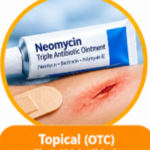 The label explicitly warns against use in the eyes, over large areas of the body, or for longer than one week unless directed by a doctor. It also directs users to ask a doctor before use for deep or puncture wounds, animal bites, or serious burns. These are not arbitrary restrictions; they reflect the fact that damaged skin can absorb neomycin systemically, and that deeper or more extensive wounds require professional assessment.
Topical neomycin is not FDA-approved for the treatment of eczema, diaper dermatitis, fungal infections, or viral lesions. It is not a substitute for wound cleansing and debridement. The combination-product format is also important: the evidence supporting the triple-antibiotic ointment relates to the combination, not to neomycin as monotherapy, and the combination introduces additional allergens such as bacitracin.
Important Note: FDA approval for external ocular infections is deliberately broad because the specific bacterial pathogen is often not identified before treatment begins. This reflects real-world practice: empiric therapy is initiated based on the clinical syndrome, and culture results — when obtained — guide subsequent adjustments. The approved indication accommodates this diagnostic uncertainty while placing the responsibility for monitoring response squarely on the clinician.
Dosage Table
The table below provides a concise summary of typical dosing for common indications. Doses may vary based on infection severity, susceptibility data, renal function, and clinical judgment.
| Indication | Patient Group | Labeled or Commonly Referenced Dose | Frequency and Duration | Important Considerations |
|---|---|---|---|---|
| Preoperative bowel preparation (adjunct) | Adults | 1 g neomycin sulfate orally at 19, 18, and 9 hours before surgery, combined with erythromycin base 1 g at the same time points | Three doses in the 24 hours before surgery | Not a standalone regimen; requires mechanical bowel preparation and surgical team coordination; local resistance patterns and surgical protocols vary. |
| Hepatic coma / portal-systemic encephalopathy (adjunct) | Adults | 4–12 g/day orally in divided doses, commonly 1–3 g every 6 hours | Usually 5–6 days for acute episodes; chronic use requires specialist supervision | Dose depends on severity, renal function, and response; serum ammonia and neurologic status guide therapy; prolonged use increases toxicity risk. |
| Topical first-aid infection prevention | Adults and children ≥2 years (per OTC label) | Apply a small amount to the affected area | Typically one to three times daily; do not use longer than 1 week unless directed by a doctor | For external use only; avoid eyes and large body surfaces; do not use on deep or puncture wounds, animal bites, or serious burns without medical advice. |
| Topical neomycin in prescription combination products | Adults and children, depending on product and jurisdiction | Thin layer to affected skin | Usually two to three times daily; duration per prescriber | Use on intact or minimally damaged skin; broken skin increases systemic absorption; monitor for contact dermatitis. |
| Otic or ophthalmic neomycin (where available) | Adults and children, per product labeling | Product-specific | Product-specific | Not interchangeable with topical skin products; perforated tympanic membrane is a contraindication to aminoglycoside ear drops in many jurisdictions. |
Critical Notes on Dosing: Students often ask why there is no single “neomycin dose.” The answer is that neomycin is not one therapeutic entity. Oral neomycin is a poorly absorbed, locally acting intestinal drug with systemic toxicity risk. Topical neomycin is a locally acting skin drug whose systemic absorption depends on skin integrity. The dose, duration, and monitoring requirements follow from those differences, not from a universal pharmacokinetic target.
Common Misconception: The topical label instruction to use the product for no more than one week is not arbitrary. Prolonged use increases the risk of contact dermatitis, resistance selection, and systemic absorption through damaged skin. Patients who continue applying ointment for weeks because “it seems safe” may inadvertently increase their risk.
Mechanism of Action
Neomycin belongs to the aminoglycoside family of antibiotics. Its primary pharmacological target is the bacterial 30S ribosomal subunit. 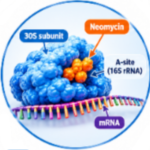 Aminoglycosides bind to the A-site of the 16S ribosomal RNA within the 30S subunit, distorting the codon–anticodon recognition process. The result is mistranslation of the genetic message: incorrect amino acids are inserted into the growing polypeptide chain, and the cell’s proofreading machinery is impaired. The abnormal proteins produced are inserted into the bacterial membrane, disrupting membrane integrity and promoting further aminoglycoside uptake. The cumulative effect is bactericidal, particularly against aerobic Gram-negative bacilli.
Step 1 — Entry into the bacterial cell: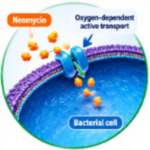 Aminoglycosides are highly polar, water-soluble molecules that cannot passively diffuse across the bacterial cell membrane. They require active transport across the cytoplasmic membrane, a process that is oxygen-dependent. This requirement explains a critical clinical limitation: neomycin is not active against anaerobic bacteria, because anaerobes lack the oxygen-dependent transport system needed for drug entry.
Step 2 — Binding to the 30S ribosomal subunit: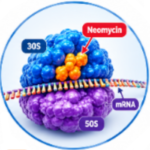 Once inside the cell, neomycin binds to the 30S ribosomal subunit with high affinity. This binding is essentially irreversible under physiological conditions. The aminoglycoside-bound ribosome becomes unavailable for the translation of messenger RNA during protein synthesis.
Step 3 — Disruption of protein synthesis and cell death: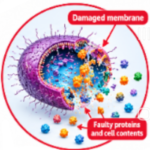 The binding of neomycin to the 30S subunit causes two distinct problems for the bacterium. First, it blocks the initiation of protein synthesis and interferes with the elongation of the growing polypeptide chain. Second, it causes the ribosome to misread the genetic code, leading to the incorporation of incorrect amino acids into proteins. These faulty proteins disrupt cellular function and membrane integrity, ultimately causing bacterial cell death.
Mechanisms of Resistance: Bacterial resistance to neomycin arises through three principal mechanisms:
- Enzymatic inactivation by aminoglycoside-modifying enzymes (AMEs). This is the most common mechanism. These enzymes — acetyltransferases, phosphotransferases, and nucleotidyltransferases — chemically modify the aminoglycoside molecule, preventing it from binding to the ribosomal target. Genes encoding these enzymes can be transferred between bacteria on plasmids and transposons.
- Ribosomal alterations that prevent the drug from binding to its site of action. Methylation of the 16S ribosomal RNA can sterically hinder neomycin binding.
- Reduced permeability of the bacterial cell envelope, limiting drug entry.
Importantly, some bacteria that are resistant to gentamicin may remain susceptible to neomycin, and vice versa, because the specific modifying enzymes produced by different bacterial strains have different substrate specificities.
Clinical Pearl: The oxygen-dependent transport mechanism of aminoglycosides explains why these drugs are intrinsically inactive against anaerobes and why they may show reduced activity in abscesses or devitalized tissue where oxygen tension is low. This is a mechanism-based limitation, not a resistance phenomenon.
What Is Neomycin?
Neomycin is an aminoglycoside antibiotic produced by the actinomycete Streptomyces fradiae. It is a mixture of closely related components, principally neomycin B and neomycin C, with neomycin B predominating in most pharmaceutical preparations. The sulfate salt is used because it is more soluble and stable than the free base. Chemically, neomycin is a polycationic oligosaccharide, a structure it shares with other aminoglycosides such as gentamicin, tobramycin, and amikacin. This polycationic character is central to both its antibacterial action and its toxicity: the same positively charged groups that bind bacterial ribosomal RNA can interact with eukaryotic cellular membranes, including those of the renal proximal tubule and the cochlear hair cells.
Neomycin is available in several formulations, each with a distinct clinical role. Topical ointments and creams are used for minor skin infection prevention, usually in combination with other antibiotics. Oral tablets are used for intestinal decontamination and as adjunctive therapy in hepatic encephalopathy. Otic and ophthalmic solutions have been used in some countries, but their availability and regulatory status vary, and aminoglycoside ear drops carry a risk of ototoxicity if the tympanic membrane is perforated. Parenteral neomycin is no longer used in human medicine in most jurisdictions because of its unacceptable nephrotoxicity and ototoxicity, although it remains relevant to the history of aminoglycoside pharmacology and to veterinary medicine.
The distinction between neomycin the generic molecule and Neosporin the brand is clinically important. Neosporin Original is a fixed-dose combination of bacitracin zinc, neomycin sulfate, and polymyxin B sulfate. The combination has a broader in-vitro spectrum than any single component, but it also contains multiple potential allergens. A patient who reacts to Neosporin may be reacting to neomycin, to bacitracin, or to another excipient. Attributing the reaction to neomycin without patch testing is an assumption, not a diagnosis. Readers interested in the first-aid role of the companion ingredient can explore the first-aid role and effects of bacitracin separately.
Why It Matters: Two products can both be “neomycin 0.3%” or “neomycin 3.5 mg/g” yet differ in preservative, vehicle, pH, and combination partners. These excipient differences rarely change antibacterial activity but can influence tolerability, particularly in patients with dermatitis or impaired skin barriers.
Pharmacokinetics & Pharmacodynamics Key Table
The following table summarizes the key pharmacokinetic (PK) and pharmacodynamic (PD) properties that inform the clinical use of neomycin by route.
| Parameter | Neomycin (Oral) | Neomycin (Topical) |
|---|---|---|
| Absorption | Poorly absorbed from the normal gastrointestinal tract; approximately 3% of an oral dose is absorbed. | Not absorbed to an appreciable extent from intact skin; readily absorbed through denuded, abraded, burned, or inflamed skin. |
| Systemic Bioavailability | Approximately 3% from normal intestine; increased with ulcerated or inflamed mucosa. | Variable and formulation-dependent; clinically significant absorption can occur through broken skin, wounds, and large surface areas. |
| Time to Peak Concentration | Approximately 2 hours after oral absorption (variable). | Not routinely measured; systemic exposure depends on surface area, skin integrity, and duration. |
| Protein Binding | Low and variable; reported between 0% and 30% depending on methodology. | Not clinically characterised for topical use; systemic protein binding follows the oral profile if absorption occurs. |
| Volume of Distribution | Distributed to extracellular fluid; accumulates in renal cortex and inner ear. | Not applicable as a local parameter; systemic distribution follows absorption. |
| Metabolism | Minimal hepatic metabolism; excreted largely unchanged by the kidney. | Not metabolised in the skin to a clinically relevant extent. |
| Elimination | Renal excretion unchanged; unabsorbed fraction eliminated in faeces. | Absorbed fraction is renally excreted; unabsorbed fraction remains on the skin or is removed by washing. |
| Half-Life | Approximately 2–4 hours after absorption, prolonged in renal impairment. | Not established as a local half-life; systemic half-life applies to the absorbed fraction. |
| Pharmacodynamic Target | Bacterial 30S ribosomal subunit. | Bacterial 30S ribosomal subunit. |
| Relevant PK/PD Index | Concentration-dependent killing; peak/MIC ratio is the principal determinant for aminoglycosides. | Local concentration at the skin surface and wound bed; systemic exposure is an unintended consequence, not a therapeutic target. |
Evidence Check: The pharmacokinetic data presented above derive from multiple sources — some from oral administration studies, others from regulatory assessments and older literature. The systemic values represent the best available estimate of exposure after absorption, but individual patient values may vary based on renal function, mucosal integrity, and duration of therapy.
Half-Life
The half-life of neomycin after systemic absorption is approximately 2 to 4 hours in patients with normal renal function. This value applies to the fraction of drug that reaches the systemic circulation, whether after oral administration through inflamed intestinal mucosa or after topical application to damaged skin. It does not describe the residence time of neomycin on the skin surface or within a wound bed, which depends on the formulation, exudate, and cleansing practices.
The clinical significance of the half-life is inseparable from renal function. Neomycin is eliminated unchanged by glomerular filtration, and aminoglycosides undergo active reabsorption and accumulation in the renal proximal tubule. When renal function declines, the half-life lengthens, tissue concentrations rise, and the risk of both nephrotoxicity and ototoxicity increases. This is why the FDA labelling for oral neomycin emphasises that patients with impaired renal function are at greater risk, and why serial renal function testing is recommended in high-risk patients. The half-life is not a fixed number to be memorised in isolation; it is a function of the kidney’s ability to clear a drug that the body does not metabolise.
For topical neomycin, it is misleading to speak of a single half-life. The relevant kinetic question is not “how long does the drug persist in plasma?” but “how much drug is absorbed, and for how long is the skin barrier compromised?” A small amount of ointment on an intact cuticle exposes the patient to negligible systemic neomycin. The same amount applied repeatedly to a large, exuding burn wound can produce plasma concentrations sufficient to damage the inner ear. The half-life matters only when absorption matters.
Insight: A common error among students is to apply systemic pharmacokinetic parameters to topical drugs without considering absorption. When a drug is applied to the skin, the relevant question is not only “what is the plasma half-life?” but “how much drug is crossing the barrier, and for how long?” For topical neomycin on intact skin, that crossing is negligible; for neomycin on damaged skin, it can be clinically significant.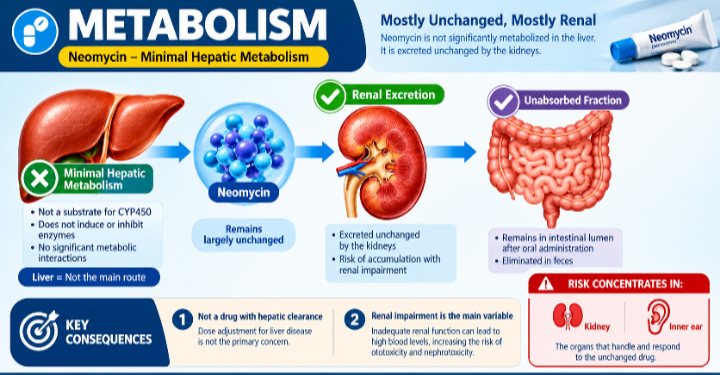
Neomycin undergoes minimal hepatic metabolism. It is not a substrate for the cytochrome P450 system to any clinically meaningful degree, and it does not induce or inhibit hepatic enzymes in a way that would be expected to produce clinically important drug interactions through metabolic pathways. After systemic absorption, the drug is excreted almost entirely unchanged by the kidney. The unabsorbed fraction after oral administration remains in the intestinal lumen and is eliminated in the faeces.
This metabolic profile has two consequences. First, neomycin is not a drug whose duration of action is shaped by hepatic clearance; dose adjustment for liver disease is not the primary concern, although hepatic encephalopathy itself alters the clinical context in which the drug is used. Second, because neomycin is renally cleared, renal impairment is the dominant pharmacokinetic variable. The FDA label for oral neomycin warns that inadequate renal function interferes with neomycin excretion, producing high blood levels that increase the risk of both ototoxicity and nephrotoxicity.
The absence of significant metabolism does not mean the absence of systemic risk. It means that the risk is concentrated in the kidney and the inner ear, the two organs that handle and respond to the unchanged drug. This is a recurring theme in aminoglycoside pharmacology: metabolic simplicity coexists with organ-specific toxicity.
Pharmacology Fact: The absence of significant metabolism means that neomycin’s systemic clearance is almost entirely dependent on renal function. In patients with renal impairment who receive oral or extensively absorbed topical neomycin, dose adjustment and monitoring are essential.
Bioavailability & Protein Binding
Bioavailability describes the fraction of an administered dose that reaches the systemic circulation unchanged. For oral neomycin, systemic bioavailability from the normal gastrointestinal tract is approximately 3%. This low value is the pharmacological basis for using oral neomycin as a locally acting intestinal drug: most of the dose remains in the gut lumen, where it suppresses bacterial flora, while only a small fraction enters the bloodstream. However, the same label that reports 3% absorption also warns that absorption increases when the intestinal mucosa is ulcerated or inflamed. In inflammatory or ulcerative gastrointestinal disease, oral neomycin is contraindicated precisely because the barrier that normally limits absorption is compromised.
For topical neomycin, bioavailability is not a single number. Intact skin is an effective barrier, and systemic absorption from intact skin is negligible. Denuded skin, abrasions, burns, ulcers, and surgical wounds lack the stratum corneum barrier and permit rapid absorption. The FDA-approved consumer label for topical neomycin therefore restricts use to minor cuts, scrapes, and burns and warns against application over large areas of the body. These warnings are bioavailability warnings expressed in plain language.
Protein binding for neomycin is low and variable, reported between 0% and 30% depending on the methodology used. This matters less for neomycin than for highly protein-bound drugs because aminoglycosides distribute primarily into extracellular fluid and are cleared by glomerular filtration. A low protein-bound fraction means that a larger proportion of the drug in plasma is pharmacologically active and available for renal excretion and tissue uptake—including uptake into the renal cortex and the inner ear. The clinical implication is not that protein binding is irrelevant, but that it is not a protective factor.
Practical Takeaway: Do not dismiss the systemic pharmacokinetic data as irrelevant — they inform our understanding of potential systemic adverse effects, particularly if the skin barrier is compromised (e.g., burns, ulcers) and systemic absorption may be enhanced. But for the routine treatment of a minor cut, think local: the drug needs to be present at the wound surface, not in the bloodstream.
Spectrum of Activity
Neomycin is active primarily against aerobic Gram-negative bacilli, with some activity against Gram-positive organisms. The FDA label for oral neomycin states that it is active in vitro against Escherichia coli and the Klebsiella–Enterobacter group, and that it is not active against anaerobic bowel flora. The European Medicines Agency’s classification report adds that neomycin has a spectrum similar to gentamicin but lacks activity against Pseudomonas aeruginosa, and that it is reported to be active against Mycobacterium tuberculosis in vitro.
In topical use, the target organisms are primarily Staphylococcus aureus and Streptococcus pyogenes, the two most common causes of minor skin and wound infections. Neomycin has in-vitro activity against many strains of these organisms, but resistance is common. The Brazilian atopic dermatitis study found 42.6% neomycin resistance among methicillin-susceptible S. aureus isolates, underscoring that in-vitro susceptibility cannot be assumed.
| Organism Group | Neomycin Activity | Important Caveats |
|---|---|---|
| Aerobic Gram-negative bacilli (E. coli, Klebsiella, Enterobacter) | Active in vitro | Resistance can emerge; not active against Pseudomonas. |
| Staphylococcus aureus | Variable; many strains susceptible in vitro | High resistance prevalence reported in some skin disease populations (42.6% in one atopic dermatitis cohort). |
| Streptococcus pyogenes | Variable | Not a reliable stand-alone agent for streptococcal infection. |
| Anaerobic bacteria | Intrinsically resistant | Lack of oxygen-dependent uptake; not active against anaerobic bowel flora. |
| Pseudomonas aeruginosa | Not reliably active | Aminoglycoside uptake and enzymatic resistance differ from gentamicin and tobramycin. |
| Fungi and viruses | Inactive | Neomycin is an antibacterial, not an antifungal or antiviral. |
Minimum Inhibitory Concentration (MIC) Context: MIC values are laboratory measurements that must be interpreted in the context of the infection site and the achievable local drug concentration. For topical infections, the concentration of neomycin in the ointment is far above the MIC of many susceptible organisms, but the effective concentration at the wound bed is reduced by exudate, tissue binding, and incomplete application.
Gentamicin Cross-Resistance: Bacterial susceptibility studies demonstrate that in some cases, microorganisms resistant to gentamicin remain susceptible to neomycin, and vice versa. This is clinically relevant when selecting an aminoglycoside for a patient with a history of gentamicin-resistant organisms.
Evidence Check: A laboratory report of “susceptible” means that the organism is inhibited at a concentration achievable in vitro under standard conditions. It does not guarantee that the same concentration is achieved at the site of infection, that the formulation penetrates the tissue adequately, or that the patient’s immune response will contribute to clearance.
Pharmacodynamics
The pharmacodynamics of neomycin are those of a concentration-dependent bactericidal aminoglycoside. The rate and extent of bacterial killing increase as the peak concentration rises relative to the organism’s MIC. For systemic aminoglycosides, the peak/MIC ratio is the principal pharmacokinetic–pharmacodynamic index, and this principle informs extended-interval dosing strategies for drugs such as gentamicin and tobramycin.
For topical use, the pharmacodynamic target is the local bacterial population in the wound or on the skin. The concentration of neomycin in the ointment is far above the MIC of many susceptible organisms, but the effective concentration at the wound bed is reduced by exudate, tissue binding, and incomplete application. This is one reason why topical antibiotic trials often show modest absolute differences between agents, and why wound cleansing and debridement remain foundational. A topical antibiotic cannot compensate for inadequate source control.
The post-antibiotic effect—the persistent suppression of bacterial growth after drug exposure—is variable for aminoglycosides and depends on the organism and the concentration achieved. Neomycin’s post-antibiotic effect is not as well characterised as that of gentamicin or tobramycin, and it should not be used to justify prolonged or irregular dosing intervals.
Clinical Pearl: The concentration-dependent killing and prolonged post-antibiotic effect of aminoglycosides mean that the frequency of administration can be reduced once clinical improvement is evident — the drug continues to suppress bacterial growth even after its concentration declines.
Contraindications
Contraindications are not the same as warnings. A contraindication identifies a situation in which the risk of harm clearly outweighs any plausible benefit, and the drug should not be used. The FDA label for oral neomycin lists several genuine contraindications.
- Intestinal obstruction: The drug is not absorbed from the obstructed bowel, and the clinical problem requires mechanical or surgical management, not antibacterial suppression of flora.
- History of hypersensitivity to neomycin: Because aminoglycosides share structural features, patients with a history of hypersensitivity or serious toxic reaction to other aminoglycosides may have cross-sensitivity to neomycin.
- Inflammatory or ulcerative gastrointestinal disease: The damaged mucosa permits enhanced absorption and therefore increases the risk of systemic toxicity.
For topical neomycin, the OTC label lists contraindications that are phrased as “do not use”: in the eyes, over large areas of the body, or in individuals allergic to any of the ingredients. These are formulation-specific contraindications. Neomycin ophthalmic preparations, where available, have their own labelling and should not be substituted with topical skin ointments. Aminoglycoside ear drops are contraindicated in patients with a perforated tympanic membrane in many jurisdictions because of the risk of ototoxicity.
A contraindication is not a negotiating position. When the label says “do not use in the eyes,” the correct response is not to use a smaller amount; it is to select a product formulated for ophthalmic use.
Warnings & Precautions
The warnings and precautions for neomycin are extensive because the drug’s therapeutic margin is narrow once systemic absorption occurs. The most important warning is the boxed warning in the oral labelling: neurotoxicity (including ototoxicity) and nephrotoxicity have been reported following oral use, even at recommended doses.
- Ototoxicity: Often delayed in onset. Patients developing cochlear damage may have no symptoms during therapy, and partial or total deafness may occur long after neomycin has been discontinued. This is why the label recommends serial vestibular and audiometric testing, as well as renal function testing, especially in high-risk patients. The risk is greater in patients with impaired renal function because reduced excretion leads to higher blood and tissue concentrations.
- Nephrotoxicity: Aminoglycosides are taken up by proximal tubular cells and can cause tubular injury, manifested as rising creatinine, decreased urine output, and electrolyte abnormalities. The risk is dose- and duration-dependent and is increased by concurrent use of other nephrotoxic drugs.
- Neuromuscular blockade: A less common but potentially life-threatening warning. Neomycin can impair neuromuscular transmission and has been associated with respiratory paralysis, particularly in patients receiving anaesthetics, neuromuscular blocking agents, or massive transfusions of citrate-anticoagulated blood. If blockade occurs, calcium salts may reverse the phenomenon, but mechanical respiratory assistance may be necessary.
- Hypersensitivity reactions: Relevant to both oral and topical use. Rashes, pruritus, drug fever, and even anaphylaxis can occur during localised treatment with neomycin, and cross-sensitivity with other aminoglycosides may occur. Topical neomycin is a well-recognised cause of allergic contact dermatitis.
- Pregnancy and breastfeeding: There is little information to demonstrate a possible effect of topically applied neomycin during pregnancy and lactation, but neomycin present in maternal blood can cross the placenta and may give rise to a theoretical risk of foetal toxicity, so it is not recommended for use during pregnancy or lactation.
- Special administration precautions: Avoid concurrent or sequential use of other aminoglycosides or other nephrotoxic and neurotoxic drugs such as bacitracin, cisplatin, vancomycin, amphotericin B, polymyxin B, colistin, and viomycin, because toxicity may be additive. Potent diuretics such as ethacrynic acid or furosemide should be avoided because they may themselves cause ototoxicity and may enhance neomycin toxicity.
Common Misconception: Patients sometimes believe that because the ointment is “local,” it cannot cause systemic effects. While systemic absorption from intact skin is indeed low, the possibility of allergic reactions — including rare anaphylaxis — means that any new symptoms after starting therapy deserve attention.
Side Effects
The side effects of neomycin depend on the route of administration. For topical use, the most common clinically significant adverse effect is local irritation and allergic contact dermatitis. Patients may report itching, redness, swelling, burning, or a worsening rash at the application site. These symptoms can be difficult to distinguish from the underlying skin condition, which is one reason why neomycin allergy is often missed.
For oral use, the side effects reflect both local gastrointestinal effects and systemic absorption. Nausea, vomiting, diarrhoea, and abdominal discomfort can occur. More importantly, the systemic side effects include the ototoxicity and nephrotoxicity described in the warnings section. The FDA label does not provide precise incidence figures for these reactions in the oral population, and the available estimates come from case series, pharmacovigilance reports, and clinical experience rather than from large randomised trials.
| Frequency Category | Adverse Effects |
|---|---|
| Common (topical) | Local irritation; allergic contact dermatitis (itching, redness, swelling, burning) |
| Less Common (oral) | Nausea, vomiting, diarrhoea, abdominal discomfort |
| Serious / Rare | Ototoxicity, nephrotoxicity, neuromuscular blockade, anaphylaxis, drug fever, widespread dermatitis |
It is important not to describe contact dermatitis as “common” without qualification. The prevalence of neomycin contact allergy varies substantially by population and geography. A 2025 systematic review and meta-analysis found a pooled prevalence of 3.2% in adults and 4.3% in children with dermatitis who underwent patch testing. The highest prevalences were observed in North America (adults 6.4%; children 8.1%), while Europe showed lower rates (adults 2.5%; children 0.8%). These figures apply to dermatitis patients undergoing patch testing, not to the general population, and they should not be extrapolated to every person who uses a tube of neomycin ointment.
Why It Matters: The distinction between expected, transient local irritation and a true hypersensitivity reaction is clinically important. Irritation that occurs immediately after application and resolves within minutes does not require discontinuation. Itching, redness, or swelling that persists or worsens suggests a hypersensitivity reaction and warrants discontinuation and evaluation.
Serious Adverse Effects
The serious adverse effects of neomycin are the ones that justify its regulatory restrictions and its boxed warning. They fall into three categories: ototoxicity, nephrotoxicity, and severe hypersensitivity or neuromuscular reactions.
- Ototoxicity: Can be cochlear (hearing loss) or vestibular (balance disturbance). Cochlear damage may be irreversible and may progress despite discontinuation of the drug. The FDA label warns that ototoxicity is often delayed, and that patients may not have symptoms during therapy. This means that the absence of hearing complaints during treatment is not reassurance. Cases have been reported after oral administration, wound irrigation, and topical application to large or damaged skin surfaces.
- Nephrotoxicity: Manifests as acute kidney injury, typically with rising serum creatinine, decreased urine output, and tubular dysfunction. It is usually reversible if the drug is discontinued promptly, but it can be severe and can complicate the management of patients who are already critically ill.
- Severe hypersensitivity reactions: Include anaphylaxis, drug fever, and widespread dermatitis. These are rare but unpredictable. A patient with a known neomycin allergy should not receive the drug again, and cross-reactivity with other aminoglycosides should be considered.
- Neuromuscular blockade and respiratory paralysis: Rare but life-threatening. They are most likely in patients receiving anaesthetics or neuromuscular blocking agents, or in patients with massive transfusions.
Important Note: The serious adverse effects listed for neomycin in many reference sources are derived from systemic administration studies. When discussing the safety of topical neomycin, we must clearly distinguish between the risks of systemic aminoglycoside therapy — which include dose-dependent ototoxicity and nephrotoxicity — and the risks of topical therapy on intact skin, which are overwhelmingly local and allergic in nature. The risk changes when the skin barrier is broken.
When to seek urgent assessment: Any patient who develops hearing loss, tinnitus, vertigo, decreased urine output, swelling of the face or throat, difficulty breathing, or a rapidly spreading rash after neomycin exposure should stop the drug and seek immediate medical evaluation. These are not symptoms to “wait and see.”
Recovery & Management After an Adverse Reaction
The management of an adverse reaction to neomycin depends on the type and severity of the reaction.
Mild local irritation or suspected contact dermatitis: Discontinue the product and cleanse the area gently. Topical corticosteroids may be used under professional guidance to reduce inflammation, but they should not be applied without assessment if the skin is broken or infected. The patient should avoid re-exposure to neomycin and should inform healthcare providers about the reaction so that it is documented in the medical record.
Hearing loss, tinnitus, or vertigo: Urgent audiological and medical assessment is required. There is no proven antidote for aminoglycoside ototoxicity. Management focuses on stopping further exposure, supporting communication, and preventing additional ototoxic insults. Recovery is variable; some patients improve, but cochlear damage can be permanent.
Suspected nephrotoxicity: The priority is to stop neomycin and assess renal function with serum creatinine, blood urea nitrogen, electrolytes, and urine output. Hydration and avoidance of other nephrotoxic agents are supportive measures. Dialysis may be required in severe cases, but most aminoglycoside-related kidney injury is reversible with prompt discontinuation.
Anaphylaxis or angioedema: Emergency treatment with epinephrine, airway management, and supportive care is required. This is a medical emergency, not a situation for home remedies.
Understanding how symptoms are perceived and processed can help patients describe their experience accurately; readers interested in the neuroscience of symptom perception can explore what pain is and how the brain processes it. This is educational background and does not replace clinical assessment.
Important Safety Note: Do not recommend unsupervised treatment changes. Patients should not stop or change prescription medications without professional guidance. If a dose is missed, it should be taken as soon as remembered, unless it is almost time for the next dose; doubling doses is not appropriate.
Drug Interactions
Specific drug interaction studies on topical neomycin preparations have not been established. Because systemic absorption from intact skin is minimal, clinically significant drug interactions with topical formulations are unlikely. However, the following interactions are established from aminoglycoside class effects and the FDA labelling for oral neomycin.
| Interacting Medicine/Class | Potential Interaction | Clinical Significance | Management Consideration |
|---|---|---|---|
| Other aminoglycosides (gentamicin, tobramycin, amikacin, paromomycin) | Additive ototoxicity and nephrotoxicity. | High. | Avoid concurrent or sequential use unless specifically indicated and monitored. |
| Loop diuretics (furosemide, ethacrynic acid) | Additive ototoxicity; diuretics may alter aminoglycoside concentrations. | High. | Avoid where possible; if necessary, monitor renal function and hearing. |
| Neuromuscular blocking agents (tubocurarine, succinylcholine, decamethonium) | Enhanced neuromuscular blockade; risk of respiratory paralysis. | High. | Avoid in patients receiving these agents; have calcium salts and ventilatory support available. |
| Anaesthetics | Enhanced neuromuscular blockade. | Moderate to high. | Inform anaesthesia team of neomycin exposure; monitor neuromuscular function. |
| Other nephrotoxins (cisplatin, vancomycin, amphotericin B, polymyxin B, colistin, bacitracin) | Additive nephrotoxicity and/or neurotoxicity. | High. | Avoid combination; if unavoidable, monitor renal function closely. |
| Citrate-anticoagulated blood (massive transfusion) | Potential neuromuscular blockade. | Moderate. | Monitor for signs of blockade; calcium may be required. |
| Oral anticoagulants (theoretical) | Aminoglycosides may alter gut flora and vitamin K synthesis. | Low to moderate. | Monitor INR if prolonged oral neomycin is used in patients on warfarin. |
Evidence Check: Many of these interactions are established from aminoglycoside class effects rather than from neomycin-specific randomised trials. The FDA label explicitly warns about additive toxicity with other aminoglycosides and nephrotoxic drugs, and about neuromuscular blockade with anaesthetics and blocking agents. The oral anticoagulant interaction is theoretical and based on the effect of oral neomycin on intestinal flora.
Administration Table
Practical administration instructions are essential for patient education and nursing practice. The table below summarizes key administration factors.
| Administration Factor | Topical Neomycin | Oral Neomycin |
|---|---|---|
| Route | Skin surface. | Mouth. |
| Timing and Frequency | Usually one to three times daily; follow product label. | Divided doses, often every 6 hours for hepatic encephalopathy; three doses before surgery for bowel preparation. |
| Administration Technique | Clean the area, allow to dry, apply a thin layer, rub in gently, wash hands. | Swallow tablet with water; do not crush unless specifically instructed. |
| Food Effects | Not applicable. | Food may affect absorption minimally; the drug is poorly absorbed regardless. |
| Missed Dose | Apply when remembered unless it is almost time for the next dose; do not double the dose. | Take when remembered unless it is almost time for the next dose; do not double the dose. |
| Storage | Room temperature, away from heat and moisture. | Room temperature, away from heat and moisture. |
| Special Instructions | Do not use in eyes, over large areas, or longer than 1 week without medical advice; avoid on deep or puncture wounds, animal bites, or serious burns without medical advice. | Requires prescription and medical supervision; renal function monitoring may be needed; do not use in intestinal obstruction. |
For ophthalmic products, administration technique and hygiene are critical, and readers interested in the timing and dosing considerations for a different ophthalmic antibiotic can explore a closer look at ciprofloxacin eye-drop timing and dosing considerations. Important administration details for ofloxacin eye drops follow similar principles. The overarching principle is that administration schedules and treatment decisions depend on the medicine, the infection, the severity, and the official instructions; there is no universal timing rule that fits every patient.
Consolidated Pharmacokinetics
Neomycin is a drug whose pharmacokinetics are defined by barriers and clearance. After oral administration, the normal intestinal epithelium is the first barrier: approximately 97% of the dose remains in the gut lumen, which is why oral neomycin can suppress intestinal flora without producing predictable systemic exposure. When that barrier is disrupted—by inflammation, ulceration, or surgery—absorption increases, and the drug becomes a systemic aminoglycoside with the associated risks of ototoxicity and nephrotoxicity.
After topical application, the stratum corneum is the first barrier. Intact skin absorbs negligible neomycin. Denuded, abraded, burned, or inflamed skin absorbs the drug readily, and the larger the surface area and the longer the duration of application, the greater the systemic exposure. This is why the OTC label restricts use to minor cuts, scrapes, and burns and warns against application over large areas.
Once absorbed, neomycin distributes into extracellular fluid and is excreted unchanged by the kidney. It accumulates in the renal cortex and the inner ear with repeated dosing, and release from tissue binding occurs slowly over weeks after discontinuation. Protein binding is low, so a large fraction of plasma drug is available for glomerular filtration and tissue uptake. The half-life is approximately 2–4 hours with normal renal function, but it lengthens as renal function declines. There is no significant hepatic metabolism, and no cytochrome P450–mediated interactions to consider.
The consolidated picture is of a drug that is safe when it stays where it is put and dangerous when it reaches the systemic circulation in sufficient quantity. The clinical task is to keep the local concentration high enough to suppress bacteria while keeping the systemic concentration low enough to avoid organ toxicity. That balance is easier to maintain on intact skin with a small amount of ointment than on a large burn wound with repeated application.
Special Populations
Pregnancy and breastfeeding: There is little information on topically applied neomycin during pregnancy and lactation, but neomycin in maternal blood can cross the placenta and may pose a theoretical risk of foetal toxicity; it is therefore not recommended for use during pregnancy or lactation. This is a precautionary position based on limited data, not on documented human teratogenicity. Pregnant patients should discuss alternatives with a clinician rather than assuming that a topical antibiotic is risk-free.
Paediatrics: The OTC label for Neosporin advises asking a doctor before use in children under 2 years of age. The 2025 meta-analysis found a pooled contact allergy prevalence of 4.3% in children with dermatitis, with the highest rates in North America (8.1%). Children with atopic dermatitis may be at particular risk of sensitisation because their skin barrier is impaired and they are frequently exposed to topical products. Neomycin is not a preferred topical antibiotic for paediatric eczema.
Older adults: Advanced age is listed in the FDA label as a factor that increases the risk of neomycin toxicity. Reduced renal function, polypharmacy, and comorbid conditions make older adults more vulnerable to nephrotoxicity and ototoxicity, especially with oral or extensive topical exposure.
Renal impairment: This is the most important special population for neomycin. The drug is renally cleared, and impaired renal function leads to accumulation and increased risk of ototoxicity and nephrotoxicity. The FDA label states that the risk of nephrotoxicity and ototoxicity is greater in patients with impaired renal function.
Hepatic impairment: Neomycin is not hepatically metabolised, so dose adjustment for hepatic impairment per se is not the primary concern. However, oral neomycin is used in hepatic encephalopathy, a condition in which renal function may also be impaired. The clinical context requires careful monitoring of both ammonia and renal function.
Critically ill patients: Patients in intensive care often receive multiple nephrotoxic and neurotoxic drugs, have altered renal function, and may have large wounds or mucosal barriers that permit neomycin absorption. The risk of additive toxicity is high, and alternatives should be considered whenever possible.
Monitoring
- Topical use on intact skin for a short duration: Formal monitoring is not usually required. The patient should be advised to watch for signs of contact dermatitis—itching, redness, swelling, burning—and to stop the product if these occur.
- Topical use on broken skin, large surface areas, or prolonged courses: Clinicians should consider the possibility of systemic absorption, especially in patients with renal impairment or concurrent ototoxic or nephrotoxic drugs. A low threshold for checking serum creatinine and asking about hearing changes is appropriate.
- Oral neomycin: Monitoring is more structured. The FDA label recommends serial vestibular and audiometric tests, as well as tests of renal function, especially in high-risk patients. Serum creatinine, blood urea nitrogen, electrolytes, and urine output should be monitored. In hepatic encephalopathy, serum ammonia and neurologic status guide the response to therapy. Patients should be asked about tinnitus, hearing loss, vertigo, and decreased urine output at each follow-up.
Do not order tests without a clinical basis. Routine audiometry for a healthy adult using a small amount of topical neomycin on a minor cut is not evidence-based. The intensity of monitoring should match the intensity of exposure and the vulnerability of the patient.
Clinical Perspective
Neomycin is a useful drug in a narrow set of circumstances and a potentially harmful drug when those circumstances are ignored. The clinical perspective can be organised around three questions.
First, is the drug reaching a site where it can do good? Topical neomycin on a minor cut, scrape, or burn can reduce the bacterial burden on the skin surface and may help prevent infection. Oral neomycin in the gut can suppress ammonia-forming bacteria in hepatic encephalopathy and can contribute to preoperative bowel decontamination. In both cases, the drug is acting locally. When the drug is absorbed systemically, it leaves the site of therapeutic action and enters the sites of toxicity—the kidney and the inner ear.
Second, is the patient at risk of harm? A healthy adult with a small abrasion and intact renal function is at low risk from a short course of topical neomycin. A child with atopic dermatitis, an older adult with chronic kidney disease, a burn patient with a large open wound, or a critically ill patient receiving other nephrotoxins is at much higher risk. The same drug, in the same formulation, can be appropriate for one patient and inappropriate for another.
Third, is there a safer alternative? For minor wound care, evidence supports cleansing with mild soap and water and using a simple dressing. When a topical antibiotic is deemed necessary, mupirocin has a lower resistance prevalence in some skin disease populations and is not associated with the same degree of aminoglycoside ototoxicity risk. Fusidic acid is another option in some jurisdictions, although resistance is also a concern. For impetigo and other superficial skin infections, retapamulin is another option; its development and risk profile are worth understanding in the unlikely origin story of retapamulin, its risks, and rewards. For patients with a known neomycin allergy, avoidance is mandatory, and alternatives should be selected on the basis of the organism and the clinical context.
Hypothetical Educational Case: A 68-year-old man with type 2 diabetes and mild chronic kidney disease (eGFR 55 mL/min/1.73 m²) sustains a superficial burn on his forearm. He applies a triple-antibiotic ointment containing neomycin several times daily for two weeks. He develops progressive hearing loss and tinnitus. An audiogram confirms sensorineural hearing loss. This hypothetical case illustrates the convergence of risk factors: broken skin permitting absorption, repeated application over a prolonged period, and reduced renal clearance increasing systemic exposure. The case is not a report of a real patient; it is a teaching scenario designed to show why the label warnings exist. The clinical lesson is that “topical” does not mean “systemically inert,” and that duration and surface area matter.
Antimicrobial stewardship considerations: Every use of a topical antibiotic is an opportunity for resistance selection. The Brazilian atopic dermatitis data show that neomycin resistance can be highly prevalent in a population repeatedly exposed to topical antibiotics. Restricting neomycin to situations where it is clearly indicated—and avoiding prolonged or prophylactic use on intact skin—is consistent with stewardship principles. The European restrictions on neomycin are, in part, a stewardship intervention: by reducing exposure, they aim to reduce sensitisation and resistance.
Reasons to reassess a patient:
- Wound not improving within a few days
- Lesion spreading or systemic symptoms such as fever
- Signs of contact dermatitis (itching, redness, swelling, burning)
- Non-healing wounds, deep or puncture wounds, animal bites, or burns that are more than superficial
Beyond topical antibacterial care, readers interested in general health, hygiene, and personal-care education can explore additional informational content on health and beauty tips and everyday personal-care education. This content is separate from medical treatment instructions and should not be used to guide clinical decisions.
5 Authentic Studies
Study 1
Citation: Jensen MB, Isufi D, Larsen CK, Schwensen JFB, Alinaghi F, Johansen JD. Prevalence of contact allergy to neomycin in dermatitis patients: a systematic review and meta-analysis. Contact Dermatitis. 2025;93(1):1–15. doi:10.1111/cod.14784. PMID: 40107276.
Publication Year: 2025.
Study Design: Systematic review and meta-analysis.
Population: 70 included studies comprising 456,372 adults and 17,720 children who underwent patch testing.
Intervention/Exposure: Patch testing for neomycin contact allergy in dermatitis patients.
Comparator: Not applicable; prevalence synthesis across studies.
Main Outcome: Pooled prevalence of contact allergy to neomycin.
Key Findings: Pooled prevalence was 3.2% (95% CI 2.6%–3.8%) in adults and 4.3% (95% CI 2.65%–6.3%) in children. Highest prevalences were in North America (adults 6.4%; children 8.1%) and South Asia (adults 4.9%); Europe showed lower rates (adults 2.5%; children 0.8%). Studies after 2000 indicated a prevalence of 2.1% in adults and 5.1% in children.
Clinical Significance: The findings support the need for more restrictive use of neomycin to reduce sensitisation, and they inform counselling for patients with dermatitis who are considering neomycin-containing products.
Important Limitation: Prevalence estimates apply to dermatitis patients undergoing patch testing, not to the general population. Patch testing practices and allergen series vary by centre and country, which may affect prevalence estimates.
Study 2
Citation: Kursawe Larsen C, et al. Contact allergy to neomycin in consecutively patch tested Danish eczema patients from 2000 to 2023: a cross-sectional study. Contact Dermatitis. 2024. Published online July 23, 2024.
Publication Year: 2024.
Study Design: Cross-sectional study of consecutive patch-tested patients.
Population: Danish eczema patients patch-tested between 2000 and 2023.
Intervention/Exposure: Patch testing for neomycin allergy; comparison of prevalence before and after withdrawal of neomycin as a human medicine in Denmark in October 2009.
Comparator: Prevalence in 2000–2009 versus 2010–2023.
Main Outcome: Prevalence of contact allergy to neomycin.
Key Findings: Overall prevalence was 1.4%; prevalence was significantly lower in 2010–2023 (1.2%) than in 2000–2009 (1.8%), p < 0.005.
Clinical Significance: The decline after withdrawal supports the hypothesis that removing neomycin from the human medicinal market reduces population-level sensitisation.
Important Limitation: Single-country data; temporal trends may be influenced by changes in patch-testing practices and referral patterns. The study does not establish causality, only association.
Study 3
Citation: Staphylococcus aureus resistance to topical antimicrobials in atopic dermatitis. Anais Brasileiros de Dermatologia. 2016;91(5). Abstract available through the journal and indexed databases.
Publication Year: 2016.
Study Design: Cross-sectional study.
Population: 91 children and adults with atopic dermatitis and S. aureus colonization; 100 S. aureus isolates analysed.
Intervention/Exposure: Susceptibility testing of S. aureus isolates to mupirocin, fusidic acid, gentamicin, neomycin, and bacitracin.
Comparator: Resistance prevalence across the different topical antimicrobials.
Main Outcome: Prevalence of resistance to each agent.
Key Findings: All strains were methicillin-susceptible. Resistance was low for mupirocin (1.1%) and fusidic acid (5.9%), but high for neomycin (42.6%) and bacitracin (100%). No cross-resistance was observed between neomycin and gentamicin.
Clinical Significance: Neomycin may be a poor empirical choice for staphylococcal skin colonization in atopic dermatitis in settings with similar resistance patterns, and the findings support restricting neomycin use.
Important Limitation: Single-centre study from southern Brazil; resistance prevalence may differ geographically. The study assessed colonization isolates, not necessarily invasive infection isolates. Breakpoints were derived from the literature because of limited standardisation for topical antimicrobial susceptibility testing.
Study 4
Citation: Kelly DR, Nilo ER, Berggren RB. Deafness after topical neomycin wound irrigation. New England Journal of Medicine. 1969;280(24):1338–1339. doi:10.1056/NEJM196906122802408.
Publication Year: 1969.
Study Design: Case report.
Population: Patient(s) treated with topical neomycin solution by intermittent irrigation of osteomyelitic wounds through surgically placed catheters.
Intervention/Exposure: Topical neomycin wound irrigation.
Comparator: None.
Main Outcome: Hearing loss.
Key Findings: The report described apparent systemic absorption of neomycin through granulating wounds, with profound hearing loss.
Clinical Significance: This early report established that topically applied neomycin can be absorbed in clinically significant quantities through damaged tissue and can cause ototoxicity, a principle that remains central to modern warnings.
Important Limitation: Case report; cannot establish incidence or dose–response. The formulation and irrigation technique may not reflect contemporary topical ointment use, but the biological principle of absorption through granulating tissue remains valid.
Study 5
Citation: Kennedy CTC, Watts JA, Speller DCE. Mupirocin in the treatment of impetigo: a controlled trial against neomycin. In: Dobson et al., eds. Bactroban (Mupirocin). 1985:216–223. Trial details also summarised in the Cochrane review of interventions for impetigo, 2012.
Publication Year: 1985.
Study Design: Randomised controlled trial.
Population: Patients with impetigo; average age 11 years in the mupirocin group and 17 years in the neomycin group.
Intervention/Exposure: Mupirocin ointment 2% twice daily for 10–11 days versus neomycin ointment 1% twice daily for 10–11 days.
Comparator: Neomycin ointment.
Main Outcome: Clinical cure or improvement.
Key Findings: The Cochrane review reported a risk ratio of 1.29 (95% CI 0.98–1.71) for mupirocin versus neomycin, indicating a trend toward greater efficacy with mupirocin that did not reach conventional statistical significance in this small trial. The NICE summary notes that mupirocin was not significantly different from polymyxin B/neomycin for cure or improvement at 7 days in one RCT.
Clinical Significance: The trial contributes to the evidence base suggesting that mupirocin is a reasonable alternative to neomycin for impetigo, with the caveat that the evidence is limited by small sample size and older trial methodology.
Important Limitation: Small sample size; older trial; the neomycin formulation and duration may not reflect current practice; the confidence interval crosses 1, so superiority is not established. The trial does not address the relative risk of contact allergy or ototoxicity.
Question 1. What is neomycin used for?
Answer : Neomycin is an aminoglycoside antibiotic used topically in combination products to help prevent infection in minor cuts, scrapes, and burns, and orally as an adjunct for bowel decontamination before surgery and for hepatic encephalopathy. It is not used systemically in modern human medicine in most countries because of its toxicity.
Question 2. Is neomycin FDA-approved?
Answer : Yes, but the approval is formulation- and indication-specific. Oral neomycin sulfate tablets are FDA-approved for adjunctive suppression of intestinal bacteria and adjunctive therapy in hepatic coma. Topical neomycin is permitted in FDA-monographed OTC first-aid antibiotic combinations for minor cuts, scrapes, and burns.
Question 3. Why is neomycin restricted in Europe but sold in the US?
Answer : European regulators have placed greater weight on contact allergy, resistance, and the availability of safer alternatives, and some countries have withdrawn or restricted neomycin for human medicinal use. In the United States, neomycin remains available in OTC combination products because the FDA has continued to permit it under the OTC monograph, with label warnings about duration and application area.
Question 4. Is Neosporin safe?
Answer : Neosporin Original is generally low-risk for short-term use on small, intact cuts and scrapes in healthy adults. It is not risk-free: it contains neomycin, a recognised contact allergen, and it should not be used in the eyes, over large areas, or for longer than one week without medical advice. People with known neomycin or bacitracin allergy should avoid it.
Question 5. Can neomycin cause hearing loss even at normal doses?
Answer : Yes. The FDA boxed warning states that neurotoxicity including ototoxicity has been reported following oral neomycin even at recommended doses. Topical application to large or damaged skin surfaces can also produce sufficient systemic absorption to cause hearing loss. The risk is greater with higher doses, longer duration, and impaired renal function.
Question 6. What are the symptoms of neomycin allergy after using Neosporin?
Answer : Symptoms include itching, redness, swelling, burning, and a rash at the application site that may worsen rather than improve. The reaction can spread beyond the application area. If swelling involves the face or throat, or if breathing is difficult, seek emergency care.
Question 7. Is neomycin safe for children with eczema?
Answer : Neomycin is not a preferred topical antibiotic for children with eczema. Children with atopic dermatitis have an impaired skin barrier and a higher prevalence of contact allergy to neomycin (pooled estimate 4.3%, with higher rates in North America). Safer alternatives should be discussed with a clinician.
Question 8. What is the boxed warning for neomycin?
Answer : The boxed warning describes neurotoxicity (including ototoxicity) and nephrotoxicity following oral neomycin, even at recommended doses, with the potential for permanent bilateral auditory ototoxicity. It also warns about neuromuscular blockade and respiratory paralysis.
Question 9. Does topical neomycin absorb through broken skin?
Answer : Yes. Intact skin absorbs negligible neomycin, but denuded, abraded, burned, or inflamed skin absorbs the drug readily. The larger the area and the longer the duration, the greater the systemic exposure and the risk of ototoxicity and nephrotoxicity.
Question 10. How common is neomycin contact allergy?
Answer : A 2025 meta-analysis found a pooled prevalence of 3.2% in adults and 4.3% in children with dermatitis who underwent patch testing. Prevalence varies by region, with higher rates in North America and lower rates in Europe.
Question 11. Can neomycin cause kidney damage?
Answer : Yes. Neomycin is nephrotoxic, especially when absorbed systemically. It accumulates in the renal cortex and can cause acute kidney injury. The risk is increased by pre-existing renal impairment, other nephrotoxic drugs, dehydration, and advanced age.
Question 12. Is neomycin safe during pregnancy?
Answer : Topical neomycin is not recommended during pregnancy or breastfeeding because of limited data and a theoretical risk of foetal toxicity from systemically absorbed drug. Pregnant patients should discuss alternatives with a clinician.
Question 13. Can neomycin be used in the eyes?
Answer : No. Topical neomycin ointments are not for ophthalmic use. Eye infections require products formulated and labelled for ophthalmic administration.
Question 14. How long is it safe to use neomycin ointment?
Answer : The OTC label advises against use for longer than one week unless directed by a doctor. Prolonged use increases the risk of contact dermatitis, resistance selection, and systemic absorption.
Question 15. Does neomycin interact with other drugs?
Answer : Yes. Neomycin can have additive ototoxicity and nephrotoxicity with other aminoglycosides, loop diuretics, cisplatin, vancomycin, amphotericin B, polymyxin B, and colistin. It can enhance neuromuscular blockade with anaesthetics and neuromuscular blocking agents.
Question 16. What should I do if I miss a dose of oral neomycin?
Answer : Take the missed dose when you remember, unless it is almost time for the next dose. Do not double the dose. Follow the prescribing instructions.
Question 17. Can neomycin be used for fungal or viral skin infections?
Answer : No. Neomycin is an antibacterial. It is not effective against fungal or viral infections.
Question 18. Is neomycin effective against MRSA?
Answer : Neomycin has variable in-vitro activity against Staphylococcus aureus, but resistance is common in some populations. It is not a reliable stand-alone agent for MRSA, and treatment should be guided by culture and susceptibility data.
Question 19. What is the safest alternative to neomycin for minor cuts and wounds?
Answer : For many minor wounds, cleansing with mild soap and water and covering with a simple dressing is sufficient. When a topical antibiotic is needed, mupirocin or fusidic acid may be considered, depending on local resistance patterns and availability. Patients with neomycin allergy should avoid all neomycin-containing products.
Question 20. Does neomycin cause resistance?
Answer : Yes. Neomycin resistance has been reported among staphylococci and Gram-negative organisms, and prevalence can be high in populations with extensive topical antibiotic exposure.
Question 21. How should neomycin ointment be applied?
Answer : Clean the area, allow it to dry, apply a thin layer, and rub it in gently. Wash hands afterward. Do not apply to large areas, in the eyes, or on deep or puncture wounds without medical advice.
Question 22. What should I do if I develop a rash while using neomycin?
Answer : Stop using the product and seek medical advice. A rash may be contact dermatitis, which can worsen with continued exposure. If you have facial swelling, difficulty breathing, or widespread rash, seek emergency care.
Question 23. Is oral neomycin used for hepatic encephalopathy still recommended?
Answer : Oral neomycin remains an FDA-approved adjunctive therapy for hepatic encephalopathy, but its use is limited by toxicity concerns. Rifaximin and lactulose are often preferred in modern practice because of a better safety profile. The choice depends on the clinical setting and local guidelines.
Question 24. Can neomycin be used on burns?
Answer : Only superficial, minor burns should be considered for OTC topical antibiotic use. Serious burns, large burns, and burns with extensive skin loss require professional management because of the risk of systemic absorption and infection.
Question 25. When should I seek professional medical assessment?
Answer : Seek assessment if the wound is deep, puncture-type, an animal bite, or a serious burn; if the wound is not improving or is spreading; if you develop fever; if you have hearing loss, tinnitus, vertigo, or decreased urination; or if you develop a severe or spreading rash. When in doubt, ask a clinician. Essential facts about recognizing stroke and seeking emergency assessment are also important for any sudden neurological symptoms, though these are unrelated to topical antibiotic use.
Authentic References
- Neomycin Sulfate Tablets, USP — FDA prescribing information. DailyMed, National Library of Medicine. Label updated February 27, 2026. https://dailymed.nlm.nih.gov/dailymed/drugInfo.cfm?setid=0aa6947b-4739-4b00-be93-7303a5fc687d
- Neosporin Original — bacitracin zinc, neomycin sulfate, and polymyxin B sulfate ointment — OTC Drug Facts label. DailyMed, National Library of Medicine. Updated November 14, 2024. https://dailymed.nlm.nih.gov/dailymed/drugInfo.cfm?setid=f07d3bca-4312-46ed-b0c4-f886c01bd095
- Jensen MB, Isufi D, Larsen CK, Schwensen JFB, Alinaghi F, Johansen JD. Prevalence of contact allergy to neomycin in dermatitis patients: a systematic review and meta-analysis. Contact Dermatitis. 2025;93(1):1–15. doi:10.1111/cod.14784. PMID: 40107276.
- Kursawe Larsen C, et al. Contact allergy to neomycin in consecutively patch tested Danish eczema patients from 2000 to 2023: a cross-sectional study. Contact Dermatitis. 2024. Published online July 23, 2024.
- EDQM. Classification of antibiotics and chemotherapeutics for dermatological use — report on neomycin. European Directorate for the Quality of Medicines & HealthCare. https://www.edqm.eu/medias/fichiers/report_classificationjustification_of_antibiotics_and_chemotherapeutics_for_dermatological_use_racec.pdf
- Kelly DR, Nilo ER, Berggren RB. Deafness after topical neomycin wound irrigation. New England Journal of Medicine. 1969;280(24):1338–1339. doi:10.1056/NEJM196906122802408.
- Staphylococcus aureus resistance to topical antimicrobials in atopic dermatitis. Anais Brasileiros de Dermatologia. 2016;91(5). Abstract available through the journal and indexed databases.
- Kennedy CTC, Watts JA, Speller DCE. Mupirocin in the treatment of impetigo: a controlled trial against neomycin. In: Dobson et al., eds. Bactroban (Mupirocin). 1985:216–223.
- Koning S, van der Sande R, Verhagen AP, et al. Interventions for impetigo. Cochrane Database of Systematic Reviews. 2012;1:CD003261. doi:10.1002/14651858.CD003261.pub3.
- MedlinePlus. Neomycin topical. U.S. National Library of Medicine. https://medlineplus.gov/druginfo/meds/a682274.html
- T3DB. Neomycin. Toxic Exposome Database. Summary of pharmacokinetic data: poor gastrointestinal absorption, approximately 3% absorbed, half-life 2–3 hours. https://t3db.ca
- NICE. Impetigo: antimicrobial prescribing — evidence summary. National Institute for Health and Care Excellence. 2020. https://www.nice.org.uk
- European Commission. Regulation (EC) No 1223/2009 on cosmetic products — prohibition of neomycin as a cosmetic ingredient. Official Journal of the European Union.
Medical Information Disclaimer: The information provided in this article is for educational and informational purposes only and is intended for healthcare professionals, medical students, and informed general readers. It does not constitute medical advice, diagnosis, or treatment recommendations. Neomycin is a medicine with specific approved indications, contraindications, and risks; decisions about its use should be made by qualified healthcare professionals who can evaluate the individual patient’s clinical situation. Readers should not use this information to self-medicate, to independently diagnose a condition, or to change a prescription. If you have questions about neomycin or any medicine, consult a pharmacist, physician, or other licensed healthcare provider. The authors and publishers of this article do not assume any liability for any adverse effects or consequences resulting from the use or misuse of the information provided herein.
دنیا کے مختلف مذاہب کے بارے میں مستند اور دلچسپ معلومات حاصل کرنا چاہتے ہیں؟ آج ہی ssthem.com وزٹ کریں۔
Want to learn about the world’s different religions? Visit ssthem.com for informative, well-organized religious studies content and discover educational material on the world’s different religions.