7 Must-Know Tobramycin Uses & Dangerous Side Effects
Tobramycin Uses: 12 Important Uses, Dosage, Side Effects & Safety Facts
What if one of the most powerful antibiotics in modern medicine could quietly save a patient’s life in the ICU, eradicate a chronic lung infection in cystic fibrosis, and resolve a stubborn eye infection — all while carrying a boxed warning that most clinicians underestimate until it’s too late?
That antibiotic is tobramycin, and it has been earning its place in hospital formularies since its FDA approval in 1975. But here is what makes it genuinely fascinating: tobramycin exists in multiple formulations — injection, inhalation solution, dry powder inhaler, and ophthalmic drops — each with unique pharmacokinetic properties that dramatically affect how they are used in clinical practice.
Different antibiotics work against different bacteria, reach different tissues, have different pharmacological properties, and carry different risks. The appropriate choice depends on the suspected or confirmed organism, site and severity of infection, local resistance patterns, allergies, kidney and liver function, drug interactions, and patient-specific considerations. But tobramycin occupies a particularly interesting niche: it is an aminoglycoside antibiotic that demonstrates 2–4 times greater activity against Pseudomonas aeruginosa compared to gentamicin, making it indispensable for serious gram-negative infections.
What you are about to read will challenge the way you think about this drug. We will explore 12 important uses of tobramycin — from its FDA-approved indications and dosage strategies to its spectrum of activity, resistance challenges, and the latest evidence from clinical studies. Whether you are a medical student preparing for ward rounds, a practicing clinician refining your antimicrobial stewardship, or a pharmacist ensuring safe dispensing, the clinically important details in this article will strengthen your understanding of this remarkable antibiotic. Stay with us — because the details that make tobramycin truly powerful are revealed progressively.
A sobering clinical reality first: aminoglycoside antibiotics like tobramycin carry a boxed warning for nephrotoxicity, ototoxicity, neuromuscular blockade, and fetal harm. Understanding the full safety profile is not optional — it is essential. For a suspenseful, evidence-based look at this hidden crisis, explore Shocking Adverse Drug Reaction Facts before you prescribe another aminoglycoside.
Key Facts Table: Tobramycin at a Glance
The following table summarizes the most clinically important facts about tobramycin. This is not a substitute for full prescribing information, but it provides a rapid reference for healthcare professionals and students.
| Parameter | Details |
|---|---|
| Generic Name | Tobramycin (tobramycin sulfate for injection; tobramycin base for inhalation and ophthalmic) |
| Common Brand Names | TOBI®, TOBI Podhaler®, Bethkis®, Kitabis Pak®, Tobrex® (ophthalmic), Nebcin® (historical) |
| Drug Class | Aminoglycoside antibiotic |
| Therapeutic Class | Antibacterial (bactericidal) |
| Pharmacologic Class | Protein synthesis inhibitor (30S ribosomal subunit) |
| ATC Code | J01GB01 (systemic); S01AA12 (ophthalmic) |
| Available Strengths | Injection: 10 mg/mL, 40 mg/mL, 80 mg/2 mL; Inhalation: 300 mg/5 mL, 28 mg capsules; Ophthalmic: 0.3% solution, 0.3% ointment |
| Dosage Forms | Injection solution, powder for injection, inhalation solution, dry powder inhaler, ophthalmic solution, ophthalmic ointment |
| Route(s) of Administration | Intravenous, intramuscular, oral inhalation, topical ophthalmic |
| FDA Status | Approved (initial U.S. approval 1975) |
| Primary Clinical Uses | Serious gram-negative infections, cystic fibrosis with P. aeruginosa, external ocular infections |
| Bioavailability | IM: rapid and complete; Inhalation: ~10–20% systemic; Oral: poor (<1%) |
| Protein Binding | Practically none (<10%) |
| Volume of Distribution | 0.2–0.3 L/kg (adults); higher in cystic fibrosis patients |
| Half-Life | ~2 hours (normal renal function); prolonged in renal impairment (up to 70 hours) |
| Metabolism | Not metabolized; excreted unchanged |
| Major Route of Elimination | Renal (glomerular filtration) |
| Renal/Hepatic Considerations | Dose adjustment required in renal impairment; monitor serum levels |
| Major Contraindications | Known hypersensitivity to any aminoglycoside |
| Important Adverse Effects | Nephrotoxicity, ototoxicity, neuromuscular blockade, bronchospasm (inhalation) |
This table is a snapshot. Every parameter in it will be expanded in the dedicated sections below, but we will not repeat the full explanations unnecessarily.
FDA-Approved Uses
The U.S. Food and Drug Administration (FDA) has granted tobramycin approval in multiple formulations, each with distinct indications. Understanding these approved uses is essential for appropriate prescribing and antimicrobial stewardship. This section details what is tobramycin used for from an FDA standpoint, along with pathogen and dosing details.
- Systemic Infections — Tobramycin Injection (Septicemia):
 Approved for septicemia in pediatric and adult patients caused by Pseudomonas aeruginosa, Escherichia coli, and Klebsiella species. Dosage: Adults — 3 mg/kg/day administered in three equal doses (1 mg/kg every 8 hours). For life-threatening infections, doses up to 5 mg/kg/day divided every 6–8 hours may be used initially, with reduction to 3 mg/kg/day as soon as clinically indicated.
 - Lower Respiratory Tract Infections:
 Approved for infections caused by P. aeruginosa, Klebsiella spp., Enterobacter spp., Serratia spp., E. coli, and Staphylococcus aureus. Dosage: 3 mg/kg/day divided every 8 hours for adults with normal renal function. Dose adjustment required for renal impairment.
 - Serious Central Nervous System Infections (Meningitis):
 Approved for meningitis caused by susceptible organisms. However, tobramycin penetrates the blood-brain barrier poorly, and intrathecal or intraventricular administration may be necessary in some cases. Systemic therapy alone may be insufficient for optimal CNS concentrations.
 - Intra-Abdominal Infections:
 Approved for infections including peritonitis caused by E. coli, Klebsiella spp., and Enterobacter spp. These infections typically require combination therapy with agents active against anaerobes, as tobramycin has no anaerobic coverage.
 - Skin, Bone, and Skin Structure Infections: Approved for infections caused by P. aeruginosa, Proteus spp., E. coli, Klebsiella spp., Enterobacter spp., and S. aureus. Osteomyelitis requires prolonged therapy (typically 4–6 weeks) and may require surgical debridement in addition to antibiotic therapy.
- Complicated Urinary Tract Infections: Approved for complicated UTIs caused by P. aeruginosa, Proteus spp. (indole-positive and indole-negative), E. coli, Klebsiella spp., Enterobacter spp., Serratia spp., S. aureus, Providencia spp., and Citrobacter spp. Dosage: 3 mg/kg/day divided every 8 hours for adults with normal renal function.
- Cystic Fibrosis with Pseudomonas aeruginosa — Inhalation Solution: FDA-approved for management of cystic fibrosis in adults and pediatric patients 6 years of age and older with P. aeruginosa. Dosage: One single-dose ampule (300 mg) administered twice daily by oral inhalation in alternating periods of 28 days on drug followed by 28 days off drug. Dosage is not adjusted by weight.
- Cystic Fibrosis with Pseudomonas aeruginosa — Dry Powder Inhaler: FDA-approved as an alternative inhaled formulation for the same indication. Dosage: 112 mg (4 × 28 mg capsules) administered twice daily via TOBI Podhaler device in 28-day cycles. Faster administration (approximately 6 minutes) but higher rates of cough and dysphonia compared to nebulized solution.
- External Ocular Infections — Ophthalmic Solution/Ointment:
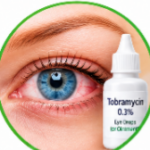 FDA-approved for the treatment of external infections of the eye and its adnexa caused by susceptible bacteria. This includes bacterial conjunctivitis, blepharitis, and keratitis. Dosage: 1–2 drops in the affected eye(s) every 4 hours for mild-to-moderate infections; 2 drops every hour until improvement for severe infections, then reduce frequency before discontinuation.
Off-Label and Guideline-Supported Uses: Beyond FDA-approved indications, tobramycin has been studied or recommended in guidelines for other infections. The inhaled formulation has been investigated for non-cystic fibrosis bronchiectasis and ventilator-associated pneumonia. Once-daily dosing regimens for systemic infections are supported by IDSA guidelines but differ from FDA-approved divided dosing. Clinicians must always consider local resistance patterns, culture results, and current guidelines when considering off-label use, and must never label an off-label use as FDA-approved.
Dosage Table
The table below provides a concise summary of typical dosing for common indications. Doses may vary based on renal and hepatic function, severity, and susceptibility data.
| Patient/Condition | Recommended Dose | Frequency | Duration | Important Considerations |
|---|---|---|---|---|
| Adults — Serious infections (normal renal function) | 3 mg/kg/day | Divided every 8 hours | 7–10 days typically | Monitor peak and trough levels; adjust for renal function. |
| Adults — Life-threatening infections | Up to 5 mg/kg/day | Divided every 6–8 hours | Reduce to 3 mg/kg/day ASAP | Use ideal body weight in obese patients. |
| Adults — Once-daily dosing (IDSA-supported) | 4–7 mg/kg | Every 24 hours | Based on clinical response | IDSA-recommended initial dose of 5–7 mg/kg with mandatory TDM. |
| Pediatric — Systemic infections | 3 mg/kg/day | Divided every 8 hours | Same as adults | Use actual body weight; monitor renal function closely. |
| Cystic fibrosis — Inhalation solution | 300 mg | Twice daily | 28 days on, 28 days off | Not adjusted by weight; administer via PARI LC PLUS nebulizer. |
| Cystic fibrosis — Dry powder inhaler | 112 mg (4 × 28 mg) | Twice daily | 28 days on, 28 days off | Administer via TOBI Podhaler; faster but higher cough rates. |
| Ophthalmic — Mild-moderate infections | 1–2 drops | Every 4 hours | Usually 5–7 days | Apply to affected eye(s); avoid touching dropper tip to eye. |
| Ophthalmic — Severe infections | 2 drops | Every hour until improvement | Then reduce frequency | Clinical response should guide tapering. |
| Renal impairment — CrCl ≥60 mL/min | Standard dose | Standard interval | — | No adjustment needed. |
| Renal impairment — CrCl 40–59 mL/min | Standard dose | Every 12 hours | — | Prolong dosage interval. |
| Renal impairment — CrCl 20–39 mL/min | Standard dose | Every 24 hours | — | Prolong dosage interval; monitor levels. |
| Renal impairment — CrCl <20 mL/min | Standard dose | Every 48 hours | — | Prolong dosage interval; consider alternative. |
Important: Dosing must be individualized based on renal function, body weight, and the site and severity of infection. Therapeutic drug monitoring is essential for systemic therapy to ensure adequate exposure and prevent toxicity.
Mechanism of Action
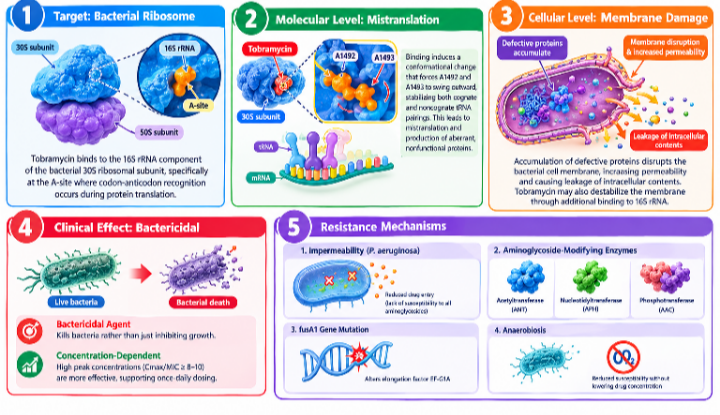
Tobramycin exerts its bactericidal effect through a highly specific interaction with the bacterial ribosome. Understanding this mechanism is fundamental to appreciating both its clinical utility and its limitations.
Primary Molecular Target: The primary molecular target is the 16S ribosomal RNA component of the bacterial 30S ribosomal subunit. Tobramycin binds irreversibly to the A-site of the 30S subunit, a critical region where codon-anticodon recognition occurs during protein translation.
Binding and Interaction: The binding of tobramycin to the A-site induces a conformational change that forces two conserved adenosine residues (A1492 and A1493) to swing outward into the minor groove formed by the mRNA-tRNA codon-anticodon base triplet. This stabilization of both cognate and noncognate tRNA pairings leads to mistranslation and miscoding. The result is the production of aberrant, nonfunctional proteins that accumulate within the bacterial cell.
Cellular Pathway Affected: The accumulation of defective proteins disrupts the integrity of the bacterial cell membrane. This progressive disruption of the cell envelope alters membrane permeability, leading to leakage of intracellular contents and eventual cell death. Tobramycin may also destabilize the bacterial membrane through additional binding to 16S rRNA.
Physiologic and Clinical Consequences: This mechanism designates tobramycin as a bactericidal agent, meaning it actively kills bacteria rather than merely inhibiting their growth. The bactericidal activity is concentration-dependent, which supports the rationale for once-daily dosing strategies that achieve high peak concentrations. The clinical therapeutic effect — bacterial killing at the site of infection — depends on achieving adequate free drug concentrations at the target tissue for a sufficient duration.
Resistance Mechanisms: Resistance to tobramycin can develop through several mechanisms. The most common mechanism in P. aeruginosa isolates from chronically infected cystic fibrosis patients is impermeability, defined as a general lack of susceptibility to all aminoglycosides. Other mechanisms include production of aminoglycoside-modifying enzymes (acetyltransferases, nucleotidyltransferases, and phosphotransferases) and mutations in the fusA1 gene encoding elongation factor EF-G1A. Anaerobiosis can also reduce susceptibility without reducing cellular drug concentration, which is relevant in chronic infections where bacteria exist under oxygen-deprived conditions.
What Is Tobramycin?
Tobramycin is an aminoglycoside antibiotic derived from Streptomyces tenebrarius, a soil bacterium first identified in the 1960s. The drug is a water-soluble, polycationic compound with a molecular weight of 467.52 and molecular formula C₁₈H₃₇N₅O₉. Its chemical structure consists of a central aminocyclitol ring (2-deoxystreptamine) linked to two amino sugars, a structural configuration shared with other aminoglycosides like gentamicin and amikacin.
Generic Name and Drug Class: The generic name is tobramycin. It belongs to the aminoglycoside class of antibiotics. When administered by injection, it is formulated as tobramycin sulfate; for inhalation and ophthalmic use, tobramycin base is used.
Pharmacologic Classification: Tobramycin is a protein synthesis inhibitor targeting the bacterial 30S ribosomal subunit. It is bactericidal and exhibits concentration-dependent killing.
Therapeutic Role: Clinically, tobramycin serves as a critical antibiotic for serious gram-negative infections, particularly those caused by Pseudomonas aeruginosa. It is also valued for its role in managing chronic pulmonary infections in cystic fibrosis and for topical treatment of bacterial ocular infections.
Formulations, Strengths, and Routes: Tobramycin is available as an injection (10 mg/mL, 40 mg/mL, 80 mg/2 mL), inhalation solution (300 mg/5 mL), dry powder inhaler (28 mg capsules), and ophthalmic solution/ointment (0.3%). The oral route is not used for systemic therapy due to poor absorption.
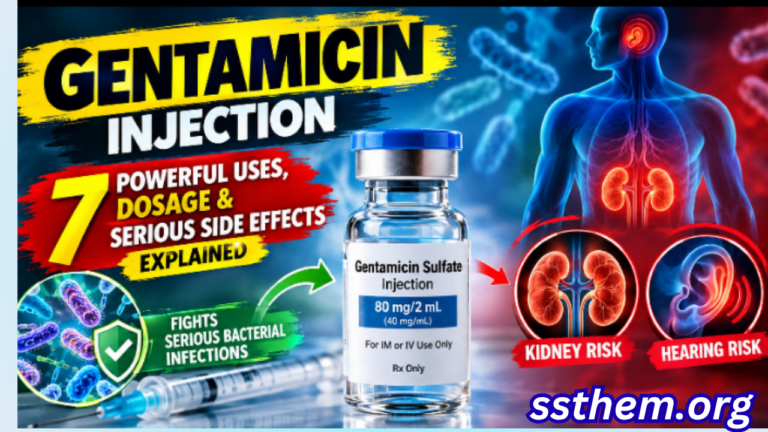
Differences from Closely Related Medicines: Tobramycin is structurally and pharmacologically related to gentamicin, but with important distinctions. Tobramycin demonstrates 2–4 times greater activity against P. aeruginosa compared to gentamicin, making it a preferred aminoglycoside when this organism is suspected or confirmed. However, gentamicin is more active against most Enterobacteriaceae species. Unlike gentamicin, tobramycin retains activity against some gentamicin-resistant gram-negative strains. For a suspenseful, detailed comparison of another antibiotic workhorse, explore Life-Changing Amoxicillin Secrets — and see why the two are not interchangeable.
Pharmacokinetics & Pharmacodynamics Key Table
The following table summarizes the key pharmacokinetic (PK) and pharmacodynamic (PD) properties that inform the clinical use of tobramycin.
| Parameter | Clinically Relevant Details |
|---|---|
| Absorption (IM) | Rapid and complete; peak serum concentrations occur 30–90 minutes after IM administration. |
| Absorption (Inhalation) | Systemic absorption is minimal but measurable; bioavailability approximately 10–20%. |
| Absorption (Oral) | Poorly absorbed from GI tract; oral route not used for systemic therapy. |
| Bioavailability | IM: ~100%; Inhalation: ~10–20% systemic; Oral: <1%. |
| Time to Peak Concentration | IM: 30–90 minutes; IV: similar when infused over 1 hour; Inhalation: within 1 hour. |
| Protein Binding | Practically none (<10%); ultrafiltration studies demonstrate essentially no serum protein binding. |
| Volume of Distribution | 0.2–0.3 L/kg in adults; higher in cystic fibrosis patients (0.35–0.4 L/kg) and burn patients (0.33 L/kg). |
| Tissue Penetration | Concentrations in renal cortex several times higher than serum; low biliary and fecal concentrations; penetrates peritoneal and synovial fluids; low CSF penetration. |
| Blood-Brain Barrier Penetration | Poor; increased with meningeal inflammation but still unreliable for CNS infections. |
| Placental Transfer | Crosses placental membranes; aminoglycosides can cause fetal harm. |
| Half-Life | ~2 hours (normal renal function); inversely related to creatinine clearance; prolonged to 5–70 hours in renal impairment. |
| Metabolism | Not metabolized; no active metabolites; eliminated unchanged. |
| Elimination | Almost exclusively by glomerular filtration; up to 84% recovered in urine within 8 hours, 93% within 24 hours. |
| Renal Clearance | Similar to creatinine clearance; no significant tubular secretion or reabsorption. |
| Pharmacodynamic Target | Bacterial 30S ribosomal subunit (16S rRNA A-site). |
| Mechanism | Irreversible binding inhibits protein synthesis initiation and induces mistranslation; bactericidal. |
| Concentration/Time-Dependent Activity | Concentration-dependent bactericidal activity. |
| PK/PD Index | Cmax/MIC ratio (target ≥8–10); AUC/MIC also predictive. |
This table is a quick reference. The following sections explain the most important details without unnecessary repetition.
Half-Life
The elimination half-life of tobramycin is approximately 2 hours in individuals with normal renal function. This relatively short half-life reflects the drug’s rapid elimination by glomerular filtration, with minimal tissue accumulation between doses when renal function is intact.
Factors That Alter Half-Life: The most clinically significant factor affecting tobramycin half-life is renal function. There is an inverse relationship between serum half-life and creatinine clearance — as renal function declines, the half-life lengthens proportionally. In patients with severe renal impairment, the half-life can extend to 70 hours or longer. This prolongation is the basis for requiring dose adjustment in renal impairment.
Renal Impairment: In patients with creatinine clearance below 60 mL/min, tobramycin half-life increases significantly. For every 10 mL/min reduction in creatinine clearance, the half-life approximately doubles from baseline. Patients undergoing dialysis may have 25–70% of the administered dose removed during a single session, depending on the duration and type of dialysis.
Hepatic Impairment: Hepatic function has minimal impact on tobramycin half-life because the drug is not metabolized by the liver. However, hepatorenal syndrome or concurrent hepatic and renal dysfunction can significantly affect elimination.
Why Half-Life Matters Clinically: The half-life determines dosing frequency for conventional intermittent dosing regimens. With a 2-hour half-life and normal renal function, dosing every 8 hours allows serum concentrations to decline sufficiently between doses to minimize accumulation and toxicity. Once-daily dosing exploits the concentration-dependent killing of aminoglycosides by achieving high peak concentrations (maximizing Cmax/MIC) followed by low trough concentrations that reduce renal cortical accumulation. The half-life also influences the duration of therapy required to achieve steady-state concentrations — approximately 5 half-lives (10 hours in normal renal function) are needed.
Dosing Frequency Implications: For conventional dosing, the half-life directly informs the interval between doses. For once-daily dosing, the extended interval between doses (24 hours) is not based on half-life alone but on the pharmacodynamic principle that high peak concentrations provide greater bactericidal activity and the “post-antibiotic effect” allows bacterial suppression to continue after serum concentrations decline.
Metabolism
Tobramycin undergoes essentially no metabolic transformation in the human body. Following parenteral administration, little if any metabolic transformation occurs, and the drug is eliminated almost exclusively by glomerular filtration in its unchanged, active form.
Primary Metabolic Pathway: None. Tobramycin is not a substrate for hepatic cytochrome P450 enzymes or phase II conjugation reactions.
Major Enzymes: Not applicable — tobramycin does not undergo enzymatic metabolism.
Important Metabolites: No active or inactive metabolites have been identified in humans.
Hepatic Involvement: The liver plays no significant role in tobramycin elimination. This is clinically advantageous in patients with hepatic impairment, as dose adjustment is not typically required based on hepatic function alone.
Clinically Relevant Enzyme Interactions: Because tobramycin is not metabolized, it does not induce or inhibit cytochrome P450 enzymes or drug transporters. This eliminates a major category of drug-drug interactions that complicate the use of many other antibiotics.
Renal/Hepatic Impairment Considerations: Since tobramycin is eliminated unchanged by the kidneys, renal impairment is the primary factor requiring dose adjustment. In patients with concurrent hepatic and renal impairment (e.g., hepatorenal syndrome), tobramycin accumulation can be severe, and therapeutic drug monitoring is essential.
Understanding the fundamental differences between drugs that undergo extensive metabolism and those eliminated unchanged is crucial for safe prescribing. If you want to compare this with a drug that has a very different metabolic and elimination profile, ssthem.org provides detailed information on paracetamol dosage, uses, and side effects — a medication with extensive hepatic metabolism that contrasts sharply with tobramycin’s pharmacokinetic behavior.
Bioavailability & Protein Binding
Bioavailability: Tobramycin bioavailability varies dramatically by route of administration. Following intramuscular injection, absorption is rapid and essentially complete, with bioavailability approaching 100%. Peak serum concentrations occur 30–90 minutes after IM administration. When administered by intravenous infusion over 1 hour, serum concentrations are similar to those achieved with IM administration.
For inhalation formulations, systemic bioavailability is approximately 10–20% of the administered dose. This low but measurable absorption means that inhaled tobramycin can produce detectable serum concentrations, particularly in patients with inflamed or damaged lung tissue. However, the primary therapeutic effect of inhaled tobramycin occurs locally in the airways, where concentrations far exceed those achievable by systemic administration.
Oral bioavailability is negligible (less than 1%) because tobramycin is a highly polar, polycationic compound that cannot cross the intestinal epithelium. This is why tobramycin is never administered orally for systemic infections — it would be completely ineffective.
Factors Affecting Absorption: For inhaled formulations, the efficiency of aerosol delivery depends on nebulizer performance, patient breathing technique, and airway anatomy. For IM administration, absorption may be reduced in patients with poor peripheral perfusion (e.g., shock, severe hypotension).
Protein Binding: Tobramycin demonstrates practically no serum protein binding. Ultrafiltration studies demonstrate that essentially no protein binding occurs. This is in contrast to many other antibiotics that bind significantly to albumin or alpha-1-acid glycoprotein.
Clinical Significance of Protein Binding: The lack of protein binding means that virtually 100% of circulating tobramycin is pharmacologically active. This has several important implications. First, there is no need to account for protein binding when interpreting serum drug concentrations — total drug concentration equals free (active) drug concentration. Second, conditions that alter serum protein levels (e.g., hypoalbuminemia in nephrotic syndrome or liver disease) do not affect tobramycin pharmacokinetics. Third, drug interactions resulting from protein-binding displacement are not a concern with tobramycin.
Special Populations: In neonates, protein binding may be slightly higher due to lower albumin levels, but the clinical significance is minimal. In elderly patients, age-related changes in serum protein concentrations do not meaningfully affect tobramycin pharmacokinetics because binding is already negligible.
Spectrum of Activity
Tobramycin exhibits broad-spectrum activity against aerobic gram-negative bacteria, with particularly potent activity against Pseudomonas aeruginosa. The following spectrum reflects in vitro susceptibility data and clinical effectiveness when appropriate susceptibility testing confirms activity.
Gram-Positive Activity: Tobramycin demonstrates activity against Staphylococcus aureus (penicillinase and non-penicillinase producing strains), coagulase-negative staphylococci, and some streptococci, including Group A beta-hemolytic species and some Streptococcus pneumoniae isolates. However, tobramycin is not reliably active against Enterococcus faecalis or Enterococcus faecium as monotherapy. Synergistic activity against enterococci can be achieved when combined with cell wall-active agents such as penicillin or ampicillin.
Gram-Negative Activity: The gram-negative spectrum includes Pseudomonas aeruginosa (tobramycin demonstrates 2–4 times greater activity than gentamicin), Escherichia coli, Klebsiella pneumoniae, Enterobacter aerogenes, Proteus mirabilis and most Proteus vulgaris strains, Morganella morganii, Serratia species, Providencia species, Citrobacter species, Haemophilus influenzae and H. aegyptius, Moraxella lacunata, Acinetobacter calcoaceticus, and some Neisseria species.
Anaerobic Activity: Tobramycin has no clinically significant activity against anaerobic bacteria. Aminoglycosides require oxygen-dependent active transport to penetrate bacterial cells, and anaerobic conditions prevent this uptake. This is why tobramycin is always combined with anaerobic coverage (e.g., metronidazole, clindamycin) when treating intra-abdominal infections or other polymicrobial infections involving anaerobes.
Atypical Organisms: Tobramycin lacks activity against Mycoplasma, Chlamydia, Legionella, and Mycobacterium species.
Important Intrinsic Resistance: Streptococcus pneumoniae, Streptococcus pyogenes, and other streptococci are intrinsically resistant to aminoglycosides as monotherapy due to poor cell wall penetration. However, synergy can be achieved when combined with beta-lactams.
Acquired Resistance: Resistance mechanisms include aminoglycoside-modifying enzymes (most common in acute infections), reduced permeability, efflux pumps, and target site mutations. In chronic P. aeruginosa infections, impermeability-mediated resistance is the most frequent mechanism. Cross-resistance between aminoglycosides may occur, but some gentamicin-resistant organisms remain susceptible to tobramycin.
Major Limitations: Tobramycin is inactive against anaerobes, has limited activity against streptococci as monotherapy, and exhibits poor activity in acidic environments (e.g., abscess cavities). It also has poor oral bioavailability, necessitating parenteral administration for systemic infections.
Clinical Significance of Susceptibility Testing: Given the potential for resistance, particularly in nosocomial and chronic infections, susceptibility testing is essential before initiating tobramycin therapy. The Clinical and Laboratory Standards Institute (CLSI) provides interpretive criteria for tobramycin against clinically relevant pathogens. For P. aeruginosa, susceptibility breakpoints are typically ≤4 mcg/mL (susceptible), 8 mcg/mL (intermediate), and ≥16 mcg/mL (resistant). Importantly, in vitro activity does not automatically translate to clinical effectiveness.
If you want to understand how drug distribution throughout the body influences antimicrobial efficacy, the concept of volume of distribution provides essential pharmacokinetic context. ssthem.org offers a detailed guide on volume of distribution that explains how this parameter varies across different drugs and patient populations.
Pharmacodynamics
The pharmacodynamic profile of tobramycin is characterized by concentration-dependent bactericidal activity. Unlike beta-lactam antibiotics, which exhibit time-dependent killing (where efficacy is related to the duration that drug concentrations exceed the MIC), aminoglycosides kill bacteria more effectively at higher concentrations.
Drug-Target Interaction: Tobramycin binds irreversibly to the 16S rRNA A-site on the bacterial 30S ribosomal subunit. This binding is concentration-dependent — higher concentrations result in more rapid and complete ribosomal inhibition.
Concentration-Response Relationship: The rate and extent of bacterial killing increase with increasing tobramycin concentrations. This relationship has been demonstrated in both in vitro studies and clinical pharmacokinetic/pharmacodynamic analyses. At concentrations 8–10 times the MIC, tobramycin achieves maximal bactericidal activity.
Time-Dependent vs. Concentration-Dependent Effects: Tobramycin exhibits concentration-dependent killing, meaning that the peak concentration relative to the MIC (Cmax/MIC) is the primary determinant of efficacy. This contrasts with beta-lactams, where the duration of time above MIC (T>MIC) is most important.
PK/PD Indices: The ratio of maximum serum concentration to minimum inhibitory concentration (Cmax/MIC) is the primary pharmacodynamic index predicting clinical response. A Cmax/MIC ratio of at least 8–10 is associated with optimal bacterial killing and clinical cure. The area under the concentration-time curve to MIC ratio (AUC/MIC) is also predictive, with target values of 80–100 for serious infections.
Therapeutic Window: Tobramycin has a relatively narrow therapeutic window. Target peak concentrations are typically 3–12 mcg/mL, while trough concentrations should remain below 2 mcg/mL to minimize toxicity. Prolonged concentrations above 12 mcg/mL should be avoided.
Post-Antibiotic Effect: Tobramycin exhibits a significant post-antibiotic effect (PAE), meaning that bacterial growth remains suppressed even after drug concentrations decline below the MIC. The PAE is typically 1–3 hours for gram-negative organisms and longer for P. aeruginosa. This effect is one rationale for once-daily dosing — even when serum concentrations fall below the MIC, bacterial growth remains suppressed.
Exposure-Response Relationship: Higher tobramycin exposure (as measured by Cmax or AUC) is associated with improved clinical outcomes, including faster resolution of infection and higher cure rates. Conversely, excessive exposure increases the risk of nephrotoxicity and ototoxicity.
Resistance Suppression: Achieving adequate drug exposure (Cmax/MIC ≥8–10) is important for preventing the emergence of resistant subpopulations during therapy. Suboptimal dosing can select for resistant mutants.
Contraindications
Absolute Contraindications: Known hypersensitivity to tobramycin or any other aminoglycoside. This is the only absolute contraindication listed in FDA labeling. Cross-reactivity among aminoglycosides is possible, although the exact incidence is not well established.
Major Hypersensitivity Contraindications: Previous anaphylactic reaction to any aminoglycoside antibiotic. Severe allergic reaction to any component of the formulation (including preservatives in ophthalmic preparations).
Previous Serious Reactions: Prior aminoglycoside-induced ototoxicity (hearing loss or vestibular dysfunction) should be considered a relative contraindication, as re-exposure may worsen hearing loss. Prior aminoglycoside-induced nephrotoxicity is a relative contraindication requiring careful risk-benefit assessment.
Disease-Specific Contraindications: Myasthenia gravis — aminoglycosides can exacerbate muscle weakness due to their neuromuscular blocking effects. Tobramycin should be used with extreme caution in these patients. Pre-existing renal impairment is not an absolute contraindication but requires dose adjustment and intensified monitoring. Pre-existing hearing loss is a relative contraindication; use only if benefits outweigh risks of further hearing deterioration.
Formulation-Specific Contraindications: Ophthalmic tobramycin should not be injected into the eye. Inhalation tobramycin should not be administered to patients with known hypersensitivity to the excipients in the specific formulation.
Warnings & Precautions
- Boxed Warning (Systemic Tobramycin): FDA labeling includes a boxed warning for nephrotoxicity, ototoxicity, neuromuscular blockade, and fetal harm. These represent the most serious risks associated with tobramycin therapy.
- Renal Impairment: Tobramycin is eliminated by glomerular filtration, and renal impairment significantly prolongs drug half-life, increasing the risk of toxicity. Dose reduction is required in patients with creatinine clearance below 60 mL/min. Elderly patients may have reduced renal function not evident from routine serum creatinine measurements — creatinine clearance calculation is recommended.
- Hepatic Impairment: Because tobramycin is not metabolized by the liver, hepatic impairment alone does not require dose adjustment. However, hepatorenal syndrome can significantly affect elimination.
- Allergy/Hypersensitivity: Anaphylaxis and severe hypersensitivity reactions have been reported. Cross-sensitivity with other aminoglycosides may occur.
- Pregnancy: Aminoglycosides can cause fetal harm. There have been reports of total irreversible bilateral congenital deafness in children whose mothers received streptomycin during pregnancy. Tobramycin should be used during pregnancy only if the potential benefit justifies the potential risk to the fetus.
- Breastfeeding: Tobramycin is excreted in human milk after systemic administration. Because of the potential for serious adverse reactions (including ototoxicity and nephrotoxicity) in breastfeeding infants, a decision should be made to discontinue nursing or discontinue the drug, taking into account the importance of the drug to the mother.
- Pediatric Use: Safety and efficacy of inhaled tobramycin have not been established in pediatric patients under 6 years of age. For systemic infections, dosing should be based on body weight, and renal function should be monitored closely because neonatal renal function is not fully mature.
- Older Adults: Elderly patients are at increased risk of nephrotoxicity because of age-related decline in renal function. Monitoring of renal function is particularly important in this population.
- Drug Interactions: Concurrent use with other nephrotoxic or ototoxic drugs (e.g., loop diuretics, amphotericin B, cisplatin, vancomycin) increases the risk of toxicity. Neuromuscular blocking agents may be potentiated by tobramycin.
- CNS Effects: Aminoglycosides can cause neuromuscular blockade and respiratory paralysis, particularly when administered rapidly or with concurrent neuromuscular blocking agents. Patients with neuromuscular disorders (e.g., myasthenia gravis, Parkinson’s disease) are at increased risk.
- Serious Organ Toxicity: Nephrotoxicity typically manifests as non-oliguric renal failure with gradual increase in serum creatinine. Ototoxicity may be auditory (hearing loss, tinnitus) or vestibular (vertigo, nystagmus, ataxia). Both are more common with prolonged therapy, high doses, or concurrent nephrotoxic drugs.
- Monitoring Requirements: Renal function (serum creatinine, creatinine clearance, BUN) should be monitored before and during therapy. Serum tobramycin concentrations should be monitored in all patients receiving systemic therapy, particularly those with renal impairment, obesity, or concurrent nephrotoxic drugs.
Side Effects
Understanding the side effect profile of tobramycin is essential for patient counseling and clinical monitoring. Adverse effects are broadly categorized by frequency, and distinguishing between common, bothersome side effects and serious adverse reactions is clinically important.
Common Side Effects (Systemic):
- Nausea and vomiting (particularly with rapid infusion)
- Headache
- Fever
- Rash
- Injection site pain or phlebitis
Common Side Effects (Inhalation):
- Increased cough
- Pharyngitis
- Bronchospasm (can occur with inhalation; treat as medically appropriate)
- Dysphonia (voice changes)
- Increased sputum production
Common Side Effects (Ophthalmic):
- Transient ocular irritation or burning
- Blurred vision
- Eye redness
- Eyelid itching or swelling
Less Common Side Effects:
- Peripheral neuropathy (numbness, tingling, or burning in extremities)
- Paresthesias
- Convulsions (rare, associated with high serum concentrations)
- Muscle twitching
- Rash, urticaria, or other hypersensitivity reactions
- Superinfection with nonsusceptible organisms (including fungal infections)
Distinguishing Side Effects from Adverse Reactions: It is important for clinicians to distinguish between side effects (predictable, often dose-related, and generally manageable) and adverse reactions (unexpected, potentially serious, and requiring medical intervention). Nausea associated with tobramycin infusion is typically a side effect that can be managed with slower infusion rates or antiemetics. However, if hearing loss or ringing in the ears develops, it may indicate ototoxicity — a serious adverse reaction requiring immediate medical evaluation.
Adverse Effects
While the common side effects of tobramycin are generally mild and self-limiting, the drug carries a risk of serious adverse effects that all prescribers must recognize and monitor for.
- Nephrotoxicity: Tobramycin-induced nephrotoxicity is typically characterized by non-oliguric acute kidney injury. The mechanism involves accumulation of aminoglycosides in proximal tubular cells, leading to lysosomal dysfunction, mitochondrial injury, and cellular necrosis. Risk factors include prolonged therapy (greater than 7–10 days), pre-existing renal impairment, advanced age, concurrent nephrotoxic drugs, and elevated trough concentrations. Aminoglycoside-induced nephrotoxicity is usually reversible upon drug discontinuation.
- Ototoxicity: Tobramycin can cause both auditory and vestibular toxicity. Auditory changes are typically bilateral, irreversible, and may be partial or total. Vestibular toxicity manifests as vertigo, nystagmus, and ataxia. Ototoxicity results from accumulation of aminoglycosides in hair cells of the cochlea and vestibular apparatus. Risk factors include genetic predisposition (mitochondrial mutations), prolonged therapy, high doses, and concurrent ototoxic drugs. Unlike nephrotoxicity, ototoxicity is often irreversible.
- Neuromuscular Blockade: Aminoglycosides inhibit pre-synaptic acetylcholine release and reduce post-synaptic sensitivity to acetylcholine, potentially causing neuromuscular blockade. This can manifest as muscle weakness, respiratory depression, and paralysis. The effect is reversed by calcium salts but may require mechanical ventilation. Patients with myasthenia gravis are at highest risk.
- Severe Hypersensitivity Reactions: Anaphylaxis, angioedema, and severe dermatologic reactions (including Stevens-Johnson syndrome and toxic epidermal necrolysis) have been reported, though rarely.
- C. difficile-Associated Diarrhea: As with all antibiotics, tobramycin can alter the normal gut flora, predisposing to Clostridioides difficile infection. Symptoms include watery diarrhea, abdominal pain, and fever.
- Bronchospasm (Inhalation Formulation): Bronchospasm can occur with inhalation of tobramycin solution. Patients with asthma or reactive airway disease may be at increased risk. Treatment with bronchodilators may be necessary.
- Serious Fungal Superinfections: Prolonged aminoglycoside therapy can promote overgrowth of Candida species, requiring antifungal therapy in some cases.
- When to Seek Medical Attention: Patients should be instructed to seek immediate medical attention if they experience any of the following: hearing loss or ringing in the ears, dizziness or balance problems, decreased urine output, swelling of the hands or feet, severe or persistent diarrhea, muscle weakness, difficulty breathing, or signs of an allergic reaction (rash, hives, swelling of the face or throat).
How to Recover After Medicine Reactions
Recovery from tobramycin-related side effects depends on the type and severity of the reaction, the patient’s underlying health status, and how quickly the reaction is identified and managed.
Mild Side Effects: For common side effects such as nausea, headache, or injection site reactions, these typically resolve within hours to days after the dose is administered. Supportive measures include antiemetics for nausea, analgesics for headache, and rotating injection sites for injection-related discomfort. Do not stop prescribed therapy without consulting your healthcare provider.
Serious Adverse Reactions: If signs of nephrotoxicity (decreased urine output, swelling, fatigue) or ototoxicity (ringing in the ears, hearing loss, dizziness) develop, contact your healthcare provider immediately. Treatment may involve stopping tobramycin, switching to an alternative antibiotic, and providing supportive care. Renal function often recovers over weeks to months after drug discontinuation, but hearing loss may be permanent.
When to Stop and Contact a Healthcare Professional: Patients should contact their healthcare provider immediately if they experience any of the following: hearing loss or ringing in the ears, dizziness or balance problems, decreased urine output, swelling of the hands or feet, severe or persistent diarrhea, muscle weakness, difficulty breathing, or signs of an allergic reaction.
Emergency Warning Signs: Seek immediate emergency medical attention for: difficulty breathing, severe dizziness or fainting, chest pain, severe abdominal pain, blood in the stool, or any sign of a severe allergic reaction.
Factors Affecting Recovery: Recovery is influenced by the patient’s age, baseline renal function, duration of therapy, cumulative dose, and concurrent medications. Patients with pre-existing kidney disease or those receiving other nephrotoxic drugs may experience slower recovery. Never attempt to self-treat serious adverse effects of tobramycin. Always consult a qualified healthcare professional for guidance on managing medication reactions.
Drug Interactions
The following table summarizes clinically meaningful drug interactions with tobramycin. Theoretical interactions of little clinical relevance have been omitted.
| Interacting Medicine/Class | Potential Interaction | Clinical Significance | Management Consideration |
|---|---|---|---|
| Loop diuretics (furosemide, ethacrynic acid) | Increased risk of ototoxicity; diuretic-induced volume depletion may increase aminoglycoside nephrotoxicity. | High | Avoid concurrent use if possible; if necessary, monitor renal function and hearing closely; use lowest effective diuretic dose. |
| Other nephrotoxic agents (amphotericin B, cisplatin, vancomycin, NSAIDs) | Additive or synergistic nephrotoxicity. | High | Avoid concurrent use when alternatives exist; monitor serum creatinine daily; consider alternative antibiotics. |
| Neuromuscular blocking agents (succinylcholine, pancuronium, vecuronium) | Potentiation of neuromuscular blockade; risk of prolonged paralysis and respiratory depression. | High | Use with extreme caution; monitor neuromuscular function; have reversal agents (calcium salts) available. |
| Beta-lactam antibiotics (penicillins, cephalosporins) | Synergistic bactericidal activity against enterococci and some gram-negatives. | Beneficial (when used intentionally) | This interaction is exploited therapeutically; ensure appropriate organism susceptibility. |
| Indomethacin and other NSAIDs | Increased risk of nephrotoxicity; may increase serum tobramycin concentrations. | Moderate | Monitor renal function; consider alternative analgesics when possible. |
| Cyclosporine, tacrolimus | Additive nephrotoxicity. | Moderate to High | Monitor renal function closely; adjust doses as needed. |
| Anticholinesterases (neostigmine, pyridostigmine) | May antagonize neuromuscular blockade; unpredictable effects. | Moderate | Use with caution in patients receiving these agents. |
| Botulinum toxin | Potential for additive neuromuscular blockade. | Moderate | Monitor for excessive muscle weakness. |
Administration Table
Practical administration instructions are essential for patient education and nursing practice. The table below summarizes key administration factors.
| Administration Factor | Guidance |
|---|---|
| Route (Systemic) | Intravenous infusion (preferred) or intramuscular injection. IV infusion should be administered over 30–60 minutes to minimize peak-related toxicity. |
| Route (Inhalation) | Oral inhalation via nebulizer (300 mg/5 mL ampule) or dry powder inhaler (4 × 28 mg capsules). For nebulized solution, use PARI LC PLUS Reusable Nebulizer with DeVilbiss Pulmo-Aide compressor. |
| Route (Ophthalmic) | Topical application to the affected eye(s). Tilt head back, pull lower eyelid down to form a pouch, instill drops, and close eye gently for 1–2 minutes. Avoid touching dropper tip to any surface. |
| With Food/Without Food | No food restrictions for parenteral, inhalation, or ophthalmic administration. Oral tobramycin is not used due to poor absorption. |
| Timing | For systemic therapy, doses should be administered at evenly spaced intervals (every 8 hours for conventional dosing; every 24 hours for once-daily dosing). For inhalation, doses should be taken as close to 12 hours apart as possible, but not less than 6 hours apart. |
| IV Administration | Reconstitute and dilute according to prescribing information. Administer over 30–60 minutes. Do not administer as IV push. Use a controlled infusion device to ensure accurate delivery. |
| Missed Dose | If a dose is missed, administer it as soon as remembered unless it is almost time for the next dose. Do not double the dose. For inhalation, if less than 6 hours remain until the next dose, skip the missed dose. |
| Storage | Injection: Store at 20–25°C (68–77°F); protect from freezing. Inhalation solution: Store refrigerated at 2–8°C (36–46°F); may be stored at room temperature for up to 28 days. Ophthalmic: Store at 15–25°C (59–77°F); protect from light. |
| Special Instructions | For inhalation, administer after bronchodilator therapy if prescribed. For ophthalmic use, remove contact lenses before application and wait at least 15 minutes before reinserting. For IV use, monitor for infusion-related reactions. |
Pharmacokinetics
This section consolidates the clinically relevant pharmacokinetic properties of tobramycin in a professional overview. Detailed explanations of half-life, metabolism, bioavailability, and protein binding are provided in their respective dedicated sections above and are not repeated here.
Absorption and Bioavailability: Tobramycin exhibits linear pharmacokinetics with rapid distribution and elimination. Following intramuscular administration, absorption is rapid and complete, with peak serum concentrations occurring 30–90 minutes after injection. When administered by intravenous infusion over 1 hour, serum concentrations are similar to those achieved by IM administration.
Distribution: Tobramycin distributes into extracellular fluid, with a volume of distribution of 0.2–0.3 L/kg in healthy adults. The volume of distribution is higher in cystic fibrosis patients (0.35–0.4 L/kg) and burn patients (0.33 L/kg), necessitating higher doses to achieve therapeutic concentrations. Tobramycin penetrates poorly into adipose tissue, and dosing should be based on lean body weight or ideal body weight rather than total body weight in obese patients.
Tissue penetration is variable. Tobramycin accumulates in the renal cortex at concentrations several times higher than serum levels, which contributes to nephrotoxicity. Penetration into cerebrospinal fluid is poor, even in the presence of meningeal inflammation, although concentrations are higher than in the absence of inflammation. Tobramycin penetrates peritoneal, synovial, and abscess fluids to varying degrees. Biliary and fecal concentrations are low, indicating minimal biliary excretion.
Metabolism and Elimination: Tobramycin is not metabolized. It is eliminated unchanged by glomerular filtration. Renal clearance approximates creatinine clearance, indicating that the drug is filtered but not significantly reabsorbed or secreted by the renal tubules. In patients with normal renal function, up to 84% of a dose is recovered in the urine within 8 hours and up to 93% within 24 hours. Probenecid does not affect the renal tubular transport of tobramycin, confirming that tubular secretion does not play a significant role in elimination.
Special Populations: In neonates, immature renal function results in prolonged half-life and requires careful dose adjustment. In elderly patients, age-related decline in renal function (even with normal serum creatinine) may prolong half-life and increase toxicity risk. In patients with cystic fibrosis, enhanced renal clearance may require higher doses to achieve therapeutic concentrations. In burn patients, increased volume of distribution and altered clearance necessitate individualized dosing with therapeutic drug monitoring.
Special Populations
Pregnancy: Tobramycin is classified as Pregnancy Category D (evidence of human fetal risk). Aminoglycosides cross the placenta and can cause fetal harm, particularly ototoxicity. There have been reports of irreversible bilateral congenital deafness in children whose mothers received streptomycin during pregnancy. Tobramycin should be used during pregnancy only if the potential benefit justifies the potential risk to the fetus. Alternative antibiotics with better safety profiles should be considered when clinically appropriate.
Lactation: Tobramycin is excreted in human milk after systemic administration. Because of the potential for serious adverse reactions in breastfeeding infants (including ototoxicity and nephrotoxicity), a decision should be made to discontinue nursing or discontinue the drug, taking into account the importance of the drug to the mother. For ophthalmic use, systemic absorption is minimal, and the risk to a breastfeeding infant is likely low, but consultation with a healthcare provider is recommended.
Pediatrics: Safety and efficacy of inhaled tobramycin have not been established in children under 6 years of age. For systemic infections, pediatric dosing is based on body weight, and renal function must be monitored closely because neonatal renal function is not fully mature. Clinical studies have shown tobramycin ophthalmic solution to be safe and effective for use in children.
Older Adults: Elderly patients are at increased risk of nephrotoxicity and ototoxicity due to age-related decline in renal function. Serum creatinine may not accurately reflect renal function in this population because of decreased muscle mass. Creatinine clearance should be calculated using the Cockcroft-Gault equation or measured directly. Dose adjustment and careful monitoring are essential.
Renal Impairment: Dose adjustment is required for all patients with creatinine clearance below 60 mL/min. The loading dose remains unchanged (to rapidly achieve therapeutic concentrations), but maintenance doses should be reduced or the dosing interval extended. Therapeutic drug monitoring is essential in this population.
Hepatic Impairment: Hepatic impairment alone does not require tobramycin dose adjustment because the drug is not metabolized by the liver. However, patients with hepatorenal syndrome may have significantly impaired tobramycin elimination and require careful monitoring.
Obesity: Tobramycin distributes poorly into adipose tissue. Dosing should be based on lean body weight or adjusted body weight rather than total body weight. Use of total body weight in obese patients may result in supratherapeutic concentrations and increased toxicity risk.
Critically Ill Patients: Critically ill patients may have altered pharmacokinetics due to fluid shifts, altered renal function, and concurrent organ support. Therapeutic drug monitoring is essential to ensure adequate drug exposure and prevent toxicity.
Monitoring
- Clinical Response: Monitor for improvement in signs and symptoms of infection, including fever, pain, and organ-specific manifestations. Failure to improve within 48–72 hours should prompt reassessment of the treatment regimen.
- Laboratory Parameters: Monitor complete blood count, renal function (serum creatinine, BUN, creatinine clearance), and hepatic function panel. Serum creatinine should be measured at baseline and at least every 2–3 days during therapy.
- Renal Function: Tobramycin is eliminated by glomerular filtration, and nephrotoxicity is a significant risk. Monitor serum creatinine and calculate creatinine clearance daily or every other day. Rising serum creatinine or falling creatinine clearance should prompt dose adjustment or discontinuation.
- Serum Drug Levels (TDM): Therapeutic drug monitoring is recommended for all patients receiving systemic tobramycin, particularly those with renal impairment, obesity, or concurrent nephrotoxic drugs. Peak levels should be drawn 30 minutes after the end of IV infusion or 1 hour after IM injection. Trough levels should be drawn just before the next dose. Target peak concentrations are 3–12 mcg/mL (depending on infection severity); target trough concentrations are below 2 mcg/mL.
- Ototoxicity Monitoring: Ask patients about tinnitus, hearing loss, and balance problems at each visit. Audiometry should be considered for patients receiving prolonged therapy (greater than 7–10 days) or those with risk factors for ototoxicity.
- Microbiological Response: Culture and susceptibility testing should be performed before initiating therapy and repeated if clinical response is inadequate. Monitoring for the emergence of resistant organisms during therapy is important.
- Adverse Reactions: Monitor for signs of hypersensitivity, neuromuscular blockade (muscle weakness, respiratory depression), and superinfection (oral thrush, C. difficile diarrhea).
Clinical Perspective
From a clinical standpoint, tobramycin remains a valuable antibiotic in the era of antimicrobial resistance, but its use requires careful consideration of several clinical factors.
Where Tobramycin Can Be Clinically Useful: Tobramycin is particularly valuable for treating serious infections caused by P. aeruginosa, where it demonstrates superior activity compared to gentamicin. It is also useful for infections caused by other susceptible gram-negative organisms when alternatives are limited by resistance or allergy. The inhaled formulation has transformed the management of chronic P. aeruginosa infection in cystic fibrosis, improving lung function and reducing exacerbations.
Situations Where Clinicians May Prefer Alternatives: Because of its toxicity profile, tobramycin is often reserved for infections where safer alternatives are unavailable or have failed. For uncomplicated urinary tract infections, fluoroquinolones or beta-lactams are often preferred. For intra-abdominal infections, agents with anaerobic coverage (e.g., piperacillin-tazobactam, carbapenems) are preferred. For patients with pre-existing renal impairment or hearing loss, alternative agents should be considered whenever possible.
Factors Influencing Selection: The choice of tobramycin should be guided by the suspected or confirmed organism and its susceptibility profile, the site and severity of infection, patient-specific factors (renal function, age, pregnancy status, allergies), local resistance patterns, and the availability of alternative agents.
Importance of Antimicrobial Stewardship: Tobramycin should be used judiciously to preserve its efficacy and minimize toxicity. Empiric use should be based on local susceptibility data and de-escalated based on culture results. Prolonged courses should be avoided unless clinically justified. The cycling strategy used for inhaled tobramycin in cystic fibrosis (28 days on, 28 days off) is an example of stewardship in practice.
Patient-Specific Considerations: Dosing must be individualized based on renal function, body weight, and the site and severity of infection. Therapeutic drug monitoring is essential to ensure adequate exposure and prevent toxicity. Patients should be educated about the signs and symptoms of ototoxicity and nephrotoxicity and instructed to report them promptly.
Interpretation of Treatment Response: Clinical improvement should be evident within 48–72 hours of initiating therapy. Failure to improve may indicate resistant organisms, inadequate drug exposure, an undrained abscess, or a non-infectious etiology. Reassessment with repeat cultures and imaging may be necessary.
Situations Requiring Reassessment: Deteriorating renal function, new-onset hearing loss or tinnitus, worsening infection despite therapy, or the emergence of resistant organisms should prompt reassessment of the treatment plan.
For medical students and clinicians seeking to understand how diagnostic reasoning complements pharmacological knowledge, ssthem.org provides a comprehensive guide on what diagnosis entails with 15 powerful steps that enhance clinical decision-making.
Question. What is tobramycin?
Answer : Tobramycin is an aminoglycoside antibiotic used to treat serious bacterial infections, particularly those caused by gram-negative organisms like Pseudomonas aeruginosa. It is available as injection, inhalation, and ophthalmic formulations.
Question. What is tobramycin used for?
Answer : Tobramycin is used for serious systemic infections (septicemia, pneumonia, meningitis, intra-abdominal infections, complicated UTIs), chronic P. aeruginosa lung infection in cystic fibrosis, and external eye infections caused by susceptible bacteria.
Question. How does tobramycin work?
Answer : Tobramycin binds irreversibly to the bacterial 30S ribosomal subunit, inhibiting protein synthesis and causing bacterial cell death. It is bactericidal and exhibits concentration-dependent killing.
Question. How long does tobramycin stay in the body?
Answer : The half-life is approximately 2 hours in individuals with normal kidney function. It takes about 5 half-lives (10 hours) to eliminate the drug completely, though this is prolonged in renal impairment.
Question. What is the half-life of tobramycin?
Answer : The half-life is approximately 2 hours in normal renal function but can extend to 70 hours or more in severe renal impairment.
Question. What are the common side effects of tobramycin?
Answer : Common side effects include nausea, headache, rash, injection site reactions, and with inhalation, cough and voice changes. Ophthalmic use may cause temporary eye irritation.
Question. What are the serious adverse effects of tobramycin?
Answer : Serious adverse effects include nephrotoxicity (kidney damage), ototoxicity (hearing loss, balance problems), neuromuscular blockade, and severe allergic reactions.
Question. Is tobramycin FDA-approved?
Answer : Yes, tobramycin is FDA-approved in multiple formulations for specific indications including serious systemic infections, cystic fibrosis with P. aeruginosa, and external ocular infections.
Question. What infections does tobramycin treat?
Answer : Tobramycin treats septicemia, lower respiratory tract infections, meningitis, intra-abdominal infections, skin and bone infections, complicated UTIs, cystic fibrosis lung infections, and bacterial eye infections.
Question. Can tobramycin be used during pregnancy?
Answer : Tobramycin is Pregnancy Category D and can cause fetal harm. It should be used during pregnancy only if the potential benefit justifies the potential risk to the fetus.
Question. Can tobramycin be used while breastfeeding?
Answer : Tobramycin is excreted in human milk. Because of the potential for serious adverse reactions in breastfeeding infants, a decision should be made to discontinue nursing or discontinue the drug.
Question. Does tobramycin interact with alcohol?
Answer : There is no specific interaction between tobramycin and alcohol, but alcohol may worsen dehydration and increase the risk of kidney injury. Patients should maintain adequate hydration during therapy.
Question. What medicines interact with tobramycin?
Answer : Tobramycin interacts with loop diuretics, other nephrotoxic drugs (amphotericin B, cisplatin, vancomycin), neuromuscular blocking agents, and NSAIDs.
Question. What happens if a dose is missed?
Answer : Take the missed dose as soon as remembered unless it is almost time for the next dose. Do not double the dose.
Question. How should tobramycin be administered?
Answer : Tobramycin injection is administered intravenously over 30–60 minutes or intramuscularly. Inhalation solution is administered via nebulizer; dry powder via TOBI Podhaler. Ophthalmic solution is applied topically to the eye.
Question. Does renal impairment require dose adjustment for tobramycin?
Answer : Yes, dose reduction or extended dosing intervals are required in patients with creatinine clearance below 60 mL/min.
Question. Does hepatic impairment affect tobramycin use?
Answer : Hepatic impairment alone does not require dose adjustment because tobramycin is not metabolized by the liver. However, hepatorenal syndrome can affect elimination.
Question. Is tobramycin safe for children?
Answer : Inhaled tobramycin is approved for children 6 years and older with cystic fibrosis. Systemic tobramycin can be used in children with weight-based dosing and careful monitoring. Ophthalmic tobramycin is safe for children.
Question. Is tobramycin appropriate for older adults?
Answer : Yes, but elderly patients are at increased risk of nephrotoxicity due to age-related decline in renal function. Creatinine clearance should be calculated, and doses adjusted accordingly.
Question. What should clinicians monitor during tobramycin therapy?
Answer : Monitor clinical response, renal function (serum creatinine, creatinine clearance), serum drug levels (peak and trough), hearing function, and for signs of superinfection.
Question. What are alternatives to tobramycin?
Answer : Alternatives include other aminoglycosides (gentamicin, amikacin, plazomicin), beta-lactams (ceftazidime, cefepime, piperacillin-tazobactam), fluoroquinolones (ciprofloxacin, levofloxacin), and polymyxins (colistin) depending on the organism and site of infection.
Question. What are the major contraindications to tobramycin?
Answer : The only absolute contraindication is known hypersensitivity to tobramycin or other aminoglycosides. Relative contraindications include myasthenia gravis, pre-existing hearing loss, and severe renal impairment.
Question. How does resistance affect tobramycin use?
Answer : Resistance can develop through aminoglycoside-modifying enzymes, reduced permeability, and target site mutations. Susceptibility testing is essential before and during therapy.
Question. How long does tobramycin treatment usually last?
Answer : Treatment duration depends on the infection type and severity, typically 7–10 days for systemic infections. Inhaled tobramycin for cystic fibrosis uses 28-day cycles (28 days on, 28 days off).
Question. When should medical attention be sought?
Answer : Seek immediate medical attention for hearing loss, ringing in the ears, dizziness, decreased urine output, swelling, difficulty breathing, severe diarrhea, or signs of a severe allergic reaction.
5 Authentic Studies
Study 1
Citation: Zhong Z, et al. Inhaled tobramycin in non-cystic fibrosis bronchiectasis: A meta-analysis of randomized controlled trials. Respir Med. 2025;243:108136. doi:10.1016/j.rmed.2025.108136. PMID: 40339664.
Study Type: Systematic review and meta-analysis of randomized controlled trials.
Population: 772 patients across 9 RCTs with non-cystic fibrosis bronchiectasis (NCFB) and chronic Pseudomonas aeruginosa infection.
Intervention/Exposure: Inhaled tobramycin versus placebo.
Comparator: Placebo.
Main Outcome: P. aeruginosa eradication rate, hospital admissions, exacerbation rates, and adverse events.
Key Findings: Inhaled tobramycin significantly increased P. aeruginosa eradication rates (RR 2.422, 95% CI 1.570–3.738, P < 0.001) and reduced hospital admissions (WMD −0.523, 95% CI −0.879 to −0.167, P = 0.004). No significant difference in exacerbation rates was observed. Adverse events leading to trial discontinuation were higher in the tobramycin group (RR 1.968, 95% CI 1.197–3.236, P = 0.008).
Clinical Significance: This meta-analysis provides the strongest evidence to date supporting inhaled tobramycin for eradicating P. aeruginosa and reducing hospitalizations in NCFB, though the lack of exacerbation reduction and higher adverse event rates require careful patient selection.
Important Limitation: The analysis included studies with varying tobramycin formulations and treatment durations, and the follow-up periods were relatively short (up to 12 months).
Study 2
Citation: Bilton D, et al. Addition of inhaled tobramycin to ciprofloxacin for acute exacerbations of Pseudomonas aeruginosa infection in adult bronchiectasis. Chest. 2006;130(5):1503-1510. doi:10.1378/chest.130.5.1503. PMID: 17099030.
Study Type: Randomized, double-blind, placebo-controlled trial.
Population: Adults with bronchiectasis and acute exacerbation of P. aeruginosa infection.
Intervention/Exposure: Inhaled tobramycin plus oral ciprofloxacin versus placebo plus oral ciprofloxacin.
Comparator: Placebo plus ciprofloxacin.
Main Outcome: Clinical response and microbiological eradication.
Key Findings: The combination of inhaled tobramycin and ciprofloxacin demonstrated improved microbiological outcomes compared to ciprofloxacin alone, though clinical response differences were less pronounced.
Clinical Significance: This study supports the use of adjunctive inhaled tobramycin for acute exacerbations in bronchiectasis patients, particularly when P. aeruginosa is confirmed.
Important Limitation: Single-center design and relatively small sample size limit generalizability.
Study 3
Citation: Asgarpur G, et al. A prospective phase IIA multicenter double-blinded randomized placebo-controlled clinical trial evaluating the efficacy and safety of inhaled tobramycin in patients with ventilator-associated pneumonia (iToVAP). Anaesth Crit Care Pain Med. 2023;42(5):101248. PMID: 37356643.
Study Type: Phase IIA multicenter, double-blind, randomized, placebo-controlled trial.
Population: Mechanically ventilated patients with gram-negative ventilator-associated pneumonia (VAP).
Intervention/Exposure: Inhaled tobramycin as adjunctive therapy to systemic antibiotics.
Comparator: Placebo plus systemic antibiotics.
Main Outcome: Clinical and microbiological cure rates.
Key Findings: Inhaled aerosolized tobramycin demonstrated clinically meaningful efficacy in patients with gram-negative VAP, with improved clinical and microbiological outcomes compared to placebo.
Clinical Significance: Provides preliminary evidence supporting adjunctive inhaled tobramycin for VAP, a condition with high mortality and limited treatment options.
Important Limitation: Phase IIA design with small sample size; larger phase III trials are needed to confirm efficacy.
Study 4
Citation: Burkhardt O, et al. Tobramycin pharmacokinetic and pharmacodynamic targets in people with cystic fibrosis. Br J Clin Pharmacol. 2026. doi:10.1111/bcp.16296.
Study Type: Systematic review of pharmacokinetic/pharmacodynamic studies.
Population: Patients with cystic fibrosis receiving tobramycin for pulmonary exacerbations.
Intervention/Exposure: Various tobramycin dosing regimens (once-daily versus multiple daily dosing).
Comparator: Different dosing strategies.
Main Outcome: Pharmacokinetic targets (Cmax/MIC, AUC/MIC) and clinical outcomes.
Key Findings: Tobramycin-related nephrotoxicity was reported in 12% of patient encounters. Once-daily dosing achieved higher peak concentrations and comparable clinical outcomes to multiple daily dosing. Tinnitus or vestibular symptoms were reported in 3.1% of patient encounters.
Clinical Significance: Supports once-daily dosing for cystic fibrosis exacerbations and highlights the importance of therapeutic drug monitoring to balance efficacy and toxicity.
Important Limitation: Heterogeneity in study designs and outcome definitions limited meta-analytic synthesis.
Study 5
Citation: Langton Hewer SC, Smyth AR. Antibiotic strategies for eradicating Pseudomonas aeruginosa in people with cystic fibrosis. Cochrane Database Syst Rev. 2023;6:CD004197. doi:10.1002/14651858.CD004197.pub6.
Study Type: Cochrane systematic review and meta-analysis.
Population: 1,449 participants across 11 trials with cystic fibrosis and new P. aeruginosa infection.
Intervention/Exposure: Various antibiotic eradication strategies, including inhaled tobramycin.
Comparator: Placebo or alternative antibiotic regimens.
Main Outcome: P. aeruginosa eradication at 1–6 months and 6–24 months.
Key Findings: Inhaled tobramycin was effective for eradicating P. aeruginosa compared to placebo. Cycled inhaled tobramycin was comparable to culture-based inhaled tobramycin. Evidence for the optimal eradication regimen remains limited.
Clinical Significance: This Cochrane review provides high-quality evidence supporting inhaled tobramycin as a first-line eradication strategy in cystic fibrosis.
Important Limitation: The optimal duration and combination of antibiotics for eradication remains uncertain, and long-term outcomes beyond 24 months are not well studied.
Authentic References
- DailyMed. Tobramycin Inhalation Solution – FDA Prescribing Information. National Library of Medicine. Updated December 2025. https://dailymed.nlm.nih.gov
- DailyMed. Tobramycin for Injection – FDA Prescribing Information. National Library of Medicine. Updated 2025. https://dailymed.nlm.nih.gov
- DailyMed. Tobramycin Ophthalmic Solution, USP 0.3% – FDA Prescribing Information. Bausch & Lomb Incorporated. https://dailymed.nlm.nih.gov
- FDA. TOBI (tobramycin inhalation solution) Prescribing Information. Novartis Pharmaceuticals Corporation. https://www.accessdata.fda.gov
- FDA. Tobramycin for Injection – Boxed Warning and Full Prescribing Information. https://www.accessdata.fda.gov
- Pfizer Medical Information. Tobramycin Injection, USP – Clinical Pharmacology. https://www.pfizermedicalinformation.com
- StatPearls. Tobramycin – Continuing Education Activity. National Center for Biotechnology Information. Updated August 2023. https://www.ncbi.nlm.nih.gov/books/NBK551695/
- NCATS Inxight Drugs. Tobramycin – Mechanism of Action. National Center for Advancing Translational Sciences. https://drugs.ncats.io
- Clinical and Laboratory Standards Institute (CLSI). Performance Standards for Antimicrobial Susceptibility Testing. 34th ed. CLSI supplement M100. 2024.
- Infectious Diseases Society of America (IDSA). Guidance on the Treatment of Antimicrobial-Resistant Gram-Negative Infections. 2024. https://www.idsociety.org
- CDC. Antimicrobial Resistance Isolate Bank – Tobramycin Susceptibility Data. Centers for Disease Control and Prevention. https://wwwn.cdc.gov
- WHO. International Standard for Tobramycin. Expert Committee on Biological Standardisation. WHO/BS/85.1504. https://crs.edqm.eu
- Zhong Z, et al. Inhaled tobramycin in non-cystic fibrosis bronchiectasis: A meta-analysis of randomized controlled trials. Respir Med. 2025;243:108136.
- Bilton D, et al. Addition of inhaled tobramycin to ciprofloxacin for acute exacerbations of Pseudomonas aeruginosa infection in adult bronchiectasis. Chest. 2006;130(5):1503-1510.
- Asgarpur G, et al. Inhaled tobramycin in ventilator-associated pneumonia (iToVAP). Anaesth Crit Care Pain Med. 2023;42(5):101248.
- Langton Hewer SC, Smyth AR. Antibiotic strategies for eradicating Pseudomonas aeruginosa in people with cystic fibrosis. Cochrane Database Syst Rev. 2023;6:CD004197.
- Burkhardt O, et al. Tobramycin pharmacokinetic and pharmacodynamic targets in people with cystic fibrosis. Br J Clin Pharmacol. 2026.
- Mayo Clinic Laboratories. Tobramycin, Peak and Trough – Test Definition. https://www.mayocliniclabs.com
- U.S. Food and Drug Administration. TOBI Podhaler Prescribing Information. https://www.accessdata.fda.gov
- European Medicines Agency. TOBI Podhaler – European Public Assessment Report. https://www.ema.europa.eu
Medical Information Disclaimer: The information provided in this article is for educational and informational purposes only and is intended for healthcare professionals, medical students, and informed general readers. It does not constitute medical advice, diagnosis, or treatment recommendations. Tobramycin is a prescription medication that should only be used under the supervision of a qualified healthcare provider. Treatment decisions, including dose selection, duration, and adjustments, depend on the patient’s diagnosis, age, renal and hepatic function, interacting medicines, susceptibility data where relevant, and clinician judgment. Readers should not use this information to self-medicate or to make clinical decisions without appropriate professional consultation. If you have a medical condition or are experiencing symptoms of infection, seek evaluation from a qualified healthcare professional. The authors and publishers of this article do not assume any liability for any adverse effects or consequences resulting from the use or misuse of the information provided herein.
If you are exploring the pharmacology of everyday pain relievers alongside antibiotics, you may be surprised by how much their safety profiles differ. For a suspenseful, evidence-based breakdown, explore Facts of Ibuprofen Uses, Dosage and Side Effects — but keep your clinical focus on tobramycin first.
For authentic and engaging information about the world’s different religions, visit ssthem.com for religious studies and discover well-organized, informative content.
For online earning ideas, freelancing, affiliate marketing, YouTube, Facebook monetization, and AI tips, visit ssthem.xyz for online earning and WhatsApp group links.
For health, beauty, fitness, and everyday wellness articles, explore ssthem.net for health and wellness content.